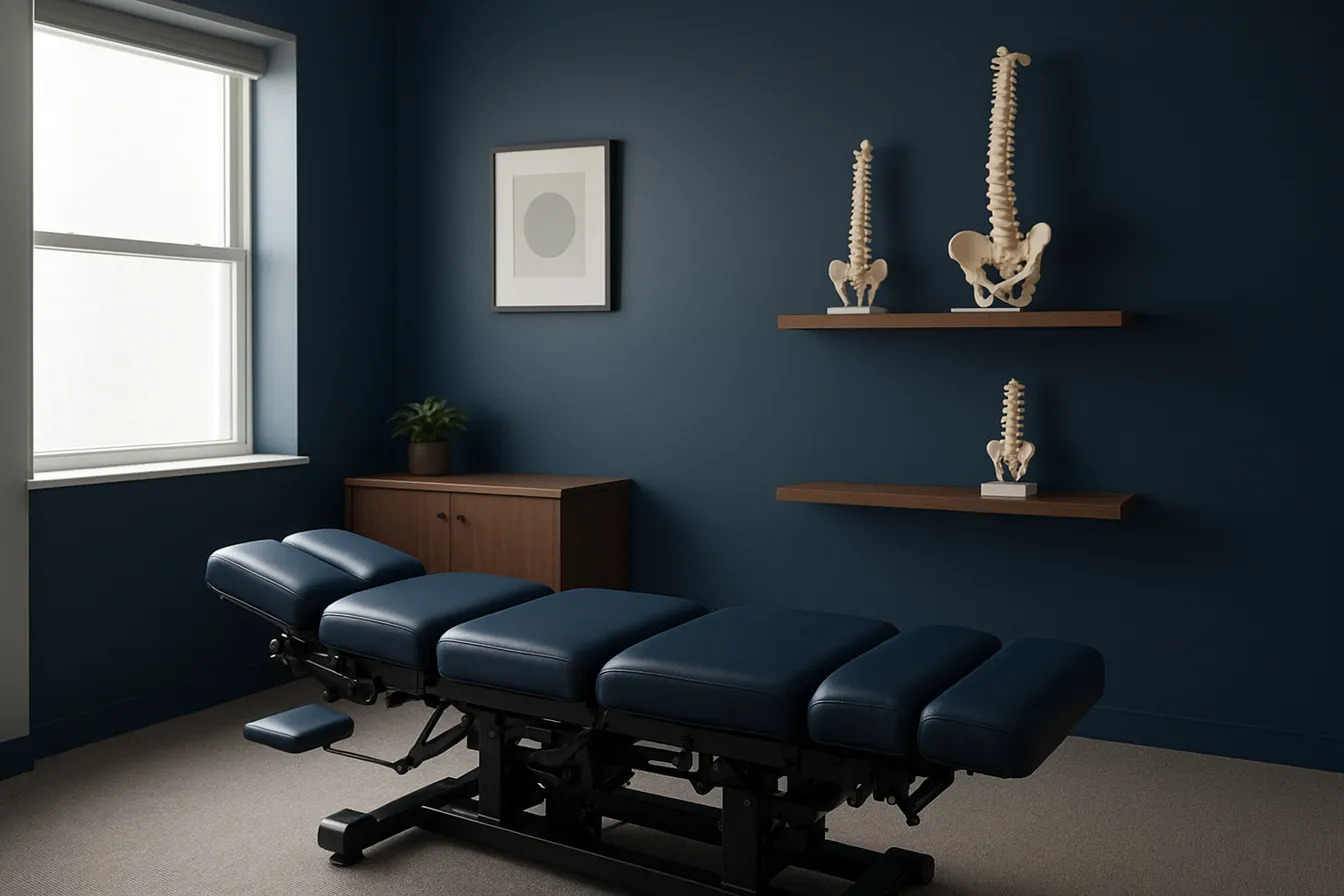
Spinal Health: Lifestyle Tips for Everyday Wellness
February 2, 2026
9 min
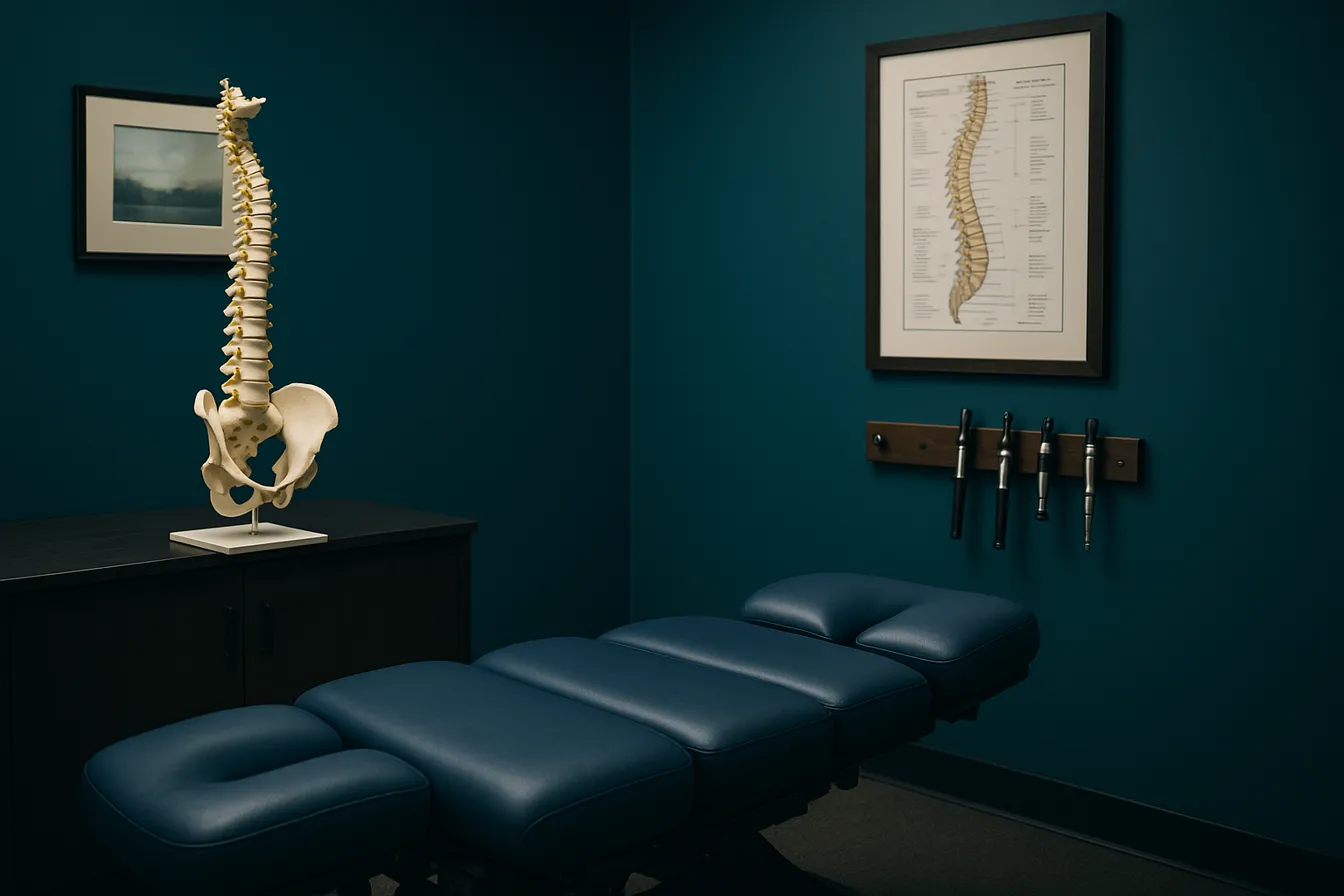
Understanding the Importance of Spinal Health
The role of the spine in overall health
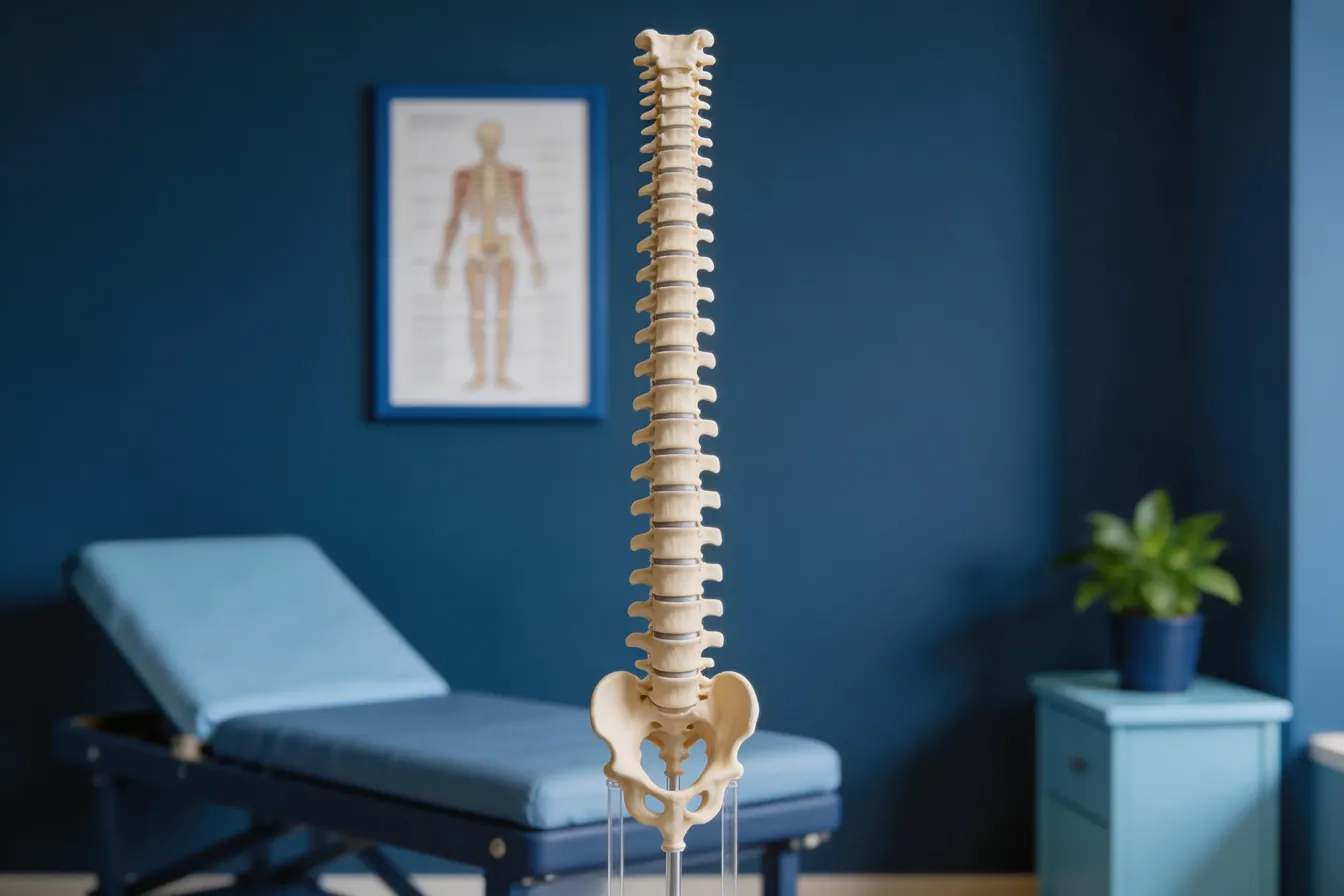
The spine is fundamental to the body's framework, providing crucial support and protecting the spinal cord, which transmits nerve signals that regulate cell, tissue, and organ functions. A healthy spine ensures structural stability, enabling smooth mobility and flexibility that underpin everyday activities.
Signs of a healthy spine
Indicators of spinal health include comfort when resting, the ability to move without sharp pain, swift recovery from stiffness, absence of soreness after physical activity, and sound sleep quality. Additionally, healthy nerve function without weakness or numbness signals well-maintained spinal integrity.
Impact of spinal health on daily wellness
Good spinal health greatly influences overall wellness by reducing pain-related issues such as headaches, poor sleep quality, and low energy levels. Maintaining proper posture, engaging in regular low-impact exercise like walking, and practicing ergonomic habits ease daily movements and prevent chronic discomfort, fostering a better quality of life.
Daily Practices for Maintaining a Healthy Spine

What can I do daily to keep my spine healthy?
Maintaining a healthy spine involves simple, consistent daily habits. Engaging in regular physical activity is vital. Low-impact exercises like walking, swimming, and yoga strengthen core muscles that support the spine, improve flexibility, and promote better posture. Core strengthening exercises such as planks and glute bridges enhance spinal stability and reduce the risk of injury (Daily habits for a healthy spine, Regular exercise for core and spine strength, Tips for spine health).
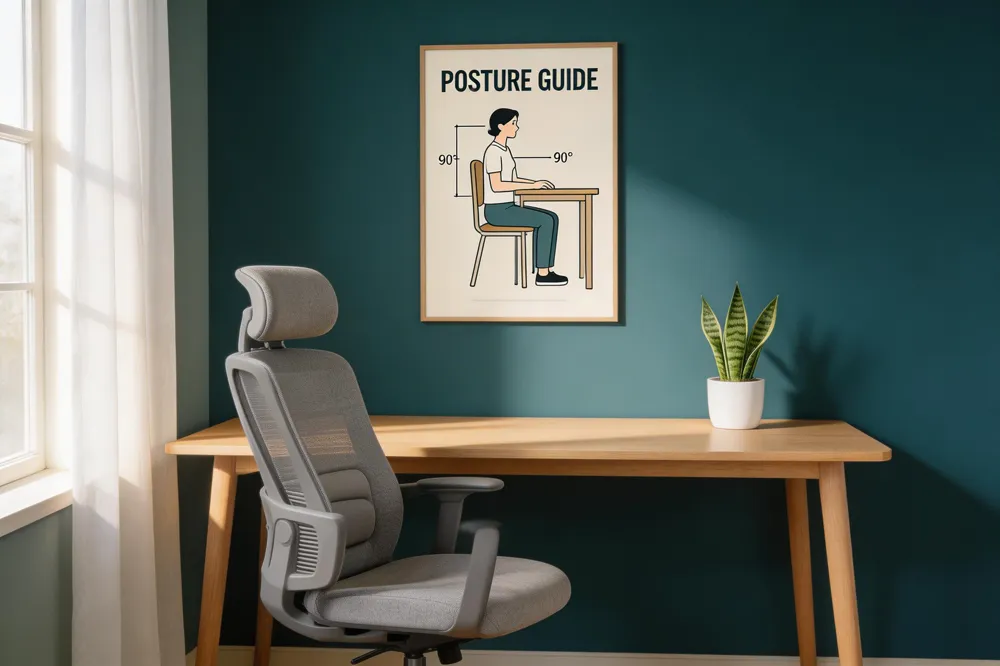
Posture plays a crucial role in spinal health. When sitting or standing, keep your back straight, shoulders relaxed, and ensure your feet are flat on the floor. Using an ergonomic workstation setup—monitor at eye level, elbows bent at 90 degrees, and chairs with lumbar support—helps maintain the natural spinal curve and prevents undue strain, especially for those who work long hours at desks (Good posture tips, Ergonomic Furniture for Spine Support).
Hydration and nutrition are essential for spine support. Drinking at least eight glasses of water daily keeps spinal discs pliable and cushions vertebrae. A diet rich in calcium and vitamin D, sourced from dairy, leafy greens, and fatty fish, supports strong vertebrae and can reduce risks of osteoporosis and degenerative disc conditions. Incorporating omega-3 fatty acids found in fish and nuts helps manage inflammation around joints and discs (Balanced diet for spinal health, Maintaining bone health, Nutrition and Lifestyle Counseling, Musculoskeletal system overview).
Taking breaks and mindful movement break up prolonged periods of sitting or standing. Stand up and stretch every 30 to 60 minutes to relieve spinal tension. Practice gentle spinal stretches and proper lifting techniques—bending at the knees and keeping heavy objects close to the body—to avoid strain. Being aware of your body's signals and adjusting posture accordingly can prevent discomfort and chronic pain (Healthy spine tips, Proper lifting techniques, Daily spinal hygiene exercises, Back pain recovery tips).
Adopting these daily habits fosters long-term spinal health, enhances mobility, and reduces pain, supporting overall wellness (Holistic Approach to Musculoskeletal Health, Tips for spine health.
Nutritional Insights for Optimal Spine and Musculoskeletal Health

What vitamins and minerals are important for optimal spine health?
Key nutrients essential for maintaining a healthy spine include calcium, vitamin D, magnesium, vitamin K (especially K-2), protein, and omega-3 fatty acids. Calcium and vitamin D work together to strengthen vertebrae and enhance bone density, reducing the risk of osteoporosis. Magnesium supports bone structure and facilitates calcium metabolism, while vitamin K plays a crucial role in bone mineralization. Protein aids in muscle repair and strengthens supportive tissues around the spine. Omega-3 fatty acids help reduce inflammation in spinal joints and discs, promoting overall spine comfort and mobility. For more information, see Nutrition and Lifestyle Counseling for Spinal Health.
How do anti-inflammatory foods support spine health?
Incorporating anti-inflammatory foods such as fatty fish (salmon, mackerel), walnuts, chia seeds, leafy greens, berries, turmeric, and ginger into the diet can help decrease inflammation around spinal tissues. These foods contribute to joint health and may alleviate pain associated with chronic spinal conditions by limiting inflammatory responses. Learn more about Anti-Inflammatory Diet for Back Pain.
What dietary supplements may benefit musculoskeletal wellness?
Supplements including fish oil (rich in omega-3s), curcumin (from turmeric), collagen, glucosamine, chondroitin, MSM, and Boswellia are commonly used to support joint and spine health. These can complement a balanced diet by providing targeted anti-inflammatory and tissue-repairing properties when integrated into personalized nutrition plans. Check out Supplements for Joint Health for more details.
Can chiropractors legally provide dietary advice?
Yes, chiropractors are authorized to offer dietary counseling as part of holistic patient care, especially regarding musculoskeletal and spinal health. In states like California, chiropractic scope includes evidence-based nutritional guidance aimed at enhancing bone strength and reducing inflammation. This enables chiropractors to develop comprehensive treatment plans that address diet, lifestyle, and spinal alignment collaboratively. For insight into this practice, see Chiropractic care and overall health.
Strengthening and Protecting Your Musculoskeletal System

How can I improve my musculoskeletal health?
Improving musculoskeletal health involves a comprehensive approach that includes strength training, attention to posture, ergonomics, and professional care.
Strength Training and Bone Health
Regular strength and weight-bearing exercises like squats, lunges, push-ups, and planks are essential. These activities build muscle strength and enhance bone density, reducing the risk of osteoporosis and fractures. Maintaining muscle around the spine supports stability and reduces injury risk. For more on Musculoskeletal system overview, Strengthening muscles around your spine, and Preventing chronic pain and injuries.
Posture and Ergonomics
Maintaining good posture—keeping your ears, shoulders, and hips aligned—and using ergonomic furniture reduces unnecessary spinal strain. Ergonomic adjustments like lumbar support, proper screen height, and supportive footwear can prevent musculoskeletal discomfort. See Good posture tips, Ergonomic work setups, and Ergonomic furniture and spinal care.
Role of Physical Therapy and Chiropractic Care
Physical therapists and chiropractors provide tailored plans focusing on strengthening, mobility, and spinal alignment. Chiropractic care can address spinal misalignments to optimize nerve function, while physical therapy encourages recovery and injury prevention through targeted exercises. For insights on Chiropractic care and overall health, Physical therapy for back pain, and Chiropractic care.
How can cardiovascular exercise benefit spine health?
Cardiovascular activities such as walking, swimming, or cycling increase blood flow, which delivers oxygen and nutrients to spinal discs and tissues. This enhanced circulation promotes healing and keeps discs hydrated and flexible. Additionally, cardiovascular exercise strengthens core and back muscles, supporting spinal stability, reducing inflammation, and preventing stiffness. Together, these effects lower the risk of developing spinal problems and improve overall musculoskeletal wellness. For more information on Benefits of regular exercise for orthopedic health, Benefits of walking for spine, and Swimming and spinal health.
Holistic Approaches to Muscle Pain Relief and Spinal Wellness

What is a holistic approach to muscle pain relief?
A Holistic Approach to Musculoskeletal Health treats the whole person, aiming to relieve pain while improving overall function and well-being. It integrates physical therapies such as Chiropractic care, massage therapy, and myotherapy to release muscle tension and support spinal alignment. These hands-on treatments enhance mobility and reduce pain without relying solely on medications.
Lifestyle factors play a vital role in muscle health. Proper nutrition rich in anti-inflammatory foods, adequate hydration, and maintaining a healthy weight help reduce pressure on muscles and joints. Incorporating regular low-impact exercise like walking, yoga, or swimming strengthens muscles supporting the spine and promotes flexibility. Avoiding smoking and managing stress through mind-body practices further support recovery and pain management.
Mind-body practices such as meditation, tai chi, and deep breathing techniques alleviate stress that can exacerbate muscle pain and spinal discomfort. These methods calm the nervous system, reduce muscle tension, and promote relaxation, contributing to sustainable pain relief and enhanced quality of life.
What are the five key dimensions of holistic wellness?
Holistic wellness encompasses five important dimensions that together foster balanced health:
- Mental and Emotional Well-being: Managing stress and emotions through mindfulness and therapeutic techniques helps mitigate muscle tension and chronic pain.
- Physical Well-being: Regular exercise, balanced nutrition, proper hydration, and quality sleep support musculoskeletal health and spinal integrity.
- Social Well-being: Positive relationships and social support encourage healthy habits and emotional resilience.
- Occupational Well-being: Finding fulfillment and ergonomic safety at work reduces strain and supports spinal health.
- Financial Well-being: Financial stability enhances access to health resources and reduces stress that may impact physical health.
By addressing these dimensions, holistic care promotes comprehensive Musculoskeletal Health and Well-being for muscle pain relief and fosters sustained spinal wellness, empowering individuals to maintain an active and pain-free lifestyle.
Preparing for and Enhancing Chiropractic Care

What should I avoid before a chiropractic adjustment?
Before your chiropractic appointment, it is important to avoid heavy meals that could cause discomfort during treatment. Instead, choose a small, high-protein snack to keep your energy up without feeling overly full. Staying well-hydrated is also crucial, as it helps reduce headaches and muscle tension, supporting better treatment outcomes.
Engage in light activities like walking or gentle yoga before your session to prepare the body and promote relaxation. Being relaxed during the adjustment enhances the effectiveness of the care. Clear communication with your chiropractor about any discomfort or concerns allows them to tailor the treatment to your needs, fostering a patient-centered approach. Learn more about Chiropractic Care.
How often should I undergo spinal decompression therapy?
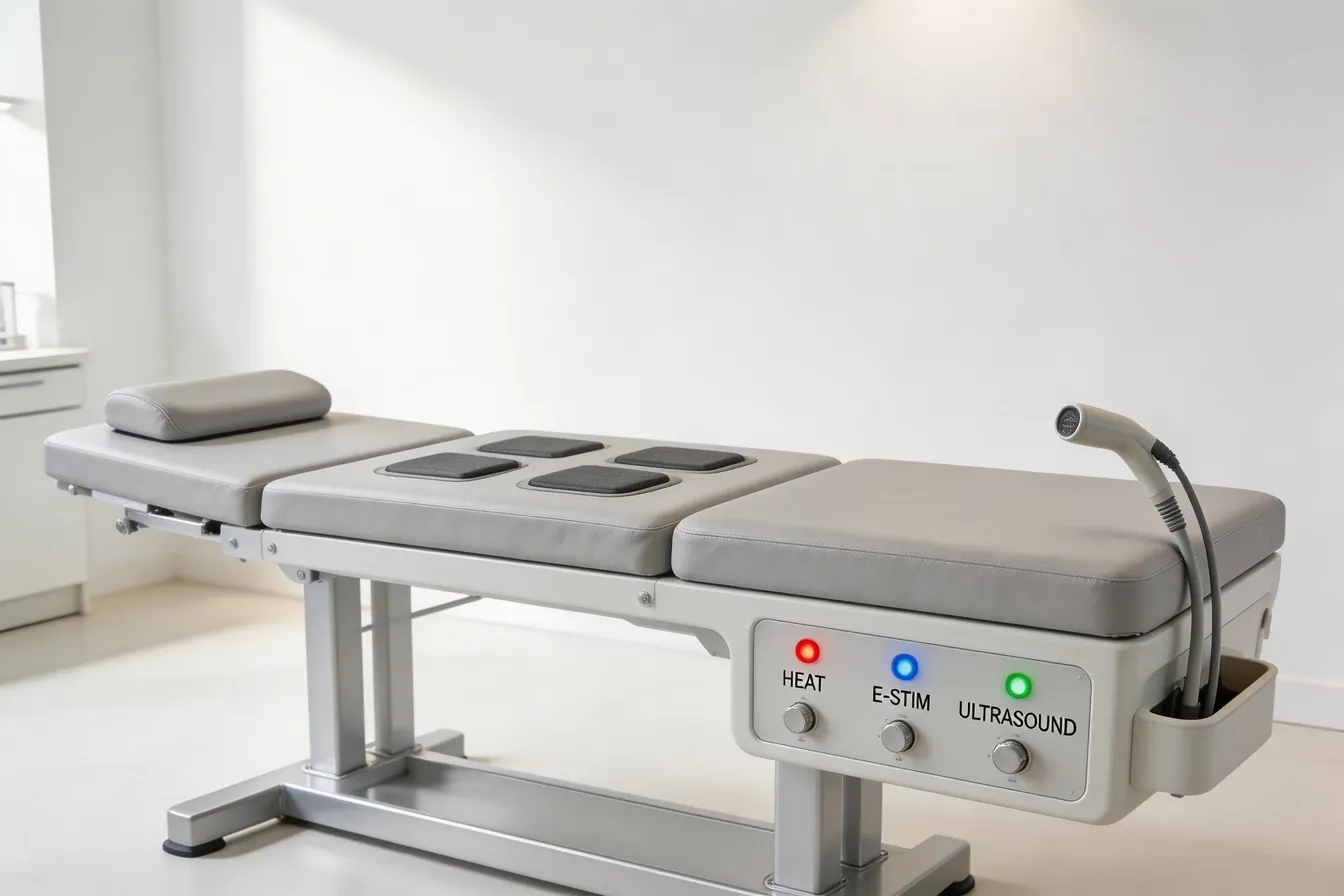
Spinal decompression therapy is generally scheduled 3 to 4 times per week, spanning 4 to 6 weeks, with a total of about 20 to 28 sessions. Patients may begin to notice improvements after 5 to 6 weeks of consistent therapy. However, the exact frequency is personalized by the chiropractor based on your specific condition and healing progress to ensure optimal recovery without overburdening the spine. Explore Back Pain Treatment in Moses Lake for more details.
What is the role of chiropractic care in spinal and overall health?
Chiropractic care focuses on maintaining proper spinal alignment, which is crucial for nerve function and overall musculoskeletal health. By addressing spinal misalignments through manual adjustments and complementary therapies, chiropractors help relieve pain, improve mobility, and promote natural healing.
Regular chiropractic visits contribute to better posture, increased range of motion, and prevention of future spinal issues. This holistic approach aligns with promoting wellness and vitality by supporting the body's natural ability to heal and maintain balance. For additional insights into Overall Musculoskeletal Health, visit the link.
Why is patient education and personalized care important in chiropractic treatment?
Patient education empowers individuals to understand their spinal health and engage actively in their treatment plans. Personalized care ensures that therapy is tailored to the patient’s unique condition, lifestyle, and goals.
Chiropractors often provide advice on posture, ergonomics, nutrition, and exercise, all of which support sustained spinal health and prevent injury. This individualized approach fosters long-term wellness and enables patients to make informed decisions about their health journey. Discover more about Nutrition and Lifestyle Counseling.
Embracing a Lifestyle for Long-Term Spinal Wellness
Consistent Healthy Habits for Spine Health
Maintaining spinal wellness requires ongoing commitment to healthy habits. Regular physical activity—such as walking, stretching, and core strengthening—helps support the muscles and joints essential for spinal stability. Good posture during daily activities and ergonomic workstations reduce strain, while proper lifting techniques prevent injury.
Integrating Nutrition, Exercise, and Professional Care
A balanced diet rich in calcium, vitamin D, omega-3 fatty acids, and lean proteins nourishes bones and supports tissue repair. Staying hydrated keeps spinal discs pliable and resilient. Combining nutrition and exercise with regular chiropractic or physical therapy visits ensures early detection and personalized care tailored to individual needs.
A Proactive and Holistic Approach
Embracing a holistic lifestyle means addressing all aspects influencing spinal health—stress management, quality sleep, and avoiding smoking are integral parts. This proactive approach helps prevent pain, maintains spinal integrity, and enhances overall wellness, empowering individuals to enjoy long-term spinal health and vitality.
Recent articles

10 Real‑Patient Success Stories Showcasing the Impact of Chiropractic Care

Superfoods That Boost Nerve Healing After Chiropractic Sessions

Sleep Positions That Promote a Healthy Back Alignment

Signs Your Chiropractor Is a Good Fit for Your Back Pain Goals

Case Study: Integrated Physiotherapy and Chiropractic for Faster Recovery

First-Time Chiropractic Visit: A Step‑by‑Step Walkthrough
Synergistic Benefits: Combining Physiotherapy with Chiropractic Care

Beyond Surgery: Holistic Approaches to Managing Back Pain

How Manual Therapy Enhances the Effects of Chiropractic Adjustments

Hydration Hacks: Why Water Matters for Joint and Spine Function

What Does a Comprehensive Spinal Evaluation Include?

Success Spotlight: Transformative Results After Six Weeks of Chiropractic Treatment

Understanding the Initial Assessment Process in Chiropractic Care

Designing a Personalized Corrective Exercise Plan for Chronic Pain Management

Natural Pain Management: Combining Acupuncture, Yoga, and Chiropractic

Chiropractic Care vs. Pain Meds: Long-Term Outcomes for Back Pain Sufferers

What to Expect During a Sciatica‑Focused Decompression Session

Understanding the Pain-Relief Mechanics Behind Chiropractic Adjustments

Success Rates of Non‑Surgical Spinal Decompression for Sciatica

Patient-Centered Chiropractic Care: Personalized Plans for Back Pain Relief
How Chiropractic Treatments Reduce Inflammation and Speed Up Back Pain Recovery

Real‑Life Stories: How Chiropractic Helped Patients Overcome Chronic Back Pain

From Symptom Masking to Root‑Cause Healing: A Practical Guide

6 Holistic Non‑Surgical Treatments That Deliver Sustainable Back‑Pain Relief

Key Questions to Ask When Selecting Your Chiropractor

Mindful Movement: Incorporating Stretch Breaks Into a Busy Day

Why Targeting the Underlying Cause Beats Temporary Symptom Relief

8 Ways Physiotherapy Complements Chiropractic Adjustments for Faster Recovery

Meal Planning for Athletes Recovering from Back Injuries

9 Everyday Lifestyle Tweaks to Preserve a Healthy Spine and Prevent Pain

Functional Movement Screening for Root‑Cause Pain Identification

6 Things You’ll Experience During Your First Chiropractic Appointment

Spinal Decompression vs. Standard Physical Therapy for Sciatica: A Comparative Review

New Findings on How Adjustments Influence Blood Circulation
Work‑From‑Home Ergonomics: A Blueprint for a Pain‑Free Back

The Link Between Chiropractic Care and Improved Sleep Quality

Physiotherapy Techniques That Strengthen the Benefits of Chiropractic Adjustments

Biomechanical Insights Behind Successful Spinal Decompression

Desk‑to‑Dumbbell: Lifestyle Shifts That Guard Your Lower Back

10 Corrective Exercises for Sustainable Pain-Free Living

Morning Routines That Support Spine Health and Reduce Stiffness

Calcium and Magnesium‑Focused Nutrition for Bone Density and Spine Health

9 Ways Chiropractic Care Transforms Back Pain Management

Testimonial: Nutrition‑Guided Recovery Accelerated by Chiropractic

Science‑Backed Spinal Decompression for Relieving Sciatica Symptoms

Key Questions to Ask During Your Initial Chiropractic Consultation
Whole‑Body Wellness Blueprint: Nutrition, Exercise, and Chiropractic Synergy

A 12‑Week Corrective Exercise Blueprint for Chronic Neck Discomfort

Manual Therapy Plus Targeted Exercise: Accelerating Post‑Injury Recovery

Home‑Based Spinal Decompression Devices: What Patients Should Know

Chiropractic Care Statistics: Reducing Lost Workdays From Back Pain

How Targeted Nutrition Enhances Immune Function and Lowers Inflammatory Pain

Self‑Assessment Tools to Identify Hidden Triggers of Back Pain

Preparing for Your First Chiropractic Appointment: A Practical Checklist

Back Pain Relief Benefits: Lower Opioid Use and Better Quality of Life

Foam‑Rolling Techniques to Complement Chiropractic Adjustments

Progressive Overload Principles in Corrective Exercise Programs

Six‑Month Transformation: Integrated Care Success Story

7 Nutritional Hacks to Boost Your Overall Wellness

How to Choose a Chiropractor: Credentials, Techniques, and Patient Compatibility

5 Ways Spinal Decompression Can Ease Sciatica Pain

Overcoming Sciatica: A Patient’s Multidisciplinary Treatment Journey
Lifestyle Changes That Promote a Healthy Spine
Physiotherapy as a Complement to Chiropractic Treatments

6 Ways Physiotherapy Enhances Chiropractic Treatment Outcomes

Daily Living Tips for a Strong and Healthy Spine

How Physiotherapy Enhances Chiropractic Outcomes
Holistic Treatments: Alternatives to Surgery for Pain Relief
Inspiring Patient Success Stories from Chiropractic Clinics

Integrating Physiotherapy with Chiropractic Treatments
Corrective Exercise Routines for Chronic Pain Prevention
10 Corrective Exercises to Maintain a Healthy Spine and Relieve Pain
Exercise Strategies for Long-Term Pain Management
10 Corrective Exercises to Maintain a Healthy Spine and Relieve Pain
The Importance of Treating the Root Cause of Pain
Nutritional Support Strategies for Whole-Body Wellness
7 Essential Questions to Ask When Choosing Your Chiropractor

Identifying and Addressing Root Causes of Pain

Maintaining a Healthy Spine with Lifestyle Adjustments
Sciatica Symptom Relief via Spinal Decompression
8 Reasons Why Addressing the Root Cause of Pain Is Crucial
Chiropractic Care’s Impact on Back Pain Recovery

Combining Physiotherapy with Chiropractic Care for Better Results

Inspiring Recovery: Chiropractic Patient Testimonials
Nutritional Counseling Tips for Optimal Wellness

Why Addressing the Root Cause of Pain is Crucial
Back Pain and Chiropractic Care: A Winning Combination

Chiropractic Care Benefits You Might Not Know
Exploring Holistic and Non-Surgical Treatments for Pain
Spinal Health: Lifestyle Tips for Everyday Wellness
Spinal Decompression Therapy: Benefits and Applications
Holistic and Non-Invasive Spine Care Options
Everyday Lifestyle Advice to Keep Your Spine Healthy

The Significance of Treating Root Causes in Pain Therapy
Best Corrective Exercises for Sustainable Pain Management

Addressing Underlying Causes of Pain for Long-Term Relief

6 Key Benefits of Spinal Decompression Therapy for Sciatica Relief

How Nutritional Counseling Supports Spine Health and Recovery

The Role of Physiotherapy in Supporting Chiropractic Treatments