Nutritional Counseling Tips for Optimal Wellness
February 9, 2026
9 min
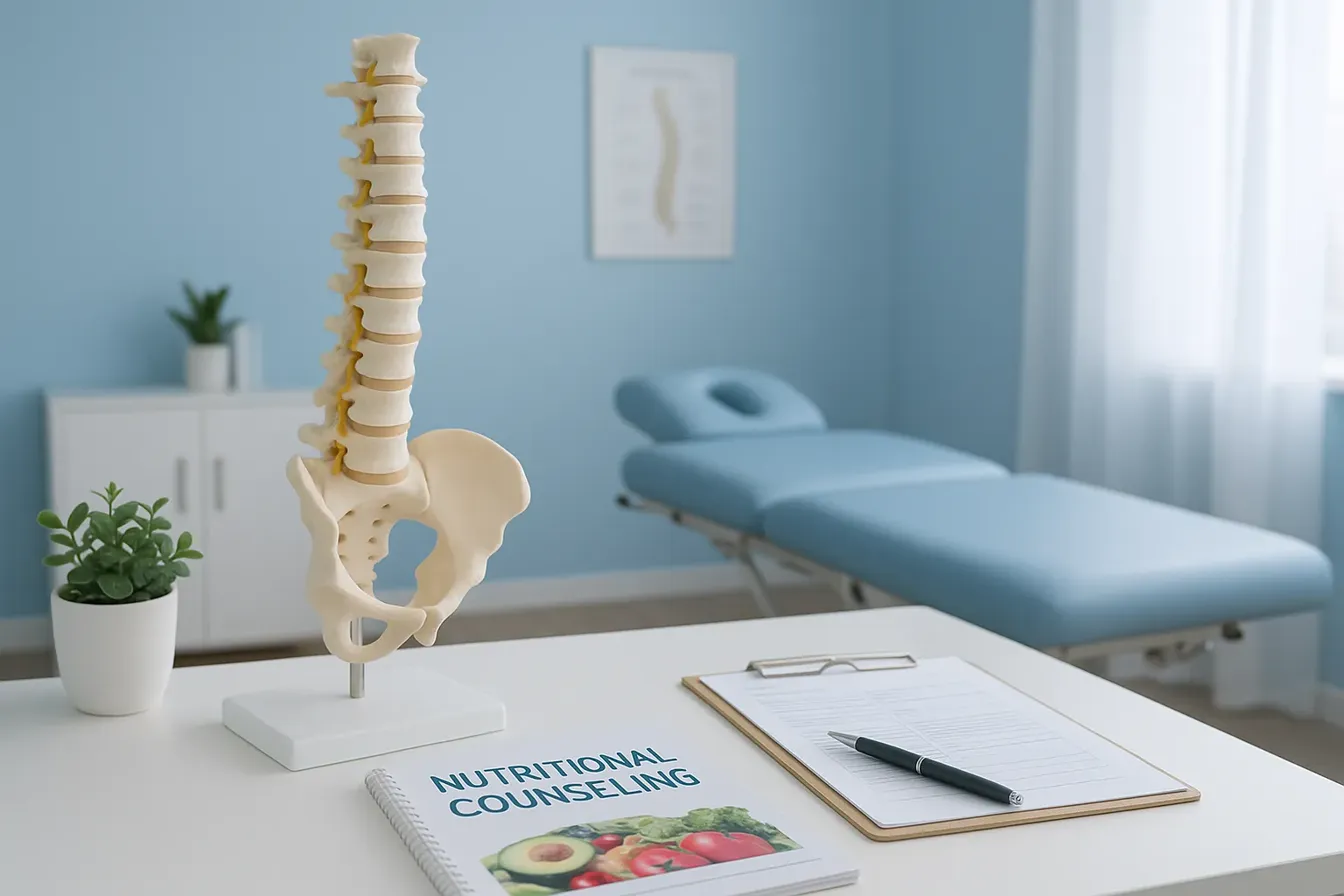
The Importance of Nutrition for Holistic Wellness
Role of nutrition in overall health
Nutrition is foundational to holistic wellness, impacting physical, mental, and emotional health. A diet abundant in colorful fruits and vegetables, whole grains, lean proteins, and healthy fats supports immune function, reduces inflammation, and promotes energy and mental clarity. Holistic nutrition also considers individualized needs based on age, lifestyle, and health status, fostering a balanced mind-body connection.
Connection between diet and musculoskeletal health
Proper nutrition plays a crucial role in maintaining musculoskeletal health. Nutrients like calcium, vitamin D, and protein strengthen bones and muscles, reducing risks of osteoporosis and falls, especially in older adults. Anti-inflammatory foods such as omega-3-rich fish, nuts, leafy greens, and whole grains complement chiropractic care by enhancing pain management and accelerating healing.
Benefits of nutritional counseling
Nutritional counseling provides personalized guidance to optimize dietary habits tailored to an individual’s health profile and goals. Counselors create customized plans emphasizing sustainable, balanced eating that supports overall wellness, manages chronic conditions, and enhances recovery. Combining nutritional counseling with chiropractic care maximizes health outcomes by ensuring the body receives essential nutrients alongside spinal and joint adjustments.
Understanding Musculoskeletal Health and Nutritional Impact
What does musculoskeletal health mean?
Musculoskeletal health relates to the optimal function of muscles, bones, joints, and connective tissues that work together to support movement and physical activity. This system enables mobility, dexterity, and physical independence essential for daily life.
Globally, over 1.7 billion people are affected by musculoskeletal conditions like low back pain, osteoarthritis, fractures, and rheumatoid arthritis. These disorders often cause pain, disability, and reduced quality of life. They also place significant financial and healthcare burdens on individuals and societies.
Maintaining musculoskeletal health through preventative care, timely treatment, and rehabilitation is vital for preserving physical function, reducing disability, and enhancing well-being.
What is the role of nutrition in musculoskeletal health?
Proper nutrition plays a pivotal role in nurturing bone, muscle, and joint health. Key nutrients supporting the musculoskeletal system include:
- Vitamin D: Facilitates calcium absorption, crucial for bone mineral density and reducing fracture risk.
- Calcium: Essential for bone strength and maintenance. Sources include dairy products, fortified foods, leafy greens, and fish with bones.
- Protein: Supports muscle preservation, repair, and bone health. Adequate intake especially matters for older adults to counteract muscle loss.
- Magnesium and Vitamin K: Found in leafy greens and vegetables, these support bone structure and muscle function.
- Omega-3 fatty acids: Anti-inflammatory effects help maintain joint health and reduce musculoskeletal inflammation.
Dietary patterns emphasizing whole fruits and vegetables, whole grains, lean proteins, and healthy fats (such as the Mediterranean diet) have been associated with improved bone density, muscle function, and reduced risk of falls and fractures. For more details, see Vitamin D and musculoskeletal health, Calcium intake for bone health, Role of dietary calcium sources, Vitamin D deficiency and fracture risk, Protein for muscle and bone strength, Vegetables rich in nitrate and muscle function, Vitamin K1 and fall risk reduction, Mediterranean diet benefits for bone density, Nutritional considerations in vegetarian and vegan diets, Balanced diet and exercise for musculoskeletal health.
Effects of poor nutrition on musculoskeletal conditions
Inadequate intake of these vital nutrients can weaken bones, reduce muscle mass, and exacerbate joint inflammation and pain. For example, vitamin D deficiency can result in decreased bone mineral density and increase fracture risk, while low protein intake can accelerate muscle loss affecting mobility.
Poor nutrition also tends to increase systemic inflammation, worsening musculoskeletal issues like osteoarthritis and rheumatoid arthritis. Diets high in saturated fats, added sugars, and processed foods contribute to this inflammation and diminish musculoskeletal resilience.
Integrating balanced nutrition with physical activity and, when appropriate, chiropractic care or medical treatment can enhance musculoskeletal health by reducing inflammation, promoting tissue repair, and supporting long-term function and mobility. You may look into Nutrition and Chiropractic Care, Chiropractors as holistic care providers, Impact of nutrition on bone and joint health, Inflammation and diet, Foods that cause inflammation, Role of Vitamin D and calcium in bone health, Chiropractic adjustments for pain relief, Nutritional guidance in chiropractic care, Managing inflammation through diet and chiropractic and Nutrition in Deerfield Beach, FL, Bartell Chiropractic Life Center nutrition services, importance of proper nutrition for musculoskeletal health, vitamins and minerals for immune support, diet impact on chiropractic pain management, anti-inflammatory foods and nutrition, nutritional supplements for allergies, combining nutrition with chiropractic care, personalized nutritional guidance for pain relief.
Key Nutrients and Dietary Patterns for Musculoskeletal Wellness

How does nutrition affect the musculoskeletal structure of the body?
Nutrition is essential for maintaining a healthy musculoskeletal system. It provides vital nutrients like calcium, vitamin D, protein, magnesium, and potassium, which build strong bones, support muscle growth, and ensure proper joint function. Adequate calcium and vitamin D intake improves bone mineral density and reduces fracture risk, while sufficient protein helps preserve muscle mass and strength, especially as we age.
A diet rich in fruits, vegetables, whole grains, lean proteins, and healthy fats supports musculoskeletal health by reducing inflammation and promoting tissue repair. Proper hydration is also crucial for joint lubrication and nutrient transport. Combining good nutrition with physical activity and therapies like chiropractic care enhances mobility, eases pain, and speeds recovery.
What foods are good for musculoskeletal pain?
Eating anti-inflammatory foods can relieve joint pain and stiffness. Examples include:
- Fatty fish (salmon, sardines, tuna): Rich in omega-3 fatty acids that reduce inflammation.
- Nuts and seeds: Contain healthy fats that support tissue health.
- Leafy greens and berries: High in antioxidants that combat oxidative stress.
- Tomatoes and cruciferous vegetables: Help decrease inflammatory markers.
Dietary patterns and their impact on musculoskeletal health
The Mediterranean diet benefits for bone density, featuring abundant vegetables, fruits, whole grains, fish, nuts, and healthy oils, is linked to lower fracture risk, better bone density, and reduced joint pain. It emphasizes anti-inflammatory foods that protect musculoskeletal tissues.
Avoiding pro-inflammatory diets high in saturated fats, refined sugars, and processed foods is important since they increase the risk of osteoporosis and arthritis progression.
| Nutrient/Food Group | Benefits | Sources |
|---|---|---|
| Vitamin D | Bone strength, calcium absorption | Sunlight, fortified dairy, mushrooms |
| Calcium | Bone density, muscle function | Dairy, leafy greens, almonds |
| Protein | Muscle mass maintenance, repair | Poultry, fish, legumes, nuts |
| Omega-3 Fatty Acids | Reduces inflammation | Fatty fish, flaxseeds, walnuts |
| Antioxidant-rich foods | Combat oxidative stress, reduce inflammation | Berries, leafy greens, tomatoes, cruciferous vegetables |
The Role of Nutrition Chiropractors in Holistic Health
What is a Nutrition Chiropractor?
A nutrition chiropractor is a healthcare professional who merges Chiropractic nutritional counseling benefits with personalized nutritional guidance to promote overall wellness. Beyond adjusting the spine and addressing importance of proper nutrition for musculoskeletal health, they recommend dietary changes that reduce inflammation and support healing. Their advice often includes avoiding processed foods, sugary drinks, and red meats while encouraging nutrient-dense choices like leafy greens, lean proteins, and supplements such as calcium and vitamin D. This integrated approach enhances pain relief, body alignment, and energy, fostering long-term health.
Are Chiropractors Allowed to Give Nutrition Advice?
Yes, chiropractors are authorized to provide general nutritional guidance as part of their Nutrition and Chiropractic Care holistic care approach. They educate patients about balanced diets rich in fruits, vegetables, whole grains, and lean proteins to help manage inflammation and support overall health. While chiropractors cannot diagnose or treat complex nutritional disorders, they can identify deficiencies and suggest appropriate dietary adjustments or supplements. Their nutrition recommendations complement chiropractic treatments, aiming to improve patient outcomes and wellness.
Integration and Scope of Nutrition Guidance in Chiropractic Care
Nutrition chiropractors incorporate dietary advice within treatment plans to boost the effectiveness of spinal adjustments and pain management. They recognize that proper nutrition fuels recovery, lowers inflammation, and strengthens musculoskeletal health. However, their scope is limited to nutrition education and referral when specialized medical nutrition therapy is needed. Collaborating with dietitians and nutritionists ensures patients receive comprehensive care tailored to their unique health needs.
What to Expect from Nutrition Counseling Sessions

What happens during nutrition counseling?
Nutrition counseling begins with an in-depth assessment where the practitioner evaluates your dietary habits, medical history, lifestyle, and specific health concerns. This analysis helps identify nutritional deficiencies or excesses and paves the way for creating a personalized dietary plan tailored to your unique needs.
How is an individualized dietary plan developed?
Based on the assessment, the nutrition expert devises a customized plan that may include recommendations for incorporating more fruits, vegetables, whole grains, lean proteins, and hydration strategies. They consider factors such as age, health status, and lifestyle to optimize musculoskeletal health, reduce inflammation, and manage chronic diseases.
What behavioral strategies and goal setting are involved?
Counselors employ behavior modification techniques in nutrition counseling to encourage sustainable changes. This includes setting realistic goals, mindful eating practices, and addressing emotional or mindless eating. Education on reading food labels, healthy meal preparation, and managing cravings is often part of the process.
What are the long-term benefits and follow-ups?
Ongoing follow-ups help monitor progress, adjust plans, and support adherence to healthy habits. Nutrition counseling can improve energy, immune function, bone and joint health, and overall well-being. Combining counseling with other holistic care, such as chiropractic adjustments, further enhances recovery and pain management.
In summary, nutrition counseling is a collaborative and comprehensive process designed to empower individuals to make informed dietary choices that support lasting health and wellness.
Practical Nutritional Counseling Tips for Optimal Wellness

How Should Meals Be Composed for Balanced Nutrition?
Aiming for half of each plate to comprise Half Meal Vegetables and Fruit ensures adequate intake of vital vitamins, minerals, and fiber. The other half should be split between Choosing Whole Grains and Lean Protein Sources. Whole grains like Benefits of Quinoa and Brown Rice are preferable to refined grains, enhancing nutrient density and energy balance. Lean protein sources such as poultry, fish, beans, lentils, and nuts support muscle repair and overall body function without excess saturated fat.
What Are the Best Choices for Hydration and Beverage Intake?
Choosing water over soda and juice is the healthiest beverage choice to stay hydrated and avoid the extra sugars found in sodas and juices. Consuming around 8 to 10 glasses per day supports kidney, heart, and muscle function. Avoiding sugary drinks helps reduce calorie overload and decreases inflammation, contributing to better musculoskeletal and cardiovascular health.
How Can Herbs and Spices Improve Healthy Eating?
Incorporating Using Herbs and Spices not only brightens flavors but also minimizes the need for unhealthy salt or fat additions. Options like turmeric, ginger, garlic, and basil offer anti-inflammatory and antioxidant benefits, complementing a Holistic nutrition approach focused on natural, unprocessed foods.
What Should Be Considered in Meal Planning and Preparation?
Meal planning strategies ahead and stocking up on convenient healthy options such as frozen fruits, vegetables, whole grains, legumes, nuts, and low-fat dairy can encourage consistent adherence to healthy eating habits. Preparing multiple meals from the same ingredients saves time and money while ensuring balanced nutrition. Making fruits easily accessible helps satisfy sweet cravings with nutrient-rich options like bananas and apricots.
How Can Small Sustainable Changes Lead to Lasting Nutritional Benefits?
Gradual dietary modifications, such as swapping refined grains for whole grains or replacing sugary drinks with water, are more effective long-term than drastic diet overhauls. Mindful eating and focusing on enjoyable physical activity enhance engagement and wellness. Personalized nutritional counseling can empower individuals with achievable goals tailored to their lifestyle, promoting sustained health improvements.
Empower Your Health Through Nutrition and Wellness
Embracing Balanced Nutrition and Holistic Wellness
Optimal health hinges on a balanced intake of colorful fruits, vegetables, whole grains, lean proteins, and hydration from water, all vital for supporting musculoskeletal health and inflammation reduction. Personalized nutritional care recognizes individual needs, encouraging sustainable lifestyle changes over quick fixes to promote long-term vitality.
Professional nutritional counseling offers tailored guidance, integrating diet, lifestyle, and wellness goals. This approach aligns with chiropractic care principles, enhancing healing and pain management through natural, whole-food nutrition and mindful habits.
Incorporating holistic practices fosters a deep connection between body and mind, empowering individuals to manage chronic conditions proactively, maintain mental clarity, and boost energy. Seeking expert support in nutrition and combining it with movement and mindful living creates a comprehensive path to well-being.
Recent articles

10 Real‑Patient Success Stories Showcasing the Impact of Chiropractic Care

Superfoods That Boost Nerve Healing After Chiropractic Sessions

Sleep Positions That Promote a Healthy Back Alignment

Signs Your Chiropractor Is a Good Fit for Your Back Pain Goals

Case Study: Integrated Physiotherapy and Chiropractic for Faster Recovery

First-Time Chiropractic Visit: A Step‑by‑Step Walkthrough

Synergistic Benefits: Combining Physiotherapy with Chiropractic Care

Beyond Surgery: Holistic Approaches to Managing Back Pain

How Manual Therapy Enhances the Effects of Chiropractic Adjustments

Hydration Hacks: Why Water Matters for Joint and Spine Function

What Does a Comprehensive Spinal Evaluation Include?

Success Spotlight: Transformative Results After Six Weeks of Chiropractic Treatment

Understanding the Initial Assessment Process in Chiropractic Care

Designing a Personalized Corrective Exercise Plan for Chronic Pain Management

Natural Pain Management: Combining Acupuncture, Yoga, and Chiropractic

Chiropractic Care vs. Pain Meds: Long-Term Outcomes for Back Pain Sufferers

What to Expect During a Sciatica‑Focused Decompression Session

Understanding the Pain-Relief Mechanics Behind Chiropractic Adjustments

Success Rates of Non‑Surgical Spinal Decompression for Sciatica

Patient-Centered Chiropractic Care: Personalized Plans for Back Pain Relief
How Chiropractic Treatments Reduce Inflammation and Speed Up Back Pain Recovery

Real‑Life Stories: How Chiropractic Helped Patients Overcome Chronic Back Pain

From Symptom Masking to Root‑Cause Healing: A Practical Guide

6 Holistic Non‑Surgical Treatments That Deliver Sustainable Back‑Pain Relief

Key Questions to Ask When Selecting Your Chiropractor

Mindful Movement: Incorporating Stretch Breaks Into a Busy Day

Why Targeting the Underlying Cause Beats Temporary Symptom Relief

8 Ways Physiotherapy Complements Chiropractic Adjustments for Faster Recovery

Meal Planning for Athletes Recovering from Back Injuries

9 Everyday Lifestyle Tweaks to Preserve a Healthy Spine and Prevent Pain

Functional Movement Screening for Root‑Cause Pain Identification

6 Things You’ll Experience During Your First Chiropractic Appointment

Spinal Decompression vs. Standard Physical Therapy for Sciatica: A Comparative Review

New Findings on How Adjustments Influence Blood Circulation

Work‑From‑Home Ergonomics: A Blueprint for a Pain‑Free Back

The Link Between Chiropractic Care and Improved Sleep Quality

Physiotherapy Techniques That Strengthen the Benefits of Chiropractic Adjustments

Biomechanical Insights Behind Successful Spinal Decompression

Desk‑to‑Dumbbell: Lifestyle Shifts That Guard Your Lower Back

10 Corrective Exercises for Sustainable Pain-Free Living

Morning Routines That Support Spine Health and Reduce Stiffness

Calcium and Magnesium‑Focused Nutrition for Bone Density and Spine Health

9 Ways Chiropractic Care Transforms Back Pain Management

Testimonial: Nutrition‑Guided Recovery Accelerated by Chiropractic

Science‑Backed Spinal Decompression for Relieving Sciatica Symptoms

Key Questions to Ask During Your Initial Chiropractic Consultation
Whole‑Body Wellness Blueprint: Nutrition, Exercise, and Chiropractic Synergy

A 12‑Week Corrective Exercise Blueprint for Chronic Neck Discomfort

Manual Therapy Plus Targeted Exercise: Accelerating Post‑Injury Recovery

Home‑Based Spinal Decompression Devices: What Patients Should Know

Chiropractic Care Statistics: Reducing Lost Workdays From Back Pain

How Targeted Nutrition Enhances Immune Function and Lowers Inflammatory Pain

Self‑Assessment Tools to Identify Hidden Triggers of Back Pain

Preparing for Your First Chiropractic Appointment: A Practical Checklist

Back Pain Relief Benefits: Lower Opioid Use and Better Quality of Life

Foam‑Rolling Techniques to Complement Chiropractic Adjustments

Progressive Overload Principles in Corrective Exercise Programs

Six‑Month Transformation: Integrated Care Success Story

7 Nutritional Hacks to Boost Your Overall Wellness

How to Choose a Chiropractor: Credentials, Techniques, and Patient Compatibility

5 Ways Spinal Decompression Can Ease Sciatica Pain

Overcoming Sciatica: A Patient’s Multidisciplinary Treatment Journey
Lifestyle Changes That Promote a Healthy Spine

Physiotherapy as a Complement to Chiropractic Treatments

6 Ways Physiotherapy Enhances Chiropractic Treatment Outcomes

Daily Living Tips for a Strong and Healthy Spine

How Physiotherapy Enhances Chiropractic Outcomes
Holistic Treatments: Alternatives to Surgery for Pain Relief

Inspiring Patient Success Stories from Chiropractic Clinics

Integrating Physiotherapy with Chiropractic Treatments

Corrective Exercise Routines for Chronic Pain Prevention
10 Corrective Exercises to Maintain a Healthy Spine and Relieve Pain

Exercise Strategies for Long-Term Pain Management
10 Corrective Exercises to Maintain a Healthy Spine and Relieve Pain

The Importance of Treating the Root Cause of Pain

Nutritional Support Strategies for Whole-Body Wellness

7 Essential Questions to Ask When Choosing Your Chiropractor

Identifying and Addressing Root Causes of Pain

Maintaining a Healthy Spine with Lifestyle Adjustments

Sciatica Symptom Relief via Spinal Decompression

8 Reasons Why Addressing the Root Cause of Pain Is Crucial

Chiropractic Care’s Impact on Back Pain Recovery

Combining Physiotherapy with Chiropractic Care for Better Results

Inspiring Recovery: Chiropractic Patient Testimonials
Nutritional Counseling Tips for Optimal Wellness

Why Addressing the Root Cause of Pain is Crucial

Back Pain and Chiropractic Care: A Winning Combination

Chiropractic Care Benefits You Might Not Know

Exploring Holistic and Non-Surgical Treatments for Pain

Spinal Health: Lifestyle Tips for Everyday Wellness
Spinal Decompression Therapy: Benefits and Applications
Holistic and Non-Invasive Spine Care Options

Everyday Lifestyle Advice to Keep Your Spine Healthy

The Significance of Treating Root Causes in Pain Therapy
Best Corrective Exercises for Sustainable Pain Management

Addressing Underlying Causes of Pain for Long-Term Relief

6 Key Benefits of Spinal Decompression Therapy for Sciatica Relief

How Nutritional Counseling Supports Spine Health and Recovery

The Role of Physiotherapy in Supporting Chiropractic Treatments