Chiropractic Care’s Impact on Back Pain Recovery
February 10, 2026
12 min
Introduction to Chiropractic Care for Back Pain
Definition of Chiropractic Care
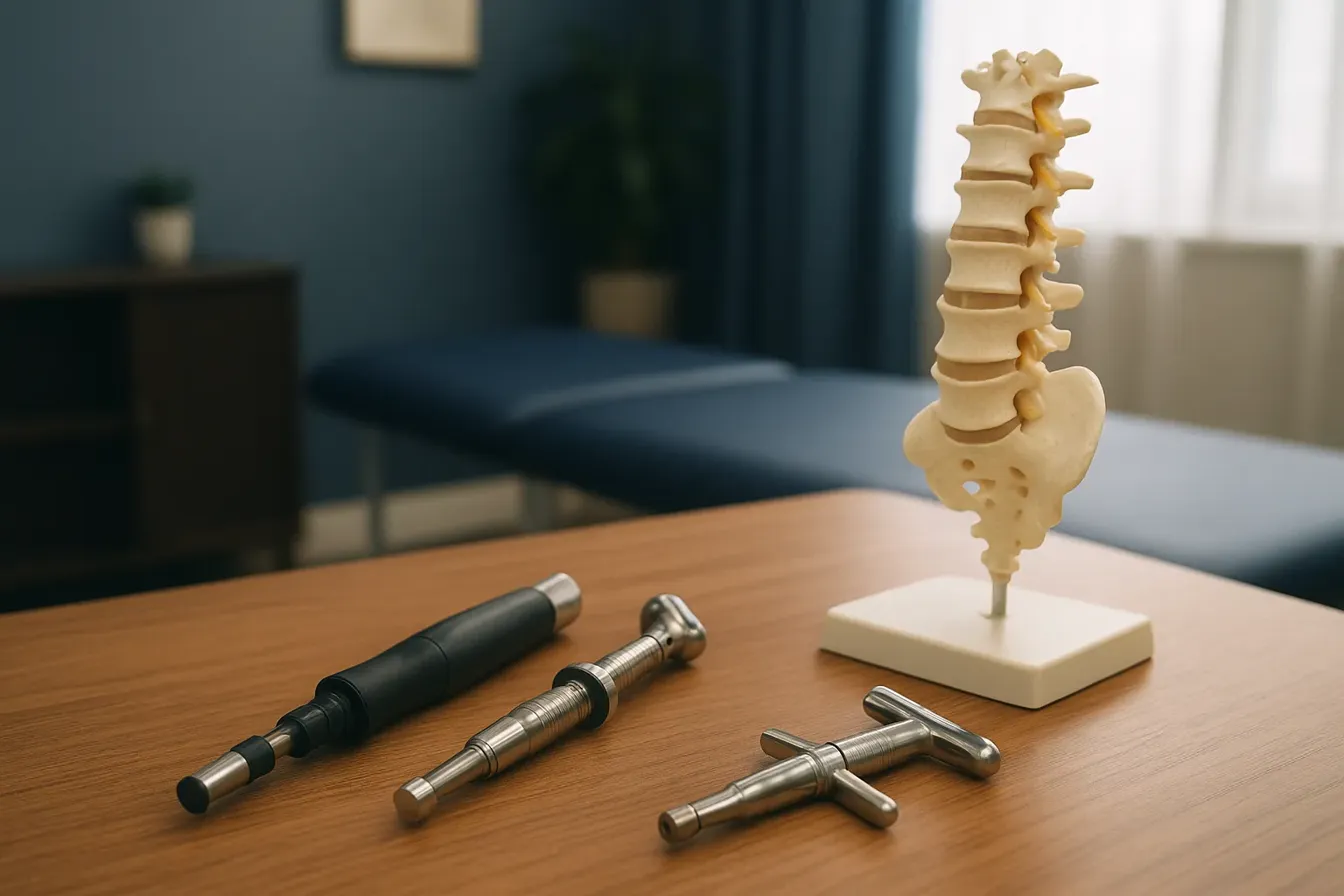
Chiropractic care is a healthcare discipline focused on diagnosing and treating musculoskeletal and nervous system disorders, especially those related to the spine. Licensed chiropractors use hands-on techniques to realign joints, alleviate pain, and improve overall function.
Common Conditions Treated
Chiropractors frequently treat conditions such as lower back pain, neck pain, headaches, sciatica, and joint dysfunction. Many patients also benefit from management of muscle spasms, inflammation, and postural-related issues.
Core Treatment Methods
The cornerstone of chiropractic treatment includes spinal manipulative therapy (SMT), involving controlled, precise force applied to spinal joints to restore alignment and mobility. Complementary methods often consist of soft tissue therapies, spinal decompression, joint mobilization, and prescribed corrective exercises designed to support recovery and maintain spinal health.
Holistic Approach and Complementary Therapies
Chiropractic care adopts a holistic perspective by integrating patient education, posture correction, ergonomic advice, and lifestyle modifications. Many practitioners collaborate with physical therapists and other healthcare professionals to provide comprehensive, patient-centered treatment plans that promote natural healing and prevent future pain episodes.
Understanding Chiropractic Treatment and Its Role in Back Pain

What is chiropractic treatment?
Chiropractic treatment is a healthcare approach led by licensed chiropractors involving Manual Adjustments and Spinal Decompression Techniques to realign joints and relieve musculoskeletal pain. It focuses especially on conditions such as Clinical effectiveness of chiropractic spinal therapy.
Spinal manipulation and adjustments
These treatments involve controlled, quick pressure applied to specific spinal joints to improve mobility and reduce nerve irritation. The manipulation often produces a characteristic popping sound and aims to Benefits of Chiropractic Care for Lower Back Pain.
How chiropractors assess and treat back pain
A typical chiropractic visit begins with a detailed health history evaluation for chiropractic. Imaging tests like X-rays or MRIs may be ordered if necessary. Chiropractors use techniques such as Manual Adjustments and Spinal Decompression Techniques tailored to correct alignment and improve spinal health. Treatment frequency usually starts with 1-2 visits per week and tapers as symptoms improve (chiropractic visit frequency for back pain).
Integration with other therapies
Chiropractic care is often combined with exercise programs, patient education, postural corrections, and ergonomic advice. Such multimodal approaches enhance outcomes for acute and chronic spine pain and support long-term wellness without reliance on medications or surgery (Clinical effectiveness of chiropractic spinal manipulative therapy).
How Chiropractors Address Lower Back Pain Effectively

What does a chiropractor do for lower back pain?
A chiropractor for back pain through spinal adjustments that realign vertebrae that may have shifted out of position. These adjustments reduce nerve pressure and relieve muscle spasms, which are common contributors to pain and limited mobility. By improving spinal alignment, chiropractors enhance joint mobility and neural function, often resulting in notable pain relief within a few sessions.
Spinal adjustments to realign vertebrae
Chiropractic adjustment care involves a precise, controlled force applied to specific spinal joints. This technique moves the joint to the end of its natural range and involves a quick thrust intended to realign the spine. These adjustments not only alleviate mechanical back pain but also promote improved movement and decrease irritation on surrounding nerves.
Reduction of nerve pressure and muscle spasms
Realigning the spine reduces abnormal pressure on the nerves emerging from the spinal cord. This can ease nerve irritation, diminishing symptoms such as pain, numbness, or tingling. Additionally, chiropractic care targets muscle tightness by relaxing muscles around the spine, helping to reduce inflammation and improve blood flow to affected tissues.
Use of personalized exercises and ergonomic guidance
Chiropractors often complement spinal adjustments with tailored exercise programs and ergonomic advice. These components focus on strengthening supporting muscles, correcting posture, and encouraging proper body mechanics to sustain pain relief and prevent recurrence. Patient education and self-care recommendations for back pain are critical elements aimed at empowering patients in their own recovery process.
Research evidence supporting effectiveness
Scientific studies consistently support chiropractic care as an effective treatment for both acute and chronic lower back pain. Research highlights that clinical effectiveness of chiropractic spinal manipulative therapy provides comparable benefits to physical therapy and medical interventions, with fewer side effects. Additionally, chiropractic care can reduce reliance on pain medications and improve overall patient satisfaction and function. See clinical effectiveness of chiropractic spinal manipulative therapy for more details.
| Aspect | Description | Benefit |
|---|---|---|
| Spinal Adjustments | Controlled joint manipulation | Realigns spine, improves mobility |
| Nerve and Muscle Relief | Reduces nerve pressure and muscle spasms | Decreases pain, improves function |
| Exercise & Ergonomics | Personalized plans and posture correction | Sustains outcomes, prevents relapse |
| Evidence Base | Supported by clinical research | Safe, effective, noninvasive alternative |
This integrated approach targeting structural, neurological, and lifestyle factors makes chiropractic care a trusted and comprehensive option for managing lower back pain effectively.
Evidence Supporting Chiropractic Care for Back Pain Recovery
How effective is chiropractic treatment for back pain?
Chiropractic treatment, particularly spinal manipulative therapy (SMT), is recognized as an effective option for many individuals with acute, subacute, or chronic back pain. It helps by improving joint mobility, reducing muscle tension, and relieving nerve irritation, leading to pain reduction and enhanced function.
How does chiropractic care compare with physical therapy and medical care?
Research indicates that chiropractic care provides similar benefits to physical therapy and usual medical care for non-specific low back pain. Studies, including large US trials, show that chiropractic care can achieve comparable short-term improvements in pain intensity and disability. Additionally, chiropractic treatment can be more cost-effective than physical therapy, sometimes saving patients and healthcare systems hundreds of dollars over months.
What do clinical guidelines say about spinal manipulative therapy (SMT)?
Most clinical practice guidelines advocate for SMT as a frontline or adjunct treatment for back pain. SMT is often recommended in combination with exercise and patient education to optimize outcomes. For acute neck and back pain, SMT is endorsed alongside conservative measures such as reassurance and advice, underscoring its established role in evidence-based conservative care.
Can chiropractic care reduce opioid use and cut healthcare costs?
Chiropractic treatment is associated with significantly reduced opioid prescriptions among back pain patients. Veterans and other populations who begin care with chiropractors show up to 90% lower odds of early and long-term opioid use. Moreover, chiropractic care reduces overall healthcare costs related to spine pain by mitigating the need for surgeries, advanced imaging, and prescription drugs, thereby promoting a safer and more economical route to pain relief.
| Topic | Evidence Highlights | Clinical Impact |
|---|---|---|
| Effectiveness for back pain | Significant pain and disability improvement in acute & chronic cases | Improved function and quality of life |
| Comparison with other treatments | Comparable to physical therapy & medical care | Cost-effective and accessible conservative care |
| Clinical guideline endorsement | SMT recommended worldwide with exercise and education | Recognized standard of care |
| Role in opioid sparing & cost reduction | Dramatic decrease in opioid prescription rates | Lower healthcare expenses and safer pain management |
Safety, Side Effects, and Post-Treatment Expectations

Is chiropractic safe for lower back pain?
Chiropractic care is generally safe for lower back pain when performed by licensed and experienced practitioners. It offers a conservative, drug-free approach using spinal manipulative therapy for low back pain to relieve pain, improve mobility, and ease muscle tightness or nerve irritation. Scientific research supports its effectiveness of spinal manipulative therapy for acute and chronic lower back pain. Clinical practice guidelines for SMT often recommend chiropractic treatment before considering surgeries or medications. However, chiropractic care may not be suitable for people with conditions like severe osteoporosis or certain spinal abnormalities, making professional assessment essential.
What are common symptoms or side effects after chiropractic adjustment?
Most patients experience only mild and temporary side effects after a chiropractic adjustment. These include soreness, mild headaches, fatigue, or slight discomfort near treated areas. These symptoms typically resolve within a few days. Some patients feel immediate relief, while others notice a delayed response. Occasionally, people may feel dizziness, nausea, or flu-like symptoms shortly after treatment. Staying hydrated, avoiding intense physical activity, and following your chiropractor's advice can help minimize these effects. Serious adverse events are extremely rare when treatment is delivered by qualified providers. For more details see Benefits of Chiropractic Adjustments.
Is it normal to experience worsening back pain after visiting a chiropractor?
It is common to experience mild worsening of back pain after initial treatments due to the body's adjustment to spinal realignment. This soreness or discomfort usually lasts 24 to 48 hours and results from muscle tension changes and nerve responses to manipulation. Minor headaches or tiredness may also occur and are typically temporary. If increased pain is severe, persists beyond a few days, or doesn't improve with home care (ice, heat), seek advice from your chiropractor or healthcare provider. Persistent or escalating pain requires evaluation to exclude other medical issues. Guidance on post-adjustment mild achiness and treatment duration may be helpful.
When to seek further medical evaluation
Seek further evaluation if you experience new, severe pain, neurological symptoms (such as numbness, weakness, or tingling), prolonged discomfort, dizziness that does not resolve, or any worsening of symptoms after chiropractic care. Also, if side effects last longer than a few days or interfere considerably with daily activities, contact your chiropractor or a medical professional promptly. Early communication ensures safe, effective care tailored to your condition. For more information, see Health history evaluation for chiropractic and conditions contraindicating treatment.
Recovery Timeline and Sustained Benefits of Chiropractic Care

How long does it take to heal after a chiropractic adjustment?
Healing timelines differ based on the specific musculoskeletal issue and individual patient factors. Typically, bone healing occurs within 5-6 weeks if blood supply remains steady. Ligaments and tendons generally recover in 6-8 weeks, while more complex structures like discs and cartilage may need three months or more. Patients often experience notable pain reduction quite early; clinical studies using protocols like Cox Technic report about 50% pain relief within the first 30 days and 91% improvement by 90 days.
For conditions such as lumbar strains or herniated discs, most patients reach maximum improvement after approximately 29 days and about 12 chiropractic visits. This early progression aids in restoring movement and lessening symptoms, enabling a quicker return to daily activities. See chiropractic care for lower back pain and Chiropractic Treatment for Back Pain for more details.
What are the long-term benefits of chiropractic care?
Beyond immediate pain relief, sustained chiropractic care promotes lasting spinal health through improved alignment and balanced musculoskeletal function. Regular adjustments enhance nerve signaling, which supports immune health and reduces nerve irritation. Improved mobility, balance, and flexibility are common benefits, helping prevent recurrent episodes of pain and injury.
Chiropractic care also supports better posture, a critical factor in minimizing strain from daily activities and ergonomics. Patients often report improved sleep, less muscle tension, and a decreased need for medications or invasive procedures. Additionally, ongoing care can aid chronic condition management, such as arthritis or frequent headaches, fostering a holistic, drug-free approach to wellness. Refer to Benefits of Chiropractic Care for Lower Back Pain and Top 10 Benefits of Going to a Chiropractor for more information.
Importance of maintenance and follow-up care
Maintaining benefits often involves periodic chiropractic visits after initial treatment phases. Frequency usually decreases as symptoms subside, shifting from 1-2 visits per week to occasional follow-ups tailored to individual needs. Incorporating lifestyle advice, such as exercises and ergonomic adjustments, enhances outcomes and extends treatment effects. Learn about chiropractic care for back pain, visit frequency, and follow-up.
Chiropractic care, therefore, is not only about acute symptom management but also about long-term prevention and health optimization, enabling patients to maintain an active and functional lifestyle with reduced risk of relapse. For a comprehensive view, see Clinical effectiveness of chiropractic spinal manipulative therapy.
Chiropractic Care’s Role in Cost Efficiency and Medication Reduction

How effective is chiropractic treatment for back pain?
Chiropractic care is widely recognized for its Clinical effectiveness of chiropractic spinal manipulative therapy, particularly acute and chronic low back pain. Through spinal manipulation, chiropractors improve joint mobility and reduce muscle tension and nerve irritation, helping alleviate pain and enhance functional ability. Studies demonstrate that chiropractic care often matches the effectiveness of traditional conservative treatments, such as physical therapy.
Cost-effectiveness compared to other therapies
Chiropractic care offers a cost-efficient alternative to other forms of treatment for back pain. Research involving U.S. patients reveals that Cost-effectiveness of Chiropractic Care, attributing savings to fewer follow-up visits and reduced need for imaging. For example, average expenses for chiropractic care have been shown to be moderately lower over six months while providing comparable patient outcomes.
Reduction in opioid use and surgical rates
A significant advantage of chiropractic care is its contribution to Chiropractic care reduces opioid prescriptions for low back pain. Evidence from large studies indicates patients who use chiropractic services as their first line of care have substantially decreased odds of receiving opioid prescriptions. This opioid-sparing effect supports national efforts to address the opioid crisis by promoting non-pharmacologic, drug-free therapies. Moreover, chiropractic care is linked to fewer invasive procedures and lower reoperation rates, emphasizing its role in preventing unnecessary surgery.
Positive patient satisfaction and quality outcomes
Patients report High patient satisfaction with chiropractic treatment, appreciating the personalized care and functional improvements. Most experience immediate or rapid relief, with ongoing adjustments enhancing mobility and reducing pain. Subjective reports alongside clinical measures show significant gains in quality of life, pain reduction, and restored physical function.
Integration into multidisciplinary care approaches
Chiropractic care is increasingly integrated into multidisciplinary treatment models for back pain. It complements medical care, physical therapy, and patient education by focusing on spinal health, posture, and ergonomic advice. Studies in military and civilian populations support Combined chiropractic and medical care trial, demonstrating collaborative healthcare benefits.
| Aspect | Evidence | Impact |
|---|---|---|
| Cost Comparison | Cost-effectiveness of Chiropractic Care | Healthcare savings |
| Opioid Use | Chiropractic care reduces opioid prescriptions | Supports opioid reduction efforts |
| Patient Outcomes | Improved pain and function | High patient satisfaction |
| Multidisciplinary Integration | Combined chiropractic and medical care trial | Enhanced overall treatment effect |
Surprising and Holistic Benefits of Chiropractic Care Beyond Pain Relief
What are the surprising benefits of chiropractic care?
Chiropractic care provides more than just pain relief, offering a range of holistic benefits that enhance overall wellness. One notable advantage is the improvement in sleep quality, as chiropractic adjustments help reduce aches and muscle tension, allowing patients to rest better. By optimizing nerve communication through spinal realignment, chiropractic treatments support cognitive function and promote clearer mental focus (Benefits of Chiropractic Adjustments).
The nervous system health is central to chiropractic care, and this focus naturally extends to boosting immune function. Enhanced nervous system performance helps the body respond more effectively to illness and stress, contributing to better overall health. Additionally, chiropractic care can aid in managing digestive issues linked to spinal misalignments, such as acid reflux and bloating (Chiropractic care for low back pain).
Chiropractic adjustments also support posture and mobility, essential for everyday activities and athletic performance. Improved joint flexibility and reduced inflammation help maintain active lifestyles and prevent recurring injuries. Furthermore, chiropractic care serves as a natural, drug-free method for managing stress, fostering quicker recovery and promoting long-term vitality (Benefits of Chiropractic Care).
Embracing chiropractic care as part of a holistic health approach offers not only pain relief but also supports the body's natural healing processes, encouraging a balanced, healthy life free from dependence on medication (Benefits of Chiropractic Care.
Conclusion: Enhancing Back Pain Recovery Through Chiropractic Care
Comprehensive Effectiveness and Safety
Chiropractic care offers a proven, safe, and evidence-supported treatment for back pain. Spinal manipulative therapy, the cornerstone of chiropractic treatment, has been shown to reduce pain and disability effectively while minimizing risks. Mild soreness is a common but brief side effect, with serious complications being exceptionally rare when treatment is provided by trained professionals.
Tailored Treatment Plans
Chiropractic care emphasizes personalized treatment strategies. By combining spinal adjustments with exercises, ergonomics education, and lifestyle modifications, treatment plans address individual needs and underlying causes of musculoskeletal issues. This patient-centered approach promotes optimal recovery and sustainable wellness.
Early and Continued Intervention
Prompt access to chiropractic care can minimize pain duration and disability. Initial treatment frequency is often higher with gradual tapering as patients improve. For chronic cases, occasional maintenance visits support long-term health. Encouraging early intervention and ongoing management helps prevent recurrent back problems and fosters functional improvement.
Integrative Role in Holistic Health
Chiropractic care is an integral component of holistic musculoskeletal health. It collaborates well with other therapies such as physical therapy and medical management, contributing to a comprehensive, multidisciplinary approach. By focusing on natural, non-invasive methods, chiropractic care supports the body's self-healing ability and enhances overall physical function and quality of life.
Recent articles

10 Real‑Patient Success Stories Showcasing the Impact of Chiropractic Care

Superfoods That Boost Nerve Healing After Chiropractic Sessions

Sleep Positions That Promote a Healthy Back Alignment

Signs Your Chiropractor Is a Good Fit for Your Back Pain Goals

Case Study: Integrated Physiotherapy and Chiropractic for Faster Recovery

First-Time Chiropractic Visit: A Step‑by‑Step Walkthrough
Synergistic Benefits: Combining Physiotherapy with Chiropractic Care

Beyond Surgery: Holistic Approaches to Managing Back Pain

How Manual Therapy Enhances the Effects of Chiropractic Adjustments

Hydration Hacks: Why Water Matters for Joint and Spine Function

What Does a Comprehensive Spinal Evaluation Include?

Success Spotlight: Transformative Results After Six Weeks of Chiropractic Treatment

Understanding the Initial Assessment Process in Chiropractic Care

Designing a Personalized Corrective Exercise Plan for Chronic Pain Management

Natural Pain Management: Combining Acupuncture, Yoga, and Chiropractic

Chiropractic Care vs. Pain Meds: Long-Term Outcomes for Back Pain Sufferers

What to Expect During a Sciatica‑Focused Decompression Session

Understanding the Pain-Relief Mechanics Behind Chiropractic Adjustments

Success Rates of Non‑Surgical Spinal Decompression for Sciatica

Patient-Centered Chiropractic Care: Personalized Plans for Back Pain Relief
How Chiropractic Treatments Reduce Inflammation and Speed Up Back Pain Recovery

Real‑Life Stories: How Chiropractic Helped Patients Overcome Chronic Back Pain

From Symptom Masking to Root‑Cause Healing: A Practical Guide

6 Holistic Non‑Surgical Treatments That Deliver Sustainable Back‑Pain Relief

Key Questions to Ask When Selecting Your Chiropractor

Mindful Movement: Incorporating Stretch Breaks Into a Busy Day

Why Targeting the Underlying Cause Beats Temporary Symptom Relief

8 Ways Physiotherapy Complements Chiropractic Adjustments for Faster Recovery

Meal Planning for Athletes Recovering from Back Injuries

9 Everyday Lifestyle Tweaks to Preserve a Healthy Spine and Prevent Pain

Functional Movement Screening for Root‑Cause Pain Identification

6 Things You’ll Experience During Your First Chiropractic Appointment

Spinal Decompression vs. Standard Physical Therapy for Sciatica: A Comparative Review

New Findings on How Adjustments Influence Blood Circulation
Work‑From‑Home Ergonomics: A Blueprint for a Pain‑Free Back

The Link Between Chiropractic Care and Improved Sleep Quality

Physiotherapy Techniques That Strengthen the Benefits of Chiropractic Adjustments

Biomechanical Insights Behind Successful Spinal Decompression

Desk‑to‑Dumbbell: Lifestyle Shifts That Guard Your Lower Back

10 Corrective Exercises for Sustainable Pain-Free Living

Morning Routines That Support Spine Health and Reduce Stiffness

Calcium and Magnesium‑Focused Nutrition for Bone Density and Spine Health

9 Ways Chiropractic Care Transforms Back Pain Management

Testimonial: Nutrition‑Guided Recovery Accelerated by Chiropractic

Science‑Backed Spinal Decompression for Relieving Sciatica Symptoms

Key Questions to Ask During Your Initial Chiropractic Consultation

Whole‑Body Wellness Blueprint: Nutrition, Exercise, and Chiropractic Synergy

A 12‑Week Corrective Exercise Blueprint for Chronic Neck Discomfort

Manual Therapy Plus Targeted Exercise: Accelerating Post‑Injury Recovery

Home‑Based Spinal Decompression Devices: What Patients Should Know

Chiropractic Care Statistics: Reducing Lost Workdays From Back Pain

How Targeted Nutrition Enhances Immune Function and Lowers Inflammatory Pain

Self‑Assessment Tools to Identify Hidden Triggers of Back Pain

Preparing for Your First Chiropractic Appointment: A Practical Checklist

Back Pain Relief Benefits: Lower Opioid Use and Better Quality of Life

Foam‑Rolling Techniques to Complement Chiropractic Adjustments

Progressive Overload Principles in Corrective Exercise Programs

Six‑Month Transformation: Integrated Care Success Story

7 Nutritional Hacks to Boost Your Overall Wellness

How to Choose a Chiropractor: Credentials, Techniques, and Patient Compatibility

5 Ways Spinal Decompression Can Ease Sciatica Pain

Overcoming Sciatica: A Patient’s Multidisciplinary Treatment Journey
Lifestyle Changes That Promote a Healthy Spine
Physiotherapy as a Complement to Chiropractic Treatments

6 Ways Physiotherapy Enhances Chiropractic Treatment Outcomes

Daily Living Tips for a Strong and Healthy Spine

How Physiotherapy Enhances Chiropractic Outcomes
Holistic Treatments: Alternatives to Surgery for Pain Relief
Inspiring Patient Success Stories from Chiropractic Clinics

Integrating Physiotherapy with Chiropractic Treatments
Corrective Exercise Routines for Chronic Pain Prevention
10 Corrective Exercises to Maintain a Healthy Spine and Relieve Pain
Exercise Strategies for Long-Term Pain Management
10 Corrective Exercises to Maintain a Healthy Spine and Relieve Pain
The Importance of Treating the Root Cause of Pain
Nutritional Support Strategies for Whole-Body Wellness
7 Essential Questions to Ask When Choosing Your Chiropractor
Identifying and Addressing Root Causes of Pain

Maintaining a Healthy Spine with Lifestyle Adjustments
Sciatica Symptom Relief via Spinal Decompression
8 Reasons Why Addressing the Root Cause of Pain Is Crucial
Chiropractic Care’s Impact on Back Pain Recovery

Combining Physiotherapy with Chiropractic Care for Better Results

Inspiring Recovery: Chiropractic Patient Testimonials
Nutritional Counseling Tips for Optimal Wellness

Why Addressing the Root Cause of Pain is Crucial
Back Pain and Chiropractic Care: A Winning Combination

Chiropractic Care Benefits You Might Not Know
Exploring Holistic and Non-Surgical Treatments for Pain
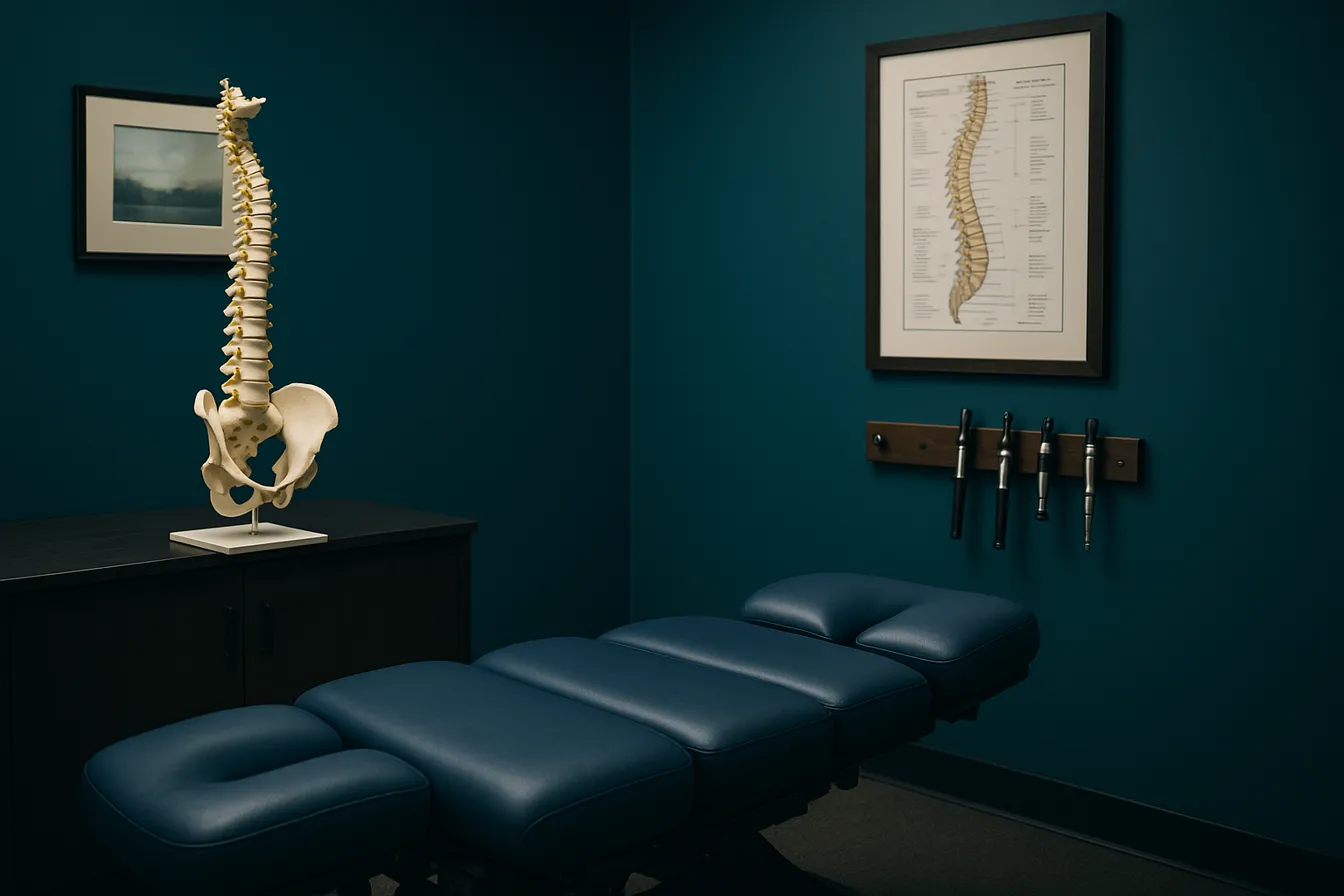
Spinal Health: Lifestyle Tips for Everyday Wellness
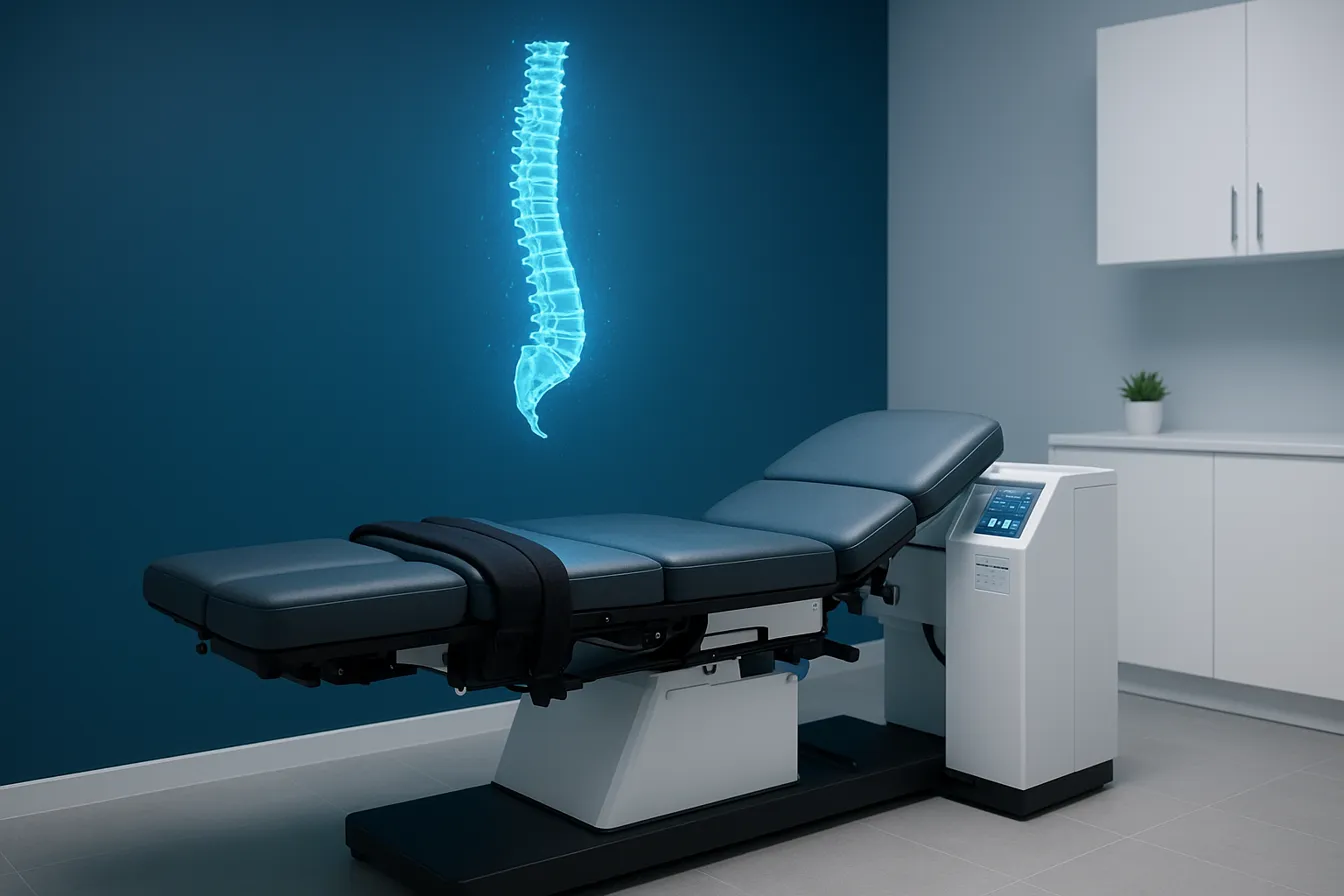
Spinal Decompression Therapy: Benefits and Applications
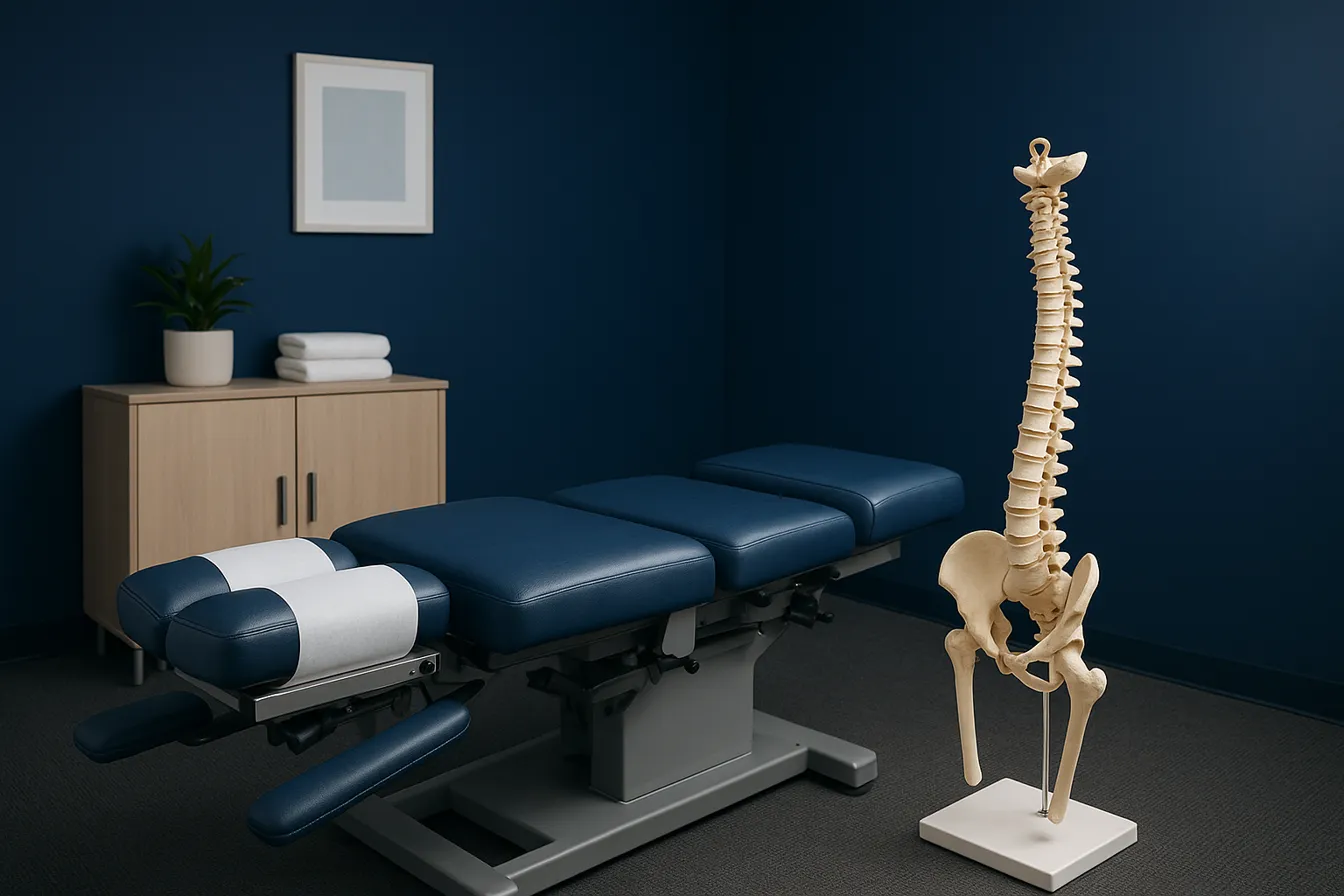
Holistic and Non-Invasive Spine Care Options
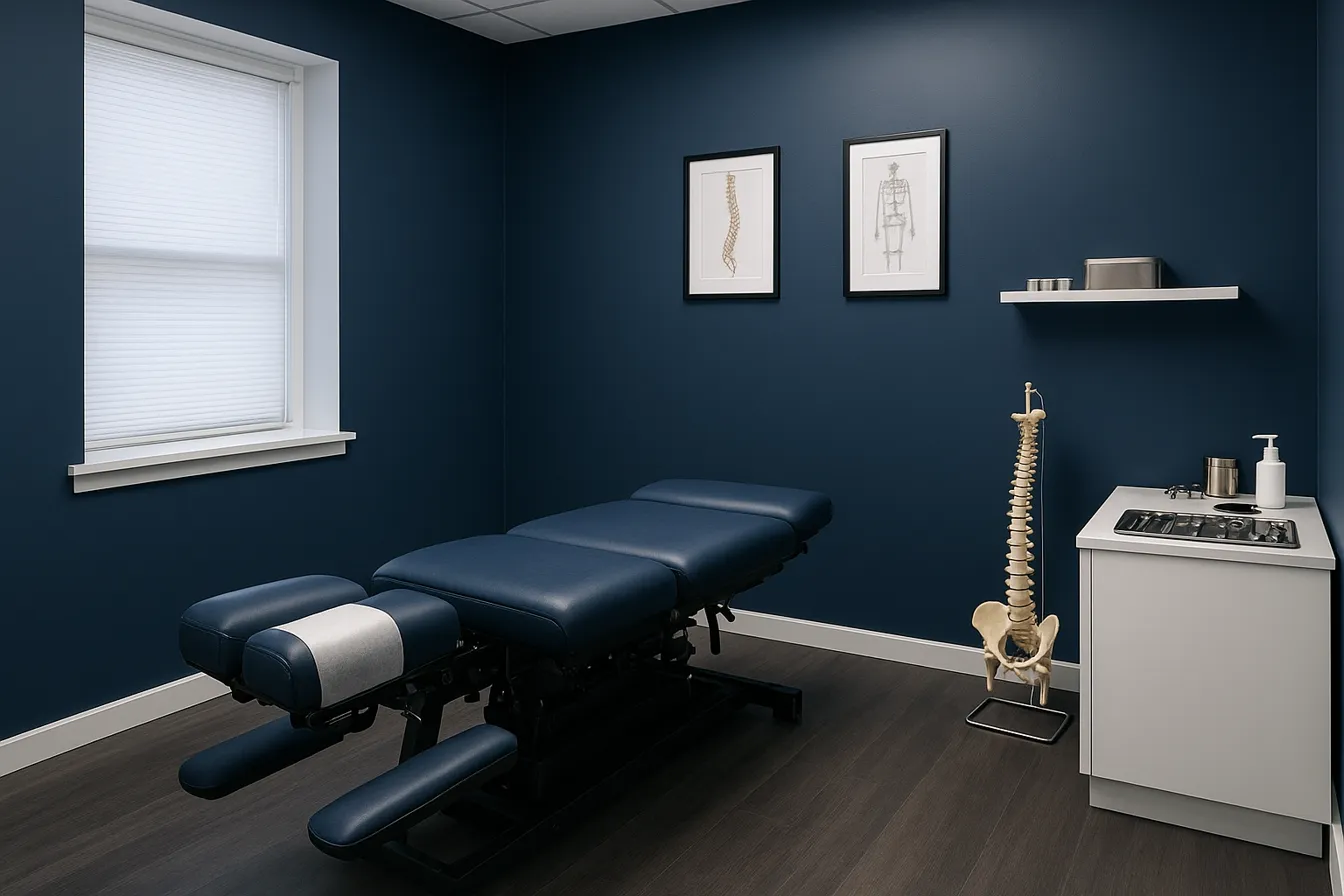
Everyday Lifestyle Advice to Keep Your Spine Healthy

The Significance of Treating Root Causes in Pain Therapy
Best Corrective Exercises for Sustainable Pain Management

Addressing Underlying Causes of Pain for Long-Term Relief
6 Key Benefits of Spinal Decompression Therapy for Sciatica Relief

How Nutritional Counseling Supports Spine Health and Recovery

The Role of Physiotherapy in Supporting Chiropractic Treatments