Everyday Lifestyle Advice to Keep Your Spine Healthy
February 1, 2026
11 min
Why Spine Health Matters Every Day
Understanding the Importance of Spinal Health
The spine is a critical structure supporting our body’s posture and movement while protecting the spinal cord. Maintaining spine health is essential not only for physical mobility but also for overall well-being. A healthy spine allows ease in daily activities and reduces the risk of chronic pain.
Common Causes of Spinal Issues
Most spine-related problems stem from muscle strain, poor posture, inactivity, or overuse rather than serious medical conditions. Factors like aging, which brings natural disc degeneration, improper lifting techniques, and sustained periods of sitting or standing without movement cause stress and discomfort in the back and neck.
Daily Lifestyle Impact on the Spine
Everyday choices, such as maintaining a healthy weight, practicing good posture, engaging in regular low-impact exercise, and adjusting ergonomic setups at work, directly influence spine health. Simple habits like taking frequent walking breaks, hydrating adequately, and using supportive footwear and sleep surfaces help reduce strain and prevent injury.
Consistent attention to these daily habits promotes long-term spinal wellness and reduces the likelihood of pain and injury, emphasizing a natural, patient-centered approach to care.
Foundations of Spine Health: Posture, Exercise, and Ergonomics
What are the basic tips for maintaining a healthy spine?
Maintaining a healthy spine starts with practicing good posture practices. When sitting, keep your back straight, shoulders relaxed, and feet supported with hips slightly above knees. While standing, engage your core muscles to support your spine and keep your head aligned over your pelvis.
Regular exercise for spine health plays a crucial role in spine health by strengthening your core, back, and lower body muscles. Activities such as walking, swimming, and low-impact activities for back health improve blood flow and maintain flexibility, which reduces the risk of injury and supports spinal alignment.
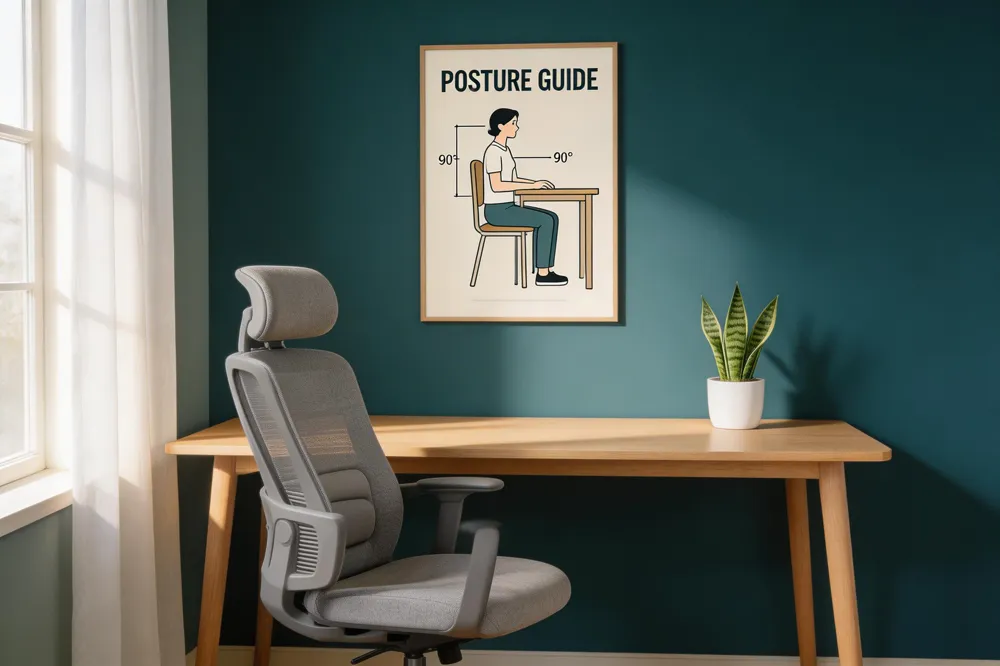
Ergonomic workspace setup at work and home help prevent strain. Adjust your workstation so your monitor is at eye level, use chairs with lumbar support, keep elbows at 90 degrees, and take frequent taking breaks from sitting or standing to reduce pressure on spinal discs.
Use proper lifting techniques to avoid injury: bend your knees, keep your back straight, tighten your abdominal muscles, and lift objects close to your body.
What are some common bad habits for your spine?
Poor posture habits such as slouching or hunching over screens place excessive pressure on your spine and can lead to chronic pain (Poor posture habits).
Prolonged sitting without breaks increases spinal strain by up to 40%, contributing to stiffness and discomfort. It’s important to take walking breaks for spine health or stand up regularly to maintain spinal mobility.
Wearing high heels frequently can misalign the spine by shifting body weight forward.
Proper lifting techniques, like bending at the waist instead of the knees, increase the likelihood of sprains and disc injuries.
A sedentary lifestyle weakens core muscles, which are essential for spinal support, increasing the risk of back pain and degeneration (core strengthening for spine).
| Aspect | Best Practices | Impact on Spine Health |
|---|---|---|
| Posture | Neutral spine, supported seating, core engagement (Proper posture for spine | Reduces disc pressure and muscle fatigue |
| Exercise | Low-impact cardio, core & lower body strengthening (Low-impact exercise for spine | Improves flexibility, strength, and circulation |
| Ergonomics | Monitor at eye level, lumbar support, adjustable chairs (Workspace ergonomics | Minimizes strain during work and daily tasks |
| Lifting Technique | Bend knees, straight back, hold objects close (Proper lifting techniques | Prevents injury and supports spinal integrity |
| Avoiding Bad Habits | Limit sitting duration, avoid slouching, choose proper shoes (Avoiding prolonged sitting | Prevents chronic pain and spinal misalignment |
Targeted Exercises and Stretching to Strengthen and Support Your Spine
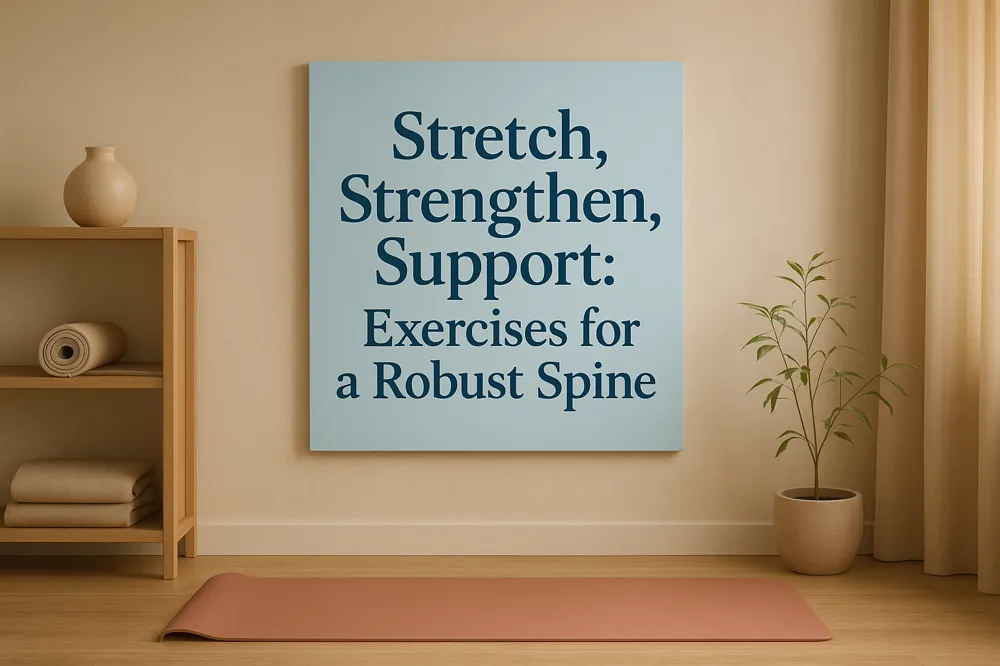
What exercises can I do at home to strengthen my spine?
To enhance spinal health at home, combining core strengthening exercises for spine, stretching, and gentle mobility exercises is essential. Core exercises like planks, pelvic bridges, and bird-dogs engage abdominal, back, and pelvic muscles, providing stability to the spine and reducing injury risk.
Core Strengthening Exercises
- Planks: Support overall spinal stability by engaging multiple core muscles.
- Bridges: Strengthen glutes and lower back, improving pelvic alignment.
- Bird-dog: Builds balance and activates back and abdominal muscles.
Stretching Routines
Daily stretching for spine of the lower back, hamstrings, and hip flexors maintains flexibility and alleviates tension. Examples include knee-to-chest stretches and gentle hamstring stretches.
Gentle Yoga and Mobility
Incorporate yoga poses such as child's pose, seated twists, and cat/cow stretches to promote mobility exercises for hips and spine and relieve stiffness. Mobility exercises for hips and spine like hip hinges help prepare the spine and hips for daily movements.
Low-Impact Cardiovascular Exercises
Walking, swimming, or cycling benefits are excellent for increasing blood flow to the spine, supporting tissue repair, and maintaining a healthy weight. Aim for at least 30 minutes, five days a week.
Exercise Frequency and Progression
Start with a few repetitions of core and stretching exercises, gradually increasing intensity as comfort and strength improve. Practicing these routines two to three times per week and progressing to daily practice fosters lasting spinal health.
Injury Prevention and Flexibility
Using proper lifting techniques and warming up before exercising decrease injury risk. Warm-up and cool-down routines combined with regular movement breaks and stretching and strengthening preserve spinal flexibility and reduce muscle fatigue, especially during prolonged sedentary periods.
Together, these targeted exercises and routines support a stronger, more flexible spine, helping to prevent back pain and improve overall wellness.
Nutrition, Hydration, and Lifestyle Choices for a Healthy Spine

What vitamins and nutrients are important for optimal spine health?
Optimal spine health relies on several essential vitamins and nutrients. Calcium is vital for building and maintaining strong bones in the vertebrae. Vitamin D enhances calcium absorption, ensuring the bones are well-nourished. Vitamin K, especially the K-2 form, helps direct calcium to bones and away from soft tissues, preventing unwanted calcification around the spine. Magnesium supports bone density and plays a critical role in muscle function and nerve transmission, which are important for spinal health. Finally, adequate protein intake supplies the building blocks for muscle strength that supports spinal stability (Nutrition tips for spine health).
How do anti-inflammatory foods benefit the spine?
Consuming anti-inflammatory foods can greatly reduce tissue inflammation around spinal structures, which often contributes to pain and discomfort. Foods like salmon rich in omega-3 fatty acids, walnuts, leafy greens such as spinach and kale, berries, turmeric, and ginger contain compounds that help lower inflammatory markers in the body. This dietary approach not only helps relieve current pain but also protects the spine against chronic degenerative changes (Anti-inflammatory diet for back health.
What role does hydration play in spinal disc health?
Hydration is essential for maintaining the elasticity and shock-absorbing function of spinal discs. These discs rely on adequate fluid content to remain pliable and functional, cushioning the vertebrae during movement. Drinking sufficient water daily supports disc health, reduces stiffness, and helps prevent conditions like herniation and degenerative disc disease (Hydration for spinal discs.
How does smoking affect spinal degeneration?
Smoking has a detrimental effect on spinal health by restricting blood flow to spinal tissues. Nicotine constricts blood vessels, decreasing oxygen and nutrient delivery that bones and discs require for repair and maintenance. This accelerates degeneration, increases inflammation, and raises the risk of osteoporosis and related fractures, thereby worsening back pain and spinal disorders (Effects of Nicotine on Spine Health).
Why is maintaining a healthy weight important for spine health?
Excess weight, particularly around the abdomen, increases the mechanical load on the lower back and spine. This added stress can lead to misalignment, chronic pain, and faster wear and tear of spinal discs and joints. Maintaining a healthy body weight reduces strain, improves posture, and enhances overall mobility, thereby supporting long-term spine wellness (Maintaining Healthy Weight for Spine Health).
What lifestyle habits support spine health and back pain management?
Adopting lifestyle habits that nourish and protect the spine is essential for preventing and managing back pain. Regular low-impact exercise such as walking, swimming, and targeted core strengthening routines keep spinal muscles strong and maintain flexibility. Proper posture during sitting and standing, along with ergonomic workplace arrangements, help minimize undue spinal stress. Managing stress through mindfulness, meditation, or therapy reduces muscle tension and inflammation that exacerbate pain. Crucially, quitting smoking improves spinal tissue health and oxygenation. Adequate sleep on supportive mattresses and using proper pillow positioning facilitate spinal recovery. Consulting with healthcare professionals like chiropractors or physical therapists ensures patients receive personalized, effective treatment plans tailored to their spinal health needs (Spine health tips, Lifestyle changes for spine health, Back pain self-care tips).
Daily Habits and Ergonomics: Protecting Your Spine at Work and Home

Proper Sitting Posture and Spinal Alignment
Maintaining good posture is essential for spinal health. When sitting, keep your back straight, shoulders relaxed, and feet flat on the floor. Your hips should be level or slightly higher than your knees to promote a neutral spine position. Proper lumbar support helps maintain the natural curvature of your lower back, preventing unnecessary pressure on the spinal discs. For more information, see Proper posture for spine.
Importance of Frequent Breaks to Reduce Spinal Strain
Taking breaks every 30 minutes to stand, stretch, or walk helps decrease pressure on the spine and prevents muscle stiffness. These short movement intervals promote blood circulation, reduce tension from prolonged sitting, and mitigate the risk of disc compression. Learn more about Avoiding prolonged sitting.
Setting Up an Ergonomic Workstation
An ergonomic workstation supports good posture and minimizes spinal strain. Use an adjustable chair with lumbar support, and position your monitor so the top of the screen is at eye level to avoid neck bending. Elbows should rest comfortably at 90-degree angles on armrests or desk surfaces. Keep your keyboard and mouse within easy reach to prevent hunching forward. See Workspace ergonomics for details.
Using Supportive Footwear and Avoiding Heavy Bags on One Shoulder
Wear shoes with good arch support and cushioning to help maintain proper alignment of your spine. Avoid carrying heavy bags on one shoulder, as this creates muscular imbalances and can lead to spinal misalignment and discomfort. Additional guidance is available under Supportive footwear and Backpack weight distribution.
Managing Tech Neck and Avoiding Prolonged Device Use
Frequent use of smartphones and tablets at downward angles places stress on the neck and upper back, resulting in "tech neck". Hold devices at eye level and take regular breaks from screen time to reduce strain and maintain good posture. For strategies, refer to Tech neck management.
Sleep Habits That Preserve Spine Health
Choose a firm mattress that supports your natural spinal curves to promote restful sleep and spinal recovery. Sleep on your back or side with appropriate pillow placement—such as a pillow under the knees when on your back or between the knees when side sleeping—to maintain alignment and relieve pressure on your spine. Read more about Proper sleep posture.
How can I keep my spinal discs healthy and prevent herniated discs?
To protect your spinal discs, maintain proper posture when sitting, standing, and lifting by engaging core muscles and using correct techniques. Regularly strengthen your core with exercises like yoga or Pilates and stay active with low-impact activities like walking and swimming. Besides exercise, keep a healthy weight, stay hydrated, and manage stress to reduce inflammation and support tissue health. An ergonomic setup and frequent movement breaks at work and home also benefit your spine. If back pain persists, seek professional advice for tailored care. For comprehensive advice, see Spine health prevention tips.
Supporting Spinal Health as You Age: Preventive Strategies and Care

What are some habits that support optimal spine and back health as you age?
As we age, maintaining spinal health becomes crucial for mobility and quality of life. Engaging regularly in Low-Impact Activities such as walking, swimming, or yoga helps strengthen the core and back muscles, enhancing spinal stability and flexibility. Building Core Strength for Spinal Stability are especially effective in providing support to the spine.
Managing a Maintaining Healthy Weight for Back Care reduces excessive pressure on the spine, minimizing the risk of degenerative changes and chronic pain. Nutritional support with adequate Calcium and Vitamin D for Strong Bones supports bone strength and helps prevent osteoporosis, which can lead to vertebral fractures.
Sleep Positions for Spinal Alignment promote spinal alignment; sleeping on your back or side with appropriate pillow support reduces undue spinal stress. Using a Choosing a Supportive Mattress for Spinal Alignment that maintains the natural spinal curvature further enhances rest and spinal recovery.
Regular medical check-ups and consultations with healthcare professionals such as chiropractors or physical therapists allow for early detection and management of spinal issues. Benefits of Quitting Smoking for Spine is also essential, as it impairs blood flow and accelerates spinal degeneration.
Reducing Back Pain Through Stress Management and Relaxation through techniques like meditation and yoga helps reduce muscle tension and inflammatory responses, supporting overall spinal health. Practicing these habits holistically fosters long-term spinal integrity and comfort as you age.
Recognizing and Responding to Signs of Poor Spinal Health

What are common signs of poor spinal health?
Common signs include persistent pain in the back or neck, stiffness, muscle spasms, and numbness or tingling sensations in the arms or legs due to nerve compression.
How do poor posture and improper sleeping positions affect spinal health?
Poor posture, especially from taking breaks from sitting or slouching, increases spinal stress and can cause muscle imbalances and disc pressure. Sleeping on an unsupportive mattress or in positions that don’t maintain natural spinal curves can result in strain and misalignment.
Why is early professional care important for spinal health?
Early chiropractic or professional intervention can address misalignments, reduce inflammation, improve mobility, and prevent worsening of symptoms.
When should medical attention be sought?
Seek medical advice if you experience severe or persistent pain, numbness, weakness, loss of bladder or bowel control, unexplained weight loss, or if symptoms worsen despite conservative care. These could indicate serious spinal conditions requiring diagnosis and treatment.
Maintaining awareness of spinal health signs and acting promptly with professional guidance promotes long-term wellness and natural pain relief.
Incorporating Everyday Habits for Lifelong Spine Wellness
Embracing Healthy Lifestyle Habits
Maintaining a healthy spine incorporates daily habits that promote strength, flexibility, and alignment. Engaging in regular low-impact exercises like walking, swimming, and yoga strengthens the core, hips, and back muscles. Daily stretching routines, maintaining proper posture during sitting and standing, and frequent movement breaks support spinal mobility and prevent tension buildup.
Proactive Spine Care
Proactive care, such as managing body weight and consuming an anti-inflammatory diet rich in leafy greens and omega-3s, reduces strain and inflammation around spinal tissues. Ergonomic adaptations at home and workspaces, as well as consistent use of proper lifting techniques, further safeguard against injury and chronic pain.
Seeking Professional Support
Regular visits to chiropractors or physical therapists provide personalized strategies tailored to individual needs. Early intervention and expert guidance enhance spinal health, helping to prevent and address issues before they progress, ultimately supporting lasting wellness and improved quality of life.
Recent articles

10 Real‑Patient Success Stories Showcasing the Impact of Chiropractic Care

Superfoods That Boost Nerve Healing After Chiropractic Sessions

Sleep Positions That Promote a Healthy Back Alignment
Signs Your Chiropractor Is a Good Fit for Your Back Pain Goals
Case Study: Integrated Physiotherapy and Chiropractic for Faster Recovery
First-Time Chiropractic Visit: A Step‑by‑Step Walkthrough
Synergistic Benefits: Combining Physiotherapy with Chiropractic Care

Beyond Surgery: Holistic Approaches to Managing Back Pain

How Manual Therapy Enhances the Effects of Chiropractic Adjustments

Hydration Hacks: Why Water Matters for Joint and Spine Function

What Does a Comprehensive Spinal Evaluation Include?

Success Spotlight: Transformative Results After Six Weeks of Chiropractic Treatment

Understanding the Initial Assessment Process in Chiropractic Care
Designing a Personalized Corrective Exercise Plan for Chronic Pain Management

Natural Pain Management: Combining Acupuncture, Yoga, and Chiropractic
Chiropractic Care vs. Pain Meds: Long-Term Outcomes for Back Pain Sufferers

What to Expect During a Sciatica‑Focused Decompression Session

Understanding the Pain-Relief Mechanics Behind Chiropractic Adjustments

Success Rates of Non‑Surgical Spinal Decompression for Sciatica

Patient-Centered Chiropractic Care: Personalized Plans for Back Pain Relief
How Chiropractic Treatments Reduce Inflammation and Speed Up Back Pain Recovery

Real‑Life Stories: How Chiropractic Helped Patients Overcome Chronic Back Pain

From Symptom Masking to Root‑Cause Healing: A Practical Guide

6 Holistic Non‑Surgical Treatments That Deliver Sustainable Back‑Pain Relief
Key Questions to Ask When Selecting Your Chiropractor

Mindful Movement: Incorporating Stretch Breaks Into a Busy Day

Why Targeting the Underlying Cause Beats Temporary Symptom Relief

8 Ways Physiotherapy Complements Chiropractic Adjustments for Faster Recovery
Meal Planning for Athletes Recovering from Back Injuries

9 Everyday Lifestyle Tweaks to Preserve a Healthy Spine and Prevent Pain

Functional Movement Screening for Root‑Cause Pain Identification

6 Things You’ll Experience During Your First Chiropractic Appointment

Spinal Decompression vs. Standard Physical Therapy for Sciatica: A Comparative Review

New Findings on How Adjustments Influence Blood Circulation
Work‑From‑Home Ergonomics: A Blueprint for a Pain‑Free Back
The Link Between Chiropractic Care and Improved Sleep Quality

Physiotherapy Techniques That Strengthen the Benefits of Chiropractic Adjustments

Biomechanical Insights Behind Successful Spinal Decompression

Desk‑to‑Dumbbell: Lifestyle Shifts That Guard Your Lower Back
10 Corrective Exercises for Sustainable Pain-Free Living

Morning Routines That Support Spine Health and Reduce Stiffness

Calcium and Magnesium‑Focused Nutrition for Bone Density and Spine Health

9 Ways Chiropractic Care Transforms Back Pain Management

Testimonial: Nutrition‑Guided Recovery Accelerated by Chiropractic
Science‑Backed Spinal Decompression for Relieving Sciatica Symptoms
Key Questions to Ask During Your Initial Chiropractic Consultation
Whole‑Body Wellness Blueprint: Nutrition, Exercise, and Chiropractic Synergy
A 12‑Week Corrective Exercise Blueprint for Chronic Neck Discomfort

Manual Therapy Plus Targeted Exercise: Accelerating Post‑Injury Recovery
Home‑Based Spinal Decompression Devices: What Patients Should Know

Chiropractic Care Statistics: Reducing Lost Workdays From Back Pain

How Targeted Nutrition Enhances Immune Function and Lowers Inflammatory Pain

Self‑Assessment Tools to Identify Hidden Triggers of Back Pain
Preparing for Your First Chiropractic Appointment: A Practical Checklist

Back Pain Relief Benefits: Lower Opioid Use and Better Quality of Life

Foam‑Rolling Techniques to Complement Chiropractic Adjustments

Progressive Overload Principles in Corrective Exercise Programs

Six‑Month Transformation: Integrated Care Success Story

7 Nutritional Hacks to Boost Your Overall Wellness

How to Choose a Chiropractor: Credentials, Techniques, and Patient Compatibility

5 Ways Spinal Decompression Can Ease Sciatica Pain

Overcoming Sciatica: A Patient’s Multidisciplinary Treatment Journey
Lifestyle Changes That Promote a Healthy Spine
Physiotherapy as a Complement to Chiropractic Treatments
6 Ways Physiotherapy Enhances Chiropractic Treatment Outcomes
Daily Living Tips for a Strong and Healthy Spine

How Physiotherapy Enhances Chiropractic Outcomes
Holistic Treatments: Alternatives to Surgery for Pain Relief
Inspiring Patient Success Stories from Chiropractic Clinics

Integrating Physiotherapy with Chiropractic Treatments
Corrective Exercise Routines for Chronic Pain Prevention
10 Corrective Exercises to Maintain a Healthy Spine and Relieve Pain
Exercise Strategies for Long-Term Pain Management
10 Corrective Exercises to Maintain a Healthy Spine and Relieve Pain
The Importance of Treating the Root Cause of Pain
Nutritional Support Strategies for Whole-Body Wellness
7 Essential Questions to Ask When Choosing Your Chiropractor
Identifying and Addressing Root Causes of Pain
Maintaining a Healthy Spine with Lifestyle Adjustments
Sciatica Symptom Relief via Spinal Decompression
8 Reasons Why Addressing the Root Cause of Pain Is Crucial
Chiropractic Care’s Impact on Back Pain Recovery
Combining Physiotherapy with Chiropractic Care for Better Results
Inspiring Recovery: Chiropractic Patient Testimonials
Nutritional Counseling Tips for Optimal Wellness

Why Addressing the Root Cause of Pain is Crucial
Back Pain and Chiropractic Care: A Winning Combination

Chiropractic Care Benefits You Might Not Know
Exploring Holistic and Non-Surgical Treatments for Pain
Spinal Health: Lifestyle Tips for Everyday Wellness
Spinal Decompression Therapy: Benefits and Applications
Holistic and Non-Invasive Spine Care Options
Everyday Lifestyle Advice to Keep Your Spine Healthy
The Significance of Treating Root Causes in Pain Therapy
Best Corrective Exercises for Sustainable Pain Management
Addressing Underlying Causes of Pain for Long-Term Relief
6 Key Benefits of Spinal Decompression Therapy for Sciatica Relief

How Nutritional Counseling Supports Spine Health and Recovery

The Role of Physiotherapy in Supporting Chiropractic Treatments