Corrective Exercise Routines for Chronic Pain Prevention
February 24, 2026
10 min
Understanding the Role of Exercise in Managing Chronic Pain
Benefits of exercise for chronic pain
Regular physical activity plays a vital role in managing chronic pain, offering multiple health advantages such as pain reduction and improved physical function. Exercise promotes cardiovascular health and decreases risks of conditions like stroke, diabetes, depression, and anxiety. It enhances muscle strength and joint support, thereby reducing stress on painful areas.
How exercise reduces pain
Exercise stimulates the release of natural pain-relieving chemicals in the body, including endorphins and enkephalins, which act to block pain signals and improve mood. Strengthening surrounding muscles lessens pressure on joints, while stretching increases flexibility and improves blood flow, which aids tissue healing. Additionally, exercise contributes to better sleep quality and weight management, both important factors in pain reduction.
Importance of gradual and tailored exercise programs
Individuals with chronic pain are advised to start exercise programs gradually to avoid temporary pain flare-ups common in early stages. A tailored approach, ideally developed with healthcare professionals like chiropractors, ensures exercises are appropriate to individual needs and conditions. Programs typically combine stretching, strength training, aerobic activities, and balance exercises with recommended frequencies ranging from 2 to 5 times per week. Gradual progression and professional guidance help maximize benefits and improve long-term adherence.
Types of Exercises Best Suited for Chronic Pain Management

What types of exercise are best for managing chronic pain?
The best exercises for managing chronic pain focus on gentle, low-impact activities that avoid overstressing the body while promoting movement and overall wellness. These include:
Low-impact aerobic exercises such as walking, swimming, cycling, and water aerobics. These improve cardiovascular health, release natural painkillers like endorphins, enhance mood, and reduce the perception of pain.
Stretching techniques, incorporating dynamic stretching as a warm-up to increase blood flow and prepare muscles, and static stretching after exercise to improve flexibility, joint range of motion, and reduce muscle stiffness. Daily gentle stretching helps prevent muscle tightness that can intensify pain.
Strengthening and balance exercises which focus on core stabilization and muscle support around the spine and joints. Strength training performed 2-3 times per week reinforces weak muscles, improves posture, and alleviates stress on painful joints. Balance exercises such as Tai Chi benefits, Yoga benefits, and Pilates benefits reduce fall risk and support coordination.
Mind-body practices like yoga, tai chi, and Pilates combine physical movements with breath control and mindfulness. These exercises enhance flexibility, reduce stress, improve cardiovascular health, and modulate pain perception by relaxing the nervous system.
A patient-centered approach with gradual progression and consultation with healthcare providers, especially chiropractors or physical therapists, ensures exercise safety and effectiveness tailored to individual health needs. Integrating these types of exercises supports holistic chronic pain management and improves quality of life.
Key Corrective Exercises to Strengthen and Support the Musculoskeletal System

What is corrective exercise and how is it used?
Corrective exercise is a specialized approach designed to identify and address movement dysfunctions, muscle imbalances, and posture issues. This type of exercise focuses on improving mobility, stability, muscle coordination, and joint alignment. Chiropractors and other health professionals assess individual movement patterns to develop personalized exercise plans. These exercises aim to correct faulty mechanics, relieve pain, enhance body awareness, and promote efficient and safe movement in daily activities and sports. By strengthening weak muscles and stretching tight ones, corrective exercises support long-term musculoskeletal health and reduce the risk of injury.
What are some common corrective exercises?
Common corrective exercises include movements that enhance strength, flexibility, and posture. Examples are lunges, walking backward, and overhead squats, which improve lower body stability and movement quality. To target upper body mobility and posture, lying shoulder rotations and retraction rows are effective. Hands-on methods like golf ball rolling help with over-pronation issues, while tennis ball therapy can address thoracic kyphosis by loosening tight back muscles. Additional beneficial exercises include calf stretching, pull-ups for upper body strength, and foam rolling to release muscle tightness in areas like the rectus femoris. These exercises are often customized by chiropractors for optimal results. For more detailed information, see Corrective exercises in chiropractic care.
Specific exercises for spinal health and core stability
Maintaining spinal health requires a strong and stable core. Exercises such as the Cat-Cow stretch improve spinal flexibility and promote proper spinal movement. The Glute Bridge targets core and lower back muscles to provide support for the spine. Pelvic tilts help engage and strengthen abdominal muscles, aiding in lumbar stability. Incorporating these exercises into a routine helps reduce chronic pain by supporting the muscles that protect spinal structures and improving posture.
Integration with chiropractic care
Corrective exercises complement chiropractic care by addressing the underlying muscular imbalances that contribute to spinal misalignment or subluxations. While chiropractic adjustments realign joints, corrective exercises strengthen and activate weak muscles, creating a balanced musculoskeletal framework. This combined approach enhances healing, improves function, and prevents recurrence of pain. Chiropractors tailor exercise programs to individual patient needs and monitor progress, often providing guided instruction for home practice to maintain improvements achieved during clinical visits. Learn more at Corrective Exercises at Sperbeck Chiropractic.
Physiotherapy and Stretching Techniques for Lower Back Pain Relief

What are some physiotherapy exercises for lower back pain?
Physiotherapy exercises for lower back pain aim to increase flexibility, improve mobility, and strengthen the muscles supporting the spine, particularly in the core and back regions. Common exercises include knee-to-chest stretch, which help relieve tension and improve lumbar flexibility, and lower back rotational stretches that gently mobilize the spine by rotating the hips and lower torso.
Strengthening exercises such as pelvic tilt exercises and bridge exercises activate the abdominal and gluteal muscles, providing essential support to the lower back and helping stabilize the spine during daily movements. Additionally, standing lumbar extension stretches help reduce disc pressure and promote proper posture.
Regular performance of these exercises is important, and professional guidance ensures they are done safely and effectively, reducing pain and preventing further injury.
What are effective stretches for lower back pain relief?
Effective stretches focus on loosening tight muscles around the lower back and hips to promote flexibility and reduce discomfort. The Child’s Pose gently elongates the lumbar spine and decompresses vertebral joints, offering immediate relief.
Cat-Cow stretches encourage spinal flexibility through slow, controlled movements paired with deep breathing. Knee-to-chest stretches alleviate muscle tightness in the lower back and hips, while trunk rotations help increase mobility.
Pelvic tilts engage core muscles to support proper spinal alignment, and targeted stretches for the piriformis and hamstrings address muscles that often contribute to lower back tension.
Consistently practicing these stretches with attention to gentle, controlled movement and proper technique can significantly improve mobility and reduce lower back pain.
Core strengthening exercises for spinal support
Core training is central to managing lower back pain. Exercises that focus on the abdominal muscles, glutes, hips, and spinal muscles enhance stability and reduce strain on the lumbar spine.
Bridge exercises and pelvic tilts not only strengthen these areas but also improve posture and balance. Strengthened core muscles share the load during physical activities, reducing the risk of pain flare-ups and injury.
Importance of proper technique and professional guidance
Performing physiotherapy stretches and strengthening exercises correctly is crucial to avoid injury and to ensure effectiveness. Misalignment or over-exertion could exacerbate pain or cause new issues.
Consulting healthcare professionals such as chiropractors or physical therapists is recommended before starting or modifying exercise routines. They can tailor exercises to individual needs, monitor progress, and instruct on proper form to optimize pain relief and functional improvement.
Personalized physiotherapy combined with chiropractic care can provide a holistic approach to lower back pain, encouraging natural healing and enhancing long-term musculoskeletal health.
Safe Exercise Practices for Individuals with Chronic Pain

How can someone exercise safely with chronic pain?
Exercising safely with chronic pain requires a thoughtful, patient-centered approach that prioritizes gradual progress and body awareness. Starting with low-impact activities like walking for chronic pain, swimming for arthritis and joint pain, or gentle stretching helps reduce stress on joints and muscles, making it easier to maintain consistent physical activity without exacerbating pain.
Listening closely to your body is crucial; avoid exercises that cause sharp or worsening pain. Instead, focus on movements that promote flexibility, balance, and strength, such as Pilates for chronic pain, Yoga for Chronic Pain Relief, or targeted muscle-strengthening exercises recommended by Corrective Exercises at Sperbeck Chiropractic. Regular stretching, both before and after exercise, supports joint mobility and reduces stiffness, which is essential for managing chronic pain.
Pacing yourself by slowly increasing the intensity and duration of exercise sessions helps avoid the common "crash and burn" effect where overexertion worsens symptoms. This gradual approach builds resilience and improves functional ability over time.
Consulting healthcare professionals such as Corrective Exercises providers or Physical therapy for pain management experts is fundamental to developing a personalized exercise plan. They assess your unique pain condition and overall health to recommend safe, effective exercises while monitoring your progress to adjust routines accordingly. This collaborative approach enhances safety, optimizes outcomes, and supports holistic management of chronic pain through exercise.
Incorporating Low-Impact Exercises into Chronic Pain Management
What are low-impact exercises suitable for managing chronic pain?
Low-impact exercises that are appropriate for managing chronic pain include Walking for Chronic Pain, Swimming for arthritis and joint pain, Cycling for joint health, Yoga for flexibility and pain relief, Tai Chi for chronic pain and balance, and Pilates for core strength and injury prevention. These exercises minimize joint stress and are gentle on the musculoskeletal system, making them ideal for individuals experiencing persistent pain.
Benefits of Low-Impact Exercises
These activities improve circulation, flexibility, balance, and muscle strength without exacerbating pain. Swimming and Water Aerobics utilize water buoyancy to relieve joint pressure while strengthening muscles, aiding in pain reduction and increased mobility. Walking benefits for pain management promote cardiovascular health and encourage weight management, reducing strain on affected joints.
Examples and Role of Mind-Body Approaches
Yoga and Tai Chi for pain management integrate controlled breathing, slow movements, and mindfulness, which not only enhance flexibility and strength but also reduce muscle tension and psychological stress—factors that influence pain perception. Pilates for core strength and injury prevention focuses on core stabilization and posture improvement, supporting spinal health and reducing chronic pain symptoms.
Recommendations for Regular Practice
Consistency is vital; practicing these exercises several times weekly, preferably under professional guidance, optimizes benefits. Beginning gradually and tailoring programs to individual capabilities ensures safety and enhances adherence. Integrating these activities as part of a holistic pain relief approach complements chiropractic care and supports overall musculoskeletal health.
Holistic Integration of Corrective Exercise and Chiropractic Care
How corrective exercises complement chiropractic adjustments
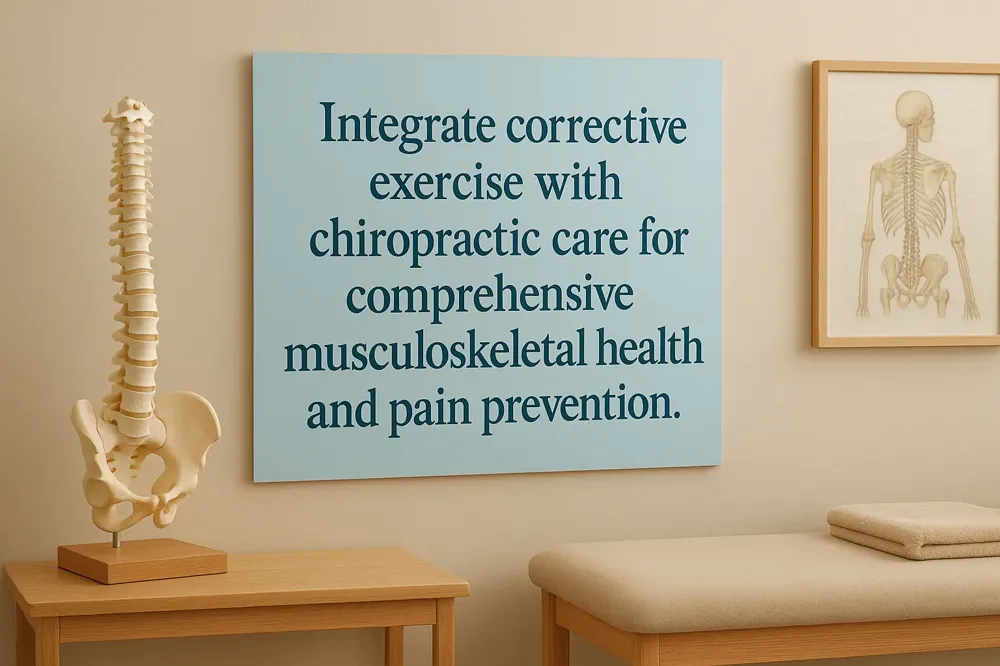
Corrective exercises play a vital role alongside chiropractic adjustments by addressing underlying muscle imbalances and tension that can contribute to spinal misalignment. While chiropractic care realigns the spine, targeted exercises strengthen and activate muscles that support proper posture and spinal stability. This combination aids in maintaining alignment and reduces recurrence of subluxations, promoting healing and pain relief. Learn more about Corrective exercises in chiropractic care.
Enhancing spinal alignment and muscle balance
These exercises focus on strengthening weak or inactive muscles and stretching overly tight muscles, which improves overall muscle balance around the spine. By restoring neuromuscular control and promoting proper movement patterns, corrective exercise enhance spinal alignment and reduce abnormal stresses that can exacerbate chronic musculoskeletal pain. For detailed insights, see Corrective Exercises.
Use of technology and patient education in exercise adherence
Modern chiropractic practices integrate technology such as apps and video instruction to deliver personalized exercise plans. This enables patients to perform exercises safely and effectively at home, providing step-by-step guidance and allowing for monitoring of progress. Patient education about proper form and gradual progression encourages consistent adherence, maximizing benefits and empowering patients in their recovery. More information can be found at Corrective Exercises in chiropractic treatment.
Benefits for long-term pain prevention and musculoskeletal health
Regular engagement with corrective exercises combined with chiropractic care improves circulation, reduces inflammation, and enhances joint stability. Long-term practice builds strength, flexibility, and postural awareness, which protects against injury and chronic pain development. This holistic approach fosters resilience in the musculoskeletal system, supporting sustained health and functional independence. Explore the Benefits of corrective exercises for more details.
Empowering Chronic Pain Prevention Through Corrective Exercise
Exercise offers substantial benefits in managing and preventing chronic pain. It promotes muscle strength, enhances flexibility, improves joint function, and supports mental well-being by releasing natural pain-relieving endorphins. Regular activity reduces stress on joints, alleviates stiffness, and improves overall mobility.
Personalized and safe exercise routines are essential, especially for individuals with chronic pain. Gradual progression, professional supervision, and adaptation to individual needs help avoid pain flare-ups and ensure effective rehabilitation. Tailored programs that combine stretching, strengthening, and balance exercises optimize outcomes.
Integrating corrective exercises with chiropractic care amplifies the benefits. Chiropractors provide assessments and design custom exercise regimens that target muscle imbalances and postural dysfunctions, fostering musculoskeletal alignment and stability. This combined approach reduces pain, prevents injury, and supports long-term functional health.
Encouraging patients to adhere to personalized corrective exercise plans empowers self-management and promotes lasting musculoskeletal wellness. Consistent practice improves posture, strength, and body awareness, thus breaking the cycle of chronic pain and enhancing quality of life through natural, holistic means.
Recent articles

10 Real‑Patient Success Stories Showcasing the Impact of Chiropractic Care

Superfoods That Boost Nerve Healing After Chiropractic Sessions

Sleep Positions That Promote a Healthy Back Alignment
Signs Your Chiropractor Is a Good Fit for Your Back Pain Goals

Case Study: Integrated Physiotherapy and Chiropractic for Faster Recovery
First-Time Chiropractic Visit: A Step‑by‑Step Walkthrough
Synergistic Benefits: Combining Physiotherapy with Chiropractic Care

Beyond Surgery: Holistic Approaches to Managing Back Pain

How Manual Therapy Enhances the Effects of Chiropractic Adjustments

Hydration Hacks: Why Water Matters for Joint and Spine Function

What Does a Comprehensive Spinal Evaluation Include?

Success Spotlight: Transformative Results After Six Weeks of Chiropractic Treatment

Understanding the Initial Assessment Process in Chiropractic Care
Designing a Personalized Corrective Exercise Plan for Chronic Pain Management

Natural Pain Management: Combining Acupuncture, Yoga, and Chiropractic
Chiropractic Care vs. Pain Meds: Long-Term Outcomes for Back Pain Sufferers

What to Expect During a Sciatica‑Focused Decompression Session

Understanding the Pain-Relief Mechanics Behind Chiropractic Adjustments

Success Rates of Non‑Surgical Spinal Decompression for Sciatica

Patient-Centered Chiropractic Care: Personalized Plans for Back Pain Relief
How Chiropractic Treatments Reduce Inflammation and Speed Up Back Pain Recovery

Real‑Life Stories: How Chiropractic Helped Patients Overcome Chronic Back Pain

From Symptom Masking to Root‑Cause Healing: A Practical Guide

6 Holistic Non‑Surgical Treatments That Deliver Sustainable Back‑Pain Relief
Key Questions to Ask When Selecting Your Chiropractor

Mindful Movement: Incorporating Stretch Breaks Into a Busy Day

Why Targeting the Underlying Cause Beats Temporary Symptom Relief

8 Ways Physiotherapy Complements Chiropractic Adjustments for Faster Recovery
Meal Planning for Athletes Recovering from Back Injuries

9 Everyday Lifestyle Tweaks to Preserve a Healthy Spine and Prevent Pain

Functional Movement Screening for Root‑Cause Pain Identification

6 Things You’ll Experience During Your First Chiropractic Appointment

Spinal Decompression vs. Standard Physical Therapy for Sciatica: A Comparative Review

New Findings on How Adjustments Influence Blood Circulation
Work‑From‑Home Ergonomics: A Blueprint for a Pain‑Free Back

The Link Between Chiropractic Care and Improved Sleep Quality

Physiotherapy Techniques That Strengthen the Benefits of Chiropractic Adjustments

Biomechanical Insights Behind Successful Spinal Decompression

Desk‑to‑Dumbbell: Lifestyle Shifts That Guard Your Lower Back

10 Corrective Exercises for Sustainable Pain-Free Living

Morning Routines That Support Spine Health and Reduce Stiffness

Calcium and Magnesium‑Focused Nutrition for Bone Density and Spine Health

9 Ways Chiropractic Care Transforms Back Pain Management

Testimonial: Nutrition‑Guided Recovery Accelerated by Chiropractic
Science‑Backed Spinal Decompression for Relieving Sciatica Symptoms

Key Questions to Ask During Your Initial Chiropractic Consultation
Whole‑Body Wellness Blueprint: Nutrition, Exercise, and Chiropractic Synergy

A 12‑Week Corrective Exercise Blueprint for Chronic Neck Discomfort

Manual Therapy Plus Targeted Exercise: Accelerating Post‑Injury Recovery
Home‑Based Spinal Decompression Devices: What Patients Should Know

Chiropractic Care Statistics: Reducing Lost Workdays From Back Pain

How Targeted Nutrition Enhances Immune Function and Lowers Inflammatory Pain

Self‑Assessment Tools to Identify Hidden Triggers of Back Pain
Preparing for Your First Chiropractic Appointment: A Practical Checklist

Back Pain Relief Benefits: Lower Opioid Use and Better Quality of Life

Foam‑Rolling Techniques to Complement Chiropractic Adjustments

Progressive Overload Principles in Corrective Exercise Programs

Six‑Month Transformation: Integrated Care Success Story

7 Nutritional Hacks to Boost Your Overall Wellness

How to Choose a Chiropractor: Credentials, Techniques, and Patient Compatibility

5 Ways Spinal Decompression Can Ease Sciatica Pain

Overcoming Sciatica: A Patient’s Multidisciplinary Treatment Journey
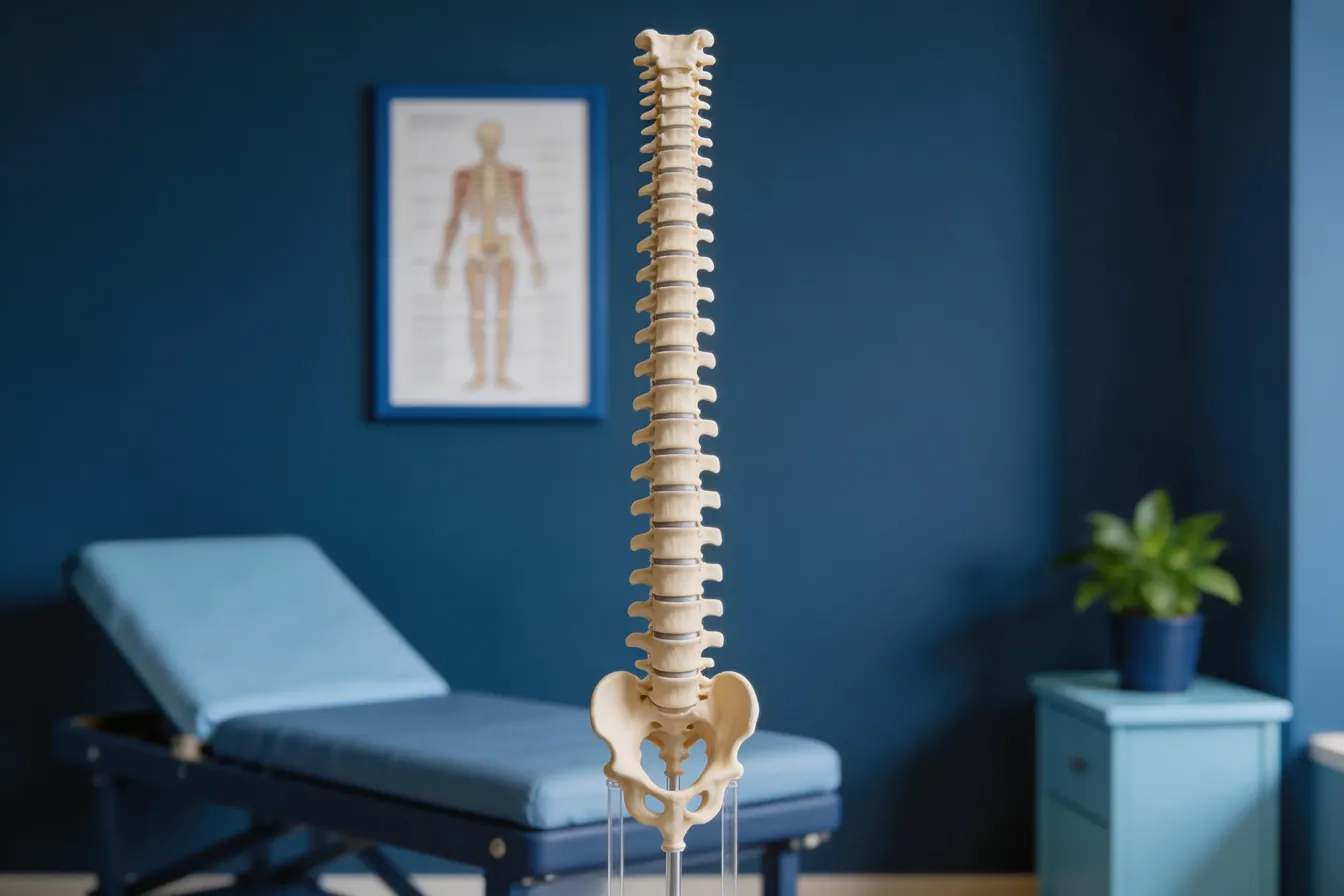
Lifestyle Changes That Promote a Healthy Spine
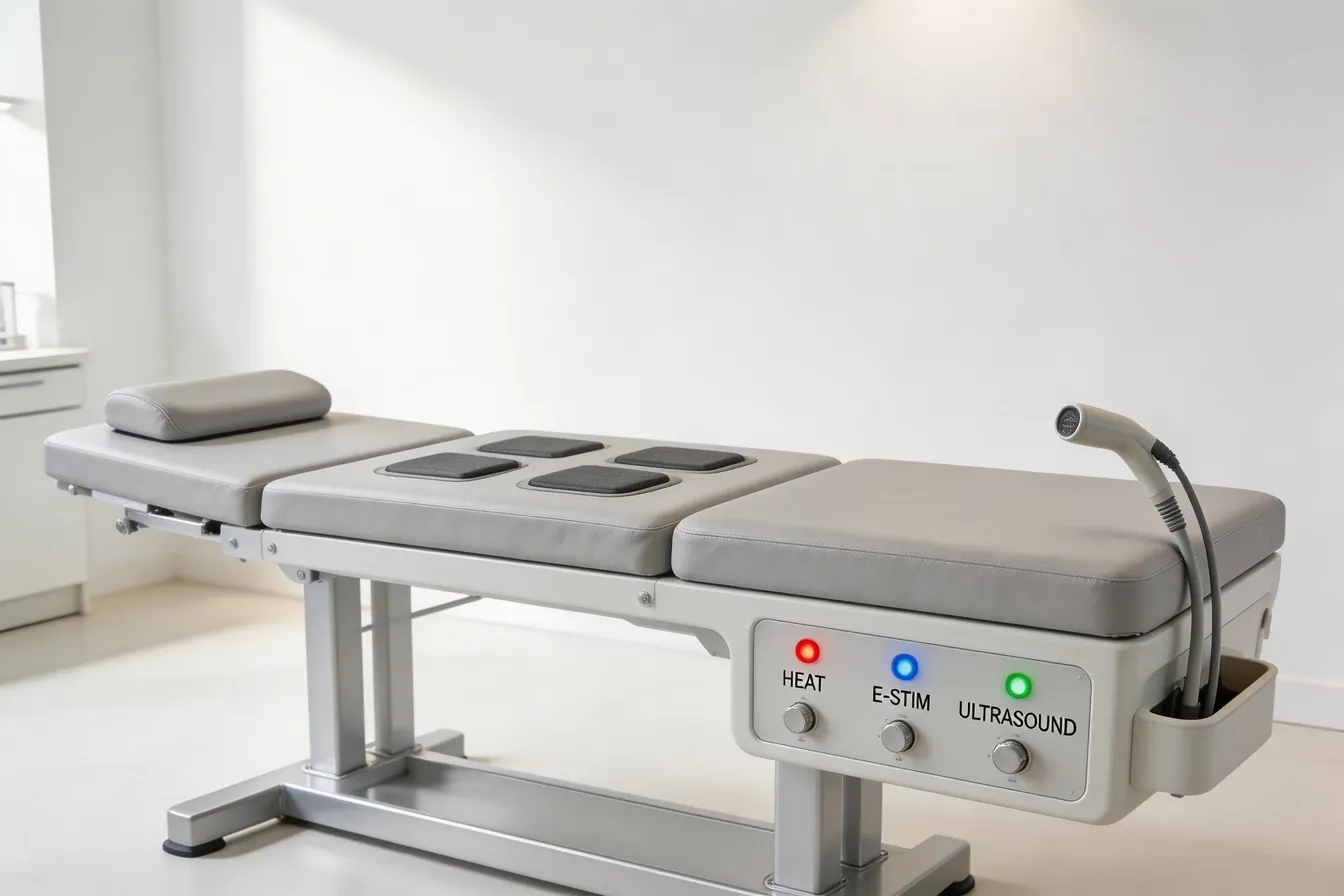
Physiotherapy as a Complement to Chiropractic Treatments
6 Ways Physiotherapy Enhances Chiropractic Treatment Outcomes

Daily Living Tips for a Strong and Healthy Spine

How Physiotherapy Enhances Chiropractic Outcomes
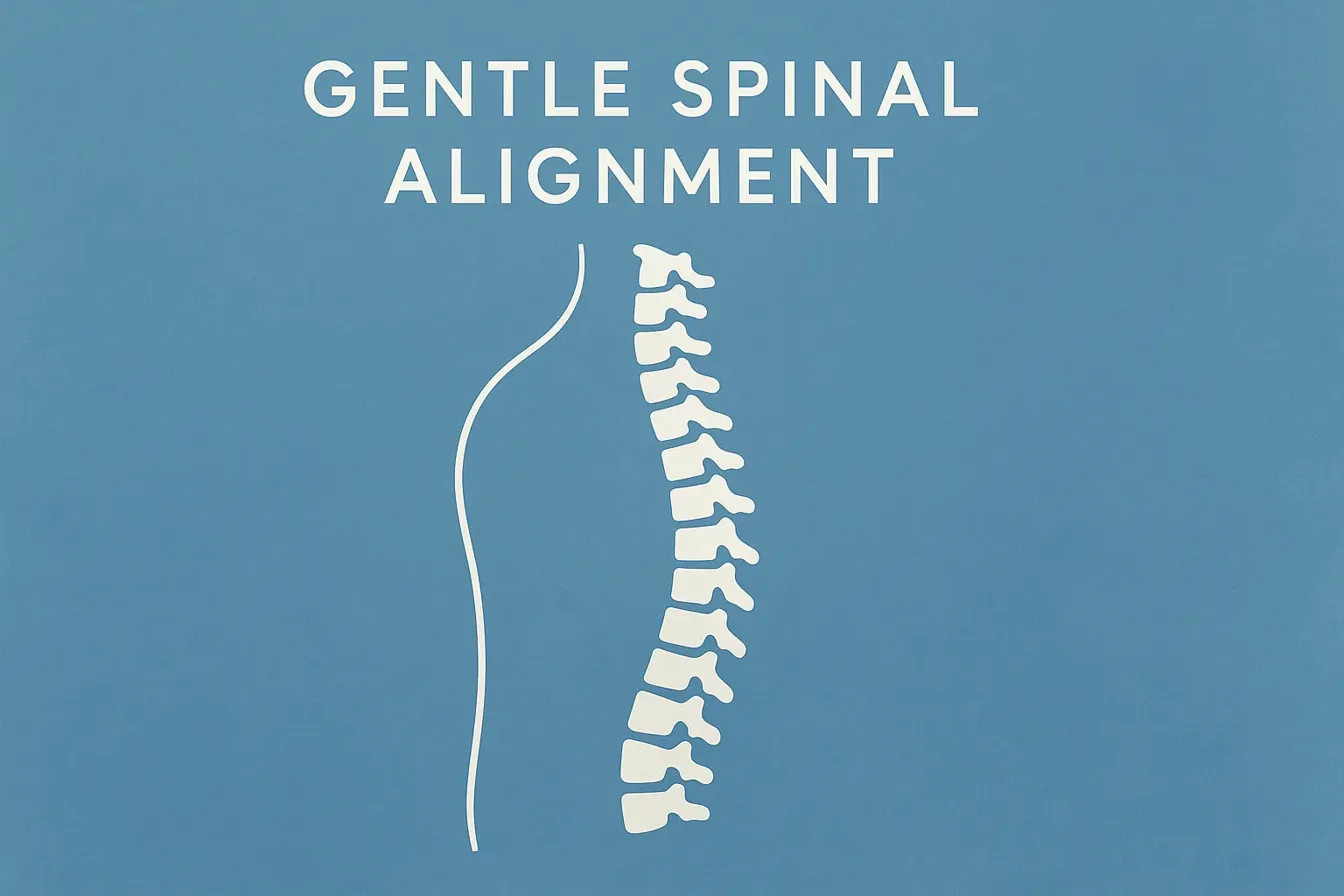
Holistic Treatments: Alternatives to Surgery for Pain Relief
Inspiring Patient Success Stories from Chiropractic Clinics

Integrating Physiotherapy with Chiropractic Treatments
Corrective Exercise Routines for Chronic Pain Prevention
10 Corrective Exercises to Maintain a Healthy Spine and Relieve Pain
Exercise Strategies for Long-Term Pain Management
10 Corrective Exercises to Maintain a Healthy Spine and Relieve Pain
The Importance of Treating the Root Cause of Pain
Nutritional Support Strategies for Whole-Body Wellness
7 Essential Questions to Ask When Choosing Your Chiropractor
Identifying and Addressing Root Causes of Pain
Maintaining a Healthy Spine with Lifestyle Adjustments
Sciatica Symptom Relief via Spinal Decompression
8 Reasons Why Addressing the Root Cause of Pain Is Crucial
Chiropractic Care’s Impact on Back Pain Recovery

Combining Physiotherapy with Chiropractic Care for Better Results
Inspiring Recovery: Chiropractic Patient Testimonials
Nutritional Counseling Tips for Optimal Wellness

Why Addressing the Root Cause of Pain is Crucial
Back Pain and Chiropractic Care: A Winning Combination
Chiropractic Care Benefits You Might Not Know
Exploring Holistic and Non-Surgical Treatments for Pain
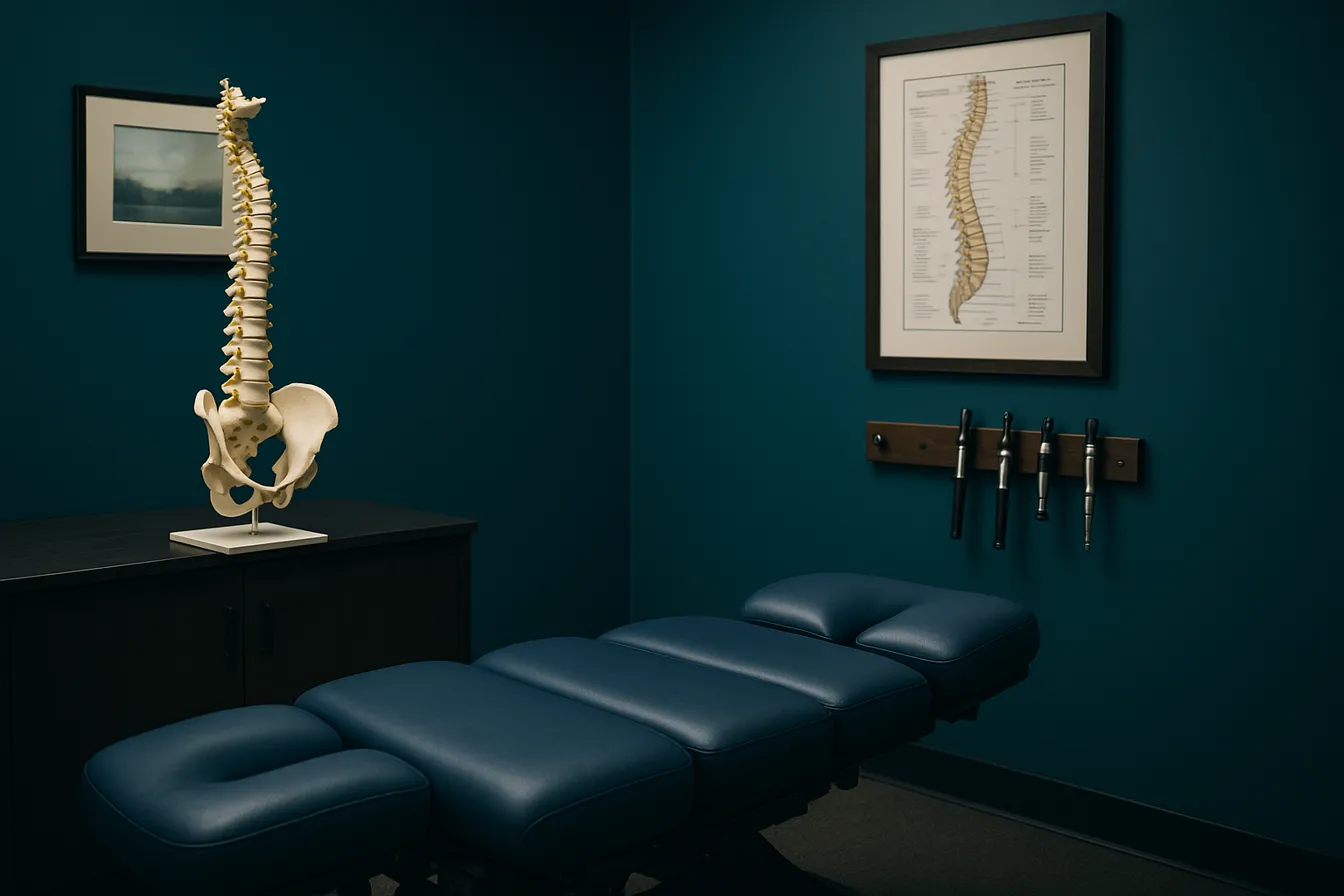
Spinal Health: Lifestyle Tips for Everyday Wellness
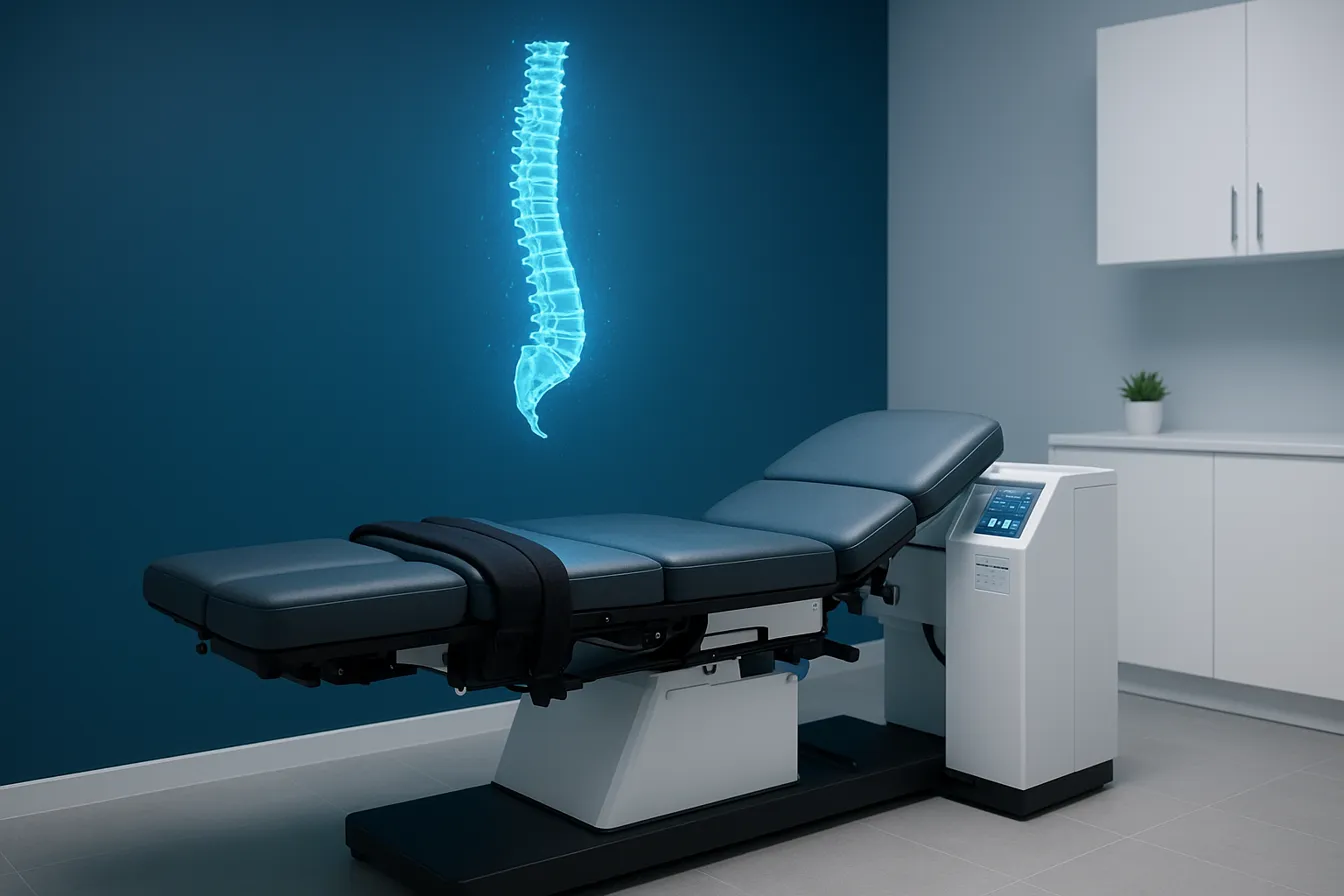
Spinal Decompression Therapy: Benefits and Applications
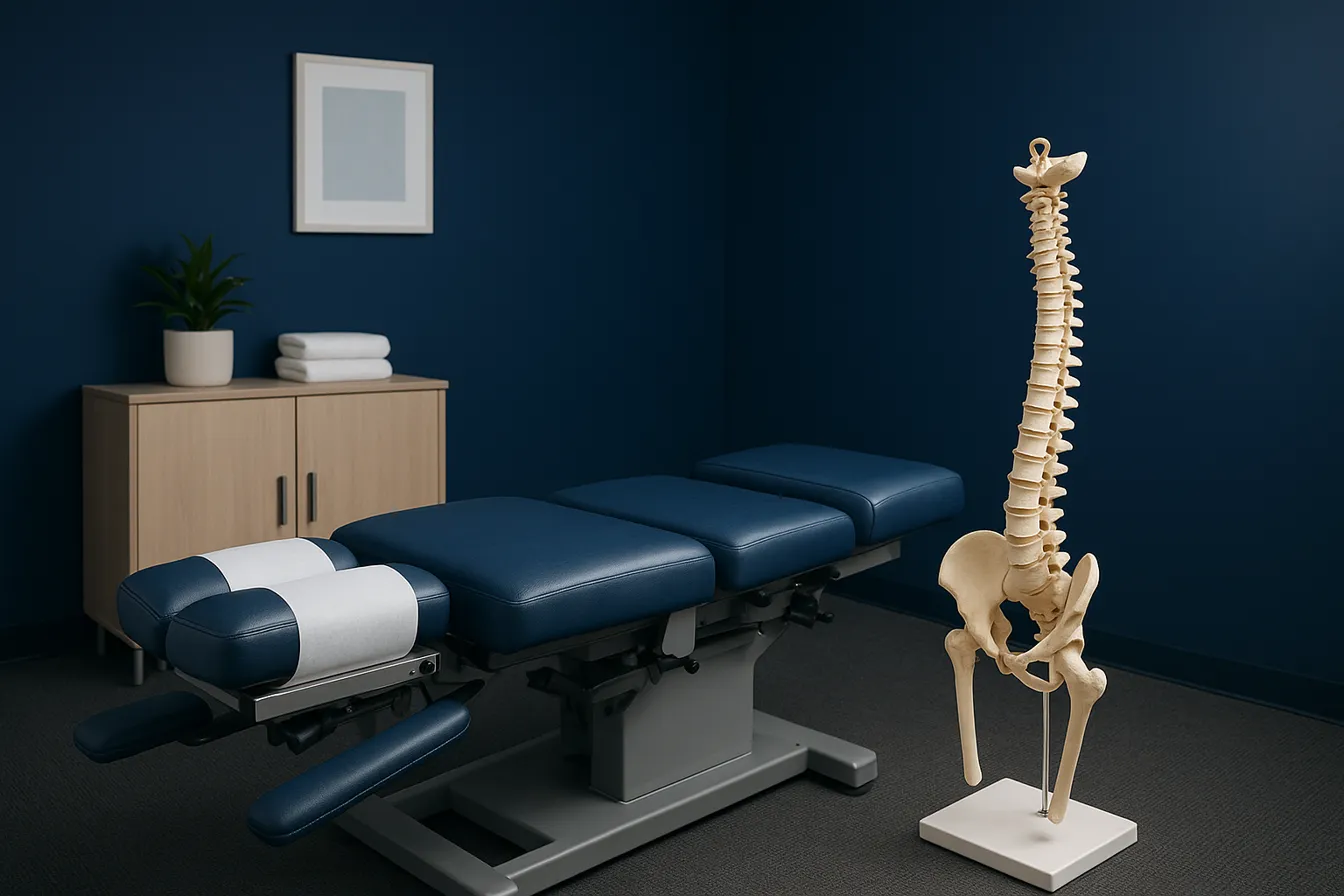
Holistic and Non-Invasive Spine Care Options
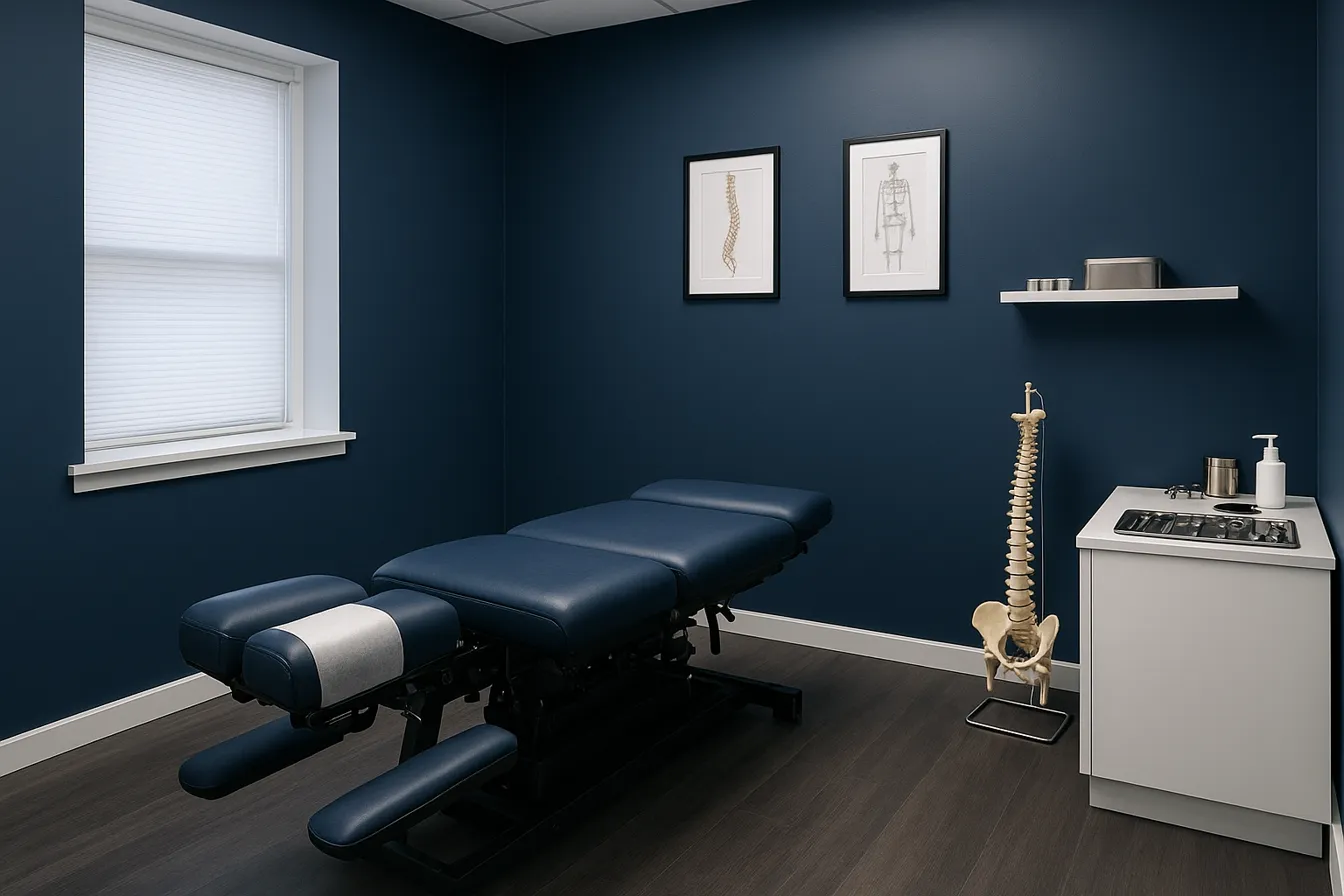
Everyday Lifestyle Advice to Keep Your Spine Healthy
The Significance of Treating Root Causes in Pain Therapy
Best Corrective Exercises for Sustainable Pain Management
Addressing Underlying Causes of Pain for Long-Term Relief
6 Key Benefits of Spinal Decompression Therapy for Sciatica Relief

How Nutritional Counseling Supports Spine Health and Recovery

The Role of Physiotherapy in Supporting Chiropractic Treatments