Holistic Treatments: Alternatives to Surgery for Pain Relief
March 2, 2026
25 min
Beyond Scalpels and Pills: A New Path to Pain Relief
The Pervasive Challenge of Chronic Pain
Chronic pain is not merely an isolated symptom; it is a widespread health concern that significantly impacts daily life. Defined as pain persisting for three months or longer, it affects a substantial portion of the population, with estimates suggesting that nearly 25% of Americans experience it. Among adults over 65, this prevalence rises dramatically, with approximately 65% reporting chronic pain. This persistent discomfort can interfere with physical capabilities, mental clarity, and emotional well-being, often leading to diminished quality of life, disrupted sleep, and heightened risks for conditions like depression and anxiety. The economic burden is equally staggering, with annual costs in the United States estimated in the hundreds of billions of dollars.
Moving Away from Traditional Models
For decades, the primary pathways for managing persistent pain have centered on prescription medications and surgical interventions. However, concerns over side effects, dependency risks, and the invasive nature of surgery have prompted both patients and healthcare providers to seek different solutions. Mainstream medicine is now embracing a wider variety of treatments than ever before. A significant shift is underway toward non-pharmacological and non-surgical options, driven by the understanding that pain relief is not a one-size-fits-all process. Many individuals find that drug-free therapies and lifestyle changes can lessen the need for medications and offer viable alternatives to invasive procedures.
What is a Holistic Approach to Pain?
Holistic pain management represents a fundamental shift in perspective. It is a whole-person approach that treats the individual, not just the source of pain. This strategy acknowledges that pain is influenced by a complex interplay of biological, psychological, and social factors—often called biopsychosocial factors. For instance, unmanaged stress can worsen muscle tension and heighten pain perception, while poor nutrition can increase systemic inflammation. A holistic plan, therefore, integrates multiple modalities to address the body, mind, and spirit simultaneously.
This integrative model moves beyond single interventions. It combines physical therapies, nutritional counseling, psychological support, and movement practices into a cohesive, personalized strategy. The goal is to empower the body's innate ability to heal itself, improve overall function, and enhance quality of life. Crucially, this approach does not necessarily replace conventional care but complements it, encouraging collaboration between various healthcare professionals to create the most effective plan for each person.
Core Principles of Integrative Pain Management
Successful holistic management rests on several key principles. First is personalization. Because pain experience varies greatly, an effective plan must be tailored to an individual's specific condition, lifestyle, preferences, and overall health. Second is multimodal integration. Relying on a single therapy is often less effective than combining several. For example, a plan might pair manual therapy with mindfulness exercises and dietary adjustments. Third is patient empowerment and education. Teaching self-management skills, such as proper movement or stress-reduction techniques, helps individuals take an active role in their recovery and long-term wellness.
A Framework for Holistic Strategies
Non-pharmacological interventions can be understood by their primary target within the pain experience. This framework helps categorize the diverse options available.
| Intervention Level | Primary Target | Example Modalities | Common Applications |
|---|---|---|---|
| Physiological | Body's tissues & systems | Exercise, manual therapy, acupuncture | Improving strength, reducing inflammation |
| Psychological | Thoughts & emotions | Cognitive behavioral therapy, mindfulness | Managing stress, reframing pain perception |
| Sensory/Experiential | Attention & awareness | Guided imagery, virtual reality, nature immersion | Distracting from pain, promoting relaxation |
The Role of Foundational Lifestyle Choices
Before exploring specific therapies, certain foundational lifestyle choices form the bedrock of any holistic pain management plan. These are accessible, evidence-supported practices that can significantly influence pain levels.
- Nutrition: Adopting an anti-inflammatory diet, such as the Mediterranean diet, rich in fruits, vegetables, whole grains, and healthy fats, can help reduce systemic inflammation linked to joint and muscle pain.
- Gentle Movement: Regular, low-impact physical activity like walking or swimming maintains joint flexibility, strengthens supporting muscles, and triggers the release of the body's natural pain-relieving endorphins.
- Sleep Hygiene: Prioritizing quality sleep is critical, as poor sleep can lower pain tolerance and hinder recovery. Consistent routines and a comfortable sleep environment are key.
- Stress Management: Techniques like diaphragmatic breathing, spending time in nature, or journaling can lower stress hormones, relax muscles, and alter how the brain processes pain signals.
- Heat and Cold Therapy: Simple applications of heat (for stiff muscles) or cold (for acute inflammation) are effective, inexpensive tools for immediate symptom management.
When pain persists despite these foundational efforts, a structured integration of professional holistic therapies becomes the next logical step. The following table outlines several primary modalities that form the core of a non-surgical, non-pharmacological treatment plan.
| Therapy Category | Mechanism of Action | Common Applications | Key Considerations |
|---|---|---|---|
| Chiropractic Care | Spinal/joint manipulation to improve alignment, reduce nerve irritation, and restore function. | Chronic back/neck pain, headaches, joint dysfunction, sciatica. | Widely covered by insurance; requires licensed practitioner. |
| Physical Therapy | Customized exercises, manual therapy, and education to improve strength, mobility, and function. | Osteoarthritis, post-injury rehab, chronic low back pain. | Focuses on root cause; includes home exercise programs. |
| Acupuncture | Needle insertion to stimulate nerves, release endorphins, and modulate pain signals. | Musculoskeletal pain, migraines, osteoarthritis, fibromyalgia. | Often requires multiple sessions; very low risk of side effects. |
| Mind-Body Practices | Combines physical movement with mental focus to calm nervous system and improve awareness. | Stress-related pain, fibromyalgia, osteoarthritis, low back pain. | Includes yoga, tai chi, and mindfulness-based meditation. |
| Therapeutic Massage | Soft tissue manipulation to increase blood flow, reduce muscle tension, and promote relaxation. | Muscle pain, stiffness, anxiety, chronic low back pain. | Benefits may be short-term; works well combined with exercise. |
The Holistic Foundation: Addressing Pain at Its Roots

What are holistic approaches to managing chronic pain?
Holistic approaches to managing chronic pain focus on the whole person—body, mind, and lifestyle—rather than just the symptoms. This whole-person method addresses pain by considering how physical function, emotional state, stress levels, daily habits, and social connections all influence the experience of discomfort. For instance, stress can worsen muscle tension and pain, so managing stress to lower pain response can lead to better outcomes. The goal is to improve overall well-being by integrating movement, education, and supportive complementary health approaches for chronic pain management into daily life.
The Core Principle: The Body's Innate Healing Ability
At the heart of holistic care is the belief that the body has a powerful, innate ability to heal itself. Treatments aim to support and enhance this natural process. For example, chiropractic care works by correcting spinal misalignments that can irritate nerves and cause pain, thereby restoring normal movement and nervous system function. Similarly, acupuncture for pain management stimulates specific points to prompt the central nervous system to release endorphins, the body's natural pain-relieving chemicals. These approaches focus on removing obstacles to healing rather than just masking pain with medication.
Integrating Complementary and Conventional Treatments
Effective non-drug pain relief often involves a blend of complementary and conventional therapies. This integrative model leverages the strengths of different disciplines for a more comprehensive strategy. A patient's plan might combine physical therapy for chronic pain improvement with acupuncture for pain relief for pain modulation and inflammation reduction. Mind-body techniques for chronic pain like Cognitive Behavioral Therapy for pain or mindfulness meditation can address the psychological aspects of chronic pain. Nutritional counseling may be added to reduce inflammation through diet and promote a healthy weight, easing joint stress. The key is a coordinated, multi-modal pain management approach.
Crafting a Personalized, Patient-Centered Plan
Because pain is highly individual, a one-size-fits-all solution rarely works. A personalized pain management plan is essential and should be developed in ongoing dialogue with healthcare providers. This process begins with a thorough evaluation of medical history, symptoms, lifestyle, and personal preferences. From this assessment, a tailored strategy emerges. It may involve specific chiropractic techniques for pain, a schedule for Acupuncture services, a home exercise program for chronic pain relief, and dietary adjustments. The plan should be flexible, allowing for adjustments based on progress and feedback.
Key Modalities in a Holistic Framework
| Therapeutic Category | Primary Methods | Mechanism & Goal |
|---|---|---|
| Manual & Body-Based | Chiropractic adjustments, massage therapy benefits for pain, physical therapy exercises for pain relief and improved mobility. | Restores joint function, relaxes muscles, improves circulation and mobility. |
| Mind-Body Techniques | Mindfulness and CBT techniques to reduce chronic pain intensity, yoga for pain management, tai chi for osteoarthritis pain management. | Reduces stress, alters pain perception, improves emotional coping and relaxation. |
| Energy & Needle Therapy | Acupuncture for chronic back pain, migraines, and cancer treatment side effects, electroacupuncture for chronic extremity pain, dry needling for musculoskeletal pain. | Stimulates nerves, releases endorphins, reduces inflammation, improves energy flow. |
| Lifestyle & Supportive | Nutritional counseling for inflammation, sleep hygiene, stress management for pain reduction, gentle movement like walking, swimming, and stretching. | Reduces systemic inflammation, supports healing, enhances overall physical and mental resilience. |
Working collaboratively with a team—which may include a primary care physician, chiropractor, physical therapist, and mental health professional—ensures all aspects of health are addressed. This patient-centered collaboration is crucial for developing a safe, effective plan that aligns with individual goals and medical needs, paving the way for sustainable pain relief and improved quality of life.
Mobilizing the Body: Movement, Alignment, and Targeted Therapies

Chiropractic Care: A Foundation for Holistic Pain Relief
Chiropractic care is a non-drug, non-surgical treatment centered on the relationship between the spine and nervous system. Licensed chiropractors perform manual adjustments—also called spinal manipulation—to correct joint misalignments, particularly in the spine. This approach aims to restore proper alignment, reduce nerve irritation, decrease muscle spasms, and improve range of motion. It is a holistic method that leverages the body's innate ability to heal itself.
Effectiveness and Scope for Musculoskeletal Pain
Chiropractic adjustments are a primary alternative for managing pain in the back, neck, and joints. Spinal complaints are the most common reason people seek chiropractic care. Research and medical guidelines support its use. For instance, the American College of Physicians recommends chiropractic care as a first-line treatment for low back pain. Evidence shows it is effective for acute, subacute, and chronic low back pain, as well as for neck pain and certain types of headaches. It can also benefit extremity conditions like shoulder, hip, and knee osteoarthritis.
The Safety Profile of Chiropractic Adjustments
Chiropractic care is generally considered safe with a low risk of serious complications. Common side effects are mild and temporary, such as soreness or stiffness that typically resolves within 24 hours. Severe adverse events are extremely rare. To ensure safety, it is crucial to seek treatment from a licensed chiropractor who will conduct a thorough evaluation, including a medical history and possible diagnostic imaging, to determine if care is appropriate for your specific condition.
Physical Therapy: Building Strength and Restoring Function
Physical therapy is a cornerstone of non-surgical pain management. It involves a personalized plan created by a therapist to address the root cause of pain. Treatment typically includes therapeutic exercises, stretching, manual therapy, and education on proper movement. The goals are to improve strength, flexibility, mobility, and posture. By strengthening the muscles around painful joints or the spine, physical therapy provides immediate relief and helps prevent future pain and injury. It is commonly prescribed for chronic back pain, osteoarthritis, and post-injury rehabilitation.
Integrating Therapies for Enhanced Outcomes
Combining different treatment modalities often yields better results than any single approach. A collaborative, multi-disciplinary strategy addresses pain from multiple angles.
Can physical therapy and acupuncture be combined for pain management?
Yes, physical therapy and acupuncture can be effectively combined for a comprehensive pain management strategy. Acupuncture serves as a powerful adjunct within a physical therapy plan, helping to reduce pain, muscle spasms, and inflammation, which allows the body to relax and heal. This combination prepares the body for therapeutic exercises by improving circulation, flexibility, and range of motion. As a result, patients often experience accelerated recovery, better functional outcomes, and reduced reliance on medication. For conditions like back pain, arthritis, and strains, this integrated approach addresses both the symptoms and root causes of discomfort.
Synergy with Chiropractic and Other Modalities
Chiropractic care also integrates well with other therapies. For example, chiropractors often incorporate soft tissue massage, exercise prescription, and lifestyle advice into treatment plans. Combining chiropractic adjustments with physical therapy can be particularly synergistic. The adjustments can improve joint mobility and reduce pain, making it easier and more effective to perform the strengthening and stretching exercises prescribed in physical therapy. This multifaceted approach is a hallmark of holistic, patient-centered care.
A Summary of Key Therapies
| Therapy | Primary Mechanism | Common Applications | Key Benefit |
|---|---|---|---|
| Chiropractic Care | Spinal/joint manipulation to improve alignment and nervous system function. | Back pain, neck pain, headaches, joint dysfunction. | Drug-free pain relief; addresses root structural issues. |
| Physical Therapy | Therapeutic exercises, stretching, and manual therapy to improve strength and mobility. | Chronic back pain, osteoarthritis, post-injury rehab. | Builds long-term resilience and prevents future injury. |
| Acupuncture | Needle insertion to stimulate nerves, reduce inflammation, and promote healing. | Musculoskeletal pain, headaches, arthritis. | Can reduce pain signals and enhance other therapies. |
| Combined Modalities | Integrates two or more approaches (e.g., chiropractic + PT, acupuncture + PT). | Complex or chronic pain conditions. | Addresses pain from multiple angles for accelerated, comprehensive relief. |
Effective pain management is not one-size-fits-all. A personalized plan, developed in consultation with healthcare providers like chiropractors and physical therapists, is essential. This plan should consider your unique condition, preferences, and goals, often combining these mobilization and alignment therapies for optimal results.
Beyond the Needle: Exploring Complementary Modalities

Exploring Complementary Modalities for Holistic Healing
Complementary modalities are treatments used alongside conventional medicine to address pain and improve overall wellness. For a holistic health practice like Back in Action Bodyworks, these therapies are integral to a patient-centered treatment plan. They offer natural pain relief methods that work with the body's own healing abilities, often reducing the need for medication or invasive procedures. By integrating these approaches, we aim to treat the whole person—mind, body, and spirit—rather than just the symptoms.
Is Acupuncture Effective for Musculoskeletal Pain?
Acupuncture is an ancient Chinese technique involving the insertion of fine needles at specific body points. Modern research supports its use for various musculoskeletal pain conditions. A 2025 evidence map analyzing over 100 systematic reviews found acupuncture provides beneficial short-term effects for major disorders like low back pain, osteoarthritis, and neck pain. For conditions such as plantar heel pain and lateral epicondylitis (tennis elbow), both electroacupuncture and dry needling have shown significant, sustained improvements. However, evidence can be inconsistent for some specific conditions, like carpal tunnel syndrome. The American Academy of Orthopaedic Surgeons strongly recommends against acupuncture for knee osteoarthritis, while other guidelines see a role for certain patients. Generally, acupuncture is considered a safe, low-risk therapy. It is thought to work by stimulating nerves to release the body's natural painkillers (endorphins), reducing inflammation, and improving local blood flow. As part of a comprehensive, multimodal strategy, acupuncture can be a valuable component of holistic pain management.
Massage Therapy for Tension, Circulation, and Stress
Massage therapy involves the manual manipulation of the body's soft tissues through techniques like kneading, tapping, and circular motions. Its benefits are multi-faceted:
- It increases blood and oxygen flow to affected areas, promoting healing.
- It directly relaxes the nervous system, which can lower heart rate and blood pressure.
- It reduces the body's production of stress and pain hormones like cortisol. Massage can provide immediate relief for chronic back pain, neck pain, and osteoarthritis-related knee or shoulder pain. Regular sessions may also help manage fibromyalgia symptoms over time. Studies have found deep tissue massage can be as effective as over-the-counter NSAIDs for chronic low-back pain. By easing muscle tension and improving circulation, massage therapy is a powerful tool for reducing pain and enhancing a patient's overall sense of well-being.
Mind-Body Practices: Yoga and Tai Chi
Yoga and tai chi are movement-based practices that beautifully integrate gentle physical exercise with breath control and mindfulness.
- Yoga combines physical postures, meditation, and breathing techniques. The American College of Physicians lists it as a first-line treatment for chronic low-back pain. It can help ease symptoms of arthritis, fibromyalgia, headaches, and neck pain by building strength, stabilizing joints, and increasing flexibility.
- Tai Chi involves slow, gentle, flowing movements paired with deep breathing and mental focus. Research shows it can improve pain, stiffness, balance, and joint function in people with osteoarthritis. It's also a good option for chronic low-back pain. Both practices engage the mind-body connection, which can remap the brain's sensory experience and decrease nervous system sensitivity associated with persistent pain. They are low-impact and can be adapted for various fitness levels, making them accessible components of a holistic wellness plan.
Mindfulness-Based Approaches to Pain Perception
Mindfulness-based approaches address the psychological and emotional aspects of living with pain. Techniques such as meditation, cognitive behavioral therapy (CBT), and guided imagery can change how the brain perceives and processes pain signals.
- Meditation and Mindfulness: Focusing non-judgmental attention on the present moment can reduce stress and promote relaxation, which lowers pain levels. Regular practice has been shown to help with conditions like fibromyalgia and chronic back pain.
- Cognitive Behavioral Therapy (CBT): This therapy helps reframe negative thoughts and limiting beliefs about pain, overcoming fear of movement and improving coping skills.
- Other Techniques: Diaphragmatic breathing, hypnosis (which may require several sessions), and progressive muscle relaxation are also effective. The American College of Physicians recommends progressive muscle relaxation as a first step for chronic low-back pain. These mind-body techniques work by calming the nervous system, lowering stress-related inflammation, and providing patients with active tools to manage their pain experience.
Introduction to Other Complementary Modalities
A holistic toolbox includes several other evidence-based modalities that can be integrated into a care plan.
- Dry Needling: Distinct from traditional acupuncture, dry needling is based on Western anatomy and targets myofascial trigger points (knotted, tender areas in muscles). It aims to release these points, decrease muscle tightness, and increase blood flow. It can be effective for conditions like plantar fasciitis, some tendon issues, and muscle-related pain.
- Transcutaneous Electrical Nerve Stimulation (TENS): This therapy uses a small, battery-powered device to deliver mild electrical pulses through pads placed on the skin. The pulses help disrupt pain signals traveling to the brain and may stimulate the release of endorphins. TENS units can be used at home for localized pain relief, such as in the lower back.
- Nutritional Counseling: Diet profoundly impacts inflammation and pain. An anti-inflammatory diet rich in omega-3 fatty acids can support joint and muscle health. Supplements like turmeric, ginger, or omega-3s may also be considered under professional guidance.
| Modality | Primary Mechanism | Common Applications | Key Benefit in Holistic Care |
|---|---|---|---|
| Acupuncture | Stimulates nerves, releases endorphins, reduces inflammation. | Low back pain, osteoarthritis, headaches, fibromyalgia. | Provides drug-free pain relief, integrates Eastern/Western medicine. |
| Therapeutic Massage | Manipulates soft tissue, improves circulation, reduces stress hormones. | Chronic back/neck pain, muscle tension, stress reduction. | Offers immediate relaxation and pain relief, complements adjustments. |
| Yoga & Tai Chi | Combines gentle movement, breathwork, and mindfulness. | Arthritis, fibromyalgia, chronic low-back pain, balance issues. | Improves physical function and mental resilience, empowers self-care. |
| Mindfulness & CBT | Alters brain activity and perception of pain, manages stress. | Chronic pain conditions, anxiety related to pain, sleep issues. | Addresses root psychological factors, provides coping strategies. |
| Dry Needling | Releases myofascial trigger points, improves local blood flow. | Muscle knots, plantar fasciitis, some tendon pain. | Targets specific muscular dysfunction, can enhance movement therapy. |
| TENS Therapy | Delivers electrical pulses to interfere with pain signal transmission. | Localized musculoskeletal pain (e.g., lower back, shoulder). | Non-invasive, patient-controlled pain management option. |
Your Daily Foundation: Lifestyle, Nutrition, and Home Care

The Core of Holistic Management
Holistic pain management extends beyond the treatment room into daily life. It involves building supportive habits that reduce systemic inflammation, strengthen your body, and modulate pain perception. This foundation is critical for long-term wellness and can significantly enhance the effectiveness of chiropractic care, acupuncture, or physical therapy. This section outlines practical, evidence-based lifestyle, nutritional, and home care strategies you can implement every day.
Adopting an Anti-Inflammatory Diet
What you eat directly influences inflammation levels, which can worsen or alleviate musculoskeletal pain. An anti-inflammatory diet focuses on whole, nutrient-dense foods while minimizing processed items. The Mediterranean diet is an excellent model for pain management, emphasizing:
- Fruits and Vegetables: Rich in antioxidants that combat inflammation. Aim for a colorful variety, including leafy greens like spinach and kale, and berries like blueberries and strawberries.
- Healthy Fats: Omega-3 fatty acids found in fatty fish (salmon, mackerel), walnuts, and flaxseeds are potent inflammation fighters.
- Whole Grains: Foods like brown rice, quinoa, and oats provide fiber and nutrients without spiking blood sugar.
- Lean Proteins and Legumes: Incorporate beans, lentils, and moderate amounts of poultry.
Conversely, limit foods high in refined sugars, saturated fats, and ultra-processed ingredients, as they can promote inflammatory pathways in the body.
Incorporating Regular, Gentle Exercise
Movement is a cornerstone of non-pharmacological pain management. Regular, low-impact activity maintains joint mobility, strengthens supporting muscles, improves circulation, and triggers the release of endorphins—the body's natural pain relievers. Key principles include:
- Consistency Over Intensity: Aim for at least 150 minutes of moderate activity per week, such as brisk walking, swimming, or cycling.
- Strength Training: Building muscle helps stabilize and protect joints. Start with bodyweight exercises or light resistance.
- Flexibility Work: Gentle stretching or practices like yoga and tai chi for chronic pain improve range of motion and reduce stiffness.
Always listen to your body and avoid activities that cause sharp pain. A physical therapist or chiropractor can help design a safe, personalized exercise program.
Implementing Home Care Strategies
What can I do at home to treat musculoskeletal pain?
Effective home care provides immediate relief and supports long-term healing. A simple, layered approach often works best.
- Heat and Cold Therapy: Use ice packs (wrapped in a cloth) on new or swollen areas for 15-20 minutes to reduce inflammation. Apply heat (heating pads, warm baths) to soothe chronic stiffness and relax tight muscles.
- Over-the-Counter (OTC) Medications: Non-steroidal anti-inflammatory drugs (NSAIDs) like ibuprofen or naproxen can reduce pain and swelling when used short-term as directed. Topical creams with menthol, capsaicin, or lidocaine offer localized relief with minimal systemic absorption.
- Gentle Stretching: Perform slow, controlled stretches for major muscle groups to maintain flexibility. Avoid bouncing and stop if pain increases.
Prioritizing Sleep and Managing Stress
Poor sleep and high stress can lower pain tolerance and increase muscle tension, creating a cycle that worsens discomfort.
- Sleep Hygiene: Establish a consistent bedtime routine, ensure your sleeping environment is dark and cool, and avoid screens before bed. Quality sleep is essential for tissue repair and pain modulation.
- Stress Management: Chronic stress elevates cortisol, which can increase inflammation. Techniques like diaphragmatic breathing, progressive muscle relaxation, mindfulness meditation for pain, or even short daily walks can effectively lower stress levels.
Choosing Supportive Beverages and Staying Hydrated
What should I drink to support my joint health?
Hydration is vital for joint lubrication and overall cellular function. Choose beverages that hydrate while providing additional anti-inflammatory benefits.
- Water: The essential foundation for all bodily functions, including maintaining synovial fluid in joints.
- Green Tea: Rich in polyphenols like EGCG, which have antioxidant and anti-inflammatory properties that may protect cartilage.
- Tart Cherry Juice: Contains anthocyanins that can help reduce inflammation and symptoms of gout and osteoarthritis. Opt for unsweetened varieties.
- Anti-Inflammatory Smoothies: Blend water or milk with berries, leafy greens, ginger, or turmeric for inflammation for a nutrient-packed drink.
Limit beverages high in added sugars, such as sodas and sweetened juices, as they can promote inflammation.
Overview of Foundational Daily Practices
The table below summarizes key daily actions you can take to build a solid foundation for managing musculoskeletal pain holistically.
| Practice Category | Primary Goal | Specific Actions & Examples | Expected Benefit |
|---|---|---|---|
| Nutrition | Reduce systemic inflammation | Follow Mediterranean diet principles; eat berries, leafy greens, fatty fish. | Lower pain levels; support healthy weight. |
| Physical Activity | Maintain mobility & strength | Walk, swim, cycle; gentle strength training; yoga or tai chi. | Improve function; release natural painkillers. |
| Home Care | Manage acute symptoms | Alternate heat/ice; use OTC topicals; perform gentle stretches. | Immediate pain relief; reduce swelling. |
| Rest & Recovery | Promote healing & modulation | Prioritize 7-9 hours of sleep; establish a calming bedtime routine. | Enhance tissue repair; improve pain tolerance. |
| Mind-Body Balance | Lower stress & tension | Practice deep breathing, meditation for pain, or mindfulness for 5-10 minutes daily. | Decrease muscle tightness; alter pain perception. |
| Hydration | Lubricate joints & flush toxins | Drink water throughout the day; include green tea or tart cherry juice. | Maintain joint function; support cellular health. |
Integrating these daily practices creates a powerful synergy with professional holistic pain treatments. By addressing diet, movement, rest, and stress, you actively participate in your healing journey, building resilience and improving your overall quality of life. Remember, consistency with these foundational habits is key to achieving and maintaining long-term pain relief and wellness.
What to Expect: Safety, Side Effects, and Realistic Outcomes

Why might I feel tired or sore after a chiropractic adjustment?
Feeling tired or sore after a chiropractic adjustment is a common and temporary reaction as your body adapts to its new alignment. This process is a normal part of your body's healing response. An adjustment improves circulation and nervous system function, which helps flush out metabolic waste products—such as lactic acid—that may have been trapped in tight, overworked muscles and tissues.
This metabolic clearance, sometimes informally called 'toxic release,' can lead to sensations of fatigue or mild, temporary soreness. Muscles that have been compensating for a misaligned spine or joint often need to relax and retrain, which can feel similar to post-exercise muscle fatigue. Importantly, these sensations typically resolve within 24 to 48 hours.
What are the common side effects of a chiropractic hip adjustment?
The most common side effect of a chiropractic hip adjustment is temporary, mild soreness in the treated joint or surrounding muscles. This discomfort is similar to what you might feel after engaging in new physical activity. It indicates your musculoskeletal system is responding and adapting to the improved alignment.
Some individuals may briefly feel a sense of being 'different' or unsteady as their posture and gait readjust. Serious complications from spinal manipulation, such as a herniated disk or nerve compression, are extremely rare, especially when performed by a licensed professional. The vast majority of patients experience immediate relief and enhanced mobility following an adjustment.
The importance of seeking licensed, qualified practitioners.
Ensuring your practitioner is properly licensed and trained is the single most important factor for safe and effective holistic care. In the United States, Doctors of Chiropractic (DCs) complete extensive postgraduate education, including a four-year doctoral program, and must pass national board exams to obtain a state license.
Licensed chiropractors are trained to perform thorough evaluations, including reviewing medical history and conducting physical exams. They are qualified to determine if chiropractic care is appropriate for your condition or if a referral to another specialist is needed. Always verify a practitioner's credentials and seek care in a professional clinical setting.
Common, temporary reactions to treatments like chiropractic adjustments.
Beyond soreness and fatigue, other benign and self-limiting reactions can occur after various holistic therapies. The following table outlines common temporary effects associated with different treatments:
| Treatment Modality | Common Temporary Reactions | Typical Duration | Notes |
|---|---|---|---|
| Chiropractic Adjustment | Mild soreness, fatigue, minor headache | 24-48 hours | Often signals body's adaptation to new alignment. |
| Acupuncture | Dull ache at needle site, minor bruising, slight bleeding | A few hours to 2 days | Sterile, single-use needles minimize infection risk. |
| Therapeutic Massage | Muscle tenderness, mild fatigue | 1-2 days | Drinking water can help flush released metabolites. |
| Dry Needling | Local muscle twitching, soreness, possible bruising | 24-36 hours | Targets myofascial trigger points to release tension. |
Rarity of serious complications with evidence-based holistic therapies.
When performed by licensed professionals, holistic therapies like chiropractic care, acupuncture, and massage have an excellent safety profile. Severe adverse events are exceptionally uncommon. For example, the risk of a serious complication from spinal manipulation is estimated to be less than one in several million.
Research consistently shows that these non-invasive treatments carry far fewer risks than long-term use of common pain medications or surgical interventions. Practitioners screen patients for specific contraindications, such as severe osteoporosis, certain vascular conditions, or active joint inflammation, to further ensure safety.
Managing expectations: treatment often requires a series of sessions and patience.
Holistic pain management focuses on addressing underlying causes and promoting long-term wellness, which typically requires a commitment over time. Unlike a pill that may mask pain immediately, treatments like chiropractic care, physical therapy, or acupuncture often build cumulative benefits.
You may begin to feel improvements within a few sessions, but achieving sustained relief and functional restoration usually involves a prescribed treatment plan. For instance, research suggests it may take 4 to 10 chiropractic visits to see significant improvement for chronic issues. Acupuncture often requires a series of sessions—sometimes 8 to 12—for optimal results, as the body's response to needling is progressive.
Patience is key. Lasting pain relief without drugs or surgery and improved mobility develop as your body heals, muscles strengthen, and nervous system function improves. Your practitioner will work with you to set realistic milestones and adjust the plan based on your progress.
The process of integrating holistic care with a primary care physician.
A collaborative approach between your holistic practitioner and your primary care physician (PCP) provides the most comprehensive and safe care. Inform your PCP that you are seeking chiropractic or other complementary therapies. A licensed chiropractor can provide a summary of your treatment plan and progress to your medical doctor.
This integration ensures all aspects of your health are considered. Your chiropractor can address musculoskeletal function and pain, while your PCP manages overall health, medications, and screens for conditions that may require different care. Many insurance plans cover chiropractic care, and an integrated approach can help streamline communication regarding your coverage and treatment goals.
Open dialogue allows for adjustments to your overall wellness strategy. If pain does not improve or if new symptoms arise, your care team can quickly reassess and guide you to the most appropriate next steps, whether within holistic care or through a referral to another specialist.
Building Your Personalized Plan: The Path Forward
Summarizing the Holistic Toolkit
The journey to sustainable pain relief is rarely about a single solution. Success comes from integrating multiple evidence-based approaches that work in concert. Your comprehensive toolkit includes bodywork, movement, mind-body practices, and lifestyle adjustments. Bodywork, such as chiropractic adjustments and therapeutic massage, directly addresses musculoskeletal misalignments and muscle tension. Movement, guided by physical therapy or practices like tai chi and yoga, builds strength, flexibility, and joint stability. Mind-body techniques, including mindfulness meditation and cognitive behavioral therapy, help manage the emotional and psychological aspects of chronic pain. Finally, foundational lifestyle choices—like an anti-inflammatory diet, quality sleep, and stress management—create the optimal environment for your body to heal and function.
Emphasizing a Personalized, Not One-Size-Fits-All, Approach
Chronic pain is deeply personal. What works for one individual may not be effective for another. A personalized pain management plan is essential, as it considers your unique medical history, specific pain condition, lifestyle, and personal preferences. For example, while acupuncture may offer significant relief for plantar heel pain or lateral epicondylitis, its benefits for carpal tunnel syndrome are less clear. Similarly, chiropractic care is a powerful first-line option for many with back and neck pain, but it may not be suitable during active inflammatory flares of certain arthritic conditions. The key is to work with a practitioner who will tailor a strategy just for you.
Fostering an Ongoing, Collaborative Partnership
Effective holistic care is a collaborative process, not a single event. It requires an open, ongoing dialogue with your healthcare team. This includes your primary care physician, chiropractor, physical therapist, and any other specialists involved in your care. Regular check-ins allow your team to monitor progress, adjust treatments as needed, and ensure all modalities are working together safely. For instance, your chiropractor can coordinate with a physical therapist to align spinal adjustments with a targeted exercise regimen, or with a nutritionist to support an anti-inflammatory diet that complements bodywork. This integrated approach maximizes your chances for long-term success.
Reinforcing the Ultimate Goal: Sustainable Relief and Enhanced Life
The core objective of a holistic pain management plan is not merely to mask symptoms but to achieve sustainable relief, restored function, and an enhanced quality of life—all without resorting to surgery. This means moving beyond temporary fixes to address underlying causes, whether they are biomechanical imbalances, nervous system sensitization, or inflammatory triggers. The goal is to empower you with the tools and knowledge to manage your condition actively. Benefits extend beyond pain reduction to include improved sleep, better mood, increased mobility, and a reduced reliance on pain medications, allowing you to return to the activities you enjoy.
Taking the Next Step with Guidance
Exploring these options can feel overwhelming, but you don't have to navigate this path alone. We encourage you to take a proactive step by consulting with licensed professionals who specialize in integrative care. Begin by discussing your interest in non-surgical alternatives with your primary care provider. From there, seek out qualified practitioners such as chiropractors, physical therapists, or acupuncturists who emphasize a whole-person approach. A comprehensive initial evaluation, which may include a review of your health history and diagnostic imaging, is the first step in building your unique, multidisciplinary plan for wellness.
| Therapy Category | Primary Modalities | Common Target Conditions | Key Mechanism of Action |
|---|---|---|---|
| Bodywork & Manual Therapy | Chiropractic adjustments, Massage therapy, Spinal manipulation | Back pain, Neck pain, Headaches, Joint dysfunction | Restores alignment, relaxes muscle tension, improves circulation, reduces nerve irritation |
| Movement & Exercise | Physical therapy, Tai chi, Yoga, Strength training | Osteoarthritis, Fibromyalgia, Chronic low back pain, Post-injury rehab | Strengthens supporting muscles, increases range of motion, improves joint stability and function |
| Mind-Body Practices | Mindfulness meditation, Cognitive Behavioral Therapy (CBT), Guided imagery | Stress-related pain, Chronic pain syndromes, Pain amplification | Alters pain perception, reduces stress hormones, improves emotional regulation and coping skills |
| Complementary Modalities | Acupuncture, Dry needling, Transcutaneous Electrical Nerve Stimulation (TENS) | Musculoskeletal pain, Tendinopathies, Neuropathic pain | Stimulates nerves, modulates pain signals, reduces inflammation, promotes natural healing |
| Lifestyle Foundations | Anti-inflammatory nutrition, Sleep hygiene, Stress management techniques | Systemic inflammation, Pain exacerbation, Overall well-being | Reduces inflammatory triggers, supports tissue repair, lowers overall stress load on the body |
Redefining Your Relationship with Pain
Moving From a Passive to an Active Role
Chronic pain management is fundamentally shifting. The traditional model of passive treatment, where a patient receives a prescription or procedure, is being replaced by an active, collaborative approach. Holistic care empowers you to become the primary agent in your own healing journey. This self-management focus places tools like movement, mindfulness, and lifestyle modifications at the center of your care plan, fostering a sense of control and autonomy over your well-being.
The Tools of Self-Management and Empowerment
This empowerment is built on a foundation of practical strategies you can integrate into daily life. A personalized plan transforms you from a recipient of care into a participant. This might involve a specific sequence of chiropractic adjustments paired with tailored home exercises, or acupuncture sessions to manage acute flares alongside a physical therapy regimen to rebuild strength. The goal is to equip you with a sustainable toolkit, reducing dependence on any single intervention and fostering long-term resilience.
A Vision for the Future of Pain Care
The growing body of evidence and patient success stories is paving the way for a future where non-invasive, holistic strategies are not just alternatives, but the standard first-line approach. The vision is an integrated healthcare system where options like chiropractic care, physical therapy, acupuncture, and mindfulness are routinely offered before more invasive steps. This model prioritizes the body's innate healing capacity and focuses on restoring function and quality of life with minimal risk.
Hope and the Path to a Fuller Life
Living with chronic pain does not have to mean a life defined by limitations. The comprehensive, person-centered nature of holistic pain management offers a tangible path forward. By addressing the interconnected physical, emotional, and lifestyle factors that contribute to pain, these approaches open the door to meaningful improvement. The possibility of reduced pain, improved mobility, better sleep, and a return to cherished activities is a realistic and achievable goal for many.
Embracing a New Standard in Musculoskeletal Health
This shift represents more than just new treatments; it's a new philosophy in musculoskeletal health. It champions prevention, patient education, and whole-person wellness. The integration of Eastern and Western traditions, of hands-on therapy with self-care, creates a robust framework for healing. As awareness grows, these methods are moving from the periphery to the mainstream, supported by clinical guidelines and a demand for care that aligns with long-term health and vitality.
| Core Principle | What It Means for You | Example in Practice |
|---|---|---|
| Active Participation | You are a partner in your care, not a passive recipient. | Performing prescribed home stretches and ergonomic adjustments. |
| Personalized Toolkit | Your plan is unique, combining modalities that work for you. | Chiropractic for spinal alignment + yoga for flexibility and stress. |
| Function Over Isolation | Focus is on restoring daily activity, not just a pain point. | PT to improve walking gait, not just treat a sore knee. |
| Root Cause Focus | Strategies aim to address underlying issues, not just mask pain. | Nutritional counseling to reduce systemic inflammation. |
| Collaborative Care | Your providers work as a team for a unified treatment strategy. | Your chiropractor and acupuncturist coordinate on treatment timing. |
The Journey Toward Lasting Relief
The path to managing chronic pain holistically is a journey, not a single event. It requires patience, consistency, and open communication with your healthcare team. Success is often measured in gradual improvements in function, decreased reliance on medication, and an enhanced overall sense of well-being. With commitment to a comprehensive plan, the goal of living a fuller, more active life, free from the constant burden of chronic pain, is within reach.
Recent articles

10 Real‑Patient Success Stories Showcasing the Impact of Chiropractic Care

Superfoods That Boost Nerve Healing After Chiropractic Sessions

Sleep Positions That Promote a Healthy Back Alignment

Signs Your Chiropractor Is a Good Fit for Your Back Pain Goals

Case Study: Integrated Physiotherapy and Chiropractic for Faster Recovery

First-Time Chiropractic Visit: A Step‑by‑Step Walkthrough
Synergistic Benefits: Combining Physiotherapy with Chiropractic Care

Beyond Surgery: Holistic Approaches to Managing Back Pain

How Manual Therapy Enhances the Effects of Chiropractic Adjustments

Hydration Hacks: Why Water Matters for Joint and Spine Function

What Does a Comprehensive Spinal Evaluation Include?

Success Spotlight: Transformative Results After Six Weeks of Chiropractic Treatment

Understanding the Initial Assessment Process in Chiropractic Care

Designing a Personalized Corrective Exercise Plan for Chronic Pain Management

Natural Pain Management: Combining Acupuncture, Yoga, and Chiropractic

Chiropractic Care vs. Pain Meds: Long-Term Outcomes for Back Pain Sufferers

What to Expect During a Sciatica‑Focused Decompression Session

Understanding the Pain-Relief Mechanics Behind Chiropractic Adjustments

Success Rates of Non‑Surgical Spinal Decompression for Sciatica

Patient-Centered Chiropractic Care: Personalized Plans for Back Pain Relief
How Chiropractic Treatments Reduce Inflammation and Speed Up Back Pain Recovery

Real‑Life Stories: How Chiropractic Helped Patients Overcome Chronic Back Pain

From Symptom Masking to Root‑Cause Healing: A Practical Guide

6 Holistic Non‑Surgical Treatments That Deliver Sustainable Back‑Pain Relief

Key Questions to Ask When Selecting Your Chiropractor

Mindful Movement: Incorporating Stretch Breaks Into a Busy Day

Why Targeting the Underlying Cause Beats Temporary Symptom Relief

8 Ways Physiotherapy Complements Chiropractic Adjustments for Faster Recovery

Meal Planning for Athletes Recovering from Back Injuries

9 Everyday Lifestyle Tweaks to Preserve a Healthy Spine and Prevent Pain

Functional Movement Screening for Root‑Cause Pain Identification

6 Things You’ll Experience During Your First Chiropractic Appointment

Spinal Decompression vs. Standard Physical Therapy for Sciatica: A Comparative Review

New Findings on How Adjustments Influence Blood Circulation
Work‑From‑Home Ergonomics: A Blueprint for a Pain‑Free Back

The Link Between Chiropractic Care and Improved Sleep Quality

Physiotherapy Techniques That Strengthen the Benefits of Chiropractic Adjustments

Biomechanical Insights Behind Successful Spinal Decompression

Desk‑to‑Dumbbell: Lifestyle Shifts That Guard Your Lower Back

10 Corrective Exercises for Sustainable Pain-Free Living

Morning Routines That Support Spine Health and Reduce Stiffness

Calcium and Magnesium‑Focused Nutrition for Bone Density and Spine Health

9 Ways Chiropractic Care Transforms Back Pain Management

Testimonial: Nutrition‑Guided Recovery Accelerated by Chiropractic
Science‑Backed Spinal Decompression for Relieving Sciatica Symptoms

Key Questions to Ask During Your Initial Chiropractic Consultation
Whole‑Body Wellness Blueprint: Nutrition, Exercise, and Chiropractic Synergy

A 12‑Week Corrective Exercise Blueprint for Chronic Neck Discomfort

Manual Therapy Plus Targeted Exercise: Accelerating Post‑Injury Recovery
Home‑Based Spinal Decompression Devices: What Patients Should Know

Chiropractic Care Statistics: Reducing Lost Workdays From Back Pain

How Targeted Nutrition Enhances Immune Function and Lowers Inflammatory Pain

Self‑Assessment Tools to Identify Hidden Triggers of Back Pain

Preparing for Your First Chiropractic Appointment: A Practical Checklist

Back Pain Relief Benefits: Lower Opioid Use and Better Quality of Life

Foam‑Rolling Techniques to Complement Chiropractic Adjustments

Progressive Overload Principles in Corrective Exercise Programs

Six‑Month Transformation: Integrated Care Success Story

7 Nutritional Hacks to Boost Your Overall Wellness

How to Choose a Chiropractor: Credentials, Techniques, and Patient Compatibility

5 Ways Spinal Decompression Can Ease Sciatica Pain

Overcoming Sciatica: A Patient’s Multidisciplinary Treatment Journey
Lifestyle Changes That Promote a Healthy Spine
Physiotherapy as a Complement to Chiropractic Treatments

6 Ways Physiotherapy Enhances Chiropractic Treatment Outcomes

Daily Living Tips for a Strong and Healthy Spine

How Physiotherapy Enhances Chiropractic Outcomes
Holistic Treatments: Alternatives to Surgery for Pain Relief
Inspiring Patient Success Stories from Chiropractic Clinics

Integrating Physiotherapy with Chiropractic Treatments
Corrective Exercise Routines for Chronic Pain Prevention
10 Corrective Exercises to Maintain a Healthy Spine and Relieve Pain
Exercise Strategies for Long-Term Pain Management
10 Corrective Exercises to Maintain a Healthy Spine and Relieve Pain
The Importance of Treating the Root Cause of Pain
Nutritional Support Strategies for Whole-Body Wellness
7 Essential Questions to Ask When Choosing Your Chiropractor
Identifying and Addressing Root Causes of Pain
Maintaining a Healthy Spine with Lifestyle Adjustments
Sciatica Symptom Relief via Spinal Decompression
8 Reasons Why Addressing the Root Cause of Pain Is Crucial
Chiropractic Care’s Impact on Back Pain Recovery

Combining Physiotherapy with Chiropractic Care for Better Results
Inspiring Recovery: Chiropractic Patient Testimonials
Nutritional Counseling Tips for Optimal Wellness

Why Addressing the Root Cause of Pain is Crucial
Back Pain and Chiropractic Care: A Winning Combination

Chiropractic Care Benefits You Might Not Know
Exploring Holistic and Non-Surgical Treatments for Pain
Spinal Health: Lifestyle Tips for Everyday Wellness
Spinal Decompression Therapy: Benefits and Applications
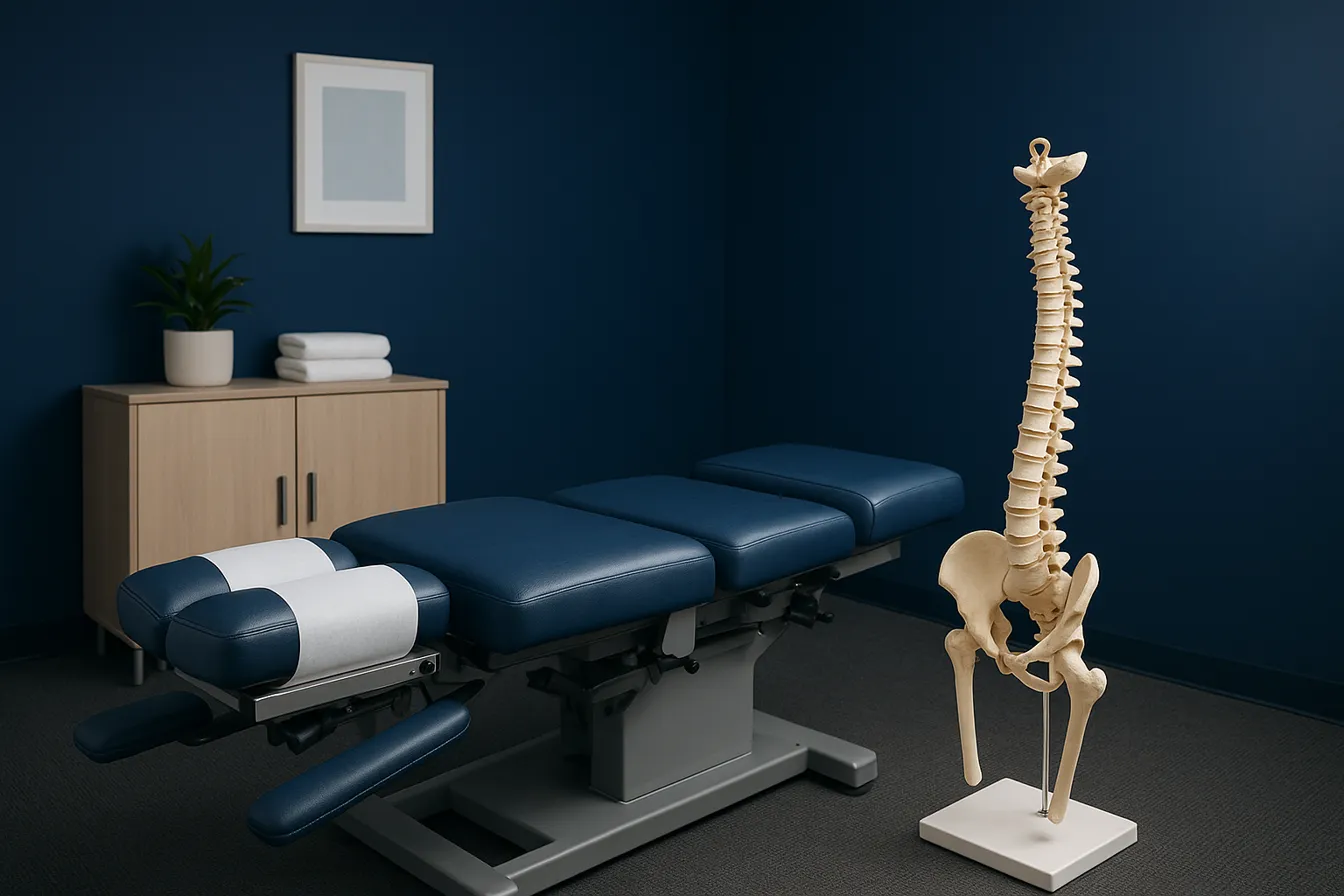
Holistic and Non-Invasive Spine Care Options
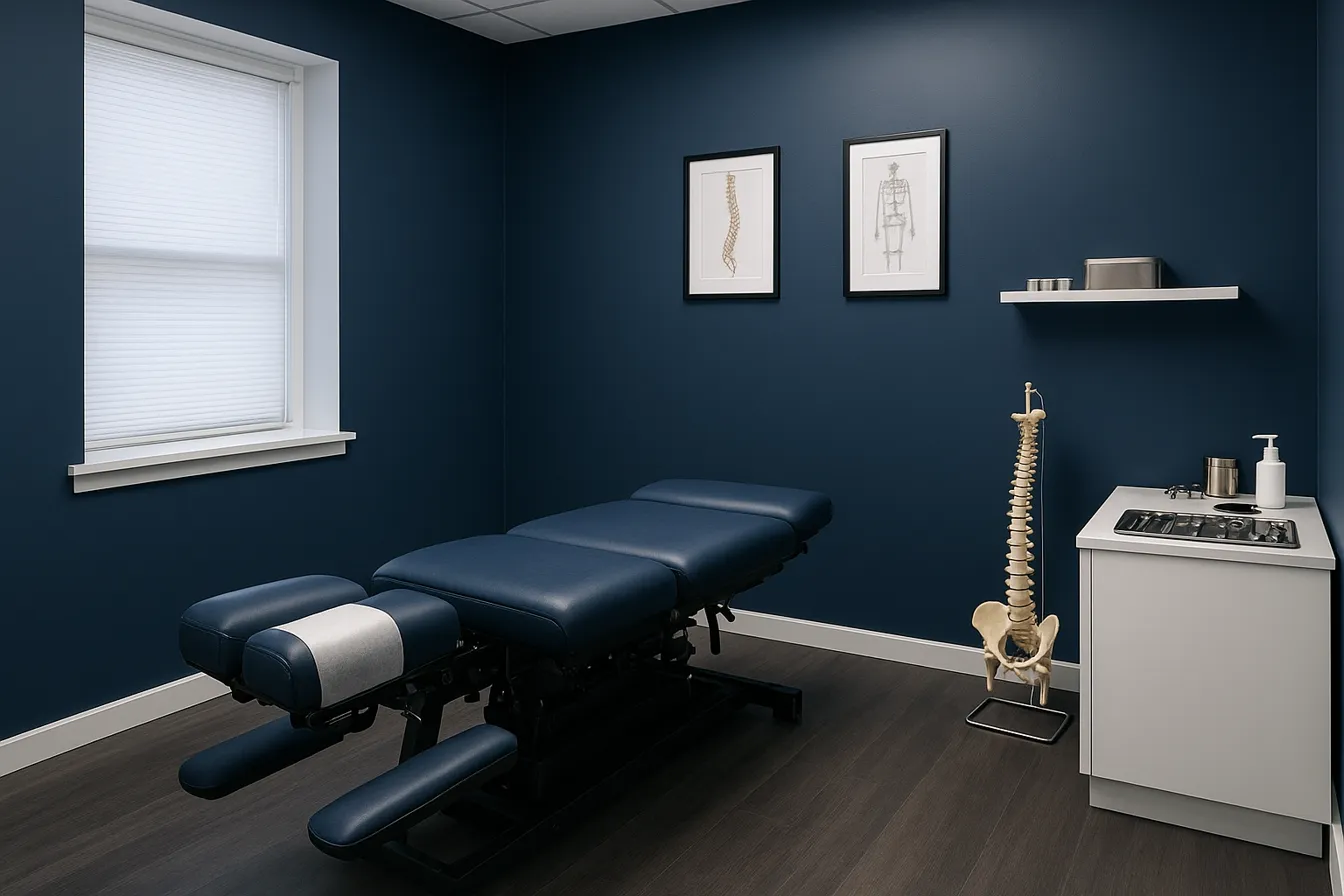
Everyday Lifestyle Advice to Keep Your Spine Healthy
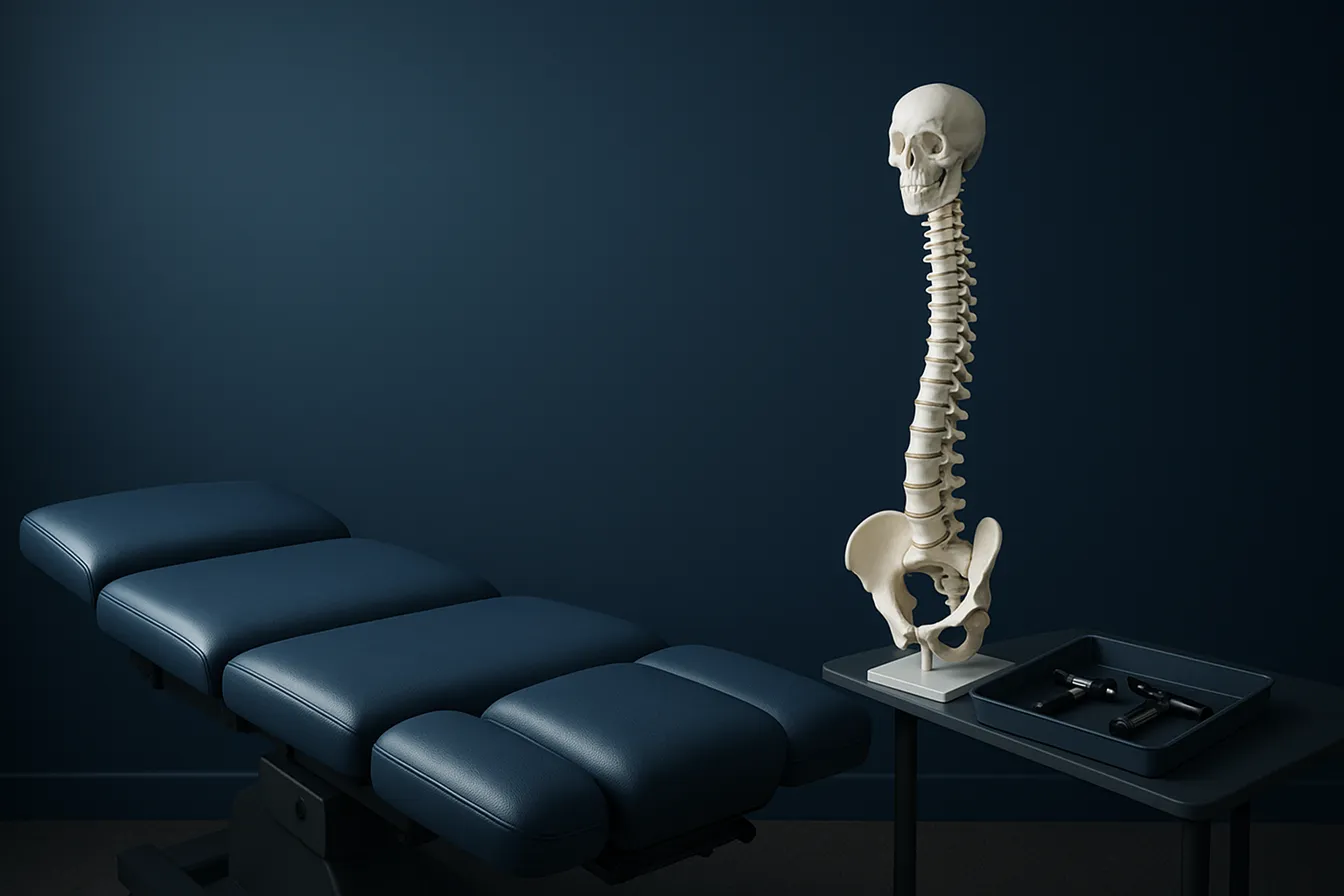
The Significance of Treating Root Causes in Pain Therapy
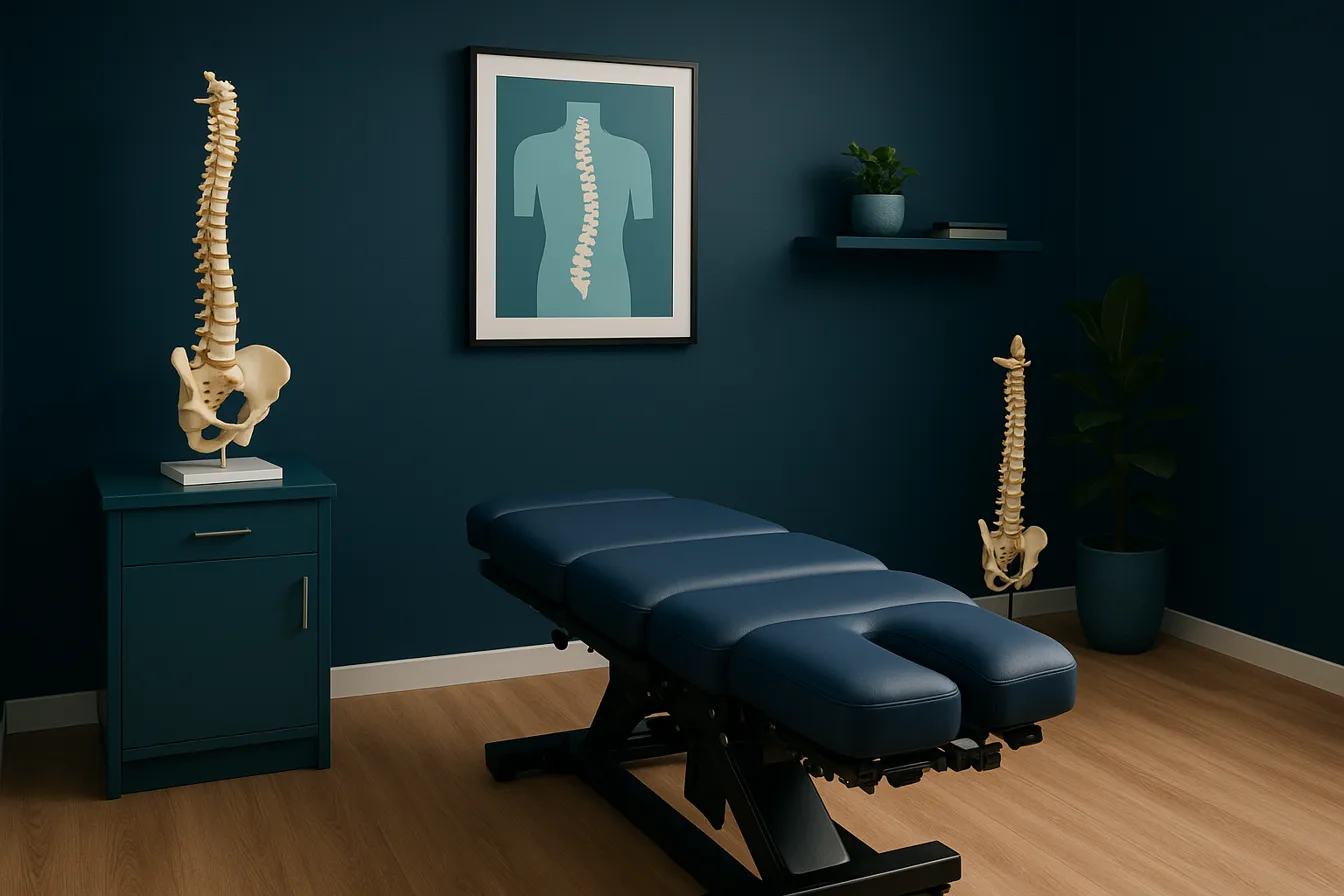
Best Corrective Exercises for Sustainable Pain Management

Addressing Underlying Causes of Pain for Long-Term Relief
6 Key Benefits of Spinal Decompression Therapy for Sciatica Relief

How Nutritional Counseling Supports Spine Health and Recovery

The Role of Physiotherapy in Supporting Chiropractic Treatments