Daily Living Tips for a Strong and Healthy Spine
March 2, 2026
26 min
Your Foundation for a Pain-Free, Active Life
Understanding the Spine's Essential Role
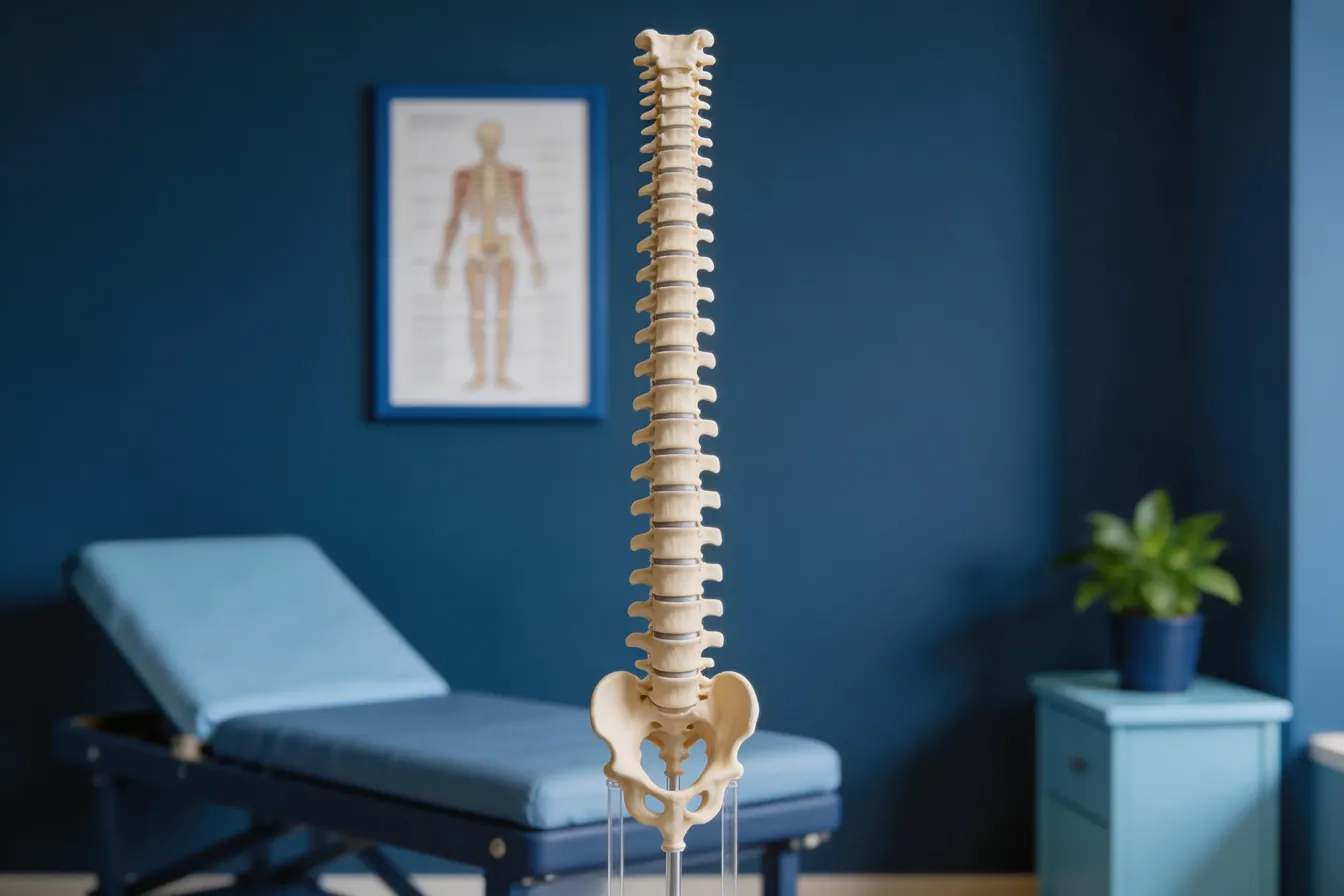
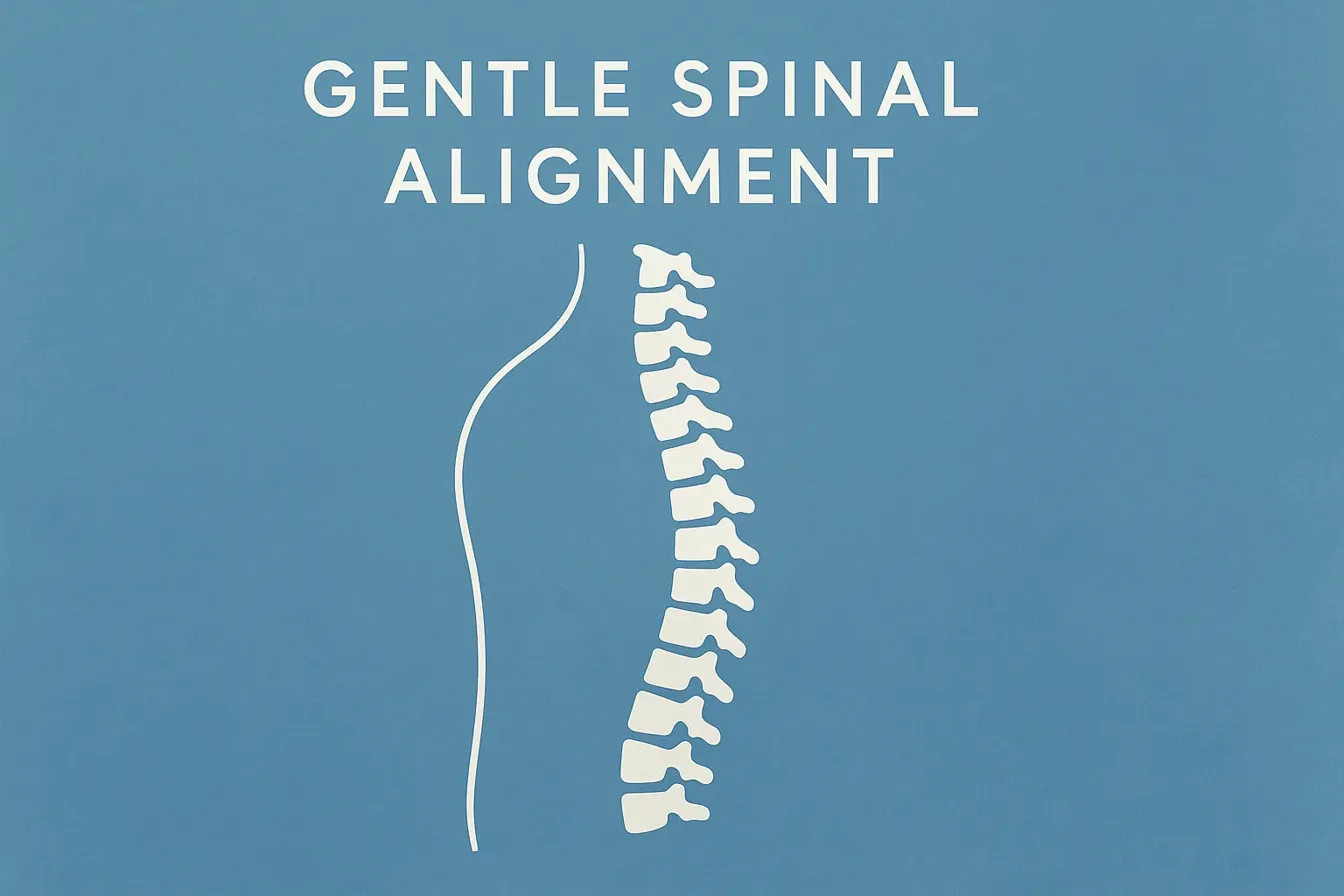
Your spine is the central pillar of your body, functioning as both a structural support and a vital information superhighway. Its gentle S-shaped curves balance the head, trunk, and pelvis, aligning your entire frame for smooth movement. More than just a collection of bones, the spine forms a protective canal for the spinal cord—the main bundle of nerves that carries signals between your brain and the rest of your body. This dual role means that the health of your spine directly influences your posture, mobility, strength, and even the function of your internal organs.
How Daily Habits Shape Your Spinal Health
Your everyday choices have a profound and cumulative impact on this critical structure. Poor habits, like slouching at a desk, lifting improperly, or staying inactive, can lead to misalignment, muscle imbalances, and increased pressure on spinal discs and nerves. Over time, this can contribute to stiffness, pain, and reduced function. Conversely, consistent, supportive habits are a powerful form of preventative care. They help maintain proper alignment, ensure nerves can function without interference, and build a resilient musculoskeletal system that supports an active, pain-free lifestyle.
Embracing a Holistic, Proactive Approach
Achieving a strong, healthy spine is not about a single miracle cure but about integrating simple, mindful practices into your daily routine. This holistic view considers your physical actions, nutritional choices, stress levels, and rest—all interconnected factors that influence your spinal well-being. By making small, sustainable adjustments, you create a foundation that not only protects your spine from injury and degeneration but also enhances your overall quality of life. The following guide provides actionable, evidence-based strategies to help you build this foundation.
Key Principles of Daily Spinal Care
To effectively support your spine, focus on these interconnected pillars of wellness:
- Movement & Strength: Regular activity and targeted exercises maintain flexibility, build stabilizing muscles, and promote circulation to spinal tissues.
- Posture & Ergonomics: Conscious alignment during sitting, standing, and moving distributes weight evenly and prevents undue strain.
- Nutrition & Hydration: A balanced diet supports bone density and reduces inflammation, while proper hydration keeps spinal discs supple.
- Recovery & Rest: Quality sleep on a supportive surface allows for spinal repair and rejuvenation.
- Mind-Body Connection: Managing stress through techniques like mindful breathing reduces muscle tension that can affect spinal alignment.
Foundational Daily Practices Overview
| Practice Category | Primary Action | Direct Benefit to the Spine | Simple Starting Tip |
|---|---|---|---|
| Movement | Take short walking breaks | Encourages natural spinal motion, improves circulation | Set a timer to stand and walk for 5 mins every hour |
| Strength | Perform core-stabilizing exercises | Builds a muscular "corset" to support and protect the spine | Try a 10-second plank or bridge exercise daily |
| Posture | Maintain a neutral spine while sitting | Reduces disc pressure, prevents muscle fatigue | Adjust chair so feet are flat and screen is at eye level |
| Nutrition | Eat anti-inflammatory foods | Reduces tissue inflammation that can contribute to back pain | Add leafy greens or fatty fish to one meal daily |
| Hydration | Drink water consistently | Maintains fluid content in spinal discs for shock absorption | Keep a water bottle at your desk and sip regularly |
| Recovery | Sleep in a spine-supportive position | Allows for overnight healing and maintains alignment | Use a pillow under knees (back sleepers) or between knees (side sleepers) |
Why Your Spine Demands Daily Attention

What is the importance of spine health?
Your spine is far more than a simple stack of bones; it is the central support structure for your entire body. This S-shaped column of vertebrae provides the essential framework that allows you to stand, twist, and move with ease. Critically, it encases and protects your spinal cord—the major nerve pathway that transmits signals between your brain and the rest of your body, affecting movement, sensation, and organ function.
A healthy spine is fundamental for a pain-free, active life. It supports your posture, enables balance, and allows for a full range of motion during daily tasks. Conversely, a compromised spine can lead to chronic back pain in the back, neck, or head, restrict mobility, and negatively impact your overall quality of life.
The Daily Threats to Your Spinal Integrity
Daily life presents numerous challenges to spinal health. Prolonged sitting, especially with poor posture, significantly increases pressure on the discs in your lower spine more than standing does. This static position can weaken the core muscles that stabilize your spine.
Inactivity and a sedentary lifestyle lead to muscle weakness and lack of conditioning, which are primary causes of most back and neck aches. Repetitive strain from improper lifting, carrying heavy bags on one shoulder, or constantly looking down at devices "(tech neck)" creates imbalances and undue stress.
Lifestyle factors like excess body weight add mechanical load to spinal structures, while smoking restricts vital blood flow, depriving spinal tissues of oxygen and nutrients. These cumulative factors can weaken the muscles and ligaments surrounding your spine, potentially leading to stiffness, pain, and accelerating long-term issues like disc degeneration or spinal stenosis.
The Power of Proactive, Daily Care
The encouraging news is that most spinal discomfort stems from preventable muscle strain and lack of conditioning. Proactive, daily habits can fortify your spine, improve mobility, and sustain a high quality of life as you age. A holistic approach that integrates movement, posture awareness, and healthy lifestyle choices is most effective.
Consistent, daily activity is more crucial than intense, occasional workouts. A simple 10 to 20 minute walk, light aerobic training, or using resistance bands a few days a week keeps supporting muscles active and bones healthy. This regular movement helps decrease tension, releases natural pain-relieving endorphins, and fights inflammation.
Strengthening your core—which includes abdominal, back, buttock, and pelvic floor muscles—is paramount. A resilient core stabilizes your spine, reduces pressure on the lower back, and helps prevent injuries. Equally important is daily stretching to maintain flexibility in the back, hamstrings, and hips, as tight muscles in these areas can pull on the pelvis and stress the spine.
Recognizing the Signs of a Healthy Spine
How can you tell if your daily efforts are paying off? A healthy spine manifests in several key ways during your everyday life. You should be able to move with ease—bending, twisting, and turning your head through daily ranges without sharp pain. Morning stiffness, if present, should improve within 15 to 30 minutes of gentle movement.
Comfort at rest is another indicator. You should be able to sit, stand, or lie down without nagging pain or numbness. Performing normal daily chores or desk work should not result in lasting soreness. Quality sleep is also a telltale sign; waking up without neck or back pain, thanks to a supportive mattress and pillow, indicates good spinal recovery overnight.
It is important to distinguish these normal sensations from red-flag symptoms that require prompt medical attention. These include new leg weakness, spreading numbness, changes in bladder or bowel control, or trouble walking. These symptoms suggest potential nerve involvement and warrant a professional evaluation.
| Daily Habit Category | Specific Action | Primary Spinal Benefit |
|---|---|---|
| Movement & Exercise | Daily 10-20 min walk | Maintains muscle & bone health, improves circulation |
| Movement & Exercise | Core strengthening (planks, bridges) | Stabilizes spine, reduces lower back pressure |
| Movement & Exercise | Daily stretching (hamstrings, back) | Maintains flexibility, supports pelvic alignment |
| Posture & Ergonomics | Screen at eye level, feet flat | Prevents neck strain, maintains neutral spine |
| Posture & Ergonomics | Take a break every 30-60 minutes | Relieves disc pressure, prevents muscle stiffness |
| Lifestyle Factors | Maintain a healthy weight | Reduces mechanical load on spine and joints |
| Lifestyle Factors | Stay hydrated (8+ glasses water) | Keeps spinal discs hydrated and pliable |
| Recovery & Sleep | Sleep on side/back with pillow support | Maintains spinal curves, reduces pressure overnight |
Lifelong Habits: Your Core Principles for Spinal Wellness
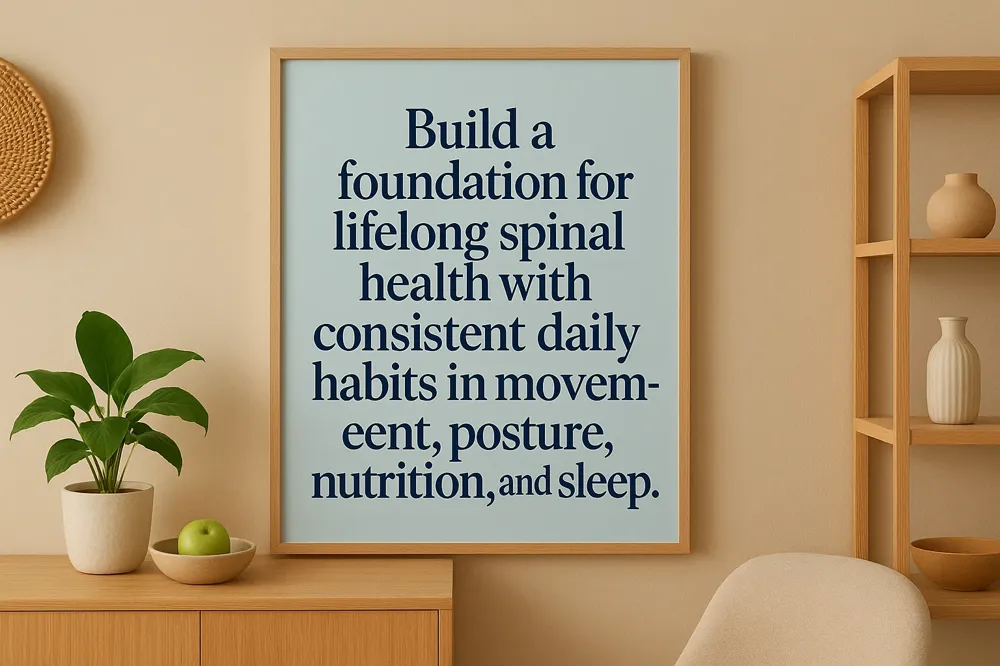
What are some general tips for maintaining a healthy spine for life?
Building a lifetime of spinal health is rooted in consistent, simple daily choices. The most effective strategy combines regular physical activity with mindful posture, balanced nutrition, and proper body mechanics. These habits work together to strengthen the supportive structures, reduce everyday strain, and promote natural healing and resilience. By making these principles a routine part of your life, you can significantly lower your risk of pain and injury while enhancing your overall mobility and well-being. It's about a proactive, holistic approach rather than reacting to problems as they arise.
Maintain consistent, daily physical activity
Daily movement is non-negotiable for a strong spine. Aim for at least 10-20 minutes of consistent activity such as brisk walking, swimming as a spine-friendly activity, or light resistance training. This regularity keeps the muscles supporting your spine engaged and active, maintains healthy bone density, and improves circulation to spinal tissues. Activities like yoga for spinal flexibility or Pilates for core strength are excellent as they simultaneously build core strength, flexibility, and body awareness. The key is consistency over intensity; a short daily walk is more beneficial for long-term spinal health than an intense weekly workout followed by days of inactivity.
Prioritize posture and ergonomics
Your posture during daily activities has a cumulative impact on spinal health. Whether sitting or standing, strive to keep your head aligned over your shoulders and your shoulders over your pelvis. For desk work, an ergonomic workstation setup is crucial for back health.
- Position your computer monitor at eye level and an arm's length away.
- Use a chair that supports the natural curve of your lower back.
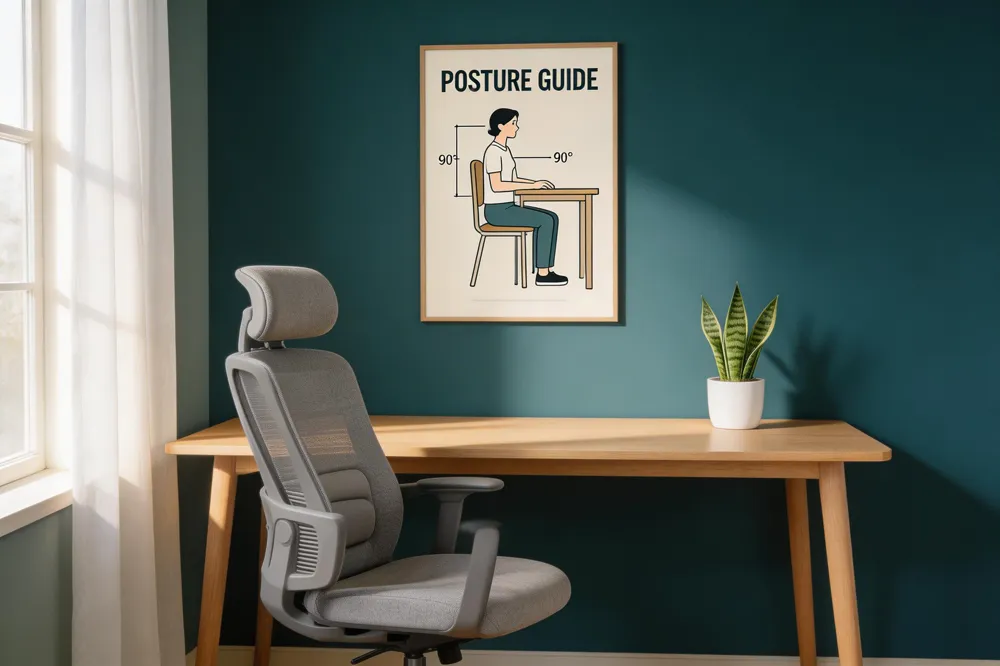
- Keep your feet flat on the floor and elbows at a 90-degree angle. Set a timer to remind yourself to stand up, stretch, or take a short walk every 30 to 60 minutes. This breaks the cycle of prolonged sitting, which compresses spinal discs and leads to muscle stiffness.
Focus on weight management and nutrition
Excess body weight places significant mechanical stress on your spine, increasing pressure on discs and joints. Maintaining a healthy weight to reduce spinal strain through balanced nutrition and regular activity is a foundational pillar of spinal wellness. Support your spine from the inside out with an anti-inflammatory diet for pain management.
| Nutrient | Primary Benefit | Key Food Sources |
|---|---|---|
| Calcium | Builds and maintains strong spinal bones. | Leafy greens, dairy products, fortified foods. |
| Vitamin D | Essential for calcium absorption; supports bone health. | Fatty fish (salmon, mackerel), egg yolks, sunlight. |
| Omega-3 Fatty Acids | Reduces inflammation in spinal tissues. | Salmon, walnuts, flaxseeds, chia seeds. |
| Hydration | Maintains fluid content in spinal discs, keeping them pliable. | Water, herbal tea, hydrating fruits and vegetables. |
Limit processed foods, refined sugars, and excessive red meat, which can promote inflammation that contributes to back discomfort.
Incorporate proper sleep hygiene
Nearly one-third of your life is spent sleeping, making your sleep setup a critical component of spinal care. The goal is to support your spine's natural curves throughout the night.
- Back Sleepers: Place a pillow under your knees to maintain the lower back's natural arch.
- Side Sleepers: Place a pillow between your knees to keep your hips, pelvis, and spine aligned.
- Mattress Choice: A medium-firm to firm mattress is generally recommended to provide even support and prevent sagging, which can misalign the spine. Avoid stomach sleeping, as it places strain on your neck and lower back.
Practice safe body mechanics
Improper lifting is a common cause of acute back injury. Protect your spine by using your legs, not your back, as your primary power source.
- Stand close to the object with your feet shoulder-width apart.
- Bend at your hips and knees, keeping your back straight and chest forward.
- Grip the object firmly and hold it close to your body.
- Slowly straighten your legs to lift, keeping your core muscles engaged.
- Pivot with your feet; avoid twisting your torso while carrying a load. Apply these same principles to everyday activities like picking up children, groceries, or laundry baskets.
Listen to your body and seek professional guidance
A vital principle of spinal wellness is attentive self-awareness. Occasional stiffness is normal, but persistent or worsening pain is a signal from your body that requires attention. Do not ignore red-flag symptoms that necessitate immediate professional evaluation.
| Symptom Category | Examples | Recommended Action |
|---|---|---|
| Neurological Changes | Numbness, tingling, or weakness that travels down an arm or leg. | Schedule a prompt consultation with a spine specialist. |
| Functional Loss | New difficulty walking, frequent tripping, or changes in balance. | Seek professional evaluation to assess spinal stability. |
| Bowel/Bladder Issues | New loss of control or significant changes in function. | Requires urgent medical care; could indicate serious nerve compression. |
| Persistent Pain | Pain that lasts more than two weeks without improvement despite self-care. | Consult with a physical therapist for assessment. |
Incorporating regular chiropractic check-ups can be a proactive part of your wellness plan, helping to identify and address minor imbalances before they develop into larger problems. A holistic care team can provide personalized exercises, ergonomic advice, and natural pain relief strategies tailored to your lifestyle.
| Core Habit | Key Action | Primary Spinal Benefit |
|---|---|---|
| Daily Movement | 20-min walk or swim. | Strengthens muscles, improves circulation. |
| Posture Awareness | Screen at eye level, frequent breaks. | Reduces disc pressure, prevents strain. |
| Nutrition & Weight | Anti-inflammatory diet, weight management. | Lowers inflammation, reduces joint stress. |
| Sleep Setup | Supportive pillow/mattress, side/back sleeping. | Maintains alignment, aids tissue recovery. |
| Safe Lifting | Lift with legs, avoid twisting. | Prevents acute injury, protects discs. |
| Professional Care | Consult for persistent pain or red flags. | Early intervention, personalized guidance. |
Nourishing Your Backbone: The Anti-Inflammatory Spine Diet

Nourishing Your Backbone: The Anti-Inflammatory Spine Diet
The spine's health is intimately connected to the nutrients we consume daily. An anti-inflammatory diet focused on whole, nutrient-dense foods can help reduce tissue inflammation, support bone strength, and maintain the structural integrity of spinal discs. This approach aligns with holistic health principles, emphasizing natural methods to manage pain and promote wellness.
What foods are good for spine health?
Foods that support spine health are rich in key nutrients like calcium, vitamin D, magnesium, and anti-inflammatory compounds. Prioritizing anti-inflammatory foods for pain management helps reduce tissue inflammation that can cause or exacerbate back pain. Excellent choices include:
- Fatty fish such as salmon, mackerel, and sardines, which are rich in omega-3 fatty acids.
- Nuts, seeds, and olive oil, which provide healthy fats.
- Leafy green vegetables like spinach and kale.
- Colorful berries packed with antioxidants.
These foods deliver more oxygen and nutrients to spinal tissues, promote faster healing, and help mitigate chronic inflammation that leads to swelling and irritation.
What vitamins and nutrients are important for optimal spine health?
Key nutrients include Calcium, Vitamin K (especially K-2), Vitamin D, Protein, and Magnesium. Ensuring adequate intake of bone-building nutrients is crucial for preventing conditions like osteoporosis and spinal fractures. Calcium, found in dairy and leafy greens, is fundamental for bone density. Vitamin D, obtained from fatty fish, egg yolks, and fortified foods or sunlight, is essential for calcium absorption and maintaining bone strength. A diet lacking in these can weaken bones, making them more susceptible to damage. A bone health assessment for osteoporosis can help detect risks like osteoporosis.
Hydration and Spinal Disc Function
Staying hydrated is a simple yet critical habit. Drinking enough water—aim for at least eight cups daily, adjusting for activity level and climate—maintains the fluid content and shock-absorbing pliability of your spinal discs. These discs act as cushions between vertebrae, and when dehydrated, they become stiff and more prone to damage, increasing the risk of back pain or injury. Proper hydration for spinal discs supports all bodily functions and helps flush out toxins that may contribute to inflammation.
Foods and Habits to Limit
To support spinal wellness, it's equally important to limit inflammatory foods. Reducing intake of processed foods, refined sugars, and excessive red meats can help control systemic inflammation and support healthy weight reduces spine strain. Excess weight puts unnecessary physical stress on the spine, increasing pressure on intervertebral discs and joints, which can lead to poor posture, reduced mobility, and chronic pain. A balanced diet that minimizes these elements supports overall metabolic health and reduces spinal strain.
Incorporating Natural Anti-Inflammatory Agents
Beyond core food groups, consider natural anti-inflammatory agents. Incorporating herbs and spices like turmeric (which contains curcumin) and ginger into your diet can offer additional pain-relieving and anti-inflammatory benefits, aligning with holistic approaches to pain relief. These can be used in cooking or taken as supplements, though it is always advisable to consult with a healthcare professional before starting any new supplement regimen. These natural compounds complement a holistic approach to pain management without the side effects often associated with conventional medications.
Practical Daily Integration
Adopting a spine-supportive diet doesn't require drastic changes. Small, consistent habits yield significant benefits. Start by swapping sugary drinks for water, adding a fruit or vegetable to each meal, and planning balanced meals that incorporate lean proteins, whole grains, and healthy fats. This not only aids spinal health but also enhances overall energy, mental clarity, and immune function, creating a foundation for long-term wellness and integrated health.
| Food Category | Specific Examples | Primary Spinal Benefit | Additional Notes |
|---|---|---|---|
| Anti-Inflammatory | Salmon, walnuts, olive oil, berries | Reduces tissue inflammation & pain | Omega-3s are particularly beneficial |
| Bone-Building | Dairy, leafy greens, fatty fish, eggs | Strengthens vertebrae, prevents fractures | Vitamin D is crucial for calcium absorption |
| Hydration | Water, herbal teas, hydrating foods | Maintains disc fluid & shock absorption | Dehydrated discs are stiff and prone to injury |
| Herbs & Spices | Turmeric, ginger | Natural pain relief, anti-inflammatory | Consult a pro before using supplements |
| Limit or Avoid | Processed foods, refined sugar, excess red meat | Reduces inflammation & unhealthy weight gain | Promotes systemic wellness & less spinal strain |
Movement is Medicine: Essential Exercises for Strength and Flexibility

Build Foundational Stability with Core-Strengthening Exercises
A strong, stable spine begins with a resilient core. The core is not just your abdominal muscles; it includes the deep stabilizing muscles in your back, buttocks, and pelvic floor. A balanced core supports the spine's natural 'S' curve and takes pressure off the lower back muscles, helping to prevent and alleviate pain.
For developing this foundational stability, the "Big Three" exercises developed by spine biomechanics expert Dr. Stuart McGill are highly effective. These exercises—the curl-up, side plank, and bird-dog—are designed to engage all core muscles simultaneously without placing strain on the spinal discs.
- Curl-up: Lie on your back with one leg extended and the other bent, hands placed under your lower back. Tighten your abdominal muscles and lift only your head, shoulders, and chest off the floor while exhaling. Hold for 10 seconds, then slowly lower.
- Side plank: Lie on your side, propped up on your forearm with your elbow under your shoulder. Lift your hips so your body forms a straight line from head to knees. Hold for up to 10 seconds, then lower. Repeat on the other side.
- Bird-dog: Start on your hands and knees. Slowly extend your right arm forward and your left leg backward, keeping both parallel to the floor. Hold for 10 seconds, then return to the start. Repeat on the opposite side.
Perform these exercises two to three days per week. Start with a pyramid sequence: do five repetitions of each, then three, then one. As you build strength, you can increase the starting number.
Incorporate Key Stretches for Daily Mobility and Relief
Regular stretching is just as important as strengthening. It maintains muscle elasticity, improves blood flow, and supports proper pelvic and spinal alignment. Daily stretching of the lower back, hamstrings, and hip flexors can significantly reduce stiffness and relieve tension.
Consistent practice of these simple stretches can be a powerful tool for managing discomfort.
- Knee-to-Chest Stretch: Lie on your back and pull one knee toward your chest while keeping the other foot flat on the floor. Tighten your abdominal muscles and press your lower back into the floor. Hold for 5 seconds. Repeat with the other leg and then with both knees together.
- Lower Back Rotational Stretch: Lie on your back with knees bent and feet flat. Slowly roll your bent knees to one side while keeping your shoulders on the floor. Hold for 5 to 10 seconds. Return to center and repeat on the other side.
- Cat-Cow Stretch: Begin on your hands and knees. Slowly arch your back upward, lowering your head (cat position). Then, let your back and belly sag downward as you lift your head (cow position). Repeat the sequence 3 to 5 times.
- Hamstring Stretch: Seated or lying down, extend one leg and gently pull it toward you to feel a stretch along the back of your thigh. Tight hamstrings are a common contributor to lower back strain.
Strengthen Supporting Muscle Groups to Offload the Spine
The spine does not work in isolation. Strong hips, glutes, and hamstrings are crucial for stabilizing the body and properly aligning the pelvis, which directly reduces strain on the lumbar spine. Incorporating exercises that target these muscle groups into your routine is essential for long-term spinal health.
Weak glutes can force your lower back to overcompensate, leading to pain and fatigue. Prioritizing these supporting muscles is a key prevention strategy.
- Bridge: Lie on your back with knees bent and feet flat on the floor. Tighten your abdominal and buttock muscles, then raise your hips to form a straight line from your knees to your shoulders. Hold for three deep breaths, then lower. Start with five repetitions daily, building up to 30.
- Squats and Lunges: These fundamental movements strengthen the glutes, quadriceps, and core, promoting overall lower body stability and power.
- Pelvic Tilts: Lying on your back with knees bent, tighten your abdominals to press your lower back into the floor. Hold for a few seconds, then release. This simple exercise teaches core engagement and spinal awareness.
Practice Consistently and Safely with a Gradual Progression
Consistency is more valuable than intensity when building a healthy spine. Always begin a new exercise routine gradually. Start with a few repetitions of each exercise and focus on perfecting your form before increasing duration or difficulty. This approach helps prevent injury and ensures you are building true functional strength.
A proper Dynamic warm-up before exercise and Cooling down after activity are non-negotiable for spinal safety. Before exercising, spend 5 to 10 minutes doing dynamic stretches that mimic your planned activity, like leg swings or gentle torso twists. Afterward, cool down with 5 to 10 minutes of static stretching to help muscles relax and reduce stiffness.
If you are dealing with ongoing or recurrent back pain, or if you are new to exercise, consulting a healthcare professional like a physical therapist or your chiropractor is a critical first step. They can assess your posture and muscle imbalances, providing a personalized exercise program tailored to your specific needs and ensuring your activities are safe.
Integrate Gentle Movement Throughout Your Daily Routine
Spinal health is supported by how you move all day, not just during dedicated workouts. Combat the negative effects of prolonged sitting by taking short walking breaks for 5 to 10 minutes every hour. This simple act encourages natural spine movement, improves circulation, and relieves muscle tension.
Consider starting your day with a morning mobility primer. A simple hip hinge exercise—bending forward at the hips while keeping your back straight—can stimulate blood flow to the back, hips, and legs, teaching proper lifting mechanics. Practicing spinal breathing techniques for 5 to 10 minutes by sitting tall and focusing on deep, diaphragmatic breaths can also promote better posture and engage your core.
These small, consistent habits contribute significantly to keeping your spine supple, strong, and pain-free.
| Exercise Focus | Specific Exercises | Key Benefit for Spine | Recommended Frequency & Tips |
|---|---|---|---|
| Foundational Core Stability | Curl-up, Side Plank, Bird-dog | Engages all core muscles to stabilize the spine | 2-3 days/week; Use pyramid rep scheme |
| Daily Flexibility & Relief | Knee-to-Chest, Lower Back Rotational, Cat-Cow, Hamstring Stretch | Maintains mobility, reduces muscle stiffness | Daily; Hold stretches for 5-10 seconds each |
| Supporting Muscle Strength | Bridge, Squats, Lunges, Pelvic Tilts | Strengthens hips, glutes, hamstrings to support lumbar spine | 2-3 days/week; Build reps gradually |
| Integrated Daily Movement | Short walking breaks, Spinal breathing, Morning hip hinges | Counters effects of sitting, promotes circulation and posture | Every 30-60 minutes while sitting; Practice daily |
| Safety & Progression | Dynamic warm-up, Static cool-down, Professional consultation | Prevents injury, ensures proper form, personalizes program | Before/after every workout; Consult for new or existing pain |
The Mind-Body-Spine Connection: Managing Stress and Emotional Well-being
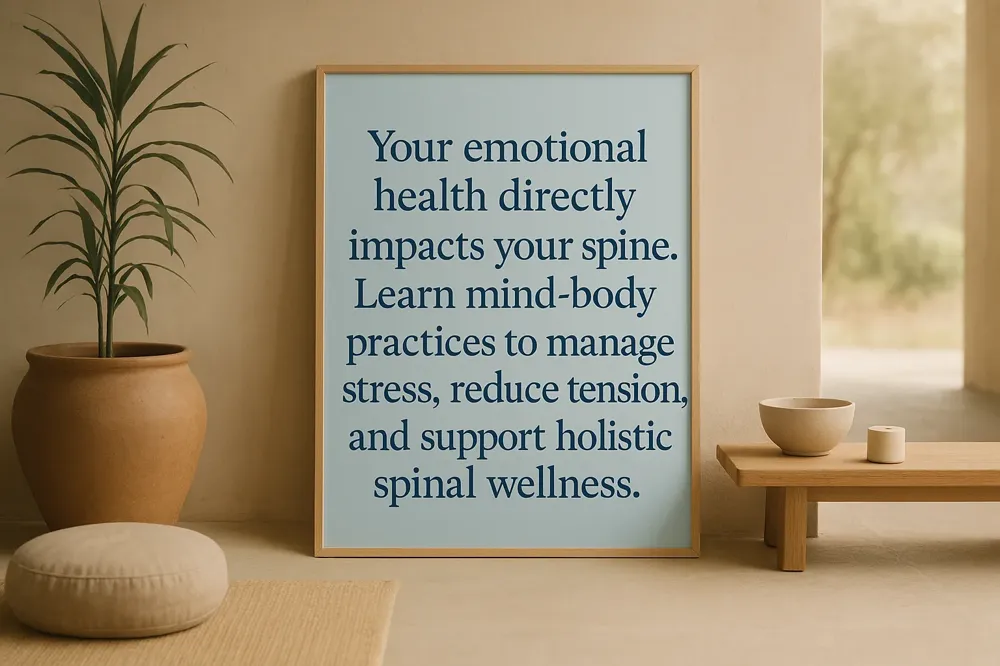
What is the connection between emotions and the spine?
Emotions are not just mental experiences; they are full-body events processed by the nervous system, which is intimately connected to the spine. When intense or unresolved emotional experiences occur, the associated physiological stress—like muscle tension and altered breathing—can become stored as patterns in the body. Specific areas of the spine are believed to correlate with different emotional patterns; for instance, the upper cervical region often relates to fear and hypervigilance, while the mid-thoracic area near the heart can hold grief or sadness. Through chiropractic care, adjustments can help release tension in these areas, facilitating a nervous system shift that may allow stored emotional energy to be processed and released. This holistic perspective views the spine as both a storage site for emotional stress and a pathway to restoring balance, allowing the body and mind to heal together.
How does stress physically affect the spine?
Chronic stress triggers the body's "fight-or-flight" response, leading to the release of hormones like cortisol. This hormonal shift increases inflammation throughout the body. For the spine, this inflammation can irritate the soft tissues, nerves, and joints, contributing to pain and discomfort.
Prolonged stress also causes muscles to tense up as a protective reflex. This is often felt in the neck, shoulders, and upper back—areas that support the head and spine. Over time, this constant muscle tension can pull the spine out of its natural alignment. It can also reduce blood flow to these muscles, leading to stiffness and a higher risk of injury. Managing stress for back pain prevention and stress reduction and back health are key aspects of care.
What mind-body practices support spinal health?
Mind-body techniques are powerful tools for managing the stress that impacts your back. They work by calming the nervous system and increasing your awareness of bodily sensations.
- Mindfulness Meditation: Practicing mindfulness meditation for chronic pain relief for just a few minutes daily can lower your perception of pain. It teaches you to observe discomfort without judgment, which can reduce its emotional impact and intensity.
- Deep Breathing (Spinal Breathing): This practice involves sitting with a straight spine and taking slow, deep breaths. Imagine the breath moving through your spinal column. It promotes mobility, strengthens supporting muscles, and naturally improves posture. Learn more about spinal breathing techniques.
- Yoga and Tai Chi: These gentle practices combine physical movement with mental focus. They improve flexibility, build core strength, and promote relaxation. For beginners, it's important to start slowly and seek modifications to protect the spine. Discover the benefits of yoga for spinal health and yoga for pain relief.
Which relaxation techniques can break the pain-stress cycle?
When back pain strikes, the body often responds by guarding the area—tightening muscles to protect it. This can create a vicious cycle of pain, more tension, and increased stress. Targeted relaxation methods can help interrupt this pattern.
- Progressive Muscle Relaxation: This involves systematically tensing and then relaxing different muscle groups in the body. It trains your body to recognize and release stored tension, starting from your toes all the way up to your face and neck.
- Therapeutic Massage: Therapeutic massages for pain relief manipulate soft tissue to reduce muscle tightness, improve circulation, and promote deep relaxation. This can alleviate pain in the back and neck directly. Explore massages alleviate back stiffness as part of a holistic plan.
- Nature Immersion: Spending time outdoors, whether walking in a park or simply sitting in a green space, has been shown to lower cortisol levels and reduce muscle tension. It's a simple, accessible way to support emotional and spinal well-being.
Why is a holistic approach essential for a resilient back?
A strong, healthy spine relies on more than just physical exercise. True resilience comes from addressing all facets of your well-being. Emotional balance and effective stress management are foundational pillars of spinal health, equal in importance to core strengthening exercises and good posture for spine curvature.
A holistic chiropractic plan integrates these elements. It may include spinal adjustments to improve nervous system function, personalized exercises, nutritional advice for an anti-inflammatory foods for spine, and guidance on mindfulness practices. This integrated approach ensures that you are supporting your spine from every angle—physical, mental, and emotional—for long-term wellness and natural Holistic pain relief addressing root causes. For a comprehensive strategy, see Essential Lifestyle Changes to Enhance Your Spine Health.
| Topic Area | Core Practice | Direct Benefit to Spine |
|---|---|---|
| Stress Management | Mindfulness & Meditation | Reduces cortisol, lowers inflammation & muscle tension |
| Physical Awareness | Yoga & Deep Breathing | Improves posture, body alignment, and core engagement |
| Muscle Release | Massage & Progressive Relaxation | Alleviates stored tension, breaks pain-stress cycle |
| Holistic Integration | Combined Care Plan | Supports nervous system balance for lasting resilience |
Beyond the Basics: Proactive Optimization and When to Seek Help

Incorporate Supportive Tools
Simple tools can significantly enhance your daily spine care routine. A foam roller is an effective instrument for self-myofascial release using a foam roller. Gently rolling the back, glutes, and leg muscles on a firm surface for 30 seconds to a few minutes per area can improve blood circulation, increase flexibility, and reduce muscle soreness and tightness surrounding the spine.
Your choice of footwear is also a critical factor in spinal alignment. Shoes with good arch support and traction promote even weight distribution from the ground up, reducing strain on the lower back. For everyday wear, avoid high heels and ill-fitting shoes that can disrupt your posture and balance.
Understand Therapeutic Applications
Knowing when to apply ice or heat is essential for managing spinal discomfort. For acute injuries, such as a sudden muscle strain, ice therapy is recommended within the first 48 to 72 hours. Applying an ice pack helps reduce swelling and numbs pain by constricting blood vessels. Avoid using heat during this initial phase, as it can increase inflammation.
After the acute swelling subsides, heat therapy becomes beneficial. Applying a warm compress or heating pad helps relax tense muscles, promotes blood flow to the area, and aids in the healing process. This distinction between acute and post-acute care is a fundamental part of self-managing minor spinal issues.
Eliminate Major Risk Factors
Smoking and vaping are among the most detrimental habits for long-term spine health. Nicotine causes blood vessels to tighten, severely restricting the flow of oxygen and vital nutrients to spinal discs, muscles, and bones. This impaired circulation slows the body's natural healing processes, accelerates disc degeneration, and significantly increases the risk of developing osteoporosis and spinal fractures.
Quitting is a powerful, proactive step. Successful cessation often involves setting a firm quit date, informing friends and family for support, and removing tobacco products from your environment. The benefits for your spine, including improved tissue repair and reduced inflammation, begin almost immediately.
Prioritize Preventive Care
Proactive health assessments can prevent problems before they start. For individuals over 50 or those with risk factors like a family history, a baseline bone density assessment, such as a DXA (DEXA) scan, is highly recommended. This scan detects osteoporosis early, allowing for lifestyle and therapeutic interventions to strengthen bones and prevent debilitating spinal fractures.
Regular chiropractic check-ups serve a similar preventive function. A chiropractor can assess your spinal alignment, identify minor muscular imbalances or joint dysfunctions, and provide adjustments and guidance to correct them. This consistent, holistic care helps maintain optimal nerve function and mobility, preventing minor issues from developing into chronic pain.
Know the Red Flags
While most back pain is musculoskeletal and manageable, certain symptoms indicate a potentially serious underlying condition requiring urgent medical evaluation. These red flags are related to nerve compression or other spinal cord issues and should never be ignored.
Immediately consult a healthcare professional if you experience new or worsening leg weakness, numbness or tingling that spreads down an arm or leg, significant difficulty walking or maintaining balance, or any new changes in bladder or bowel control. Pain following a major fall or accident also warrants prompt assessment to rule out structural damage.
Partner with Professionals
For recurring, persistent, or complex back pain, partnering with a healthcare specialist is the most effective path to long-term relief. A physical therapist or chiropractor can provide a comprehensive evaluation to identify the root causes of your discomfort, such as poor posture, muscle weakness, or joint restrictions.
These professionals develop personalized treatment plans that may include targeted strengthening and stretching exercises, hands-on manual therapy, ergonomic advice, and stress management techniques. This collaborative, patient-centered approach focuses on restoring function and building resilience, empowering you to manage your spinal health effectively.
| Activity | Tool/Method | Primary Benefit | Key Consideration |
|---|---|---|---|
| Muscle Release | Foam Rolling | Improves circulation, reduces soreness | Roll for 30 sec - few mins per muscle group |
| Acute Injury Care | Ice Therapy | Reduces swelling, numbs pain | Use within first 48-72 hours after injury |
| Chronic Stiffness | Heat Therapy | Relaxes muscles, promotes blood flow | Apply after initial swelling has subsided |
| Bone Health Screening | DXA Scan | Early detection of osteoporosis | Recommended for adults over 50 or at risk |
| Posture & Alignment | Chiropractic Care | Corrects joint dysfunction, prevents pain | Regular check-ups can address minor issues |
| Severe Symptom | Medical Evaluation | Rules out serious nerve/spinal cord issues | Required for weakness, numbness, bowel/bladder changes |
Building Your Daily Foundation for Spinal Resilience
Understanding Spinal Resilience
Spinal resilience refers to the spine's ability to withstand the stresses of daily life, recover from strain, and maintain its supportive function. This quality is not innate but is cultivated through a foundation of consistent, positive habits. These daily choices directly influence the health of your muscles, discs, bones, and ligaments, creating a system that supports you for the long term.
Movement as the Core Habit
Your spine is designed for movement. Prolonged inactivity, especially sitting, places excessive pressure on the spinal discs and weakens supporting muscles. The goal is to integrate consistent, low-impact movement throughout your day. This doesn't require intense gym sessions; it can be as simple as taking a 10-20 minute walk after dinner, standing up to stretch every 30-60 minutes during desk work, or practicing gentle yoga in the morning.
| Daily Movement Habit | Primary Benefit for the Spine | How to Implement |
|---|---|---|
| Short Walking Breaks | Improves circulation, relieves disc pressure | Set a timer to stand and walk for 5 minutes each hour. |
| Morning Mobility Primer | Activates muscles, promotes blood flow | Do 5 minutes of cat-cow stretches or leg extensions before getting out of bed. |
| Consistent Aerobic Activity | Reduces tension, releases natural pain-relievers | Aim for 150 minutes of moderate activity (like brisk walking) per week. |
Nourishment from the Inside Out
Nutrition provides the building blocks for spinal tissues. A diet that reduces inflammation and supports bone density is a powerful tool for resilience.
- Anti-inflammatory Foods: Chronic inflammation can irritate spinal tissues. Incorporate foods rich in omega-3 fatty acids (salmon, walnuts), antioxidants (leafy greens, berries), and healthy fats (olive oil, avocados).
- Bone-Strengthening Nutrients: Calcium and Vitamin D are essential. Include dairy, fortified foods, and leafy greens for calcium, and fatty fish or safe sun exposure for Vitamin D.
- Hydration: Spinal discs are primarily composed of water. Staying well-hydrated (aim for at least 8 cups daily) keeps discs pliable and effective as shock absorbers, reducing stiffness and injury risk.
Posture and Ergonomics in Daily Life
Posture is how you hold your body during all activities. Good posture maintains the spine's natural 'S' curves, distributing weight evenly and preventing muscle fatigue. Be mindful of these key areas:
- Sitting: Keep feet flat, knees slightly lower than hips, and your screen at eye level. Use a chair with lumbar support.
- Standing: Stand tall with ears over shoulders and shoulders over hips. Shift your weight or take a step if standing for long periods.
- Lifting: Always bend at the knees, not the waist. Keep the object close to your body and use your leg muscles to power the lift. Avoid twisting your spine while lifting.
The Role of Stress Management and Recovery
Chronic stress triggers the release of cortisol, a hormone that can increase inflammation and lead to muscle tension in the neck and back. Integrating stress-reduction techniques is a non-negotiable part of spinal care.
- Mindfulness and Breathing: Practices like mindful breathing, meditation, or spinal breathing (deep breathing with core engagement) for just 5-10 minutes a day can quiet the nervous system and reduce pain perception.
- Quality Sleep: Sleep is when your spine recovers. Aim for 7-9 hours on a supportive, medium-firm mattress. Optimal sleep postures include on your back with a pillow under your knees or on your side with a pillow between your knees to maintain alignment.
The Value of Professional Partnership
While daily habits form the foundation, professional guidance ensures your efforts are effective and safe. Chiropractors and physical therapists provide:
- Personalized Assessment: Identifying individual muscle imbalances, postural issues, or movement patterns that contribute to strain.
- Targeted Exercises: Prescribing specific strengthening routines (like core-focused 'big three' exercises—curl-ups, side planks, bird-dogs) and stretches tailored to your needs.
- Holistic Plan Integration: Helping you weave movement, ergonomics, and nutrition into a sustainable, personalized wellness plan that addresses the root causes of discomfort, not just the symptoms.
A Holistic View of Spinal Health
View spine care not as a chore or a reaction to pain, but as an integral component of your overall wellness. The habits that build a resilient spine—regular movement, nutritious food, mindful posture, and stress management—also enhance your energy, mood, and long-term vitality. By making these small, consistent choices, you invest in a foundation that supports an active, independent, and pain-free life.
| Foundation Pillar | Key Daily Actions | Professional Support Role |
|---|---|---|
| Movement & Exercise | Walking breaks, core strengthening, stretching routines | Provides personalized exercise plans, corrects form, addresses imbalances. |
| Nutrition & Hydration | Eating anti-inflammatory foods, drinking adequate water | Offers dietary guidance for bone health and inflammation reduction. |
| Posture & Ergonomics | Mindful sitting/standing, proper lifting technique | Performs postural assessments, recommends ergonomic adjustments. |
| Stress Management & Recovery | Mindfulness practice, prioritizing quality sleep | Teaches relaxation techniques, advises on sleep setups for alignment. |
| Professional Guidance | Scheduling regular check-ups, following tailored advice | Creates and adjusts a comprehensive, lifelong plan for spinal health. |
Recent articles
10 Real‑Patient Success Stories Showcasing the Impact of Chiropractic Care

Superfoods That Boost Nerve Healing After Chiropractic Sessions

Sleep Positions That Promote a Healthy Back Alignment
Signs Your Chiropractor Is a Good Fit for Your Back Pain Goals
Case Study: Integrated Physiotherapy and Chiropractic for Faster Recovery
First-Time Chiropractic Visit: A Step‑by‑Step Walkthrough
Synergistic Benefits: Combining Physiotherapy with Chiropractic Care

Beyond Surgery: Holistic Approaches to Managing Back Pain

How Manual Therapy Enhances the Effects of Chiropractic Adjustments

Hydration Hacks: Why Water Matters for Joint and Spine Function

What Does a Comprehensive Spinal Evaluation Include?

Success Spotlight: Transformative Results After Six Weeks of Chiropractic Treatment

Understanding the Initial Assessment Process in Chiropractic Care
Designing a Personalized Corrective Exercise Plan for Chronic Pain Management

Natural Pain Management: Combining Acupuncture, Yoga, and Chiropractic
Chiropractic Care vs. Pain Meds: Long-Term Outcomes for Back Pain Sufferers

What to Expect During a Sciatica‑Focused Decompression Session

Understanding the Pain-Relief Mechanics Behind Chiropractic Adjustments

Success Rates of Non‑Surgical Spinal Decompression for Sciatica

Patient-Centered Chiropractic Care: Personalized Plans for Back Pain Relief
How Chiropractic Treatments Reduce Inflammation and Speed Up Back Pain Recovery
Real‑Life Stories: How Chiropractic Helped Patients Overcome Chronic Back Pain
From Symptom Masking to Root‑Cause Healing: A Practical Guide

6 Holistic Non‑Surgical Treatments That Deliver Sustainable Back‑Pain Relief
Key Questions to Ask When Selecting Your Chiropractor

Mindful Movement: Incorporating Stretch Breaks Into a Busy Day

Why Targeting the Underlying Cause Beats Temporary Symptom Relief

8 Ways Physiotherapy Complements Chiropractic Adjustments for Faster Recovery
Meal Planning for Athletes Recovering from Back Injuries

9 Everyday Lifestyle Tweaks to Preserve a Healthy Spine and Prevent Pain

Functional Movement Screening for Root‑Cause Pain Identification

6 Things You’ll Experience During Your First Chiropractic Appointment

Spinal Decompression vs. Standard Physical Therapy for Sciatica: A Comparative Review

New Findings on How Adjustments Influence Blood Circulation
Work‑From‑Home Ergonomics: A Blueprint for a Pain‑Free Back
The Link Between Chiropractic Care and Improved Sleep Quality

Physiotherapy Techniques That Strengthen the Benefits of Chiropractic Adjustments

Biomechanical Insights Behind Successful Spinal Decompression

Desk‑to‑Dumbbell: Lifestyle Shifts That Guard Your Lower Back
10 Corrective Exercises for Sustainable Pain-Free Living

Morning Routines That Support Spine Health and Reduce Stiffness

Calcium and Magnesium‑Focused Nutrition for Bone Density and Spine Health

9 Ways Chiropractic Care Transforms Back Pain Management
Testimonial: Nutrition‑Guided Recovery Accelerated by Chiropractic
Science‑Backed Spinal Decompression for Relieving Sciatica Symptoms
Key Questions to Ask During Your Initial Chiropractic Consultation
Whole‑Body Wellness Blueprint: Nutrition, Exercise, and Chiropractic Synergy
A 12‑Week Corrective Exercise Blueprint for Chronic Neck Discomfort
Manual Therapy Plus Targeted Exercise: Accelerating Post‑Injury Recovery
Home‑Based Spinal Decompression Devices: What Patients Should Know
Chiropractic Care Statistics: Reducing Lost Workdays From Back Pain

How Targeted Nutrition Enhances Immune Function and Lowers Inflammatory Pain

Self‑Assessment Tools to Identify Hidden Triggers of Back Pain
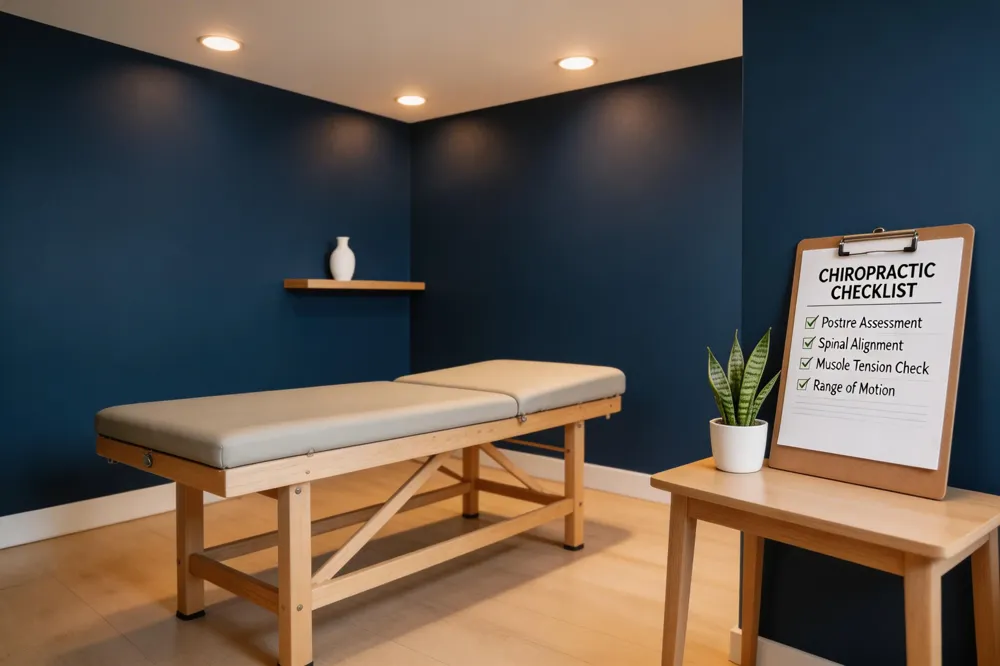
Preparing for Your First Chiropractic Appointment: A Practical Checklist
Back Pain Relief Benefits: Lower Opioid Use and Better Quality of Life

Foam‑Rolling Techniques to Complement Chiropractic Adjustments

Progressive Overload Principles in Corrective Exercise Programs
Six‑Month Transformation: Integrated Care Success Story

7 Nutritional Hacks to Boost Your Overall Wellness
How to Choose a Chiropractor: Credentials, Techniques, and Patient Compatibility
5 Ways Spinal Decompression Can Ease Sciatica Pain

Overcoming Sciatica: A Patient’s Multidisciplinary Treatment Journey
Lifestyle Changes That Promote a Healthy Spine
Physiotherapy as a Complement to Chiropractic Treatments
6 Ways Physiotherapy Enhances Chiropractic Treatment Outcomes
Daily Living Tips for a Strong and Healthy Spine

How Physiotherapy Enhances Chiropractic Outcomes
Holistic Treatments: Alternatives to Surgery for Pain Relief
Inspiring Patient Success Stories from Chiropractic Clinics

Integrating Physiotherapy with Chiropractic Treatments
Corrective Exercise Routines for Chronic Pain Prevention
10 Corrective Exercises to Maintain a Healthy Spine and Relieve Pain
Exercise Strategies for Long-Term Pain Management
10 Corrective Exercises to Maintain a Healthy Spine and Relieve Pain
The Importance of Treating the Root Cause of Pain
Nutritional Support Strategies for Whole-Body Wellness
7 Essential Questions to Ask When Choosing Your Chiropractor
Identifying and Addressing Root Causes of Pain
Maintaining a Healthy Spine with Lifestyle Adjustments
Sciatica Symptom Relief via Spinal Decompression
8 Reasons Why Addressing the Root Cause of Pain Is Crucial
Chiropractic Care’s Impact on Back Pain Recovery
Combining Physiotherapy with Chiropractic Care for Better Results
Inspiring Recovery: Chiropractic Patient Testimonials
Nutritional Counseling Tips for Optimal Wellness

Why Addressing the Root Cause of Pain is Crucial
Back Pain and Chiropractic Care: A Winning Combination

Chiropractic Care Benefits You Might Not Know
Exploring Holistic and Non-Surgical Treatments for Pain
Spinal Health: Lifestyle Tips for Everyday Wellness
Spinal Decompression Therapy: Benefits and Applications
Holistic and Non-Invasive Spine Care Options
Everyday Lifestyle Advice to Keep Your Spine Healthy
The Significance of Treating Root Causes in Pain Therapy
Best Corrective Exercises for Sustainable Pain Management
Addressing Underlying Causes of Pain for Long-Term Relief
6 Key Benefits of Spinal Decompression Therapy for Sciatica Relief
How Nutritional Counseling Supports Spine Health and Recovery

The Role of Physiotherapy in Supporting Chiropractic Treatments