How Physiotherapy Enhances Chiropractic Outcomes
March 2, 2026
18 min

Beyond Pain Relief: How Two Complementary Disciplines Create Superior Outcomes
The Shared Goal of Holistic Restoration
Chiropractic care and physiotherapy are often viewed as separate paths to wellness. However, they share a powerful, unified purpose. Both disciplines are fundamentally dedicated to restoring the body's natural balance, function, and movement. This common foundation makes them ideal partners for holistic healing.
While their techniques differ, the end goal is the same: to help patients move freely, live without pain, and reclaim their active lives. By understanding this shared mission, we can better appreciate how their specific skills can be woven together for a more complete recovery.
Distinct Strengths and Inherent Limitations
Each discipline has a distinct focus and method of care. Recognizing their individual strengths and limitations is key to understanding why integration is so effective.
Chiropractic care specializes in the structural integrity of the body, particularly the spine and joints. Through precise manual adjustments, chiropractors realign the skeletal framework. This realignment improves nervous system communication, reduces pressure on nerves, and provides a significant source of pain relief. Think of it as fine-tuning the body's central support structure.
Conversely, physiotherapy concentrates on the functional aspects of the body. Physiotherapists focus on strengthening muscles, improving flexibility, and retraining proper movement patterns. Through therapeutic exercises, stretches, and hands-on techniques, they address muscular weaknesses and imbalances that contribute to pain and dysfunction.
The limitation of relying solely on one approach is clear. Chiropractic adjustments may bring swift relief, but without strengthening the surrounding supportive muscles, symptoms can often return. The structural correction is not fully supported. On the other hand, physiotherapy exercises alone may struggle to correct problems rooted in underlying spinal misalignment. A muscle may be strengthened, but if it's attached to a misaligned joint, full function remains compromised.
Integration Bridges the Gap for Lasting Wellness
This is where the true power lies: integrating these two complementary disciplines. By combining chiropractic's structural corrections with physiotherapy's functional rehabilitation, we bridge the gap between quick relief and long-term resilience. This synergy creates a comprehensive system that addresses both the cause and the effect of musculoskeletal issues.
The process is often sequential and personalized. A chiropractic adjustment might first relieve acute pain and restore proper alignment. This creates an optimal foundation—a body that is properly "tuned." Physiotherapy then builds upon this foundation, teaching the muscles and nervous system how to "play the chords" correctly through targeted exercises and movement re-education. The result is not just pain relief, but a body that is stronger, more balanced, and better equipped to prevent future injury.
Consider a patient recovering from a herniated disc. Chiropractic care can help reduce disc pressure and restore spinal alignment, alleviating nerve pain. Following this, a guided physiotherapy program strengthens the core and stabilizing muscles, protecting the spine long-term. This integrated approach not only accelerates recovery but actively works to prevent future flare-ups.
This combination shifts the focus from merely managing symptoms to promoting true, holistic healing. It builds patient resilience, leading to improved posture, greater mobility, and a sustainably higher quality of life. The ultimate outcome is a treatment plan that doesn't just fix a problem—it enhances the body's overall capacity for health and activity.
| Treatment Focus | Primary Method | Key Contribution to Integrated Care |
|---|---|---|
| Spinal & Joint Alignment | Manual Adjustments | Provides structural correction and neurological relief, creating a stable foundation for rehabilitation. |
| Muscle Function & Movement | Therapeutic Exercises | Builds strength, flexibility, and proper movement patterns to support and maintain spinal alignment. |
| Holistic Patient Outcome | Combined Plan | Addresses root causes, prevents symptom recurrence, and enhances overall physical resilience and wellness. |
The Complementary Framework: Structure Meets Function

Defining the Core Roles: Chiropractic Care
Chiropractic care centers on the precise assessment and manual adjustment of the spine and other joints. Its primary goal is to correct misalignments, known as subluxations, to restore optimal nervous system function. By improving communication between the brain and body, these adjustments reduce nerve irritation, alleviate pain, and create a structural foundation conducive to the body's natural healing processes. This approach directly targets the mechanical and architectural integrity of the musculoskeletal system, aiming to resolve the root cause of many pain syndromes.
Defining the Core Roles: Physiotherapy
Physiotherapy, or physical therapy, takes a broader functional approach. It focuses on identifying and correcting deficiencies in movement patterns, muscular imbalances, and weaknesses. Through targeted therapeutic exercises, stretches, manual therapy, and patient education, physiotherapy works to strengthen supportive muscles, improve flexibility, enhance endurance, and retrain the body to move correctly. Its objective is to restore and optimize physical function, resilience, and mobility, equipping patients with the tools to perform daily activities with ease and prevent future injuries.
Why They Are Complementary: A Unified System
The synergy between chiropractic and physiotherapy arises from their distinct yet perfectly aligned focuses. Chiropractic care addresses the structural components—the alignment of bones and joints. Physiotherapy addresses the functional components—the strength, coordination, and endurance of the surrounding soft tissues. A common analogy is tuning a guitar: chiropractic care adjusts the strings (aligning the spine), while physiotherapy ensures your hands know the chords (training movement patterns). Together, they create harmony and optimal performance.
Using only one approach often leads to incomplete recovery. Chiropractic adjustments may provide quick pain relief by restoring alignment, but without strengthening the surrounding muscles through physiotherapy, symptoms can return as the unsupported structure drifts back into misalignment. Conversely, physiotherapy exercises alone may not fully resolve pain or dysfunction rooted in an underlying spinal misalignment, as the body is trying to function on a faulty foundation. The integrated model bridges this gap.
This combination forms a powerful, comprehensive path to recovery. It ensures that the structural corrections made by chiropractic care are supported, maintained, and enhanced by the functional improvements achieved through physiotherapy. This unified strategy is particularly effective for conditions like back pain, neck discomfort, sports injuries, and postural issues, where both the joint mechanics and the supporting musculature are involved.
| Discipline | Primary Focus | Core Mechanisms | Treatment Goals |
|---|---|---|---|
| Chiropractic Care | Structural Integrity & Nervous System | Spinal & joint adjustments, mobilization | Restore alignment, reduce nerve interference, alleviate pain |
| Physiotherapy | Functional Movement & Strength | Therapeutic exercise, manual therapy, patient education | Improve mobility, strengthen muscles, retrain movement patterns |
| Integrated Approach | Holistic System of Structure & Function | Combined adjustments and rehabilitative exercise | Achieve lasting pain relief, prevent re-injury, enhance overall quality of life |
The Why Behind the Synergy: Preventing Relapse and Accelerating Healing

Understanding Treatment Limitations
Both chiropractic care and physiotherapy are powerful disciplines, but each has inherent limitations when used in isolation. Recognizing these limitations is the first step toward creating a truly effective treatment plan. When applied alone, they may address only part of the problem, leaving patients vulnerable to symptom relapse or incomplete recovery.
The Limitation of Adjustments Alone
Chiropractic adjustments are highly effective for providing quick pain relief, realigning the spine, and realigning joints. This spinal realignment helps improve nervous system communication and reduce pain. However, this intervention primarily focuses on the body’s structure.
Without a corresponding effort to strengthen the muscles surrounding the newly adjusted joints, the initial relief may be temporary. Weak or imbalanced muscles cannot adequately support the corrected alignment. This is why symptoms like back pain, neck discomfort, or issues from sports injuries can return. The structure is set right, but the functional support system remains underdeveloped, leading to a cycle of relief and recurrence.
The Limitation of Exercises Alone
Conversely, physiotherapy excels at strengthening muscles, improving flexibility, and retraining movement patterns. These exercises are crucial for building resilience and supporting long-term wellness. Yet, if an underlying spinal misalignment or joint restriction persists, physiotherapy may not be able to fully resolve the core issue.
Exercising with a persistent structural problem is like building a house on an unstable foundation. The muscles may become stronger, but the root cause of pain or restricted movement remains unaddressed. This can lead to frustrating plateaus in recovery, where progress stalls despite diligent exercise.
How Integration Bridges the Gap
Integrating physiotherapy and chiropractic bridges this critical gap. It creates a powerful, synergistic system that addresses structure and function of the body. This combination ensures a more complete approach to healing by merging quick relief from adjustments with long-term wellness support.
The process typically involves chiropractic adjustments to realign the spine and reduce immediate pain and inflammation. This creates an optimal structural foundation. Physiotherapy then builds upon this foundation with targeted strengthening muscles exercises to strengthen supportive muscles, correct imbalances, and educate patients on proper movement. This dual approach addresses the underlying causes of pain and dysfunction from all angles.
| Treatment Phase | Chiropractic Focus (Structure) | Physiotherapy Focus (Function) | Combined Outcome |
|---|---|---|---|
| Initial Relief | Spinal/joint alignment, pain reduction | Preparation for movement, pain modulation | Faster pain relief and improved mobility |
| Rehabilitation | Maintaining alignment, supporting nervous system | Strengthening muscles, improving flexibility | Stable support for corrected structure |
| Long-Term Wellness | Periodic alignment checks, preventative care | Movement retraining, injury prevention education | Reduced risk of re-injury, longer-lasting results |
Clinical Example: Herniated Disc Recovery
A clear illustration of this synergy is in the recovery from a herniated disc. A standalone approach might provide incomplete results.
- A chiropractic adjustment can effectively reduce pressure on the affected nerve and help restore proper spinal alignment, offering significant pain relief.
- However, without strengthening the core and spinal stabilizer muscles, the vulnerable area remains poorly supported, risking re-injury.
An integrated care plan combines both disciplines:
- Chiropractic Phase: Gentle spinal adjustments are used to decrease disc pressure, improve joint mobility, and alleviate acute pain.
- Physiotherapy Phase: Guided physiotherapy exercises are introduced to strengthen the core and back muscles. This builds a natural "corset" of muscle to protect the spine.
This sequence not only speeds up recovery by making therapeutic exercise more tolerable but also helps prevent future flare-ups. The adjustment creates the opportunity for effective healing, and the exercises ensure the results are durable.
The Result: Accelerated and Lasting Healing
The ultimate goal of this integrating physiotherapy and chiropractic model is to accelerate recovery while building resilience. By starting with structural correction, patients can engage more fully and effectively in their rehabilitation exercises. The reduction in pain and improvement in alignment directly enhance the benefits of physiotherapy.
This leads to more efficient recovery, better patient adherence to exercise programs, and significantly lower chances of symptom recurrence. The focus shifts from merely managing episodic pain to fostering a state of robust, supported musculoskeletal health through personalized treatment plans.
The Tangible Benefits: From Pain Relief to a Resilient Body
Enhanced and Accelerated Recovery
Chiropractic adjustments focus on realigning the spine and joints. This reduces pressure on nerves and alleviates immediate pain. When pain is lessened, a patient's ability to participate in a physiotherapy session improves significantly.
Physiotherapy then builds upon this foundation with targeted exercises. These exercises strengthen muscles and retrain movement patterns. When the body is properly aligned from chiropractic care, therapeutic exercises become more effective and safer to perform.
This integrated sequence accelerates the overall healing timeline. Patients often experience faster recovery from conditions like herniated discs, sports injuries, and chronic back pain. The combination addresses both the acute structural problem and the necessary functional rehabilitation.
Improved Mobility and Strength
Spinal adjustments directly enhance joint mobility and overall body mechanics. Improving the range of motion in the spine and other joints is a primary goal of chiropractic care. This creates an optimal mechanical environment for movement.
Physiotherapy exercises are designed to capitalize on this improved mobility. A physical therapist prescribes stretches and strength-building routines. These routines target specific muscle groups that support the newly aligned joints.
The result is a synergistic improvement in both flexibility and muscular strength. Patients do not just regain movement; they build stronger, more balanced musculature. This comprehensive approach is far more effective than pursuing either mobility or strength work in isolation.
Prevention of Re-injury
A core limitation of standalone treatments is the risk of symptom recurrence. Chiropractic adjustments can provide quick relief, but without stronger supporting muscles, misalignments may return. Conversely, exercises alone may not correct an underlying spinal issue.
Integrated care directly tackles this cycle. Chiropractic care corrects the alignment, while physiotherapy strengthens the muscles that maintain it. This is crucial for conditions prone to recurrence, such as sports injuries, sciatica, and postural-related neck pain.
This dual approach educates the body and the patient. Individuals learn proper movement patterns and develop the physical resilience needed for daily activities. The focus shifts from temporary relief to creating a body that is less susceptible to future injury.
Long-Term Wellness Shift
The ultimate benefit of combining these therapies is a fundamental shift in health outlook. Treatment moves beyond managing discrete episodes of pain. It builds overall bodily resilience and improves long-term function.
Patients often experience sustained improvements in posture, balance, and general mobility. These changes contribute to a higher quality of life, enabling more active and confident participation in work, family, and recreational activities.
This model empowers patients in their own wellness journey. Through education and personalized care plans, individuals gain the tools to maintain their health. The goal evolves from treating pain to fostering enduring vitality and independence.
Synergistic Treatment Modalities at a Glance
The table below illustrates how specific interventions from chiropractic and physiotherapy work together to address common patient goals.
| Patient Goal | Chiropractic Contribution | Physiotherapy Contribution | Combined Outcome |
|---|---|---|---|
| Pain Relief | Spinal adjustment to reduce nerve pressure and inflammation. | Manual therapy and modalities (e.g., TENS, ultrasound) to soothe tissues. | Faster, more comprehensive pain reduction from multiple angles. |
| Restore Movement | Joint mobilization to improve range of motion and mechanics. | Guided stretching and mobility exercises to increase flexibility. | Fuller, safer restoration of functional movement patterns. |
| Build Stability | Postural correction and alignment to create a stable foundation. | Targeted strengthening exercises for core and supportive muscle groups. | A strong, well-aligned body with reduced risk of future strain. |
| Prevent Re-injury | Ensuring proper spinal and joint alignment to minimize stress. | Education on body mechanics and prescribed home exercise programs. | Long-term self-management strategies and durable structural health. |
| Enhance Function | Optimizing nervous system communication via spinal health. | Retraining coordination and endurance for daily or athletic tasks. | Improved performance in activities and overall physical confidence. |
A Personalized, Holistic Pathway to Pain Management

Can a holistic doctor help with pain?
Yes, a holistic doctor can be highly effective in managing and relieving pain. This approach moves beyond simply masking symptoms with medication. Instead, a holistic doctor, such as a Doctor of Naturopathic Medicine or a chiropractor practicing integrative care, seeks to identify and treat the underlying root causes of discomfort. Whether addressing an acute sports injury or chronic back pain, they utilize a comprehensive toolkit. This includes natural therapies like manual adjustments, soft tissue mobilization, clinical nutrition, herbal anti-inflammatories, and detailed lifestyle counseling. The goal is not only to alleviate pain but also to restore optimal function, prevent future issues, and enhance overall quality of life. By empowering patients with personalized strategies, this model provides a sustainable path to long-term wellness.
Rejecting a One-Size-Fits-All Model
Effective recovery hinges on personalized treatment plans tailored to each individual's unique patient needs, injury history, and wellness goals. There is rarely a one-size-fits-all solution for pain relief or improving movement. Acknowledging this uniqueness is fundamental to creating care that works. For instance, one patient recovering from a herniated disc may require a different balance of therapies than another managing chronic neck pain from poor posture. Personalized plans ensure that interventions—whether more hands-on adjustments or a greater focus on corrective exercises—directly support the patient's specific journey toward better movement and strength.
Components of an Integrated Plan
A comprehensive, integrated treatment plan combines multiple modalities to address both structural and functional aspects of health. This synergistic approach typically includes several key components working in concert.
- Chiropractic Adjustments: Manual spinal manipulations realign the spine and joints, improving nervous system communication and providing a foundation of proper biomechanics for healing.
- Corrective Exercises & Movement Training: Targeted physiotherapy exercises strengthen muscles, improve flexibility, and retrain movement patterns to protect the spine long-term.
- Balance and Mobility Work: Specific drills enhance proprioception, stability, and range of motion, reducing the risk of re-injury.
- Lifestyle and Ergonomic Coaching: Practical advice on daily posture, ergonomic setup guidelines, and activity pacing helps patients integrate healthier habits into their routines.
- Supportive Therapies: Modalities like manual therapy, myofascial release therapy, or therapeutic modalities may be incorporated to alleviate pain and accelerate tissue repair.
The Holistic Doctor Model in Action
This model aligns with a whole-person approach that distinguishes holistic care. It systematically identifies root causes—such as spinal misalignment coupled with muscular weakness—rather than just managing symptoms. Treatment leverages natural, non-invasive therapies first, emphasizing the body's innate ability to heal. A core principle is patient empowerment; individuals are educated about their condition and equipped with tools for self-care, fostering independence and confidence. This shift from a passive patient role to an active participant is crucial for achieving and maintaining long-term wellness beyond the clinic.
The Role of Collaboration
Successful integration relies on intentional collaboration between chiropractors and physiotherapists. This teamwork ensures care is cohesive and strategically aligned across all treatments. Clinicians communicate to coordinate hands-on therapies with exercise progressions and lifestyle suggestions. For example, a chiropractic adjustment to improve spinal alignment can be scheduled to precede a physiotherapy session, allowing the patient to engage in strengthening exercises with better mechanics and less pain. This collaborative care model creates a unified treatment plan where each discipline amplifies the other's effectiveness, leading to more accurate assessments and streamlined recovery.
| Plan Component | Primary Focus | Example Techniques | Patient Benefit |
|---|---|---|---|
| Structural Alignment | Spine & joint mechanics | Spinal manipulation, mobilization | Reduces nerve pressure, improves mobility |
| Functional Rehabilitation | Muscle & movement patterns | Strengthening exercises, stretching | Builds support, prevents symptom return |
| Lifestyle Integration | Daily habits & environment | Ergonomic setup guidelines, activity coaching | Promotes lasting change, reduces strain |
| Collaborative Coordination | Treatment synergy | Shared assessments, scheduled care | Accelerates recovery, ensures plan cohesion |
Bringing It All Together: The Integrated Care Experience
From Initial Assessment to Coordinated Treatment
The journey in an integrated chiropractic and physiotherapy practice begins with a comprehensive assessment, a crucial first step that evaluates both the structural and functional aspects of your body. The chiropractor focuses on analyzing your spinal alignment and joint mechanics, looking for any misalignments or subluxations that may interfere with nerve communication and cause pain. Concurrently, the physiotherapist performs a detailed evaluation of your muscle strength, joint flexibility, range of motion, and overall movement patterns. This dual-perspective assessment ensures no underlying issue is missed. The findings from both specialists are then synthesized to create a cohesive, personalized treatment plan.
This plan is not a series of disconnected appointments. Instead, it involves careful coordination between the two disciplines. A typical schedule may involve a chiropractic adjustment session focused on restoring proper alignment, followed by a physiotherapy session to build strength and retrain movement patterns on that newly corrected foundation. This strategic sequencing helps patients engage more effectively in their therapeutic exercises with less pain and better mechanics, maximizing the benefits of each visit. Regular progress checks and communication between your providers ensure the plan evolves with your recovery.
Tuning the Instrument and Learning the Chords: A Metaphor for Harmony
Understanding how these two therapies work together can be beautifully illustrated with a musical analogy. Think of your body as a musical instrument, like a guitar. Chiropractic care is akin to tuning the guitar's strings. If the strings are out of tune, the instrument cannot produce harmonious sound, no matter how skilled the musician. Similarly, chiropractic adjustments work to realign the spine and joints, ensuring your body's foundational structure is properly balanced and free of interference.
Physiotherapy, in this metaphor, is like learning the chords and practicing the song. It teaches your muscles, tendons, and nervous system how to move, support, and stabilize the newly tuned structure. Even a perfectly tuned guitar cannot play music without the knowledge of chords and strumming patterns. Together, chiropractic care ensures your body is properly 'tuned,' and physiotherapy ensures your neuromuscular system knows how to 'play' efficiently. The result is a state of harmony where structure and function support each other, allowing for fluid, pain-free movement and performance.
Achieving Holistic Healing and a Sustainable, Active Lifestyle
The ultimate goal of this integrated model extends far beyond temporary pain relief. It is about promoting holistic healing, achieving optimal function, and enabling a sustainable return to the activities you love. By addressing both the root structural causes and the functional weaknesses, the combined approach builds lasting resilience in your body. Chiropractic care continually optimizes spinal health and nervous system function, while physiotherapy progressively strengthens the muscular support system and corrects faulty movement habits.
This synergy empowers you for the long term. The treatment is not something that is merely done to you; it educates and equips you with the tools for self-care. You gain a deeper understanding of your body, learn strategies to prevent re-injury, and build the physical capacity to maintain an active lifestyle. The focus shifts from managing symptoms to enhancing your overall quality of life. Through the combined expertise of both disciplines, the journey leads to a state where pain is no longer a barrier, movement is efficient and confident, and wellness is an integrated, sustainable part of your daily life.
| Treatment Phase | Chiropractic Focus | Physiotherapy Focus | Collaborative Outcome |
|---|---|---|---|
| Initial Assessment | Spinal alignment, joint mechanics | Muscle strength, movement patterns | Complete diagnosis for personalized plan |
| Active Treatment | Restoring alignment via adjustments | Building strength, retraining movement | Accelerated recovery, improved engagement |
| Recovery & Prevention | Maintaining optimal joint function | Enhancing stability, injury prevention | Long-term resilience, sustainable activity |
| Holistic Goal | Optimizing nervous system health | Empowering patient with self-care tools | Enhanced quality of life and wellness |
A Unified Path to Lasting Musculoskeletal Health
The Core of a Complete Healing Process
Integrating physiotherapy with chiropractic care transforms treatment from a single-focused intervention into a comprehensive healing system. While chiropractic adjustments expertly realign the spine and joints to improve nervous system communication and reduce pain, this addresses the structural foundation. Physiotherapy builds upon this foundation by strengthening muscles, retraining movement patterns, and improving flexibility, which targets functional restoration. This synergy means the healing process is not just added to, but fundamentally completed, addressing both the root cause and its functional consequences for a more resilient recovery.
Without this integration, treatment plans can hit a ceiling. Adjustments may bring swift relief, but symptoms can return if the surrounding supportive musculature remains weak. Conversely, exercises alone may struggle to correct issues rooted in a spinal misalignment. By combining both disciplines, care bridges this gap, leveraging the immediate benefits of alignment with the long-term stability offered by strength and proper movement. This creates a powerful, self-reinforcing cycle of healing.
The Hallmarks of Collaborative, Patient-Centered Care
This integrated model is inherently collaborative and patient-centered. It moves beyond a generic protocol to a plan crafted around the individual. Clinicians coordinate hands-on therapies, exercise progressions, and lifestyle suggestions so that every aspect of care is aligned. For instance, a patient with a herniated disc benefits from specific spinal adjustments to reduce pressure, followed immediately by guided physiotherapy exercises to strengthen the core and protect the spine. This tailored sequence is designed for that person’s unique physiology and goals.
Practices dedicated to this model, such as Back in Action Bodyworks in Torrance, operate on this philosophy of coordinated care. They offer chiropractic care, corrective exercise programs, and physiotherapy under one roof, ensuring seamless communication between treatment modalities. This environment fosters a holistic assessment where spinal health, muscle strength, and overall function are evaluated together, leading to a unified strategy rather than fragmented advice.
A Strategic Commitment to Long-Term Wellness
Embracing integrated care is a powerful strategy for shifting from short-term pain management to sustained, long-term wellness. The combination builds bodily resilience, leading to improved posture, greater mobility, and a significantly reduced risk of re-injury. It empowers patients with the knowledge and tools to maintain their health actively, focusing on enhancing overall quality of life rather than merely reacting to discomfort.
This approach acknowledges that there is rarely a one-size-fits-all solution. True wellness is achieved through a personalized plan that may emphasize different techniques—whether more hands-on adjustments or specific corrective exercises—at different stages of recovery. By committing to this collaborative path, patients invest in a comprehensive solution that addresses their immediate needs while laying a robust foundation for ongoing health and vitality.
| Therapy Focus | Primary Action | Long-Term Benefit |
|---|---|---|
| Chiropractic Care | Spinal & joint realignment | Improves nervous system function, reduces pain |
| Physiotherapy | Muscle strengthening & movement retraining | Enhances stability, prevents re-injury |
| Integrated Approach | Combines structural alignment with functional training | Accelerates recovery, builds lasting resilience |
| Personalized Plans | Tailors techniques to individual patient needs | Optimizes outcomes, supports holistic wellness |
| Collaborative Model | Coordinates care across disciplines | Ensures cohesive treatment, improves patient education |
Recent articles

10 Real‑Patient Success Stories Showcasing the Impact of Chiropractic Care

Superfoods That Boost Nerve Healing After Chiropractic Sessions

Sleep Positions That Promote a Healthy Back Alignment

Signs Your Chiropractor Is a Good Fit for Your Back Pain Goals

Case Study: Integrated Physiotherapy and Chiropractic for Faster Recovery

First-Time Chiropractic Visit: A Step‑by‑Step Walkthrough
Synergistic Benefits: Combining Physiotherapy with Chiropractic Care

Beyond Surgery: Holistic Approaches to Managing Back Pain

How Manual Therapy Enhances the Effects of Chiropractic Adjustments

Hydration Hacks: Why Water Matters for Joint and Spine Function

What Does a Comprehensive Spinal Evaluation Include?

Success Spotlight: Transformative Results After Six Weeks of Chiropractic Treatment

Understanding the Initial Assessment Process in Chiropractic Care

Designing a Personalized Corrective Exercise Plan for Chronic Pain Management

Natural Pain Management: Combining Acupuncture, Yoga, and Chiropractic

Chiropractic Care vs. Pain Meds: Long-Term Outcomes for Back Pain Sufferers

What to Expect During a Sciatica‑Focused Decompression Session

Understanding the Pain-Relief Mechanics Behind Chiropractic Adjustments

Success Rates of Non‑Surgical Spinal Decompression for Sciatica

Patient-Centered Chiropractic Care: Personalized Plans for Back Pain Relief
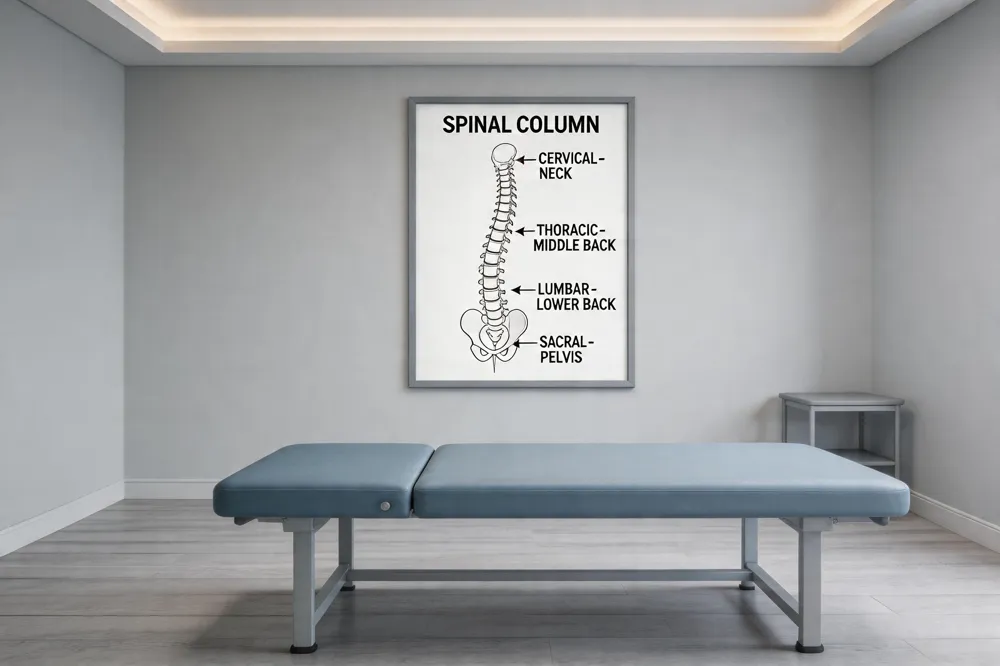
How Chiropractic Treatments Reduce Inflammation and Speed Up Back Pain Recovery

Real‑Life Stories: How Chiropractic Helped Patients Overcome Chronic Back Pain

From Symptom Masking to Root‑Cause Healing: A Practical Guide

6 Holistic Non‑Surgical Treatments That Deliver Sustainable Back‑Pain Relief

Key Questions to Ask When Selecting Your Chiropractor

Mindful Movement: Incorporating Stretch Breaks Into a Busy Day

Why Targeting the Underlying Cause Beats Temporary Symptom Relief

8 Ways Physiotherapy Complements Chiropractic Adjustments for Faster Recovery

Meal Planning for Athletes Recovering from Back Injuries

9 Everyday Lifestyle Tweaks to Preserve a Healthy Spine and Prevent Pain

Functional Movement Screening for Root‑Cause Pain Identification

6 Things You’ll Experience During Your First Chiropractic Appointment

Spinal Decompression vs. Standard Physical Therapy for Sciatica: A Comparative Review

New Findings on How Adjustments Influence Blood Circulation

Work‑From‑Home Ergonomics: A Blueprint for a Pain‑Free Back

The Link Between Chiropractic Care and Improved Sleep Quality

Physiotherapy Techniques That Strengthen the Benefits of Chiropractic Adjustments

Biomechanical Insights Behind Successful Spinal Decompression

Desk‑to‑Dumbbell: Lifestyle Shifts That Guard Your Lower Back

10 Corrective Exercises for Sustainable Pain-Free Living

Morning Routines That Support Spine Health and Reduce Stiffness

Calcium and Magnesium‑Focused Nutrition for Bone Density and Spine Health

9 Ways Chiropractic Care Transforms Back Pain Management

Testimonial: Nutrition‑Guided Recovery Accelerated by Chiropractic

Science‑Backed Spinal Decompression for Relieving Sciatica Symptoms

Key Questions to Ask During Your Initial Chiropractic Consultation
Whole‑Body Wellness Blueprint: Nutrition, Exercise, and Chiropractic Synergy

A 12‑Week Corrective Exercise Blueprint for Chronic Neck Discomfort

Manual Therapy Plus Targeted Exercise: Accelerating Post‑Injury Recovery

Home‑Based Spinal Decompression Devices: What Patients Should Know

Chiropractic Care Statistics: Reducing Lost Workdays From Back Pain

How Targeted Nutrition Enhances Immune Function and Lowers Inflammatory Pain

Self‑Assessment Tools to Identify Hidden Triggers of Back Pain

Preparing for Your First Chiropractic Appointment: A Practical Checklist

Back Pain Relief Benefits: Lower Opioid Use and Better Quality of Life

Foam‑Rolling Techniques to Complement Chiropractic Adjustments

Progressive Overload Principles in Corrective Exercise Programs

Six‑Month Transformation: Integrated Care Success Story

7 Nutritional Hacks to Boost Your Overall Wellness

How to Choose a Chiropractor: Credentials, Techniques, and Patient Compatibility

5 Ways Spinal Decompression Can Ease Sciatica Pain

Overcoming Sciatica: A Patient’s Multidisciplinary Treatment Journey
Lifestyle Changes That Promote a Healthy Spine
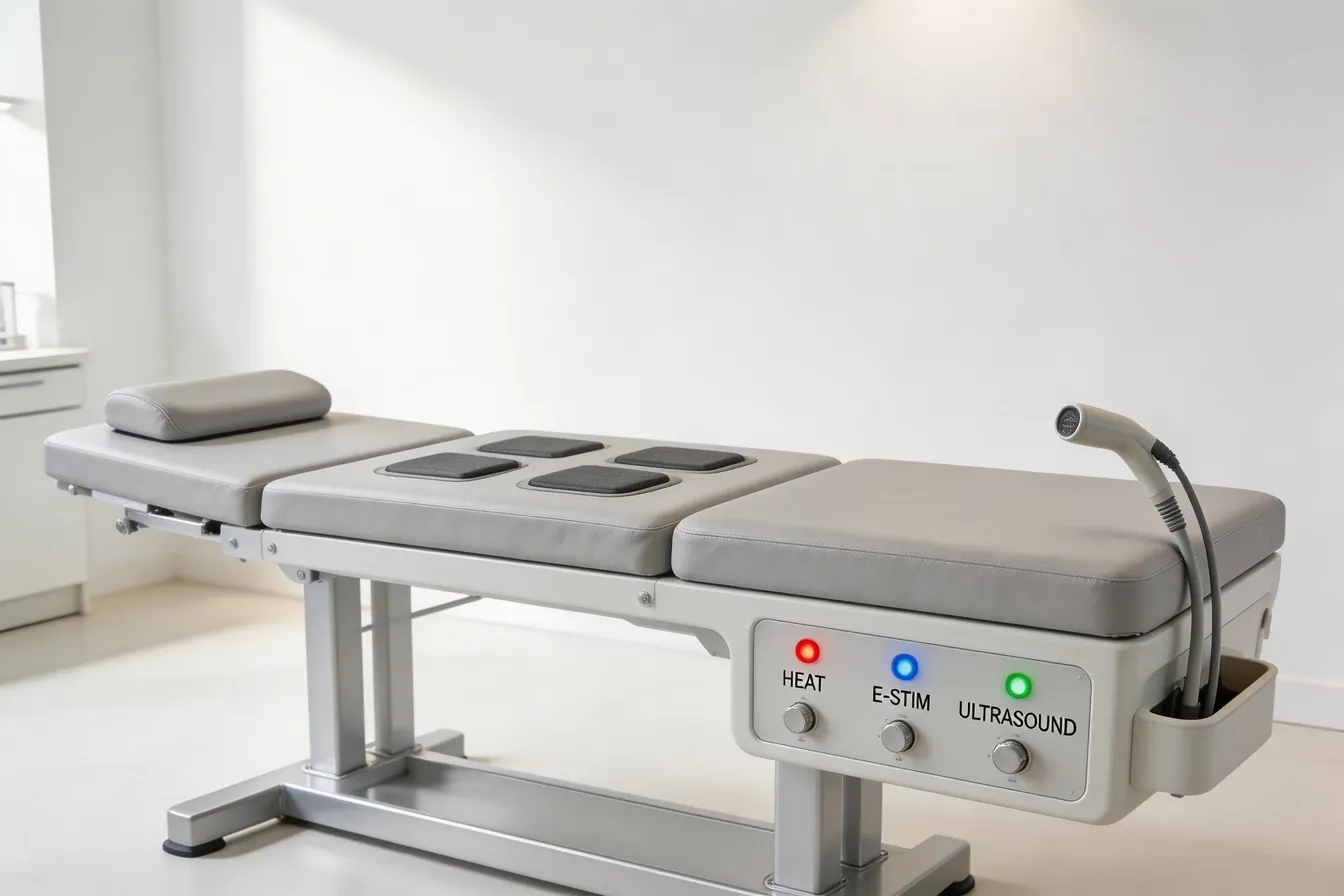
Physiotherapy as a Complement to Chiropractic Treatments

6 Ways Physiotherapy Enhances Chiropractic Treatment Outcomes

Daily Living Tips for a Strong and Healthy Spine
How Physiotherapy Enhances Chiropractic Outcomes
Holistic Treatments: Alternatives to Surgery for Pain Relief
Inspiring Patient Success Stories from Chiropractic Clinics

Integrating Physiotherapy with Chiropractic Treatments
Corrective Exercise Routines for Chronic Pain Prevention
10 Corrective Exercises to Maintain a Healthy Spine and Relieve Pain
Exercise Strategies for Long-Term Pain Management
10 Corrective Exercises to Maintain a Healthy Spine and Relieve Pain
The Importance of Treating the Root Cause of Pain

Nutritional Support Strategies for Whole-Body Wellness
7 Essential Questions to Ask When Choosing Your Chiropractor
Identifying and Addressing Root Causes of Pain
Maintaining a Healthy Spine with Lifestyle Adjustments
Sciatica Symptom Relief via Spinal Decompression
8 Reasons Why Addressing the Root Cause of Pain Is Crucial
Chiropractic Care’s Impact on Back Pain Recovery

Combining Physiotherapy with Chiropractic Care for Better Results

Inspiring Recovery: Chiropractic Patient Testimonials

Nutritional Counseling Tips for Optimal Wellness

Why Addressing the Root Cause of Pain is Crucial
Back Pain and Chiropractic Care: A Winning Combination

Chiropractic Care Benefits You Might Not Know
Exploring Holistic and Non-Surgical Treatments for Pain
Spinal Health: Lifestyle Tips for Everyday Wellness
Spinal Decompression Therapy: Benefits and Applications
Holistic and Non-Invasive Spine Care Options
Everyday Lifestyle Advice to Keep Your Spine Healthy
The Significance of Treating Root Causes in Pain Therapy
Best Corrective Exercises for Sustainable Pain Management

Addressing Underlying Causes of Pain for Long-Term Relief
6 Key Benefits of Spinal Decompression Therapy for Sciatica Relief

How Nutritional Counseling Supports Spine Health and Recovery

The Role of Physiotherapy in Supporting Chiropractic Treatments