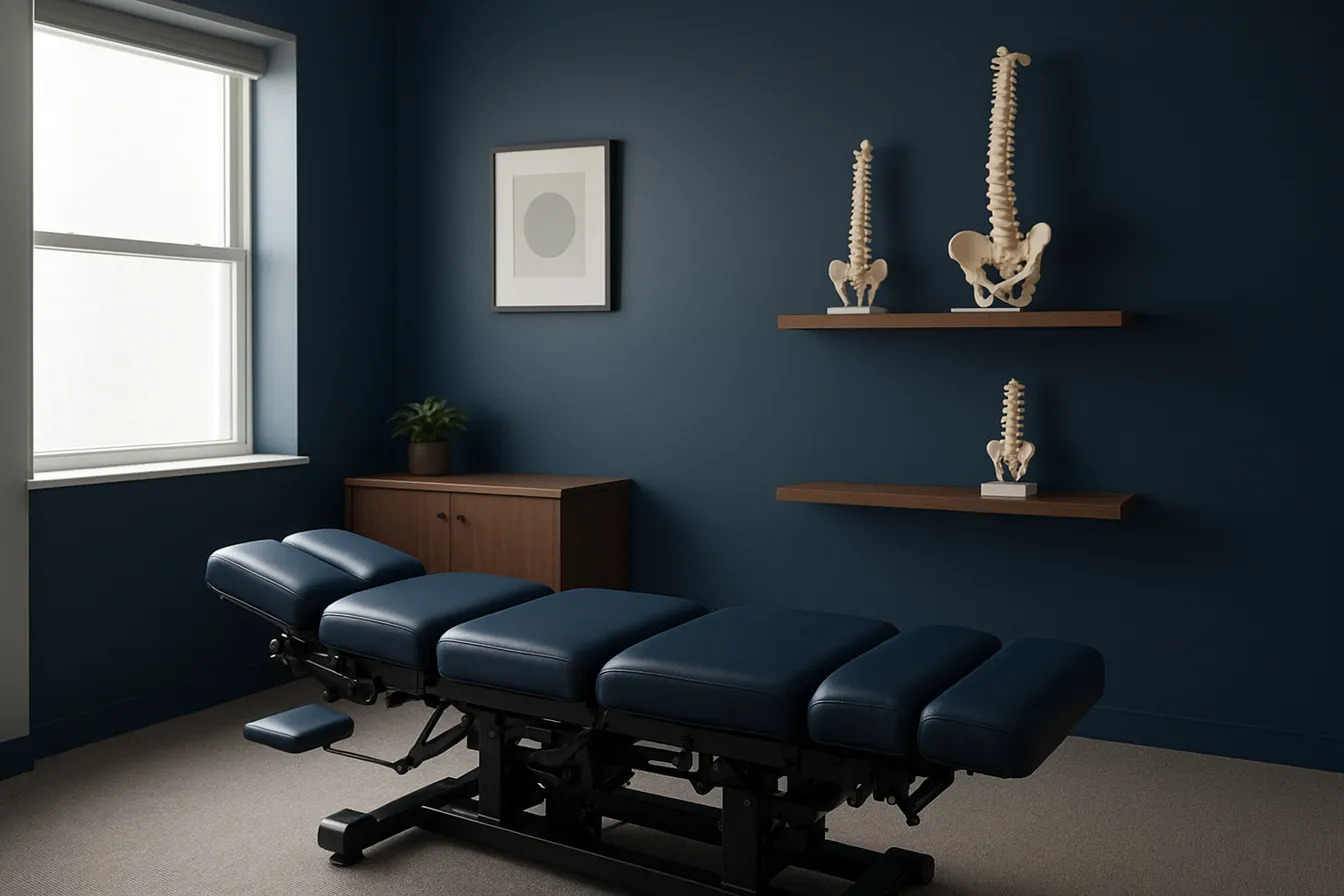
Integrating Physiotherapy with Chiropractic Treatments
February 24, 2026
8 min

Introduction to Integrative Musculoskeletal Care
Overview of Chiropractic Care and Physiotherapy
Chiropractic care primarily targets the alignment of the spine and joints to enhance nervous system function, reduce nerve irritation, and relieve pain. Techniques include spinal manipulation, myofascial release, and therapeutic exercises aimed at restoring joint mobility and muscle tone.
Physical therapy complements chiropractic care by focusing on strengthening muscles, improving flexibility, and retraining movement patterns through therapeutic exercises, manual therapies, and patient education. It treats various musculoskeletal issues including soft tissue injuries, chronic pain conditions, and post-surgical rehabilitation.
Benefits of Combining Therapies
Integrating chiropractic care with physical therapy creates a synergistic approach that addresses both structural and muscular components of recovery. Chiropractic adjustments improve spinal alignment and nervous system communication, setting a foundation for more effective physical therapy exercises.
This combined approach accelerates recovery times, enhances pain management, improves mobility and flexibility, and reduces the risk of re-injury. Patients benefit from personalized treatment plans developed collaboratively by chiropractors and physical therapists, ensuring care tailored to individual needs.
Holistic Approach Relevance to Musculoskeletal Health
A holistic approach in musculoskeletal care involves addressing both bodily functions and lifestyle factors to promote long-term wellness. By combining chiropractic and physical therapy, patients receive comprehensive care that supports natural healing, improves overall body mechanics, and fosters sustained musculoskeletal health without relying heavily on medications.
Such integrated care not only alleviates symptoms but also enhances quality of life through improved posture, coordination, and strength, embodying a patient-centered, natural, and holistic health strategy.
Enhancing Recovery Through Combined Chiropractic and Physiotherapy

Roles of chiropractic care in spinal alignment and nervous system function
Chiropractic care centers on restoring proper spinal alignment through manual spinal manipulations, soft tissue therapies, and myofascial release. These adjustments alleviate nerve irritation and improve nervous system communication, which helps reduce pain and supports the body's intrinsic healing processes. By correcting misalignments, chiropractic care enhances joint mobility and reduces inflammation, creating a foundation for optimized whole-body function.
Physiotherapy’s emphasis on muscle strength, mobility, and therapeutic exercises
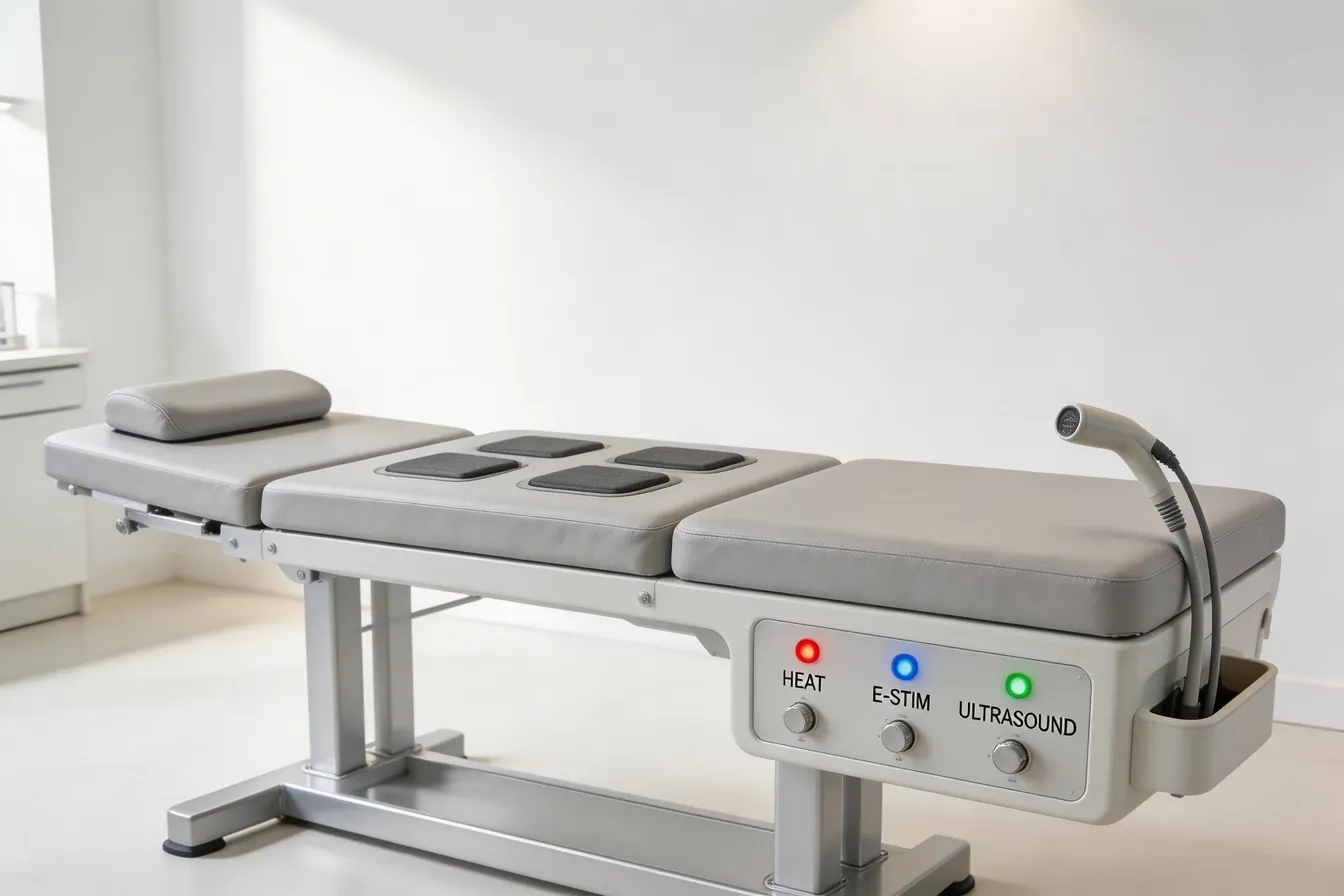
Physiotherapy complements chiropractic care by focusing on muscle strength, flexibility, and joint function. Through tailored therapeutic exercises, manual therapy, and modalities such as electrical stimulation or ultrasound, physiotherapy rehabilitates injured tissues, improves endurance, and retrains movement patterns. This approach helps patients regain functional mobility, prevents muscle imbalances, and supports long-term musculoskeletal health.
How integration accelerates pain relief and functional recovery
The combined application of chiropractic and physiotherapy creates synergistic benefits of chiropractic and physiotherapy. Chiropractic adjustments prepare the body by improving alignment and nervous system function, enabling patients to engage more effectively in physiotherapy exercises with less pain. Meanwhile, physiotherapy strengthens muscles and enhances flexibility, stabilizing joints and reducing the risk of re-injury. This integration accelerates recovery timelines, delivers comprehensive pain management, and promotes sustained improvements in mobility and function.
Personalized treatment planning and coordinated care
Effective integration requires collaborative care between chiropractors and physiotherapists who conduct thorough assessments to develop personalized treatment plans. These plans tailor spinal adjustments and exercise programs to individual patient needs, injury specifics, and lifestyle factors. Coordinated scheduling, continuous monitoring, and patient education foster adherence and allow timely treatment adaptations. Such a holistic, patient-centered approach ensures optimal outcomes and supports long-term musculoskeletal wellness.
Natural and Alternative Therapies Supporting Musculoskeletal Health

What are natural remedies for musculoskeletal pain?
Natural remedies for musculoskeletal pain encompass a variety of holistic approaches focusing on reducing inflammation, promoting healing, and enhancing physical function without relying solely on medication.
Herbal supplements such as turmeric for pain relief, ginger, and boswellia are widely used for their anti-inflammatory and pain-relieving properties. Turmeric contains curcumin, which can reduce inflammation, especially when combined with black pepper to improve absorption. Ginger and boswellia (Indian frankincense) also help alleviate pain and support recovery from muscle and joint issues.
Acupuncture is an ancient technique that involves inserting fine needles into specific points on the body to stimulate natural healing. It improves blood circulation, reduces inflammation, and triggers the release of endorphins—natural painkillers—which can provide relief for muscle and joint pain.
Massage therapy benefits include relieving muscle tension, enhancing circulation, and aiding in the reduction of swelling. Techniques vary from Swedish massage to deep tissue and trigger point therapy, all of which can promote muscle relaxation and support recovery in musculoskeletal conditions.
Chiropractic care plays a crucial role by realigning the musculoskeletal system, particularly the spine, to reduce nerve pressure and improve overall nerve communication. This realignment can alleviate pain and improve mobility, making it a vital part of a comprehensive pain management strategy.
Lastly, gentle exercises such as yoga and stretching are essential for maintaining and improving flexibility while reducing muscle stiffness. These practices also incorporate breath control and mindfulness, which can aid in managing pain and enhancing emotional well-being.
Combined, these natural and alternative therapies provide a holistic and patient-centered approach to musculoskeletal health, promoting healing, reducing discomfort, and improving quality of life.
Home-Based and Lifestyle Approaches to Joint and Muscle Pain Management

What are effective home remedies for joint and muscle pain?
Effective home remedies for joint and muscle pain include applying hot or cold compresses. Cold therapy helps reduce inflammation and numb pain, while heat therapy relaxes muscles and improves circulation. Gentle stretching and low-impact exercises such as yoga or Tai Chi maintain joint flexibility and muscle strength, aiding recovery.
Adequate hydration supports joint lubrication and overall tissue health. Incorporating anti-inflammatory foods—like turmeric (containing curcumin) and omega-3 fatty acids found in fish oil—into your diet can reduce pain and inflammation naturally.
Maintaining a healthy weight lessens stress on joints, particularly weight-bearing ones like knees and hips. Practicing good posture also helps prevent undue strain on muscles and joints, supporting better alignment and reducing discomfort.
Patient education is important; understanding proper body mechanics and self-care routines empowers individuals to manage their pain consistently. Consistent adherence to these lifestyle practices can enhance healing outcomes and improve long-term joint and muscle health.
Before beginning new supplements or exercise programs, especially if you have other health conditions or medications, consulting healthcare providers ensures safety and personalized guidance. For evidence-based information on joint and muscle pain relief supplements and holistic management strategies, resources are available to support your journey.
Supplements and Their Role in Supporting Joint and Muscle Health

What supplements are beneficial for muscle pain and stiffness?
Several supplements can aid in managing muscle pain and stiffness. Omega-3 fatty acids for joints are valued for their anti-inflammatory effects, potentially reducing muscle discomfort. Magnesium plays an important role in muscle relaxation, helping to alleviate cramps and stiffness. Adequate Vitamin D and muscle soreness levels are essential for muscle function and may prevent pain associated with deficiency. Collagen for joint health peptides support the health of muscles and connective tissues, promoting recovery and reducing stiffness. Turmeric for pain relief, which contains curcumin, is another natural supplement with anti-inflammatory properties known to ease muscle pain. It is recommended to consult a healthcare professional before beginning any supplementation to ensure safety and to tailor the approach to individual health needs.
What supplements are effective for supporting knee joint health?
For knee joint health, chondroitin and glucosamine pain relief are widely used supplements that may improve joint mobility and reduce pain by supporting cartilage repair and lowering inflammation. MSM (methylsulfonylmethane) and hyaluronic acid contribute to joint lubrication and stiffness relief. Curcumin absorption tips , found in turmeric, provides strong anti-inflammatory benefits that enhance joint comfort. Omega-3 fatty acids for joints also support joint function by reducing inflammation, while Vitamin D aids in maintaining bone strength and can mitigate symptoms of arthritis. Again, professional healthcare consultation is essential before starting supplementation to ensure it is safe and suited for specific health conditions.
Importance of professional consultation
Before incorporating supplements into a health regimen, consulting with a healthcare provider is crucial. This ensures appropriate dosage, identifies possible interactions with medications, and verifies that supplements support the individual's overall treatment plan, particularly when managing musculoskeletal pain management or joint issues. This careful approach aligns with holistic and patient-centered principles of care.
Implementing an Integrative Care Model: Practical Steps and Patient Engagement

Coordinated Consultations Between Chiropractors and Physical Therapists
An effective integrative care model begins with thorough consultations involving both chiropractors and physical therapists. These professionals collaborate to assess the patient's condition comprehensively, ensuring that treatment plans address both spinal alignment and muscular function. This multidisciplinary dialogue facilitates tailored therapeutic strategies optimized for individual needs.
Scheduling Treatments to Complement Both Therapies
Treatment scheduling is designed to maximize the benefits of each modality. For example, chiropractic adjustments may precede physical therapy sessions to enhance spinal mobility and nervous system function, thus enabling more effective participation in therapeutic exercises. Coordinated scheduling ensures seamless progression in care and reduces the risk of treatment overlap or patient fatigue.
Monitoring and Adapting Personalized Treatment Plans
Ongoing monitoring of patient progress is essential in integrated care. Providers regularly evaluate treatment outcomes and adjust plans as needed, responding to changes in pain levels, mobility, or functional capacity. Personalized treatment plans evolve with the patient's recovery trajectory, bolstering both short-term improvements and long-term wellness goals.
Patient Role in Adherence and Communication with Providers
Patient engagement is critical for success in integrated treatment. Adherence to prescribed exercises, attendance at appointments, and open communication regarding symptoms or concerns support optimal outcomes. Patients are encouraged to maintain active dialogue with their care team, facilitating timely modifications and reinforcing commitment to recovery. This aspect is emphasized in tips for integrating therapy and adjustments.
Long-Term Benefits Including Injury Prevention and Holistic Wellness
This collaborative approach yields comprehensive benefits beyond immediate pain relief, including enhanced strength, flexibility, and movement coordination. Integrative care reduces the likelihood of re-injury by promoting proper body mechanics and muscular support. Ultimately, patients gain holistic wellness that supports sustained musculoskeletal health and improved quality of life.
Conclusion: Embracing a Holistic Path to Musculoskeletal Wellness
Integration of chiropractic care with physical therapy unlocks a powerful synergy that enhances healing, restores function, and provides comprehensive pain relief.
Patients benefit from improved spinal alignment, stronger muscular support, and enhanced nervous system communication. This combined approach addresses both structural and functional aspects of musculoskeletal health, accelerating recovery and promoting lasting wellness.
Personalized, patient-centered treatment plans ensure therapies are tailored to individual needs, lifestyle, and goals, fostering active participation and optimal outcomes. Long-term prevention of injuries is supported through ongoing care that maintains proper alignment and strengthens muscles.
Back in Action Bodyworks embraces this integrated model, reflecting a commitment to holistic health and patient empowerment. We invite you to explore our comprehensive musculoskeletal care designed to improve movement, reduce pain, and enhance your quality of life.
Together, chiropractic and physical therapy provide a natural, effective pathway toward sustained musculoskeletal wellness.
Recent articles

10 Real‑Patient Success Stories Showcasing the Impact of Chiropractic Care

Superfoods That Boost Nerve Healing After Chiropractic Sessions

Sleep Positions That Promote a Healthy Back Alignment

Signs Your Chiropractor Is a Good Fit for Your Back Pain Goals

Case Study: Integrated Physiotherapy and Chiropractic for Faster Recovery

First-Time Chiropractic Visit: A Step‑by‑Step Walkthrough
Synergistic Benefits: Combining Physiotherapy with Chiropractic Care

Beyond Surgery: Holistic Approaches to Managing Back Pain

How Manual Therapy Enhances the Effects of Chiropractic Adjustments

Hydration Hacks: Why Water Matters for Joint and Spine Function

What Does a Comprehensive Spinal Evaluation Include?

Success Spotlight: Transformative Results After Six Weeks of Chiropractic Treatment

Understanding the Initial Assessment Process in Chiropractic Care

Designing a Personalized Corrective Exercise Plan for Chronic Pain Management

Natural Pain Management: Combining Acupuncture, Yoga, and Chiropractic

Chiropractic Care vs. Pain Meds: Long-Term Outcomes for Back Pain Sufferers

What to Expect During a Sciatica‑Focused Decompression Session

Understanding the Pain-Relief Mechanics Behind Chiropractic Adjustments

Success Rates of Non‑Surgical Spinal Decompression for Sciatica

Patient-Centered Chiropractic Care: Personalized Plans for Back Pain Relief
How Chiropractic Treatments Reduce Inflammation and Speed Up Back Pain Recovery

Real‑Life Stories: How Chiropractic Helped Patients Overcome Chronic Back Pain

From Symptom Masking to Root‑Cause Healing: A Practical Guide

6 Holistic Non‑Surgical Treatments That Deliver Sustainable Back‑Pain Relief

Key Questions to Ask When Selecting Your Chiropractor

Mindful Movement: Incorporating Stretch Breaks Into a Busy Day

Why Targeting the Underlying Cause Beats Temporary Symptom Relief

8 Ways Physiotherapy Complements Chiropractic Adjustments for Faster Recovery

Meal Planning for Athletes Recovering from Back Injuries

9 Everyday Lifestyle Tweaks to Preserve a Healthy Spine and Prevent Pain

Functional Movement Screening for Root‑Cause Pain Identification

6 Things You’ll Experience During Your First Chiropractic Appointment

Spinal Decompression vs. Standard Physical Therapy for Sciatica: A Comparative Review

New Findings on How Adjustments Influence Blood Circulation

Work‑From‑Home Ergonomics: A Blueprint for a Pain‑Free Back

The Link Between Chiropractic Care and Improved Sleep Quality

Physiotherapy Techniques That Strengthen the Benefits of Chiropractic Adjustments

Biomechanical Insights Behind Successful Spinal Decompression

Desk‑to‑Dumbbell: Lifestyle Shifts That Guard Your Lower Back

10 Corrective Exercises for Sustainable Pain-Free Living

Morning Routines That Support Spine Health and Reduce Stiffness

Calcium and Magnesium‑Focused Nutrition for Bone Density and Spine Health

9 Ways Chiropractic Care Transforms Back Pain Management

Testimonial: Nutrition‑Guided Recovery Accelerated by Chiropractic
Science‑Backed Spinal Decompression for Relieving Sciatica Symptoms

Key Questions to Ask During Your Initial Chiropractic Consultation
Whole‑Body Wellness Blueprint: Nutrition, Exercise, and Chiropractic Synergy

A 12‑Week Corrective Exercise Blueprint for Chronic Neck Discomfort

Manual Therapy Plus Targeted Exercise: Accelerating Post‑Injury Recovery

Home‑Based Spinal Decompression Devices: What Patients Should Know

Chiropractic Care Statistics: Reducing Lost Workdays From Back Pain

How Targeted Nutrition Enhances Immune Function and Lowers Inflammatory Pain

Self‑Assessment Tools to Identify Hidden Triggers of Back Pain

Preparing for Your First Chiropractic Appointment: A Practical Checklist

Back Pain Relief Benefits: Lower Opioid Use and Better Quality of Life

Foam‑Rolling Techniques to Complement Chiropractic Adjustments

Progressive Overload Principles in Corrective Exercise Programs

Six‑Month Transformation: Integrated Care Success Story

7 Nutritional Hacks to Boost Your Overall Wellness

How to Choose a Chiropractor: Credentials, Techniques, and Patient Compatibility

5 Ways Spinal Decompression Can Ease Sciatica Pain

Overcoming Sciatica: A Patient’s Multidisciplinary Treatment Journey
Lifestyle Changes That Promote a Healthy Spine
Physiotherapy as a Complement to Chiropractic Treatments

6 Ways Physiotherapy Enhances Chiropractic Treatment Outcomes

Daily Living Tips for a Strong and Healthy Spine

How Physiotherapy Enhances Chiropractic Outcomes
Holistic Treatments: Alternatives to Surgery for Pain Relief
Inspiring Patient Success Stories from Chiropractic Clinics
Integrating Physiotherapy with Chiropractic Treatments
Corrective Exercise Routines for Chronic Pain Prevention
10 Corrective Exercises to Maintain a Healthy Spine and Relieve Pain
Exercise Strategies for Long-Term Pain Management
10 Corrective Exercises to Maintain a Healthy Spine and Relieve Pain
The Importance of Treating the Root Cause of Pain
Nutritional Support Strategies for Whole-Body Wellness
7 Essential Questions to Ask When Choosing Your Chiropractor
Identifying and Addressing Root Causes of Pain

Maintaining a Healthy Spine with Lifestyle Adjustments
Sciatica Symptom Relief via Spinal Decompression
8 Reasons Why Addressing the Root Cause of Pain Is Crucial
Chiropractic Care’s Impact on Back Pain Recovery

Combining Physiotherapy with Chiropractic Care for Better Results

Inspiring Recovery: Chiropractic Patient Testimonials
Nutritional Counseling Tips for Optimal Wellness

Why Addressing the Root Cause of Pain is Crucial
Back Pain and Chiropractic Care: A Winning Combination
Chiropractic Care Benefits You Might Not Know
Exploring Holistic and Non-Surgical Treatments for Pain
Spinal Health: Lifestyle Tips for Everyday Wellness
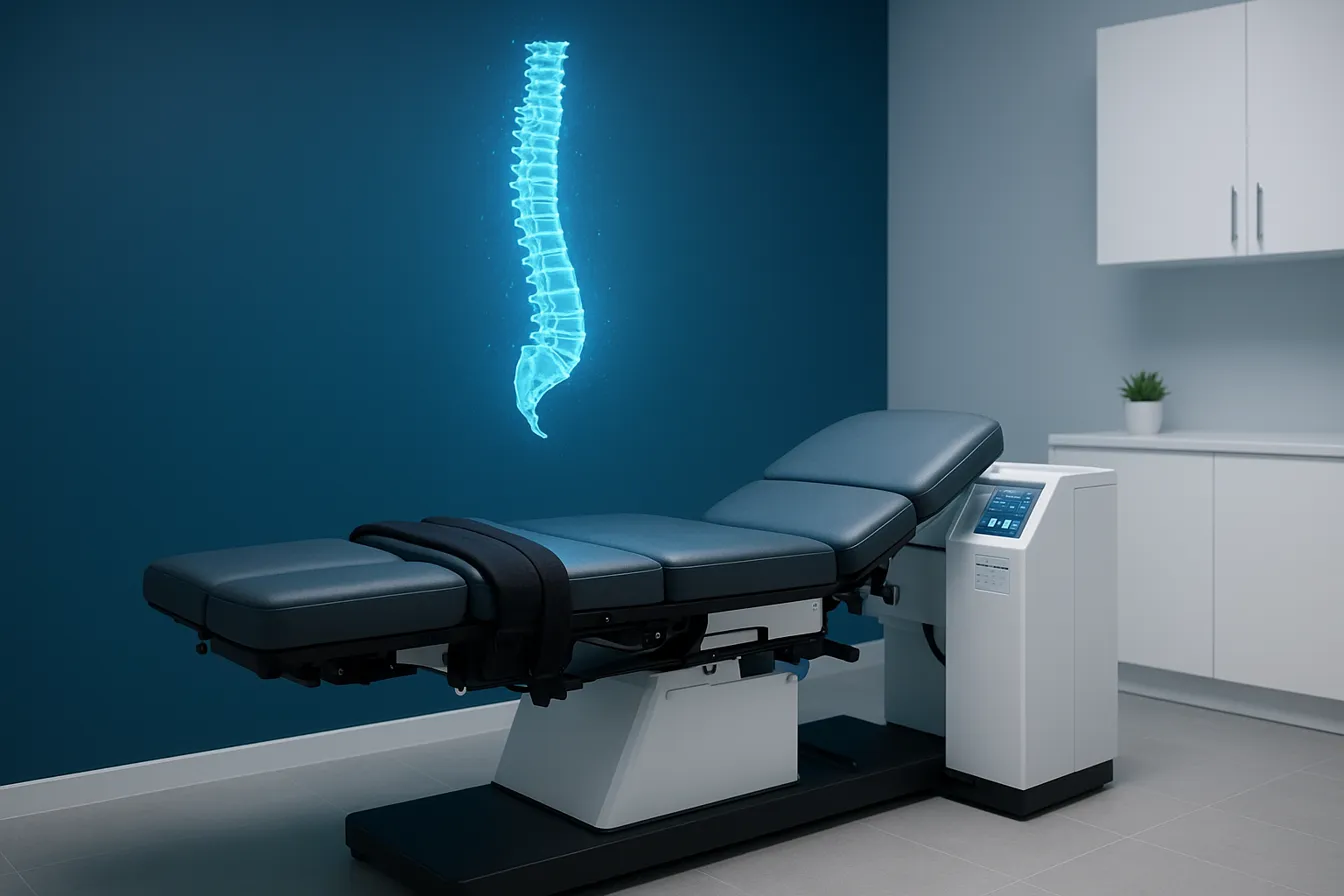
Spinal Decompression Therapy: Benefits and Applications
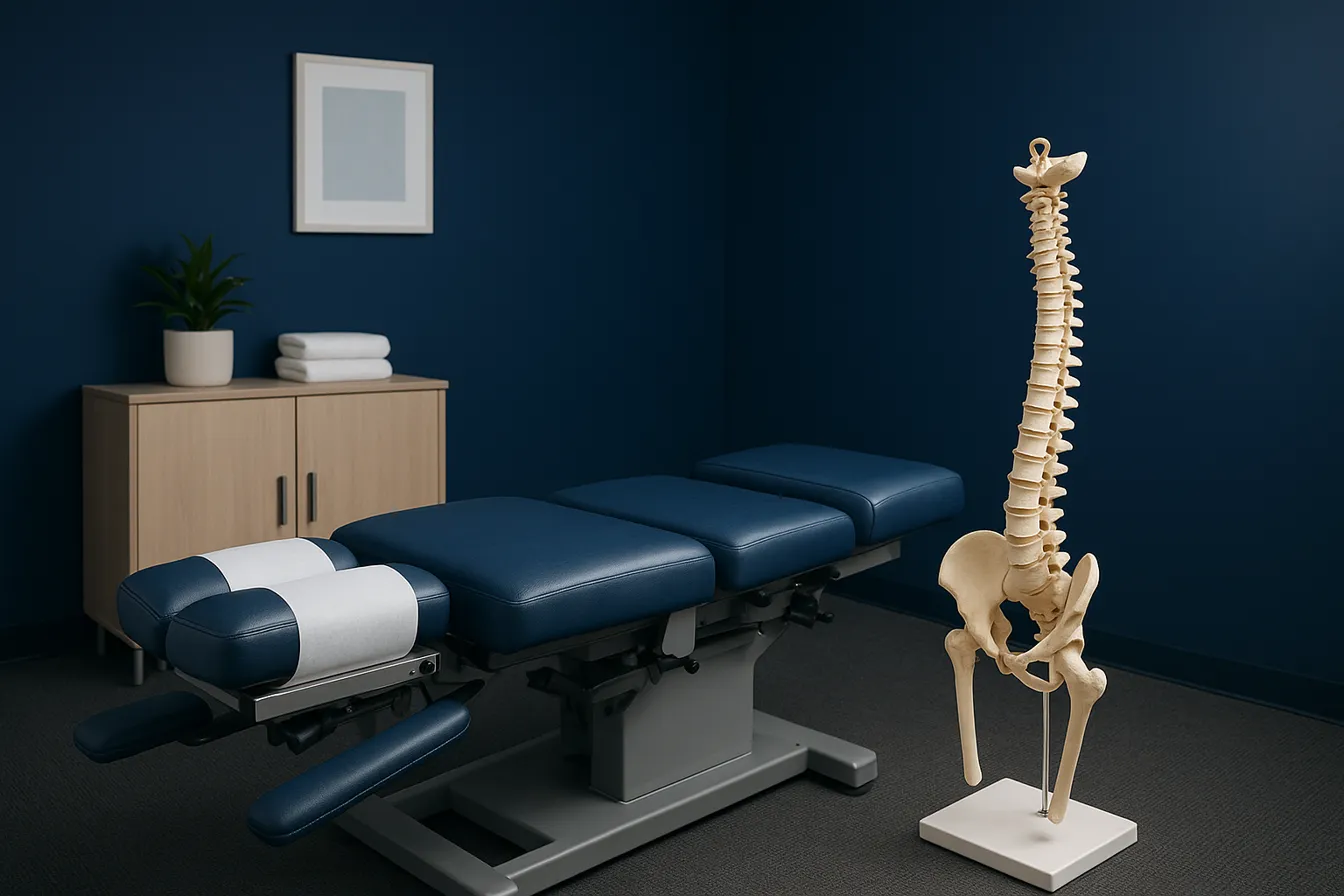
Holistic and Non-Invasive Spine Care Options
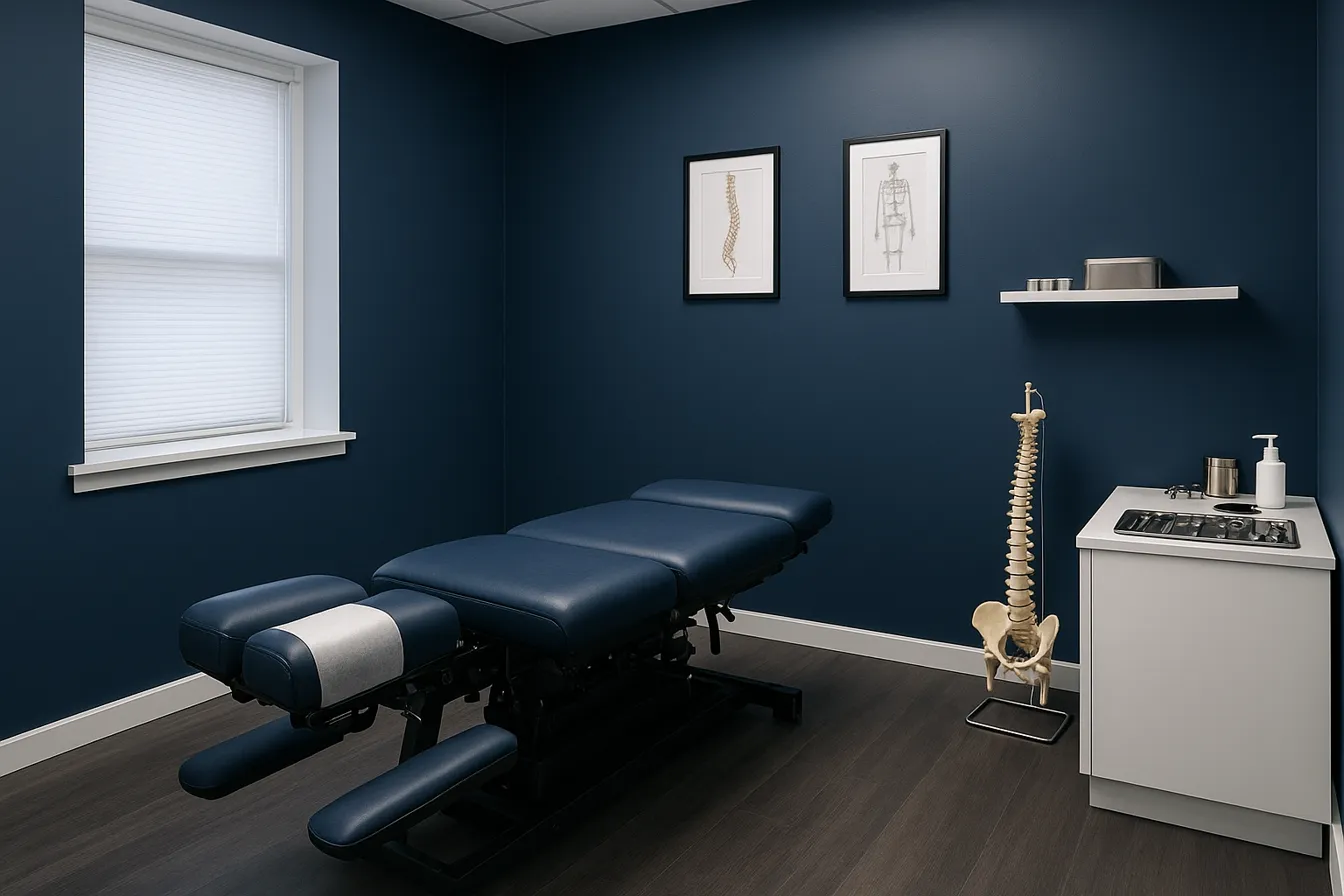
Everyday Lifestyle Advice to Keep Your Spine Healthy
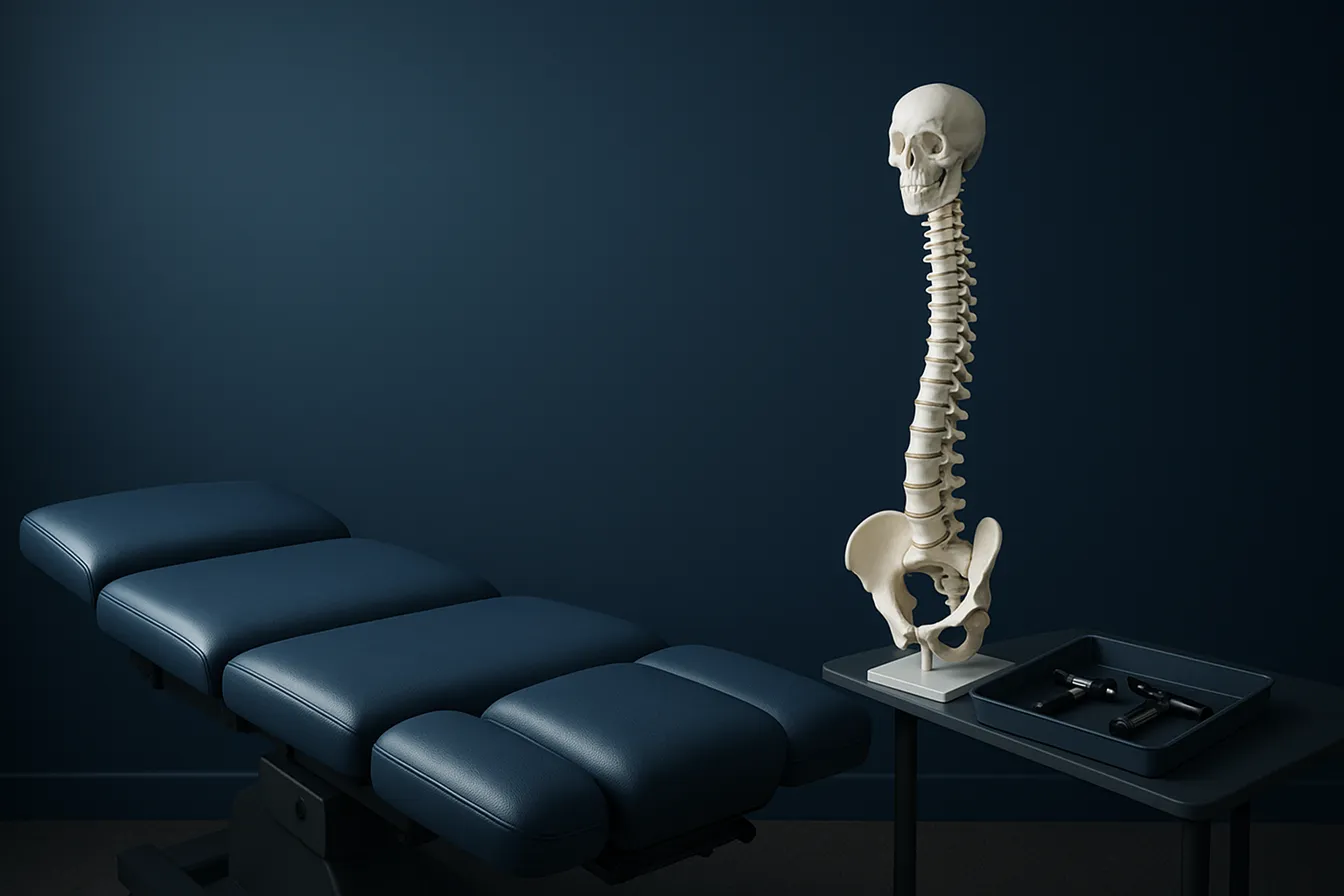
The Significance of Treating Root Causes in Pain Therapy
Best Corrective Exercises for Sustainable Pain Management

Addressing Underlying Causes of Pain for Long-Term Relief
6 Key Benefits of Spinal Decompression Therapy for Sciatica Relief

How Nutritional Counseling Supports Spine Health and Recovery

The Role of Physiotherapy in Supporting Chiropractic Treatments