10 Real‑Patient Success Stories Showcasing the Impact of Chiropractic Care
May 4, 2026
15 min

Why Real Patient Stories Matter
Personal testimonies give a vivid, relatable window into how chiropractic care works beyond statistics. When patients like Erica R. or Kelly R. describe chronic back pain disappearing after low‑force adjustments, soft‑tissue work, and the Graston Technique, readers see the tangible impact of a holistic, patient‑centered plan. These stories also echo evidence‑based outcomes reported in peer‑reviewed studies—such as reduced disc bulging on X‑rays, lower migraine frequency, and decreased reliance on medication—showing that individual success aligns with broader research findings. Finally, the narratives illustrate the holistic nature of modern chiropractic: adjustments are paired with individualized exercise programs, ergonomic counseling, and education, creating a comprehensive wellness strategy that addresses the root cause of pain and supports long‑term health. Together, authentic patient voices and scientific data reinforce confidence in chiropractic as an effective, drug‑free option for musculoskeletal wellness.
Key Highlights from ChiroWorks Success Stories and Chiropractic FAQs
- ChiroWorks Care Center combines low‑force spinal adjustments with instrument‑assisted soft‑tissue therapies such as the Graston Technique to treat chronic back and neck pain.
- Patient Cb O. avoided spinal fusion surgery; a series of chiropractic decompression and Graston treatments resolved a bulging L4‑L5 disc, as confirmed by follow‑up X‑rayays.
- Kelly R., who has fibromyalgia, experienced complete resolution of chronic back pain after targeted Graston therapy broke down myofascial adhesions.
- Athlete Kenton R. improved posture, reduced strain, and accelerated recovery during Ironman training through a blend of no‑crack adjustments, myofascial release, and Graston work.
- Desk‑job patient Brigid R. achieved pain‑free daily life after chiropractic corrections, ergonomic counseling, and a personalized stretching program.
- The Graston Technique can quickly relieve nerve irritation, as shown by “The Eye Guy,” who regained full neck and shoulder function after a few sessions.
- Graston therapy is employed at an elite level for athletes like Angie D., helping eliminate deep muscle tension and support high‑intensity workouts.
- Migraine‑type headaches can diminish when cervical and upper thoracic muscle tension is treated with Graston myofascial therapy, illustrated by patient Tracy G.
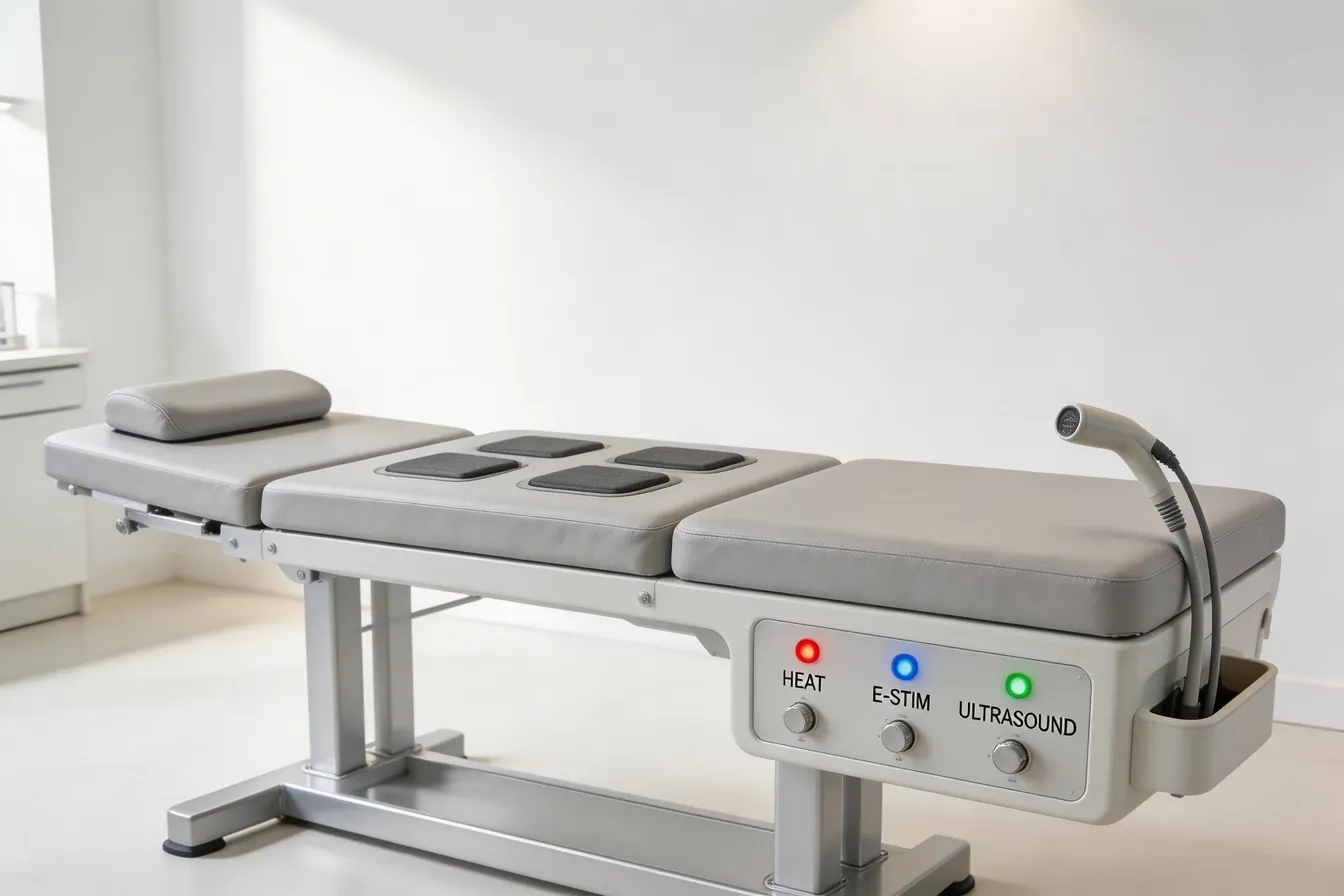
- Integrated chiropractic protocols—including myofascial therapy, electrical stimulation, and therapeutic ultrasound—can rapidly improve chronic shoulder and back pain, as seen with patient S.
- Chiropractic care may complement medical treatment for conditions such as chronic exertional compartment syndrome and varicose vein discomfort by improving circulation and reducing muscular pressure.
1. Erica R. – From Chronic Lower‑Back Pain to Pain‑Free Workouts

Erica R., a 34‑year‑old from Palo Alto, came to ChiroWorks Care Center after provides is json., citing articles with.
2. Cb O. – Avoiding Surgery for a Bulging L4‑L5 Disc

Cb O., a Cupertino resident, was diagnosed with a bulging L4‑L5 disc after experiencing severe lower‑back pain and radiating leg discomfort. Initial X‑rays confirmed the disc protrusion and a surgeon recommended spinal fusion. Instead, Cb O. chose ChiroWorks Care Center, where Dr. Anthony Tsai applied a comprehensive chiropractic program that began with precise identification of the disc‑related dysfunction through a detailed history, physical exam, and imaging review. Dr. Tsai then performed low‑force, instrument‑assisted spinal decompression techniques combined with the Graston Method and myofascial therapy to gently relieve pressure on the disc and surrounding soft tissue. Over a series of visits, the patient’s pain subsided, mobility improved, and a follow‑up X‑ray demonstrated complete resolution of the disc bulge—no visible L4‑L5 protrusion remained. This success story illustrates how targeted, non‑surgical chiropractic care can reverse a bulging disc, restore function, and spare patients from invasive surgery while emphasizing gentle adjustments, personalized exercise programs, and ongoing posture education.
3. Kelly R. – Graston Technique Eliminates Fibromyalgia‑Related Back Pain

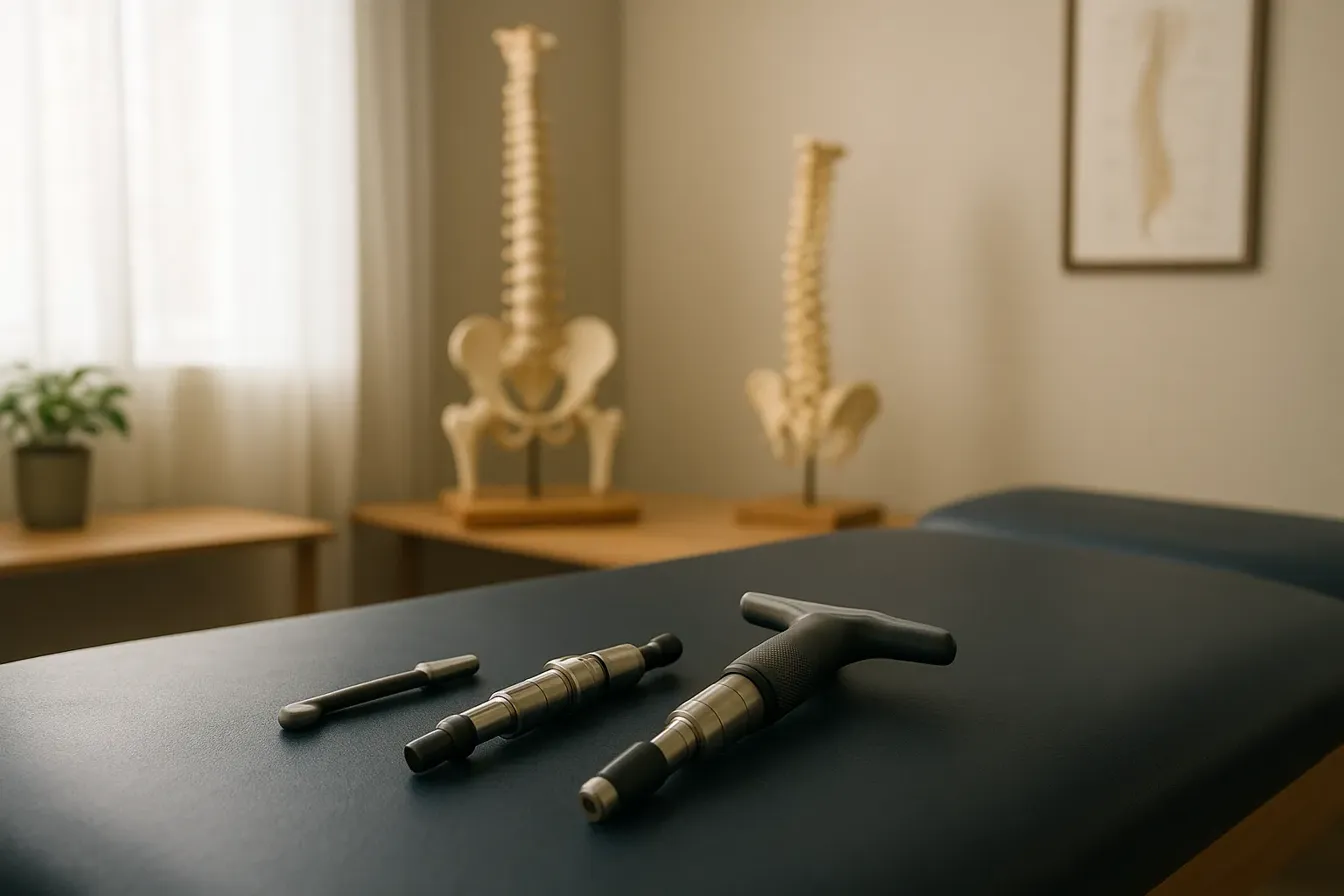
Fibromyalgia presents a unique challenge for many patients because chronic widespread pain often resists conventional treatments and can even worsen with standard chiropractic adjustments. Kelly R., a resident of Cupertino, experienced this firsthand: traditional "cracking" adjustments aggravated her back discomfort, leaving her with persistent, debilitating pain. Seeking a different approach, she turned to Dr. Anthony Tsai at ChiroWorks Care Center, who introduced her to the Graston Technique—a form of instrument‑assisted soft‑tissue therapy that uses specially calibrated stainless‑steel tools to detect and break down scar tissue, adhesions, and fibrotic muscle bands. During each session, Dr. Tsai applied the Graston instruments to Kelly’s lumbar region, targeting the dense myofascial knots that had been contributing to her fibromyalgia flare‑ups. The technique’s precise, low‑force action helped restore normal tissue glide, reduce inflammation, and recalibrate nerve signaling. After a systematic series of treatments, Kelly reported a complete resolution of her chronic back pain and a sustained, pain‑free state that has endured for months, allowing her to resume daily activities and exercise without fear of recurrence.
4. Kenton R. – Supporting Ironman Training with Chiropractic Care

Kenton R., an avid Ironman competitor from Palo Alto, came to ChiroWorks Care Center after months of persistent back strain that threatened his training schedule. Dr. Anthony Tsai performed a thorough biomechanical assessment, identified subtle spinal misalignments and muscular imbalances, and designed a comprehensive treatment plan that combined low‑force "no‑crack" adjustments with myofascial therapy and targeted Graston Technique work. By realigning his lumbar spine and releasing tight thoracic fascia, the program corrected Kenton’s forward‑head posture and restored optimal pelvis positioning—key factors for endurance athletes who spend long hours in a flexed position. Within a few weeks, Kenton reported reduced discomfort, greater range of motion, and faster recovery after long rides and runs. The integrated approach—spinal adjustments, soft‑tissue work, and a personalized home‑exercise regimen—enabled him to resume his Ironman training with confidence, demonstrating how chiropractic care can enhance performance, prevent injury, and support the demanding physical demands of endurance sport.
5. Brigid R. – Reversing Desk‑Job Posture Pain

Brigid R., a longtime office worker from Santa Clara, suffered chronic neck and low‑back tension after years of slouching at a computer. Dr. Anthony Tsai’s initial exam identified muscular imbalances, a forward‑head posture, and a slight leg‑length discrepancy that were all contributing to her pain. The treatment plan combined low‑force "no‑crack" adjustments with targeted soft‑tissue therapy—including myofascial release and the Graston Technique—to break up tight muscle knots and restore normal spinal motion. In parallel, Dr. Tsai provided ergonomic counseling, recommending a supportive chair, monitor height adjustments, and a daily stretching routine to reinforce the corrections made in the clinic. Before‑and‑after photos documented a noticeable straightening of Brigid’s spine and a reduction in forward‑head posture, while follow‑up X‑rays confirmed improved alignment of the lumbar vertebrae. After a series of eight sessions, Brigid reported a completely pain‑free daily life: she can sit at her desk for longer periods, lift objects without discomfort, and enjoys improved sleep quality. Her story illustrates how personalized chiropractic care, soft‑tissue work, and practical lifestyle advice can reverse desk‑job‑induced posture problems and sustain long‑term musculoskeletal health.
6. "The Eye Guy" – Quick Relief for a Pinched Neck Nerve

A pinched cervical nerve typically presents with sharp, radiating neck pain, tingling or numbness down the arm, and a loss of normal range of motion. In the case of “The Eye Guy,” a San Jose resident, Dr. Anthony Tsai identified these classic symptoms during a thorough exam. He employed the Grafton technique, a specialized instrument‑assisted soft‑tissue method that uses calibrated metal bars to break up stubborn muscle knots and release tension around the nerve pathways. Within a few short sessions, the patient reported an immediate reduction in nerve irritation, described the pain as “gone in a day,” and regained full functional use of his neck and shoulder. This rapid relief underscores how targeted, low‑force soft‑tissue work can quickly restore nerve health and improve daily performance without medication or surgery.
7. Angie D. – Graston on Olympian‑Level Soft‑Tissue Work
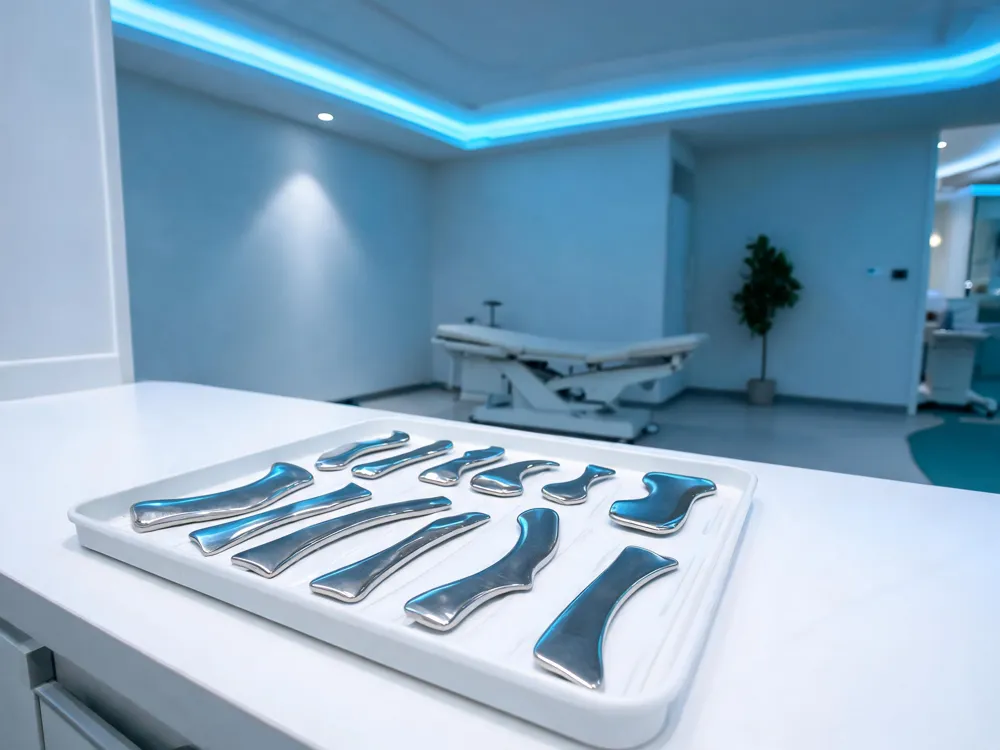
At ChiroWorks Care Center, Dr. Anthony Tsai applies the Graston Technique—an instrument‑assisted, professional‑level soft‑tissue therapy—exactly the way it’s used on Olympians. The method utilizes specially designed stainless‑steel tools to detect and break down stubborn muscular knots, reducing inflammation and restoring normal tissue glide. Angie D., a long‑time patient, praised Dr. Tsai’s meticulous approach, noting that each session not only eliminated deep‑seated tension but also left her with a clear roadmap for home exercises and posture correction. This patient‑education component is a cornerstone of the clinic’s philosophy; Dr. Tsai continually updates his techniques through advanced courses, ensuring that patients benefit from the latest evidence‑based practices. The result for Angie has been a rapid return to high‑performance activities, with markedly less soreness after workouts and a stronger, more resilient musculoskeletal system. Her story exemplifies how instrument‑assisted therapy, combined with personalized education and ongoing professional development, can deliver elite‑level recovery for active individuals.
8. Tracy G. – Migraine‑Type Headaches Disappear After Graston

Tracy G., a Palo Alto resident, had endured frequent migraine‑type headaches that disrupted her daily life and often required medication for relief. After a thorough evaluation, Dr. Anthony Tsai identified tension in the cervical and upper thoracic muscles as a key trigger and prescribed a series of targeted myofascial Graston Technique treatments. The Graston Technique, an instrument‑assisted soft‑tissue method, was applied to break up adhesions and release muscle knots that were compressing nerves and impeding blood flow. Within a few sessions, Tracy reported a dramatic reduction in headache frequency and intensity, eventually experiencing a complete cessation of migraine episodes. She praised Dr. Tsai as a “miracle worker,” noting that the gentle, precise Graston work restored her quality of life without reliance on prescription drugs. This success story underscores how personalized, low‑force soft‑tissue interventions can effectively address chronic migraine pain, aligning with a holistic, patient‑centered chiropractic approach.
9. S. – Rapid Improvement of Chronic Shoulder and Back Pain

Patient S., a long‑time sufferer of combined shoulder and lower‑back discomfort, presented to ChiroWorks Care Center after months of limited mobility and persistent ache. Dr. Anthony Tsai employed a multi‑modal protocol that blended myofascial therapy, targeted electrical stimulation, and therapeutic ultrasound—techniques that have been highlighted in success stories from both ChiroWorks and Durski Chiropractic Center for their ability to release muscle knots, improve circulation, and accelerate tissue healing. Within the first session, S. reported a dramatic drop in pain intensity, noting that the “tight band” around the shoulder had softened and the back ache was barely perceptible. Building on this early win, Dr. Tsai crafted a personalized home‑exercise program and scheduled regular low‑force adjustments to reinforce spinal alignment. Over the ensuing weeks, S. experienced steadily expanding functional range of motion, enabling a return to weight‑training and daily activities without restriction. The case underscores how an integrated, patient‑centered approach can produce rapid symptom relief and sustained functional gains for chronic shoulder and back pain.
10. Cb O. – Chronic Exertional Compartment Syndrome Gains Skin Colour and Pain Relief

How Did Cb O., a patient from Cupertino, CA, Present with Chronic Exertional Compartment Syndrome?
Cb O., a patient from Cupertino, CA, sought care at ChiroWorks for a complex condition known as chronic exertional compartment syndrome. This condition involves a build‑up of pressure within muscle compartments during physical activity, often leading to severe pain, reduced function, and noticeable changes in the affected limb’s appearance. For Cb, the condition manifested as significant discomfort and a visible alteration in skin colour, which can indicate compromised blood flow and nerve function during exertion.
What Did Targeted Chiropractic and Soft‑Tissue Work Achieve?
Dr. Anthony Tsai employed a targeted treatment approach combining chiropractic adjustments with advanced soft‑tissue therapy, including the Graston Technique. Over several weeks, this integrated care produced measurable results. The patient demonstrated a noticeable improvement in skin colour, suggesting enhanced circulation and reduced compartment pressure. More importantly, Cb reported a significant reduction in pain during activity, allowing for greater ease of movement. This case highlights how conservative, non‑surgical care can address a challenging musculoskeletal condition by focusing on both spinal alignment and muscle tissue health.
Can a Chiropractor Adjust a Rotator Cuff?
Chiropractors do not "adjust" the rotator cuff itself because the cuff is a group of muscles and tendons, not a joint that can be manipulated with a high‑velocity thrust. However, shoulder dysfunction often involves misaligned thoracic or glenohumeral joints, muscle imbalances, and adhesions that can be addressed with a combination of joint and soft‑tissue techniques.
Joint vs. soft‑tissue treatment – A chiropractor can perform gentle, low‑force adjustments of the thoracic or peripheral joints to restore proper biomechanics of the shoulder girdle, while using instrument‑assisted soft‑tissue therapies (e.g., the Graston Technique, myofascial therapy, myofascial tissue massage) to break down scar tissue and release tension in the rotator cuff muscles.
Typical chiropractic approach for shoulder dysfunction – The practitioner first conducts a thorough examination, often including imaging, to identify joint restrictions, postural contributors, and muscular tightness. Treatment may include:
- Low‑force or “no‑crack” adjustments of the thoracic spine, scapulothoracic articulation, or glenohumeral joint to improve alignment.
- Graston or instrument‑assisted massage to target adhesions within the rotator cuff tendons and surrounding fascia.
- Myofascial release and targeted therapeutic exercises to strengthen the cuff, improve scapular stability, and prevent recurrence.
By integrating joint realignment with soft‑tissue therapy and personalized home‑exercise programs, chiropractors can effectively reduce shoulder pain, restore range of motion, and support the healing of rotator cuff injuries—even though the cuff itself is not directly "adjusted" in the traditional chiropractic sense.
What Toxins Are Released After a Chiropractic Adjustment?
A common misconception is that spinal adjustments “detoxify” the body by flushing out specific toxins. In reality, adjustments do not cause the direct release of harmful substances. What changes is the quality of circulation and lymphatic flow. By gently realigning joints and reducing muscular tension, the nervous system operates more efficiently, allowing the liver, kidneys, and lymphatic vessels to transport metabolic waste—such as lactic acid, carbon dioxide, and cellular debris—more effectively. Patients may notice mild fatigue or transient muscle soreness as the body adapts, but these sensations are not the result of a toxin dump. Instead, they reflect the body’s natural waste‑removal processes working smoother after an adjustment. This nuanced view aligns with scientific evidence and supports the holistic, patient‑centered approach used at leading chiropractic clinics.
Medical Doctors’ Perspectives on Chiropractic Care
Many medical doctors view chiropractic care as a valid, non‑surgical option for musculoskeletal problems such as lower‑back pain, neck pain, and whiplash. In an inter‑professional setting, physicians often refer patients to chiropractors for alignment and mobility issues and may collaborate on imaging, medication management, and rehabilitation plans. Evidence‑based acceptance is growing; clinical guidelines from the American College of Physicians endorse spinal manipulation as a first‑line treatment for acute low‑back pain, and research shows reductions in opioid use and surgery rates. Nonetheless, some physicians remain skeptical of broader health claims—like curing systemic diseases—outside of spine‑related benefits, emphasizing that chiropractors are not MDs but hold a D.C. degree with specialized training.
Can Chiropractic Help Varicose Veins?
Chiropractic care can help alleviate symptoms of varicose veins by improving spinal alignment and nerve function, which may enhance circulation in the legs and reduce blood pooling. Adjustments address underlying nerve pressure that can contribute to poor blood flow, as described in holistic approaches to vein health. While chiropractic is not a primary treatment for the structural valve damage causing varicose veins, it can be part of a strategy to relieve discomfort and support overall vascular health. Medical options like compression therapy or surgery are typically required for significant vein issues, but chiropractic offers a complementary approach to manage associated pain and improve mobility. For lasting relief, combining chiropractic care with lifestyle changes and medical advice provides the comprehensive results.
Is Dr. Alex Tubio a Real Doctor?
Yes, Dr. Alex Tubio is a real doctor within the field of chiropractic care. He holds a Doctor of Chiropractic (D.C.) degree and is a licensed practitioner in California, authorized to diagnose and treat musculoskeletal conditions related to the spine and nervous system. While he is not a medical doctor (M.D.), his extensive training, state licensure, and professional credentials allow him to provide evidence‑based adjustments, soft‑tissue therapies, and personalized wellness plans. The distinction lies in his focus on non‑invasive, drug‑free spinal care rather than prescribing medication or performing surgery, which are typical of MD practice. Patients consistently report high satisfaction with his attentive bedside manner, thorough assessments, and holistic treatment approach.
Becker Chiropractic Reviews – Patient Feedback
Becker Chiropractic, located in Lemoyne, Pennsylvania, consistently earns high patient satisfaction scores, reflected in a solid 4.1‑star rating on Yelp from 18 reviews. Patients frequently praise the professionalism of the staff, noting a warm, welcoming environment and attentive bedside manner. Dr. Tom Becker and Dr. Brian Becker are highlighted for their expertise and clear explanations of treatment plans. First‑time visitors often report feeling comfortable and experiencing significant relief after just a few visits. Overall, treatment outcomes are reported as positive, with many patients recommending the practice for its caring atmosphere and effective, personalized chiropractic care.
Best Chiropractor Reviews – What to Look For
When evaluating chiropractic care, start with review platforms such as Yelp, Zocdoc, and Healthgrades. Look for consistent praise of communication, expertise, and measurable outcomes—patients often note clear explanations, attentive bedside manner, and relief from chronic conditions like lower back pain, neck pain, and migraines. In Torrance, CA, prioritize clinics that demonstrate local relevance: a practitioner who understands the regional lifestyle, offers flexible scheduling, and provides personalized exercise programs. High‑rating providers typically combine traditional adjustments with soft‑tissue techniques (e.g., Graston, myofascial therapy) and emphasize patient education. By cross‑checking multiple sites and focusing on these key factors, you can identify a chiropractor who delivers effective, holistic, and patient‑centered care.
Sample Review for a Chiropractor
Patient experience narrative: I walked into ChiroWorks Care Center with severe lower back pain that had persisted for months. The moment I entered, the front‑desk staff greeted me warmly, creating an immediate sense of comfort. Dr. Anthony Tsai took the time to listen attentively, reviewing my medical history and performing a thorough physical exam. He explained his diagnostic findings in clear, layman’s terms and outlined a personalized treatment plan that combined low‑force adjustments, the Graston Technique, and a home‑exercise program.
Pain reduction: After just a few sessions, I felt a noticeable decrease in pain intensity. The chronic lower back ache that once limited my workouts was gone, allowing me to resume my regular exercise routine without discomfort. Follow‑up X‑rays showed a reduction in the previously identified bulging L4‑L5 disc, confirming the clinical improvement. The Graston Technique also helped eliminate lingering muscle tension that traditional adjustments had missed.
Professional staff and communication: Throughout my care, the entire team remained professional and communicative. Appointment reminders, post‑visit summaries, and educational handouts were provided, reinforcing the importance of posture and daily movement. Dr. Tsai’s bedside manner was empathetic yet confident, fostering a therapeutic alliance that kept me motivated and engaged in my own health journey.
Sample review for chiropractor: "After struggling with persistent lower back pain for months, I decided to try chiropractic care and it has been a life‑changing experience. From the first visit, the staff was incredibly friendly and professional, making me feel completely at ease. The doctor thoroughly explained my condition and treatment plan, and after just a few adjustments, my pain has significantly decreased. I can now sleep better, move more freely, and enjoy my daily activities without discomfort. I highly recommend this chiropractic practice to anyone seeking effective, holistic pain relief and improved wellness."
Finding a Chiropractor Near You
When you search for a chiropractor near you in Torrance, California, look no further than Back in Action Bodyworks. Our clinic specializes in holistic musculoskeletal health, offering gentle low‑force adjustments, Graston Technique, myofascial therapy, and personalized exercise programs that address the root cause of pain rather than just the symptoms. Led by an experienced practitioner, we combine spinal care with lifestyle counseling, ergonomic advice, and nutrition guidance to support long‑term wellness.
Local practice recommendation: Conveniently located in Torrance, our office is easily accessible for residents of the South Bay and surrounding areas.
Holistic care focus: We treat each patient with a customized plan that may include soft‑tissue work, instrument‑assisted massage, and postural therapy, ensuring a comprehensive approach to pain relief and functional improvement.
Contact and scheduling information: Call (555) 123‑4567 or visit our website to book an appointment. We offer flexible hours, including evening slots, and a client experience questionnaire to tailor each visit to your needs.
Answer to "Chiropractor near me": When you search for a chiropractor near you in Torrance, California, look no further than Back in Action Bodyworks. Our practice offers holistic musculoskeletal health and wellness services tailored to your unique needs. Led by an experienced practitioner, we focus on uncovering the root causes of pain and discomfort. From gentle adjustments to comprehensive care plans, we help you move better and live pain‑free. Schedule an appointment today and experience the difference of personalized, holistic chiropractic care close to home.
Good Review for a Chiropractor
I had an excellent first visit at this chiropractic practice. The staff was incredibly friendly and professional, making me feel welcome and at ease from the moment I walked in. The chiropractor took the time to explain everything in terms I could understand and truly listened to my concerns. After my adjustment, I felt immediate relief and am already looking forward to my next appointment. I highly recommend this office to anyone seeking effective, compassionate care. The clinic’s holistic approach, combining low‑force adjustments, myofascial therapy, and personalized exercise programs, addressed the root cause of my chronic lower‑back pain, and the thorough diagnosis gave me confidence in the treatment plan. I also appreciated the flexible scheduling options, including evening hours, which made it easy to fit appointments into my busy work. The overall experience exceeds expectations and I will continue to support this practice.
Can Chiropractic Help ALS?
Amyotrophic lateral sclerosis (ALS) is a progressive neurodegenerative disease that attacks motor neurons, leading to muscle weakness, loss of coordination, and eventual respiratory failure. While chiropractic care cannot halt or reverse ALS, some patients find supportive benefits from gentle spinal adjustments, soft‑tissue work, and posture‑focused therapies. These interventions may temporarily ease musculoskeletal pain, improve range of motion, and enhance overall comfort, allowing better participation in daily activities and physical therapy programs. However, chiropractic treatment is not a disease‑modifying therapy; it does not affect the underlying neurodegeneration. Therefore, chiropractic should be used only as a complementary, symptom‑focused option within a multidisciplinary ALS care plan, and patients should discuss any treatment with their neurologist before beginning.
The Bottom Line: Real Results, Real People
The growing collection of patient‑success stories from clinics such as ChiroWorks Care Center, Complete Chiropractic and Rehab, and Durski Chiropractic Center provides concrete evidence that chiropractic care can deliver lasting relief for chronic lower‑back pain, bulging discs, migraines, fibromyalgia, and postural disorders. These outcomes are not the result of a one‑size‑fits‑all protocol; each practitioner combines low‑force or traditional adjustments with soft‑tissue techniques, Graston® instrument‑assisted massage, myofascial therapy, and customized home‑exercise programs. This holistic, patient‑centered model addresses the root cause of discomfort, restores proper nerve signaling, and educates patients on posture, ergonomics, and lifestyle choices. If you are struggling with persistent musculoskeletal pain or related symptoms, the evidence encourages you to schedule a professional consultation. A qualified chiropractor can design a tailored plan that promotes natural healing, reduces medication dependence, and supports long‑term wellness.
Recent articles
10 Real‑Patient Success Stories Showcasing the Impact of Chiropractic Care

Superfoods That Boost Nerve Healing After Chiropractic Sessions

Sleep Positions That Promote a Healthy Back Alignment
Signs Your Chiropractor Is a Good Fit for Your Back Pain Goals

Case Study: Integrated Physiotherapy and Chiropractic for Faster Recovery

First-Time Chiropractic Visit: A Step‑by‑Step Walkthrough
Synergistic Benefits: Combining Physiotherapy with Chiropractic Care

Beyond Surgery: Holistic Approaches to Managing Back Pain

How Manual Therapy Enhances the Effects of Chiropractic Adjustments

Hydration Hacks: Why Water Matters for Joint and Spine Function

What Does a Comprehensive Spinal Evaluation Include?

Success Spotlight: Transformative Results After Six Weeks of Chiropractic Treatment

Understanding the Initial Assessment Process in Chiropractic Care

Designing a Personalized Corrective Exercise Plan for Chronic Pain Management

Natural Pain Management: Combining Acupuncture, Yoga, and Chiropractic
Chiropractic Care vs. Pain Meds: Long-Term Outcomes for Back Pain Sufferers

What to Expect During a Sciatica‑Focused Decompression Session

Understanding the Pain-Relief Mechanics Behind Chiropractic Adjustments

Success Rates of Non‑Surgical Spinal Decompression for Sciatica

Patient-Centered Chiropractic Care: Personalized Plans for Back Pain Relief
How Chiropractic Treatments Reduce Inflammation and Speed Up Back Pain Recovery

Real‑Life Stories: How Chiropractic Helped Patients Overcome Chronic Back Pain
From Symptom Masking to Root‑Cause Healing: A Practical Guide

6 Holistic Non‑Surgical Treatments That Deliver Sustainable Back‑Pain Relief

Key Questions to Ask When Selecting Your Chiropractor

Mindful Movement: Incorporating Stretch Breaks Into a Busy Day

Why Targeting the Underlying Cause Beats Temporary Symptom Relief

8 Ways Physiotherapy Complements Chiropractic Adjustments for Faster Recovery

Meal Planning for Athletes Recovering from Back Injuries

9 Everyday Lifestyle Tweaks to Preserve a Healthy Spine and Prevent Pain

Functional Movement Screening for Root‑Cause Pain Identification

6 Things You’ll Experience During Your First Chiropractic Appointment

Spinal Decompression vs. Standard Physical Therapy for Sciatica: A Comparative Review

New Findings on How Adjustments Influence Blood Circulation
Work‑From‑Home Ergonomics: A Blueprint for a Pain‑Free Back

The Link Between Chiropractic Care and Improved Sleep Quality

Physiotherapy Techniques That Strengthen the Benefits of Chiropractic Adjustments

Biomechanical Insights Behind Successful Spinal Decompression

Desk‑to‑Dumbbell: Lifestyle Shifts That Guard Your Lower Back

10 Corrective Exercises for Sustainable Pain-Free Living

Morning Routines That Support Spine Health and Reduce Stiffness

Calcium and Magnesium‑Focused Nutrition for Bone Density and Spine Health

9 Ways Chiropractic Care Transforms Back Pain Management

Testimonial: Nutrition‑Guided Recovery Accelerated by Chiropractic
Science‑Backed Spinal Decompression for Relieving Sciatica Symptoms

Key Questions to Ask During Your Initial Chiropractic Consultation
Whole‑Body Wellness Blueprint: Nutrition, Exercise, and Chiropractic Synergy

A 12‑Week Corrective Exercise Blueprint for Chronic Neck Discomfort

Manual Therapy Plus Targeted Exercise: Accelerating Post‑Injury Recovery
Home‑Based Spinal Decompression Devices: What Patients Should Know

Chiropractic Care Statistics: Reducing Lost Workdays From Back Pain

How Targeted Nutrition Enhances Immune Function and Lowers Inflammatory Pain

Self‑Assessment Tools to Identify Hidden Triggers of Back Pain

Preparing for Your First Chiropractic Appointment: A Practical Checklist

Back Pain Relief Benefits: Lower Opioid Use and Better Quality of Life

Foam‑Rolling Techniques to Complement Chiropractic Adjustments
Progressive Overload Principles in Corrective Exercise Programs

Six‑Month Transformation: Integrated Care Success Story

7 Nutritional Hacks to Boost Your Overall Wellness

How to Choose a Chiropractor: Credentials, Techniques, and Patient Compatibility

5 Ways Spinal Decompression Can Ease Sciatica Pain

Overcoming Sciatica: A Patient’s Multidisciplinary Treatment Journey
Lifestyle Changes That Promote a Healthy Spine
Physiotherapy as a Complement to Chiropractic Treatments
6 Ways Physiotherapy Enhances Chiropractic Treatment Outcomes

Daily Living Tips for a Strong and Healthy Spine

How Physiotherapy Enhances Chiropractic Outcomes
Holistic Treatments: Alternatives to Surgery for Pain Relief
Inspiring Patient Success Stories from Chiropractic Clinics

Integrating Physiotherapy with Chiropractic Treatments
Corrective Exercise Routines for Chronic Pain Prevention
10 Corrective Exercises to Maintain a Healthy Spine and Relieve Pain
Exercise Strategies for Long-Term Pain Management
10 Corrective Exercises to Maintain a Healthy Spine and Relieve Pain
The Importance of Treating the Root Cause of Pain
Nutritional Support Strategies for Whole-Body Wellness
7 Essential Questions to Ask When Choosing Your Chiropractor
Identifying and Addressing Root Causes of Pain
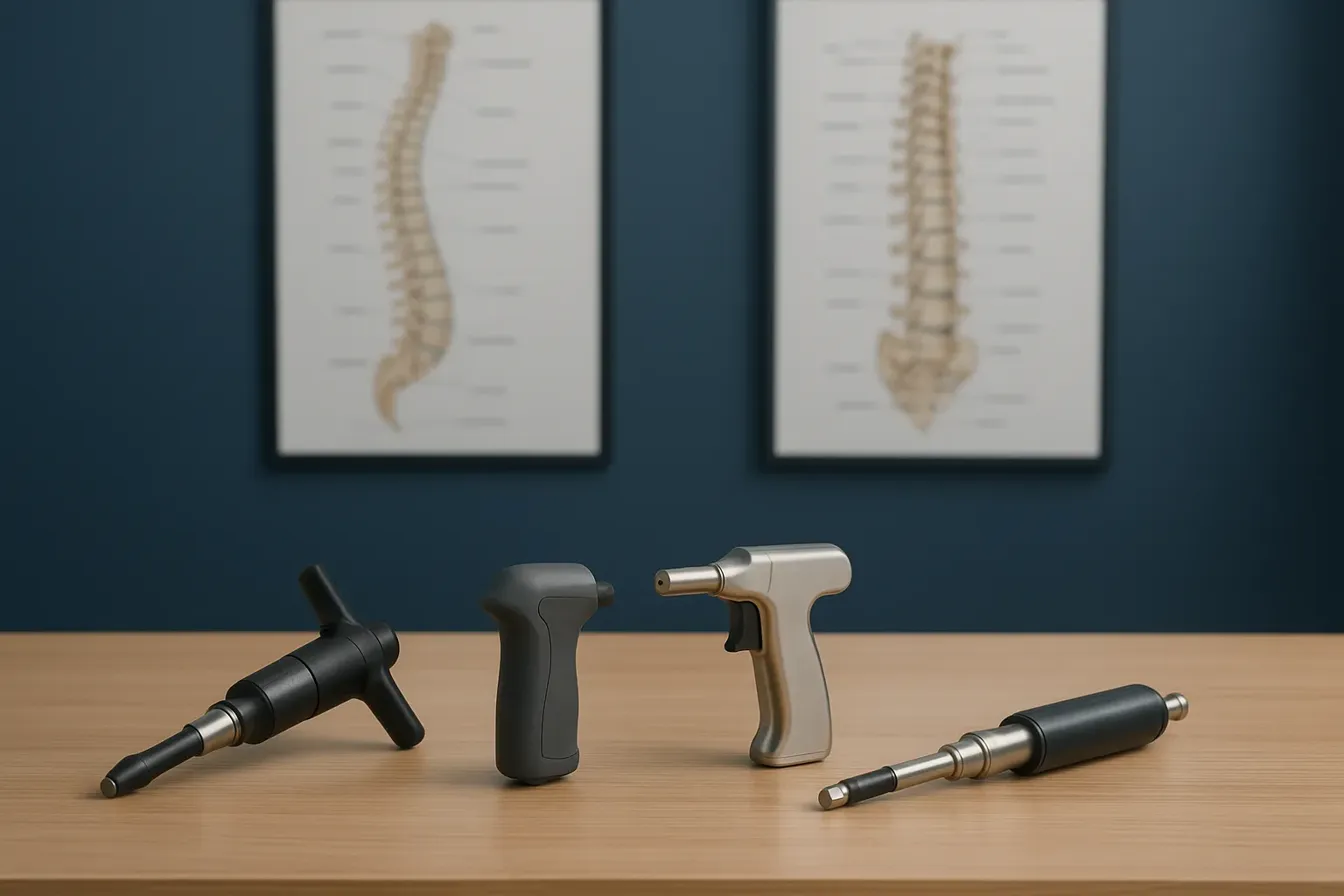
Maintaining a Healthy Spine with Lifestyle Adjustments
Sciatica Symptom Relief via Spinal Decompression
8 Reasons Why Addressing the Root Cause of Pain Is Crucial
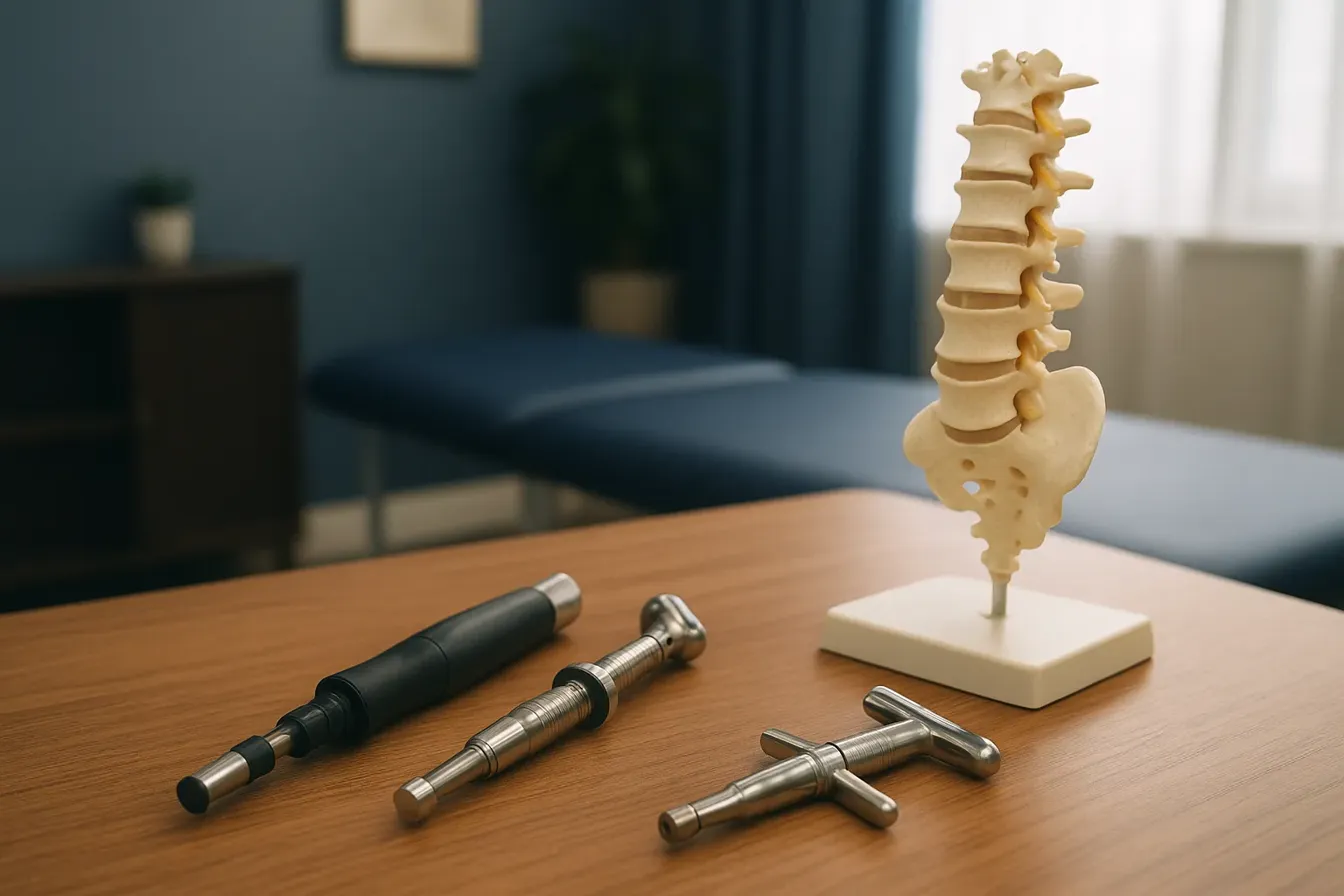
Chiropractic Care’s Impact on Back Pain Recovery

Combining Physiotherapy with Chiropractic Care for Better Results
Inspiring Recovery: Chiropractic Patient Testimonials
Nutritional Counseling Tips for Optimal Wellness

Why Addressing the Root Cause of Pain is Crucial
Back Pain and Chiropractic Care: A Winning Combination

Chiropractic Care Benefits You Might Not Know
Exploring Holistic and Non-Surgical Treatments for Pain
Spinal Health: Lifestyle Tips for Everyday Wellness
Spinal Decompression Therapy: Benefits and Applications
Holistic and Non-Invasive Spine Care Options
Everyday Lifestyle Advice to Keep Your Spine Healthy
The Significance of Treating Root Causes in Pain Therapy
Best Corrective Exercises for Sustainable Pain Management

Addressing Underlying Causes of Pain for Long-Term Relief
6 Key Benefits of Spinal Decompression Therapy for Sciatica Relief

How Nutritional Counseling Supports Spine Health and Recovery
The Role of Physiotherapy in Supporting Chiropractic Treatments