Chiropractic Care vs. Pain Meds: Long-Term Outcomes for Back Pain Sufferers
April 22, 2026
8 min
Why Back Pain Care Is Evolving
Rising concerns about opioid dependence have reshaped low‑back‑pain treatment. The CDC warns that millions of Americans develop opioid‑use disorder after legitimate prescriptions, and long‑term NSAID use carries gastrointestinal, cardiovascular and renal risks. In response, clinical guidelines from the American College of Physicians and CDC now prioritize non‑pharmacologic therapies as first‑line options. Chiropractic care, which employs spinal manipulation, soft‑tissue work and patient‑centered education, fits this paradigm. Robust trials in military members, veterans and civilian cohorts show that adding chiropractic care to usual medical care yields moderate reductions in pain (≈‑1.1 points on a 0‑10 scale) and disability, higher satisfaction, and less opioid use within six weeks. Integrating chiropractic into multidisciplinary programs thus offers a drug‑free, evidence‑based pathway to safer, sustainable back‑pain relief.
Evidence Landscape: Chiropractic vs. Medications
Is there scientific evidence behind chiropractic adjustment?
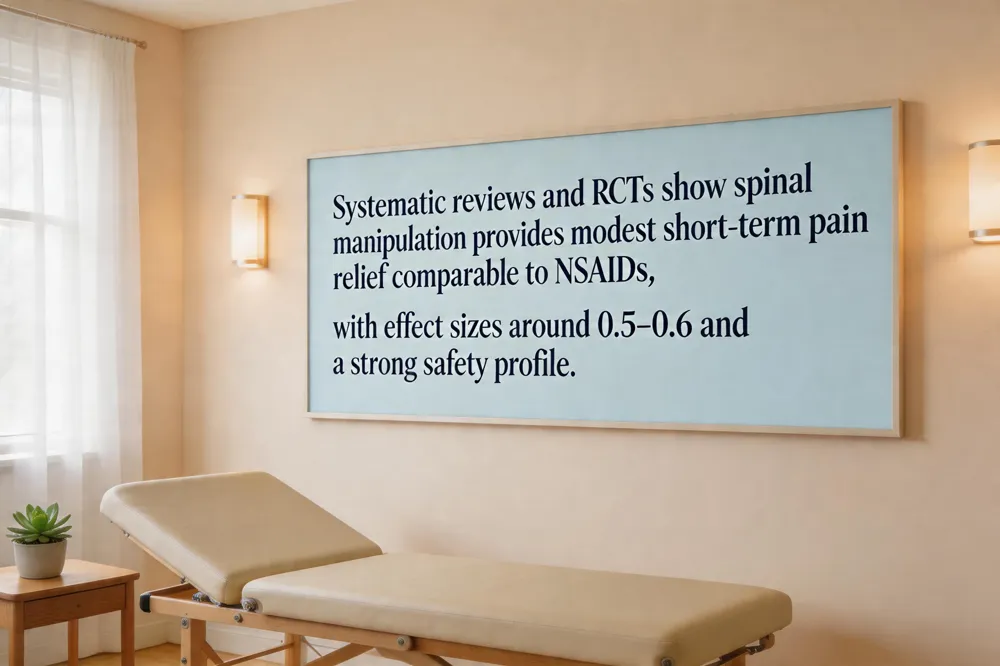
A growing body of peer‑reviewed research supports spinal manipulation for acute and sub‑acute low‑back and neck pain. Systematic reviews and high‑quality randomized trials (e.g., the 2020 Cochrane Review) show modest, short‑term pain relief comparable to NSAIDs or physical therapy. The American College of Physicians (ACP) guideline lists spinal manipulation as a recommended non‑pharmacologic option.
Can chiropractors help with back pain?
Yes. Controlled adjustments improve joint mobility, reduce muscle tightness, and alleviate nerve irritation. Pragmatic trials in active‑duty service members (N=750) demonstrated a 1.1‑point reduction in pain intensity and a 2.2‑point drop in disability at 6 weeks when chiropractic care was added to usual medical care, with lower opioid use and higher satisfaction.
What are the best chiropractic research articles?
Key papers include the 2020 Cochrane Review on spinal manipulation for acute low‑back pain, the 2017 JAMA analysis showing significant improvements versus standard care, and recent trials (e.g., Goertz et al., 2018) confirming moderate effect sizes for pain and disability.
How effective is chiropractic treatment for back pain?
Meta‑analyses report effect sizes in the moderate range (≈0.5–0.6) for pain and function, with safety profiles superior to long‑term NSAID or opioid use. When combined with exercise and education, benefits persist beyond 12 weeks.
Is chiropractic evidence‑based?
For musculoskeletal indications such as low‑back and neck pain, chiropractic care is evidence‑based and endorsed by ACP and AHRQ. Broader claims lacking rigorous data remain unproven.
Is chiropractic considered pseudoscience?
Traditional concepts like vertebral subluxations affecting systemic health lack scientific support and are labeled pseudoscientific. However, the evidence‑based segment focusing on spinal manipulation is widely accepted as a legitimate, drug‑free therapy.
What are evidence‑based treatments for chronic back pain?
Guidelines recommend a multimodal approach: structured physical‑therapy exercise, spinal manipulation, mindfulness‑based stress reduction, and short‑term NSAID or limited opioid use when necessary. Integrating chiropractic care reduces medication reliance and overall health‑care costs.
Safety and Risks of Spinal Manipulation

Adverse event rates for chiropractic spinal manipulation are extremely low—serious complications occur in roughly 1 in 5.5 million adjustments—while the most common side effect is mild, short‑lived muscle or joint soreness. Contraindications include severe osteoporosis, recent fractures, spinal cancer, inflammatory arthritis, or a history of stroke; these conditions require thorough screening before treatment. Compared with medication, chiropractic care avoids the gastrointestinal bleeding, cardiovascular events, and renal impairment linked to chronic NSAID use, and it eliminates the addiction, tolerance, and overdose risks associated with long‑term opioid therapy.
Is chiropractic safe for lower back pain? When performed by a licensed, well‑trained chiropractor, adjustments are generally safe, with most patients experiencing only temporary soreness. Serious events are rare but can occur in high‑risk individuals, underscoring the importance of proper patient evaluation.
What is a low back pain chiropractic adjustment? It is a high‑velocity, low‑amplitude thrust applied to specific lumbar vertebrae to restore joint mobility, reduce nerve irritation, and improve spinal alignment.
What are the benefits and disadvantages of chiropractic care? Benefits include drug‑free pain relief, improved function, reduced medication reliance, and personalized lifestyle guidance. Disadvantages are temporary soreness, need for multiple visits, and rare serious risks if contraindications are ignored.
How does chiropractic treatment help lower back pain? Adjustments restore proper joint mechanics, lessen inflammation, and relieve nerve pressure, while complementary exercises and ergonomic advice support long‑term spinal health and reduce future pain episodes.
Integrative Holistic Care: Beyond Adjustments

A holistic doctor views pain as a symptom of whole‑person imbalance, not an isolated problem. By blending chiropractic adjustments, therapeutic exercise, acupuncture, yoga, and mindfulness, they address physical, mental, social, and spiritual dimensions of health, reducing reliance on medication and fostering lasting relief.
Women benefit from targeted strategies: core‑strengthening moves (bridges, side planks), posture‑supportive ergonomic habits, diaphragmatic breathing, and pregnancy‑sensitive stretches. Regular chiropractic check‑ups catch alignment issues early, while balanced nutrition, adequate sleep, and low‑impact cardio keep musculoskeletal tissues resilient.
Holistic health comprises four interrelated types—physical (nutrition, movement, rest), mental/emotional (stress management, mood regulation), social (relationships, community support), and spiritual (purpose, values). Practitioners integrate these domains to create personalized, patient‑centered plans.
Best non‑drug alternatives for back pain include individualized physical‑therapy programs, acupuncture, therapeutic massage, laser therapy, mindfulness meditation, yoga, anti‑inflammatory diets, weight management, and smoking cessation. Evidence from military trials, systematic reviews, and cost‑effectiveness analyses shows these approaches lower pain intensity, improve function, and cut opioid use, supporting guidelines that recommend non‑pharmacologic care as first‑line therapy.
Practical Pain Relief Strategies at Home and in Clinic

How to relieve back pain quickly at home? Begin the first 24‑48 hours with an ice pack to numb the area and limit swelling, then switch to a warm compress or heating pad to relax tight muscles and improve circulation. Perform gentle, low‑impact stretches such as knee‑to‑chest, cat‑cow, and lower‑back rotational stretches several times a day, holding each for 5‑10 seconds. Light aerobic activity—short walks or easy cycling—keeps blood flowing without over‑exertion. Use over‑the‑counter anti‑inflammatory agents (e.g., ibuprofen) and a supportive lumbar pillow only as needed, and avoid prolonged bed rest. If pain persists beyond a few days, seek professional evaluation.
What's the worst thing you can do for [back pain]? Remaining in a slouched, sedentary position for extended periods. Poor posture misaligns the spine, increasing pressure on the lumbar region and surrounding muscles. Coupled with long‑hour sitting, couch‑sleeping, or an unsupportive mattress, the strain compounds and pain worsens. Skipping low‑impact exercise or over‑exertion further weakens core stability, making recovery harder.
Should I see a chiropractor or an orthopedist for lower back pain? For mechanical pain—tight muscles, joint restriction, or recent strain—a chiropractor provides spinal adjustments, targeted exercises, and lifestyle counseling, often reducing pain within weeks. If red‑flag symptoms appear (numbness, weakness, bladder changes, severe trauma, or imaging indicating fracture/disc herniation), an orthopedist should evaluate you promptly for imaging, medication, injections, or surgical options. Many patients benefit from a collaborative approach, starting with chiropractic care and transitioning to orthopedic evaluation if symptoms persist or evolve.
Choosing the Right Provider: Chiropractor, Orthopedist, or Physical Therapist

Professional philosophies and scope of practice differ among chiropractors, orthopedists and physical therapists (PTs). Chiropractors prioritize spinal manipulation and manual adjustments to restore joint alignment, while PTs emphasize exercise‑based rehabilitation, movement retraining and evidence‑based protocols; orthopedists focus on medical and surgical management of musculoskeletal disorders. This divergence can create tension—PTs sometimes view chiropractic adjustments as overly aggressive or insufficiently supported by research, and both professions compete for patients with back and neck pain. However, multidisciplinary care models are proving effective. At 6 weeks, adding chiropractic care to UMC produced a statistically significant reduction in pain intensity (adjusted mean difference −1.1 points; 95% CI −1.4 to −0.7) and disability (adjusted mean difference −2.2 points; 95% CI −3.1 to −1.2) compared with UMC alone. Integrated programs that combine chiropractic adjustments, PT‑guided core strengthening and orthopedic evaluation can address structural, functional and surgical considerations, yielding higher patient satisfaction and better outcomes.
Why don't physical therapists like chiropractors?
PTs and chiropractors treat similar musculoskeletal issues but diverge in core philosophies—PTs favor active rehabilitation, chiropractors focus on manual manipulation. This leads to professional rivalry and concerns about scope of practice, though many clinicians now recognize the value of collaborative, multimodal care.
Is chiropractic evidence‑based?
Spinal manipulation for acute low‑back and neck pain is supported by randomized trials and systematic reviews, and American College of Physicians recommends non‑pharmacologic first‑line therapies for low‑back pain. Claims beyond musculoskeletal pain lack robust data, but the profession increasingly embraces evidence‑based practice.
What are evidence‑based treatments for chronic back pain?
Guidelines endorse structured PT exercise programs, spinal manipulation, acupuncture, mindfulness‑based stress reduction, CBT, and short‑term NSAID or limited opioid use when necessary. A multimodal, patient‑centered plan that blends these modalities offers the most durable pain relief and functional improvement.
Cost, Insurance, and Healthcare System Impact

Integrating chiropractic care into mainstream health systems yields economic benefits. Cost‑effectiveness studies report that adding chiropractic to usual medical care for low‑back pain reduces expenditures by $48‑$50 per patient and lowers imaging and opioid prescriptions. Insurance coverage for holistic services is expanding but varies: most commercial plans, Medicare and Medicaid reimburse a set number of chiropractic visits annually, while acupuncture, massage and naturopathic coverage differ by state. Patients receiving chiropractic care report satisfaction and less reliance on pain medication, 30‑40 % savings on drugs and imaging.
Does insurance cover holistic health services? Coverage depends on payer and plan; many insurers include chiropractic visits, often a yearly limit, and may cover acupuncture or massage when medically necessary, though rates differ by state.
What are the benefits and disadvantages of chiropractic care? Benefits include pain relief, improved mobility, reduced drug use; disadvantages are temporary soreness, need for multiple visits and rare serious adverse events.
What are the best alternatives to back‑pain medication? Evidence‑based options are physical‑therapy with strengthening, acupuncture, therapeutic massage, mind‑body practices such as yoga or mindfulness, lowering medication dependence while improving function.
Patient Experience and Long‑Term Outcomes

Clinical trials and real‑world studies consistently show that patients who receive chiropractic care for low back pain report higher satisfaction and a stronger sense of improvement than those who rely on medication alone. In a pragmatic trial of 750 active‑duty service members, adding chiropractic care to usual medical care reduced pain intensity by 1.1 points on a 0‑10 scale and disability by 2.2 points at six weeks, while satisfaction scores were 2.5 points higher. Importantly, the chiropractic group was 27 % less likely to use pain medication (OR 0.73) and 82 % more likely to perceive global improvement (OR 0.18). Long‑term follow‑up in multiple cohorts indicates that regular spinal manipulation lowers the odds of chronic opioid use by 60‑90 % and supports sustained functional gains, better posture, and enhanced quality of life. Safety is excellent; serious adverse events are rare, with only mild muscle or joint soreness reported. Together, these outcomes underscore that a patient‑centered, drug‑free chiropractic approach not only eases back pain but also promotes lasting wellness and reduced reliance on pharmaceuticals.
Putting It All Together for Sustainable Back Health
Integrating evidence‑based chiropractic care with lifestyle and mind‑body practices creates a holistic, patient‑centered approach to back health. Clinical trials in active‑duty service members and large veteran cohorts show that adding spinal manipulation to usual medical care yields moderate reductions in pain (≈‑1.1 points on a 0‑10 scale) and disability (≈‑2.2 points) within six weeks, while also lowering opioid use and improving satisfaction. Safety is paramount: serious adverse events are rare, with only mild muscle stiffness reported. Individualized plans combine adjustments, core‑strengthening exercises, posture education, nutrition, and stress‑reduction techniques, allowing patients to understand options and choose drug‑free, sustainable relief. This integrated model aligns with ACP and CDC guidelines that prioritize non‑pharmacologic therapies as first‑line treatment for low‑back pain.
Recent articles

10 Real‑Patient Success Stories Showcasing the Impact of Chiropractic Care

Superfoods That Boost Nerve Healing After Chiropractic Sessions

Sleep Positions That Promote a Healthy Back Alignment

Signs Your Chiropractor Is a Good Fit for Your Back Pain Goals

Case Study: Integrated Physiotherapy and Chiropractic for Faster Recovery

First-Time Chiropractic Visit: A Step‑by‑Step Walkthrough
Synergistic Benefits: Combining Physiotherapy with Chiropractic Care

Beyond Surgery: Holistic Approaches to Managing Back Pain

How Manual Therapy Enhances the Effects of Chiropractic Adjustments

Hydration Hacks: Why Water Matters for Joint and Spine Function

What Does a Comprehensive Spinal Evaluation Include?

Success Spotlight: Transformative Results After Six Weeks of Chiropractic Treatment

Understanding the Initial Assessment Process in Chiropractic Care
Designing a Personalized Corrective Exercise Plan for Chronic Pain Management

Natural Pain Management: Combining Acupuncture, Yoga, and Chiropractic
Chiropractic Care vs. Pain Meds: Long-Term Outcomes for Back Pain Sufferers

What to Expect During a Sciatica‑Focused Decompression Session

Understanding the Pain-Relief Mechanics Behind Chiropractic Adjustments

Success Rates of Non‑Surgical Spinal Decompression for Sciatica

Patient-Centered Chiropractic Care: Personalized Plans for Back Pain Relief
How Chiropractic Treatments Reduce Inflammation and Speed Up Back Pain Recovery

Real‑Life Stories: How Chiropractic Helped Patients Overcome Chronic Back Pain
From Symptom Masking to Root‑Cause Healing: A Practical Guide

6 Holistic Non‑Surgical Treatments That Deliver Sustainable Back‑Pain Relief

Key Questions to Ask When Selecting Your Chiropractor

Mindful Movement: Incorporating Stretch Breaks Into a Busy Day

Why Targeting the Underlying Cause Beats Temporary Symptom Relief

8 Ways Physiotherapy Complements Chiropractic Adjustments for Faster Recovery

Meal Planning for Athletes Recovering from Back Injuries

9 Everyday Lifestyle Tweaks to Preserve a Healthy Spine and Prevent Pain

Functional Movement Screening for Root‑Cause Pain Identification

6 Things You’ll Experience During Your First Chiropractic Appointment

Spinal Decompression vs. Standard Physical Therapy for Sciatica: A Comparative Review

New Findings on How Adjustments Influence Blood Circulation
Work‑From‑Home Ergonomics: A Blueprint for a Pain‑Free Back

The Link Between Chiropractic Care and Improved Sleep Quality

Physiotherapy Techniques That Strengthen the Benefits of Chiropractic Adjustments

Biomechanical Insights Behind Successful Spinal Decompression

Desk‑to‑Dumbbell: Lifestyle Shifts That Guard Your Lower Back

10 Corrective Exercises for Sustainable Pain-Free Living

Morning Routines That Support Spine Health and Reduce Stiffness

Calcium and Magnesium‑Focused Nutrition for Bone Density and Spine Health

9 Ways Chiropractic Care Transforms Back Pain Management

Testimonial: Nutrition‑Guided Recovery Accelerated by Chiropractic
Science‑Backed Spinal Decompression for Relieving Sciatica Symptoms

Key Questions to Ask During Your Initial Chiropractic Consultation
Whole‑Body Wellness Blueprint: Nutrition, Exercise, and Chiropractic Synergy

A 12‑Week Corrective Exercise Blueprint for Chronic Neck Discomfort

Manual Therapy Plus Targeted Exercise: Accelerating Post‑Injury Recovery
Home‑Based Spinal Decompression Devices: What Patients Should Know

Chiropractic Care Statistics: Reducing Lost Workdays From Back Pain

How Targeted Nutrition Enhances Immune Function and Lowers Inflammatory Pain

Self‑Assessment Tools to Identify Hidden Triggers of Back Pain

Preparing for Your First Chiropractic Appointment: A Practical Checklist

Back Pain Relief Benefits: Lower Opioid Use and Better Quality of Life

Foam‑Rolling Techniques to Complement Chiropractic Adjustments

Progressive Overload Principles in Corrective Exercise Programs

Six‑Month Transformation: Integrated Care Success Story

7 Nutritional Hacks to Boost Your Overall Wellness

How to Choose a Chiropractor: Credentials, Techniques, and Patient Compatibility

5 Ways Spinal Decompression Can Ease Sciatica Pain

Overcoming Sciatica: A Patient’s Multidisciplinary Treatment Journey
Lifestyle Changes That Promote a Healthy Spine
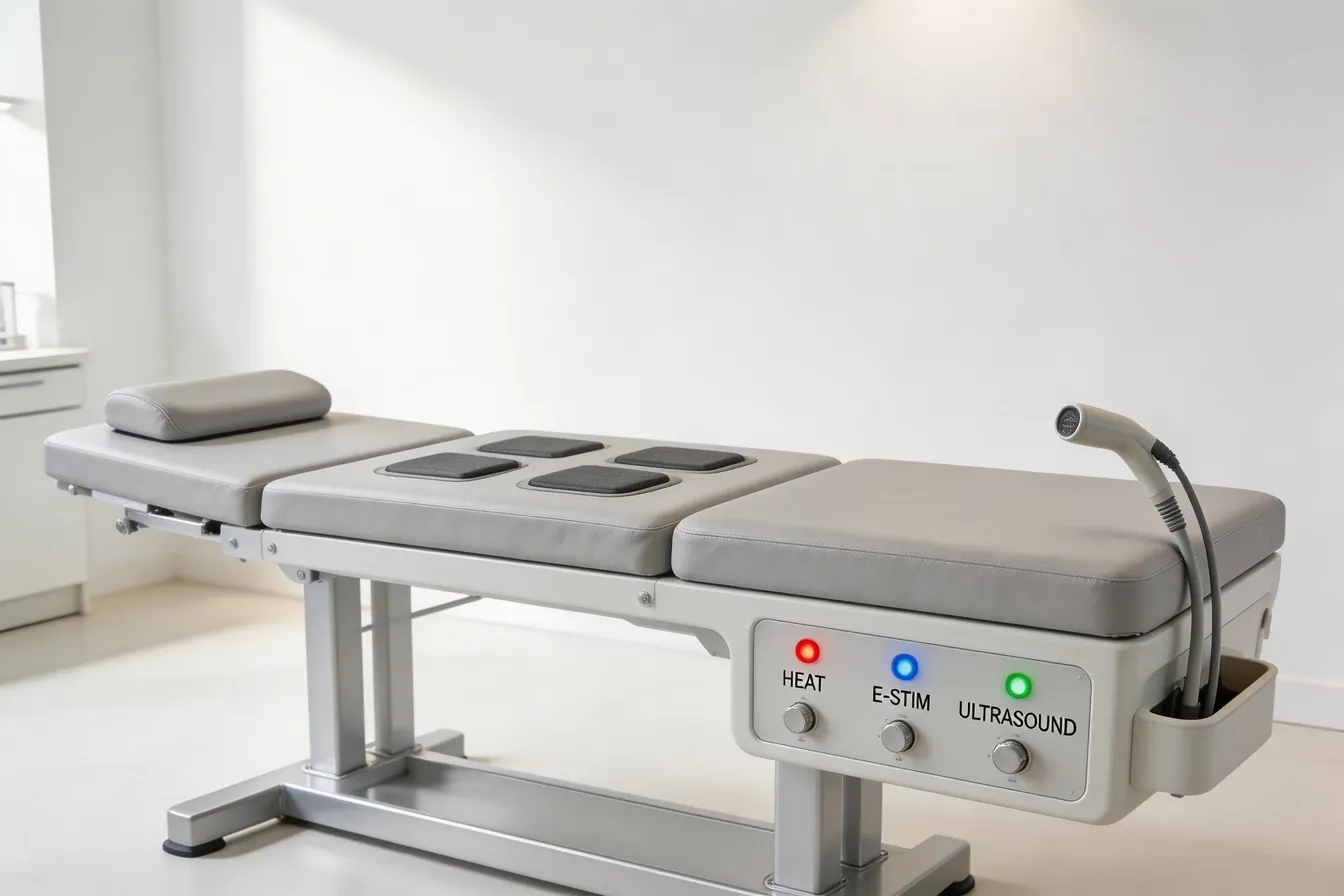
Physiotherapy as a Complement to Chiropractic Treatments

6 Ways Physiotherapy Enhances Chiropractic Treatment Outcomes

Daily Living Tips for a Strong and Healthy Spine

How Physiotherapy Enhances Chiropractic Outcomes
Holistic Treatments: Alternatives to Surgery for Pain Relief
Inspiring Patient Success Stories from Chiropractic Clinics

Integrating Physiotherapy with Chiropractic Treatments
Corrective Exercise Routines for Chronic Pain Prevention
10 Corrective Exercises to Maintain a Healthy Spine and Relieve Pain
Exercise Strategies for Long-Term Pain Management
10 Corrective Exercises to Maintain a Healthy Spine and Relieve Pain
The Importance of Treating the Root Cause of Pain
Nutritional Support Strategies for Whole-Body Wellness
7 Essential Questions to Ask When Choosing Your Chiropractor
Identifying and Addressing Root Causes of Pain
Maintaining a Healthy Spine with Lifestyle Adjustments
Sciatica Symptom Relief via Spinal Decompression
8 Reasons Why Addressing the Root Cause of Pain Is Crucial
Chiropractic Care’s Impact on Back Pain Recovery

Combining Physiotherapy with Chiropractic Care for Better Results
Inspiring Recovery: Chiropractic Patient Testimonials
Nutritional Counseling Tips for Optimal Wellness

Why Addressing the Root Cause of Pain is Crucial
Back Pain and Chiropractic Care: A Winning Combination
Chiropractic Care Benefits You Might Not Know
Exploring Holistic and Non-Surgical Treatments for Pain
Spinal Health: Lifestyle Tips for Everyday Wellness
Spinal Decompression Therapy: Benefits and Applications
Holistic and Non-Invasive Spine Care Options
Everyday Lifestyle Advice to Keep Your Spine Healthy
The Significance of Treating Root Causes in Pain Therapy
Best Corrective Exercises for Sustainable Pain Management
Addressing Underlying Causes of Pain for Long-Term Relief
6 Key Benefits of Spinal Decompression Therapy for Sciatica Relief

How Nutritional Counseling Supports Spine Health and Recovery
The Role of Physiotherapy in Supporting Chiropractic Treatments