Overcoming Sciatica: A Patient’s Multidisciplinary Treatment Journey
March 19, 2026
7 min

Introduction
Sciatica is a nerve‑root condition in which irritation or compression of the sciatic nerve—most often from a herniated disc, spinal stenosis, or piriformis tightness—produces sharp, burning pain that radiates from the lower back down the leg. Modern guidelines recognize that a single modality rarely resolves the problem; instead, a multidisciplinary approach that blends chiropractic spinal adjustments, targeted physical‑therapy stretching, massage, acupuncture, and lifestyle counseling yields the best outcomes. This patient‑centered journey begins with a thorough history and exam, followed by a personalized plan that restores spinal alignment, strengthens core muscles, corrects posture, and reduces inflammation using natural, drug‑free techniques. By integrating these evidence‑based therapies, patients achieve faster pain relief, improved function, and long‑term prevention of sciatica flare‑ups.
Choosing the Right Local Experts

When searching for a chiropractor, start by mapping the options in your immediate area. Redondo Beach hosts several reputable clinics—Arc of Life Chiropractic, Catalina Chiropractic Center, and Pro‑Active Wellness Center—each offering spinal adjustments, prenatal care and and active‑release techniques within easy reach of Pacific Coast Highway. Palos Verdes residents benefit from Back in Action Bodyworks, a boutique practice that blends gentle adjustments, personalized rehab, and ergonomic counseling, with discounts for military and first‑responders. In Torrance, two standout locations dominate the market: Dr. Brad Barez’s Back to Healthcare Chiropractic on Hawthorne Blvd, known for same‑day appointments, regenerative‑medicine options, and a family‑friendly atmosphere; and Back On Point Wellness, a multidisciplinary hub that unites chiropractic, acupuncture, physical therapy, and massage under one roof.
Factors to consider include the clinician’s licensure, years of experience, range of services, insurance participation, patient reviews, and the clinic’s commitment to a holistic, patient‑centered plan. Prioritizing providers who integrate manual therapy with core‑strengthening exercises, posture education, and lifestyle coaching will maximize natural pain relief and long‑term spinal health.
Fast Symptom Relief Strategies

When Sciatica flares, timing your cold‑and‑heat therapy can make a big difference. Begin the first 48‑72 hours with ice packs applied for 15‑20 minutes several times a day to curb inflammation; after this acute phase, switch to a warm pack or heating pad for another 15‑20 minutes to relax tight muscles and improve blood flow. A brief chiropractic adjustment—typically a high‑velocity, low‑amplitude thrust to the lumbar vertebrae—can instantly reduce nerve compression, restore joint mobility, and lessen pain spikes.
For an eight‑minute relief routine, start with a one‑minute cat‑cow stretch to mobilize the spine, then perform a piriformis stretch (20‑30 seconds each side) while lying on your back. Follow with four minutes of alternating hot‑then‑cold compresses on the lower back and buttock—two minutes each—to modulate inflammation. Finish with a one‑minute easy walk or light marching in place to keep circulation active.
These combined measures—proper temperature sequencing, a targeted adjustment, and a concise movement protocol—provide rapid, drug‑free symptom control while supporting longer‑term recovery.
Building Long‑Term Freedom from Sciatica

Identifying the root cause of sciatica—whether it is a herniated disc, spinal misalignment, piriformis tightness, or muscle imbalance—is the first step toward permanent relief Identify underlying cause to select appropriate treatment. A thorough exam, often complemented by imaging, guides the chiropractor to perform targeted spinal adjustments Chiropractic care involves hands‑on spinal manipulation that restore proper vertebral alignment, reduce nerve irritation, and re‑balance the pelvis. These adjustments form the cornerstone of lasting change.
Core‑strength and flexibility programs are essential Physical therapy (PT) is a first‑line, non‑surgical treatment for sciatica. Gentle yet consistent stretching—such as supine knee‑to‑chest, seated piriformis, standing hamstring, child’s pose, and glute bridges—helps keep the sciatic pathway clear. When paired with core‑stabilizing exercises (bird‑dog, clamshells, pelvic tilts) and low‑impact aerobic activity (walking, swimming) Low‑impact aerobic exercise (walking, swimming) reduces flare‑ups , the spine gains support and mobility, decreasing the chance of recurrence.
Lifestyle habits that prevent flare‑ups include maintaining ergonomic posture Proper posture supports lower back and reduces nerve strain at work and home, using lumbar support while sitting, staying active with short, frequent walks, and applying cold‑then‑heat therapy Cold therapy, massage, OTC analgesics, and anti‑inflammatory meds complement exercise to control inflammation. When conservative care is followed consistently, most patients achieve permanent sciatica relief without surgery; surgical options remain a last resort for severe, unresponsive cases.
Chiropractic vs. Physical Therapy: Finding the Right Fit

When sciatica or lower‑back pain strikes, patients often wonder whether to see a chiropractor, a physical therapist, or both. Chiropractors specialize in spinal adjustments that realign vertebrae, relieve pressure on the sciatic nerve, and restore joint mobility. The hands‑on manipulation can provide rapid, short‑term relief—especially when the pain is linked to a sub‑luxation or muscular spasm. Physical therapists, on the other hand, design exercise‑focused rehabilitation programs that strengthen core and back muscles, improve posture, and teach functional movement patterns to prevent recurrence. Studies, including a 2018 JAMA Network Open trial, show that adding chiropractic adjustments to standard care reduces pain without serious adverse events, making it a safe option for most adults (with precautions for severe osteoporosis, fractures, or high inflammatory arthritis). In practice, the most effective approach often blends both disciplines: a chiropractor addresses acute nerve irritation through adjustments, while a therapist provides the structured exercise regimen needed for long‑term stability and health. This integrated, patient‑centered plan maximizes natural pain relief and supports lasting wellness.
What a Chiropractor Actually Does for Back Pain

A chiropractor begins by conducting a thorough evaluation: reviewing your medical history, performing a physical exam that checks posture, range of motion, and neurological signs, and ordering imaging such as X‑rays when needed to pinpoint the source of low‑back pain. Once the underlying cause—whether a disc irritation, piriformis tightness, or spinal misalignment—is identified, the chiropractor applies a spinal manipulation technique, typically a controlled, high‑velocity low‑amplitude (HVLA) adjustment that moves the affected vertebrae back into proper alignment, reduces joint restriction, and eases nerve irritation.
Complementary modalities are then woven into a personalized plan. Heat or cold therapy, therapeutic massage, acupuncture and soft‑tissue work help control inflammation and improve circulation. The chiropractor also prescribes a home‑exercise program that includes gentle stretching, core‑strengthening drills, and posture education to support the spine and prevent future flare‑ups.
What does a chiropractor do for lower back pain? They evaluate the pain with history, exam, and imaging, perform targeted spinal adjustments, and provide tailored exercises, ergonomic advice, and adjunctive therapies (heat, ice, massage) to reduce pain, restore mobility, and promote long‑term wellness.
Can chiropractors help blood flow? Yes. By correcting vertebral misalignments and relieving muscular tension, adjustments improve nerve signaling and allow blood to circulate more freely to muscles and joints, delivering oxygen and nutrients that aid healing and reduce symptoms such as tingling or muscle cramps.
Specialist Roles and Post‑Adjustment Recovery

A neurologist’s role in sciatica begins with a thorough neurological exam and imaging—often MRI, CT, or EMG—to confirm whether the sciatic nerve is compressed, inflamed, or affected by another condition. From there the specialist can prescribe anti‑inflammatory drugs, muscle relaxants, neuropathic agents, or short‑term corticosteroids, and will refer patients to an interventional pain specialist, neurosurgeon, or orthopedic spine surgeon when conservative care fails.
After a chiropractic adjustment many patients notice mild soreness, a feeling of “tightness,” or a brief increase in radiating sensations as muscles and joints adapt to improved alignment. This is normal and usually resolves within 24‑48 hours with gentle movement, heat, and hydration.
Guidelines for safe activity post‑adjustment include staying lightly active—short walks, easy range‑of‑motion drills, and low‑impact aerobic work—while avoiding heavy lifting, prolonged sitting, or high‑intensity exercise for the first 48‑72 hours. If pain sharpens, lingers beyond two days, or walking becomes difficult, contact your chiropractor promptly for reassessment.
What do neurologists do for sciatica? They evaluate nerve function, order imaging and EMG, prescribe targeted medications, and coordinate referrals for advanced interventions when needed.
Can barely walk after a chiropractor? Mild stiffness is common, but severe or persistent difficulty walking warrants a follow‑up to rule out an adverse reaction.
Targeted Exercise Program for Sciatica

A well‑designed exercise plan is a cornerstone of sciatica relief and works hand‑in‑hand with chiropractic care. Begin each session with a gentle warm‑up—march in place or a few pelvic tilts—to boost circulation to the lower back and hips. Core‑activation moves such as glute bridges, clamshells, and the bird‑dog each target the glutes, hip abductors, and deep spinal stabilizers, helping to keep the pelvis neutral and lessen pressure on the sciatic nerve. Perform 2–3 sets of 8–12 repetitions, progressing to three sessions per week as tolerance improves. The glute bridge strengthens the hamstrings and glutes, reducing nerve irritation; clamshells reinforce the gluteus medius/minimus, and the bird‑dog enhances overall spinal alignment.
Integrating these exercises with regular chiropractic adjustments—such as spinal manipulation and soft‑tissue release—optimizes joint mobility and addresses any residual muscle tightness. A multidisciplinary team can tailor the routine to your specific disc‑related or muscle‑related sciatica, ensuring safe progression and long‑term functional improvement. If pain persists, schedule a consultation with a Torrance chiropractor for a personalized, holistic care plan.
Conclusion
Multidisciplinary care blends chiropractic adjustments, targeted physical‑therapy exercises, therapeutic massage, acupuncture, and lifestyle counseling to address the mechanical, inflammatory and muscular contributors of sciatic pain. Restoring proper spinal alignment, strengthening core and gluteal muscles, and improving posture yields faster relief, reduced medication use, and a lower chance of recurrence. Because each case is unique, a personalized plan that integrates these evidence‑based modalities maximizes natural pain control while supporting overall wellness. Our team of licensed chiropractors, experienced physical therapists, and certified massage specialists works together to monitor progress and adapt your program as you heal. If you are ready to move beyond fixes, let Back in Action Bodyworks design a program tailored to your specific sciatica triggers. Schedule your initial consultation today and begin a coordinated, drug‑free pathway to lasting relief.
Recent articles

10 Real‑Patient Success Stories Showcasing the Impact of Chiropractic Care

Superfoods That Boost Nerve Healing After Chiropractic Sessions

Sleep Positions That Promote a Healthy Back Alignment
Signs Your Chiropractor Is a Good Fit for Your Back Pain Goals

Case Study: Integrated Physiotherapy and Chiropractic for Faster Recovery
First-Time Chiropractic Visit: A Step‑by‑Step Walkthrough
Synergistic Benefits: Combining Physiotherapy with Chiropractic Care

Beyond Surgery: Holistic Approaches to Managing Back Pain

How Manual Therapy Enhances the Effects of Chiropractic Adjustments

Hydration Hacks: Why Water Matters for Joint and Spine Function

What Does a Comprehensive Spinal Evaluation Include?

Success Spotlight: Transformative Results After Six Weeks of Chiropractic Treatment

Understanding the Initial Assessment Process in Chiropractic Care
Designing a Personalized Corrective Exercise Plan for Chronic Pain Management

Natural Pain Management: Combining Acupuncture, Yoga, and Chiropractic
Chiropractic Care vs. Pain Meds: Long-Term Outcomes for Back Pain Sufferers

What to Expect During a Sciatica‑Focused Decompression Session

Understanding the Pain-Relief Mechanics Behind Chiropractic Adjustments

Success Rates of Non‑Surgical Spinal Decompression for Sciatica

Patient-Centered Chiropractic Care: Personalized Plans for Back Pain Relief
How Chiropractic Treatments Reduce Inflammation and Speed Up Back Pain Recovery

Real‑Life Stories: How Chiropractic Helped Patients Overcome Chronic Back Pain

From Symptom Masking to Root‑Cause Healing: A Practical Guide

6 Holistic Non‑Surgical Treatments That Deliver Sustainable Back‑Pain Relief

Key Questions to Ask When Selecting Your Chiropractor

Mindful Movement: Incorporating Stretch Breaks Into a Busy Day

Why Targeting the Underlying Cause Beats Temporary Symptom Relief

8 Ways Physiotherapy Complements Chiropractic Adjustments for Faster Recovery
Meal Planning for Athletes Recovering from Back Injuries

9 Everyday Lifestyle Tweaks to Preserve a Healthy Spine and Prevent Pain

Functional Movement Screening for Root‑Cause Pain Identification

6 Things You’ll Experience During Your First Chiropractic Appointment

Spinal Decompression vs. Standard Physical Therapy for Sciatica: A Comparative Review

New Findings on How Adjustments Influence Blood Circulation
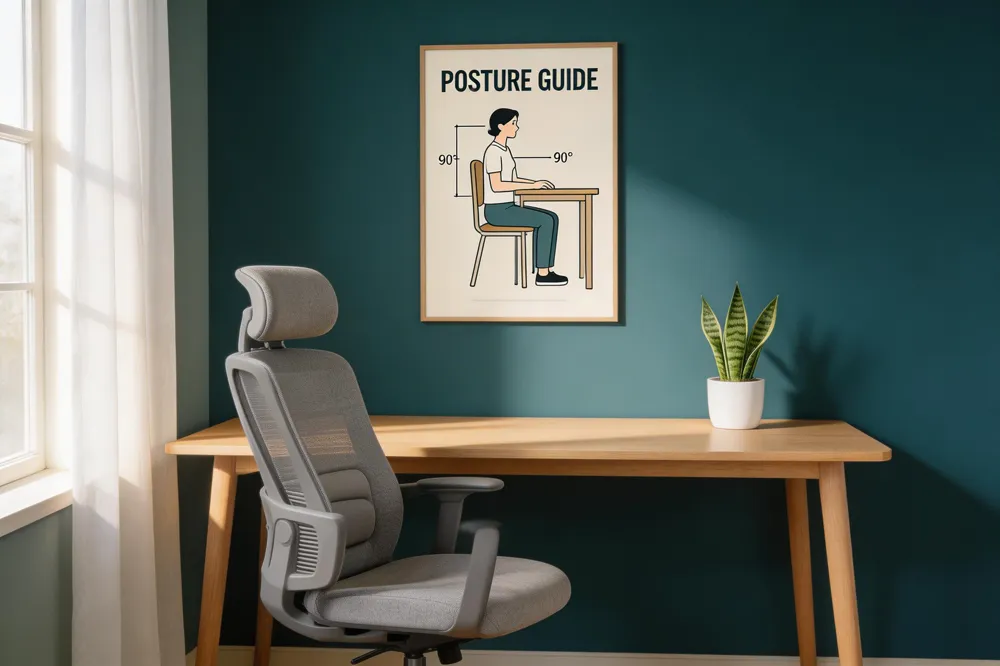
Work‑From‑Home Ergonomics: A Blueprint for a Pain‑Free Back

The Link Between Chiropractic Care and Improved Sleep Quality

Physiotherapy Techniques That Strengthen the Benefits of Chiropractic Adjustments

Biomechanical Insights Behind Successful Spinal Decompression

Desk‑to‑Dumbbell: Lifestyle Shifts That Guard Your Lower Back

10 Corrective Exercises for Sustainable Pain-Free Living

Morning Routines That Support Spine Health and Reduce Stiffness

Calcium and Magnesium‑Focused Nutrition for Bone Density and Spine Health

9 Ways Chiropractic Care Transforms Back Pain Management

Testimonial: Nutrition‑Guided Recovery Accelerated by Chiropractic
Science‑Backed Spinal Decompression for Relieving Sciatica Symptoms

Key Questions to Ask During Your Initial Chiropractic Consultation
Whole‑Body Wellness Blueprint: Nutrition, Exercise, and Chiropractic Synergy

A 12‑Week Corrective Exercise Blueprint for Chronic Neck Discomfort

Manual Therapy Plus Targeted Exercise: Accelerating Post‑Injury Recovery
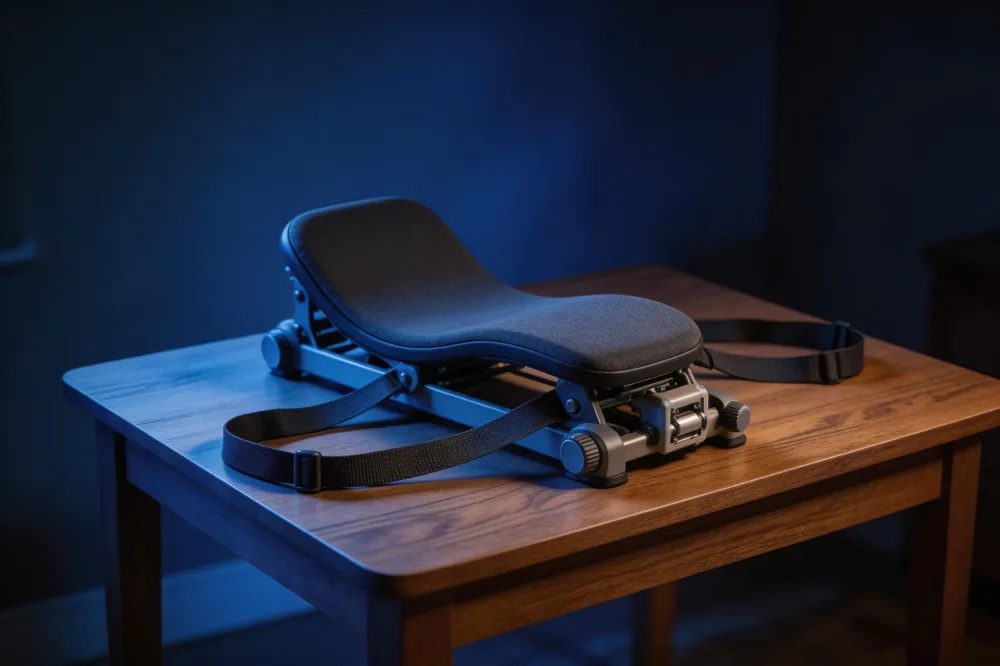
Home‑Based Spinal Decompression Devices: What Patients Should Know

Chiropractic Care Statistics: Reducing Lost Workdays From Back Pain

How Targeted Nutrition Enhances Immune Function and Lowers Inflammatory Pain

Self‑Assessment Tools to Identify Hidden Triggers of Back Pain
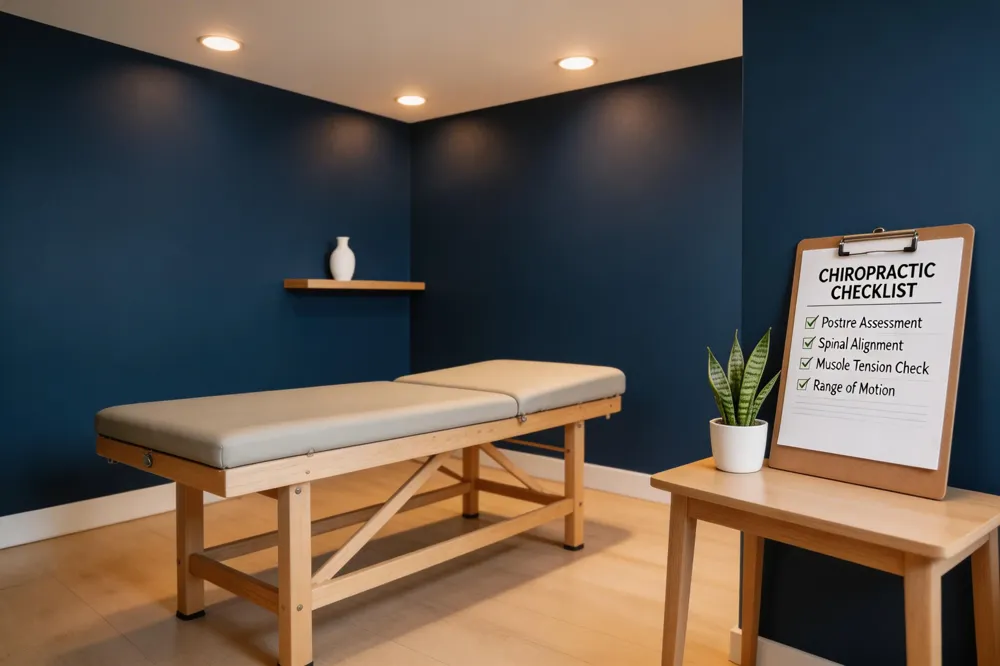
Preparing for Your First Chiropractic Appointment: A Practical Checklist

Back Pain Relief Benefits: Lower Opioid Use and Better Quality of Life

Foam‑Rolling Techniques to Complement Chiropractic Adjustments
Progressive Overload Principles in Corrective Exercise Programs

Six‑Month Transformation: Integrated Care Success Story

7 Nutritional Hacks to Boost Your Overall Wellness

How to Choose a Chiropractor: Credentials, Techniques, and Patient Compatibility

5 Ways Spinal Decompression Can Ease Sciatica Pain
Overcoming Sciatica: A Patient’s Multidisciplinary Treatment Journey
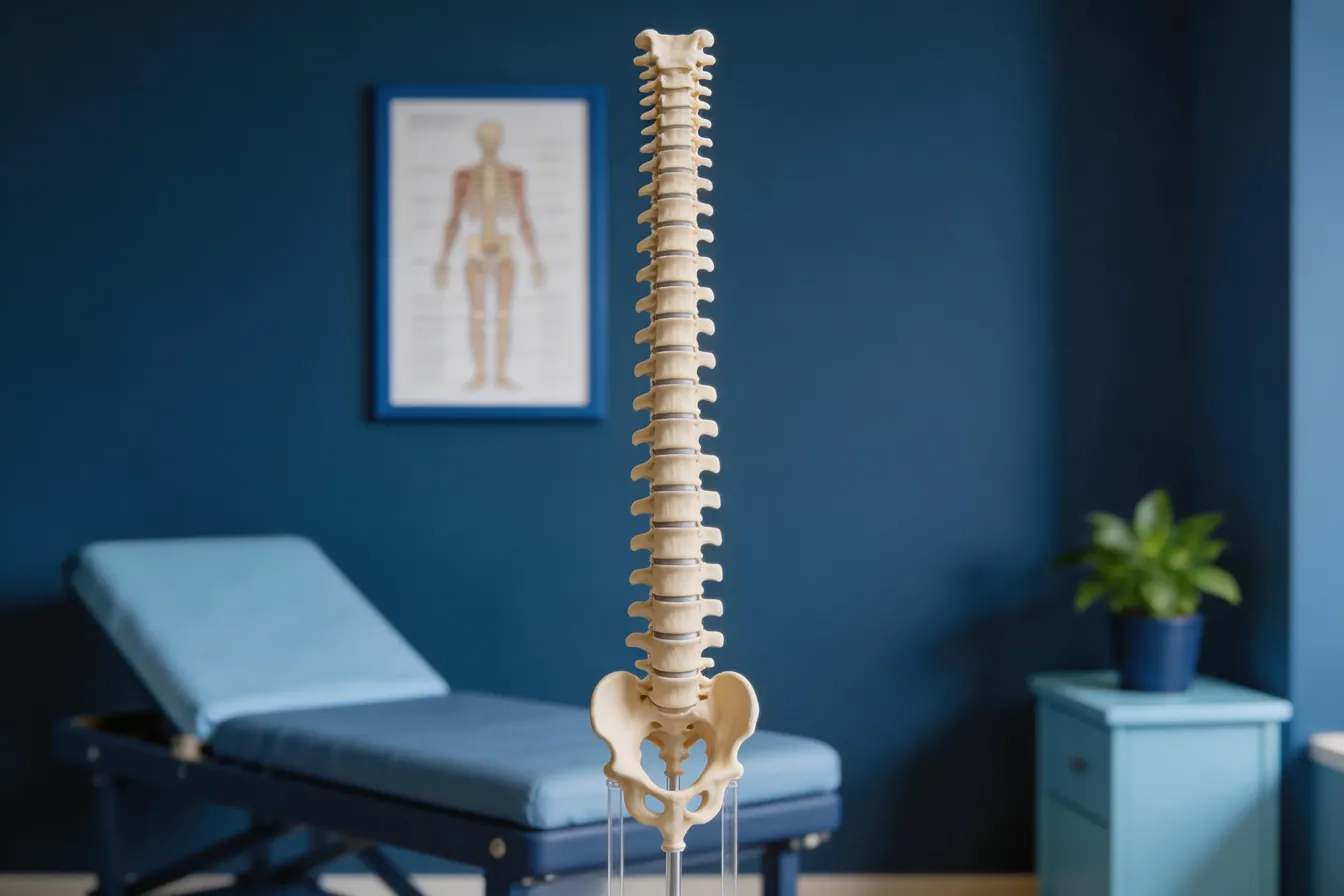
Lifestyle Changes That Promote a Healthy Spine
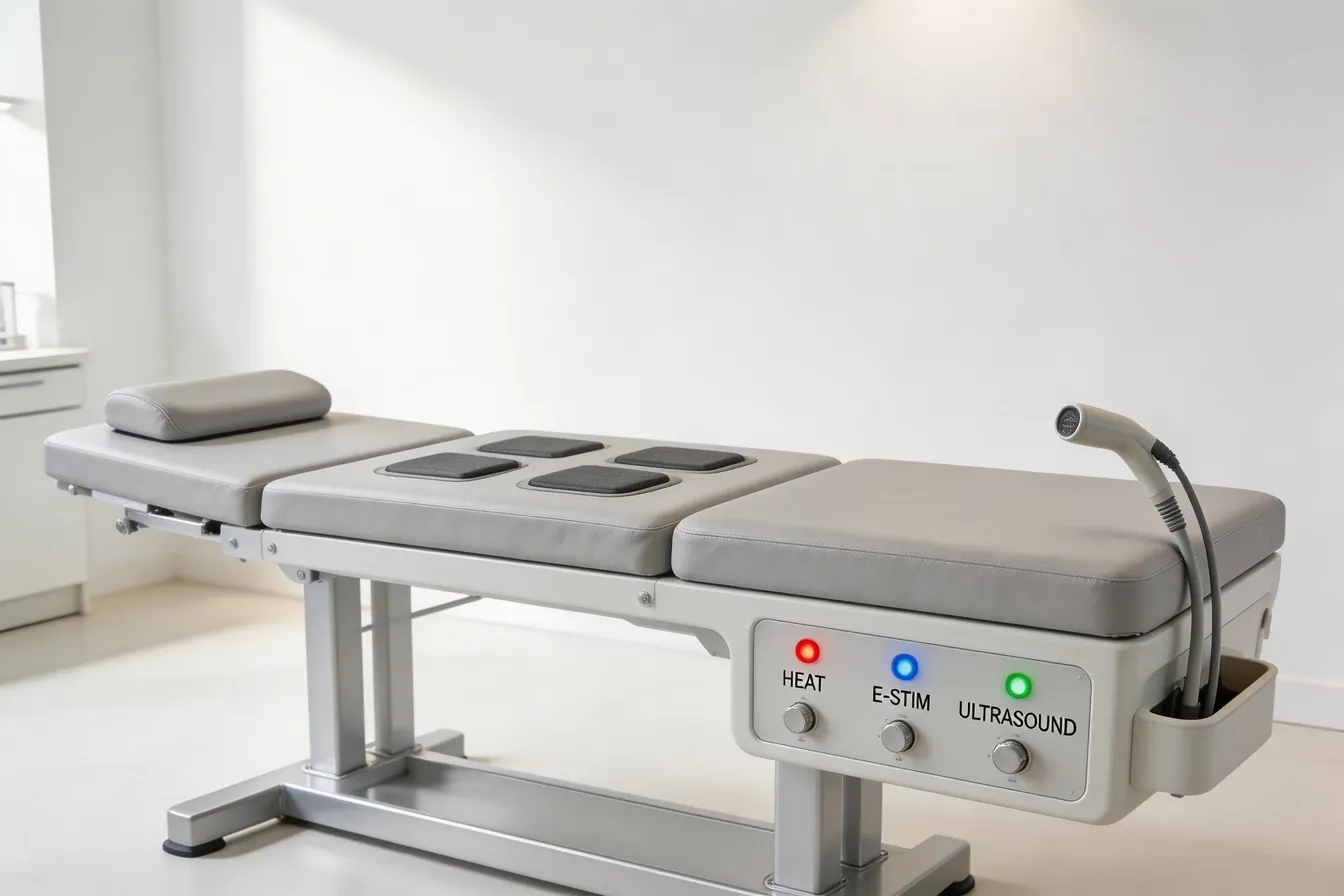
Physiotherapy as a Complement to Chiropractic Treatments

6 Ways Physiotherapy Enhances Chiropractic Treatment Outcomes

Daily Living Tips for a Strong and Healthy Spine

How Physiotherapy Enhances Chiropractic Outcomes
Holistic Treatments: Alternatives to Surgery for Pain Relief
Inspiring Patient Success Stories from Chiropractic Clinics

Integrating Physiotherapy with Chiropractic Treatments
Corrective Exercise Routines for Chronic Pain Prevention
10 Corrective Exercises to Maintain a Healthy Spine and Relieve Pain
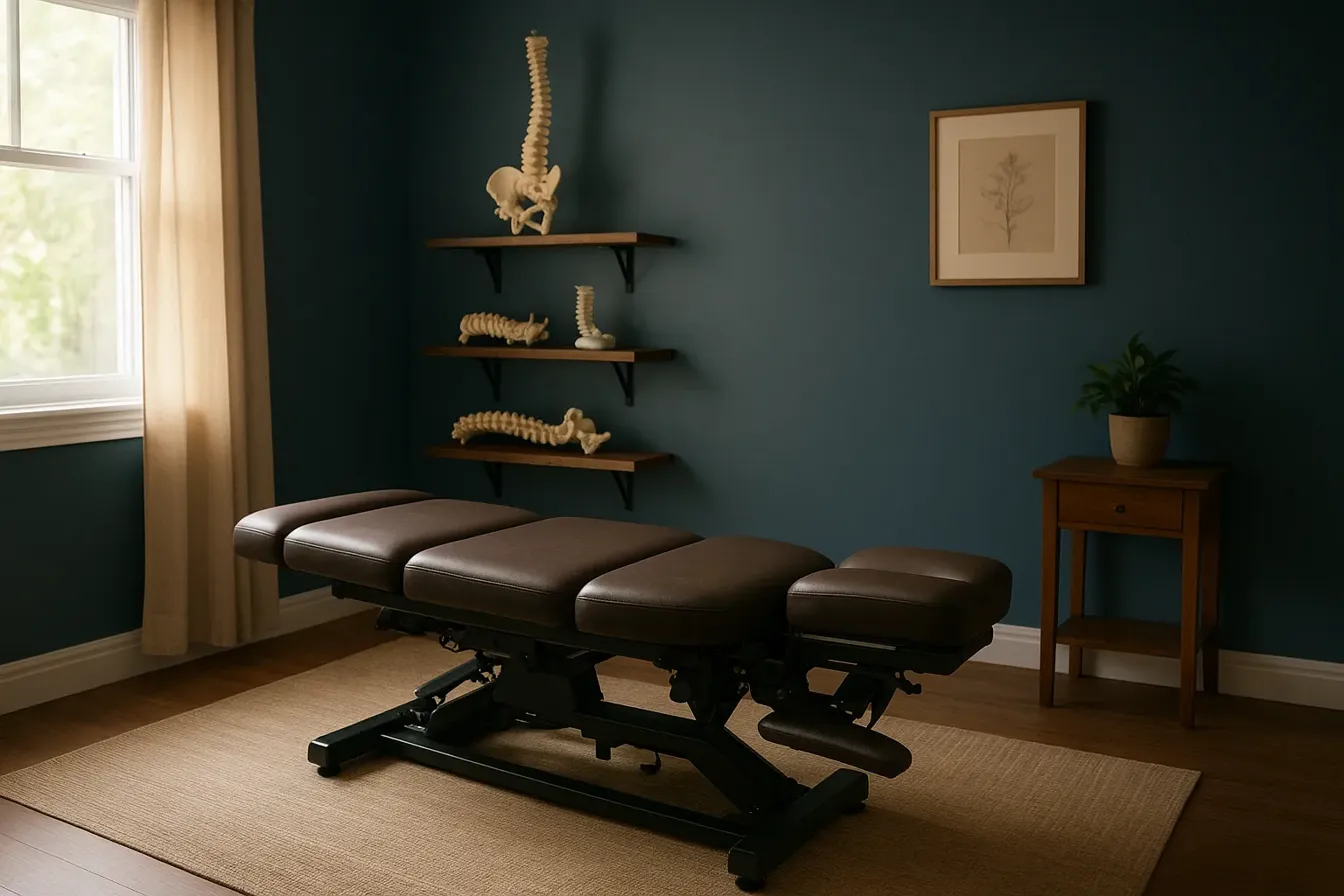
Exercise Strategies for Long-Term Pain Management
10 Corrective Exercises to Maintain a Healthy Spine and Relieve Pain
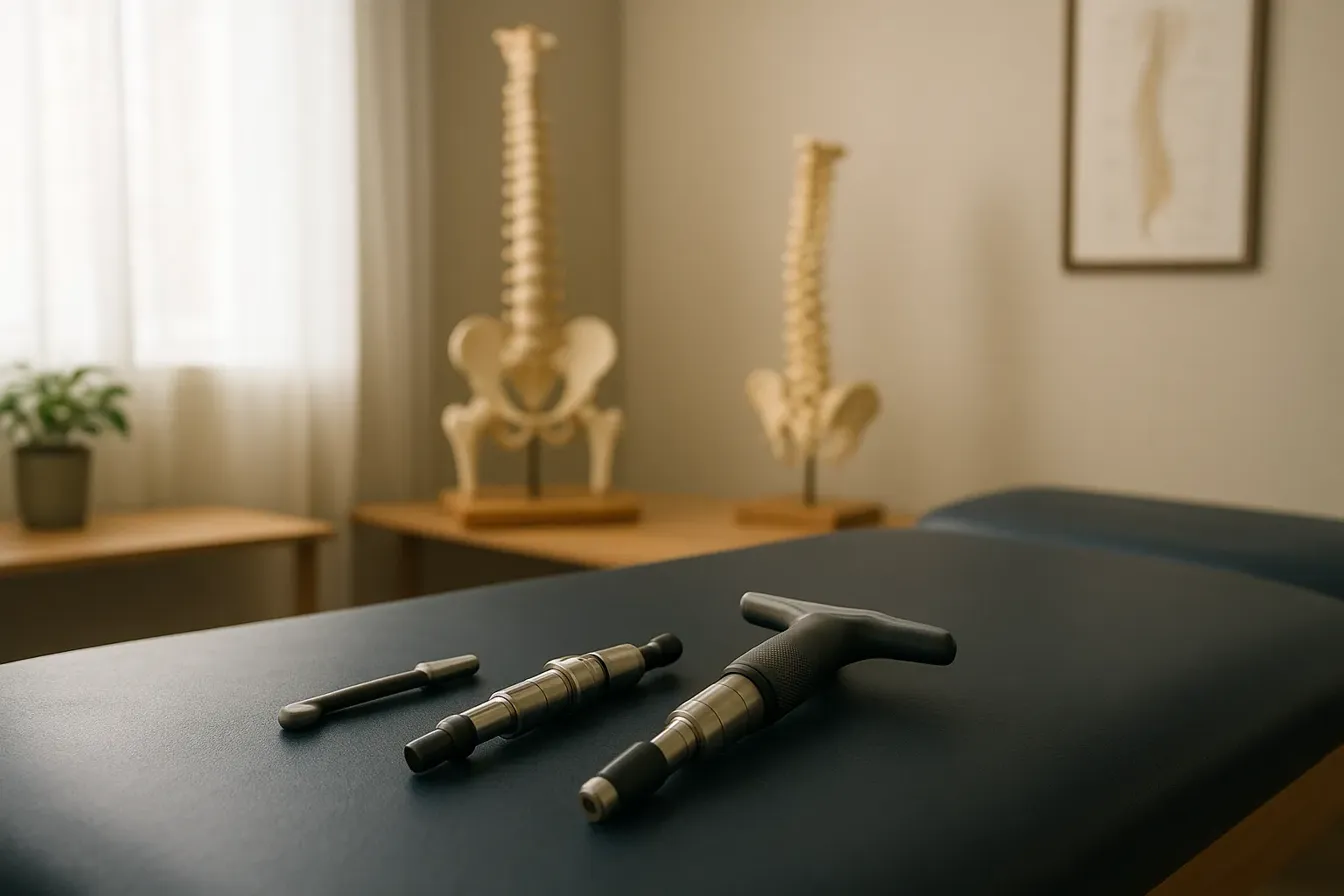
The Importance of Treating the Root Cause of Pain
Nutritional Support Strategies for Whole-Body Wellness
7 Essential Questions to Ask When Choosing Your Chiropractor
Identifying and Addressing Root Causes of Pain
Maintaining a Healthy Spine with Lifestyle Adjustments
Sciatica Symptom Relief via Spinal Decompression
8 Reasons Why Addressing the Root Cause of Pain Is Crucial
Chiropractic Care’s Impact on Back Pain Recovery

Combining Physiotherapy with Chiropractic Care for Better Results
Inspiring Recovery: Chiropractic Patient Testimonials
Nutritional Counseling Tips for Optimal Wellness

Why Addressing the Root Cause of Pain is Crucial
Back Pain and Chiropractic Care: A Winning Combination

Chiropractic Care Benefits You Might Not Know
Exploring Holistic and Non-Surgical Treatments for Pain
Spinal Health: Lifestyle Tips for Everyday Wellness
Spinal Decompression Therapy: Benefits and Applications
Holistic and Non-Invasive Spine Care Options
Everyday Lifestyle Advice to Keep Your Spine Healthy
The Significance of Treating Root Causes in Pain Therapy
Best Corrective Exercises for Sustainable Pain Management

Addressing Underlying Causes of Pain for Long-Term Relief
6 Key Benefits of Spinal Decompression Therapy for Sciatica Relief

How Nutritional Counseling Supports Spine Health and Recovery
The Role of Physiotherapy in Supporting Chiropractic Treatments