6 Holistic Non‑Surgical Treatments That Deliver Sustainable Back‑Pain Relief
April 16, 2026
9 min

Why a Holistic, Non‑Surgical Approach Matters
Chronic back pain affects more than 50 million adults in the United States, making it one of the most common reasons for missed work and reduced quality of life. While surgery can provide relief for a minority of cases, it carries risks such as infection, nerve injury, and long recovery periods, and it often fails to address the underlying lifestyle, biomechanical, and psychological factors that keep pain recurring. A holistic, non‑surgical strategy integrates evidence‑based modalities—physical therapy, chiropractic adjustments, acupuncture, massage, core‑strengthening exercises, anti‑inflammatory diet, mindfulness‑based stress reduction, and ergonomic counseling—into a patient‑centered plan. By targeting muscle balance, spinal alignment, inflammation, and stress, this combined approach not only reduces pain intensity but also improves functional mobility, prevents future flare‑ups, and empowers patients to maintain long‑term spinal health without reliance on opioids or invasive procedures. Such integrative care also fosters patient education, encouraging active participation in self‑care and reinforcing sustainable wellness habits.
1. Physical Therapy, Core‑Stability and the “Big 3”
Core‑strengthening is the foundation of any non‑surgical back‑pain program. By targeting the deep abdominal and spinal stabilizers, you protect the lumbar discs, improve posture, and reduce the risk of future flare‑ups. The most widely‑cited core protocol is the “Big 3” – curl‑up, side plank, and bird‑dog – each designed to keep the spine in a neutral, low‑stress position while building endurance in the muscles that support it.
Core‑strengthening fundamentals
- Begin every session on a firm, flat surface. Engage the transverse abdominis by gently drawing the belly button toward the spine before each movement.
- Perform each exercise with slow, controlled motion; quality outweighs quantity.
- Aim for 2–3 sets of 8‑12 repetitions, progressing only when the movement feels effortless.
The Big 3 exercises
- Curl‑up: Lie on your back, one knee bent, hands lightly behind the head. Lift the head and shoulders just a few inches, keeping the lower back flat. Hold briefly, then lower.
- Side plank: Lie on your side, knees bent, forearm under the shoulder. Lift hips to create a straight line from shoulders to knees, hold 10‑20 seconds per side.
- Bird‑dog: On hands‑and‑knees, extend opposite arm and leg while maintaining a neutral spine. Hold 10‑15 seconds, then switch sides.
Home‑based mobility drills for alignment
- Cat‑cow stretches promote spinal flexion‑extension and release tension.
- Pelvic tilts and glute bridges reinforce lumbar stability.
- A short, brisk walk (5‑10 minutes) after mobility work encourages circulation and disc nutrition.
Frequently asked questions
- Lower back chiropractic adjustment at home: A licensed chiropractor must perform the high‑velocity adjustment to ensure safety. At home, support the treatment with gentle movements such as pelvic tilts, cat‑cow, and glute bridges, performed 10‑15 reps a few times daily. Stop if sharp pain occurs and schedule a professional visit.
- What is the Big 3 for lower back pain?: The curl‑up, side plank, and bird‑dog – core‑stability moves that strengthen deep abdominal and spinal muscles while keeping the spine neutral.
- How to relieve back pain fast at home: Apply a cold pack for the first 48 hours, then switch to heat. Follow with the mobility drills listed above, stay active with a short walk, and maintain good posture. Over‑the‑counter NSAIDs can help, but avoid prolonged bed rest. If pain persists, consult a chiropractor for a personalized plan.
2. Mind‑Body Practices for Stress‑Related Muscle Tension

Mind‑body practices such as meditation, yoga, and tai chi are cornerstone components of a holistic back‑pain program. Regular meditation cultivates present‑moment awareness, lowers cortisol, and improves parasympathetic tone, which translates into reduced muscle guarding in the lumbar region. Yoga and tai chi combine gentle stretching, core‑strengthening postures, and coordinated breathing to enhance spinal flexibility, posture, and balance while soothing the nervous system. These modalities also teach stress‑reduction techniques—deep‑breathing, progressive muscle relaxation, and guided imagery—that can blunt pain perception and break the cycle of tension‑pain‑tension.
Is chiropractic safe for lower back pain? When performed by a licensed, properly trained chiropractor, spinal adjustments for lower‑back pain are generally safe. Most patients experience only mild soreness, stiffness, or fatigue that resolves within a day or two. Serious complications—such as herniated discs, nerve compression, or stroke—are exceedingly rare, especially when the practitioner screens for contraindications like severe osteoporosis, cancer, or vascular risk factors. Individuals with red‑flag symptoms (significant weakness, loss of sensation, or severe underlying disease) should discuss alternative treatments with their medical provider before beginning Chiropractic care.
Female lower back pain treatment Women often benefit from a multimodal plan that combines spinal chiropractic adjustments with targeted pelvic‑floor strengthening to improve core stability. Gentle, gender‑specific stretches and low‑impact exercises restore mobility while reducing lumbar load. Anti‑inflammatory nutrition rich in omega‑3 fatty acids, magnesium, and vitamin D supports tissue healing and aligns with hormonal fluctuations that may affect pain perception.
How to reduce back pain for female Focus on strengthening core and pelvic‑floor muscles with planks, side‑lying raises, and gentle “superman” moves; practice proper ergonomics—lumbar pillows, eye‑level workstations, and safe lifting techniques; incorporate mindful breathing and relaxation through yoga or meditation; adopt an anti‑inflammatory diet (fish, leafy greens, nuts) and stay hydrated; prioritize quality sleep on a supportive mattress to allow nightly muscle recovery.
3. Anti‑Inflammatory Nutrition & Natural Supplements

Anti‑inflammatory diet principles are simple yet powerful: prioritize whole foods rich in omega‑3 fatty acids, antioxidants, and fiber while eliminating trans fats, refined sugars, and heavily processed items. Fresh fruits, vegetables, leafy greens, fatty fish, nuts, and seeds supply the nutrients that curb systemic inflammation and support spinal health.
Back‑pain‑relieving drinks can amplify these benefits. A calming, anti‑inflammatory tonic blends two cups of fresh pineapple (bromelain), one orange, one lemon, a thumb‑sized piece of ginger, a thumb‑sized piece of turmeric, a tablespoon of coconut oil, a pinch of black pepper, and two stalks of celery. Vitamin C and E from citrus protect cells; turmeric’s curcumin and ginger’s gingerols reduce swelling; celery adds vitamin K for bone mineralization; and coconut oil’s healthy fats enhance curcumin absorption. Sip after a light meal and pair with regular chiropractic adjustments and gentle stretching for optimal relief.
Powerful botanical analgesics such as turmeric (curcumin) and willow bark are the strongest natural pain relievers, working similarly to ibuprofen by inhibiting inflammatory pathways. Boswellia serrata, ginger, and capsaicin also provide notable pain relief, especially for joint and muscle discomfort. When integrated into a holistic program that includes proper posture, low‑impact aerobic activity and professional chiropractic care, these natural agents can markedly reduce back‑pain intensity and improve functional outcomes.
4. Chiropractic Care: What It Involves and What to Expect
A chiropractor begins each lower‑back visit with a thorough history and physical exam, often supplemented by imaging when red‑flag symptoms are present. The clinician assesses spinal alignment, range of motion, muscle tone, and nerve function to pinpoint subluxations or tension points. the evaluation, a spinal adjustment – a controlled, high‑velocity low‑amplitude thrust – is applied to restore joint mobility, relieve nerve pressure, and improve nervous‑system regulation.
Adjunctive therapies are frequently incorporated to enhance healing. Many practices, including Back in Action Bodyworks in Torrance, CA, offer therapeutic massage, soft‑tissue work, ultrasound or low‑level laser therapy, and spinal traction alongside the adjustment. Targeted home‑exercise programs—core strengthening, posture‑retraining, and flexibility drills—are prescribed to sustain the benefits and prevent recurrence.
Benefits of Chiropractic care include rapid pain relief, improved functional mobility, better sleep, and reduced reliance on medication. Sessions are short, non‑invasive, and can be combined with other holistic modalities such as yoga, mindfulness, and anti‑inflammatory nutrition for a comprehensive plan.
Potential downsides are generally mild: temporary soreness, stiffness, or fatigue may follow an adjustment as the body clears metabolic waste (lactic acid, CO₂) and joint gases (nitrogen, oxygen). Rare serious events—vertebral‑artery injury or worsening of pre‑existing fractures—are mitigated by thorough screening and by avoiding high‑velocity neck manipulations in high‑risk individuals.
Overall, when performed by a licensed, experienced chiropractor, spinal manipulation is a safe, patient‑centered component of a holistic, non‑surgical approach to chronic lower‑back pain.
5. Complementary Modalities: Acupuncture, Massage, Biofeedback & More

Evidence‑based alternative therapies – Systematic reviews and clinical trials support acupuncture, therapeutic massage, biofeedback, low‑level laser therapy, and electrical nerve stimulation as safe adjuncts for chronic low‑back pain. Acupuncture stimulates endogenous opioids and modestly reduces inflammation; massage eases muscle tension and improves circulation; biofeedback teaches patients to lower physiological stress responses that amplify pain. When paired with core‑strengthening and posture retraining, these modalities can enhance functional outcomes without the risks of medication or surgery.
Integration with chiropractic and PT – A holistic plan often begins with chiropractic adjustments to restore joint mobility, followed by a personalized physical‑therapy program that emphasizes core stability, flexibility, and aerobic conditioning. Complementary therapies are then layered in: a patient may receive weekly acupuncture sessions to address lingering nociceptive input, massage to relieve soft‑tissue tightness, and biofeedback for stress‑related muscle guarding. Coordinated scheduling ensures each modality reinforces the others, accelerating recovery and reducing the need for repeat visits.
When to seek specialized care – If pain persists despite a multimodal regimen, or if red‑flag symptoms (e.g., new bowel/bladder changes, progressive weakness, severe night pain) arise, prompt evaluation by a spine specialist is warranted. Otherwise, most patients benefit from a collaborative approach that includes a chiropractor, physical therapist, and complementary‑therapy practitioner.
FAQ
- Chronic back pain treatment – A multimodal plan that combines chiropractic adjustments, targeted therapeutic exercise, and manual therapy, complemented by ergonomic counseling, nutrition guidance, and stress‑management techniques, yields the best pain‑reduction and functional‑restoration outcomes.
- Lower back pain: chiropractor or physical therapist? – Chiropractors focus on spinal alignment and adjustments; physical therapists emphasize movement retraining and strengthening. A combined approach—chiropractic relief of joint restrictions plus PT‑guided functional recovery—offers the most durable relief.
- Non‑surgical back pain treatment near me – In Torrance, CA, Back in Action Bodyworks provides evidence‑based, drug‑free care, including chiropractic adjustments, spinal‑decompression, PRP or stem‑cell injections, and integrated PT, massage, and acupuncture to restore mobility and reduce pain.
6. Lifestyle, Ergonomics and Daily Habits

A cornerstone of any patient‑centered, chiropractic‑focused Back pain program is the daily lifestyle choices that support spinal health.
Weight management and posture – Maintaining a healthy body‑mass index reduces mechanical load on the lumbar discs, lessening chronic strain and inflammation. Core‑strengthening and posture‑retraining exercises routinely prescribed by chiropractors and physical therapists, help keep the spine in a neutral alignment while sitting, standing, or moving, thereby preventing the cumulative wear that leads to arthritis and disc degeneration.
Ergonomic tools and micro‑breaks – An Ergonomic tools—adjustable chair with lumbar support, a desk at elbow height, and a monitor at eye level—promotes a neutral spine during prolonged desk work. Incorporating brief micro‑breaks (standing, walking, or gentle stretching) every 30‑45 minutes offloads the intervertebral discs and restores circulation, a strategy supported by both chiropractic and occupational‑health guidelines.
Sleep, hydration and smoking cessation – Quality sleep on a medium‑firm mattress with proper pillow support allows spinal muscles to repair overnight; adequate nightly hydration keeps intervertebral discs elastic and well‑lubricated. Smoking cessation is essential, as nicotine impairs disc nutrition and accelerates bone loss, compromising the very structures that chiropractic adjustments seek to protect.
Together, these evidence‑based habits complement spinal adjustments, therapeutic massage, and mind‑body practices, creating a holistic, non‑surgical pathway to sustainable back‑pain relief.
7. Putting It All Together: A Sustainable, Personalized Plan

Choosing the best non‑surgical strategy begins with a patient‑centered assessment that identifies the dominant pain drivers—muscle weakness, postural strain, inflammation, or nervous‑system sensitization. Evidence consistently shows that a personalized, evidence‑based exercise and physical‑therapy program that strengthens core muscles, improves posture, and restores flexibility is the most effective foundation for chronic back pain. This core can be enhanced with targeted modalities such as therapeutic massage, Acupuncture, low‑level laser therapy, and electrical nerve stimulation to reduce inflammation and promote healing. Mindfulness practices—including meditation, yoga, or tai chi—help manage the emotional stress that often amplifies pain, while an anti‑inflammatory diet and weight management lessen spinal load.
Sequencing therapies for rapid relief involves first controlling inflammation and acute discomfort with short‑term anti‑inflammatory agents, either OTC NSAIDs or natural options like turmeric (curcumin), which has anti‑inflammatory effects comparable to ibuprofen. Simultaneously, begin gentle mobility work and targeted stretches (e.g., knee‑to‑chest, cat‑cow, bridges) to improve flexibility. Hands‑on interventions—deep‑tissue massage, alternating ice and heat, and a supervised chiropractic adjustment—correct misalignments, ease muscle spasms, and restore joint motion. Maintaining ergonomic posture throughout the day and using supportive sleep pillows further protect the spine.
Long‑term maintenance and monitoring require a sustainable plan that integrates regular low‑impact aerobic activity, core‑strengthening routines, and periodic chiropractic check‑ups to ensure alignment and prevent regression. Ongoing nutritional counseling, hydration, and stress‑reduction techniques keep systemic inflammation low. Periodic reassessment with a qualified chiropractor, physical therapist, or pain‑management specialist allows adjustments to the program, ensuring continued functional improvement and minimizing the need for invasive interventions.
A Roadmap to Pain‑Free Living
A truly patient‑centered plan begins with a blend of movement, mind, and nutrition. Core‑strengthening and flexibility exercises prescribed by physical therapists, combined with gentle yoga or Tai Chi, improve spinal stability while mindfulness meditation and deep‑breathing lower stress‑induced muscle tension. An anti‑inflammatory diet rich in omega‑3 fatty acids, turmeric, fresh vegetables, and adequate vitamin D supports tissue repair and reduces systemic inflammation.
Back in Action Bodyworks in Torrance, CA, is uniquely equipped to deliver this integrated approach. Their team offers chiropractic spinal adjustments to restore alignment, therapeutic massage to ease muscle tightness, and acupuncture to stimulate endogenous pain‑relieving pathways—all coordinated with personalized exercise programs and dietary counseling.
Next steps: schedule an initial evaluation to map your specific pain drivers, adopt a daily routine that includes low‑impact aerobic activity, core work, and mindfulness practice, and follow the clinic’s lifestyle recommendations. Consistent, holistic care can transform chronic back pain into lasting wellness.
Recent articles

10 Real‑Patient Success Stories Showcasing the Impact of Chiropractic Care

Superfoods That Boost Nerve Healing After Chiropractic Sessions

Sleep Positions That Promote a Healthy Back Alignment
Signs Your Chiropractor Is a Good Fit for Your Back Pain Goals

Case Study: Integrated Physiotherapy and Chiropractic for Faster Recovery
First-Time Chiropractic Visit: A Step‑by‑Step Walkthrough
Synergistic Benefits: Combining Physiotherapy with Chiropractic Care

Beyond Surgery: Holistic Approaches to Managing Back Pain

How Manual Therapy Enhances the Effects of Chiropractic Adjustments

Hydration Hacks: Why Water Matters for Joint and Spine Function

What Does a Comprehensive Spinal Evaluation Include?

Success Spotlight: Transformative Results After Six Weeks of Chiropractic Treatment

Understanding the Initial Assessment Process in Chiropractic Care

Designing a Personalized Corrective Exercise Plan for Chronic Pain Management

Natural Pain Management: Combining Acupuncture, Yoga, and Chiropractic

Chiropractic Care vs. Pain Meds: Long-Term Outcomes for Back Pain Sufferers

What to Expect During a Sciatica‑Focused Decompression Session

Understanding the Pain-Relief Mechanics Behind Chiropractic Adjustments

Success Rates of Non‑Surgical Spinal Decompression for Sciatica

Patient-Centered Chiropractic Care: Personalized Plans for Back Pain Relief
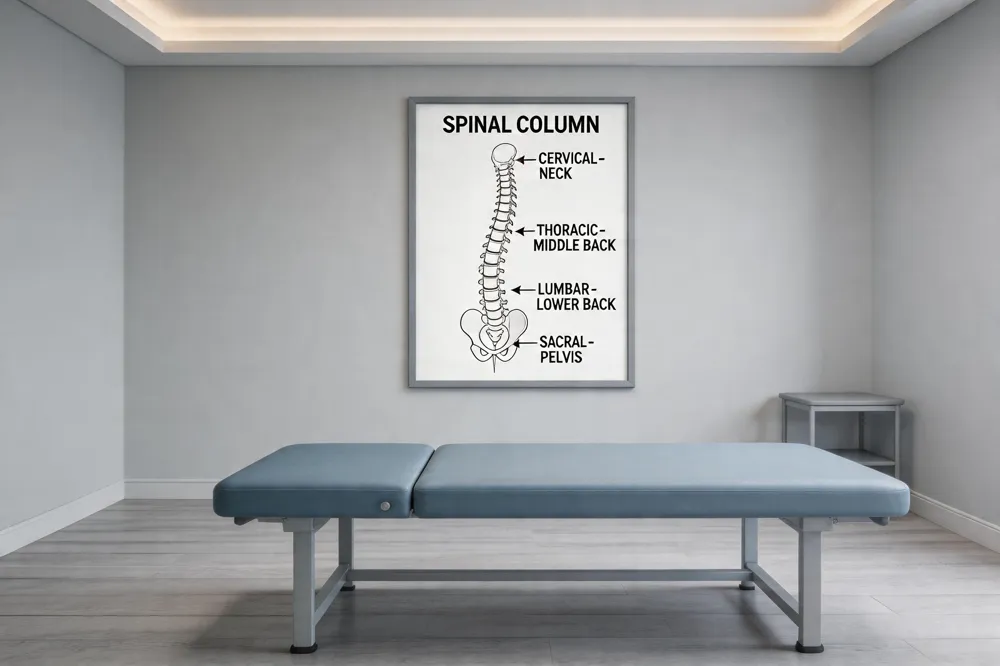
How Chiropractic Treatments Reduce Inflammation and Speed Up Back Pain Recovery

Real‑Life Stories: How Chiropractic Helped Patients Overcome Chronic Back Pain

From Symptom Masking to Root‑Cause Healing: A Practical Guide
6 Holistic Non‑Surgical Treatments That Deliver Sustainable Back‑Pain Relief

Key Questions to Ask When Selecting Your Chiropractor

Mindful Movement: Incorporating Stretch Breaks Into a Busy Day

Why Targeting the Underlying Cause Beats Temporary Symptom Relief

8 Ways Physiotherapy Complements Chiropractic Adjustments for Faster Recovery

Meal Planning for Athletes Recovering from Back Injuries

9 Everyday Lifestyle Tweaks to Preserve a Healthy Spine and Prevent Pain

Functional Movement Screening for Root‑Cause Pain Identification

6 Things You’ll Experience During Your First Chiropractic Appointment

Spinal Decompression vs. Standard Physical Therapy for Sciatica: A Comparative Review

New Findings on How Adjustments Influence Blood Circulation
Work‑From‑Home Ergonomics: A Blueprint for a Pain‑Free Back

The Link Between Chiropractic Care and Improved Sleep Quality

Physiotherapy Techniques That Strengthen the Benefits of Chiropractic Adjustments

Biomechanical Insights Behind Successful Spinal Decompression

Desk‑to‑Dumbbell: Lifestyle Shifts That Guard Your Lower Back

10 Corrective Exercises for Sustainable Pain-Free Living

Morning Routines That Support Spine Health and Reduce Stiffness

Calcium and Magnesium‑Focused Nutrition for Bone Density and Spine Health

9 Ways Chiropractic Care Transforms Back Pain Management

Testimonial: Nutrition‑Guided Recovery Accelerated by Chiropractic
Science‑Backed Spinal Decompression for Relieving Sciatica Symptoms

Key Questions to Ask During Your Initial Chiropractic Consultation
Whole‑Body Wellness Blueprint: Nutrition, Exercise, and Chiropractic Synergy

A 12‑Week Corrective Exercise Blueprint for Chronic Neck Discomfort

Manual Therapy Plus Targeted Exercise: Accelerating Post‑Injury Recovery
Home‑Based Spinal Decompression Devices: What Patients Should Know

Chiropractic Care Statistics: Reducing Lost Workdays From Back Pain

How Targeted Nutrition Enhances Immune Function and Lowers Inflammatory Pain

Self‑Assessment Tools to Identify Hidden Triggers of Back Pain
Preparing for Your First Chiropractic Appointment: A Practical Checklist

Back Pain Relief Benefits: Lower Opioid Use and Better Quality of Life

Foam‑Rolling Techniques to Complement Chiropractic Adjustments

Progressive Overload Principles in Corrective Exercise Programs

Six‑Month Transformation: Integrated Care Success Story

7 Nutritional Hacks to Boost Your Overall Wellness

How to Choose a Chiropractor: Credentials, Techniques, and Patient Compatibility

5 Ways Spinal Decompression Can Ease Sciatica Pain

Overcoming Sciatica: A Patient’s Multidisciplinary Treatment Journey
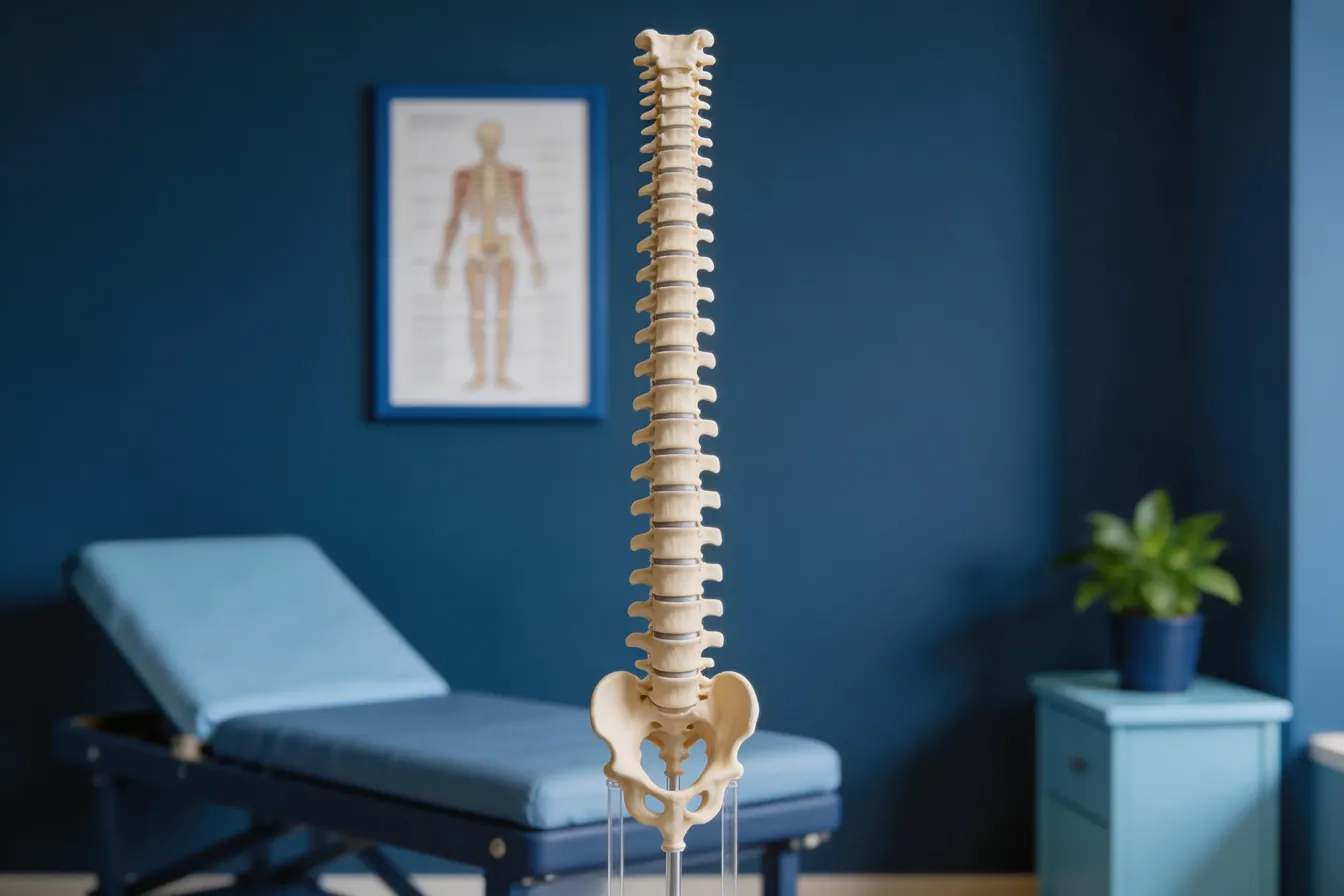
Lifestyle Changes That Promote a Healthy Spine
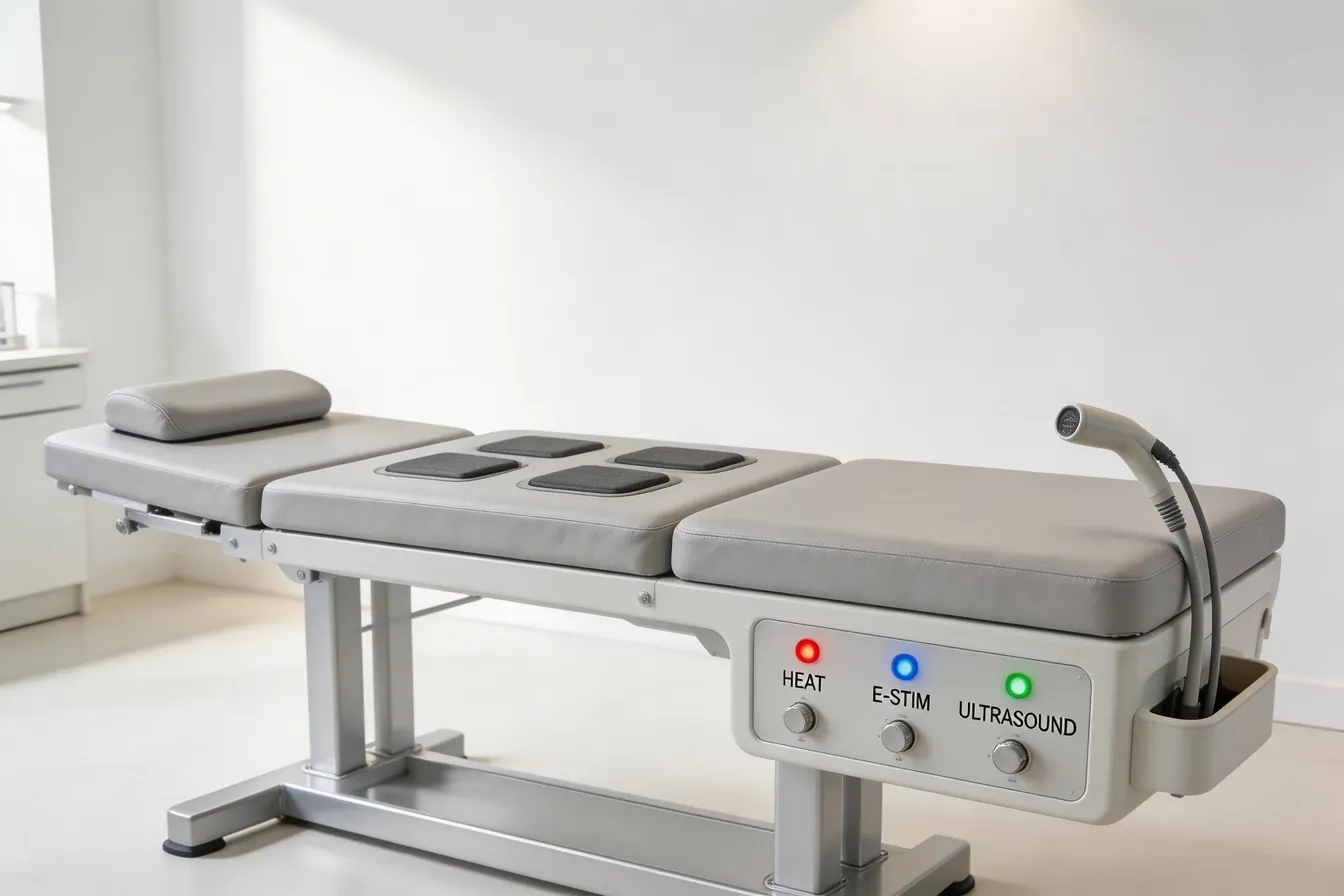
Physiotherapy as a Complement to Chiropractic Treatments
6 Ways Physiotherapy Enhances Chiropractic Treatment Outcomes

Daily Living Tips for a Strong and Healthy Spine

How Physiotherapy Enhances Chiropractic Outcomes
Holistic Treatments: Alternatives to Surgery for Pain Relief
Inspiring Patient Success Stories from Chiropractic Clinics

Integrating Physiotherapy with Chiropractic Treatments
Corrective Exercise Routines for Chronic Pain Prevention
10 Corrective Exercises to Maintain a Healthy Spine and Relieve Pain
Exercise Strategies for Long-Term Pain Management
10 Corrective Exercises to Maintain a Healthy Spine and Relieve Pain
The Importance of Treating the Root Cause of Pain
Nutritional Support Strategies for Whole-Body Wellness
7 Essential Questions to Ask When Choosing Your Chiropractor
Identifying and Addressing Root Causes of Pain
Maintaining a Healthy Spine with Lifestyle Adjustments
Sciatica Symptom Relief via Spinal Decompression
8 Reasons Why Addressing the Root Cause of Pain Is Crucial
Chiropractic Care’s Impact on Back Pain Recovery

Combining Physiotherapy with Chiropractic Care for Better Results
Inspiring Recovery: Chiropractic Patient Testimonials
Nutritional Counseling Tips for Optimal Wellness

Why Addressing the Root Cause of Pain is Crucial
Back Pain and Chiropractic Care: A Winning Combination

Chiropractic Care Benefits You Might Not Know
Exploring Holistic and Non-Surgical Treatments for Pain
Spinal Health: Lifestyle Tips for Everyday Wellness
Spinal Decompression Therapy: Benefits and Applications
Holistic and Non-Invasive Spine Care Options
Everyday Lifestyle Advice to Keep Your Spine Healthy
The Significance of Treating Root Causes in Pain Therapy
Best Corrective Exercises for Sustainable Pain Management

Addressing Underlying Causes of Pain for Long-Term Relief
6 Key Benefits of Spinal Decompression Therapy for Sciatica Relief

How Nutritional Counseling Supports Spine Health and Recovery

The Role of Physiotherapy in Supporting Chiropractic Treatments