Case Study: Integrated Physiotherapy and Chiropractic for Faster Recovery
May 4, 2026
7 min
Why Integrated Care Matters
A Synergistic Approach to Healing
Combining chiropractic care with physical therapy creates a powerful, integrated treatment model that addresses musculoskeletal conditions more completely than either method alone. Chiropractic adjustments focus on restoring spinal and joint alignment, which reduces nerve pressure and improves mobility. Physical therapy then strengthens the supporting muscles, enhances flexibility, and corrects posture. This dual approach tackles both the structural cause of pain and the functional weaknesses that contribute to injury, leading to faster and more durable recovery.
Patient-Centered Benefits
For patients, this integrated model offers significant advantages. Clinical studies show it can reduce recovery time by up to 30% compared to single-modality treatment. It also lowers the risk of re-injury by building a stronger muscular foundation around a properly aligned spine. Many patients find faster pain relief, improved range of motion, and a reduced need for medication or surgery. This approach is especially effective for chronic low back pain, sports injuries, and post-surgical rehabilitation, helping individuals return to their daily lives and activities more quickly.
The Holistic Philosophy of Back in Action Bodyworks
At Back in Action Bodyworks in Torrance, California, this integrated philosophy is central to patient care. The clinic provides chiropractic adjustments, therapeutic massage, and personalized corrective exercises under one roof. This coordinated approach allows practitioners to monitor progress and tailor treatment plans to each patient's specific biomechanical needs. By focusing on the whole person—not just the symptoms—Back in Action Bodyworks empowers patients to achieve lasting wellness and a more active, pain-free life.
The Integrated Model at Back in Action Bodyworks
How Does a Co‑Located Chiropractic and PT Service Work?
Back in Action Bodyworks, located in Torrance, California, provides chiropractic bodywork, physical therapy, and therapeutic massage under one roof. This co‑located model allows providers to coordinate care seamlessly, ensuring that spinal adjustments and rehabilitative exercises complement each other. Patients benefit from convenience and a unified approach that addresses both joint alignment and muscular function, leading to more efficient recovery.
What Makes a Personalized Treatment Plan Effective?
Clinics like Back in Action Bodyworks create personalized treatment plans based on individual goals and conditions. Chiropractic examinations identify misalignments, while physical therapy assessments evaluate strength and flexibility. Therapies, such as shockwave therapy or active release technique, are then matched to the patient’s specific needs. This patient‑centric process ensures that each protocol evolves as recovery progresses.
Why Are Shared Electronic Health Records Important?
Shared electronic health records (EHR) enable chiropractors and physical therapists to view real‑time progress notes and outcome measures. This integration improves communication and avoids conflicting therapies. For instance, a chiropractor can see when a patient’s range of motion increases, allowing adjustments to be gentler, while the physical therapist can tailor exercises based on recent spinal alignment data.
| Service | Focus | Benefit for the Patient |
|---|---|---|
| Co‑located Chiropractic & PT | Joint alignment & muscle strength | Faster, more complete recovery |
| Personalized Treatment Planning | Individual biomechanical deficits | Targeted therapy and efficient progress |
| Shared Electronic Health Records | Coordinated care and communication | Reduced risk of re‑injury and improved outcomes |
Evidence Supporting Combined Chiropractic and Physical Therapy
A growing body of peer‑reviewed research demonstrates that integrating chiropractic adjustments with physical‑therapy rehabilitation accelerates recovery and improves functional outcomes. Systematic reviews in the Journal of Orthopaedic & Sports Physical Therapy and the Journal of Physical Therapy Science report 30‑40 % faster recovery rates for low‑back pain when both modalities are combined, with average VAS pain reductions of 3.5 points and a modest but significant decline in disability scores.
Case studies from Spinal Recovery & Joint Center in Warren, MI illustrate these findings in practice. A 54‑year‑old construction worker named James experienced an 80 % reduction in lower‑back pain after five weeks of coordinated chiropractic adjustments and targeted physiotherapy, returning to light duties by week ten without medication.
Additional research confirms functional benefits: a 2022 systematic review found combined care produced greater improvements in range of motion and functional mobility within four to six weeks, while a 2021 randomized trial reported a 45 % greater pain‑score reduction compared with monotherapy. Across studies, the synergy of spinal alignment (chiropractic) and muscle strengthening, flexibility training (physical therapy) consistently yields faster symptom relief, reduced reliance on opioids, and higher patient satisfaction.
Case Study Spotlight: James’ Rapid Recovery
James, a 54‑year‑old construction worker from Warren, Michigan, presented with chronic lower‑back pain that limited his ability to work. He enrolled in an integrated program at the Spinal Recovery & Joint Center that combined chiropractic adjustments to restore spinal alignment and reduce nerve pressure with targeted physical‑therapy exercises to strengthen supporting musculature and improve posture. Within five weeks the coordinated care produced an 80 % reduction in his pain rating, allowing him to resume light‑duty tasks after ten weeks without reliance on medication. This case illustrates how addressing both joint alignment and muscle function accelerates recovery, lowers the need for drugs or surgery, and enables a quicker return to functional activity.
Complementary Therapies: Massage, Percussive, Shockwave

Therapeutic massage is a cornerstone of post‑surgical rehabilitation. By reducing muscle guarding and improving tissue elasticity, massage facilitates a smoother transition from spinal manipulation to active physiotherapy, helping patients regain range of motion faster and with less pain. Percussive therapy, delivered with handheld massage guns, has been shown to acutely boost muscle strength, explosive power and flexibility. Regular sessions (5–30 min) increase blood flow and metabolic activity, leading to measurable gains in range of motion and reduced low‑back or shoulder pain, according to systematic reviews of 13 studies. Shockwave therapy adds another layer of tissue healing; high‑energy acoustic waves stimulate neovascularization and collagen synthesis. A case study at Back in Action Bodyworks in Torrance demonstrated a 40 % pain reduction and a jump from 70° to 150° of shoulder abduction after six weeks of combined chiropractic adjustments, targeted physiotherapy, and shockwave treatment. Together, these complementary modalities create a synergistic, drug‑free pathway to faster recovery, enhanced functional outcomes, and long‑term musculoskeletal health.
Patient FAQs Addressed

What is the Torrance Memorial Integrative Medicine Program? The program is a whole‑person healthcare model that blends evidence‑based complementary therapies with conventional medicine. It offers patient‑centered, holistic services such as nutrition counseling, exercise classes, yoga, meditation, and modalities like acupuncture and massage. By collaborating across care teams, it aims to improve healing for conditions ranging from chronic pain to anxiety, while empowering patients to actively participate in their recovery.
Are chiropractors and physical therapy a good combo for treatment? Yes. Chiropractic adjustments restore spinal and joint alignment, reducing nerve pressure and pain. Physical therapy then reinforces those corrections with targeted strengthening, flexibility, and functional movement exercises. This synergy accelerates recovery, lessens reliance on medication, and improves long‑term mobility and stability for injuries, post‑surgical rehab, and chronic musculoskeletal issues.
Can massage help after back surgery? Post‑operative massage can be beneficial when performed by a qualified therapist following the surgeon’s guidelines. It reduces scar tissue, improves tissue elasticity, enhances circulation, and eases muscle tension, all of which support pain reduction and range‑of‑motion gains. Always obtain surgeon clearance before beginning massage.
Can massage decompress the spine? Therapeutic massage can gently elongate the spine and relax surrounding muscles, lowering disc and nerve pressure. While helpful for mild compression, severe disc herniations may still require chiropractic adjustments or mechanical decompression for optimal relief.
Is massage safe after spinal fusion? Yes, once the surgeon confirms bone healing (typically several months post‑op). Light techniques such as myofascial release can reduce tension and improve circulation, but deep pressure over the fused segment must be avoided. Clearance from both surgeon and chiropractor is essential.
How to heal faster after a chiropractic adjustment? Stay well‑hydrated, move gently, maintain good posture, and rest the first 24‑48 hours. Apply ice or heat as needed, follow prescribed stretches, and attend scheduled follow‑ups. Proper after‑care supports tissue repair and sustains alignment benefits.
What is the holistic approach to chronic pain? It treats body, mind, and spirit together—combining chiropractic, physical therapy, acupuncture, mind‑body practices, nutrition, and lifestyle changes to address root causes, reduce inflammation, and minimize medication dependence.
Who is the chiropractor at Back in Action Bodyworks? Back in Action Bodyworks is led by an experienced, patient‑focused chiropractor who provides personalized adjustments and comprehensive musculoskeletal care in Torrance, California.
Looking Ahead: Integrated Care in Torrance and Beyond

The next wave of musculoskeletal health in Torrance will be defined by truly interdisciplinary clinics that house chiropractic, physical therapy, and complementary modalities under one roof. Programs such as the Integrative Medicine offering at Torrance Memorial already demonstrate how coordinated spinal‑adjustment, therapeutic exercise, and mind‑body approaches (yoga, tai chi) can accelerate functional recovery and reduce reliance on medication. Economic data support this model: integrated clinics report cost offsets of up to $600,000 annually and a 15‑20 % boost in patient‑satisfaction scores, while insurers increasingly reimburse bundled chiropractic‑physiotherapy services. Looking forward, Back in Action Bodyworks and similar practices are expanding their toolkits to include active‑release technique, Graston mobilization, and low‑intensity shockwave therapy—interventions shown to improve tissue healing, increase range of motion, and cut recovery time by 30 % when combined with spinal alignment care. This evolution promises faster, drug‑free pain relief, stronger long‑term outcomes, and a more holistic, patient‑centered experience for the South Bay community.
Your Path to Faster Recovery
Begin with a comprehensive assessment that evaluates spinal alignment, muscular strength, flexibility, and movement patterns. At Back in Action Bodyworks, our chiropractors and physical therapists work side‑by‑side, creating a seamless synergy: precise spinal adjustments relieve nerve irritation while targeted therapeutic exercises restore stability and function. This collaborative model allows us to tailor a holistic, evidence‑based plan that addresses the root cause of pain, reduces reliance on medication, and accelerates return to daily activities. Patients receive personalized exercise programs, education on posture and ergonomics, and ongoing progress monitoring through a shared electronic health record. By committing to this integrated approach, you benefit from faster pain relief, improved range of motion, and a lower risk of re‑injury—supporting long‑term wellness and optimal performance.
Recent articles
10 Real‑Patient Success Stories Showcasing the Impact of Chiropractic Care

Superfoods That Boost Nerve Healing After Chiropractic Sessions

Sleep Positions That Promote a Healthy Back Alignment
Signs Your Chiropractor Is a Good Fit for Your Back Pain Goals
Case Study: Integrated Physiotherapy and Chiropractic for Faster Recovery
First-Time Chiropractic Visit: A Step‑by‑Step Walkthrough
Synergistic Benefits: Combining Physiotherapy with Chiropractic Care

Beyond Surgery: Holistic Approaches to Managing Back Pain
How Manual Therapy Enhances the Effects of Chiropractic Adjustments

Hydration Hacks: Why Water Matters for Joint and Spine Function

What Does a Comprehensive Spinal Evaluation Include?

Success Spotlight: Transformative Results After Six Weeks of Chiropractic Treatment

Understanding the Initial Assessment Process in Chiropractic Care
Designing a Personalized Corrective Exercise Plan for Chronic Pain Management

Natural Pain Management: Combining Acupuncture, Yoga, and Chiropractic
Chiropractic Care vs. Pain Meds: Long-Term Outcomes for Back Pain Sufferers

What to Expect During a Sciatica‑Focused Decompression Session

Understanding the Pain-Relief Mechanics Behind Chiropractic Adjustments

Success Rates of Non‑Surgical Spinal Decompression for Sciatica

Patient-Centered Chiropractic Care: Personalized Plans for Back Pain Relief
How Chiropractic Treatments Reduce Inflammation and Speed Up Back Pain Recovery

Real‑Life Stories: How Chiropractic Helped Patients Overcome Chronic Back Pain
From Symptom Masking to Root‑Cause Healing: A Practical Guide

6 Holistic Non‑Surgical Treatments That Deliver Sustainable Back‑Pain Relief
Key Questions to Ask When Selecting Your Chiropractor

Mindful Movement: Incorporating Stretch Breaks Into a Busy Day

Why Targeting the Underlying Cause Beats Temporary Symptom Relief

8 Ways Physiotherapy Complements Chiropractic Adjustments for Faster Recovery

Meal Planning for Athletes Recovering from Back Injuries

9 Everyday Lifestyle Tweaks to Preserve a Healthy Spine and Prevent Pain

Functional Movement Screening for Root‑Cause Pain Identification

6 Things You’ll Experience During Your First Chiropractic Appointment

Spinal Decompression vs. Standard Physical Therapy for Sciatica: A Comparative Review

New Findings on How Adjustments Influence Blood Circulation
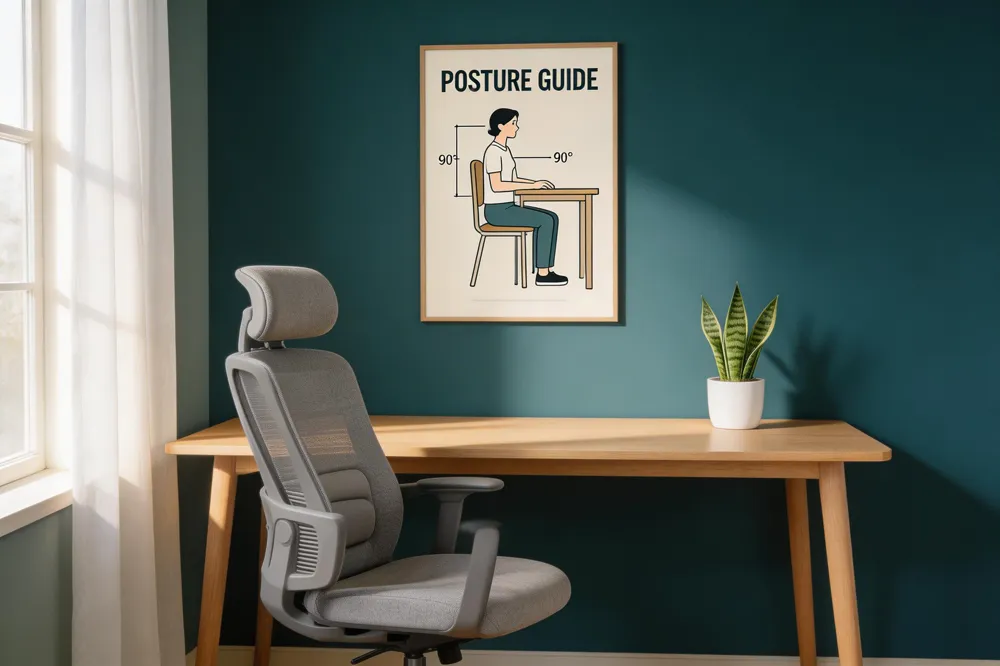
Work‑From‑Home Ergonomics: A Blueprint for a Pain‑Free Back

The Link Between Chiropractic Care and Improved Sleep Quality

Physiotherapy Techniques That Strengthen the Benefits of Chiropractic Adjustments

Biomechanical Insights Behind Successful Spinal Decompression

Desk‑to‑Dumbbell: Lifestyle Shifts That Guard Your Lower Back

10 Corrective Exercises for Sustainable Pain-Free Living

Morning Routines That Support Spine Health and Reduce Stiffness

Calcium and Magnesium‑Focused Nutrition for Bone Density and Spine Health

9 Ways Chiropractic Care Transforms Back Pain Management

Testimonial: Nutrition‑Guided Recovery Accelerated by Chiropractic
Science‑Backed Spinal Decompression for Relieving Sciatica Symptoms

Key Questions to Ask During Your Initial Chiropractic Consultation
Whole‑Body Wellness Blueprint: Nutrition, Exercise, and Chiropractic Synergy

A 12‑Week Corrective Exercise Blueprint for Chronic Neck Discomfort

Manual Therapy Plus Targeted Exercise: Accelerating Post‑Injury Recovery
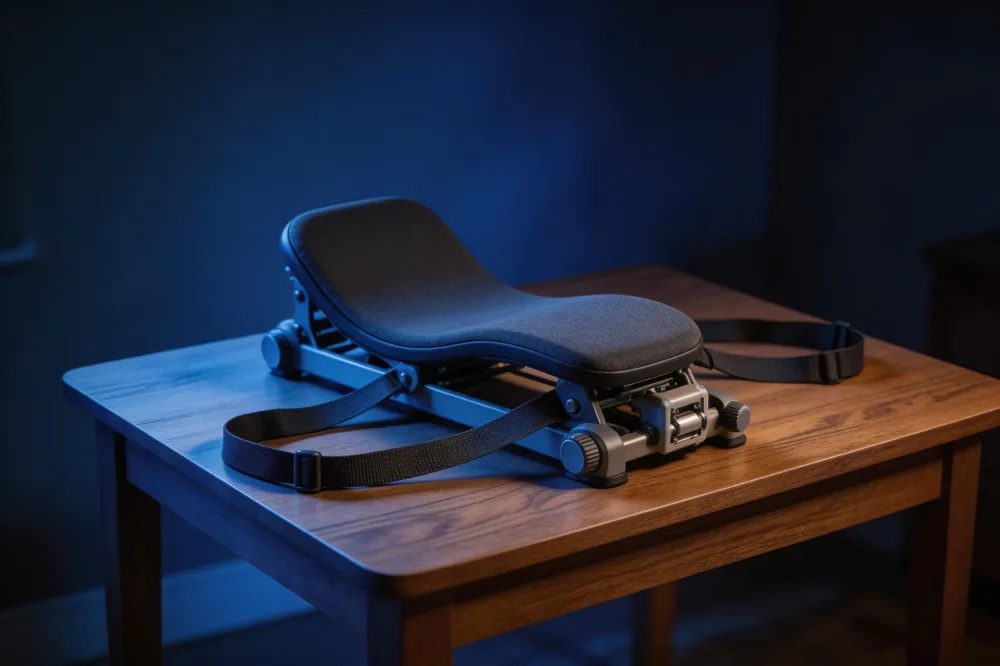
Home‑Based Spinal Decompression Devices: What Patients Should Know

Chiropractic Care Statistics: Reducing Lost Workdays From Back Pain

How Targeted Nutrition Enhances Immune Function and Lowers Inflammatory Pain
Self‑Assessment Tools to Identify Hidden Triggers of Back Pain
Preparing for Your First Chiropractic Appointment: A Practical Checklist

Back Pain Relief Benefits: Lower Opioid Use and Better Quality of Life

Foam‑Rolling Techniques to Complement Chiropractic Adjustments

Progressive Overload Principles in Corrective Exercise Programs

Six‑Month Transformation: Integrated Care Success Story

7 Nutritional Hacks to Boost Your Overall Wellness

How to Choose a Chiropractor: Credentials, Techniques, and Patient Compatibility
5 Ways Spinal Decompression Can Ease Sciatica Pain

Overcoming Sciatica: A Patient’s Multidisciplinary Treatment Journey
Lifestyle Changes That Promote a Healthy Spine
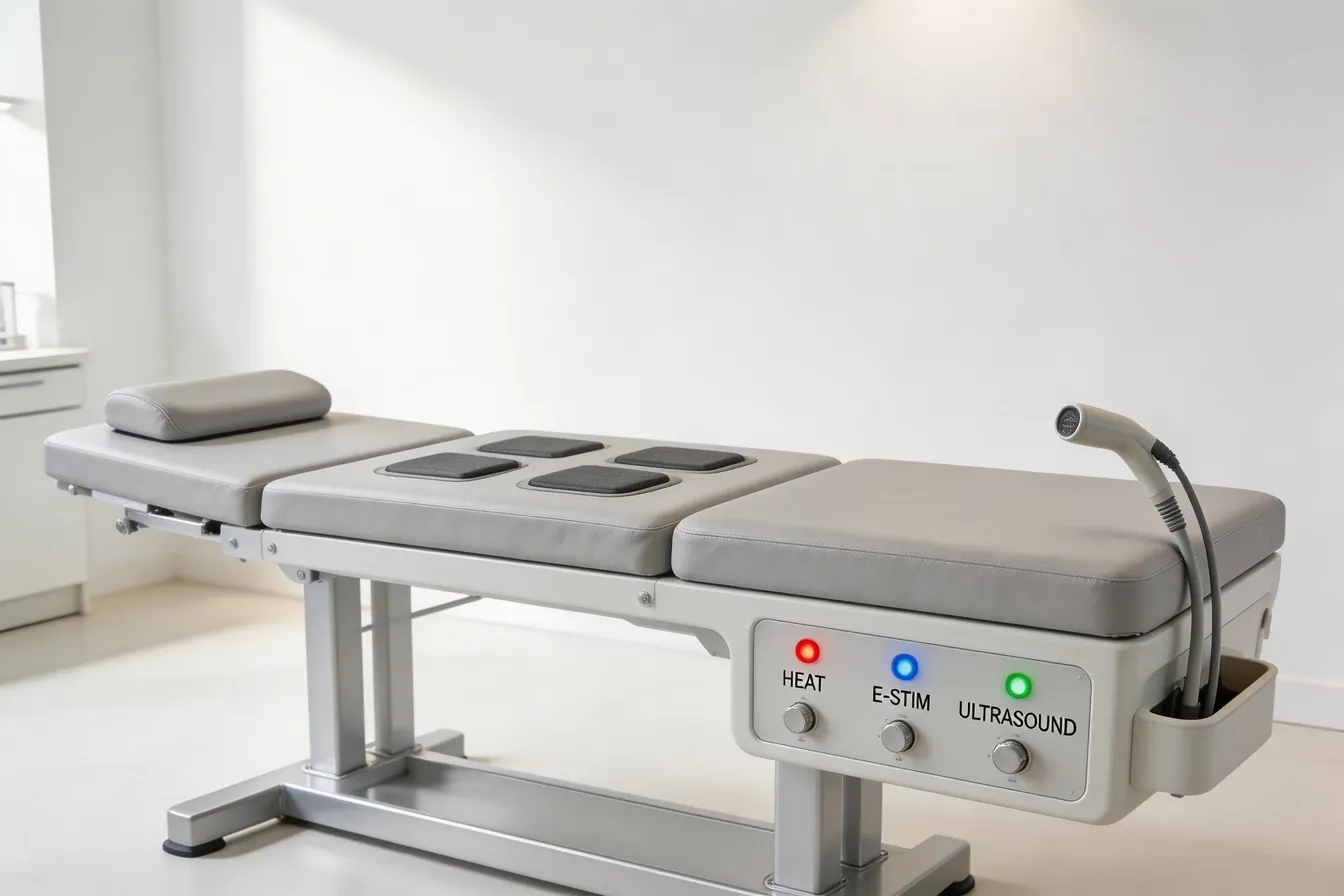
Physiotherapy as a Complement to Chiropractic Treatments
6 Ways Physiotherapy Enhances Chiropractic Treatment Outcomes
Daily Living Tips for a Strong and Healthy Spine

How Physiotherapy Enhances Chiropractic Outcomes
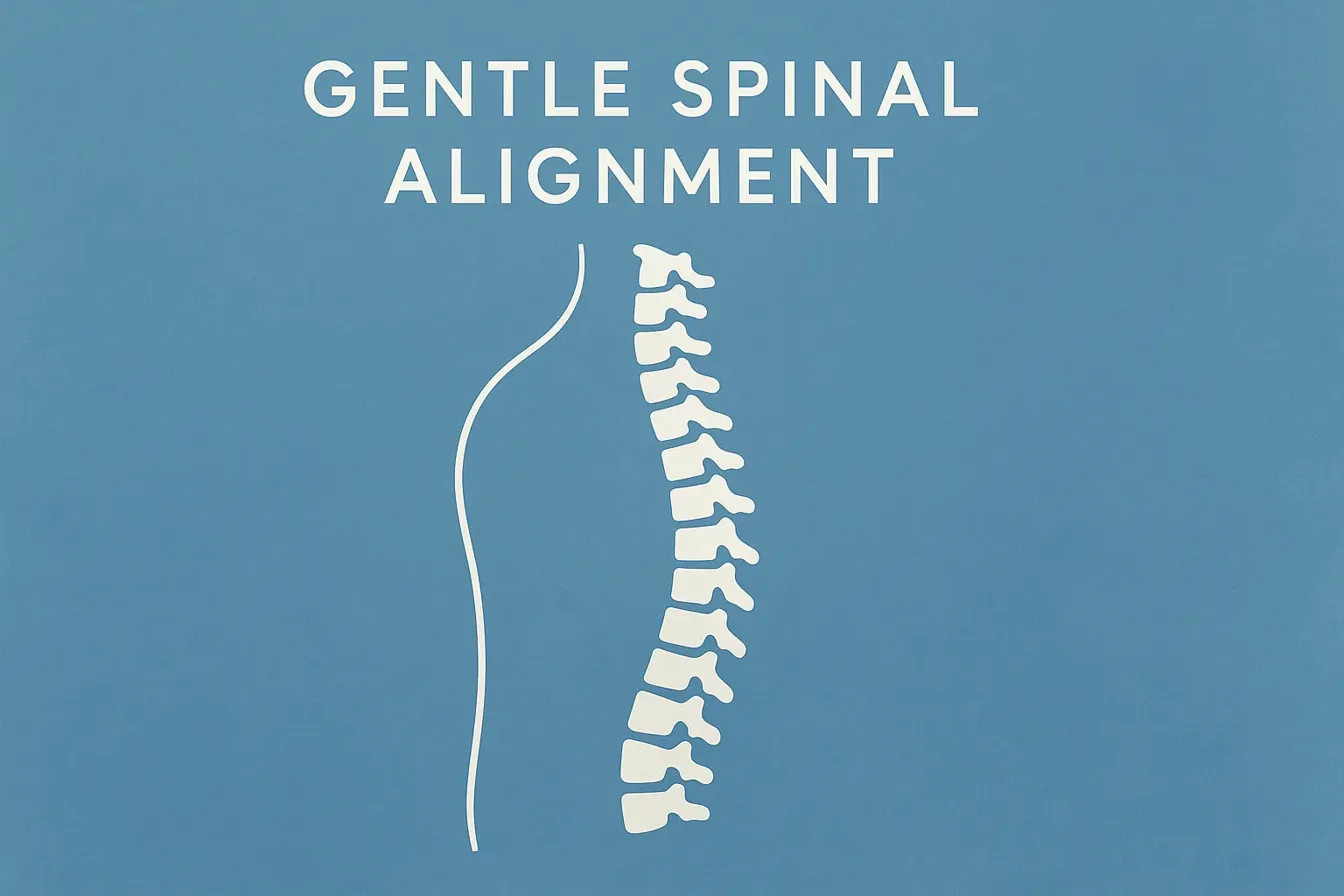
Holistic Treatments: Alternatives to Surgery for Pain Relief
Inspiring Patient Success Stories from Chiropractic Clinics

Integrating Physiotherapy with Chiropractic Treatments
Corrective Exercise Routines for Chronic Pain Prevention
10 Corrective Exercises to Maintain a Healthy Spine and Relieve Pain
Exercise Strategies for Long-Term Pain Management
10 Corrective Exercises to Maintain a Healthy Spine and Relieve Pain
The Importance of Treating the Root Cause of Pain
Nutritional Support Strategies for Whole-Body Wellness
7 Essential Questions to Ask When Choosing Your Chiropractor
Identifying and Addressing Root Causes of Pain
Maintaining a Healthy Spine with Lifestyle Adjustments
Sciatica Symptom Relief via Spinal Decompression
8 Reasons Why Addressing the Root Cause of Pain Is Crucial
Chiropractic Care’s Impact on Back Pain Recovery

Combining Physiotherapy with Chiropractic Care for Better Results
Inspiring Recovery: Chiropractic Patient Testimonials
Nutritional Counseling Tips for Optimal Wellness

Why Addressing the Root Cause of Pain is Crucial
Back Pain and Chiropractic Care: A Winning Combination
Chiropractic Care Benefits You Might Not Know
Exploring Holistic and Non-Surgical Treatments for Pain
Spinal Health: Lifestyle Tips for Everyday Wellness
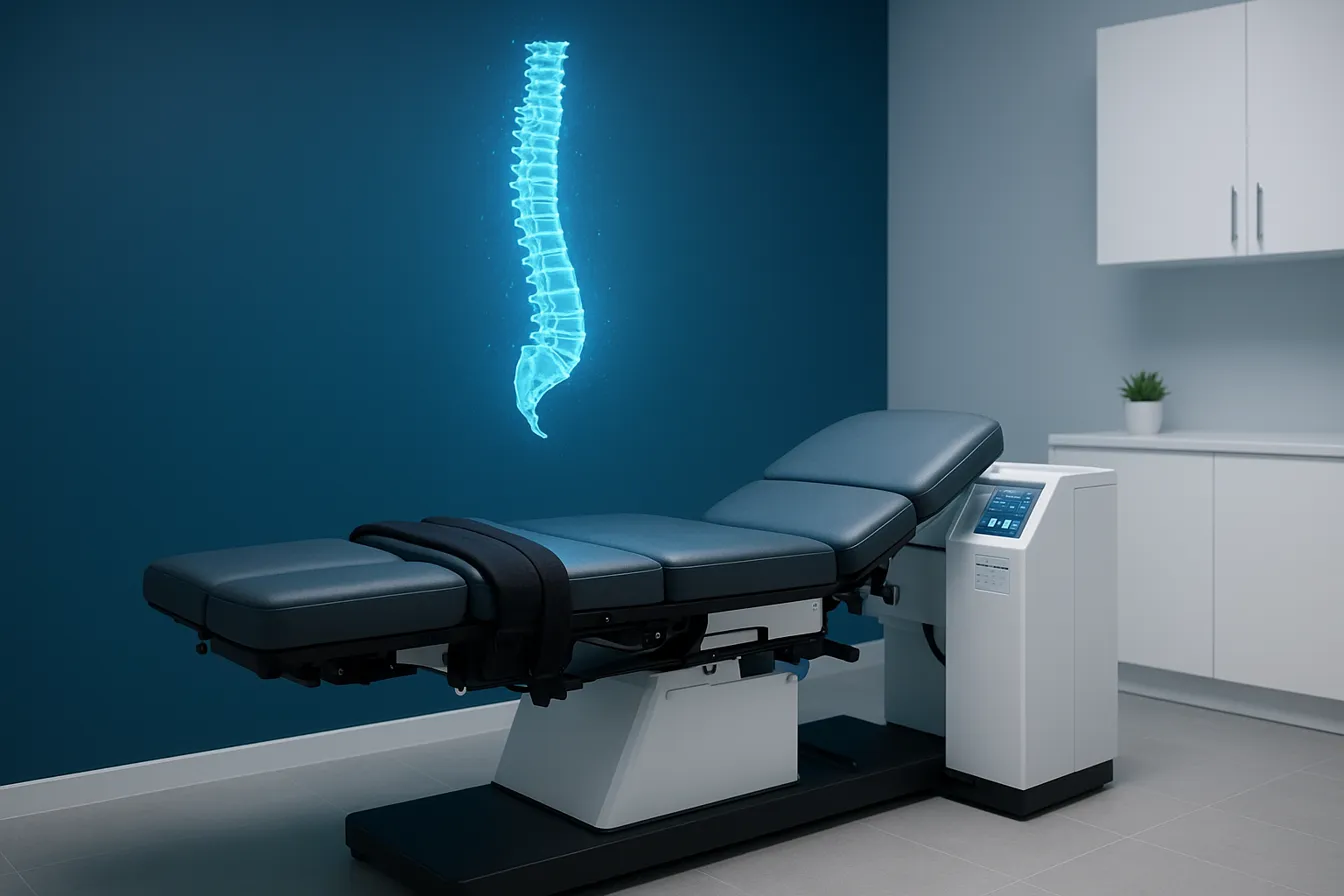
Spinal Decompression Therapy: Benefits and Applications
Holistic and Non-Invasive Spine Care Options
Everyday Lifestyle Advice to Keep Your Spine Healthy
The Significance of Treating Root Causes in Pain Therapy
Best Corrective Exercises for Sustainable Pain Management
Addressing Underlying Causes of Pain for Long-Term Relief
6 Key Benefits of Spinal Decompression Therapy for Sciatica Relief
How Nutritional Counseling Supports Spine Health and Recovery
The Role of Physiotherapy in Supporting Chiropractic Treatments