9 Ways Chiropractic Care Transforms Back Pain Management
March 26, 2026
6 min

Introduction: A Holistic Approach to Back Health
Chiropractic care focuses on diagnosing and treating mechanical disorders of the spine, muscles, and joints through spinal manipulation and soft‑tissue techniques. By restoring proper alignment, adjustments relieve nerve pressure, improve circulation, and reduce inflammation, offering a natural, drug‑free path to pain relief. The holistic benefits extend beyond the spine: enhanced posture, increased mobility, better sleep, and lowered stress levels arise from integrated counseling on ergonomics, nutrition, and lifestyle. Each patient receives a personalized plan that reflects their medical history, daily activities, and goals, combining adjustments with targeted exercises, ergonomic education, and mind‑body practices. This patient‑centered philosophy empowers individuals to actively participate in healing, promoting long‑term musculoskeletal health without reliance on medication or surgery. Patients also report improved overall well‑being and greater confidence in daily activities.
Spinal Alignment, Nerve Relief & Underlying Theory

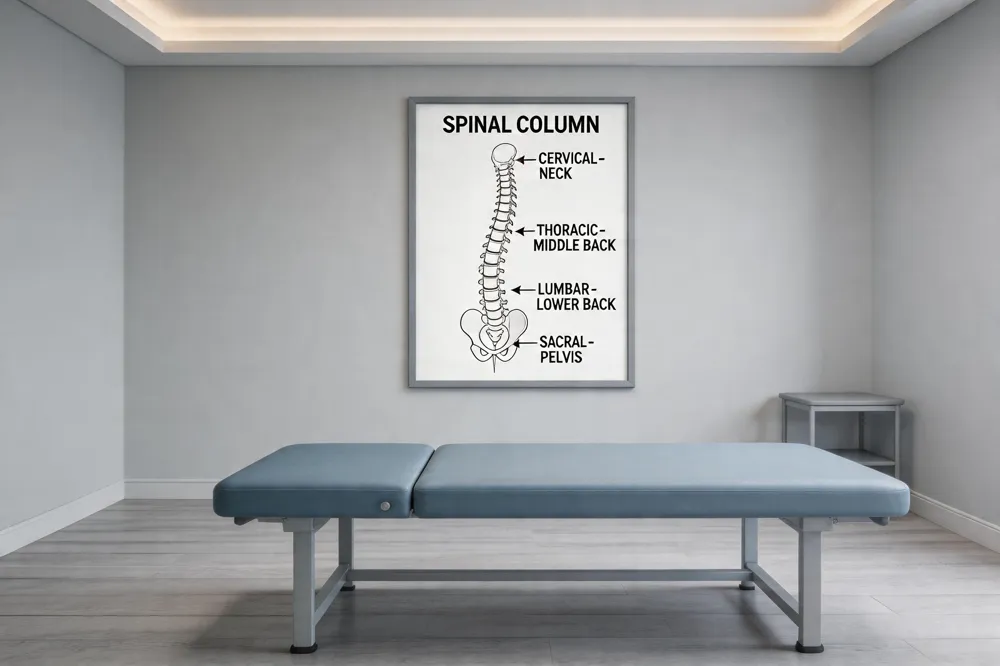
Spinal adjustments realign vertebrae, restoring optimal joint motion and reducing misaligned joints that irritate nerves. By relieving compression, nerve pressure drops, improving signal flow and decreasing pain. The corrective force also boosts blood and lymphatic circulation, delivering oxygen, nutrients and helping clear metabolic waste such as lactic acid, which supports tissue healing.
What are the three T's in chiropractic? The three T’s—thoughts, trauma, and toxins—are the primary sources of subluxation and nerve interference. Chronic stress (thoughts), physical injury or repetitive strain (trauma), and poor diet or environmental pollutants (toxins) all disrupt nervous‑system function; addressing them through lifestyle changes and adjustments restores health.
Theory behind chiropractic treatment Misalignments compress nerves, impeding neural communication. A precise, controlled thrust restores motion, triggers neuroplastic changes, and re‑activates the body’s self‑healing capacity. The audible “pop” results from cavitation of gas bubbles in the joint.
Side effects of chiropractic adjustment Most patients feel mild soreness or light fatigue that resolves within 24‑48 hours; serious complications are rare (<1.5 per 10 million). Proper screening by a licensed chiropractor minimizes risk.
Personalized, Holistic Patient Care & Lifestyle

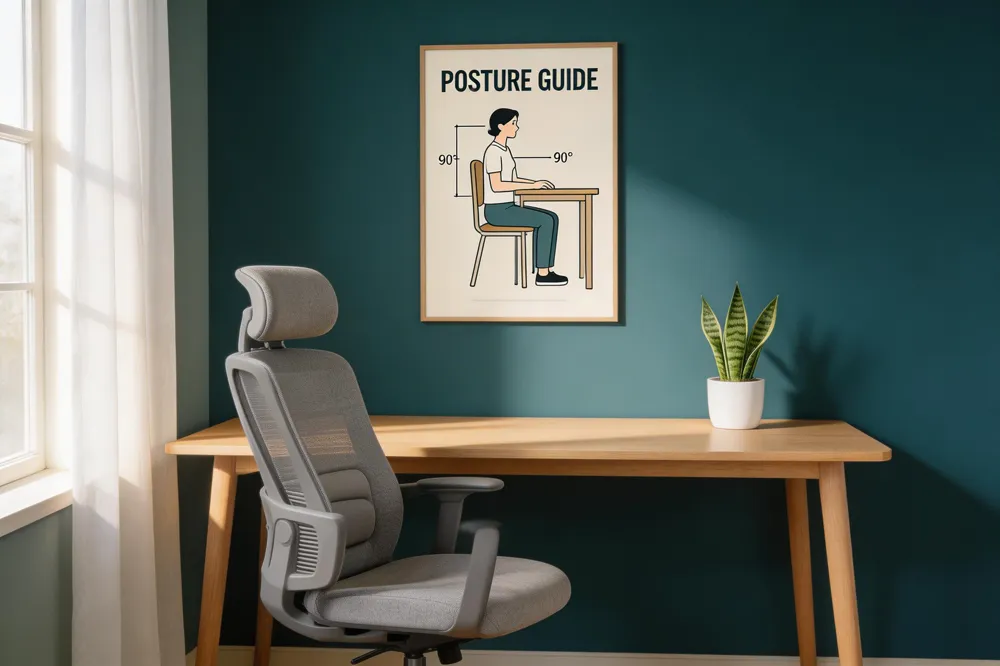
Chiropractic care begins with an individualized assessment that considers each patient’s medical history, lifestyle, and specific pain triggers. From this foundation a chiropractor designs a personalized treatment plan that blends spinal adjustments, soft‑tissue therapy, and therapeutic exercise to restore joint mobility and reduce nerve irritation. Ergonomic counseling and posture education are integral; patients learn proper workstation setup, lifting mechanics, and daily movement breaks to protect the lumbar spine. Nutrition, supplements, and stress‑management strategies are also woven into the plan—anti‑inflammatory foods, omega‑3 fatty acids, turmeric or willow bark, and adequate hydration support tissue repair while mindfulness or breathing techniques lower sympathetic tension that can exacerbate pain. For women, back‑pain programs often emphasize pelvic‑floor strengthening, gentle core work, and hormone‑aware lifestyle tweaks that address unique biomechanical demands. Overall, this holistic, patient‑centered approach empowers individuals to boost their own healing power, reduce musculoskeletal inflammation, and achieve lasting relief without reliance on medication or surgery.
Targeted Exercise, Mobility & Core Strength Programs

Chiropractic care pairs spinal adjustments with specific exercises to restore function and prevent recurrence of lower‑back pain. For a quick home routine, the "7 exercises for lower back pain"—pelvic tilts, bridges, cat‑cow stretch, bird‑dog, child's pose, knee‑to‑chest stretch, and seated spinal twist—activate deep core muscles, improve flexibility, and relieve tension. The "big 3" (bird‑dog, side plank, modified curl‑up) further enhance spinal stability, a principle backed by the McGill Big 3 research. Physiotherapy‑style protocols often combine these movements with gentle rotations and progressive loading, as outlined in the "Physiotherapy exercises" answer. During a visit, a chiropractor evaluates posture, history, and may order imaging, then delivers precise spinal adjustments to reduce nerve pressure and joint restriction. Post‑adjustment, the practitioner prescribes the above exercises, ergonomic advice, and lifestyle counseling to sustain alignment. Evidence from multiple trials (e.g., JAMA 2018, American College of Physicians guidelines) shows chiropractic treatment reliably lowers pain intensity and improves function, offering a safe, drug‑free alternative. For sciatica, a combined approach—initial physiotherapy to manage inflammation followed by chiropractic adjustments to correct misalignments—often yields the quickest relief.
Immediate Pain Relief Strategies & Home Care
Fast‑acting techniques for acute flare‑ups include gentle mobilizations such as the knee‑to‑chest stretch, cat‑cow movements, and short walks to increase circulation. For sharp swelling, apply a cold pack 15‑20 minutes; for stiffness, use a heating pad for the same duration. Self‑massage with a foam roller or lumbar roll can loosen tight muscles, while proper posture—shoulders back, feet flat, lumbar support—prevents further irritation.
After a chiropractic adjustment, stay hydrated, walk lightly, and perform mild stretches to reinforce alignment. Warm compresses or a gentle shower help ease residual muscle tension; ice can be used if soreness feels sharp. Rest if fatigued and avoid heavy lifting for 24‑48 hours.
Chiropractic care offers rapid, drug‑free relief and improves nerve function, posture, and mobility. It is generally safe when performed by licensed practitioners, with only mild temporary side effects reported. Rare serious risks exist for those with severe osteoporosis, spinal tumors, or high stroke risk, so thorough screening is essential.
Safety, Risks, Medical Opinion & Professional Guidance

Spinal adjustments are generally safe when performed by a licensed chiropractor who conducts a thorough health history and physical exam. Most patients experience mild, short‑term effects such as muscle soreness, light‑weight ache, or brief fatigue that resolve within 24‑48 hours. Serious complications are rare, occurring in less than 1.5 per 10 million adjustments, but can include vertebral‑artery dissection after high‑velocity neck manipulation, herniated disc aggravation, or nerve compression. Practitioners screen for contraindications—severe osteoporosis, spinal tumors, fractures, or known cervical artery disease—to mitigate these risks. The medical community views chiropractic as a low‑risk, non‑pharmacologic option for acute and chronic low‑back pain, noting modest pain relief and reduced opioid use, yet many clinicians caution that the historic "subluxation" concept lacks robust evidence and can be labeled pseudoscientific. Overall, when integrated into a patient‑centered, evidence‑based care plan, chiropractic adjustment is considered a safe adjunct for musculoskeletal pain, provided proper screening and professional guidance are followed.
Cost, Accessibility & Emerging Research Evidence

Chiropractic treatment price – At Back in Action Bodyworks in Torrance, CA a standard adjustment costs $65‑$80; a new‑patient exam with diagnostics is $120‑$150. Most major insurers, Medicare and Medicaid cover part of the fee. Uninsured patients can use a cash‑discount ($55 per adjustment) or a lien basis for injury claims. Call ahead for a precise estimate.
New chiropractic research – Recent studies confirm safety and broad health benefits. A 12‑week trial showed regular adjustments lowered inflammation markers and stress hormones. Large 2025 studies linked chiropractic care to reduced opioid prescriptions, fewer medication‑overuse headaches, and lower fall risk in seniors. Additional trials report relief of acute neck pain, cervicogenic headache disability, and mood‑sleep improvements.
Research behind chiropractic – Systematic reviews and randomized trials demonstrate modest but clinically meaningful reductions in pain and disability for low‑back pain when added to standard care. First‑line chiropractic patients have lower odds of opioid use and surgery, supporting chiropractic as a cost‑effective, non‑pharmacologic option within a holistic wellness model.
Effectiveness for back pain – A 2018 JAMA Network Open trial showed faster relief and better function with chiropractic added to usual care. Guidelines from Duke Health and the American College of Physicians recommend it as a first‑line conservative therapy for mild‑to‑moderate pain.
Best therapy for back pain – The most effective approach combines personalized spinal adjustments, core‑strengthening and flexibility exercises, ergonomic counseling, and complementary modalities such as massage or mindfulness. Consistent home practice and posture care sustain the benefits.
Integrated Wellness, Patient Outcomes & Future Directions

Patient satisfaction with chiropractic care is high; surveys report over 90 % of back‑pain patients feeling improvement and 80 % rating their quality of life as better after adjustments. Healing signs include breathing, relaxed muscles, heart rate and a feeling of safety. Reducing musculoskeletal inflammation relies on movement—walking, swimming, strength work—combined with nutrition that supports tissue health. When sciatica stems from joint restriction, spinal adjustments target nerve irritation than exercise alone, while physiotherapy excels at core strengthening and inflammation control; a blended plan often yields the fastest relief. Chiropractic—licensed professionals who use spinal manipulation, soft‑tissue work, ergonomic counseling and exercise—offers a drug‑free path to restore alignment and promote healing. Natural supplements such as turmeric, willow bark, omega‑3s, devil’s claw and ginger may modestly curb inflammation.
Conclusion: Embracing a Holistic, Evidence‑Based Back‑Pain Journey
Chiropractic care transforms back‑pain management by realigning the spine, easing nerve pressure, and restoring natural circulation, which together diminish pain and improve function without drugs. Every patient receives a personalized plan built on a thorough assessment of posture, lifestyle, and medical history, ensuring safe techniques—such as low‑force adjustments and soft‑tissue therapy—are matched to individual needs. Our clinicians continuously monitor progress, adjusting the protocol to maintain optimal spinal health and prevent future flare‑ups. At Back in Action Bodyworks in Torrance, California, we invite you to experience this evidence‑based, drug‑free approach that integrates ergonomic counseling, therapeutic exercise, and holistic wellness. Discover how a tailored chiropractic journey can empower you to move freely, sleep better, and enjoy lasting relief. Our team provides education on nutrition, stress management, and safe movement to sustain health.
Recent articles

10 Real‑Patient Success Stories Showcasing the Impact of Chiropractic Care

Superfoods That Boost Nerve Healing After Chiropractic Sessions

Sleep Positions That Promote a Healthy Back Alignment

Signs Your Chiropractor Is a Good Fit for Your Back Pain Goals

Case Study: Integrated Physiotherapy and Chiropractic for Faster Recovery

First-Time Chiropractic Visit: A Step‑by‑Step Walkthrough

Synergistic Benefits: Combining Physiotherapy with Chiropractic Care

Beyond Surgery: Holistic Approaches to Managing Back Pain

How Manual Therapy Enhances the Effects of Chiropractic Adjustments

Hydration Hacks: Why Water Matters for Joint and Spine Function

What Does a Comprehensive Spinal Evaluation Include?

Success Spotlight: Transformative Results After Six Weeks of Chiropractic Treatment

Understanding the Initial Assessment Process in Chiropractic Care

Designing a Personalized Corrective Exercise Plan for Chronic Pain Management

Natural Pain Management: Combining Acupuncture, Yoga, and Chiropractic

Chiropractic Care vs. Pain Meds: Long-Term Outcomes for Back Pain Sufferers

What to Expect During a Sciatica‑Focused Decompression Session

Understanding the Pain-Relief Mechanics Behind Chiropractic Adjustments

Success Rates of Non‑Surgical Spinal Decompression for Sciatica

Patient-Centered Chiropractic Care: Personalized Plans for Back Pain Relief
How Chiropractic Treatments Reduce Inflammation and Speed Up Back Pain Recovery

Real‑Life Stories: How Chiropractic Helped Patients Overcome Chronic Back Pain

From Symptom Masking to Root‑Cause Healing: A Practical Guide

6 Holistic Non‑Surgical Treatments That Deliver Sustainable Back‑Pain Relief

Key Questions to Ask When Selecting Your Chiropractor

Mindful Movement: Incorporating Stretch Breaks Into a Busy Day

Why Targeting the Underlying Cause Beats Temporary Symptom Relief

8 Ways Physiotherapy Complements Chiropractic Adjustments for Faster Recovery

Meal Planning for Athletes Recovering from Back Injuries

9 Everyday Lifestyle Tweaks to Preserve a Healthy Spine and Prevent Pain

Functional Movement Screening for Root‑Cause Pain Identification

6 Things You’ll Experience During Your First Chiropractic Appointment

Spinal Decompression vs. Standard Physical Therapy for Sciatica: A Comparative Review

New Findings on How Adjustments Influence Blood Circulation
Work‑From‑Home Ergonomics: A Blueprint for a Pain‑Free Back

The Link Between Chiropractic Care and Improved Sleep Quality

Physiotherapy Techniques That Strengthen the Benefits of Chiropractic Adjustments

Biomechanical Insights Behind Successful Spinal Decompression

Desk‑to‑Dumbbell: Lifestyle Shifts That Guard Your Lower Back

10 Corrective Exercises for Sustainable Pain-Free Living

Morning Routines That Support Spine Health and Reduce Stiffness

Calcium and Magnesium‑Focused Nutrition for Bone Density and Spine Health
9 Ways Chiropractic Care Transforms Back Pain Management

Testimonial: Nutrition‑Guided Recovery Accelerated by Chiropractic

Science‑Backed Spinal Decompression for Relieving Sciatica Symptoms

Key Questions to Ask During Your Initial Chiropractic Consultation

Whole‑Body Wellness Blueprint: Nutrition, Exercise, and Chiropractic Synergy

A 12‑Week Corrective Exercise Blueprint for Chronic Neck Discomfort

Manual Therapy Plus Targeted Exercise: Accelerating Post‑Injury Recovery
Home‑Based Spinal Decompression Devices: What Patients Should Know

Chiropractic Care Statistics: Reducing Lost Workdays From Back Pain

How Targeted Nutrition Enhances Immune Function and Lowers Inflammatory Pain

Self‑Assessment Tools to Identify Hidden Triggers of Back Pain

Preparing for Your First Chiropractic Appointment: A Practical Checklist

Back Pain Relief Benefits: Lower Opioid Use and Better Quality of Life

Foam‑Rolling Techniques to Complement Chiropractic Adjustments

Progressive Overload Principles in Corrective Exercise Programs

Six‑Month Transformation: Integrated Care Success Story

7 Nutritional Hacks to Boost Your Overall Wellness

How to Choose a Chiropractor: Credentials, Techniques, and Patient Compatibility

5 Ways Spinal Decompression Can Ease Sciatica Pain

Overcoming Sciatica: A Patient’s Multidisciplinary Treatment Journey
Lifestyle Changes That Promote a Healthy Spine
Physiotherapy as a Complement to Chiropractic Treatments

6 Ways Physiotherapy Enhances Chiropractic Treatment Outcomes

Daily Living Tips for a Strong and Healthy Spine

How Physiotherapy Enhances Chiropractic Outcomes
Holistic Treatments: Alternatives to Surgery for Pain Relief
Inspiring Patient Success Stories from Chiropractic Clinics

Integrating Physiotherapy with Chiropractic Treatments
Corrective Exercise Routines for Chronic Pain Prevention
10 Corrective Exercises to Maintain a Healthy Spine and Relieve Pain
Exercise Strategies for Long-Term Pain Management
10 Corrective Exercises to Maintain a Healthy Spine and Relieve Pain
The Importance of Treating the Root Cause of Pain
Nutritional Support Strategies for Whole-Body Wellness
7 Essential Questions to Ask When Choosing Your Chiropractor
Identifying and Addressing Root Causes of Pain
Maintaining a Healthy Spine with Lifestyle Adjustments
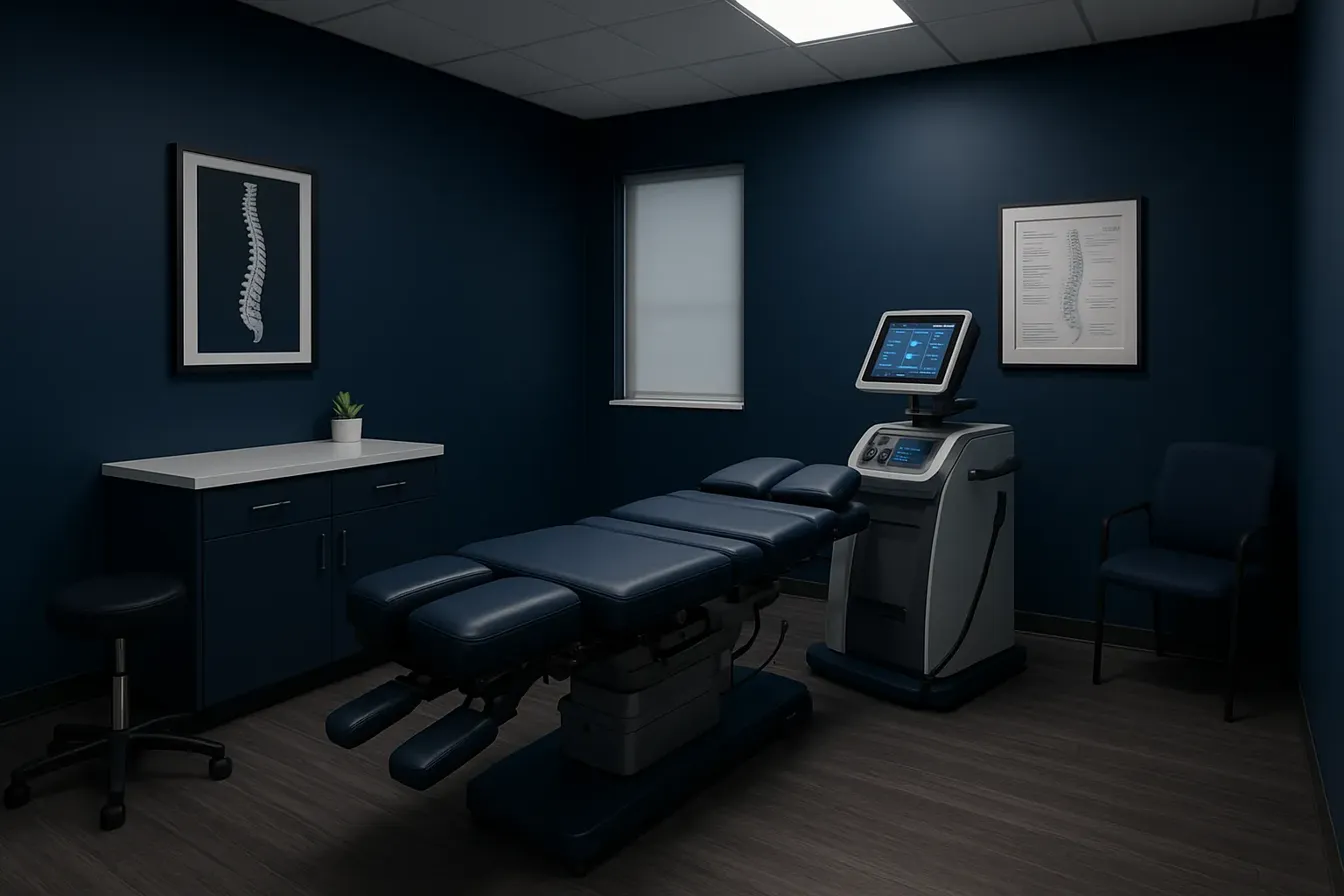
Sciatica Symptom Relief via Spinal Decompression

8 Reasons Why Addressing the Root Cause of Pain Is Crucial
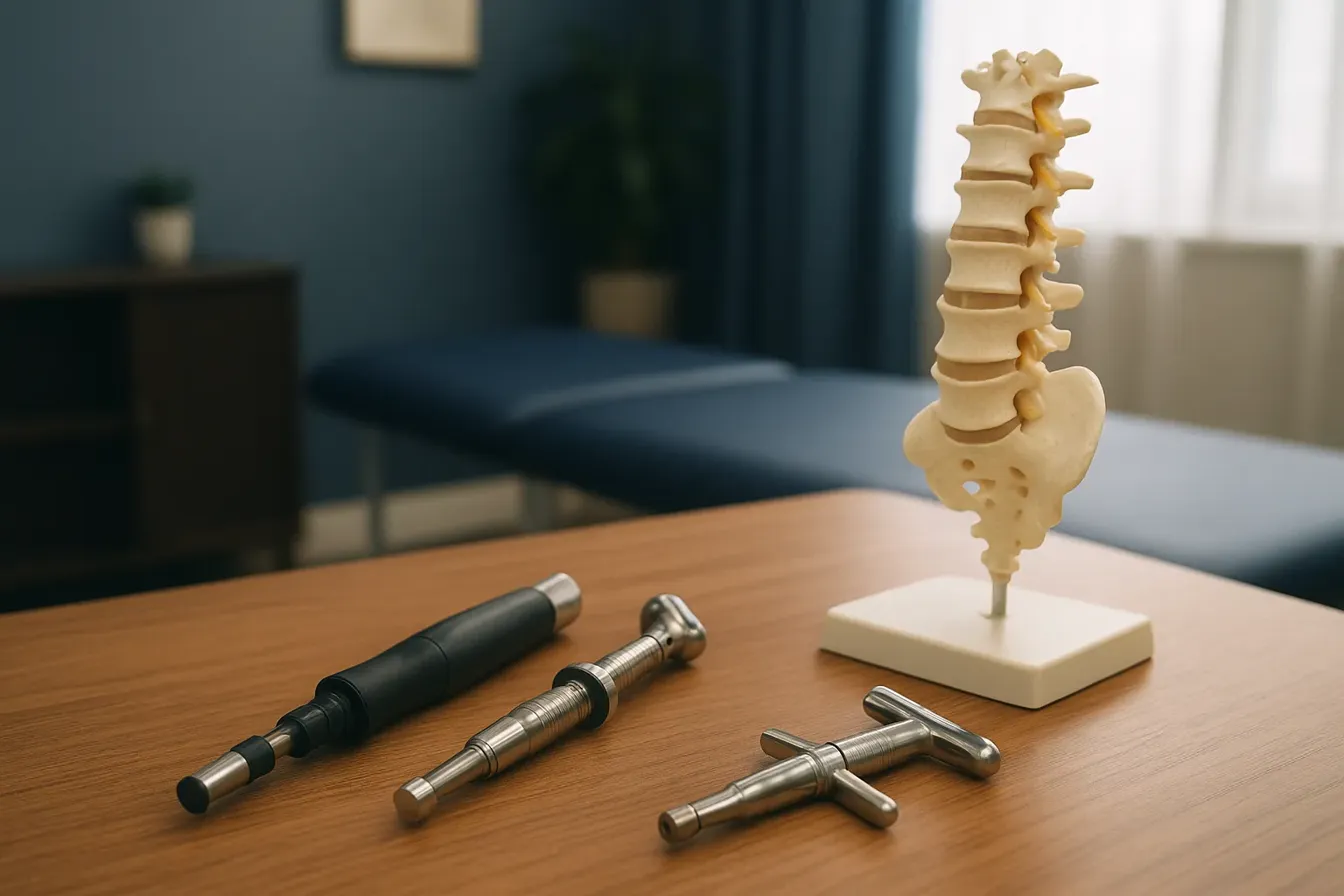
Chiropractic Care’s Impact on Back Pain Recovery

Combining Physiotherapy with Chiropractic Care for Better Results
Inspiring Recovery: Chiropractic Patient Testimonials
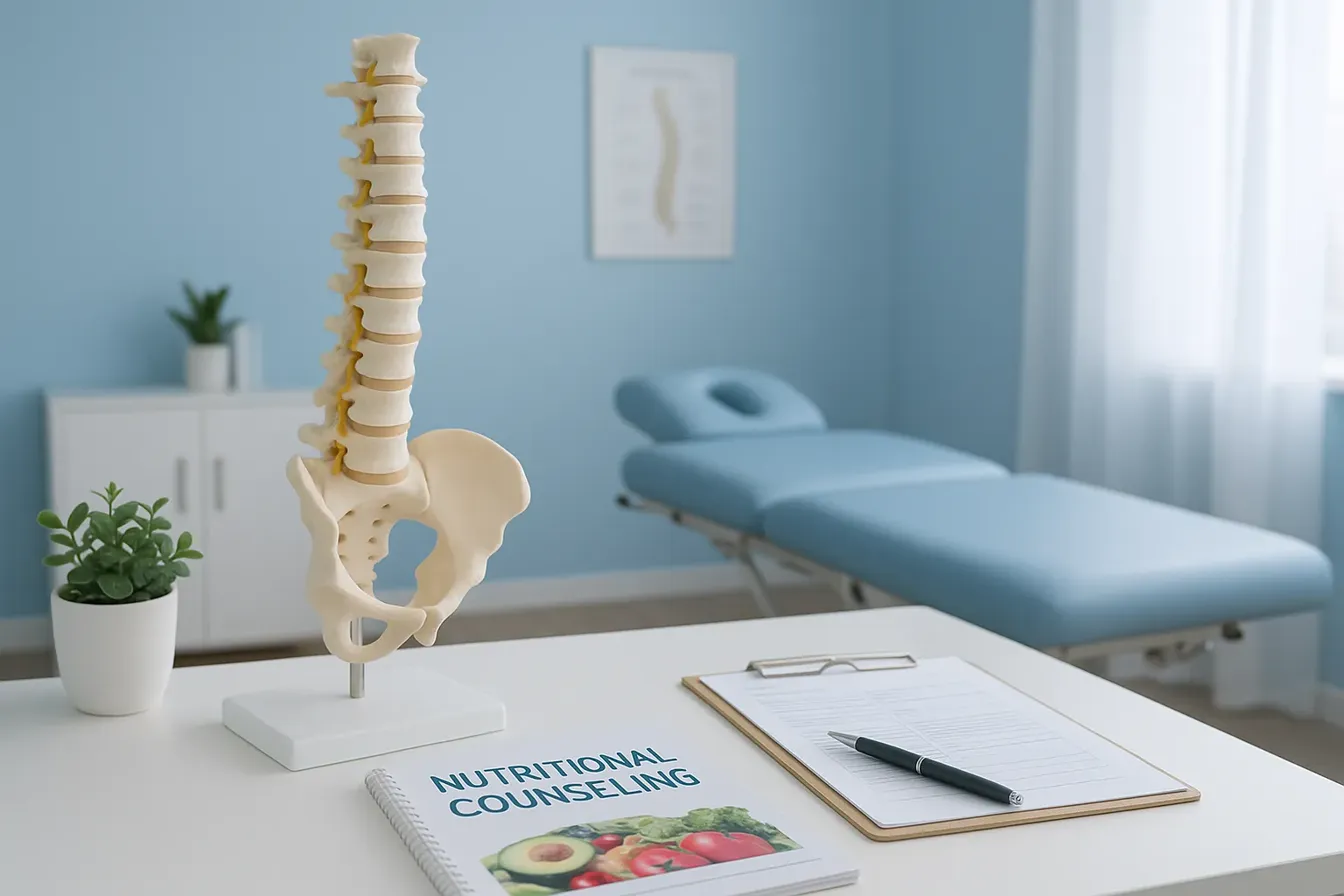
Nutritional Counseling Tips for Optimal Wellness

Why Addressing the Root Cause of Pain is Crucial
Back Pain and Chiropractic Care: A Winning Combination

Chiropractic Care Benefits You Might Not Know
Exploring Holistic and Non-Surgical Treatments for Pain
Spinal Health: Lifestyle Tips for Everyday Wellness
Spinal Decompression Therapy: Benefits and Applications
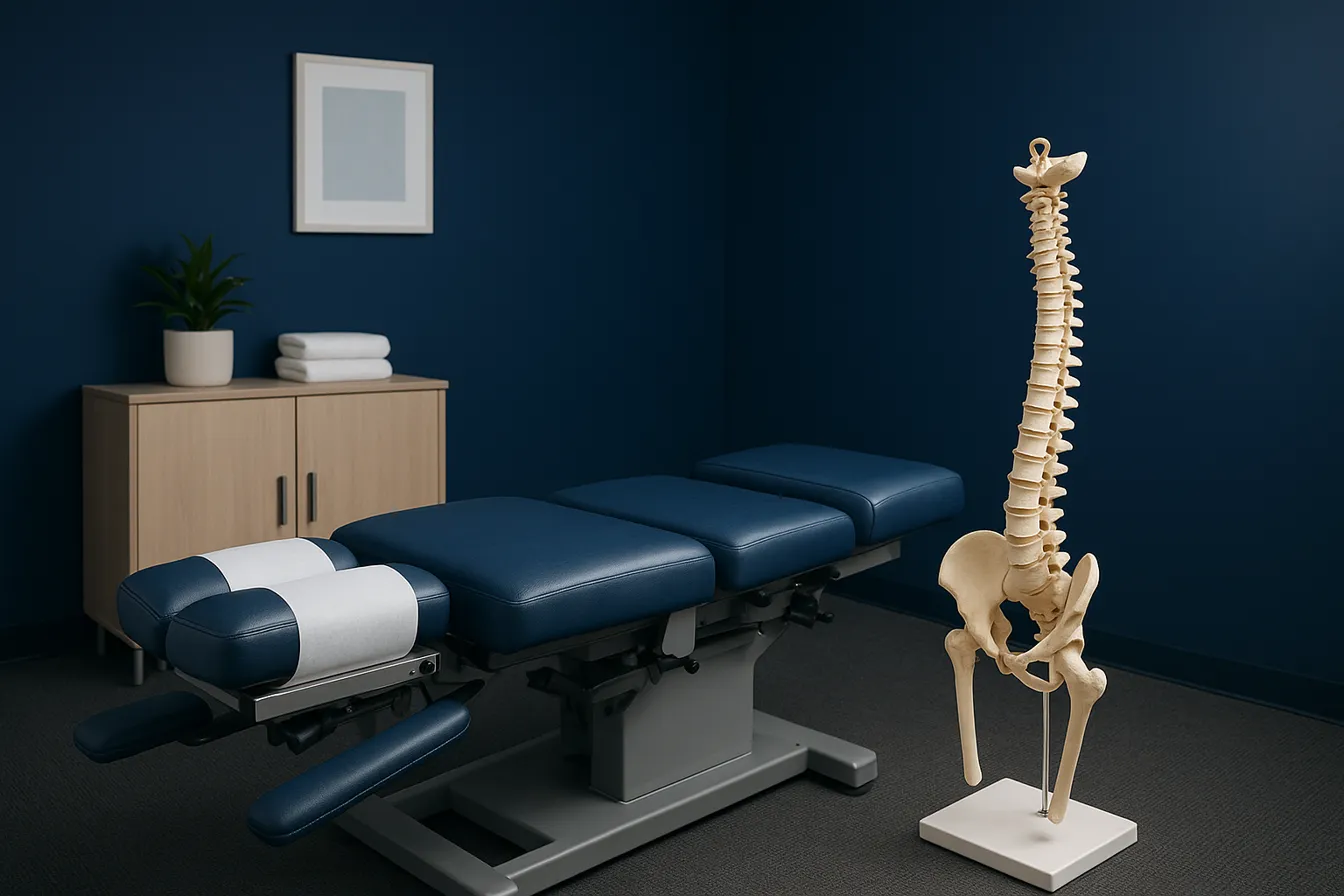
Holistic and Non-Invasive Spine Care Options
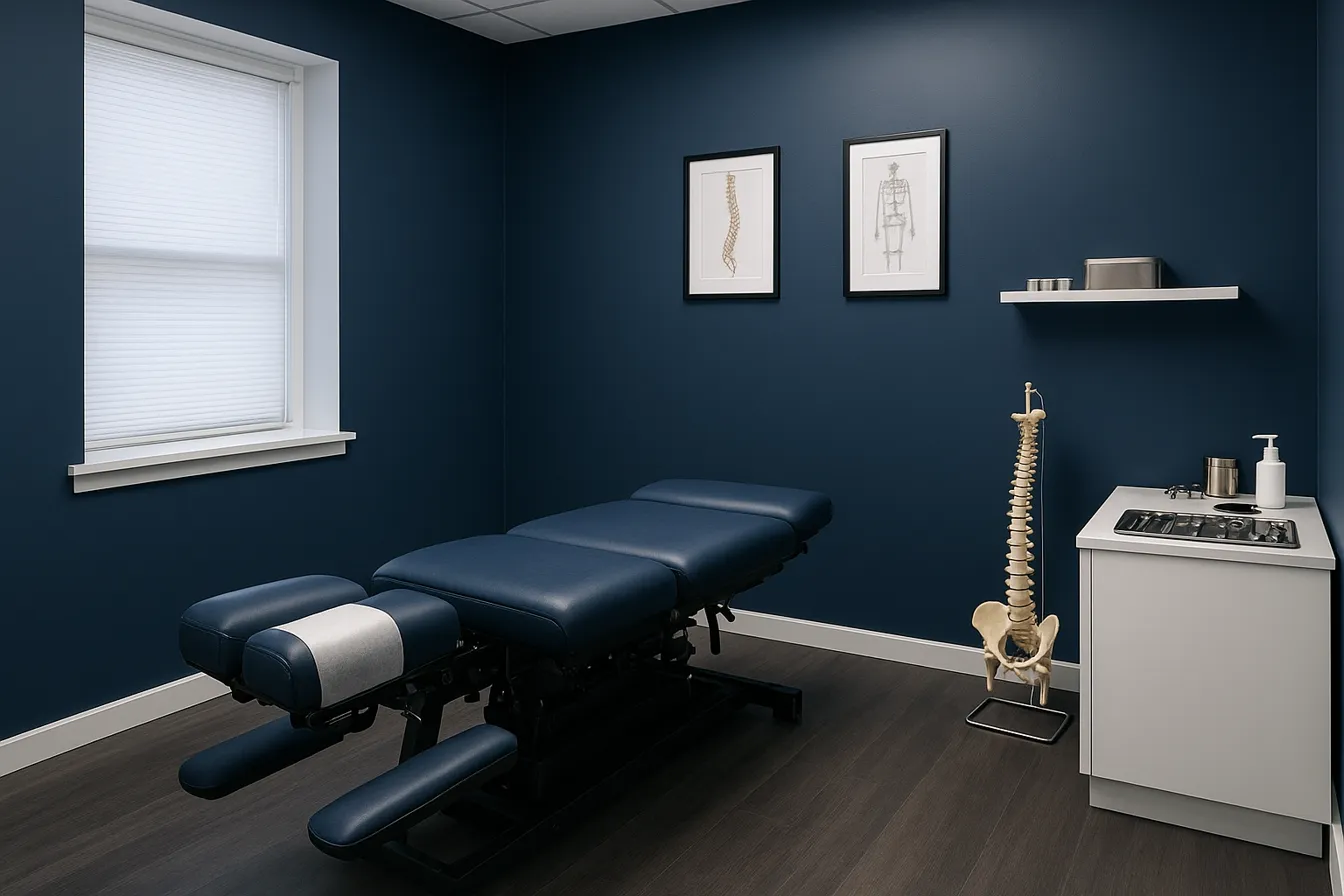
Everyday Lifestyle Advice to Keep Your Spine Healthy
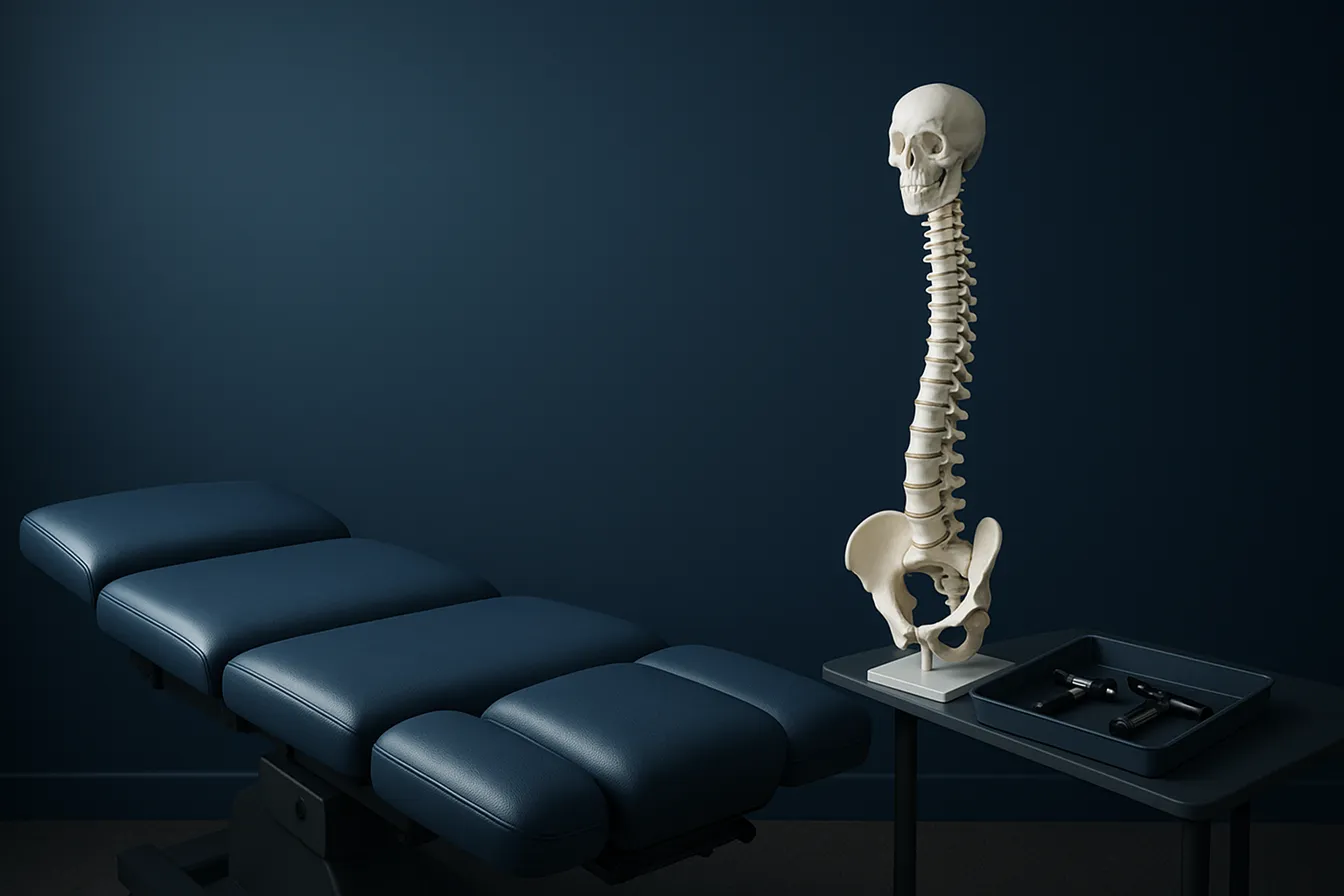
The Significance of Treating Root Causes in Pain Therapy
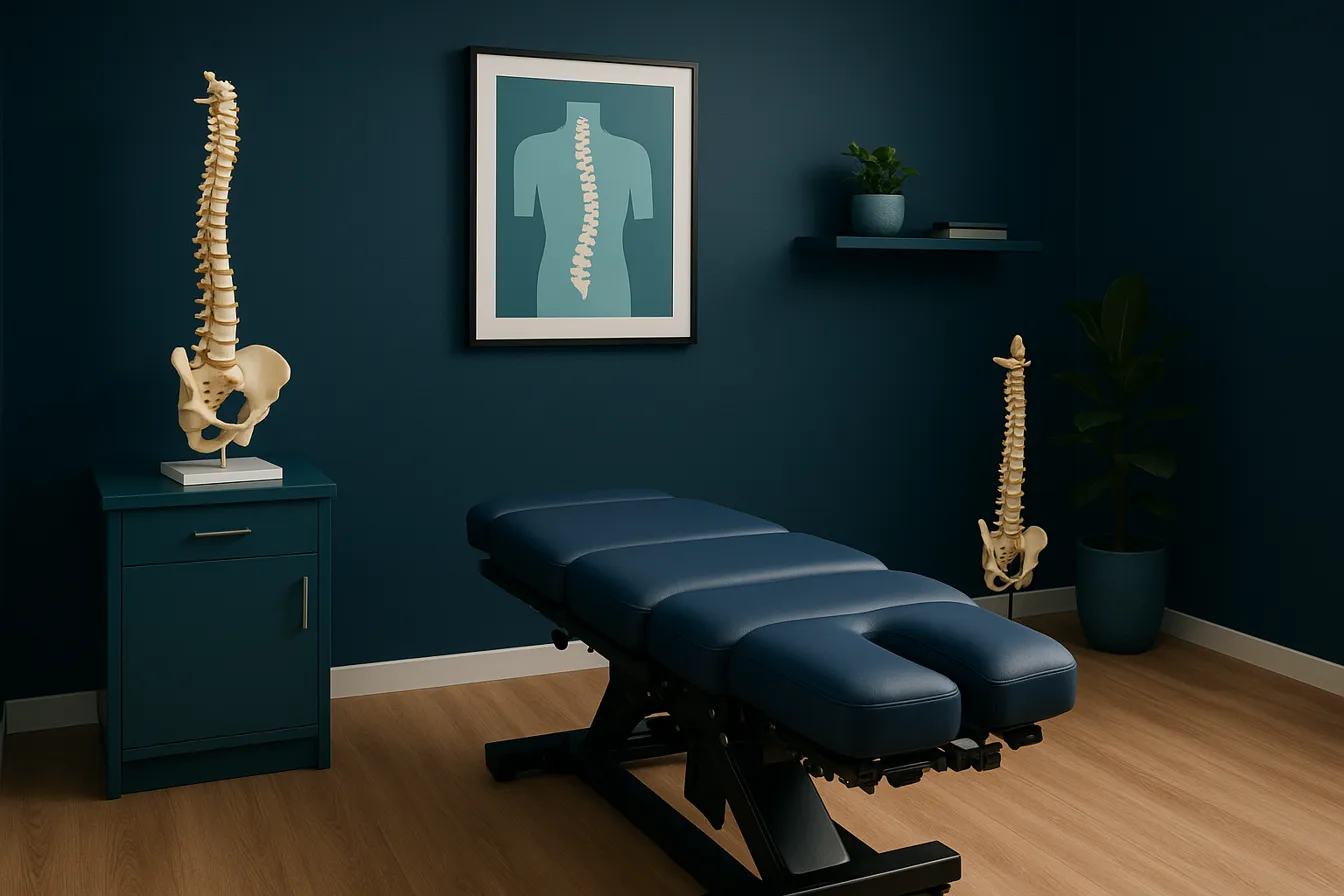
Best Corrective Exercises for Sustainable Pain Management

Addressing Underlying Causes of Pain for Long-Term Relief

6 Key Benefits of Spinal Decompression Therapy for Sciatica Relief

How Nutritional Counseling Supports Spine Health and Recovery

The Role of Physiotherapy in Supporting Chiropractic Treatments