How Targeted Nutrition Enhances Immune Function and Lowers Inflammatory Pain
March 22, 2026
5 min

Why Nutrition Matters for Immune Health and Pain
A growing body of evidence shows that what we eat directly shapes immune cell activity and the intensity of inflammatory pain. Micronutrients such as vitamin A, C, D, zinc, selenium, magnesium and omega‑3 fatty acids support the integrity of mucosal barriers, enhance NK‑cell and T‑cell function, and suppress NF‑κB signaling pathways that drive pro‑inflammatory cytokines (IL‑6, TNF‑α, IL‑1β). Adequate protein and essential amino acids (e.g., arginine, tryptophan) provide the building blocks for antibodies, cytokines and tissue repair, while fiber‑rich foods nurture a healthy gut microbiome that further modulates systemic immunity. In chiropractic practice, these nutritional strategies complement spinal adjustments: reduced systemic inflammation lowers nociceptive input, improves tissue healing, and supports nervous‑system balance, while proper hydration and electrolytes maintain disc elasticity. By integrating targeted anti‑inflammatory nutrition with patient‑centered chiropractic care, clinicians can address both structural and biochemical contributors to musculoskeletal pain, fostering holistic wellness and natural pain relief.
Anti‑Inflammatory Diet Fundamentals

A Mediterranean‑style anti‑inflammatory eating pattern centers on whole, minimally processed foods that supply omega‑3 fatty acids, antioxidants, and fiber while limiting pro‑inflammatory triggers. Core principles include: (1) abundant colorful fruits and vegetables (leafy greens, cruciferous veg, berries), (2) regular servings of fatty fish (salmon, sardines, mackerel) or plant omega‑3 sources (walnuts, flaxseed, chia), (3) extra‑virgin olive oil as the primary fat, (4) legumes, whole grains, and nuts for fiber and micronutrients and (5) herbs and spices such as turmeric (with black pepper), ginger, garlic, and rosemary. These whole‑food choices protect joints, lower systemic cytokines (IL‑6, TNF‑α), and support immune cell function—key for reducing musculoskeletal pain and enhancing chiropractic outcomes.
Key habit to eliminate: the daily intake of refined sugars, processed meats, and trans‑fat‑rich foods, which drive NF‑κB‑mediated inflammation. Replacing these with anti‑inflammatory foods and proper hydration creates a synergistic, body‑centered plan for lasting pain relief.
Fast‑Acting Strategies to Reduce Inflammation
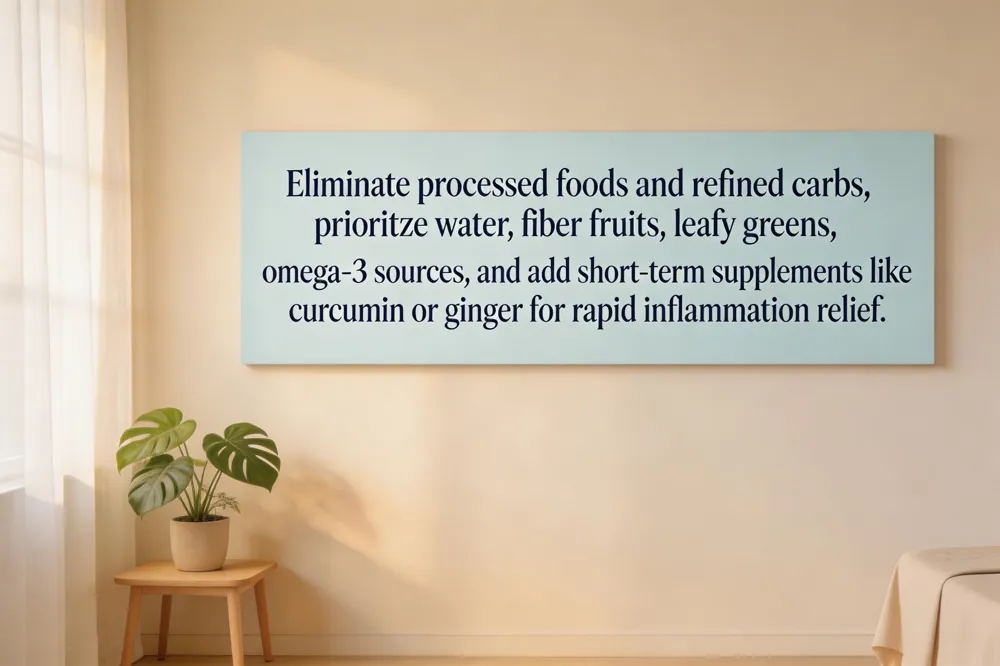
How to reduce inflammation in the body fast: Begin by eliminating processed foods, sugary drinks, and refined carbs. Fill the plate with colorful fruits, leafy vegetables, high‑fiber whole grains (https://www.hopkinsmedicine.org/health/wellness-and-prevention/anti-inflammatory-diet), and omega‑3 sources such as salmon, sardines, chia seeds, or walnuts. Choose steaming, baking, or quick stir‑frying over deep‑fry or high‑heat grilling, stay well‑hydrated, and add a short‑term anti‑inflammatory supplement like turmeric or ginger after consulting your chiropractor. Incorporate gentle movement—brisk walking or light stretching—to improve circulation, and prioritize restorative sleep and stress‑relief (deep breathing, meditation) to curb cortisol‑driven inflammation.
Anti‑inflammatory supplements: Evidence‑based allies include omega‑3 fatty acids (1,000–3,000 mg EPA/DHA daily) (https://www.hopkinsmedicine.org/health/wellness-and-prevention/anti-inflammatory-diet), curcumin (500–1,000 mg with black‑pepper), and vitamin D (1,000–2,000 IU for deficient adults) (https://pmc.ncbi.nlm.nih.gov/articles/PMC9772031/). Other options such as boswellia, bromelain, or cinnamon show promise but require professional guidance.
Morning drink to boost immune system: A warm lemon‑honey‑ginger tea delivers vitamin C, antimicrobial honey, and ginger’s anti‑inflammatory compounds. For a cooler option, blend spinach, banana, berries, and fortified almond milk, adding a pinch of turmeric or cinnamon for extra antioxidants.
How can I boost my immune system in 24 hours: Hydrate with water infused with citrus or cucumber, eat a nutrient‑dense salad with spinach, carrots, bell peppers, berries, and grilled chicken for vitamin C, zinc, beta‑carotene (https://www.healthline.com/health/food-nutrition/foods-that-boost-the-immune-system), and protein, take a 20‑minute brisk walk, practice a few minutes of deep‑breathing, and ensure at least seven hours of quality sleep tonight.
Immune System Basics and Nutrition

A balanced, whole‑food diet supplies the micronutrients that power immune cell development and function. Vitamin A (beta‑carotene) maintains mucosal barriers and promotes Th2 anti‑inflammatory responses; Vitamin C and Vitamin D suppress NF‑κB signaling, lowering IL‑6, TNF‑α, and IFN‑γ while boosting IL‑10. Zinc and Selenium inhibit pro‑inflammatory cytokines and support NK‑cell and T‑cell activity. Omega‑3 polyunsaturated fatty acids (EPA, DHA) from fatty fish, walnuts, and flaxseed reduce eicosanoid production and aid resolution of inflammation.
The gut‑immune connection is reinforced by probiotics (yogurt, kefir, fermented vegetables) that nurture a diverse microbiome, enhancing mucosal immunity and decreasing systemic CRP. Fiber‑rich whole grains and legumes feed beneficial bacteria, generating short‑chain fatty acids that modulate regulatory T‑cells.
Practical daily habits for a resilient immune system include: staying well‑hydrated; drinking water, clear broths, and vitamin‑C‑rich smoothies; consuming a rainbow of fruits, vegetables, nuts, and seeds; moving at least 150 minutes a week; prioritizing 7‑9 hours of sleep; managing stress through mindfulness; and avoiding smoking and excess alcohol. Integrating these nutrition strategies with chiropractic adjustments supports tissue repair, reduces inflammatory pain, and promotes holistic wellness.
Targeted Nutrients for Musculoskeletal Pain

Key micronutrients that temper inflammation and support musculoskeletal health include vitamins A, vitamin C, vitamin D, vitamin B12, vitamin E, zinc, selenium, magnesium, and the amino acids arginine and tryptophan. Vitamin A and Vitamin C preserve mucosal barriers and suppress NF‑κB, Vitamin D shifts Th1 cytokines toward anti‑inflammatory IL‑10, zinc and selenium inhibit IL‑1β and TNF‑α, while magnesium dampens cytokine storms and relaxes muscle tension. Arginine fuels nitric‑oxide production in macrophages, and tryptophan‑derived kynurenines promote immune tolerance. Together they enhance innate cell activity, accelerate collagen synthesis, and lower chronic pain.
Practical food sources: leafy greens, carrots, and sweet potatoes (vit A); citrus, berries, bell peppers (vit C); fatty fish, fortified dairy, sun‑exposed mushrooms (vit D); oysters, pumpkin seeds (zinc); Brazil nuts, sunflower seeds (selenium); nuts, seeds, leafy greens (magnesium); turkey, soy, and nuts (arginine); turkey, dairy, and legumes (tryptophan).
Top 20 immune‑boosting foods: berries, citrus, bell peppers, kiwi, salmon, tuna, walnuts, flaxseeds, spinach, kale, broccoli, garlic, ginger, turmeric, probiotic yogurt, kefir, green tea, dark chocolate, pumpkin seeds, beans, quinoa.
Kids’ immune foods: lean meats, eggs, walnuts, pumpkin seeds, garlic, ginger, carrots, broccoli, sweet potatoes, blueberries, oranges, bell peppers, strawberries, chickpeas, beans, lentils, water.
Five signs of a weak immune system: frequent severe infections, slow‑healing wounds, chronic digestive upset, low blood counts or anemia, recurring viral illnesses or opportunistic infections.
Integrating Nutrition with Chiropractic Care
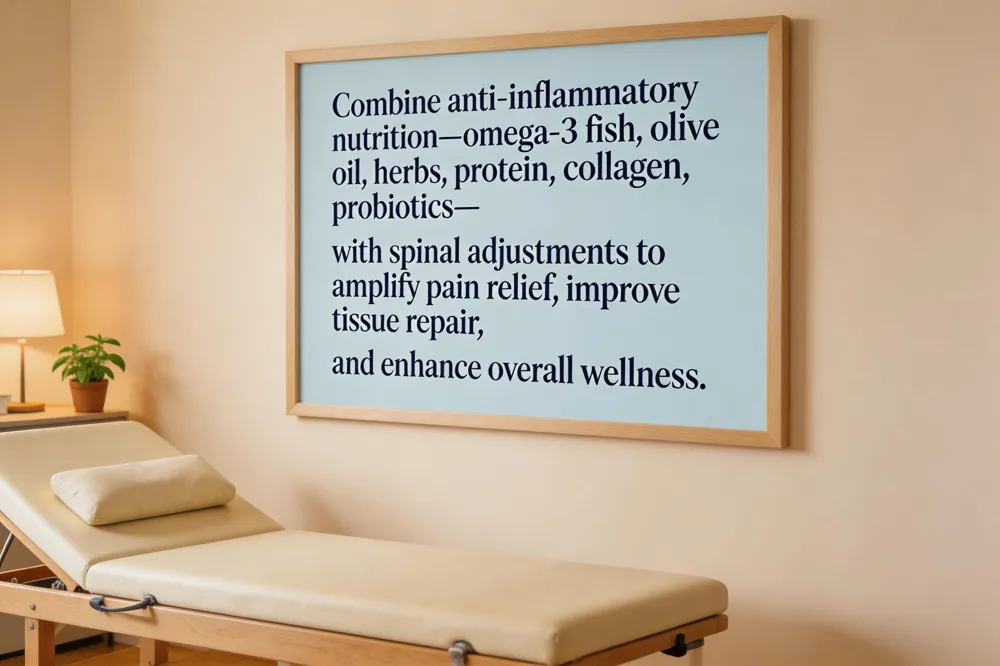
Anti‑inflammatory foods—omega‑3‑rich fish, olive‑oil, berries, leafy greens, turmeric, ginger—lower NF‑κB‑driven cytokines (IL‑6, TNF‑α) and support innate immune cells. When patients receive spinal adjustments that improve joint alignment and nerve signaling, the reduced systemic inflammation amplifies the body’s natural pain‑relief pathways, leading to faster recovery and lower chronic pain scores. Adequate hydration (2–3 L water daily) keeps intervertebral discs supple and facilitates lymphatic clearance of inflammatory metabolites. High‑quality protein (lean poultry, legumes, dairy) supplies essential amino acids for collagen synthesis and muscle repair, while collagen‑rich foods such as bone broth provide glycine and proline that rebuild ligaments and tendons after adjustments. Practical counseling tips for chiropractors include: 1) prescribe a Mediterranean‑style plate with at least three servings of omega‑3 fish per week; 2) encourage 1‑2 L of water plus electrolyte‑rich foods; 3) recommend 0.8–1.2 g protein per kg body weight and a daily collagen source; 4) suggest probiotic‑rich yogurt or kefir to strengthen gut‑immune balance; and 5) use brief food‑frequency checks at each visit to personalize recommendations.
Putting It All Together for Optimal Health
An anti‑inflammatory, nutrient‑dense diet fuels the immune system and eases musculoskeletal pain. Prioritize vitamins A, C, D, zinc, selenium, magnesium, and omega‑3 fatty acids from colorful fruits, leafy greens, fatty fish, nuts, seeds, and fortified foods. Include probiotic‑rich fermented foods, plenty of fiber, and stay hydrated. For Back in Action Bodyworks patients, start each day with a vitamin‑C‑rich smoothie, add a serving of omega‑3 fish or walnuts at lunch, and finish dinner with a probiotic yogurt and turmeric tea. Pair these meals with strengthening exercises and chiropractic adjustments to synergistically reduce inflammation, improve mobility, and support wellness.
Recent articles

10 Real‑Patient Success Stories Showcasing the Impact of Chiropractic Care

Superfoods That Boost Nerve Healing After Chiropractic Sessions

Sleep Positions That Promote a Healthy Back Alignment

Signs Your Chiropractor Is a Good Fit for Your Back Pain Goals

Case Study: Integrated Physiotherapy and Chiropractic for Faster Recovery

First-Time Chiropractic Visit: A Step‑by‑Step Walkthrough

Synergistic Benefits: Combining Physiotherapy with Chiropractic Care

Beyond Surgery: Holistic Approaches to Managing Back Pain

How Manual Therapy Enhances the Effects of Chiropractic Adjustments

Hydration Hacks: Why Water Matters for Joint and Spine Function

What Does a Comprehensive Spinal Evaluation Include?

Success Spotlight: Transformative Results After Six Weeks of Chiropractic Treatment

Understanding the Initial Assessment Process in Chiropractic Care

Designing a Personalized Corrective Exercise Plan for Chronic Pain Management

Natural Pain Management: Combining Acupuncture, Yoga, and Chiropractic

Chiropractic Care vs. Pain Meds: Long-Term Outcomes for Back Pain Sufferers

What to Expect During a Sciatica‑Focused Decompression Session

Understanding the Pain-Relief Mechanics Behind Chiropractic Adjustments

Success Rates of Non‑Surgical Spinal Decompression for Sciatica

Patient-Centered Chiropractic Care: Personalized Plans for Back Pain Relief
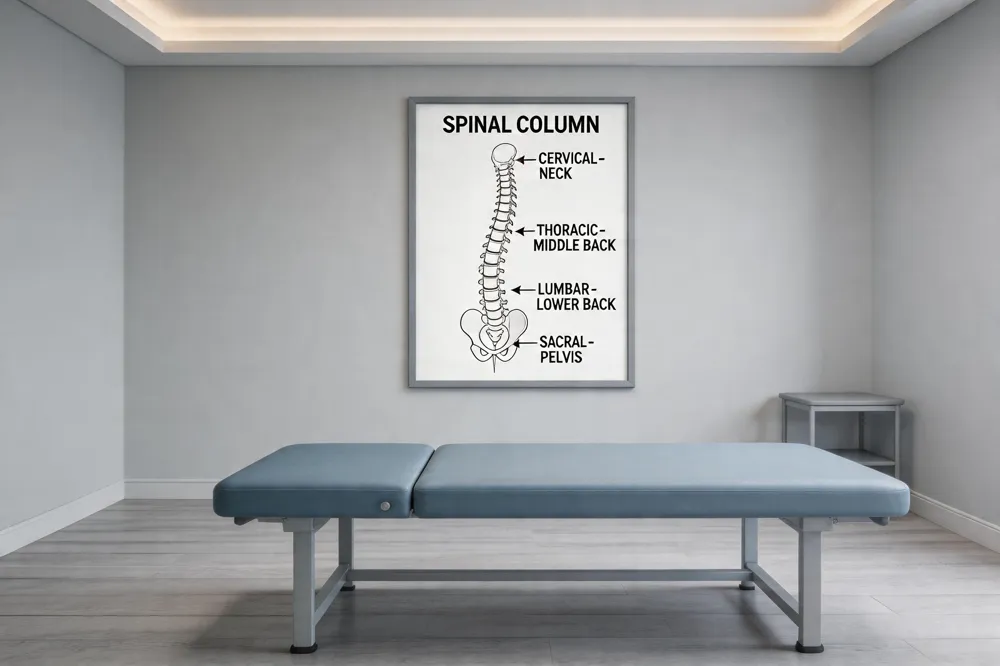
How Chiropractic Treatments Reduce Inflammation and Speed Up Back Pain Recovery

Real‑Life Stories: How Chiropractic Helped Patients Overcome Chronic Back Pain

From Symptom Masking to Root‑Cause Healing: A Practical Guide

6 Holistic Non‑Surgical Treatments That Deliver Sustainable Back‑Pain Relief

Key Questions to Ask When Selecting Your Chiropractor

Mindful Movement: Incorporating Stretch Breaks Into a Busy Day

Why Targeting the Underlying Cause Beats Temporary Symptom Relief

8 Ways Physiotherapy Complements Chiropractic Adjustments for Faster Recovery

Meal Planning for Athletes Recovering from Back Injuries

9 Everyday Lifestyle Tweaks to Preserve a Healthy Spine and Prevent Pain

Functional Movement Screening for Root‑Cause Pain Identification

6 Things You’ll Experience During Your First Chiropractic Appointment

Spinal Decompression vs. Standard Physical Therapy for Sciatica: A Comparative Review

New Findings on How Adjustments Influence Blood Circulation

Work‑From‑Home Ergonomics: A Blueprint for a Pain‑Free Back

The Link Between Chiropractic Care and Improved Sleep Quality

Physiotherapy Techniques That Strengthen the Benefits of Chiropractic Adjustments

Biomechanical Insights Behind Successful Spinal Decompression

Desk‑to‑Dumbbell: Lifestyle Shifts That Guard Your Lower Back

10 Corrective Exercises for Sustainable Pain-Free Living

Morning Routines That Support Spine Health and Reduce Stiffness

Calcium and Magnesium‑Focused Nutrition for Bone Density and Spine Health

9 Ways Chiropractic Care Transforms Back Pain Management

Testimonial: Nutrition‑Guided Recovery Accelerated by Chiropractic

Science‑Backed Spinal Decompression for Relieving Sciatica Symptoms

Key Questions to Ask During Your Initial Chiropractic Consultation

Whole‑Body Wellness Blueprint: Nutrition, Exercise, and Chiropractic Synergy

A 12‑Week Corrective Exercise Blueprint for Chronic Neck Discomfort

Manual Therapy Plus Targeted Exercise: Accelerating Post‑Injury Recovery

Home‑Based Spinal Decompression Devices: What Patients Should Know

Chiropractic Care Statistics: Reducing Lost Workdays From Back Pain
How Targeted Nutrition Enhances Immune Function and Lowers Inflammatory Pain

Self‑Assessment Tools to Identify Hidden Triggers of Back Pain

Preparing for Your First Chiropractic Appointment: A Practical Checklist

Back Pain Relief Benefits: Lower Opioid Use and Better Quality of Life

Foam‑Rolling Techniques to Complement Chiropractic Adjustments

Progressive Overload Principles in Corrective Exercise Programs

Six‑Month Transformation: Integrated Care Success Story

7 Nutritional Hacks to Boost Your Overall Wellness

How to Choose a Chiropractor: Credentials, Techniques, and Patient Compatibility

5 Ways Spinal Decompression Can Ease Sciatica Pain

Overcoming Sciatica: A Patient’s Multidisciplinary Treatment Journey
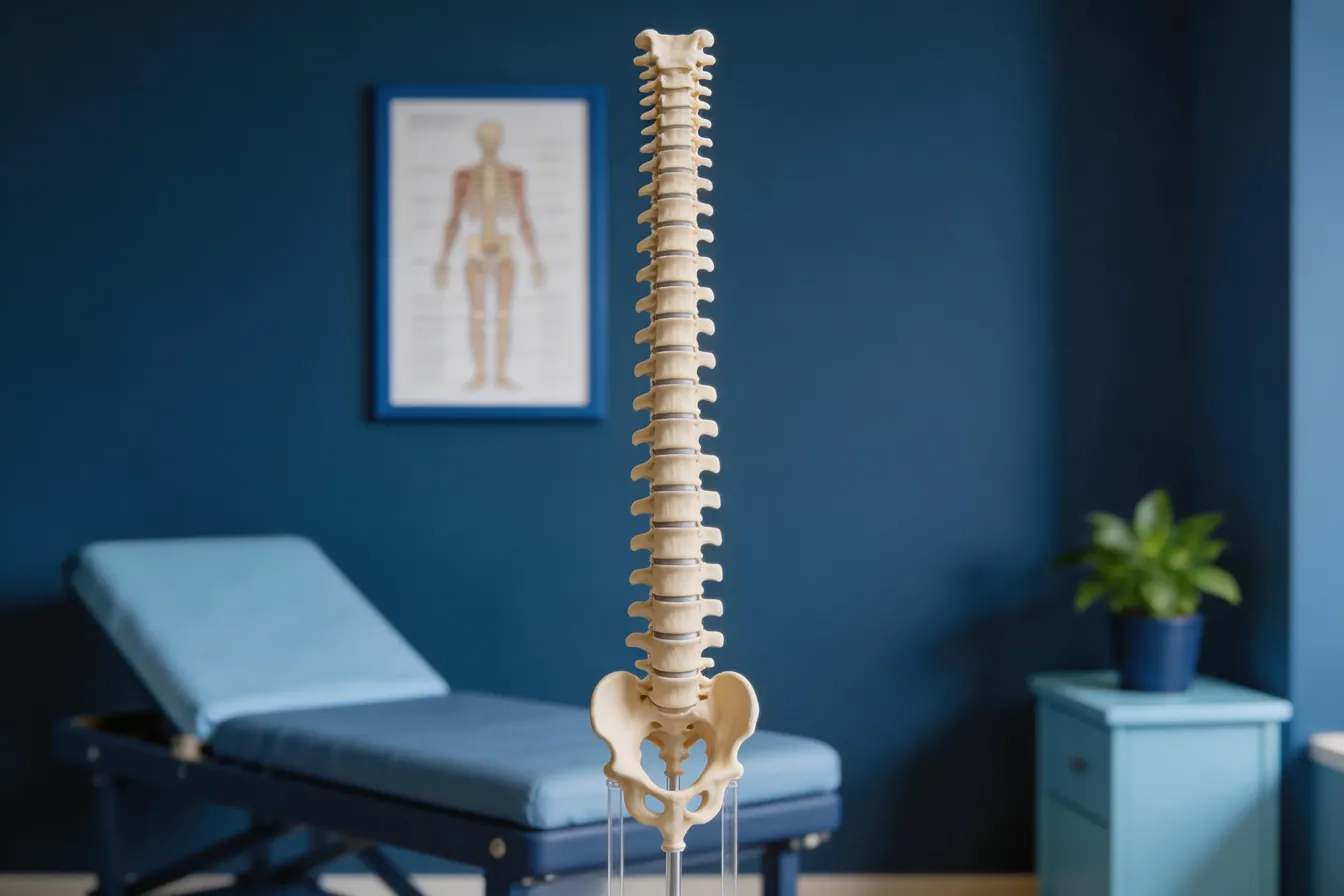
Lifestyle Changes That Promote a Healthy Spine
Physiotherapy as a Complement to Chiropractic Treatments

6 Ways Physiotherapy Enhances Chiropractic Treatment Outcomes

Daily Living Tips for a Strong and Healthy Spine

How Physiotherapy Enhances Chiropractic Outcomes
Holistic Treatments: Alternatives to Surgery for Pain Relief

Inspiring Patient Success Stories from Chiropractic Clinics

Integrating Physiotherapy with Chiropractic Treatments
Corrective Exercise Routines for Chronic Pain Prevention
10 Corrective Exercises to Maintain a Healthy Spine and Relieve Pain

Exercise Strategies for Long-Term Pain Management
10 Corrective Exercises to Maintain a Healthy Spine and Relieve Pain

The Importance of Treating the Root Cause of Pain

Nutritional Support Strategies for Whole-Body Wellness

7 Essential Questions to Ask When Choosing Your Chiropractor

Identifying and Addressing Root Causes of Pain
Maintaining a Healthy Spine with Lifestyle Adjustments

Sciatica Symptom Relief via Spinal Decompression

8 Reasons Why Addressing the Root Cause of Pain Is Crucial

Chiropractic Care’s Impact on Back Pain Recovery

Combining Physiotherapy with Chiropractic Care for Better Results

Inspiring Recovery: Chiropractic Patient Testimonials
Nutritional Counseling Tips for Optimal Wellness

Why Addressing the Root Cause of Pain is Crucial

Back Pain and Chiropractic Care: A Winning Combination

Chiropractic Care Benefits You Might Not Know

Exploring Holistic and Non-Surgical Treatments for Pain

Spinal Health: Lifestyle Tips for Everyday Wellness
Spinal Decompression Therapy: Benefits and Applications
Holistic and Non-Invasive Spine Care Options
Everyday Lifestyle Advice to Keep Your Spine Healthy

The Significance of Treating Root Causes in Pain Therapy
Best Corrective Exercises for Sustainable Pain Management

Addressing Underlying Causes of Pain for Long-Term Relief

6 Key Benefits of Spinal Decompression Therapy for Sciatica Relief

How Nutritional Counseling Supports Spine Health and Recovery

The Role of Physiotherapy in Supporting Chiropractic Treatments