Patient-Centered Chiropractic Care: Personalized Plans for Back Pain Relief
April 21, 2026
7 min

Understanding Patient‑Centered Care
Patient‑centered care means placing the individual’s values, preferences, and unique health history at the core of every clinical decision. In chiropractic practice this approach builds trust, improves adherence, and leads to better pain‑relief outcomes. Personalized treatment plans begin with a comprehensive assessment—posture, movement, neurological and orthopedic evaluation—followed by a customized blend of spinal adjustments, low‑impact aerobic activity, therapeutic stretching, and anti‑inflammatory lifestyle counseling. Ongoing monitoring of pain levels, mobility and functional ability lets the chiropractor fine‑tune the plan, ensuring it evolves with the patient’s progress and goals. By integrating nutrition, hydration, mindfulness and ergonomic guidance, patient‑centered chiropractic care delivers holistic, drug‑free relief while empowering patients to take an active role in their long‑term spinal health.
Personalized Stretching and Exercise Routines
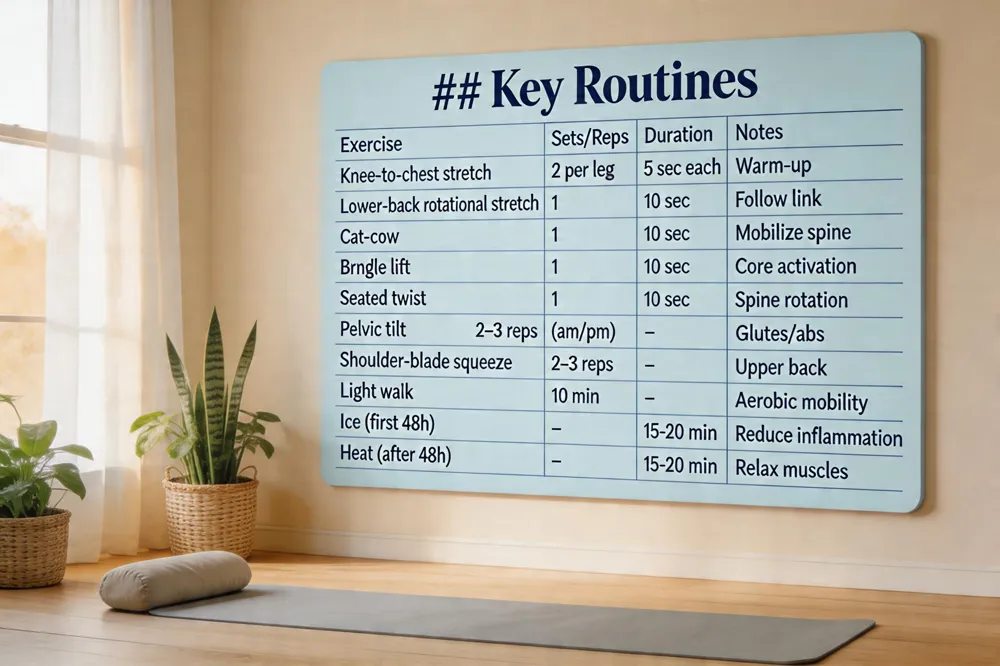 A patient‑centered approach to back‑pain relief begins with gentle daily stretches that target tension and improve mobility. Start each session with a knee‑to‑chest stretch (5 seconds each leg, then both together), followed by a lower‑back rotational stretch and the classic cat‑cow movement on all fours. Finish with a bridge lift and a seated twist, holding each pose for 10 seconds; repeat the sequence twice a day for lasting relief.
Core‑strengthening and mobility exercises are essential for both upper and lower back health. Pelvic tilts, bridge lifts, and shoulder‑blade squeezes activate the abdominal, gluteal, and upper‑back muscles that support the spine. Performing 2–3 repetitions in the morning and evening, gradually increasing to 10–15, provides safe, progressive strengthening without overloading tissues.
Home‑based routines offer fast relief when combined with heat/cold therapy. Apply an ice pack for the first 48 hours, then switch to a heating pad for 15‑20 minutes to relax tight muscles. Light aerobic activity, such as a 10‑minute walk, keeps the spine mobile and reduces stiffness.
Upper‑back discomfort responds well to gentle spinal adjustments by a skilled chiropractor, complemented by at‑home shoulder rolls, neck rotations, and overhead reaches. Maintaining good posture, using ergonomic workstations, and incorporating anti‑inflammatory foods like leafy greens and berries support long‑term recovery. For personalized guidance, consider a comprehensive evaluation at Back in Action Bodyworks, where individualized chiropractic, exercise, and lifestyle plans are crafted to each patient's unique needs.
Local Chiropractic Options in Torrance
The Joint Chiropractic Torrance
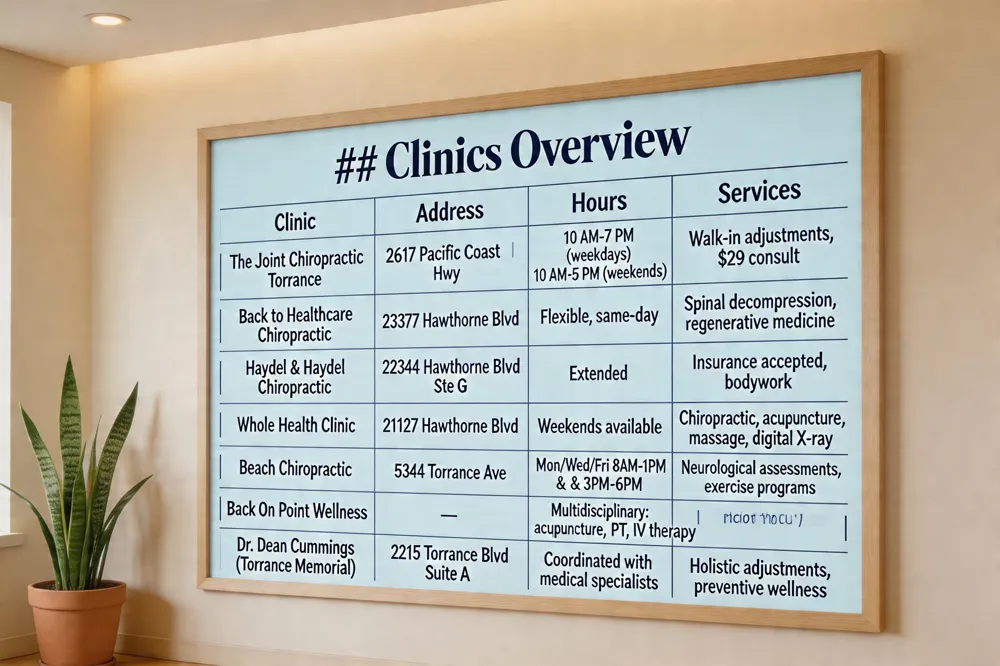
The Joint Chiropractic in Torrance is a walk‑in clinic at 2617 Pacific Coast Highway, offering affordable, no‑insurance chiropractic care. Licensed doctors provide personalized adjustments for back pain, neck pain, sciatica and headaches. Extended evening hours (10 AM‑7 PM weekdays, 10 AM‑5 PM weekends) and a $29 initial consultation make it convenient for busy South Bay residents.
Chiropractor Torrance Hawthorne Blvd
Hawthorne Boulevard hosts several reputable practices. Back to Healthcare Chiropractic (23377 Hawthorne Blvd.) offers natural pain‑relief, spinal decompression and regenerative medicine under Dr. Brad Barez. Haydel & Haydel Chiropractic (22344 Hawthorne Blvd., Ste G) provides chiropractic bodywork with insurance acceptance. Whole Health Clinic (21127 Hawthorne Blvd.) combines chiropractic, acupuncture and massage, featuring a digital X‑ray machine. All three offices provide same‑day or weekend appointments for urgent musculoskeletal concerns.
Beach Chiropractic Torrance
Beach Chiropractic (5344 Torrance Ave.) is led by Dr. Deborah J. Beach, a chiropractic neurologist. The clinic blends spinal adjustments, neurological assessments and personalized exercise programs. Patients praise the gentle technique, comprehensive self‑care education and flexible hours (e.g., Mon/Wed/Fri 8 AM‑1 PM & 3 PM‑6 PM). High Yelp and Google ratings reflect consistent success in restoring pain‑free, active lives.
Best chiropractor Torrance
Back to Healthcare Chiropractic stands out as a trusted, long‑standing provider. Since 1994 Dr. Brad Barez has earned multiple “best chiropractor” honors, offering spinal adjustments, regenerative medicine and same‑day appointments. For a multidisciplinary wellness center, Back On Point Wellness integrates chiropractic with acupuncture, physical therapy and IV therapy, all tailored to individual health goals.
Torrance Memorial chiropractor
Dr. Dean Cummings, DC, practices at 2215 Torrance Blvd., Suite A, and participates in the Torrance Memorial IPA. He coordinates care with the medical center’s specialists, offering holistic spinal adjustments, therapeutic exercises and preventive wellness services for South Bay patients.
Integrated Multimodal Therapies
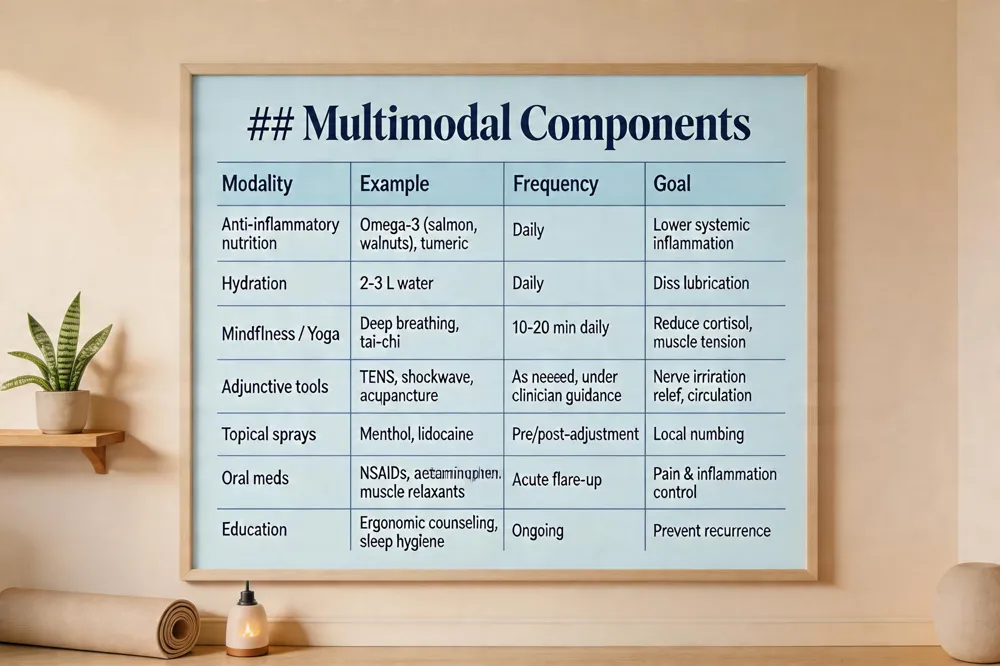 A truly patient‑centered back‑pain program blends nutrition, mind‑body practice, targeted adjuncts and safe medication use.
Anti‑inflammatory nutrition and hydration – Omega‑3‑rich foods (salmon, walnuts, flaxseeds), berries, leafy greens, broccoli, turmeric and ginger lower systemic inflammation, while adequate water keeps intervertebral discs lubricated and reduces stiffness.
Mindfulness, yoga, and stress reduction – Daily deep‑breathing, meditation, yoga or tai‑chi lower cortisol‑driven muscle tension, improve body awareness and support the emotional coping needed for chronic pain.
Adjunctive modalities – Evidence‑based tools such as TENS units, low‑intensity shockwave therapy, and acupuncture complement spinal adjustments by easing nerve irritation, promoting circulation and diminishing flare‑ups. At Back in Action Bodyworks we integrate these modalities based on each patient’s response.
Medication considerations and safety – Over‑the‑counter NSAIDs or acetaminophen are first‑line for acute inflammation; stronger agents (muscle relaxants, low‑dose opioids) are reserved for short‑term use under strict supervision due to side‑effect and dependence risks. Always discuss any drug regimen with your chiropractor to ensure it aligns with your personalized plan.
Chronic back pain treatment – Combine regular core‑strengthening, low‑impact aerobic activity and spinal adjustments with the above nutrition, mindfulness and adjunctive therapies for sustainable relief and functional restoration.
Back‑pain‑relief spray – Topical sprays containing menthol, lidocaine or botanical extracts provide fast, localized numbing and can be applied before or after adjustments to keep muscles relaxed.
Back‑pain‑relief machine – Home TENS units deliver mild electrical currents that temporarily block pain signals; they are safest when used under a clinician’s guidance.
Acupuncture Torrance – Licensed acupuncturists in Torrance offer needle‑based and electro‑acupuncture treatments that reduce inflammation and support spinal health, making them a valuable adjunct to chiropractic care.
Pain killers for back pain – NSAIDs, acetaminophen, and muscle relaxants are preferred; opioids are limited to severe, short‑term cases and require close monitoring.
Strong painkillers for back pain – Opioids such as hydrocodone or oxycodone carry high addiction risk and should only be prescribed after weighing benefits versus harms.
Back‑pain‑relief tablets – OTC tablets (ibuprofen, naproxen) address inflammation; prescription tablets are reserved for persistent pain and always paired with non‑drug strategies.
Back‑pain‑relief products – Heat/cold packs, braces, topical creams and wearable massagers provide drug‑free options that reinforce the overall multimodal plan.
Patient Monitoring, Feedback, and Safety
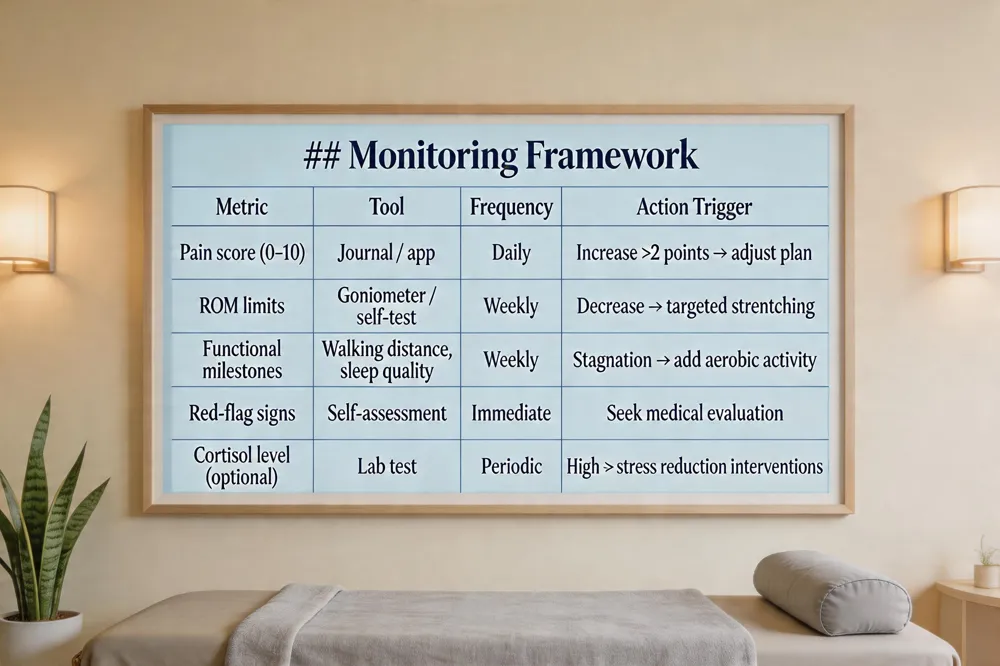 Effective back‑pain management hinges on ongoing monitoring, clear communication, and safety awareness. Patients are encouraged to log daily pain scores, range‑of‑motion limits, and functional milestones (e.g., walking distance, sleep quality) using a journal or mobile app; this data guides timely adjustments to spinal adjustments, therapeutic exercises, and lifestyle recommendations. For an acute flare‑up, the first 48‑72 hours should focus on gentle rest, ice application to curb inflammation, and avoidance of aggravating movements. Once swelling eases, transition to heat therapy, light walking, and gentle stretching—preferably under the guidance of a chiropractor or physical therapist—to restore mobility without risking re‑injury. Red‑flag signs—sudden weakness, numbness, loss of bladder or bowel control, unexplained weight loss, fever, or pain that worsens despite self‑care—require immediate medical evaluation, as they may indicate serious pathology. Holistic wellness also plays a role: spinal adjustments have been linked to modest reductions in cortisol, the primary stress hormone, supporting better mood and lower muscle tension. Integrating nutrition (omega‑3‑rich foods), hydration, and mindfulness practices further reduces inflammation and enhances recovery, creating a comprehensive, patient‑centered pathway to lasting back‑pain relief.
Personalized Path Forward
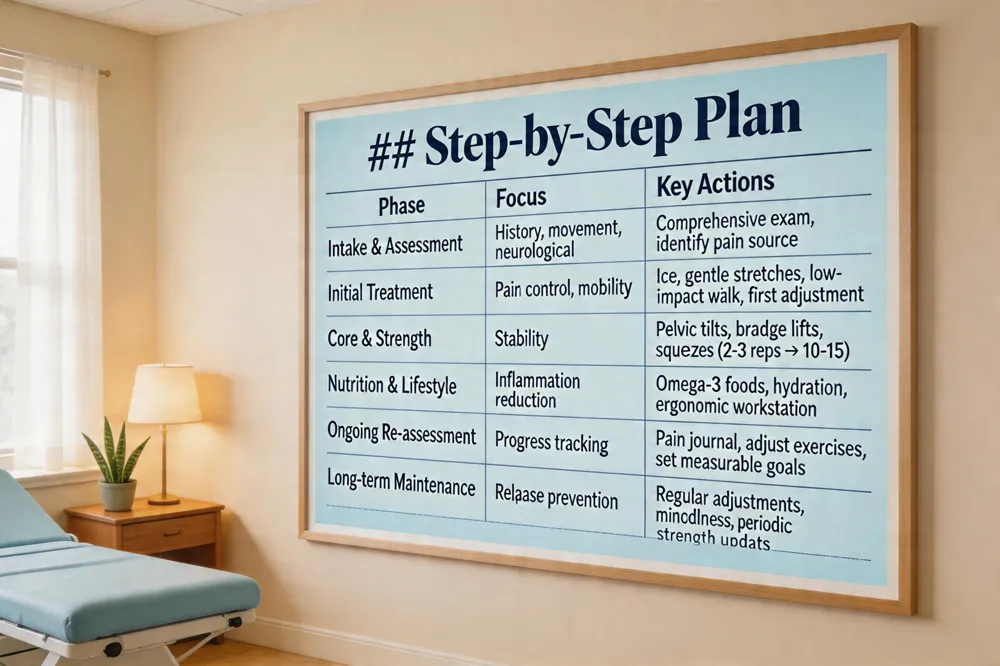
Step‑by‑step plan creation
Developing a personalized back‑pain plan begins with a comprehensive intake that captures medical history, daily activities, and specific pain triggers. A detailed movement assessment followed by neurological and orthopedic tests identifies the root cause—whether muscle strain, poor posture, herniated disc, or sciatica. Based on these findings, a customized regimen is drafted that blends spinal adjustments, low‑impact aerobic activity, targeted stretching, and core‑strengthening exercises. Anti‑inflammatory nutrition (omega‑3‑rich salmon, walnuts, leafy greens) and adequate hydration are woven into the plan, while mindfulness practices such as deep‑breathing or yoga address stress‑related muscle tension.
Getting started at Back in Action Bodyworks
If you’re searching for a chiropractor near you in Torrance, California, Back in Action Bodyworks offers a patient‑centered chiropractic model. The clinic’s experienced practitioner conducts a thorough examination, then creates a holistic, individualized roadmap that may include adjustments, soft‑tissue therapy, ergonomic counseling, and lifestyle coaching. Flexible 24/7 online booking and multi‑channel communication (phone, text, portal) ensure easy access for busy schedules.
Continuous reassessment and goal setting
Pain levels, mobility, and functional ability are monitored at each visit using pain journals or digital apps. Regular check‑ins allow the care team to adjust exercise intensity, modify nutritional guidance, and refine ergonomic recommendations. By setting measurable benchmarks and involving patients in shared decision‑making, Back in Action Bodyworks maintains a dynamic plan that evolves with the patient’s progress, fostering lasting relief and improved quality of life.
Your Journey to Pain‑Free Living Starts Today
Patient‑centered chiropractic care puts your values, lifestyle and pain goals at the core of every decision. By tailoring adjustments, therapeutic exercises, nutrition advice and stress‑management techniques to your unique triggers, you achieve faster pain reduction, improved function and higher satisfaction. Consistency is key: regular visits, daily home‑exercise, proper hydration and mindful posture keep the spine supported and prevent flare‑ups. Open communication—through phone, text, patient portal or in‑office discussion—allows the clinician to fine‑tune the plan as you progress. Take the first step toward lasting relief; book a personalized assessment today and start your journey to pain‑free living for a healthier future.
Recent articles

10 Real‑Patient Success Stories Showcasing the Impact of Chiropractic Care

Superfoods That Boost Nerve Healing After Chiropractic Sessions

Sleep Positions That Promote a Healthy Back Alignment
Signs Your Chiropractor Is a Good Fit for Your Back Pain Goals

Case Study: Integrated Physiotherapy and Chiropractic for Faster Recovery
First-Time Chiropractic Visit: A Step‑by‑Step Walkthrough
Synergistic Benefits: Combining Physiotherapy with Chiropractic Care

Beyond Surgery: Holistic Approaches to Managing Back Pain

How Manual Therapy Enhances the Effects of Chiropractic Adjustments

Hydration Hacks: Why Water Matters for Joint and Spine Function

What Does a Comprehensive Spinal Evaluation Include?

Success Spotlight: Transformative Results After Six Weeks of Chiropractic Treatment

Understanding the Initial Assessment Process in Chiropractic Care

Designing a Personalized Corrective Exercise Plan for Chronic Pain Management

Natural Pain Management: Combining Acupuncture, Yoga, and Chiropractic

Chiropractic Care vs. Pain Meds: Long-Term Outcomes for Back Pain Sufferers

What to Expect During a Sciatica‑Focused Decompression Session

Understanding the Pain-Relief Mechanics Behind Chiropractic Adjustments

Success Rates of Non‑Surgical Spinal Decompression for Sciatica
Patient-Centered Chiropractic Care: Personalized Plans for Back Pain Relief
How Chiropractic Treatments Reduce Inflammation and Speed Up Back Pain Recovery

Real‑Life Stories: How Chiropractic Helped Patients Overcome Chronic Back Pain

From Symptom Masking to Root‑Cause Healing: A Practical Guide

6 Holistic Non‑Surgical Treatments That Deliver Sustainable Back‑Pain Relief

Key Questions to Ask When Selecting Your Chiropractor

Mindful Movement: Incorporating Stretch Breaks Into a Busy Day

Why Targeting the Underlying Cause Beats Temporary Symptom Relief

8 Ways Physiotherapy Complements Chiropractic Adjustments for Faster Recovery
Meal Planning for Athletes Recovering from Back Injuries

9 Everyday Lifestyle Tweaks to Preserve a Healthy Spine and Prevent Pain

Functional Movement Screening for Root‑Cause Pain Identification

6 Things You’ll Experience During Your First Chiropractic Appointment

Spinal Decompression vs. Standard Physical Therapy for Sciatica: A Comparative Review

New Findings on How Adjustments Influence Blood Circulation
Work‑From‑Home Ergonomics: A Blueprint for a Pain‑Free Back

The Link Between Chiropractic Care and Improved Sleep Quality

Physiotherapy Techniques That Strengthen the Benefits of Chiropractic Adjustments

Biomechanical Insights Behind Successful Spinal Decompression

Desk‑to‑Dumbbell: Lifestyle Shifts That Guard Your Lower Back

10 Corrective Exercises for Sustainable Pain-Free Living

Morning Routines That Support Spine Health and Reduce Stiffness

Calcium and Magnesium‑Focused Nutrition for Bone Density and Spine Health

9 Ways Chiropractic Care Transforms Back Pain Management

Testimonial: Nutrition‑Guided Recovery Accelerated by Chiropractic
Science‑Backed Spinal Decompression for Relieving Sciatica Symptoms

Key Questions to Ask During Your Initial Chiropractic Consultation
Whole‑Body Wellness Blueprint: Nutrition, Exercise, and Chiropractic Synergy

A 12‑Week Corrective Exercise Blueprint for Chronic Neck Discomfort

Manual Therapy Plus Targeted Exercise: Accelerating Post‑Injury Recovery
Home‑Based Spinal Decompression Devices: What Patients Should Know

Chiropractic Care Statistics: Reducing Lost Workdays From Back Pain

How Targeted Nutrition Enhances Immune Function and Lowers Inflammatory Pain

Self‑Assessment Tools to Identify Hidden Triggers of Back Pain
Preparing for Your First Chiropractic Appointment: A Practical Checklist

Back Pain Relief Benefits: Lower Opioid Use and Better Quality of Life

Foam‑Rolling Techniques to Complement Chiropractic Adjustments

Progressive Overload Principles in Corrective Exercise Programs

Six‑Month Transformation: Integrated Care Success Story

7 Nutritional Hacks to Boost Your Overall Wellness

How to Choose a Chiropractor: Credentials, Techniques, and Patient Compatibility

5 Ways Spinal Decompression Can Ease Sciatica Pain

Overcoming Sciatica: A Patient’s Multidisciplinary Treatment Journey
Lifestyle Changes That Promote a Healthy Spine
Physiotherapy as a Complement to Chiropractic Treatments
6 Ways Physiotherapy Enhances Chiropractic Treatment Outcomes

Daily Living Tips for a Strong and Healthy Spine
How Physiotherapy Enhances Chiropractic Outcomes
Holistic Treatments: Alternatives to Surgery for Pain Relief
Inspiring Patient Success Stories from Chiropractic Clinics

Integrating Physiotherapy with Chiropractic Treatments
Corrective Exercise Routines for Chronic Pain Prevention
10 Corrective Exercises to Maintain a Healthy Spine and Relieve Pain
Exercise Strategies for Long-Term Pain Management
10 Corrective Exercises to Maintain a Healthy Spine and Relieve Pain
The Importance of Treating the Root Cause of Pain
Nutritional Support Strategies for Whole-Body Wellness
7 Essential Questions to Ask When Choosing Your Chiropractor
Identifying and Addressing Root Causes of Pain
Maintaining a Healthy Spine with Lifestyle Adjustments
Sciatica Symptom Relief via Spinal Decompression
8 Reasons Why Addressing the Root Cause of Pain Is Crucial
Chiropractic Care’s Impact on Back Pain Recovery

Combining Physiotherapy with Chiropractic Care for Better Results
Inspiring Recovery: Chiropractic Patient Testimonials
Nutritional Counseling Tips for Optimal Wellness

Why Addressing the Root Cause of Pain is Crucial
Back Pain and Chiropractic Care: A Winning Combination

Chiropractic Care Benefits You Might Not Know
Exploring Holistic and Non-Surgical Treatments for Pain
Spinal Health: Lifestyle Tips for Everyday Wellness
Spinal Decompression Therapy: Benefits and Applications
Holistic and Non-Invasive Spine Care Options
Everyday Lifestyle Advice to Keep Your Spine Healthy
The Significance of Treating Root Causes in Pain Therapy
Best Corrective Exercises for Sustainable Pain Management

Addressing Underlying Causes of Pain for Long-Term Relief
6 Key Benefits of Spinal Decompression Therapy for Sciatica Relief

How Nutritional Counseling Supports Spine Health and Recovery
The Role of Physiotherapy in Supporting Chiropractic Treatments