First-Time Chiropractic Visit: A Step‑by‑Step Walkthrough
May 4, 2026
5 min

Welcome to Your First Visit
Your first appointment at Back in Action Bodyworks is designed to be a calm, unrushed experience that lays the foundation for lasting wellness. The visit begins with a brief intake form and a friendly greeting, then moves into a thorough consultation where the chiropractor listens to your pain story, health goals, and lifestyle factors. A comprehensive physical exam follows, covering posture, range of motion, muscle balance, neurological checks, and, when indicated, imaging. This detailed assessment ensures that no red‑flag condition is missed and that the treatment plan is truly individualized. By taking time to understand the whole person—body, mind, and social context—the clinic follows a biopsychosocial model, integrating spinal adjustments, soft‑tissue work, and wellness counseling to address the root cause of discomfort naturally and support a healthier, more active lifestyle.
Arriving and Preparing for Your Appointment

Before stepping into the clinic, most offices let you complete new‑patient paperwork online, which speeds up check‑in and gives the chiropractor a chance to review your health history ahead of time. If you prefer to fill it out in‑office, arrive 10‑15 minutes early so you can finish the forms without feeling rushed. Bring a photo ID, your insurance card, and a list of current medications, supplements, and any recent imaging (X‑rays, MRIs) you have. This documentation helps the practitioner understand your condition and avoid duplicate studies. Dress in loose, breathable clothing—athletic wear, yoga pants, leggings, or a soft t‑shirt are ideal—so the chiropractor can assess range of motion and perform adjustments without restriction. Avoid tight jeans, bulky sweaters, or jewelry that could interfere with the table. Finally, sip water before you arrive; staying hydrated supports muscle pliability and can lessen post‑adjustment soreness.
The Initial Consultation and Examination

When you walk into the office, the first step is a thorough health‑history interview. The chiropractor asks about the onset, location, and quality of your pain, past injuries, surgeries, medications, lifestyle habits, and health goals. This conversation builds a complete picture of the factors that may be influencing your musculoskeletal health.
Next comes a focused physical exam. A postural analysis checks shoulder height, head tilt, pelvic level and foot alignment. Range‑of‑motion testing of the spine and major joints reveals asymmetries, while muscle‑tone assessment identifies tight or weak areas. Neurological checks (reflexes, sensory screening) and Orthopedic provocation tests help rule out red‑flag conditions such as nerve compression or instability.
If the exam suggests a structural issue, the chiropractor may order X‑rays or other imaging, but only when clinically indicated. After all findings are gathered, the practitioner explains the diagnosis in plain language, linking posture, movement patterns, and any imaging results to your symptoms. A personalized treatment plan is then outlined, including the frequency of adjustments, home‑exercise recommendations, and lifestyle tweaks.
What does a chiropractor do during an appointment? The chiropractor reviews your health history, performs the exam described above, may order imaging, explains findings, and—if safe—delivers a gentle adjustment using hand‑ or instrument‑assisted techniques. You may hear harmless popping sounds as joint gas releases. Post‑adjustment soreness is mild and short‑lived, and many patients feel immediate relief.
What should I expect at my first chiropractic appointment? Expect to fill out intake paperwork, discuss your pain and goals, undergo a posture, motion, and tone exam, possibly have imaging ordered, receive a clear explanation of findings, and leave with a customized care plan that may include a first adjustment. The initial visit usually lasts 45‑60 minutes, while follow‑up appointments are shorter.
Imaging, Diagnosis and the Decision to Adjust
During the first visit the chiropractor gathers a detailed health history and performs a thorough physical exam. Imaging—usually digital X‑rays, and, when soft‑tissue injury is suspected, MRI—is ordered only when clinically indicated, such as after recent trauma, persistent red‑flag symptoms (e.g., unexplained weight loss, fever, numbness, or a history of cancer), or when the exam reveals possible instability or a deformity. X‑rays help map spinal curves, assess alignment, and rule out fractures or severe degeneration, while MRI can clarify disc or nerve involvement. All findings are interpreted within a biopsychosocial framework that considers physical, psychological, and social factors before deciding whether a safe, gentle adjustment is appropriate.
First Adjustment and Immediate Effects

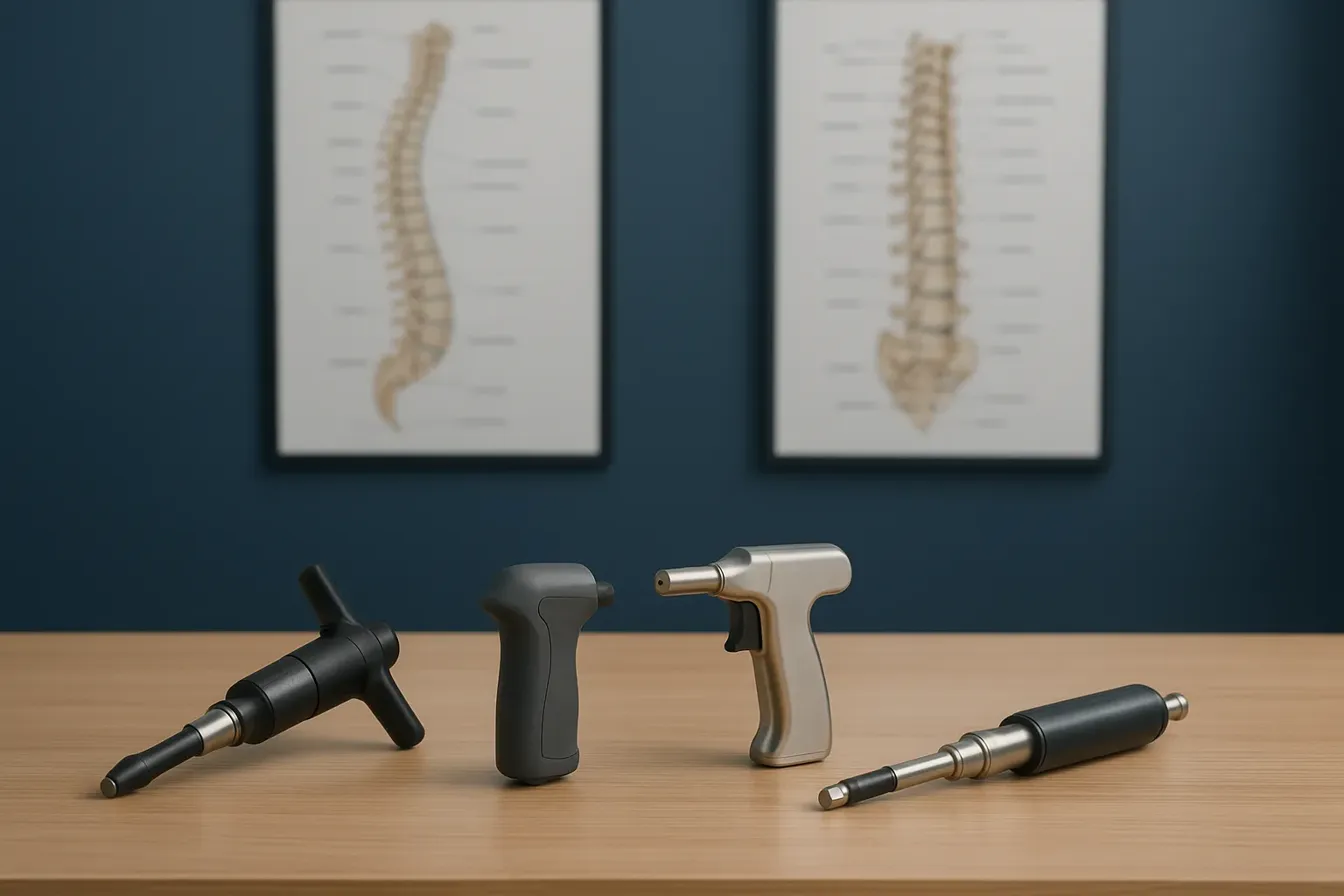
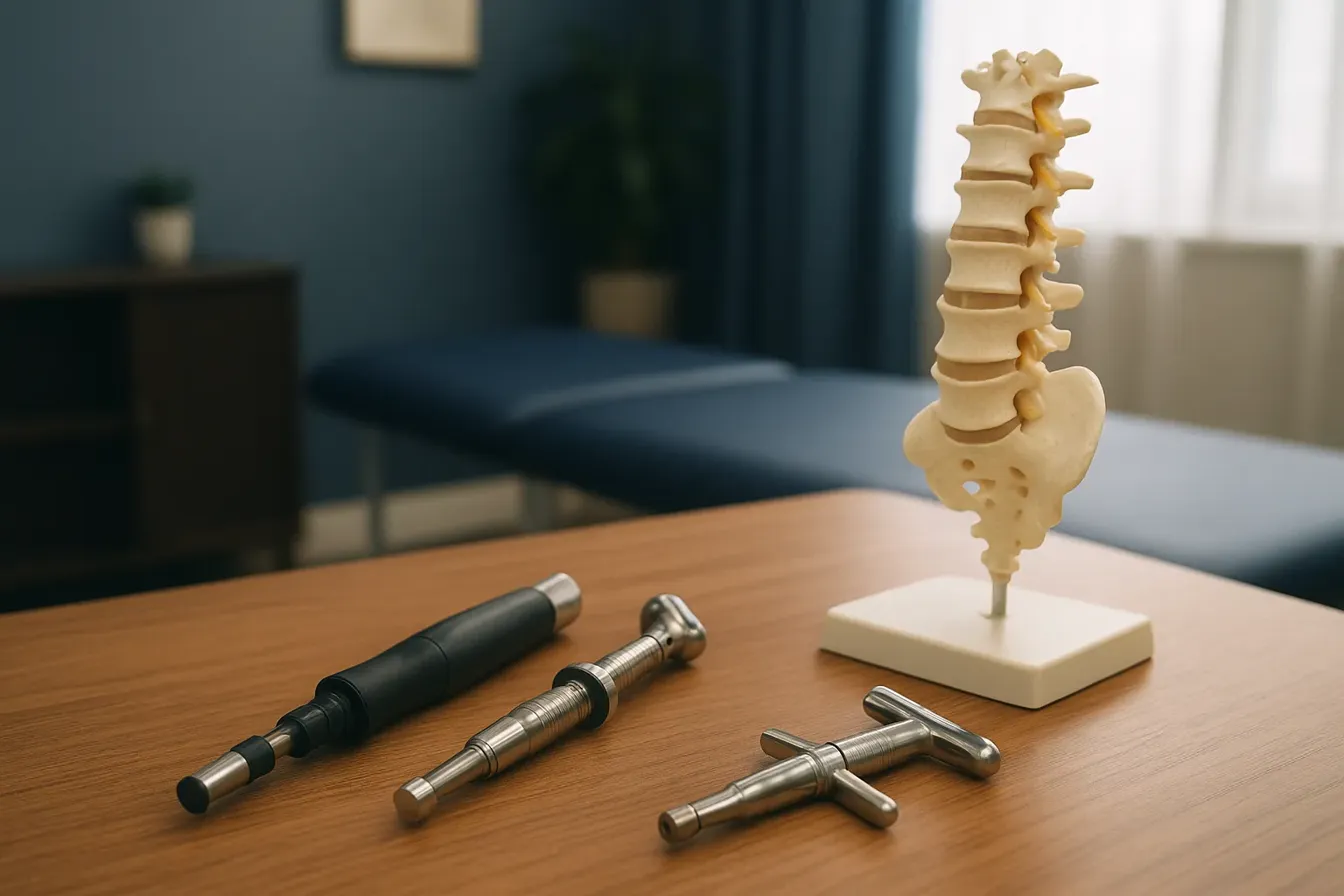
During a first visit many clinics, such as Square One Health and Back in Action Bodyworks, may perform a gentle spinal adjustment if the review and physical exam indicate it is safe. Techniques range from diversified "pop‑and‑crack" adjustments to instrument‑assisted methods, chosen for comfort and bone health.
Will a chiropractor do an adjustment on the first visit? It depends on the chiropractor’s assessment. Some practitioners perform a gentle adjustment after the exam, especially when a clear issue is identified. Others wait for imaging results or further review. The chiropractor will only proceed if it is appropriate and the patient feels comfortable.
What are the common side effects after a first chiropractic adjustment? Most patients notice mild soreness similar to post‑workout muscle fatigue, temporary fatigue, or a brief headache. These sensations usually resolve within 24–48 hours. Staying hydrated, gentle movement, and applying ice can help. Persistent or severe pain should be reported.
What toxins are released after a chiropractic adjustment? Adjustments do not release specific "toxins"; rather, improve blood and lymph flow, allowing the body to clear normal metabolic waste such as lactic acid and carbon dioxide. This natural detoxification may cause temporary soreness or fatigue, but it is a normal, harmless process.
Typical post‑adjustment sensations include a harmless popping sound (cavitation), a feeling of increased mobility, and a brief sense of light‑headedness for some patients. These are normal responses to joint realignment and usually subside quickly.
Common short‑term side effects and how to manage them: mild soreness, temporary stiffness, and occasional dizziness. Manage by staying well‑hydrated, walking lightly, using ice or heat as needed, and following any home‑exercise instructions provided by the chiropractor.
Beyond the First Visit: Costs, Ongoing Care, and Holistic Services
Chiropractic pricing varies. Without insurance a routine visit typically runs $60‑$200, with first‑time exams costing $100‑$250; follow‑ups are $30‑$100. Insurance plans often cover part of the fee, but copays and coverage differ, so check the clinic’s rates and any cash‑pay discounts. After the initial exam, a chiropractor creates a personalized treatment plan that specifies visit frequency—often 2‑3 times per week for acute issues and weekly or monthly for maintenance—tailored to the patient’s goals and response to care.
Holistic benefits extend beyond the spine. Adjustments can improve nervous system signaling, aiding digestion and conditions like SIBO by enhancing vagus nerve function and gut motility. Manual lymphatic drainage or inversion tables may be offered to boost lymph flow, reduce swelling, and support immunity. Gait problems are addressed by correcting spinal, hip, or pelvic misalignments that pinch nerves, restoring balance and reducing limp.
Back in Action Bodyworks in Torrance exemplifies this whole‑body approach. Their experienced team integrates chiropractic adjustments with posture analysis, soft‑tissue work, nutrition advice, and lifestyle coaching, making it a top holistic choice for South Bay residents seeking natural, patient‑centered care.
Your Path Forward
First, recap the key steps you’ve learned: a thorough health questionnaire, a detailed posture and movement exam, any needed imaging, and a personalized treatment plan with a gentle adjustment. Next, call or use the online portal to book your initial visit at Back in Action Bodyworks in Torrance, bringing your ID, insurance card, and a list of medications. Finally, stay proactive—practice the recommended stretches, maintain ergonomic posture at work and home, and keep scheduled follow‑up appointments so the chiropractor can monitor progress and adjust care as needed.
Recent articles

10 Real‑Patient Success Stories Showcasing the Impact of Chiropractic Care

Superfoods That Boost Nerve Healing After Chiropractic Sessions

Sleep Positions That Promote a Healthy Back Alignment

Signs Your Chiropractor Is a Good Fit for Your Back Pain Goals

Case Study: Integrated Physiotherapy and Chiropractic for Faster Recovery
First-Time Chiropractic Visit: A Step‑by‑Step Walkthrough
Synergistic Benefits: Combining Physiotherapy with Chiropractic Care

Beyond Surgery: Holistic Approaches to Managing Back Pain

How Manual Therapy Enhances the Effects of Chiropractic Adjustments

Hydration Hacks: Why Water Matters for Joint and Spine Function

What Does a Comprehensive Spinal Evaluation Include?

Success Spotlight: Transformative Results After Six Weeks of Chiropractic Treatment

Understanding the Initial Assessment Process in Chiropractic Care

Designing a Personalized Corrective Exercise Plan for Chronic Pain Management

Natural Pain Management: Combining Acupuncture, Yoga, and Chiropractic

Chiropractic Care vs. Pain Meds: Long-Term Outcomes for Back Pain Sufferers

What to Expect During a Sciatica‑Focused Decompression Session

Understanding the Pain-Relief Mechanics Behind Chiropractic Adjustments

Success Rates of Non‑Surgical Spinal Decompression for Sciatica

Patient-Centered Chiropractic Care: Personalized Plans for Back Pain Relief

How Chiropractic Treatments Reduce Inflammation and Speed Up Back Pain Recovery

Real‑Life Stories: How Chiropractic Helped Patients Overcome Chronic Back Pain

From Symptom Masking to Root‑Cause Healing: A Practical Guide

6 Holistic Non‑Surgical Treatments That Deliver Sustainable Back‑Pain Relief

Key Questions to Ask When Selecting Your Chiropractor

Mindful Movement: Incorporating Stretch Breaks Into a Busy Day

Why Targeting the Underlying Cause Beats Temporary Symptom Relief

8 Ways Physiotherapy Complements Chiropractic Adjustments for Faster Recovery

Meal Planning for Athletes Recovering from Back Injuries

9 Everyday Lifestyle Tweaks to Preserve a Healthy Spine and Prevent Pain

Functional Movement Screening for Root‑Cause Pain Identification

6 Things You’ll Experience During Your First Chiropractic Appointment

Spinal Decompression vs. Standard Physical Therapy for Sciatica: A Comparative Review

New Findings on How Adjustments Influence Blood Circulation

Work‑From‑Home Ergonomics: A Blueprint for a Pain‑Free Back

The Link Between Chiropractic Care and Improved Sleep Quality

Physiotherapy Techniques That Strengthen the Benefits of Chiropractic Adjustments

Biomechanical Insights Behind Successful Spinal Decompression

Desk‑to‑Dumbbell: Lifestyle Shifts That Guard Your Lower Back

10 Corrective Exercises for Sustainable Pain-Free Living

Morning Routines That Support Spine Health and Reduce Stiffness

Calcium and Magnesium‑Focused Nutrition for Bone Density and Spine Health

9 Ways Chiropractic Care Transforms Back Pain Management

Testimonial: Nutrition‑Guided Recovery Accelerated by Chiropractic
Science‑Backed Spinal Decompression for Relieving Sciatica Symptoms

Key Questions to Ask During Your Initial Chiropractic Consultation

Whole‑Body Wellness Blueprint: Nutrition, Exercise, and Chiropractic Synergy

A 12‑Week Corrective Exercise Blueprint for Chronic Neck Discomfort

Manual Therapy Plus Targeted Exercise: Accelerating Post‑Injury Recovery

Home‑Based Spinal Decompression Devices: What Patients Should Know

Chiropractic Care Statistics: Reducing Lost Workdays From Back Pain

How Targeted Nutrition Enhances Immune Function and Lowers Inflammatory Pain

Self‑Assessment Tools to Identify Hidden Triggers of Back Pain

Preparing for Your First Chiropractic Appointment: A Practical Checklist

Back Pain Relief Benefits: Lower Opioid Use and Better Quality of Life

Foam‑Rolling Techniques to Complement Chiropractic Adjustments

Progressive Overload Principles in Corrective Exercise Programs

Six‑Month Transformation: Integrated Care Success Story

7 Nutritional Hacks to Boost Your Overall Wellness

How to Choose a Chiropractor: Credentials, Techniques, and Patient Compatibility

5 Ways Spinal Decompression Can Ease Sciatica Pain

Overcoming Sciatica: A Patient’s Multidisciplinary Treatment Journey

Lifestyle Changes That Promote a Healthy Spine
Physiotherapy as a Complement to Chiropractic Treatments

6 Ways Physiotherapy Enhances Chiropractic Treatment Outcomes

Daily Living Tips for a Strong and Healthy Spine

How Physiotherapy Enhances Chiropractic Outcomes

Holistic Treatments: Alternatives to Surgery for Pain Relief
Inspiring Patient Success Stories from Chiropractic Clinics

Integrating Physiotherapy with Chiropractic Treatments
Corrective Exercise Routines for Chronic Pain Prevention
10 Corrective Exercises to Maintain a Healthy Spine and Relieve Pain
Exercise Strategies for Long-Term Pain Management
10 Corrective Exercises to Maintain a Healthy Spine and Relieve Pain

The Importance of Treating the Root Cause of Pain
Nutritional Support Strategies for Whole-Body Wellness
7 Essential Questions to Ask When Choosing Your Chiropractor
Identifying and Addressing Root Causes of Pain
Maintaining a Healthy Spine with Lifestyle Adjustments
Sciatica Symptom Relief via Spinal Decompression
8 Reasons Why Addressing the Root Cause of Pain Is Crucial
Chiropractic Care’s Impact on Back Pain Recovery

Combining Physiotherapy with Chiropractic Care for Better Results

Inspiring Recovery: Chiropractic Patient Testimonials

Nutritional Counseling Tips for Optimal Wellness

Why Addressing the Root Cause of Pain is Crucial
Back Pain and Chiropractic Care: A Winning Combination

Chiropractic Care Benefits You Might Not Know
Exploring Holistic and Non-Surgical Treatments for Pain
Spinal Health: Lifestyle Tips for Everyday Wellness
Spinal Decompression Therapy: Benefits and Applications
Holistic and Non-Invasive Spine Care Options
Everyday Lifestyle Advice to Keep Your Spine Healthy

The Significance of Treating Root Causes in Pain Therapy
Best Corrective Exercises for Sustainable Pain Management

Addressing Underlying Causes of Pain for Long-Term Relief
6 Key Benefits of Spinal Decompression Therapy for Sciatica Relief

How Nutritional Counseling Supports Spine Health and Recovery

The Role of Physiotherapy in Supporting Chiropractic Treatments