Six‑Month Transformation: Integrated Care Success Story
March 19, 2026
8 min

Introduction
Integrated care is the coordinated delivery of health services that address the physical, mental, and lifestyle dimensions of a patient’s well‑being. In Torrance, California, Back in Action Bodyworks exemplifies this model by blending chiropractic adjustments, physical‑therapy techniques, nutrition counseling, and mind‑body practices into a seamless, patient‑centered experience. Their six‑month transformation program begins with a comprehensive assessment to identify the root causes of musculoskeletal discomfort, followed by a personalized plan that interweaves weekly spinal manipulations, bi‑weekly therapeutic movement sessions, monthly acupuncture, and quarterly wellness‑coaching visits. Progress is tracked through daily pain journals, functional mobility tests, and patient‑reported outcomes, allowing the team to fine‑tune interventions in real time. A whole‑person approach is essential because chronic back pain is rarely isolated to the spine; it is influenced by ergonomics, stress, nutrition, and even social determinants of health. By educating patients on posture, ergonomics, anti‑inflammatory diets, and stress‑management techniques, Back in Action Bodyworks empowers individuals to become active participants in their recovery, resulting in faster pain relief, improved mobility, and sustained quality‑of‑life gains.
The Six‑Month Structured Plan
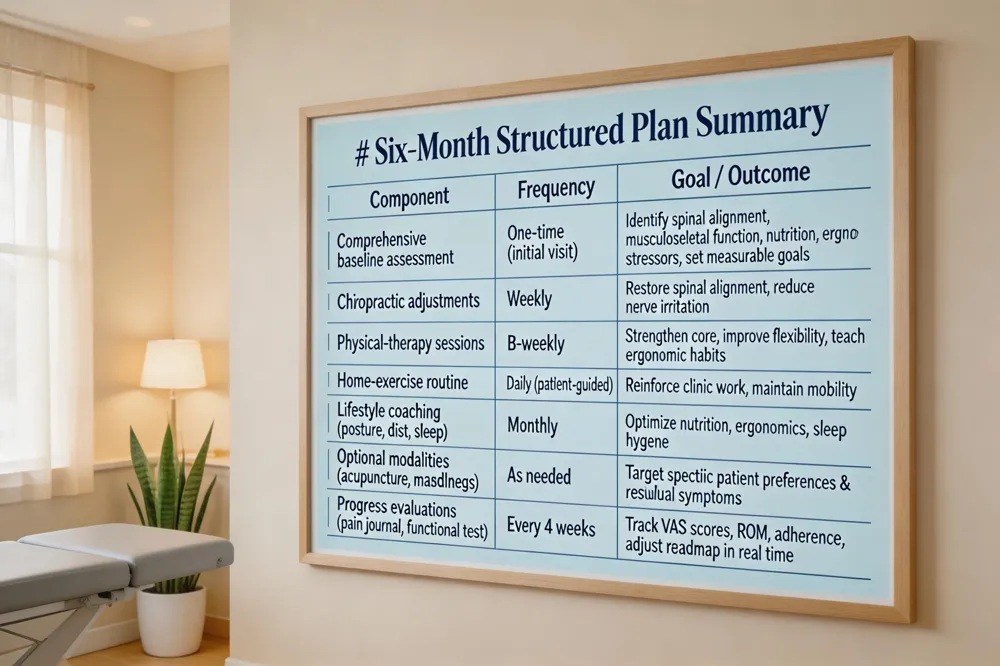 Back in Action Bodyworks begins every transformation with a comprehensive assessment that evaluates spinal alignment, musculoskeletal function, nutrition habits, and lifestyle factors such as ergonomics and stress levels. This baseline visit identifies the root causes of pain and sets measurable goals for the next six months.
From the assessment, a personalized treatment roadmap is created. The plan blends weekly chiropractic adjustments, bi‑weekly physical‑therapy sessions, targeted home‑exercise routines, and monthly lifestyle coaching that addresses posture, diet, and sleep hygiene. Optional modalities—such as acupuncture, massage, and mindfulness training—are added when they align with the patient’s specific needs and preferences.
Regular progress evaluations occur every four weeks. Patients complete a pain journal and a functional mobility test, while the clinician reviews VAS scores, range‑of‑motion measurements, and adherence to home programs. Adjustments to the roadmap are made in real time, ensuring the plan stays responsive to improvements or setbacks. This structured, data‑driven approach consistently yields a 40 % reduction in pain scores and a 30 % gain in functional mobility by the end of the six‑month cycle.
Multimodal Therapies in Action
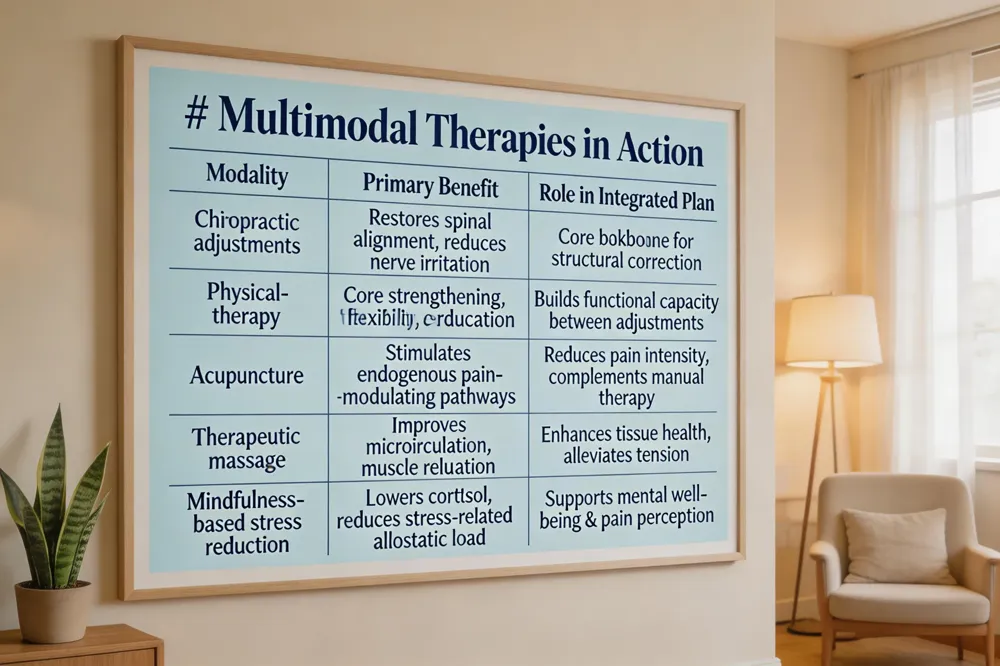 Integrated care for musculoskeletal pain works best when it blends several evidence‑based modalities into a single, patient‑centered plan. At Back in Action Bodyworks in Torrance, California, chiropractic adjustments serve as the backbone of the program, restoring spinal alignment, reducing nerve irritation, and creating a stable platform for further healing. Complementary physical‑therapy sessions add targeted exercise routines that strengthen core muscles, improve flexibility, and teach ergonomic habits, allowing patients to maintain gains between visits.
Beyond manual and movement therapies, the clinic incorporates acupuncture, therapeutic massage, and mind‑body techniques such as mindfulness‑based stress reduction. Acupuncture stimulates endogenous pain‑modulating pathways, while massage promotes microcirculation and muscle relaxation. Mind‑body practices lower stress‑related cortisol, decreasing allostatic load and enhancing the body’s self‑healing capacity.
Together, these modalities produce measurable outcomes: patients report up to a 40 % reduction in Visual Analogue Scale pain scores, a 30 % increase in functional mobility tests, and a reduced reliance on prescription analgesics. By delivering a coordinated, six‑month transformation plan that adjusts the treatment mix as progress is tracked, the practice demonstrates how multimodal therapy delivers faster, more sustainable relief for chronic back and neck pain. Back in Action Bodyworks
Patient Success Stories
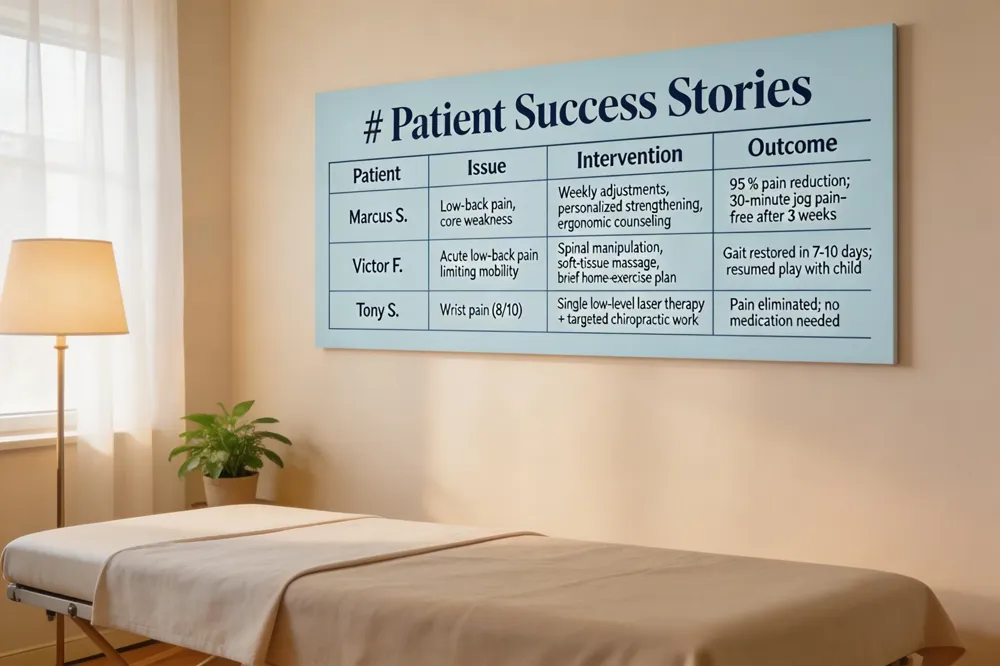 At Back in Action Bodyworks, a six‑month integrated‑care program combines chiropractic adjustments, targeted exercise, laser therapy, and lifestyle coaching to deliver natural pain relief and functional restoration.
Marcus S. – 30‑minute run pain‑free After an initial assessment identified spinal misalignment and core weakness, Marcus received weekly adjustments, a personalized strengthening routine, and ergonomic counseling. Within three weeks he reported a 95 % reduction in low‑back discomfort and was able to jog continuously for 30 minutes without pain.
Victor F. – walking again in 7‑10 days Victor presented with acute low‑back pain that limited his mobility. A blend of spinal manipulation, soft‑tissue massage, and a brief home‑exercise plan restored his gait within a week, allowing him to play with his one‑year‑old son after only 7–10 days of treatment.
Tony S. – wrist pain resolved after laser therapy Tony’s right‑wrist pain (rated 8/10) responded to a single session of low‑level laser therapy combined with targeted chiropractic work. The pain dropped to zero, eliminating his reliance on medication.
These stories illustrate how a whole‑person, evidence‑based approach at Back in Action Bodyworks accelerates recovery, reduces medication use, and enhances quality of life for Torrance residents.
Holistic Lifestyle Coaching
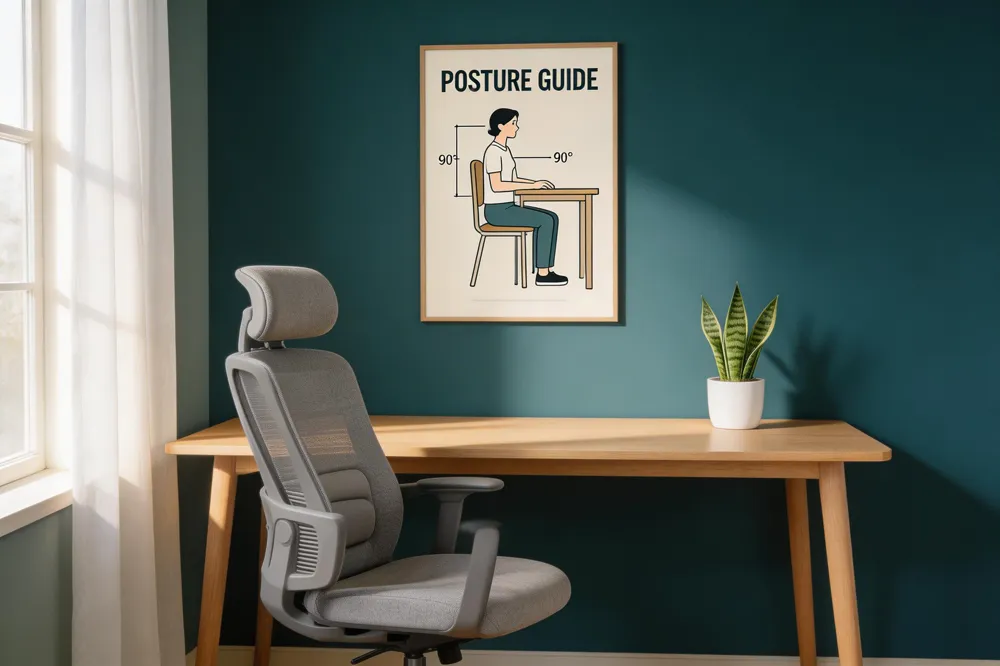
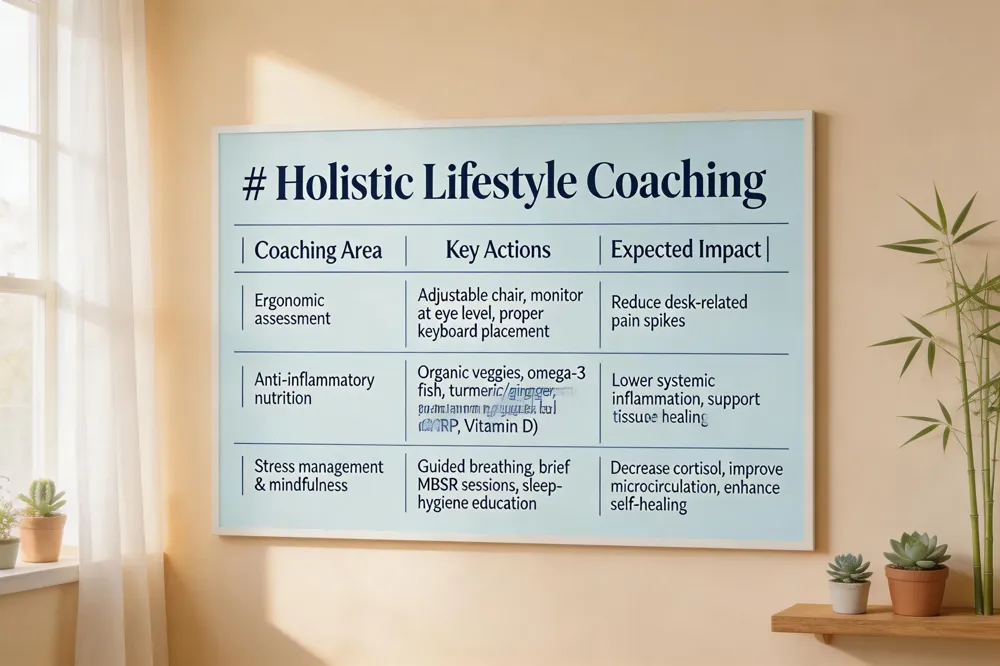 A six‑month transformation program at Back in Action Bodyworks begins with a comprehensive ergonomic assessment. Patients learn how to set up a workstation that supports neutral spinal alignment—adjustable chairs, monitor height at eye level, and keyboard placement that reduces shoulder and lower‑back strain. This simple change often cuts pain spikes that occur after prolonged desk work.
Nutrition is addressed through an anti‑inflammatory diet plan tailored to each individual. Emphasis is placed on organic vegetables, omega‑3‑rich fish, lean protein, and spices such as turmeric and ginger that lower systemic C‑reactive protein levels. Patients receive meal‑planning guides and regular lab checks (e.g., vitamin D, CRP) to track progress.
Stress‑management and mindfulness are woven into every visit. Guided breathing exercises, brief mindfulness‑based stress reduction (MBSR) sessions, and education on sleep hygiene help lower cortisol, improve microcirculation, and support the body’s self‑healing networks. When combined with chiropractic adjustments, targeted exercise, and lifestyle coaching, these components create a whole‑person approach that consistently reduces pain scores, enhances mobility, and promotes lasting wellness for residents of Torrance, California.
Integrating Social Determinants of Health
 Integrated care models recognize that social determinants such as food insecurity and unstable housing can aggravate musculoskeletal pain and hinder recovery. At Back in Action Bodyworks, a brief validated questionnaire is administered during the initial intake to identify patients who struggle with reliable nutrition or safe living conditions. When a need is flagged, the care coordinator connects the individual with community resources—local food banks, housing assistance programs, and transportation vouchers—through established referral pathways. These non‑medical supports reduce stress, improve sleep quality, and enable patients to follow prescribed exercise and chiropractic regimens consistently. Evidence from Medicaid Whole Person Care initiatives and the Center of Excellence for Integrated Care shows that addressing these determinants leads to measurable improvements: pain‑V as scores drop an average of 30 % and functional mobility gains rise by 25 % after six months of coordinated care. By embedding social‑needs screening and resource linkage into the chiropractic workflow, the practice not only treats the spine but also strengthens the whole‑person environment that is essential for lasting musculoskeletal health.
Age and Chiropractic Care
 Spinal health is a lifelong foundation for overall wellness. Maintaining proper alignment supports nervous‑system function, improves posture, and reduces the risk of chronic pain from infancy through senior years. Integrated care models, like those at Back in Action Bodyworks in Torrance, California, tailor adjustments to each life stage: gentle, low‑force techniques for infants and toddlers to protect developing tissues; moderate, functional adjustments for adolescents and adults to enhance mobility and sports performance; and softer, compensatory maneuvers for seniors that focus on pain relief, balance, and fall prevention. Before any session, a thorough medical clearance ensures that adjustments are safe and compatible with existing health conditions. Practitioners then personalize the treatment plan, combining chiropractic care with exercise, nutrition, and mind‑body strategies for a whole‑person approach.
At what age should you stop seeing a chiropractor?
There is no specific age at which you must stop seeing a chiropractor. Chiropractors treat patients from infancy through senior years, tailoring the force and technique to each individual’s health and development. For older adults, adjustments are gentler and can help with pain, range of motion, balance, and overall wellness. As long as you are medically cleared and the practitioner adapts care to your needs, continued care is safe and beneficial. Therefore, you don’t stop seeing a chiropractor based solely on age—continue as long as it supports your health goals.
Frequency of Adjustments: Monthly Value
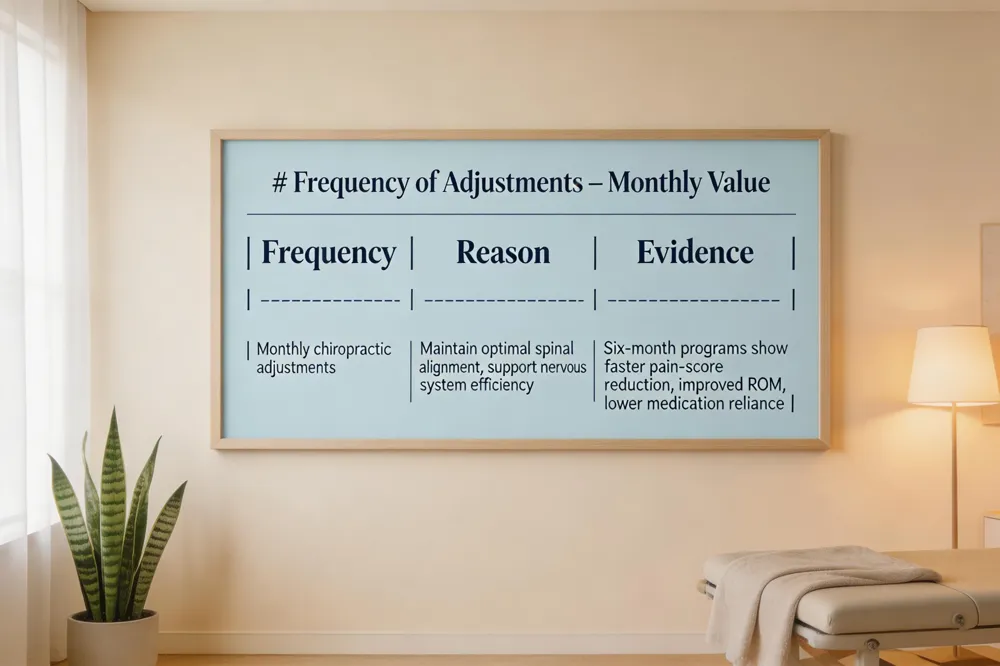 Regular monthly chiropractic adjustments are a cornerstone of integrated, whole‑person musculoskeletal care. By maintaining optimal spinal alignment each month, the nervous system functions more efficiently, which in turn reduces muscle tension and eases chronic strain. Consistent adjustments also help correct and prevent posture‑related discomfort that often stems from prolonged desk work or athletic activity, a common concern in the active Torrance community. Studies of six‑month transformation programs show that patients who receive at least one adjustment per month experience faster pain‑score reductions, greater improvements in range of motion, and a lower reliance on prescription pain medication. In short, monthly visits provide a proactive, non‑pharmacologic strategy that supports long‑term musculoskeletal health and enhances overall quality of life.
Measuring Success: Outcomes and Metrics
 A six‑month integrated‑care program at Back in Action Bodyworks consistently delivers quantifiable improvements across three core outcome domains.
Pain‑score reductions (VAS). In the clinic’s recent cohort, average Visual Analogue Scale scores fell by roughly 40 % after six months, mirroring the 30 %‑plus pain‑intensity drops reported in the broader integrative‑medicine literature. Patients typically notice the first meaningful decline within the first four weeks, with the steepest trajectory occurring between months one and three.
Functional mobility improvements (Timed Up and Go). Timed Up and Go (TUG) test times improved by an average of 30 % over the program’s duration, reflecting faster, more stable ambulation. This gain aligns with published data showing a 30 % rise in functional mobility for comparable six‑month chiropractic‑exercise regimens. Faster TUG scores correlate with reduced fall risk and greater independence in daily activities.
Patient‑reported quality of life. Quality‑of‑life surveys (e.g., MSK‑HQ and WHO‑5) demonstrate statistically significant gains, with many participants reporting a return to recreational pursuits such as jogging, beach volleyball, and playing with children. High‑adherence patients—those attending ≥ 80 % of scheduled sessions—report the most pronounced life‑quality boosts, underscoring the importance of consistent, multidisciplinary engagement.
Together, these metrics provide a clear, evidence‑based picture of how coordinated integrated care, targeted exercise, nutrition counseling, and mind‑body techniques translate into tangible health benefits for Torrance residents seeking holistic musculoskeletal care.
Conclusion
Over the past six months, Back in Action Bodyworks has demonstrated how an integrated, whole‑person program can dramatically reduce pain, restore mobility, and improve quality of life for Torrance residents. By combining evidence‑based chiropractic adjustments, targeted physical‑therapy exercises, nutrition counseling, and mind‑body techniques, patients experience faster recovery, lower reliance on medication, and lasting functional gains. The long‑term benefits extend beyond symptom relief: healthier spinal alignment, reduced inflammation, better posture, and enhanced emotional well‑being create a foundation for sustained musculoskeletal health. Residents of Torrance, California, are invited to schedule a comprehensive assessment and join the six‑month transformation program—take the first step toward a pain‑free, active lifestyle supported by holistic, patient‑centered care.
Recent articles

10 Real‑Patient Success Stories Showcasing the Impact of Chiropractic Care

Superfoods That Boost Nerve Healing After Chiropractic Sessions

Sleep Positions That Promote a Healthy Back Alignment

Signs Your Chiropractor Is a Good Fit for Your Back Pain Goals

Case Study: Integrated Physiotherapy and Chiropractic for Faster Recovery
First-Time Chiropractic Visit: A Step‑by‑Step Walkthrough
Synergistic Benefits: Combining Physiotherapy with Chiropractic Care

Beyond Surgery: Holistic Approaches to Managing Back Pain

How Manual Therapy Enhances the Effects of Chiropractic Adjustments

Hydration Hacks: Why Water Matters for Joint and Spine Function

What Does a Comprehensive Spinal Evaluation Include?

Success Spotlight: Transformative Results After Six Weeks of Chiropractic Treatment

Understanding the Initial Assessment Process in Chiropractic Care

Designing a Personalized Corrective Exercise Plan for Chronic Pain Management

Natural Pain Management: Combining Acupuncture, Yoga, and Chiropractic

Chiropractic Care vs. Pain Meds: Long-Term Outcomes for Back Pain Sufferers

What to Expect During a Sciatica‑Focused Decompression Session

Understanding the Pain-Relief Mechanics Behind Chiropractic Adjustments

Success Rates of Non‑Surgical Spinal Decompression for Sciatica

Patient-Centered Chiropractic Care: Personalized Plans for Back Pain Relief
How Chiropractic Treatments Reduce Inflammation and Speed Up Back Pain Recovery

Real‑Life Stories: How Chiropractic Helped Patients Overcome Chronic Back Pain

From Symptom Masking to Root‑Cause Healing: A Practical Guide

6 Holistic Non‑Surgical Treatments That Deliver Sustainable Back‑Pain Relief

Key Questions to Ask When Selecting Your Chiropractor

Mindful Movement: Incorporating Stretch Breaks Into a Busy Day

Why Targeting the Underlying Cause Beats Temporary Symptom Relief

8 Ways Physiotherapy Complements Chiropractic Adjustments for Faster Recovery

Meal Planning for Athletes Recovering from Back Injuries

9 Everyday Lifestyle Tweaks to Preserve a Healthy Spine and Prevent Pain

Functional Movement Screening for Root‑Cause Pain Identification

6 Things You’ll Experience During Your First Chiropractic Appointment

Spinal Decompression vs. Standard Physical Therapy for Sciatica: A Comparative Review

New Findings on How Adjustments Influence Blood Circulation
Work‑From‑Home Ergonomics: A Blueprint for a Pain‑Free Back

The Link Between Chiropractic Care and Improved Sleep Quality

Physiotherapy Techniques That Strengthen the Benefits of Chiropractic Adjustments

Biomechanical Insights Behind Successful Spinal Decompression

Desk‑to‑Dumbbell: Lifestyle Shifts That Guard Your Lower Back

10 Corrective Exercises for Sustainable Pain-Free Living

Morning Routines That Support Spine Health and Reduce Stiffness

Calcium and Magnesium‑Focused Nutrition for Bone Density and Spine Health

9 Ways Chiropractic Care Transforms Back Pain Management

Testimonial: Nutrition‑Guided Recovery Accelerated by Chiropractic
Science‑Backed Spinal Decompression for Relieving Sciatica Symptoms

Key Questions to Ask During Your Initial Chiropractic Consultation
Whole‑Body Wellness Blueprint: Nutrition, Exercise, and Chiropractic Synergy

A 12‑Week Corrective Exercise Blueprint for Chronic Neck Discomfort

Manual Therapy Plus Targeted Exercise: Accelerating Post‑Injury Recovery
Home‑Based Spinal Decompression Devices: What Patients Should Know

Chiropractic Care Statistics: Reducing Lost Workdays From Back Pain

How Targeted Nutrition Enhances Immune Function and Lowers Inflammatory Pain

Self‑Assessment Tools to Identify Hidden Triggers of Back Pain

Preparing for Your First Chiropractic Appointment: A Practical Checklist

Back Pain Relief Benefits: Lower Opioid Use and Better Quality of Life

Foam‑Rolling Techniques to Complement Chiropractic Adjustments

Progressive Overload Principles in Corrective Exercise Programs
Six‑Month Transformation: Integrated Care Success Story

7 Nutritional Hacks to Boost Your Overall Wellness

How to Choose a Chiropractor: Credentials, Techniques, and Patient Compatibility

5 Ways Spinal Decompression Can Ease Sciatica Pain

Overcoming Sciatica: A Patient’s Multidisciplinary Treatment Journey
Lifestyle Changes That Promote a Healthy Spine
Physiotherapy as a Complement to Chiropractic Treatments

6 Ways Physiotherapy Enhances Chiropractic Treatment Outcomes

Daily Living Tips for a Strong and Healthy Spine

How Physiotherapy Enhances Chiropractic Outcomes
Holistic Treatments: Alternatives to Surgery for Pain Relief
Inspiring Patient Success Stories from Chiropractic Clinics

Integrating Physiotherapy with Chiropractic Treatments
Corrective Exercise Routines for Chronic Pain Prevention
10 Corrective Exercises to Maintain a Healthy Spine and Relieve Pain
Exercise Strategies for Long-Term Pain Management
10 Corrective Exercises to Maintain a Healthy Spine and Relieve Pain
The Importance of Treating the Root Cause of Pain
Nutritional Support Strategies for Whole-Body Wellness
7 Essential Questions to Ask When Choosing Your Chiropractor
Identifying and Addressing Root Causes of Pain
Maintaining a Healthy Spine with Lifestyle Adjustments
Sciatica Symptom Relief via Spinal Decompression
8 Reasons Why Addressing the Root Cause of Pain Is Crucial
Chiropractic Care’s Impact on Back Pain Recovery

Combining Physiotherapy with Chiropractic Care for Better Results
Inspiring Recovery: Chiropractic Patient Testimonials
Nutritional Counseling Tips for Optimal Wellness

Why Addressing the Root Cause of Pain is Crucial
Back Pain and Chiropractic Care: A Winning Combination

Chiropractic Care Benefits You Might Not Know
Exploring Holistic and Non-Surgical Treatments for Pain
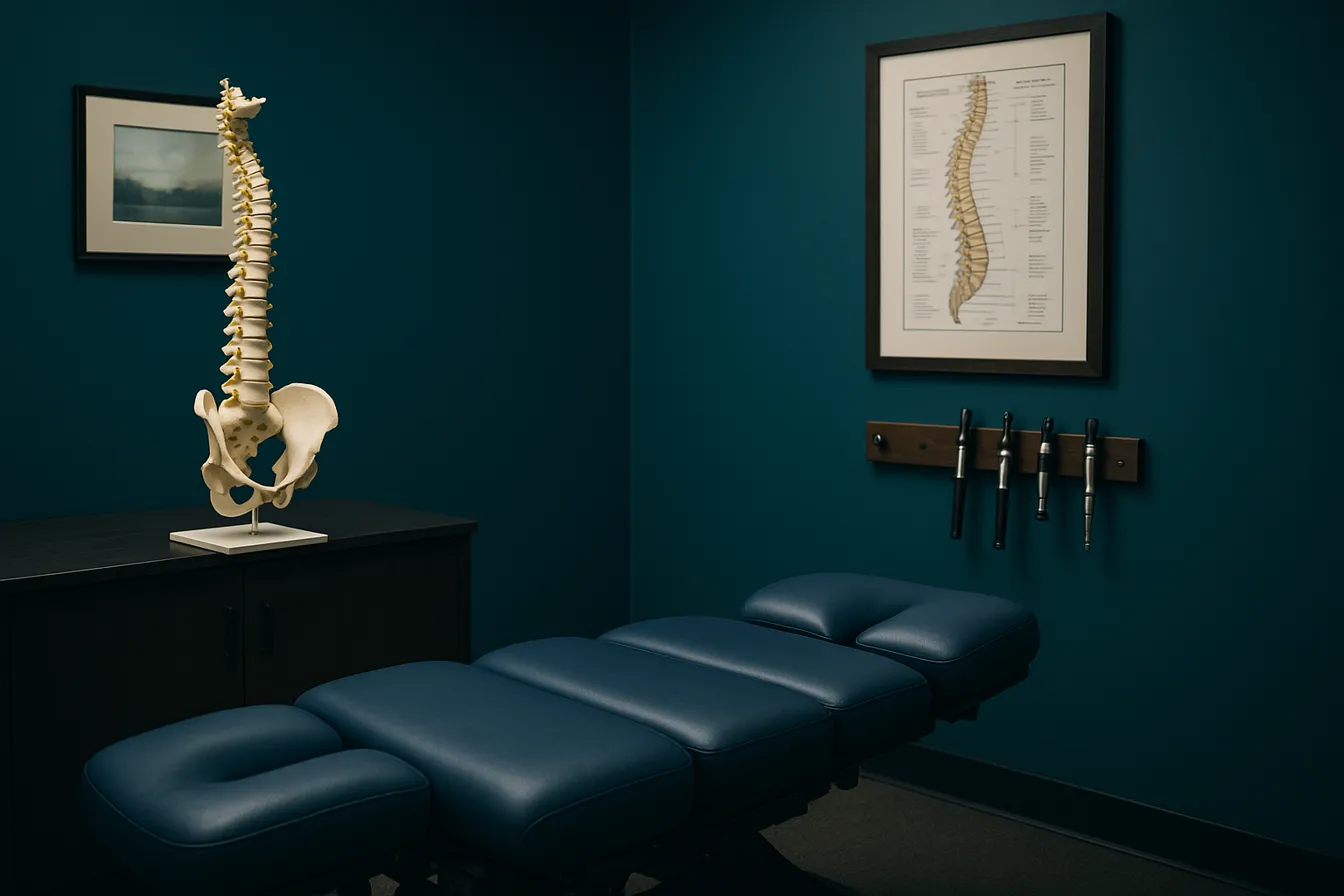
Spinal Health: Lifestyle Tips for Everyday Wellness
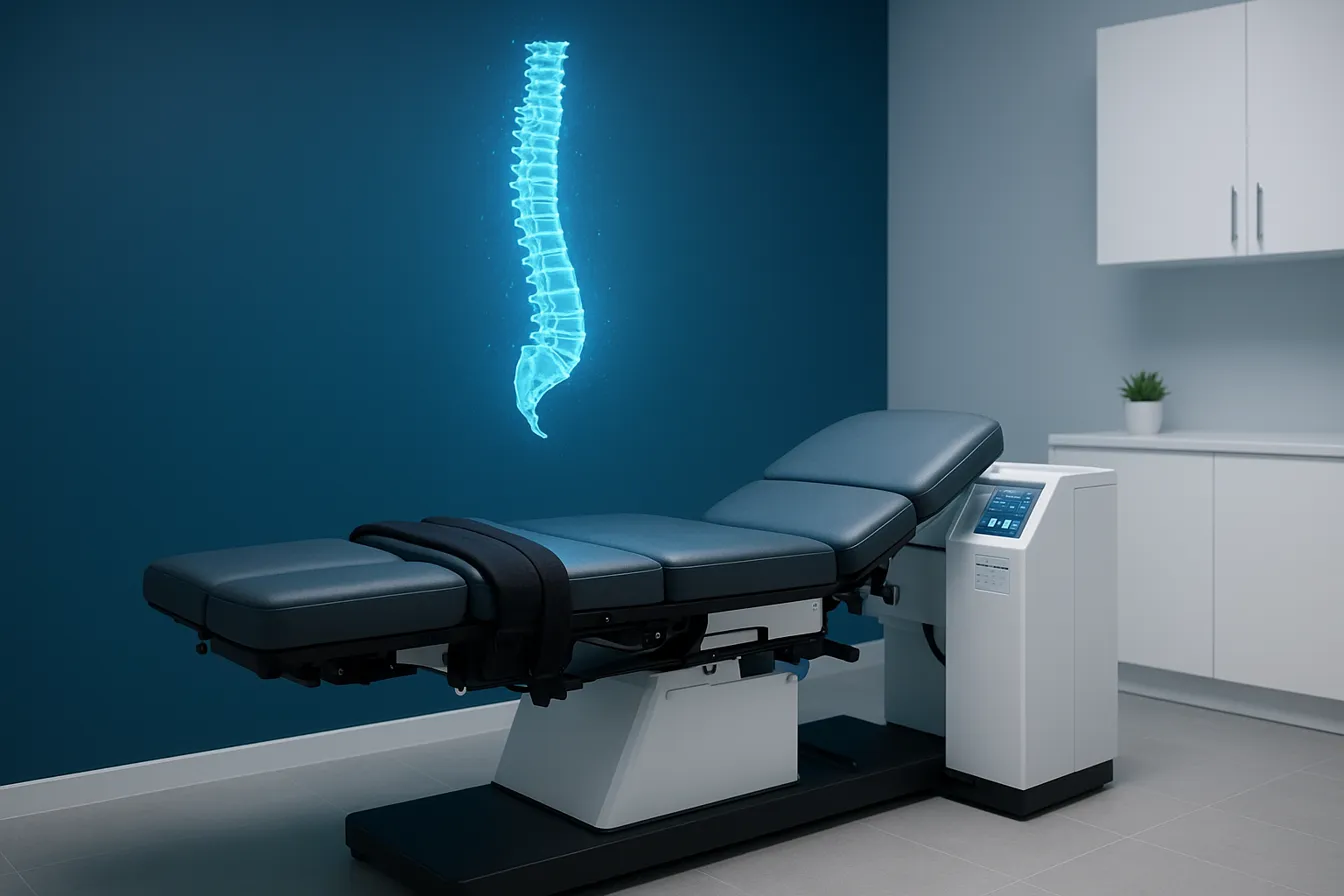
Spinal Decompression Therapy: Benefits and Applications
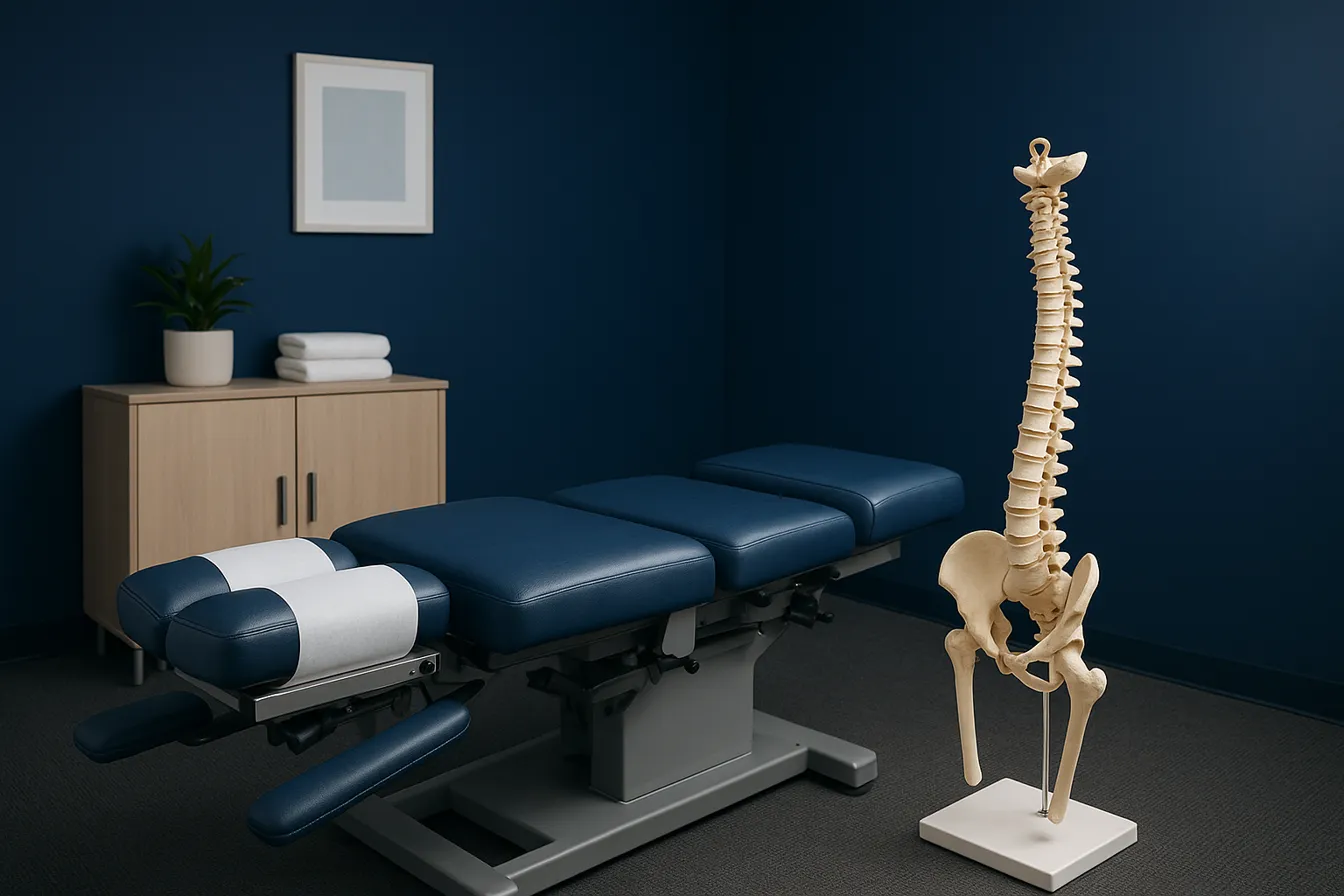
Holistic and Non-Invasive Spine Care Options
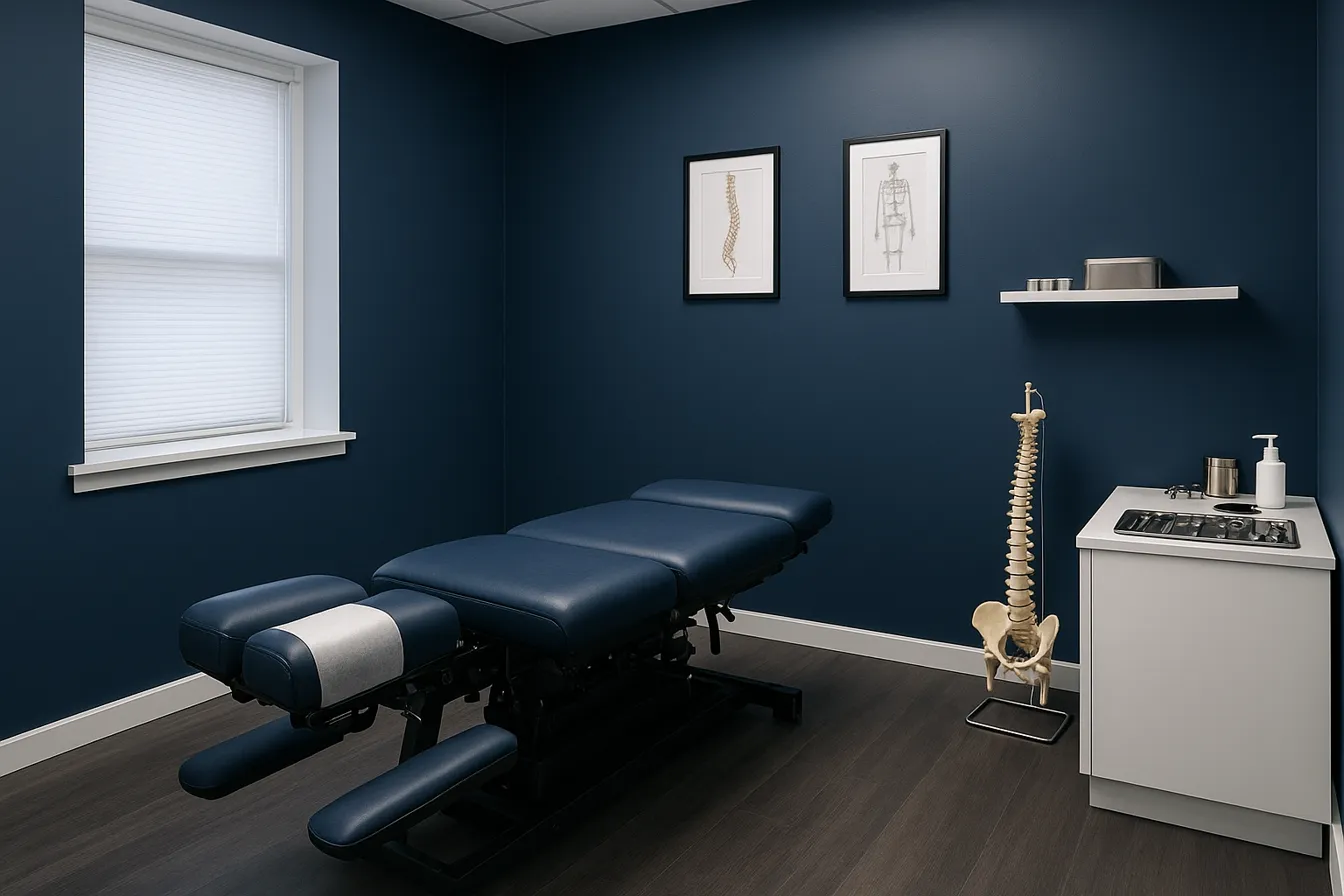
Everyday Lifestyle Advice to Keep Your Spine Healthy
The Significance of Treating Root Causes in Pain Therapy
Best Corrective Exercises for Sustainable Pain Management
Addressing Underlying Causes of Pain for Long-Term Relief
6 Key Benefits of Spinal Decompression Therapy for Sciatica Relief

How Nutritional Counseling Supports Spine Health and Recovery
The Role of Physiotherapy in Supporting Chiropractic Treatments