Meal Planning for Athletes Recovering from Back Injuries
April 14, 2026
8 min

Why Nutrition Matters in Back‑Injury Recovery
Trauma or spinal surgery can raise an athlete’s energy demand by 20 % or more, and the extra effort of crutches may triple the caloric cost of walking. To avoid a 20 % drop in muscle‑protein synthesis, patients should aim for at least 80 % of total energy expenditure and consume 1.2–2.0 g protein per kilogram body weight each day. Providing 20–35 g of leucine‑rich protein every three hours—and a casein‑rich source before bedtime—overcomes anabolic resistance from immobilization. Anti‑inflammatory foods such as olive oil, avocado, fatty fish, nuts, seeds, berries, and leafy greens curb early‑phase inflammation and support spinal tissue repair. Finally, consistent hydration (≈2.5–3 L water daily) and probiotic‑rich foods help maintain gut‑microbiome balance, improve nutrient absorption, and prevent constipation, all of which are crucial for optimal healing.
Fundamentals of a Healing‑Focused Diet
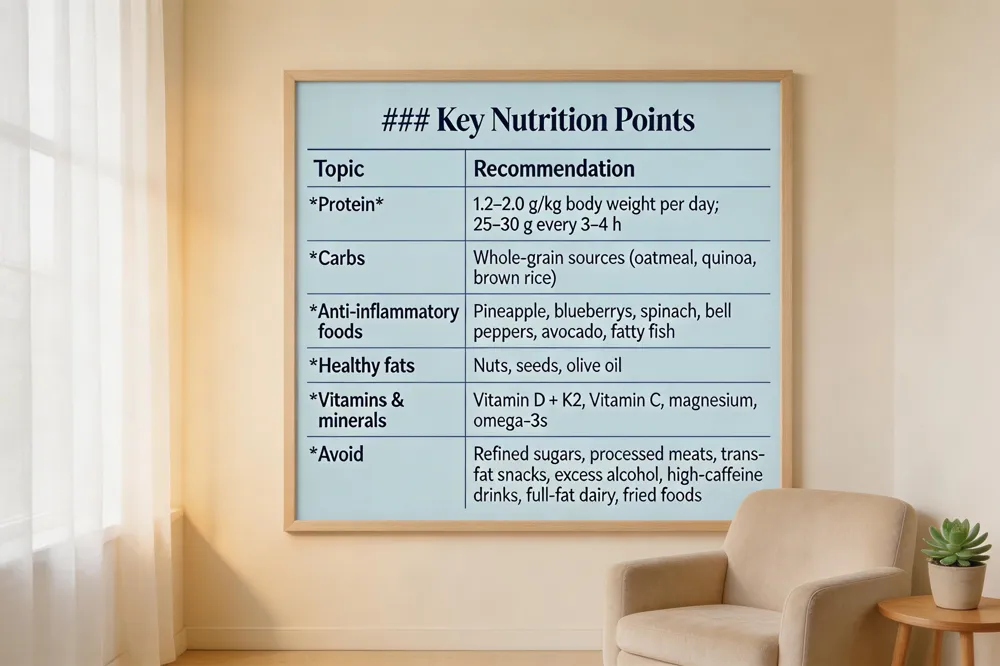 Best food for muscle injury recovery – Combine lean protein (chicken, salmon, eggs, Greek yogurt, legumes) with whole‑grain carbs (oatmeal, quinoa, brown rice) and anti‑inflammatory plant foods (pineapple, blueberries, spinach, bell peppers). Add healthy fats from nuts, seeds, and olive oil to keep inflammation low.
Does protein help heal muscle injuries – Yes. Protein supplies the amino acids needed for muscle, tendon, and ligament repair. Aim for 1.2–2.0 g /kg body weight per day, split into 25–30 g portions every 3–4 hours to maximize muscle‑protein synthesis.
Best vitamins to take after back surgery – Vitamin D & K2 for calcium routing, vitamin C for collagen, magnesium for muscle relaxation, and omega‑3s for anti‑inflammatory effects. A quality multivitamin can fill any gaps.
Best food for injury recovery – Anti‑inflammatory foods (berries, leafy greens, avocado, fatty fish, olive oil) paired with high‑quality protein (egg, Greek yogurt, lean poultry, tofu) and complex carbs (sweet potatoes, whole‑grain bread). Include probiotic foods (kefir, sauerkraut) to support gut health.
What foods to avoid after spine surgery – Limit refined sugars, processed meats, trans‑fat‑rich snacks, excess alcohol, and high‑caffeine drinks. Avoid full‑fat dairy that can worsen constipation and skip heavy, fried foods that increase systemic inflammation.
Building a Practical Meal‑Planning System
Free meal planning for athletes
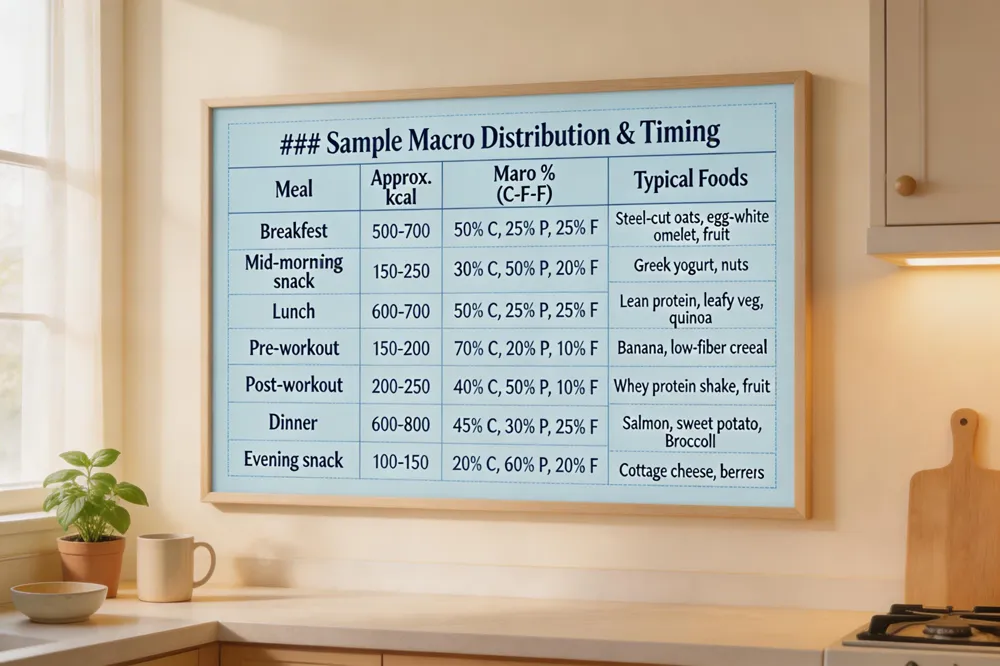
Athletes recovering from back injuries can download free, evidence‑based templates from reputable sports‑nutrition sites. These templates balance 50 % carbohydrates, 25 % protein, and 25 % fat, and align with chiropractic recommendations to reduce inflammation and support tissue repair. Build a “meal bank” of ten breakfasts, lunches, dinners, meals post‑workout snacks, then match each day’s choices to the training or rehab schedule. Batch‑cooking staples—steel‑cut oats, brown rice, quinoa, and roasted vegetables—on weekends ensures nutritious, ready‑to‑eat meals when energy is low or travel demands rise.
Meal planning for athletes template
Calculate daily calories (BMR × activity factor) and allocate macros as above. Divide intake into 5–6 windows: a 500‑700 kcal breakfast (whole‑grain oats or egg‑white omelet with fruit), a mid‑morning protein snack (20‑30 g), a 600‑700 kcal lunch (lean protein, leafy veg, whole‑grain), a pre‑workout carb snack, a post‑workout 30‑g protein boost, and a 600‑800 kcal dinner with healthy fats. Space protein every 2–4 hours and keep portions under 40 g to maximize muscle protein synthesis, a principle emphasized in chiropractic nutrition counseling.
Weekly meal planning for athletes
Create a weekly menu featuring 5–6 balanced meals daily, each with complex carbs, lean protein, and healthy fat. Schedule a quick pre‑workout carb (banana or low‑fiber cereal) 30‑60 minutes before therapy, followed by a protein‑plus‑carb recovery snack (Greek yogurt with berries or a turkey wrap). Incorporate at least five servings of colorful fruits and vegetables for antioxidants, stay hydrated (≈2.5‑3 L water/day), and limit processed sugars and saturated fats to control systemic inflammation—key goals for chiropractic‑integrated back‑injury recovery.
Nutrition Strategies After Spinal Fusion and Back Surgery
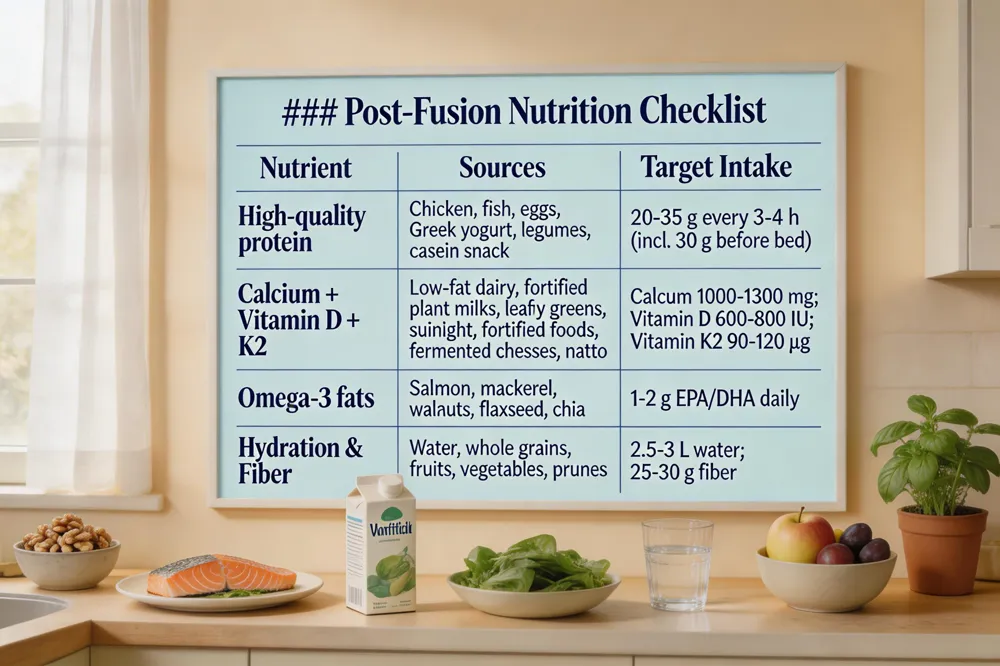 Protein‑rich foods for tissue repair: After spinal fusion, prioritize lean chicken, fish, eggs, Greek yogurt, and legumes. Aim for 20–35 g of high‑quality protein every 3–4 hours, including a casein‑rich snack before bed, to overcome anabolic resistance and support muscle‑bone healing.
Calcium‑vitamin D synergy: Calcium from low‑fat dairy, fortified plant milks, or leafy greens should be paired with vitamin D (sunlight, fortified foods, or a 600–800 IU supplement) and vitamin K2 from fermented sources. This trio directs calcium into vertebrae, enhances bone mineralization, and prevents ectopic calcification.
Omega‑3 anti‑inflammatory fats: Incorporate fatty fish (salmon, mackerel), walnuts, flaxseed, and chia. Omega‑3s (EPA/DHA) lower cytokine production, reduce postoperative swelling, and improve nutrient absorption.
Hydration and fiber for bowel health: Drink 2.5–3 L of water daily; include high‑fiber foods (whole grains, fruits, vegetables, prunes) to prevent constipation from pain meds and maintain disc nutrition.
Best foods to eat after Spinal Fusion surgery After spinal fusion, focus on protein‑rich foods such as lean chicken, fish, eggs, Greek yogurt, and legumes to support tissue repair and bone healing. Include healthy fats from olive oil, avocado, nuts, and seeds, especially omega‑3 sources like salmon and walnuts, which reduce inflammation and aid nutrient absorption. Fill your plate with a variety of colorful vegetables—broccoli, kale, sweet bell peppers, carrots, cauliflower—and antioxidant‑rich berries to provide vitamin C, vitamin K, and other minerals essential for wound healing. Don't forget calcium‑rich dairy or fortified alternatives and vitamin D (plus vitamin K2) to promote strong bone fusion, and aim for 5‑6 small meals a day to meet the increased metabolic demand. Stay hydrated and limit processed or high‑sugar foods that can impede recovery.
Nutrition for injury recovery pdf A downloadable PDF titled “Nutrition for Injury Recovery & Rehabilitation” offers evidence‑based guidelines on how diet can accelerate healing. It explains the importance of meeting increased caloric needs—up to 20 % more after trauma or surgery—and emphasizes frequent, protein‑rich meals (15‑40 g per serving) to combat anabolic resistance and preserve muscle mass. The guide also outlines anti‑inflammatory foods, such as omega‑3‑rich fish, nuts, seeds, and colorful fruits and vegetables, and recommends prebiotic and probiotic sources to support gut health after antibiotics. Sample meal plans illustrate balanced portions of lean protein, complex carbohydrates, and healthy fats throughout the day. Practitioners can share this PDF with patients to integrate nutrition into their rehabilitation programs and improve recovery outcomes.
Best vitamins to take after back surgery After back surgery, the most important vitamins to support bone healing and tissue repair are vitamin D and vitamin K2, which work together to direct calcium into the spine and prevent unwanted calcification elsewhere. A high‑quality multivitamin can fill any gaps in your diet, providing essential micronutrients such as vitamin C and B‑complex vitamins that aid collagen synthesis and energy metabolism. Calcium supplementation is also crucial, but it should be paired with vitamin D and K2 for optimal absorption and bone mineralization. Magnesium helps relax muscles and supports nerve function, reducing postoperative spasms and promoting a smoother recovery. Finally, omega‑3 fatty acids, though technically a nutrient rather than a vitamin, have anti‑inflammatory properties that can further enhance healing and reduce pain after surgery.
Anti‑Inflammatory Diets for Back Pain and Spine Health

Athletes and patients who rely on chiropractic care can boost tissue healing and reduce pain by choosing foods that calm inflammation and support bone strength. Omega‑3 fatty acids from salmon, mackerel, sardines, walnuts, flaxseed and chia provide EPA/DHA and, together with extra‑virgin olive oil, deliver oleocanthal—an anti‑inflammatory compound comparable to ibuprofen. Vitamin D, calcium, magnesium and vitamin K2 work synergistically: vitamin D improves calcium absorption; calcium and vitamin K2 (found in fermented cheeses, natto and egg yolks) direct calcium to bone; magnesium (spinach, nuts, seeds) supports muscle relaxation and activates vitamin D. Antioxidant‑rich fruits, vegetables and spices—berries, citrus, leafy greens, cruciferous vegetables, turmeric (with black pepper), ginger and garlic—supply vitamin C, beta‑carotene, curcumin and other phytochemicals that protect spinal tissues from oxidative stress.
Healthy food for back pain: a rainbow of whole foods, fatty fish, olive oil, turmeric, ginger, garlic, and calcium‑rich dairy or fortified plant milks.
Anti‑inflammatory diet for back pain: Mediterranean‑style meals emphasizing fish, leafy greens, nuts, seeds, and limiting red meat, refined sugars, trans fats and high omega‑6 oils.
Best food for spine pain: omega‑3 sources, dark leafy greens, cruciferous veg, spices, and olive oil; avoid saturated fats and processed foods.
Which vitamin is strong for the spine? Vitamin D, because it unlocks calcium utilization and supports muscle function.
What foods to avoid after spine surgery? Fried and processed meats, excessive red meat, sugary snacks, refined carbs, high‑caffeine or alcoholic drinks, and salty, high‑sodium items that can promote inflammation and constipation.
Micronutrients, Hydration, and the Chiropractic Perspective
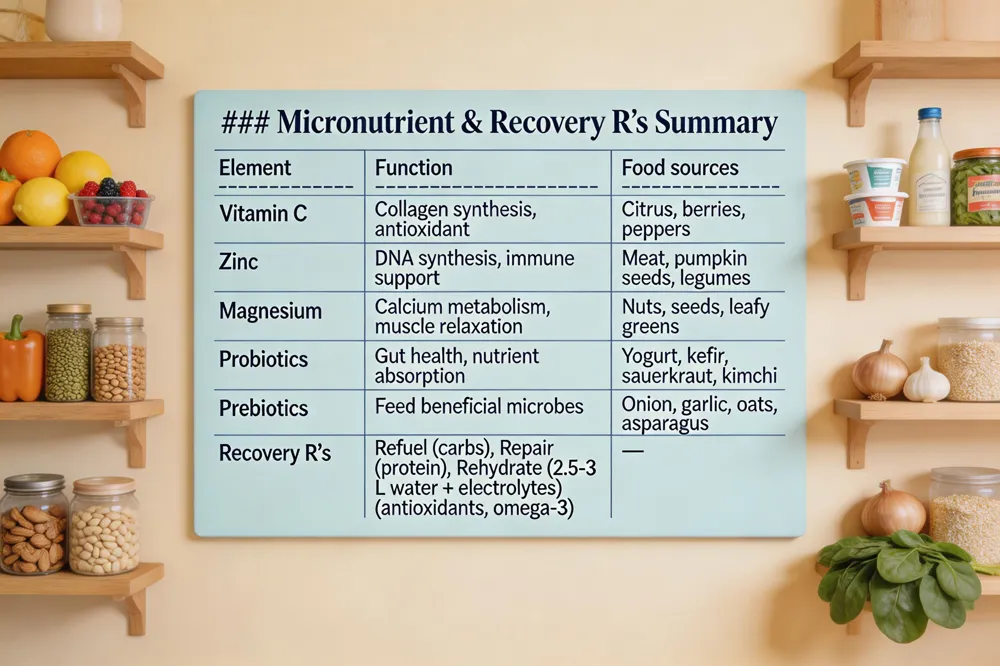 Athletes recovering from a sports‑related back injury have heightened energy and nutrient requirements. Aim for 25‑30 kcal / kg body weight per day and 1.5‑2.0 g protein / kg body weight, prioritizing leucine‑rich sources (whey, eggs, Greek yogurt) to counteract anabolic resistance and stimulate collagen synthesis.
Vitamin C, Zinc, Magnesium – Vitamin C is a co‑factor for collagen formation; zinc supports DNA synthesis and immune function; magnesium aids calcium metabolism and muscle relaxation. Together they promote ligament and disc repair while reducing nerve irritation.
Probiotic & Prebiotic Gut Support – Fermented foods (yogurt, kefir, sauerkraut, kimchi) and fiber‑rich prebiotics (onion, garlic, oats, asparagus) maintain a healthy microbiome after antibiotics or surgery, enhancing nutrient absorption and immune resilience.
Chiropractic Nutrition Counseling Limits – Chiropractors can give general, whole‑food‑based guidance and suggest anti‑inflammatory choices, but they must refer patients to a registered dietitian for complex medical nutrition therapy. This scope respects the holistic chiropractic model while staying within legal boundaries.
Recovery R’s – 1) Refuel with complex carbs to restore glycogen; 2) Repair with protein‑rich meals every 3‑4 hours; 3) Rehydrate – 2.5–3 L water daily plus electrolytes; 4) Revitalise with antioxidant‑dense fruits, vegetables, and omega‑3 fats to support immune health and tissue healing.
Putting It All Together: A Sample Day for the Recovering Athlete
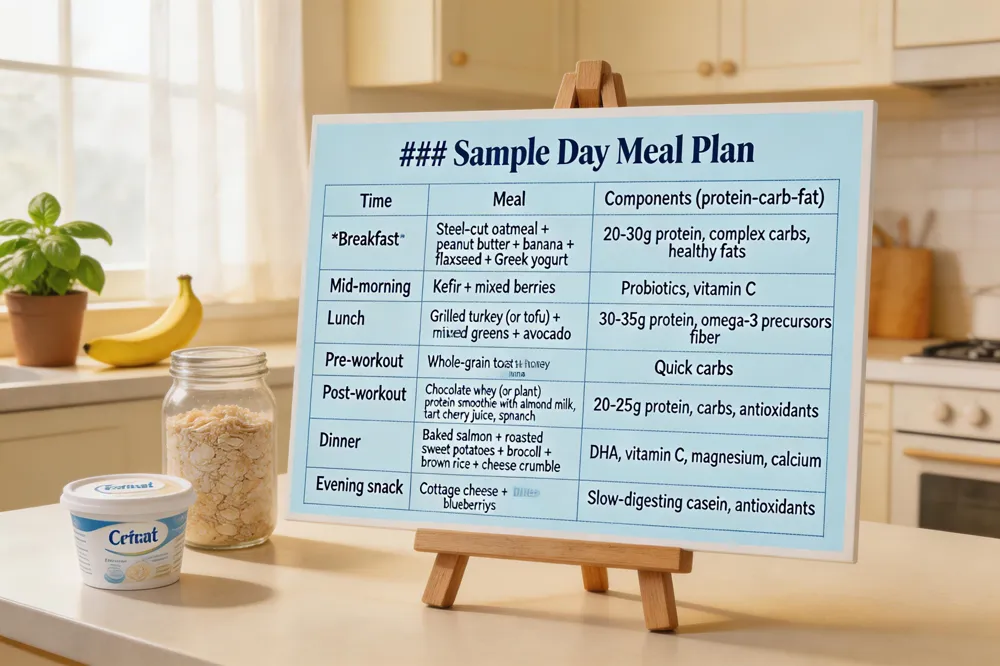
Breakfast – protein‑carb combo with anti‑inflammatory foods
A bowl of steel‑cut oatmeal topped with a spoonful of peanut butter, sliced banana, and a sprinkle of flaxseed provides 20‑30 g of high‑quality protein and complex carbs. Add a side of low‑fat Greek yogurt for extra casein and probiotics.
Mid‑morning snack – probiotic + fruit
A small kefir drink or a handful of fermented vegetables (sauerkraut, kimchi) paired with fresh berries delivers gut‑friendly microbes, vitamin C, and antioxidants.
Lunch – lean protein, whole grain, veggie overload
Grilled turkey breast or tofu on a bed of quinoa, mixed leafy greens, cherry tomatoes, and avocado supplies 30‑35 g of protein, omega‑3‑precursor fat, and fiber to keep bowel movements regular.
Pre‑workout – simple carbs
A slice of whole‑grain toast with a thin spread of honey or a small banana delivers quick glucose for the upcoming rehab session.
Post‑workout – protein‑carb recovery
Blend a smoothie with chocolate‑flavored whey (or plant‑based) protein, almond milk, tart cherry juice, and a handful of spinach; this 20‑25 g protein plus carbs jump‑starts muscle protein synthesis.
Dinner – omega‑3 rich fish, fiber, calcium
Baked salmon with a side of roasted sweet potatoes, broccoli, and a serving of brown rice delivers DHA, vitamin C, magnesium, and calcium from a small cheese crumble.
Evening snack – casein protein
A cup of cottage cheese with blueberries supplies slow‑digesting casein to sustain overnight muscle repair.
What to eat to recover from a back injury?
Focus on anti‑inflammatory foods (colorful fruits, leafy greens, whole grains, omega‑3‑rich fish or walnuts), high‑quality protein at every meal, vitamin C‑rich produce, zinc sources, adequate hydration, and fiber to prevent constipation. Supplement with vitamin D and calcium as needed.
What are the 3 T’s in chiropractic?
Thoughts, trauma, and toxins—stressful mental patterns, physical injuries, and harmful substances (poor diet, pollutants)—are the three primary sources of subluxation identified by D.D. Palmer. (See more on chiropractic nutrition here)
How to get comfortable after back surgery?
Use supportive pillows (under knees when supine or between knees when side‑lying), avoid bending/twisting, stay mobile with gentle walks, maintain a protein‑rich, hydrated diet, and follow surgeon‑directed wound‑care and pain‑management protocols. (Post‑operative nutrition guidance available)
Final Thoughts: Nutrition as a Pillar of Back‑Injury Rehab
Integrating a nutrient‑dense diet with chiropractic care creates a synergistic environment for spinal healing. By selecting anti‑inflammatory foods—olive oil, fatty fish, berries, leafy greens—and pairing them with regular adjustments, patients reduce systemic cytokines while the spine regains alignment. Consistency is key: steady protein intake of 1.2–2.0 g/kg, frequent hydration of 2.5–3 L daily, and probiotic‑rich foods support muscle synthesis, disc nutrition, and a balanced gut microbiome that modulates immune response. Each plan must be individualized, accounting for injury stage, metabolic rate, allergies, and cultural preferences. Collaborative monitoring with a sports dietitian and the chiropractor ensures that calorie targets, micronutrient timing, and lifestyle habits reinforce one another, accelerating recovery and sustaining long‑term wellness. Proper sleep, stress management, and gradual re‑introduction of core exercises complete the holistic protocol.
Recent articles

10 Real‑Patient Success Stories Showcasing the Impact of Chiropractic Care

Superfoods That Boost Nerve Healing After Chiropractic Sessions

Sleep Positions That Promote a Healthy Back Alignment

Signs Your Chiropractor Is a Good Fit for Your Back Pain Goals

Case Study: Integrated Physiotherapy and Chiropractic for Faster Recovery

First-Time Chiropractic Visit: A Step‑by‑Step Walkthrough
Synergistic Benefits: Combining Physiotherapy with Chiropractic Care

Beyond Surgery: Holistic Approaches to Managing Back Pain

How Manual Therapy Enhances the Effects of Chiropractic Adjustments

Hydration Hacks: Why Water Matters for Joint and Spine Function

What Does a Comprehensive Spinal Evaluation Include?

Success Spotlight: Transformative Results After Six Weeks of Chiropractic Treatment

Understanding the Initial Assessment Process in Chiropractic Care

Designing a Personalized Corrective Exercise Plan for Chronic Pain Management

Natural Pain Management: Combining Acupuncture, Yoga, and Chiropractic

Chiropractic Care vs. Pain Meds: Long-Term Outcomes for Back Pain Sufferers

What to Expect During a Sciatica‑Focused Decompression Session

Understanding the Pain-Relief Mechanics Behind Chiropractic Adjustments

Success Rates of Non‑Surgical Spinal Decompression for Sciatica

Patient-Centered Chiropractic Care: Personalized Plans for Back Pain Relief
How Chiropractic Treatments Reduce Inflammation and Speed Up Back Pain Recovery

Real‑Life Stories: How Chiropractic Helped Patients Overcome Chronic Back Pain

From Symptom Masking to Root‑Cause Healing: A Practical Guide

6 Holistic Non‑Surgical Treatments That Deliver Sustainable Back‑Pain Relief

Key Questions to Ask When Selecting Your Chiropractor

Mindful Movement: Incorporating Stretch Breaks Into a Busy Day

Why Targeting the Underlying Cause Beats Temporary Symptom Relief

8 Ways Physiotherapy Complements Chiropractic Adjustments for Faster Recovery
Meal Planning for Athletes Recovering from Back Injuries

9 Everyday Lifestyle Tweaks to Preserve a Healthy Spine and Prevent Pain

Functional Movement Screening for Root‑Cause Pain Identification

6 Things You’ll Experience During Your First Chiropractic Appointment

Spinal Decompression vs. Standard Physical Therapy for Sciatica: A Comparative Review

New Findings on How Adjustments Influence Blood Circulation

Work‑From‑Home Ergonomics: A Blueprint for a Pain‑Free Back

The Link Between Chiropractic Care and Improved Sleep Quality

Physiotherapy Techniques That Strengthen the Benefits of Chiropractic Adjustments

Biomechanical Insights Behind Successful Spinal Decompression

Desk‑to‑Dumbbell: Lifestyle Shifts That Guard Your Lower Back

10 Corrective Exercises for Sustainable Pain-Free Living

Morning Routines That Support Spine Health and Reduce Stiffness

Calcium and Magnesium‑Focused Nutrition for Bone Density and Spine Health

9 Ways Chiropractic Care Transforms Back Pain Management

Testimonial: Nutrition‑Guided Recovery Accelerated by Chiropractic
Science‑Backed Spinal Decompression for Relieving Sciatica Symptoms

Key Questions to Ask During Your Initial Chiropractic Consultation
Whole‑Body Wellness Blueprint: Nutrition, Exercise, and Chiropractic Synergy

A 12‑Week Corrective Exercise Blueprint for Chronic Neck Discomfort

Manual Therapy Plus Targeted Exercise: Accelerating Post‑Injury Recovery
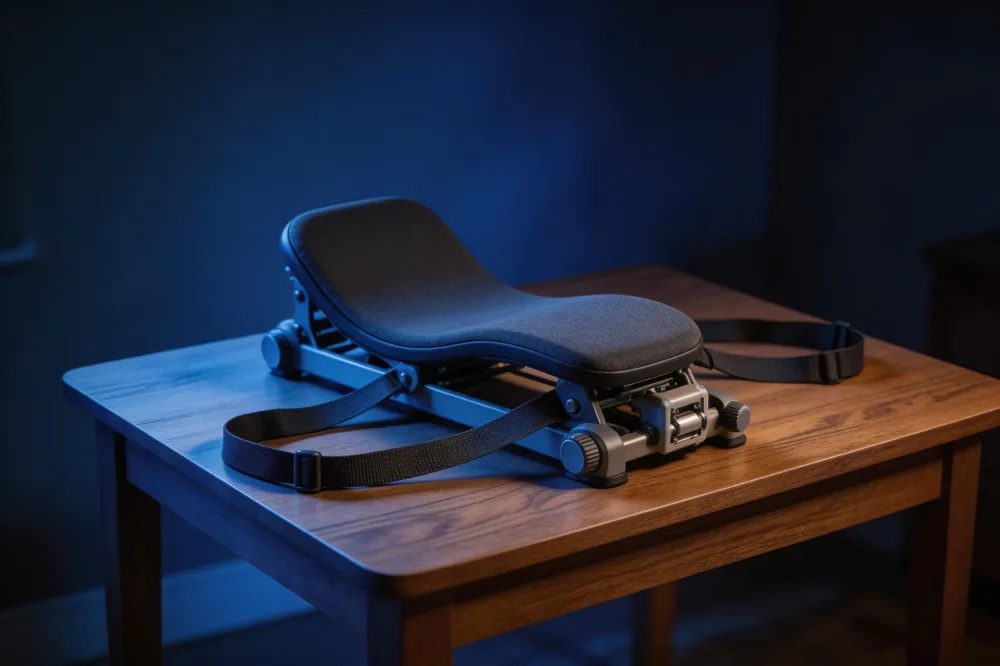
Home‑Based Spinal Decompression Devices: What Patients Should Know

Chiropractic Care Statistics: Reducing Lost Workdays From Back Pain

How Targeted Nutrition Enhances Immune Function and Lowers Inflammatory Pain

Self‑Assessment Tools to Identify Hidden Triggers of Back Pain

Preparing for Your First Chiropractic Appointment: A Practical Checklist

Back Pain Relief Benefits: Lower Opioid Use and Better Quality of Life

Foam‑Rolling Techniques to Complement Chiropractic Adjustments

Progressive Overload Principles in Corrective Exercise Programs

Six‑Month Transformation: Integrated Care Success Story

7 Nutritional Hacks to Boost Your Overall Wellness

How to Choose a Chiropractor: Credentials, Techniques, and Patient Compatibility

5 Ways Spinal Decompression Can Ease Sciatica Pain

Overcoming Sciatica: A Patient’s Multidisciplinary Treatment Journey
Lifestyle Changes That Promote a Healthy Spine
Physiotherapy as a Complement to Chiropractic Treatments
6 Ways Physiotherapy Enhances Chiropractic Treatment Outcomes

Daily Living Tips for a Strong and Healthy Spine

How Physiotherapy Enhances Chiropractic Outcomes
Holistic Treatments: Alternatives to Surgery for Pain Relief
Inspiring Patient Success Stories from Chiropractic Clinics

Integrating Physiotherapy with Chiropractic Treatments
Corrective Exercise Routines for Chronic Pain Prevention
10 Corrective Exercises to Maintain a Healthy Spine and Relieve Pain
Exercise Strategies for Long-Term Pain Management
10 Corrective Exercises to Maintain a Healthy Spine and Relieve Pain
The Importance of Treating the Root Cause of Pain
Nutritional Support Strategies for Whole-Body Wellness
7 Essential Questions to Ask When Choosing Your Chiropractor
Identifying and Addressing Root Causes of Pain
Maintaining a Healthy Spine with Lifestyle Adjustments
Sciatica Symptom Relief via Spinal Decompression
8 Reasons Why Addressing the Root Cause of Pain Is Crucial
Chiropractic Care’s Impact on Back Pain Recovery

Combining Physiotherapy with Chiropractic Care for Better Results

Inspiring Recovery: Chiropractic Patient Testimonials
Nutritional Counseling Tips for Optimal Wellness

Why Addressing the Root Cause of Pain is Crucial
Back Pain and Chiropractic Care: A Winning Combination

Chiropractic Care Benefits You Might Not Know
Exploring Holistic and Non-Surgical Treatments for Pain
Spinal Health: Lifestyle Tips for Everyday Wellness
Spinal Decompression Therapy: Benefits and Applications
Holistic and Non-Invasive Spine Care Options
Everyday Lifestyle Advice to Keep Your Spine Healthy
The Significance of Treating Root Causes in Pain Therapy
Best Corrective Exercises for Sustainable Pain Management
Addressing Underlying Causes of Pain for Long-Term Relief
6 Key Benefits of Spinal Decompression Therapy for Sciatica Relief
How Nutritional Counseling Supports Spine Health and Recovery

The Role of Physiotherapy in Supporting Chiropractic Treatments