9 Everyday Lifestyle Tweaks to Preserve a Healthy Spine and Prevent Pain
April 14, 2026
7 min

Why Small Habit Changes Matter
Nearly four‑in‑five U.S. adults will experience back pain at some point, making it one of the most common reasons to seek care. Back in Action Bodyworks treats this pervasive issue with a holistic, patient‑centered model that blends chiropractic spinal adjustments, therapeutic massage, yoga‑based flexibility work, and mind‑body stress‑reduction techniques such as meditation and deep breathing. The clinic emphasizes that lasting relief comes from daily micro‑habits—short walking breaks, ergonomic posture cues, supportive footwear, and brief core‑activation drills—rather than waiting for a perfect posture or a single “magic” session. Consistency builds muscular balance, improves disc nutrition, and reinforces neural pathways, turning small, realistic actions into a sustainable, pain‑free lifestyle. Over time, these incremental practices reduce inflammation, enhance posture, and empower patients to stay active without fear.
Foundational Stretches & Home Exercises

Introduction A chiropractor‑guided, holistic routine that blends gentle mobility with core‑strengthening moves can keep the lumbar spine supple, reduce tension, and prevent chronic pain. Consistency—morning and evening—creates lasting neuromuscular patterns without medication.
13 stretches for lower back pain Begin with Child’s Pose, Cat‑Cow, Two‑Knee Spinal Twist, and Knee‑to‑Chest to warm the lumbar area. Add Pelvic Tilts, Supine Figure‑4, Reclining Hand‑to‑Big Toe, and Downward‑Facing Dog for deeper flexion/extension. Finish with Bridge Pose, Pigeon Pose, Legs‑Up‑the‑Wall, Happy Baby, and Thread‑the‑Needle to balance hip‑spine alignment. Hold each 20‑30 seconds, repeat 2‑3 times daily.
7 exercises for lower back pain Pelvic Tilts and bridges strengthen core and lower‑back muscles, stabilizing the spine. Cat‑Cow and Bird‑Dog improve flexibility and balance while activating back and abdominal groups. Child’s Pose lengthens lumbar vertebrae, Knee‑to‑Chest isolates each side for targeted relief, and a seated spinal twist enhances vertebral mobility.
Back pain relief exercises at home Use Knee‑to‑Chest, lower‑back rotational, and Cat‑Cow for gentle mobilization. Strengthen with bridges, Pelvic Tilts, and seated trunk rotations. Perform each stretch 2‑3 times, each strengthening move 5‑10 reps, progressing to 30 reps as comfort improves. Breathe deeply, engage the core, and repeat twice daily.
Best exercises for a healthy back Combine flexibility (Knee‑to‑Chest, lower‑back rotation, Cat‑Cow, shoulder‑blade squeezes) with strengthening (bridge, Pelvic Tilts, erector spinae activation). Add seated twists for thoracic supple and finish with low‑impact cardio—walking or swimming—to support overall endurance and protect the spine.
Physiotherapy, Spine Stability & Core Conditioning

Physiotherapy exercises for lower back pain
A gentle, patient‑centered program blends stretching and strengthening to restore mobility while protecting the spine. Begin with low‑impact stretches such as knee‑to‑chest, lower‑back rotational twists, and cat‑cow twists—hold each for 5‑10 seconds, repeating 2‑3 times daily. Follow with core‑activating moves like bridges, cat‑cow, and lumbar extensions, performed with a neutral spine. Add shoulder‑blade squeezes and light core work three times a week to build endurance. Progress repetitions gradually and consult a physical therapist or chiropractor for personalized guidance.
Spine stability exercises
Stability hinges on activating the deep core—transversus abdominis, multifidus, diaphragm, and pelvic floor. Motor‑control drills such as the dead‑bug and bird‑dog teach the body to maintain neutral alignment during motion. Complement these with side‑plank, bridge, and hollow‑hold to reinforce lumbar‑pelvic stabilizers and strengthen hips and glutes. Gentle stretches (knee‑to‑chest, cat‑cow) preserve flexibility and reduce tension that can undermine stability. Perform the routine several times weekly, increasing duration as comfort improves.
What is the Big 3 for lower back pain?
The “Big 3”—curl‑up, side‑plank, and bird‑dog—target deep spinal stabilizers. Execute each in a pain‑free range, holding for about 10 seconds before switching sides. Integrated after a brief warm‑up (cat‑camel), they form a cornerstone of a holistic back‑care plan.
Spine and Strength
A healthy spine underpins overall strength and functional mobility. Through precise chiropractic adjustments, targeted therapeutic exercises, and balanced strength training, we restore alignment, improve posture, and enhance range of motion. This integrated, whole‑body approach nurtures the spine, reduces pain, and builds lasting strength for daily life and athletic pursuits.
Targeted Strategies for Women & Seniors

Female lower back pain treatment – Women often benefit from a blend of gentle chiropractic adjustments and targeted home exercises. A chiropractor can mobilize lumbar vertebrae, relieve muscle tension, and correct pelvic or sacroiliac imbalances common in females. Complementary stretches such as knee‑to‑chest, lower‑back rotations, and bridges maintain flexibility and reduce stiffness. Maintaining a healthy weight](https://spinehealth.org/article/spine-health-wellness/), using ergonomic seating, and applying intermittent heat or ice further alleviate discomfort. Short‑term NSAIDs may be used sparingly, but a personalized, holistic plan is essential for lasting relief.
How to reduce back pain for female – Focus on a strong, flexible core with bridges, pelvic tilts](https://spinehealth.org/article/spine-health-wellness/), and seated twists performed daily for a few minutes. Incorporate knee‑to‑chest](https://www.mayoclinic.org/healthy-lifestyle/adult-health/in-depth/back-pain/art-20546859), cat‑cow, and rotational stretches to keep lumbar muscles supple. Practice good posture](https://odphp.health.gov/myhealthfinder/healthy-living/safety/prevent-back-pain) while sitting and standing, use supportive chairs or a pillow between the knees](https://restless.co.uk/health/healthy-body/daily-habits-to-avoid-back-pain/) when sleeping, and take brief walks or stand every hour to avoid static loading. Weight management, smoking cessation, and regular chiropractic assessments provide additional protection.
10 daily posture exercises for seniors – 1. Chin tuck & wall tilt; 2. Wall arm circles & scapular retractions; 3. Chest stretch & isometric rowing; 4. Walking posture & gentle yoga/Pilates; 5. Decompression lean & low‑range cat‑cow.
Daily posture exercises for beginners – Begin with chin‑tucks (5‑10 s), shoulder‑blade squeezes (10‑12 reps), seated cat‑cow (1 min), wall‑angel slides (8‑10 reps), and doorway chest stretch (20‑30 s each side). These movements promote neutral spinal alignment and reduce strain.
Posture Reset & Habit Building

How to permanently fix posture
Begin with body‑wide awareness: notice the alignment of head, shoulders, hips whether you’re standing, sitting, or lying down. Adopt a neutral spine—ears over shoulders, shoulders relaxed, pelvis balanced. Strengthen core, back, and glute groups with planks, bird‑dogs, and hip bridges while daily stretching tight chest, shoulder and hip‑flexor muscles to restore natural curves. Ergonomic adjustments—desk height, lumbar‑supporting chair, monitor at eye level, supportive low‑heeled shoes—reinforce neutral alignment. Schedule regular chiropractic evaluations at Back in Action Bodyworks for personalized adjustments and corrective drills that cement proper mechanics.
What can I do every day to fix my posture?
Practice mindfulness throughout the day, correcting slouching as it occurs. Keep your workstation ergonomic: elbows at 90°, feet flat, lumbar roll or chair support. Add a brief core‑strengthening routine each morning (plank, bird‑dog, or yoga flow). Take 5‑minute walking or stretching breaks every 30‑60 minutes. Maintain a healthy weight and wear supportive footwear to reduce pelvic strain.
How to improve posture in 7 days
Start each morning with a “wall‑test” routine: wall angels, cat‑cow, cobra, and superman for 10‑15 minutes. Throughout the day, perform a 30‑second stretch or posture check hourly. Incorporate a mirror‑walk drill, walking tall with ears, shoulders, and hips aligned. Add planks and bridge poses on days 4‑5, and finish with evening chest and lower‑back stretches. Consistent daily habits reset muscle memory and improve spinal alignment.
Posture exercises gym
Integrate chin tucks, chest openers, resistance‑band rows, single‑leg Romanian deadlifts, glute bridges, and wall‑angel mobility work three times weekly. This balanced routine counteracts desk‑induced forward‑hunch and strengthens the postural chain.
Daily posture exercises at home
A simple equipment‑free circuit: chin tucks, shoulder‑blade squeezes, cat‑cow or wall thoracic extensions, chest‑opening stretch, hip‑flexor stretch, seated abdominal bracing, and glute bridge. Perform each for 30‑60 seconds, repeat 2‑3 times daily. This routine supports spinal health, reduces tech‑neck tension, and complements the holistic, patient‑centered care we provide at Back in Action Bodyworks.
Lifestyle Tweaks for Long‑Term Spine Health

How to prevent back pain in old age? A strong, flexible core is essential. Include daily core‑strength moves such as planks, bird‑dog, and bridges, and stretch the back, hips and hamstrings each day. Walk briskly for at least 90–120 minutes total to keep weight healthy and reduce disc load. Maintain neutral posture at work with an ergonomic chair, lumbar support and a sit‑stand desk; change position every hour. Use supportive shoes with good arch support to keep pelvic alignment. Lift with the legs, keep the load close, and avoid twisting. Quit smoking, stay hydrated, and consume calcium‑rich foods and vitamin D to protect bone density.
How to prevent back pain later in life Strengthen the core and back muscles twice weekly with planks, bridges, and bird‑dog. Practice good posture—shoulders back, ears over shoulders, feet flat while sitting—and break long sitting with a 5‑minute walk each hour. When lifting, bend the knees, keep the spine straight, and let the legs do the work. Maintain a healthy weight through at least 150 minutes of moderate aerobic activity weekly and follow an anti‑inflammatory diet rich in whole foods, omega‑3s, calcium and vitamin D. Manage stress with mindfulness or yoga, and schedule regular chiropractic or physical‑therapy check‑ups to catch imbalances early.
Which vitamin is strong for the spine? Vitamin D is the key vitamin for spinal health because it enables efficient calcium absorption, essential for strong vertebrae and intervertebral discs. Adequate vitamin D also supports muscle function and reduces inflammation, lowering the risk of osteoporosis and chronic back pain. Sources include sun exposure, fatty fish, fortified dairy, egg yolks and mushrooms; supplements may be needed under clinician guidance.
Putting It All Together for a Pain‑Free Future
Successful back‑pain prevention relies on a consistent daily routine that blends movement, posture, nutrition, and relaxation. Begin each day with a brief spinal warm‑up—cat‑cow, chin‑tuck, and gentle hip‑hinge—to activate the core. Walk 90‑120 minutes total, broken into short 5‑minute bouts, and take micro‑breaks every hour to stand, stretch, or perform a plank. Choose ergonomic furniture, supportive shoes, and a medium‑firm mattress; keep the spine neutral while sitting, standing, and sleeping. Hydrate, eat anti‑inflammatory foods, and practice mindfulness or deep‑breathing to lower stress‑related muscle tension. At Back in Action Bodyworks, we combine chiropractic adjustments, therapeutic massage, and personalized exercise plans to address each patient’s unique biomechanical profile. Contact us today for a comprehensive assessment and a customized roadmap toward lasting spinal health and improve overall quality of life.
Recent articles
10 Real‑Patient Success Stories Showcasing the Impact of Chiropractic Care

Superfoods That Boost Nerve Healing After Chiropractic Sessions

Sleep Positions That Promote a Healthy Back Alignment
Signs Your Chiropractor Is a Good Fit for Your Back Pain Goals
Case Study: Integrated Physiotherapy and Chiropractic for Faster Recovery
First-Time Chiropractic Visit: A Step‑by‑Step Walkthrough
Synergistic Benefits: Combining Physiotherapy with Chiropractic Care

Beyond Surgery: Holistic Approaches to Managing Back Pain

How Manual Therapy Enhances the Effects of Chiropractic Adjustments

Hydration Hacks: Why Water Matters for Joint and Spine Function

What Does a Comprehensive Spinal Evaluation Include?

Success Spotlight: Transformative Results After Six Weeks of Chiropractic Treatment

Understanding the Initial Assessment Process in Chiropractic Care
Designing a Personalized Corrective Exercise Plan for Chronic Pain Management

Natural Pain Management: Combining Acupuncture, Yoga, and Chiropractic
Chiropractic Care vs. Pain Meds: Long-Term Outcomes for Back Pain Sufferers

What to Expect During a Sciatica‑Focused Decompression Session

Understanding the Pain-Relief Mechanics Behind Chiropractic Adjustments

Success Rates of Non‑Surgical Spinal Decompression for Sciatica

Patient-Centered Chiropractic Care: Personalized Plans for Back Pain Relief
How Chiropractic Treatments Reduce Inflammation and Speed Up Back Pain Recovery
Real‑Life Stories: How Chiropractic Helped Patients Overcome Chronic Back Pain
From Symptom Masking to Root‑Cause Healing: A Practical Guide

6 Holistic Non‑Surgical Treatments That Deliver Sustainable Back‑Pain Relief

Key Questions to Ask When Selecting Your Chiropractor

Mindful Movement: Incorporating Stretch Breaks Into a Busy Day

Why Targeting the Underlying Cause Beats Temporary Symptom Relief

8 Ways Physiotherapy Complements Chiropractic Adjustments for Faster Recovery
Meal Planning for Athletes Recovering from Back Injuries
9 Everyday Lifestyle Tweaks to Preserve a Healthy Spine and Prevent Pain

Functional Movement Screening for Root‑Cause Pain Identification

6 Things You’ll Experience During Your First Chiropractic Appointment

Spinal Decompression vs. Standard Physical Therapy for Sciatica: A Comparative Review

New Findings on How Adjustments Influence Blood Circulation
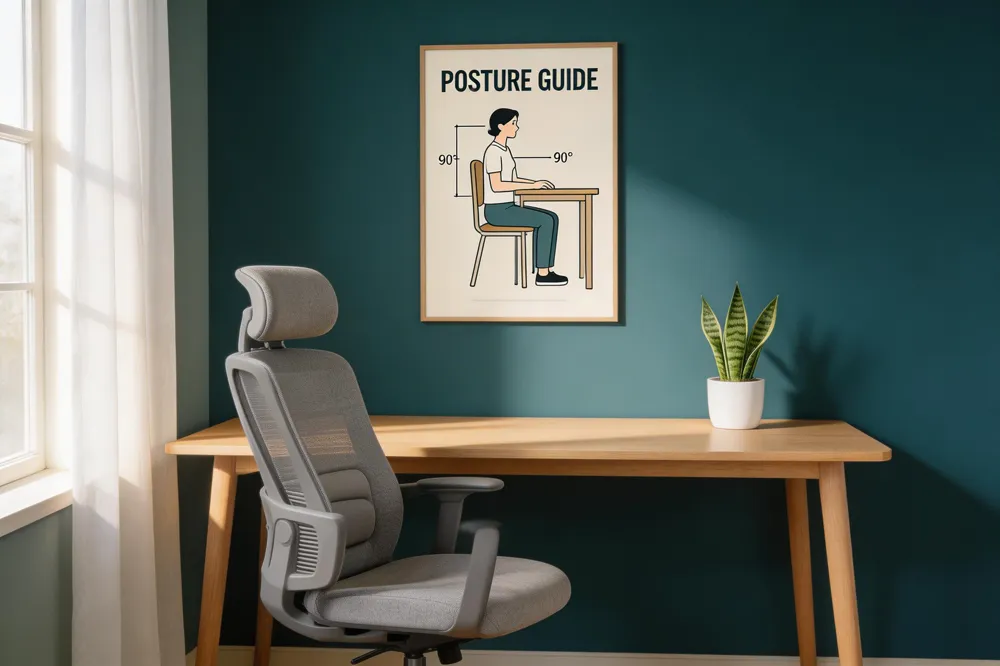
Work‑From‑Home Ergonomics: A Blueprint for a Pain‑Free Back
The Link Between Chiropractic Care and Improved Sleep Quality

Physiotherapy Techniques That Strengthen the Benefits of Chiropractic Adjustments

Biomechanical Insights Behind Successful Spinal Decompression

Desk‑to‑Dumbbell: Lifestyle Shifts That Guard Your Lower Back
10 Corrective Exercises for Sustainable Pain-Free Living

Morning Routines That Support Spine Health and Reduce Stiffness

Calcium and Magnesium‑Focused Nutrition for Bone Density and Spine Health

9 Ways Chiropractic Care Transforms Back Pain Management

Testimonial: Nutrition‑Guided Recovery Accelerated by Chiropractic
Science‑Backed Spinal Decompression for Relieving Sciatica Symptoms
Key Questions to Ask During Your Initial Chiropractic Consultation
Whole‑Body Wellness Blueprint: Nutrition, Exercise, and Chiropractic Synergy
A 12‑Week Corrective Exercise Blueprint for Chronic Neck Discomfort

Manual Therapy Plus Targeted Exercise: Accelerating Post‑Injury Recovery
Home‑Based Spinal Decompression Devices: What Patients Should Know
Chiropractic Care Statistics: Reducing Lost Workdays From Back Pain

How Targeted Nutrition Enhances Immune Function and Lowers Inflammatory Pain

Self‑Assessment Tools to Identify Hidden Triggers of Back Pain
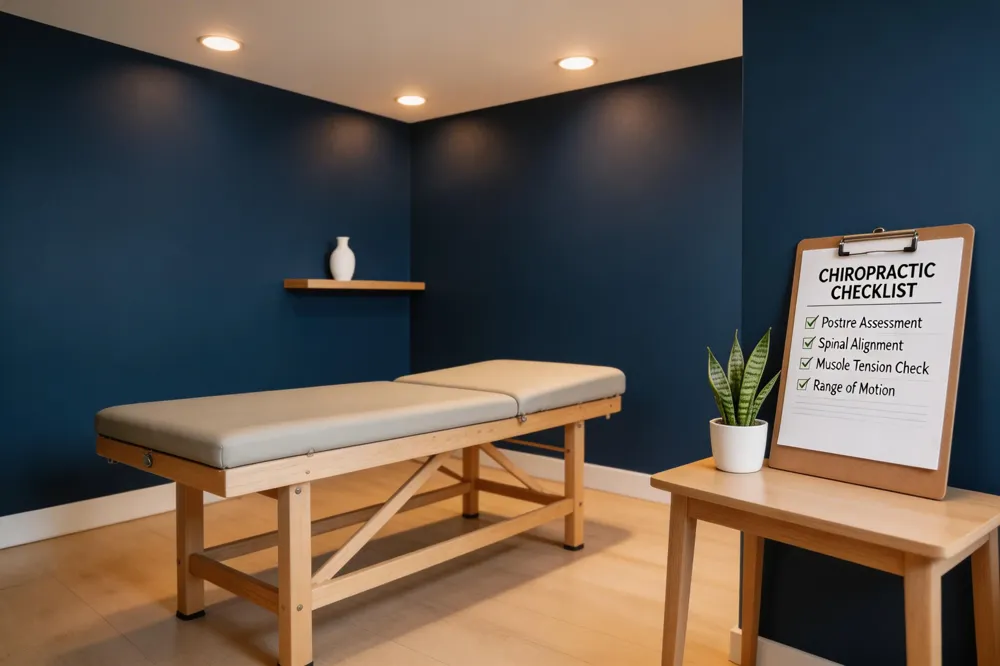
Preparing for Your First Chiropractic Appointment: A Practical Checklist
Back Pain Relief Benefits: Lower Opioid Use and Better Quality of Life

Foam‑Rolling Techniques to Complement Chiropractic Adjustments

Progressive Overload Principles in Corrective Exercise Programs
Six‑Month Transformation: Integrated Care Success Story

7 Nutritional Hacks to Boost Your Overall Wellness

How to Choose a Chiropractor: Credentials, Techniques, and Patient Compatibility
5 Ways Spinal Decompression Can Ease Sciatica Pain

Overcoming Sciatica: A Patient’s Multidisciplinary Treatment Journey
Lifestyle Changes That Promote a Healthy Spine
Physiotherapy as a Complement to Chiropractic Treatments
6 Ways Physiotherapy Enhances Chiropractic Treatment Outcomes
Daily Living Tips for a Strong and Healthy Spine

How Physiotherapy Enhances Chiropractic Outcomes
Holistic Treatments: Alternatives to Surgery for Pain Relief
Inspiring Patient Success Stories from Chiropractic Clinics

Integrating Physiotherapy with Chiropractic Treatments
Corrective Exercise Routines for Chronic Pain Prevention
10 Corrective Exercises to Maintain a Healthy Spine and Relieve Pain
Exercise Strategies for Long-Term Pain Management
10 Corrective Exercises to Maintain a Healthy Spine and Relieve Pain
The Importance of Treating the Root Cause of Pain
Nutritional Support Strategies for Whole-Body Wellness
7 Essential Questions to Ask When Choosing Your Chiropractor
Identifying and Addressing Root Causes of Pain
Maintaining a Healthy Spine with Lifestyle Adjustments
Sciatica Symptom Relief via Spinal Decompression
8 Reasons Why Addressing the Root Cause of Pain Is Crucial
Chiropractic Care’s Impact on Back Pain Recovery
Combining Physiotherapy with Chiropractic Care for Better Results
Inspiring Recovery: Chiropractic Patient Testimonials
Nutritional Counseling Tips for Optimal Wellness

Why Addressing the Root Cause of Pain is Crucial
Back Pain and Chiropractic Care: A Winning Combination

Chiropractic Care Benefits You Might Not Know
Exploring Holistic and Non-Surgical Treatments for Pain
Spinal Health: Lifestyle Tips for Everyday Wellness
Spinal Decompression Therapy: Benefits and Applications
Holistic and Non-Invasive Spine Care Options
Everyday Lifestyle Advice to Keep Your Spine Healthy
The Significance of Treating Root Causes in Pain Therapy
Best Corrective Exercises for Sustainable Pain Management

Addressing Underlying Causes of Pain for Long-Term Relief
6 Key Benefits of Spinal Decompression Therapy for Sciatica Relief

How Nutritional Counseling Supports Spine Health and Recovery
The Role of Physiotherapy in Supporting Chiropractic Treatments