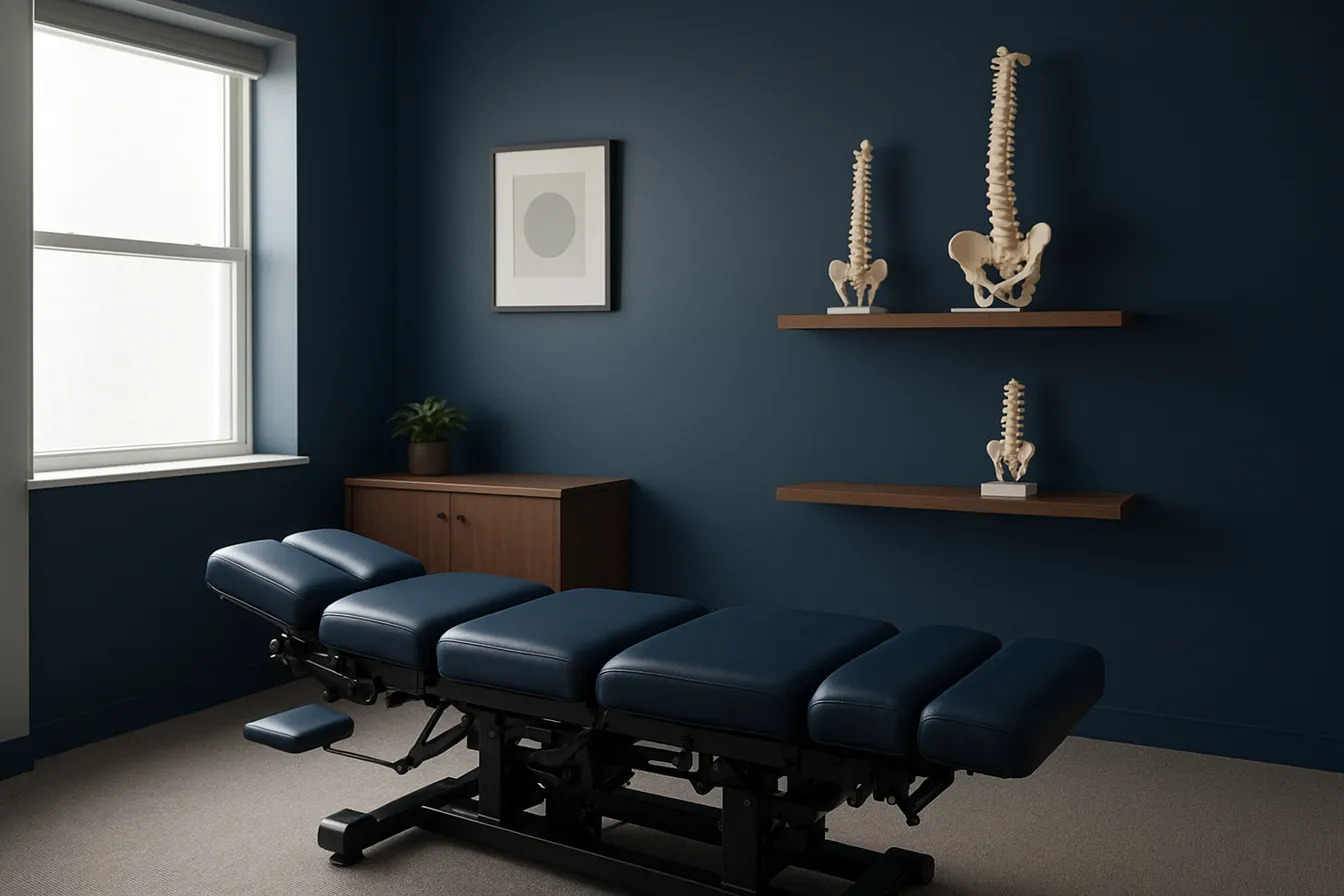
New Findings on How Adjustments Influence Blood Circulation
April 5, 2026
6 min

Introduction
Chiropractic adjustments are hands‑on, drug‑free techniques that restore proper joint motion and correct vertebral misalignments, relieving nerve interference and musculoskeletal tension. By re‑establishing optimal spinal alignment, these adjustments can influence the autonomic nervous system, which regulates vascular tone, heart rate, and blood‑vessel dilation. Improved nervous‑system balance may promote vasodilation, reduce sympathetic over‑activity, and enhance regional microcirculation, supporting oxygen and nutrient delivery to organs and tissues. This article explores how a holistic, patient‑centered chiropractic care plan—combined with lifestyle measures such as exercise, nutrition, and stress management—can complement conventional cardiovascular therapies and contribute to better circulatory health and overall wellness.
Mechanisms Linking Adjustments to Blood Flow

Yes—when a chiropractor restores proper spinal alignment, it can relieve pressure on surrounding blood vessels and nerves. This reduction of mechanical restriction allows blood to flow more freely, improving local circulation and tissue oxygenation. Studies such as the 2015 Journal of Manipulative and Physiological Therapeutics paper show misaligned spines are linked to measurable drops in blood flow, while corrective adjustments help restore normal perfusion. Patients often report warmer extremities and reduced tingling after a series of targeted adjustments.
Research shows spinal adjustments can lead to modest reductions in both systolic and diastolic blood pressure, likely by decreasing sympathetic nervous system activity. A 2007 University of Chicago study found a single, precise upper‑cervical (C‑1) adjustment lowered blood pressure as much as two antihypertensive drugs, with the effect persisting for at least eight weeks. Other trials of thoracic adjustments report similar drops, suggesting that correcting vertebral misalignments may help regulate vascular tone and stress responses. Adjustments should be viewed as a complementary, low‑risk option alongside conventional hypertension management.
A chiropractor can improve poor circulation by creating space for nerves and vessels, reducing inflammation and muscle tension that restrict flow. Lifestyle guidance—exercise, posture improvement, smoking cessation—further supports vascular health. Chiropractic care complements, but does not replace, medical treatment for underlying cardiovascular disease.
When you stand, gravity pulls blood toward the lower extremities, briefly reducing venous return and arterial pressure. The body compensates by vasoconstriction and increased heart rate, often raising systolic pressure for a short period. A pronounced rise on standing is linked to higher cardiovascular risk, so monitoring both seated and standing pressures can aid early detection of abnormal responses.
Regular low‑impact aerobic activity, core‑strengthening, spinal‑mobility drills, heat therapy, gentle massage, good posture, and a nutrient‑dense diet all increase blood flow to spinal tissues, delivering oxygen and nutrients while removing metabolic waste.
Clinical Evidence and Research Findings

Blood flow velocity studies have shown short‑term increases in regional perfusion. Use measurements of Doppler arteries show a low 15 % rise in vertebral artery velocity after cervical manipulation and a 10‑minute rise in lower‑limb microcirculation after lumbar thrusts. However, systematic reviews rate the overall evidence linking these changes to meaningful systemic circulation as low‑quality and inconsistent.
Blood pressure outcomes are mixed. A 2007 double‑blind trial of 50 hypertensive patients with a misaligned C‑1 vertebra reported a 14 mm Hg systolic and 8 mm Hg diastolic reduction after a single upper‑cervical adjustment, comparable to two antihypertensive drugs, with effects persisting for eight weeks. Other small trials have found modest reductions, while larger controlled studies show no significant difference from sham treatment. The hypothesized mechanism involves reduced sympathetic tone and improved autonomic balance, yet definitive pathways remain unclear.
Biomarker investigations, such as the four‑week stroke study, found no between‑group differences in serum BDNF, IGF‑II, or GDNF between chiropractic and sham groups, suggesting that any circulatory benefit is not mediated by these neurotrophic factors.
Systematic review quality is generally low. Reviews note modest, inconsistent autonomic changes (e.g., heart‑rate variability) and call for larger, well‑designed trials. Consequently, while chiropractic adjustments may offer localized microcirculatory improvements and occasional blood‑pressure benefits, they should complement, not replace, established cardiovascular therapies and lifestyle interventions.
Holistic Orthopedic Care at Back in Action Bodyworks

Back in Action Bodyworks in Torrance, California delivers a truly holistic orthopedic experience. Integrative services combine evidence‑based chiropractic adjustments, therapeutic exercise, nutrition counseling, and cutting‑edge regenerative medicine such as platelet‑rich plasma (PRP) and bone‑marrow aspirate concentrate (BMAC). Adjustments have been shown to increase regional blood flow by up to 15 % (Journal of Manipulative and Physiological Therapeutics, 2018) and to reduce inflammatory cytokines, creating a physiological environment that supports tissue repair without invasive surgery.
Holistic approach to muscle pain blends spinal manipulation, myofascial release, targeted stretching, and anti‑inflammatory nutrition (turmeric, ginger, magnesium). By improving microcirculation and lowering sympathetic tone, adjustments alleviate tension, accelerate waste removal, and promote faster healing.
Four pillars of holistic health—Sleep, Movement, Stress Management, and Nutrition—are woven into every treatment plan, ensuring long‑term musculoskeletal resilience.
Chiropractic care for anxiety leverages the same nervous‑system modulation; adjustments enhance heart‑rate variability and parasympathetic activity, lowering cortisol and supporting calmer mood. When paired with lifestyle coaching, chiropractic care becomes a natural component of anxiety management.
If you search for “holistic orthopedics near me,” Back in Action Bodyworks offers a patient‑centered, integrative pathway to stronger joints, reduced pain, and overall wellness.
Detoxification, Self‑Healing and Natural Supports

Chiropractic adjustments release stored metabolic waste from muscles, joints and connective tissue. The waste enters the bloodstream, where the liver and kidneys filter it for elimination via urine, feces, sweat and breath, while the lymphatic system transports any residual debris. The body’s innate healing power relies on inflammation, cellular regeneration and neuro‑immune communication; immune cells clear pathogens, stem‑like cells rebuild tissue, and the nervous system coordinates repair signals. Acute inflammation resolves naturally through anti‑inflammatory mediators, but chronic inflammation may need lifestyle changes, supportive modalities such as chiropractic care to restore balance. Supplements that support musculoskeletal health include omega‑3s, glucosamine‑chondroitin, turmeric/curcumin, vitamin D, magnesium and collagen peptides; herbs like willow bark, ginger, turmeric, devil’s claw and topical comfrey can also aid pain relief. Signs of healing are reduced swelling, improved range of motion, milder pain, warmer extremities, deeper sleep and steadier breathing. Boost healing by prioritizing restorative sleep, hydration, a nutrient‑dense anti‑inflammatory diet, gentle movement, stress‑reduction techniques and, when appropriate, targeted supplements after consulting a professional.
Autonomic Regulation, Blood‑Pressure Measurement and Orthostatic Concerns

Patients with POTS can also have hypertension because the two conditions stem from different autonomic pathways; careful fluid‑management, compression garments, and targeted chiropractic adjustments that promote parasympathetic balance may help control both tachycardia and elevated pressure. Orthostatic blood pressure is measured after a supine rest and again after standing; a drop of ≥20 mm Hg systolic or ≥10 mm Hg diastolic within three minutes defines orthostatic hypotension. The baroreceptor reflex counters high pressure by increasing vagal tone and reducing sympathetic outflow, causing vasodilation and a slower heart rate. Lying down boosts venous return, often lowering heart rate, while elevating the feet during measurement can falsely raise readings and is not recommended. Blood work for postural hypotension screens for anemia, electrolyte imbalance, thyroid disease, and adrenal disorders. Common side‑effects of spinal adjustments are transient soreness or fatigue; serious complications are rare but warrant screening for osteoporosis or vascular risk before treatment.
Conclusion
Current research suggests that spinal adjustments can modestly improve regional blood flow, reduce inflammation, and promote autonomic balance, although evidence for systemic circulation benefits remains limited. Patients may notice reduced cold extremities, swelling, and fatigue after regular care, especially when combined with exercise, proper nutrition, stress management, and smoking cessation. Integrating chiropractic adjustments into a holistic wellness plan offers a drug‑free, patient‑centered approach that supports musculoskeletal health while complementing proven cardiovascular therapies.
Recent articles

10 Real‑Patient Success Stories Showcasing the Impact of Chiropractic Care

Superfoods That Boost Nerve Healing After Chiropractic Sessions

Sleep Positions That Promote a Healthy Back Alignment
Signs Your Chiropractor Is a Good Fit for Your Back Pain Goals

Case Study: Integrated Physiotherapy and Chiropractic for Faster Recovery

First-Time Chiropractic Visit: A Step‑by‑Step Walkthrough
Synergistic Benefits: Combining Physiotherapy with Chiropractic Care

Beyond Surgery: Holistic Approaches to Managing Back Pain

How Manual Therapy Enhances the Effects of Chiropractic Adjustments

Hydration Hacks: Why Water Matters for Joint and Spine Function

What Does a Comprehensive Spinal Evaluation Include?

Success Spotlight: Transformative Results After Six Weeks of Chiropractic Treatment

Understanding the Initial Assessment Process in Chiropractic Care

Designing a Personalized Corrective Exercise Plan for Chronic Pain Management

Natural Pain Management: Combining Acupuncture, Yoga, and Chiropractic

Chiropractic Care vs. Pain Meds: Long-Term Outcomes for Back Pain Sufferers

What to Expect During a Sciatica‑Focused Decompression Session

Understanding the Pain-Relief Mechanics Behind Chiropractic Adjustments

Success Rates of Non‑Surgical Spinal Decompression for Sciatica

Patient-Centered Chiropractic Care: Personalized Plans for Back Pain Relief
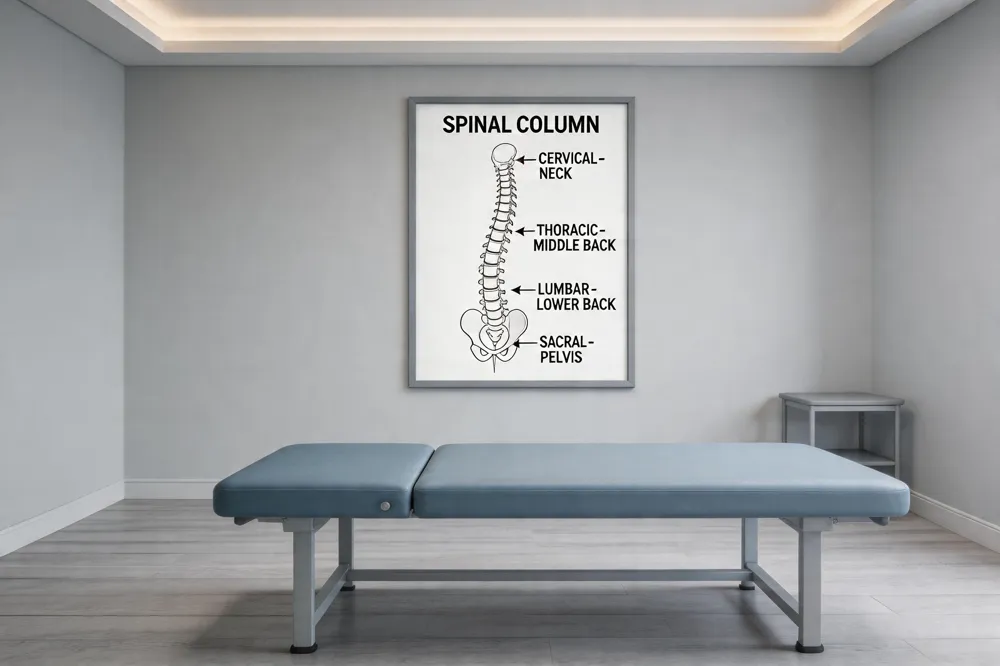
How Chiropractic Treatments Reduce Inflammation and Speed Up Back Pain Recovery

Real‑Life Stories: How Chiropractic Helped Patients Overcome Chronic Back Pain

From Symptom Masking to Root‑Cause Healing: A Practical Guide

6 Holistic Non‑Surgical Treatments That Deliver Sustainable Back‑Pain Relief

Key Questions to Ask When Selecting Your Chiropractor

Mindful Movement: Incorporating Stretch Breaks Into a Busy Day

Why Targeting the Underlying Cause Beats Temporary Symptom Relief

8 Ways Physiotherapy Complements Chiropractic Adjustments for Faster Recovery

Meal Planning for Athletes Recovering from Back Injuries

9 Everyday Lifestyle Tweaks to Preserve a Healthy Spine and Prevent Pain

Functional Movement Screening for Root‑Cause Pain Identification

6 Things You’ll Experience During Your First Chiropractic Appointment

Spinal Decompression vs. Standard Physical Therapy for Sciatica: A Comparative Review
New Findings on How Adjustments Influence Blood Circulation
Work‑From‑Home Ergonomics: A Blueprint for a Pain‑Free Back

The Link Between Chiropractic Care and Improved Sleep Quality

Physiotherapy Techniques That Strengthen the Benefits of Chiropractic Adjustments

Biomechanical Insights Behind Successful Spinal Decompression

Desk‑to‑Dumbbell: Lifestyle Shifts That Guard Your Lower Back

10 Corrective Exercises for Sustainable Pain-Free Living

Morning Routines That Support Spine Health and Reduce Stiffness

Calcium and Magnesium‑Focused Nutrition for Bone Density and Spine Health

9 Ways Chiropractic Care Transforms Back Pain Management

Testimonial: Nutrition‑Guided Recovery Accelerated by Chiropractic
Science‑Backed Spinal Decompression for Relieving Sciatica Symptoms

Key Questions to Ask During Your Initial Chiropractic Consultation
Whole‑Body Wellness Blueprint: Nutrition, Exercise, and Chiropractic Synergy

A 12‑Week Corrective Exercise Blueprint for Chronic Neck Discomfort

Manual Therapy Plus Targeted Exercise: Accelerating Post‑Injury Recovery

Home‑Based Spinal Decompression Devices: What Patients Should Know

Chiropractic Care Statistics: Reducing Lost Workdays From Back Pain

How Targeted Nutrition Enhances Immune Function and Lowers Inflammatory Pain

Self‑Assessment Tools to Identify Hidden Triggers of Back Pain

Preparing for Your First Chiropractic Appointment: A Practical Checklist

Back Pain Relief Benefits: Lower Opioid Use and Better Quality of Life

Foam‑Rolling Techniques to Complement Chiropractic Adjustments

Progressive Overload Principles in Corrective Exercise Programs

Six‑Month Transformation: Integrated Care Success Story

7 Nutritional Hacks to Boost Your Overall Wellness

How to Choose a Chiropractor: Credentials, Techniques, and Patient Compatibility

5 Ways Spinal Decompression Can Ease Sciatica Pain

Overcoming Sciatica: A Patient’s Multidisciplinary Treatment Journey
Lifestyle Changes That Promote a Healthy Spine
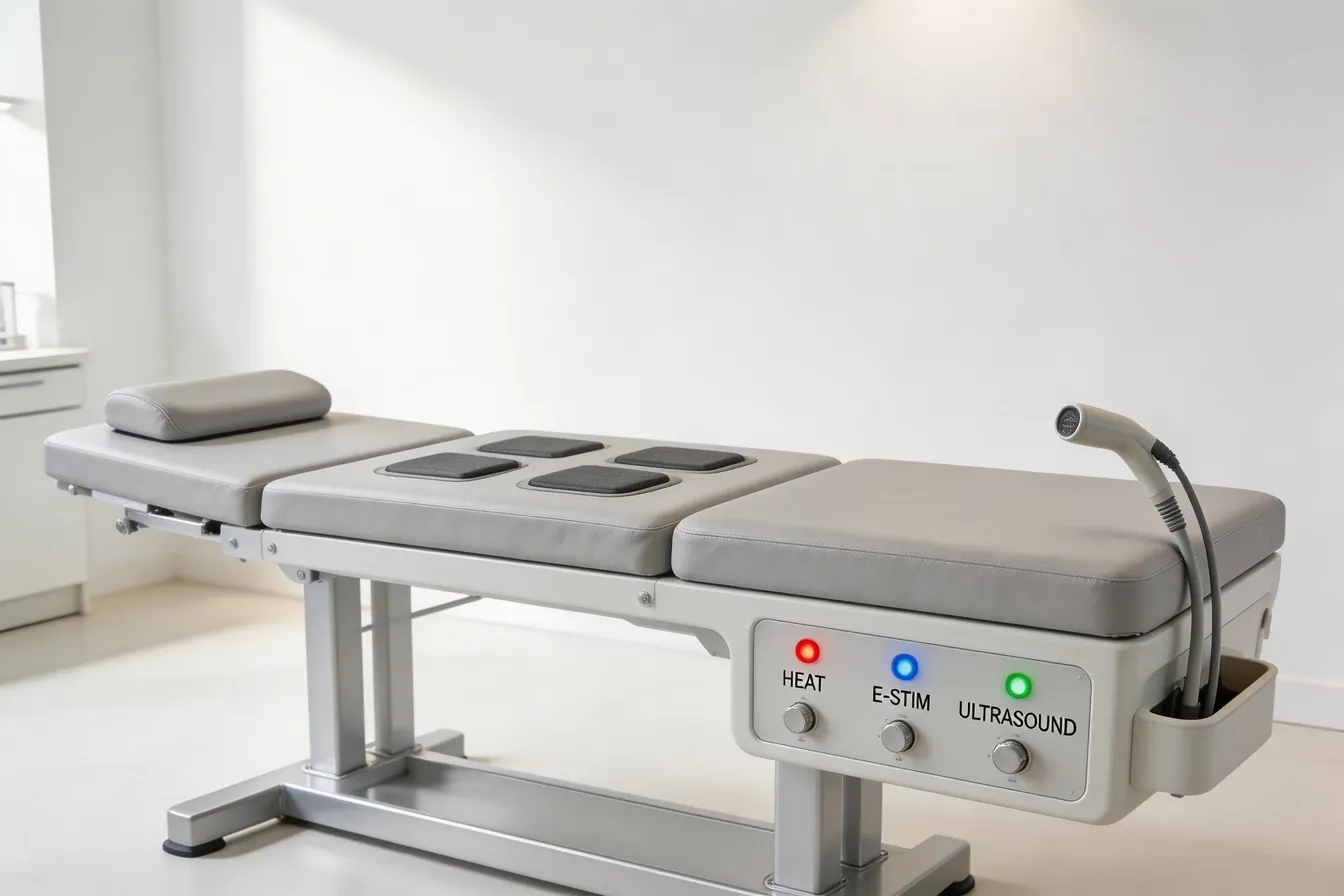
Physiotherapy as a Complement to Chiropractic Treatments

6 Ways Physiotherapy Enhances Chiropractic Treatment Outcomes

Daily Living Tips for a Strong and Healthy Spine

How Physiotherapy Enhances Chiropractic Outcomes
Holistic Treatments: Alternatives to Surgery for Pain Relief
Inspiring Patient Success Stories from Chiropractic Clinics

Integrating Physiotherapy with Chiropractic Treatments
Corrective Exercise Routines for Chronic Pain Prevention
10 Corrective Exercises to Maintain a Healthy Spine and Relieve Pain
Exercise Strategies for Long-Term Pain Management
10 Corrective Exercises to Maintain a Healthy Spine and Relieve Pain
The Importance of Treating the Root Cause of Pain
Nutritional Support Strategies for Whole-Body Wellness
7 Essential Questions to Ask When Choosing Your Chiropractor
Identifying and Addressing Root Causes of Pain
Maintaining a Healthy Spine with Lifestyle Adjustments
Sciatica Symptom Relief via Spinal Decompression

8 Reasons Why Addressing the Root Cause of Pain Is Crucial
Chiropractic Care’s Impact on Back Pain Recovery

Combining Physiotherapy with Chiropractic Care for Better Results

Inspiring Recovery: Chiropractic Patient Testimonials
Nutritional Counseling Tips for Optimal Wellness

Why Addressing the Root Cause of Pain is Crucial
Back Pain and Chiropractic Care: A Winning Combination

Chiropractic Care Benefits You Might Not Know
Exploring Holistic and Non-Surgical Treatments for Pain
Spinal Health: Lifestyle Tips for Everyday Wellness
Spinal Decompression Therapy: Benefits and Applications
Holistic and Non-Invasive Spine Care Options
Everyday Lifestyle Advice to Keep Your Spine Healthy
The Significance of Treating Root Causes in Pain Therapy
Best Corrective Exercises for Sustainable Pain Management

Addressing Underlying Causes of Pain for Long-Term Relief
6 Key Benefits of Spinal Decompression Therapy for Sciatica Relief

How Nutritional Counseling Supports Spine Health and Recovery

The Role of Physiotherapy in Supporting Chiropractic Treatments