8 Ways Physiotherapy Complements Chiropractic Adjustments for Faster Recovery
April 14, 2026
7 min

Why Integrated Care Matters
Holistic musculoskeletal health requires addressing both the structural alignment of the spine and the functional capacity of the surrounding muscles. Chiropractic adjustments instantly correct vertebral misalignments, reducing nerve irritation and improving joint mobility, while physiotherapy provides targeted therapeutic exercises, manual‑tissue mobilization, and modalities such as ultrasound or TENS that strengthen supporting musculature and enhance circulation. This synergy creates a feedback loop: a properly aligned spine allows patients to perform strengthening and proprioceptive drills with optimal form, and the resulting muscle conditioning helps maintain the corrected alignment, decreasing the risk of re‑injury. Clinical evidence shows that combined care shortens recovery timelines by up to 30%, lowers pain scores, and reduces reliance on medication. By integrating spinal manipulation with evidence‑based physiotherapy, clinicians deliver a patient‑centered, natural pain‑relief plan that promotes faster healing, lasting functional improvement, and overall wellness.
1. Strengthening Muscles to Support Adjustments

Core stability and supporting musculature are essential for maintaining the spinal alignment achieved by chiropractic adjustments. Targeted therapeutic exercises—such as bridge lifts, pelvic tilts, and hip‑strengthening routines—activate the deep abdominal and back muscles, providing a solid foundation that protects the spine and reduces the risk of re‑injury. When these muscles are strong and balanced, the joints stay in proper position longer, allowing the benefits of each adjustment to last.
How can I increase my body's natural healing power? Boost healing by eating a protein‑rich diet with vitamin C, zinc, omega‑3s, and antioxidants; stay hydrated; get 7‑9 hours of sleep; manage stress with mindfulness; and include gentle movement like walking or yoga to improve circulation.
What are effective physiotherapy exercises for back pain? Gentle stretches (knee‑to‑chest, cat‑cow, lumbar rotation) and core‑strength moves (bridge, pelvic tilt, shoulder‑blade squeezes) improve mobility and support the lumbar spine.
How effective is physiotherapy for back pain? It is a highly reliable, non‑surgical option that addresses underlying causes, delivering significant pain reduction and functional gains within weeks.
Who is more qualified to treat back pain: a physiotherapist or a chiropractor? Chiropractors excel at correcting spinal misalignments; physiotherapists specialize in rehabilitation and functional movement. The best outcomes often come from a collaborative approach that leverages both skill sets.
Should I see a physiotherapist or a chiropractor for lower back pain? If the pain stems from spinal positioning or nerve irritation, a chiropractor may be ideal; for chronic stiffness, post‑injury mobility deficits, or structured exercise programs, a physiotherapist is preferred. Many patients benefit from integrating both.
What can I do to heal faster after a chiropractic adjustment? Prioritize rest, hydration, gentle movement, ergonomic posture, and an anti‑inflammatory diet rich in fruits, vegetables, lean protein, and omega‑3 fats.
2. Enhancing Mobility and Range of Motion

Joint mobilization and soft‑tissue techniques are core components of physiotherapy that complement chiropractic adjustments. Manual therapies such as myofascial release, soft‑tissue mobilization, and targeted joint mobilizations reduce muscle tension and restore joint mechanics, allowing the spine to move freely after an adjustment. This reduction in restriction translates into a measurable improvement in range of motion, enabling patients to achieve pain‑free movement more quickly.
Frequently asked questions
What home‑based physiotherapy treatments help alleviate back pain? Gentle stretches (knee‑to‑chest, cat‑cow), core‑activating exercises (posterior pelvic tilts, bridges, dead bugs) and mobility drills (seated twists, hamstring strap stretches) performed 2‑3 times daily improve flexibility, strengthen supporting muscles, and reduce pain.
Where can I find holistic orthopedic care near Torrance, CA? Back in Action Bodyworks in Torrance, CA offers an integrative model that blends chiropractic adjustments with physiotherapy, massage, mind‑body therapy, and nutritional counseling.
Is chiropractic considered a part of physiotherapy? No. Chiropractic is a distinct, licensed profession focused on spinal and joint adjustments, while physiotherapy employs a broader range of exercise, manual therapy, and modalities. Collaboration is common, but the two fields remain separate.
Which vitamins and supplements support musculoskeletal pain relief? Glucosamine, chondroitin, omega‑3 fatty acids, SAM‑e, curcumin, Boswellia, and vitamin D have the strongest evidence for reducing inflammation and joint pain.
By integrating joint mobilization, soft‑tissue work, and targeted exercises, patients experience faster gains in mobility, greater functional independence, and a lasting, pain‑free quality of life.
3. Reducing Inflammation and Pain with Modalities

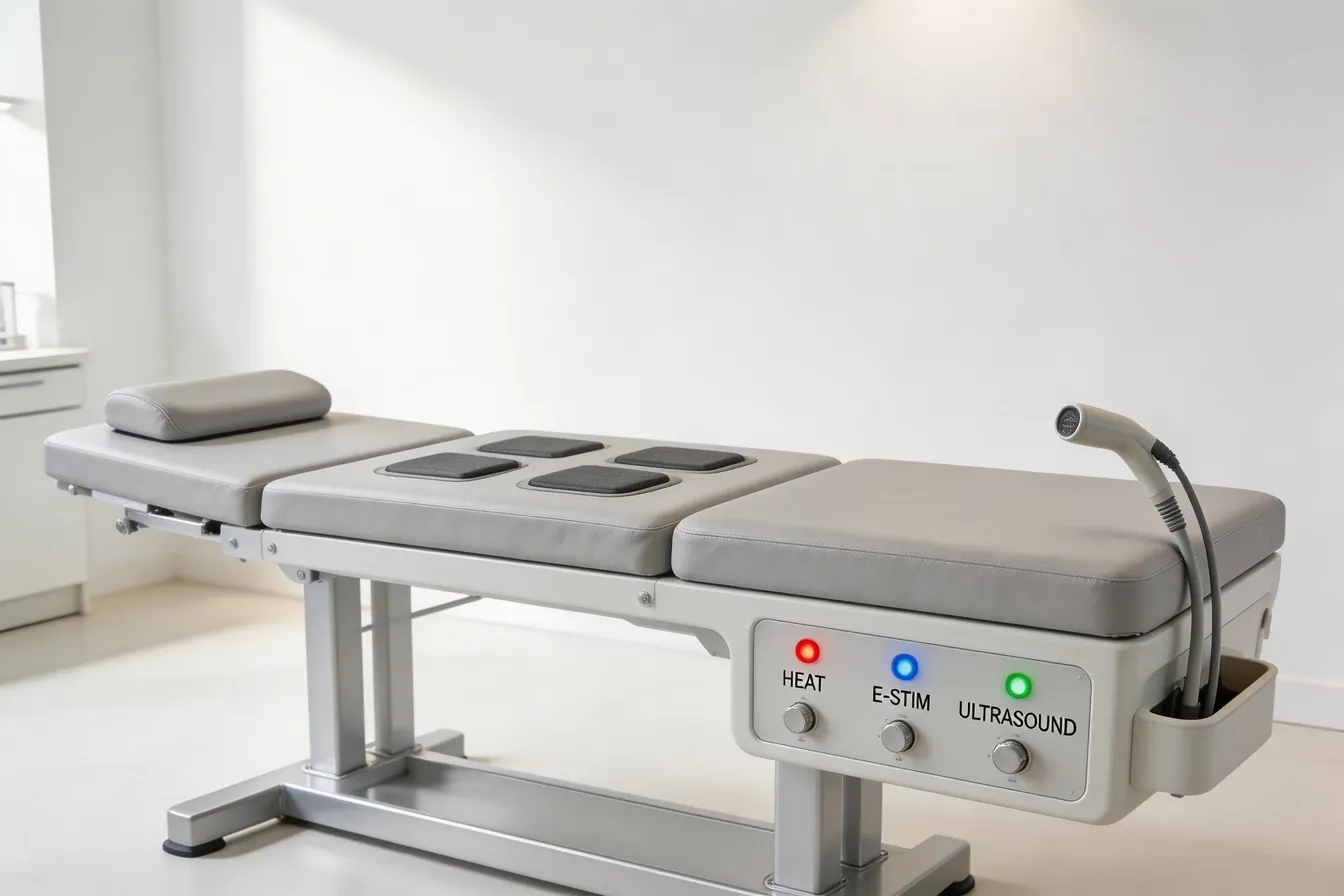
Ultrasound, electrical stimulation, and heat/cold therapy are cornerstone modalities that physiotherapists employ to complement chiropractic adjustments. Therapeutic ultrasound and low‑level laser therapy increase blood flow and cellular metabolism, accelerating tissue repair while a spinal manipulation already improves joint alignment and nerve signaling. Electrical stimulation (TENS, interferential current) provides immediate analgesia by activating the nervous system’s pain‑gate mechanisms, allowing patients to tolerate subsequent adjustments and exercises with less discomfort. Heat therapy relaxes tight musculature and enhances circulation, whereas cold therapy curbs acute inflammation and numbs excess pain, creating a balanced environment for the body’s self‑healing pathways.
These modalities modulate pain not only through physiological effects but also by reducing inflammatory cytokines (IL‑6, TNF‑α) that perpetuate chronic discomfort. When combined with chiropractic care, they shorten the recovery timeline—research shows up to a 30 % reduction in healing time for low‑back and neck injuries.
Can a physiotherapist or chiropractor treat a trapped nerve more effectively? Both can, but chiropractors often provide rapid relief through spinal adjustments that decompress the nerve, while physiotherapists add targeted exercises and posture training to prevent recurrence. A collaborative approach yields the best long‑term outcome.
Is physiotherapy or chiropractic care better for managing sciatica? Chiropractic adjustments realign the spine and relieve nerve pressure quickly; physiotherapy strengthens supporting muscles and improves flexibility to sustain relief. Integrated care typically offers the most durable improvement.
Is it normal to feel sore or have difficulty walking after a chiropractic adjustment? Mild soreness is common and usually resolves within a few days as muscles adapt to the new alignment. Gentle stretching, hydration, and avoiding heavy activity for 24 hours help. If pain worsens, contact your provider.
What signs indicate that my body is healing itself? Loosening of chronic tension, deeper breathing, warmer extremities, improved sleep, and a lighter emotional state all signal active recovery.
What are the five key areas of holistic health? Joy, sleep, diet, exercise, and mood form the foundational pillars of a balanced, self‑healing lifestyle.
How can I treat musculoskeletal pain naturally? Begin with heat therapy, gentle movement (yoga, tai chi), anti‑inflammatory herbs (turmeric, ginger), hands‑on treatments (chiropractic adjustments, massage), and mind‑body practices (meditation, deep breathing) to support the body’s innate healing mechanisms.
4. Education, Lifestyle, and Long‑Term Wellness

Patient education and ergonomics – Empowering patients with knowledge is the cornerstone of lasting relief. Chiropractors and physiotherapists teach proper posture, safe lifting techniques, and workstation setup to reduce spinal strain. Simple habits such as taking micro‑breaks, using lumbar support, and sleeping on a firm mattress keep the spine aligned between visits.
Holistic health pillars – A comprehensive wellness plan goes beyond the clinic. Nutrition that supports tissue repair (adequate protein, omega‑3s), stress‑management practices (mindfulness, yoga), and sufficient sleep (7‑9 hours) all enhance microcirculation, immune modulation, and muscle recovery. Integrated care at clinics like Back in Action Bodyworks blends these pillars with manual therapy for a truly whole‑person approach.
Preventing re‑injury – After an adjustment, physiotherapy reinforces the corrected alignment with core‑stabilization, Neuromuscular re‑education, and progressive loading. Regular home‑exercise programs, ergonomic vigilance, and periodic “maintenance” adjustments keep muscular imbalances at bay and maintain functional mobility.
FAQs
- What is the worst thing I can do for my back pain? Ignoring pain, postponing care, and persisting with poor posture or heavy lifting accelerates chronic injury.
- When is physiotherapy not recommended? Acute infection, uncontrolled cardiovascular disease, active fractures, severe osteoporosis, deep‑vein thrombosis, or metastatic bone disease are contraindications until medically stabilized.
- Differences between an osteopath, a chiropractor, and a physiotherapist? Osteopaths use gentle whole‑body techniques; chiropractors focus on spinal adjustments; physiotherapists prescribe therapeutic exercise, manual therapy, and modalities.
- Best low‑back‑pain physiotherapy strategies? Education, pain‑controlled mobility work, core stabilization, progressive strengthening, and lifestyle advice.
- Typical cost of physiotherapy for back pain? Approximately $75‑$150 per session; a full episode averages $526, with insurance often covering 50 %+ after deductible.
- Can a physiotherapist or chiropractor help with hip pain? Yes—physiotherapists address muscular imbalances; chiropractors improve joint alignment; combined care often yields the best outcome.
5. Advanced Insights and Frequently Asked Questions

Inflammation and Self‑Healing The body can resolve acute inflammation on its own. Immune cells, cytokines, and increased blood flow work together to clear damaged tissue and restore health. When inflammation persists, chronic patterns pain pathways,, and this interventions tools lifestyle changes, nutrition, stress‑reduction, and biomechanical correction to support the natural healing process. Chiropractic adjustments improve joint mobility and nerve flow, helping the body return to an anti‑inflammatory state.
Special Conditions and Outcomes While research is limited, chiropractic care may offer palliative relief for musculoskeletal symptoms associated with neuro‑degenerative diseases such as ALS, similar to benefits observed in multiple sclerosis and tardive dyskinesia. More studies are needed to confirm efficacy, but the non‑invasive, drug‑free nature of adjustments makes it a safe adjunct for symptom management.
Spinal Decompression and Hormonal Effects Spinal decompression can temporarily rehydrate disc space, often yielding a height gain of ½‑1 inch that dissipates as discs settle. Additionally, evidence suggests that regular chiropractic care may lower cortisol levels, reducing stress and supporting a more balanced hormonal environment. Integrated plans that combine decompression, core‑stabilization exercises, and stress‑management education provide a holistic pathway to faster recovery and long‑term wellness.
Putting It All Together
When chiropractic adjustments realign the spine, physiotherapy steps in to reinforce that alignment with targeted strengthening, flexibility, and neuromuscular re‑education. The synergistic blend reduces pain faster than either modality alone, improves range of motion, and lowers the risk of re‑injury by addressing both joint mechanics and muscular support. Patients can start by scheduling an initial chiropractic evaluation, followed by a coordinated physiotherapy program that includes core‑stabilization exercises, soft‑tissue mobilization, and education on posture and ergonomics. Regular communication between the chiropractor and physiotherapist ensures adjustments are timed to maximize tissue healing, while home‑exercise plans keep the spine protected between visits. Over the long term, this integrated approach promotes natural pain relief, enhances functional independence, and supports a healthier, more resilient musculoskeletal system.
Recent articles

10 Real‑Patient Success Stories Showcasing the Impact of Chiropractic Care

Superfoods That Boost Nerve Healing After Chiropractic Sessions

Sleep Positions That Promote a Healthy Back Alignment

Signs Your Chiropractor Is a Good Fit for Your Back Pain Goals

Case Study: Integrated Physiotherapy and Chiropractic for Faster Recovery

First-Time Chiropractic Visit: A Step‑by‑Step Walkthrough

Synergistic Benefits: Combining Physiotherapy with Chiropractic Care

Beyond Surgery: Holistic Approaches to Managing Back Pain

How Manual Therapy Enhances the Effects of Chiropractic Adjustments

Hydration Hacks: Why Water Matters for Joint and Spine Function

What Does a Comprehensive Spinal Evaluation Include?

Success Spotlight: Transformative Results After Six Weeks of Chiropractic Treatment

Understanding the Initial Assessment Process in Chiropractic Care

Designing a Personalized Corrective Exercise Plan for Chronic Pain Management

Natural Pain Management: Combining Acupuncture, Yoga, and Chiropractic

Chiropractic Care vs. Pain Meds: Long-Term Outcomes for Back Pain Sufferers

What to Expect During a Sciatica‑Focused Decompression Session

Understanding the Pain-Relief Mechanics Behind Chiropractic Adjustments

Success Rates of Non‑Surgical Spinal Decompression for Sciatica

Patient-Centered Chiropractic Care: Personalized Plans for Back Pain Relief
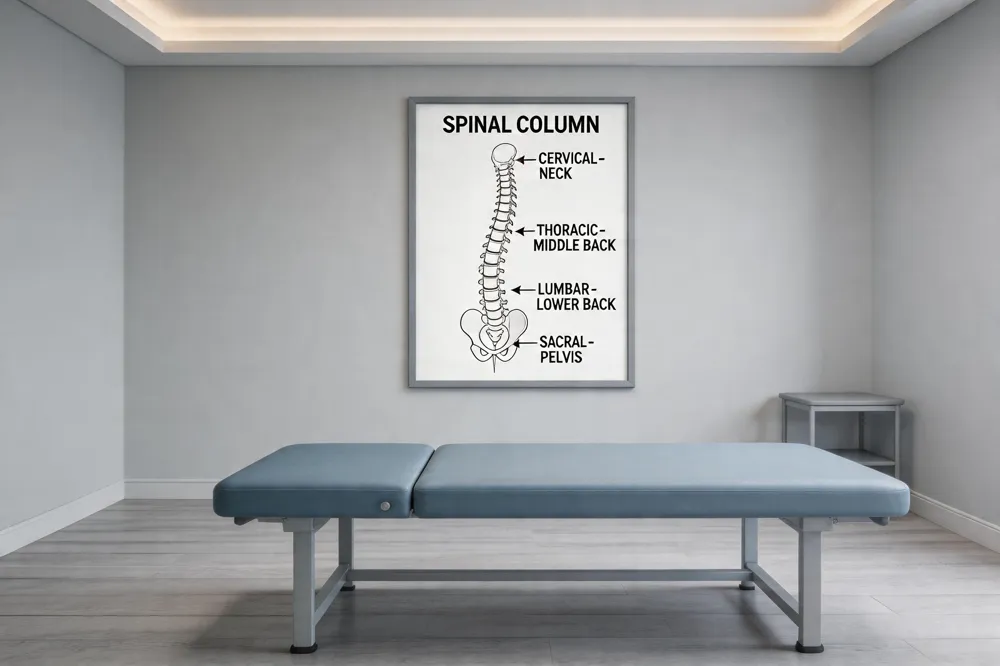
How Chiropractic Treatments Reduce Inflammation and Speed Up Back Pain Recovery

Real‑Life Stories: How Chiropractic Helped Patients Overcome Chronic Back Pain

From Symptom Masking to Root‑Cause Healing: A Practical Guide

6 Holistic Non‑Surgical Treatments That Deliver Sustainable Back‑Pain Relief

Key Questions to Ask When Selecting Your Chiropractor

Mindful Movement: Incorporating Stretch Breaks Into a Busy Day

Why Targeting the Underlying Cause Beats Temporary Symptom Relief
8 Ways Physiotherapy Complements Chiropractic Adjustments for Faster Recovery

Meal Planning for Athletes Recovering from Back Injuries

9 Everyday Lifestyle Tweaks to Preserve a Healthy Spine and Prevent Pain

Functional Movement Screening for Root‑Cause Pain Identification

6 Things You’ll Experience During Your First Chiropractic Appointment

Spinal Decompression vs. Standard Physical Therapy for Sciatica: A Comparative Review

New Findings on How Adjustments Influence Blood Circulation
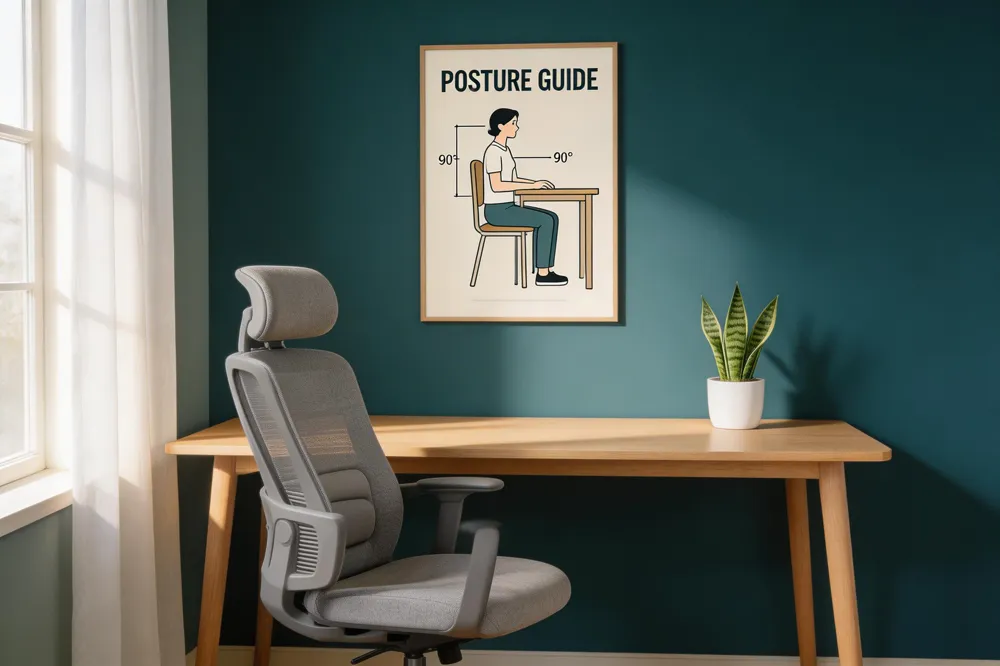
Work‑From‑Home Ergonomics: A Blueprint for a Pain‑Free Back

The Link Between Chiropractic Care and Improved Sleep Quality

Physiotherapy Techniques That Strengthen the Benefits of Chiropractic Adjustments

Biomechanical Insights Behind Successful Spinal Decompression

Desk‑to‑Dumbbell: Lifestyle Shifts That Guard Your Lower Back

10 Corrective Exercises for Sustainable Pain-Free Living

Morning Routines That Support Spine Health and Reduce Stiffness

Calcium and Magnesium‑Focused Nutrition for Bone Density and Spine Health

9 Ways Chiropractic Care Transforms Back Pain Management

Testimonial: Nutrition‑Guided Recovery Accelerated by Chiropractic

Science‑Backed Spinal Decompression for Relieving Sciatica Symptoms

Key Questions to Ask During Your Initial Chiropractic Consultation

Whole‑Body Wellness Blueprint: Nutrition, Exercise, and Chiropractic Synergy

A 12‑Week Corrective Exercise Blueprint for Chronic Neck Discomfort

Manual Therapy Plus Targeted Exercise: Accelerating Post‑Injury Recovery
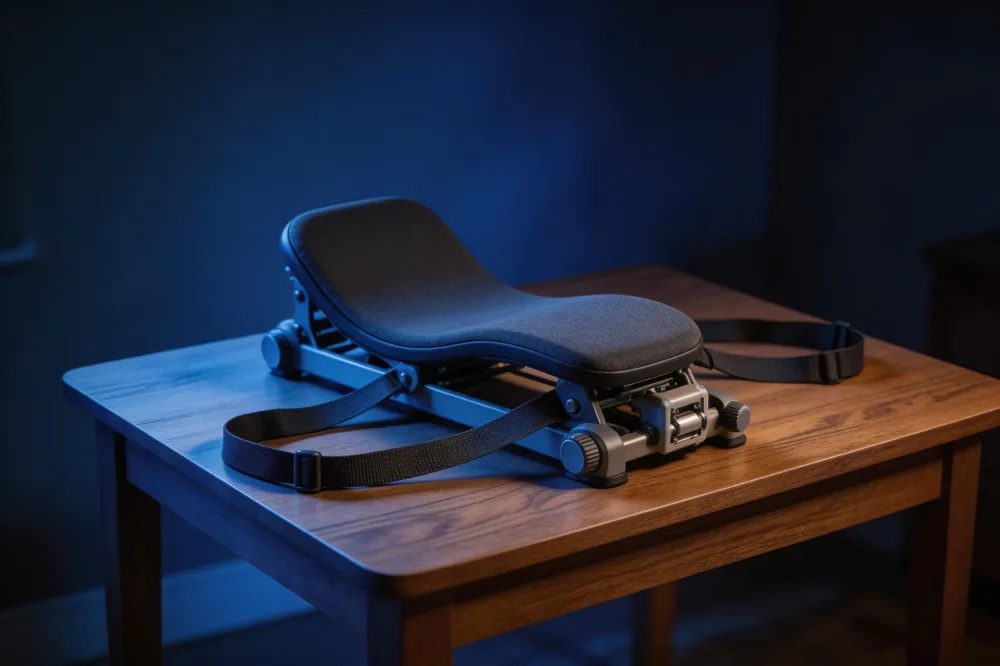
Home‑Based Spinal Decompression Devices: What Patients Should Know

Chiropractic Care Statistics: Reducing Lost Workdays From Back Pain

How Targeted Nutrition Enhances Immune Function and Lowers Inflammatory Pain

Self‑Assessment Tools to Identify Hidden Triggers of Back Pain

Preparing for Your First Chiropractic Appointment: A Practical Checklist

Back Pain Relief Benefits: Lower Opioid Use and Better Quality of Life

Foam‑Rolling Techniques to Complement Chiropractic Adjustments

Progressive Overload Principles in Corrective Exercise Programs

Six‑Month Transformation: Integrated Care Success Story

7 Nutritional Hacks to Boost Your Overall Wellness

How to Choose a Chiropractor: Credentials, Techniques, and Patient Compatibility

5 Ways Spinal Decompression Can Ease Sciatica Pain

Overcoming Sciatica: A Patient’s Multidisciplinary Treatment Journey
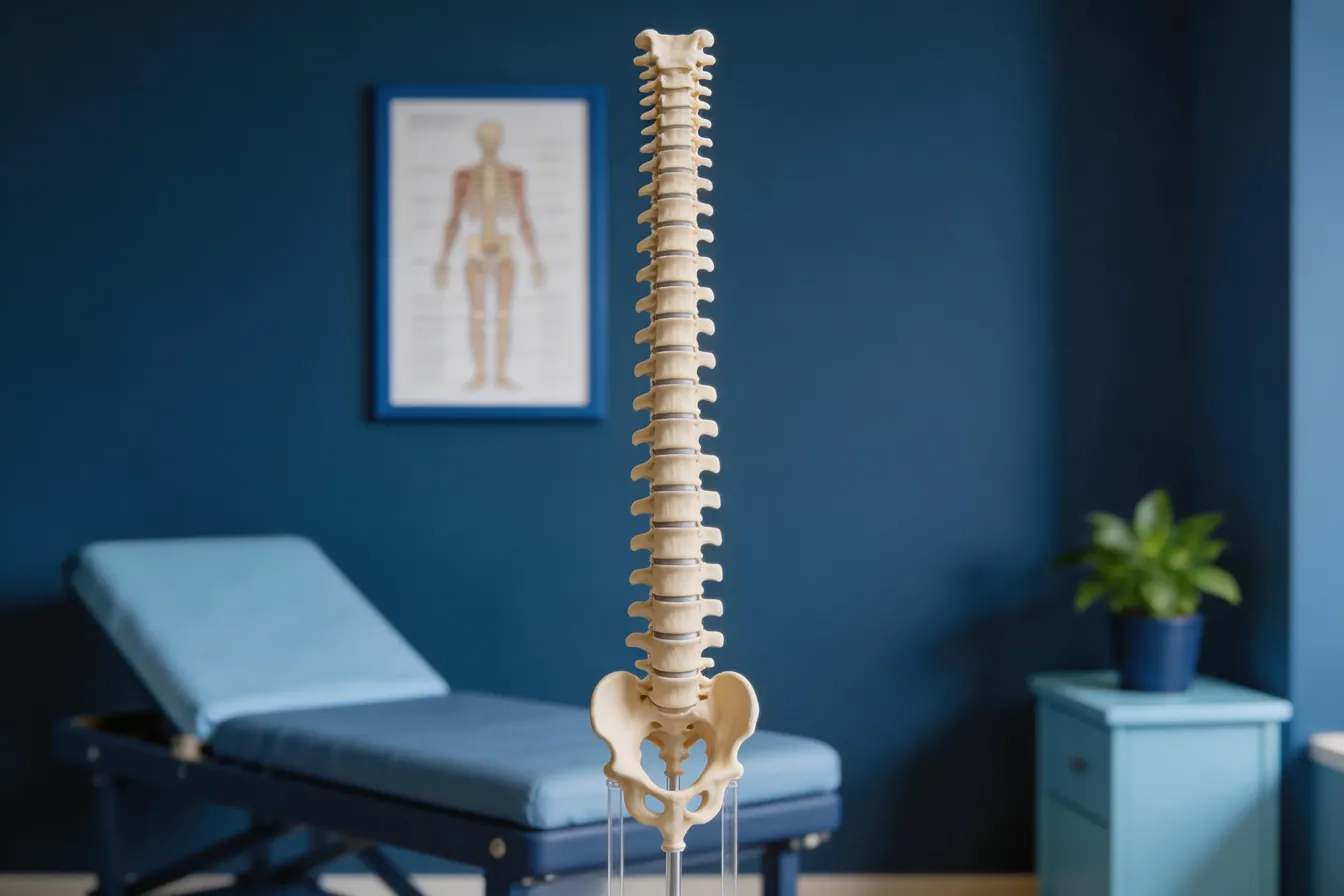
Lifestyle Changes That Promote a Healthy Spine
Physiotherapy as a Complement to Chiropractic Treatments

6 Ways Physiotherapy Enhances Chiropractic Treatment Outcomes

Daily Living Tips for a Strong and Healthy Spine

How Physiotherapy Enhances Chiropractic Outcomes
Holistic Treatments: Alternatives to Surgery for Pain Relief
Inspiring Patient Success Stories from Chiropractic Clinics

Integrating Physiotherapy with Chiropractic Treatments
Corrective Exercise Routines for Chronic Pain Prevention
10 Corrective Exercises to Maintain a Healthy Spine and Relieve Pain
Exercise Strategies for Long-Term Pain Management
10 Corrective Exercises to Maintain a Healthy Spine and Relieve Pain

The Importance of Treating the Root Cause of Pain

Nutritional Support Strategies for Whole-Body Wellness
7 Essential Questions to Ask When Choosing Your Chiropractor

Identifying and Addressing Root Causes of Pain
Maintaining a Healthy Spine with Lifestyle Adjustments
Sciatica Symptom Relief via Spinal Decompression

8 Reasons Why Addressing the Root Cause of Pain Is Crucial

Chiropractic Care’s Impact on Back Pain Recovery

Combining Physiotherapy with Chiropractic Care for Better Results

Inspiring Recovery: Chiropractic Patient Testimonials

Nutritional Counseling Tips for Optimal Wellness

Why Addressing the Root Cause of Pain is Crucial
Back Pain and Chiropractic Care: A Winning Combination

Chiropractic Care Benefits You Might Not Know
Exploring Holistic and Non-Surgical Treatments for Pain
Spinal Health: Lifestyle Tips for Everyday Wellness
Spinal Decompression Therapy: Benefits and Applications
Holistic and Non-Invasive Spine Care Options
Everyday Lifestyle Advice to Keep Your Spine Healthy

The Significance of Treating Root Causes in Pain Therapy
Best Corrective Exercises for Sustainable Pain Management

Addressing Underlying Causes of Pain for Long-Term Relief

6 Key Benefits of Spinal Decompression Therapy for Sciatica Relief

How Nutritional Counseling Supports Spine Health and Recovery

The Role of Physiotherapy in Supporting Chiropractic Treatments