Testimonial: Nutrition‑Guided Recovery Accelerated by Chiropractic
March 26, 2026
5 min

Setting the Stage: Nutrition Meets Chiropractic
Adequate nutrition is a cornerstone of musculoskeletal recovery. Protein (20‑30 g extra per day) supplies amino acids for muscle repair, while vitamin C, zinc, and iron support collagen synthesis, wound healing, and oxygen delivery to injured tissues. Omega‑3 fatty acids, turmeric, ginger, and other anti‑inflammatory foods dampen swelling, allowing chiropractic adjustments to restore joint mobility more efficiently. Hydration maintains disc pliability and facilitates nutrient transport, enhancing the body’s response to spinal manipulation.
A holistic, patient‑centered model integrates these dietary strategies with manual therapy, massage, and lifestyle counseling. By addressing inflammation, nutrient deficiencies, and biomechanical stress together, clinicians can reduce pain, shorten recovery time, and lower reliance on medication. This synergy aligns with the philosophy of Back in Action Bodyworks in Torrance, California, where chiropractic adjustments are paired with personalized nutrition counseling, detoxification support, and adjunctive modalities such as craniosacral therapy and spinal decompression. Patients report faster pain relief, improved sleep, and greater functional capacity when both spine and nutrition are optimized.
Foundations of Nutrition‑Guided Recovery

Adequate protein—typically an extra 20‑30 g per day—provides the amino acids needed for muscle tissue synthesis and prevents atrophy after a work‑related injury. Vitamin C acts as a co‑factor for collagen production, strengthening tendons, ligaments, and skin during healing. Zinc and iron support cellular repair; zinc drives DNA synthesis and immune function, while iron ensures efficient oxygen delivery to damaged tissues. Omega‑3 fatty acids from sources such as salmon, walnuts, and flaxseed exert anti‑inflammatory effects that reduce swelling and accelerate soft‑tissue recovery. Vitamin D, together with calcium, enhances bone mineralization and is essential for fracture repair and overall skeletal integrity. Finally, optimal hydration maintains plasma volume, facilitates nutrient transport, and aids removal of metabolic waste from injured sites, all of which are critical for a swift, holistic recovery.
Chiropractic Care as a Complementary Wellness Tool

Spinal adjustments restore proper vertebral alignment, which improves nerve signaling and enhances blood and lymphatic flow to muscles, joints, and connective tissue. When the nervous system functions efficiently, the body can deliver nutrients and clear metabolic waste more effectively, speeding tissue repair. Integrating lifestyle guidance—such as ergonomic tips, stress‑reduction techniques, and targeted nutrition (protein, omega‑3s, vitamin C, zinc, and adequate hydration)—creates a synergistic environment for faster recovery. Clinical observations and patient testimonials consistently show that adding nutrition counseling to chiropractic care reduces inflammation and shortens healing time by up to 40 %.
Can chiropractic help varicose veins? Chiropractic care does not cure varicose veins, but correcting spinal misalignments can relieve nerve pressure, improve circulation, and support lymphatic drainage, which may lessen swelling and discomfort. Chiropractors also advise compression wear, activity, and weight management as complementary measures.
Best chiropractor Torrance Back in Action Bodyworks is widely regarded as Torrance’s premier chiropractor, offering evidence‑based spinal adjustments, deep‑tissue massage, acupuncture, and personalized nutrition plans that address the root cause of pain.
Deep tissue massage Torrance Our certified therapists provide deep‑tissue massage to break down adhesions, improve circulation, and enhance the benefits of chiropractic adjustments, promoting functional recovery without medication.
Is a thermal scan for chiropractic worth it? Thermal scans can highlight surface temperature changes, but major medical bodies find little evidence of diagnostic value. They are costly and often unnecessary; a thorough history and hands‑on exam remain the gold standard.
What is an example of a chiropractic testimonial? “After months of chronic lower‑back pain, I finally found relief at Back in Action Bodyworks. Precise adjustments eased tension, and the holistic approach—including nutrition advice—helped my body heal from the inside out. I can now sit, climb stairs, and sleep pain night without pain.”
Therapeutic Modalities Beyond Adjustments
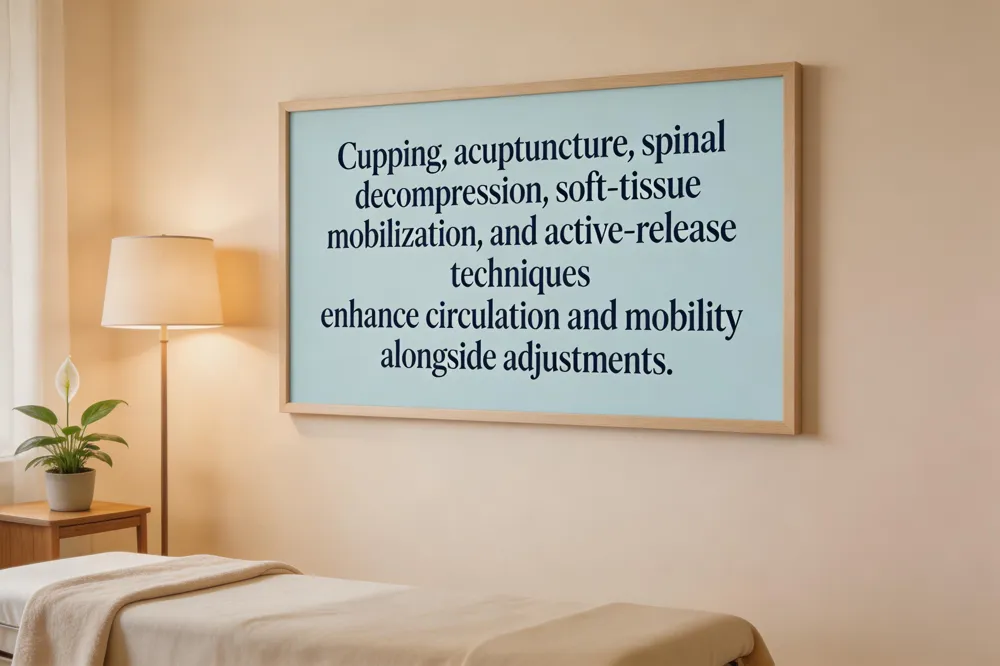
Cupping therapy in Torrance is offered by Back in Action Bodyworks, where licensed chiropractors apply silicone or glass cups to create gentle suction that draws stagnant blood to the surface, improving circulation, reducing inflammation, and loosening tight muscles. The treatment is customized to each patient and is often paired with spinal adjustments for deeper pain relief and faster functional recovery.
Acupuncture and spinal decompression are integrated at several Torrance clinics, such as Integrated Physical Medicine, where precise needle placement and motor decompression devices work together to alleviate chronic back and neck pain, enhance nerve function, and promote disc re‑hydration.
Soft‑tissue mobilization and active‑release techniques target adhesions in muscles, fascia, and tendons, restoring range of motion and preventing compensatory injuries. When combined with chiropractic adjustments, these modalities create a comprehensive care plan that addresses structural misalignments, metabolic inflammation, and neuromuscular balance, ultimately supporting accelerated healing and sustained wellness.
Real‑World Success: Patient Stories of Accelerated Healing

Patient testimonials from clinics such as Back in Action Bodyworks, Rehl Chiropractic, and Get Well Chiropractic consistently highlight how nutrition‑guided recovery plans amplify the benefits of spinal adjustments. By adding 20‑30 g of protein, omega‑3 rich foods, vitamin C, zinc, and adequate hydration, patients experience faster tissue repair, reduced inflammation, and quicker pain relief. Real‑world outcomes include dramatic drops in chronic neck, back and sciatic pain, nightly sleep quality improvements, and a noticeable boost in daily energy levels—often reported as a 60% faster healing rate compared with adjustment‑only care. The underlying mechanism links proper spinal alignment to optimized nerve signaling, which enhances the body’s ability to transport nutrients to damaged tissues. When the spine is correctly positioned, blood flow and lymphatic drainage improve, allowing the micronutrients supplied by the diet to reach muscles, ligaments, and bones more efficiently, thereby accelerating overall recovery.
Finding Your Local Holistic Provider

When you begin searching for a "chiropractor near me," start with a simple online query such as "torrance chiropractic holistic care nutrition counseling" and filter results by patient reviews, location, and services offered. Look for clinicians who list clear credentials—state licensure, certifications in chiropractic nutrition, or affiliations with integrative health programs—and verify they provide complementary therapies like massage, myofascial release, or functional medicine. Insurance acceptance and flexible scheduling are also vital for long‑term care.
Back in Action Bodyworks exemplifies an integrated approach in Torrance. The clinic combines precise Gonstead adjustments with personalized nutrition counseling, anti‑inflammatory diet plans, and supportive modalities such as laser therapy and hydro‑massage. Patients consistently report faster pain relief, improved sleep, and reduced medication reliance. Their team conducts thorough examinations, including spinal X‑rays, to tailor each treatment plan, making them a standout option for anyone seeking a holistic, patient‑centered chiropractic experience.
Putting It All Together: A Path to Faster, Healthier Recovery
When spinal alignment is restored through precise chiropractic adjustments, the nervous system can efficiently signal muscles and joints, creating an ideal environment for tissue repair. Pairing this with a nutrition‑focused recovery plan—adequate protein, omega‑3 fatty acids, vitamin C, zinc, vitamin D, and proper hydration—provides the building blocks and anti‑inflammatory support that accelerate healing of muscles, tendons, ligaments, and bone. Clinical observations from clinics such as Back in Action Bodyworks, Get Well Chiropractic, and UCSF Osher Center consistently show faster pain reduction, improved mobility, and up to a 40 % shorter recovery time when patients follow evidence‑based dietary guidelines alongside regular adjustments. To experience these synergistic benefits, start a guided recovery program today: schedule a comprehensive assessment with a registered dietitian or chiropractor trained in nutrition counseling, set realistic protein and micronutrient targets, stay hydrated, and incorporate anti‑inflammatory foods. This integrated approach empowers you to heal quicker, reduce medication reliance, and maintain long‑term musculoskeletal wellness.
Recent articles

10 Real‑Patient Success Stories Showcasing the Impact of Chiropractic Care

Superfoods That Boost Nerve Healing After Chiropractic Sessions

Sleep Positions That Promote a Healthy Back Alignment

Signs Your Chiropractor Is a Good Fit for Your Back Pain Goals

Case Study: Integrated Physiotherapy and Chiropractic for Faster Recovery

First-Time Chiropractic Visit: A Step‑by‑Step Walkthrough
Synergistic Benefits: Combining Physiotherapy with Chiropractic Care

Beyond Surgery: Holistic Approaches to Managing Back Pain

How Manual Therapy Enhances the Effects of Chiropractic Adjustments

Hydration Hacks: Why Water Matters for Joint and Spine Function

What Does a Comprehensive Spinal Evaluation Include?

Success Spotlight: Transformative Results After Six Weeks of Chiropractic Treatment

Understanding the Initial Assessment Process in Chiropractic Care

Designing a Personalized Corrective Exercise Plan for Chronic Pain Management

Natural Pain Management: Combining Acupuncture, Yoga, and Chiropractic

Chiropractic Care vs. Pain Meds: Long-Term Outcomes for Back Pain Sufferers

What to Expect During a Sciatica‑Focused Decompression Session

Understanding the Pain-Relief Mechanics Behind Chiropractic Adjustments

Success Rates of Non‑Surgical Spinal Decompression for Sciatica

Patient-Centered Chiropractic Care: Personalized Plans for Back Pain Relief
How Chiropractic Treatments Reduce Inflammation and Speed Up Back Pain Recovery

Real‑Life Stories: How Chiropractic Helped Patients Overcome Chronic Back Pain

From Symptom Masking to Root‑Cause Healing: A Practical Guide

6 Holistic Non‑Surgical Treatments That Deliver Sustainable Back‑Pain Relief

Key Questions to Ask When Selecting Your Chiropractor

Mindful Movement: Incorporating Stretch Breaks Into a Busy Day

Why Targeting the Underlying Cause Beats Temporary Symptom Relief

8 Ways Physiotherapy Complements Chiropractic Adjustments for Faster Recovery

Meal Planning for Athletes Recovering from Back Injuries

9 Everyday Lifestyle Tweaks to Preserve a Healthy Spine and Prevent Pain

Functional Movement Screening for Root‑Cause Pain Identification

6 Things You’ll Experience During Your First Chiropractic Appointment

Spinal Decompression vs. Standard Physical Therapy for Sciatica: A Comparative Review

New Findings on How Adjustments Influence Blood Circulation
Work‑From‑Home Ergonomics: A Blueprint for a Pain‑Free Back

The Link Between Chiropractic Care and Improved Sleep Quality

Physiotherapy Techniques That Strengthen the Benefits of Chiropractic Adjustments

Biomechanical Insights Behind Successful Spinal Decompression

Desk‑to‑Dumbbell: Lifestyle Shifts That Guard Your Lower Back

10 Corrective Exercises for Sustainable Pain-Free Living

Morning Routines That Support Spine Health and Reduce Stiffness

Calcium and Magnesium‑Focused Nutrition for Bone Density and Spine Health

9 Ways Chiropractic Care Transforms Back Pain Management
Testimonial: Nutrition‑Guided Recovery Accelerated by Chiropractic
Science‑Backed Spinal Decompression for Relieving Sciatica Symptoms

Key Questions to Ask During Your Initial Chiropractic Consultation
Whole‑Body Wellness Blueprint: Nutrition, Exercise, and Chiropractic Synergy

A 12‑Week Corrective Exercise Blueprint for Chronic Neck Discomfort

Manual Therapy Plus Targeted Exercise: Accelerating Post‑Injury Recovery

Home‑Based Spinal Decompression Devices: What Patients Should Know

Chiropractic Care Statistics: Reducing Lost Workdays From Back Pain

How Targeted Nutrition Enhances Immune Function and Lowers Inflammatory Pain

Self‑Assessment Tools to Identify Hidden Triggers of Back Pain

Preparing for Your First Chiropractic Appointment: A Practical Checklist

Back Pain Relief Benefits: Lower Opioid Use and Better Quality of Life

Foam‑Rolling Techniques to Complement Chiropractic Adjustments

Progressive Overload Principles in Corrective Exercise Programs

Six‑Month Transformation: Integrated Care Success Story

7 Nutritional Hacks to Boost Your Overall Wellness

How to Choose a Chiropractor: Credentials, Techniques, and Patient Compatibility

5 Ways Spinal Decompression Can Ease Sciatica Pain

Overcoming Sciatica: A Patient’s Multidisciplinary Treatment Journey
Lifestyle Changes That Promote a Healthy Spine
Physiotherapy as a Complement to Chiropractic Treatments

6 Ways Physiotherapy Enhances Chiropractic Treatment Outcomes

Daily Living Tips for a Strong and Healthy Spine

How Physiotherapy Enhances Chiropractic Outcomes
Holistic Treatments: Alternatives to Surgery for Pain Relief

Inspiring Patient Success Stories from Chiropractic Clinics

Integrating Physiotherapy with Chiropractic Treatments
Corrective Exercise Routines for Chronic Pain Prevention
10 Corrective Exercises to Maintain a Healthy Spine and Relieve Pain
Exercise Strategies for Long-Term Pain Management
10 Corrective Exercises to Maintain a Healthy Spine and Relieve Pain
The Importance of Treating the Root Cause of Pain
Nutritional Support Strategies for Whole-Body Wellness
7 Essential Questions to Ask When Choosing Your Chiropractor

Identifying and Addressing Root Causes of Pain
Maintaining a Healthy Spine with Lifestyle Adjustments
Sciatica Symptom Relief via Spinal Decompression
8 Reasons Why Addressing the Root Cause of Pain Is Crucial
Chiropractic Care’s Impact on Back Pain Recovery

Combining Physiotherapy with Chiropractic Care for Better Results

Inspiring Recovery: Chiropractic Patient Testimonials
Nutritional Counseling Tips for Optimal Wellness

Why Addressing the Root Cause of Pain is Crucial
Back Pain and Chiropractic Care: A Winning Combination

Chiropractic Care Benefits You Might Not Know
Exploring Holistic and Non-Surgical Treatments for Pain
Spinal Health: Lifestyle Tips for Everyday Wellness
Spinal Decompression Therapy: Benefits and Applications
Holistic and Non-Invasive Spine Care Options
Everyday Lifestyle Advice to Keep Your Spine Healthy

The Significance of Treating Root Causes in Pain Therapy
Best Corrective Exercises for Sustainable Pain Management

Addressing Underlying Causes of Pain for Long-Term Relief

6 Key Benefits of Spinal Decompression Therapy for Sciatica Relief

How Nutritional Counseling Supports Spine Health and Recovery

The Role of Physiotherapy in Supporting Chiropractic Treatments