Work‑From‑Home Ergonomics: A Blueprint for a Pain‑Free Back
April 5, 2026
6 min
Why Ergonomics Matters
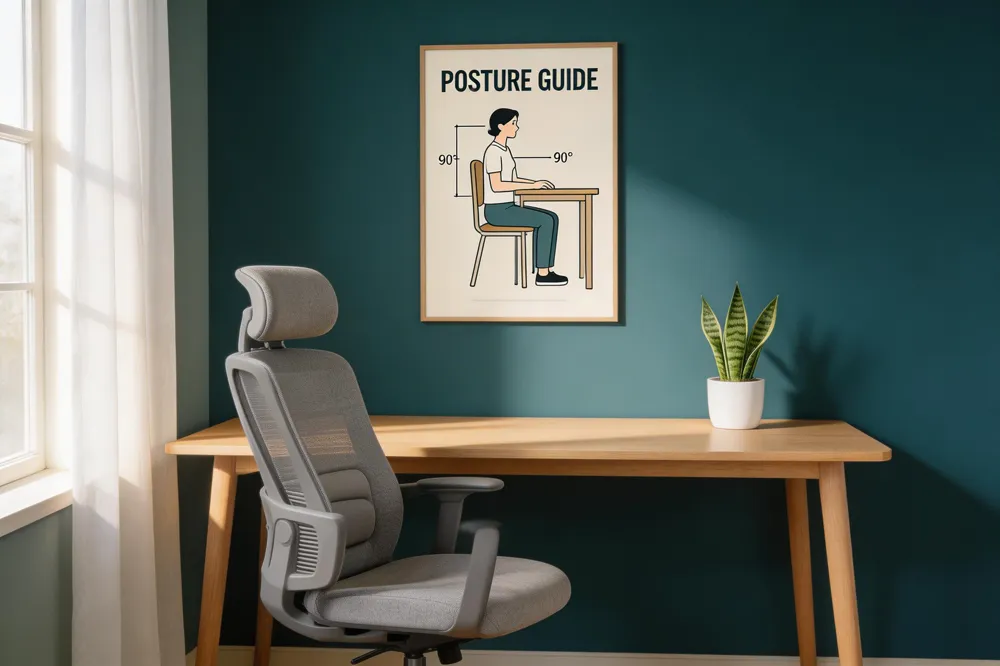
Remote work has exploded, and studies now show that 41 % of Americans working from home report new or worsened back, shoulder, and wrist pain. Prolonged sitting without proper lumbar support causes the pelvis to tilt posteriorly, flattening the natural lumbar curve and increasing disc pressure, which can lead to chronic discomfort. An ergonomic workstation—adjustable chair with lumbar support, monitor at eye level, elbows at 90°, feet flat on the floor—maintains a neutral spine, reduces muscular strain, and promotes circulation. Chiropractors often recommend these adjustments as part of a holistic, patient‑centered plan that combines posture correction, core‑strengthening exercises, and natural pain‑relief techniques, helping individuals prevent injury and support overall wellness and improve quality of life for long‑term health and daily comfort.
Instant Relief Strategies

When back pain spikes, quick, evidence‑based actions can bring immediate comfort while you arrange a professional chiropractic assessment.
Cold and heat therapy – Apply an ice pack for 15 minutes to reduce inflammation, then switch to a warm compress or heating pad for 15‑20 minutes to relax tight muscles and improve circulation.
Gentle stretching for immediate comfort – Perform a few slow knee‑to‑chest stretches or a child's pose, holding each side for 5‑10 seconds while maintaining a neutral spine (feet flat, shoulders relaxed).
Over‑the‑counter pain relief – A short‑acting NSAID such as ibuprofen can further diminish pain, but use it only as directed and avoid reliance on medication alone.
When to seek professional care – If pain persists beyond a few hours, worsens, or is accompanied by numbness, tingling, or weakness, schedule a chiropractic evaluation promptly. A patient‑centered, holistic approach at Back in Action Bodyworks in Torrance can identify underlying biomechanical issues and create a lasting, drug‑free treatment plan.
Preventing Back Pain While Working From Home

Micro‑breaks are essential: every 30‑45 minutes stand, stretch, or walk for a minute or two. Simple desk stretches—shoulder rolls, neck rotations, seated spinal twists—relieve tension, while brief walks improve circulation and disc nutrition.
Core‑strength and flexibility work complement ergonomics. Daily routines that include plank variations, bird‑dog, bridge, and hamstring or hip‑flexor stretches keep the muscles that stabilize the spine strong and mobile, lowering the likelihood of pain during prolonged sitting.
Lifestyle habits further protect the back. Maintain a healthy weight, stay hydrated, engage in regular aerobic activity (walking, swimming), and avoid smoking, all of which preserve disc health and reduce inflammatory stress on spinal structures.
Incorporating these evidence‑based ergonomic adjustments, regular movement breaks, targeted exercises, and holistic lifestyle choices creates a patient‑centered, natural approach to preventing back pain while working from home.
Workstation Ergonomics Basics

A neutral posture is the cornerstone of a pain‑free home office and supports the spine’s natural S‑curve. Keep your head aligned over your shoulders, shoulders relaxed, and elbows bent at 90–120° while your wrists stay straight on typing. An adjustable chair with lumbar support lets your thighs stay parallel to the floor and your feet rest flat (or on a footrest), preventing pelvic tilt and lower‑back strain. Position the monitor an arm’s length away with the top of the screen at or just below eye level to avoid forward‑head posture; use a monitor arm or laptop riser if needed. Place the keyboard and mouse close enough that your forearms are parallel to the floor, and consider a wrist rest to maintain neutral wrists. Reduce glare with task lighting, screen filters, or window blinds, and schedule micro‑breaks every 20–30 minutes to stand, stretch, and perform gentle core‑activating exercises such as bird‑dog or seated spinal twists. These holistic adjustments, combined with regular movement, support natural pain relief and complement chiropractic care.
Chair Adjustments and Customizations

A well‑tuned chair is a cornerstone of a holistic, patient‑centered approach to back health, complementing chiropractic care and natural pain‑relief strategies.
How to adjust office chair height without a lever – For pneumatic‑cylinder chairs, stand, grip the seat, gently pull it down, and release once your feet rest flat on the floor and knees form a 90° angle. Screw‑type chairs turn the under‑seat knob clockwise to lower, counter‑clockwise to raise. If the chair lacks a mechanism, add a stable,er (wooden platform, PVC extender, or extra casters) and ensure the seat remains level. Verify that thighs are parallel to the floor, elbows at roughly 90°, and the backrest fully supports the lumbar curve.
How to adjust office chair seat angle for better support – Locate the tilt lever or knob under the front edge of the seat pan, unlock it, and tilt the seat forward a few degrees so hips open slightly and thighs stay at 90‑100°. Adjust the tilt‑tension knob clockwise for more resistance, then lock the position. Sit back, keep feet flat, and confirm a neutral spine with relaxed shoulders.
Office chair adjustment knob: how to use it – Turn the lumbar‑support knob clockwise to increase tension, creating a firmer cradle for the lower back; counter‑clockwise softens the recline. Make small increments, sit, and ensure the lumbar region feels comfortably supported without being rigid. If a backrest‑height knob is present, align it with your natural lumbar curve and secure it. These adjustments work synergistically with regular micro‑breaks, core‑strengthening exercises, and chiropractic evaluations to maintain spinal alignment and reduce discomfort.
Stretching and Exercise Routines

Effective relief for lower‑back pain combines chiropractic insight with patient‑focused, natural movement. Dynamic and static stretches such as Cat‑Cow, Child’s Pose, Knee‑to‑Chest, Pelvic Tilt, Figure‑Four, Hip‑Flexor and Hamstring stretch loosen the lumbar spine and pelvis, while deep rotations like Thread‑the‑Needle and Lying Spinal Twist improve thoracolumbar mobility. Core‑strengthening moves—Bird‑Dog, Dead‑Bug, Plank variations, Glute Bridge, Sphinx Pose—activate deep stabilizers and protect the discs. Choose seated options (e.g., seated twists, pelvic tilts) when working at a desk, and standing alternatives (Forward Bend, Standing Cat‑Cow, Hip‑Flexor Lunge, Hamstring stretch, Torso Twist, Chest Opener, Figure‑Four, Pelvic Tilt, Back Extension, Reverse Lunge with Rotation, Wall Angels) to keep the spine mobile throughout the day. A typical home routine might start with 2‑3 sets of 10‑15 cat‑cow reps, followed by 10‑15 bird‑dog cycles, then a series of the 13 listed stretches, holding each for 5‑10 seconds. Regular micro‑breaks and mindful posture, reinforced by chiropractic assessment, ensure lasting pain relief.
Advanced Ergonomic Practices and Lifestyle

Optimized home office for Torrance residents: Begin with an upright, adjustable chair—if an ergonomic office chair isn’t available, a sturdy kitchen or dining chair works when paired with a lumbar roll or rolled‑up towel to support the lower spine. Keep feet flat on the floor or a low footrest ; use a small cushion for preferred seat firmness. Position the monitor so the screen’s top is at eye level and roughly an arm’s length away, and employ an external keyboard and mouse on a level surface to keep wrists neutral. If possible, integrate a height‑adjustable standing desk or a makeshift standing workstation at a kitchen counter, alternating sitting and standing every 30‑45 minutes. Finish each session with gentle stretches or a short walk to promote circulation.
30‑30 rule in ergonomics: Every 30 minutes, pause for about 30 seconds—stand, stretch the neck, shoulders, wrists, and back, or take a brief walk. Practice three slow, deep breaths to reduce tension. These micro‑breaks prevent static posture, reduce eye‑strain fatigue, and lower repetitive‑strain injury risk.
Four core ergonomic advice points: 1) Maintain a neutral spine with hips back, shoulders relaxed, and monitor at eye level. 2) Break up prolonged sitting by standing, walking, or stretching every 30‑45 minutes. 3) Incorporate regular core‑strengthening and flexibility exercises to support the lumbar spine. 4) Use ergonomic equipment—adjustable chairs, lumbar supports, sit‑stand desks—to keep spinal alignment during work.
Putting It All Together
Recap of key ergonomic actions: Choose an adjustable chair with lumbar support, set the seat so feet rest flat and knees form a 90‑degree angle, and keep hips higher than knees. Position the monitor at eye level about an arm’s length away, and use a laptop stand with a keyboard and mouse to keep elbows at 90 degrees and wrists neutral. Take micro‑breaks every 20‑30 minutes, follow the 20‑20‑20 rule, and do desk stretches such as shoulder rolls, neck stretches, and seated twists. Consistency is essential—maintains spinal alignment, reduces muscle fatigue, and prevents chronic tension. If discomfort persists, schedule a professional chiropractic evaluation to combine ergonomic adjustments with therapy and pain‑relief strategies.
Recent articles

10 Real‑Patient Success Stories Showcasing the Impact of Chiropractic Care

Superfoods That Boost Nerve Healing After Chiropractic Sessions

Sleep Positions That Promote a Healthy Back Alignment
Signs Your Chiropractor Is a Good Fit for Your Back Pain Goals
Case Study: Integrated Physiotherapy and Chiropractic for Faster Recovery
First-Time Chiropractic Visit: A Step‑by‑Step Walkthrough
Synergistic Benefits: Combining Physiotherapy with Chiropractic Care

Beyond Surgery: Holistic Approaches to Managing Back Pain

How Manual Therapy Enhances the Effects of Chiropractic Adjustments

Hydration Hacks: Why Water Matters for Joint and Spine Function

What Does a Comprehensive Spinal Evaluation Include?

Success Spotlight: Transformative Results After Six Weeks of Chiropractic Treatment

Understanding the Initial Assessment Process in Chiropractic Care
Designing a Personalized Corrective Exercise Plan for Chronic Pain Management

Natural Pain Management: Combining Acupuncture, Yoga, and Chiropractic
Chiropractic Care vs. Pain Meds: Long-Term Outcomes for Back Pain Sufferers

What to Expect During a Sciatica‑Focused Decompression Session

Understanding the Pain-Relief Mechanics Behind Chiropractic Adjustments

Success Rates of Non‑Surgical Spinal Decompression for Sciatica

Patient-Centered Chiropractic Care: Personalized Plans for Back Pain Relief
How Chiropractic Treatments Reduce Inflammation and Speed Up Back Pain Recovery

Real‑Life Stories: How Chiropractic Helped Patients Overcome Chronic Back Pain

From Symptom Masking to Root‑Cause Healing: A Practical Guide

6 Holistic Non‑Surgical Treatments That Deliver Sustainable Back‑Pain Relief

Key Questions to Ask When Selecting Your Chiropractor

Mindful Movement: Incorporating Stretch Breaks Into a Busy Day

Why Targeting the Underlying Cause Beats Temporary Symptom Relief

8 Ways Physiotherapy Complements Chiropractic Adjustments for Faster Recovery
Meal Planning for Athletes Recovering from Back Injuries

9 Everyday Lifestyle Tweaks to Preserve a Healthy Spine and Prevent Pain

Functional Movement Screening for Root‑Cause Pain Identification

6 Things You’ll Experience During Your First Chiropractic Appointment

Spinal Decompression vs. Standard Physical Therapy for Sciatica: A Comparative Review

New Findings on How Adjustments Influence Blood Circulation
Work‑From‑Home Ergonomics: A Blueprint for a Pain‑Free Back

The Link Between Chiropractic Care and Improved Sleep Quality

Physiotherapy Techniques That Strengthen the Benefits of Chiropractic Adjustments

Biomechanical Insights Behind Successful Spinal Decompression

Desk‑to‑Dumbbell: Lifestyle Shifts That Guard Your Lower Back
10 Corrective Exercises for Sustainable Pain-Free Living

Morning Routines That Support Spine Health and Reduce Stiffness

Calcium and Magnesium‑Focused Nutrition for Bone Density and Spine Health

9 Ways Chiropractic Care Transforms Back Pain Management

Testimonial: Nutrition‑Guided Recovery Accelerated by Chiropractic
Science‑Backed Spinal Decompression for Relieving Sciatica Symptoms

Key Questions to Ask During Your Initial Chiropractic Consultation
Whole‑Body Wellness Blueprint: Nutrition, Exercise, and Chiropractic Synergy
A 12‑Week Corrective Exercise Blueprint for Chronic Neck Discomfort

Manual Therapy Plus Targeted Exercise: Accelerating Post‑Injury Recovery
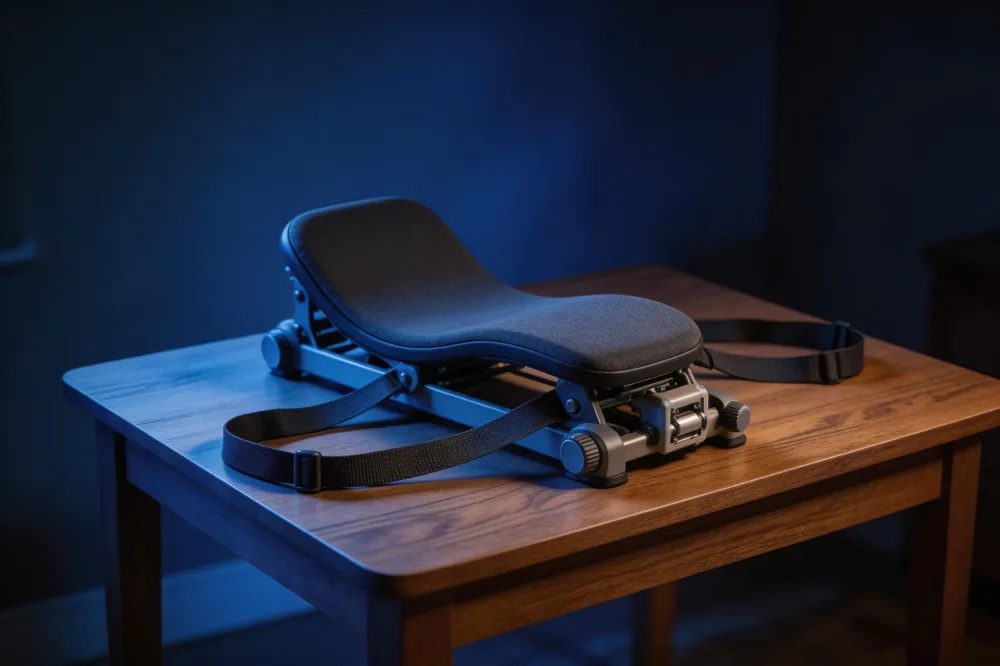
Home‑Based Spinal Decompression Devices: What Patients Should Know

Chiropractic Care Statistics: Reducing Lost Workdays From Back Pain

How Targeted Nutrition Enhances Immune Function and Lowers Inflammatory Pain

Self‑Assessment Tools to Identify Hidden Triggers of Back Pain
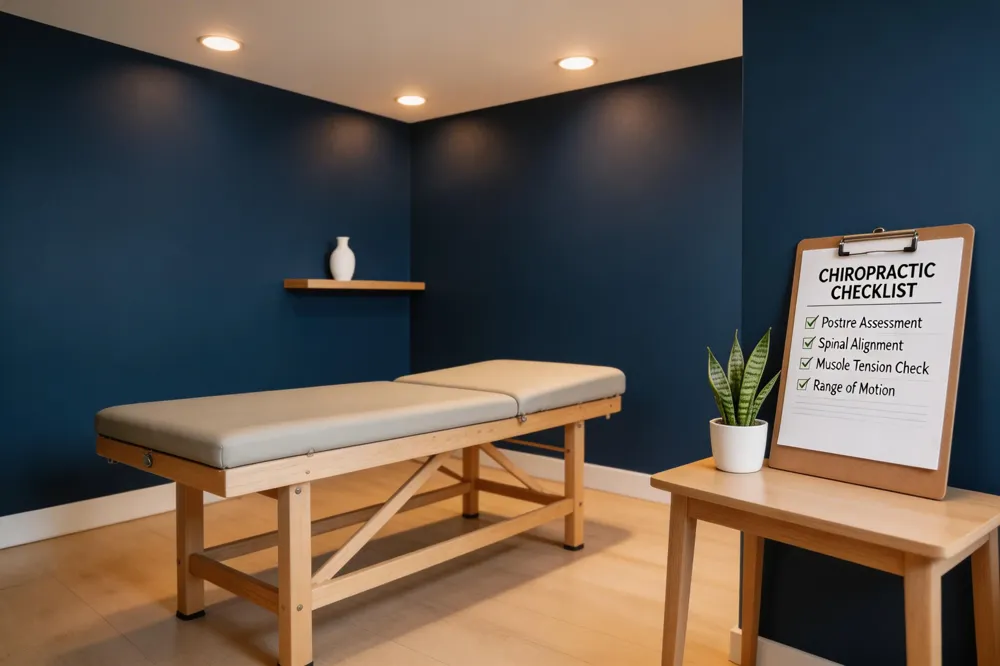
Preparing for Your First Chiropractic Appointment: A Practical Checklist

Back Pain Relief Benefits: Lower Opioid Use and Better Quality of Life

Foam‑Rolling Techniques to Complement Chiropractic Adjustments

Progressive Overload Principles in Corrective Exercise Programs
Six‑Month Transformation: Integrated Care Success Story

7 Nutritional Hacks to Boost Your Overall Wellness

How to Choose a Chiropractor: Credentials, Techniques, and Patient Compatibility

5 Ways Spinal Decompression Can Ease Sciatica Pain

Overcoming Sciatica: A Patient’s Multidisciplinary Treatment Journey
Lifestyle Changes That Promote a Healthy Spine
Physiotherapy as a Complement to Chiropractic Treatments
6 Ways Physiotherapy Enhances Chiropractic Treatment Outcomes

Daily Living Tips for a Strong and Healthy Spine

How Physiotherapy Enhances Chiropractic Outcomes
Holistic Treatments: Alternatives to Surgery for Pain Relief
Inspiring Patient Success Stories from Chiropractic Clinics

Integrating Physiotherapy with Chiropractic Treatments
Corrective Exercise Routines for Chronic Pain Prevention
10 Corrective Exercises to Maintain a Healthy Spine and Relieve Pain
Exercise Strategies for Long-Term Pain Management
10 Corrective Exercises to Maintain a Healthy Spine and Relieve Pain
The Importance of Treating the Root Cause of Pain
Nutritional Support Strategies for Whole-Body Wellness
7 Essential Questions to Ask When Choosing Your Chiropractor
Identifying and Addressing Root Causes of Pain
Maintaining a Healthy Spine with Lifestyle Adjustments
Sciatica Symptom Relief via Spinal Decompression
8 Reasons Why Addressing the Root Cause of Pain Is Crucial
Chiropractic Care’s Impact on Back Pain Recovery

Combining Physiotherapy with Chiropractic Care for Better Results
Inspiring Recovery: Chiropractic Patient Testimonials
Nutritional Counseling Tips for Optimal Wellness

Why Addressing the Root Cause of Pain is Crucial
Back Pain and Chiropractic Care: A Winning Combination

Chiropractic Care Benefits You Might Not Know
Exploring Holistic and Non-Surgical Treatments for Pain
Spinal Health: Lifestyle Tips for Everyday Wellness
Spinal Decompression Therapy: Benefits and Applications
Holistic and Non-Invasive Spine Care Options
Everyday Lifestyle Advice to Keep Your Spine Healthy
The Significance of Treating Root Causes in Pain Therapy
Best Corrective Exercises for Sustainable Pain Management

Addressing Underlying Causes of Pain for Long-Term Relief
6 Key Benefits of Spinal Decompression Therapy for Sciatica Relief

How Nutritional Counseling Supports Spine Health and Recovery

The Role of Physiotherapy in Supporting Chiropractic Treatments