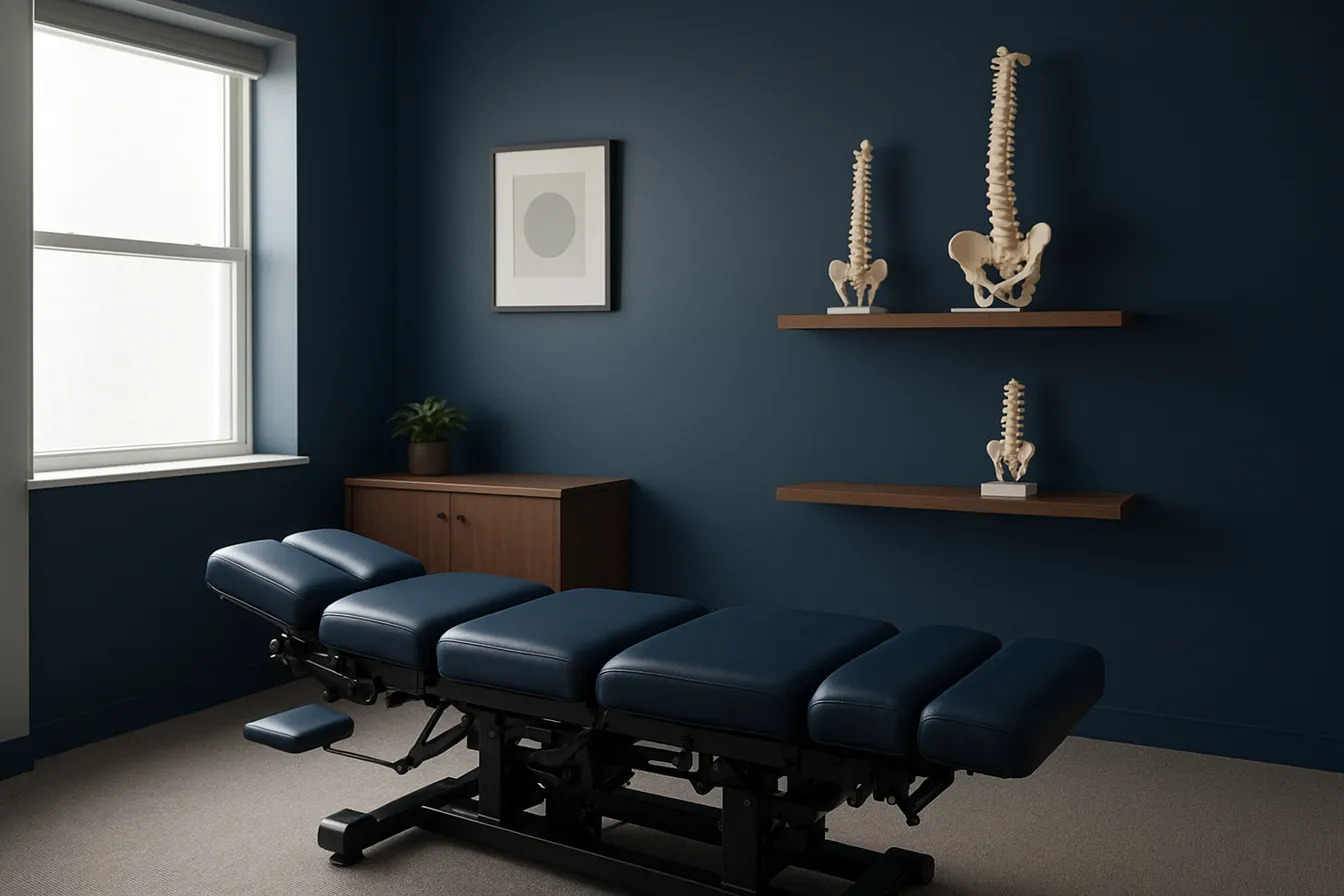
Biomechanical Insights Behind Successful Spinal Decompression
April 5, 2026
8 min

Understanding Spinal Biomechanics
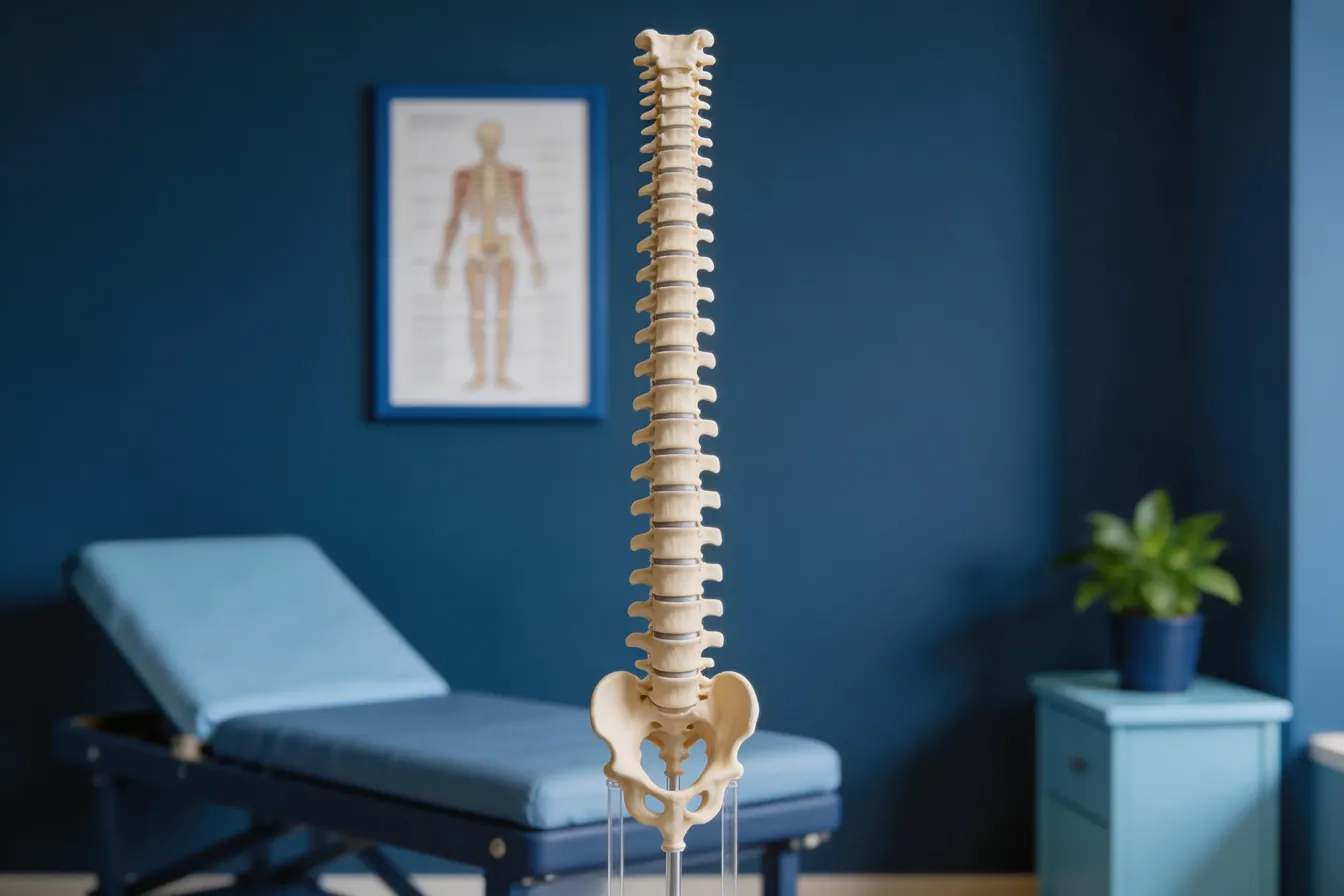
The spine is a column of vertebrae, intervertebral discs, facet joints, ligaments and muscles that work together to protect the spinal cord while permitting motion. The smallest functional unit, the functional spinal unit (FSU), consists of two adjacent vertebrae, the intervening disc, and the surrounding ligamentous complex. Within each FSU, the nucleus pulposus acts as a hydrostatic core that absorbs axial compression, while the annulus fibrosus and facet joints share shear and torsional loads. Load distribution is therefore a balance of compressive forces through the disc (≈80‑90 % of the load) and shear/rotational forces resisted by the facet joints and posterior ligaments. Maintaining optimal lumbar lordosis and neutral pelvic tilt keeps these forces in physiologic ranges, reducing abnormal facet loading and disc stress. Chiropractic and holistic care aim to restore this balance through gentle adjustments, targeted core‑strengthening, and, when appropriate, non‑invasive decompression that creates negative intradiscal pressure, promotes disc re‑hydration and supports natural spinal stability.
Biomechanical Foundations of Decompression

Understanding the biomechanics of spinal decompression is essential for creating patient‑centered, holistic treatment plans. In native lumbar segments, flexion/extension ROM averages 6.8°, lateral bending 5.6°, and axial rotation 1.7°. Unilateral laminotomy adds ~6% ROM in flexion/extension and 12% in axial rotation, while midline decompression raises ROM by ~15% in flexion/extension and 21% in axial rotation. These increases reflect the destabilizing effect of removing posterior structures. Posterior instrumentation with pedicle screws dramatically reverses this trend, cutting flexion/extension ROM by 82% and restoring stability to roughly 20% of the native range (instrumented lumbar segments retain roughly 20% of their native flexion/extension ROM).
Lumbar decompression therapy
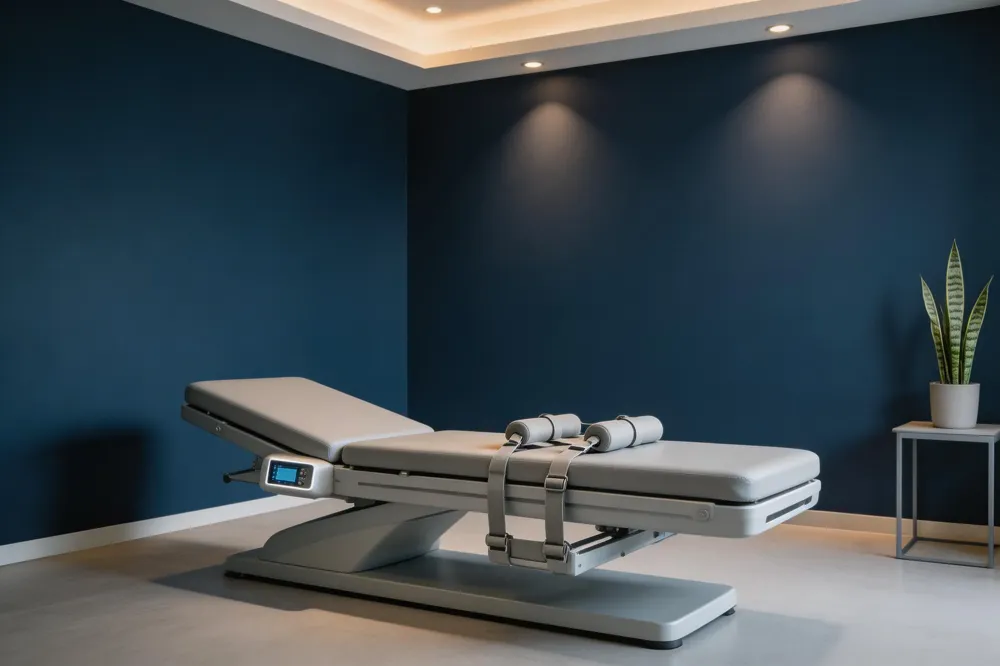
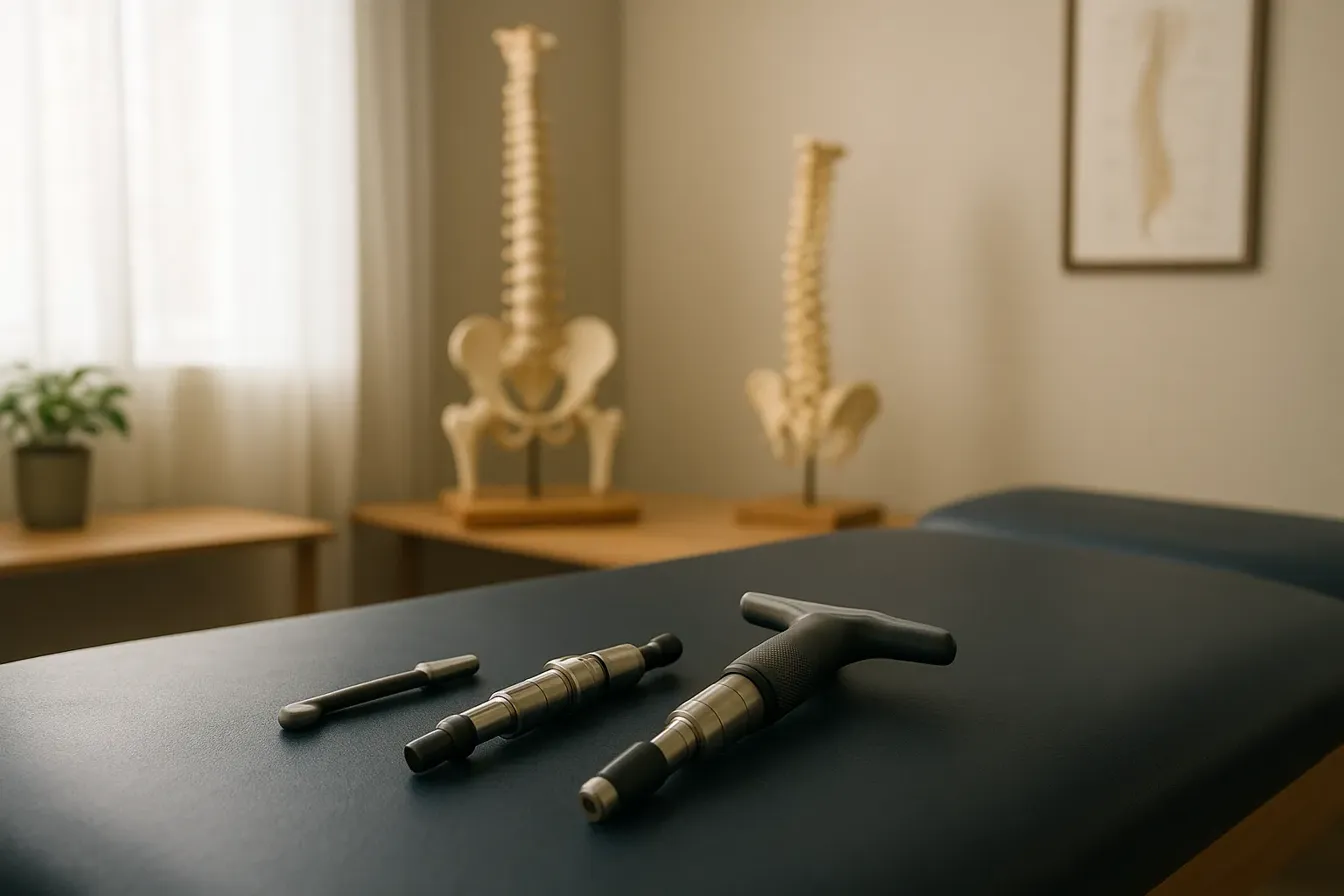
Lumbar decompression therapy is a non‑surgical, motorized traction technique that gently stretches the lower back to relieve pressure on the intervertebral discs and nerve roots. By creating a subtle negative pressure within the disc, it can help bulging or herniated disks retract, promote fluid exchange, and reduce inflammation, leading to pain relief and improved mobility. The treatment is performed on a computer‑controlled table with a harness around the pelvis and torso, typically lasting 30‑45 minutes per session, with a series of 15‑20 visits over several weeks (Non‑invasive decompression methods include motorized traction tables that apply intermittent pulling forces to the lumbar or cervical spine, creating negative intradiscal pressure that promotes re‑hydration of disc material). It is commonly recommended for chronic lower‑back pain, sciatica, degenerative disc disease, and facet joint irritation when other conservative measures have failed (Spinal decompression therapy is used to treat conditions such as bulging or herniated discs, degenerative disc disease, pinched nerves, sciatica, and spinal stenosis. At Back in Action Bodyworks we tailor each lumbar decompression protocol to your specific condition, integrating it with chiropractic adjustments and therapeutic exercises for a holistic approach to spinal health.
Pros and cons of spinal decompression
Spinal decompression is a non‑surgical, minimally invasive therapy that can relieve pressure on herniated or bulging discs, reduce nerve irritation, and often improve mobility and posture without the need for medication or surgery (Spinal decompression therapy reduces pressure on neural elements by gently stretching the spine. It is customizable to each patient’s condition and is generally safe for most adults, including seniors, making it an attractive first‑line option for chronic back or neck pain. However, it is not appropriate for individuals with osteoporosis, fractures, spinal implants, or certain bleeding disorders, and many patients must commit to a series of sessions over several weeks to see lasting results. The scientific evidence for long‑term effectiveness is still limited, and some people may experience a temporary worsening of pain during treatment. As with any intervention, weighing these benefits against the potential drawbacks and consulting a qualified chiropractor is essential before deciding if spinal decompression is right for you.
Clinical Biomechanics of the spine
The spine functions as a load‑bearing column that transfers body weight and dynamic forces between the pelvis and the head while permitting flexible motion in flexion, extension, lateral bending, and rotation. Each vertebra is linked by intervertebral discs and a complex network of ligaments that provide stiffness, limit excess inter‑segmental displacement, and protect the spinal cord from trauma. The biomechanical properties of these structures—such as disc elasticity, ligament viscoelasticity, and facet joint orientation—determine the kinematics of the cervical, thoracic, and lumbar regions and influence how loads are distributed during daily activities. When these properties are altered by degeneration, injury, or poor posture, abnormal motion patterns can arise, leading to instability, pain, and compromised neural function. Clinicians use principles of spinal biomechanics to assess stability, guide therapeutic adjustments, and design rehabilitation programs that restore optimal load sharing and motion control.
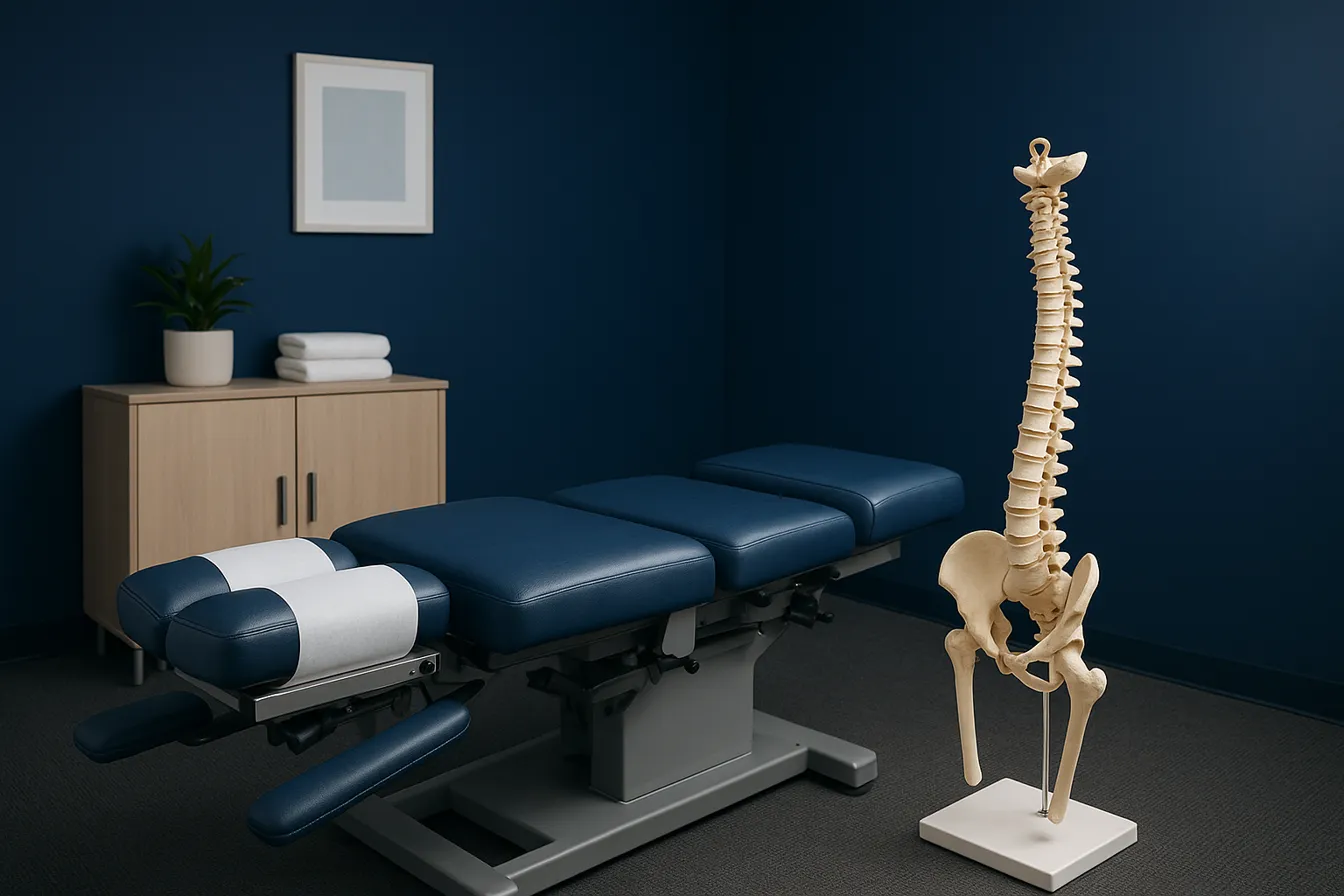
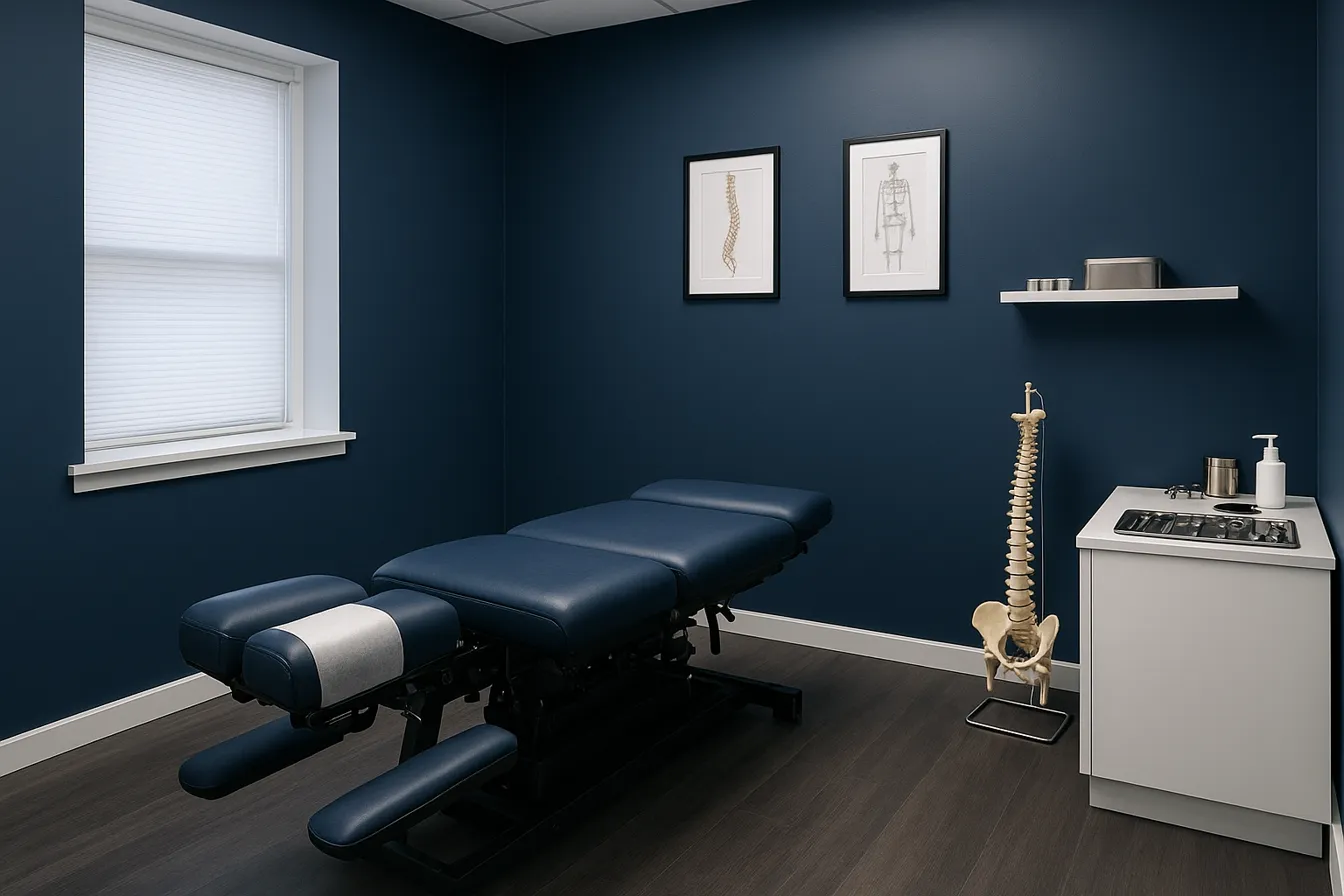
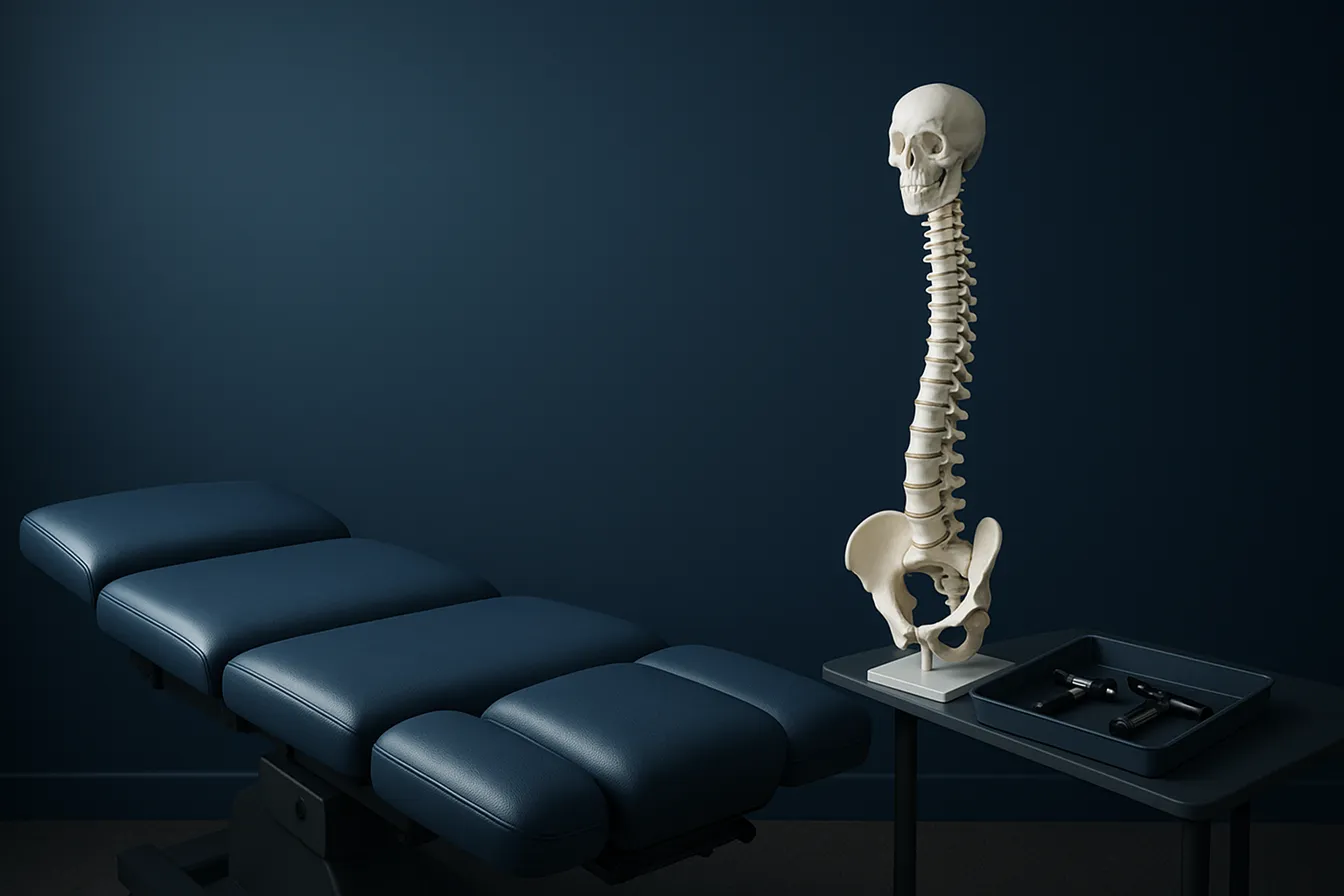
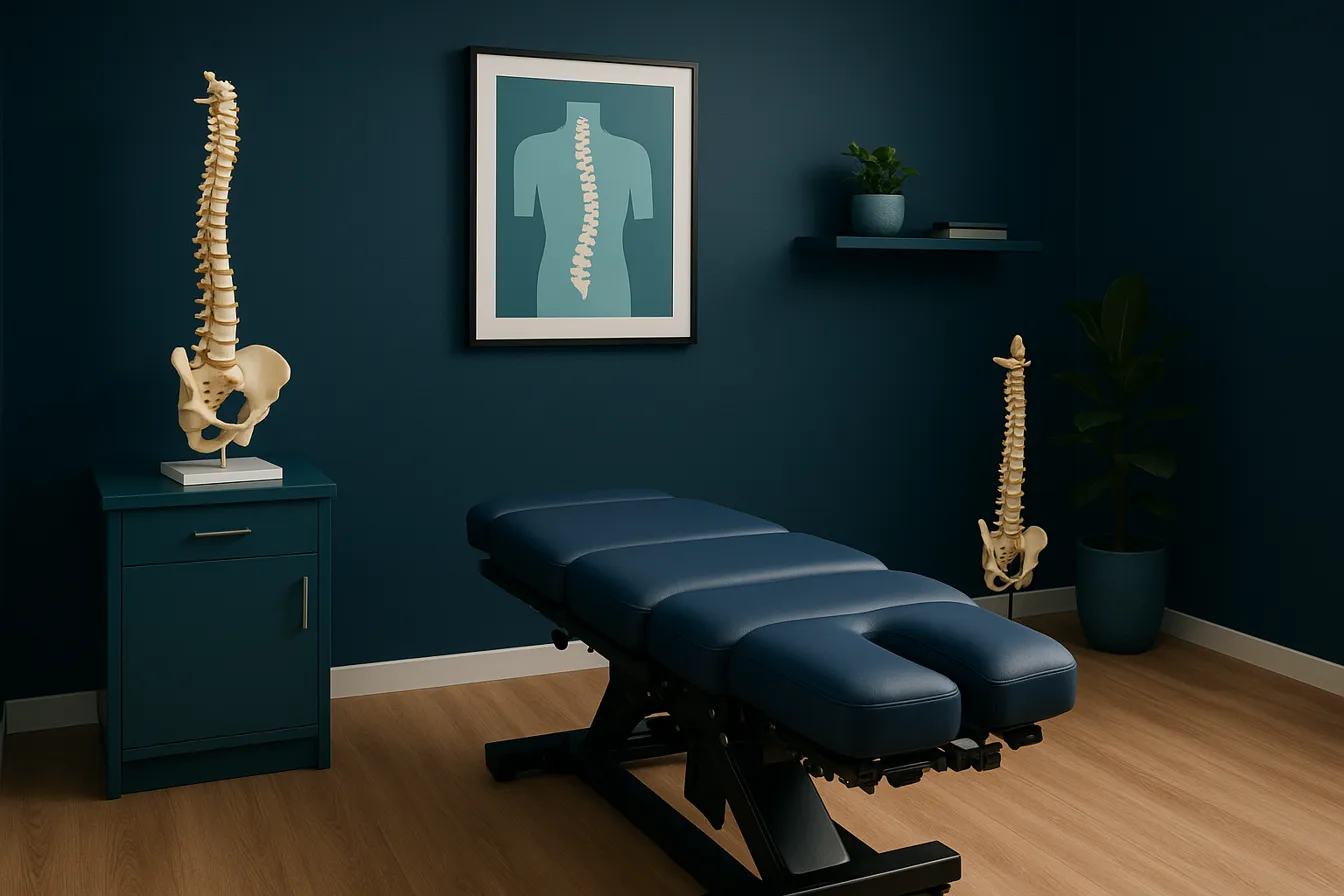
Spinal decompression machine
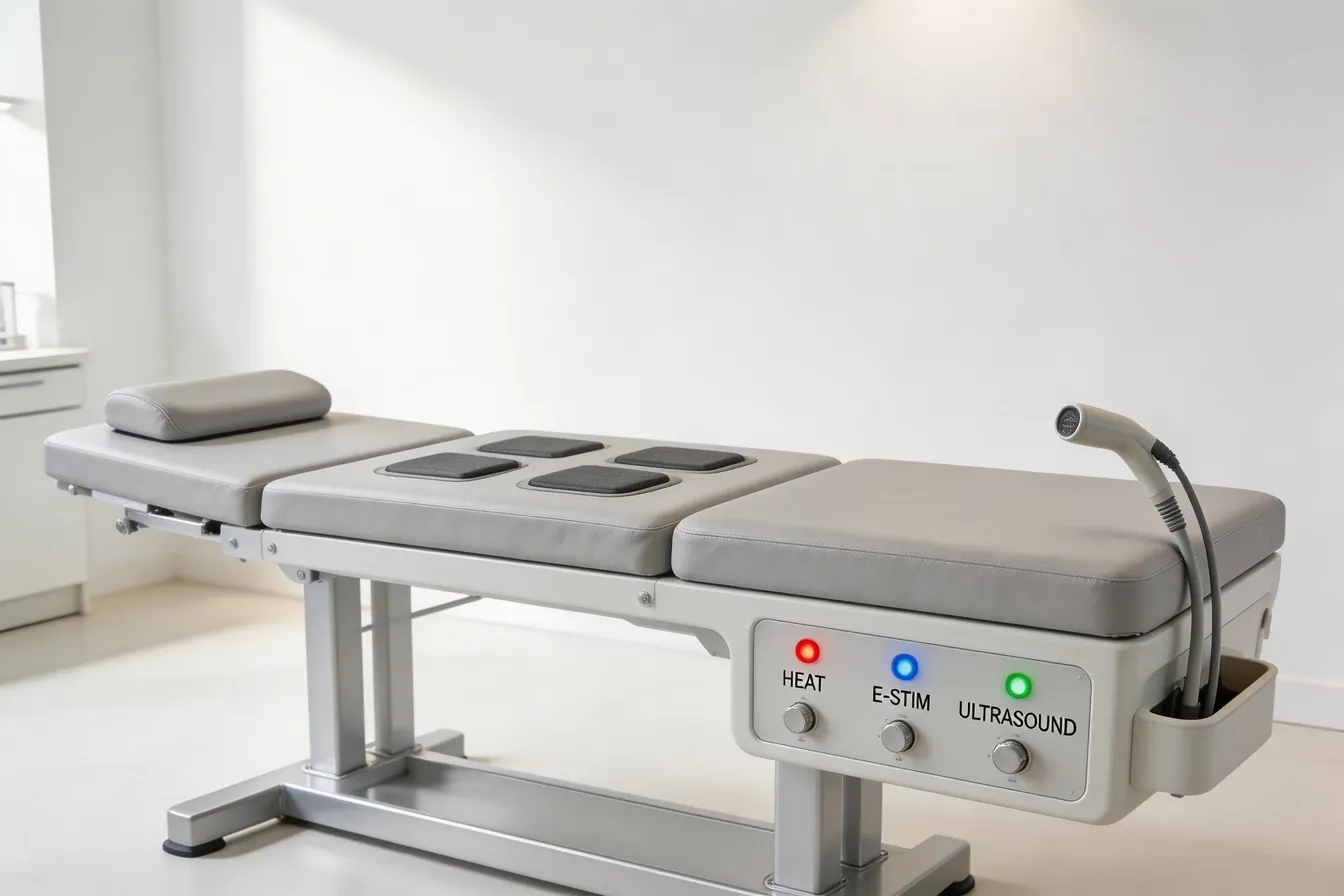
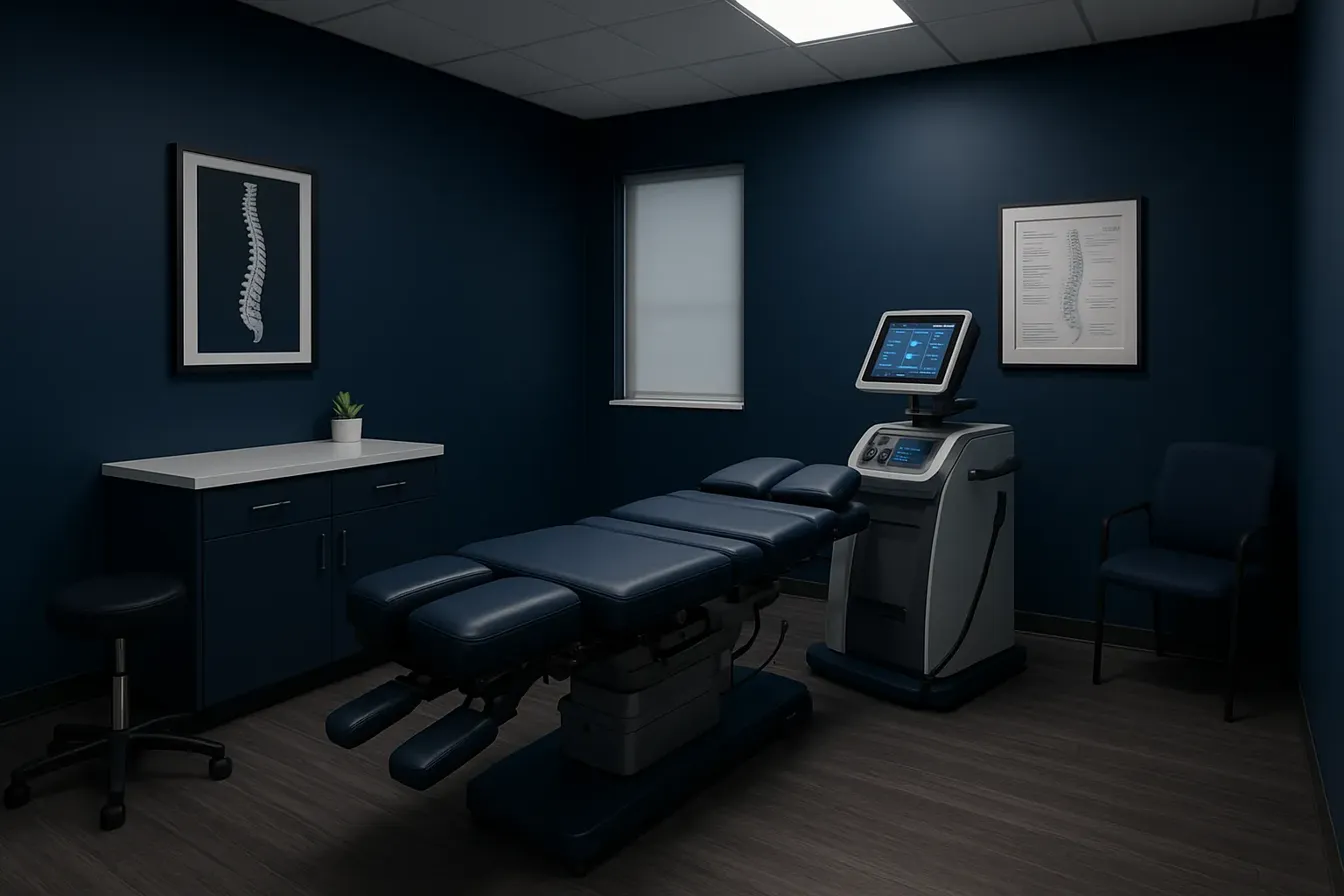
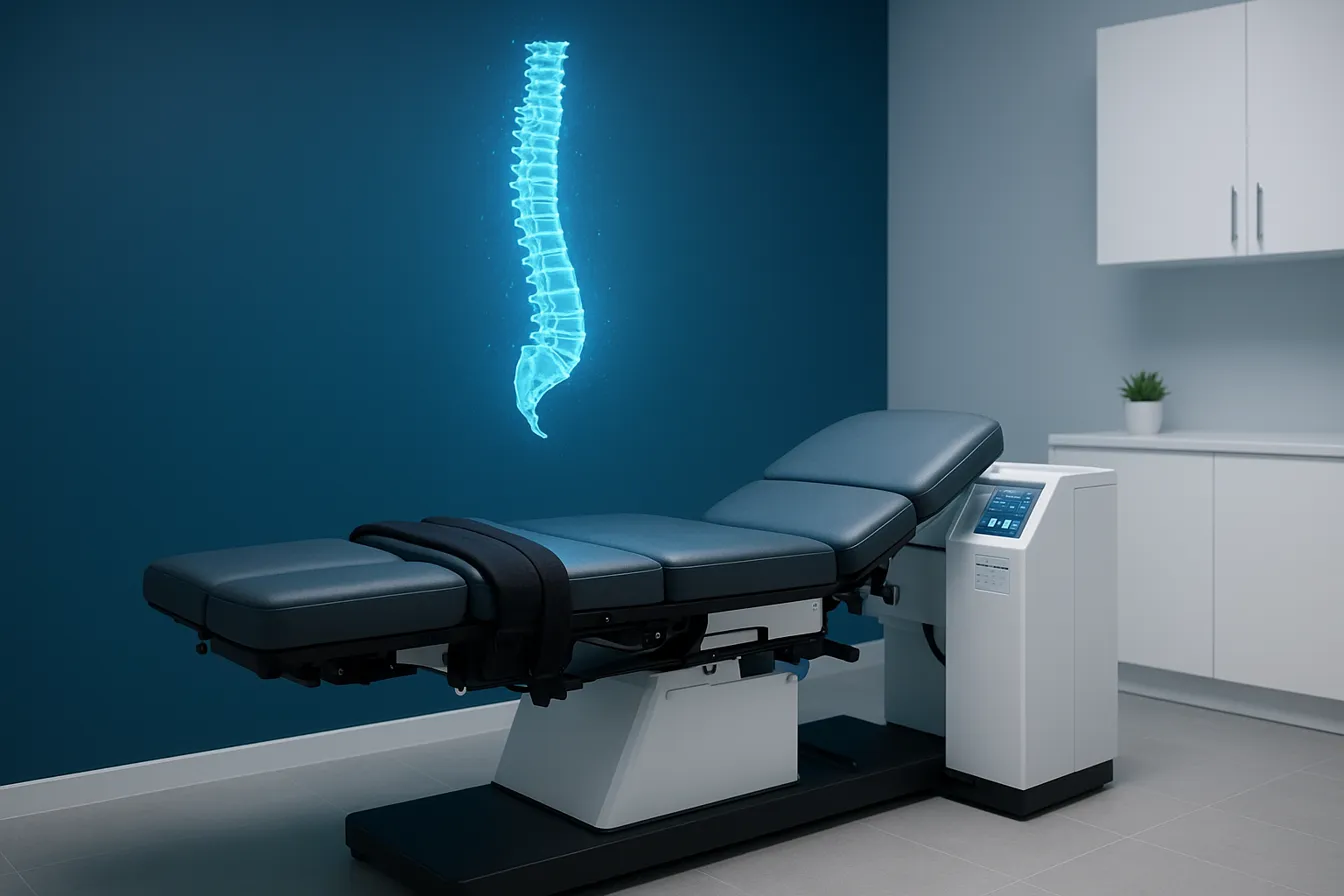
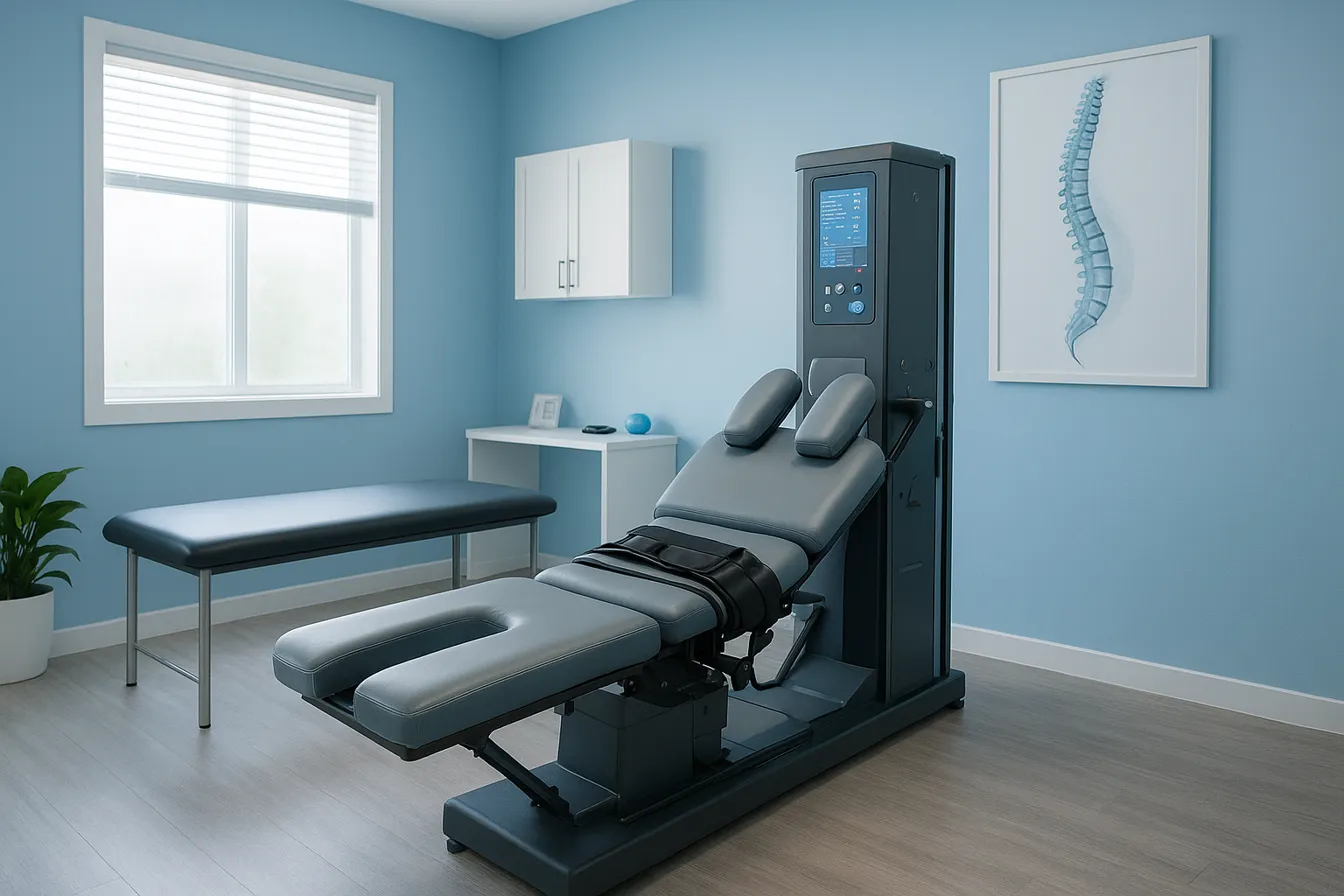
A spinal decompression machine is a specialized therapeutic device that gently stretches the spine to relieve pressure on bulging, herniated or degenerative discs. By creating negative pressure within the disc, it promotes the re‑hydration of disc material and encourages natural healing, often reducing back, neck, and sciatica pain without surgery. Modern units—such as the DRX9000 True Spinal Decompression machine—feature computerized controls, adjustable harnesses, and targeted lumbar or cervical settings to tailor each session to the patient’s specific condition. The treatment is typically performed on a padded table or harness system while the patient relaxes, and a session lasts 20‑30 minutes, repeated weekly for several weeks. Many chiropractic offices, including Back in Action Bodyworks, use these machines as part of a holistic, non‑invasive approach to musculoskeletal health.
7 exercises for lower back pain
- Pelvic Tilts – Lie on your back with knees bent, tighten the core, and press the lower back into the floor, holding for five seconds; repeat 10‑15 times.
- Bridges – From the same starting position, lift the hips to a straight line from shoulders to knees, hold briefly, then lower; perform 10‑12 repetitions.
- Cat‑Cow Stretch – On hands‑and‑knees, inhale to arch the back (Cow) and exhale to round it (Cat), moving fluidly for 10‑15 cycles.
- Bird‑Dog – Extend opposite arm and leg while keeping hips level on all fours, hold a few seconds, then switch sides; aim for 10‑12 reps per side.
- Child’s Pose – Kneel, sit back on the heels, stretch arms forward, and rest the forehead on the floor, holding 20‑30 seconds to release tension.
- Knee‑to‑Chest Stretch – Lie on your back, pull one knee toward the chest while keeping the spine flat, hold five seconds, then switch legs; repeat 2‑3 times per side.
- Seated Spinal Twist – Sit upright, cross one leg over the other, and gently twist the torso toward the crossed knee, holding ten seconds each side; perform 3‑5 repetitions per side.
Spinal decompression table
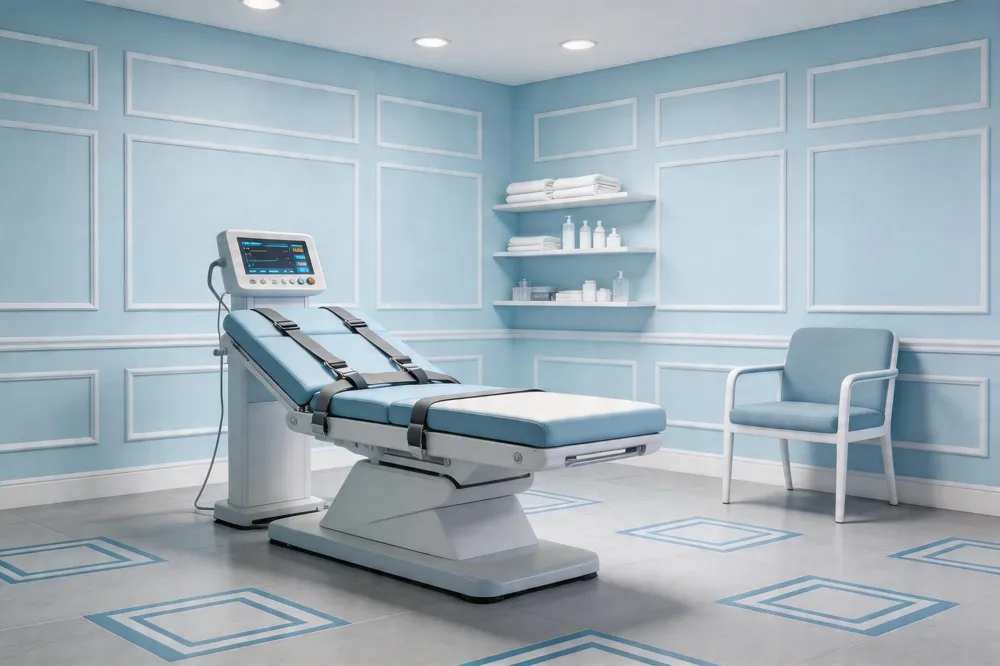
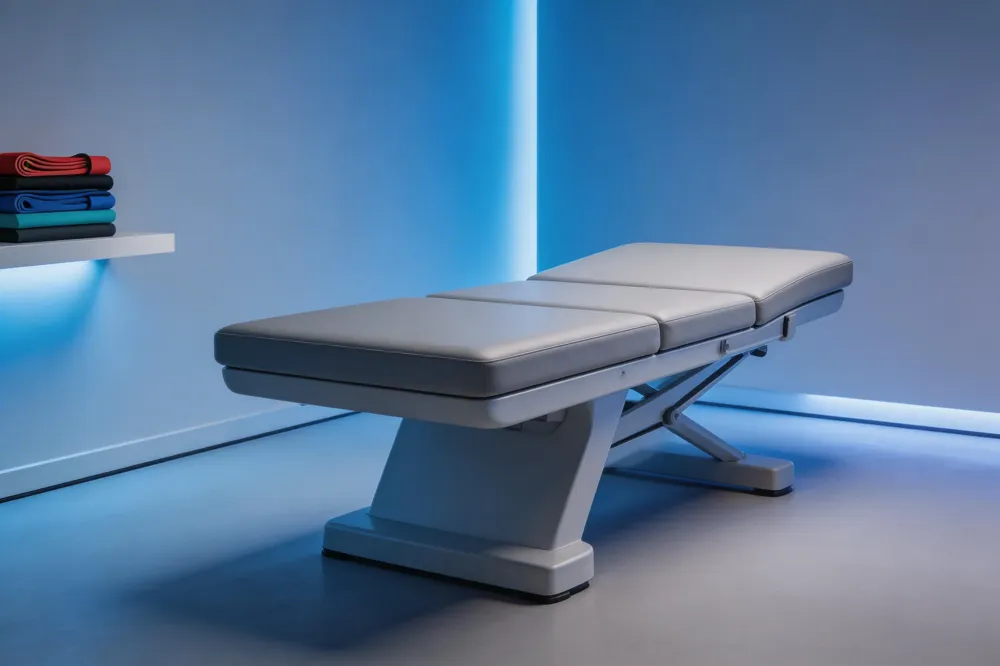
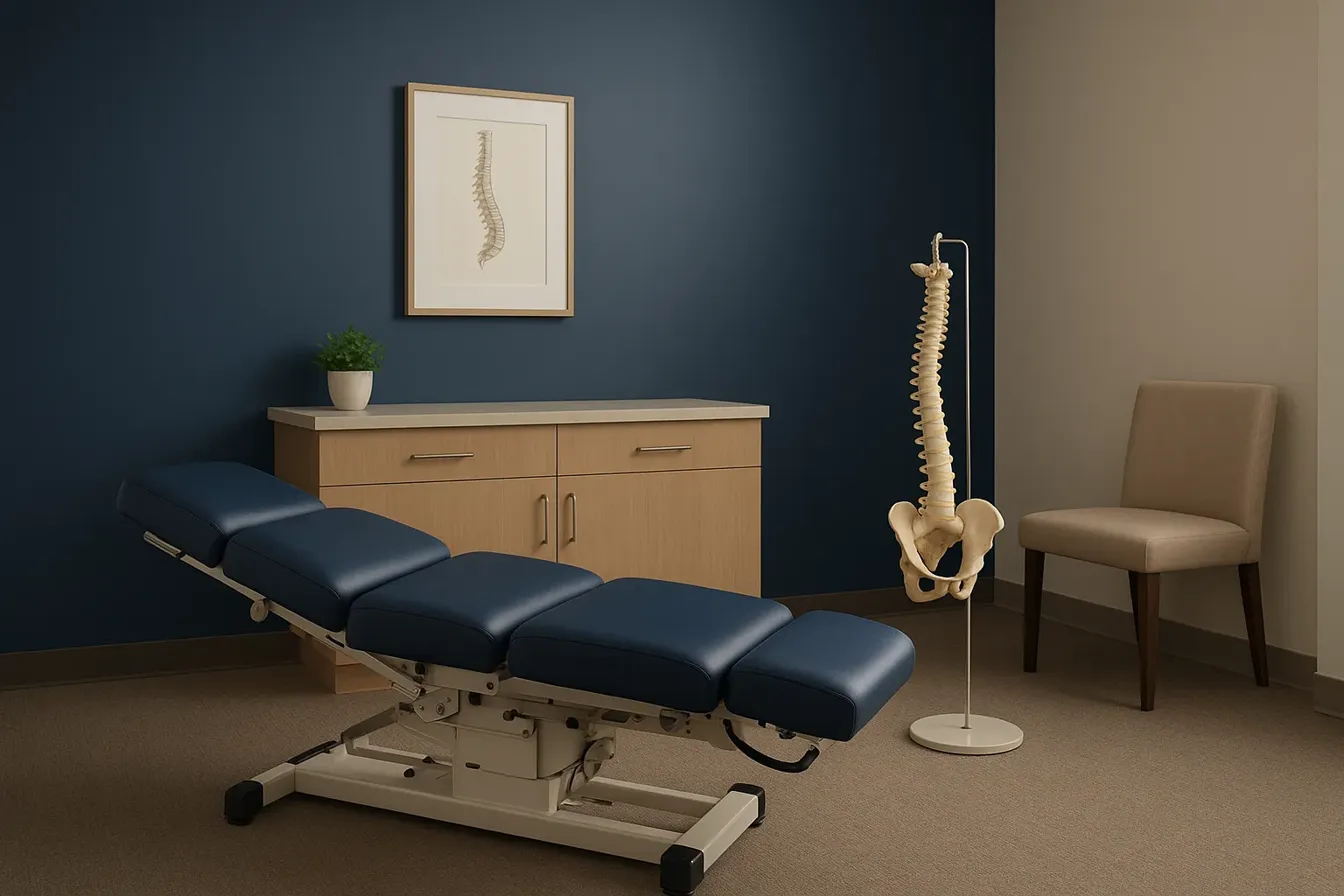
A spinal decompression table is a specialized therapeutic device used in non‑surgical spinal decompression therapy to gently stretch the spine and create negative pressure within the intervertebral discs. By securing the patient with a harness and moving the upper and lower sections of the table independently, the system gently distracts the vertebrae, allowing bulging or herniated disc material to retract and promoting nutrient flow for faster healing. This treatment can relieve chronic lower‑back, neck, arm, and leg pain associated with disc degeneration, sciatica, and worn spinal joints without the risks of surgery (Spinal decompression therapy reduces pressure on neural elements by gently stretching the spine. At Back in Action Bodyworks, the table is integrated into a holistic care plan, combining chiropractic adjustments, targeted exercises, and lifestyle counseling for optimal, long‑term results. Patients typically notice reduced pain and improved mobility after a series of sessions, making spinal decompression a safe and effective alternative to more invasive interventions.
Machine Mechanics and Clinical Outcomes

Spinal decompression devices use a motorized, computer‑controlled table that applies gentle, intermittent axial traction to the lumbar or cervical spine. Sensors detect muscle resistance and adjust pull‑force in real time, creating a negative intradiscal pressure of roughly –100 to –150 psi that encourages disc re‑hydration and nucleus re‑traction. Safety features include precise force‑limiters, automatic emergency‑stop controls, and built‑in bio‑feedback that prevents over‑stretching; clinicians also screen for contraindications such as severe osteoporosis, acute fracture, or implanted hardware before treatment.
Spinal decompression therapy cost – Sessions range $75‑$150, with a typical 12‑20 session course costing $1,200‑$2,500; many plans offer coverage with co‑pays.
Lumbar decompression surgery cost – Operative procedures run $50,000‑$100,000, excluding post‑op care, versus $1,000‑$5,000 for non‑surgical therapy.
Side effects – Mild soreness, transient dizziness, or brief pain increase are common and resolve within hours; rare aggravation of disc pathology is minimized by proper settings.
Success rate – Clinical studies report 71‑89 % of patients achieve meaningful pain relief and functional gain, with an 88.9 % success rate in a Mayo Clinic pilot.
How to tell it’s working – Gradual pain reduction, increased range of motion, less tingling, and a “light” feeling after sessions indicate disc height restoration.
Duration of benefit – Treatment spans 4‑6 weeks (30‑45 min per session); improvements can last 3‑6 months, extending up to a year with continued core‑strengthening and posture care.
Integrating Exercise, Home Care, and Adjuncts
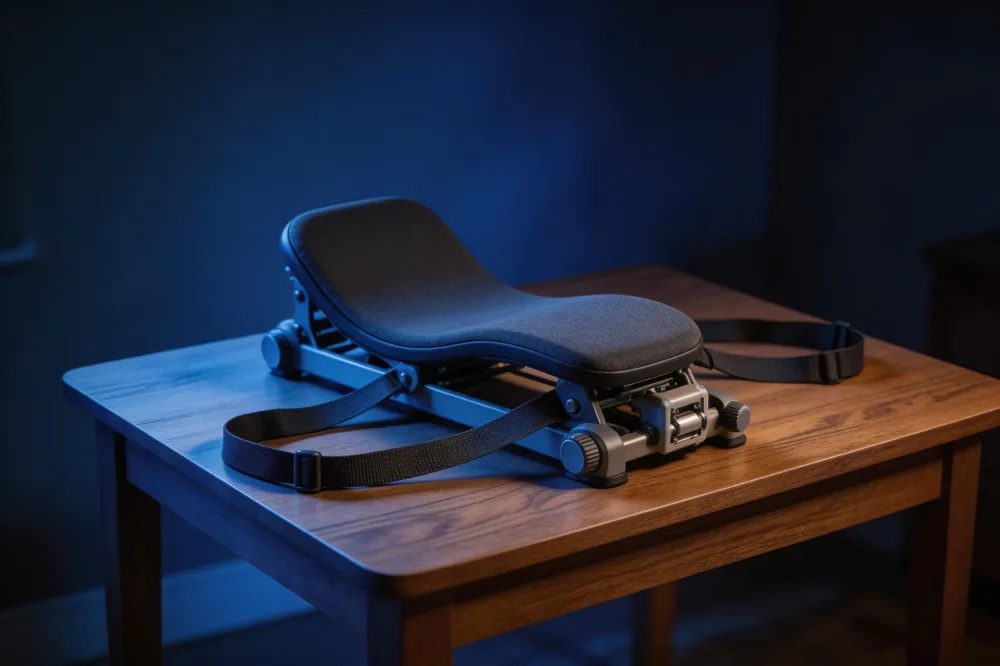
A lumbar decompression belt is a lightweight, breathable support that applies gentle traction to the lower back, creating space between vertebrae and relieving pressure on discs and nerves. Inflated or adjusted to fit a wide range of waist sizes, it allows short home sessions while maintaining a neutral lumbar lordosis, and is often combined with chiropractic adjustments and personalized exercise plans at Back in Action Bodyworks.
How I cured my lower back pain at home – I stayed active with daily low‑impact walks and a 15‑minute stretch routine (knee‑to‑chest, lumbar rotation, cat‑cow). Core‑strengthening moves such as bridges and bird‑dog stabilized the spine. Proper posture—using a rolled‑up towel under the pelvis—and alternating ice and heat reduced inflammation. Weight management and occasional NSAIDs helped, and within two weeks stiffness eased.
Physiotherapy exercises for lower back pain – Gentle mobility stretches (knee‑to‑chest, lumbar rotation, standing tilt) held 5‑10 seconds, combined with core‑strengthening (bridge, cat‑cow, seated shoulder‑blade squeeze) performed three times weekly, improve flexibility and stability.
Back pain relief exercises at home – A simple routine includes knee‑to‑chest, posterior pelvic tilt, bridge, dead‑bug, clamshell, and hamstring stretch, performed once or twice daily with gradual progression.
7 exercises for lower back pain – Pelvic tilts, bridges, cat‑cow, bird‑dog, child’s pose, knee‑to‑chest, and seated spinal twist form a comprehensive, low‑impact program that supports spinal health and reduces pain.
Cost, Accessibility, and Patient Journey

When you consider relieving lower‑back pain, understanding the financial and practical aspects of care is essential. A typical non‑surgical spinal decompression program at Back in Action Bodyworks runs $75‑$150 per session, with a full 12‑20 session course costing $1,200‑$2,500. Insurance often labels this therapy as experimental, so coverage is limited; however, many plans will reimburse related manual traction or chiropractic manipulation when documented as medically necessary, and flexible‑spending accounts can offset out‑of‑pocket expenses. In contrast, lumbar spinal decompression surgery can exceed $50,000‑$100,000, with insurance covering most of the bill but leaving patients responsible for deductibles and co‑pays. Because surgery carries higher risk and recovery time, most clinicians recommend a conservative approach first—NSAIDs, core‑strengthening exercises, and chiropractic spinal—as the number one back‑pain relief strategy. Finding a qualified practitioner is straightforward: search "Spinal decompression chiropractor near me" or "Spinal decompression near me" and choose a clinic such as Back in Action Bodyworks in Torrance, CA, where a free evaluation determines candidacy and creates a personalized, patient‑centered plan. Call (310) 555‑1234 to begin your path to safe, natural relief.
Putting Biomechanics into Practice
Chiropractors translate biomechanical findings into holistic, patient‑centered care by using modest, controlled distraction forces that respect the spine’s natural motion segment. Cadaveric data show that unilateral laminotomy or midline decompression can increase lumbar ROM by 10‑20 %, while pedicle‑screw fixation restores stability to roughly 20 % of native motion. In a clinical setting, non‑invasive decompression mirrors this principle: gentle axial traction creates negative intradiscal pressure, re‑hydrating the nucleus pulposus, expanding foramina by 0.5‑2 mm, and reducing facet loading. Integrating core‑strengthening exercises, posture education, and nutrition amplifies the mechanotransduction response, supporting long‑term disc health and neural protection. Future directions include AI‑driven, patient‑specific traction protocols, hybrid minimally invasive tubular decompression adjacent to fusion constructs, and real‑time EMG feedback to fine‑tune muscle guarding. These advances promise more precise biomechanical modulation while preserving the holistic, natural‑pain‑relief philosophy at the heart of chiropractic wellness.
Recent articles
10 Real‑Patient Success Stories Showcasing the Impact of Chiropractic Care
Superfoods That Boost Nerve Healing After Chiropractic Sessions

Sleep Positions That Promote a Healthy Back Alignment
Signs Your Chiropractor Is a Good Fit for Your Back Pain Goals
Case Study: Integrated Physiotherapy and Chiropractic for Faster Recovery
First-Time Chiropractic Visit: A Step‑by‑Step Walkthrough
Synergistic Benefits: Combining Physiotherapy with Chiropractic Care
Beyond Surgery: Holistic Approaches to Managing Back Pain
How Manual Therapy Enhances the Effects of Chiropractic Adjustments

Hydration Hacks: Why Water Matters for Joint and Spine Function

What Does a Comprehensive Spinal Evaluation Include?
Success Spotlight: Transformative Results After Six Weeks of Chiropractic Treatment
Understanding the Initial Assessment Process in Chiropractic Care
Designing a Personalized Corrective Exercise Plan for Chronic Pain Management

Natural Pain Management: Combining Acupuncture, Yoga, and Chiropractic
Chiropractic Care vs. Pain Meds: Long-Term Outcomes for Back Pain Sufferers

What to Expect During a Sciatica‑Focused Decompression Session
Understanding the Pain-Relief Mechanics Behind Chiropractic Adjustments
Success Rates of Non‑Surgical Spinal Decompression for Sciatica

Patient-Centered Chiropractic Care: Personalized Plans for Back Pain Relief
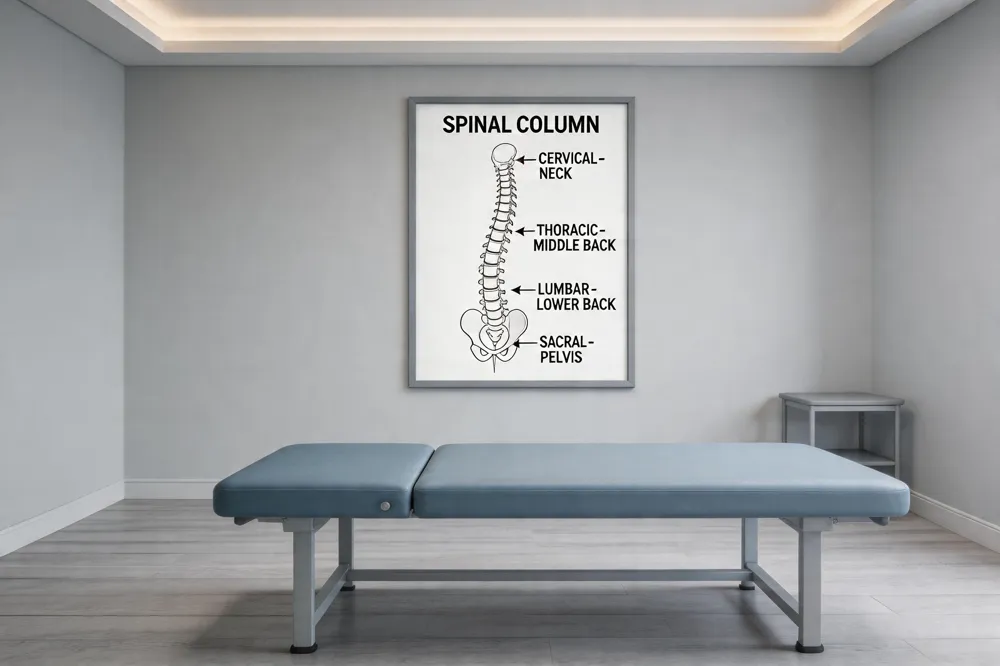
How Chiropractic Treatments Reduce Inflammation and Speed Up Back Pain Recovery
Real‑Life Stories: How Chiropractic Helped Patients Overcome Chronic Back Pain
From Symptom Masking to Root‑Cause Healing: A Practical Guide

6 Holistic Non‑Surgical Treatments That Deliver Sustainable Back‑Pain Relief
Key Questions to Ask When Selecting Your Chiropractor
Mindful Movement: Incorporating Stretch Breaks Into a Busy Day

Why Targeting the Underlying Cause Beats Temporary Symptom Relief
8 Ways Physiotherapy Complements Chiropractic Adjustments for Faster Recovery
Meal Planning for Athletes Recovering from Back Injuries
9 Everyday Lifestyle Tweaks to Preserve a Healthy Spine and Prevent Pain
Functional Movement Screening for Root‑Cause Pain Identification

6 Things You’ll Experience During Your First Chiropractic Appointment

Spinal Decompression vs. Standard Physical Therapy for Sciatica: A Comparative Review

New Findings on How Adjustments Influence Blood Circulation
Work‑From‑Home Ergonomics: A Blueprint for a Pain‑Free Back
The Link Between Chiropractic Care and Improved Sleep Quality
Physiotherapy Techniques That Strengthen the Benefits of Chiropractic Adjustments
Biomechanical Insights Behind Successful Spinal Decompression

Desk‑to‑Dumbbell: Lifestyle Shifts That Guard Your Lower Back
10 Corrective Exercises for Sustainable Pain-Free Living

Morning Routines That Support Spine Health and Reduce Stiffness

Calcium and Magnesium‑Focused Nutrition for Bone Density and Spine Health

9 Ways Chiropractic Care Transforms Back Pain Management
Testimonial: Nutrition‑Guided Recovery Accelerated by Chiropractic
Science‑Backed Spinal Decompression for Relieving Sciatica Symptoms
Key Questions to Ask During Your Initial Chiropractic Consultation
Whole‑Body Wellness Blueprint: Nutrition, Exercise, and Chiropractic Synergy
A 12‑Week Corrective Exercise Blueprint for Chronic Neck Discomfort
Manual Therapy Plus Targeted Exercise: Accelerating Post‑Injury Recovery
Home‑Based Spinal Decompression Devices: What Patients Should Know
Chiropractic Care Statistics: Reducing Lost Workdays From Back Pain

How Targeted Nutrition Enhances Immune Function and Lowers Inflammatory Pain
Self‑Assessment Tools to Identify Hidden Triggers of Back Pain
Preparing for Your First Chiropractic Appointment: A Practical Checklist
Back Pain Relief Benefits: Lower Opioid Use and Better Quality of Life

Foam‑Rolling Techniques to Complement Chiropractic Adjustments
Progressive Overload Principles in Corrective Exercise Programs
Six‑Month Transformation: Integrated Care Success Story
7 Nutritional Hacks to Boost Your Overall Wellness
How to Choose a Chiropractor: Credentials, Techniques, and Patient Compatibility
5 Ways Spinal Decompression Can Ease Sciatica Pain

Overcoming Sciatica: A Patient’s Multidisciplinary Treatment Journey
Lifestyle Changes That Promote a Healthy Spine
Physiotherapy as a Complement to Chiropractic Treatments
6 Ways Physiotherapy Enhances Chiropractic Treatment Outcomes
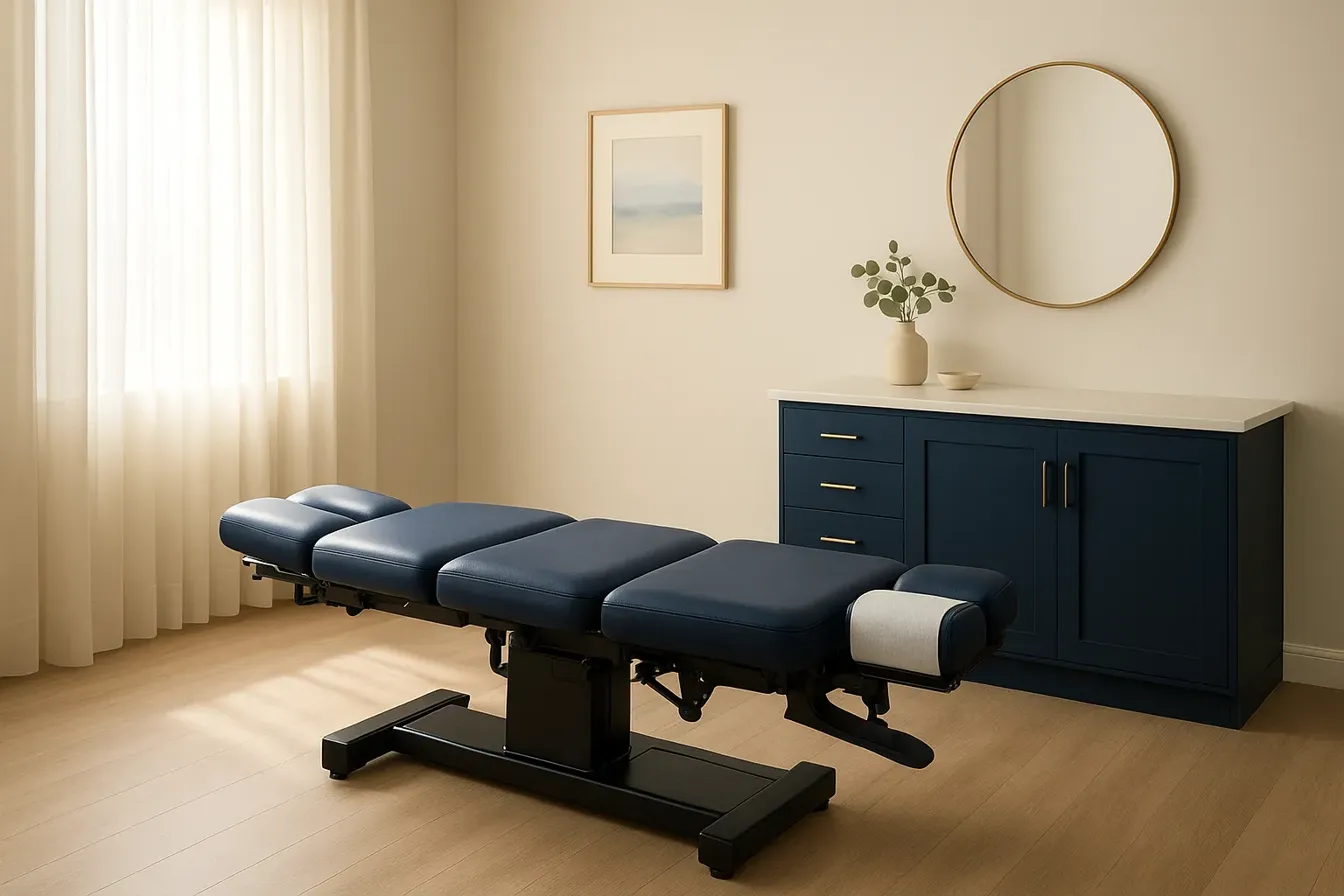
Daily Living Tips for a Strong and Healthy Spine
How Physiotherapy Enhances Chiropractic Outcomes
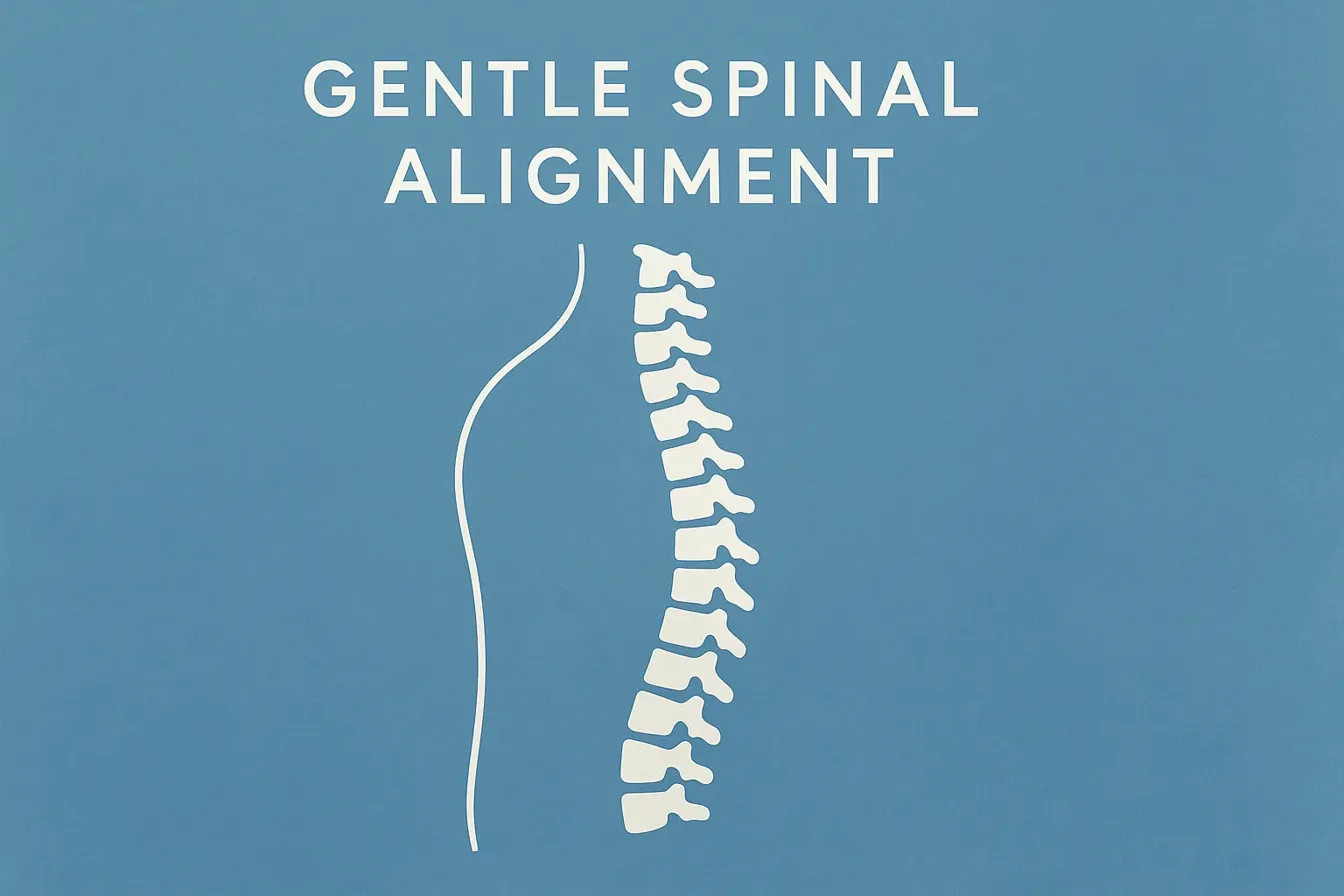
Holistic Treatments: Alternatives to Surgery for Pain Relief
Inspiring Patient Success Stories from Chiropractic Clinics
Integrating Physiotherapy with Chiropractic Treatments
Corrective Exercise Routines for Chronic Pain Prevention
10 Corrective Exercises to Maintain a Healthy Spine and Relieve Pain
Exercise Strategies for Long-Term Pain Management
10 Corrective Exercises to Maintain a Healthy Spine and Relieve Pain
The Importance of Treating the Root Cause of Pain
Nutritional Support Strategies for Whole-Body Wellness
7 Essential Questions to Ask When Choosing Your Chiropractor
Identifying and Addressing Root Causes of Pain
Maintaining a Healthy Spine with Lifestyle Adjustments
Sciatica Symptom Relief via Spinal Decompression
8 Reasons Why Addressing the Root Cause of Pain Is Crucial
Chiropractic Care’s Impact on Back Pain Recovery
Combining Physiotherapy with Chiropractic Care for Better Results
Inspiring Recovery: Chiropractic Patient Testimonials
Nutritional Counseling Tips for Optimal Wellness

Why Addressing the Root Cause of Pain is Crucial
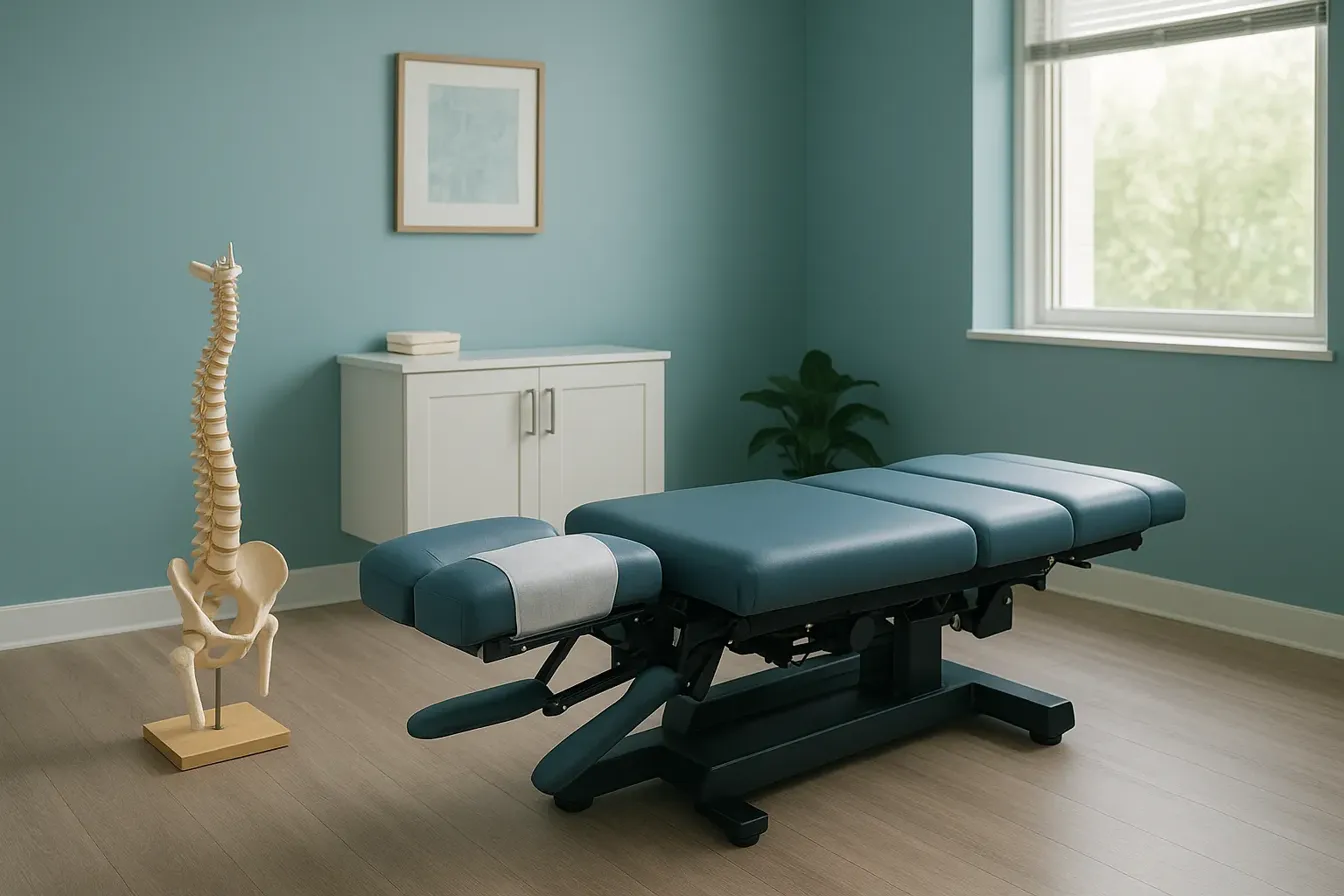
Back Pain and Chiropractic Care: A Winning Combination
Chiropractic Care Benefits You Might Not Know
Exploring Holistic and Non-Surgical Treatments for Pain
Spinal Health: Lifestyle Tips for Everyday Wellness
Spinal Decompression Therapy: Benefits and Applications
Holistic and Non-Invasive Spine Care Options
Everyday Lifestyle Advice to Keep Your Spine Healthy
The Significance of Treating Root Causes in Pain Therapy
Best Corrective Exercises for Sustainable Pain Management
Addressing Underlying Causes of Pain for Long-Term Relief
6 Key Benefits of Spinal Decompression Therapy for Sciatica Relief
How Nutritional Counseling Supports Spine Health and Recovery
The Role of Physiotherapy in Supporting Chiropractic Treatments