How Chiropractic Treatments Reduce Inflammation and Speed Up Back Pain Recovery
April 17, 2026
6 min
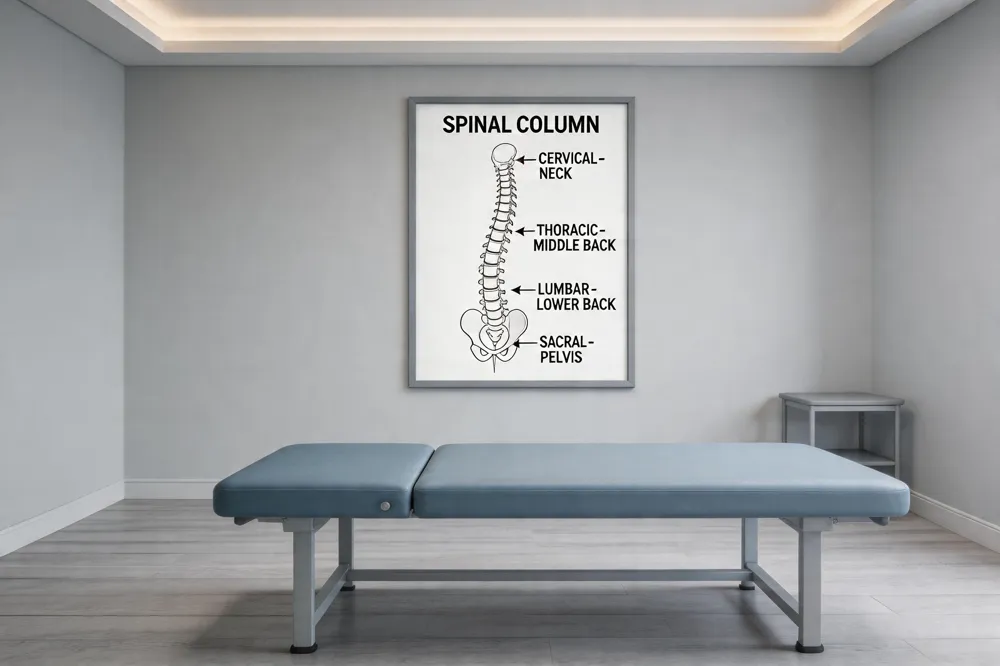
Welcome to Back in Action Bodyworks
At Back in Action Bodyworks we blend chiropractic adjustments, soft‑tissue therapy, nutrition and exercise counseling to reduce inflammation, relieve pain, and guide readers toward holistic, musculoskeletal wellness and lasting vitality.
How Chiropractic Adjustments Work and Safety for Lower Back Pain

Chiropractic adjustments use a Controlled, precise force applied to a spinal joint improves motion and reduces pain, moving it to its end range of motion and then delivering a precise thrust to restore alignment. Before any adjustment, a comprehensive assessment—including health history, physical exam, and sometimes imaging—screens for contraindications such as severe osteoporosis, spinal tumors, or heightened stroke risk. This screening is essential because serious complications, while rare, are more likely in those with pre‑existing conditions. Most patients experience only mild, temporary side‑effects: a Popping or cracking sounds during adjustment are normal, not injury, and mild soreness, stiffness, or fatigue usually resolve quickly as muscles and joints adapt. These transient effects typically resolve quickly and are far less common than adverse events reported for invasive treatments. Large‑scale studies and clinical guidelines consistently show that spinal manipulation is a safe, non‑pharmacologic option for acute, uncomplicated low back pain, with serious complications occurring at rates of roughly 1 per 100 000 to 1 per million lumbar adjustments. For the majority of healthy adults, chiropractic care offers effective pain relief and functional improvement while minimizing risk.
Benefits and Drawbacks of Chiropractic Care

Chiropractic benefits and disadvantages Chiropractic care can deliver rapid, drug‑free relief for neck, back, and joint pain by applying controlled spinal adjustments that improve joint mobility, posture, and nervous‑system communication. Research from the Mayo Clinic, Cleveland Clinic, and peer‑reviewed studies shows reductions in inflammatory markers (IL‑6, CRP) and pain scores after a series of visits, helping with sciatica, tension‑type headaches, and acute low‑back pain. Patients often report better sleep, reduced stress, and fewer medication needs. However, soreness, headache, or fatigue may occur for a few days. Rare serious complications—particularly with high‑velocity cervical thrusts—include arterial injury or stroke, especially in individuals with severe osteoporosis, spinal cancer, or stroke risk. Severe structural conditions (advanced stenosis, fractures) usually require specialist referral, limiting chiropractic effectiveness.
Typical price range for chiropractic treatment in the U.S. In the United States a single visit averages $65‑$70, with new‑patient exams $75‑$150 and follow‑up adjustments $30‑$80. Prices rise in high‑cost regions (e.g., California $90‑$300). Most insurance plans, Medicaid, and Medicare cover part of the fees, and many clinics offer package discounts or cash‑payment options that lower per‑session costs for regular patients.
Key considerations
- Rapid drug‑free relief: effective for many musculoskeletal complaints.
- Improved joint mobility and posture: enhances function and reduces inflammation.
- Potential side‑effects and rare risks: usually mild, but serious events are possible with neck adjustments.
- Cost and commitment: multiple sessions are often needed; budgeting and insurance coverage are important.
Common Mistakes that Worsen Back Pain

The single worst thing you can do for back pain is to maintain a slouched, unsupported posture for long periods—especially while sitting—because it forces the spine out of its natural alignment and adds constant pressure to the lower back. Prolonged sitting without regular standing or stretching, sleeping on a soft couch or mattress, and adopting a twisting sleeping position (e.g., stomach‑lying) further strain spinal joints and muscles. Skipping low‑impact movement or core‑strengthening exercises weakens the musculature that stabilizes the spine, while jumping into high‑impact workouts without proper warm‑up overloads joints and can trigger flare‑ups. In short, any habit that keeps the spine poorly supported, immobile, or overstressed while you’re already in pain will dramatically worsen the condition.
Inflammation, Toxins, and the Body’s Response to Adjustments

Research on a short‑term course of nine lumbar spinal manipulations showed a clear drop in systemic inflammatory markers – interleukin‑6 fell from 3.97 ng/L to 2.98 ng/L and high‑sensitivity CRP decreased from 2.50 g/dL to 1.94 g/dL. These changes are thought to stem from three linked mechanisms. First, a controlled thrust restores joint mobility, which improves local blood flow and helps clear metabolic by‑products. Second, the realignment normalizes nerve signaling, allowing the autonomic nervous system to shift toward parasympathetic dominance and release endogenous opioids and serotonin that dampen inflammation. Third, the mechanical stimulus of the adjustment may up‑regulate anti‑inflammatory cytokines while down‑regulating pro‑inflammatory ones.
What toxins are released after a chiropractic adjustment? No credible study has identified a specific “toxin‑release” cocktail. The body’s liver, kidneys, and lymphatic system continue to clear waste; any temporary symptoms such as headache or fatigue represent a brief healing response, not the expulsion of heavy metals, PCBs, or other defined toxins.
Can a chiropractor help with back inflammation? Absolutely. By pinpointing inflamed joints, applying precise spinal adjustments, soft‑tissue therapy, and offering lifestyle counseling (diet, exercise, stress management), chiropractors reduce pressure on irritated tissues, lower IL‑6 and CRP levels, and accelerate recovery from back‑pain inflammation.
Managing Muscle Pain, Sciatica, and Post‑Adjustment Care

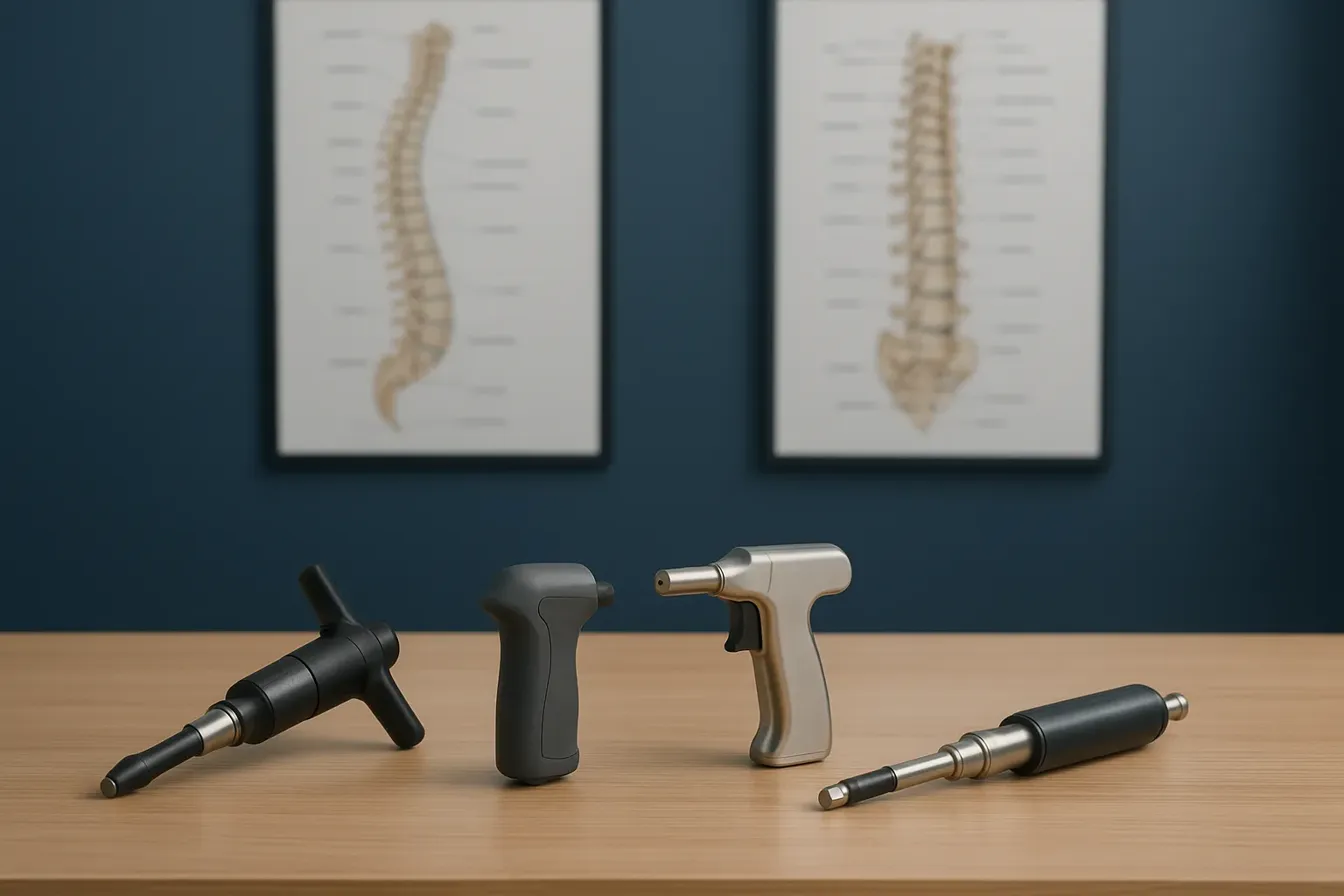
Soft‑tissue techniques are a cornerstone of chiropractic care for muscle pain. After a controlled spinal adjustment, chiropractors often use massage, myofascial release, trigger‑point therapy, and instrument‑assisted mobilization to break down adhesions, improve local blood flow, and lower pro‑inflammatory cytokines such as IL‑6 and TNF‑α. These methods relieve tension, reduce soreness, and prepare the tissue for optimal healing.
For sciatica, the chiropractor first conducts a comprehensive assessment—reviewing health history, posture, and movement patterns—to locate nerve irritation. Precise lumbar adjustments, flexion‑distraction, and gentle traction create space for the sciatic nerve, decreasing compression and inflammation. Soft‑tissue work relaxes tight hamstrings and piriformis muscles, while a prescribed home‑exercise program strengthens the core and improves flexibility, reducing future flare‑ups.
Post‑adjustment care supports recovery. Patients are encouraged to stay well‑hydrated, apply a cold pack for the first 24‑48 hours to limit swelling, then transition to gentle heat if stiffness persists. Light activity—short walks, easy stretches, or yoga—promotes circulation without over‑exertion. Maintain good posture, avoid heavy lifting, and follow any specific ergonomic advice given by the practitioner.
Urgent care is warranted if new neurological symptoms appear (e.g., sudden numbness, weakness, loss of bladder control) or if severe pain worsens despite conservative treatment. In such cases, immediate medical evaluation is essential.
Expectations: Healing Timeline, Effectiveness, and Who Can Benefit

A chiropractic adjustment triggers a controlled, precise thrust that restores joint motion and can calm the inflammatory response. Typical recovery periods vary by tissue: bone healing usually takes 5‑6 weeks, ligaments and tendons 6‑8 weeks, while intervertebral discs and cartilage may require three months or longer. Most patients report noticeable relief within a few days, and many experience significant improvement by the 30‑day mark, especially when follow‑up visits are scheduled 2‑3 times per week initially and then tapered.
Evidence of effectiveness shows that spinal manipulation reduces pain and improves function for both acute and chronic lower‑back pain. Systematic reviews (Journal of Orthopaedic Sports & Physical Therapy, 2023) and short‑term trials (nine lumbar adjustments lowered IL‑6 from 3.97 ng/L to 2.98 ng/L and CRP from 2.50 g/dL to 1.94 g/dL) demonstrate anti‑inflammatory effects and faster recovery. Clinical guidelines now list chiropractic care as a first‑line, non‑pharmacologic option for subacute and chronic back pain.
Special considerations (ALS): While chiropractic treatment can ease musculoskeletal discomfort, improve posture, and reduce muscle tension, there is no evidence it alters ALS disease progression. It remains a palliative adjunct for symptom management.
Overall value: Chiropractic care offers a drug‑free, low‑risk pathway to pain relief, enhanced mobility, and reduced inflammation, making it a worthwhile component of a comprehensive back‑pain management plan for most adults, provided contraindications such as severe osteoporosis, spinal cancer, or high stroke risk are absent.
Take the Next Step Toward a Pain‑Free Future
Experience reduced inflammation, tailored spinal assessments, and holistic care—schedule your personalized visit today at Back in Action Bodyworks for lasting pain‑free and optimal relief.
Recent articles

10 Real‑Patient Success Stories Showcasing the Impact of Chiropractic Care

Superfoods That Boost Nerve Healing After Chiropractic Sessions

Sleep Positions That Promote a Healthy Back Alignment

Signs Your Chiropractor Is a Good Fit for Your Back Pain Goals

Case Study: Integrated Physiotherapy and Chiropractic for Faster Recovery

First-Time Chiropractic Visit: A Step‑by‑Step Walkthrough

Synergistic Benefits: Combining Physiotherapy with Chiropractic Care

Beyond Surgery: Holistic Approaches to Managing Back Pain

How Manual Therapy Enhances the Effects of Chiropractic Adjustments

Hydration Hacks: Why Water Matters for Joint and Spine Function

What Does a Comprehensive Spinal Evaluation Include?

Success Spotlight: Transformative Results After Six Weeks of Chiropractic Treatment

Understanding the Initial Assessment Process in Chiropractic Care

Designing a Personalized Corrective Exercise Plan for Chronic Pain Management

Natural Pain Management: Combining Acupuncture, Yoga, and Chiropractic

Chiropractic Care vs. Pain Meds: Long-Term Outcomes for Back Pain Sufferers

What to Expect During a Sciatica‑Focused Decompression Session

Understanding the Pain-Relief Mechanics Behind Chiropractic Adjustments

Success Rates of Non‑Surgical Spinal Decompression for Sciatica

Patient-Centered Chiropractic Care: Personalized Plans for Back Pain Relief
How Chiropractic Treatments Reduce Inflammation and Speed Up Back Pain Recovery

Real‑Life Stories: How Chiropractic Helped Patients Overcome Chronic Back Pain

From Symptom Masking to Root‑Cause Healing: A Practical Guide

6 Holistic Non‑Surgical Treatments That Deliver Sustainable Back‑Pain Relief

Key Questions to Ask When Selecting Your Chiropractor

Mindful Movement: Incorporating Stretch Breaks Into a Busy Day

Why Targeting the Underlying Cause Beats Temporary Symptom Relief

8 Ways Physiotherapy Complements Chiropractic Adjustments for Faster Recovery

Meal Planning for Athletes Recovering from Back Injuries

9 Everyday Lifestyle Tweaks to Preserve a Healthy Spine and Prevent Pain

Functional Movement Screening for Root‑Cause Pain Identification

6 Things You’ll Experience During Your First Chiropractic Appointment

Spinal Decompression vs. Standard Physical Therapy for Sciatica: A Comparative Review

New Findings on How Adjustments Influence Blood Circulation
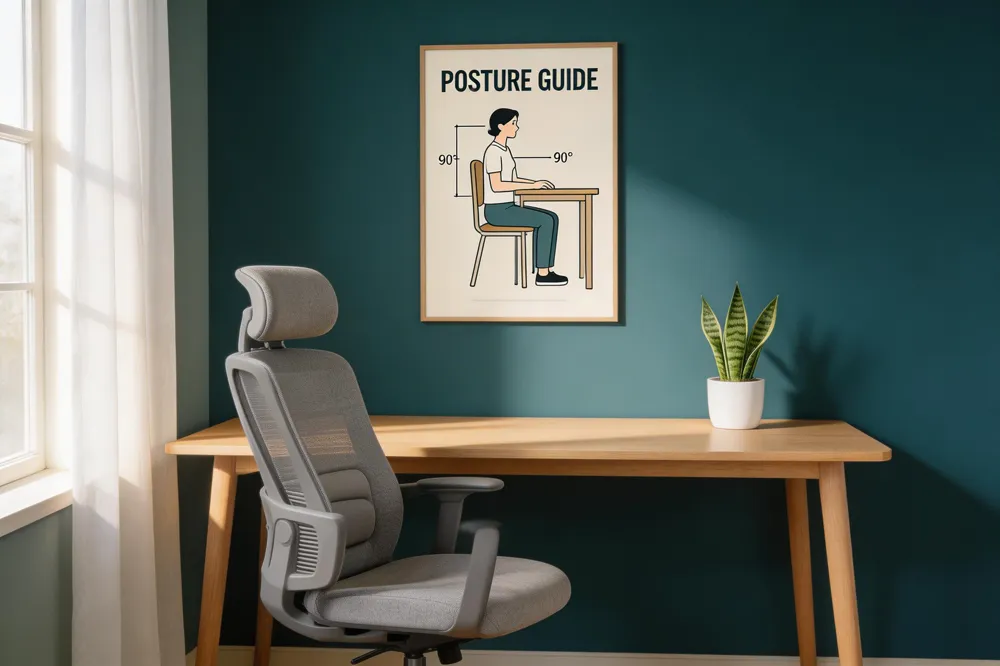
Work‑From‑Home Ergonomics: A Blueprint for a Pain‑Free Back

The Link Between Chiropractic Care and Improved Sleep Quality

Physiotherapy Techniques That Strengthen the Benefits of Chiropractic Adjustments

Biomechanical Insights Behind Successful Spinal Decompression

Desk‑to‑Dumbbell: Lifestyle Shifts That Guard Your Lower Back

10 Corrective Exercises for Sustainable Pain-Free Living

Morning Routines That Support Spine Health and Reduce Stiffness

Calcium and Magnesium‑Focused Nutrition for Bone Density and Spine Health

9 Ways Chiropractic Care Transforms Back Pain Management

Testimonial: Nutrition‑Guided Recovery Accelerated by Chiropractic

Science‑Backed Spinal Decompression for Relieving Sciatica Symptoms

Key Questions to Ask During Your Initial Chiropractic Consultation

Whole‑Body Wellness Blueprint: Nutrition, Exercise, and Chiropractic Synergy

A 12‑Week Corrective Exercise Blueprint for Chronic Neck Discomfort

Manual Therapy Plus Targeted Exercise: Accelerating Post‑Injury Recovery
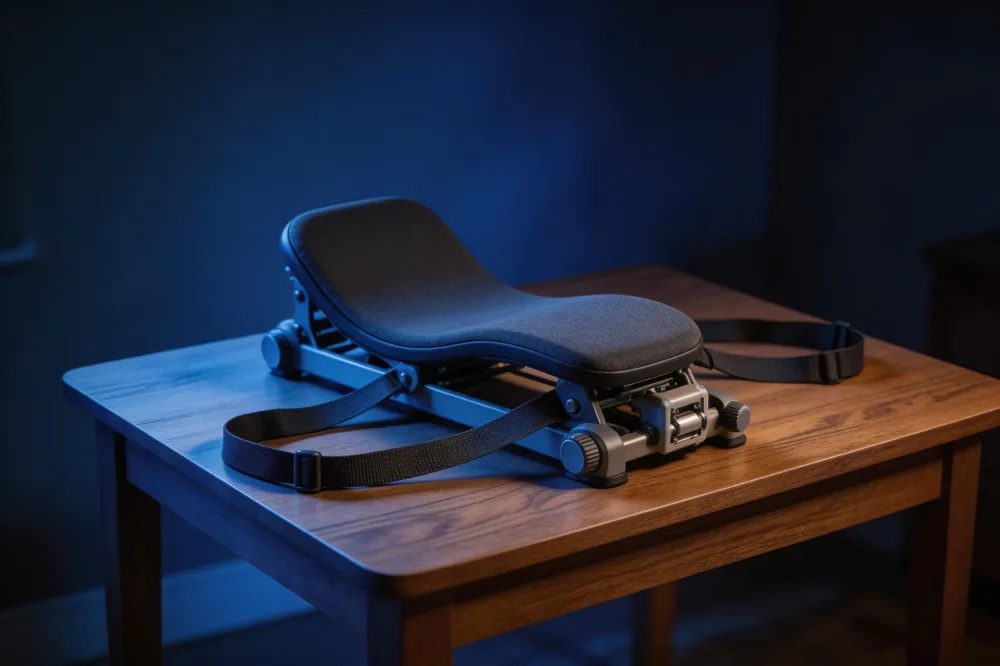
Home‑Based Spinal Decompression Devices: What Patients Should Know

Chiropractic Care Statistics: Reducing Lost Workdays From Back Pain

How Targeted Nutrition Enhances Immune Function and Lowers Inflammatory Pain

Self‑Assessment Tools to Identify Hidden Triggers of Back Pain

Preparing for Your First Chiropractic Appointment: A Practical Checklist

Back Pain Relief Benefits: Lower Opioid Use and Better Quality of Life

Foam‑Rolling Techniques to Complement Chiropractic Adjustments

Progressive Overload Principles in Corrective Exercise Programs

Six‑Month Transformation: Integrated Care Success Story

7 Nutritional Hacks to Boost Your Overall Wellness

How to Choose a Chiropractor: Credentials, Techniques, and Patient Compatibility

5 Ways Spinal Decompression Can Ease Sciatica Pain

Overcoming Sciatica: A Patient’s Multidisciplinary Treatment Journey
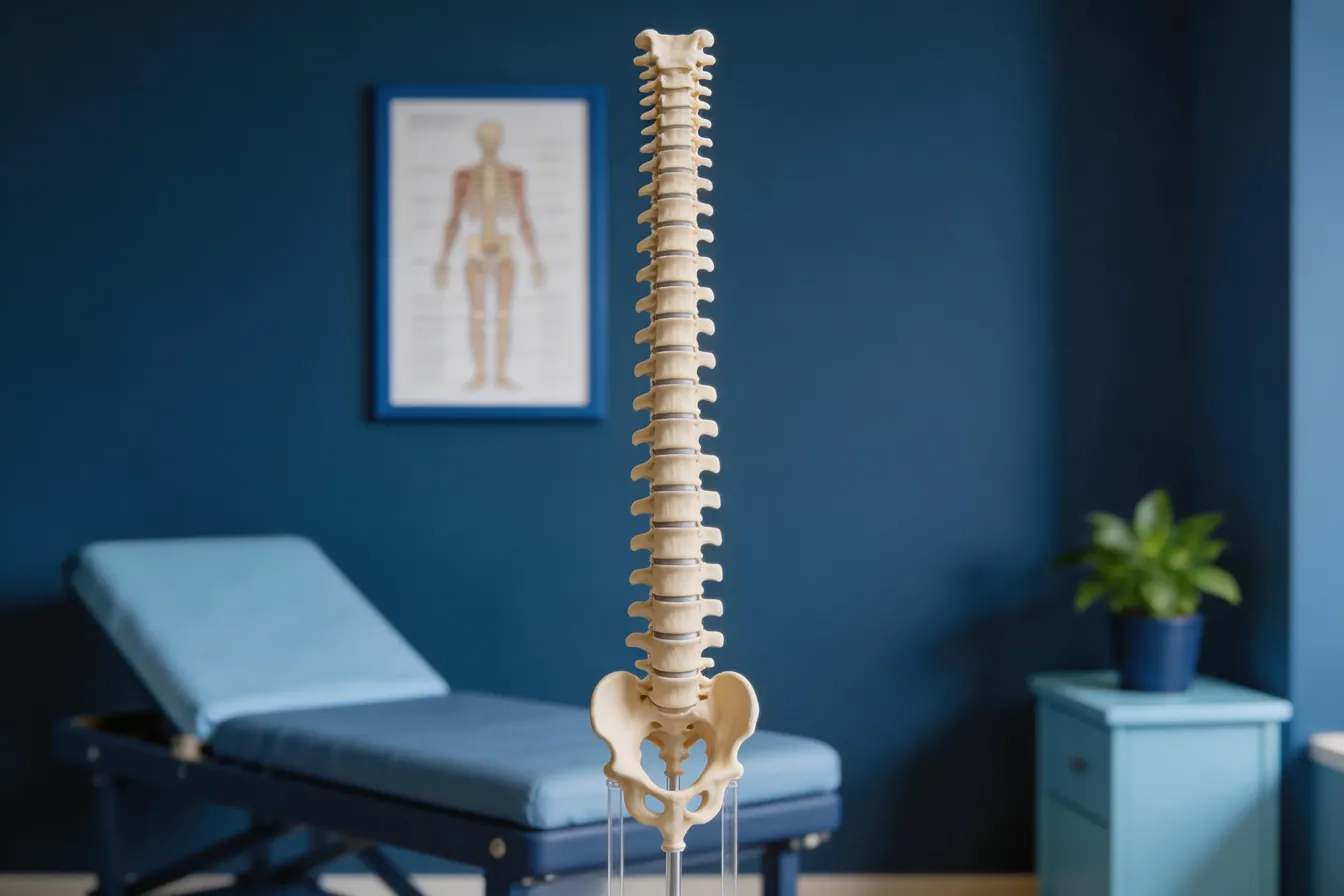
Lifestyle Changes That Promote a Healthy Spine
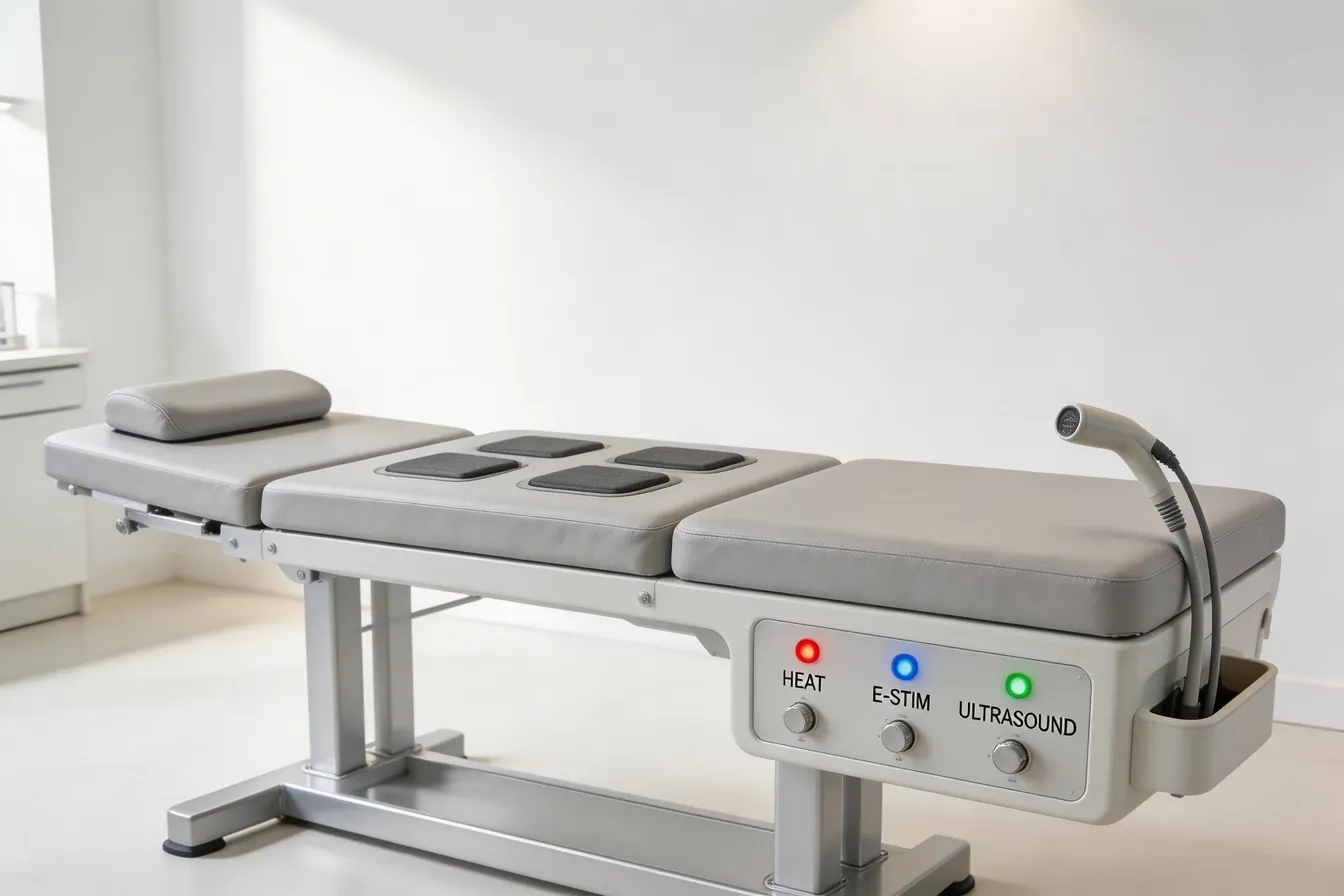
Physiotherapy as a Complement to Chiropractic Treatments
6 Ways Physiotherapy Enhances Chiropractic Treatment Outcomes

Daily Living Tips for a Strong and Healthy Spine

How Physiotherapy Enhances Chiropractic Outcomes
Holistic Treatments: Alternatives to Surgery for Pain Relief
Inspiring Patient Success Stories from Chiropractic Clinics

Integrating Physiotherapy with Chiropractic Treatments
Corrective Exercise Routines for Chronic Pain Prevention
10 Corrective Exercises to Maintain a Healthy Spine and Relieve Pain
Exercise Strategies for Long-Term Pain Management
10 Corrective Exercises to Maintain a Healthy Spine and Relieve Pain
The Importance of Treating the Root Cause of Pain
Nutritional Support Strategies for Whole-Body Wellness
7 Essential Questions to Ask When Choosing Your Chiropractor
Identifying and Addressing Root Causes of Pain
Maintaining a Healthy Spine with Lifestyle Adjustments
Sciatica Symptom Relief via Spinal Decompression
8 Reasons Why Addressing the Root Cause of Pain Is Crucial
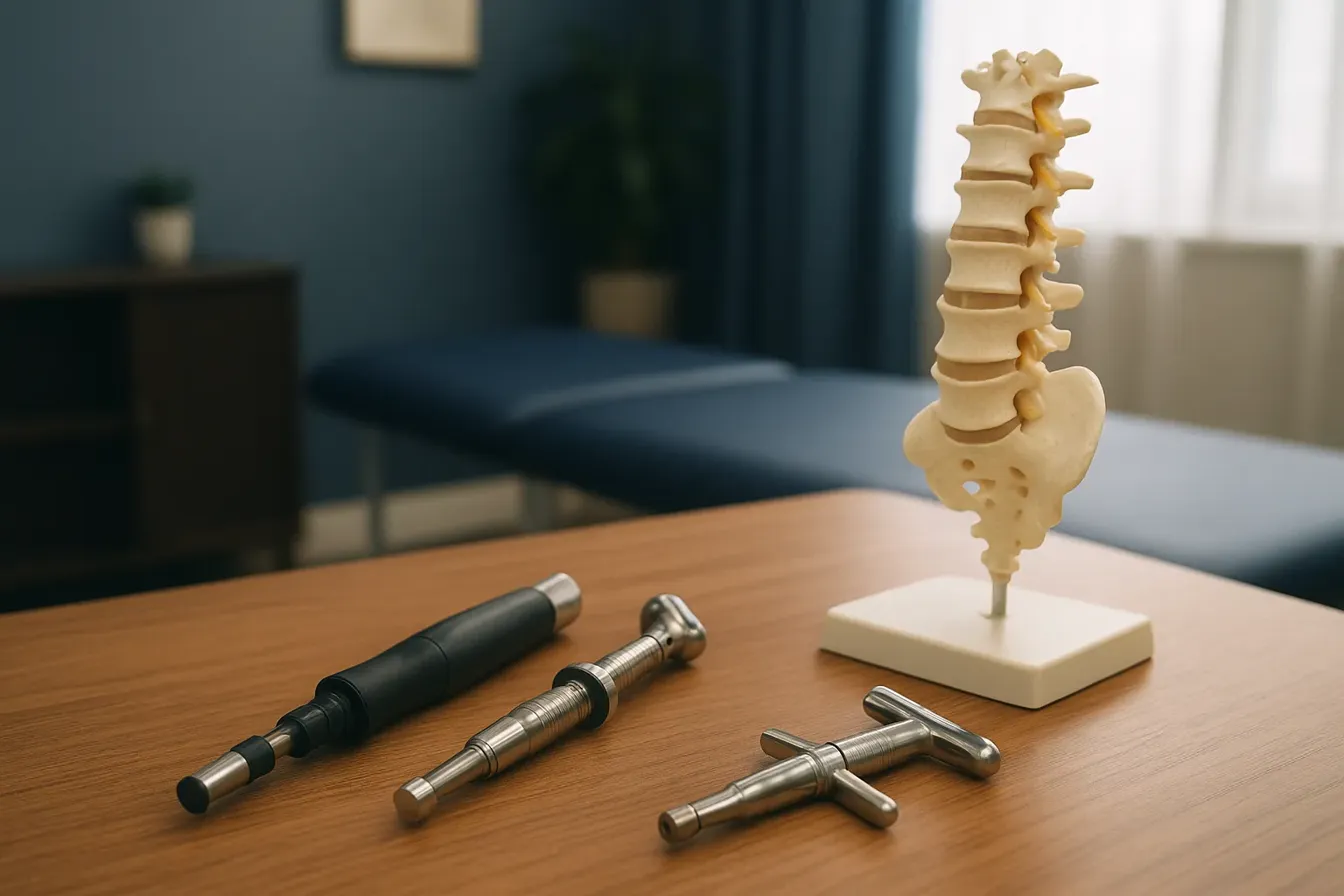
Chiropractic Care’s Impact on Back Pain Recovery

Combining Physiotherapy with Chiropractic Care for Better Results

Inspiring Recovery: Chiropractic Patient Testimonials
Nutritional Counseling Tips for Optimal Wellness

Why Addressing the Root Cause of Pain is Crucial
Back Pain and Chiropractic Care: A Winning Combination

Chiropractic Care Benefits You Might Not Know
Exploring Holistic and Non-Surgical Treatments for Pain
Spinal Health: Lifestyle Tips for Everyday Wellness
Spinal Decompression Therapy: Benefits and Applications
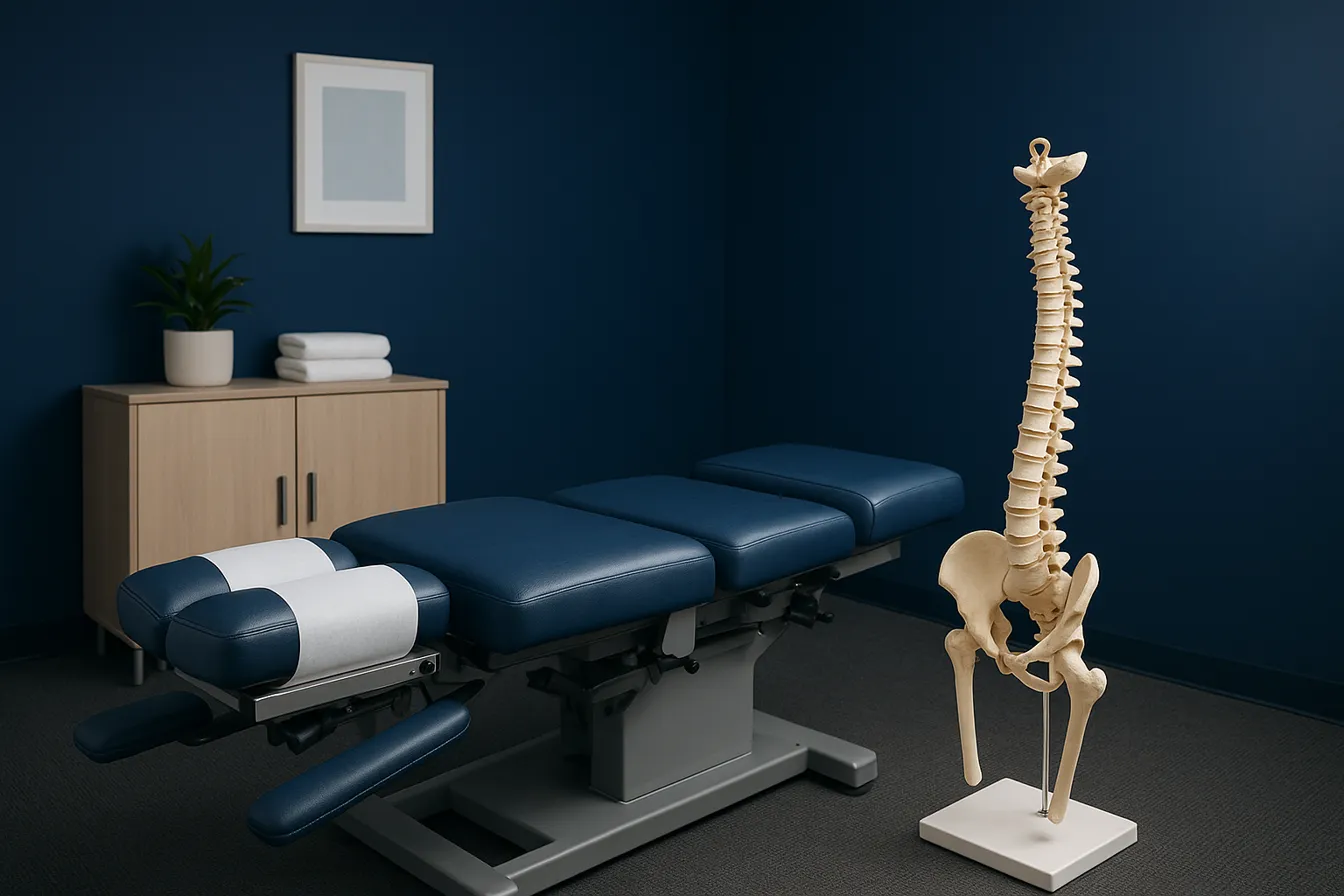
Holistic and Non-Invasive Spine Care Options
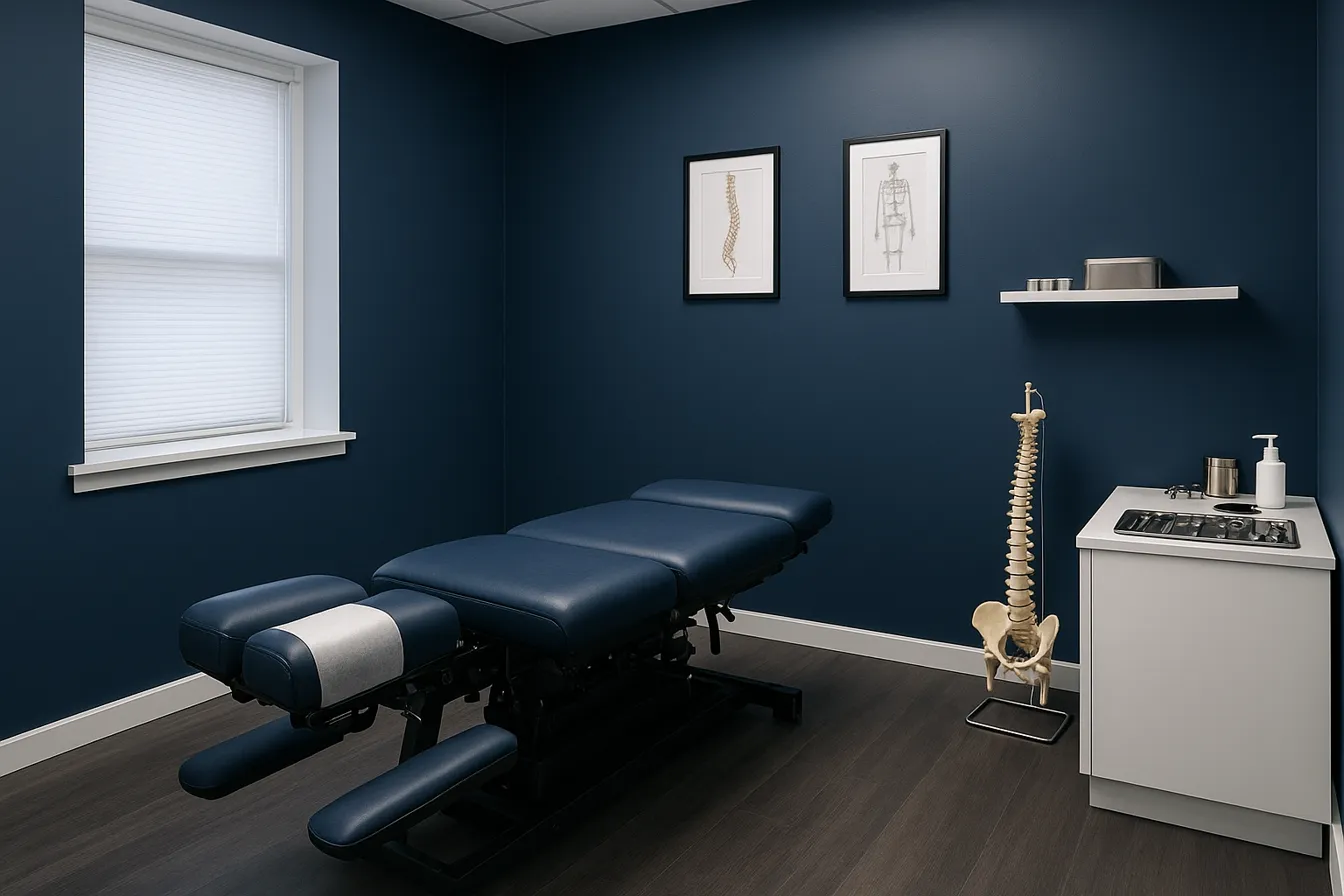
Everyday Lifestyle Advice to Keep Your Spine Healthy
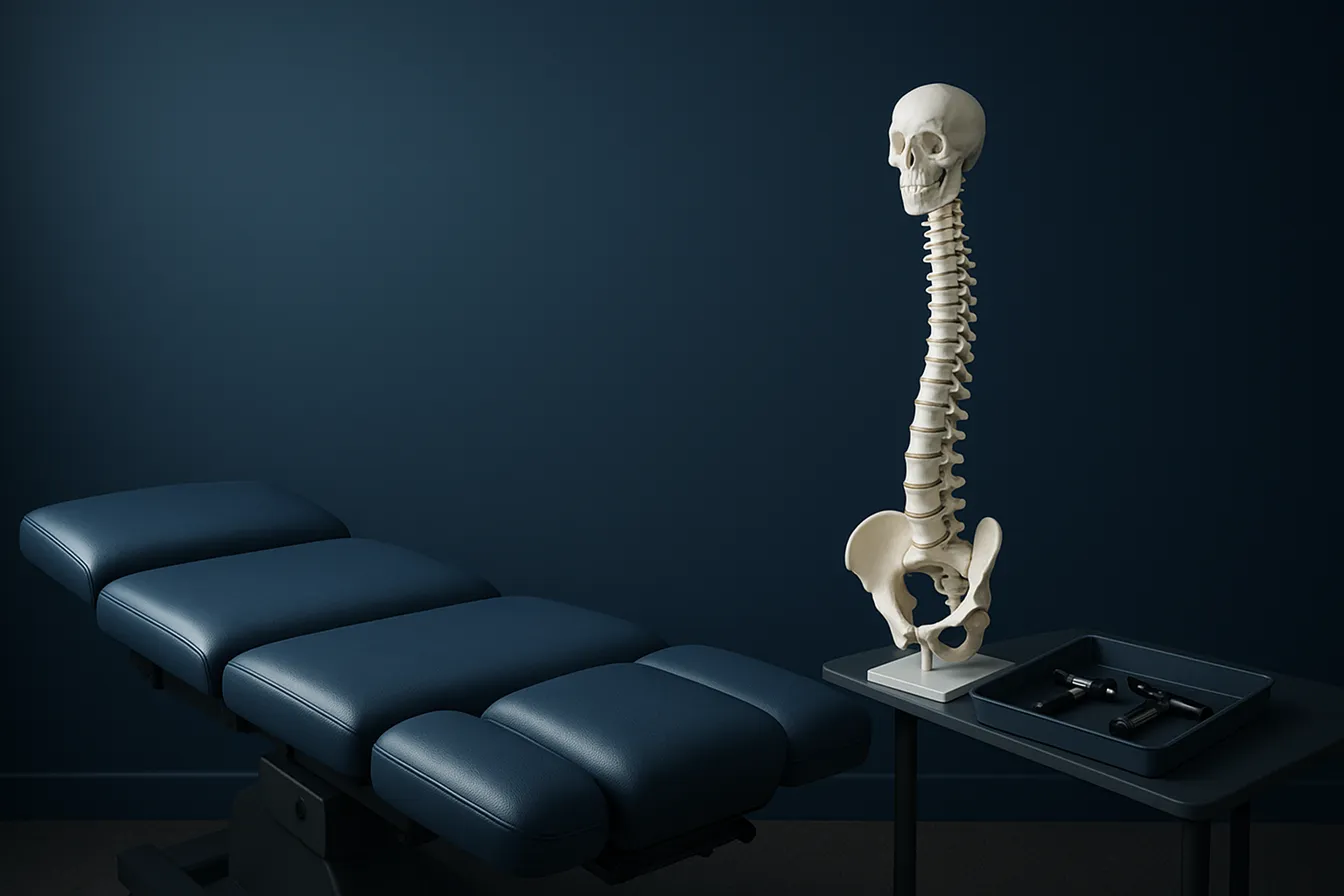
The Significance of Treating Root Causes in Pain Therapy
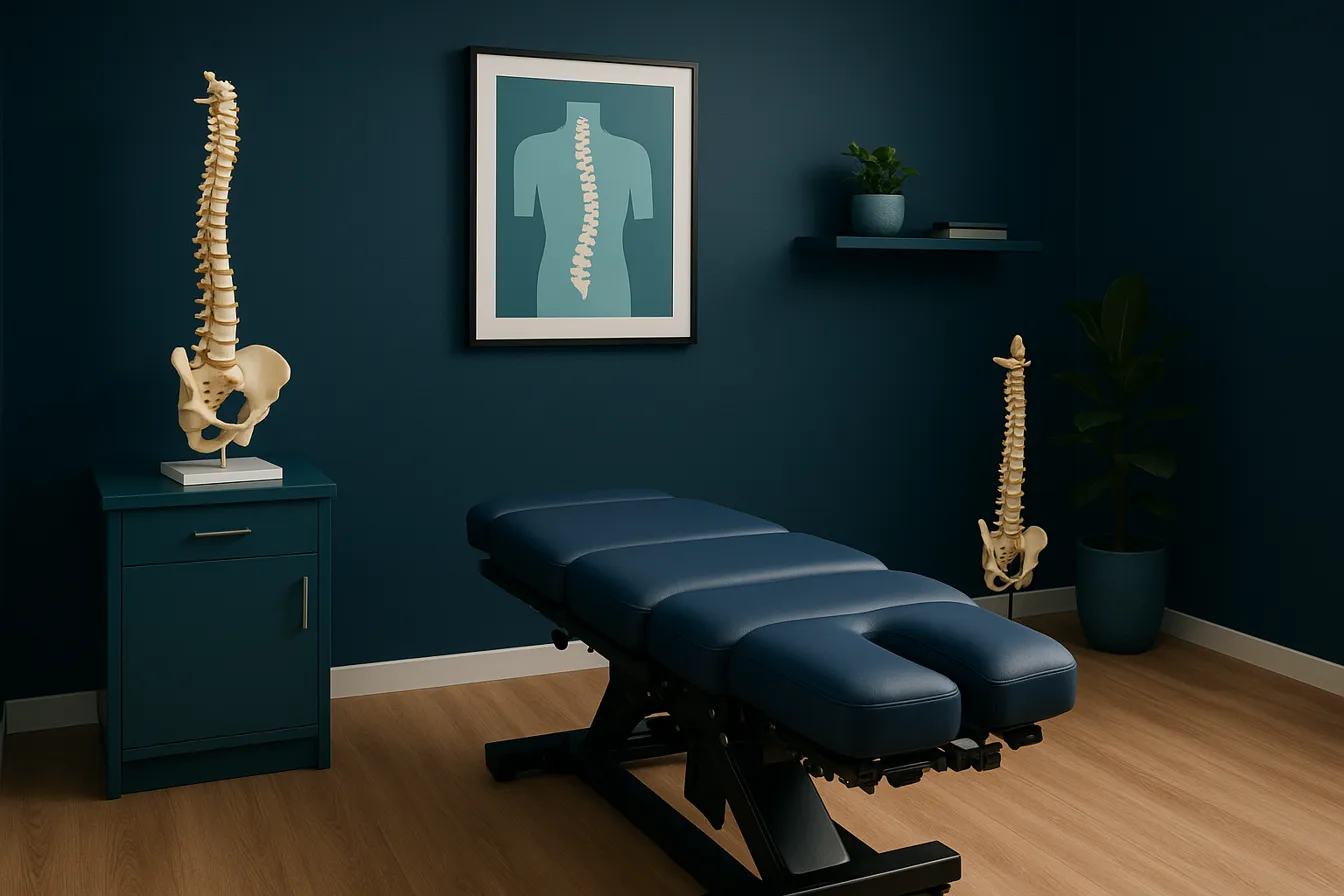
Best Corrective Exercises for Sustainable Pain Management

Addressing Underlying Causes of Pain for Long-Term Relief
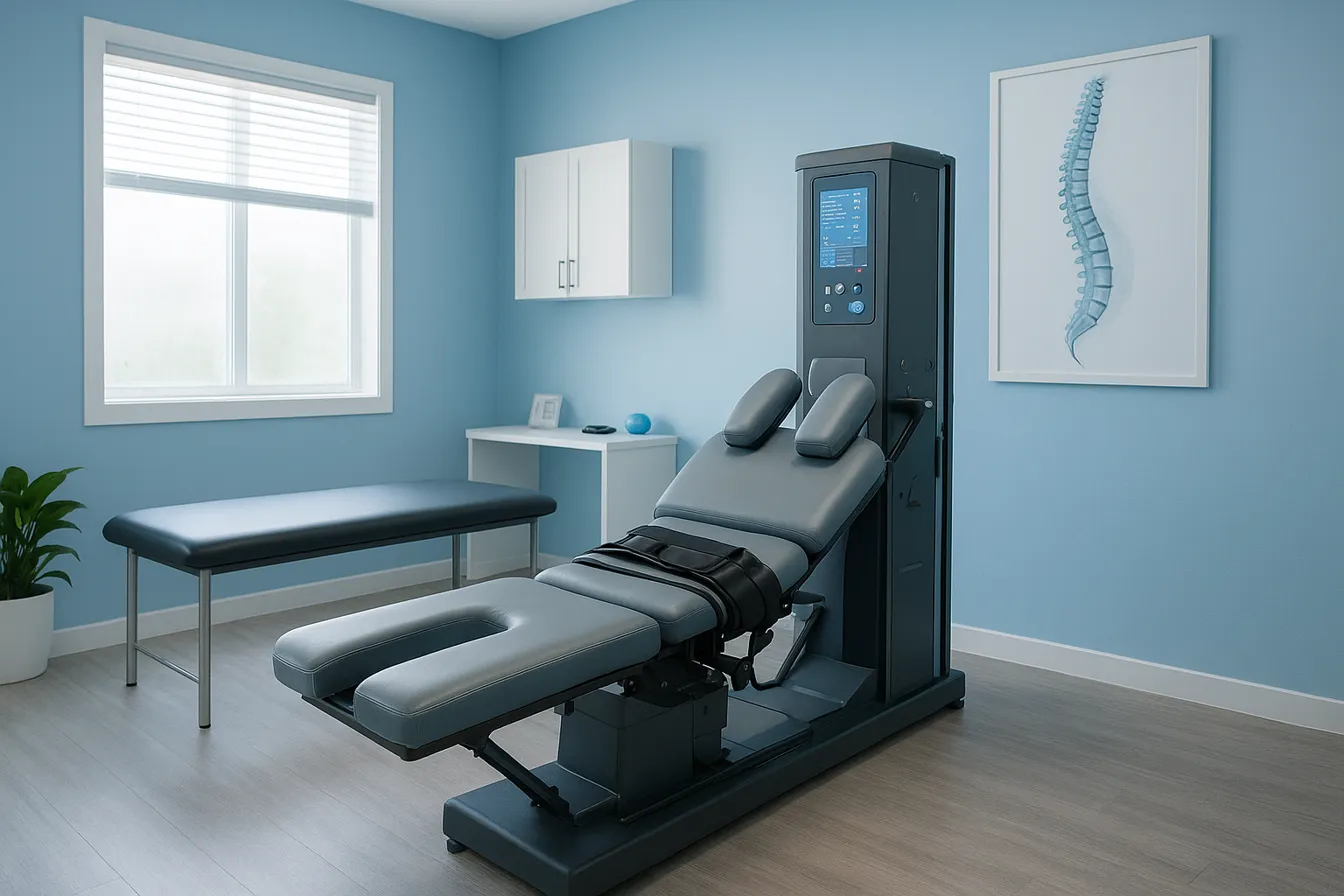
6 Key Benefits of Spinal Decompression Therapy for Sciatica Relief

How Nutritional Counseling Supports Spine Health and Recovery

The Role of Physiotherapy in Supporting Chiropractic Treatments