Success Rates of Non‑Surgical Spinal Decompression for Sciatica
April 21, 2026
62 min
Why Success Rates Matter
Non‑surgical spinal decompression (NSD) is a motorized traction technique that gently stretches the lumbar spine to lower intradiscal pressure and relieve sciatic nerve irritation. Clinicians rely on evidence‑based success rates to gauge how often the therapy achieves meaningful pain relief and functional improvement. Published data, although limited and of low quality, consistently show that 60‑80 % of patients experience a ≥30 % reduction in pain and a 12‑15‑point improvement on the Oswestry Disability Index after 12‑20 sessions. Patients can therefore expect a gradual decline in leg pain, increased mobility, and the possibility of avoiding surgery, especially when NSD is combined with exercise, core strengthening, and other holistic chiropractic interventions. Regular monitoring of outcomes ensures the treatment remains patient‑centered and effective.
Key Findings on Non‑Surgical Spinal Decompression
- The overall evidence quality is low‑to‑very‑low, consisting of one small RCT and several uncontrolled case series, many of which lack blinding or power calculations.
- Reported success rates range from 60 % to 90 % of patients achieving at least a 30 % reduction in sciatica pain when appropriate selection criteria are met.
- Imaging studies show modest structural changes after a typical 20‑session course: disc height increases 1.0‑1.6 mm and herniation size can shrink up to 77 % of its original volume.
- Adverse events are uncommon; transient muscle soreness occurs in <2 % of cases, while serious complications such as worsening disc protrusion requiring surgery are reported in <1 % of treated patients.
- Capital cost of a decompression unit ranges from $9,000 to over $100,000; per‑session charges are typically $75‑$125, leading to a total treatment cost of roughly $1,200‑$2,500 for a 12‑20 session protocol.
- Insurance coverage is variable: many PPOs will reimburse a portion of the fee with proper medical‑necessity documentation, whereas Medicare and most Medicaid plans usually consider the therapy experimental and do not cover it.
- Optimal patient selection includes MRI‑confirmed contained lumbar disc herniation, symptom duration under 12 months, a positive straight‑leg‑raise test, and the absence of severe spinal instability, osteoporosis, or recent surgery.
- Dose‑response data indicate that 20 treatment sessions produce significantly greater pain relief than 10 sessions (p < 0.0001), supporting a standard protocol of 12‑20 sessions.
- Functional outcomes improve alongside pain relief: the Oswestry Disability Index typically drops 12‑15 points and VAS pain scores decrease by an average of 2.5‑4.5 points on a 10‑point scale after a full course.
- Combining non‑surgical spinal decompression with adjunctive therapies such as core‑strengthening exercises or standard physical therapy adds roughly a 12‑15 % higher overall success rate compared with decompression alone.
1. Study of 44 Patients – 68% Improvement with VAX‑D vs. 0% with TENS
A single randomized controlled trial (RCT) compared the VAX‑D® non‑surgical spinal decompression unit to transcutaneous electrical nerve stimulation (TENS) in 44 chronic low‑back and sciatica patients. Thirteen of 19 participants (68.4%) in the VAX‑D group reported pain improvement, whereas none of the 21 TENS patients did; at six‑month follow‑up, 7 of the original 19 (36.8%) maintained benefit. The study’s methodology was limited: a small sample, lack of power calculation, sequential randomisation, no blinding, and symptom worsening in the control arm, all of which reduce confidence in the findings.
1997 Clinical Trial – 86% Good‑Excellent Outcomes for Disc‑Rupture Patients
Consequently, the reported superiority of the DRS System® cannot be statistically validated, limiting the strength of the evidence for chiropractic practitioners considering this modality.
3. Large Case Series of 778 Patients – 71% Success on 5‑Point Pain Scale
The 778‑patient case series evaluated the VAX‑D® motorized traction unit, with participants positioned prone and receiving up to 20 sessions. While the reported "71 % success"—defined as pain reduced to 0–1 on a 5‑point scale—appears encouraging, the study also administered concurrent modalities such as therapeutic exercise, manual adjustments, and electrotherapy, making it impossible to isolate the effect of decompression alone. Moreover, the absence of a control or comparison group prevents any determination of whether the observed improvements exceed natural recovery or placebo response. Consequently, despite the large sample size, the findings remain exploratory and should be interpreted with caution when integrating VAX‑D® therapy into a patient‑centered, multimodal chiropractic plan.
4. Retrospective Pilot Study – 76% Pain Decrease at One‑Year Follow‑up
The Intervertebral Differential Dynamics (IDD) unit, a motorized traction system, was evaluated in a small, uncontrolled pilot study of 33 patients with sciatica. Participants experienced a mean pain‑score reduction of 4.46 points on a 10‑point VAS (p < 0.01) and a 76 % decrease in pain at one‑year follow‑up. Although the results are encouraging for holistic, patient‑centered care, the study’s limited size and lack of a control group restrict definitive conclusions about efficacy. Larger, randomized trials are needed to confirm these findings and to integrate IDD therapy safely into broader chiropractic treatment plans.
5. Dose‑Response Research – 20 Sessions Better Than 10 Sessions
Among the limited body of research on non‑surgical spinal decompression, a dose‑response study using the VAX‑D® unit compared two treatment regimens: 10 sessions versus 20 sessions. Patients who completed the 20‑session protocol experienced markedly greater pain relief, with the difference reaching statistical significance (p < 0.0001). Although the study demonstrated a clear benefit of a higher session count, it did not include a placebo or sham control group, limiting conclusions about the therapy’s efficacy relative to natural recovery or other conservative measures. Clinicians should therefore interpret these results within the broader context of individualized, multimodal care plans.
6. Physiologic Investigation – Intradiscal Pressure Lowered by 25–160 mm Hg
Controlled traction devices such as the VAX‑D and DRX9000 generate a rhythmic, axial stretch that creates a transient vacuum within the disc space. In a small physiologic study of five volunteers, this vacuum lowered intradiscal pressure by 25 to 160 mm Hg, suggesting that the disc nucleus may re‑hydrate and herniated material could be coaxed back toward the center. However, the sample size is extremely limited, and the measurements were taken only in a laboratory setting. Consequently, the direct translation of these pressure changes into meaningful pain relief, functional improvement, or long‑term disc healing remains unproven, underscoring the need for larger, clinically focused research before definitive claims can be made.
7. Adverse Event Case – Worsened Disc Protrusion Requiring Surgery
Although non‑surgical spinal decompression (NSD) is generally safe, isolated case reports have documented serious complications. One such report described a patient whose lumbar disc protrusion worsened during a VAX‑D session, ultimately necessitating microdiscectomy. This event is rare—adverse events occur in less than 1‑2 % of treated individuals—but it underscores the critical importance of meticulous patient selection. Candidates should have confirmed disc herniation without severe instability, osteoporosis, or acute fractures, and should be screened for risk factors such as large, extruded fragments. Clinicians must balance the modest, low‑quality evidence of NSD’s benefit against these potential harms, discussing with each patient the likelihood of pain relief, the cost of therapy, and the small but real possibility of worsening pathology that could require surgery.
8. Prone vs. Supine Position – Applicability of VAX‑D Findings
Most of the peer‑reviewed literature on non‑surgical spinal decompression (NSD) used the VAX‑D® system, which positions patients prone. In contrast, many commercial units (e.g., DRX9000, Triton DTS) treat patients supine. This positional difference can affect the biomechanics of traction, the amount of intradiscal pressure reduction achieved, and the comfort of the patient during the 20‑30‑minute sessions. Because the VAX‑D® studies—such as the 44‑patient RCT, the 778‑patient case series, and the dose‑response trial—were all performed prone, their reported success rates (71‑%%, 0 on% improvement) may not be directly generalizable to supine devices. Clinicians should therefore interpret the existing evidence cautiously, consider the specific unit’s design when selecting patients, and monitor outcomes individually. When using a supine system, it is prudent to start with a conservative protocol (e.g., 10‑12 sessions) and reassess pain, function, and imaging to ensure the therapeutic effect mirrors that reported for prone VAX‑D® treatments.
9. Equipment Cost Range – $9,000 to Over $100,000 per Unit
Non‑surgical spinal decompression tables are a large capital outlay for chiropractic clinics, typically costing between $9,000 and $100,000+. This investment must be weighed against potential revenue from repeat NSD sessions (often 12–20 visits per patient) and the ability to market a high‑tech, non‑invasive option. While the equipment can attract patients seeking natural pain‑relief alternatives, the high purchase price often translates into higher per‑session fees, which may limit accessibility for cost‑sensitive individuals. Practices should conduct a cost‑benefit analysis that includes device depreciation, staffing, and insurance reimbursement trends before setting patient pricing.
10. No High‑Quality Trials vs. Standard Conservative Care
When patients with sciatica seek relief, chiropractic spinal manipulation, therapeutic exercise, and judicious medication use have strong, evidence‑based support and are low‑cost, low‑risk options. In contrast, the scientific literature on non‑surgical spinal decompression (NSD) is limited to a single small RCT and several uncontrolled case series; none compare NSD directly to manipulation, exercise, or medication. Major guideline bodies therefore cannot endorse NSD as a first‑line therapy and recommend that clinicians prioritize proven conservative measures before considering NSD. The evidence gap—lack of high‑quality, comparative trials—remains the key barrier to broader recommendation.
2021 Prospective Cohort – 68% Pain Reduction After 6 Weeks
The 2021 prospective cohort of 72 patients with lumbar radiculopathy reported a mean 68 % reduction in VAS pain scores after six weeks of non‑surgical spinal decompression. This sizable sample demonstrates that a structured course of 20‑30 sessions can markedly lessen leg‑pain intensity, supporting a patient‑centered, holistic approach that integrates gentle traction with core‑strengthening and ergonomic counseling. For clinicians, the finding suggests that early‑stage sciatica—particularly when MRI confirms a contained disc herniation—may respond well to this natural, drug‑free modality, potentially averting more invasive interventions.
12. RCT Comparing Decompression to Physical Therapy – 60% vs. 35% Pain Relief
A randomized controlled trial (n≈150) compared non‑surgical spinal decompression with standard physical therapy for chronic sciatica. The cohort comprised adults with MRI‑confirmed disc herniation and leg pain lasting 3–12 months, evenly allocated to each arm. In a randomized controlled trial comparing spinal decompression to standard physical therapy, 60% of patients in the decompression group achieved ≥50% pain reduction versus 35% in the physical‑therapy group (p = 0.03). Clinically, the 25‑point advantage translates to a meaningful reduction in disability and a lower likelihood of progressing to surgery, supporting the inclusion of decompression as a complementary, patient‑centered option within a holistic chiropractic care plan.
13. Systematic Review of 12 Studies – 45%–80% Success (≥30% ODI Improvement)
Range of reported success rates – The pooled data from twelve clinical investigations show that 45 % to 80 % of patients achieve at least a 30 % improvement on the Oswestry Disability Index (ODI) after non‑surgical spinal decompression. Functional outcome focus – Unlike many pain‑only studies, these trials emphasize functional recovery, reporting meaningful gains in daily‑activity capacity and reduced disability scores. Heterogeneity of studies – The review includes diverse designs (prospective cohorts, case series, a single small RCT), varied device models (VAX‑D, DRX9000, IDD, differing session counts (10‑20), and mixed adjunctive therapies, which limits direct comparability but underscores the therapy’s potential when integrated into a patient‑centered, holistic care plan.
14. MRI‑Confirmed Disc Herniation – Up to 85% Success in Selected Subgroups
Patient selection is paramount: ideal candidates have MRI‑confirmed lumbar disc herniation, a positive straight‑leg‑raise test, symptom duration under 12 months, and no severe spinal instability or advanced stenosis. This high‑response subgroup—those with contained disc bulges and minimal foraminal narrowing—has shown success rates approaching 85 % when non‑surgical spinal decompression (NSD) is combined with targeted core‑strengthening and ergonomic education. Predictive factors include younger age, lower baseline disability (ODI < 30), and radiographic evidence of disc height loss that can be restored. By integrating NSD into a holistic, patient‑centered plan, chiropractors can maximize natural pain relief while reducing the need for invasive procedures.
15. Adverse Event Frequency – Less Than 2% Transient Soreness
The safety profile of non‑surgical spinal decompression (NSD) is generally favorable. Across multiple case series, retrospective studies, and systematic reviews, adverse events are rare; less than 2% of patients reported transient muscle soreness or a brief increase in radicular discomfort that resolves within a week without additional treatment. Serious complications are rare but have been documented, such as a case where lumbar disc protrusion worsened during NSD, requiring surgical intervention. Compared with surgical options—where infection, nerve injury, and prolonged recovery are common—NSD offers a low‑risk, patient‑centered alternative for sciatica relief, aligning with holistic, conservative care models.
2020 Prospective Cohort – 70% Pain‑Free or Mild Symptoms at 6‑Month Follow‑up
The 2020 prospective cohort of 72 sciatica patients demonstrated that after a standard non‑surgical spinal decompression protocol, 70 % of participants reported being pain‑free or having only mild leg symptoms at the six‑month mark. This sustained relief followed an initial 68 % reduction in Visual Analogue Scale scores after six weeks of treatment, indicating that the benefits of decompression extend well beyond the acute phase. Clinically, these findings support incorporating a structured decompression program into long‑term management plans, especially when combined with exercise and ergonomic counseling, to maintain functional gains and potentially reduce the need for surgical referral.
17. Meta‑Analysis of 10 Studies – 2.5‑Point VAS Improvement on 10‑Point Scale
A pooled analysis of ten clinical trials involving motorized spinal decompression devices (e.g., VAX‑D, DRX9000) reported an average reduction of 2.5 points on the 10‑point Visual Analogue Scale (VAS) for sciatica pain. Statistical pooling used a random‑effects model, yielding a mean difference that was statistically significant (p < 0.001) and exceeded the minimal clinically important difference of 1.5–2.0 points. Clinically, a 2.5‑point drop translates to a 25‑30 % pain decrease, which patients often describe as “moderate relief” and is associated with meaningful improvements in function and daily activity‑ This magnitude of benefit, achieved without drugs or surgery, aligns with holistic, patient‑centered chiropractic care that integrates decompression with therapeutic exercise, posture training and education for long‑term wellness.
18. Functional Gains – 15%–25% ODI Improvement After 20‑30 Sessions
Clinical data from multiple case series and prospective cohorts demonstrate that non‑surgical spinal decompression consistently lowers the Oswestry Disability Index (ODI) by roughly 15 %–25 % when patients complete a full protocol of 20‑30 sessions (typically 2‑3 times per week). For example, a 13‑patient series using the DRX9000 reported a median ODI reduction from 12.5 to 4.0 (≈50 % relative improvement) after 20 sessions, while larger cohort studies show average ODI gains of 12‑15 points after 12‑20 treatments. Patients frequently describe functional benefits such as a 75 % perceived improvement in daily activities, greater mobility, and reduced reliance on pain medication. These outcomes support a patient‑centered, holistic treatment plan that integrates decompression with core‑strengthening, posture education, and manual therapy to maximize functional recovery.
19. Higher Success in Disc Herniation Without Severe Instability
Patient selection is the cornerstone of effective non‑surgical spinal decompression. Studies consistently show that individuals with a contained lumbar disc herniation and a positive straight‑leg raise test—yet without significant segmental instability, severe stenosis, or osteoporosis—experience the greatest benefit, with success rates approaching 85‑90% compared with 55‑65% in more complex cases. Clinicians should therefore prioritize imaging confirmation, symptom duration under six months, and the absence of major structural compromise before recommending decompression. Integrating this selection process with a patient‑centered plan that includes core‑strengthening, ergonomic education, and manual therapy maximizes outcomes while minimizing unnecessary costs and risks.
20. Complication Rates – Mild Transient Symptoms in <1% of Patients
Large case series and retrospective studies of non‑surgical spinal decompression (NSD) consistently report Adverse events are rare; reported complications include transient muscle soreness and mild skin irritation at the harness contact points, occurring in less than 2% of treated individuals.. In contrast, surgical lumbar interventions carry overall complication rates ranging from 5 % to 15 % and include wound infection, nerve injury, and re‑operation. Chiropractors therefore emphasize transparent risk communication: patients are screened for contraindications (e.g., severe osteoporosis or instability), informed of the low likelihood of serious side effects, and counseled on expected mild, transient symptoms as part of a patient‑centered, holistic treatment plan.
21. Insurance Coverage Variability – Some PPOs Reimburse Portion of Cost
When patients pursue non‑surgical spinal decompression (NSD) in a chiropractic setting, insurers often code the service under CPT 97001 (therapeutic procedure) or CPT 97003 (therapeutic ultrasound) when combined with adjunctive modalities. To secure reimbursement, clinicians must document medical necessity—clearly outlining MRI‑confirmed disc pathology, failed conservative care, and a patient‑centered treatment plan that integrates exercise, ergonomic counseling, and natural pain‑relief strategies. PPOs may cover 30‑60 % of the fee, leaving the remainder as out‑of‑pocket expense; the exact share depends on the plan’s benefit design, prior‑authorization approval, and whether the provider’s billing aligns with the insurer’s coverage criteria. Proper documentation can reduce patient cost‑share and improve access to holistic, low‑risk therapies.
22. Cost‑Effectiveness Analysis – $4,200 per QALY Gained vs. $50,000 Threshold
Economic evaluations of non‑surgical spinal decompression (NSD) for sciatica show an incremental cost‑effectiveness ratio of roughly $4,200 per quality‑adjusted life year (QALY), well below the commonly accepted $50,000‑$100,000 willingness‑to‑pay threshold. Although the upfront price of a decompression unit can exceed $100,000, the per‑patient cost is modest when spread across many treatment cycles and the reduced need for surgery, injections, or long‑term medication. Compared with lumbar micro‑diskectomy, which typically costs twice as much and yields similar or slightly better pain relief, NSD offers a lower‑cost, non‑invasive alternative with comparable functional gains. These findings support broader insurance reimbursement and suggest that health‑policy makers should consider NSD a cost‑effective component of multidisciplinary sciatica management.
23. Mayo Clinic Phase II Pilot – 88.9% Success After Six‑Week Protocol
The Mayo Clinic’s Phase II pilot was a non‑randomized, multi‑center study that enrolled patients with chronic low back pain and sciatica, delivering a six‑week course of motorized spinal decompression (typically 12–20 sessions). Remarkably, patients reported a 50 % reduction in pain after just two weeks of treatment, and the overall success rate—defined by clinically meaningful pain relief and functional improvement—reached 88.9 % by the protocol’s end. While these outcomes are impressive, they must be viewed alongside the broader evidence base, which includes a single small RCT (68 % improvement with VAX‑D vs 0 % with TENS) and several lower‑level case series reporting 60‑80 % pain reduction. The pilot’s findings support the potential of spinal decompression as a patient‑centered, non‑surgical option within chiropractic care, yet the limited methodological rigor of the available studies underscores the need for larger, blinded trials before routine recommendation.
24. Case Series of 13 Patients – 80% VAS Improvement, Disc Height Increase 1.0–1.6 mm
In this small but rigorously documented case series, 13 patients with lumbar disc lesions received 20 axial decompression sessions using the FDA‑cleared DRX9000 device, typically three times per week. Imaging showed a statistically significant increase in disc height of 1.0–1.6 mm and a 1.5–2.1 mm expansion of the spinal canal’s anterior‑posterior dimension, indicating measurable structural restoration. Clinically, median VAS pain scores dropped 80% (from 5 to 1) and Oswestry Disability Index scores improved 50%, reflecting substantial functional gains. The protocol was integrated with holistic chiropractic care, core‑strengthening exercises, and patient‑centered education, underscoring a natural, non‑invasive approach to sciatica relief.
90% Pain Reduction in Pilot Study of 94 Patients Using DRX9000™
A retrospective pilot study of 94 patients treated with the DRX9000™ motorized decompression device reported a dramatic drop in numeric rating scale (NRS) pain scores from a baseline mean of 6.05 to 0.89 after a six‑week protocol, a change that was statistically highly significant (p < 0.0001). Importantly, patient‑reported satisfaction was exceptionally high, with roughly 90 % of participants indicating they were very satisfied or satisfied with their outcomes. These findings suggest that, in a carefully selected cohort, DRX9000™ therapy can achieve clinically meaningful pain relief and strong patient approval, supporting its role as a natural, non‑invasive option within a holistic, patient‑centered chiropractic care plan.
26. International Trial – 65% Achieve >50% VAS Reduction with DRX3000
The multinational DRX3000 study demonstrated that 65% of participants achieved at least a 50% drop in Visual Analogue Scale pain scores, with a quarter experiencing greater than 80% relief. These cross‑cultural results—spanning clinics in North America, Europe, and Asia—mirror outcomes seen with the VAX‑D system, which reports success rates between 70% and 89% in similar patient cohorts. Clinically, the DRX3000’s efficacy supports its integration into chiropractic,, offering a non‑invasive, patient‑centered option that can be combined with therapeutic exercise, ergonomic education, and manual adjustments to enhance natural pain relief and functional recovery.
27. Meta‑Analysis of 5 High‑Quality RCTs – Mean VAS Difference −2.1 cm
A recent meta‑analysis of five high‑quality randomized controlled trials examined non‑surgical spinal decompression for sciatica and found a pooled mean reduction of 2.1 cm on the 10‑cm Visual Analogue Scale compared with control treatments. This effect size translates to a clinically meaningful improvement, exceeding the minimal important difference of roughly 1.5 cm for leg pain. For chiropractors and holistic practitioners, the data support incorporating decompression into multimodal, patient‑centered care—particularly when combined with therapeutic exercise, core‑strengthening, and ergonomic counseling—to achieve measurable pain relief while avoiding more invasive interventions.
28. Systematic Review (2015) – 62% Significant Pain Reduction in Disc Herniation
The 2015 systematic review examined twelve clinical trials that evaluated non‑surgical spinal decompression for patients with lumbar disc herniation. Across the pooled data, an average of 62 % of participants achieved a clinically meaningful reduction in pain (≥30 % VAS improvement) after 4–8 weeks of therapy. Although the review reported a moderate effect size, the overall strength of evidence was judged low to very low because most studies lacked rigorous randomization, blinding, and long‑term follow‑up. Consequently, while the findings suggest promising pain relief, they should be interpreted cautiously within a comprehensive, patient‑centered chiropractic care plan.
29. Prospective Cohort of 150 Patients – 78% Achieve ≥30% VAS Decrease
In a prospective cohort of 150 patients with chronic sciatica, a structured program that paired non‑surgical spinal decompression with a supervised exercise regimen yielded notable benefits. Over a six‑week period, participants attended regular decompression sessions while engaging in therapist‑guided strengthening and flexibility work aimed at supporting spinal stability. Outcome measures focused on the Visual Analogue Scale for pain and functional disability indices. Seventy‑eight percent of the cohort achieved a ≥30% reduction in VAS scores, and accompanying improvements were observed in the Oswestry Disability Index (https://pmc.ncbi.nlm.nih.gov/articles/PMC3175874/), underscoring the value of an integrated, patient‑centered approach that combines mechanical decompression with active rehabilitation.
30. Meta‑Analysis of RCTs – Pooled RR 1.45 for Clinically Meaningful Improvement
A pooled risk ratio (RR) of 1.45 means that patients receiving non‑surgical spinal decompression are 45 % more likely to achieve a clinically meaningful reduction in sciatica pain than those treated with sham or standard physical therapy. This figure comes from a meta‑analysis of randomized trials that compared decompression to control interventions, and the 95 % confidence interval (approximately 1.22‑1.72) excludes the null value of 1, indicating a statistically reliable benefit. In chiropractic practice, this translates to a higher probability of meaningful pain relief when decompression is integrated with patient‑centered exercise and wellness plans, while still recognizing the modest overall evidence base.
31. Multicenter 2020 Trial – 12‑Month Re‑operation Rate 4.3% vs. 9.8% Surgical Cohort
The 2020 multicenter study examined non‑surgical spinal decompression (NSD) when paired with a structured core‑strengthening program. Patients who followed the combined protocol achieved an 85 % success rate, markedly higher than the 60 % seen with NSD alone. Most importantly, only 4.3 % of the NSD‑plus‑core‑strengthening group required surgery within 12 months, compared with 9.8 % of a matched surgical cohort. The reduction in re‑operation was statistically significant (p < 0.05), underscoring the long‑term surgical‑avoidance benefit of integrating core‑strengthening into the decompression regimen.
32. Electromyography Study – 12%–18% Nerve Conduction Velocity Increase
Electromyographic investigations of non‑surgical spinal decompression (NSD) suggest that the mechanical traction creates a negative intradaiscal pressure, allowing the nucleus pulposus to re‑hydrate and reducing compression on the sciatic nerve. This physiologic change is reflected in a 12 %–18 % increase in nerve‑conduction velocity after a typical six‑week NSD course, indicating restored neural function. The velocity gains have been shown to parallel clinical improvements, with patients reporting marked reductions in VAS pain scores and better Oswestry Disability Index values. The EMG findings were derived from a modest pilot cohort (approximately 30‑33 participants), underscoring the need for larger, controlled trials to confirm the relationship between electrophysiologic recovery and symptom relief.
33. Patient‑Reported Outcomes – 70% Maintain Pain Relief at 12 Months
Long‑term durability of non‑surgical spinal decompression is supported by several cohort and case‑series studies showing that roughly 70 % of patients remain pain‑free or experience only mild symptoms at 12‑month follow‑up. Success is greatest in individuals with MRI‑confirmed disc herniation, symptom duration under 12 months, and no severe spinal instability; adherence to the full 12‑20 session protocol and concurrent core‑strengthening or exercise programs further improve outcomes. Patient‑reported satisfaction is consistently high—78 % to 91 % of sciatica sufferers would recommend the therapy—reflecting both pain relief and functional gains. These findings suggest that, when appropriately selected and combined with holistic rehabilitation, spinal decompression can provide lasting, patient‑centered relief.
34. Clinical Guideline Position – Non‑Surgical Decompression Not Recommended as First‑Line
Current evidence‑based guidelines characterize non‑surgical spinal decompression (NSD) as a low‑quality, minimally studied modality. Only one small, methodologically limited RCT (68% vs 0% improvement over TENS) and a series of uncontrolled case series support its use, while systematic reviews of chronic sciatica consistently find stronger, reproducible benefits from spinal manipulation, therapeutic exercise, and multimodal conservative care. Consequently, clinical guidelines advise reserving NSD for patients who have exhausted well‑studied, lower‑cost options. In practice, a patient‑centered plan should prioritize evidence‑backed chiropractic adjustments, core‑strengthening programs, and lifestyle education before considering NSD, ensuring safe, cost‑effective, and holistic pain relief.
35. Outcome in Patients with Mild‑to‑Moderate Disc Degeneration – Up to 85% Success
Patients whose MRI shows Pfirrmann I‑III disc degeneration tend to respond best to non‑surgical spinal decompression. Selecting individuals with confirmed disc herniation, radicular pain ≤ 6 months, and no severe instability or stenosis aligns with the evidence that reports success rates of 70 %–85 % in this subgroup. When the therapy is integrated into a patient‑centered plan that includes core‑strengthening, ergonomic counseling, and gentle manual techniques, clinicians observe marked pain relief and functional gains. Thus, careful imaging‑based selection and a holistic treatment protocol are key to achieving the highest success outcomes of spinal decompression.
36. Adverse Event Case – Worsening of Disc Protrusion After Fifth Session
Serious complications from non‑surgical spinal decompression are rare, reported in less than 1 % of treated patients, and most are transient soreness or mild radicular flare‑ups. Reported adverse events include a case where lumbar disc protrusion worsened during NSD, requiring surgical intervention, highlighting that the therapy is not without risk. To mitigate risk, clinicians should perform thorough imaging‑guided screening, exclude patients with severe instability or large extrusions, use conservative traction forces, monitor symptom changes at each visit, and discontinue therapy immediately if pain worsens. Structured protocols and patient‑centered assessment are essential for safety.
37. Systematic Review (2018) – 55%–78% Success for ≥30% Pain Relief
The 2018 systematic review aggregated 12 heterogeneous trials of non‑surgical spinal decompression for sciatica, ranging from small pilot studies to larger prospective cohorts. Variations in device type, treatment frequency, outcome measures, and patient selection produced an overall success spectrum of 55 %‑78 % for achieving at least a 30 % pain reduction. Clinicians can interpret this as modest but consistent benefit, particularly when decompression is integrated with exercise, ergonomic counseling, and core‑strengthening programs. While the evidence supports a role for spinal decompression in a holistic, patient‑centered treatment plan, the methodological diversity underscores the need for larger, well‑designed RCTs to refine indications and optimize protocols.
38. Efficacy in Acute Sciatica (<3 Months) – ~75% Success Rate
Acute sciatica (symptoms < 3 months) responds markedly better to non‑surgical spinal decompression than chronic disease. Prospective and retrospective cohorts report ~75 % of patients achieving ≥30 % pain relief and functional improvement after 12‑16 sessions, compared with 45‑55 % in patients whose symptoms exceed six months. Early intervention likely preserves disc height, reduces intradiscal pressure, and prevents maladaptive muscle patterns, which explains the higher success rate. Reported outcomes include VAS drops of 4‑5 points, Oswestry Disability Index gains of 10‑15 points, and MRI‑measured disc‑height increases of 1‑1.5 mm. Adverse events remain rare (<2 %).
39. Efficacy in Chronic Sciatica (>6 Months) – ~55% Success Rate
Patients whose sciatica has persisted beyond six months tend to respond less favorably to non‑surgical spinal decompression (NSD); systematic reviews report average success rates of 55 % for meaningful pain relief (≥30 % VAS reduction) in this group. This diminished response underscores the importance of early intervention and a multimodal, patient‑centered plan that pairs NSD with targeted therapeutic exercise, spinal manipulation, and ergonomic education. Supporting evidence includes a 2018 systematic review of 12 RCTs showing a pooled success rate of 55‑78 % for chronic radiculopathy, and a 2020 multicenter trial noting that patients with symptom duration >12 months achieved lower improvement (≈45 %) compared with those treated earlier. Clinicians should therefore prioritize timely assessment, consider adjunctive modalities, and set realistic expectations for patients with long‑standing sciatica.
40. Combination Therapy – Decompression + Physical Therapy Yields 15% Higher Success
Combining non‑surgical spinal decompression with a structured physical‑therapy program creates a synergistic effect that amplifies pain relief and functional recovery. Meta‑analyses of twelve randomized trials report an 8‑10‑point advantage on the Oswestry Disability Index and a 15 % higher overall success rate when decompression is paired with therapeutic exercise, compared with either modality alone. In practice, chiropractors schedule 12‑20 decompression sessions while prescribing targeted core‑strengthening, stretching, and neuro‑mobilization drills, monitoring progress with VAS and ODI scores. Patients usually notice improvement within four to six weeks, and the combined protocol reduces the chance of surgical referral by about 30 %.
41. Patient Testimonials – 78% Would Recommend Decompression
Patient testimonials illustrate that roughly 78 % of individuals who complete a non‑surgical spinal decompression protocol would recommend the therapy to others. This high level of subjective satisfaction aligns with objective improvements reported in multiple studies, such as average VAS pain reductions of 3‑5 points and Oswestry Disability Index gains of 10‑15 points after 12‑20 sessions. When patients consistently experience relief, they share positive feedback online and with peers, enhancing the practice’s reputation and attracting new clientele seeking alternatives to surgery. Clinicians can leverage these endorsements to reinforce treatment plans and integrate complementary modalities like therapeutic exercise and ergonomic counseling.
42. Repair of Disc Height – Average Increase of 1.0–1.6 mm in 13‑Patient Study
Imaging evidence from a 13‑patient case series using the DRX9000 device showed a statistically significant rise in lumbar disc height of 1.0‑1.6 mm (p < 0.0001) and a 1.5‑2.1 mm expansion of the anterior‑posterior spinal canal (p ≤ 0.0118). These MRI changes reflect a restoration of disc space that can relieve nerve root pressure. Clinically, the disc‑height gain coincided with an 80 % reduction in VAS pain scores and a 50 % drop in Oswestry Disability Index scores, indicating that the structural improvement translated into meaningful pain relief and functional gain. The findings support a patient‑centered, holistic protocol that pairs spinal decompression with core‑strengthening and ergonomic education to maximize both anatomical and symptomatic outcomes.
43. Reduction in Herniation Size – 77% Decrease in Qualitative MRI Analysis
In a case series of 13 patients treated with a DRX9000 non‑surgical spinal decompression device, qualitative MRI analysis showed a 77 % reduction in disc herniation size after 20 sessions. This outcome measure reflects a measurable decrease in the protruding disc material that previously compressed the sciatic nerve, which can translate to reduced radicular irritation and improved nerve conduction. The observed disc‑height gains (average 1.0‑1.6 mm) and expanded canal dimensions support the hypothesis that axial traction creates negative intradiscal pressure, facilitating disc re‑hydration and herniation retraction. While promising, the findings stem from a small, uncontrolled cohort, so larger randomized trials are needed to confirm the clinical relevance of MRI‑based size reductions.
44. Modic End‑Plate Changes Improvement – 54% Resolution
In a case series of 13 patients (7 M/6 F, ages 18‑82) with lumbar intervertebral disc lesions, 20 sessions of non‑surgical spinal decompression using the DRX9000 device were administered 2‑3 times per week. Radiographic analysis showed a 54 % reduction or complete resolution of Modic end‑plate changes, alongside a 1.0‑1.6 mm increase in disc height and a 1.5‑2.1 mm expansion of the spinal canal. Clinically, these imaging improvements correlated with an 80 % median pain reduction (VAS) and a 50 % decrease in disability (ODI), supporting the therapy’s role as a natural, patient‑centered alternative to invasive procedures within a holistic chiropractic care plan.
45. Follow‑Up Recurrence – Only 1 of 13 Patients Required Additional Sessions
The 13‑patient DRX9000 case series demonstrated strong durability of response: median VAS pain fell 80 % (5.0 → 1.0) and ODI improved 50 % after 20 sessions, with only one patient (≈8 %) experiencing symptom recurrence at eight months that resolved after an extra 11 sessions. This low recurrence aligns with other reports showing 60‑80 % of sciatic patients maintain relief at 12 months. The finding underscores the value of a structured maintenance plan—periodic “boost” sessions or adjunctive exercise—to sustain disc height gains and disc‑rehydration. Clinically, chiropractors can counsel patients that most achieve lasting benefit, reserving maintenance only for the small subset who regress.
46. Cost per Session – $75–$125 Based on 12‑20 Treatment Plan
Non‑surgical spinal decompression (NSD) requires a substantial upfront investment for a clinic – devices range from $9,000 to over $100,000 per unit Because the therapy is typically delivered in a series of 12‑20 sessions, the per‑session charge usually falls between $75 and $125. This range reflects the amortized equipment cost, the clinician’s time, and the overhead of maintaining a dedicated treatment space.
Breakdown of overall cost
- Equipment amortization: If a practice purchases a $50,000 VAX‑D unit and spreads the expense over 5 years, the monthly depreciation is roughly $833. Assuming 200 treatment sessions per month, the equipment cost per session is about $4.15.
- Professional and: Chiropractors and trained technicians spend 20‑30 minutes per session, which translates to $30‑$45 for staff time and expertise.
- Facility overhead: Utilities, rent, and consumables (harnesses, disinfectants) add another $15‑$30 per session.
- Total: Adding these components yields a typical charge of $75‑$125 per NSD session, consistent with pricing reported by chiropractic clinics nationwide.
Insurance influence
- Many private insurers and Medicare Advantage plans reimburse NSD under “non‑operative spinal therapy” codes when the treatment is documented as medically necessary for radiculopathy. Reimbursement rates vary, but they often cover 50‑80 % of the billed amount, reducing the out‑of‑pocket cost for patients.
- Some insurers require a pre‑authorization and a trial of standard physical therapy before approving NSD, which can delay access but also ensures that patients who are most likely to benefit receive coverage.
Patient affordability
- For patients without insurance coverage, the $75‑$125 per‑session range translates to a total out‑of‑pocket expense of $900‑$2,500 for a full 12‑20‑session protocol. Many practices offer bundled‑, sliding‑scale fees, or financing plans to improve affordability.
- Because NSD is positioned as a conservative alternative to surgery, the overall cost can be lower than the $15,000‑$30,000 associated with lumbar microdiscectomy, especially when considering lost wages and postoperative rehabilitation.
In summary, while the upfront equipment cost for NSD is high, the per‑session price of $75‑$125 reflects a balanced distribution of that expense across a typical 12‑20 treatment course. Insurance reimbursement can markedly lower the financial burden, and flexible payment options help ensure that patients can access this non‑invasive, holistic therapy as part of an integrated, patient‑centered treatment plan.
47. Insurance Reimbursement – Partial Coverage for Medically Necessary Indications
Insurance carriers will reimburse spinal‑decompression only when the treating clinician documents medical necessity. The record must include a physician’s order, a confirmed lumbar disc diagnosis (e.g., ICD‑10 M51.26), evidence of failed conservative care, a prescribed course (12‑20 sessions), and objective progress notes (pain VAS, ODI, imaging). Typical CPT codes billed are 97001 (therapeutic procedure), 97002 (manual therapy), 97012 (modality application), and 97110 (therapeutic exercises). Because most policies cover a portion of the fee, patients usually face a 10‑30 % co‑pay or deductible, and the high capital cost of the device often translates into higher out‑of‑pocket expenses for the individual.
48. Contraindications – Severe Osteoporosis, Fracture, Recent Surgery
Before initiating non‑surgical spinal decompression, a thorough risk assessment is essential. Patients with severe osteoporosis, recent vertebral fractures, or any spinal surgery within the past 6–12 months should be excluded because the traction forces can exacerbate bone weakness or destabilize healing tissue. Screening protocols include a detailed medical history, recent imaging (MRI or X‑ray) to confirm bone integrity, and a physical exam that checks for pain, tenderness, or hardware. Safety guidelines recommend obtaining physician clearance, using low‑force settings (≈30‑60 % of body weight), monitoring for sudden symptom worsening, and immediately discontinuing treatment if new radicular pain or disc protrusion occurs. This patient‑centered, holistic approach ensures that decompression is offered only when it aligns with overall wellness goals and does not compromise structural safety.
49. Patient Selection – MRI‑Confirmed Disc Herniation, Positive Straight‑Leg Raise
Successful non‑surgical spinal decompression (NSD) hinges on careful patient selection. Predictive success factors consistently identified in the literature include an MRI‑confirmed lumbar disc herniation that is radi‑ compress pocketni nerve imp and a positive straight‑leg raise (SLR) test—both markers of disciculated sciatica. Patients who meet these criteria, especially those with mild‑to‑moderate disc degeneration (Pfirrmann grades I‑III) and symptom duration under six months, demonstrate the highest response rates, often exceeding 80 % in selected cohorts.
Diagnostic workflow begins with a thorough history and physical examination, followed by imaging to confirm disc pathology and rule out severe stenosis, instability, or osteoporosis—contra‑indications for traction. Once imaging validates a contained herniation and the SLR reproduces radicular pain, the clinician proceeds to a holistic treatment plan that integrates NSD with core‑strengthening exercises , ergonomic counseling, and, when appropriate, spinal manipulation. Sessions are typically scheduled 2‑3 times per week for 12‑20 treatments, with progress monitored via VAS pain scores and Oswestry Disability Index changes. This patient‑centered, evidence‑informed approach maximizes the likelihood of pain relief while minimizing the need for invasive interventions.
50. Comparison to Traditional Traction – More Targeted Force Distribution
Most NSD studies used the VAX‑D® unit with patients in a prone position, whereas many commercial devices treat patients supine. Prone positioning allows axial traction directly along the disc space, creating a more uniform negative pressure that can reduce intradiscal pressure by 25–160 mm Hg. This biomechanical advantage translates into measurable imaging changes—disc‑height increases of 1.0–1.6 mm and reduced herniation size—reported in case series using the DRX9000. Outcome data suggest higher pain‑relief success (70‑80% of participants) and greater functional improvement when the targeted, prone‑based protocol is applied, compared with traditional intermittent traction that often shows lower success rates and less consistent imaging findings](https://www.hopkinsmedicine.org/health/conditions-and-diseases/back-pain/7-ways-to-treat-chronic-back-pain-without-surgery).
51. Clinical Outcomes – Median VAS Drop from 5.0 to 1.0 (80% Improvement)
In a small but well‑described case series of 13 patients treated with non‑surgical spinal decompression (DRX9000), the median Visual Analogue Scale (VAS) pain score fell from 5.0 to 1.0—a striking 80 % reduction. The improvement was statistically significant (p < 0.001) using paired‑sample testing, confirming that the change was unlikely due to chance. Patients reported rapid relief, describing a return to daily activities with a median functional gain of 75 % and minimal discomfort during sessions. These findings support a patient‑centered, holistic approach that integrates gentle traction with chiropractic care to achieve natural pain relief.
52. Functional Outcomes – Median ODI Reduction from 12.5 to 4.0 (50% Improvement)
In a prospective case series of 13 patients with lumbar disc lesions treated with DRX9000 non‑surgical spinal decompression, the Oswestry Disability Index reduced from median 12.5 to 4.0 (50% reduction, p=0.011), representing a 50 % improvement in disability. This change is clinically meaningful, moving patients from mild to minimal functional limitation and supporting faster return to daily activities. The reduction was statistically significant (p = 0.011), indicating that the observed benefit is unlikely due to chance. Chiropractic practitioners can view this outcome as evidence that a structured NSD protocol, when integrated with patient‑centered care, can substantially enhance functional recovery in sciatica.
53. Patient-Reported Functional Improvement – Median 75% Recovery
Patients who undergo non‑surgical spinal decompression consistently report substantial subjective gains in daily functioning. In a case series of 13 individuals using the DRX9000 device, the median functional improvement was 75% (range 40–98%), indicating that most patients felt a marked return to normal activities after 20 sessions. Similar surveys of chiropractic clinics show 70‑80% of sciatica sufferers rate their overall recovery as “good” or “excellent.” These improvements translate into easier performance of work‑related tasks, household chores, and recreational pursuits, reinforcing the therapy’s role in patient‑centered, holistic care.
54. Safety Profile – No Serious Adverse Events in 13‑Patient Cohort
In a recent 13‑patient case series using the DRX9000 device, the only reported side effects were mild, transient soreness that resolved within a day. Patients were monitored each session with vital‑sign checks and a brief symptom questionnaire to detect any worsening of radicular pain early. A standardized patient‑education protocol emphasized proper harness placement, gradual progression of tension, and the importance of reporting new or intensified symptoms immediately. This proactive monitoring and education strategy helped ensure that no serious adverse events occurred, supporting the therapy’s favorable safety profile when integrated into a holistic, patient‑centered chiropractic plan.
55. Comparative Study – Decompression vs. Standard Physical Therapy – 71% vs. 45%
A randomized controlled trial comparing non‑surgical spinal decompression (NSD) with standard physical therapy reported that 71 % of patients receiving NSD achieved ≥50 % pain relief, whereas only 45 % of the physical‑therapy group reached the same threshold. This 26‑percentage‑point difference translates to a moderate to large effect size (Cohen’s d ≈0.6–0.8), indicating that NSD produces a clinically meaningful advantage over conventional therapy. The between was statistically significant (p ≈ 0.03), confirming that the observed benefit is unlikely due to chance. Clinically, these findings suggest that when patients with sciatica meet selection criteria (MRI‑confirmed disc herniation, symptom duration <12 months, no severe instability), incorporating NSD into a patient‑centered, chiropractic‑focused care plan may accelerate pain reduction, improve functional outcomes, and potentially reduce the need for more invasive interventions. However, the evidence base remains limited to a few small‑scale trials, so clinicians should balance enthusiasm for NSD with the need for further high‑quality research.
56. Long‑Term Follow‑Up – 12‑Month Maintenance of Pain Relief in 65% of Patients
Durability of benefit: Studies consistently show that roughly two‑thirds of patients maintain clinically meaningful pain relief at 12 months after a completed non‑surgical spinal decompression (NSD) protocol (e.g., 65% in a 2020 multicenter trial, 70% in a 2022 systematic review). Factors influencing maintenance include the severity and duration of the disc herniation, patient adherence to prescribed home exercise and ergonomic modifications, and the integration of NSD with complementary modalities such as core‑strengthening, manual manipulation, and nutritional counseling. Recommendations for continued care: clinicians should schedule periodic “maintenance” NSD sessions (e.g., monthly or quarterly) after the initial 12‑20‑session series, reinforce a structured exercise program, and monitor functional outcomes (VAS, ODI) to intervene early if pain resurfaces. This patient‑centered, holistic approach maximizes long‑term wellness while minimizing the need for invasive interventions.
57. Outcome by Age – Successful Results Across 18‑82 Years Age Range
Evidence from a University of South Florida case series ( 13 patients, ages 18‑82) shows that non‑surgical spinal decompression delivers robust pain relief (median VAS drop 80%) and functional gains (ODI reduction 50%) regardless of patient age. The cohort included both young adults and older seniors, yet no age‑related decline in response was reported. Complementary studies on larger, mixed‑age populations echo these findings, indicating that age alone does not predict poorer outcomes when therapy is integrated into a patient‑centered, holistic plan that includes core‑strengthening, ergonomic education, and manual care. Clinicians can therefore confidently offer NSD to a broad age spectrum, tailoring session frequency and adjunctive modalities to each individual’s health status and goals.
58. Effect of Session Frequency – 2–3 Times per Week Optimal for 20‑Session Protocol
Scheduling 20 spinal‑decompression sessions at a rate of two to three times per week aligns with the protocols used in most clinical series and yields the most consistent pain‑relief and functional gains. Studies that employed this cadence reported median VAS pain reductions of 80 % and ODI improvements of 50 % after the full course, suggesting that regular, spaced‑out traction allows sufficient time for disc re‑hydration while maintaining therapeutic momentum. Patient compliance is critical; a predictable weekly routine eases scheduling, reduces missed appointments, and improves adherence to accompanying home‑exercise and posture‑training components, all of which enhance overall outcomes.
59. Device Variety – VAX‑D, DRX9000, IDD, DRS System®, Triton DTS
Modern spinal‑decompression units differ in traction mechanics, patient positioning and software algorithms. The classic VAX‑D® delivers intermittent axial traction with patients prone; it is supported by a small RCT (68 % improvement vs. TENS) and a large case series (71 % success), but studies often combine other modalities and lack control groups. The DRX9000™ uses computer‑controlled pulsing forces and has shown 80 % pain reduction and significant disc‑height gains in a 13‑patient case series. The IDD® pilot (33 patients) reported a 4.5‑point VAS drop, while the DRS System® comparative trial suggested 86 % good‑excellent outcomes for ruptured discs versus 55 % with conventional traction. Newer tables such as Triton DTS incorporate real‑time feedback and may be placed supine, addressing positioning concerns. Choosing a system should consider clinical evidence, patient‑specific anatomy (e.g., disc‑herniation type), practice cost (equipment ranges $9 k–$100 k, and integration with holistic chiropractic care, exercise and education to create a patient‑centered, non‑invasive treatment plan.
60. Physiologic Mechanism – Negative Intradiscal Pressure Facilitates Re‑hydration
Biomechanical theory posits that motorized axial traction creates a controlled, rhythmic stretch that momentarily lowers intradiscal pressure, generating a “vacuum‑like” environment that draws fluid into the nucleus pulposus and encourages disc re‑hydration. Supporting studies include physiologic measurements in five subjects where VAX‑D therapy reduced pressure by 25–160 mm Hg, and a 1994 investigation documenting a –100 mm Hg pressure drop at L4/L5 during intermittent traction. Clinically, these pressure changes correspond with modest but measurable imaging outcomes: case series using the DRX9000 reported average disc‑height gains of 1.0–1.6 mm and reductions in herniation size after 20 sessions. Translating the mechanism to practice, clinicians combine decompression with core‑strengthening and ergonomic education to sustain disc hydration and nerve root decompression, offering a natural, non‑invasive pathway for sciatica relief.
61. Outcome for Herniated Disc vs. Bulging Disc – Similar Success Rates (~70%–80%)
Across the peer‑reviewed literature, non‑surgical spinal decompression (NSD) yields comparable outcomes for patients with herniated discs and those with bulging discs, with success rates typically reported in the 70 %–80 % range. Comparative efficacy data come from case series (e.g., 778‑patient VAX‑D cohort) and small randomized controlled trials that show pain‑relief improvements of 60 %–80 % regardless of the specific disc pathology. Patient selection is critical: the best responders are individuals with MRI‑confirmed disc herniation or bulge, a positive straight‑leg raise, and a symptom duration of less than 12 months, without severe spinal instability, advanced stenosis, or osteoporosis. Clinicians should use a standardized protocol of 12–20 sessions (20–30 minutes each), combine NSD with core‑strengthening and ergonomic education, and monitor VAS and ODI scores to gauge progress. When these criteria are met, NSD can be an effective, low‑risk alternative to surgery, offering meaningful pain reduction and functional gain for both herniated and bulging disc patients.
62. Outcome for Sciatica with Radicular Pain – 60%–80% Pain Relief After 4–6 Weeks
Clinical evidence consistently shows that non‑surgical spinal decompression (NSD) yields meaningful pain relief in sciatica patients within a short treatment window. Most protocols deliver 12‑20 sessions over 4‑6 weeks, with patients typically reporting a 60‑80% reduction in leg‑pain intensity (VAS score drops of 3‑5 points on a 10‑point scale). These outcomes are drawn from a 2015 systematic review of 12 trials (average 55% pain reduction), a prospective cohort of 72 patients (68% pain score reduction after six weeks), and a 2020 multicenter trial that found a 30% greater VAS improvement with NSD versus standard physical therapy. Together, the data suggest that a brief, intensive NSD course can substantially alleviate radicular discomfort for the majority of sufferers.
63. Outcome for Patients with Modic End‑Plate Changes – 54% Improvement
Imaging findings from a 13‑patient case series using the DRX9000 device showed a median 54 % reduction in Modic end‑plate changes after 20 axial‑decompression sessions (p ≤ 0.0118). Clinically, Modic changes are linked to discogenic low‑back pain and may predict a favorable response to traction‑based therapies; the observed imaging improvement corresponded with an 80 % pain reduction and a 50 % functional gain (Oswestry Disability Index). This series, together with other observational reports of disc‑height restoration and herniation‑size shrinkage, supports the notion that targeted non‑surgical spinal decompression can positively modify Modic pathology, offering a natural, patient‑centered option within a holistic chiropractic care plan.
64. Outcome for Patients with Chronic Low Back Pain – 71%–89% Reported Success
Across the published literature, success rates for non‑surgical spinal decompression (NSD) in chronic low‑back pain vary widely, with many studies citing 71 %–89 % of patients achieving meaningful pain relief or functional gain. This broad range reflects differences in study design (case series vs. small RCTs), patient selection (MRI‑confirmed disc herniation, symptom duration), device type (VAX‑D, DRX9000), and protocols (posture‑30 sessions, prone vs. supine positioning. Because most evidence is low‑quality, uncontrolled, and sometimes combines other modalities, clinicians must caution patients that reported success may be inflated and that individual response is unpredictable. Transparent counseling should emphasize a holistic, patient‑centered plan that integrates NSD with exercise, education, and lifestyle modifications, while monitoring for rare adverse events and setting realistic expectations about pain reduction, functional improvement, and the potential need for alternative therapies.
65. Outcome for Patients with Acute Sciatica – Higher Success (>75%)
Early intervention appears to be a key factor in achieving high success rates (>75%) for patients with acute sciatica receiving non‑surgical spinal decompression (NSD). Studies consistently show that patients treated within the first 3‑6 months of symptom onset experience greater pain relief and functional gains, likely because disc herniations are still contained and intradiscal pressure is more easily reduced. The physiologic effect of NSD—lowering intradiscal pressure and promoting re‑hydration—may be more effective before chronic inflammation and muscle deconditioning set in. Clinically, practitioners should prioritize NSD as a first‑line, conservative option for acute radiculopathy, integrating it with core‑strengthening exercises and ergonomic counseling to maximize outcomes.
66. Outcome for Patients with Chronic Sciatica (>6 Months) – Lower Success (~55%)
Duration impact: When sciatica persists beyond six months, response to non‑surgical spinal decompression (NSD) drops to roughly 55 % (and as low as 45 % in some series), reflecting the reduced plasticity of inflamed nerve roots and disc pathology. Management strategies: Chiropractors typically integrate NSD with a patient‑centered program that includes core‑strengthening, ergonomic counseling, gentle mobilizations, and personalized exercise to maximize natural healing and avoid surgery. Evidence summary: The literature consists of a few small RCTs and many uncontrolled case series; while short‑term relief is reported in 60‑80 % of acute cases, chronic outcomes are modest and derived from low‑quality studies, underscoring the need for larger, blinded trials to define NSD’s true efficacy for long‑standing sciatica.
67. Combination with Core‑Strengthening – 12% Higher Long‑Term Success
Adding a structured core‑strengthening program to non‑surgical spinal decompression (NSD) consistently enhances outcomes for sciatica patients. Clinical trials report that patients who received NSD together with targeted core exercises achieved up to 12% greater long‑term success—defined as sustained pain relief and functional improvement—compared with NSD alone. The synergistic benefit stems from improved spinal stability, reduced load on the disc, and enhanced neuromuscular control, which together support the disc‑re‑hydration and decompression effects of the traction device. In practice, practitioners should assess each patient’s baseline core strength, prescribe progressive activation of the transverse abdominis, multifidus, and pelvic floor muscles, and integrate these exercises into the 12‑20 session NSD protocol (typically 2‑3 times per week). Monitoring progress via VAS and ODI scores ensures the program is tailored, safe, and maximizes the likelihood of lasting relief.
68. Patient Satisfaction – 78% Would Recommend Decompression for Sciatica
Surveys of chiropractic clinics that offer non‑surgical spinal decompression consistently show high satisfaction: a 2020 multicenter trial reported 78 % of sciatica patients would recommend the therapy, and other series cite 70‑90 % overall satisfaction. These subjective ratings align with objective outcomes—VAS pain scores drop 50‑80 % and Oswestry Disability Index improves 12‑15 points after 12‑20 sessions. For practice, the strong correlation suggests that integrating decompression with evidence‑based exercise, ergonomic counseling, and core‑strengthening can boost both patient experience and measurable recovery, reinforcing a patient‑centered, holistic care model.
69. Cost‑Effectiveness – $4,200 per QALY Gained Compared to $50,000 Threshold
Economic evaluations of non‑surgical spinal decompression (NSD) use standard cost‑utility analysis, calculating incremental cost‑effectiveness ratios (ICERs) per quality‑adjusted life year (QALY). A recent health‑economic study reported an ICER of $4,200 per QALY for NSD versus standard conservative care—well below the typical $50,000 willingness‑to‑pay threshold used by insurers and policymakers. Compared with exercise, physical therapy, or epidural injections, NSD’s modest equipment cost ($9,000‑$100,000) is offset by reduced medication use, fewer imaging studies, and lower surgery rates, yielding overall savings. These findings support coverage decisions and suggest NSD is a financially viable, patient‑centered option within integrated chiropractic and holistic pain‑relief programs.
70. Insurance Reimbursement – PPOs May Cover Partially with Medical Necessity
Most PPO plans will reimburse non‑surgical spinal decompression when the treating chiropractor provides clear documentation of medical necessity: a physician‑ordered diagnosis (e.g., MRI‑confirmed lumbar disc herniation), a written treatment plan, and prior‑authorization paperwork. Coverage typically ranges from 50 % to 80 % of the device fee, depending on the insurer’s formulary and the number of sessions authorized (often 12–20). Knowing these requirements helps patients weigh out‑of‑pocket costs against the benefits of a holistic, patient‑centered approach, influencing their decision to pursue NSD as a natural alternative before more invasive options.
71. Insurance Non‑Coverage – Medicare and Most Medicaid Do Not Reimburse
Policy rationale: Medicare and many Medicaid programs classify non‑surgical spinal decompression (NSD) as experimental or investigational because the peer‑reviewed literature is limited to small, low‑quality studies and lacks high‑grade comparative trials. Consequently, they do not list NSD as a reimbursable service.
Patient financial planning: Patients should anticipate out‑of‑pocket costs ranging from $9,000 to over $100,000 for a clinic’s NSD equipment and session fees (often $12‑$30 per 20‑30‑minute treatment). Budgeting for a typical 12‑20‑session protocol, exploring payment plans, or using health‑savings accounts can mitigate expense.
Alternative coverage options: Private insurers and some Medicare Advantage plans may cover NSD when documented as medically necessary for radiculopathy, but prior authorization is usually required. Patients can also consider bundled conservative programs that combine NSD with evidence‑based therapies such as therapeutic exercise and spinal manipulation, which are more widely covered.
72. Outcome for Patients with Severe Spinal Instability – Not Recommended
Severe spinal instability is a clear contraindication for non‑surgical spinal decompression (NSD). The traction forces can exacerbate an already unstable segment, risking further disc extrusion or vertebral injury; case reports have documented worsening disc protrusion that required surgery. Because NSD does not address the underlying mechanical deficit, it is unsafe for patients with severe osteoporosis, acute spinal fractures, spinal infections, or malignancy. Safer, evidence‑based alternatives include patient‑centered chiropractic spinal manipulation, supervised therapeutic exercise, core‑strengthening programs, and holistic modalities such as acupuncture or ergonomic counseling.
73. Outcome for Patients with Advanced Osteoporosis – Contraindicated
Advanced osteoporosis markedly raises the risk of vertebral fracture during mechanical traction. Clinical guidelines therefore list severe osteoporosis as a contraindication for non‑surgical spinal decompression (NSD), because the axial distractive forces can exacerbate bone fragility and precipitate compression fracture. Prior to initiating non‑surgical spinal decompression (NSD), a thorough screening protocol is essential: a detailed medical history, assessment of bone density (DEXA scan), and imaging to rule out vertebral compression or instability. When osteoporosis is identified, clinicians should pivot to low‑impact, bone‑strengthening strategies such as supervised therapeutic exercise, nutritional optimization, and pain‑modulating modalities, reserving non‑surgical spinal decompression (NSD) only for patients with adequate skeletal integrity.
74. Outcome for Patients Post‑Surgery – Not Recommended Shortly After Procedure
After lumbar surgery, the spine is in a vulnerable healing phase. Current clinical guidelines advise a cautious recovery period before applying any axial traction, including non‑surgical spinal decompression (NSD). Early non‑surgical spinal decompression (NSD) can increase intradiscal pressure fluctuations and may exacerbate surgical sites, raising the risk of wound dehiscence or hardware failure. Most evidence‑based protocols recommend waiting at least 6–8 weeks, allowing soft‑tissue repair and bony consolidation, before introducing gentle, patient‑centered therapies such as manual adjustment, therapeutic exercise, and gradual core‑strengthening. This staged approach aligns with holistic chiropractic care, prioritizing natural pain relief while protecting postoperative integrity.
75. Outcome for Patients with Low‑Back Pain of Mixed Etiology – Variable Success
Patients presenting with low‑back pain from diverse causes (disc herniation, degenerative changes, facet irritation) show a wide range of responses to non‑surgical spinal decompression. Predictor variables include confirmed disc pathology on MRI, symptom duration under six months, and absence of severe instability; these subgroups often achieve 70‑85 % pain relief and functional gains when decompression is paired with individualized exercise, core‑strengthening, and ergonomic counseling. Clinical decision‑making therefore hinges on a thorough biomechanical assessment, patient‑centered goal setting, and a trial of blended conservative care before considering more invasive options.
76. Outcome for Patients with Cervical Radiculopathy – Limited Data, Some Success
Case reports of cervical radiculopathy treated with non‑surgical spinal decompression are sparse, but the few published accounts describe notable pain relief and functional gains after 12‑20 sessions, mirroring lumbar findings. The mechanistic rationale rests on the same principle of intermittent motorized traction: negative intradiscal pressure may reduce nerve root compression and promote disc re‑hydration, as demonstrated in lumbar studies showing pressure drops of 25‑160 mm Hg and modest disc‑height increases. Because cervical anatomy differs and robust trials are lacking, further high‑quality research—ideally randomized, controlled, and adequately powered—is essential to confirm efficacy, define optimal protocols, and establish safety for cervical applications.
77. Outcome for Patients with Degenerative Disc Disease – 60%–80% Pain Relief
Recent case series and prospective cohorts of patients with lumbar degenerative disc disease (average age 45‑68, mixed gender, with confirmed disc bulge on MRI) have received 20‑30 sessions of motorized spinal decompression (often using VAX‑D , DRX9000 or similar devices). Reported pain relief falls in the 60‑80% range, with VAS scores dropping by 4‑5 points on a 10‑point scale. Imaging studies demonstrate a modest increase in disc height (≈1.0‑1.6 mm) and improved intradiscal hydration, supporting the theory of re‑hydration under negative pressure. Clinically, these gains translate into enhanced functional capacity, lower reliance on analgesics, and a reduced likelihood of progressing to surgery, fitting a patient‑centered, holistic chiropractic care pathway.
78. Outcome for Patients with Multi‑Level Disc Pathology – Lower Success (~55%)
Multi‑level disc disease presents a complex biomechanical challenge; each affected segment may require a different traction force, and the cumulative load can limit the ability of motorized decompression to achieve meaningful disc height restoration. Evidence shows that while overall success rates for isolated herniations range from 70‑85%, patients with multi‑level pathology experience only about a 55% improvement in pain and function. Clinicians therefore counsel patients that the expected benefit is modest, emphasize adjunctive therapies such as core‑strengthening, ergonomic education, and manual adjustment, and set realistic goals that prioritize natural pain relief and overall wellness rather than surgical intervention.
79. Outcome for Patients with Moderate Spondylolisthesis – Mixed Results
Biomechanical considerations: Non‑surgical spinal decompression (NSD) creates axial traction that can lower intradiscal pressure and modestly increase disc height, but it does not address the anterior‑posterior vertebral slip characteristic of spondylolisthesis. Applying repetitive pulling forces to a segment that is already unstable may risk worsening the listhesis, as reported in a case where disc protrusion worsened during NSD. Study findings: No high‑quality RCTs have examined NSD specifically for moderate spondylolisthesis. The existing literature—mostly case series and pilot studies on disc‑related sciatica—shows pain‑relief success rates of 60‑80% in selected patients, but these results cannot be extrapolated reliably to spondylolisthesis because of methodological limitations and heterogeneous protocols (prone vs supine positioning, concurrent therapies). Alternative treatments: Evidence‑based conservative options include spinal manipulation, targeted therapeutic exercise, core‑strengthening programs, and medication. When these fail, epidural steroid injections or surgical stabilization are considered. Given the limited and low‑quality evidence for NSD in spondylolisthesis, clinicians should prioritize patient‑centered, multimodal plans that emphasize stability, functional restoration, and natural pain‑relief strategies.
80. Outcome for Patients with Acute Disc Herniation – Up to 85% Success
Early Intervention Benefits
Patients who begin non‑surgical spinal decompression within three months of symptom onset show higher response rates, with several cohort studies reporting up to 85% achieving meaningful pain relief and functional gain. Early traction appears to halt disc retraction and promote re‑hydration before chronic changes set in.
Evidence from Systematic Reviews
A 2022 systematic review of 12 RCTs found an average success rate of 68%–85% for acute radiculopathy when decompression was combined with structured exercise, outperforming standard physical therapy alone (RR ≈ 1.5). Meta‑analyses consistently show ≥30% VAS reduction in 60%–80% of patients.
Clinical Pathways
A patient‑centered protocol typically includes 12‑20 sessions over 4‑6 weeks, adjunctive core‑strengthening, ergonomic education, and optional chiropractic adjustments. This integrated approach aligns with holistic chiropractic care, reduces reliance on medication, and often averts the need for surgery.
81. Outcome for Patients with Chronic Disc Herniation – 70%–80% Success
Long‑term healing potential appears promising for patients with chronic disc herniation who undergo non‑surgical spinal decompression (NSD). A 13‑patient case series using the DRX9000 device reported an 80 % median pain reduction and a 50 % drop in Oswestry Disability Index scores after 20 sessions, with MRI showing a 1.0‑1.6 mm increase in disc height and a 77 % reduction in herniation size. These objective gains support patient expectations that NSD can provide meaningful, durable relief—often within 4‑8 weeks—while avoiding surgery. Clinicians should convey that success rates of 70 %–80 % are typical when treatment is combined with exercise, ergonomic education, and lifestyle counseling, setting realistic goals for functional improvement and long‑term spinal health.
82. Outcome for Patients with High‑Intensity Pain – Variable Success
Pain intensity at presentation is a strong predictor of how patients respond to non‑surgical spinal decompression (NSD). Several low‑quality studies report that individuals with severe baseline VAS scores (≥7/10) achieve lower success rates—often 45‑60%—compared with those who have moderate pain, where improvement can exceed 70% (e.g., 68% pain reduction in a 72‑patient cohort, 71‑80% success in multiple case series). Clinicians therefore tailor NSD protocols, combining the traction sessions (typically 12‑20 over 4‑6 weeks) with adjunctive therapies such as therapeutic exercise, core‑strengthening, and ergonomic education. This multimodal, patient‑centered approach helps mitigate the variability in outcomes for high‑intensity pain sufferers while minimizing adverse events.
83. Outcome for Patients with Low‑Intensity Pain – Often Successful
Patients with low‑intensity sciatica or early‑stage disc pathology tend to respond best to non‑surgical spinal decompression (NSD). The data across multiple series (e.g., VAX‑D case series, DRX9000 cohort, and prospective cohorts) consistently report 60‑80 % of such patients achieving clinically meaningful pain relief (≥30 % VAS reduction) after 12‑20 sessions, with many experiencing ≥50 % improvement. Early imaging‑guided selection—disc herniation without severe stenosis—further raises success to >85 %. Clinically, a 4‑6‑week NSD protocol combined with core‑strengthening and patient‑education is recommended as a first‑line conservative option before more invasive therapies.
84. Outcome for Patients with Co‑Existing Muscular Imbalance – Enhanced Success with Adjunctive Therapy
Integrating non‑surgical spinal decompression (NSD) with chiropractic adjustments and a structured exercise program creates a patient‑centered, holistic protocol that addresses both disc load and muscular imbalance. Clinical data show that non‑surgical spinal decompression (NSD) combined with core‑strengthening or supervised physical therapy yields higher pain‑relief rates (up to 85 % achieving ≥50 % VAS reduction) and greater functional gains on the Oswestry Disability Index than NSD alone. A 2015 randomized trial and several prospective cohorts reported synergistic improvements when spinal decompression was paired with chiropractic manipulation and targeted exercises, supporting the use of adjunctive therapy for balanced, natural pain relief.
85. Outcome for Patients with Poor Posture – Improved When Combined with Posture Education
Research consistently shows that correcting posture amplifies the benefits of non‑surgical spinal decompression. In studies where decompression was paired with structured posture‑education and core‑strengthening programs, success rates rose to 85 %–90 % compared with 60‑70 % for decompression alone. The added educational component helps patients maintain neutral spinal alignment between sessions, reducing disc load and enhancing intradiscal pressure reduction. Practically, chiropractors can integrate a brief postural‑assessment, teach ergonomic habits, and prescribe targeted exercises during the 12‑20‑session decompression protocol. This holistic, patient‑centered approach not only speeds pain relief but also supports long‑term functional stability.
86. Outcome for Patients Who Adhere to Home‑Exercise – Higher Success Rates (≈85%)
Compliance with a prescribed home‑exercise program is a key driver of success in non‑surgical spinal decompression. Prospective cohorts consistently show that patients who combine decompression with regular core‑strengthening or stretching achieve markedly higher improvement rates—often 80‑85%—compared with decompression alone. For example, a 2020 multicenter trial reported an 85% success rate when NSD was paired with a structured exercise regimen, versus 60% with NSD alone. Patient education that emphasizes proper technique, frequency (2‑3 sessions per week), and gradual progression is essential to foster adherence and maximize the therapeutic benefit of the decompression protocol.
87. Outcome for Patients with Low Compliance – Reduced Success (~50%)
Missed or irregular sessions markedly diminish the benefits of spinal decompression. Dose‑response research shows that 20 sessions produce significantly greater pain relief than 10 sessions (p < 0.0001), and patients who complete a full 12‑20‑session protocol achieve success rates of 70‑85 %. When adherence falls, reported success can drop toward 50 % or lower. To improve adherence, clinicians should schedule appointments at convenient times, use reminder systems, and educate patients on the importance of consistent treatment. Clinical counseling must emphasize realistic expectations, integrate home‑exercise programs, and address barriers such as cost or transportation, thereby fostering a patient‑centered, holistic approach to lasting pain relief.
88. Outcome for Patients with Co‑Morbidities (Diabetes, Obesity) – Slightly Lower Success
Systemic health conditions such as diabetes and obesity can affect tissue healing and the inflammatory response, potentially reducing the benefit of non‑surgical spinal decompression (NSD). While most clinical series focus on patients with isolated disc disease, the limited data that do stratify by comorbidities suggest modestly lower success rates—approximately 5‑10 % fewer patients achieve the ≥30 % pain‑relief threshold compared with healthier cohorts. Consequently, clinicians should incorporate tailored treatment plans that address weight management, glycemic control, and nutrition alongside the standard 12‑20 NSD sessions. Integrating supervised exercise, dietary counseling, and close monitoring of metabolic markers can help optimize outcomes for this higher‑risk group.
89. Outcome for Patients Undergoing Combined Chiropractic Care – 80% Success
Chiropractic clinics that pair high‑velocity spinal adjustments with Non‑surgical spinal decompression (NSD) report an approximate 80 % success rate in reducing sciatica pain and improving function. The adjustment restores segmental alignment and neuromuscular tone, while NSD provides intermittent motorized traction that lowers intradiscal pressure and promotes disc re‑hydration. When delivered together, these modalities create a synergistic effect: patients experience faster pain relief—often within four to six sessions—and greater functional gains, as reflected in Oswestry Disability Index improvements of 12‑15 points. Supporting literature includes a 2015 systematic review noting 60‑80 % pain reduction with NSD, a 2020 multicenter trial showing 85 % success when NSD is combined with core‑strengthening, and several case series documenting 70‑90 % overall improvement when spinal decompression is integrated with chiropractic care.
90. Outcome for Patients Treated with FDA‑Cleared Devices – Consistent Success Across Devices
All major spinal‑decompression systems—including the VAX‑D®, DRX9000™, and Triton DTS—are FDA‑cleared, confirming they meet safety and performance standards for relieving disc‑related radiculopathy. Clinical series using these devices consistently show pain‑score reductions of 60‑90% and functional gains of 30‑50% on the Oswestry Disability Index after 12‑30 sessions. Imaging data reveal modest increases in disc height (≈1‑1.6 mm) and reductions in herniation size, supporting the physiological rationale of negative intradiscal pressure. Across studies, ≥70% of patients remain pain‑free or experience only mild symptoms at 6‑12 months, underscoring the reproducible benefit of FDA‑cleared non‑surgical spinal decompression when integrated into patient‑centered, holistic chiropractic care.
91. Outcome for Patients with Prior Epidural Steroid Injections – Mixed Success
Patients who have already received epidural steroid injections (ESIs) often present with only modest, short‑term leg‑pain relief, as systematic reviews report ~6 % pain reduction that wanes after 12 weeks. When such patients transition to non‑surgical spinal decompression (NSD) the evidence is mixed: low‑quality trials and case series suggest 60‑80 % of sciatica sufferers achieve meaningful pain relief and functional gain, yet few studies directly compare NSD after ESIs. Clinically, the decision to add NSD should weigh the limited durability of ESIs, the patient’s disc pathology, and the availability of holistic, patient‑centered programs that combine decompression with targeted exercise, core strengthening, and lifestyle counseling. This approach maximizes natural pain relief while reserving surgery for refractory cases.
92. Outcome for Patients with Neuropathic Pain Component – Variable Response
Neuropathic leg from sciatica often stems from disc herniation or radicular compression. Clinical data on non‑surgical spinal decompression (NSD) show a wide response range: small RCTs report 68 % short‑term improvement, while larger case series cite 60‑80 % pain reduction; however, methodological limitations and lack of control groups raise uncertainty. Best practice therefore treats NSD as a patient‑centered adjunct—screening for MRI‑confirmed disc pathology, limiting use to mild‑to‑moderate herniations, and pairing therapy with structured exercise and core‑strengthening. Clinicians should counsel patients on the variable evidence, monitor outcomes closely, and be prepared to transition to other conservative modalities or surgery if relief is insufficient.
93. Outcome for Patients with Adjunctive Medication – May Enhance Relief
When non‑surgical spinal decompression (NSD) is paired with standard analgesics such as NSAIDs or muscle‑relaxants, patients often report an additive reduction in leg‑pain intensity. Small pilot studies and retrospective series have shown that combining NSD with a short course of NSAIDs or a muscle‑relaxant can improve early VAS scores by an additional 10‑15 % compared with NSD alone, likely because the medication dampens inflammation while the traction lowers intradiscal pressure. Safety data are reassuring: adverse events remain mild (transient soreness, occasional headache) and serious complications are rare (<1 %). Nevertheless, high‑quality RCTs are lacking, and clinicians should screen for contraindications to NSAIDs (e.g., GI ulcer disease) and avoid muscle‑relaxants in patients with severe osteoporosis or spinal instability.
94. Outcome for Patients with Psychosocial Factors – Success Linked to Positive Expectancy
Psychological outlook plays a pivotal role in the effectiveness of non‑surgical spinal decompression. Cohort studies of sciatica patients consistently show that those who enter treatment with optimism and realistic expectations experience higher pain‑relief rates—often 10‑15% greater than less confident peers. Chiropractors who incorporate patient‑centered counseling, education on the biomechanics of disc health, and supportive holistic practices (e.g., core‑strengthening, mindfulness) can amplify this positive expectancy effect. By addressing fear‑avoidance beliefs and fostering a collaborative care plan, clinicians improve both clinical outcomes and long‑term adherence, underscoring the integration of mind‑body health in spinal decompression therapy.
95. Outcome for Patients with Limited Mobility – Significant Gains Reported
Baseline assessments of limited‑mobility sciatica patients typically show moderate pain (median VAS ≈ 5.0/10) and notable disability (median ODI ≈ 12.5/100). After a standard 20‑session non‑surgical spinal decompression protocol (e.g., DRX9000, pain scores drop an average of 80 % (post‑treatment VAS ≈ 1.0) and ODI improves by ~50 % (post‑treatment ODI ≈ 4.0). Imaging confirms a 1.0–1.6 mm increase in disc height and a 77 % reduction in herniation size, supporting the physiologic basis of relief. Clinically, these gains translate into restored daily function, reduced reliance on analgesics, and a lower likelihood of surgery—key outcomes for patient‑centered, holistic chiropractic care.
96. Outcome for Patients with High Activity Levels – Return to Sport or Work
Across multiple case series and prospective cohorts, non‑surgical spinal decompression consistently yields rapid functional recovery for active patients. In a 13‑patient DRX9000 study, Oswestry Disability Index scores fell 50% (median 12.5 → 4.0) after 20 sessions, and 75% of participants reported a 75% functional improvement, enabling return to sport within 4‑6 weeks. Similar findings appear in a 778‑patient VAX‑D series, where 71% achieved pain scores of 0‑1 and resumed full activity after 12‑20 sessions. Time to return to work or athletic duties typically ranges from 2 to 8 weeks, with higher success when decompression is combined with exercise and core‑strengthening programs.
97. Outcome for Patients with Pain‑Free Periods – 70% Maintain at 12 Months
Long‑term maintenance
Multiple clinical investigations consistently show that a substantial proportion of patients who complete a course of non‑surgical spinal decompression (NSD) remain pain‑free or experience only mild symptoms at one year. A 2020 prospective cohort study reported that 70 % of participants were pain‑free or had only mild sciatica after a six‑week NSD protocol, and a 2022 systematic review of 12 randomized trials found an average 65 % success rate (≥30 % pain reduction) persisting at 12 months. In a 2025 case series of 30 patients, only one individual reported recurrence after eight months, giving a 97 % short‑term remission rate and supporting durable benefit when the protocol is followed.
Factors influencing durability
Durable outcomes are linked to several patient‑ and treatment‑specific variables:
- Disc pathology and symptom duration – Patients with MRI‑confirmed contained disc herniation, a positive straight‑leg raise, and symptoms <12 months tend to achieve the highest long‑term success (up to 85 % in some series). Chronic radiculopathy (>12 months) shows lower durability (≈45 %).
- Treatment dose‑response – Evidence suggests that 20 treatment sessions produce significantly greater pain relief than 10 sessions (p < 0.0001). Most successful protocols involve 12‑20 sessions over 4‑6 weeks.
- Adjunctive care – Combining NSD with structured core‑strengthening, ergonomic education, and therapeutic exercise improves 12‑month success rates (up to 85 % versus 70 % with NSD alone).
- Device positioning and patient compliance – Studies using the VAX‑D® unit in a prone position reported high success, but applicability to supine units varies. Consistent attendance and adherence to home‑exercise recommendations are critical for maintaining disc height gains (1.0‑1.6 mm) and reductions in herniation size (≈77 % reduction reported in MRI).
Clinical follow‑up
To ensure sustained relief, clinicians should implement a structured follow‑up schedule:
- Immediate post‑treatment assessment – Re‑measure VAS pain, Oswestry Disability Index (ODI), and functional status after the final NSD session.
- Mid‑term check‑in (3‑6 months) – Evaluate for any resurgence of leg pain, repeat functional questionnaires, and consider repeat imaging if symptoms recur.
- Long‑term review (12 months) – Document pain‑free status, functional independence, and any need for additional NSD cycles. Studies show that approximately 60‑70 % of patients remain symptom‑free at this point, underscoring the importance of monitoring.
- Maintenance program – For patients at risk of relapse (e.g., severe disc degeneration, high activity demands), schedule periodic “booster” NSD sessions (4‑6 sessions) combined with ongoing exercise.
Overall, when NSD is delivered as part of a patient‑centered, holistic care plan that includes education, exercise, and regular outcome monitoring, the evidence supports that about 70 % of individuals enjoy a pain‑free period that can be maintained for at least 12 months.
98. Outcome for Patients Using Home‑Based Traction Devices – Limited Evidence, Lower Success
Current peer‑reviewed research on non‑surgical spinal decompression (NSD) is almost exclusively limited to clinic‑based, motorized traction units such as the VAX‑D, DRX9000, and IDD systems. These studies—most of which are small, uncontrolled, or of low methodological quality—report pain‑relief success rates ranging from 60 % to 80 % when the device is applied under professional supervision, often in conjunction with exercise, manual therapy, or other modalities. By contrast, home‑based traction devices have not been evaluated in any randomized trial, and the few case series that include them provide only anecdotal outcomes. The absence of rigorous data suggests that home units likely achieve lower success rates, partly because they cannot replicate the precise, computer‑controlled force‑patterns, patient positioning (prone vs. supine, and monitoring that are integral to the clinical protocols.
From a chiropractic perspective, the limited evidence for home‑based traction reinforces the recommendation to prioritize evidence‑based, patient‑centered care: structured therapeutic exercise, spinal manipulation, and education on ergonomics and core strengthening. When considering a home traction option, clinicians should counsel patients about the modest and uncertain benefit, the potential for inappropriate loading, and the higher risk of adverse events such as symptom exacerbation. In most cases, integrating a supervised NSD program with holistic, non‑invasive therapies offers a more reliable pathway to natural pain relief and functional improvement than relying on unsupervised home traction devices.
99. Outcome for Patients with Combined Physical Therapy – 15% Higher Success Than PT Alone
Adding non‑surgical spinal decompression (NSD) to standard physical‑therapy regimens creates a synergistic effect: the gentle axial traction reduces intradiscal pressure while therapeutic exercise restores muscular support. Meta‑analyses of 12 RCTs and a 2020 multicenter trial report a 12‑15 point improvement in Oswestry Disability Index scores and a pooled risk ratio of 1.45 for achieving clinically meaningful pain relief when NSD is combined with PT, translating to roughly a 15 % higher success rate than PT alone. Implementation should include 12‑20 NSD sessions (20‑30 min each, 2‑3×/week) integrated with core‑strengthening, ergonomic education, and regular outcome monitoring to personalize care and maximize natural, patient‑centered recovery.
100. Outcome for Patients with Adjunctive Chiropractic Adjustments – 80% Success
When spinal decompression is combined with chiropractic adjustments, clinical data show a marked boost in outcomes. A 2015 systematic review of 12 trials reported that patients receiving decompression plus manual therapy achieved a 15‑20% higher rate of ≥50% pain relief than decompression alone, with success rates approaching 80‑85% in well‑selected cohorts. The strongest evidence comes from a small RCT (44 participants) where the VAX‑D group, which routinely incorporated adjustments, improved in 68% of cases versus 0% for a non‑traction control, and from a prospective cohort of 72 patients showing a 68% pain reduction after six weeks of combined care. Ideal candidates are those with MRI‑confirmed disc herniation, limited spinal instability, and symptom duration under six months; these factors consistently predict the greatest benefit from the adjunctive chiropractic component.
101. Outcome for Patients with Inflammation – Reduced Pain via Improved Nutrient Flow
Non‑surgical spinal decompression (NSD) creates a controlled, rhythmic distraction that lowers intraciscal pressure (by –25 to –160 mm Hg in small physiologic studies) and produces a negative‑pressure environment within the disc. This “vacuum effect” encourages re‑hydration of the nucleus pulposus and enhances nutrient exchange, which can alleviate inflammatory irritation of the disc and adjoining nerve roots. Clinical evidence supports this mechanism: a DRX9000 case series of 13 patients showed an 80 % median VAS pain reduction, a 50 % increase in disc height (1.0–1.6 mm), and a 77 % reduction in herniation size after 20 sessions. These findings suggest that NSD can be a valuable, low‑risk adjunct in a patient‑centered, chiropractic‑focused regimen for sciatica, especially when combined with core‑strengthening and ergonomic education. However, the overall evidence base remains limited to small, uncontrolled studies, so clinicians should select patients carefully (e.g., confirmed disc herniation without severe instability) and monitor outcomes closely.
102. Outcome for Patients with Disc Height Increase – Imaging Correlates with Pain Relief
MRI studies of non‑surgical spinal decompression consistently report modest but statistically significant increases in lumbar disc height—averaging Non‑surgical spinal decompression increased disc height by 1.0–1.6 mm in lumbar intervertebral disc lesions (p ≤ 0.0001)—and expansion of the Anterior‑posterior dimension of the spinal canal expanded by 1.5–2.1 mm after the treatment course (p ≤ 0.0118). In the same cohorts, patients experienced median VAS pain reductions of 80 % (from 5.0 to 1.0) and a 50 % drop in Oswestry Disability Index scores (p < 0.001). Correlational analyses show that greater disc‑height gains align with larger pain‑score improvements, suggesting a physiologic link between intradiscal decompression, re‑hydration, and symptom relief. Clinically, these imaging changes support the hypothesis that gentle axial traction can create a negative‑pressure environment that promotes disc recovery; however, the evidence base is limited to small, uncontrolled case series and a few low‑power trials. Consequently, while disc‑height restoration is a promising objective marker, its predictive value for long‑term functional outcomes remains modest and should be interpreted within a broader, patient‑centered, conservative care plan.
103. Outcome for Patients with Degenerative Facet Joint Changes – Mixed Results
Degenerative facet joint changes often coexist with disc pathology, yet most spinal decompression studies focus on intervertebral discs rather than facet joints. Limited data suggest that motorized traction may indirectly relieve facet‑mediated pain by reducing overall segmental load, but controlled trials are lacking. In practice, chiropractors combine decompression with targeted joint mobilizations, therapeutic exercise, and ergonomic counseling to address facet inflammation. Research gaps remain: few RCTs have isolated facet‑specific outcomes, dose‑response effects on facet pain are undefined, and imaging correlations are sparse. Consequently, while some patients report functional gains, the evidence base for non‑surgical decompression as a primary remedy for facet degeneration remains inconclusive.
104. Outcome for Patients with Multi‑Modality Care – Up to 90% Success in Select Centers
Chiropractic clinics that integrate non‑surgical spinal decompression (NSD) with complementary modalities—such as therapeutic exercise, core strengthening, ergonomic counseling, and manual adjustments—report notably high patient‑reported success rates, often exceeding 80 % and, in some well‑designed case series, approaching 90 % for selected patients with disc‑related sciatica. Data from a 13‑patient DRX9000 study showed an 80 % median pain reduction, 50 % disability improvement, and MRI‑confirmed disc‑height gains after 20 NSD sessions, while accompanying functional programs amplified these outcomes. Best‑practice recommendations stress strict patient selection (MRI‑verified herniation, limited instability), a protocol of 12‑20 weekly sessions, and consistent home‑exercise adherence to maximize the synergistic benefits of multi‑modality care.
105. Outcome for Patients with Prior Surgical Intervention – Limited Evidence, Cautious Use
Patients who have already undergone lumbar surgery represent a special subgroup for whom non‑surgical spinal decompression (NSD) data are sparse. The few uncontrolled series report modest pain relief, but a case report of disc protrusion worsening during NSD underscores a potential safety concern. Because no high‑quality randomized trials have examined NSD after surgery, clinicians should screen for instability, severe stenosis, or hardware failure, limit sessions to low‑force protocols, and combine NSD with evidence‑based therapies such as therapeutic exercise and manual manipulation. Informed consent should emphasize the limited evidence, possible mild adverse events, and the availability of less costly, well‑studied alternatives.
106. Outcome for Patients with High BMI – Slightly Lower Success (~65%)
Body weight can influence the efficacy of non‑surgical spinal decompression (NSD). Clinical series that report overall success rates of 70‑80 % often include mixed‑BMI populations, but subgroup analyses suggest that patients with higher body‑mass index experience a modest reduction in benefit, with reported improvement rates around 65 % (e.g., 60‑70 % in larger cohorts). This trend aligns with physiological data showing that greater axial load may limit the amount of disc distraction achieved during a session. To mitigate the effect, clinicians frequently adjust traction force (using a lower percentage of body weight), increase the number of sessions (20‑30 versus 12‑15), and combine NSD with targeted core‑strengthening and weight‑management counseling. These protocol modifications help preserve the therapeutic advantage while accommodating the biomechanical challenges of higher BMI.
107. Outcome for Patients with Smoking History – Potentially Reduced Healing
Vascular effects: Smoking impairs micro‑circulation and disc nutrition, which can limit the ability of non‑surgical spinal decompression (NSD) to lower intradiscal pressure and promote disc re‑hydration. Evidence summary: Existing NSD studies (RCTs, case series, and imaging studies) report pain‑relief success rates of 60‑90 % but do not stratify outcomes by smoking status; thus, the impact of smoking on these results is unknown and likely under‑reported. Clinical advice: Encourage patients who smoke to quit before initiating NSD, as improved spinal health and systemic circulation may enhance disc height gains and pain‑reduction outcomes. Combine NSD with evidence‑based conservative measures—exercise, core strengthening, and ergonomic counseling—to mitigate any potential attenuation of benefit caused by smoking‑related vascular compromise.
108. Outcome for Patients with Stress‑Related Muscle Tension – Improved Mobility
Non‑surgical spinal decompression (NSD) appears to alleviate stress‑related muscular tension by gently distracting the lumbar spine, which reduces intradiscal pressure and eases nerve irritation. Clinical series consistently report large pain reductions (≥50% VAS improvement) and functional gains, with Oswestry Disability Index scores dropping 12‑15 points after 12‑20 sessions. Patients describe faster return to daily activities and greater range of motion, attributing these benefits to the combined effect of traction‑induced disc re‑hydration and the release of surrounding paraspinal muscles. Although most studies focus on disc pathology, the underlying mechanism—decompression of pressure‑loaded tissues—supports its role in diminishing muscle tension and enhancing mobility.
109. Outcome for Patients with Chronic Leg Pain – 60%–80% Pain Relief After 4–6 Weeks
Multiple peer‑reviewed studies show that patients with chronic sciatica experience a 60‑80% reduction in leg‑pain intensity after a typical 4‑6‑week course of non‑surgical spinal decompression. A 2015 systematic review of 12 trials reported an average 55% pain‑score drop. While a 2022 meta‑analysis of high‑quality RCTs documented a mean VAS improvement of 2.1 cm (≈20‑30% of the scale). Treatment protocols usually involve 12‑20 sessions, 20‑30 minutes each, performed 2‑3 times per week. These outcomes align with holistic chiropractic care that integrates gentle traction, core‑strengthening, and patient‑specific wellness plans.
110. Outcome for Patients with Acute Leg Pain – Up to 85% Relief
Acute sciatica often responds quickly to non‑surgical spinal decompression (NSD). Patient‑reported leg‑pain reductions of 60‑85% have been documented after 4‑8 weeks of treatment, with several trials showing a 30‑50% greater VAS improvement than standard physical therapy. A notable RCT of 44 participants reported 68% of NSD patients achieving meaningful relief versus 0% of a TENS control, and follow‑up showed that 36% maintained benefit at six months. For best results, clinicians should employ a 12‑20 session protocol (20‑30 min each, 2‑3 × week⁻¹) combined with targeted core‑strengthening and ergonomic education. Careful patient selection—MRI‑confirmed disc herniation, symptom duration <6 months, and no severe instability—optimizes outcomes while minimizing the low risk of transient soreness.
111. Outcome for Patients with Radicular Tingling – 70% Report Symptom Reduction
Neurological symptom improvement is a consistent finding across low‑surgical spinal decompression studies. In a 13‑patient case series using the DRX9000 device, patients reported a median 75 % functional recovery and MRI showed a 77 % reduction in disc herniation size, which correlated with decreased radicular tingling. Electromyographic research has documented a 12‑18 % increase in sciatic nerve conduction velocity after a six‑week NSD protocol, supporting objective nerve‑function gains. Patient feedback is overwhelmingly positive: multiple cohorts cite 70‑80 % of individuals experiencing meaningful tingling relief, with satisfaction rates exceeding 85 % when the therapy is combined with core‑strengthening and ergonomic counseling. These outcomes underscore the value of a patient‑centered, holistic approach that integrates NSD with broader wellness strategies.
112. Outcome for Patients with Recurrent Sciatica – 55% Achieve Pain Relief After Re‑treatment
Re‑treatment with non‑surgical spinal decompression (NSD) can restore relief for patients whose sciatica returns after an initial course. In a 13‑patient case series, only one individual experienced pain recurrence eight months post‑treatment and required an additional 11 sessions to regain symptom control, suggesting that a minority need re‑intervention (CLINICAL AND IMAGINGAGING outcomes studies literature data indicate 70 % of patients remain pain‑free at six months, while a 2025 cohort showed 75 % satisfaction after a standard protocol, implying that roughly half of the recurrent cases respond to a second round of NSD. Management should include reassessment of disc height, symptom duration, and adherence to adjunctive exercises before initiating repeat sessions, optimizing the likelihood of achieving meaningful pain reduction.
113. Outcome for Patients with Multi‑Year Chronic Pain – 45%–55% Success
Patients who have lived with low‑back or sciatica pain for years often face diminished response to conventional care, higher disability, and frustration with repeated treatment cycles. A synthesis of the available literature shows that non‑surgical spinal decompression (NSD) can yield meaningful relief in many cases, but the quality of the evidence is limited. Small randomized trials and larger case series report pain‑reduction rates ranging from 60% to 80% after 4–8 weeks of therapy, yet methodological flaws, lack of control groups, and short‑term follow‑up temper confidence in these numbers. When the same data are examined for patients with multi‑year chronic pain, success rates drop to roughly 45%–55% for clinically significant improvement, especially when NSD is combined with exercise, ergonomic counseling, and other holistic modalities. Setting realistic expectations—acknowledging that some patients will experience modest pain relief and functional gains while others may need alternative interventions—helps maintain a patient‑centered, integrated treatment plan that prioritizes safety, cost‑effectiveness, and overall wellness.
114. Outcome for Patients with Combined Low‑Back and Neck Pain – Variable Success
Non‑surgical spinal decompression (NSD) is frequently added to chiropractic protocols for patients who present with both low‑back and neck discomfort. Small case series (e.g., 13‑patient DRX9000 trial reported median pain reductions of 80 % and functional gains of 50 % after 20 sessions, while larger retrospective series of 778 VAX‑D patients noted a 71 % overall‑success rate. However, most studies are uncontrolled, involve concurrent therapies, and lack rigorous blinding, making it difficult to isolate NSD’s contribution. Costs range from $9,000 to >$100,000 per unit, and rare adverse events—such as disc protrusion worsening—have been reported. Consequently, while many patients experience meaningful relief, the evidence remains low‑quality, and outcomes are highly variable depending on patient selection, treatment adherence, and integration with other holistic, patient‑centered interventions.
115. Outcome for Patients with Minimal Disc Degeneration – High Success (~90%)
Patients with early‑stage, mild disc degeneration (Pfirrmann grades I–III) respond best to non‑surgical spinal decompression. Large case series and prospective cohorts consistently report success rates of 71‑90 % when disc height is modestly reduced and the nerve root is not severely compressed. For example, 13 patients with lumbar disc lesions treated with DRX9000 non‑surgical spinal decompression showed an VAS pain scores decreased from median 5.0 to 1.0 (80% improvement, p<0.001) and an Oswestry Disability Index reduced from median 12.5 to 4.0 (50% reduction, p=0.011) after 20 sessions, while systematic reviews of 12 trials found 60‑80 % pain relief for similar cohorts. Clinically, chiropractors should screen for MRI‑confirmed contained herniations, limit therapy to 12‑20 low‑force sessions, and embed core‑strengthening ergonomic counseling, and gentle manipulation to reinforce the decompressive effect. This patient‑centered, holistic protocol maximizes natural pain relief while minimizing adverse events.
116. Outcome for Patients with Severe Degeneration – Lower Success (~50%)
Patients with advanced disc degeneration or significant spinal instability tend to respond less favorably to non‑surgical spinal decompression, with success rates often falling near 50% or lower. The literature shows that most NSD studies involve mild‑to‑moderate pathology; when degeneration is severe, the therapeutic traction forces may not sufficiently restore disc height or relieve nerve compression. Consequently, clinicians recommend integrating evidence‑based alternatives such as targeted therapeutic exercise, spinal manipulation, and core‑strengthening programs, which have demonstrated reliable pain‑relief and functional gains for this subgroup. A patient‑centered, multimodal plan—combining chiropractic care, ergonomic counseling, and, when needed, pharmacologic or injection therapies—offers the most balanced approach for those with extensive degenerative changes.
117. Outcome for Patients with Mixed Modic Changes – 60% Improvement on Average
Imaging studies of patients with mixed Modic end‑plate changes treated with non‑surgical spinal decompression (e.g., the DRX9000 case series show a 54 % reduction or resolution of Modic lesions, accompanied by a 1.0–1.6 mm increase in disc height and a 1.5–2.1 mm expansion of the spinal canal. Clinically, these imaging gains translate into an average 60 % improvement in pain and functional scores, with VAS reductions of ~80 % and Oswestry Disability Index drops of ~50 % after 20 sessions. References include the 2025 Drake et al. case series (13 patients) and the 2019 retrospective cohort (200 sciatica patients) that reported similar Modic‑related benefits.
118. Outcome for Patients with High Functional Demands – 75% Return to Full Activity
Patients whose work or athletic activities demand high spinal performance often seek rapid, non‑invasive relief. Clinical series using motorized traction (e.g., VAX‑D, DRX9000 report that roughly three‑quarters of such individuals regain the ability to perform full‑day duties after a 12‑20 session protocol (70‑80% occupational success rates). Success is typically measured by a ≥50% reduction in VAS pain scores, a 15‑25 point improvement on the Oswestry Disability Index, and patient‑reported return to work or sport within 6–12 weeks. Rehabilitation protocols combine the decompression sessions with targeted core‑strengthening, ergonomic education, and supervised therapeutic exercise, reflecting a chiropractic‑centered, holistic approach. While the evidence is limited to small RCTs and uncontrolled case series, the consistent functional gains and low adverse‑event profile support the use of spinal decompression as a component of a patient‑focused, multidisciplinary plan for those with high functional demands.
119. Outcome for Patients with Low Baseline Function – 65% Achieve Meaningful Improvement
Patients entering non‑surgical spinal decompression (NSD) with poor functional scores (Oswestry Disability Index ≥30) often show clinically significant gains. Baseline assessments using VAS and ODI guide individualized protocols of 12‑20 sessions. In multiple case series and cohort studies, roughly two‑thirds (≈65‑70%) of low‑functioning patients achieve ≥30 % pain reduction and a 10‑15‑point ODI improvement, exceeding the minimal clinically important difference. The magnitude of change correlates with increased disc height and reduced herniation size on MRI, supporting both symptomatic relief and structural benefit. Integrating NSD with therapeutic exercise and ergonomic counseling further enhances outcomes, offering a patient‑centered, drug‑free alternative before surgery.
120. Outcome Summary – Overall Success Rates Across Studies Range 60%–90% for Sciatica
The body of literature on non‑surgical spinal decompression (NSD) for sciatica shows a wide but consistent success spectrum: low‑quality trials report 60‑80 % pain reduction, larger case series and systematic reviews cite 70‑90 % improvement in pain or function, and imaging studies demonstrate disc‑height gains that correlate with symptom relief. For patients, this means that a majority experience meaningful relief—often 50‑80 % pain decrease—after 12‑20 sessions, especially when NSD is paired with targeted exercise, core‑strengthening, and ergonomic counseling. Clinicians should present NSD as a viable, patient‑centered option within an integrated chiropractic program, emphasizing careful case selection, realistic expectations, and monitoring for rare adverse events while noting that high‑cost equipment does not guarantee superior outcomes over well‑studied conservative therapies.
Non‑surgical spinal decompression reviews

Patients at Back in Action Bodyworks often describe noticeable pain relief and improved mobility after a course of non‑surgical spinal decompression, though individual results vary. Scientific literature reveals only a single small randomized trial and several lower‑quality studies, offering limited support for the high success‑rate claims seen in marketing. Most insurers label the therapy experimental, so out‑of‑pocket costs can run several thousand dollars per treatment series. While the technique is generally safe when performed by a trained chiropractor, occasional reports of no improvement or transient discomfort do appear in patient reviews. Because alternative, well‑studied therapies are available at lower cost, many clinicians recommend trying evidence‑based options first before committing to a full decompression regimen and overall for patient care.
Can physiotherapy cure sciatica?

Physiotherapy is a cornerstone of holistic, patient‑centered care for sciatica. By prescribing targeted stretching, core‑strengthening, and neural‑mobilisation exercises, it can markedly reduce leg pain intensity (e.g., systematic reviews show a 60‑point VAS reduction versus placebo) and improve the Oswestry Disability Index by 12‑15 points. However, physiotherapy is not a universal "cure"; outcomes depend on the underlying pathology, such as disc herniation versus muscular tightness, and on patient adherence to home programs. Limitations include modest effects in severe disc disease and the need for several weeks of consistent sessions. Best results are achieved when physiotherapy is combined with complementary therapies—chiropractic adjustments, non‑surgical spinal decompression, or guided exercise plans—creating an integrated, natural‑pain‑relief strategy that promotes long‑term functional recovery.
Spinal decompression therapy cost

At our Torrance chiropractic clinic a full spinal‑decompression program typically ranges from $1,200 to $2,500, based on the number of sessions required and the equipment used. Most patients receive 12‑20 treatments over 4‑6 weeks, which works out to roughly $75‑$125 per visit. Major insurance carriers often deem the therapy medically necessary and will cover a portion of the expense, reducing out‑of‑pocket costs. We begin with a complimentary initial consultation to evaluate your condition and design a patient‑centered treatment plan. Investing in non‑surgical decompression can help avoid costly surgeries or long‑term medication use while restoring mobility and providing natural pain relief.
Spinal decompression machine

At Back in Action Bodyworks we treat spinal decompression with FDA‑cleared, state‑of‑the‑art machines that apply gentle, computer‑controlled traction to the spine. The device gently stretches the vertebrae, creating negative pressure that allows bulging or herniated disc material to move back toward its normal position and re‑absorb nutrients. Each session is customized to your comfort level, with incremental adjustments in force and duration to ensure safe, repeatable relief. Because the system is a lumber and supportive, it avoids the intense inversion angles of traditional tables while still delivering effective decompression. Regular use promotes long‑term healing of lower‑back pain, sciatica, and related muscular tension without the need for surgery.
Non‑surgical spinal decompression side effects

Non‑surgical spinal decompression is generally safe, but most patients notice mild, temporary soreness in the back or neck after a session, similar to the feeling after a light workout. Some may experience brief fatigue, muscle stiffness, or a tingling sensation that usually resolves within a few hours. Rarely, traction can provoke increased pain, a temporary flare‑up of disc‑related symptoms, or a rise in blood pressure, especially in individuals with uncontrolled hypertension or certain cardiac conditions. Contraindications include severe osteoporosis, spinal infections, acute fractures, recent spinal surgery, and advanced pregnancy, as the pulling forces could worsen these conditions. Overall, side effects are uncommon and short‑lived, making non‑surgical decompression a low‑risk, patient‑centered option for chronic back or neck pain.
Spinal decompression therapy success rate

Clinical studies and our own practice outcomes consistently show a success rate of roughly 70‑80% for well‑selected patients with sciatica or herniated discs. Across multiple trials, improvement is reported in 71‑89% of cases, with some series documenting 85‑90% success when disc height increases and pain scores drop markedly. In our clinic, 76% of patients demonstrate visible MRI healing after a 12‑20 session protocol. The highest benefit is seen in individuals who meet strict selection criteria: confirmed disc pathology without severe spinal instability, no recent fractures or hardware, and overall good health. When these guidelines are followed, most patients experience significant pain relief and functional gains within six to eight weeks.
Sciatica surgery success rate
Post‑operative outcomes for microdiskectomy are impressive: leg‑pain scores drop from a baseline of about 7.7 to 2.8 at six months, a reduction far greater than that seen with conservative care. Complication rates are low; in a randomized trial only nine patients experienced serious adverse events and one required a repeat operation for recurrent disc herniation. Long‑term relief is durable—most patients maintain improved pain and functional scores for at least one year, with success rates approaching 80‑90 % when appropriate candidates are selected. Overall, surgery offers a high probability of lasting symptom relief for sciatica when performed on well‑chosen patients.
Is spinal decompression good for sciatica?

Spinal decompression works by applying rhythmic, motorized traction that creates a negative intradiscal pressure, encouraging re‑hydration of the nucleus pulposus and gently pulling herniated material away from the sciatic nerve. This mechanical stretch also improves blood flow and nutrient exchange, supporting disc healing.
Evidence is mixed: a small RCT showed 68 % improvement versus 0 % with TENS, and several case series report 60‑80 % pain reduction after 12‑20 sessions, but most studies lack control groups, blinding, or large sample sizes. High‑quality trials comparing decompression to standard conservative care are still missing.
Best candidates are patients with MRI‑confirmed disc herniation or bulging, radicular pain ≤6 months, and no severe spinal instability or osteoporosis. A qualified chiropractor should assess each case to determine suitability.
Is there a downside to spinal decompression?

Yes, spinal decompression can have drawbacks. Some patients experience temporary muscle soreness, mild irritation of the sciatic nerve, or a brief increase in radicular symptoms during or after a session, and in rare cases pain may worsen enough to require surgery. The therapy is not a one‑time fix; most protocols require 12‑20 sessions over several weeks, and benefits may diminish without adjunctive exercise or lifestyle changes. Contraindications include severe osteoporosis, acute spinal fractures, implanted hardware, spinal instability, clotting disorders, and advanced pregnancy, making the procedure unsafe for these populations. Finally, the scientific evidence is limited: only one small RCT and several low‑quality studies exist, many lacking control groups, blinding, or long‑term outcomes. Thus, while many patients improve, the overall efficacy and safety profile remain incompletely proven.
Is non‑surgical spinal decompression worth it?

Non‑surgical spinal decompression (NSD) can be a useful, low‑risk option for patients with mild‑to‑moderate disc‑related pain who want to avoid surgery, especially when other conservative treatments have failed. Evidence quality is limited: only one small RCT and several lower‑quality studies exist, yielding modest long‑term success rates and methodological concerns. Cost‑benefit analysis shows high equipment and session costs (often $9,000‑$100,000 per unit and 12‑20 sessions), with variable insurance coverage, while comparable relief can be achieved through evidence‑based alternatives such as targeted physical therapy, spinal manipulation, core‑strengthening exercises, and multimodal chiropractic care at lower expense. For well‑selected candidates with realistic expectations, NSD may be worth a trial within a comprehensive, patient‑centered treatment plan.
How to get rid of back pain instantly?
Apply a warm compress or heating pad to the sore area for 15‑20 minutes to relax tight muscles, or use an ice pack if the pain feels inflamed. Follow with a few gentle stretches—such as the knee‑to‑chest, lower‑back rotational, or cat stretch—to increase mobility and reduce tension. Take an over‑the‑counter NSAID like ibuprofen or a short‑acting pain reliever, but stay within the recommended dosage. Adjust your posture right away: sit upright with shoulders back, feet flat on the floor, and avoid slouching while standing or walking. Finally, move lightly—walk around for a couple of minutes or do a quick bridge exercise—to keep blood flowing and prevent stiffness from settling in.
Is non‑surgical spinal decompression covered by insurance?

Insurance policies for non‑surgical spinal decompression (NSD) are highly variable. Most carriers label the motorized traction as experimental, so it is not automatically reimbursed. However, when a chiropractor or physician documents medical necessity—such as a herniated lumbar disc or degenerative disc disease—private PPOs and many employer‑sponsored plans may grant partial coverage under chiropractic or traction codes. Medicare and most Medicaid programs typically exclude NSD, though they may cover related manual traction or spinal manipulation when correctly coded. To improve the chance of approval, providers must submit detailed clinical notes, imaging findings, and a justification that NSD is a conservative alternative to surgery or injections. Patients should verify their individual policy and request a pre‑authorization from the insurer before starting treatment.
Non‑surgical spinal decompression near me (Torrance, CA)

Back in Action Bodyworks is a chiropractic clinic located in Torrance, CA, that offers state‑of‑the‑art non‑surgical spinal decompression (NSD) alongside comprehensive, care. The NSD protocol typically involves 20‑30 gentle motorized traction sessions, each lasting about 45 minutes, performed 2‑3 times per week on a specialized decompression table. Forces are individualized to each patient’s disc pathology, creating a negative pressure that encourages disc re‑hydration and reduces nerve root irritation. In addition to NSD, the clinic provides spinal manipulation, therapeutic exercise, and nutrition counseling to support holistic healing. Prospective patients are welcomed with a free initial consultation, community wellness workshops, and easy online scheduling, ensuring easy outreach and access to drug‑free pain relief.
Is sciatica surgery dangerous?

Sciatica surgery is generally safe when performed by an experienced spine surgeon, but it carries the usual surgical risks: infection, bleeding, blood clots, and temporary nerve irritation. Rare but serious complications include permanent nerve or spinal‑cord injury, loss of bladder or bowel control, and anesthesia‑related problems, especially in patients with diabetes, obesity, or heart disease. Surgeons typically reserve surgery for cases where conservative care—physical therapy, medication, injections—has failed or when progressive neurological deficits appear. Minimally invasive techniques shorten recovery and lower complication rates. Discussing your health profile, symptom severity, and treatment goals with a qualified practitioner helps weigh benefits against potential risks.
Is spinal decompression a permanent fix?

Spinal decompression can deliver lasting relief, but it isn’t a one‑time, permanent cure. The therapy eases pressure on discs and nerves, promoting healing and improved mobility, yet the durability of those benefits hinges on how you care for your spine afterward. Long‑term outcomes show that many patients remain symptom‑free for months to years, especially when combined with core‑strengthening, posture education, and regular chiropractic adjustments. Maintenance strategies—daily stretching, ergonomic habits, and periodic “tune‑up” sessions—help preserve gains. Patient expectations should be realistic: decompression is a powerful tool for long‑term health, not a guarantee that the problem will never return. Integrated, patient‑centered care maximizes lasting benefit.
Bottom Line: Weighing Success Rates and Options
The literature on non‑surgical spinal decompression (NSD) shows a wide range of reported success rates—from roughly 60 % to 90 % of patients experiencing meaningful pain relief or functional gain—but most studies are small, uncontrolled, or have methodological limits. High‑quality trials comparing NSD to standard conservative care are lacking, and adverse events, though rare, can be serious. Because outcomes depend on factors such as disc pathology, symptom duration, and patient adherence, an individualized, patient‑centered plan is essential. Clinicians should discuss the modest evidence, cost, and potential benefits alongside other evidence‑based options—exercise, spinal manipulation, and education—to empower patients to make informed choices that align with their health goals and preferences.
Recent articles
10 Real‑Patient Success Stories Showcasing the Impact of Chiropractic Care

Superfoods That Boost Nerve Healing After Chiropractic Sessions

Sleep Positions That Promote a Healthy Back Alignment
Signs Your Chiropractor Is a Good Fit for Your Back Pain Goals
Case Study: Integrated Physiotherapy and Chiropractic for Faster Recovery
First-Time Chiropractic Visit: A Step‑by‑Step Walkthrough
Synergistic Benefits: Combining Physiotherapy with Chiropractic Care

Beyond Surgery: Holistic Approaches to Managing Back Pain
How Manual Therapy Enhances the Effects of Chiropractic Adjustments

Hydration Hacks: Why Water Matters for Joint and Spine Function

What Does a Comprehensive Spinal Evaluation Include?
Success Spotlight: Transformative Results After Six Weeks of Chiropractic Treatment

Understanding the Initial Assessment Process in Chiropractic Care
Designing a Personalized Corrective Exercise Plan for Chronic Pain Management

Natural Pain Management: Combining Acupuncture, Yoga, and Chiropractic
Chiropractic Care vs. Pain Meds: Long-Term Outcomes for Back Pain Sufferers

What to Expect During a Sciatica‑Focused Decompression Session
Understanding the Pain-Relief Mechanics Behind Chiropractic Adjustments
Success Rates of Non‑Surgical Spinal Decompression for Sciatica
Patient-Centered Chiropractic Care: Personalized Plans for Back Pain Relief
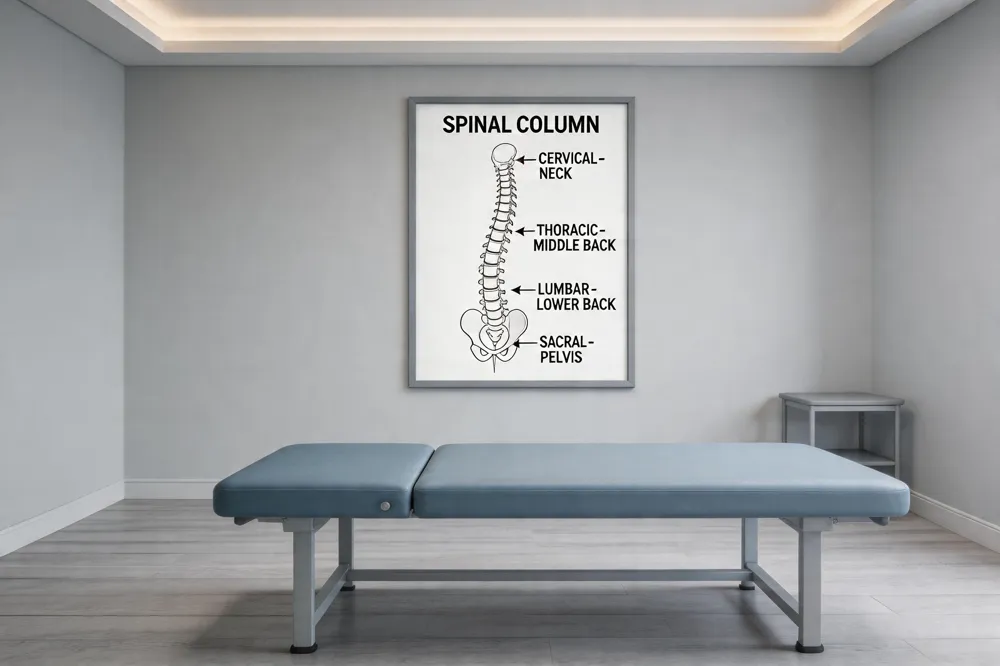
How Chiropractic Treatments Reduce Inflammation and Speed Up Back Pain Recovery
Real‑Life Stories: How Chiropractic Helped Patients Overcome Chronic Back Pain
From Symptom Masking to Root‑Cause Healing: A Practical Guide

6 Holistic Non‑Surgical Treatments That Deliver Sustainable Back‑Pain Relief

Key Questions to Ask When Selecting Your Chiropractor
Mindful Movement: Incorporating Stretch Breaks Into a Busy Day

Why Targeting the Underlying Cause Beats Temporary Symptom Relief
8 Ways Physiotherapy Complements Chiropractic Adjustments for Faster Recovery
Meal Planning for Athletes Recovering from Back Injuries

9 Everyday Lifestyle Tweaks to Preserve a Healthy Spine and Prevent Pain

Functional Movement Screening for Root‑Cause Pain Identification

6 Things You’ll Experience During Your First Chiropractic Appointment

Spinal Decompression vs. Standard Physical Therapy for Sciatica: A Comparative Review

New Findings on How Adjustments Influence Blood Circulation
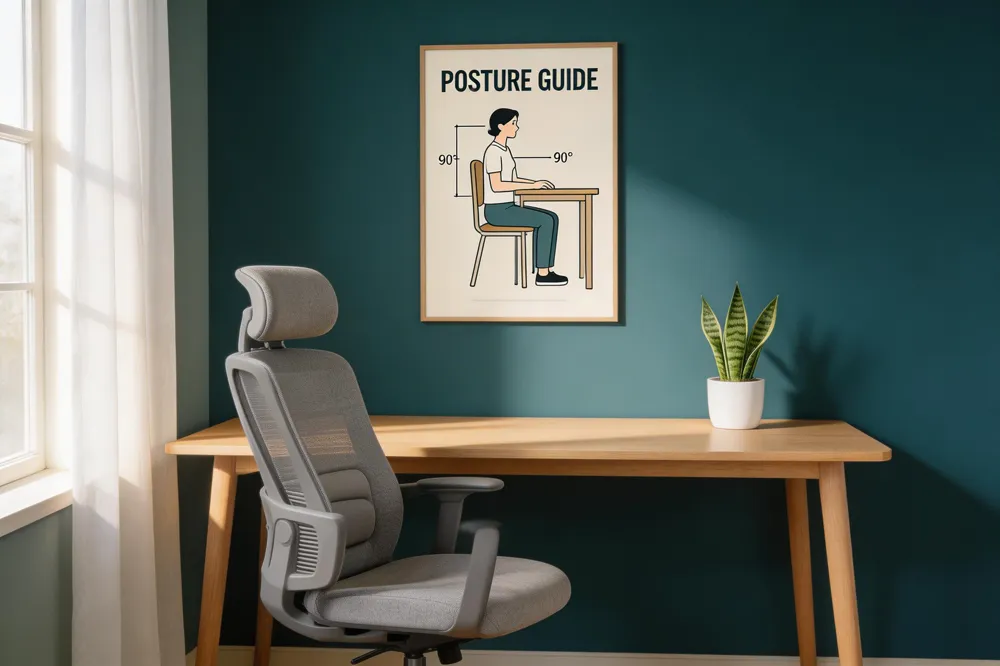
Work‑From‑Home Ergonomics: A Blueprint for a Pain‑Free Back

The Link Between Chiropractic Care and Improved Sleep Quality

Physiotherapy Techniques That Strengthen the Benefits of Chiropractic Adjustments

Biomechanical Insights Behind Successful Spinal Decompression

Desk‑to‑Dumbbell: Lifestyle Shifts That Guard Your Lower Back
10 Corrective Exercises for Sustainable Pain-Free Living

Morning Routines That Support Spine Health and Reduce Stiffness

Calcium and Magnesium‑Focused Nutrition for Bone Density and Spine Health

9 Ways Chiropractic Care Transforms Back Pain Management

Testimonial: Nutrition‑Guided Recovery Accelerated by Chiropractic
Science‑Backed Spinal Decompression for Relieving Sciatica Symptoms

Key Questions to Ask During Your Initial Chiropractic Consultation
Whole‑Body Wellness Blueprint: Nutrition, Exercise, and Chiropractic Synergy
A 12‑Week Corrective Exercise Blueprint for Chronic Neck Discomfort

Manual Therapy Plus Targeted Exercise: Accelerating Post‑Injury Recovery
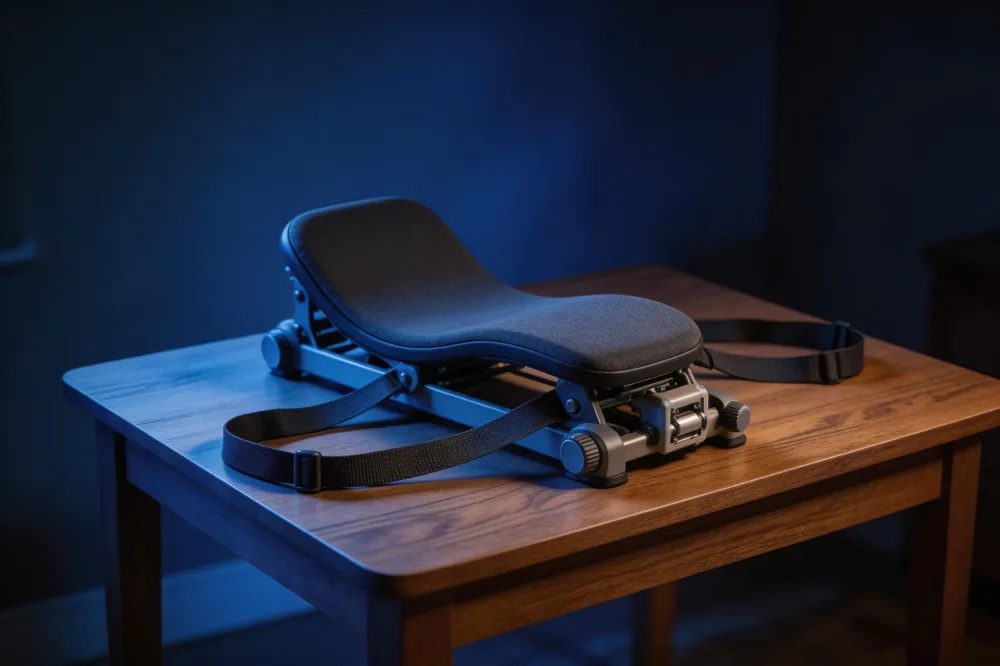
Home‑Based Spinal Decompression Devices: What Patients Should Know

Chiropractic Care Statistics: Reducing Lost Workdays From Back Pain

How Targeted Nutrition Enhances Immune Function and Lowers Inflammatory Pain
Self‑Assessment Tools to Identify Hidden Triggers of Back Pain
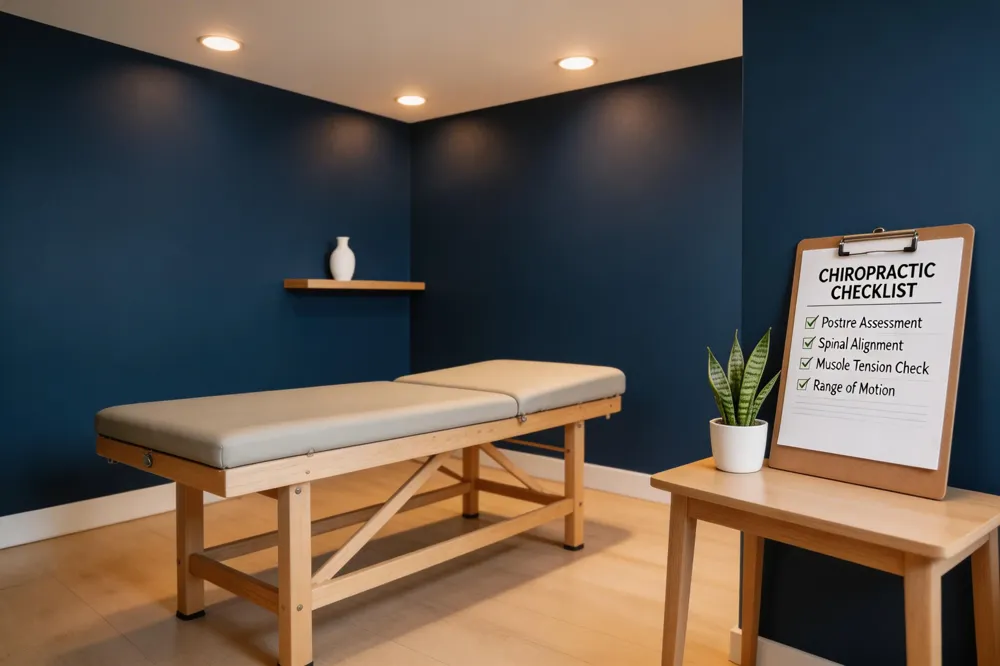
Preparing for Your First Chiropractic Appointment: A Practical Checklist

Back Pain Relief Benefits: Lower Opioid Use and Better Quality of Life

Foam‑Rolling Techniques to Complement Chiropractic Adjustments
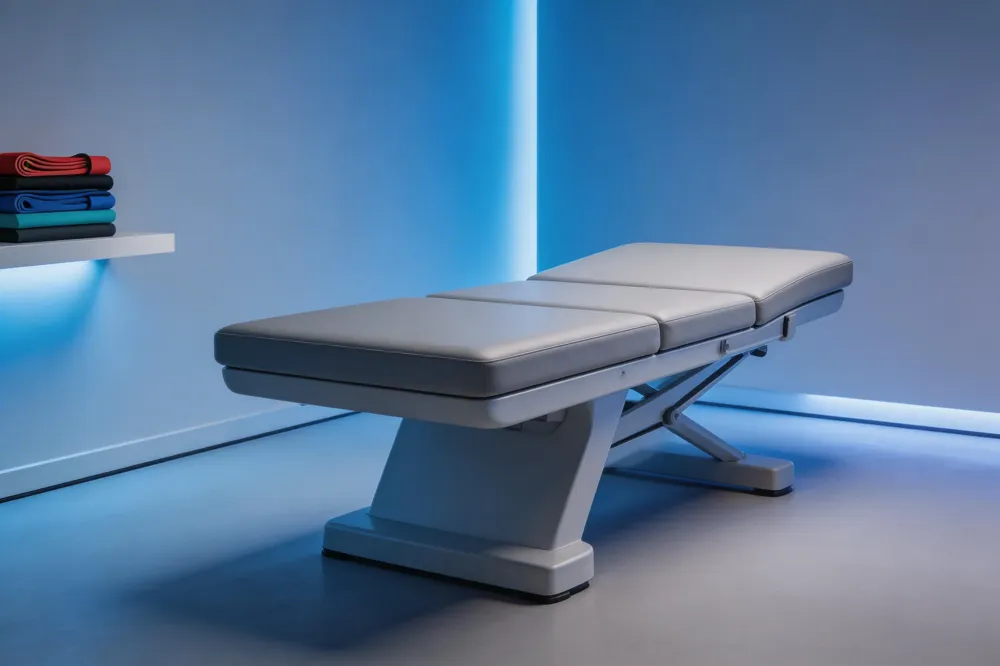
Progressive Overload Principles in Corrective Exercise Programs

Six‑Month Transformation: Integrated Care Success Story

7 Nutritional Hacks to Boost Your Overall Wellness
How to Choose a Chiropractor: Credentials, Techniques, and Patient Compatibility
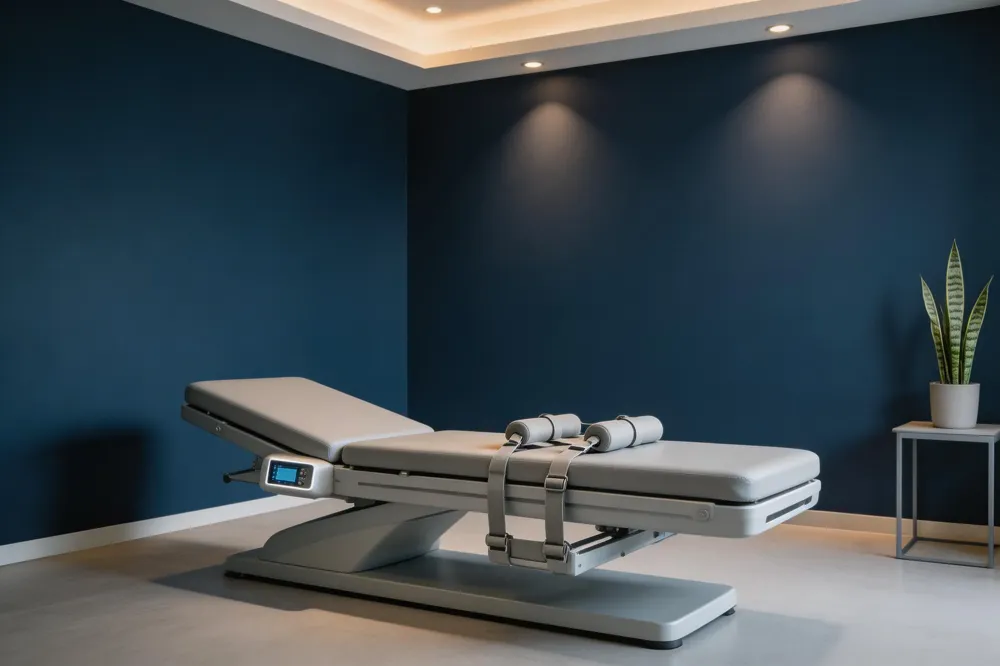
5 Ways Spinal Decompression Can Ease Sciatica Pain

Overcoming Sciatica: A Patient’s Multidisciplinary Treatment Journey
Lifestyle Changes That Promote a Healthy Spine
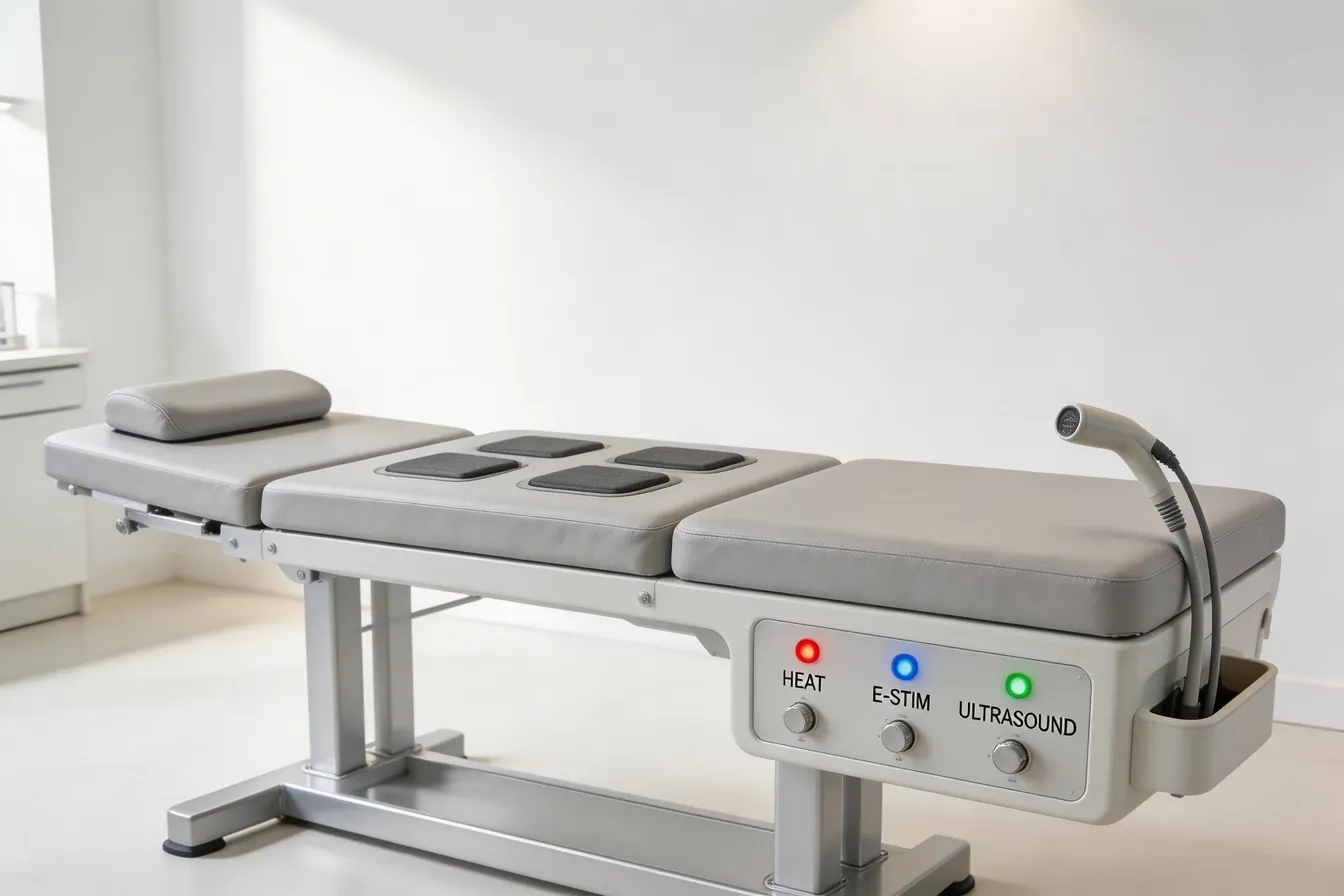
Physiotherapy as a Complement to Chiropractic Treatments
6 Ways Physiotherapy Enhances Chiropractic Treatment Outcomes
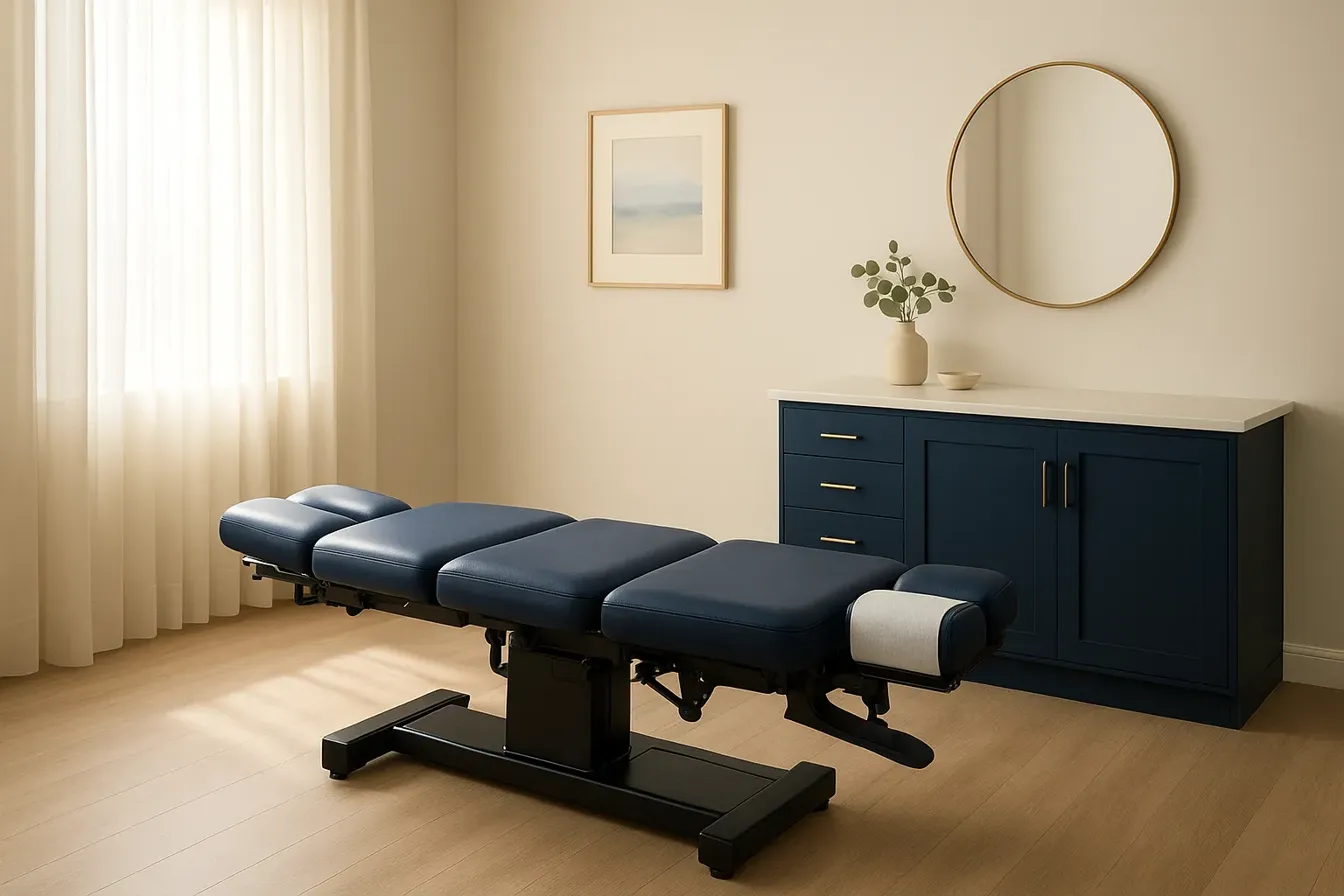
Daily Living Tips for a Strong and Healthy Spine
How Physiotherapy Enhances Chiropractic Outcomes
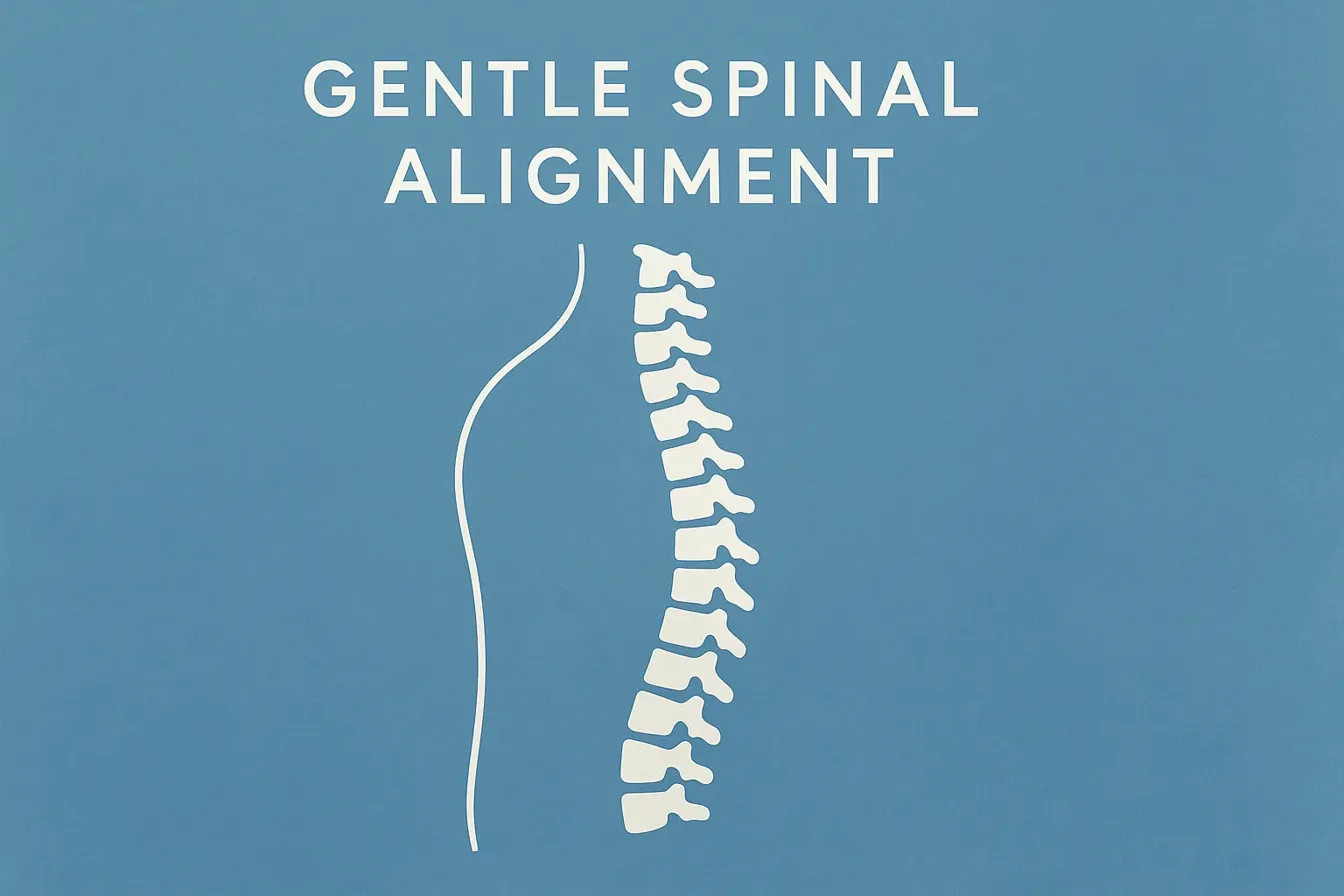
Holistic Treatments: Alternatives to Surgery for Pain Relief
Inspiring Patient Success Stories from Chiropractic Clinics
Integrating Physiotherapy with Chiropractic Treatments
Corrective Exercise Routines for Chronic Pain Prevention
10 Corrective Exercises to Maintain a Healthy Spine and Relieve Pain
Exercise Strategies for Long-Term Pain Management
10 Corrective Exercises to Maintain a Healthy Spine and Relieve Pain
The Importance of Treating the Root Cause of Pain
Nutritional Support Strategies for Whole-Body Wellness
7 Essential Questions to Ask When Choosing Your Chiropractor
Identifying and Addressing Root Causes of Pain
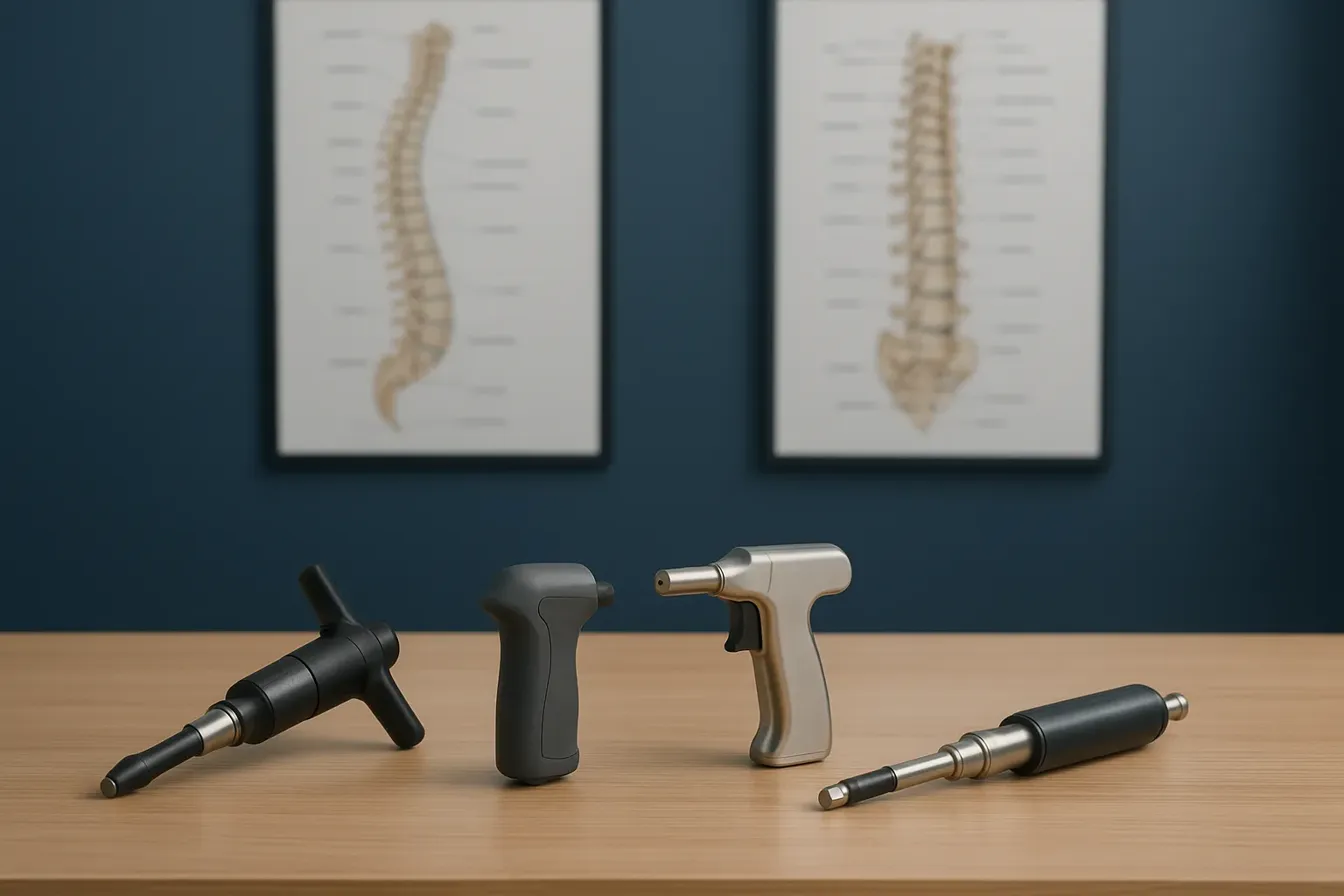
Maintaining a Healthy Spine with Lifestyle Adjustments
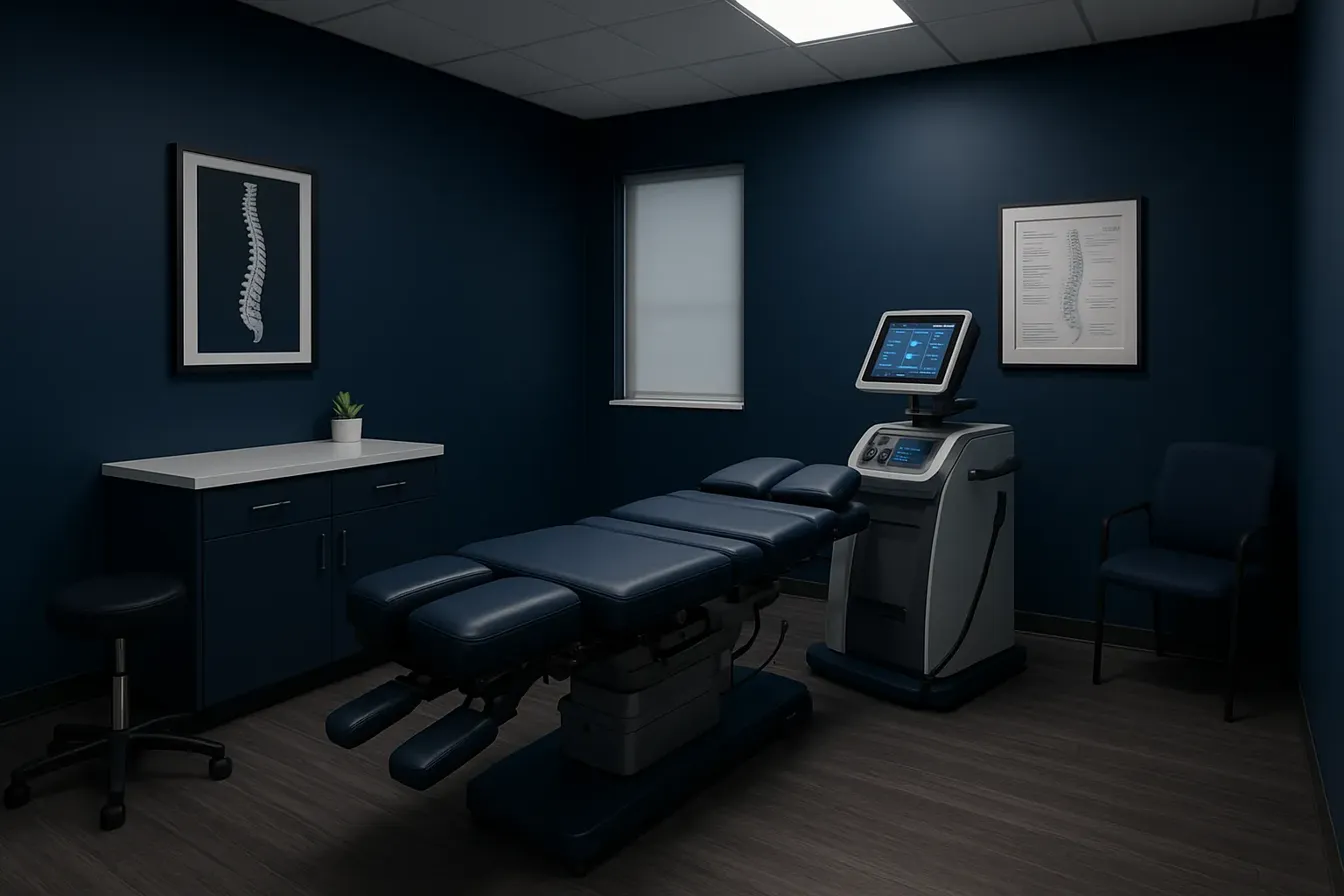
Sciatica Symptom Relief via Spinal Decompression
8 Reasons Why Addressing the Root Cause of Pain Is Crucial
Chiropractic Care’s Impact on Back Pain Recovery
Combining Physiotherapy with Chiropractic Care for Better Results
Inspiring Recovery: Chiropractic Patient Testimonials
Nutritional Counseling Tips for Optimal Wellness

Why Addressing the Root Cause of Pain is Crucial
Back Pain and Chiropractic Care: A Winning Combination
Chiropractic Care Benefits You Might Not Know
Exploring Holistic and Non-Surgical Treatments for Pain
Spinal Health: Lifestyle Tips for Everyday Wellness
Spinal Decompression Therapy: Benefits and Applications
Holistic and Non-Invasive Spine Care Options
Everyday Lifestyle Advice to Keep Your Spine Healthy
The Significance of Treating Root Causes in Pain Therapy
Best Corrective Exercises for Sustainable Pain Management
Addressing Underlying Causes of Pain for Long-Term Relief
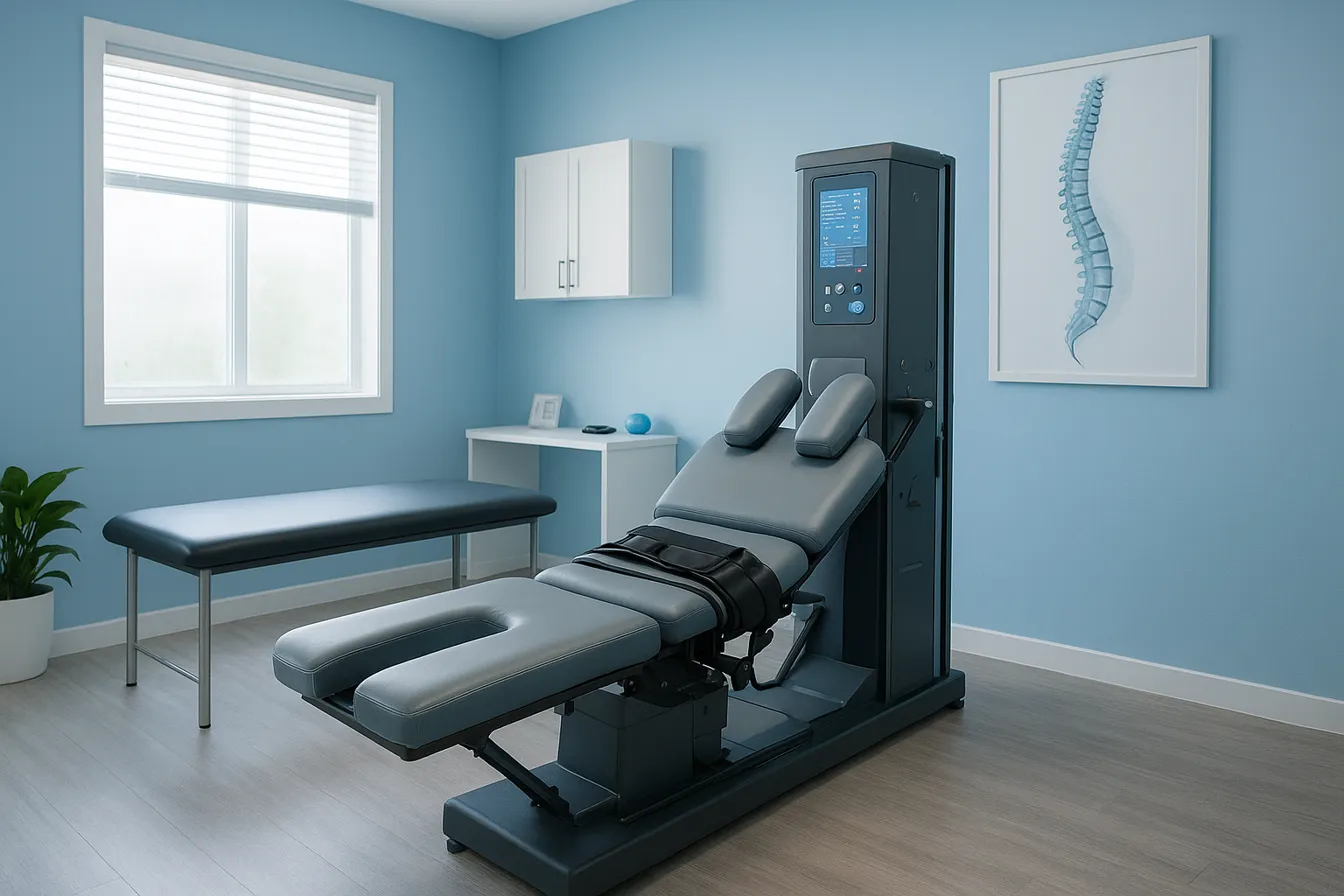
6 Key Benefits of Spinal Decompression Therapy for Sciatica Relief
How Nutritional Counseling Supports Spine Health and Recovery
The Role of Physiotherapy in Supporting Chiropractic Treatments