Home‑Based Spinal Decompression Devices: What Patients Should Know
March 23, 2026
7 min
Why Spinal Decompression Matters
Spinal decompression works by gently stretching the vertebral column, creating a small gap between discs that lowers intradiscal pressure and improves circulation of nutrients and oxygen. This negative‑pressure environment can encourage re‑hydration of the disc nucleus and reduce irritation of nearby nerves, offering a natural pathway to pain relief. Clinical decompression is delivered on motorized traction tables under the direct supervision of a chiropractor or physical therapist, allowing precise control of force, angle, and cycle timing. At‑home methods—such as inversion tables, pneumatic traction devices, or simple floor‑based stretches—rely on body weight, gravity, or passive stretching and lack the real‑time feedback of a clinic setting. Both approaches share the same therapeutic goal: to alleviate stiffness, reduce nerve compression, and restore functional spinal alignment. When combined with core‑strengthening, posture education, and low‑impact movement, decompression becomes a cornerstone of a holistic, patient‑centered back‑pain management plan.
What Is Spinal Decompression and How It Works?

Spinal decompression gently stretches the spine, creating space between vertebrae and lowering disc pressure. This mild traction generates a negative pressure within intervertebral discs, encouraging re‑hydration, nutrient flow, and gradual retraction of bulging material. Clinical‑grade devices use computer‑controlled, segment‑specific forces and split‑table designs that replicate professional traction, whereas consumer units rely on body weight, gravity, or simple pneumatic systems and often lack real‑time feedback.
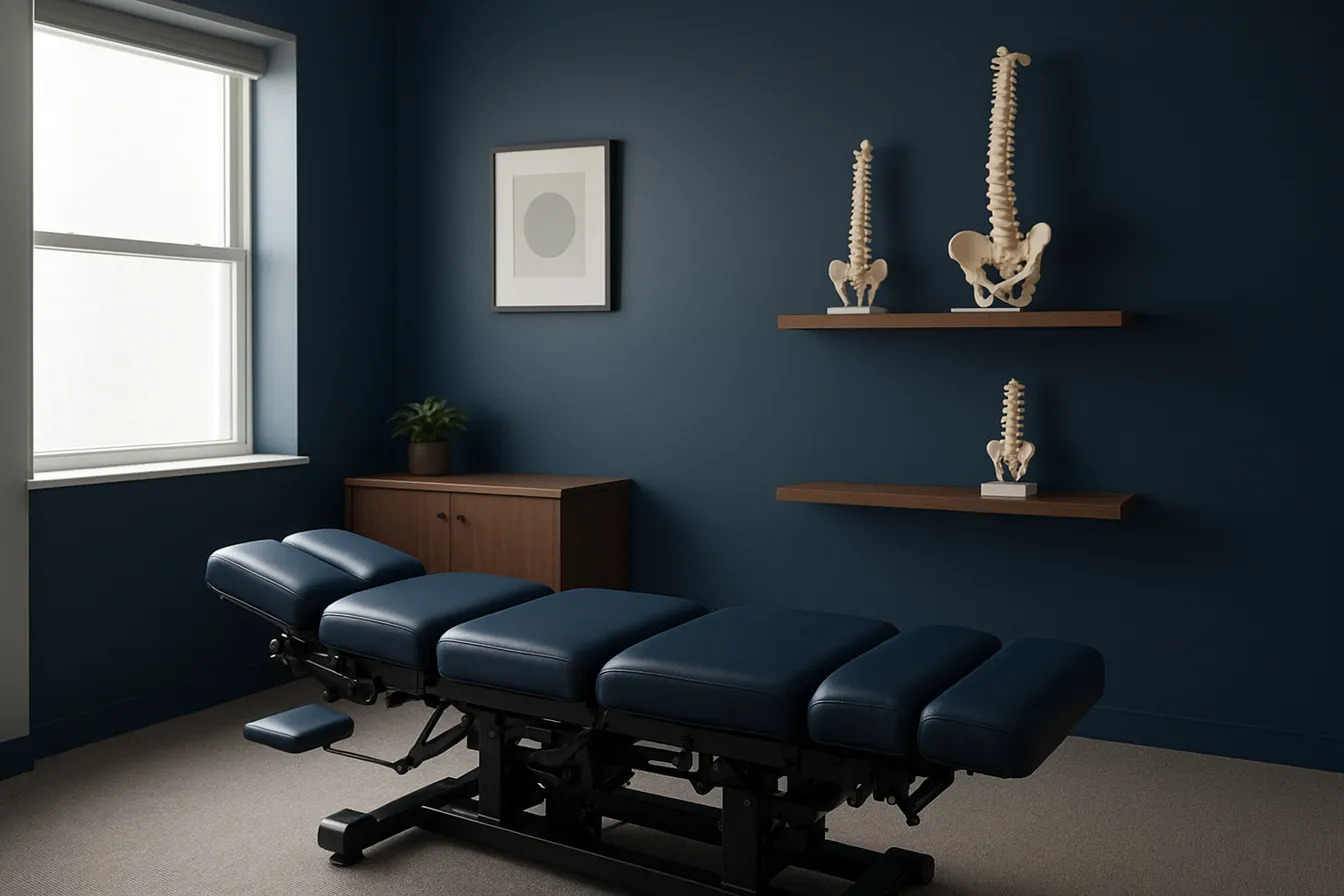
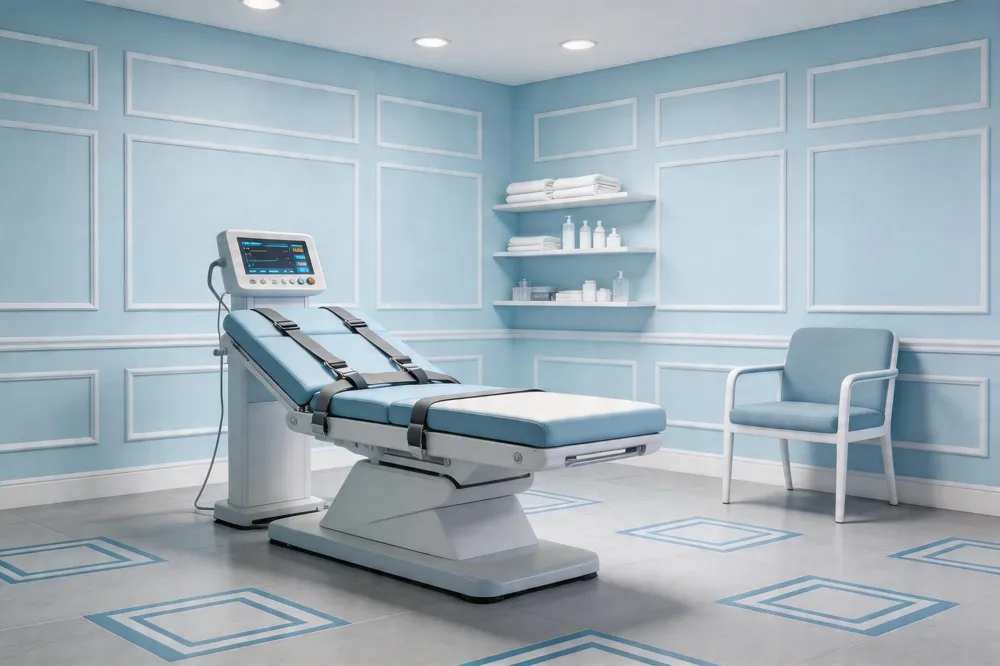
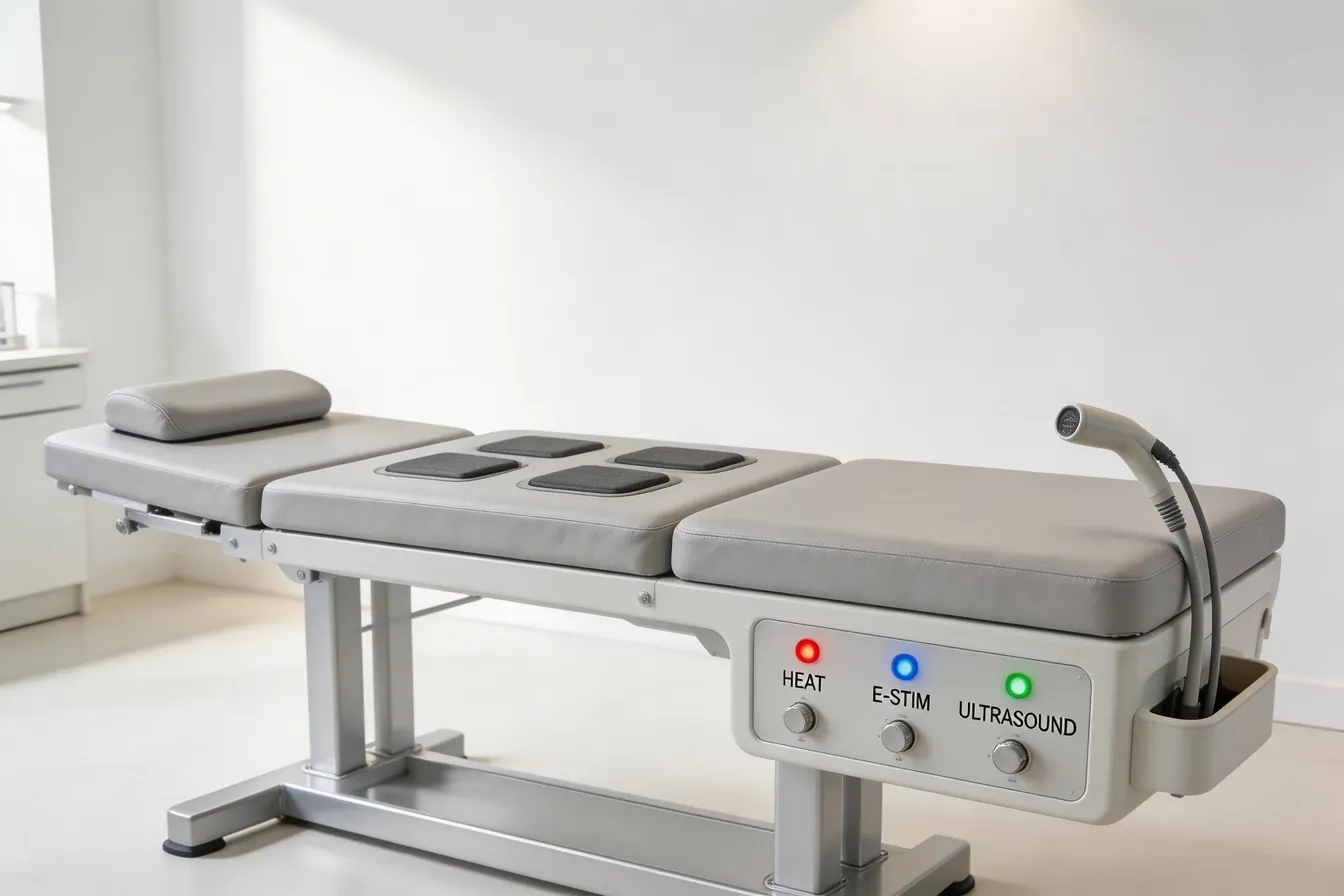
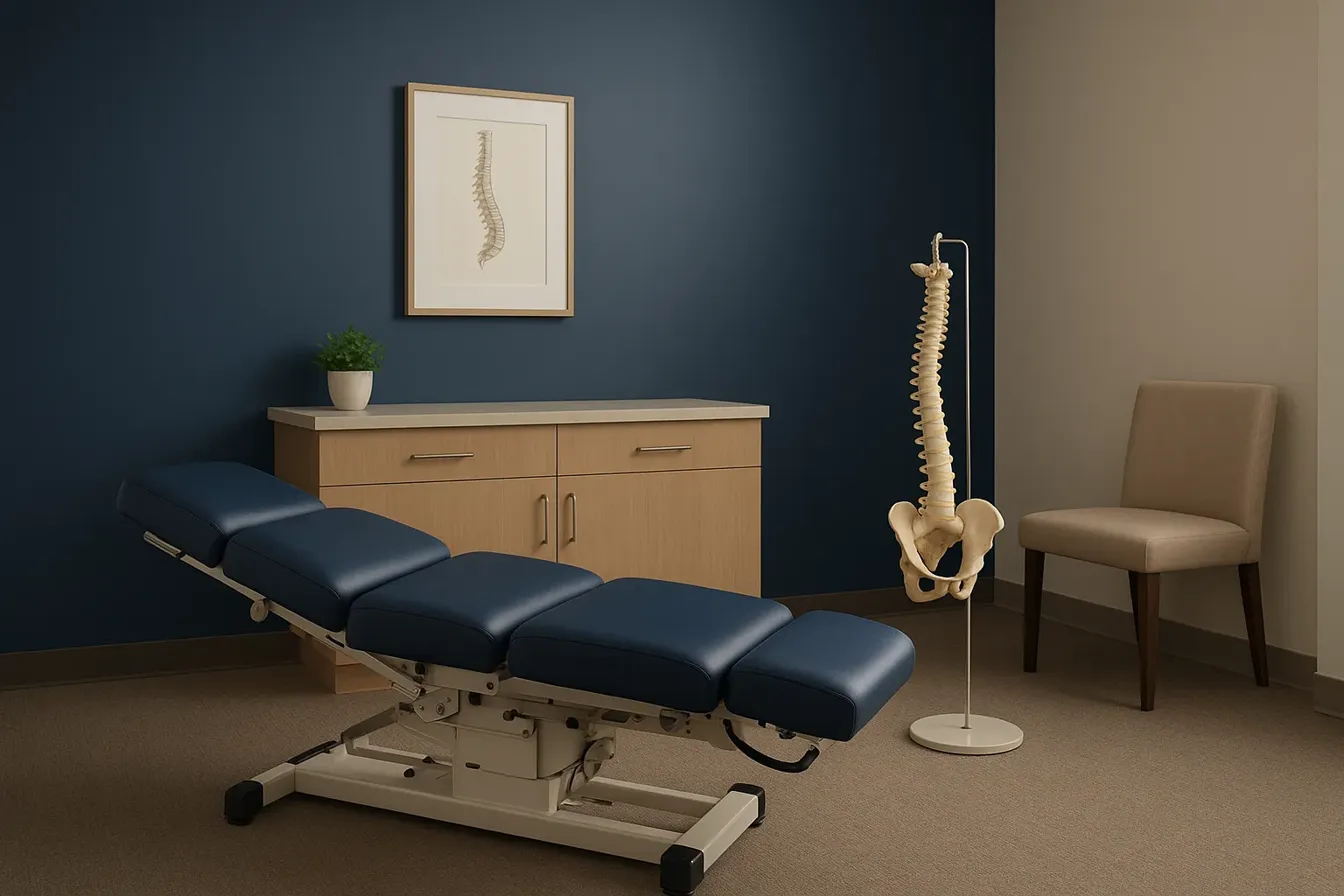
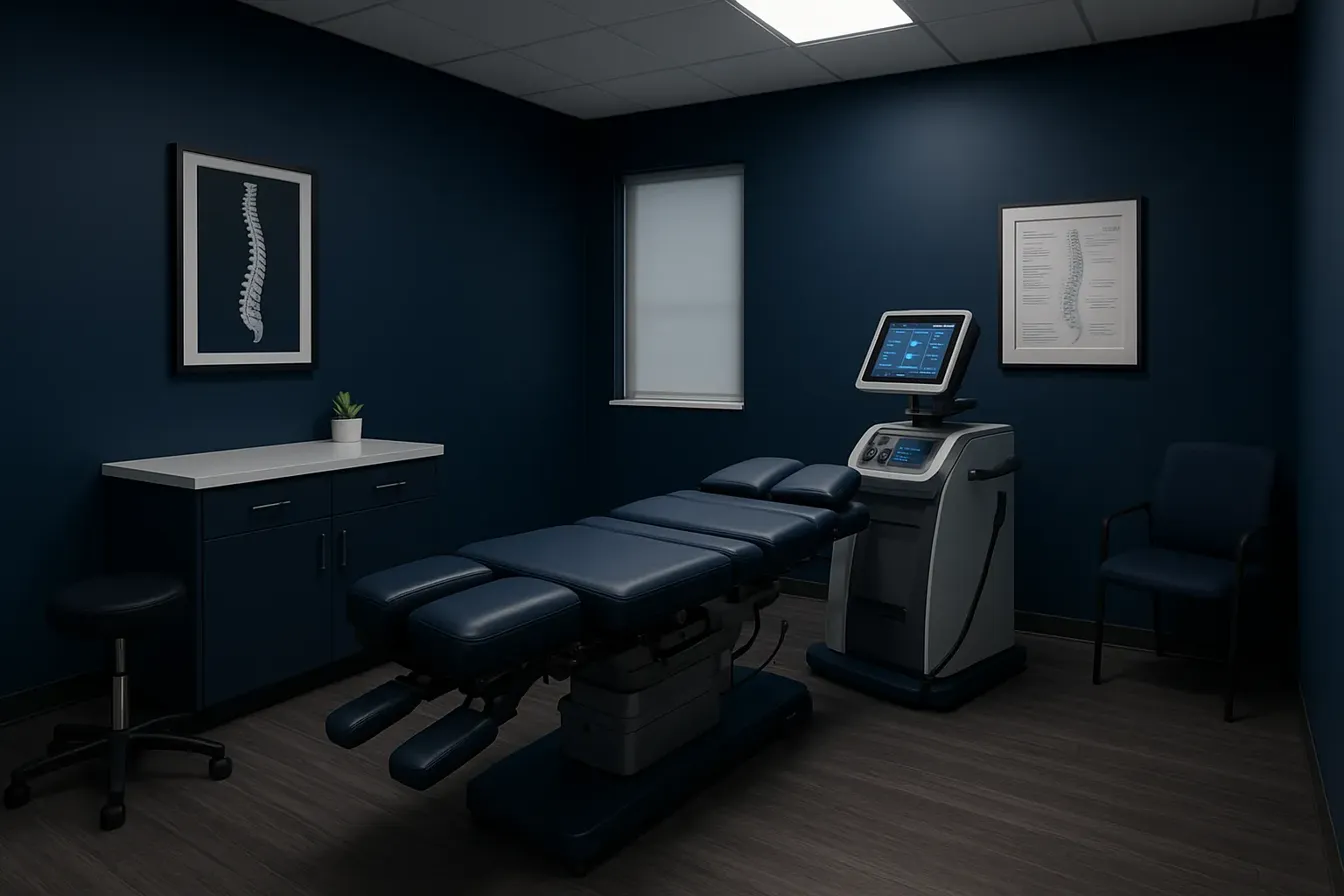
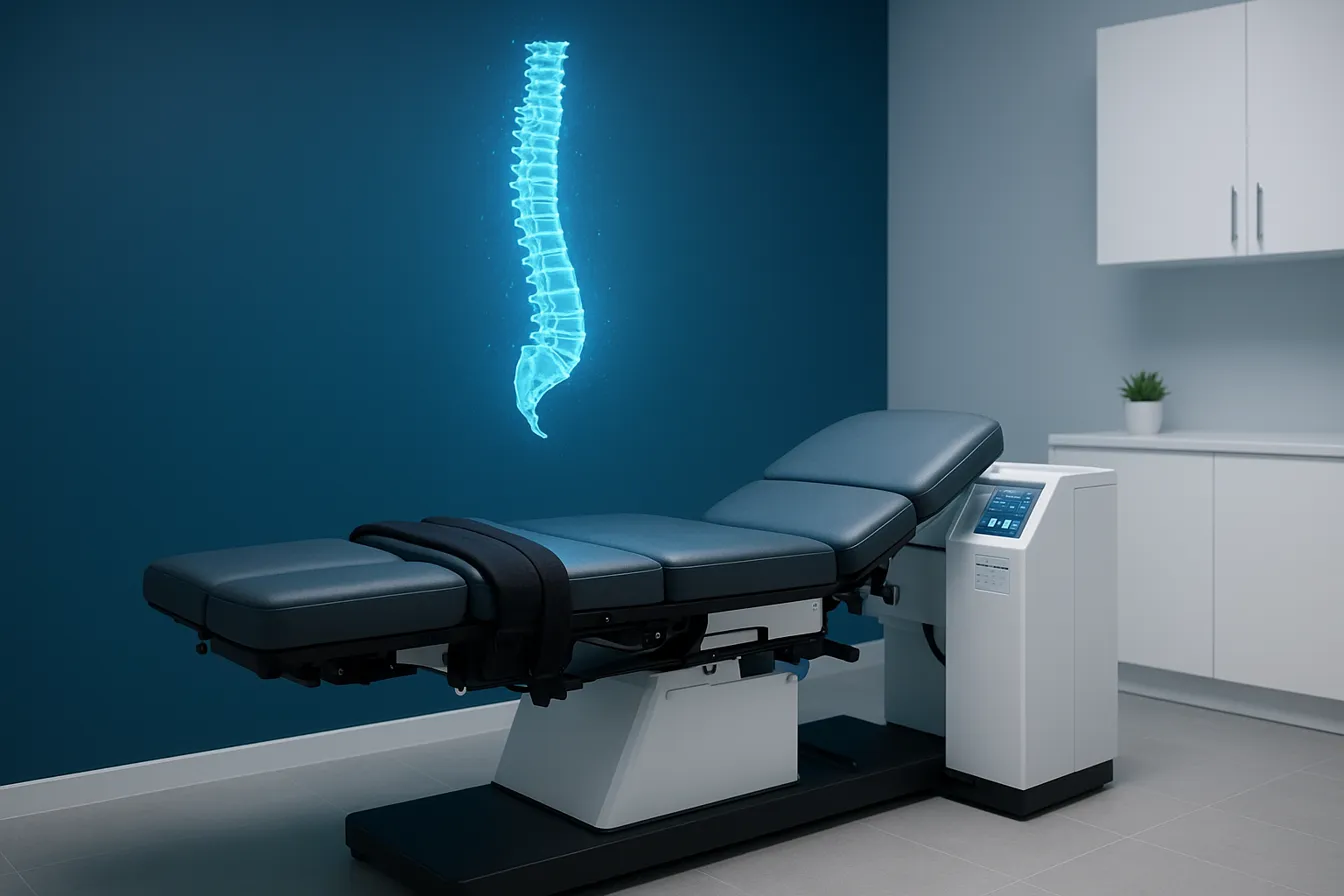
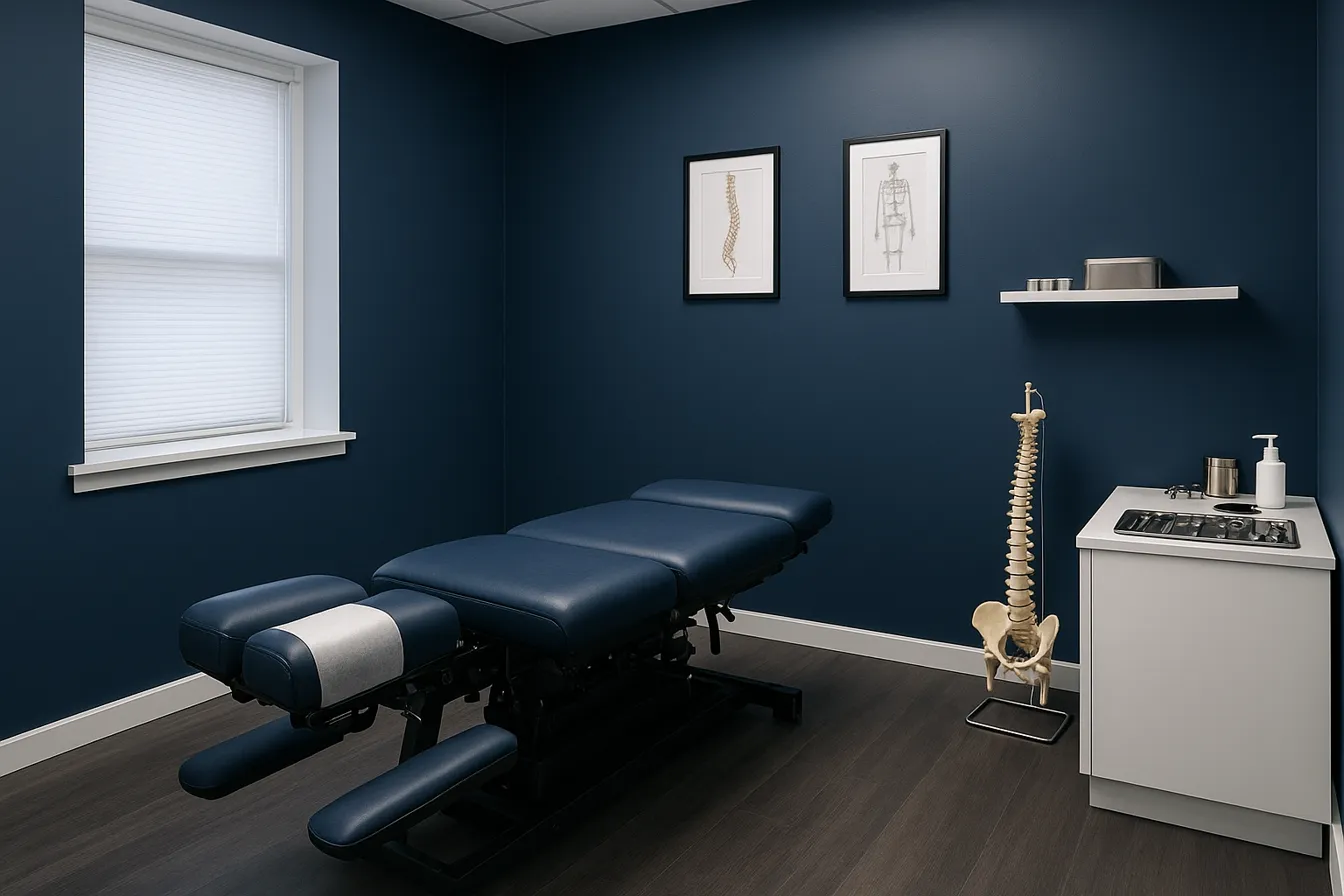
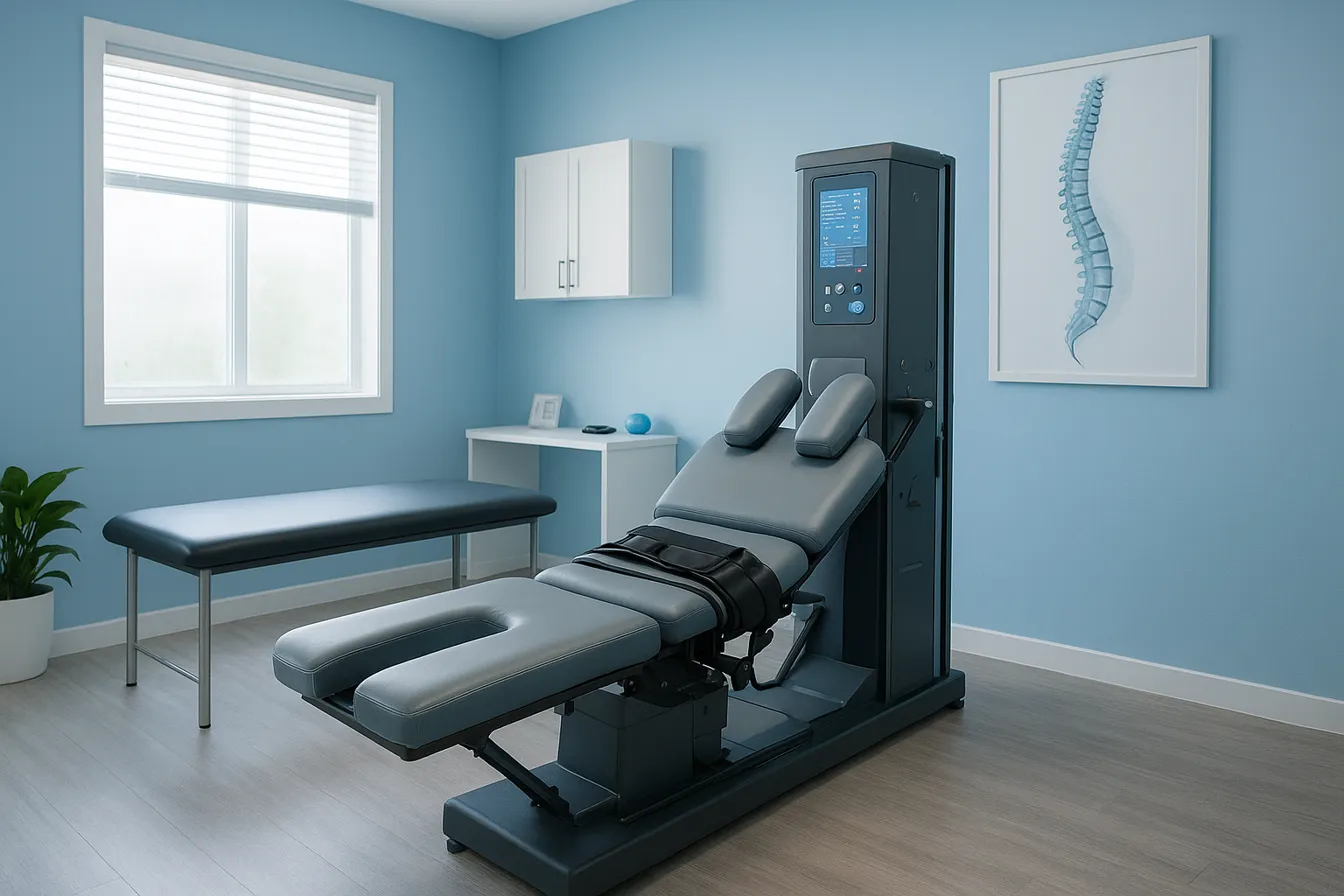
Spinal decompression machine – A therapeutic table that applies controlled traction to relieve disc and nerve pressure, promoting healing without surgery. At Back in Action Bodyworks we use the DRX9000® system, delivering customizable lumbar targeting and real‑time progress displays for conditions such as herniated discs and sciatica.
Professional spinal decompression machine – A clinical‑grade, motorized table (e.g., BTL, DRX9000) that offers over 100 treatment positions, segment‑specific targeting, and integrated safety switches, allowing chiropractors to treat complex disc pathology safely.
Spinal decompression machine for chiropractors – A computer‑controlled unit that minimizes muscle guarding while stretching the lumbar or cervical spine, enhancing manual adjustments and providing a drug‑free, evidence‑based option for chronic back or neck pain.
Choosing the Right At‑Home Decompression Device

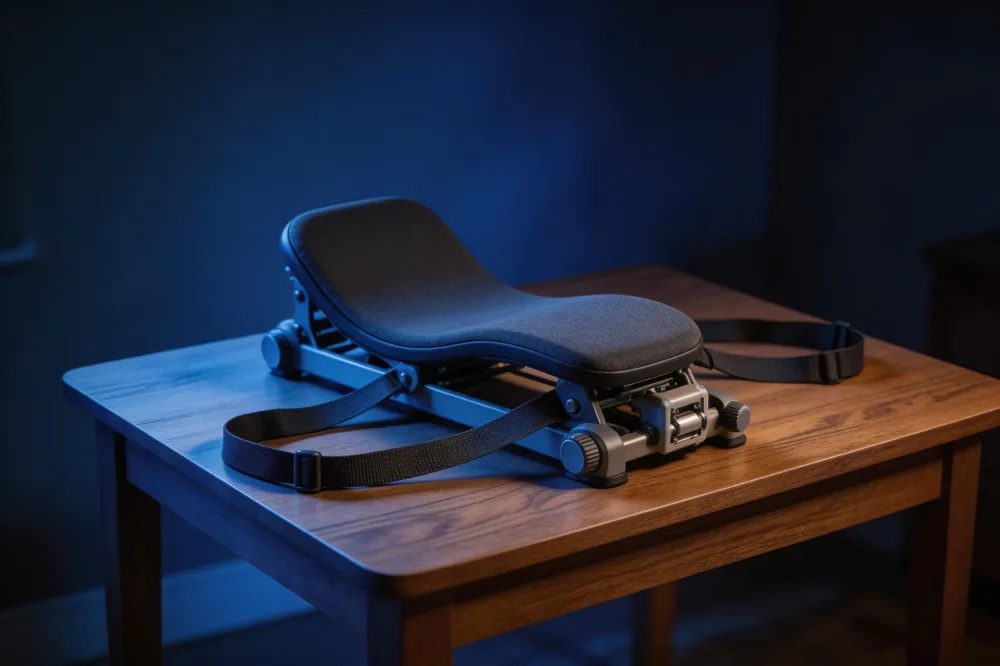
When selecting a home traction system, prioritize adjustable force, a reliable safety valve, and a comfortable harness—features that let you fine‑tune pull while protecting the spine. Cost varies widely: basic portable units start around $200, mid‑range models such as the Saunders® Lumbar Home Traction Device run $575 (prescription required), while premium clinical‑grade tables exceed $5,000.
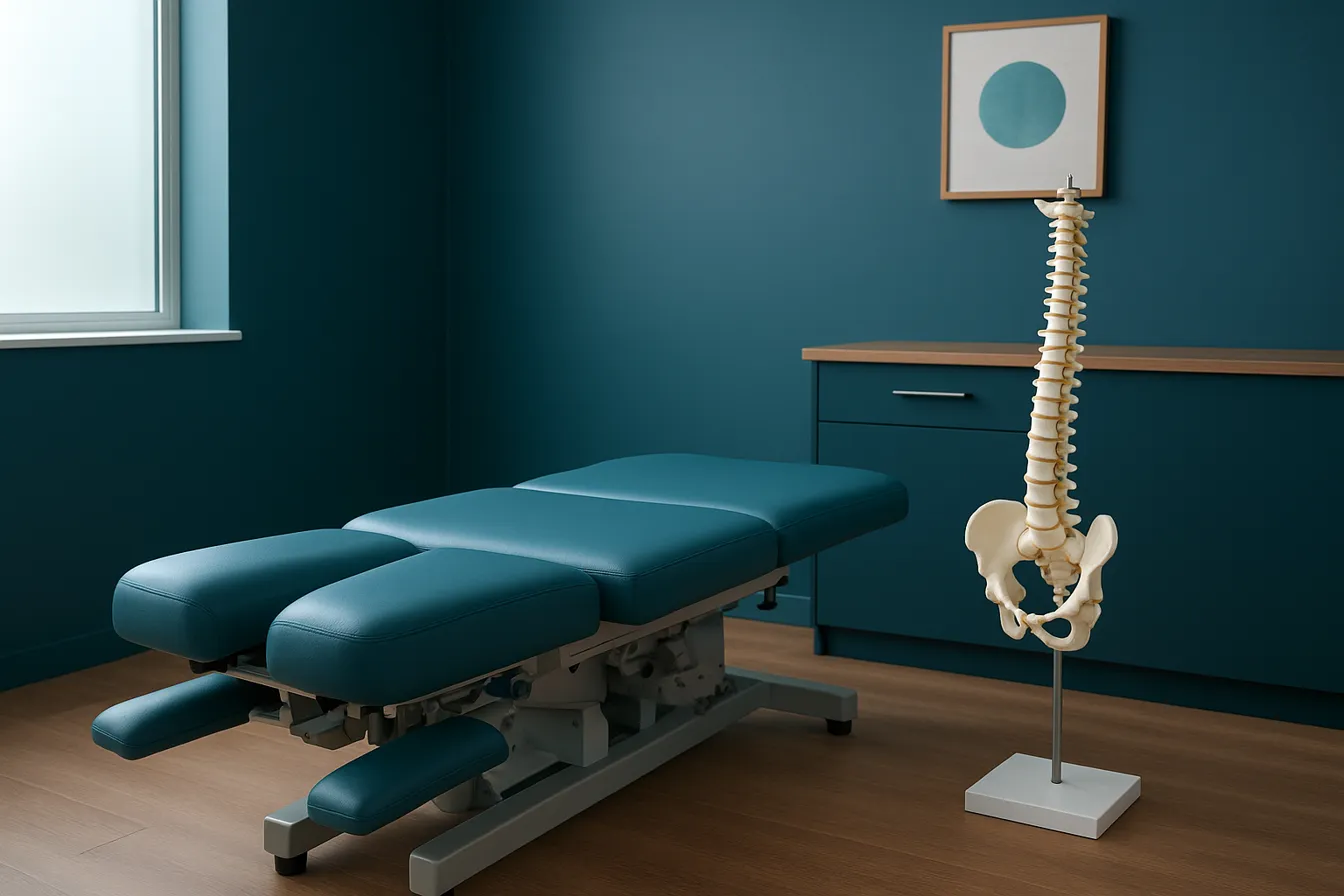
Device Types – Options include split‑table lumbar traction devices, inflatable lumbar belts, and inversion tables. Split‑table units mimic clinic‑grade axial traction in a horizontal position, reducing intracranial pressure. Inversion tables use gravity for short, controlled hangs but are contraindicated for hypertension or glaucoma.
Best lumbar traction device – The ComforTrac Lumbar Traction Device is widely regarded as the top choice for home use because it offers precise, hand‑pump‑controlled axial traction, a sturdy frame, and easy setup while staying within a comfortable price range.
Best at‑home spinal decompression device – A lumbar‑traction table or inflatable back‑stretcher, such as the Sunny Health & Fitness Full‑Body Traction Table, provides gentle, adjustable pulling force in a supine position, making it safe for regular use under professional guidance.
Spinal decompression machine price – Prices span from $200–$300 for entry‑level tables to $5,000–$32,000 for commercial‑grade units, reflecting differences in force accuracy, safety features, and durability.
Always consult your chiropractor or physical therapist before starting any at‑home decompression regimen to ensure the device matches your condition and treatment plan.
DIY Decompression Techniques Without a Machine

Spinal decompression at home can be done safely without expensive machinery by using stretches, sleep habits, and quick tactics.
Equipment‑free stretches: Overhead arm raises, child’s pose, thoracic extensions on a couch, and the cat‑cow series gently separate vertebrae and ease thoracic and lumbar pressure. Perform each motion slowly for 20‑30 seconds, repeating 2‑3 times daily; stop if pain intensifies.
Sleep positioning: Lie on your side with hips and knees bent ~30°, placing a pillow between the knees, or lie on your back with a pillow under the knees. Both positions keep the spine neutral and flexed, maintaining nightly decompression. A mattress and a contoured neck pillow help support alignment.
Quick relief: A brief knee‑to‑chest stretch, followed by a short walk or gentle yoga flow, improves circulation. Alternate 20‑minute ice and heat for inflammation or tightness. Maintain upright posture and take micro‑breaks every 20‑30 minutes. If symptoms persist, consult a chiropractor for guidance.
Nutrition and Home Remedies for Back Pain

Back pain home remedy drink
A soothing anti‑inflammatory drink that many people find helpful for back pain is warm turmeric‑ginger tea. Combine ½ tsp ground turmeric (or fresh root), ½ tsp grated ginger, a pinch of black pepper, and a squeeze of lemon in 8 oz hot water; steep 5‑7 minutes, then add a tsp honey if desired. Curcumin and gingerols reduce inflammation, while lemon supplies vitamin C. Enjoy once or twice daily, especially after activity, and always check with your chiropractor if you take medications.
Back pain home remedy food
Eat a diet rich in anti‑inflammatory foods: fatty fish (salmon, sardines) for omega‑3s, turmeric or ginger added to meals, leafy greens (kale, spinach, broccoli) for magnesium and antioxidants, berries and citrus for polyphenols, and extra‑virgin olive oil for oleocanthal, a natural NSAID. Pair with whole grains and stay hydrated to support spinal health between professional chiropractic care.
How I cured my lower back pain at home
I committed to a daily 15‑minute routine of gentle stretches—knee‑to‑chest, lower‑back rotational stretch, bridges, cat‑cow—while improving posture, taking hourly walk‑breaks, and alternating ice and heat. Core activation through shoulder‑blade squeezes and seated twists added support. Within weeks the pain vanished, leaving me stronger and more flexible.
Special Considerations for Women and Specific Conditions

Female‑specific back‑pain factors include hormonal fluctuations that affect ligament laxity, menstrual‑related inflammation, and the added load of pregnancy. During pregnancy, the growing uterus shifts the center of gravity, increasing lumbar strain, while estrogen‑driven ligament loosening can predispose to disc compression. Lifestyle modifications that support spinal health are essential: maintain a balanced weight, engage in low‑impact cardio (e.g., walking or swimming), and practice daily core‑strengthening and stretching routines such as knee‑to‑chest, cat‑cow, and bridge exercises. Ergonomic seating, proper lifting mechanics, and supportive footwear further reduce stress on the spine.
How to reduce back pain for women: focus on consistent core work, posture awareness, adequate hydration, and sleep adjustments (pillow under knees or between knees).
Female lower back pain treatment: combine gentle chiropractic adjustments with personalized therapeutic exercises, heat/cold therapy, anti‑inflammatory nutrition, and mindfulness techniques. For pregnant women, incorporate pelvic‑tilt drills and supportive bracing to maintain comfort and safety.
Integrating Decompression with a Holistic Care Plan

Combining at‑home spinal decompression with a broader wellness program maximizes pain relief while protecting the spine. First, core‑strengthening and posture training provide the muscular support that keeps vertebrae aligned after each gentle stretch. Simple moves such as the cat‑cow series, bridge, and knee‑to‑chest stretches can be performed daily, gradually increasing repetitions as tolerance improves. Second, regular movement breaks—standing or stretching every 20‑30 minutes—prevent ligaments from staying in a slumped position and sustain the decompressive effect achieved during short, consistent device sessions (a few minutes per day). Finally, professional supervision is essential. A chiropractor or physical therapist should evaluate imaging, confirm that contraindications (e.g., severe osteoporosis, recent surgery) are absent, and prescribe the appropriate force settings on devices like the Saunders® Lumbar Home Traction Unit. Ongoing monitoring ensures any red‑flag symptoms are caught early and that the decompression plan is integrated with core work, ergonomic advice, and low‑impact activities for lasting spinal health.
Safety, Contraindications, and When to Seek Professional Help

Red‑flag symptoms such as new or worsening numbness, tingling, sudden leg weakness, loss of bladder or bowel control, or sharp pain that radiates beyond a typical muscle ache signal that at‑home spinal decompression should be stopped immediately and a qualified chiropractor or physician should be consulted. Certain medical conditions also prohibit unsupervised use: severe osteoporosis, spinal fractures or instability, advanced spinal stenosis, recent spinal surgery, spinal tumors, active infection, uncontrolled hypertension, pregnancy, and the use of blood‑thinning medications. Because these conditions can be hidden, a thorough evaluation—including imaging studies such as X‑ray, MRI, or CT—is essential before initiating any home‑based traction or stretching regimen. Imaging confirms the integrity of the vertebrae, disc health, and any nerve involvement, allowing the practitioner to tailor a safe, patient‑centered plan that integrates gentle decompression with core strengthening, posture education, and other holistic therapies.
Getting Started at Back in Action Bodyworks: What to Expect

Your first visit to Back in Action Bodyworks begins with a thorough initial consultation and imaging. A chiropractor will review your medical history, conduct a physical exam, and order X‑rays or an MRI if needed to identify disc health, posture, and any red‑flag conditions. Based on these findings, a custom treatment plan is crafted that blends spinal decompression with core‑strengthening, gentle stretching, and ergonomic education—all rooted in a patient‑centered, holistic philosophy. Sessions typically start with short, supervised decompression cycles using a clinician‑grade table, followed by targeted exercises such as cat‑cow mobilizations, pelvic drops, and posture drills. Between visits, the team provides home‑exercise guidance, including safe stretches (overhead arm reach, child’s pose) and movement breaks every 20‑30 minutes to maintain spinal space. Follow‑up appointments monitor progress, adjust traction force, and ensure the program stays aligned with your natural pain‑relief goals.
Your Path to a Healthier Spine Starts Today
At‑home spinal decompression can be a gentle, low‑cost way to relieve mild to moderate stiffness and temporary back pain when used responsibly. Safe practice means short, consistent sessions (a few minutes a few times a week), an appropriate device (e.g., a friction‑free traction table like the Saunders® Lumbar Home Traction Device with built‑in pressure gauge and blow‑off valve), and strict adherence to contraindication guidelines—avoid use if you have severe osteoporosis, recent spinal surgery, fractures, advanced stenosis, or unexplained numbness. Before you begin, schedule a professional evaluation with a chiropractor or physical therapist; they can confirm candidacy, prescribe a device if needed, and set a personalized protocol. For best results, pair thetractiontraction with daily movement, core‑strengthening exercises, ergonomic posture habits, and a nutrient‑rich diet that supports disc health. This integrated, patient‑centered approach promotes lasting spinal wellness while minimizing risk.
Recent articles
10 Real‑Patient Success Stories Showcasing the Impact of Chiropractic Care
Superfoods That Boost Nerve Healing After Chiropractic Sessions

Sleep Positions That Promote a Healthy Back Alignment
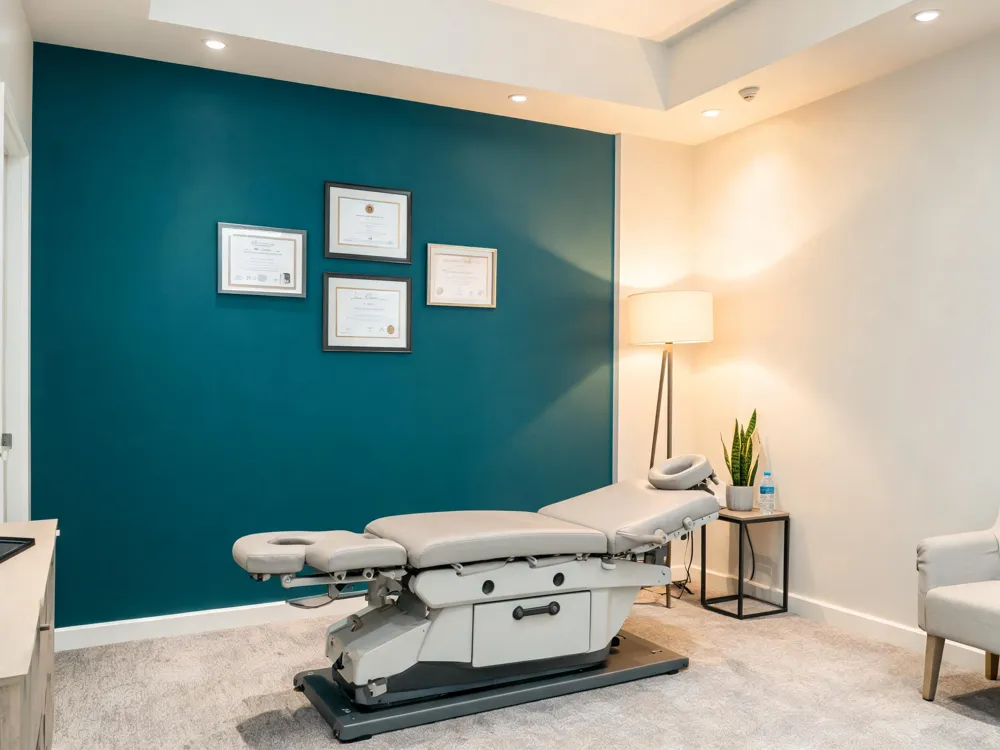
Signs Your Chiropractor Is a Good Fit for Your Back Pain Goals
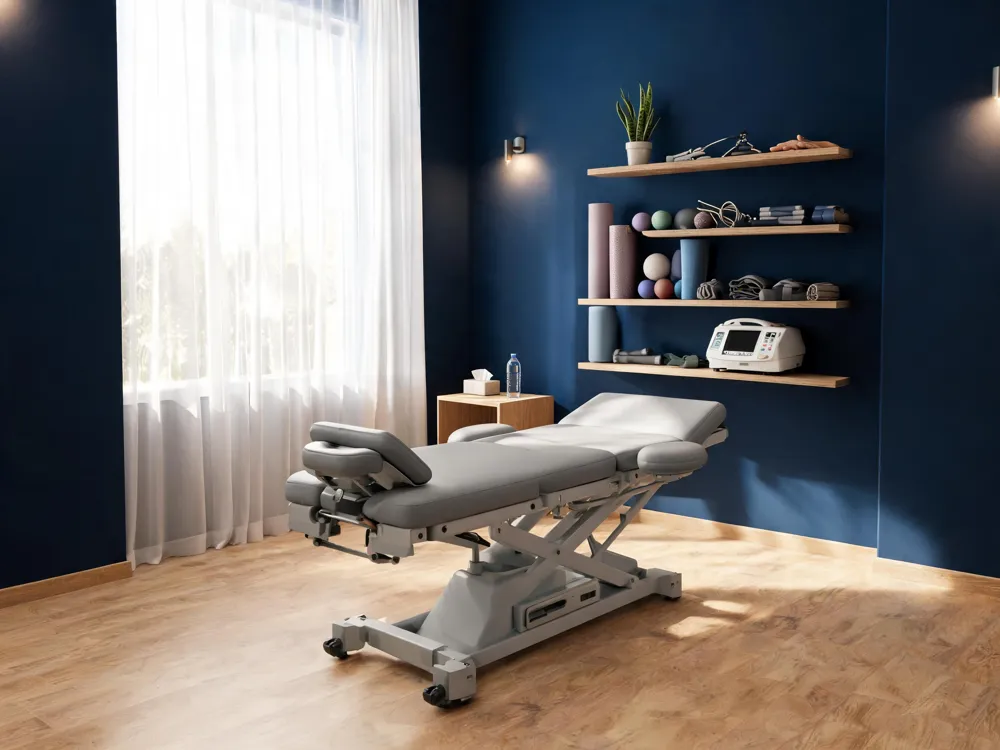
Case Study: Integrated Physiotherapy and Chiropractic for Faster Recovery
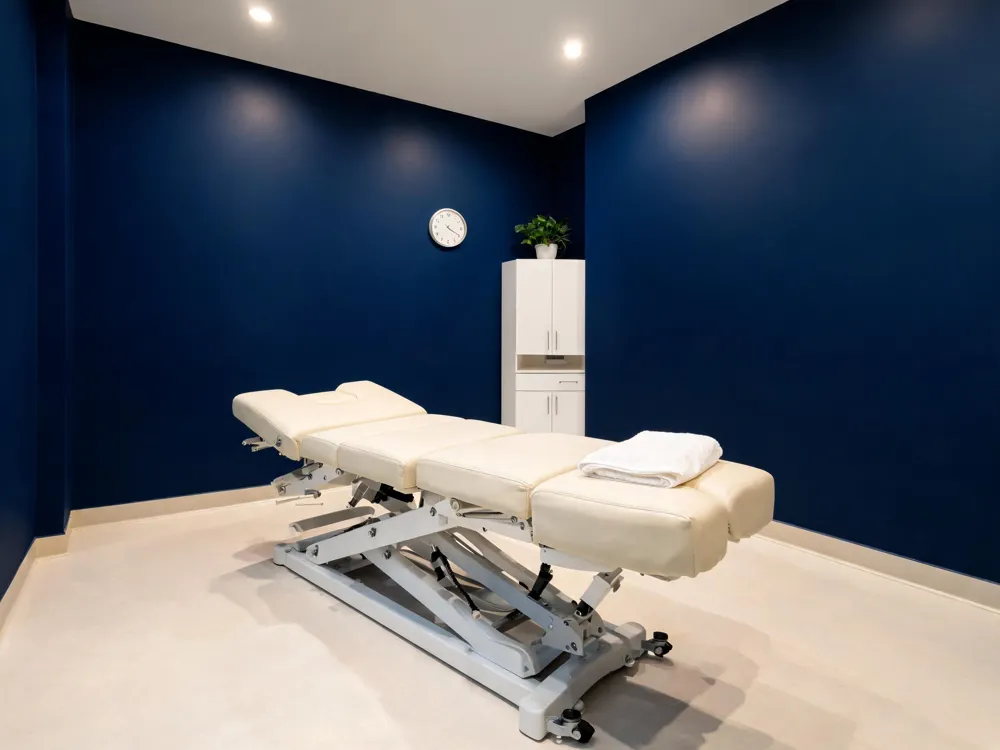
First-Time Chiropractic Visit: A Step‑by‑Step Walkthrough
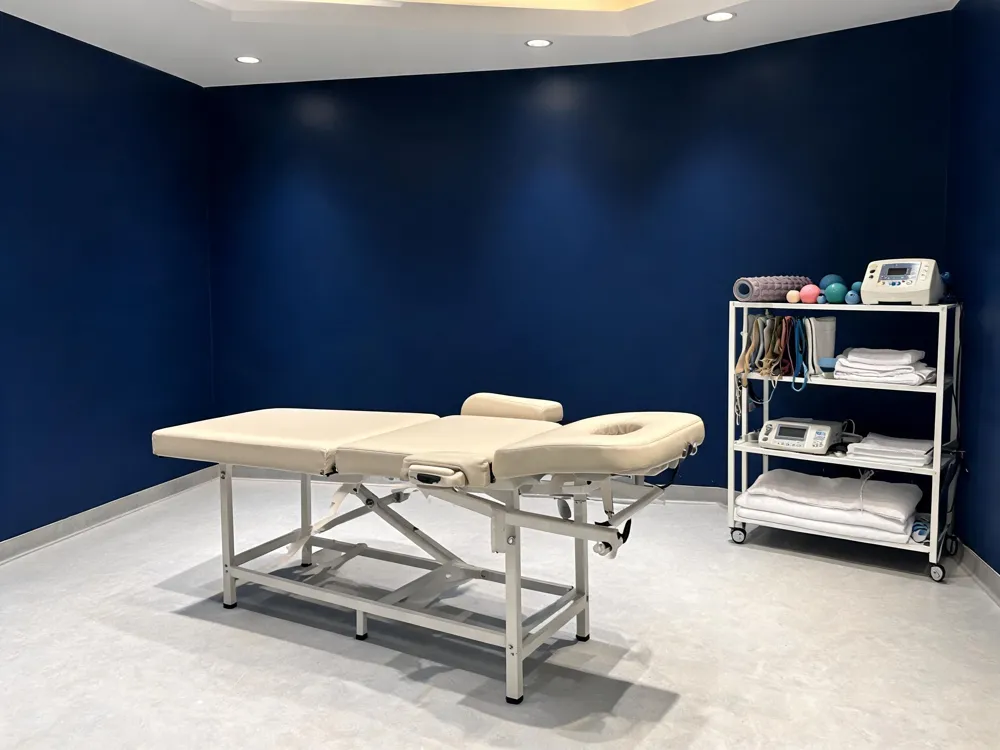
Synergistic Benefits: Combining Physiotherapy with Chiropractic Care
Beyond Surgery: Holistic Approaches to Managing Back Pain
How Manual Therapy Enhances the Effects of Chiropractic Adjustments

Hydration Hacks: Why Water Matters for Joint and Spine Function

What Does a Comprehensive Spinal Evaluation Include?
Success Spotlight: Transformative Results After Six Weeks of Chiropractic Treatment
Understanding the Initial Assessment Process in Chiropractic Care
Designing a Personalized Corrective Exercise Plan for Chronic Pain Management
Natural Pain Management: Combining Acupuncture, Yoga, and Chiropractic
Chiropractic Care vs. Pain Meds: Long-Term Outcomes for Back Pain Sufferers

What to Expect During a Sciatica‑Focused Decompression Session
Understanding the Pain-Relief Mechanics Behind Chiropractic Adjustments
Success Rates of Non‑Surgical Spinal Decompression for Sciatica

Patient-Centered Chiropractic Care: Personalized Plans for Back Pain Relief
How Chiropractic Treatments Reduce Inflammation and Speed Up Back Pain Recovery
Real‑Life Stories: How Chiropractic Helped Patients Overcome Chronic Back Pain
From Symptom Masking to Root‑Cause Healing: A Practical Guide

6 Holistic Non‑Surgical Treatments That Deliver Sustainable Back‑Pain Relief
Key Questions to Ask When Selecting Your Chiropractor
Mindful Movement: Incorporating Stretch Breaks Into a Busy Day

Why Targeting the Underlying Cause Beats Temporary Symptom Relief
8 Ways Physiotherapy Complements Chiropractic Adjustments for Faster Recovery
Meal Planning for Athletes Recovering from Back Injuries
9 Everyday Lifestyle Tweaks to Preserve a Healthy Spine and Prevent Pain
Functional Movement Screening for Root‑Cause Pain Identification

6 Things You’ll Experience During Your First Chiropractic Appointment

Spinal Decompression vs. Standard Physical Therapy for Sciatica: A Comparative Review
New Findings on How Adjustments Influence Blood Circulation
Work‑From‑Home Ergonomics: A Blueprint for a Pain‑Free Back
The Link Between Chiropractic Care and Improved Sleep Quality
Physiotherapy Techniques That Strengthen the Benefits of Chiropractic Adjustments

Biomechanical Insights Behind Successful Spinal Decompression

Desk‑to‑Dumbbell: Lifestyle Shifts That Guard Your Lower Back
10 Corrective Exercises for Sustainable Pain-Free Living

Morning Routines That Support Spine Health and Reduce Stiffness
Calcium and Magnesium‑Focused Nutrition for Bone Density and Spine Health

9 Ways Chiropractic Care Transforms Back Pain Management
Testimonial: Nutrition‑Guided Recovery Accelerated by Chiropractic
Science‑Backed Spinal Decompression for Relieving Sciatica Symptoms
Key Questions to Ask During Your Initial Chiropractic Consultation
Whole‑Body Wellness Blueprint: Nutrition, Exercise, and Chiropractic Synergy
A 12‑Week Corrective Exercise Blueprint for Chronic Neck Discomfort
Manual Therapy Plus Targeted Exercise: Accelerating Post‑Injury Recovery
Home‑Based Spinal Decompression Devices: What Patients Should Know
Chiropractic Care Statistics: Reducing Lost Workdays From Back Pain
How Targeted Nutrition Enhances Immune Function and Lowers Inflammatory Pain
Self‑Assessment Tools to Identify Hidden Triggers of Back Pain
Preparing for Your First Chiropractic Appointment: A Practical Checklist
Back Pain Relief Benefits: Lower Opioid Use and Better Quality of Life

Foam‑Rolling Techniques to Complement Chiropractic Adjustments
Progressive Overload Principles in Corrective Exercise Programs
Six‑Month Transformation: Integrated Care Success Story
7 Nutritional Hacks to Boost Your Overall Wellness
How to Choose a Chiropractor: Credentials, Techniques, and Patient Compatibility
5 Ways Spinal Decompression Can Ease Sciatica Pain

Overcoming Sciatica: A Patient’s Multidisciplinary Treatment Journey
Lifestyle Changes That Promote a Healthy Spine
Physiotherapy as a Complement to Chiropractic Treatments
6 Ways Physiotherapy Enhances Chiropractic Treatment Outcomes
Daily Living Tips for a Strong and Healthy Spine
How Physiotherapy Enhances Chiropractic Outcomes
Holistic Treatments: Alternatives to Surgery for Pain Relief
Inspiring Patient Success Stories from Chiropractic Clinics
Integrating Physiotherapy with Chiropractic Treatments
Corrective Exercise Routines for Chronic Pain Prevention
10 Corrective Exercises to Maintain a Healthy Spine and Relieve Pain
Exercise Strategies for Long-Term Pain Management
10 Corrective Exercises to Maintain a Healthy Spine and Relieve Pain
The Importance of Treating the Root Cause of Pain
Nutritional Support Strategies for Whole-Body Wellness
7 Essential Questions to Ask When Choosing Your Chiropractor
Identifying and Addressing Root Causes of Pain
Maintaining a Healthy Spine with Lifestyle Adjustments
Sciatica Symptom Relief via Spinal Decompression
8 Reasons Why Addressing the Root Cause of Pain Is Crucial
Chiropractic Care’s Impact on Back Pain Recovery
Combining Physiotherapy with Chiropractic Care for Better Results
Inspiring Recovery: Chiropractic Patient Testimonials
Nutritional Counseling Tips for Optimal Wellness

Why Addressing the Root Cause of Pain is Crucial
Back Pain and Chiropractic Care: A Winning Combination
Chiropractic Care Benefits You Might Not Know
Exploring Holistic and Non-Surgical Treatments for Pain
Spinal Health: Lifestyle Tips for Everyday Wellness
Spinal Decompression Therapy: Benefits and Applications
Holistic and Non-Invasive Spine Care Options
Everyday Lifestyle Advice to Keep Your Spine Healthy
The Significance of Treating Root Causes in Pain Therapy
Best Corrective Exercises for Sustainable Pain Management
Addressing Underlying Causes of Pain for Long-Term Relief
6 Key Benefits of Spinal Decompression Therapy for Sciatica Relief
How Nutritional Counseling Supports Spine Health and Recovery
The Role of Physiotherapy in Supporting Chiropractic Treatments