5 Ways Spinal Decompression Can Ease Sciatica Pain
March 19, 2026
5 min
Understanding Sciatica and Decompression Basics
Sciatica is a nerve‑pain syndrome that arises when the sciatic nerve, which runs from the lower back through the buttocks and down each leg, becomes compressed or irritated. Common causes include herniated or bulging lumbar discs, spinal stenosis, degenerative disc disease, spondylolisthesis, and even pregnancy‑related pelvic pressure. Patients typically report sharp, shooting leg pain, numbness, tingling, burning sensations, and muscle weakness that can limit walking, work, and sleep, greatly affecting quality of life.
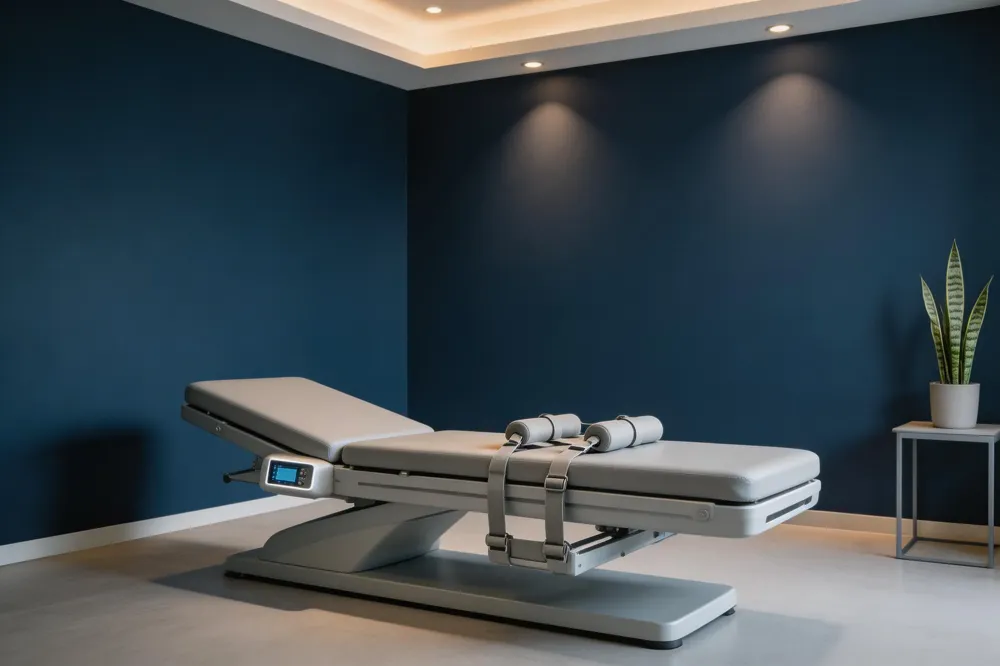
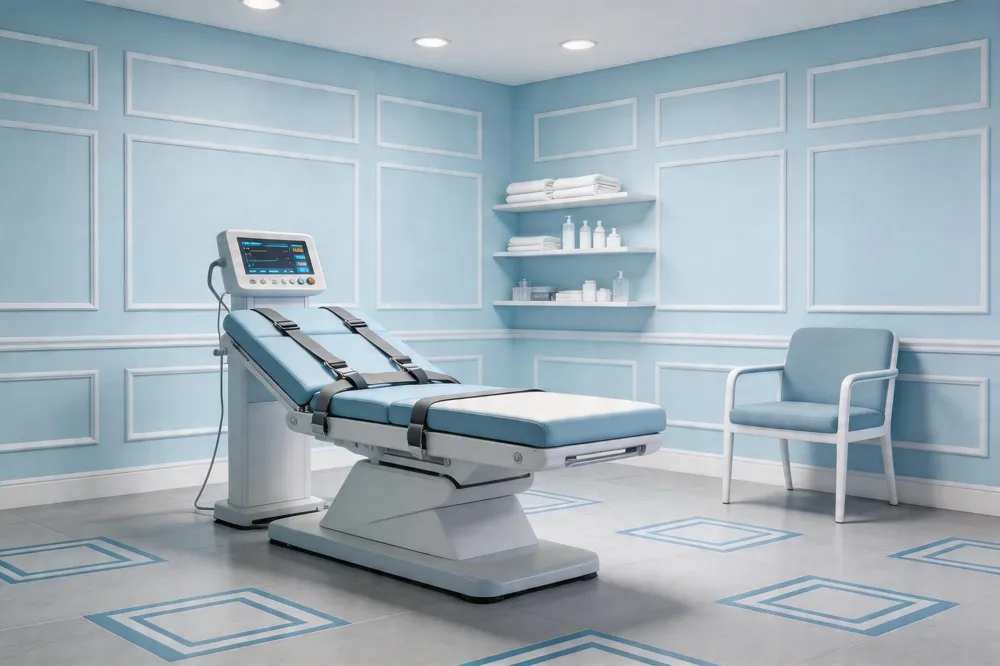
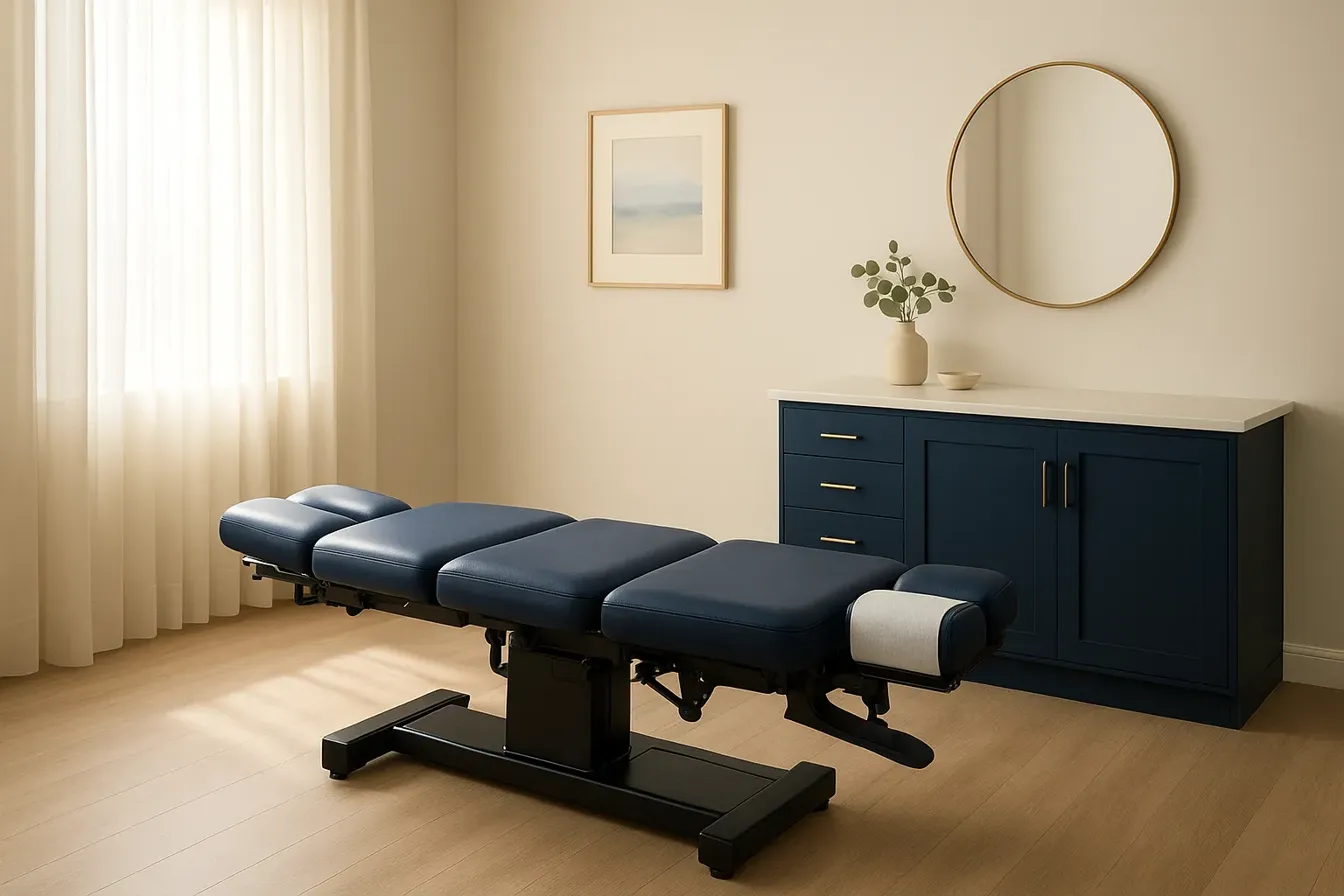
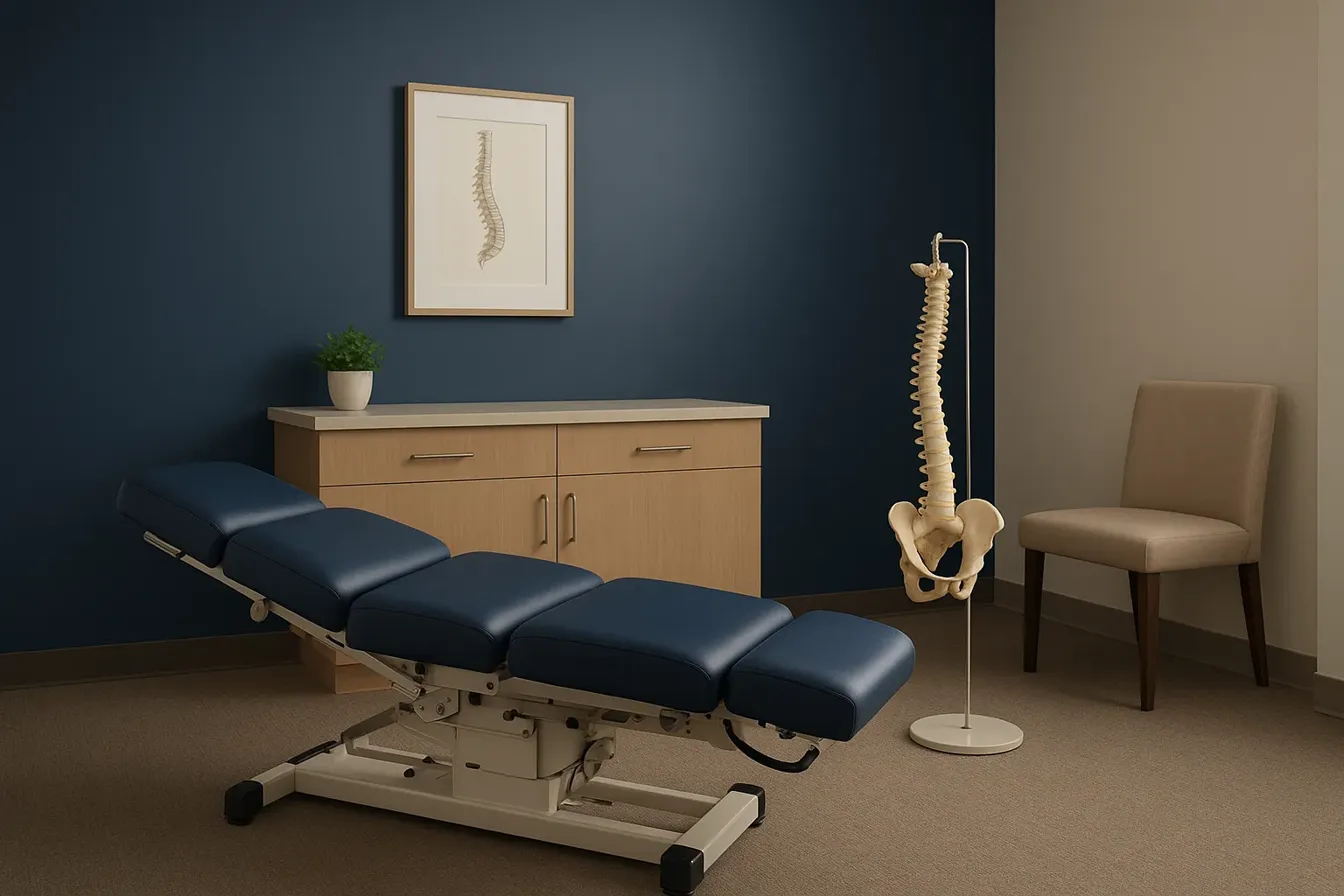
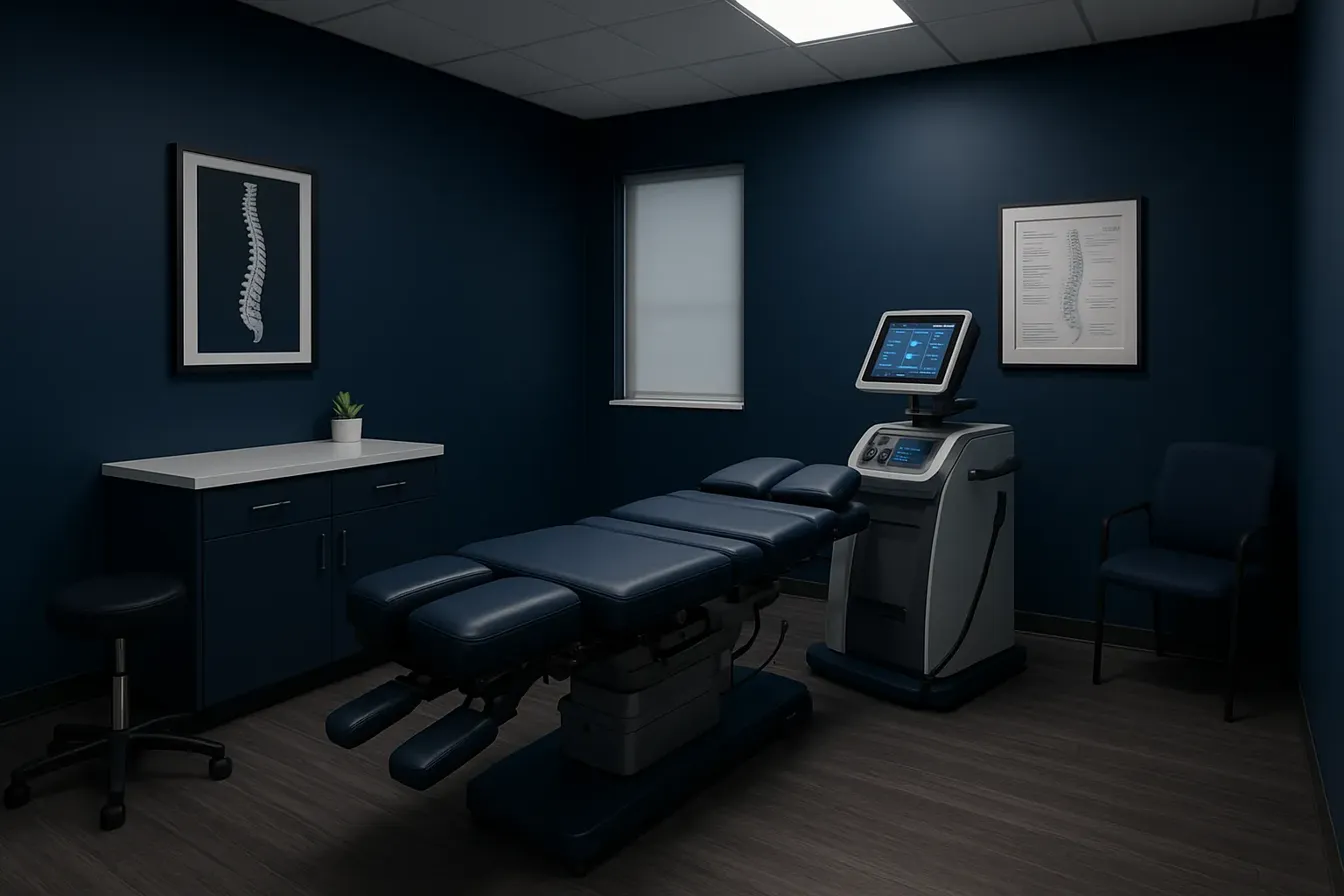
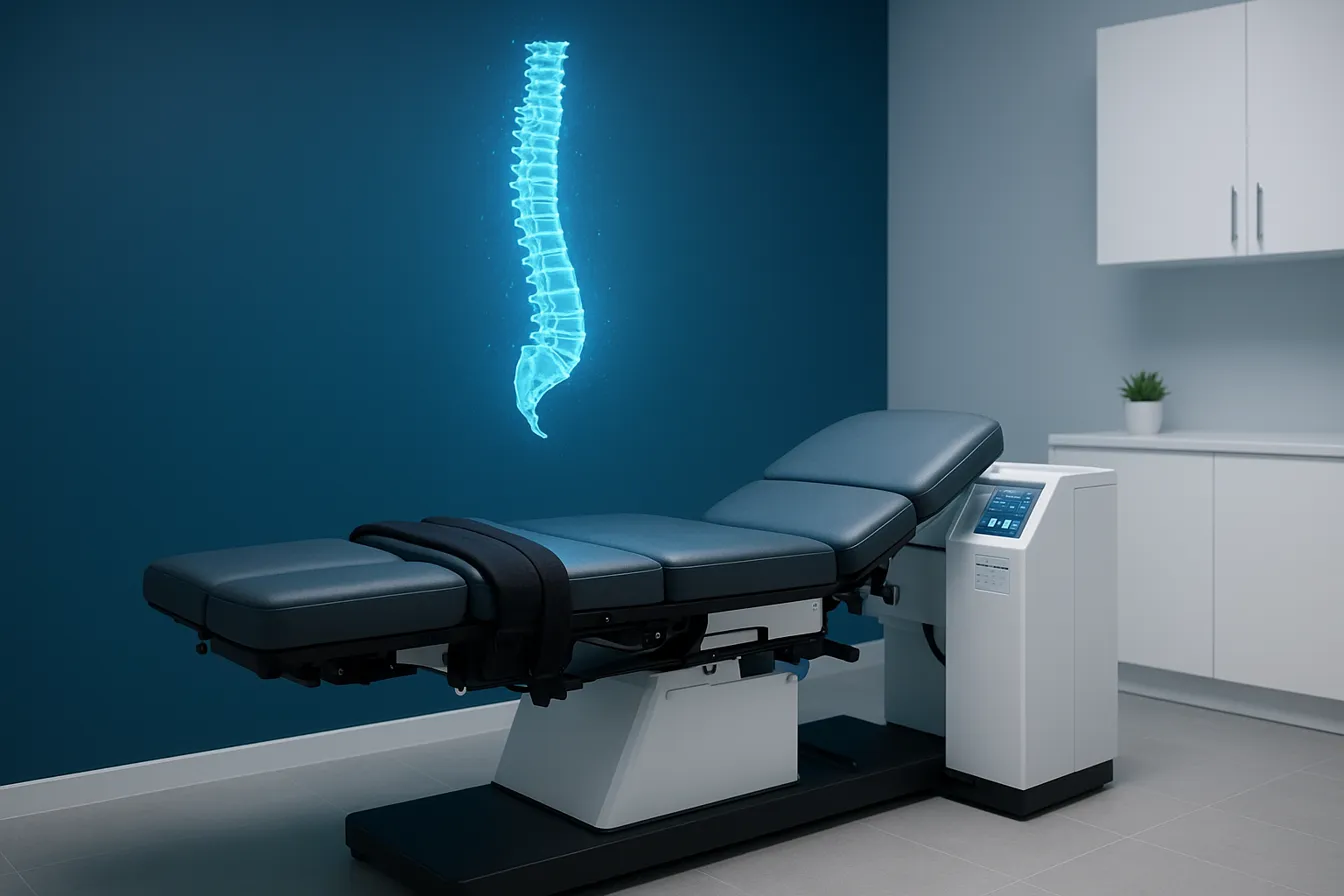
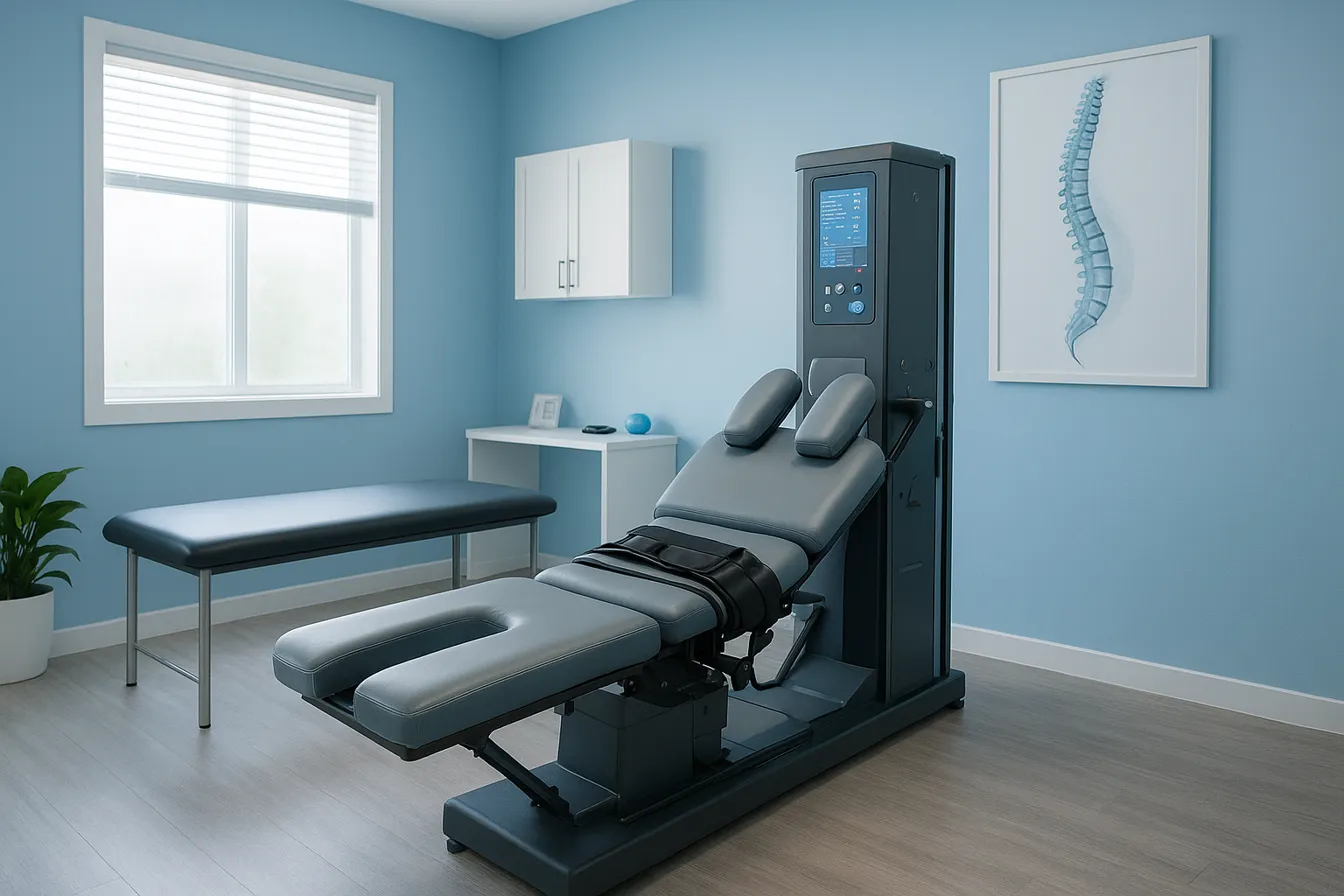
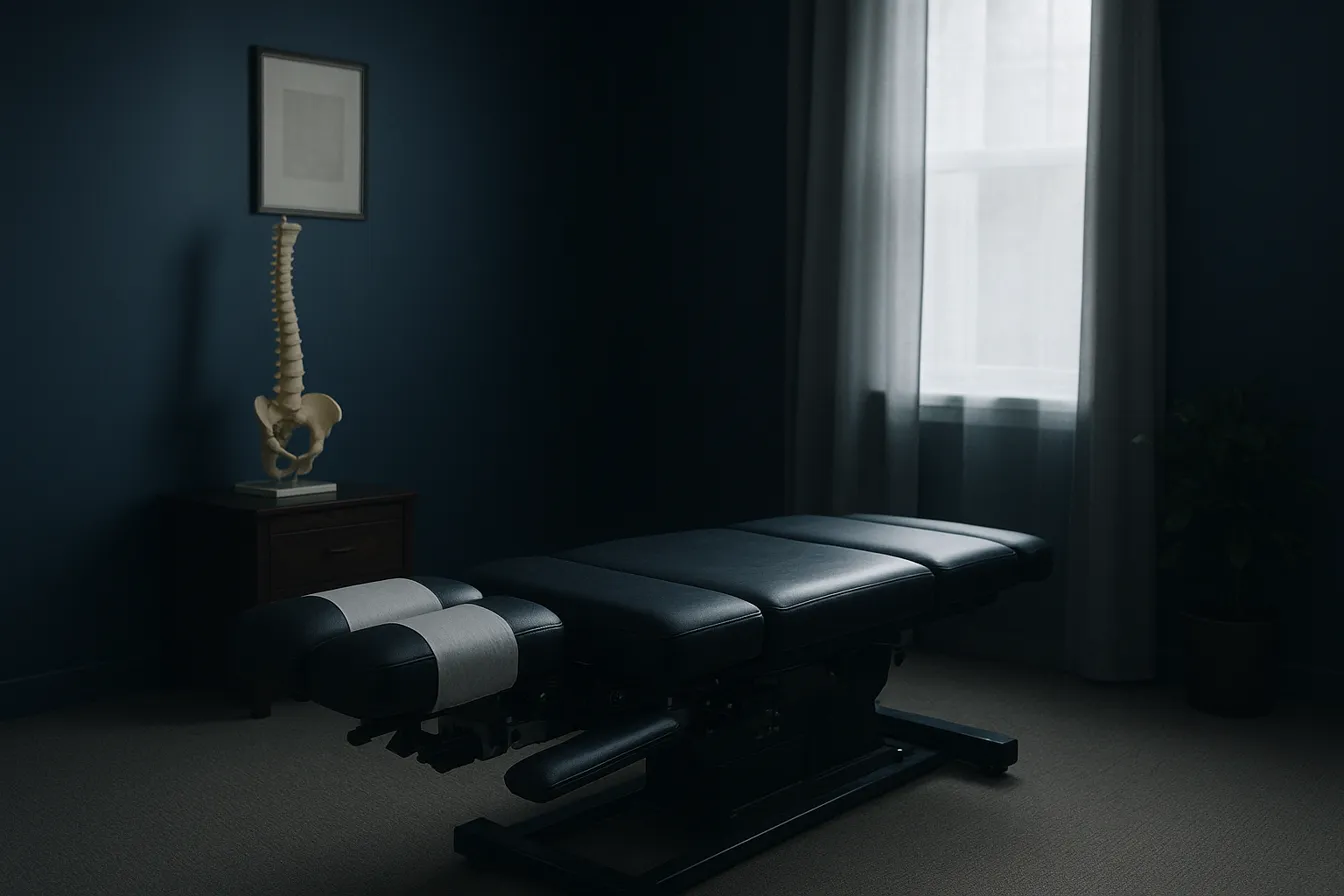
Spinal decompression therapy offers a non‑surgical, drug‑free alternative. Using a motorized traction table, the spine is gently stretched, creating negative pressure within the disc that encourages re‑hydration and retraction of herniated material. This reduces nerve root compression, improves blood flow, and supports natural healing. Sessions last 15‑30 minutes, 2‑3 times per week for 4‑6 weeks, and are often combined with core‑strengthening, stretching, and ergonomic counseling to promote lasting relief and spinal health, and promotes wellness, helping patients regain confidence in activities.
Mechanics of Decompression: From Negative Pressure to Nerve Relief

Motorized traction tables gently pull on the lumbar spine, creating negative intradiscal pressure that draws bulging disc material inward and re‑hydrates the nucleus pulposus. This pressure boost also improves local blood flow and reduces inflammatory mediators, supporting natural disc healing. Typical protocols involve 15‑30‑minute sessions, 2‑3 times per week for 4‑6 weeks, with individualized force settings based on height, weight, and imaging findings. Most patients experience only mild soreness or transient fatigue after treatment; rare side‑effects include brief tingling or temporary symptom flare‑up, which should be reported promptly. Benefits often last three to six months, especially when combined with core‑strengthening, posture correction, and regular chiropractic follow‑up. A spinal decompression machine—such as the DRX9000, Injex, or Spine‑Tech—delivers precise, computer‑controlled traction, making it a cornerstone of holistic, non‑surgical sciatica relief.
Clinical Success: Evidence, Success Rates, and Patient Outcomes
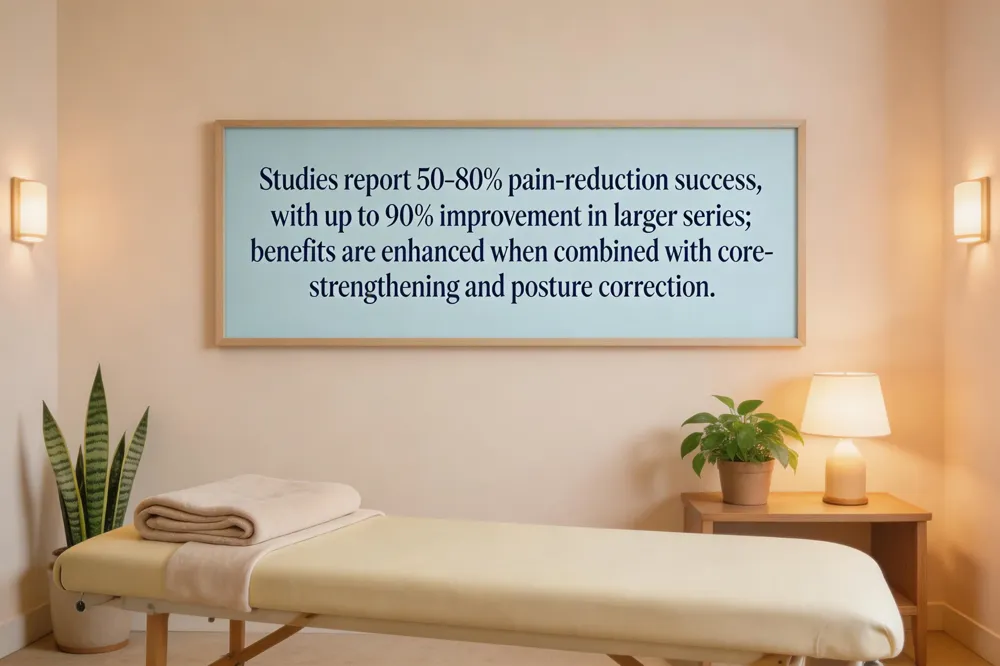
Spinal decompression therapy shows pain‑reduction success rates of roughly 50 %–80 % in peer‑reviewed studies, with larger case series reporting 70 %–90 % improvement. Compared to other conservative care such as standard chiropractic adjustments or physical therapy, decompression often yields faster relief of sciatica leg pain and better disc hydration, though it may require 10‑20 sessions. Long‑term outcomes are favorable when therapy is paired with core‑strengthening and posture correction; recurrence risk drops when patients maintain these habits. Pros and cons: non‑invasive, medication‑free, improves circulation and disc nutrition, but not suitable for severe osteoporosis, fractures, implants, or tumors and can be costlier than basic adjustments. Cost: $30‑$200 per session, typically $75‑$125; a full course (12‑30 sessions) totals $1,000‑$5,000, with limited insurance coverage. Individualized assessment ensures the best risk‑benefit balance.
Integrating Exercise: Home Stretches, Strengthening, and What to Avoid
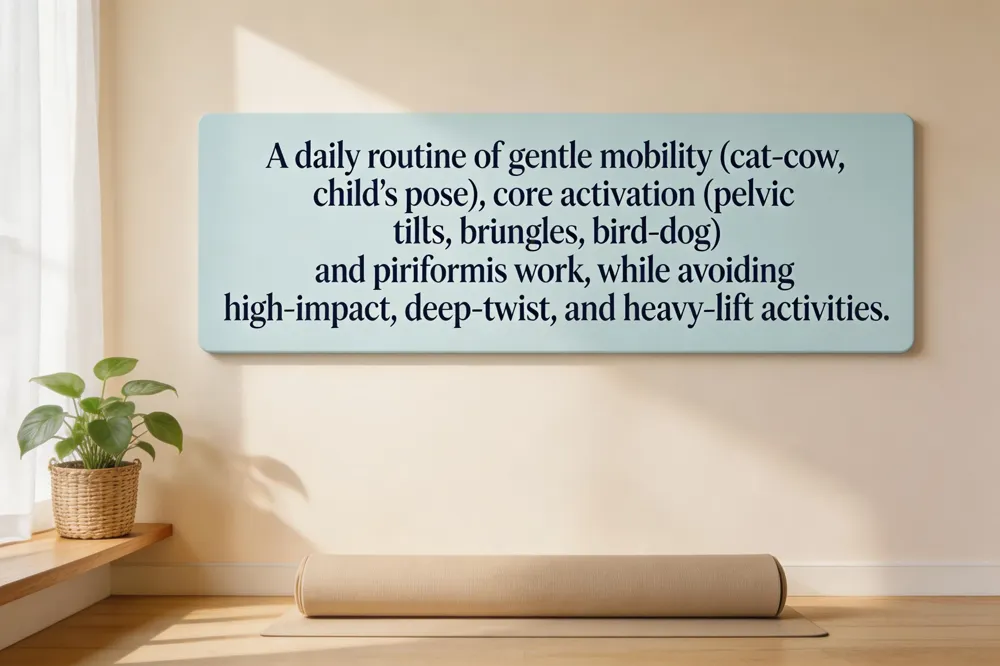
A balanced home program starts with gentle mobility moves—cat‑cow, Child’s pose, and knee‑to‑chest stretches—to increase lumbar flexibility and relieve tension. Follow with core‑strengthening routines such as pelvic tilts, bridges, bird‑dog, and plank variations that stabilize the lumbar spine and protect it during daily activities. For sciatica, add piriformis and seated twists to target the sciatic nerve’s pathway while maintaining neutral posture. Avoid high‑impact actions (jumping, jogging), deep twisting (Russian twists, sit‑ups), and heavy lifts (deadlifts, squats) that can aggravate disc irritation. Upper‑back health supports overall posture; include thoracic extensions, wall angels, and thread‑the‑needle rotations to improve shoulder‑blade mobility. Perform each stretch 5‑10 seconds, hold strengthening 5‑15 seconds, and repeat 2‑3 times daily for a holistic, patient‑centered approach to lower‑back and sciatica relief.
Holistic Care at Back in Action Bodyworks: Treatment Protocols and Patient Journey

Back in Action Bodyworks follows a structured 4‑6‑week spinal decompression program, typically 12‑18 sessions of 15‑30 minutes each, performed 2‑3 times per week. Every session is paired with gentle chiropractic adjustments, therapeutic massage, and targeted core‑strengthening exercises to enhance disc re‑hydration and nerve relief. Patients receive thorough education on posture, ergonomic workstation setup, and daily movement habits, empowering them to sustain results at home. Cost transparency is a priority: a single decompression session ranges $75‑$125, with full plans averaging $1,000‑$5,000; many insurers view it as experimental, so we offer package discounts and assist with navigation. For at‑home support, we recommend the American Chiropractic Association’s YouTube playlist for back‑exercise videos, which demonstrates safe stretches and strengthening routines that complement in‑clinic care.
Surgical Options vs Non‑Surgical Decompression: When Is Surgery Needed?
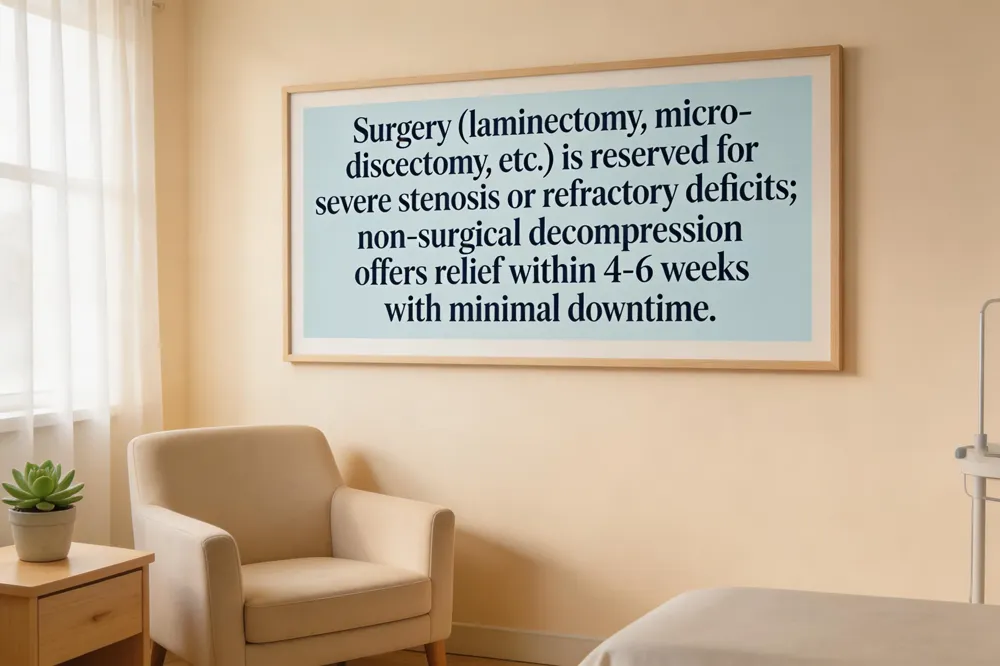
Spinal decompression surgery includes several procedures designed to enlarge the spinal canal or neural foramen and relieve pressure on the sciatic nerve. Common techniques are laminectomy (removing the lamina), laminotomy (partial lamina removal), foraminotomy (enlarging the nerve passage), and micro‑discectomy (extracting a herniated disc fragment). While surgery can give rapid, lasting relief, it carries risks such as infection, blood clots, dural tears, and rare serious complications like paralysis or significant blood loss. Patients are chosen after thorough imaging and trial of non‑surgical options—spinal decompression, chiropractic adjustments, core‑strengthening, and stretching—especially when pain persists beyond several weeks or neurological deficits worsen. Recovery typically requires weeks of limited activity and a longer rehab period, whereas non‑surgical decompression often improves symptoms within 4‑6 weeks with minimal downtime. Long‑term outcomes favor surgery for severe stenosis, but many achieve comparable relief through conservative, holistic care.
Maintaining Long‑Term Spine Health: Lifestyle, Posture, and Follow‑Up

After a course of spinal decompression, lasting relief depends on daily habits that nurture disc nutrition and alignment. Staying hydrated, eating a balanced diet rich in anti‑inflammatory nutrients, and avoiding prolonged static positions help the disc retain water and oxygen. Core‑strengthening routines—such as planks, bird‑dogs, and bridges—combined with flexibility work for the hamstrings, hip flexors, and glutes keep the lumbar spine stable and reduce repetitive stress on the discs. Ergonomic adjustments at work and home—proper chair support, monitor height, and occasional micro‑breaks for gentle movement—prevent the postural slouch that can reverse the benefits of therapy. Finally, schedule regular chiropractic or physical‑therapy check‑ins; these appointments allow the clinician to monitor progress, fine‑tune traction settings if needed, and reinforce the home‑exercise program, ensuring the spine remains healthy long after the initial decompression sessions.
Your Path to a Pain‑Free Life Starts With Informed Choices
Spinal decompression therapy gently stretches the lumbar spine, creating negative pressure that pulls herniated or bulging disc material away from the sciatic nerve. This reduces nerve compression, improves blood flow, and promotes disc re‑hydration, often leading to rapid relief from shooting leg pain, numbness and tingling. While the traction sessions provide the mechanical relief, lasting improvement hinges on a holistic approach: regular core‑strengthening exercises, targeted stretches (such as piriformis, knee‑to‑chest, and cat‑cow), ergonomic posture habits, and low‑impact aerobic activity. These lifestyle changes sustain disc health, prevent re‑compression, and enhance overall spinal stability. For a patient‑centered, evidence‑based plan, schedule a consultation at Back in Action Bodyworks, where chiropractors integrate decompression with personalized exercise and wellness guidance.
Recent articles
10 Real‑Patient Success Stories Showcasing the Impact of Chiropractic Care

Superfoods That Boost Nerve Healing After Chiropractic Sessions

Sleep Positions That Promote a Healthy Back Alignment
Signs Your Chiropractor Is a Good Fit for Your Back Pain Goals
Case Study: Integrated Physiotherapy and Chiropractic for Faster Recovery
First-Time Chiropractic Visit: A Step‑by‑Step Walkthrough
Synergistic Benefits: Combining Physiotherapy with Chiropractic Care
Beyond Surgery: Holistic Approaches to Managing Back Pain
How Manual Therapy Enhances the Effects of Chiropractic Adjustments

Hydration Hacks: Why Water Matters for Joint and Spine Function

What Does a Comprehensive Spinal Evaluation Include?
Success Spotlight: Transformative Results After Six Weeks of Chiropractic Treatment

Understanding the Initial Assessment Process in Chiropractic Care
Designing a Personalized Corrective Exercise Plan for Chronic Pain Management

Natural Pain Management: Combining Acupuncture, Yoga, and Chiropractic
Chiropractic Care vs. Pain Meds: Long-Term Outcomes for Back Pain Sufferers

What to Expect During a Sciatica‑Focused Decompression Session
Understanding the Pain-Relief Mechanics Behind Chiropractic Adjustments
Success Rates of Non‑Surgical Spinal Decompression for Sciatica

Patient-Centered Chiropractic Care: Personalized Plans for Back Pain Relief
How Chiropractic Treatments Reduce Inflammation and Speed Up Back Pain Recovery

Real‑Life Stories: How Chiropractic Helped Patients Overcome Chronic Back Pain
From Symptom Masking to Root‑Cause Healing: A Practical Guide

6 Holistic Non‑Surgical Treatments That Deliver Sustainable Back‑Pain Relief
Key Questions to Ask When Selecting Your Chiropractor
Mindful Movement: Incorporating Stretch Breaks Into a Busy Day

Why Targeting the Underlying Cause Beats Temporary Symptom Relief
8 Ways Physiotherapy Complements Chiropractic Adjustments for Faster Recovery
Meal Planning for Athletes Recovering from Back Injuries

9 Everyday Lifestyle Tweaks to Preserve a Healthy Spine and Prevent Pain

Functional Movement Screening for Root‑Cause Pain Identification

6 Things You’ll Experience During Your First Chiropractic Appointment

Spinal Decompression vs. Standard Physical Therapy for Sciatica: A Comparative Review

New Findings on How Adjustments Influence Blood Circulation
Work‑From‑Home Ergonomics: A Blueprint for a Pain‑Free Back

The Link Between Chiropractic Care and Improved Sleep Quality

Physiotherapy Techniques That Strengthen the Benefits of Chiropractic Adjustments

Biomechanical Insights Behind Successful Spinal Decompression

Desk‑to‑Dumbbell: Lifestyle Shifts That Guard Your Lower Back
10 Corrective Exercises for Sustainable Pain-Free Living

Morning Routines That Support Spine Health and Reduce Stiffness

Calcium and Magnesium‑Focused Nutrition for Bone Density and Spine Health

9 Ways Chiropractic Care Transforms Back Pain Management
Testimonial: Nutrition‑Guided Recovery Accelerated by Chiropractic
Science‑Backed Spinal Decompression for Relieving Sciatica Symptoms

Key Questions to Ask During Your Initial Chiropractic Consultation
Whole‑Body Wellness Blueprint: Nutrition, Exercise, and Chiropractic Synergy
A 12‑Week Corrective Exercise Blueprint for Chronic Neck Discomfort

Manual Therapy Plus Targeted Exercise: Accelerating Post‑Injury Recovery
Home‑Based Spinal Decompression Devices: What Patients Should Know
Chiropractic Care Statistics: Reducing Lost Workdays From Back Pain

How Targeted Nutrition Enhances Immune Function and Lowers Inflammatory Pain
Self‑Assessment Tools to Identify Hidden Triggers of Back Pain
Preparing for Your First Chiropractic Appointment: A Practical Checklist

Back Pain Relief Benefits: Lower Opioid Use and Better Quality of Life

Foam‑Rolling Techniques to Complement Chiropractic Adjustments
Progressive Overload Principles in Corrective Exercise Programs

Six‑Month Transformation: Integrated Care Success Story

7 Nutritional Hacks to Boost Your Overall Wellness

How to Choose a Chiropractor: Credentials, Techniques, and Patient Compatibility
5 Ways Spinal Decompression Can Ease Sciatica Pain

Overcoming Sciatica: A Patient’s Multidisciplinary Treatment Journey
Lifestyle Changes That Promote a Healthy Spine
Physiotherapy as a Complement to Chiropractic Treatments
6 Ways Physiotherapy Enhances Chiropractic Treatment Outcomes
Daily Living Tips for a Strong and Healthy Spine
How Physiotherapy Enhances Chiropractic Outcomes
Holistic Treatments: Alternatives to Surgery for Pain Relief
Inspiring Patient Success Stories from Chiropractic Clinics
Integrating Physiotherapy with Chiropractic Treatments
Corrective Exercise Routines for Chronic Pain Prevention
10 Corrective Exercises to Maintain a Healthy Spine and Relieve Pain
Exercise Strategies for Long-Term Pain Management
10 Corrective Exercises to Maintain a Healthy Spine and Relieve Pain
The Importance of Treating the Root Cause of Pain
Nutritional Support Strategies for Whole-Body Wellness
7 Essential Questions to Ask When Choosing Your Chiropractor
Identifying and Addressing Root Causes of Pain
Maintaining a Healthy Spine with Lifestyle Adjustments
Sciatica Symptom Relief via Spinal Decompression
8 Reasons Why Addressing the Root Cause of Pain Is Crucial
Chiropractic Care’s Impact on Back Pain Recovery
Combining Physiotherapy with Chiropractic Care for Better Results
Inspiring Recovery: Chiropractic Patient Testimonials
Nutritional Counseling Tips for Optimal Wellness

Why Addressing the Root Cause of Pain is Crucial
Back Pain and Chiropractic Care: A Winning Combination
Chiropractic Care Benefits You Might Not Know
Exploring Holistic and Non-Surgical Treatments for Pain
Spinal Health: Lifestyle Tips for Everyday Wellness
Spinal Decompression Therapy: Benefits and Applications
Holistic and Non-Invasive Spine Care Options
Everyday Lifestyle Advice to Keep Your Spine Healthy
The Significance of Treating Root Causes in Pain Therapy
Best Corrective Exercises for Sustainable Pain Management
Addressing Underlying Causes of Pain for Long-Term Relief
6 Key Benefits of Spinal Decompression Therapy for Sciatica Relief
How Nutritional Counseling Supports Spine Health and Recovery
The Role of Physiotherapy in Supporting Chiropractic Treatments