What to Expect During a Sciatica‑Focused Decompression Session
April 21, 2026
7 min

A Holistic View of Sciatica Decompression
Spinal decompression is often selected for sciatica because it offers a non‑surgical, low‑force way to create negative pressure in the intervertebral disc, encouraging re‑hydration and allowing bulging material to retract, thereby relieving pressure on the sciatic nerve. A chiropractor guides the process, performing a thorough intake, reviewing imaging, and customizing traction force and angle to each patient’s anatomy and symptom profile. The decompression session—typically 15‑30 minutes, 2‑4 times per week—fits into a broader, patient‑centered plan that blends gentle traction with targeted stretches, core‑strengthening exercises, ergonomic counseling, and occasional manual adjustments, promoting natural healing and long‑term spinal wellness.
Preparing for Your First Decompression Appointment
Before you lie on the traction table, the chiropractor conducts a thorough initial evaluation to pinpoint the source of your sciatica. This begins with a detailed health history and a physical exam that checks spinal mobility, reflexes, strength, and nerve tension. Imaging studies—often X‑rays, MRI, or CT scans—are reviewed to confirm disc herniation, spinal stenosis, or other structural issues that may be compressing the sciatic nerve.
Safety screening is a critical step; the practitioner screens for contraindications such as severe osteoporosis, recent spinal fractures, tumors, infection, pregnancy, or implanted devices. Patients with these conditions are referred for alternative care.
During the session, the chiropractor may combine gentle spinal adjustments, soft‑tissue work, and controlled mechanical traction to relieve pressure on the affected nerve root. This holistic, patient‑centered approach emphasizes natural pain relief without medication or surgery.
What does a chiropractor do for lower back pain? The chiropractor creates a personalized treatment plan that includes manual adjustments, therapeutic exercises, ergonomic advice, and, when appropriate, spinal decompression to restore joint mobility and reduce nerve irritation.
Is chiropractic safe for lower back pain? When performed by a licensed professional, spinal manipulation is generally safe, with most side‑effects limited to mild, temporary soreness that resolves within days. Serious complications are rare.
Disadvantages of chiropractic? Potential downsides include short‑term soreness, rare serious events such as vertebral‑artery dissection (more common with high‑velocity neck manipulations), and possible out‑of‑pocket costs if insurance coverage is limited. Patients with severe osteoporosis or spinal tumors may not be suitable candidates.
The Decompression Session: What You Feel and See

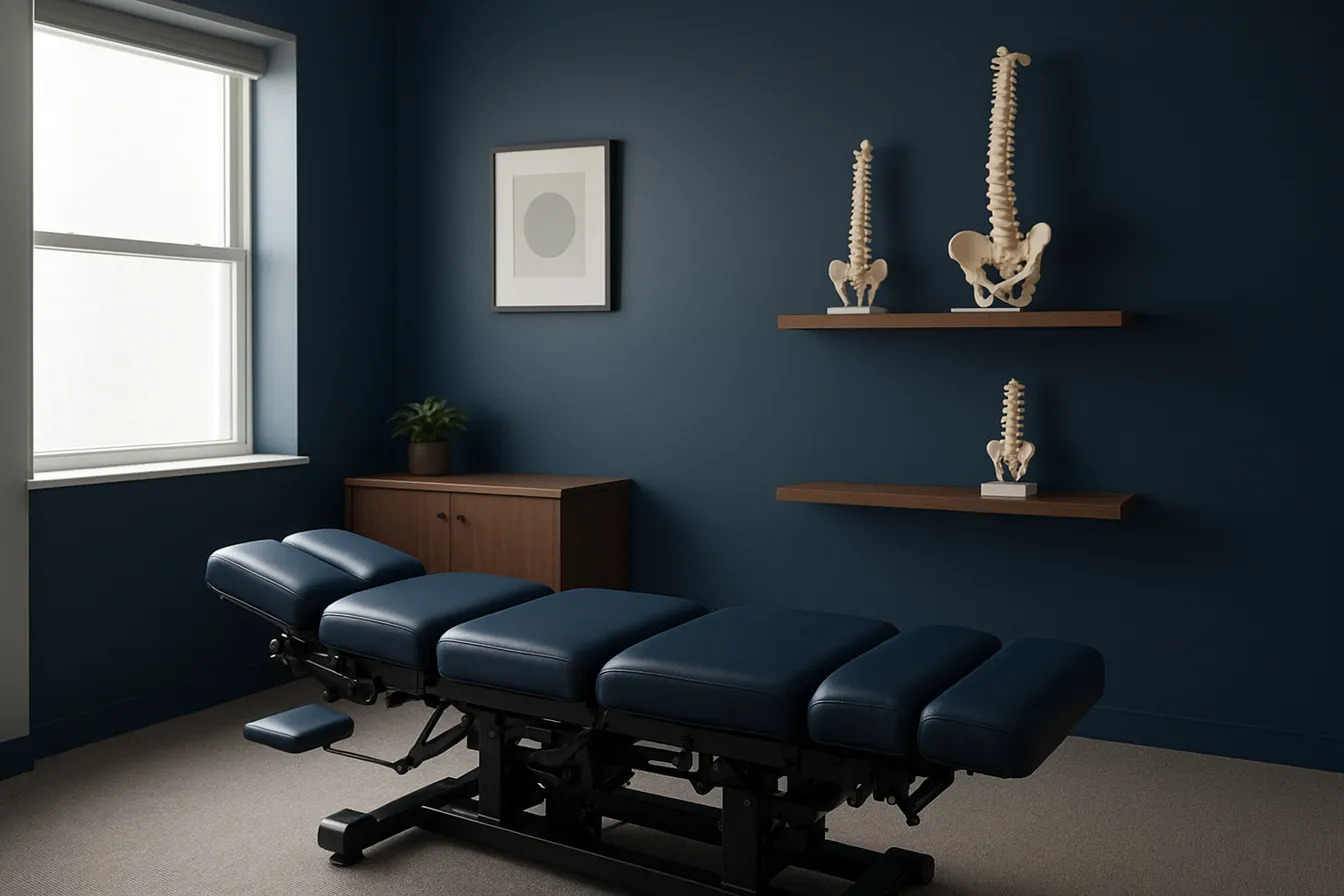
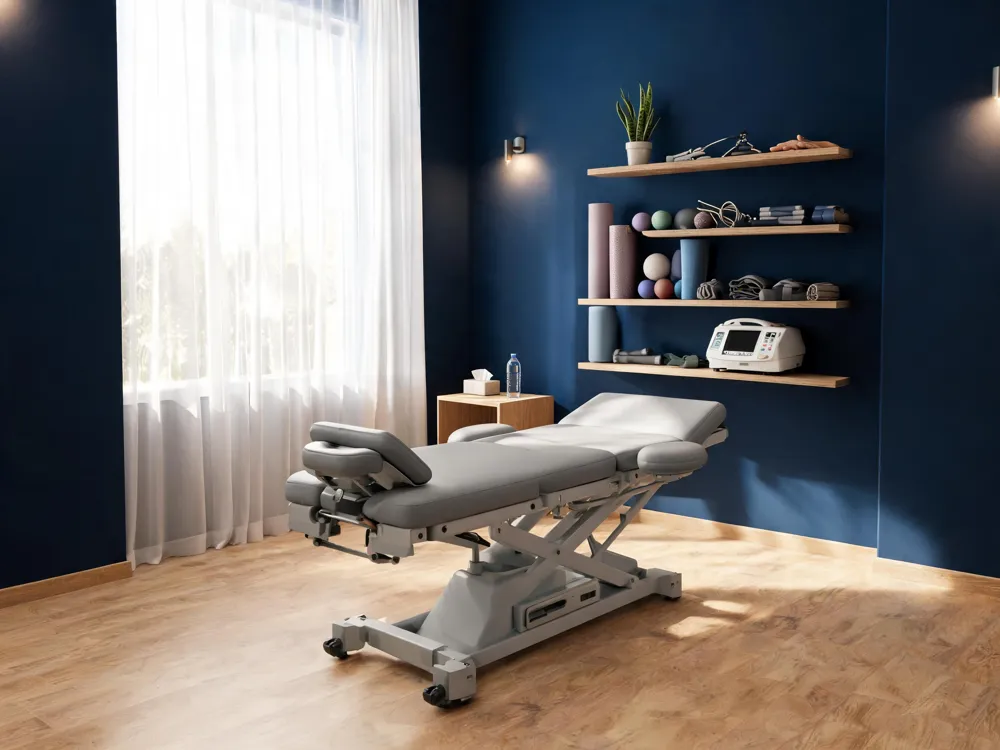
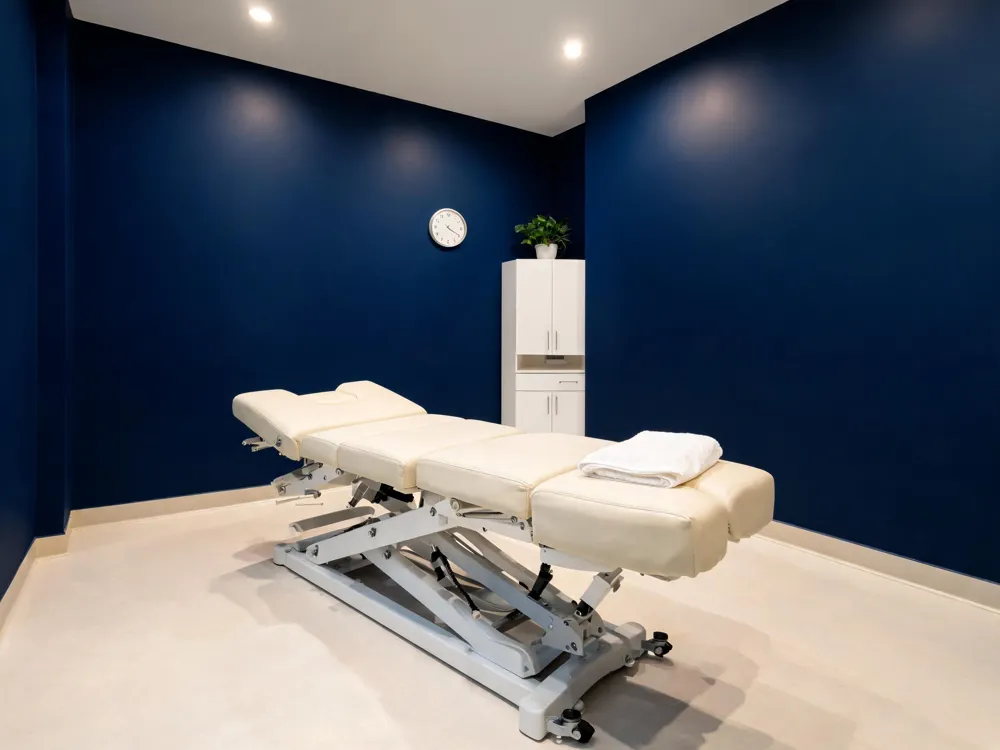
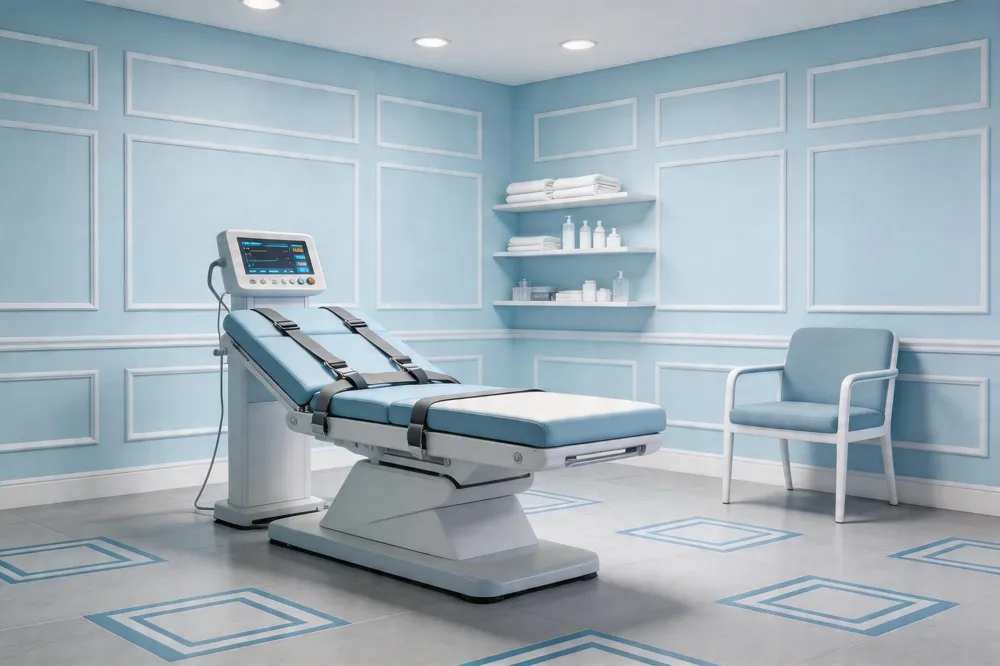
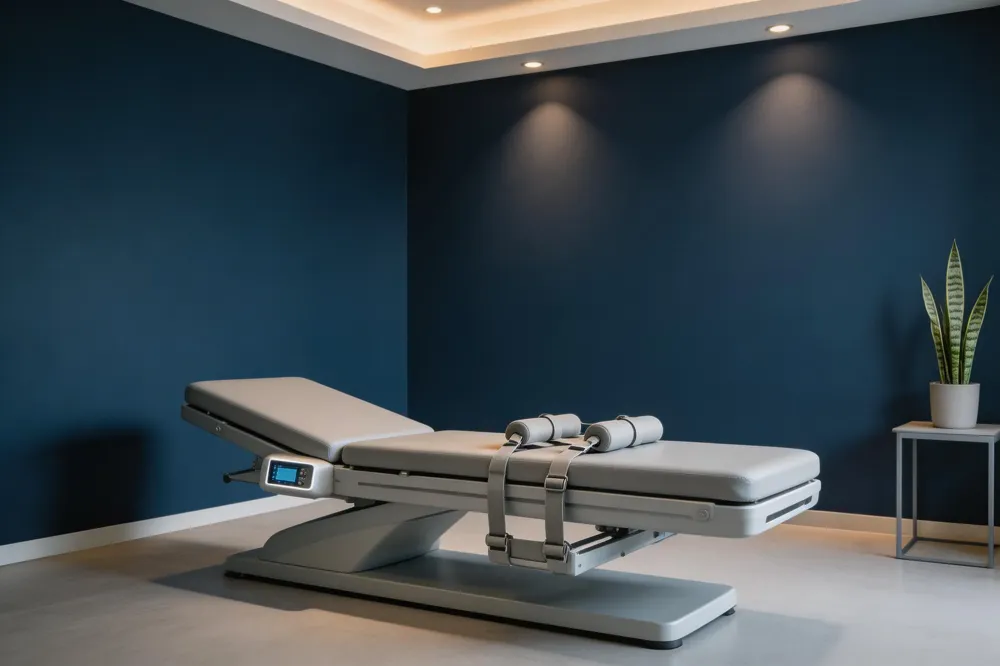
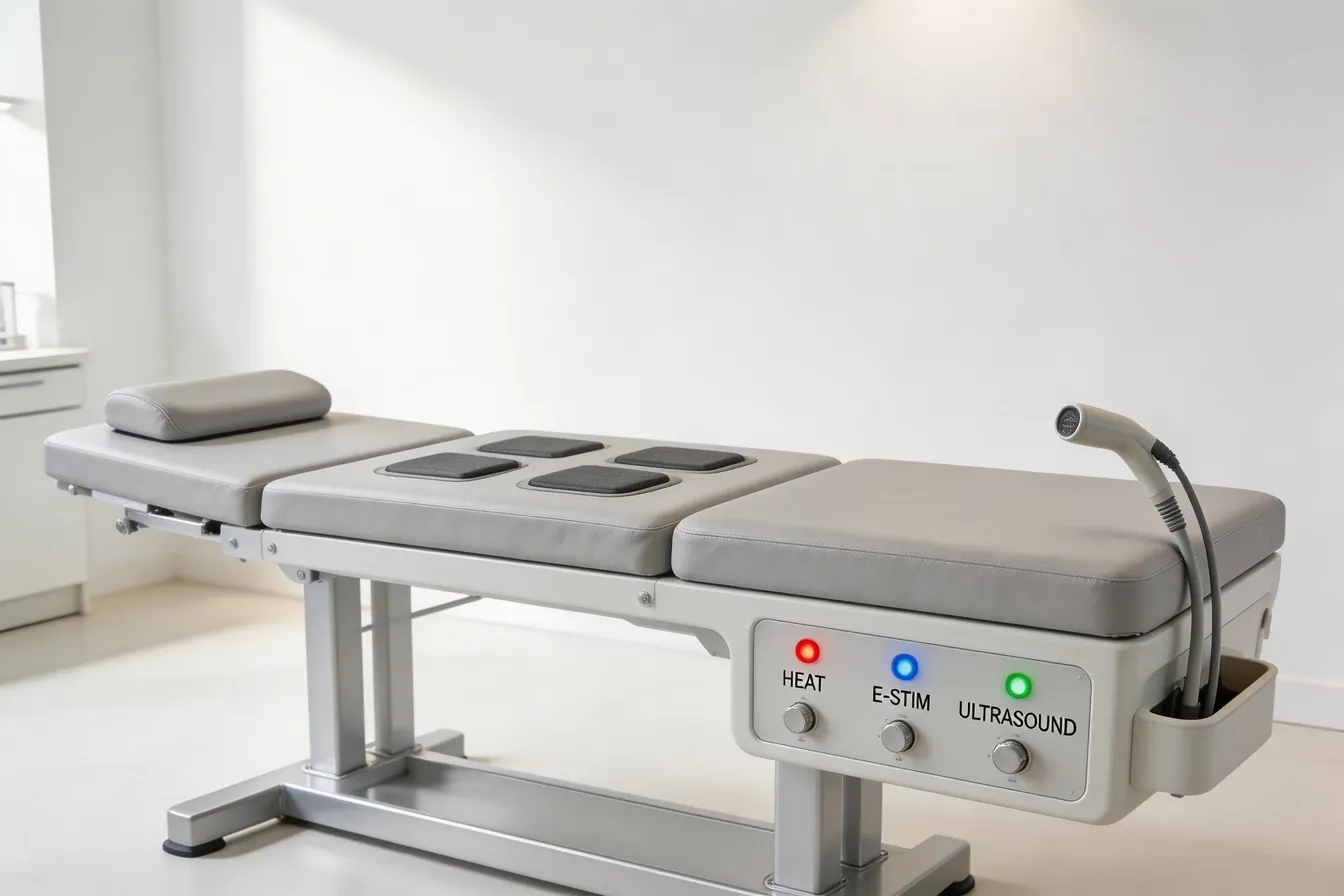
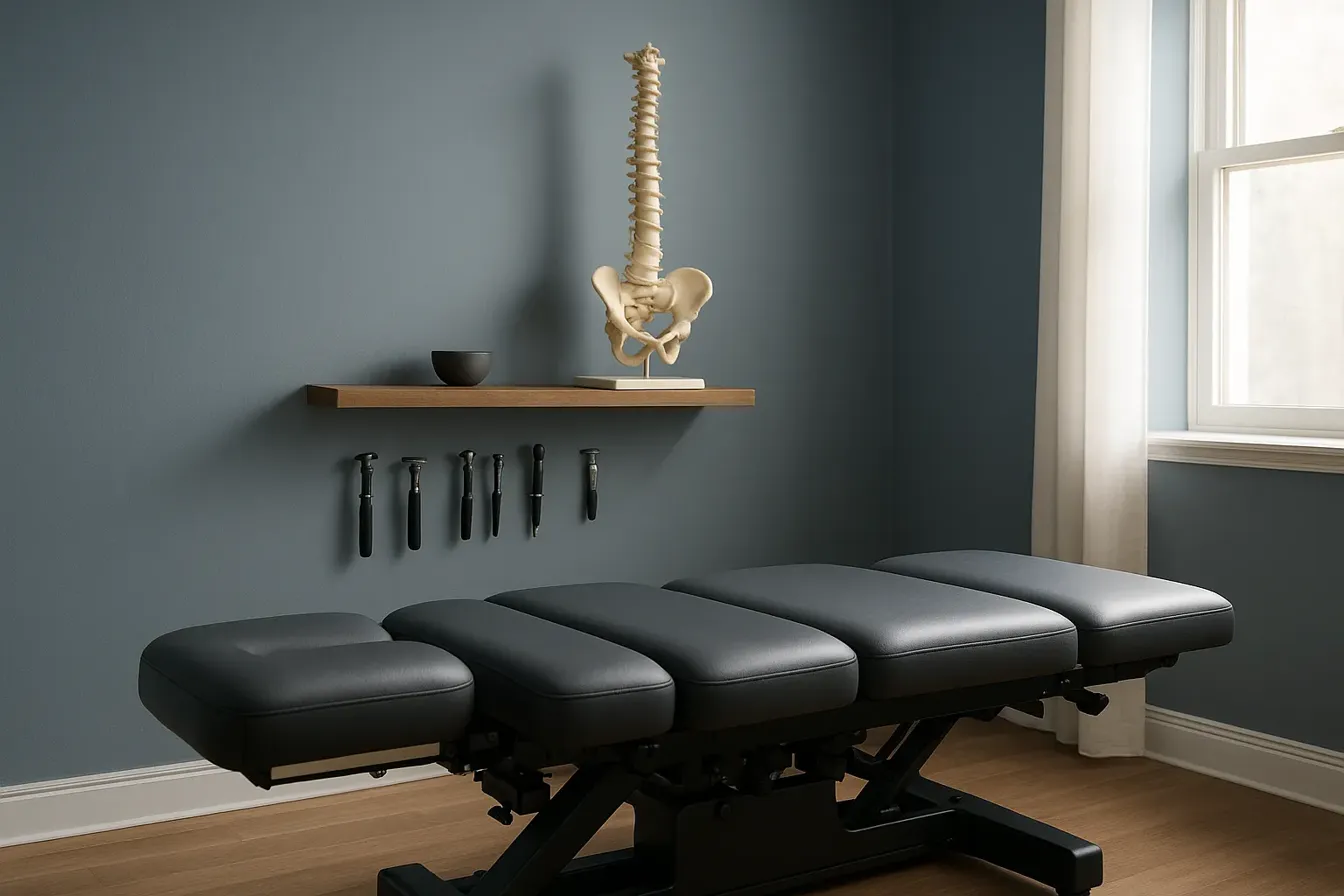
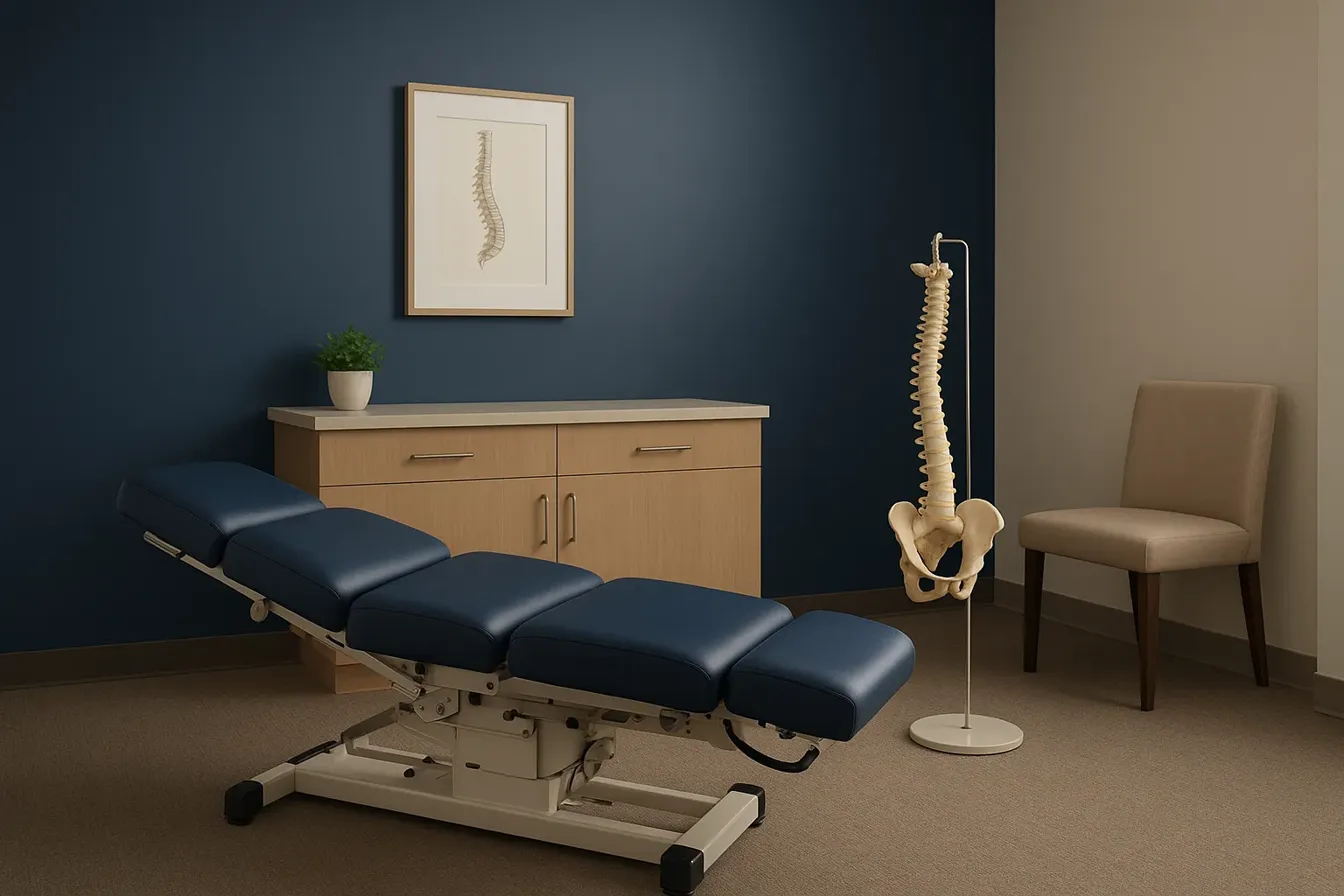
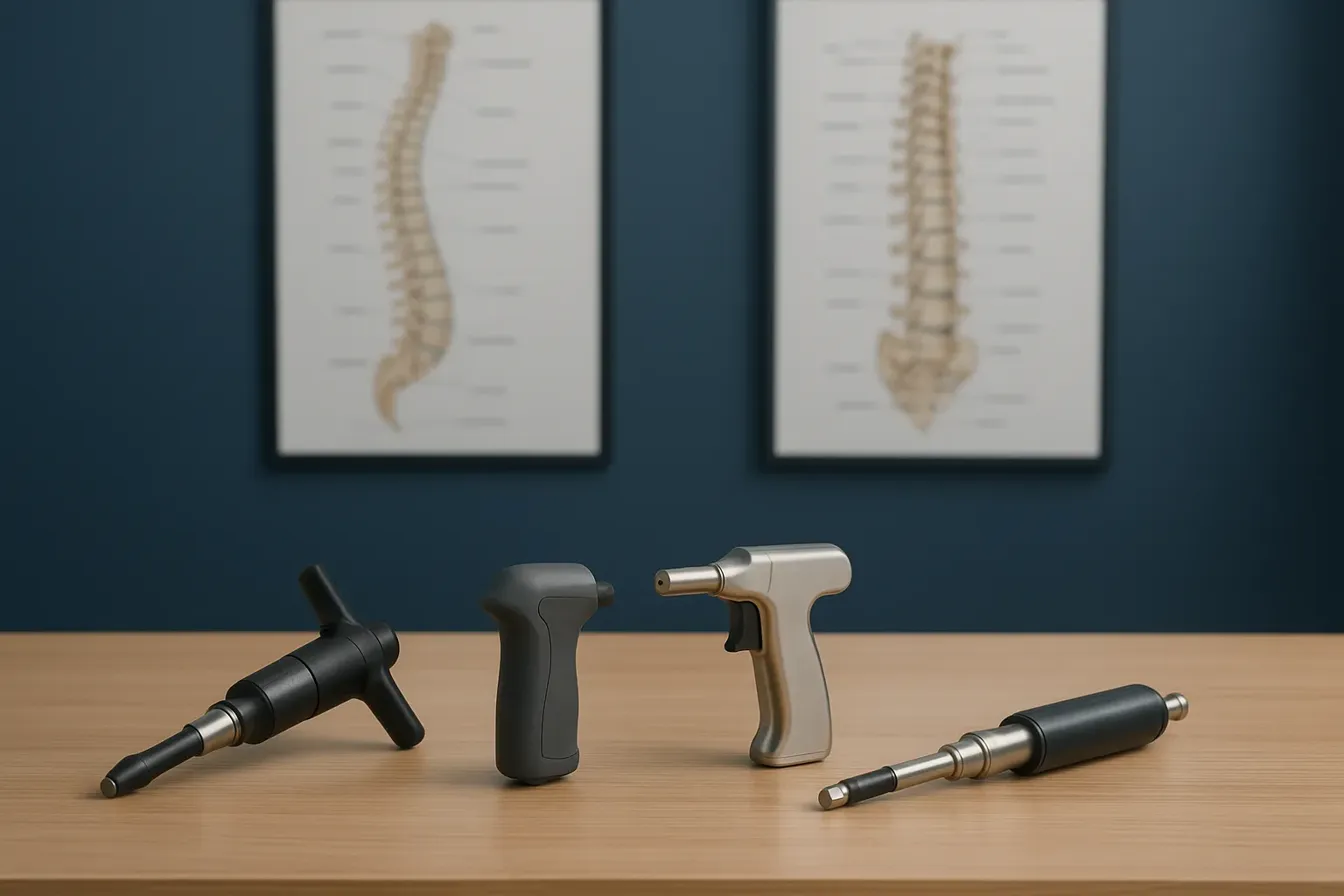
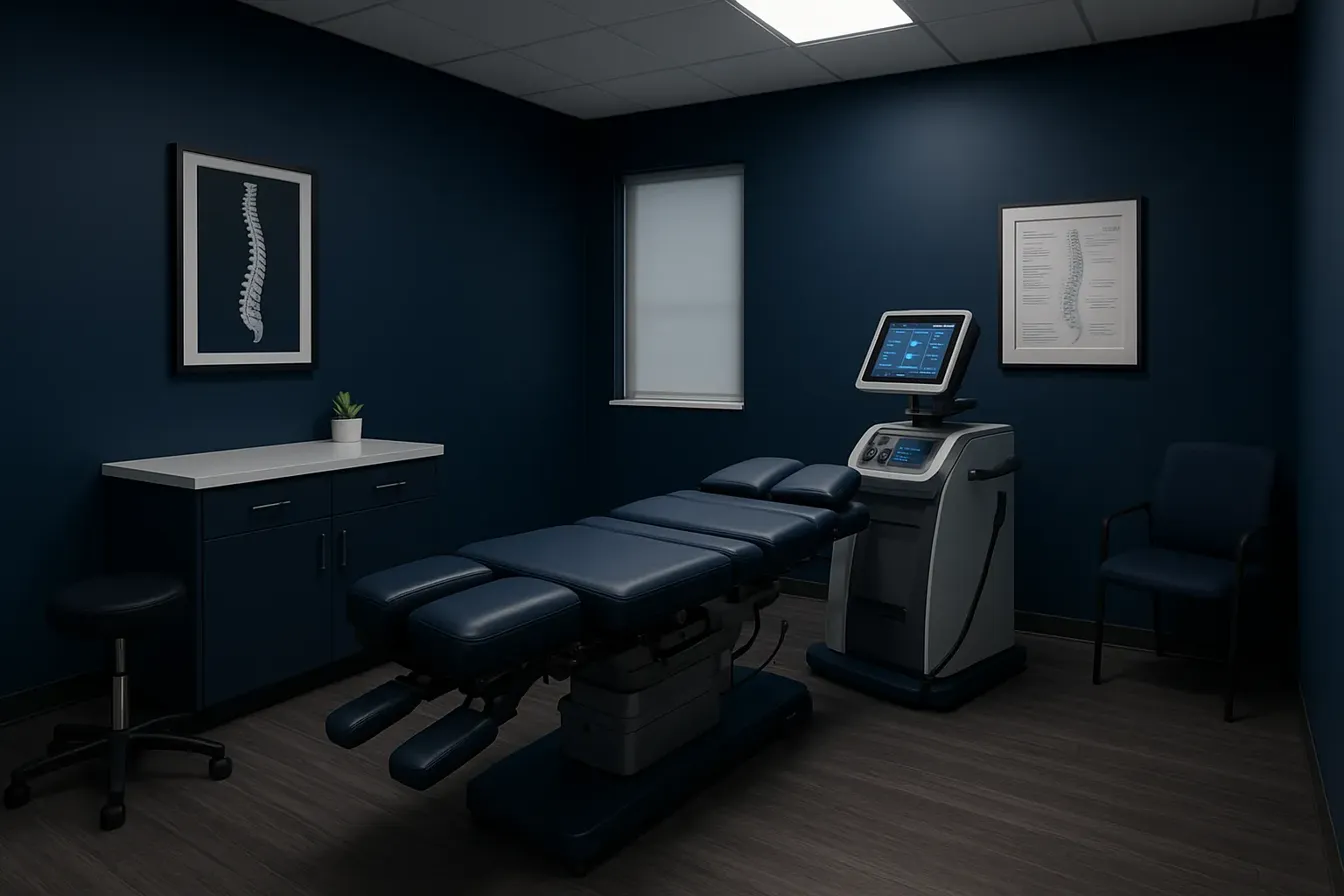
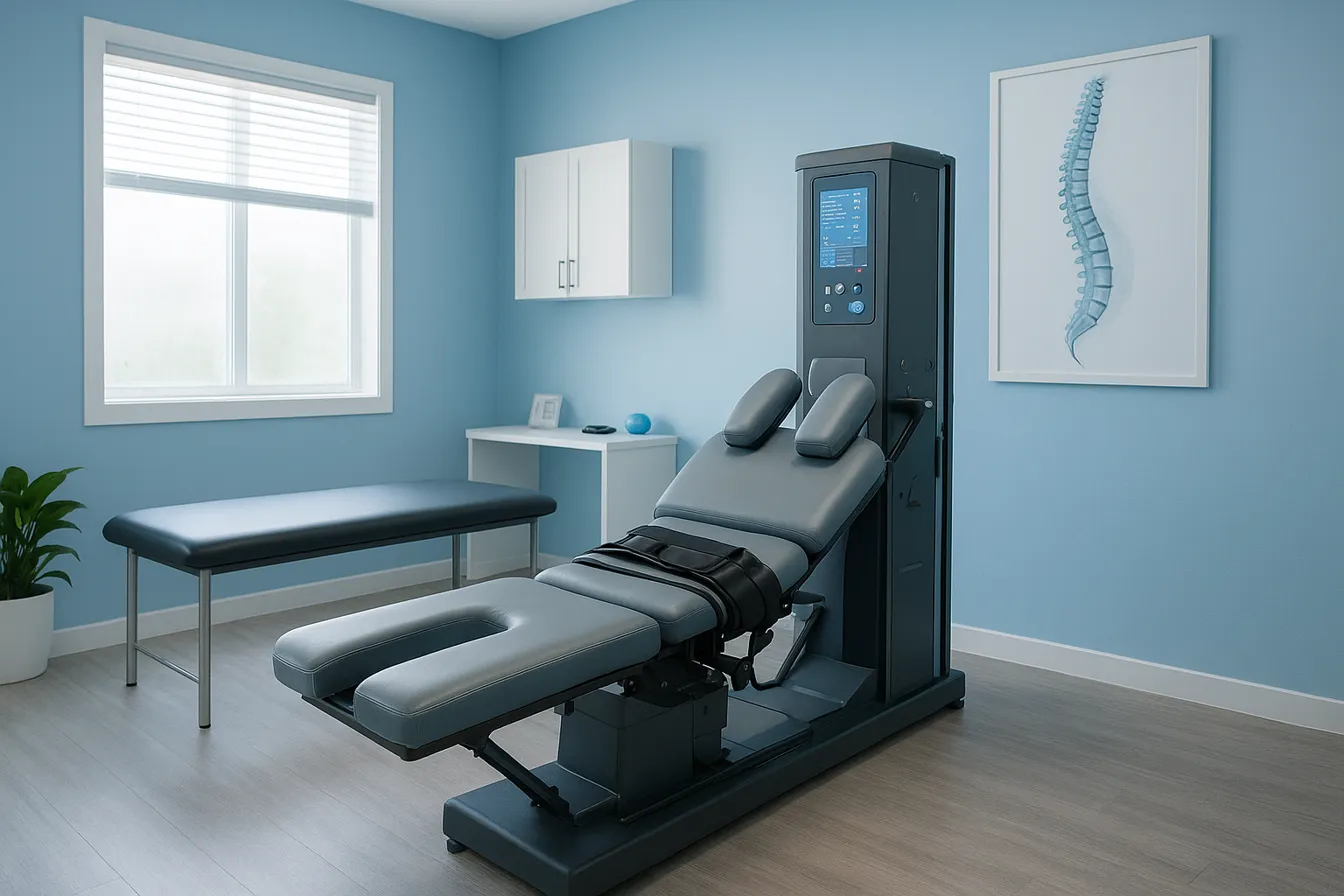
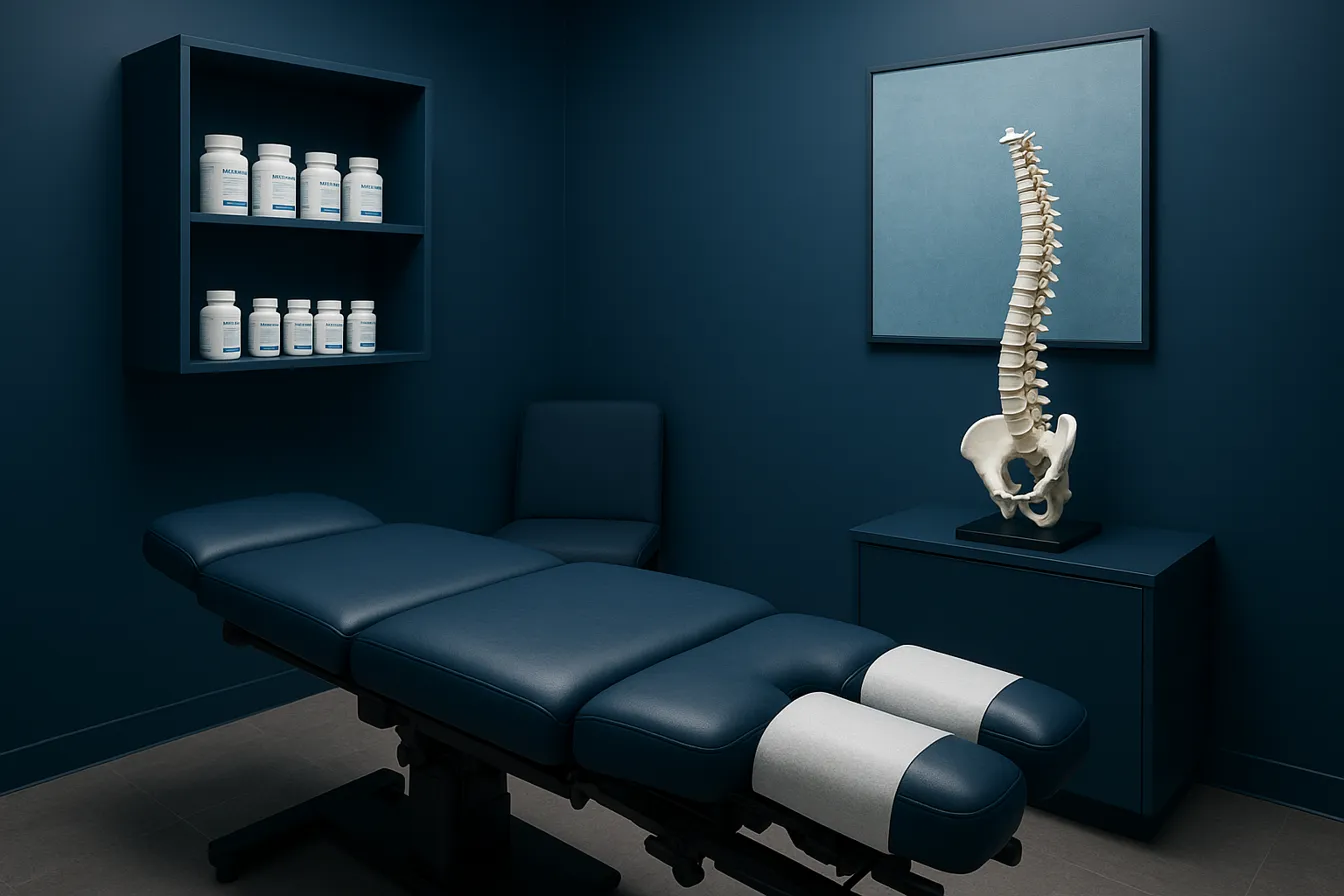
During a spinal‑decompression appointment the patient lies on a motorized traction table—such as the Kennedy Decompression Table, Triton DTS, or DRX9000—wearing loose clothing and a secure harness that stabilizes the pelvis and trunk. The therapist positions the patient face‑down or side‑lying, adjusts the table to target the specific lumbar level identified on X‑ray or MRI, and sets the traction force (often 5‑15 mm of distraction).
As the cycle begins, a gentle pulling sensation is felt in the lower back, sometimes described as a light stretch or a mild tug. Patients may notice a subtle warmth or a faint tingling as blood flow and nutrient exchange increase within the disc. The motion is rhythmic—alternating periods of traction and relaxation—so the experience remains comfortable and non‑painful.
Throughout the session the chiropractor monitors the patient’s feedback, muscle tension sensors, and pain levels, making real‑time adjustments to force, angle, or duration to keep the stretch within a comfortable range. If discomfort rises, the cycle is stopped and settings are recalibrated.
Spinal decompression for sciatica at home – True spinal decompression requires a motorized table under professional supervision, but home analogues include gentle stretches like the knee‑to‑chest pose, cat‑cow movements, and overhead reaches that create mild spinal elongation. Consistent practice (20‑30 seconds per stretch, several times a day) can mimic the spacing effect and prepare the spine for professional therapy.
Is decompressing the spine good for sciatica? – Yes—spinal decompression gently creates space between vertebrae, reducing pressure on the irritated sciatic nerve and encouraging disc rehydration. Clinical studies report high success rates when the therapy is part of a stepped‑care approach, though contraindications such as severe osteoporosis or spinal tumors must be ruled out first.
Sciatica decompression exercises – Home exercises that support decompression include the cat‑cow stretch, gentle lumbar flexion (knee‑to‑chest or child's pose), piriformis stretches, and diaphragmatic breathing to keep core muscles relaxed. These movements promote disc hydration and relieve nerve tension, and can be combined with supervised therapy for deeper benefit.
Post‑Session Care and Immediate Relief Strategies

After a spinal‑decompression or chiropractic adjustment, patients often wonder how to manage soreness, stay hydrated, and keep the benefits flowing.
Managing soreness and inflammation – Mild muscle tension or a low‑grade ache is common and typically subsides within 24‑48 hours. Apply a cold pack for the first 24 hours if swelling is present, then switch to a warm compress or a short hot shower (15‑20 minutes) to relax tight tissue. Gentle walking and light‑intensity activity help maintain circulation without over‑loading the spine.
Hydration and nutrition – Drinking plenty of water supports the disc‑re‑hydration process created by the negative‑pressure vacuum effect of decompression. A balanced diet rich in anti‑inflammatory foods (omega‑3 fats, leafy greens, berries) further reduces swelling and supplies nutrients for tissue repair.
Home exercises and stretches – Follow the chiropractor’s prescribed routine: dynamic lumbar stretches, seated piriformis or knee‑to‑opposite‑shoulder pulls (hold 30 seconds), and core‑stabilizing drills. Avoid heavy lifting or prolonged sitting for the first day, and keep moving with short walks to prevent stiffness.
Immediate relief for Sciatica – Use an ice pack on the painful leg for 15‑20 minutes several times daily, then transition to heat after 72 hours. Over‑the‑counter NSAIDs may help, but a thorough chiropractic evaluation ensures long‑term, drug‑free relief.
Exercise Programs and Home Stretches for Ongoing Relief

A well‑rounded home program complements the spinal decompression sessions you receive at the clinic and helps sustain the space created for the sciatic nerve.Core activation and glute strengthening – Begin each routine with a brief core cue (engage the abdominal wall) then move to glute bridges, holding the lift for 5‑30 seconds while keeping the pelvis neutral. This posterior‑chain activation supports lumbar stability and reduces the repetitive load that can re‑irritate the nerve.Specific sciatica stretches – Adopt the following sequence: 1) knee‑to‑chest stretch (20‑30 seconds each leg), 2) seated piriformis stretch (ankle on opposite knee), 3) lying hamstring stretch with a raised leg, 4) standing quadriceps stretch, 5) reclining pigeon pose, 6) kneeling “knees to opposite shoulder,” and 7) seated spinal twist. Hold each for 15‑30 seconds, repeat 2‑3 times per side, and stop if sharp pain occurs. Integration with professional therapy – After a spinal decompression session, the therapist may recommend a short home‑stretch block and a gentle glute‑strengthening set. Use a foam roller or tennis ball to release tight lumbar muscles, then follow the stretch routine above. Apply heat before stretching to relax tissue and cold after activity to reduce any post‑exercise inflammation. Remember, self‑adjustments of the spine are not advised; professional chiropractic adjustments ensure safe, effective alignment. By combining these home exercises with regular in‑office decompression and adjustments, patients experience lasting relief, improved mobility, and a stronger, healthier back.
Choosing the Right Clinic and Understanding Costs

When you’re seeking relief from sciatica in the Torrance area, selecting a clinic that blends evidence‑based chiropractic care with a holistic wellness philosophy is essential.
Local Torrance chiropractic options
- Back to Healthcare Torrance: Back in Action Bodyworks, led by Dr. Rodney Ruge, provides personalized spinal adjustments, therapeutic massage, and spinal decompression therapy at 25200 Crenshaw Blvd #101.
- Chiropractor in Torrance: The same practice offers hands‑on adjustments, corrective exercises, and lifestyle counseling. New patients can schedule a complimentary consultation at (310) 325‑2500.
- Chiropractor Torrance Hawthorne Blvd: A second office at 21320 Hawthorne Blvd #122 gives South Bay residents convenient access to the same comprehensive services.
Insurance and pricing considerations
- Session costs for spinal decompression range from $50‑$250 nationally; Back in Action Bodyworks charges $75‑$120 per session, with discounted packages for 12‑20 visits. Total out‑of‑pocket expenses typically fall between $1,000‑$2,500.
- Verify insurance coverage early, as many plans limit reimbursement for non‑surgical interventions.
Benefits of a holistic approach
- Combining decompression with targeted stretches, core‑strengthening, and ergonomic advice supports long‑term nerve health and reduces reliance on medication.
- A patient‑centered plan addresses posture, nutrition, and stress, yielding improved vitality and functional outcomes.
Frequently asked questions
- Back to Healthcare Torrance: Back in Action Bodyworks is a trusted chiropractic practice serving the Torrance community, offering modern spinal care, corrective exercises, and lifestyle counseling. Led by Dr. Rodney Ruge, the clinic provides personalized adjustments, spinal decompression therapy, and holistic wellness services from its location at 25200 Crenshaw Blvd #101.
- Chiropractor in Torrance: Back in Action Bodyworks, located at 25200 Crenshaw Blvd., Suite 101, Torrance, CA 90505, is led by Dr. Rodney Ruge. The practice offers traditional adjustments, therapeutic massage, and evidence‑based treatments for pain relief and functional improvement. New patients can schedule a complimentary consultation by calling (310) 325‑2500.
- Chiropractor Torrance Hawthorne Blvd: Back in Action Bodyworks also operates at 21320 Hawthorne Blvd, Suite 122 in Torrance, providing convenient access for South Bay residents. The clinic delivers hands‑on adjustments, massage, corrective exercises, and personalized wellness plans under Dr. Ruge’s experienced care.
- Spinal decompression therapy cost: Pricing varies nationally, typically $50‑$250 per session. At Back in Action Bodyworks, a standard session costs $75‑$120, with discounted multi‑visit packages. Most patients need 12‑20 treatments, totaling $1,000‑$2,500 out‑of‑pocket. Insurance coverage is limited, so verification before starting is advised.
- Pros and cons of spinal decompression: Pros – non‑surgical, minimally invasive, customizable, can reduce pain and improve mobility without medication. Cons – not suitable for osteoporosis, fractures, or certain tumors; requires multiple sessions over weeks; cost may be higher than standard care; insurance coverage can be limited.
- Chiropractic benefits and disadvantages: Benefits include drug‑free pain relief, improved mobility, and enhanced vitality through spinal alignment. Effective for back, neck, joint pain, sciatica, and more. Disadvantages – temporary soreness, rare serious vascular risk with neck manipulations, contraindications for certain conditions, and potentially higher cumulative cost due to multiple visits.
Putting It All Together for Sustainable Sciatica Relief
After a spinal decompression session patients typically notice a stretch sensation, reduced leg pain, and a feeling of lightness in the lower back. The therapist records any lingering soreness, adjusts traction force for the next visit, and prescribes home stretches—such as piriformis, knee‑to‑chest, and cat‑cow—to maintain disc space and improve posture. Follow‑up exams every one to two weeks ensure progress and allow the chiropractor to integrate soft‑tissue work, core‑strengthening exercises, and ergonomic counseling. If pain persists beyond six weeks, worsens, or imaging shows severe pathology, clinicians should discuss alternative options like physical therapy, acupuncture, or, when necessary, surgical consultation.
Recent articles
10 Real‑Patient Success Stories Showcasing the Impact of Chiropractic Care

Superfoods That Boost Nerve Healing After Chiropractic Sessions

Sleep Positions That Promote a Healthy Back Alignment
Signs Your Chiropractor Is a Good Fit for Your Back Pain Goals
Case Study: Integrated Physiotherapy and Chiropractic for Faster Recovery
First-Time Chiropractic Visit: A Step‑by‑Step Walkthrough
Synergistic Benefits: Combining Physiotherapy with Chiropractic Care
Beyond Surgery: Holistic Approaches to Managing Back Pain
How Manual Therapy Enhances the Effects of Chiropractic Adjustments

Hydration Hacks: Why Water Matters for Joint and Spine Function

What Does a Comprehensive Spinal Evaluation Include?
Success Spotlight: Transformative Results After Six Weeks of Chiropractic Treatment

Understanding the Initial Assessment Process in Chiropractic Care
Designing a Personalized Corrective Exercise Plan for Chronic Pain Management

Natural Pain Management: Combining Acupuncture, Yoga, and Chiropractic
Chiropractic Care vs. Pain Meds: Long-Term Outcomes for Back Pain Sufferers
What to Expect During a Sciatica‑Focused Decompression Session
Understanding the Pain-Relief Mechanics Behind Chiropractic Adjustments
Success Rates of Non‑Surgical Spinal Decompression for Sciatica

Patient-Centered Chiropractic Care: Personalized Plans for Back Pain Relief
How Chiropractic Treatments Reduce Inflammation and Speed Up Back Pain Recovery
Real‑Life Stories: How Chiropractic Helped Patients Overcome Chronic Back Pain
From Symptom Masking to Root‑Cause Healing: A Practical Guide

6 Holistic Non‑Surgical Treatments That Deliver Sustainable Back‑Pain Relief

Key Questions to Ask When Selecting Your Chiropractor

Mindful Movement: Incorporating Stretch Breaks Into a Busy Day

Why Targeting the Underlying Cause Beats Temporary Symptom Relief
8 Ways Physiotherapy Complements Chiropractic Adjustments for Faster Recovery
Meal Planning for Athletes Recovering from Back Injuries

9 Everyday Lifestyle Tweaks to Preserve a Healthy Spine and Prevent Pain

Functional Movement Screening for Root‑Cause Pain Identification

6 Things You’ll Experience During Your First Chiropractic Appointment

Spinal Decompression vs. Standard Physical Therapy for Sciatica: A Comparative Review

New Findings on How Adjustments Influence Blood Circulation
Work‑From‑Home Ergonomics: A Blueprint for a Pain‑Free Back
The Link Between Chiropractic Care and Improved Sleep Quality

Physiotherapy Techniques That Strengthen the Benefits of Chiropractic Adjustments

Biomechanical Insights Behind Successful Spinal Decompression

Desk‑to‑Dumbbell: Lifestyle Shifts That Guard Your Lower Back
10 Corrective Exercises for Sustainable Pain-Free Living

Morning Routines That Support Spine Health and Reduce Stiffness

Calcium and Magnesium‑Focused Nutrition for Bone Density and Spine Health

9 Ways Chiropractic Care Transforms Back Pain Management
Testimonial: Nutrition‑Guided Recovery Accelerated by Chiropractic
Science‑Backed Spinal Decompression for Relieving Sciatica Symptoms
Key Questions to Ask During Your Initial Chiropractic Consultation
Whole‑Body Wellness Blueprint: Nutrition, Exercise, and Chiropractic Synergy
A 12‑Week Corrective Exercise Blueprint for Chronic Neck Discomfort

Manual Therapy Plus Targeted Exercise: Accelerating Post‑Injury Recovery
Home‑Based Spinal Decompression Devices: What Patients Should Know
Chiropractic Care Statistics: Reducing Lost Workdays From Back Pain

How Targeted Nutrition Enhances Immune Function and Lowers Inflammatory Pain
Self‑Assessment Tools to Identify Hidden Triggers of Back Pain
Preparing for Your First Chiropractic Appointment: A Practical Checklist

Back Pain Relief Benefits: Lower Opioid Use and Better Quality of Life

Foam‑Rolling Techniques to Complement Chiropractic Adjustments
Progressive Overload Principles in Corrective Exercise Programs
Six‑Month Transformation: Integrated Care Success Story

7 Nutritional Hacks to Boost Your Overall Wellness
How to Choose a Chiropractor: Credentials, Techniques, and Patient Compatibility
5 Ways Spinal Decompression Can Ease Sciatica Pain

Overcoming Sciatica: A Patient’s Multidisciplinary Treatment Journey
Lifestyle Changes That Promote a Healthy Spine
Physiotherapy as a Complement to Chiropractic Treatments
6 Ways Physiotherapy Enhances Chiropractic Treatment Outcomes
Daily Living Tips for a Strong and Healthy Spine
How Physiotherapy Enhances Chiropractic Outcomes
Holistic Treatments: Alternatives to Surgery for Pain Relief
Inspiring Patient Success Stories from Chiropractic Clinics
Integrating Physiotherapy with Chiropractic Treatments
Corrective Exercise Routines for Chronic Pain Prevention
10 Corrective Exercises to Maintain a Healthy Spine and Relieve Pain
Exercise Strategies for Long-Term Pain Management
10 Corrective Exercises to Maintain a Healthy Spine and Relieve Pain
The Importance of Treating the Root Cause of Pain
Nutritional Support Strategies for Whole-Body Wellness
7 Essential Questions to Ask When Choosing Your Chiropractor
Identifying and Addressing Root Causes of Pain
Maintaining a Healthy Spine with Lifestyle Adjustments
Sciatica Symptom Relief via Spinal Decompression
8 Reasons Why Addressing the Root Cause of Pain Is Crucial
Chiropractic Care’s Impact on Back Pain Recovery
Combining Physiotherapy with Chiropractic Care for Better Results
Inspiring Recovery: Chiropractic Patient Testimonials
Nutritional Counseling Tips for Optimal Wellness

Why Addressing the Root Cause of Pain is Crucial
Back Pain and Chiropractic Care: A Winning Combination
Chiropractic Care Benefits You Might Not Know
Exploring Holistic and Non-Surgical Treatments for Pain
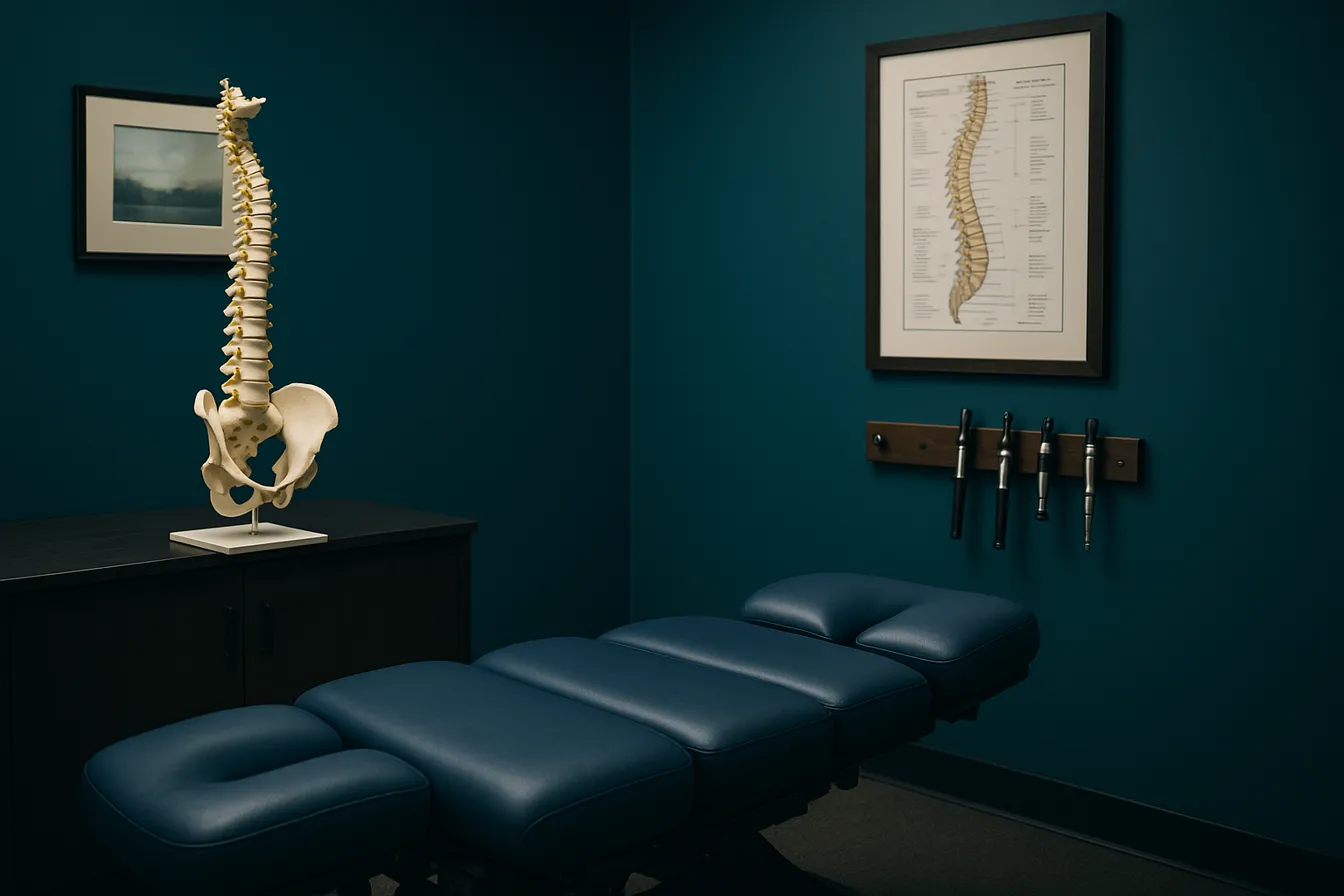
Spinal Health: Lifestyle Tips for Everyday Wellness
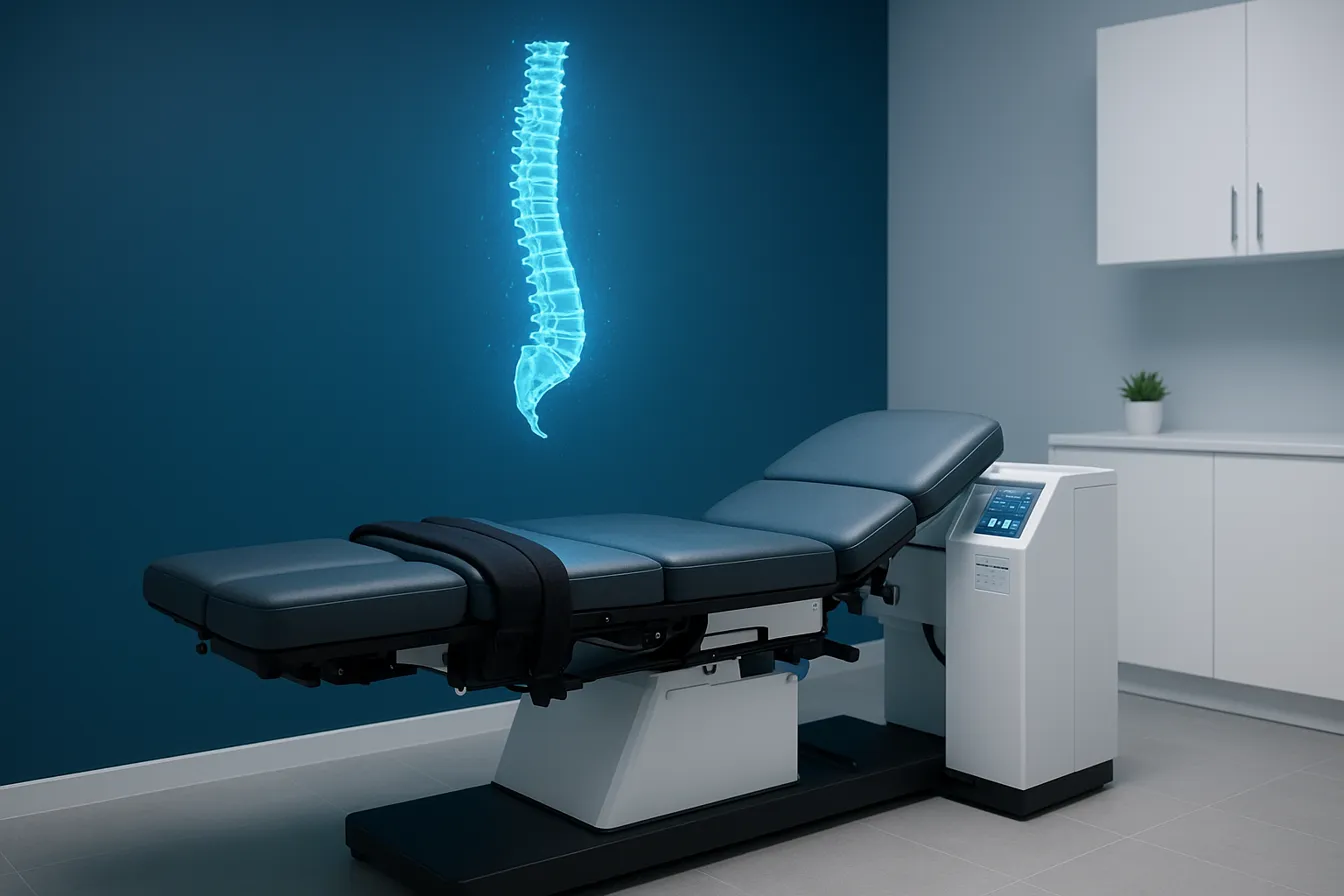
Spinal Decompression Therapy: Benefits and Applications
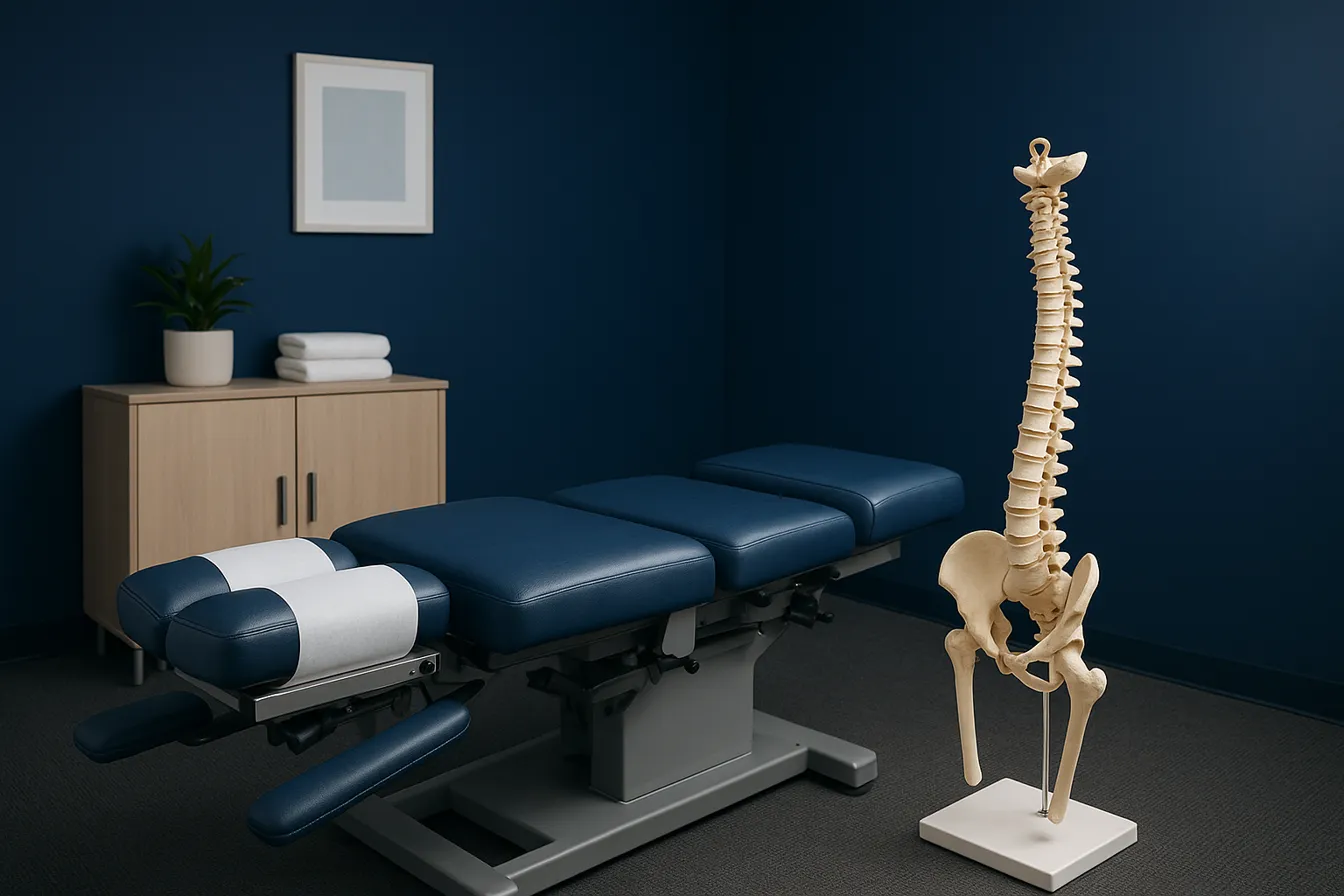
Holistic and Non-Invasive Spine Care Options
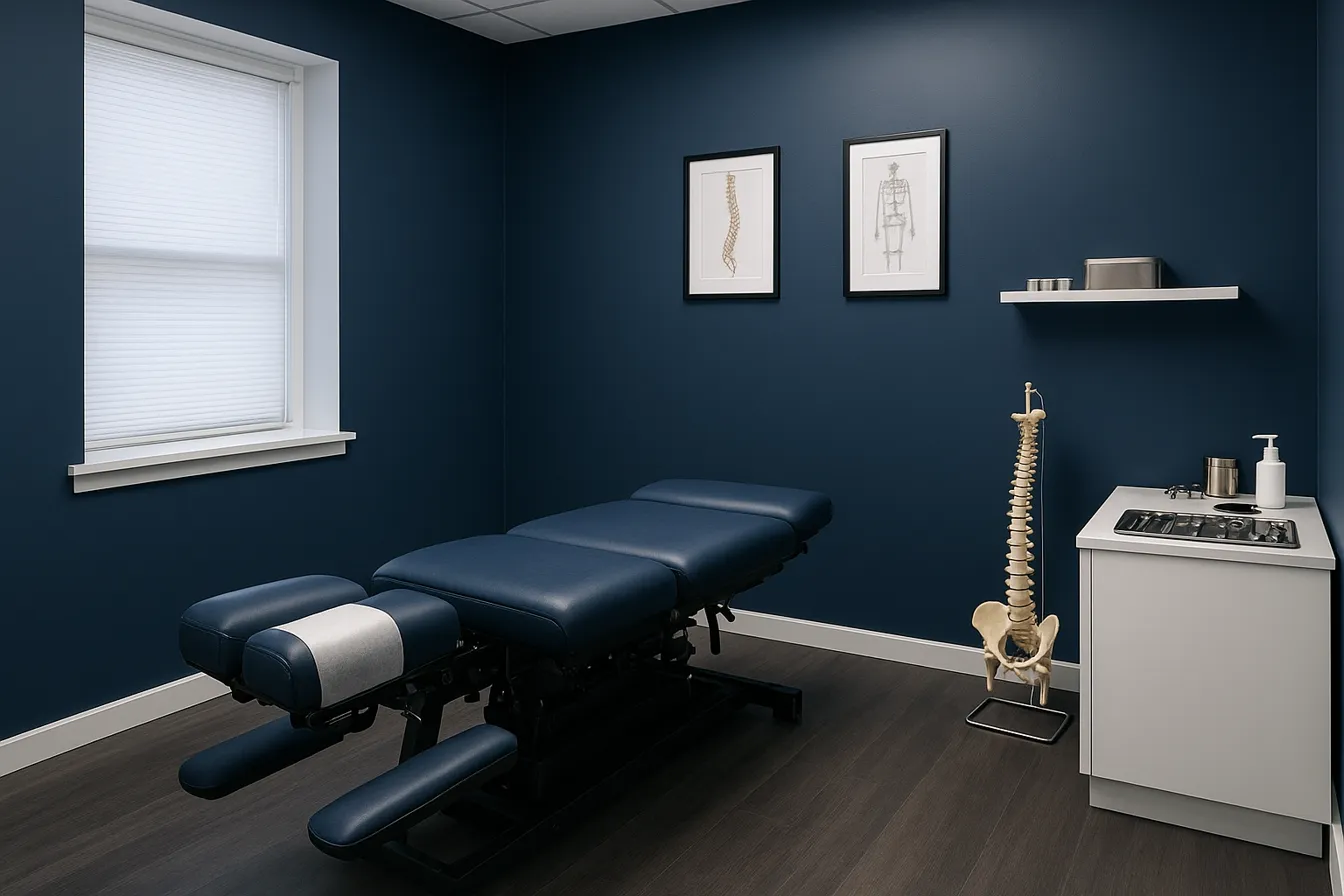
Everyday Lifestyle Advice to Keep Your Spine Healthy
The Significance of Treating Root Causes in Pain Therapy
Best Corrective Exercises for Sustainable Pain Management
Addressing Underlying Causes of Pain for Long-Term Relief
6 Key Benefits of Spinal Decompression Therapy for Sciatica Relief
How Nutritional Counseling Supports Spine Health and Recovery
The Role of Physiotherapy in Supporting Chiropractic Treatments