Preparing for Your First Chiropractic Appointment: A Practical Checklist
March 19, 2026
5 min

Welcome to Your First Chiropractic Visit
Your first chiropractic visit is designed to establish a foundation for care. During this initial appointment the chiropractor gathers a health history, reviews current symptoms, and performs a physical exam to pinpoint the source of discomfort. Arriving prepared—bringing ID, insurance, imaging, medication lists, and wearing loose clothing—helps streamline check‑in and allows the practitioner to devote full attention to assessment. This article will walk you through pre‑visit steps, what to expect during the examination and adjustment, and after‑care tips that support natural pain relief and wellness.
Gathering Paperwork and Essential Items

Before you step into the clinic, take a few minutes to assemble the paperwork that will streamline your first visit. Bring a government‑issued photo ID and your insurance card so the front‑desk staff can verify coverage and payment options. Pack any recent medical records, X‑ray or MRI images and a concise list of current medications, supplements, and past injuries – this gives the chiropractor a clear picture of your health history. A symptom log, noting the location, intensity, frequency of pain and any activities that aggravate or relieve it, helps prioritize the exam. Arrive 10–15 minutes early; this buffer lets you complete intake forms, enjoy a calming sip of water, and settle into a relaxed mindset before the examination begins. Dress the clothing, preferably loose‑fitting and breathable, such as yoga pants and a T‑shirt, which allows easy movement for posture checks, range‑of‑motion tests, and any necessary imaging. Avoid heavy meals within two hours of the appointment, skip excessive caffeine or alcohol, and refrain from vigorous exercise right before the visit to ensure muscles are relaxed and the adjustment can be performed safely and effectively.
Choosing Comfortable Clothing and Footwear

When you walk into a chiropractic clinic, the goal is to let the practitioner work with a spine that can move freely. Loose, stretchy apparel—think yoga pants, leggings, athletic shorts or a breathable t‑shirt—so you can bend, twist, and roll without fabric pulling or restricting motion. Tight jeans, heavy sweaters, or formal wear can impede the examination and the adjustment itself. Footwear should be flat and supportive; sneakers or slip‑on flats are ideal because they are easy to remove and put back on, and they keep your feet stable when you stand after the session. Jewelry, especially long necklaces, bulky bracelets, or dangling earrings, should be taken off before you lie on the table to avoid snagging or distraction during the adjustment. Finally, dress in layers you can quickly add or discard— a light jacket or sweater that you can peel off if you feel warm, while still having something to cover you if the clinic is cool. This combination of comfortable clothing, appropriate shoes, jewelry‑free skin, and smart layering helps you stay relaxed, enhances the effectiveness of the adjustment, and contributes to a smoother, more enjoyable first visit.
Understanding Costs, Insurance, and Specials

When you schedule your first chiropractic visit, it helps to know what you’ll pay and how insurance or flexible spending accounts can reduce out‑of‑pocket costs.
National and California average costs – Across the United States a new‑patient consultation typically runs about $152, while the California average is a bit higher at roughly $189. Follow‑up appointments are usually less expensive, averaging $76 per session. In the Los Angeles area, where many practices operate, prices can trend toward the upper end of these ranges.
New‑patient special pricing – Many clinics offer a bundled introductory rate that includes the exam, intake, and first adjustment. For example, Back in Action Bodyworks provides a transparent $29 New‑Patient Special, giving you a comprehensive assessment and a needed adjustment for a flat fee.
Package and wellness‑plan options – To make ongoing care more affordable, multi‑visit packages are common. A 6‑visit bundle for $209 or a 10‑visit bundle for $299 lowers the per‑visit cost and removes the need for a long‑term contract. Wellness plans often include periodic adjustments, home‑exercise guidance, and lifestyle counseling.
FSA/HSA usage – Flexible Spending Accounts and Health Savings Accounts can be used for any chiropractic service, including exams, adjustments, and imaging. By paying with pre‑tax dollars, you further reduce your out‑of‑pocket expenses while supporting a drug‑free, holistic approach to pain relief and overall wellness.
What Happens During Your First Visit

When you walk into Back in Action Bodyworks the first step is a brief health questionnaire and interview. You’ll provide your medical history, current meds, recent injuries and a symptom log, while the chiropractor asks about pain quality, lifestyle and stressors. The physical exam follows, covering posture analysis, gait observation, range‑of‑motion testing, muscle strength, reflexes and spinal palpation; special orthopedic or neurological tests are added if needed. Imaging—usually an X‑ray—is ordered only when the exam suggests a structural issue, such as a recent trauma or suspected subluxation.
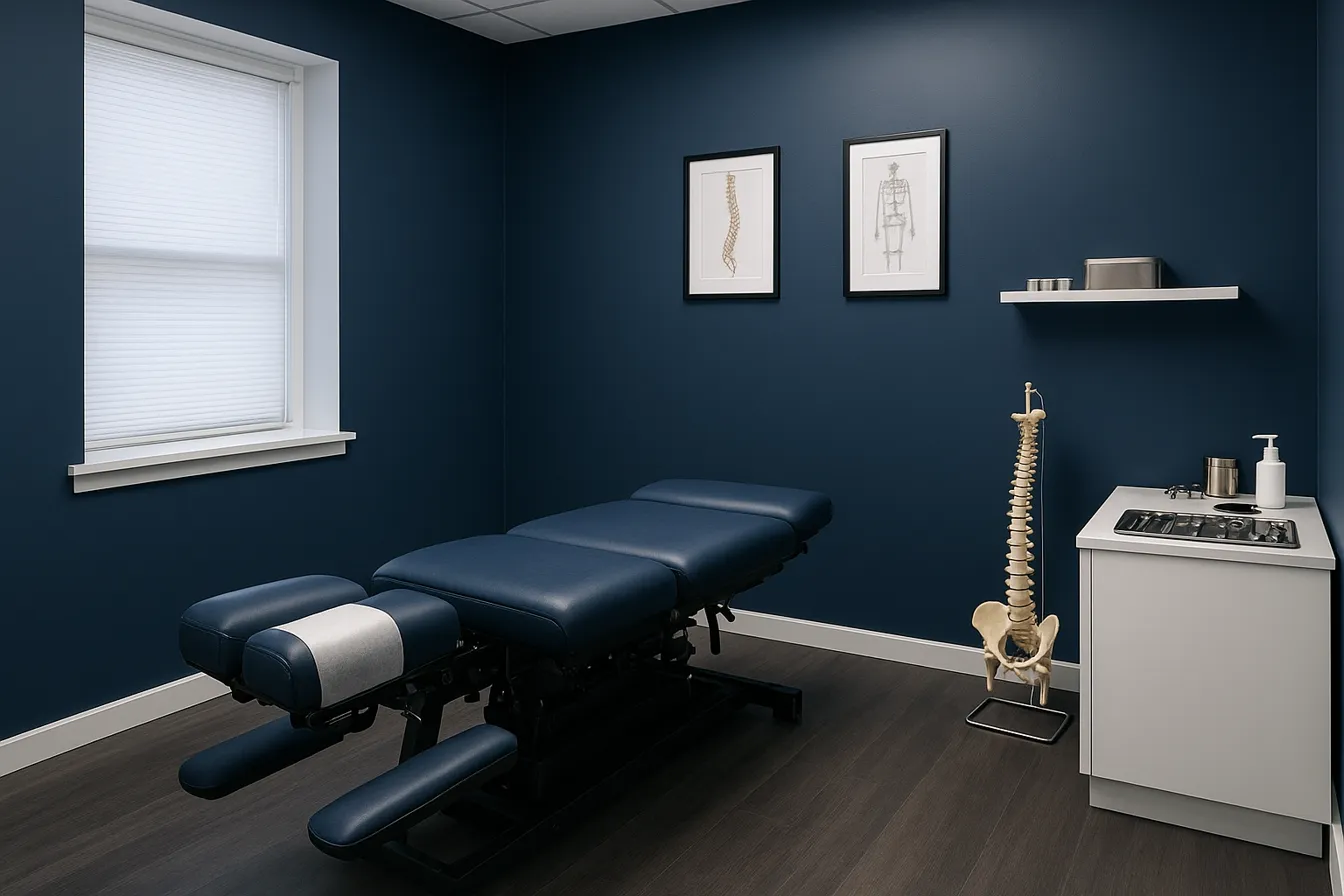
If the examination reveals a clear joint restriction, the chiropractor may perform a gentle manual adjustment during that same visit, using techniques like the Gonstead method, a cervical chair, or a knee‑chest table. Most patients hear a harmless popping sound caused by gas release.
Post‑adjustment side effects are typically mild soreness, fatigue or a brief headache, resolving within 24‑48 hours with hydration and light movement. The “three T’s”—thoughts, trauma, toxins—are discussed as underlying contributors to spinal misalignment. Adjustments improve blood and lymph flow, helping the body clear metabolic waste (lactic acid, histamine, prostaglandins); staying hydrated supports this natural detoxification.
If you wonder whether an adjustment will happen on the first visit, the answer is yes when safe, but the chiropractor will always explain the plan and give you the option to postpone if you prefer.
Treatment Timeline and Choosing the Right Care

A typical chiropractic care program lasts 9–14 weeks and includes 18–24 adjustments. During the first 2–4 weeks patients usually attend three sessions per week, each lasting 30–45 minutes, then transition to a maintenance phase with fewer visits. Most individuals notice measurable pain relief within the first 1–4 weeks, and the therapeutic effect of each adjustment can persist from a few days to several weeks. The exact number of visits is customized to age, fitness level, injury severity, and response to care.
Average length of chiropractic treatment: The program spans 9–14 weeks, with 18–24 adjustments, and a shift from intensive early sessions to a maintenance schedule once stabilization is achieved.
Is physiotherapy or chiropractor better for sciatica? Both are qualified, but physiotherapy emphasizes pain‑relief modalities, core‑strengthening, and ergonomic education, while chiropractic care focuses on correcting spinal misalignments that may compress the sciatic nerve. Many patients benefit from a combined approach—starting with physiotherapy for symptom control and adding chiropractic adjustments for structural correction—to achieve the quickest, most lasting relief.
Final Checklist and Next Steps
Before you arrive, bring a photo ID, insurance card, any recent X‑rays or MRI reports, and a list of current medications and supplements. Wear loose, comfortable clothing and supportive shoes, and arrive 10–15 minutes early to complete paperwork. Hydrate well, avoid heavy meals, and bring a water bottle and light sweater. Feel free to ask about the Gonstead technique, the tools used, and the proposed treatment schedule. For any questions or to schedule your visit, contact Back in Action Bodyworks at (562) 219‑4200 or visit www.backinactionbodyworks.com today.
Recent articles

10 Real‑Patient Success Stories Showcasing the Impact of Chiropractic Care

Superfoods That Boost Nerve Healing After Chiropractic Sessions

Sleep Positions That Promote a Healthy Back Alignment

Signs Your Chiropractor Is a Good Fit for Your Back Pain Goals

Case Study: Integrated Physiotherapy and Chiropractic for Faster Recovery

First-Time Chiropractic Visit: A Step‑by‑Step Walkthrough
Synergistic Benefits: Combining Physiotherapy with Chiropractic Care

Beyond Surgery: Holistic Approaches to Managing Back Pain

How Manual Therapy Enhances the Effects of Chiropractic Adjustments

Hydration Hacks: Why Water Matters for Joint and Spine Function

What Does a Comprehensive Spinal Evaluation Include?

Success Spotlight: Transformative Results After Six Weeks of Chiropractic Treatment

Understanding the Initial Assessment Process in Chiropractic Care

Designing a Personalized Corrective Exercise Plan for Chronic Pain Management

Natural Pain Management: Combining Acupuncture, Yoga, and Chiropractic

Chiropractic Care vs. Pain Meds: Long-Term Outcomes for Back Pain Sufferers

What to Expect During a Sciatica‑Focused Decompression Session

Understanding the Pain-Relief Mechanics Behind Chiropractic Adjustments

Success Rates of Non‑Surgical Spinal Decompression for Sciatica

Patient-Centered Chiropractic Care: Personalized Plans for Back Pain Relief

How Chiropractic Treatments Reduce Inflammation and Speed Up Back Pain Recovery

Real‑Life Stories: How Chiropractic Helped Patients Overcome Chronic Back Pain

From Symptom Masking to Root‑Cause Healing: A Practical Guide

6 Holistic Non‑Surgical Treatments That Deliver Sustainable Back‑Pain Relief

Key Questions to Ask When Selecting Your Chiropractor

Mindful Movement: Incorporating Stretch Breaks Into a Busy Day

Why Targeting the Underlying Cause Beats Temporary Symptom Relief

8 Ways Physiotherapy Complements Chiropractic Adjustments for Faster Recovery

Meal Planning for Athletes Recovering from Back Injuries

9 Everyday Lifestyle Tweaks to Preserve a Healthy Spine and Prevent Pain

Functional Movement Screening for Root‑Cause Pain Identification

6 Things You’ll Experience During Your First Chiropractic Appointment

Spinal Decompression vs. Standard Physical Therapy for Sciatica: A Comparative Review

New Findings on How Adjustments Influence Blood Circulation
Work‑From‑Home Ergonomics: A Blueprint for a Pain‑Free Back

The Link Between Chiropractic Care and Improved Sleep Quality

Physiotherapy Techniques That Strengthen the Benefits of Chiropractic Adjustments

Biomechanical Insights Behind Successful Spinal Decompression

Desk‑to‑Dumbbell: Lifestyle Shifts That Guard Your Lower Back

10 Corrective Exercises for Sustainable Pain-Free Living

Morning Routines That Support Spine Health and Reduce Stiffness

Calcium and Magnesium‑Focused Nutrition for Bone Density and Spine Health

9 Ways Chiropractic Care Transforms Back Pain Management

Testimonial: Nutrition‑Guided Recovery Accelerated by Chiropractic

Science‑Backed Spinal Decompression for Relieving Sciatica Symptoms

Key Questions to Ask During Your Initial Chiropractic Consultation

Whole‑Body Wellness Blueprint: Nutrition, Exercise, and Chiropractic Synergy

A 12‑Week Corrective Exercise Blueprint for Chronic Neck Discomfort

Manual Therapy Plus Targeted Exercise: Accelerating Post‑Injury Recovery
Home‑Based Spinal Decompression Devices: What Patients Should Know

Chiropractic Care Statistics: Reducing Lost Workdays From Back Pain

How Targeted Nutrition Enhances Immune Function and Lowers Inflammatory Pain

Self‑Assessment Tools to Identify Hidden Triggers of Back Pain
Preparing for Your First Chiropractic Appointment: A Practical Checklist

Back Pain Relief Benefits: Lower Opioid Use and Better Quality of Life

Foam‑Rolling Techniques to Complement Chiropractic Adjustments

Progressive Overload Principles in Corrective Exercise Programs

Six‑Month Transformation: Integrated Care Success Story

7 Nutritional Hacks to Boost Your Overall Wellness

How to Choose a Chiropractor: Credentials, Techniques, and Patient Compatibility

5 Ways Spinal Decompression Can Ease Sciatica Pain

Overcoming Sciatica: A Patient’s Multidisciplinary Treatment Journey

Lifestyle Changes That Promote a Healthy Spine
Physiotherapy as a Complement to Chiropractic Treatments

6 Ways Physiotherapy Enhances Chiropractic Treatment Outcomes

Daily Living Tips for a Strong and Healthy Spine

How Physiotherapy Enhances Chiropractic Outcomes

Holistic Treatments: Alternatives to Surgery for Pain Relief
Inspiring Patient Success Stories from Chiropractic Clinics

Integrating Physiotherapy with Chiropractic Treatments
Corrective Exercise Routines for Chronic Pain Prevention
10 Corrective Exercises to Maintain a Healthy Spine and Relieve Pain
Exercise Strategies for Long-Term Pain Management
10 Corrective Exercises to Maintain a Healthy Spine and Relieve Pain

The Importance of Treating the Root Cause of Pain
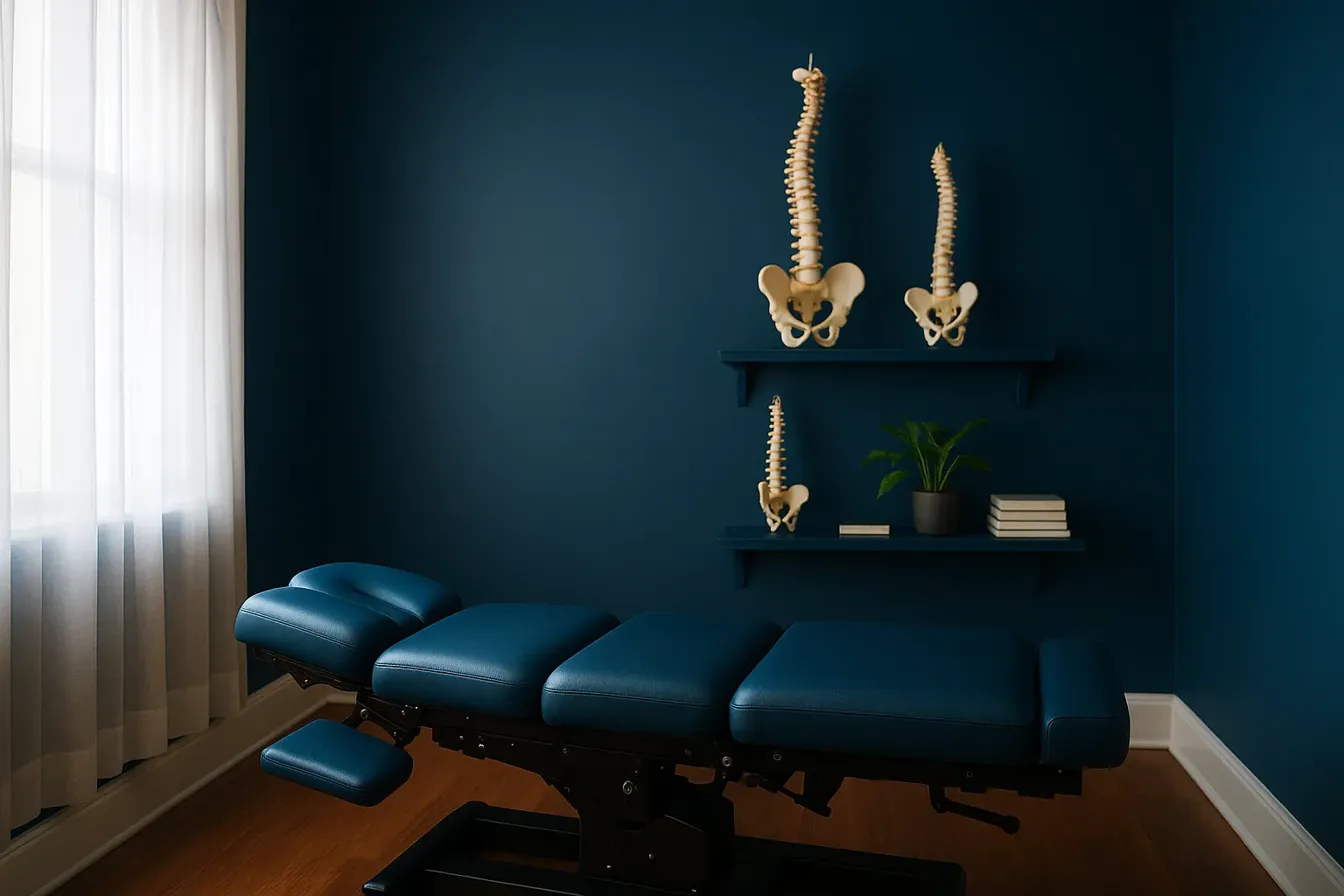
Nutritional Support Strategies for Whole-Body Wellness
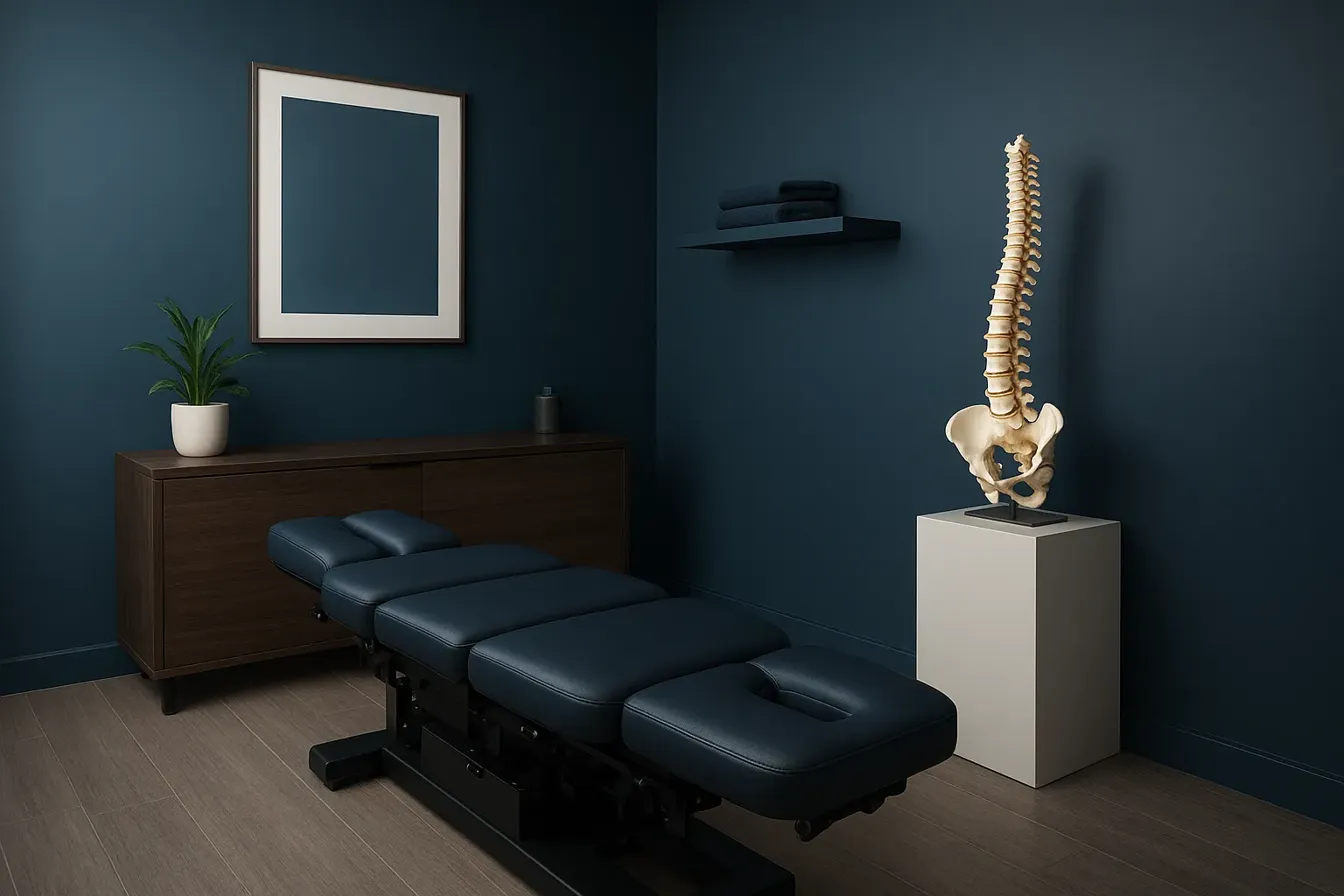
7 Essential Questions to Ask When Choosing Your Chiropractor

Identifying and Addressing Root Causes of Pain
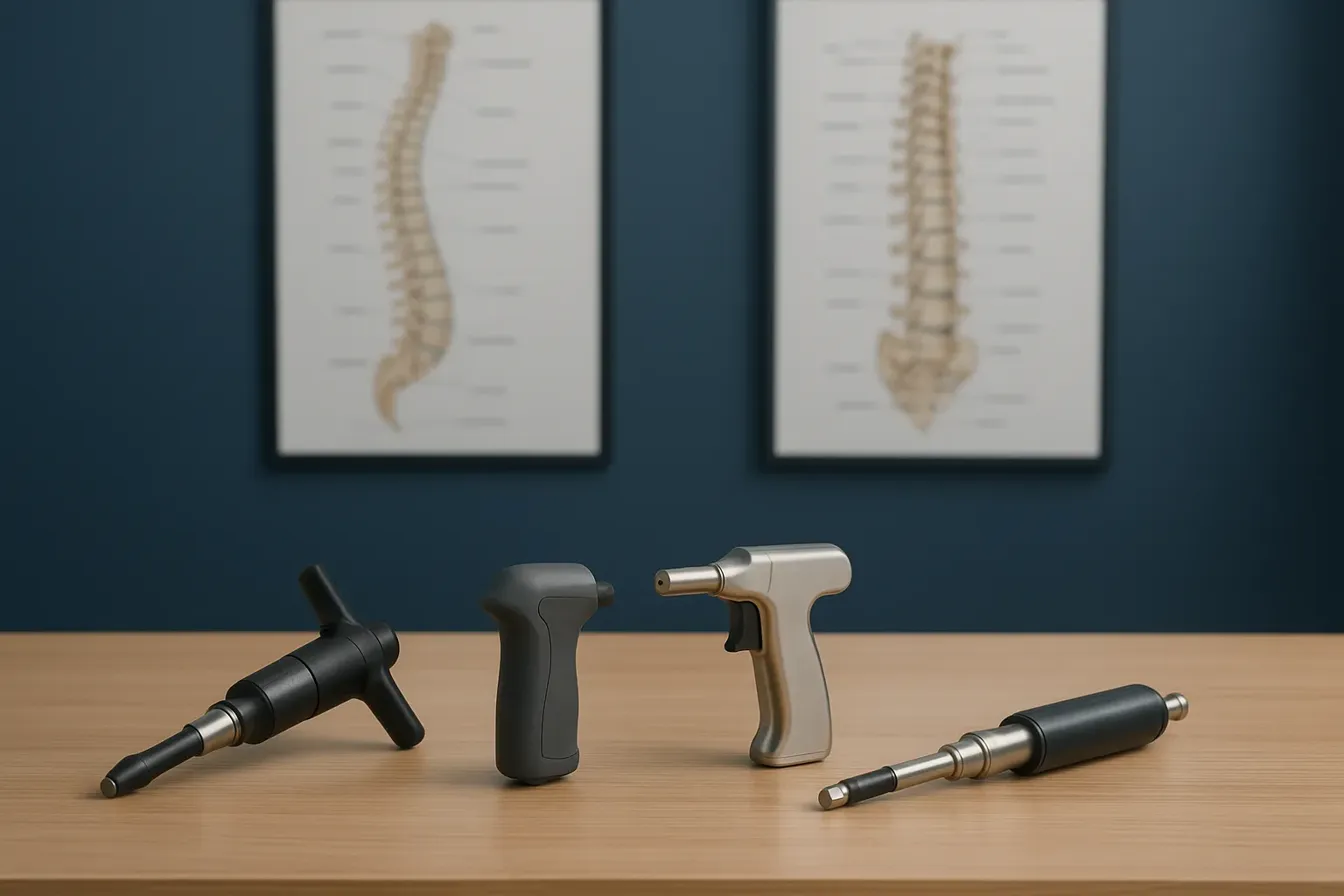
Maintaining a Healthy Spine with Lifestyle Adjustments
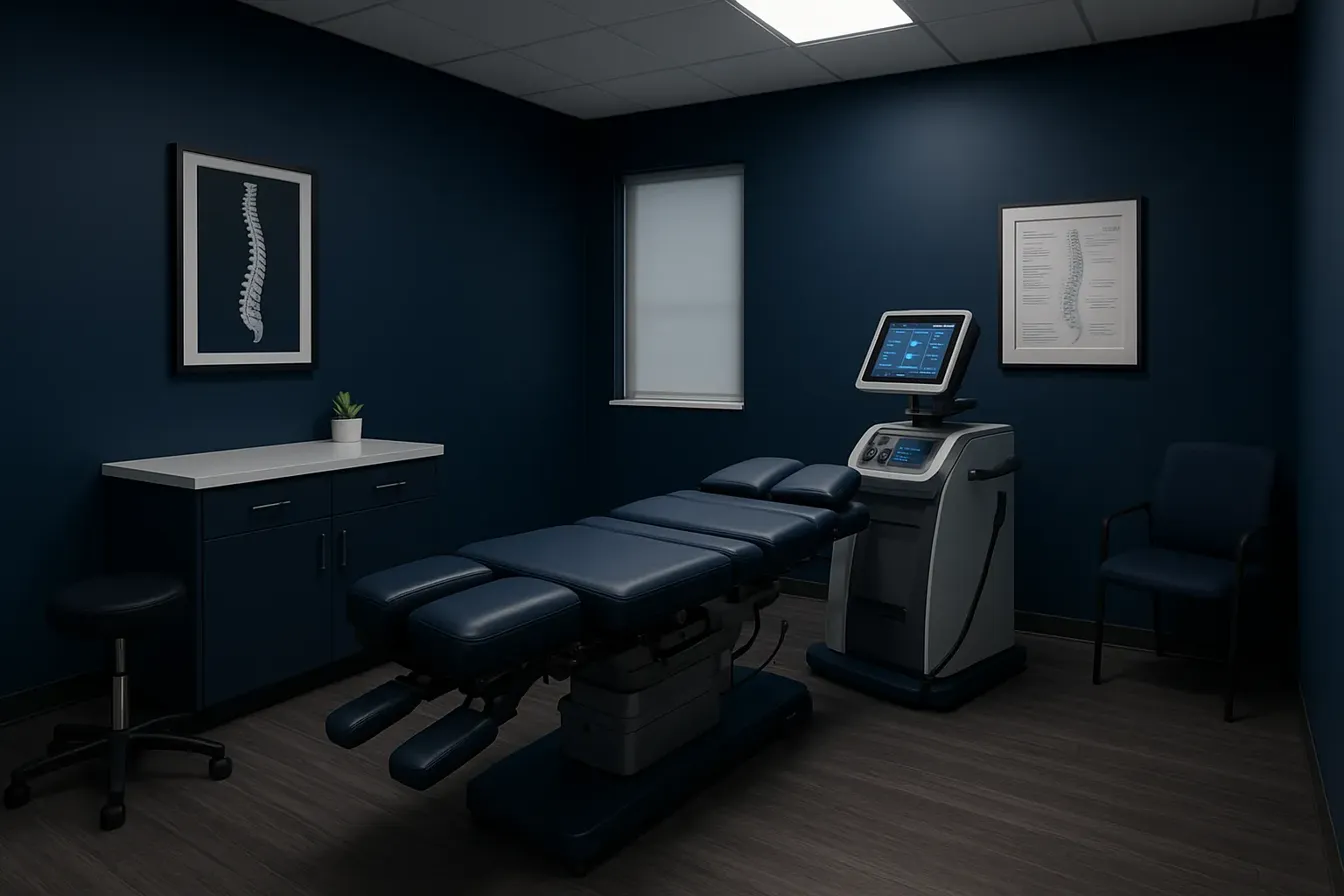
Sciatica Symptom Relief via Spinal Decompression

8 Reasons Why Addressing the Root Cause of Pain Is Crucial

Chiropractic Care’s Impact on Back Pain Recovery

Combining Physiotherapy with Chiropractic Care for Better Results

Inspiring Recovery: Chiropractic Patient Testimonials

Nutritional Counseling Tips for Optimal Wellness

Why Addressing the Root Cause of Pain is Crucial
Back Pain and Chiropractic Care: A Winning Combination

Chiropractic Care Benefits You Might Not Know
Exploring Holistic and Non-Surgical Treatments for Pain

Spinal Health: Lifestyle Tips for Everyday Wellness
Spinal Decompression Therapy: Benefits and Applications
Holistic and Non-Invasive Spine Care Options
Everyday Lifestyle Advice to Keep Your Spine Healthy

The Significance of Treating Root Causes in Pain Therapy
Best Corrective Exercises for Sustainable Pain Management

Addressing Underlying Causes of Pain for Long-Term Relief
6 Key Benefits of Spinal Decompression Therapy for Sciatica Relief

How Nutritional Counseling Supports Spine Health and Recovery

The Role of Physiotherapy in Supporting Chiropractic Treatments