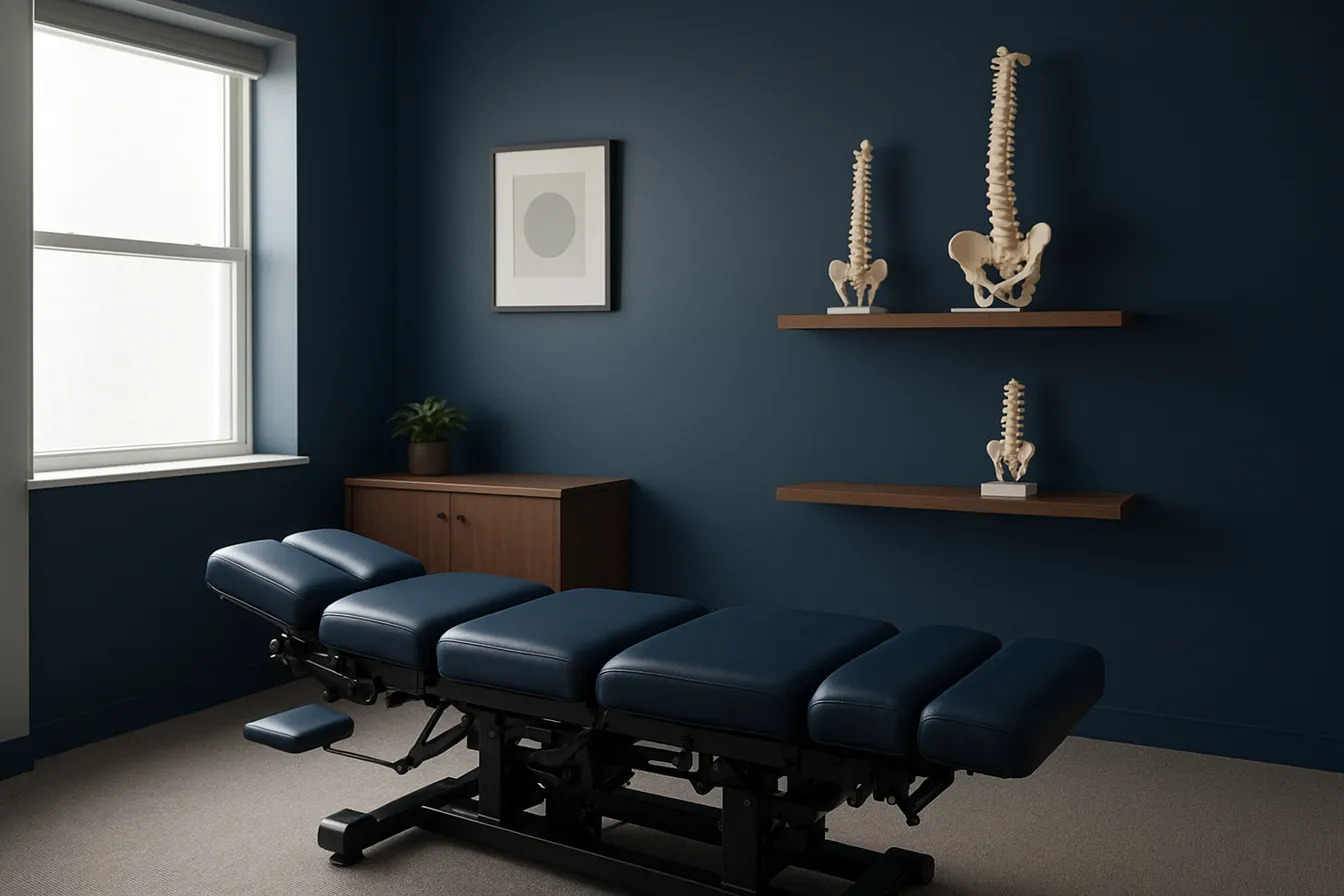
Back Pain Relief Benefits: Lower Opioid Use and Better Quality of Life
March 19, 2026
7 min

Why Back Pain Management Matters Today
Chronic low‑back pain affects roughly 100 million U.S. adults, making it a leading cause of disability and health‑care utilization. The opioid epidemic—over 30 % of back‑pain patients receive prescription opioids—has driven rising rates of misuse, dependence, and overdose, while long‑term opioid therapy offers only modest pain relief and limited functional gain. Consequently, health‑care leaders are shifting toward holistic, non‑opioid strategies. Evidence‑based modalities such as chiropractic spinal manipulation, physical therapy, exercise, mindfulness, and patient education improve pain and function, reduce opioid prescriptions by 20‑30 %, and enhance overall quality of life. Integrated, patient‑centered plans that prioritize these natural therapies are essential for safer, more effective back‑pain care.
Understanding Opioid Risks and Quality of Life

What is an opioid use disorder? Opioid Use Disorder (OUD) is a chronic medical condition in which the use of opioid drugs—prescription painkillers, heroin, fentanyl—causes clinically significant distress or impairment. Hallmarks include intense cravings, tolerance requiring higher doses, and a withdrawal syndrome when use is reduced. OUD affects millions in the United States and carries a high risk of overdose, addiction, and death. Effective management blends medication‑assisted treatment (methadone, buprenorphine, naltrexone) with behavioral therapy and holistic support.
How does lower back pain affect quality of life? Persistent low‑back pain erodes physical, mental, and social well‑being. It limits work, exercise, and daily chores, leading to lost productivity and dependence. Pain‑disrupted sleep creates fatigue and poor concentration. Emotionally, chronic discomfort fuels anxiety, depression, and reduced self‑esteem. Socially, sufferers may withdraw from friends, family, and leisure activities because movement aggravates pain. Together, these impacts lower overall life satisfaction and increase the risk of additional health problems.
Improve quality of life meaning Improving quality of life means enhancing overall well‑being across physical, mental, and social dimensions. It involves feeling healthier, having the freedom to engage in meaningful activities, maintaining supportive relationships, and experiencing safety, autonomy, and purpose. When pain, stiffness, or musculoskeletal imbalances are reduced—through chiropractic spinal manipulation, exercise, posture education, nutrition, and stress‑reduction—individuals move more comfortably, sleep better, and participate fully in work, family, and recreation. A holistic, patient‑centered approach restores balance and promotes lasting vitality.
Chiropractic Care as a Non‑Opioid Solution
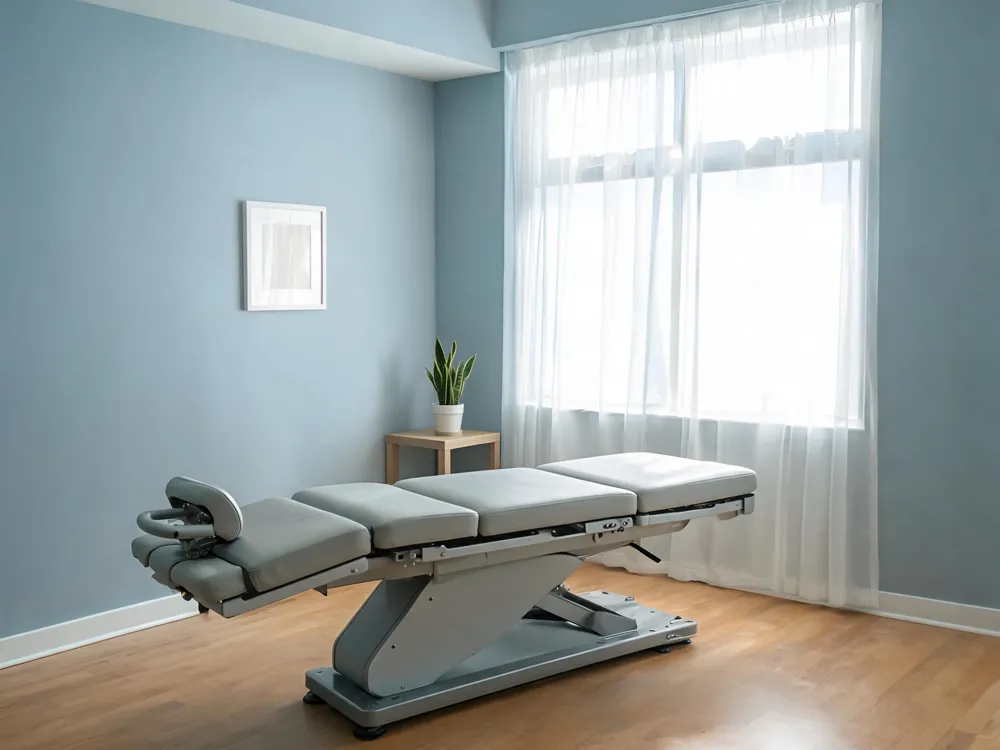
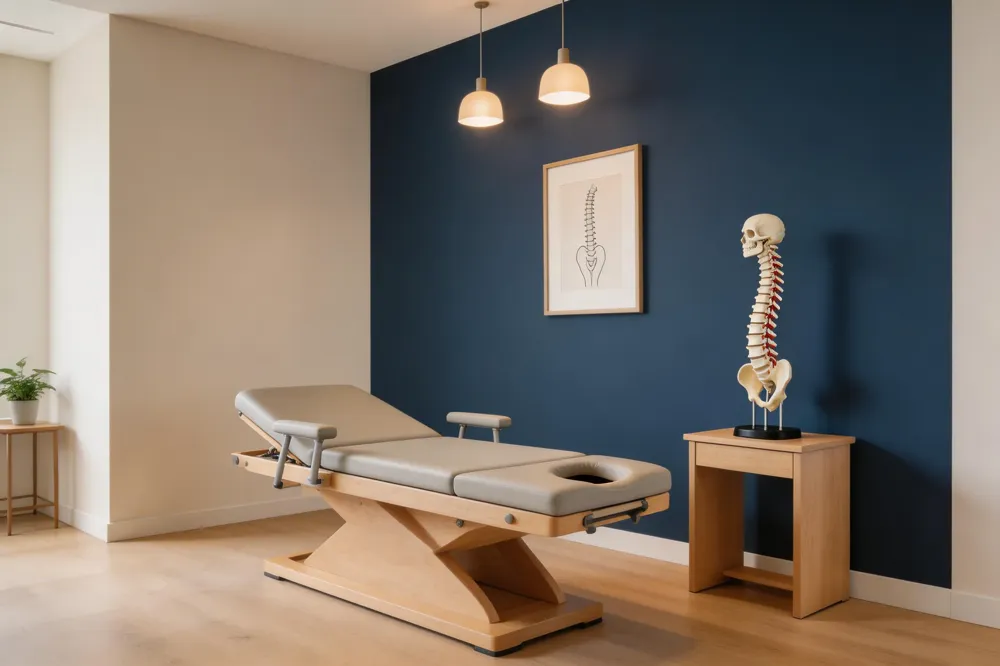
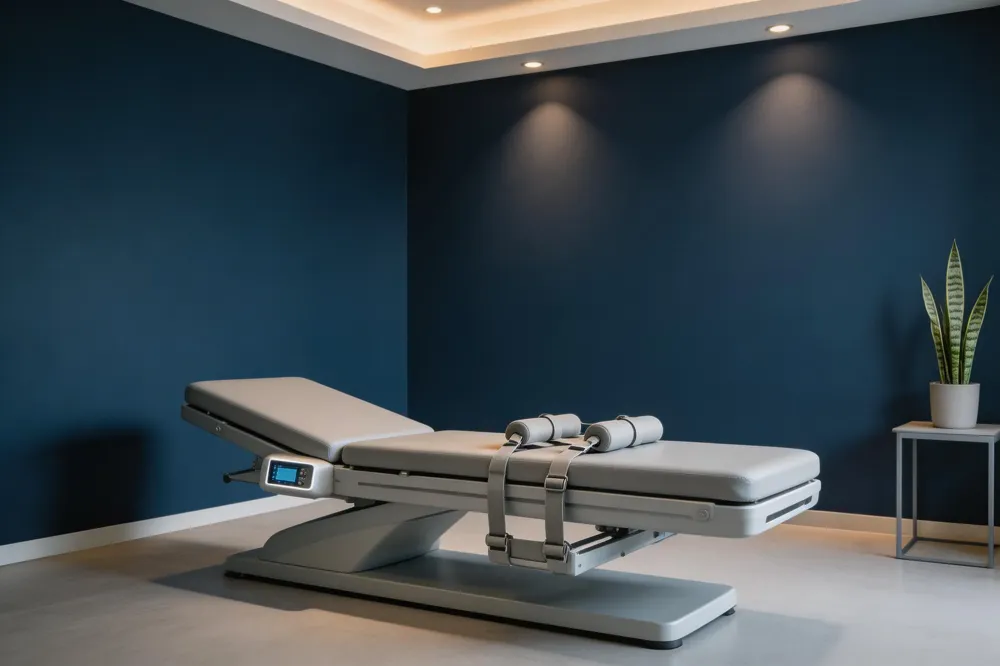
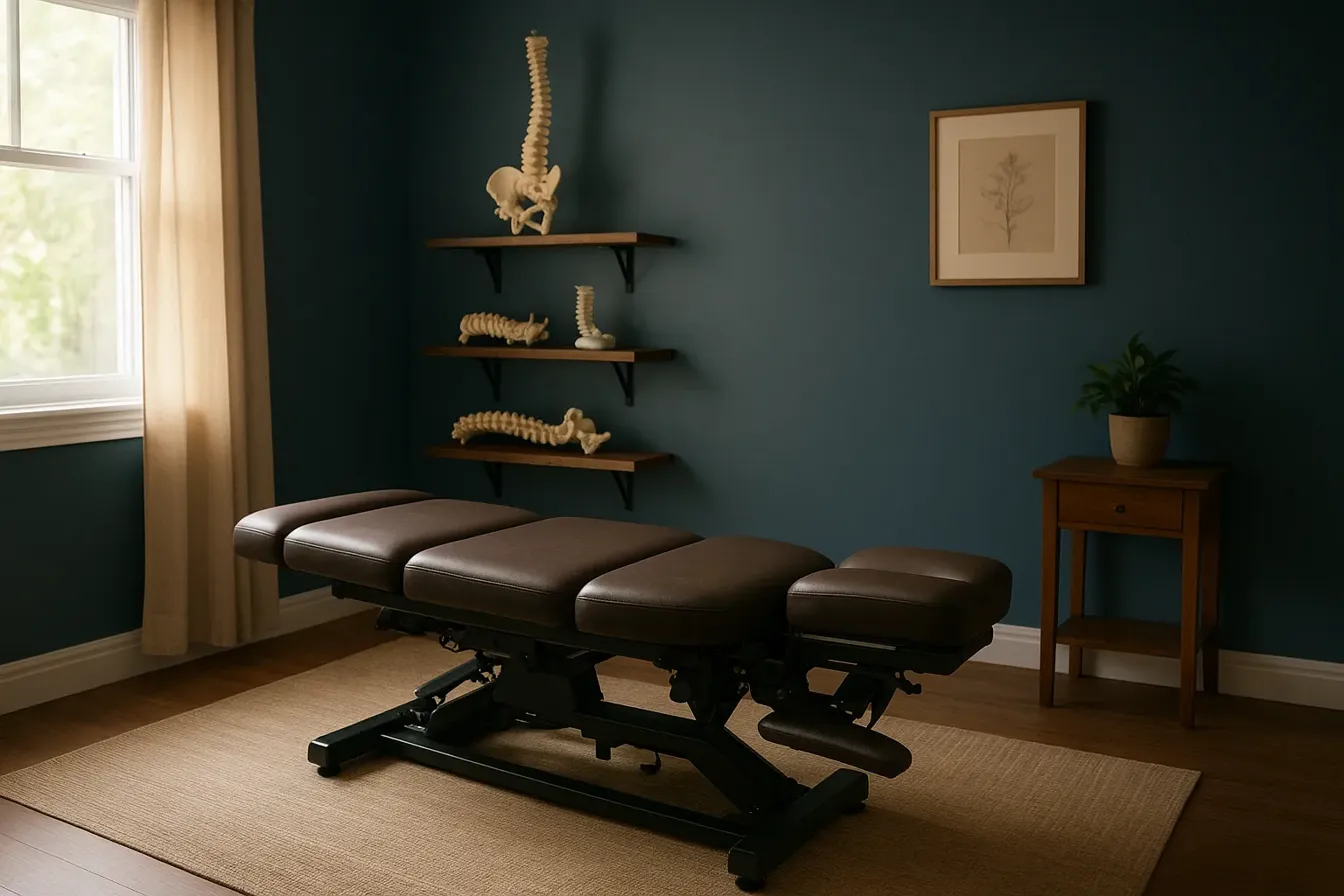
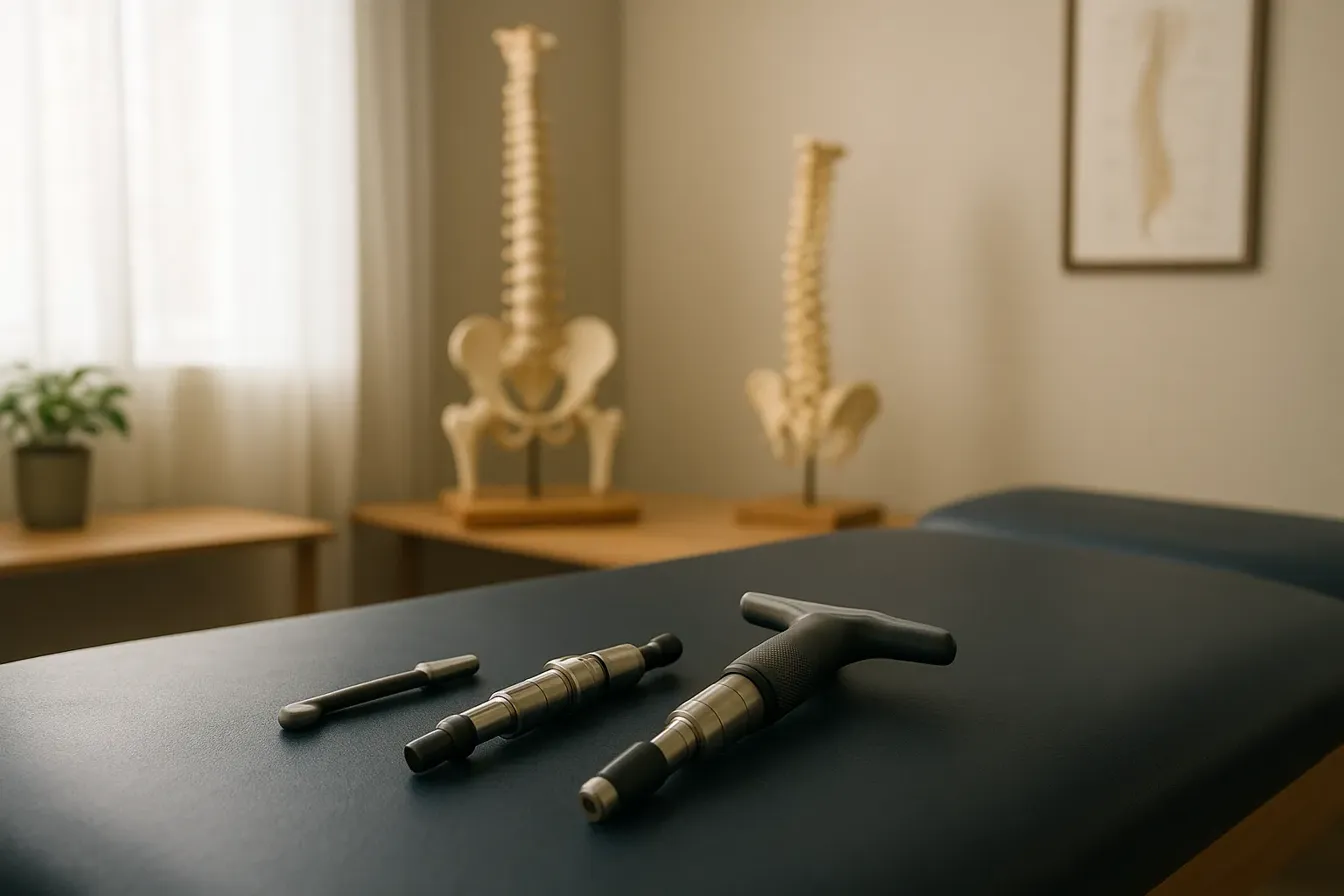
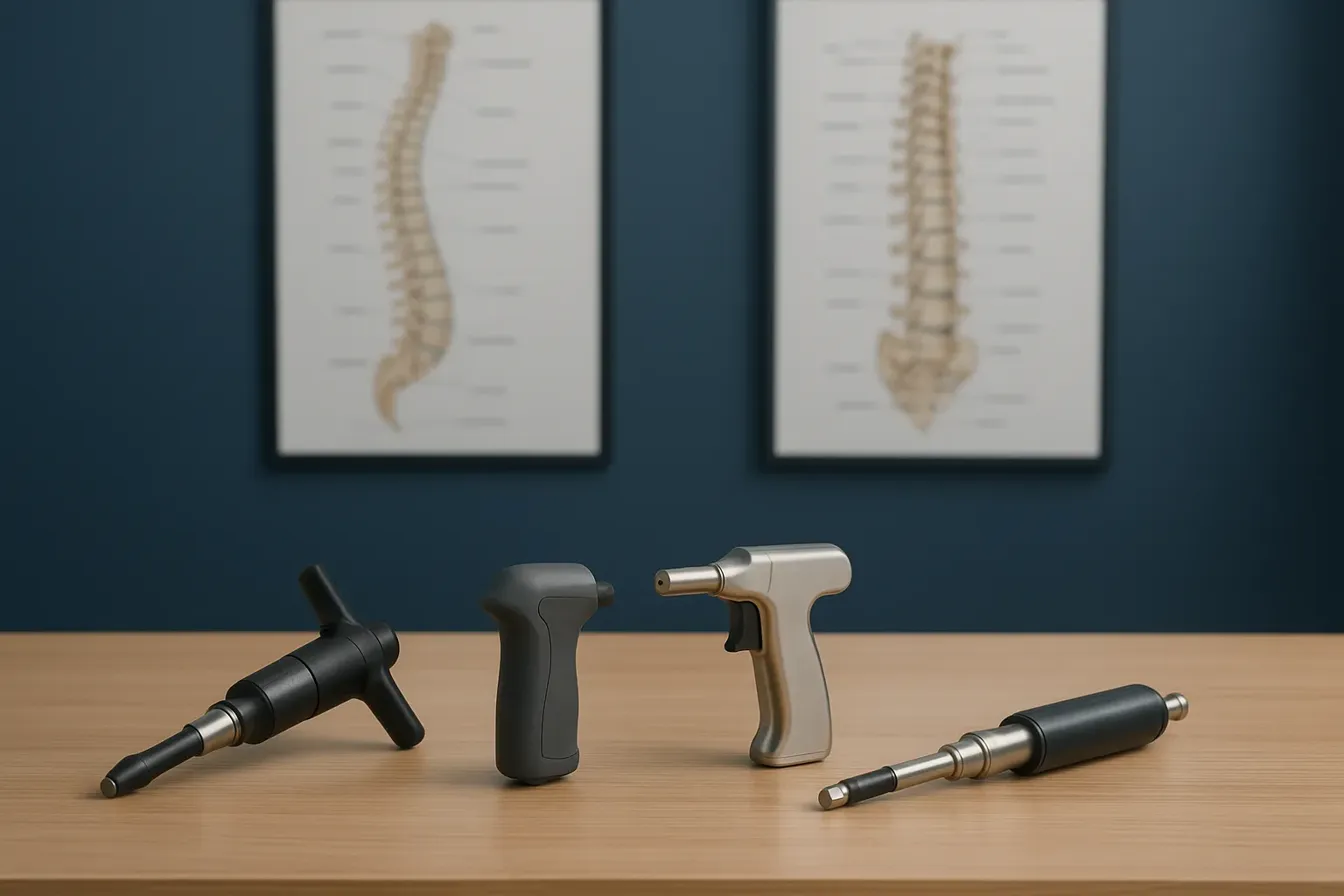
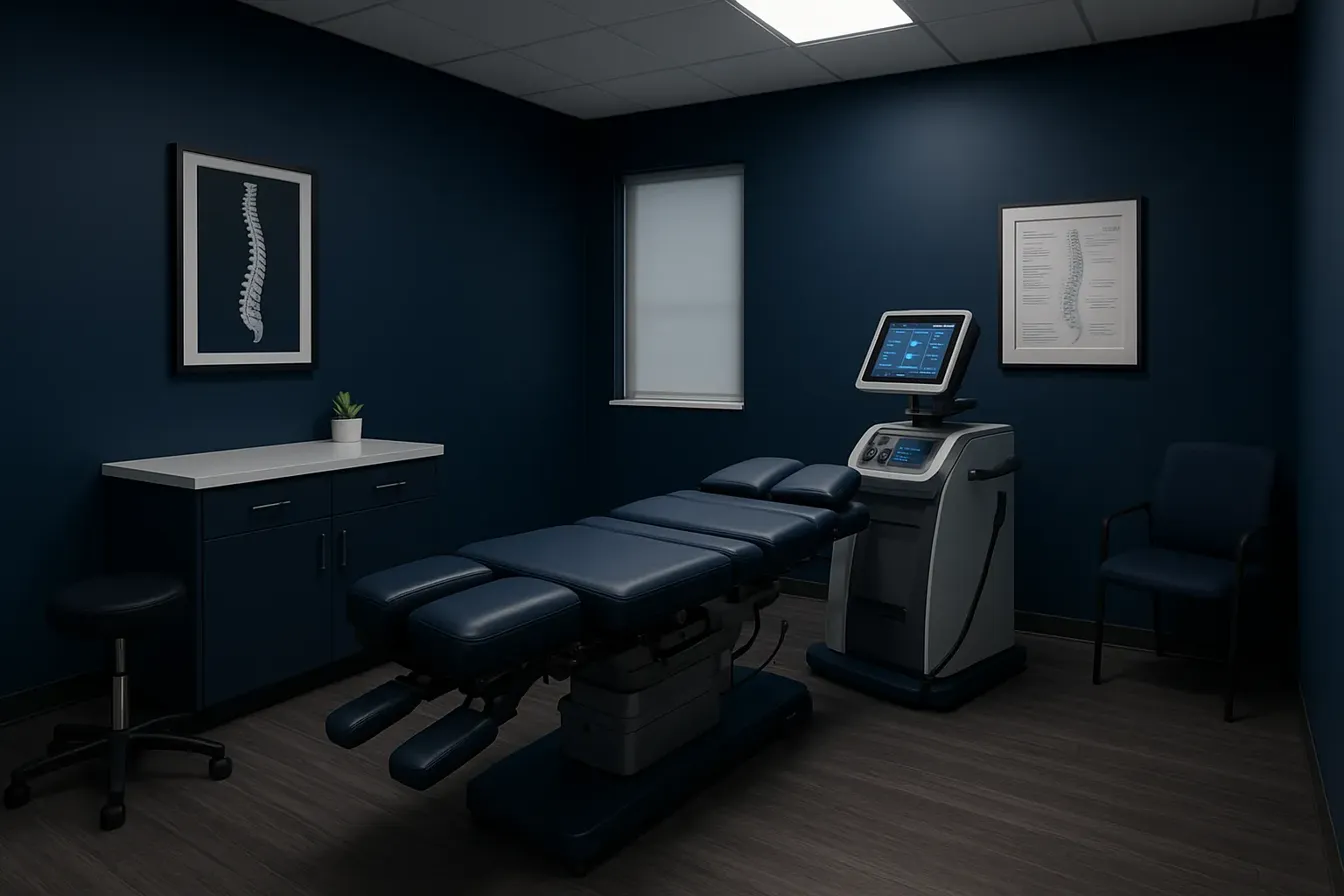
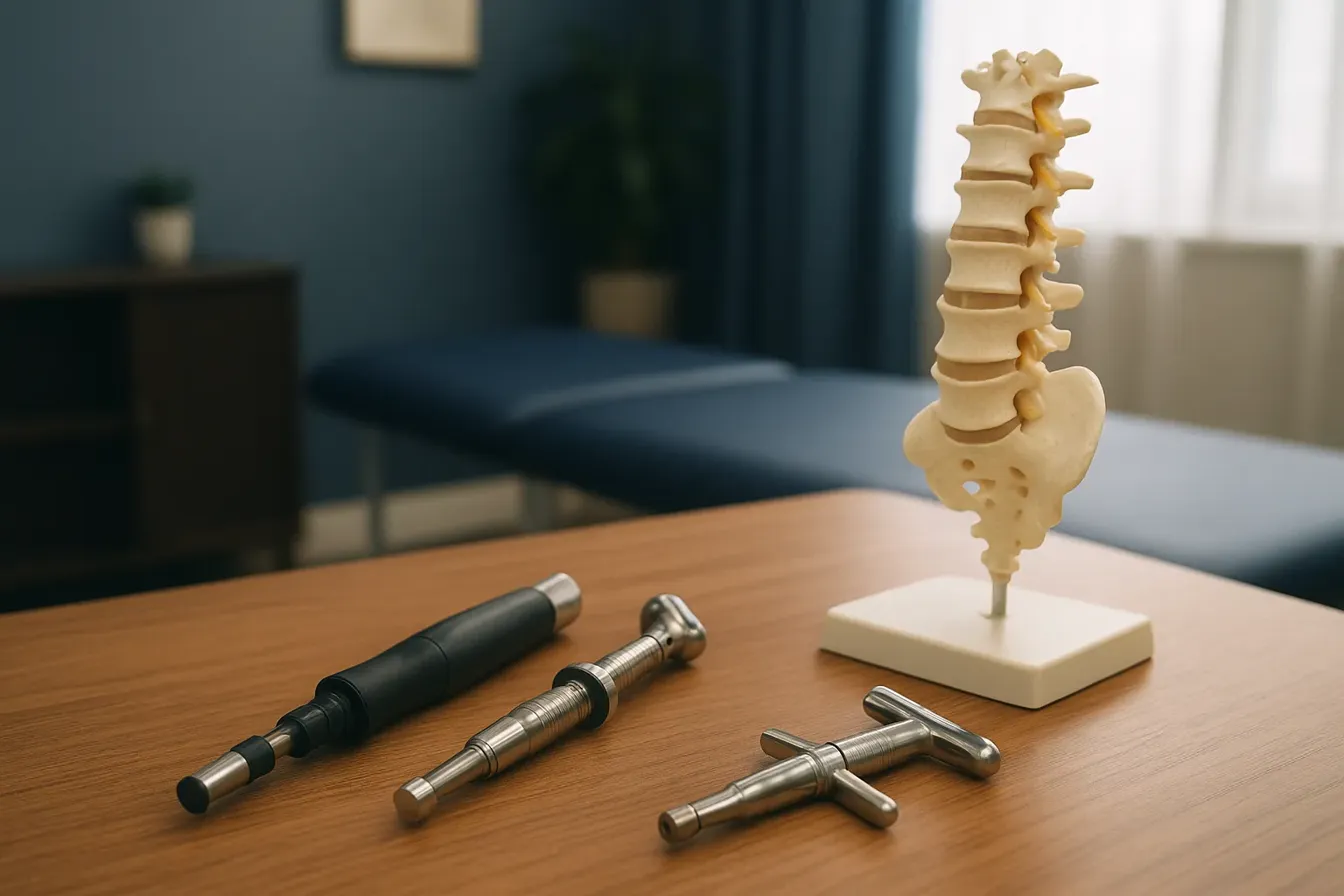
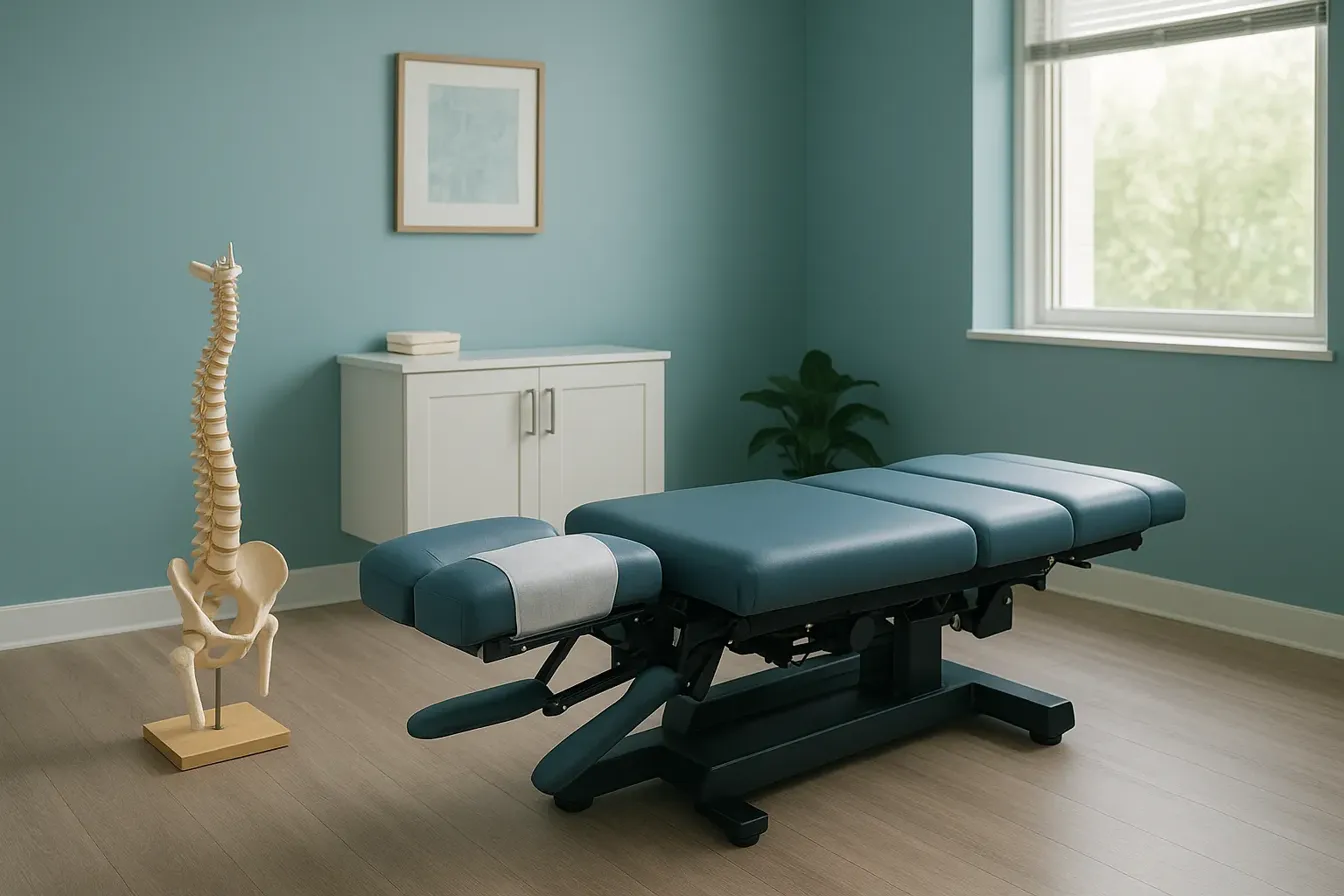
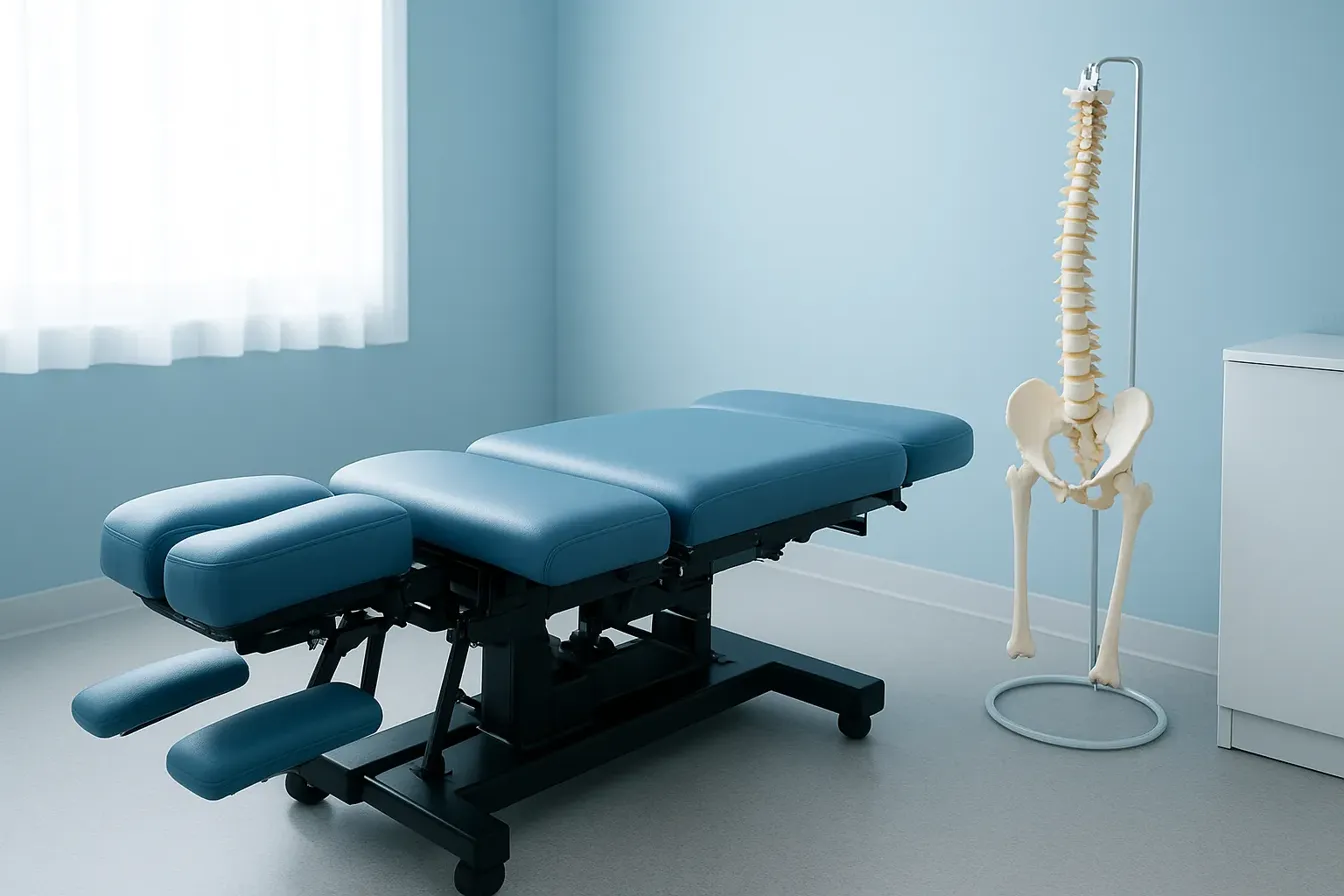
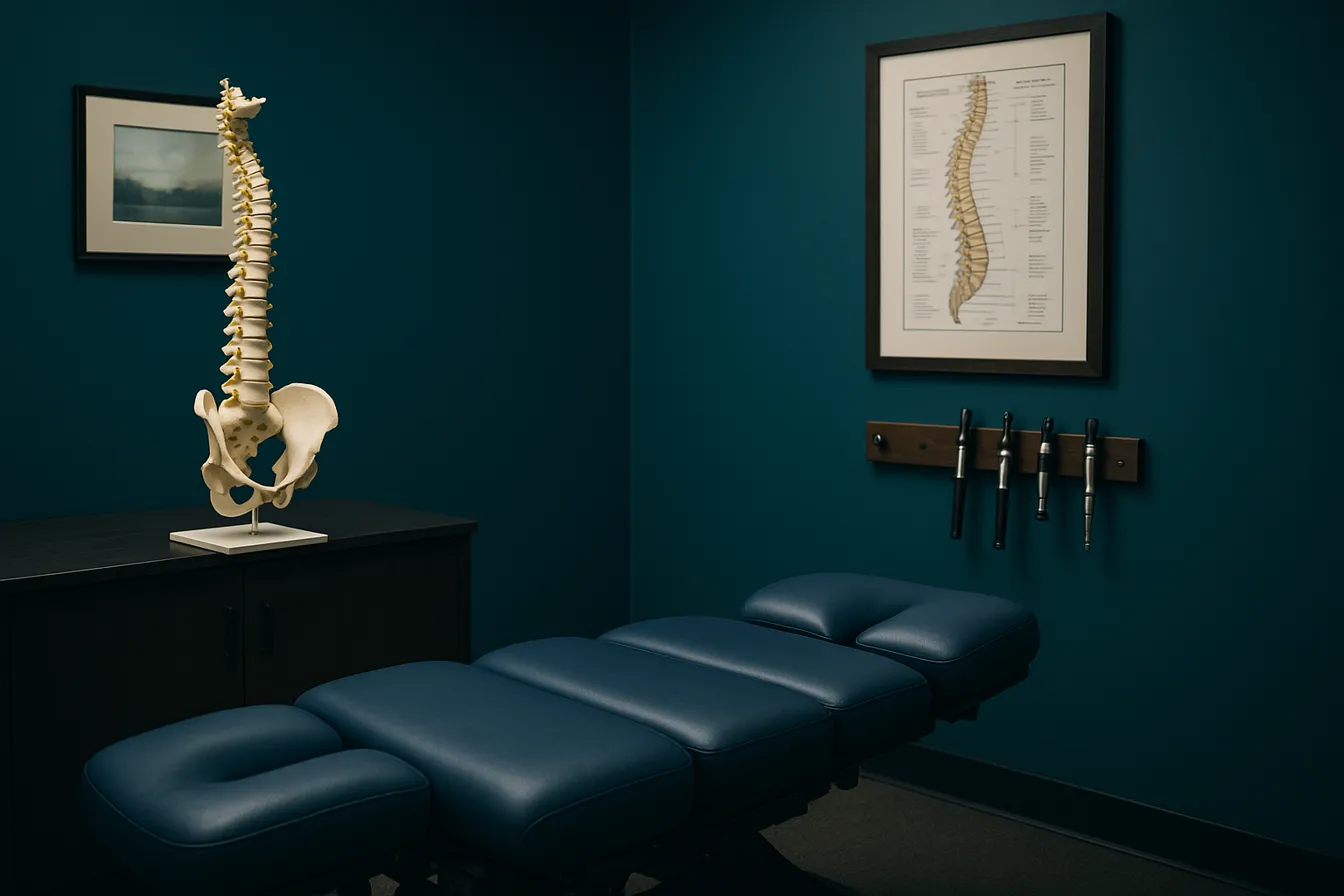
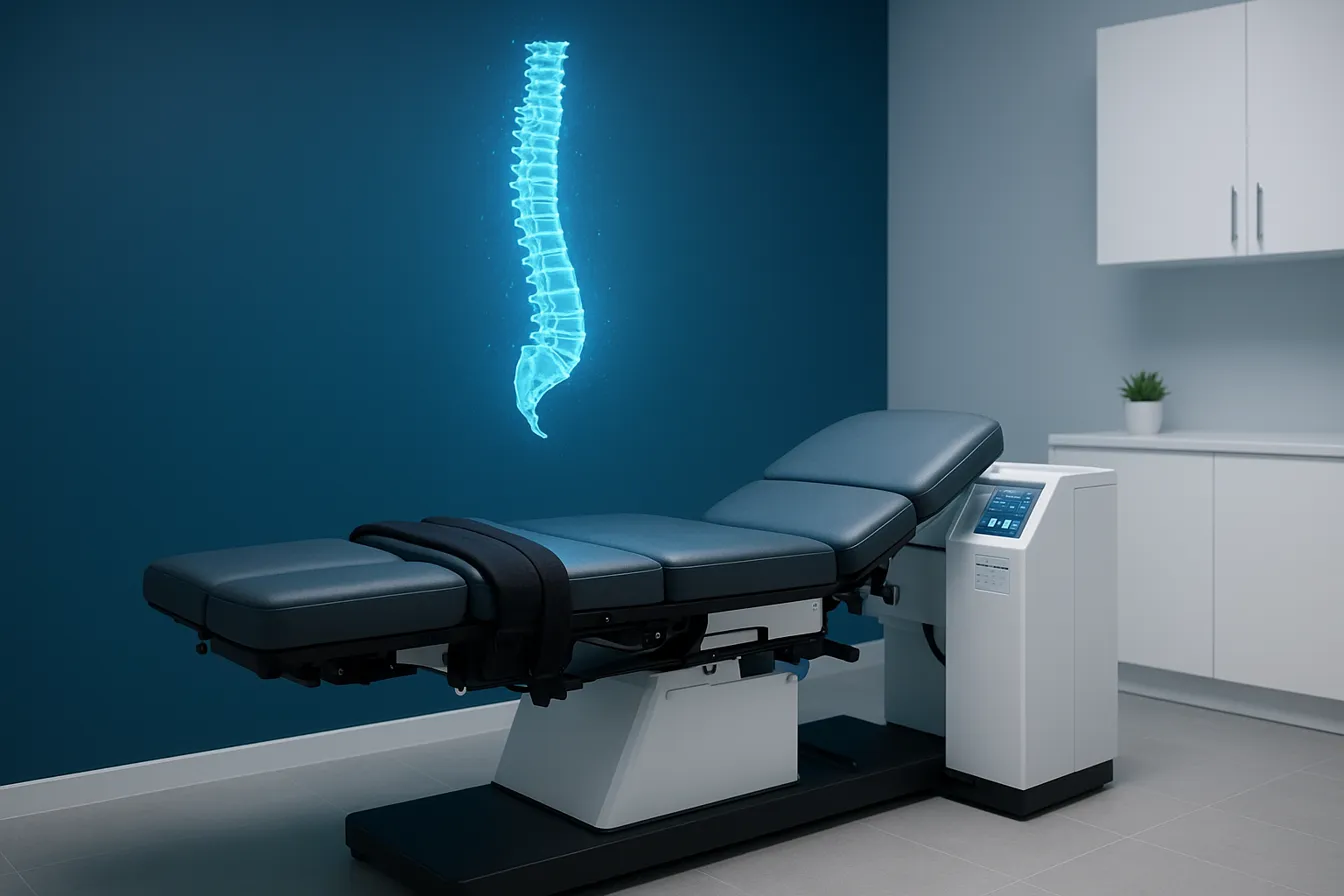
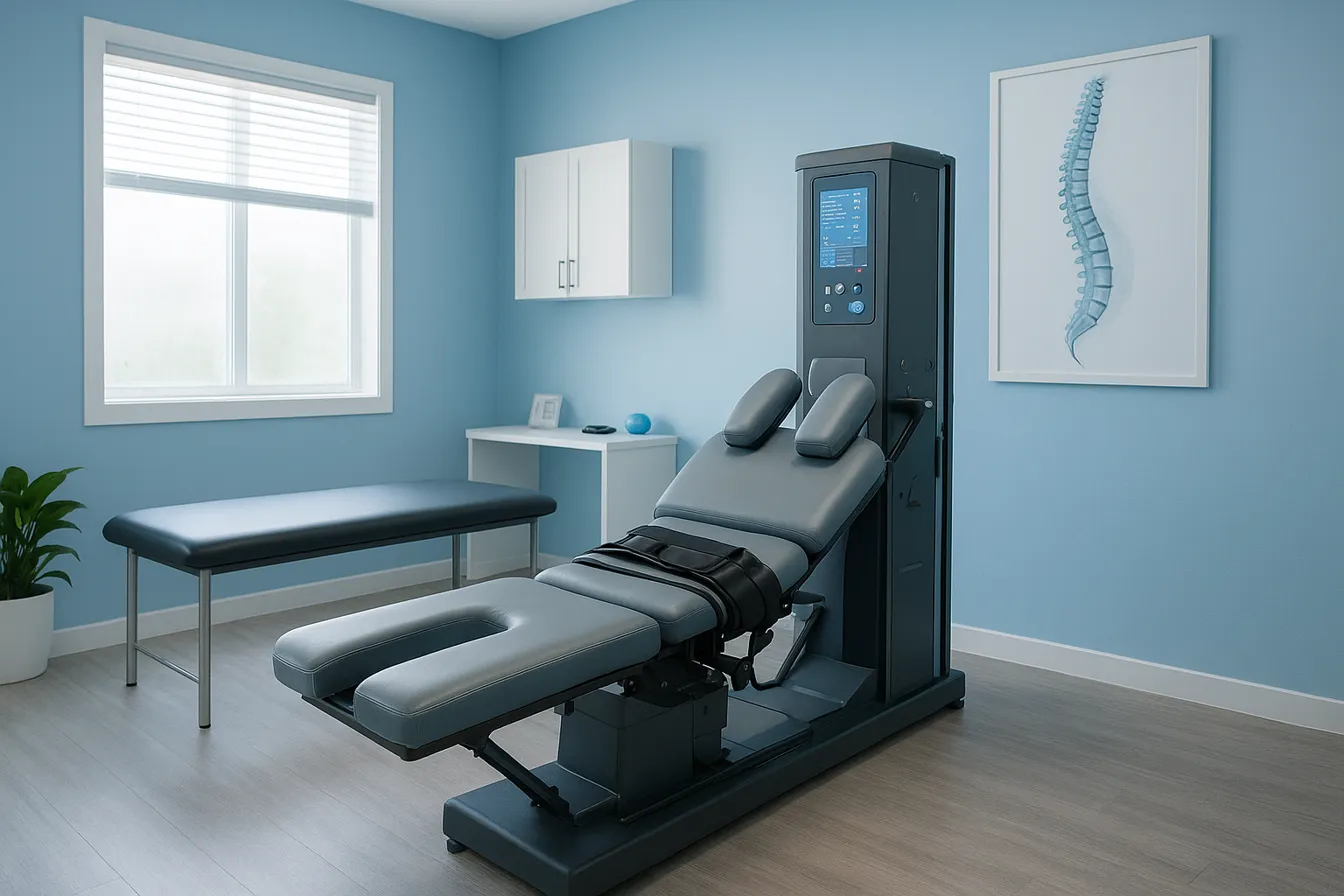
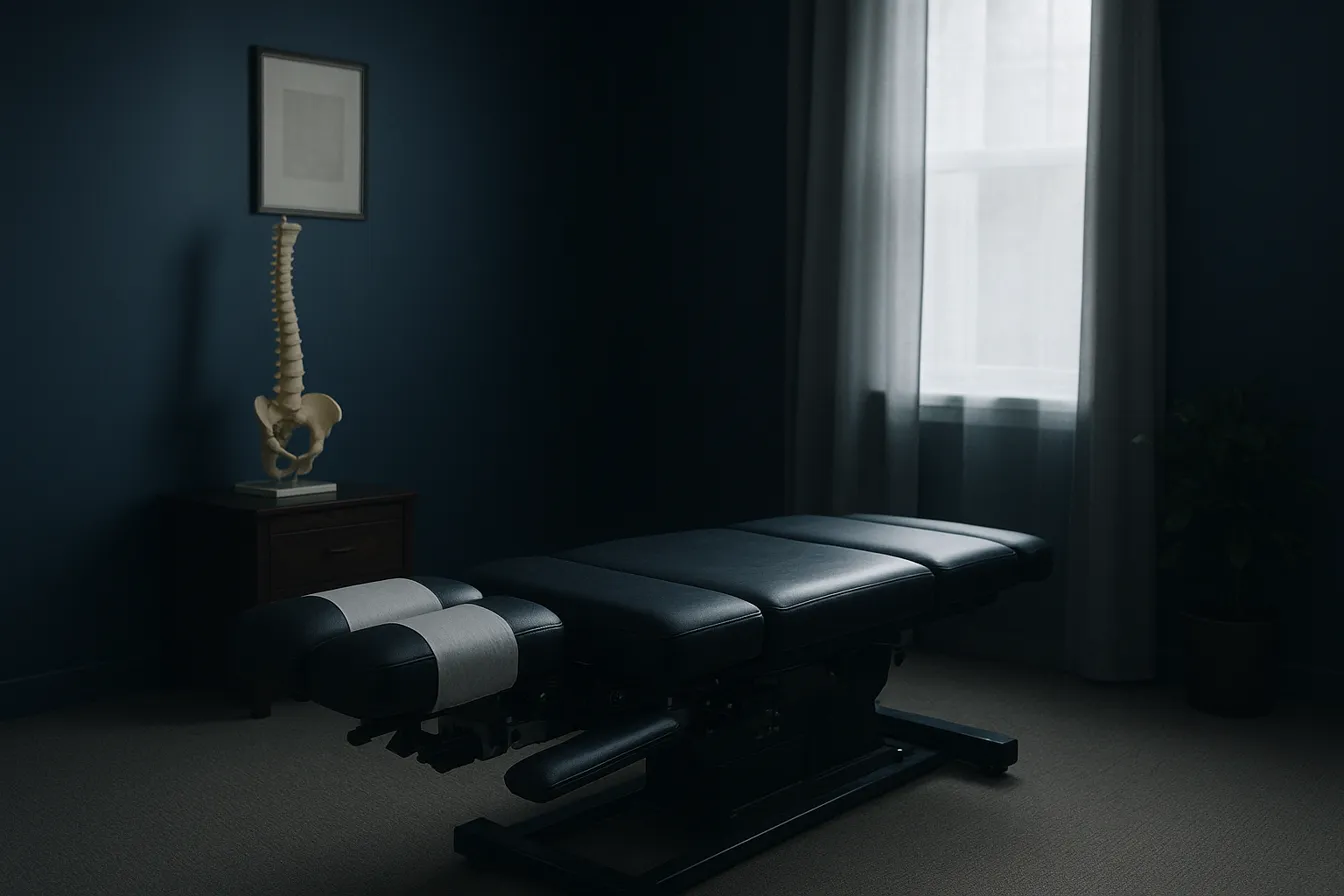
Extensive research demonstrates that spinal manipulation is as effective as NSAIDs for many musculoskeletal conditions and dramatically lowers opioid exposure. Meta‑analyses of randomized trials report 30‑40 % reductions in pain intensity and comparable functional gains to prescription opioids, while avoiding tolerance, dependence and overdose risk. Upper back pain relief – Upper‑back discomfort often stems from muscle strain, poor posture, or thoracic disc irritation. Skilled chiropractors perform precise thoracic adjustments that restore joint mobility, relieve nerve pressure and reduce inflammation. Complementary soft‑tissue work—massage, trigger‑point release, targeted stretching—relaxes tight muscles and improves circulation. At home, heat or cold therapy, ergonomic workstation setup and core‑strengthening activities such as yoga or Pilates sustain the benefits of each adjustment, leading to rapid, lasting relief. Back pain relief products – Supporting spinal alignment with tools such as a firm lumbar pillow, ergonomic chair, or height‑adjustable standing desk reduces disc strain during daily activities. Heat pads, topical analgesic gels, a lacrosse ball or foam roller provide myofascial release and soothe acute inflammation. Selecting products that reinforce proper mechanics—rather than masking pain—enhances the effectiveness of chiropractic care. Back Pain Relief Machine – In our Torrance office we employ a spinal‑decompression table (Ring Dinger®) that gently stretches the lumbar region, along with hand‑held activator and impulse‑adjusting tools for low‑impact, precise corrections. Adjunct modalities such as Class IV cold laser and TENS units further calm inflammation and block pain signals. Together, these evidence‑based devices create a holistic, drug‑free treatment plan that restores mobility, eases chronic discomfort, and reduces reliance on opioids.
Holistic Strategies to Reduce Opioid Use

Chronic low‑back pain affects millions of U.S. adults and has historically driven high opioid prescribing, yet evidence shows non‑opioid approaches can both relieve pain and curb opioid reliance.
Can your brain recover from opioid addiction? Yes. Neuroplasticity allows the prefrontal cortex and reward pathways, dysregulated by long‑term opioid use, to gradually normalize after cessation. Imaging studies document reduced hyper‑activity within weeks, with continued improvements over months to years. Complementary therapies—spinal manipulation, regular exercise, balanced nutrition, and stress‑reduction techniques—support nervous‑system health and accelerate functional restoration.
How can we reduce opioid use? Education and shared decision‑making are foundational. Providers and patients must understand the modest benefit of opioids for low‑back pain (≈30 % pain reduction) and the heightened risks of dependence, overdose, and side‑effects. Integrating chiropractic spinal manipulation, physical therapy, and mind‑body interventions into patient‑centered plans has been shown to lower opioid prescriptions by 20‑30 % and improve functional outcomes. Prescription‑monitoring programs, safe‑storage protocols, and tapering strategies (≈10 % dose reduction per month) further limit exposure.
Back Pain Relief Tablet Over‑the‑counter NSAIDs or acetaminophen can alleviate pain but carry gastrointestinal, renal, and cardiovascular risks when used long‑term. Herbal anti‑inflammatory supplements—curcumin, white‑willow bark, boswellia, and devil’s claw—offer a safer adjunct, reducing inflammation without major adverse events. When combined with regular chiropractic adjustments that restore spinal alignment and nerve mobility, these tablets can provide short‑term relief while the underlying biomechanical causes are addressed. Always discuss any supplement with your chiropractor to ensure it fits your personalized wellness plan.
Practical Home Remedies for Immediate Relief

How to get rid of back pain instantly Quick relief often starts with gentle movement. Try a few minutes of a cat‑cow stretch or a pelvic tilt to loosen tight muscles and improve spinal alignment. Apply a warm compress or heating pad for 10–15 minutes to increase blood flow, or a brief ice pack (no longer than 15 minutes) if the pain feels sharp. Check your posture: sit with lumbar support, keep shoulders relaxed, and avoid slouching while standing or walking. Over‑the‑counter anti‑inflammatory medication such as ibuprofen can further ease discomfort when used as directed. For lasting relief, a professional chiropractic adjustment—techniques like diversified or activator methods—can restore proper joint function in a single session.
Back Pain Relief Spray A back‑pain relief spray delivers fast‑acting, targeted comfort without the mess of creams. Most sprays contain menthol, camphor, or plant‑based cooling agents that trigger the gate‑control mechanism, temporarily numbing pain signals and reducing inflammation for up to three hours. Options such as Biofreeze Professional Spray, TIDL Cryotherapy Spray, and CARELAND Lidocaine Gel Patch combine rapid cooling with optional anesthetic action for deeper relief. Apply before stretching, exercise, or bedtime to promote relaxed muscles and better sleep. Consult a chiropractor at Back in Action Bodyworks for personalized recommendations that complement your treatment plan.
Back Pain Relief Stretches Start with a Knee‑to‑Chest stretch (hold 20‑30 seconds each side), followed by Child’s Pose (30‑60 seconds) to lengthen the lumbar region. The Cat‑Cow stretch moves the spine through flexion and extension, enhancing flexibility and circulation. Add Pelvic Tilts (10‑15 repetitions) to engage core muscles, and a Seated Spinal Twist for decompressing vertebrae, especially after prolonged sitting.
How to relieve back pain fast at home Apply a cold pack for the first 24‑48 hours, then switch to a warm compress to relax muscles. Perform gentle stretches (knee‑to‑chest, rotational, cat‑cow) 5‑10 seconds each, repeating 2‑3 times daily. Strengthen core and glutes with bridges and shoulder‑blade squeezes. Maintain good posture, take short walks hourly, and sleep with a pillow under the knees (on your back) or between knees (on your side). Use OTC anti‑inflammatory medication as needed, but avoid prolonged inactivity.
Integrating these home strategies with regular chiropractic care creates a holistic, low‑risk approach that reduces opioid reliance and enhances overall quality of life.
Improving Daily Function and Well‑Being
Living with chronic low‑back pain can erode daily function, but a holistic, patient‑centered plan that blends lifestyle habits, targeted exercise, nutrition, ergonomics, and regular chiropractic care can restore quality of life.
10 things you can do immediately to improve your quality of life
- Begin each morning with a glass of water and 5‑minute gentle full‑body stretches.
- Take micro‑breaks every hour: stand, walk, and perform a quick neck‑shoulder roll.
- Incorporate aerobic activity (walking, swimming) at least 150 minutes per week.
- Add strength training—body‑weight or resistance bands—3 times weekly to support spinal stability.
- Practice flexibility work such as yoga or dynamic stretching after each session.
- Prioritize a balanced diet rich in protein, vitamin D, calcium, omega‑3s, and anti‑inflammatory foods; limit processed sugars and excess caffeine.
- Ensure 7‑9 hours of restorative sleep; use a supportive mattress and pillow.
- Use stress‑relief techniques (deep breathing, meditation) for 5‑10 minutes daily.
- Maintain ergonomic posture at work with a lumbar‑support chair or adjustable standing desk.
- Schedule routine chiropractic care or physiotherapy check‑ups to keep spinal alignment optimal.
Back pain relief products A firm lumbar‑support pillow or ergonomic office chair preserves the natural lumbar curve while seated. Heat pads or topical analgesic gels soothe acute inflammation. A lacrosse ball or foam roller delivers targeted myofascial release for tight muscles. Height‑adjustable standing desks encourage movement and reduce prolonged sitting. Choose tools that reinforce proper mechanics rather than mask pain, and avoid unproven “miracle” devices. Integrating these products with regular spinal manipulation, exercise, and nutrition creates a comprehensive, low‑risk strategy that lowers opioid reliance and enhances overall well‑being.
Integrating Chiropractic Care with Lifestyle for Long‑Term Health

Multimodal pain‑management programs combine spinal manipulation with physical‑therapy exercises, ergonomic counseling, mind‑body techniques such as yoga or mindfulness. Research shows that patients receiving chiropractic care together with targeted exercise and education achieve greater reductions in low‑back pain intensity and disability than any single modality,, also decreasing opioid prescriptions by 20‑30 %. Central to these programs is patient education and shared decision‑making; clinicians explain the benefits of non‑pharmacologic options, set realistic functional goals, and involve patients in choosing therapies that fit their lifestyle. This collaborative approach improves adherence, boosts satisfaction, and promotes self‑management.
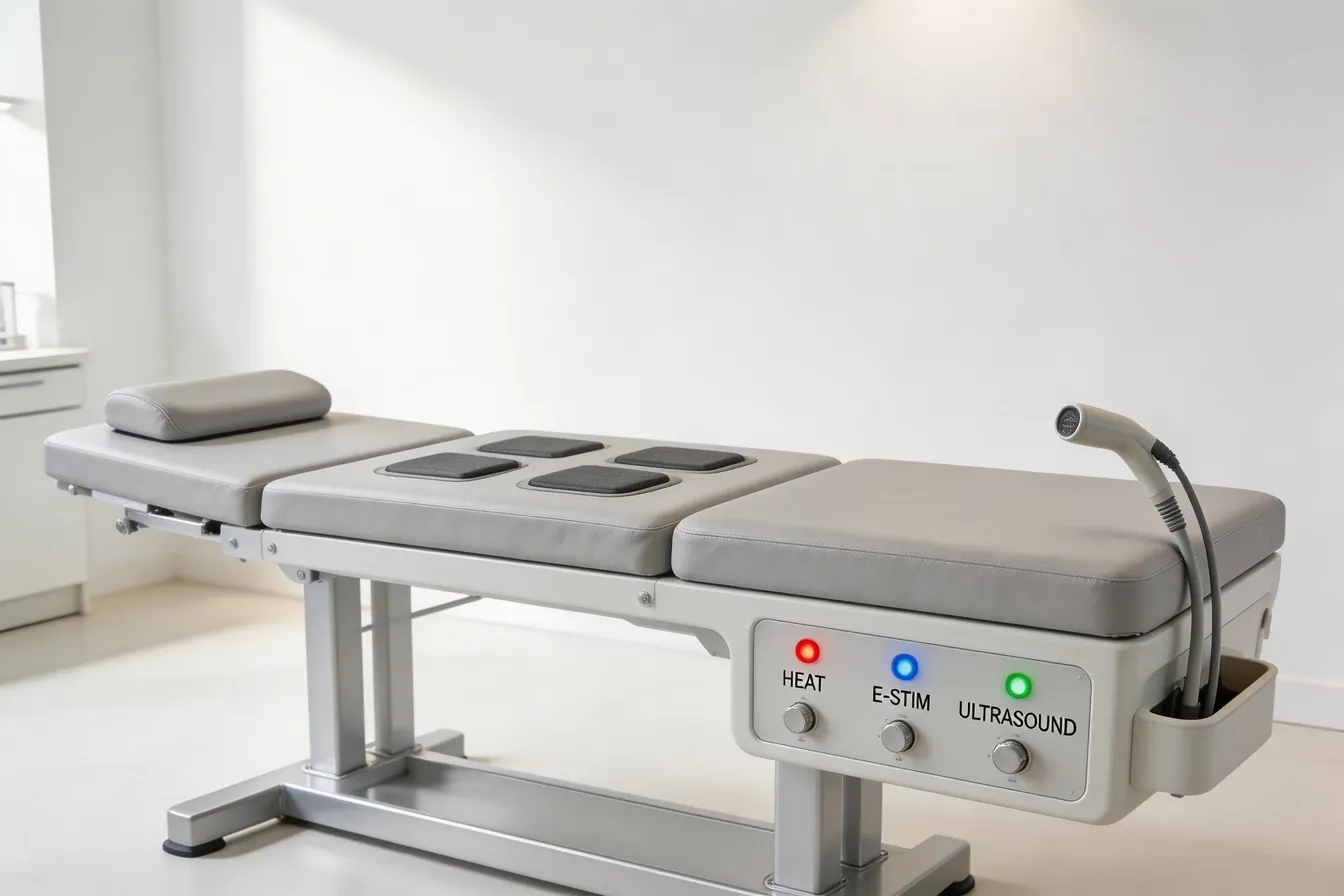
Back Pain Relief Machine – In our Torrance office we use a spinal‑decompression table (often called a Ring Dinger®) that gently stretches the lumbar spine while the patient remains comfortable. Hand‑held activator and impulse‑adjusting tools deliver precise, low‑impact adjustments for those unable to tolerate traditional manual manipulation. Complementary devices such as a Class IV cold laser and TENS unit further reduce inflammation and block pain signals, creating a holistic, drug‑free treatment plan that restores mobility and eases chronic discomfort.
Back Pain Relief Tablet – Over‑the‑counter NSAIDs or acetaminophen can relieve pain but carry risks of stomach upset, kidney strain, and other side‑effects when used long‑term. A safer, more holistic alternative is to supplement chiropractic care with natural anti‑inflammatory herbs—curcumin (turmeric), white willow bark, boswellia serrata, and devil’s claw—available as tablets. These botanicals inhibit inflammatory pathways and support tissue healing, complementing spinal adjustments that correct alignment and nerve function. Always discuss any supplement with your chiropractor to ensure it fits your health profile and treatment goals.
Take the First Step Toward Pain‑Free Living
Chronic low‑back pain is a leading cause of opioid prescriptions, yet evidence shows that chiropractic spinal manipulation can cut opioid use by 30‑40% and even up to 70% in some studies. By restoring joint motion, reducing inflammation, and normalizing nerve signaling, chiropractic care relieves pain without the risks of tolerance, dependence, or overdose. When combined with low‑impact exercise, ergonomic education, stress‑management techniques such as mindfulness or yoga, patients experience greater functional improvement and a higher quality‑of‑life score. This integrated, patient‑centered approach empowers you to manage pain naturally and avoid medication‑related side effects. Ready to begin? Schedule a personalized consultation at Back in Action Bodyworks today and start your journey toward lasting, opioid‑free relief.
Recent articles
10 Real‑Patient Success Stories Showcasing the Impact of Chiropractic Care

Superfoods That Boost Nerve Healing After Chiropractic Sessions

Sleep Positions That Promote a Healthy Back Alignment
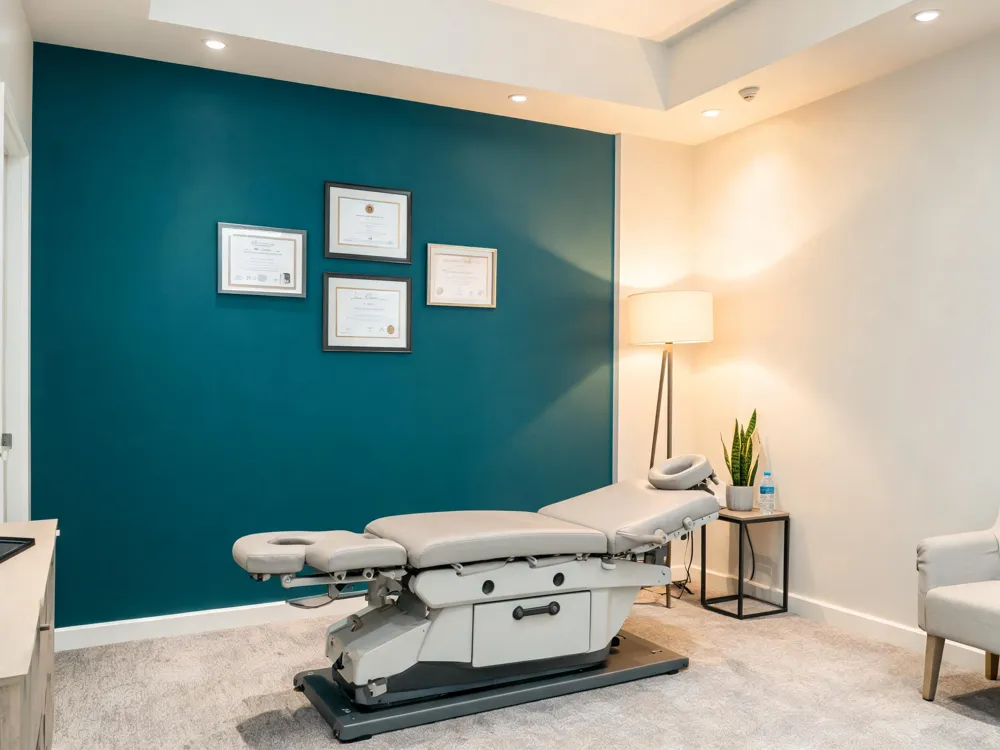
Signs Your Chiropractor Is a Good Fit for Your Back Pain Goals
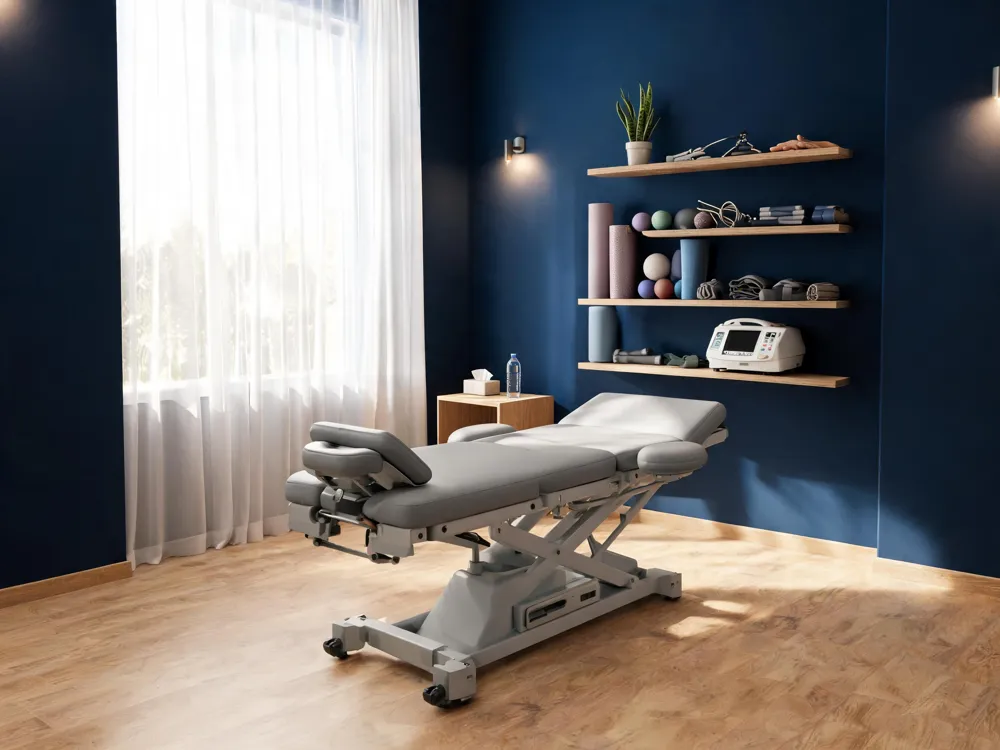
Case Study: Integrated Physiotherapy and Chiropractic for Faster Recovery
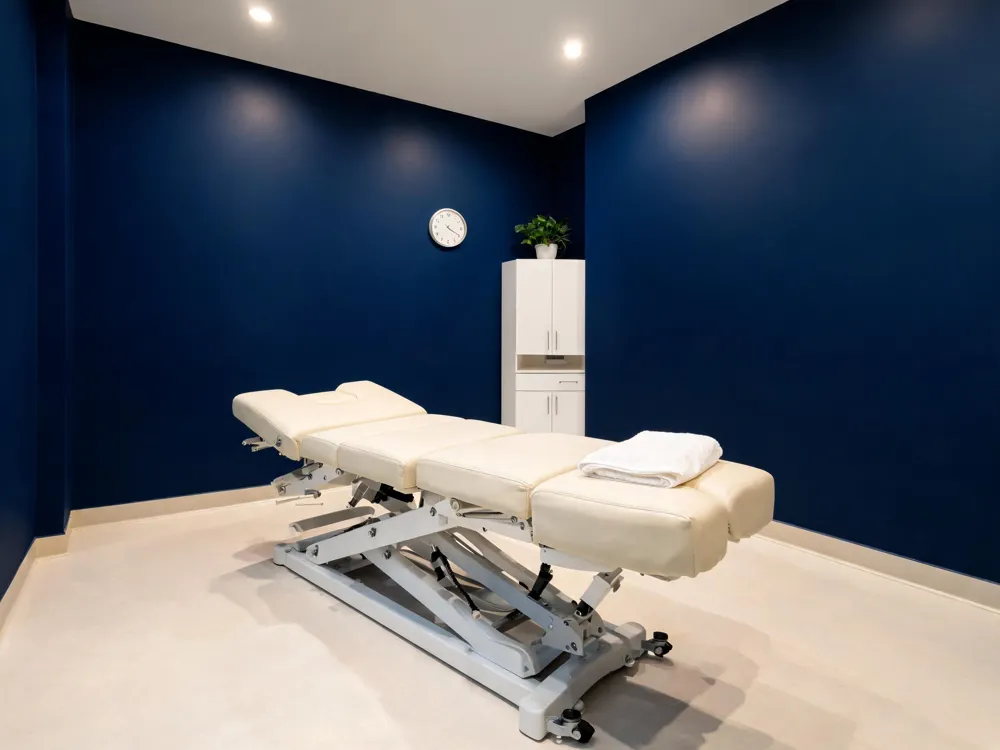
First-Time Chiropractic Visit: A Step‑by‑Step Walkthrough
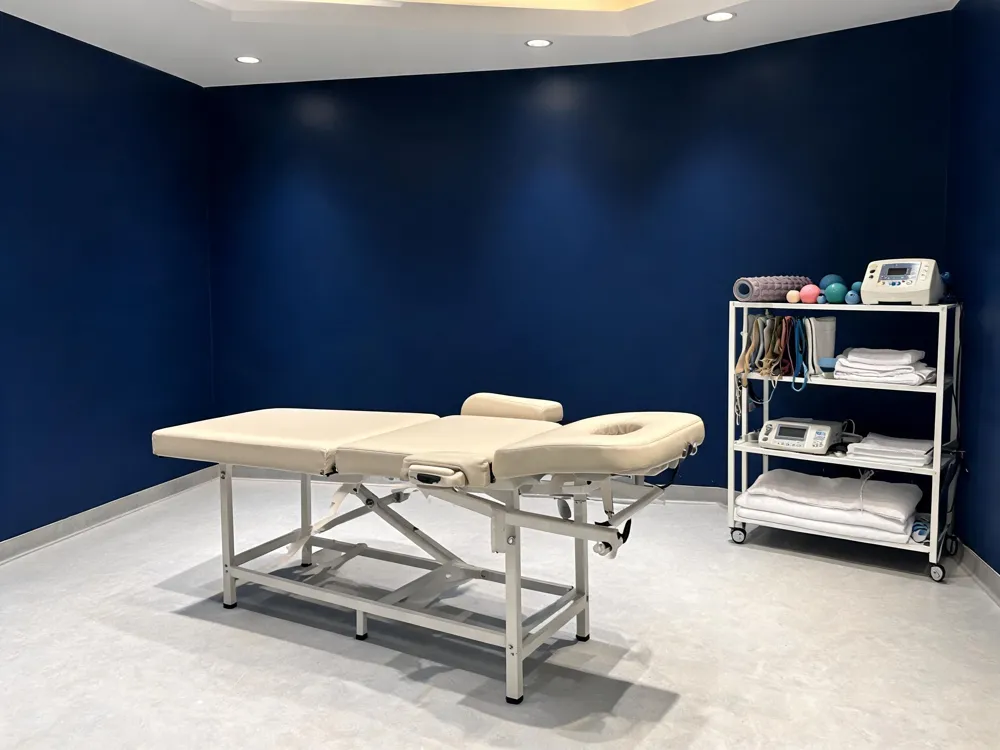
Synergistic Benefits: Combining Physiotherapy with Chiropractic Care

Beyond Surgery: Holistic Approaches to Managing Back Pain
How Manual Therapy Enhances the Effects of Chiropractic Adjustments

Hydration Hacks: Why Water Matters for Joint and Spine Function

What Does a Comprehensive Spinal Evaluation Include?

Success Spotlight: Transformative Results After Six Weeks of Chiropractic Treatment

Understanding the Initial Assessment Process in Chiropractic Care
Designing a Personalized Corrective Exercise Plan for Chronic Pain Management

Natural Pain Management: Combining Acupuncture, Yoga, and Chiropractic
Chiropractic Care vs. Pain Meds: Long-Term Outcomes for Back Pain Sufferers

What to Expect During a Sciatica‑Focused Decompression Session

Understanding the Pain-Relief Mechanics Behind Chiropractic Adjustments

Success Rates of Non‑Surgical Spinal Decompression for Sciatica
Patient-Centered Chiropractic Care: Personalized Plans for Back Pain Relief
How Chiropractic Treatments Reduce Inflammation and Speed Up Back Pain Recovery
Real‑Life Stories: How Chiropractic Helped Patients Overcome Chronic Back Pain
From Symptom Masking to Root‑Cause Healing: A Practical Guide

6 Holistic Non‑Surgical Treatments That Deliver Sustainable Back‑Pain Relief
Key Questions to Ask When Selecting Your Chiropractor

Mindful Movement: Incorporating Stretch Breaks Into a Busy Day

Why Targeting the Underlying Cause Beats Temporary Symptom Relief

8 Ways Physiotherapy Complements Chiropractic Adjustments for Faster Recovery
Meal Planning for Athletes Recovering from Back Injuries

9 Everyday Lifestyle Tweaks to Preserve a Healthy Spine and Prevent Pain

Functional Movement Screening for Root‑Cause Pain Identification

6 Things You’ll Experience During Your First Chiropractic Appointment

Spinal Decompression vs. Standard Physical Therapy for Sciatica: A Comparative Review

New Findings on How Adjustments Influence Blood Circulation
Work‑From‑Home Ergonomics: A Blueprint for a Pain‑Free Back

The Link Between Chiropractic Care and Improved Sleep Quality

Physiotherapy Techniques That Strengthen the Benefits of Chiropractic Adjustments

Biomechanical Insights Behind Successful Spinal Decompression

Desk‑to‑Dumbbell: Lifestyle Shifts That Guard Your Lower Back
10 Corrective Exercises for Sustainable Pain-Free Living

Morning Routines That Support Spine Health and Reduce Stiffness
Calcium and Magnesium‑Focused Nutrition for Bone Density and Spine Health

9 Ways Chiropractic Care Transforms Back Pain Management

Testimonial: Nutrition‑Guided Recovery Accelerated by Chiropractic
Science‑Backed Spinal Decompression for Relieving Sciatica Symptoms
Key Questions to Ask During Your Initial Chiropractic Consultation
Whole‑Body Wellness Blueprint: Nutrition, Exercise, and Chiropractic Synergy
A 12‑Week Corrective Exercise Blueprint for Chronic Neck Discomfort

Manual Therapy Plus Targeted Exercise: Accelerating Post‑Injury Recovery
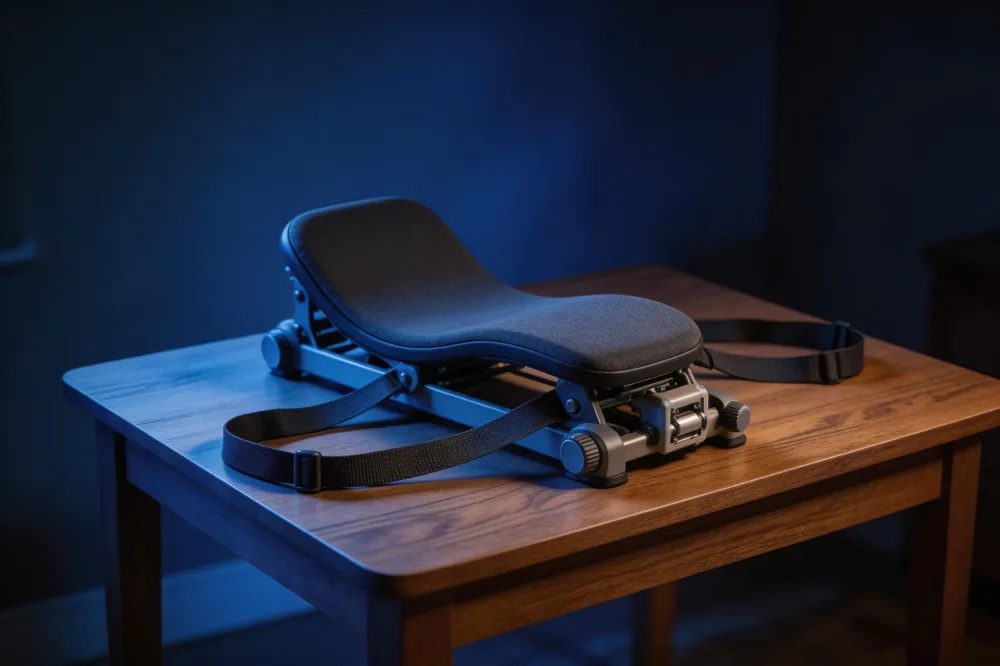
Home‑Based Spinal Decompression Devices: What Patients Should Know
Chiropractic Care Statistics: Reducing Lost Workdays From Back Pain

How Targeted Nutrition Enhances Immune Function and Lowers Inflammatory Pain

Self‑Assessment Tools to Identify Hidden Triggers of Back Pain
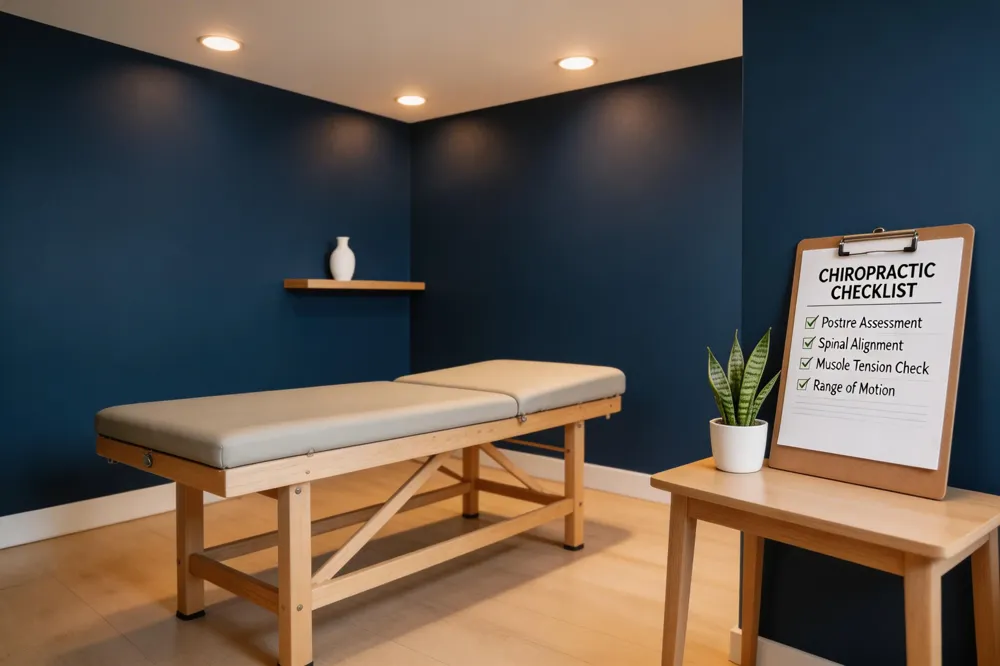
Preparing for Your First Chiropractic Appointment: A Practical Checklist
Back Pain Relief Benefits: Lower Opioid Use and Better Quality of Life

Foam‑Rolling Techniques to Complement Chiropractic Adjustments
Progressive Overload Principles in Corrective Exercise Programs
Six‑Month Transformation: Integrated Care Success Story

7 Nutritional Hacks to Boost Your Overall Wellness

How to Choose a Chiropractor: Credentials, Techniques, and Patient Compatibility
5 Ways Spinal Decompression Can Ease Sciatica Pain

Overcoming Sciatica: A Patient’s Multidisciplinary Treatment Journey
Lifestyle Changes That Promote a Healthy Spine
Physiotherapy as a Complement to Chiropractic Treatments
6 Ways Physiotherapy Enhances Chiropractic Treatment Outcomes
Daily Living Tips for a Strong and Healthy Spine
How Physiotherapy Enhances Chiropractic Outcomes
Holistic Treatments: Alternatives to Surgery for Pain Relief
Inspiring Patient Success Stories from Chiropractic Clinics
Integrating Physiotherapy with Chiropractic Treatments
Corrective Exercise Routines for Chronic Pain Prevention
10 Corrective Exercises to Maintain a Healthy Spine and Relieve Pain
Exercise Strategies for Long-Term Pain Management
10 Corrective Exercises to Maintain a Healthy Spine and Relieve Pain
The Importance of Treating the Root Cause of Pain
Nutritional Support Strategies for Whole-Body Wellness
7 Essential Questions to Ask When Choosing Your Chiropractor
Identifying and Addressing Root Causes of Pain
Maintaining a Healthy Spine with Lifestyle Adjustments
Sciatica Symptom Relief via Spinal Decompression
8 Reasons Why Addressing the Root Cause of Pain Is Crucial
Chiropractic Care’s Impact on Back Pain Recovery
Combining Physiotherapy with Chiropractic Care for Better Results
Inspiring Recovery: Chiropractic Patient Testimonials
Nutritional Counseling Tips for Optimal Wellness

Why Addressing the Root Cause of Pain is Crucial
Back Pain and Chiropractic Care: A Winning Combination
Chiropractic Care Benefits You Might Not Know
Exploring Holistic and Non-Surgical Treatments for Pain
Spinal Health: Lifestyle Tips for Everyday Wellness
Spinal Decompression Therapy: Benefits and Applications
Holistic and Non-Invasive Spine Care Options
Everyday Lifestyle Advice to Keep Your Spine Healthy
The Significance of Treating Root Causes in Pain Therapy
Best Corrective Exercises for Sustainable Pain Management
Addressing Underlying Causes of Pain for Long-Term Relief
6 Key Benefits of Spinal Decompression Therapy for Sciatica Relief
How Nutritional Counseling Supports Spine Health and Recovery
The Role of Physiotherapy in Supporting Chiropractic Treatments