Science‑Backed Spinal Decompression for Relieving Sciatica Symptoms
March 25, 2026
6 min
Overview of Sciatica and Treatment Options
Sciatica is a common condition in which pain, numbness or tingling travels from the lower back down the leg along the sciatic nerve, most often due to a herniated lumbar disc, spinal stenosis or bone spurs. First‑line, non‑surgical care emphasizes exercise, spinal manipulation, ergonomic education and core‑strengthening programs that address the root mechanical and postural contributors. When conservative measures alone do not provide sufficient relief, spinal decompression therapy offers a gentle, computer‑controlled traction that creates negative intradiscal pressure, encouraging disc re‑hydration and retraction of bulging material. This low‑risk modality fits naturally into a holistic chiropractic plan, can be combined with therapeutic exercises, manual adjustments and lifestyle counseling, and has shown modest pain‑reduction and functional gains in controlled studies for many patients, and supports long‑term spinal health while minimizing medication use.
Understanding Spinal Decompression: Science and Success Rates
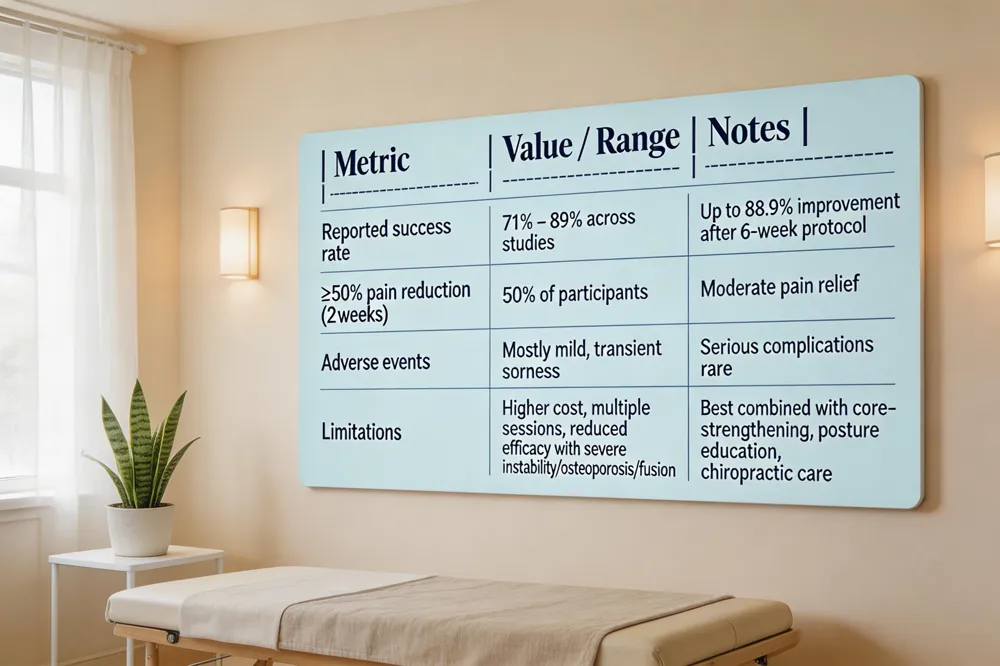
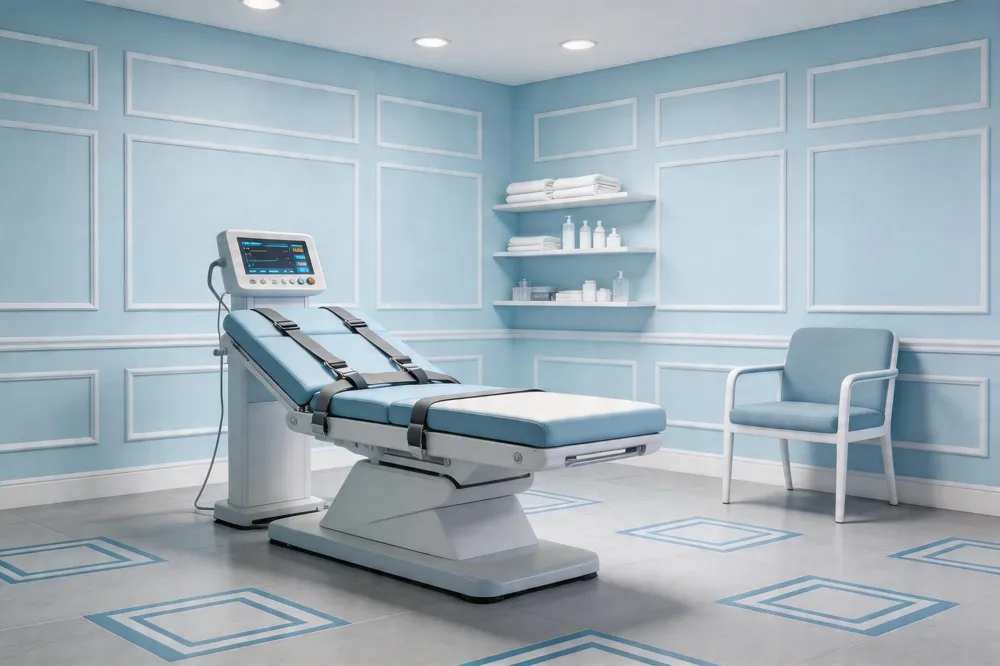
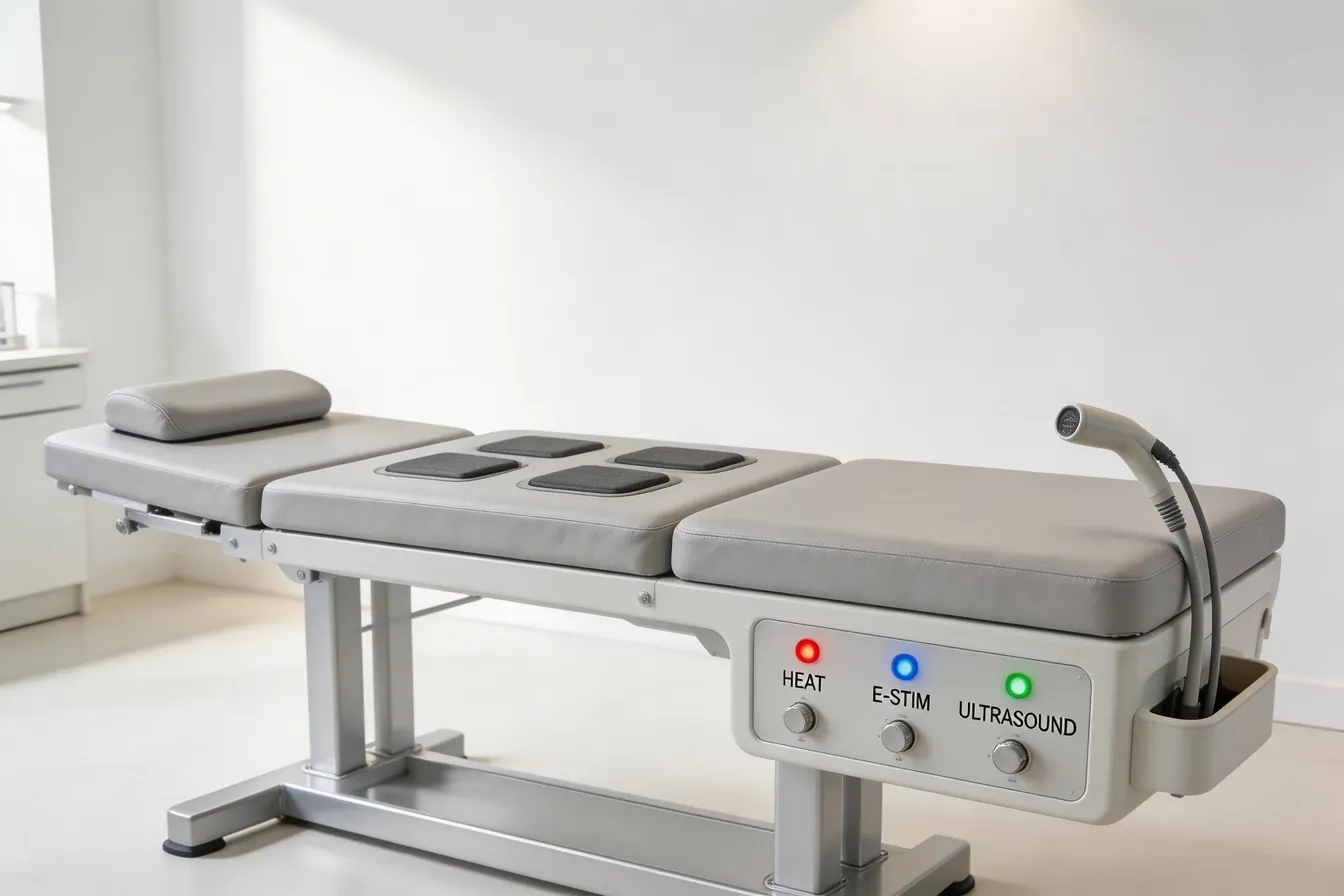
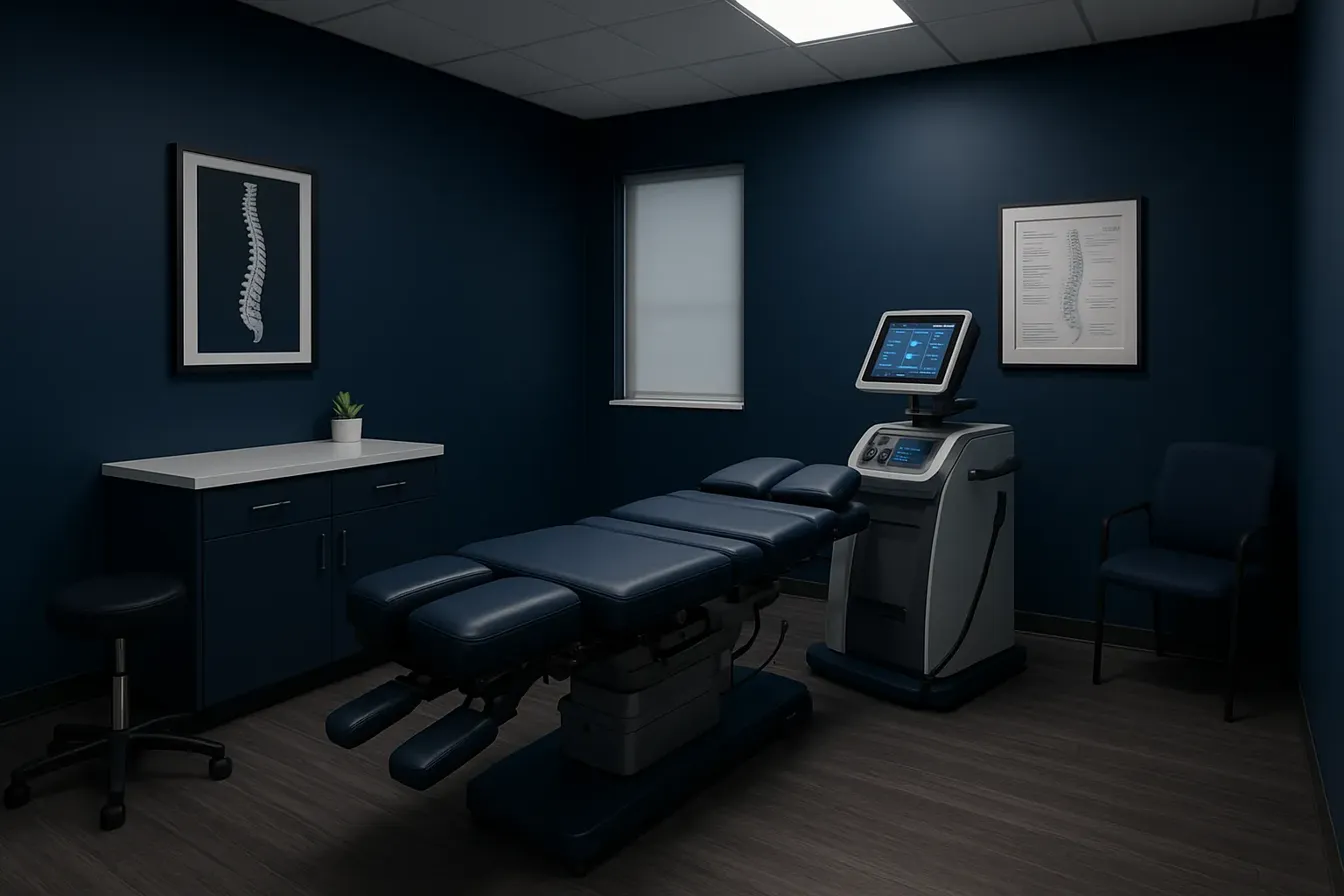
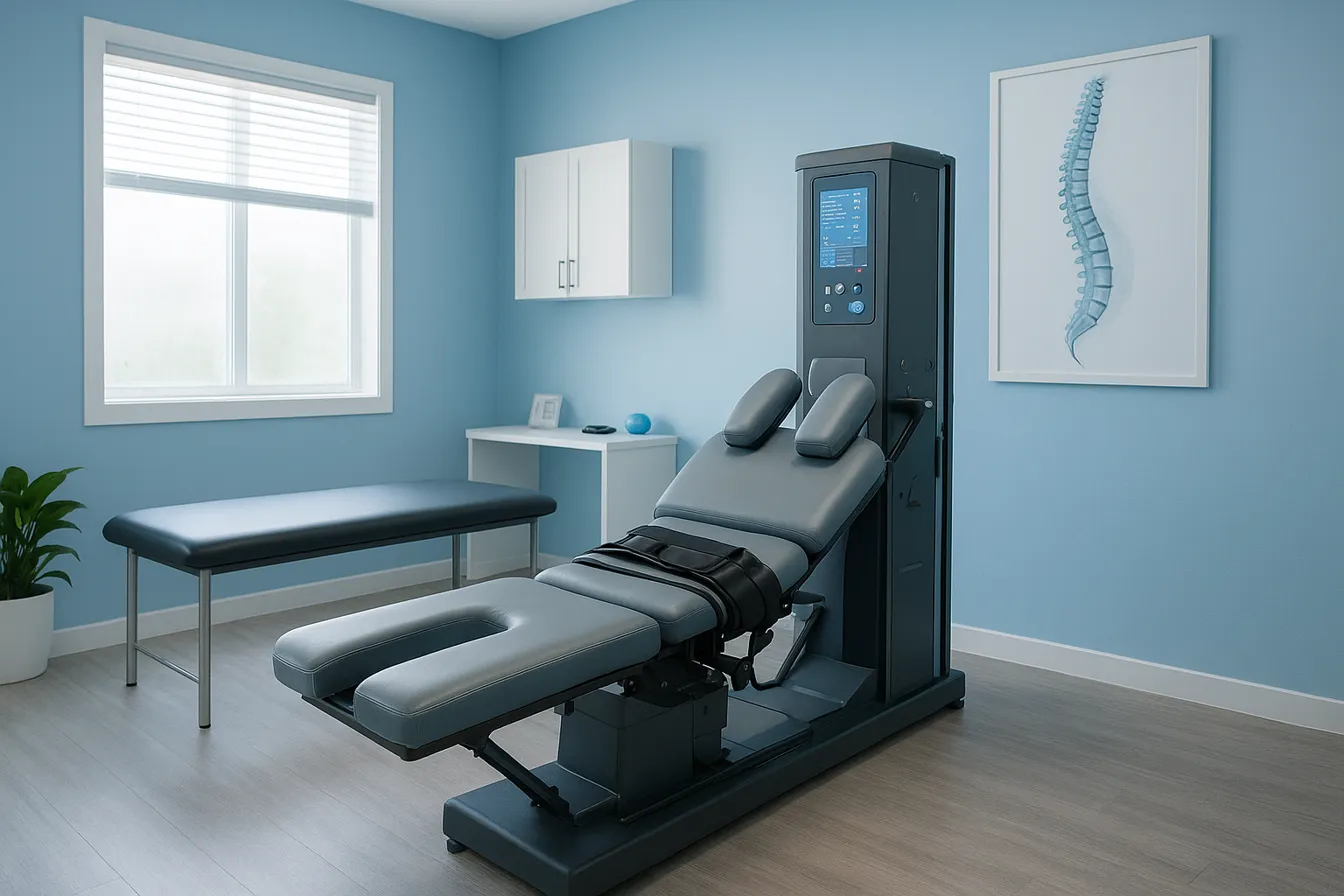
Spinal decompression uses a motorized traction table that gently stretches the lumbar spine, creating negative intradiscal pressure. This vacuum‑like effect draws water, oxygen, and nutrients into the disc, promotes re‑hydration, and can retract bulging material away from the sciatic nerve root. Clinical research, including systematic reviews and pilot trials, shows moderate pain relief and functional gains for patients with disc‑related sciatica. Reported success rates range from 71 % to 89 % across studies, with some investigations noting up to 88.9 % improvement after a six‑week protocol and 50 % of participants achieving ≥50 % pain reduction within two weeks. Safety is favorable: most adverse events are mild transient soreness; serious complications are rare. Limitations include higher cost, the need for multiple sessions, and reduced efficacy in cases of severe instability, osteoporosis, or previous spinal fusion. Overall, spinal decompression is a low‑risk, drug‑free option that works best when integrated with core‑strengthening exercises, posture education, and ongoing chiropractic care.
Practical Decompression Techniques: At‑Home and Clinical

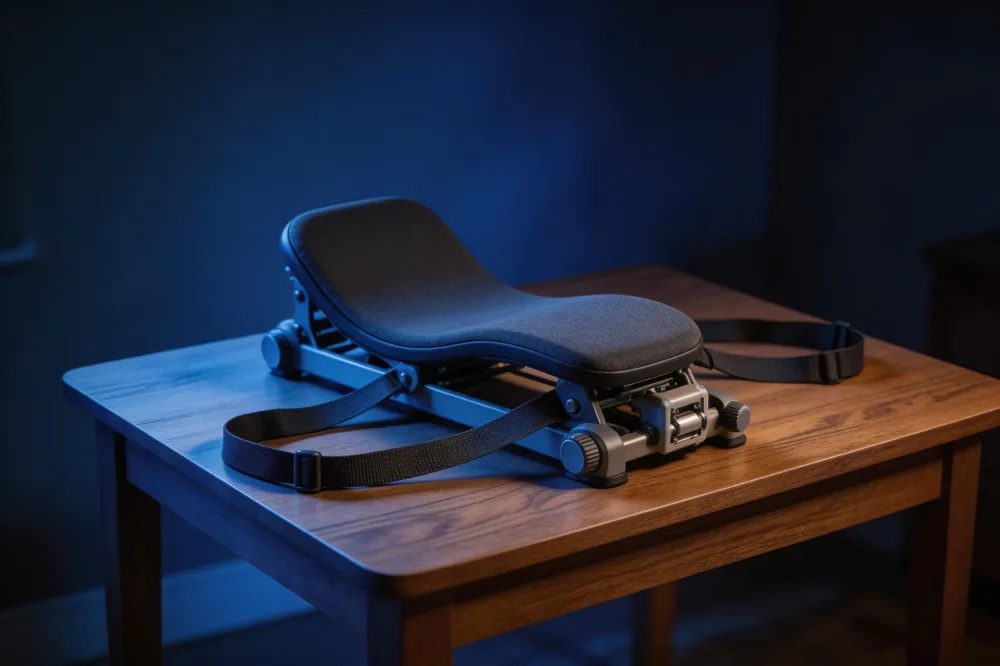
Non‑surgical spinal decompression can begin at home with gentle, low‑impact movements that create space between vertebrae. Yoga‑based poses such as Child’s Pose, Knees‑to‑Chest, and Cat‑Cow lengthen the lower back, while a supine pelvic tilt or supported bridge flattens the lumbar curve. For added traction, an inversion table or a pull‑up bar uses gravity, and portable lumbar belts can deliver a controlled pulling force under professional guidance.
Can you naturally decompress your spine? Yes. Simple stretches, pelvic tilts, and inversion‑based gravity pulls gently decompress the spine; start with 5‑10 minutes daily and pair with core‑strengthening exercises.
Spinal decompression exercises include the moves above, plus seated forward folds and Dolphin Pose, performed 30–60 seconds each, while bird‑dog or plank variations support the spine.
Sciatica adjustment at home focuses on knee‑to‑chest, figure‑four, and piriformis stretches; stop if pain increases and seek a chiropractor for precise alignment.
Sciatica decompression stretches such as seated forward folds, supine hamstring straps, hip‑flexor stretches, and piriformis drills decompress the nerve and improve mobility when done twice daily.
Cost, Accessibility, and Finding the Right Provider

Non‑surgical spinal decompression is typically billed at $75‑$150 per session, with package rates that can lower the per‑visit cost to $30‑$250. Most patients complete 12‑30 appointments over several weeks, resulting in an out‑of‑pocket total of $1,000‑$5,000. Insurance coverage is limited; many plans will reimburse part of the fee when a physician’s prescription is supplied, but co‑pays or deductibles often remain. In Southern California, Back in Action Bodyworks in Torrance offers FDA‑cleared computer‑guided decompression as part of a holistic musculoskeletal program that also includes chiropractic adjustments, therapeutic exercise, and lifestyle counseling. A typical visit lasts 20‑45 minutes, is performed fully clothed, and feels like a gentle stretch; patients often report immediate relief, though a full course of 6‑12 treatments is usually needed for lasting results. The clinic works with most insurers, offers financing options, and provides a free initial evaluation to personalize your treatment plan and support long‑term sciatica relief.
Holistic Support: Supplements, Herbs, and Lifestyle

A holistic, patient‑centered plan for sciatica blends nutrition, botanicals, and lifestyle tweaks with chiropractic care. Evidence‑based supplements that may ease musculoskeletal pain include omega‑3 fish oil, curcumin, magnesium, vitamin D, and a glucosamine + chondroitin blend; reputable, third‑party‑tested brands are recommended and any new supplement should be discussed with a clinician. Herbal anti‑inflammatories such as turmeric/curcumin, ginger, willow bark, Boswellia serrata, and Devil’s Claw can further modulate cytokine activity and support joint health. The whole‑person approach treats muscle pain as an interconnected system—combining gentle stretching, core‑strengthening exercises, massage, acupuncture, and stress‑reduction practices (mindfulness, yoga) to lower tension around the sciatic nerve. Stress, anxiety, and depression amplify muscle tone and reduce blood flow, worsening sciatic symptoms; managing these emotions through relaxation techniques is essential. Finally, habits that curb inflammation—regular low‑impact activity, a diet rich in omega‑3s and antioxidants, adequate hydration, 7‑9 hours of sleep, and judicious use of heat/ice—create an environment for lasting relief and optimal musculoskeletal wellness.
Targeted Long‑Term Management of L4/L5 Issues
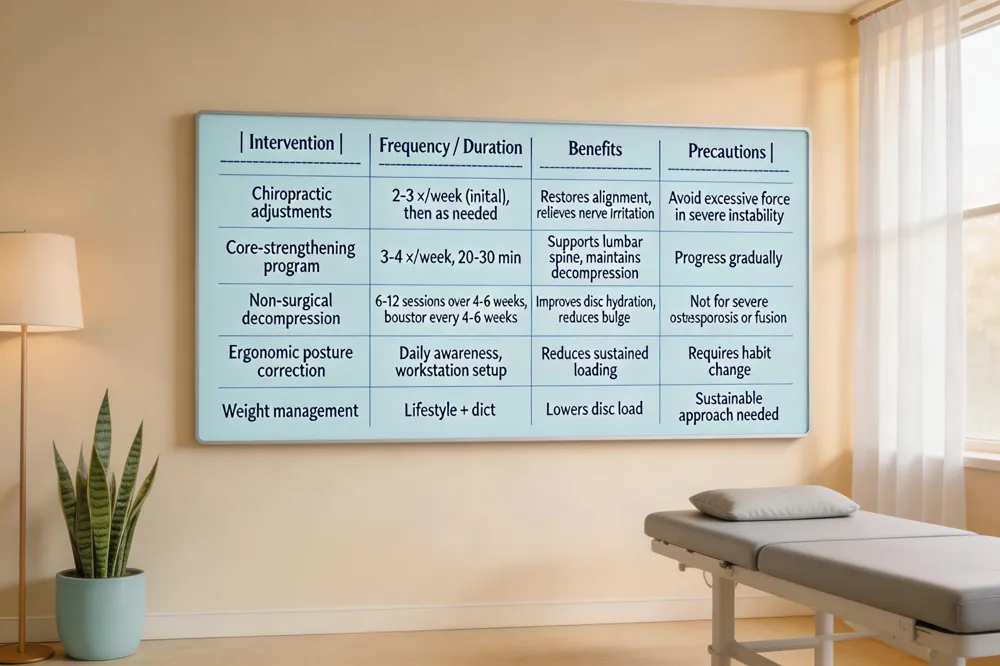
The prognosis for L4‑L5 disc problems hinges on early, patient‑centered intervention. When the pathology is a mild bulge or early degeneration, a regimen that blends chiropractic adjustments, therapeutic core‑strengthening, and non‑surgical spinal decompression can often restore disc height, improve nutrient flow, and reduce nerve‑root irritation, leading to lasting, pain‑free function (e.g., case series reporting 30‑50 % pain reduction after 12‑18 sessions). However, advanced herniation or severe stenosis may ultimately require surgical decompression, with postoperative rehab essential for durability.
Activities that aggravate L5 compression include heavy deadlifts or deep squats performed with a rounded back, high‑impact running or jumping, prolonged forward‑bending (toe‑touches, sit‑ups), and twisting motions such as Russian twists or golf swings. These actions raise intradiscal pressure or shear forces, worsening disc bulge and sciatic irritation.
Sustaining decompression benefits involves a maintenance plan: periodic “booster” decompression sessions (often every 4‑6 weeks), regular core and flexibility work, ergonomic posture correction, and weight management. Integrating spinal manipulations, soft‑tissue release, and patient education creates a holistic approach that supports disc health, minimizes recurrence, and promotes long‑term wellness.
Takeaway and Next Steps
Key points: Spinal decompression (NSD) can lessen disc pressure, improve nutrient flow, and often reduce sciatica pain by 30‑50 % after 4‑6 weeks, though high‑quality evidence is limited and results vary by patient. It is typically combined with core‑strengthening, ergonomic counseling, and manual adjustments for optimal outcomes.
Choosing a qualified provider: Look for a licensed chiropractor or physical therapist who has specific training on FDA‑cleared decompression tables, uses evidence‑based protocols, and conducts a thorough intake (imaging, health history, contraindication screening). Verify that the clinic follows strict safety limits, documents each session, and offers a clear, individualized treatment plan.
Continuing holistic wellness: After the decompression series, maintain exercises, posture awareness, nutrition, and stress management. Schedule check‑ins to adjust programs and prevent recurrence, integrating modalities such as massage, stretching, or acupuncture as needed.
Recent articles
10 Real‑Patient Success Stories Showcasing the Impact of Chiropractic Care

Superfoods That Boost Nerve Healing After Chiropractic Sessions

Sleep Positions That Promote a Healthy Back Alignment
Signs Your Chiropractor Is a Good Fit for Your Back Pain Goals
Case Study: Integrated Physiotherapy and Chiropractic for Faster Recovery
First-Time Chiropractic Visit: A Step‑by‑Step Walkthrough
Synergistic Benefits: Combining Physiotherapy with Chiropractic Care
Beyond Surgery: Holistic Approaches to Managing Back Pain

How Manual Therapy Enhances the Effects of Chiropractic Adjustments

Hydration Hacks: Why Water Matters for Joint and Spine Function

What Does a Comprehensive Spinal Evaluation Include?

Success Spotlight: Transformative Results After Six Weeks of Chiropractic Treatment

Understanding the Initial Assessment Process in Chiropractic Care
Designing a Personalized Corrective Exercise Plan for Chronic Pain Management

Natural Pain Management: Combining Acupuncture, Yoga, and Chiropractic
Chiropractic Care vs. Pain Meds: Long-Term Outcomes for Back Pain Sufferers

What to Expect During a Sciatica‑Focused Decompression Session

Understanding the Pain-Relief Mechanics Behind Chiropractic Adjustments
Success Rates of Non‑Surgical Spinal Decompression for Sciatica

Patient-Centered Chiropractic Care: Personalized Plans for Back Pain Relief
How Chiropractic Treatments Reduce Inflammation and Speed Up Back Pain Recovery

Real‑Life Stories: How Chiropractic Helped Patients Overcome Chronic Back Pain
From Symptom Masking to Root‑Cause Healing: A Practical Guide

6 Holistic Non‑Surgical Treatments That Deliver Sustainable Back‑Pain Relief
Key Questions to Ask When Selecting Your Chiropractor

Mindful Movement: Incorporating Stretch Breaks Into a Busy Day

Why Targeting the Underlying Cause Beats Temporary Symptom Relief
8 Ways Physiotherapy Complements Chiropractic Adjustments for Faster Recovery
Meal Planning for Athletes Recovering from Back Injuries

9 Everyday Lifestyle Tweaks to Preserve a Healthy Spine and Prevent Pain

Functional Movement Screening for Root‑Cause Pain Identification

6 Things You’ll Experience During Your First Chiropractic Appointment

Spinal Decompression vs. Standard Physical Therapy for Sciatica: A Comparative Review

New Findings on How Adjustments Influence Blood Circulation
Work‑From‑Home Ergonomics: A Blueprint for a Pain‑Free Back

The Link Between Chiropractic Care and Improved Sleep Quality

Physiotherapy Techniques That Strengthen the Benefits of Chiropractic Adjustments

Biomechanical Insights Behind Successful Spinal Decompression

Desk‑to‑Dumbbell: Lifestyle Shifts That Guard Your Lower Back
10 Corrective Exercises for Sustainable Pain-Free Living

Morning Routines That Support Spine Health and Reduce Stiffness

Calcium and Magnesium‑Focused Nutrition for Bone Density and Spine Health

9 Ways Chiropractic Care Transforms Back Pain Management

Testimonial: Nutrition‑Guided Recovery Accelerated by Chiropractic
Science‑Backed Spinal Decompression for Relieving Sciatica Symptoms

Key Questions to Ask During Your Initial Chiropractic Consultation
Whole‑Body Wellness Blueprint: Nutrition, Exercise, and Chiropractic Synergy
A 12‑Week Corrective Exercise Blueprint for Chronic Neck Discomfort

Manual Therapy Plus Targeted Exercise: Accelerating Post‑Injury Recovery
Home‑Based Spinal Decompression Devices: What Patients Should Know

Chiropractic Care Statistics: Reducing Lost Workdays From Back Pain

How Targeted Nutrition Enhances Immune Function and Lowers Inflammatory Pain
Self‑Assessment Tools to Identify Hidden Triggers of Back Pain
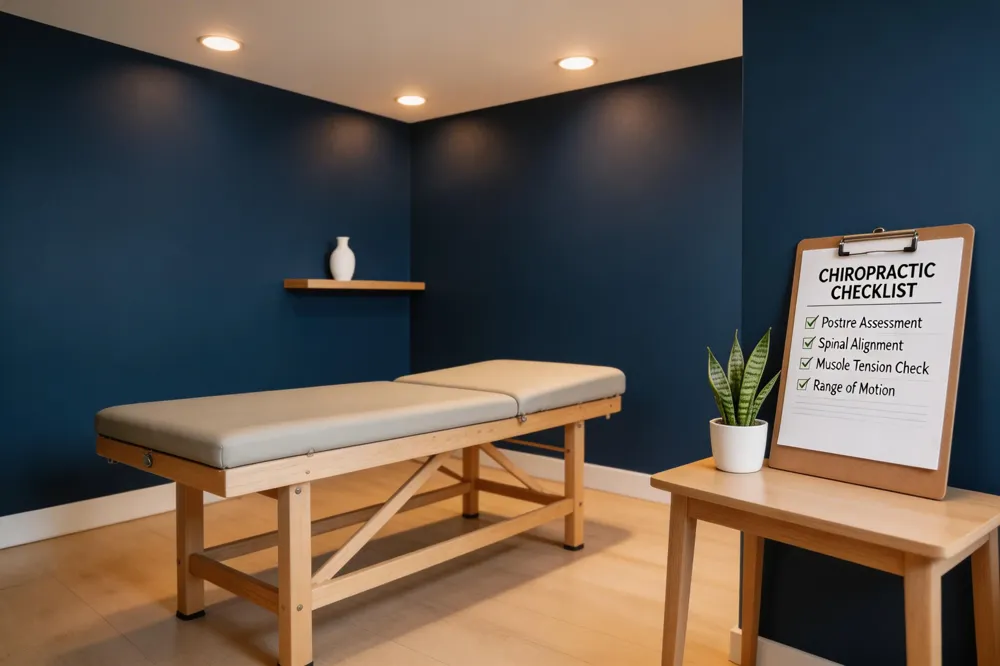
Preparing for Your First Chiropractic Appointment: A Practical Checklist

Back Pain Relief Benefits: Lower Opioid Use and Better Quality of Life

Foam‑Rolling Techniques to Complement Chiropractic Adjustments
Progressive Overload Principles in Corrective Exercise Programs

Six‑Month Transformation: Integrated Care Success Story

7 Nutritional Hacks to Boost Your Overall Wellness

How to Choose a Chiropractor: Credentials, Techniques, and Patient Compatibility
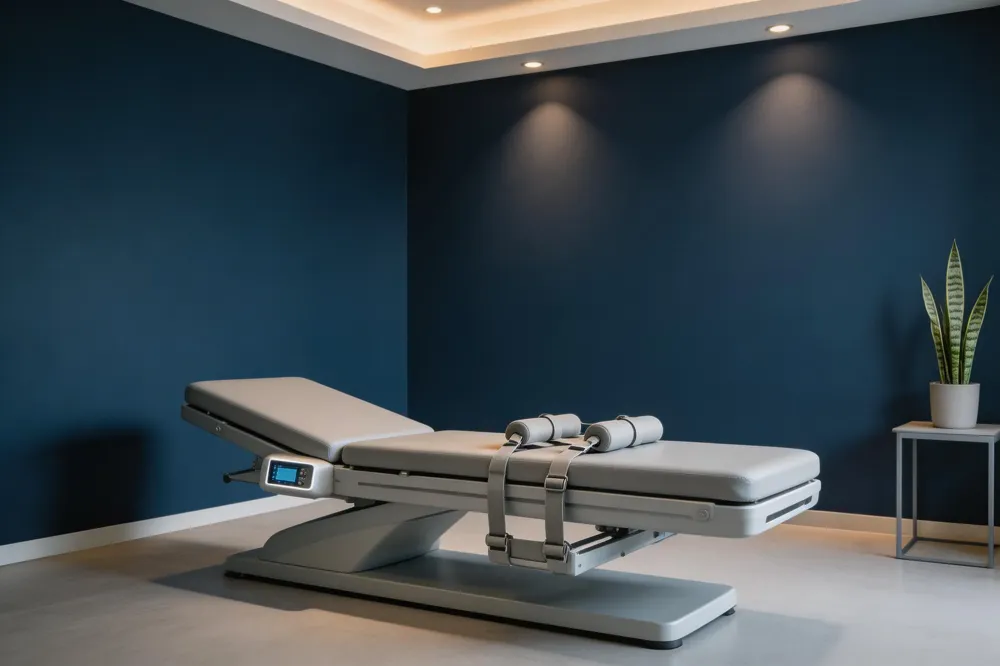
5 Ways Spinal Decompression Can Ease Sciatica Pain

Overcoming Sciatica: A Patient’s Multidisciplinary Treatment Journey
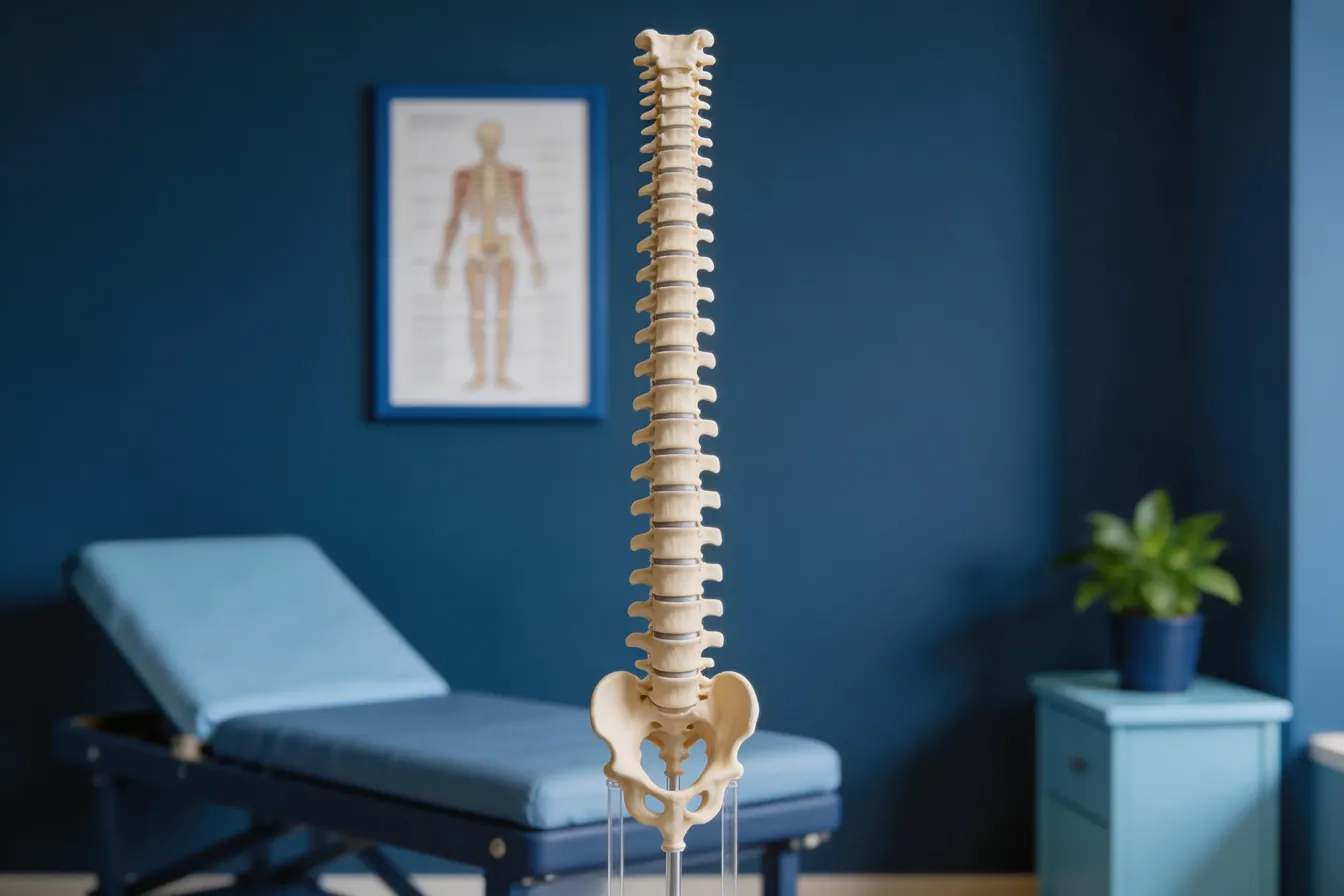
Lifestyle Changes That Promote a Healthy Spine
Physiotherapy as a Complement to Chiropractic Treatments
6 Ways Physiotherapy Enhances Chiropractic Treatment Outcomes
Daily Living Tips for a Strong and Healthy Spine
How Physiotherapy Enhances Chiropractic Outcomes
Holistic Treatments: Alternatives to Surgery for Pain Relief
Inspiring Patient Success Stories from Chiropractic Clinics
Integrating Physiotherapy with Chiropractic Treatments
Corrective Exercise Routines for Chronic Pain Prevention
10 Corrective Exercises to Maintain a Healthy Spine and Relieve Pain
Exercise Strategies for Long-Term Pain Management
10 Corrective Exercises to Maintain a Healthy Spine and Relieve Pain
The Importance of Treating the Root Cause of Pain
Nutritional Support Strategies for Whole-Body Wellness
7 Essential Questions to Ask When Choosing Your Chiropractor
Identifying and Addressing Root Causes of Pain
Maintaining a Healthy Spine with Lifestyle Adjustments
Sciatica Symptom Relief via Spinal Decompression
8 Reasons Why Addressing the Root Cause of Pain Is Crucial
Chiropractic Care’s Impact on Back Pain Recovery
Combining Physiotherapy with Chiropractic Care for Better Results
Inspiring Recovery: Chiropractic Patient Testimonials
Nutritional Counseling Tips for Optimal Wellness

Why Addressing the Root Cause of Pain is Crucial
Back Pain and Chiropractic Care: A Winning Combination
Chiropractic Care Benefits You Might Not Know
Exploring Holistic and Non-Surgical Treatments for Pain
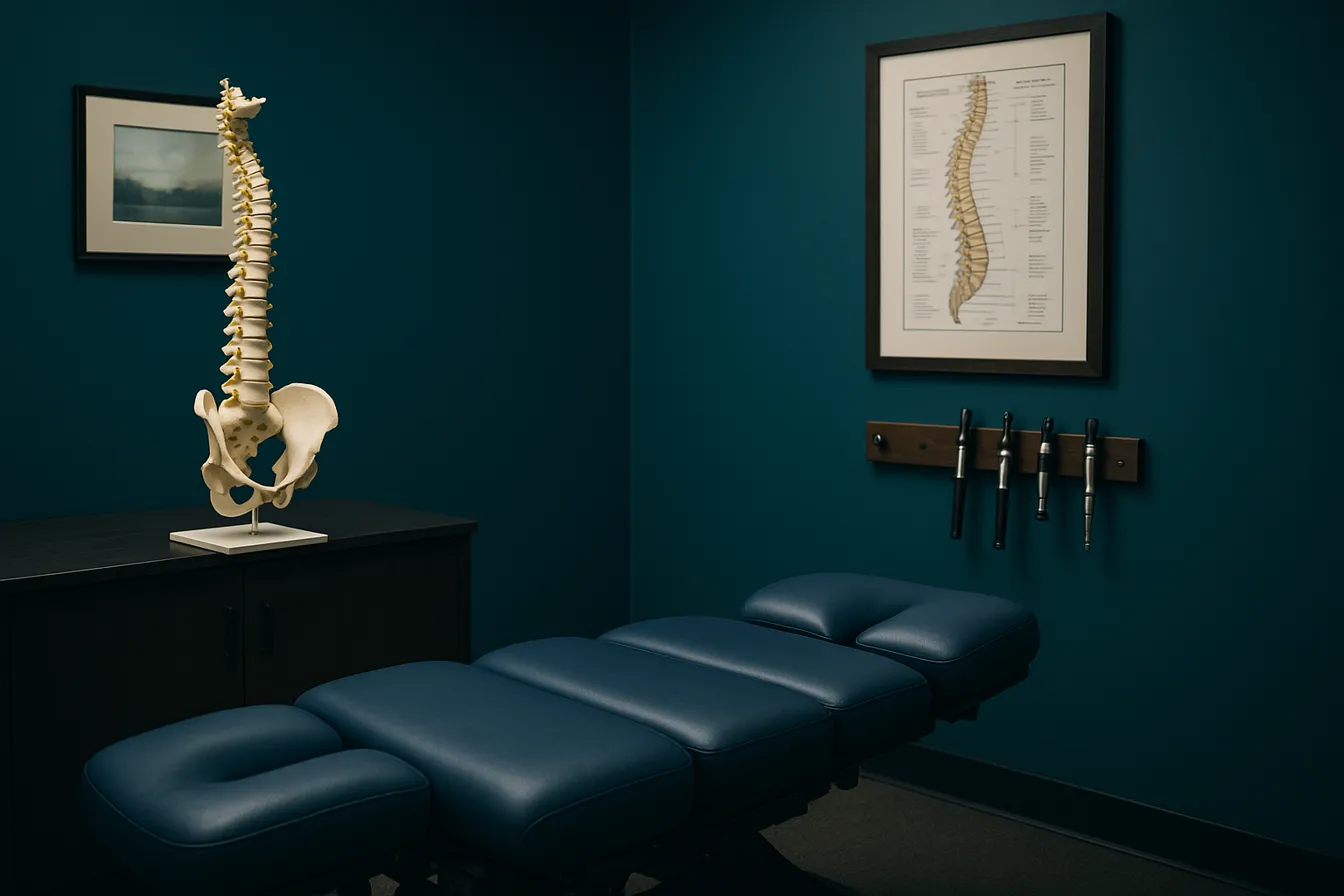
Spinal Health: Lifestyle Tips for Everyday Wellness
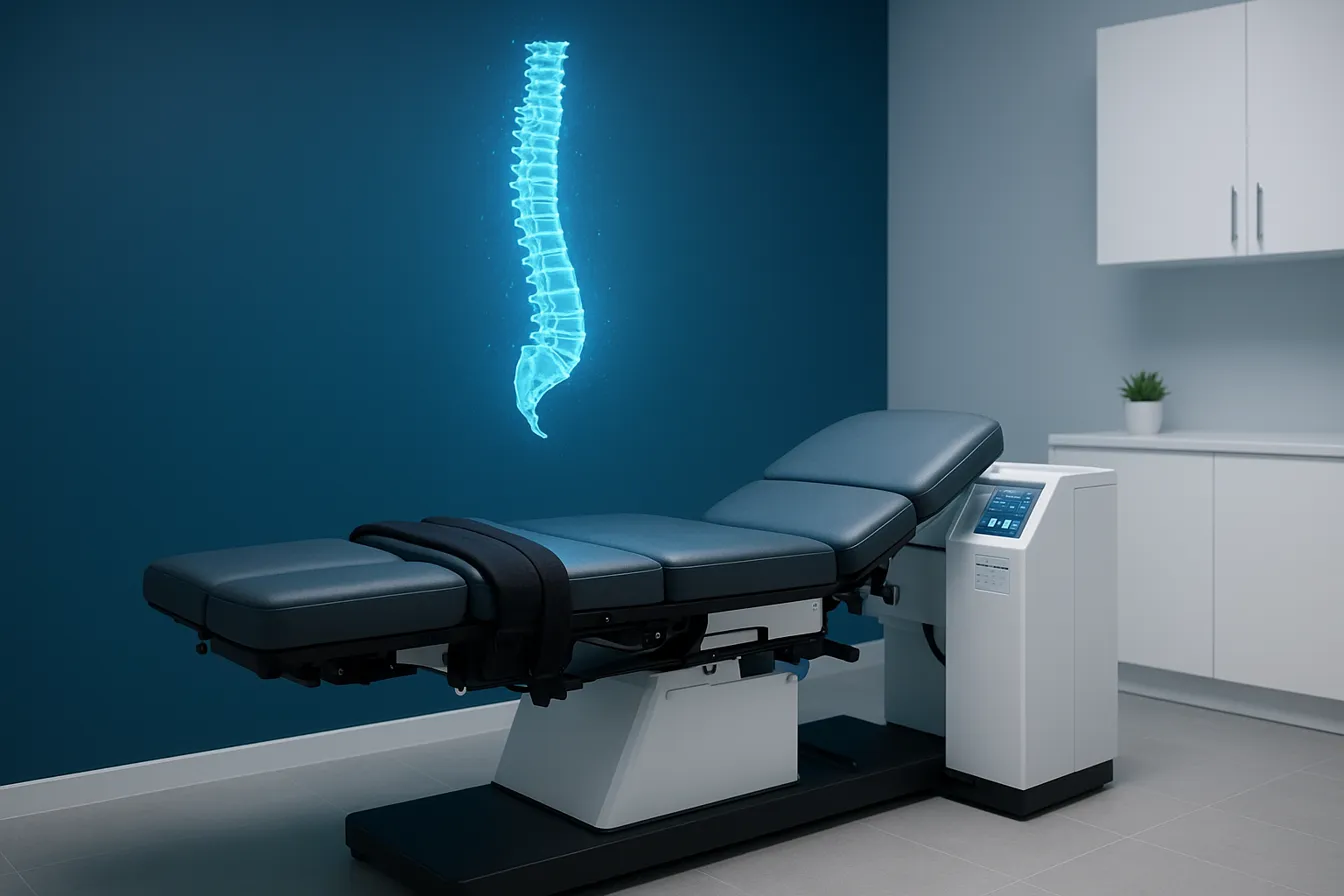
Spinal Decompression Therapy: Benefits and Applications
Holistic and Non-Invasive Spine Care Options
Everyday Lifestyle Advice to Keep Your Spine Healthy
The Significance of Treating Root Causes in Pain Therapy
Best Corrective Exercises for Sustainable Pain Management
Addressing Underlying Causes of Pain for Long-Term Relief
6 Key Benefits of Spinal Decompression Therapy for Sciatica Relief
How Nutritional Counseling Supports Spine Health and Recovery
The Role of Physiotherapy in Supporting Chiropractic Treatments