Spinal Decompression vs. Standard Physical Therapy for Sciatica: A Comparative Review
April 5, 2026
8 min

Understanding Sciatica and the Role of Conservative Care
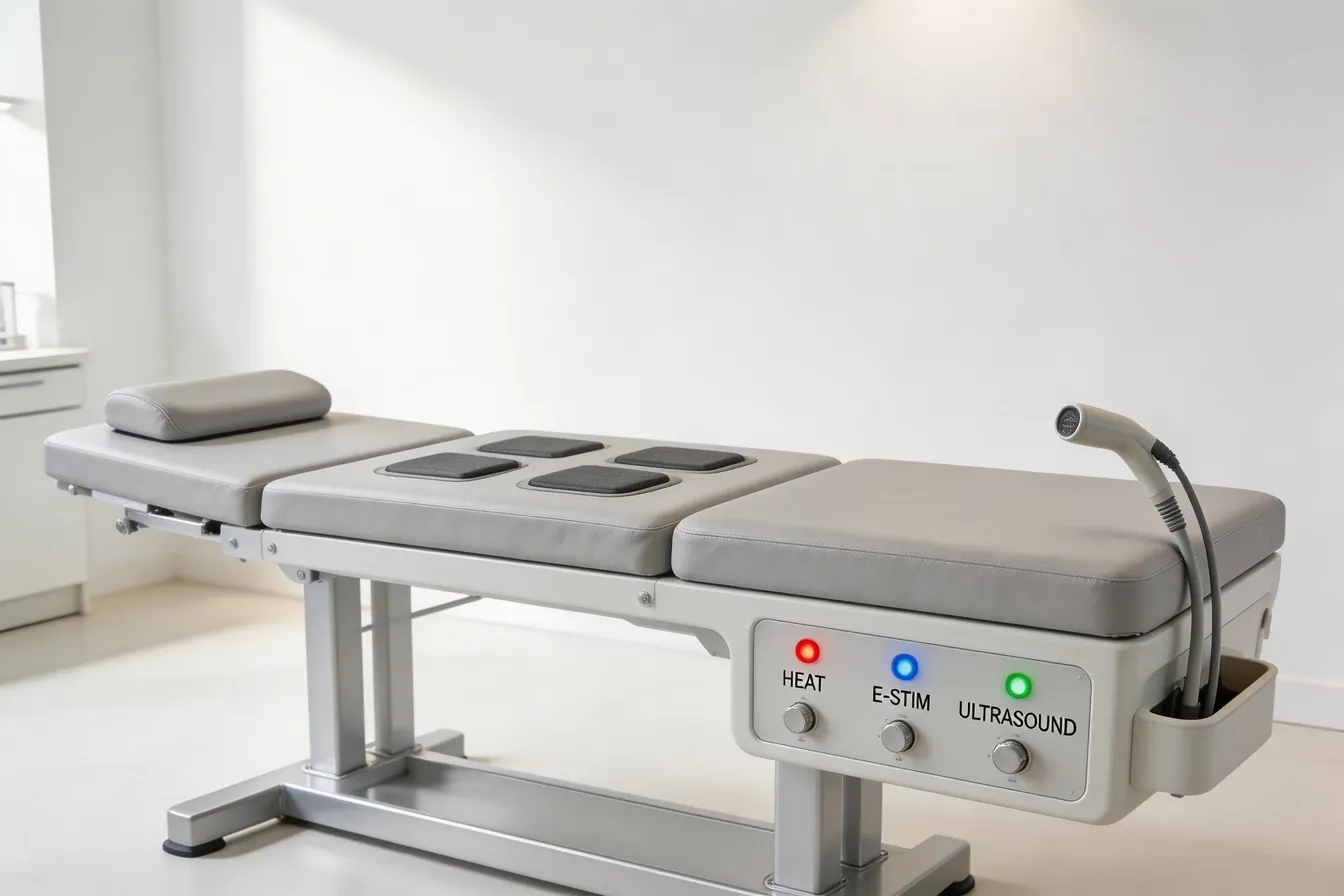
Sciatica is a radicular pain syndrome in which irritation or compression of the lumbar sciatic nerve roots—most often L5 or S1—produces sharp, burning pain that shoots from the lower back through the buttock and down the leg. Common culprits include herniated or bulging lumbar discs, spinal stenosis, bone spurs, piriformis syndrome, and spondylolisthesis. Standard physical‑therapy programs for sciatica focus on core‑stabilization drills, lumbar range‑of‑motion and flexibility exercises, neural‑glide techniques, and education on posture and ergonomic body mechanics; modalities such as heat, TENS, or therapeutic ultrasound are often added for symptom control. A comparative review of these conservative options is essential because sciatica’s etiology varies widely, and treatment success depends on matching the modality to the underlying cause. By evaluating outcomes of physical therapy alone versus adjunctive interventions such as motorized spinal decompression or chiropractic adjustments, clinicians can craft patient‑centered, evidence‑based plans that promote natural pain relief, disc health, and long‑term wellness.
Standard Physical Therapy: Core Principles and Expected Outcomes

Physical therapy for sciatica focuses on core‑strengthening, flexibility, neural mobilization, and posture education. Patients perform supervised core drills, hamstring and piriformis stretches, lumbar range‑of‑motion exercises. A typical program lasts 6–12 weeks with 2–3 clinic visits per week and a home‑exercise plan that reinforces gains.
What type of therapy is best for back pain?
A structured physical‑therapy program with home exercises is the cornerstone of non‑surgical care. It builds muscular support, improves flexibility, and teaches proper mechanics, and may be complemented by chiropractic adjustments or decompression if needed.
How to relieve back pain fast at home?
Apply ice for 15 minutes, then heat for another 15 minutes. Perform stretches such as knee‑to‑chest, cat‑cow, and gentle twists, holding each for 5–10 seconds. Maintain a neutral spine while sitting or standing and consider an NSAID if appropriate.
How to get rid of back pain instantly?
Use ice, then a heat session, followed by mobility drills. A chiropractor consult can provide adjustments that address irritation.
Spinal Decompression Therapy: Mechanism, Devices, and Immediate Effects

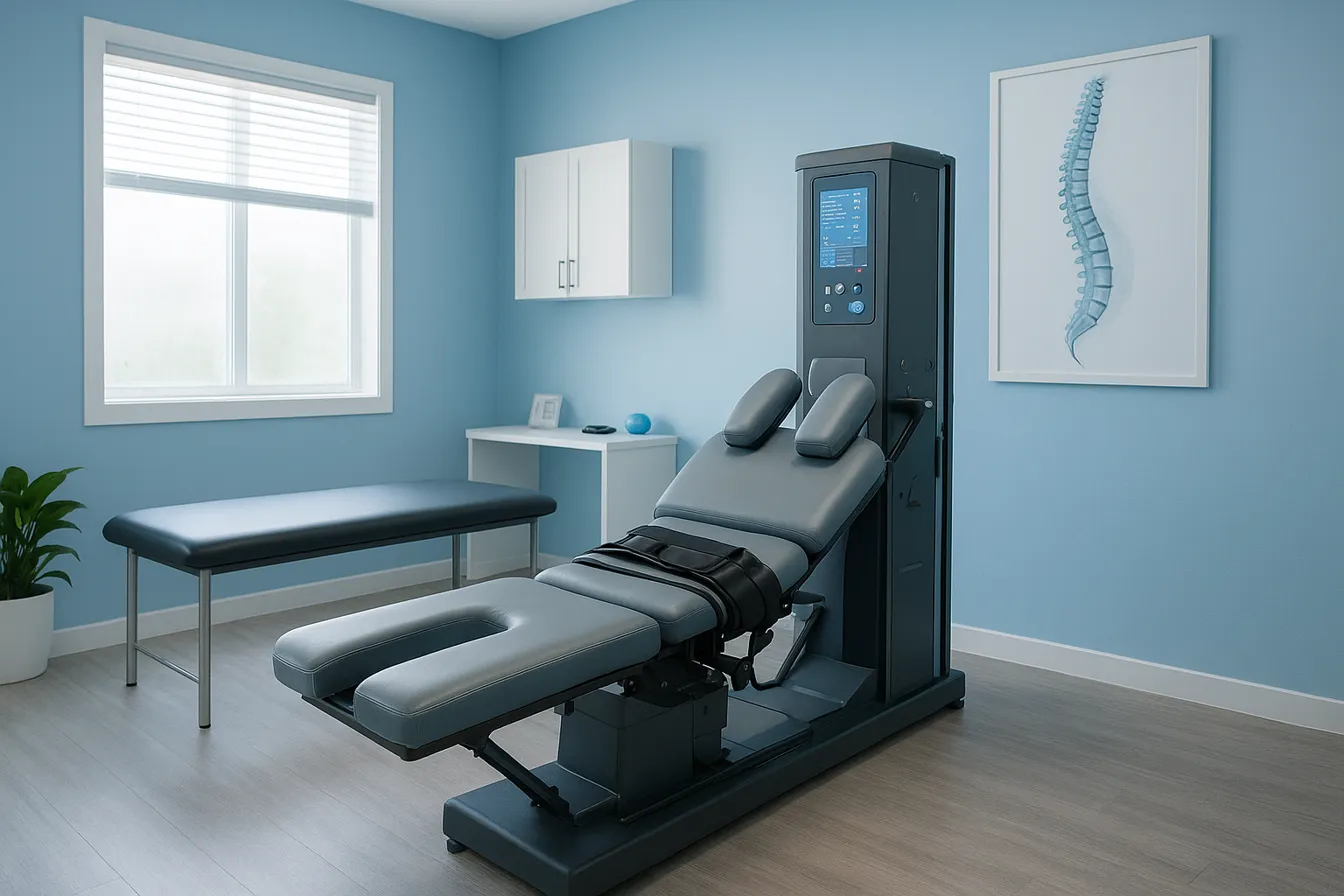
Spinal decompression therapy uses computer‑controlled, intermittent traction to create negative pressure inside intervertebral discs. The pull‑release cycles gently separate vertebral bodies, allowing disc fluid to re‑hydrate and bulging material to retract, which reduces nerve root compression and relieves sciatica pain. Common FDA‑cleared devices include the DRX9000, Triton DTS, and newer units such as Accu‑SPINA; they differ in pull‑force algorithms and patient‑positioning but all deliver precise, programmable loads equal to roughly 50 % of body weight. A typical session lasts 20‑45 minutes, performed three times per week for 4‑6 weeks, for a total of 12‑20 appointments.
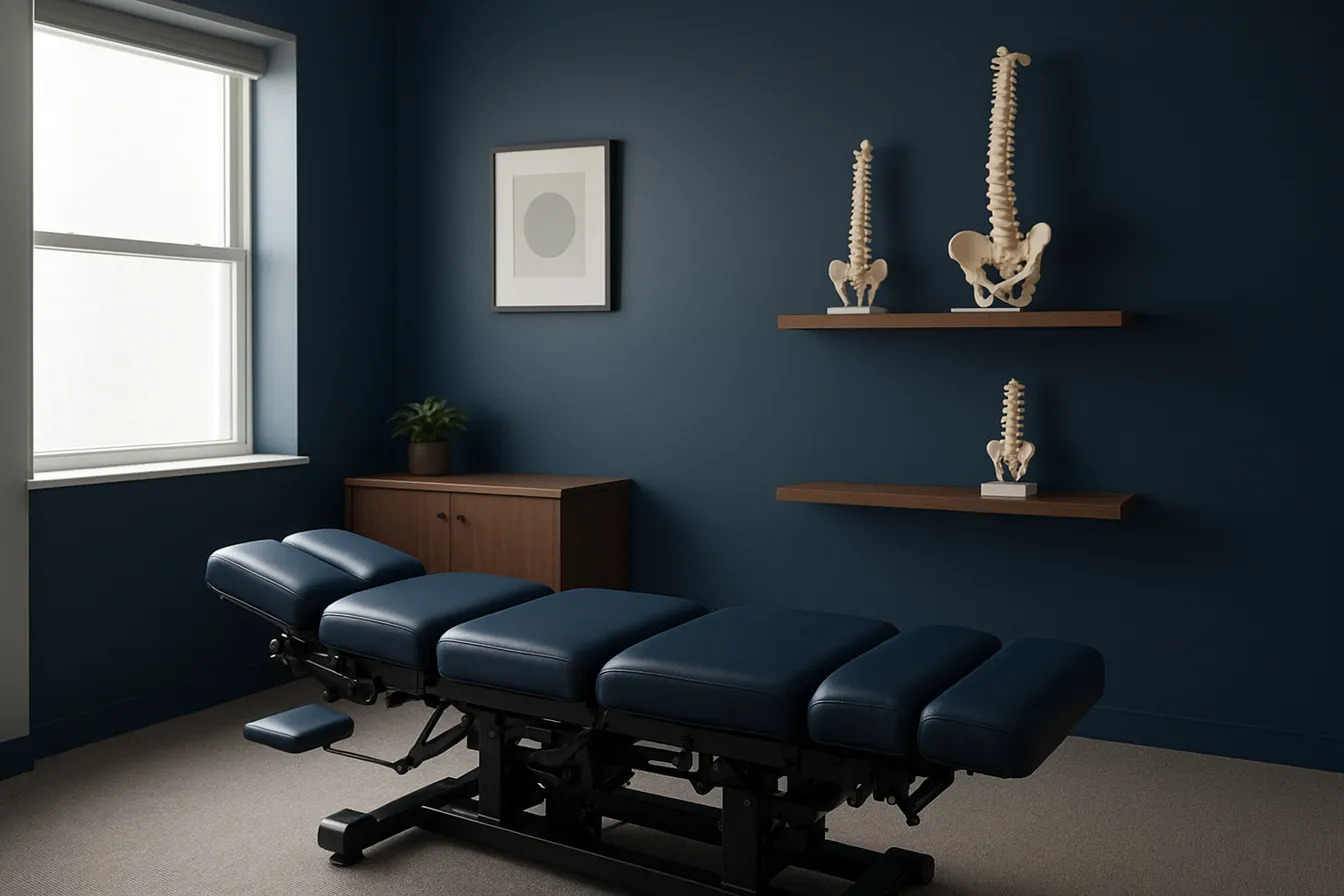
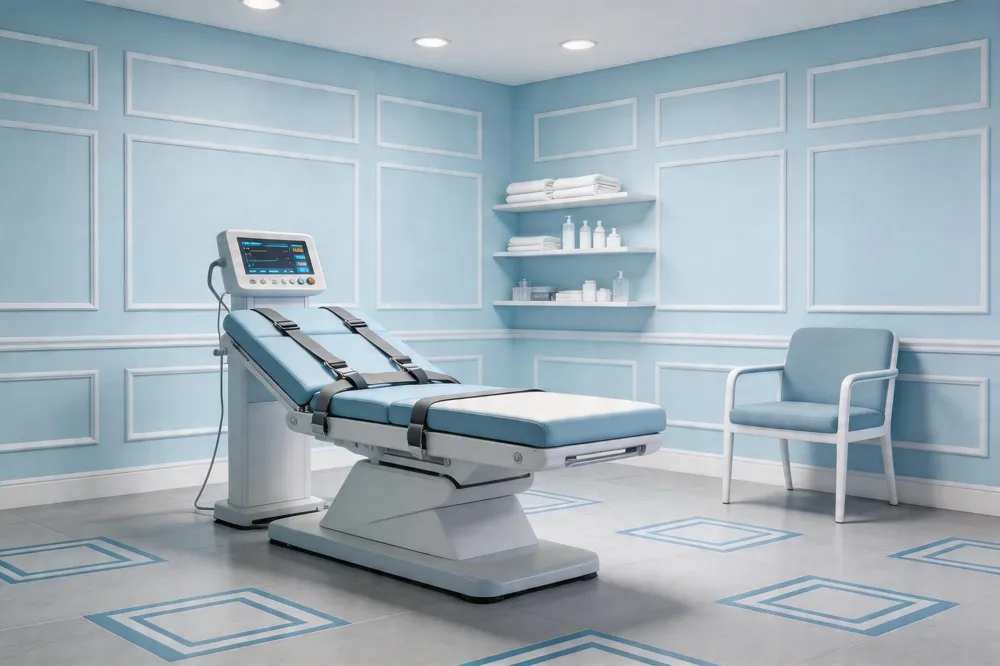
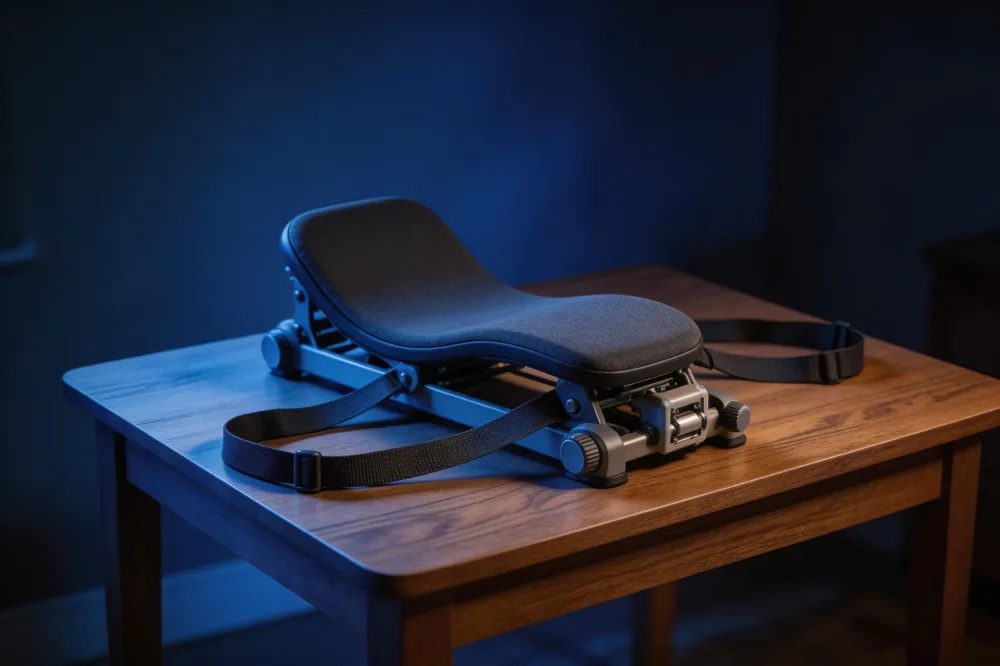
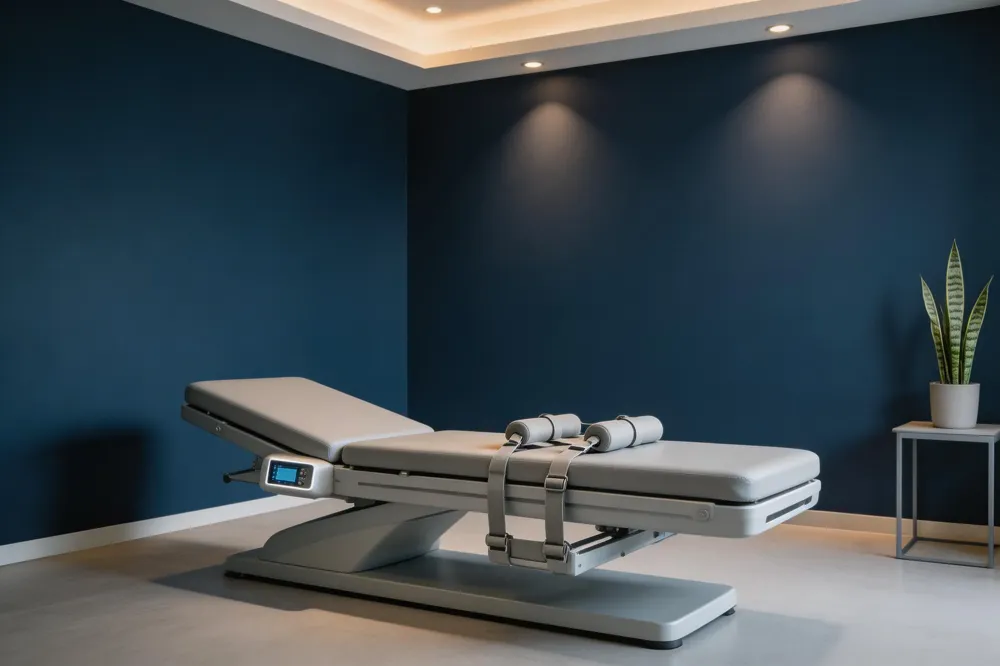
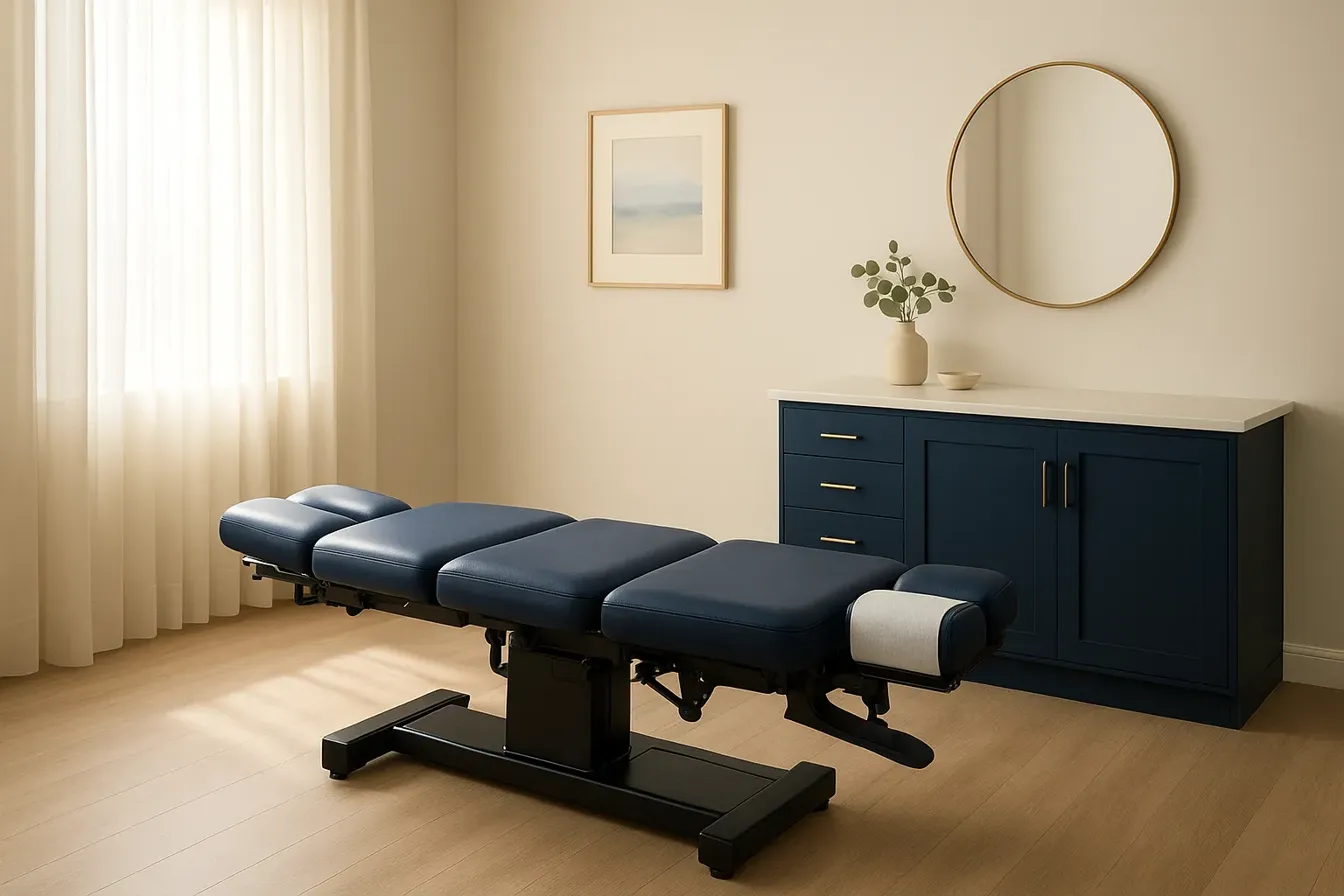
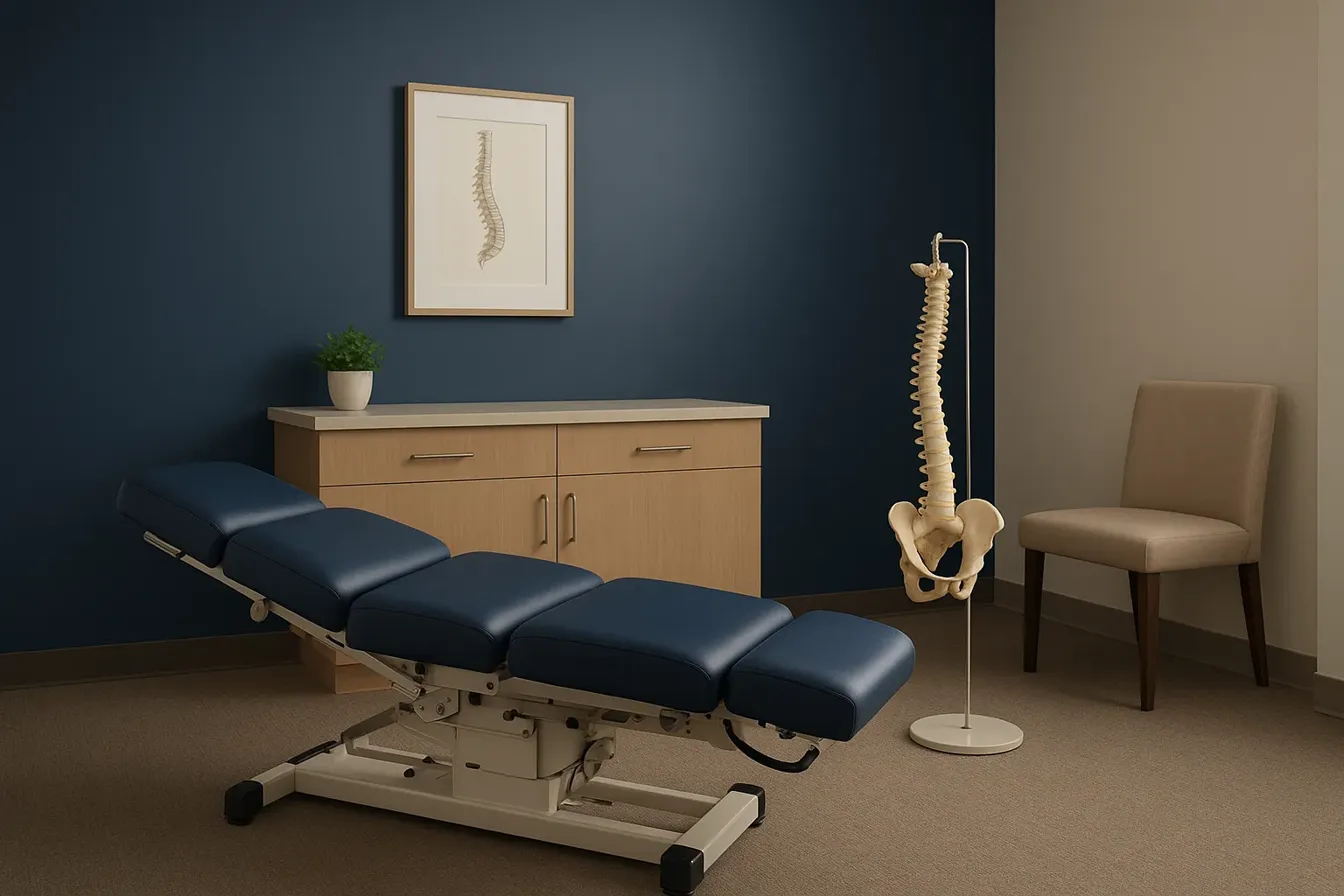
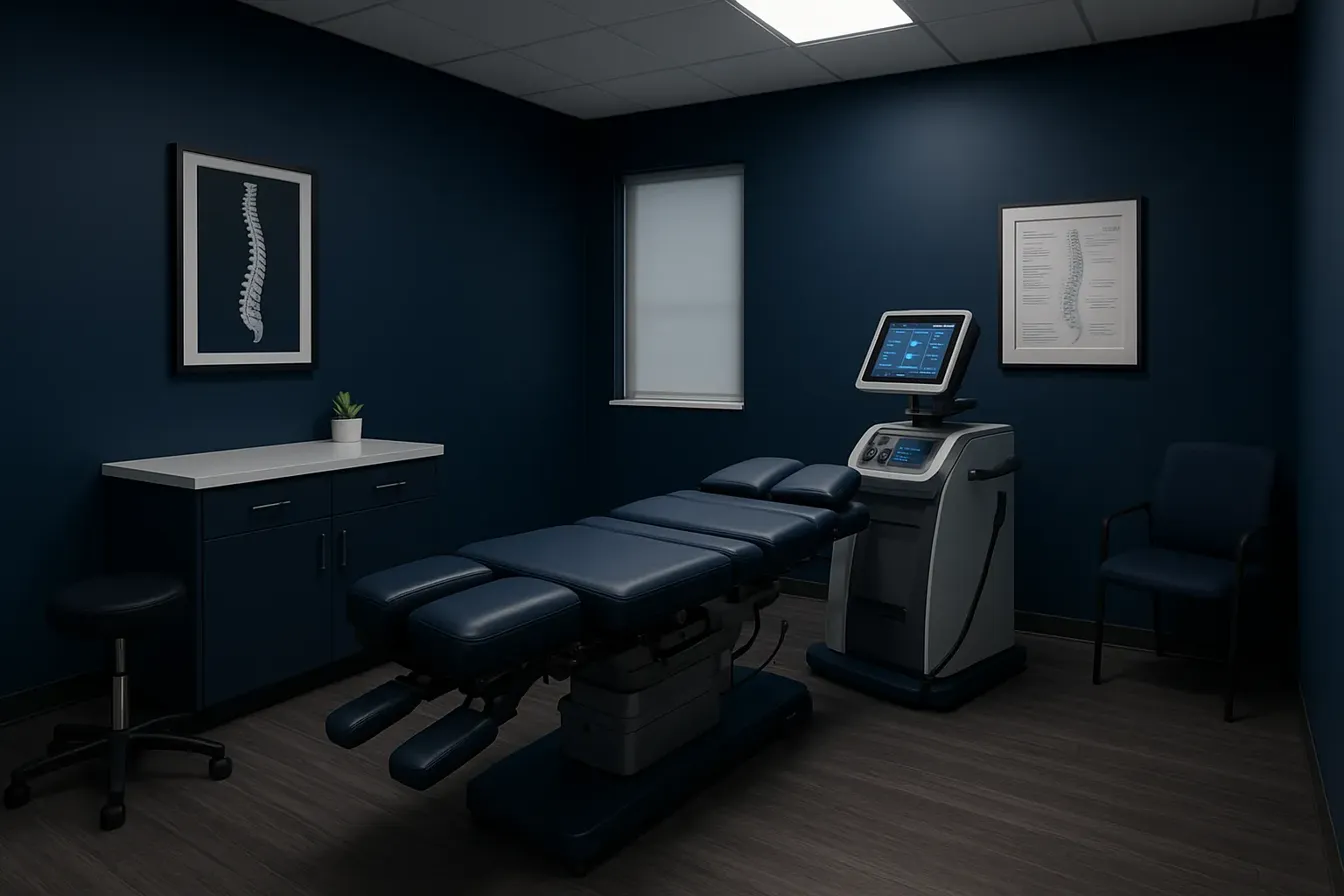
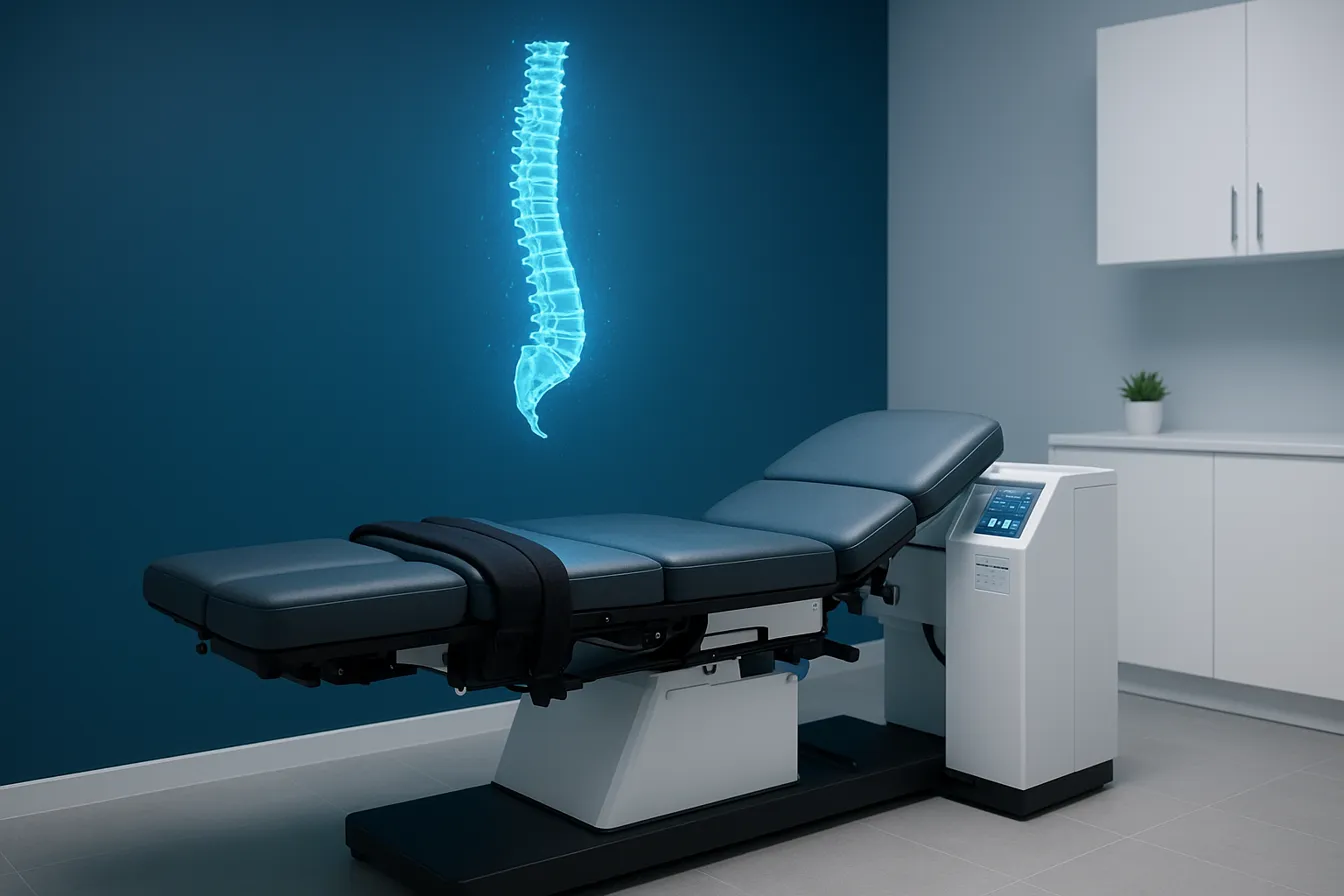
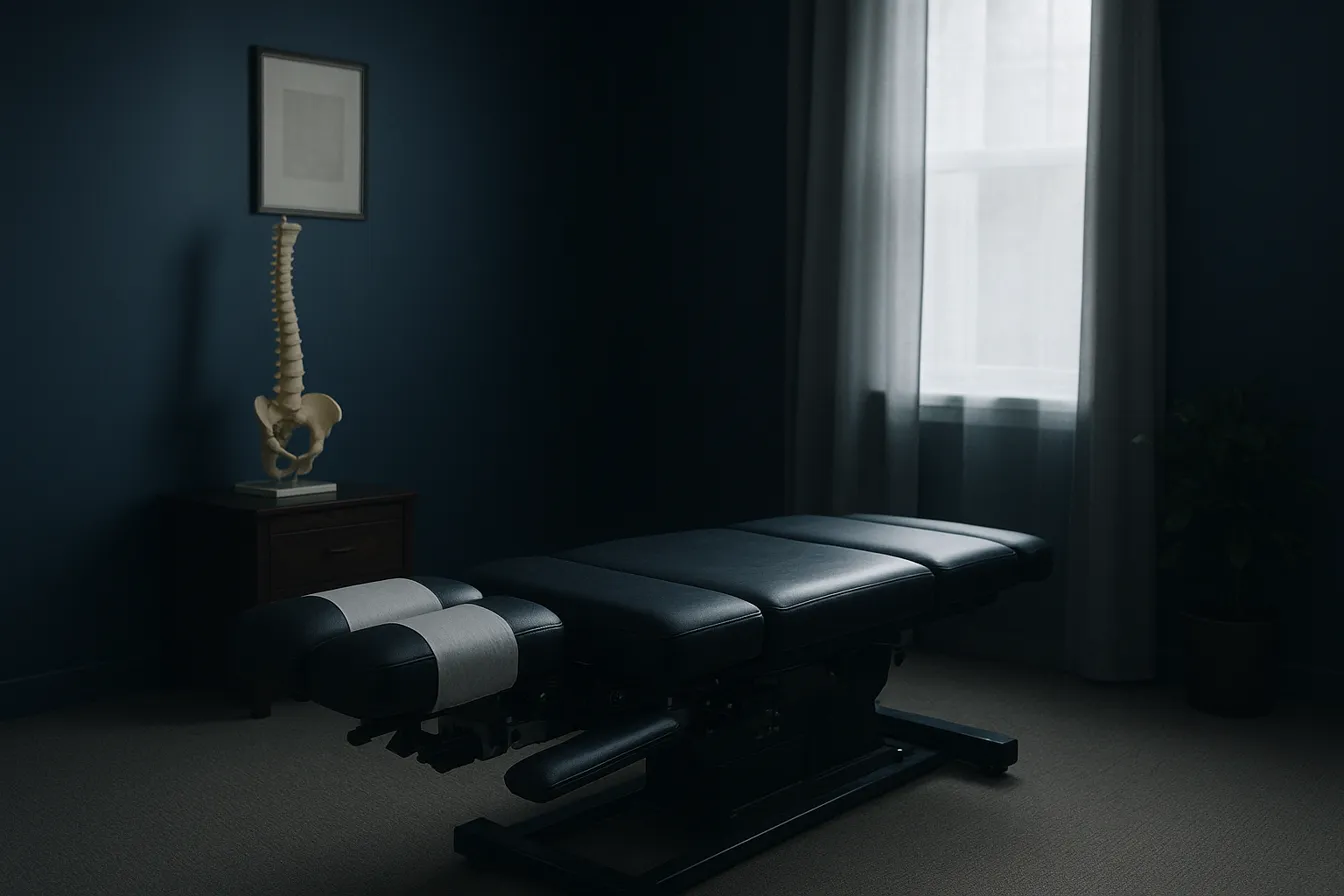
Spinal decompression machine – A motorized traction table that stretches the spine while the patient is fully clothed and harnessed, creating a vacuum effect that promotes disc nutrition and natural healing.
Pros and cons – Non‑surgical, drug‑free pain reduction and improved mobility, but requires multiple sessions, may be costly, and is contraindicated in osteoporosis, fractures, or spinal implants.
Is spinal decompression a permanent fix? – It can give lasting relief but is not guaranteed; ongoing core‑strengthening, posture care, and chiropractic maintenance are essential.
Height gain – Usually ¼‑½ inch temporarily from re‑hydrated discs; not permanent.
Accu‑SPINA IDD Therapy reviews – Generally positive, citing pain relief and avoided surgery, though evidence remains limited.
Non‑surgical spinal decompression reviews – Mixed; many report improvement, some see little change; success rates reported 60‑90 % in studies.
Success rate – Clinical trials show 60‑89 % of patients achieve meaningful pain reduction after a full course.
At a chiropractic clinic, spinal decompression is integrated with manual adjustments, soft‑tissue work, and personalized exercise programs, delivering a holistic, patient‑centered strategy that supports long‑term spine health and reduces reliance on medication and overall well‑being.
Clinical Evidence and Success Rates for L4‑L5 Decompression and IDD Therapy

A wealth of recent research supports the use of both surgical and non‑surgical decompression for L4‑L5 pathology. Patients undergoing lumbar decompression surgery achieve symptom relief in roughly 70‑90 % of cases, with most returning to light work within 2‑4 weeks and full activity by 12 weeks. Complications are uncommon (<10 %) and modern minimally invasive techniques further improve safety. In the non‑operative arena, Intervertebral Differential Dynamics (IDD) therapy shows comparable outcomes; retrospective analyses report 60‑75 % pain reduction, while randomized trials document up to 91 % overall improvement after a 6‑12‑session course. Side effects are generally mild—temporary soreness or brief pain spikes—while serious events are rare when proper screening excludes osteoporosis, infection, or recent surgery. For patients seeking home‑based relief, daily low‑impact activity, core strengthening, ergonomic adjustments, heat/ice therapy, and regular stretch breaks can sustain the benefits of clinical care. A combined approach—initial IDD or spinal decompression to alleviate disc pressure followed by a structured physical‑therapy program—often yields the fastest, most durable recovery for sciatica and chronic low‑back pain.
Patient Selection, Contraindications, and Safety Considerations

Individuals with contained disc herniations, bulging discs or radiating leg pain (sciatica) benefit from motorized spinal decompression, especially when the straight‑leg‑raise test is positive. Those whose pain is primarily postural respond better to conventional physical therapy, which emphasizes strengthening, flexibility, and education. Contraindications for decompression include severe osteoporosis, spinal instability, recent fractures, infection, implanted hardware, pregnancy and cancer. Physical therapy has few absolute contraindications, though acute inflammation require modification. Decompression is safe; patients experience soreness or pain flare, while serious complications such as disc injury or fracture are rare with proper screening. Physical‑therapy adverse events are limited to fatigue.
ID therapy side effects are mild – soreness, fatigue, pain increase, or tingling; serious issues are rare when screened. Insurance coverage for spinal decompression varies; plans label it experimental, but reimburse when documented as medically necessary under traction codes. IDD therapy is not covered; yield reimbursement. For options, search “IDD Therapy near me” or “spinal decompression chiropractor near me”; Torrance, CA offers IDD decompression services at (310) 555‑1234.
Cost, Insurance, and Value: Financial Considerations for Patients

Spinal decompression therapy is usually priced between $50 and $250 per session, with most patients requiring 15 to 30 visits for lasting relief. This translates to a total cost ranging from roughly $750 to $7,500, depending on geographic location, provider, and any supplemental services such as MRI scans. Intervertebral disc (IDD) therapy is slightly higher, often $100‑$200 per session—many clinics charge about $150—requiring 10 to 20 sessions for an overall out‑of‑pocket expense of $1,000‑$3,000. Insurance coverage for both modalities is limited; many private insurers and Medicare label non‑surgical mechanical decompression as experimental, resulting in minimal direct reimbursement. However, if the treatment is documented as medically necessary and billed under existing CPT codes for traction or chiropractic manipulation, some PPOs and employer‑sponsored plans may offer partial coverage or flexible‑spending account reimbursement. Manual spinal traction performed by a chiropractor tends to be covered more readily than motorized decompression. Patients should verify benefits with their insurer, ask the clinic for a clear estimate, and explore package discounts or financing options to manage the financial commitment while pursuing a holistic, patient‑centered recovery plan.
Combining Decompression with Physical Therapy: A Holistic Approach

Rationale for multimodal treatment A combined plan leverages the mechanical disc relief of motorized traction while restoring muscular support through targeted exercises. Spinal decompression creates negative intradiscal pressure, allowing herniated material to retract, whereas physical therapy builds core stability, improves posture, and sustains the decompressed space.
Evidence supporting combined protocols Retrospective and randomized studies of lumbar discopathy show that adding motorized traction or non‑surgical decompression to conventional physiotherapy yields significantly greater VAS pain reductions (≈27 % vs 17 %) and Oswestry Disability Index improvements (≈47 % vs 20 %). A systematic review (2022) reported that patients receiving both modalities achieved faster pain relief and comparable long‑term function to either treatment alone.
Practical implementation at a chiropractic clinic Patients first undergo a thorough exam, imaging, and SLR testing. A typical course includes 12–20 decompression sessions (20‑30 min, 2–3 × week) combined with a customized PT program—core‑stabilization drills, neural glides, and ergonomic education. Progress is monitored via VAS/ODI scores, and home‑exercise plans are provided to maintain disc rehydration and muscular balance.
FAQ Chiropractor treating sciatica: Realignment, decompression, and therapeutic exercises address nerve compression without medication. How to reduce back pain for female: Prioritize pelvic stability, low‑impact cardio, and daily core‑strengthening stretches. Female lower back pain treatment: Integrate chiropractic adjustments, PT, and hormonal‑aware lifestyle changes. How to relieve severe back pain: Combine gentle rest, ice/heat, NSAIDs as needed, and early decompression‑PT protocol. Pros and cons of spinal decompression: Non‑surgical pain relief vs. multiple sessions, cost, and contraindications. Chiropractor treating sciatica: (repeat) Align spine, decompress, and prescribe at‑home exercises for lasting relief.
Addressing Frequently Asked Questions and Practical Tips

Quick home remedies – Begin with 15‑20 minutes of ice on the painful area, then switch to gentle heat for another 15 minutes to calm inflammation and relax muscles. Follow with low‑impact stretches such as knee‑to‑chest, lumbar rotation, or cat‑cow, holding each 5‑10 seconds. Maintain a neutral spine—lie on your back with a pillow under the knees or sit upright with shoulders back—to lessen disc pressure.
Medication considerations – Over‑the‑counter NSAIDs (ibuprofen, naproxen) can be used short‑term if no contraindications exist. Strong opioids are reserved for brief, severe episodes due to high dependence and side‑effect risk; many patients achieve relief through a combination of NSAIDs, muscle‑relaxants, and non‑pharmacologic therapies like spinal decompression or physical therapy.
Safety of self‑adjustments – Self‑cracking may provide a fleeting pop but does not address nerve irritation and can aggravate discs or ligaments. Professional chiropractic adjustments safely realign the spine, reduce sciatic pressure, and are combined with soft‑tissue work and personalized exercises.
Future outlook and maintenance – After an initial spinal decompression or adjustment series, continue core‑strengthening, posture education, and regular low‑impact activity. Periodic maintenance sessions (monthly or as needed) help preserve disc hydration and prevent recurrence, supporting long‑term wellness without surgery.
Conclusion: Choosing the Right Path for Sciatica Relief

Recent comparative studies consistently show that motorized traction and non‑surgical spinal decompression achieve greater short‑term pain reduction (≈27 % and ≈22 % VAS improvement) and functional gains (≈47 % and ≈37 % ODI reduction) than conventional physiotherapy alone, yet the two modalities are statistically indistinguishable from each other. In patients with a positive straight‑leg‑raise test, both adjunctive therapies outperform physiotherapy, underscoring the value of addressing disc‑related nerve compression directly. However, physical‑therapy programs excel at long‑term muscular conditioning, posture education, and self‑management, which are essential for preventing recurrence.
Because sciatica stems from diverse mechanisms—herniated discs, muscular imbalances, or postural stress—an individualized, evidence‑based plan is paramount. A patient‑centered approach starts with a thorough clinical and imaging assessment, followed by a tailored combination of spinal decompression (to relieve disc pressure), targeted core‑stabilization exercises, ergonomic counseling, and, when appropriate, chiropractic adjustments. This multimodal strategy maximizes early symptom relief while building the muscular support needed for lasting wellness.
Is spinal decompression a permanent fix?
Spinal decompression can deliver significant, lasting relief, but it is not a guaranteed permanent cure. Durability depends on the underlying pathology, the quality of post‑treatment care, and lifestyle factors such as weight, posture, and core strength. At Back in Action Bodyworks we pair decompression with personalized rehabilitation and lifestyle guidance to extend benefits and reduce recurrence.
How serious is spinal decompression surgery?
Surgical decompression is a major operative procedure, typically reserved for severe, refractory cases. While modern minimally invasive techniques are safe and effective, potential complications include infection, bleeding, nerve injury, and rare neurologic events. Proper pre‑operative evaluation and skilled surgical execution mitigate these risks, and most patients experience meaningful pain relief and functional restoration.
If you seek a holistic, non‑surgical pathway to sciatica relief, schedule a consultation at Back in Action Bodyworks. Our integrated program blends spinal decompression, expert physical therapy, and chiropractic care to create a sustainable, patient‑focused solution.
Your Next Step Toward Pain‑Free Living
In reviewing the evidence, motorized traction and non‑surgical spinal decompression consistently outperform conventional physiotherapy alone for disc‑related sciatica, yet both are comparable to each other in pain and disability reduction. These modalities work best when paired with active core‑strengthening, posture education, and ergonomic guidance—core components of chiropractic‑based, patient‑centered care. Before choosing a treatment plan, a thorough professional evaluation—including clinical exam, imaging, and functional testing—ensures the underlying disc pathology is correctly identified and contraindications (e.g., severe osteoporosis, spinal instability) are ruled out. If you’re ready to explore a holistic, integrated approach, contact Back in Action Bodyworks today at (555) 123‑4567 or visit www.backinactionbodyworks.com to schedule your personalized consultation.
Recent articles
10 Real‑Patient Success Stories Showcasing the Impact of Chiropractic Care

Superfoods That Boost Nerve Healing After Chiropractic Sessions

Sleep Positions That Promote a Healthy Back Alignment
Signs Your Chiropractor Is a Good Fit for Your Back Pain Goals
Case Study: Integrated Physiotherapy and Chiropractic for Faster Recovery
First-Time Chiropractic Visit: A Step‑by‑Step Walkthrough
Synergistic Benefits: Combining Physiotherapy with Chiropractic Care
Beyond Surgery: Holistic Approaches to Managing Back Pain
How Manual Therapy Enhances the Effects of Chiropractic Adjustments

Hydration Hacks: Why Water Matters for Joint and Spine Function

What Does a Comprehensive Spinal Evaluation Include?
Success Spotlight: Transformative Results After Six Weeks of Chiropractic Treatment

Understanding the Initial Assessment Process in Chiropractic Care
Designing a Personalized Corrective Exercise Plan for Chronic Pain Management

Natural Pain Management: Combining Acupuncture, Yoga, and Chiropractic
Chiropractic Care vs. Pain Meds: Long-Term Outcomes for Back Pain Sufferers

What to Expect During a Sciatica‑Focused Decompression Session
Understanding the Pain-Relief Mechanics Behind Chiropractic Adjustments
Success Rates of Non‑Surgical Spinal Decompression for Sciatica
Patient-Centered Chiropractic Care: Personalized Plans for Back Pain Relief
How Chiropractic Treatments Reduce Inflammation and Speed Up Back Pain Recovery
Real‑Life Stories: How Chiropractic Helped Patients Overcome Chronic Back Pain
From Symptom Masking to Root‑Cause Healing: A Practical Guide

6 Holistic Non‑Surgical Treatments That Deliver Sustainable Back‑Pain Relief
Key Questions to Ask When Selecting Your Chiropractor
Mindful Movement: Incorporating Stretch Breaks Into a Busy Day

Why Targeting the Underlying Cause Beats Temporary Symptom Relief
8 Ways Physiotherapy Complements Chiropractic Adjustments for Faster Recovery
Meal Planning for Athletes Recovering from Back Injuries

9 Everyday Lifestyle Tweaks to Preserve a Healthy Spine and Prevent Pain

Functional Movement Screening for Root‑Cause Pain Identification

6 Things You’ll Experience During Your First Chiropractic Appointment
Spinal Decompression vs. Standard Physical Therapy for Sciatica: A Comparative Review

New Findings on How Adjustments Influence Blood Circulation
Work‑From‑Home Ergonomics: A Blueprint for a Pain‑Free Back

The Link Between Chiropractic Care and Improved Sleep Quality

Physiotherapy Techniques That Strengthen the Benefits of Chiropractic Adjustments

Biomechanical Insights Behind Successful Spinal Decompression

Desk‑to‑Dumbbell: Lifestyle Shifts That Guard Your Lower Back
10 Corrective Exercises for Sustainable Pain-Free Living

Morning Routines That Support Spine Health and Reduce Stiffness

Calcium and Magnesium‑Focused Nutrition for Bone Density and Spine Health

9 Ways Chiropractic Care Transforms Back Pain Management
Testimonial: Nutrition‑Guided Recovery Accelerated by Chiropractic
Science‑Backed Spinal Decompression for Relieving Sciatica Symptoms

Key Questions to Ask During Your Initial Chiropractic Consultation
Whole‑Body Wellness Blueprint: Nutrition, Exercise, and Chiropractic Synergy
A 12‑Week Corrective Exercise Blueprint for Chronic Neck Discomfort

Manual Therapy Plus Targeted Exercise: Accelerating Post‑Injury Recovery
Home‑Based Spinal Decompression Devices: What Patients Should Know

Chiropractic Care Statistics: Reducing Lost Workdays From Back Pain

How Targeted Nutrition Enhances Immune Function and Lowers Inflammatory Pain
Self‑Assessment Tools to Identify Hidden Triggers of Back Pain
Preparing for Your First Chiropractic Appointment: A Practical Checklist

Back Pain Relief Benefits: Lower Opioid Use and Better Quality of Life

Foam‑Rolling Techniques to Complement Chiropractic Adjustments
Progressive Overload Principles in Corrective Exercise Programs
Six‑Month Transformation: Integrated Care Success Story

7 Nutritional Hacks to Boost Your Overall Wellness
How to Choose a Chiropractor: Credentials, Techniques, and Patient Compatibility
5 Ways Spinal Decompression Can Ease Sciatica Pain

Overcoming Sciatica: A Patient’s Multidisciplinary Treatment Journey
Lifestyle Changes That Promote a Healthy Spine
Physiotherapy as a Complement to Chiropractic Treatments
6 Ways Physiotherapy Enhances Chiropractic Treatment Outcomes
Daily Living Tips for a Strong and Healthy Spine
How Physiotherapy Enhances Chiropractic Outcomes
Holistic Treatments: Alternatives to Surgery for Pain Relief
Inspiring Patient Success Stories from Chiropractic Clinics
Integrating Physiotherapy with Chiropractic Treatments
Corrective Exercise Routines for Chronic Pain Prevention
10 Corrective Exercises to Maintain a Healthy Spine and Relieve Pain
Exercise Strategies for Long-Term Pain Management
10 Corrective Exercises to Maintain a Healthy Spine and Relieve Pain
The Importance of Treating the Root Cause of Pain
Nutritional Support Strategies for Whole-Body Wellness
7 Essential Questions to Ask When Choosing Your Chiropractor
Identifying and Addressing Root Causes of Pain
Maintaining a Healthy Spine with Lifestyle Adjustments
Sciatica Symptom Relief via Spinal Decompression
8 Reasons Why Addressing the Root Cause of Pain Is Crucial
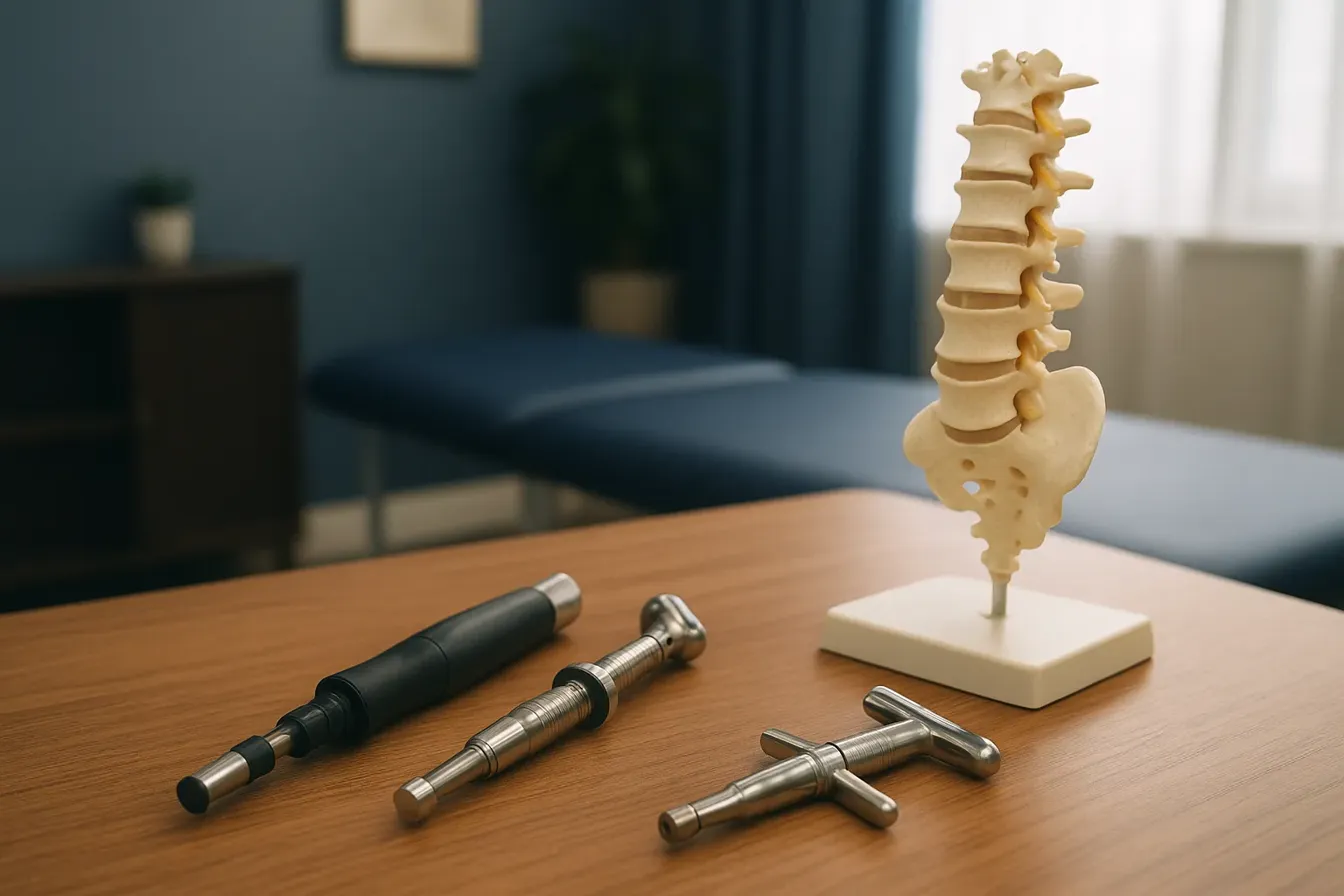
Chiropractic Care’s Impact on Back Pain Recovery
Combining Physiotherapy with Chiropractic Care for Better Results
Inspiring Recovery: Chiropractic Patient Testimonials
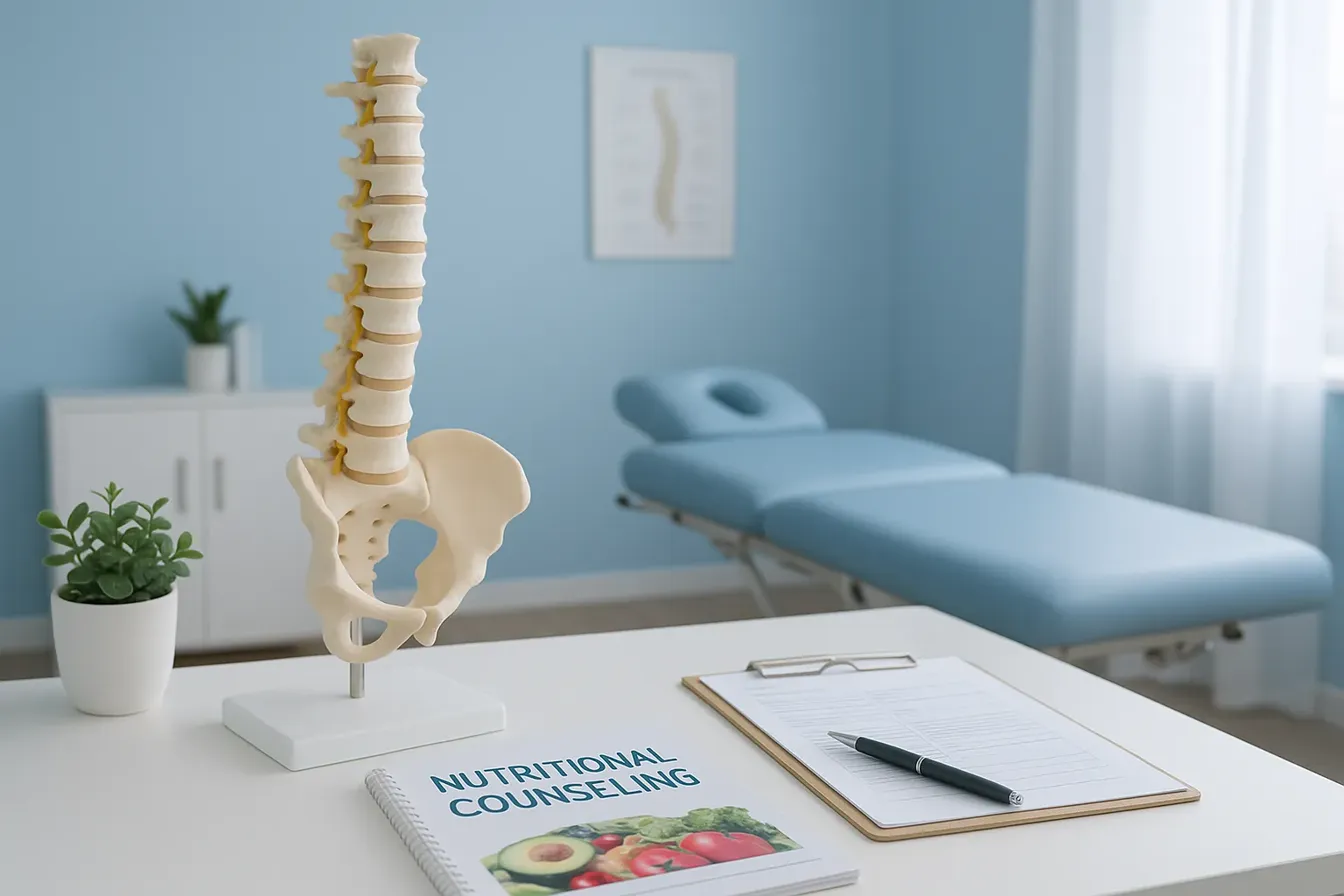
Nutritional Counseling Tips for Optimal Wellness

Why Addressing the Root Cause of Pain is Crucial
Back Pain and Chiropractic Care: A Winning Combination
Chiropractic Care Benefits You Might Not Know
Exploring Holistic and Non-Surgical Treatments for Pain
Spinal Health: Lifestyle Tips for Everyday Wellness
Spinal Decompression Therapy: Benefits and Applications
Holistic and Non-Invasive Spine Care Options
Everyday Lifestyle Advice to Keep Your Spine Healthy
The Significance of Treating Root Causes in Pain Therapy
Best Corrective Exercises for Sustainable Pain Management
Addressing Underlying Causes of Pain for Long-Term Relief
6 Key Benefits of Spinal Decompression Therapy for Sciatica Relief
How Nutritional Counseling Supports Spine Health and Recovery
The Role of Physiotherapy in Supporting Chiropractic Treatments