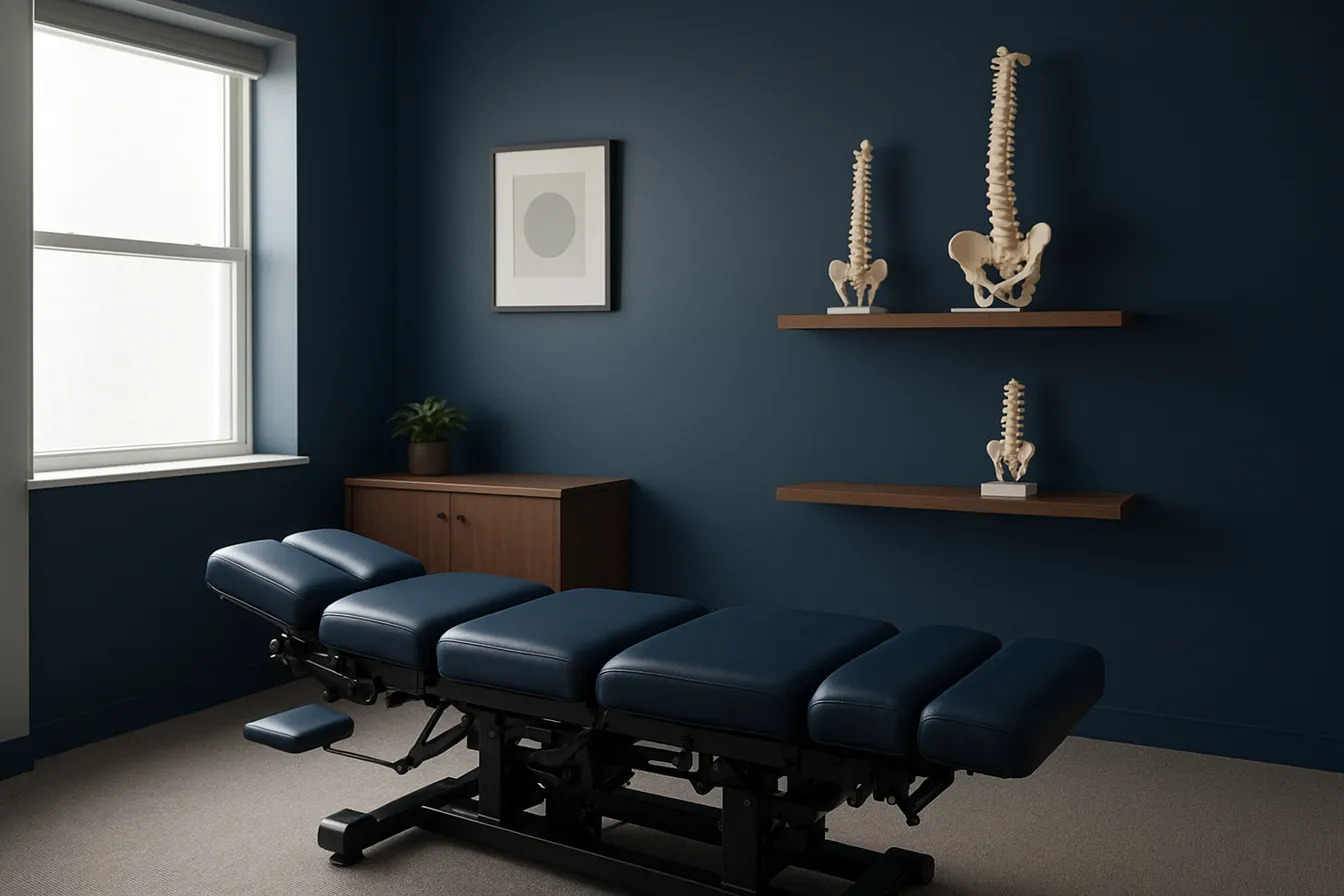
Synergistic Benefits: Combining Physiotherapy with Chiropractic Care
May 4, 2026
6 min
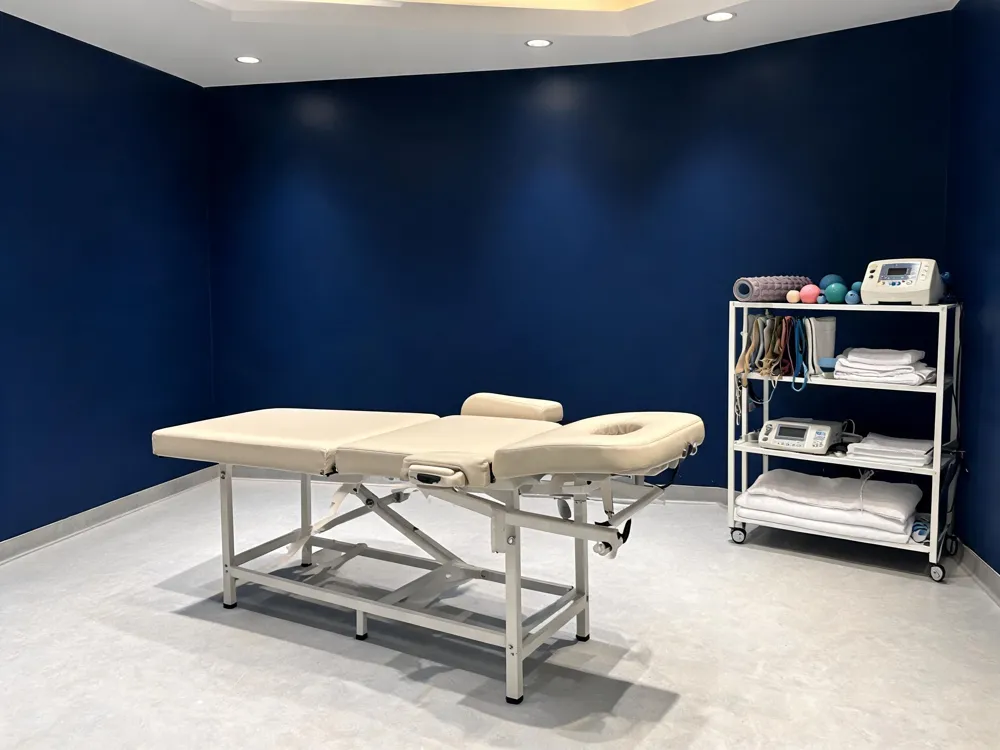
A Holistic Path to Musculoskeletal Wellness
Physiotherapy is a rehabilitation discipline that restores movement, strength, and function through therapeutic exercises, manual techniques, and patient education. Chiropractic care focuses on diagnosing and correcting musculoskeletal disorders, especially spinal misalignments, using manual adjustments to improve joint mobility and nervous‑system communication. When combined, the two fields create a synergistic loop: adjustments quickly relieve pain and restore alignment, providing a platform for physiotherapy to strengthen supporting muscles, enhance flexibility, and retrain proper movement patterns. Evidence from systematic reviews and clinical trials shows that integrated programs produce greater pain reduction, faster functional recovery, and lower reliance on medication compared with either modality alone. This collaborative, patient‑centered approach promotes musculoskeletal wellness.
Why Same‑Day Visits Accelerate Healing

Receiving physical therapy (PT) and chiropractic care in a single visit offers both convenience and a powerful biomechanical synergy. When a chiropractor restores spinal alignment and joint mobility through adjustments, the nervous system becomes less irritable and the range of motion expands. Immediately following the adjustment, a physical therapist can guide the patient through targeted exercises that reinforce the newly‑aligned structures, strengthen supporting muscles, and retrain movement patterns. This "adjust‑then‑exercise" sequence capitalizes on the heightened neuromuscular receptivity created by the adjustment, allowing therapeutic exercises to be performed more safely and effectively.
Clinical evidence supports faster functional improvement with same‑day, integrated care. Systematic reviews and randomized trials consistently show that patients who receive both modalities experience greater reductions in pain intensity, quicker return to work, and higher functional scores (e.g., Oswestry Disability Index) than those treated with PT or chiropractic alone. For example, a 2020 Spine Journal study reported a 28 % greater pain reduction and a two‑week shorter recovery period when the two services were combined.
Can you do physical therapy and chiropractic on the same day? Yes. You can receive PT and chiropractic care on the same day, and doing so can accelerate recovery. Adjustments address joint dysfunction and spinal alignment, while PT retrains muscles and soft tissue to support those corrections. Clinics such as Back in Action Bodyworks provide integrated appointments, making it safe, effective, and convenient to treat structural and functional issues together for faster, lasting relief.
Choosing the Right Specialist for Lower Back Pain
When low back pain first appears, most patients see a primary‑care physician who can assess red‑flag symptoms—such article has}. which> l and the l l l l l l l l D i i * etc? x y
Early Warning Signs & Red‑Flag Symptoms of Musculoskeletal Disorders

Recognizing the earliest signals of a musculoskeletal disorder can dramatically improve outcomes. The first three common signs are (1) a throbbing or aching pain that persists and fluctuates with movement, (2) stiffness that is especially noticeable after waking and may evolve throughout the day, and (3) swelling, redness, or warmth around the affected joint or muscle, indicating inflammation. Prompt identification of these cues allows clinicians, including chiropractors and physiotherapists, to intervene before the condition worsens.
Red‑flag symptoms demanding urgent medical attention include severe or worsening pain unrelieved by rest, numbness or weakness in extremities, loss of bowel or bladder control (suggesting cauda equina syndrome), fever accompanying back pain (possible spinal infection), and unexplained weight loss or night sweats (potential tumor or systemic disease). These findings warrant immediate referral to a medical specialist.
A holistic approach to muscle pain blends natural therapies with evidence‑based care. Chiropractors restore spinal alignment, reducing neuromuscular inhibition, while physiotherapy provides targeted strengthening and flexibility exercises that maintain corrective gains. Complementary modalities—herbal anti‑inflammatories such as turmeric, magnesium supplementation, acupuncture, massage, and mind‑body practices like yoga—address inflammation, muscle balance, stress, and overall wellness. Together, these strategies create a patient‑centered, drug‑free pathway to lasting relief and functional independence.
Core Stability and Exercise Integration for Lower Back Health
What are the "Big 3" core stability exercises for lower back pain? The cornerstone of a resilient lumbar spine is the "Big 3"—the curl‑up, side plank, and bird‑dog—originally described by Dr. Stuart McGill. These movements enhance spinal stability without loading the vertebrae into painful positions. A brief warm‑up such as the cat‑camel mobilizes the spine before the exercises. The curl‑up is performed on the back with one knee bent, hands tucked under the lumbar region, lifting the head and shoulders a few inches while keeping the lower back flat. The side plank involves supporting the body on one forearm and the side of the foot, raising the hips to create a straight line from shoulder to ankle. The bird‑dog is done on hands‑and‑knees, extending the opposite arm and leg while maintaining a neutral spine, holding each hold for 10–20 seconds.
What's the best thing to do to fix musculoskeletal problems? A holistic, patient‑centered plan that blends professional care with self‑management yields the most durable outcomes. Begin with a comprehensive assessment—often a chiropractor’s adjustment to correct joint restrictions and improve nervous‑system signaling—followed by physiotherapy‑prescribed therapeutic exercises that strengthen supporting muscles and retrain movement patterns. Education on posture, ergonomics, and daily movement empowers patients to maintain gains and prevent recurrence. Non‑pharmacologic modalities such as manual therapy, targeted stretching, and heat/cold application reduce inflammation and pain without reliance on medication. When adjustments restore proper alignment, the spine is primed for the core‑stability work, creating a synergistic cycle that supports long‑term musculoskeletal health.
Collaborative Care: Frequently Asked Questions

Integrating chiropractic and physiotherapy offers a seamless, patient‑centered pathway that tackles both spinal alignment and functional movement. Research consistently shows that patients who receive both modalities experience faster pain relief, greater functional improvement, and lower risk of recurrence. This collaborative model—used by clinics such as Back in Action Bodyworks in Torrance, California—combines hands‑on adjustments with targeted exercises, education, and lifestyle counseling to promote lasting musculoskeletal health.
Is chiropractic combined with physiotherapy? Yes, chiropractic and physiotherapy are distinct but highly complementary disciplines that are often combined to provide comprehensive care. Both professions use hands‑on manual therapy, exercise rehabilitation, and treat similar nerve, muscle, and joint conditions. Chiropractors primarily focus on spinal and joint adjustments to improve mobility and function, especially for back and neck pain. Physiotherapists emphasize restoring movement patterns, strength, and coordination, often for arm, leg, and post‑surgical injuries. When combined in a single treatment plan, patients benefit from a holistic approach that addresses both spinal alignment and functional rehabilitation, leading to better outcomes.
Can you have a physio and chiropractor together? Absolutely. Yes, you can see both a physiotherapist and a chiropractor together, and many patients benefit from this combined approach. These two disciplines are not in competition; instead, they offer complementary services that address both spinal alignment and functional movement. For instance, chiropractic care can support posture and joint manipulation, while physiotherapy focuses on strengthening and rehabilitation. By working together, they provide a comprehensive care plan that is often more thorough and efficient than either alone. This collaborative approach ensures your treatment is tailored to your unique needs, helping you achieve better outcomes.
Are chiropractors and physical therapy a good combo for treatment? Yes, chiropractic care and physical therapy are an excellent combination for treatment. Chiropractic adjustments focus on restoring spinal and joint alignment, which relieves nerve pressure and improves mobility, while physical therapy reinforces those changes through targeted exercises and strength training. This integrated approach leads to faster recovery, greater pain relief, fewer flare‑ups, and improved range of motion. Stronger muscles developed in therapy help maintain the alignment achieved through adjustments, reducing the risk of re‑injury. Working together, these disciplines provide holistic, non‑invasive care that often reduces reliance on medications or surgery, making them especially effective for chronic pain and injury recovery.
Can chiropractic help ALS (amyotrophic lateral sclerosis)? While chiropractic does not cure ALS, some patients report temporary relief of pain, improved range of motion, and modest gains in muscle control after specific spinal adjustments. Care should be coordinated with a neurologist and a multidisciplinary ALS team.
Your Path to Integrated Musculoskeletal Health
By uniting chiropractic adjustments with physiotherapy, you receive rapid pain relief and long‑term functional stability. Adjustments restore joint mobility and reduce nerve irritation, while targeted exercises strengthen supporting muscles, reinforce proper biomechanics, and prevent recurrence. This synergistic model addresses both structural misalignments and muscular imbalances, delivering faster recovery, lower medication reliance, and improved quality of life. At Back in Action Bodyworks in Torrance, our collaborative team creates personalized, patient‑centered plans that blend manual care with therapeutic movement. Call today to book a same‑day evaluation and begin your holistic journey toward lasting musculoskeletal wellness for your health today.
Recent articles

10 Real‑Patient Success Stories Showcasing the Impact of Chiropractic Care

Superfoods That Boost Nerve Healing After Chiropractic Sessions

Sleep Positions That Promote a Healthy Back Alignment

Signs Your Chiropractor Is a Good Fit for Your Back Pain Goals

Case Study: Integrated Physiotherapy and Chiropractic for Faster Recovery

First-Time Chiropractic Visit: A Step‑by‑Step Walkthrough
Synergistic Benefits: Combining Physiotherapy with Chiropractic Care

Beyond Surgery: Holistic Approaches to Managing Back Pain

How Manual Therapy Enhances the Effects of Chiropractic Adjustments

Hydration Hacks: Why Water Matters for Joint and Spine Function

What Does a Comprehensive Spinal Evaluation Include?

Success Spotlight: Transformative Results After Six Weeks of Chiropractic Treatment

Understanding the Initial Assessment Process in Chiropractic Care

Designing a Personalized Corrective Exercise Plan for Chronic Pain Management

Natural Pain Management: Combining Acupuncture, Yoga, and Chiropractic

Chiropractic Care vs. Pain Meds: Long-Term Outcomes for Back Pain Sufferers

What to Expect During a Sciatica‑Focused Decompression Session

Understanding the Pain-Relief Mechanics Behind Chiropractic Adjustments

Success Rates of Non‑Surgical Spinal Decompression for Sciatica

Patient-Centered Chiropractic Care: Personalized Plans for Back Pain Relief
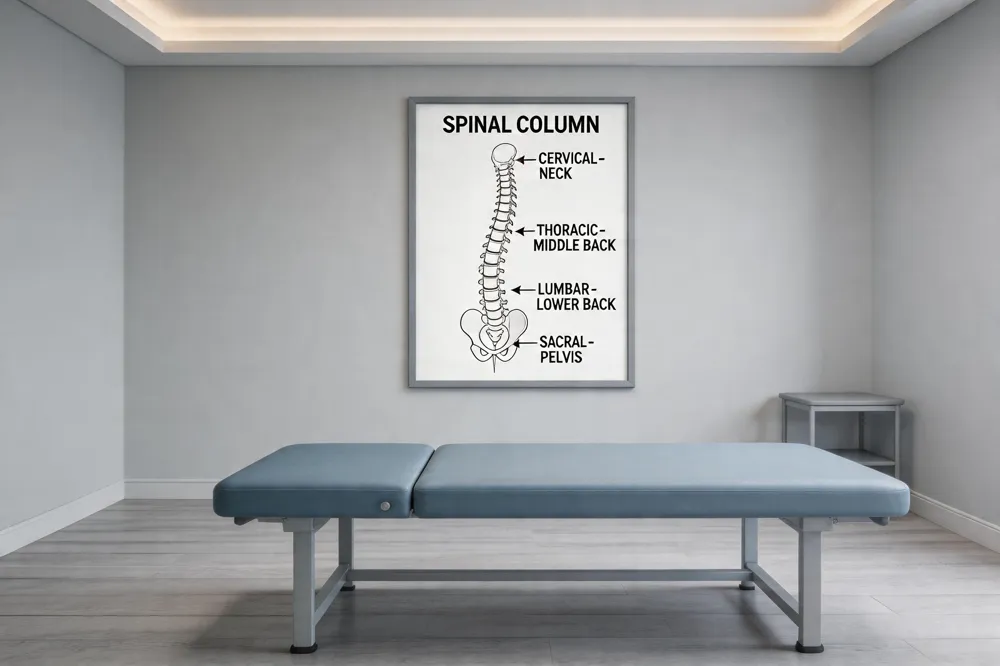
How Chiropractic Treatments Reduce Inflammation and Speed Up Back Pain Recovery

Real‑Life Stories: How Chiropractic Helped Patients Overcome Chronic Back Pain

From Symptom Masking to Root‑Cause Healing: A Practical Guide

6 Holistic Non‑Surgical Treatments That Deliver Sustainable Back‑Pain Relief

Key Questions to Ask When Selecting Your Chiropractor

Mindful Movement: Incorporating Stretch Breaks Into a Busy Day

Why Targeting the Underlying Cause Beats Temporary Symptom Relief

8 Ways Physiotherapy Complements Chiropractic Adjustments for Faster Recovery

Meal Planning for Athletes Recovering from Back Injuries

9 Everyday Lifestyle Tweaks to Preserve a Healthy Spine and Prevent Pain

Functional Movement Screening for Root‑Cause Pain Identification

6 Things You’ll Experience During Your First Chiropractic Appointment

Spinal Decompression vs. Standard Physical Therapy for Sciatica: A Comparative Review

New Findings on How Adjustments Influence Blood Circulation
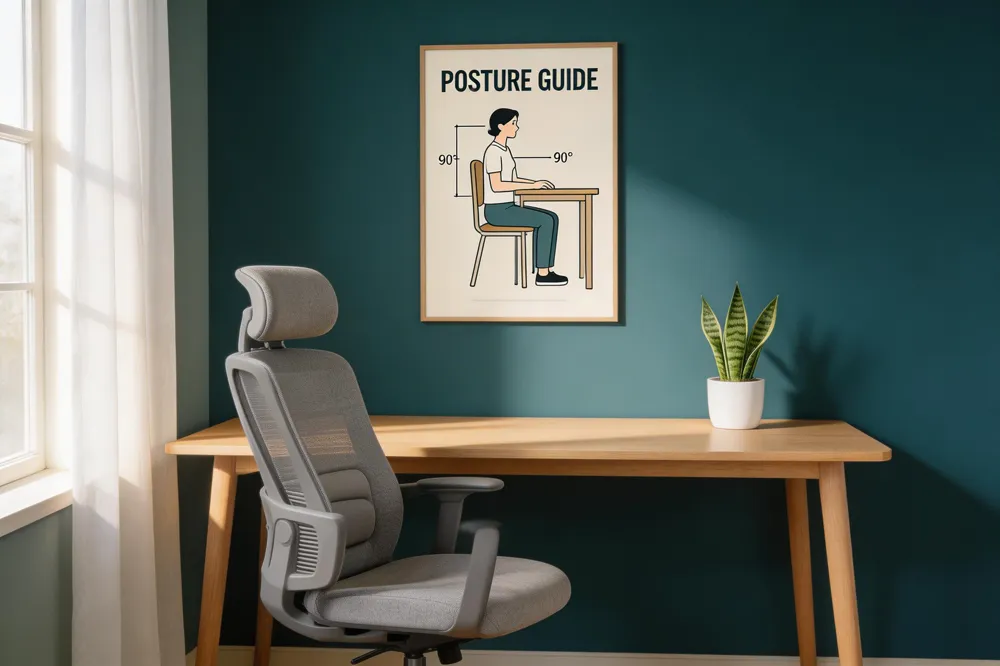
Work‑From‑Home Ergonomics: A Blueprint for a Pain‑Free Back

The Link Between Chiropractic Care and Improved Sleep Quality

Physiotherapy Techniques That Strengthen the Benefits of Chiropractic Adjustments

Biomechanical Insights Behind Successful Spinal Decompression

Desk‑to‑Dumbbell: Lifestyle Shifts That Guard Your Lower Back

10 Corrective Exercises for Sustainable Pain-Free Living

Morning Routines That Support Spine Health and Reduce Stiffness

Calcium and Magnesium‑Focused Nutrition for Bone Density and Spine Health

9 Ways Chiropractic Care Transforms Back Pain Management

Testimonial: Nutrition‑Guided Recovery Accelerated by Chiropractic
Science‑Backed Spinal Decompression for Relieving Sciatica Symptoms

Key Questions to Ask During Your Initial Chiropractic Consultation
Whole‑Body Wellness Blueprint: Nutrition, Exercise, and Chiropractic Synergy

A 12‑Week Corrective Exercise Blueprint for Chronic Neck Discomfort

Manual Therapy Plus Targeted Exercise: Accelerating Post‑Injury Recovery
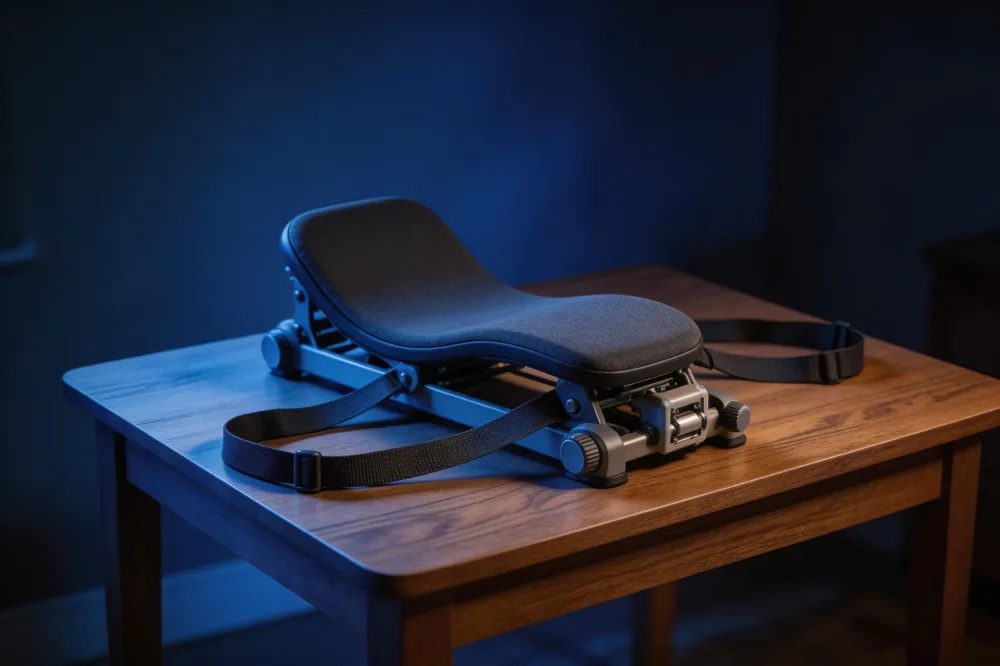
Home‑Based Spinal Decompression Devices: What Patients Should Know

Chiropractic Care Statistics: Reducing Lost Workdays From Back Pain

How Targeted Nutrition Enhances Immune Function and Lowers Inflammatory Pain

Self‑Assessment Tools to Identify Hidden Triggers of Back Pain

Preparing for Your First Chiropractic Appointment: A Practical Checklist

Back Pain Relief Benefits: Lower Opioid Use and Better Quality of Life

Foam‑Rolling Techniques to Complement Chiropractic Adjustments

Progressive Overload Principles in Corrective Exercise Programs

Six‑Month Transformation: Integrated Care Success Story

7 Nutritional Hacks to Boost Your Overall Wellness

How to Choose a Chiropractor: Credentials, Techniques, and Patient Compatibility

5 Ways Spinal Decompression Can Ease Sciatica Pain

Overcoming Sciatica: A Patient’s Multidisciplinary Treatment Journey
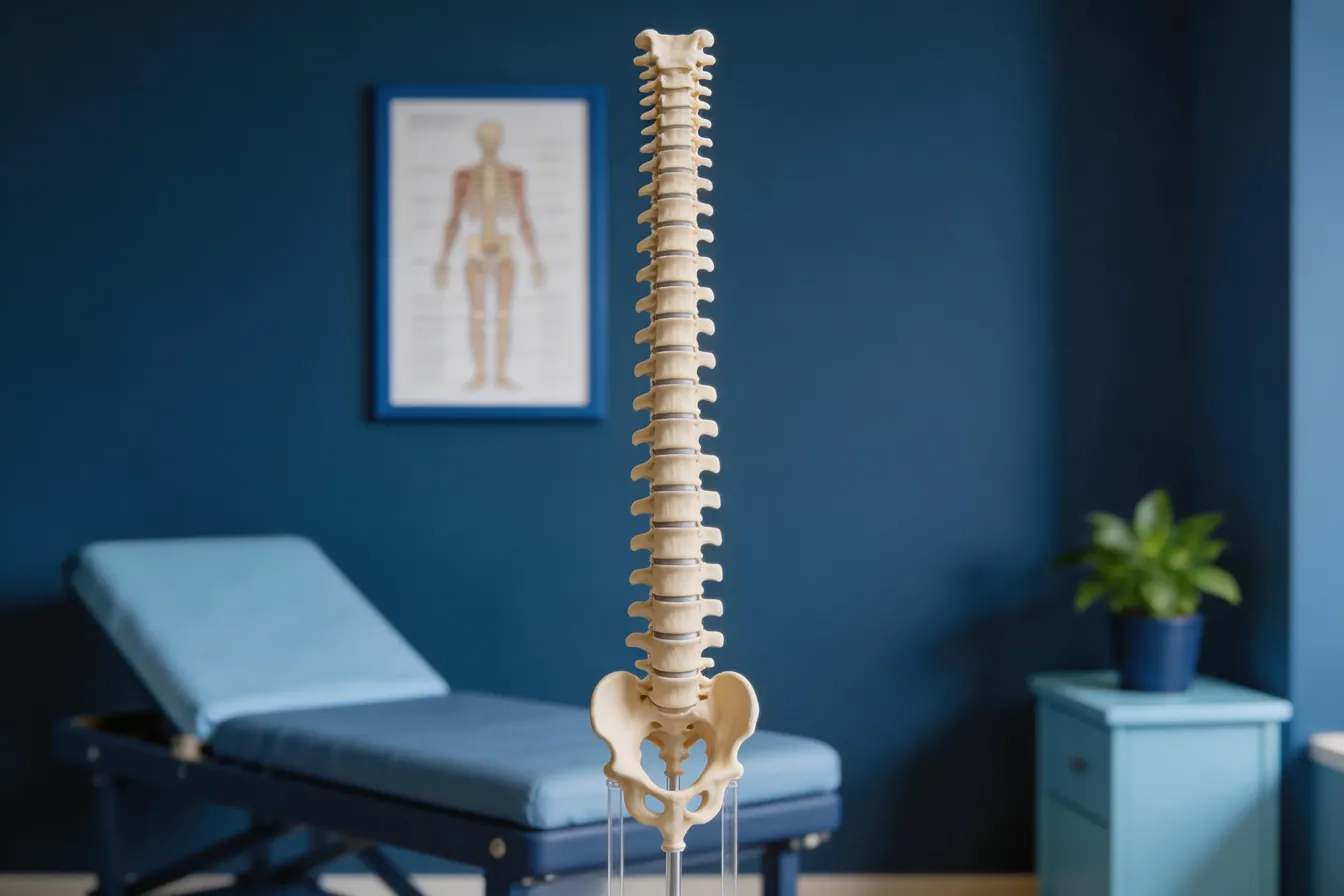
Lifestyle Changes That Promote a Healthy Spine
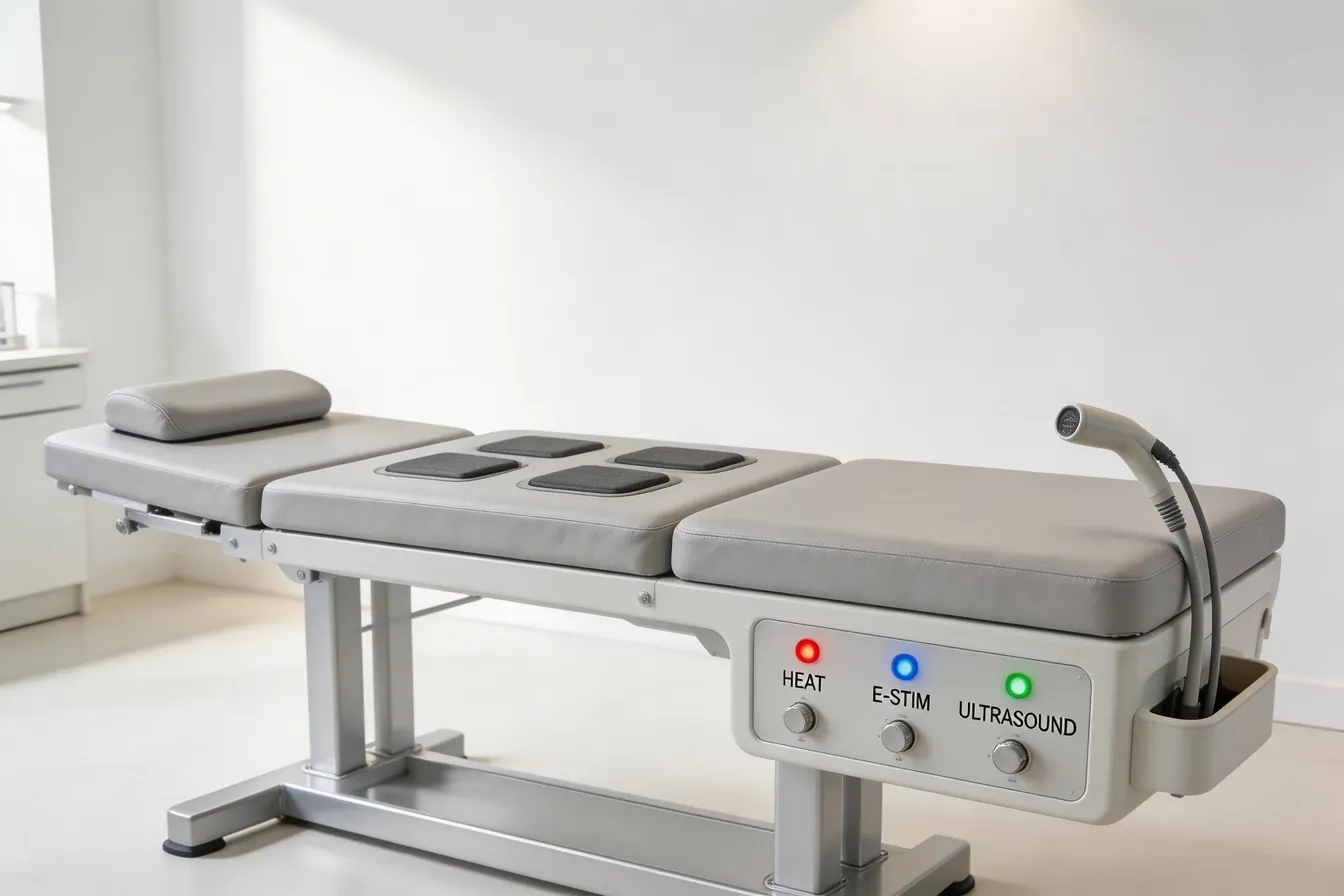
Physiotherapy as a Complement to Chiropractic Treatments

6 Ways Physiotherapy Enhances Chiropractic Treatment Outcomes

Daily Living Tips for a Strong and Healthy Spine

How Physiotherapy Enhances Chiropractic Outcomes
Holistic Treatments: Alternatives to Surgery for Pain Relief
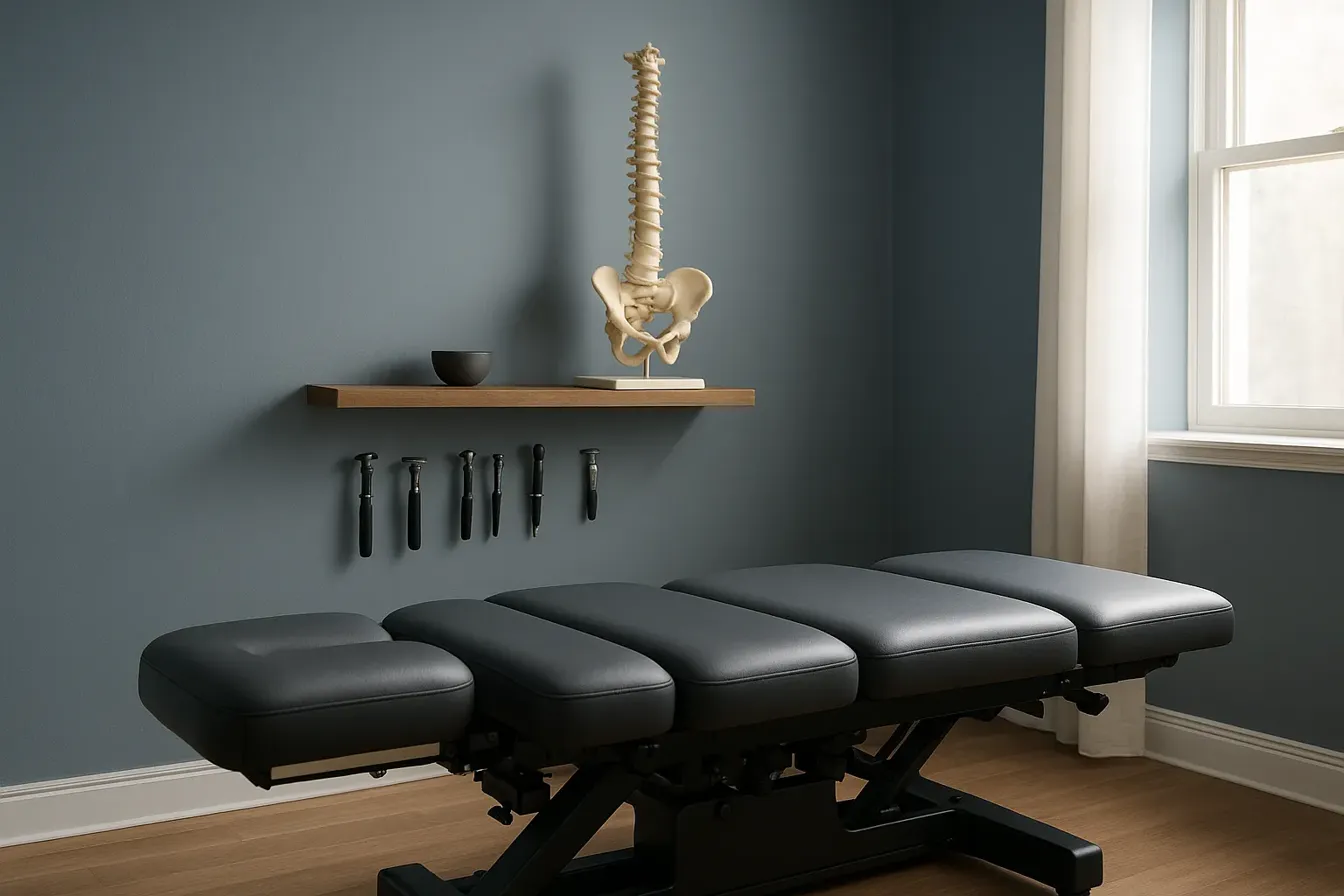
Inspiring Patient Success Stories from Chiropractic Clinics

Integrating Physiotherapy with Chiropractic Treatments
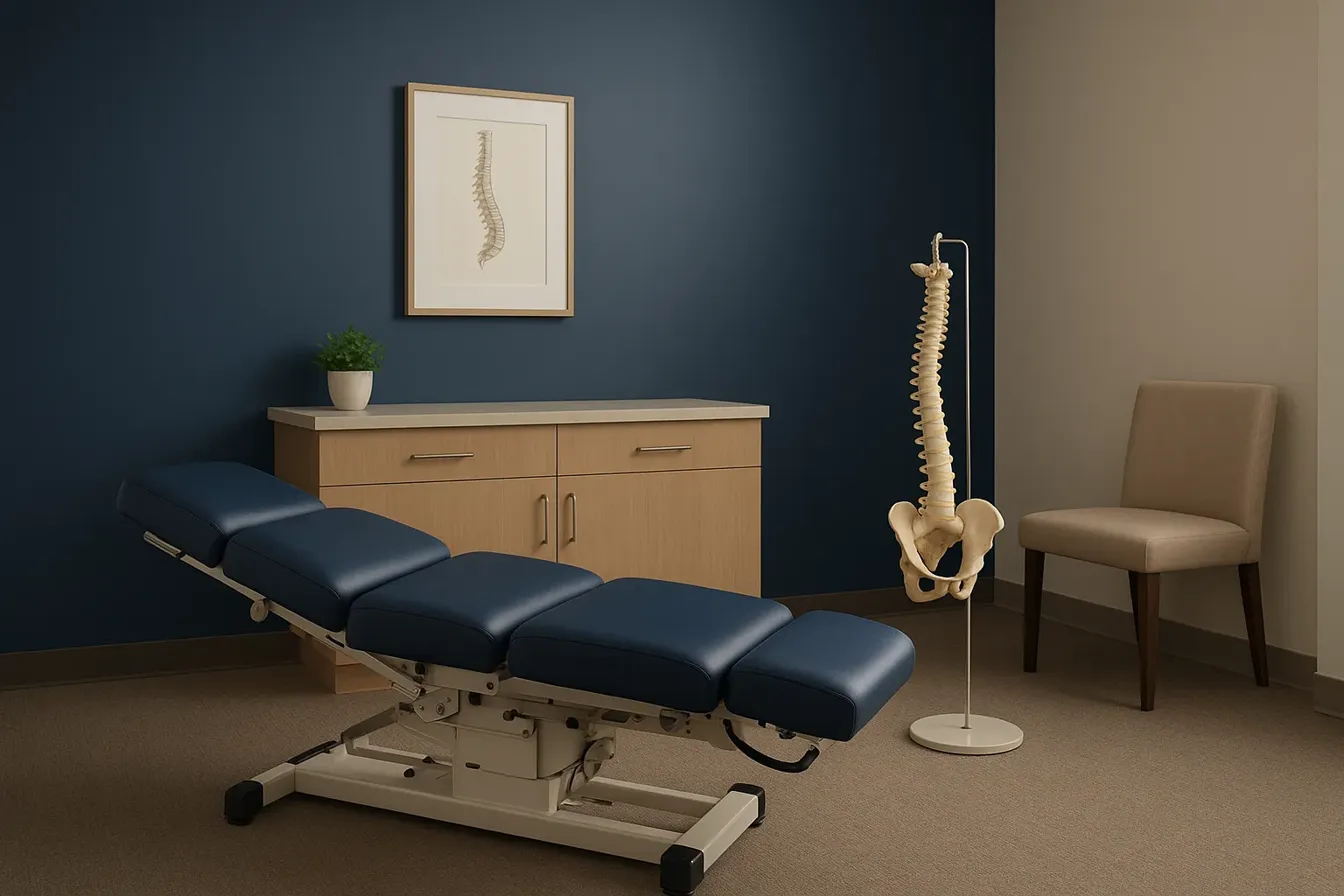
Corrective Exercise Routines for Chronic Pain Prevention
10 Corrective Exercises to Maintain a Healthy Spine and Relieve Pain
Exercise Strategies for Long-Term Pain Management
10 Corrective Exercises to Maintain a Healthy Spine and Relieve Pain
The Importance of Treating the Root Cause of Pain
Nutritional Support Strategies for Whole-Body Wellness
7 Essential Questions to Ask When Choosing Your Chiropractor
Identifying and Addressing Root Causes of Pain
Maintaining a Healthy Spine with Lifestyle Adjustments
Sciatica Symptom Relief via Spinal Decompression
8 Reasons Why Addressing the Root Cause of Pain Is Crucial
Chiropractic Care’s Impact on Back Pain Recovery

Combining Physiotherapy with Chiropractic Care for Better Results

Inspiring Recovery: Chiropractic Patient Testimonials
Nutritional Counseling Tips for Optimal Wellness

Why Addressing the Root Cause of Pain is Crucial
Back Pain and Chiropractic Care: A Winning Combination

Chiropractic Care Benefits You Might Not Know
Exploring Holistic and Non-Surgical Treatments for Pain
Spinal Health: Lifestyle Tips for Everyday Wellness
Spinal Decompression Therapy: Benefits and Applications
Holistic and Non-Invasive Spine Care Options
Everyday Lifestyle Advice to Keep Your Spine Healthy
The Significance of Treating Root Causes in Pain Therapy
Best Corrective Exercises for Sustainable Pain Management

Addressing Underlying Causes of Pain for Long-Term Relief

6 Key Benefits of Spinal Decompression Therapy for Sciatica Relief

How Nutritional Counseling Supports Spine Health and Recovery

The Role of Physiotherapy in Supporting Chiropractic Treatments