Natural Pain Management: Combining Acupuncture, Yoga, and Chiropractic
April 22, 2026
8 min

Why a Multimodal Approach Matters
Chronic pain affects roughly 80% of U.S. adults at some point, and more than 65% of seniors report pain lasting three months or longer. Medication‑only strategies often fail to address the complex biopsychosocial nature of pain and carry risks such as opioid dependence, gastrointestinal irritation, and diminished functional outcomes. A multimodal plan that blends manual, neuro‑chemical, and mind‑body therapies offers a broader therapeutic spectrum. Chiropractic adjustments restore spinal alignment and relieve nerve compression, while acupuncture stimulates endorphin release and modulates pain pathways at a neuro‑chemical level. Yoga adds flexibility, core strength, breath control, and mindfulness, reducing muscle tension and stress‑related pain perception. Back in Action Bodyworks in Torrance, California exemplifies this integrative model: licensed chiropractors perform precise spinal manipulations, certified acupuncturists deliver targeted needling, and certified yoga instructors guide therapeutic sessions. The practice also emphasizes aftercare—hydration, gentle movement, and mindfulness—to sustain benefits and prevent recurrence, delivering patient‑centered, drug‑free pain relief.
Cost, Scheduling, and Golden Rules for Acupuncture

Acupuncture for back‑pain is widely available in the United States, with private‑practice fees ranging from $70 to $120 per session. The initial visit often costs a little more—typically $100‑$150—because it includes a comprehensive assessment. Many health‑insurance plans cover a portion of the fee when the service is provided by a licensed acupuncturist, although the extent of coverage varies by carrier and may require a copay or coinsurance. Medicare Part B reimburses acupuncture for chronic lower‑back pain, paying 80 % of the Medicare‑approved amount after the Part B deductible; patients are responsible for the remaining 20 % (or a flat copay under Medicare Advantage). Some state Medicaid programs and community clinics offer sliding‑scale rates as low as $25 per visit, so it is wise to verify network status and pre‑authorization requirements before scheduling.
Patients can safely receive acupuncture and chiropractic adjustments on the same day when the treatments are coordinated. The two modalities complement each other—acupuncture addresses neurological and energetic aspects of pain while chiropractic restores mechanical alignment—creating a synergistic effect that often enhances pain relief and mobility. Combined sessions have been shown to reduce chronic back pain, tension‑type headaches, and joint stiffness more effectively than either therapy alone, and they streamline care by reducing the number of office visits.
The typical acupuncture regimen for back pain depends on chronicity. Acute pain (≤1 week) may improve after 2‑3 sessions, subacute pain (6‑12 weeks) often requires 5‑10 treatments, and chronic pain usually calls for 10 or more sessions, beginning with two visits per week for the first few weeks and then tapering to weekly maintenance. Patients should tailor the schedule to their response and lifestyle.
The four golden rules that maximize acupuncture benefits are simple lifestyle habits: 1) Eat only when truly hungry, allowing digestion to proceed without strain; 2) Drink water whenever thirsty to stay hydrated; 3) Rest when tired, giving the nervous system a chance to recover; and 4) Go to bed early for deep, restorative sleep, which supports the body’s natural healing processes.
Choosing the Right Yoga for Pain Relief

When selecting a yoga practice to ease chronic discomfort, evidence‑based styles such as Hatha, Iyengar, Restorative, and Yin are the most studied and effective. These approaches prioritize proper alignment, slow controlled movements, and breath awareness, using props to reduce joint strain and promote relaxation.
What type of yoga is best for pain? Hatha and Iyengar yoga lead the field because they emphasize alignment and gentle postures, while Restorative and Yin yoga deepen tissue flexibility and calm the nervous system.
Yoga for lower back pain beginners Start with spine‑friendly poses—Cat‑Cow, Child’s Pose, Supine Knee‑to‑Chest, and Pelvic Tilts—moving slowly and syncing each motion with breath. Add Sphinx, a modified Downward‑Facing Dog against a wall, and reclined Figure‑4. Hold each for 10 seconds to a minute, progressing to 2–3 minutes as comfort improves. Practice 2‑3 times weekly, listening to your body and stopping any sharp pain.
Yoga for pain relief beginners Grounding poses such as Child’s Pose, Cat‑Cow, and a seated forward fold open the lower back and shoulders. Use blocks or bolsters for support, coordinate movement with deep rhythmic breathing, and aim for 2‑3 weekly sessions, gradually extending duration.
Yoga for pain relief at home Choose gentle, pain‑focused sequences from reputable videos. Begin with deep nose‑breathing, then move through modified asanas—seated twists, supported forward folds, cat‑cow—holding briefly and never pushing into sharp discomfort. A 10‑20 minute routine a few times a week is sufficient.
What yoga to avoid with scoliosis? Skip deep forward bends (Paschimottanasana), extreme twists (Revolved Triangle), and asymmetric standing poses (Triangle, Half‑Moon) that increase vertebral rotation or unilateral loading. Opt for neutral‑spine alternatives instead.
Yoga for pain relief seniors Low‑impact chair‑based yoga stretches and mobilizes joints, strengthens core muscles, and improves posture, reducing inflammation and fall risk. Short daily sessions boost flexibility and joint lubrication.
Which yoga is best for the prostate? Pelvic‑opening poses such as Baddha Konasana (Butterfly), Malasana (Garland Pose), Setu Bandhasana (Bridge), and Bhujangasana (Cobra) enhance circulation and reduce pelvic tension, supporting prostate health.
Acupuncture vs. Chiropractic: Which Relieves Lower Back Pain Better?

Extensive research shows that both acupuncture and spinal manipulation are effective non‑pharmacologic options for chronic low‑back pain, but they act through different mechanisms. Chiropractic adjustments restore proper spinal alignment and reduce nerve irritation, often delivering rapid improvements in mobility and mechanical pain. Acupuncture, on the other hand, stimulates specific meridian points to trigger endorphin release, diminish inflammation, and calm stress‑related muscle tension.
Clinical trials report that roughly 50‑70 % of patients experience meaningful pain reduction after a standard acupuncture course; large Kaiser Permanente studies and an NIH‑funded trial in adults over 65 found about two‑thirds of participants reporting better symptom control and functional gains.
Patient satisfaction is high for both modalities. Reviewers frequently cite decreased pain intensity, enhanced range of motion, and minimal adverse effects after acupuncture, while chiropractic patients often highlight immediate relief of nerve pressure and improved posture.
Side‑effect profiles are favorable. Acupuncture’s most common reactions are mild soreness, bruising, or transient fatigue at needle sites, with serious complications being rare (<0.05 per 10,000 treatments). Chiropractic adjustments may cause temporary soreness or a brief headache, but serious events such as herniated discs or stroke are exceedingly uncommon when performed by licensed practitioners.
Because pain can stem from structural misalignments, soft‑tissue inflammation, or psychosocial stress, many clinicians recommend an integrative approach—combining spinal adjustments, acupuncture, and supportive yoga—to address the full biopsychosocial spectrum of lower‑back pain. The optimal choice ultimately depends on the individual’s dominant pain drivers and personal preferences.
Evidence‑Based Alternative Modalities for Chronic Pain

Alternative chronic pain management
A growing range of non‑pharmacologic options can complement traditional chiropractic care for chronic pain. Evidence‑based modalities include acupuncture, therapeutic massage, and spinal manipulation, which modulate nervous‑system signals, promote endorphin release, and improve tissue circulation. Mind‑body practices such as yoga, tai chi, qigong, and mindfulness meditation lower cortisol, enhance body awareness, and improve coping with pain. Structured physical‑therapy programs—incorporating aerobic or resistance exercise, low‑impact activities, and targeted stretching—restore strength, flexibility, and functional mobility. Lifestyle habits that support pain reduction include whole‑food nutrition, adequate sleep, regular gentle movement, and the judicious use of heat or cold to manage inflammation and muscle tension.
Alternative methods of pain control
Acupuncture, massage therapy, and spinal manipulation stimulate nerves and reduce inflammation, offering relief for back, neck, and joint pain. Mind‑body approaches—mindfulness meditation, guided breathing, cognitive‑behavioral therapy, and biofeedback—help patients reframe pain signals and decrease stress‑related muscle tension. Low‑impact exercise, yoga, tai chi, and tailored physical‑therapy improve circulation and break the cycle of pain and immobility. Complementary habits such as a wholesome diet, quality sleep, and anti‑inflammatory herbal supplements further support the body’s natural healing processes, aligning with a patient‑centered, holistic pain‑management plan.
Holistic Pain‑Management Techniques and Lifestyle

A comprehensive, patient‑centered pain‑management plan blends manual, neuro‑chemical, and mind‑body therapies to attack discomfort from every angle. Integrating chiropractic adjustments (restoring spinal alignment and nerve flow), acupuncture (stimulating endorphin release and reducing inflammation), and yoga (enhancing flexibility, core strength, and stress reduction) creates a multimodal strategy that addresses mechanical, neurological, and emotional pain pathways.
Mindfulness, breathing, and sleep hygiene – Techniques such as diaphragmatic breathing, guided imagery, and progressive muscle relaxation lower cortisol and activate the parasympathetic nervous system, while consistent sleep hygiene supports tissue repair and pain modulation.
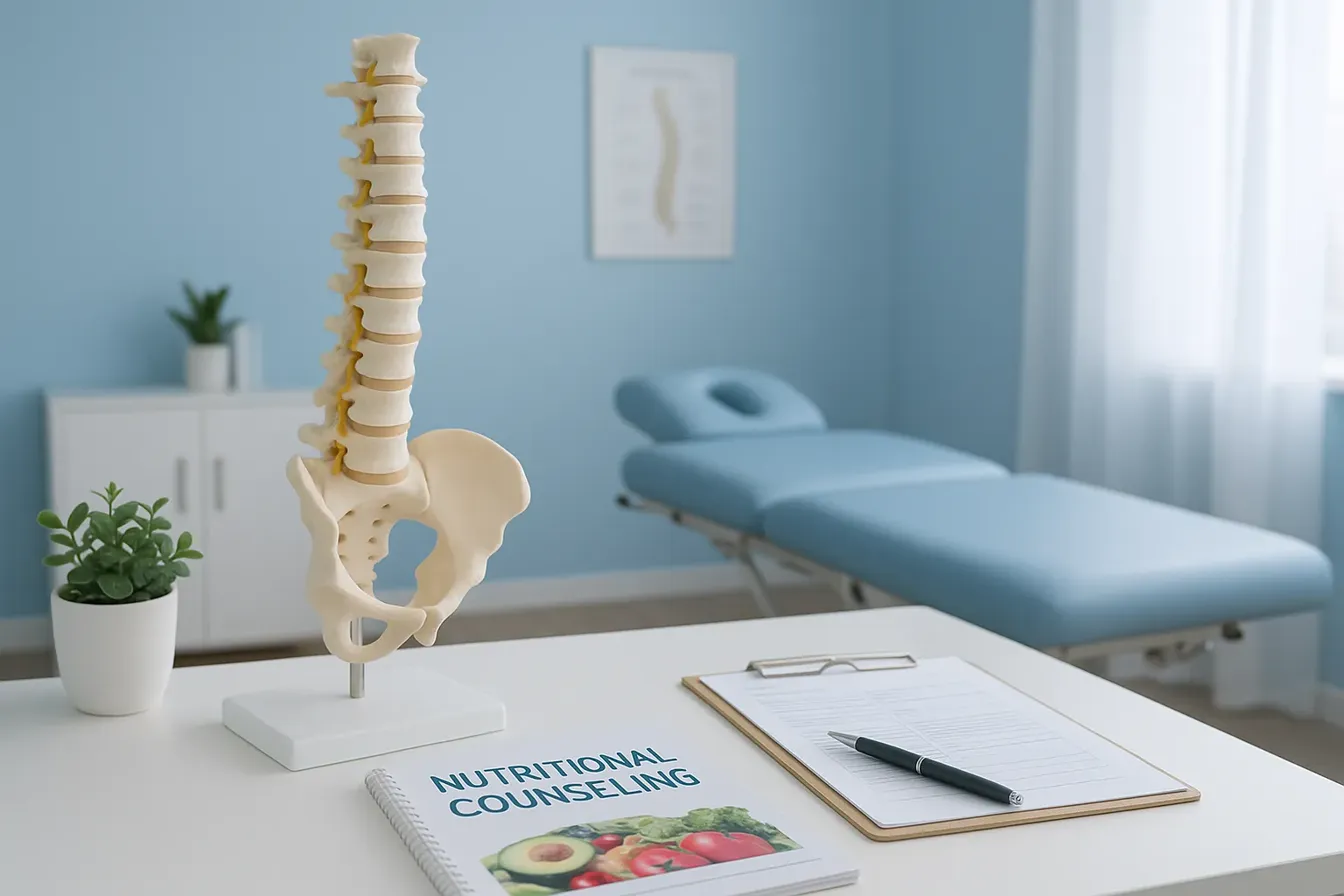
Nutrition, hydration, and anti‑inflammatory foods – A diet rich in omega‑3 fatty acids, leafy greens, berries, turmeric, and ginger supplies antioxidants that curb inflammation; adequate hydration maintains disc health and optimal joint function.
Patient empowerment and self‑monitoring – Educating patients on symptom tracking, posture awareness, and home‑exercise routines fosters active participation and long‑term adherence.
Holistic pain management techniques – The program blends lifestyle choices, gentle exercise (walking, swimming, tai‑chi), and complementary therapies (acupuncture, therapeutic massage, chiropractic) to reduce pain, improve function, and prevent recurrence.
Evidence‑based alternative pain management – Systematic reviews and randomized trials confirm that acupuncture, yoga, mindfulness‑based stress reduction, and targeted physical‑therapy exercises provide significant, drug‑free relief for chronic low‑back pain, neck pain, headaches, and musculoskeletal discomfort.
Do’s, Don’ts, and Alternatives to Chiropractic

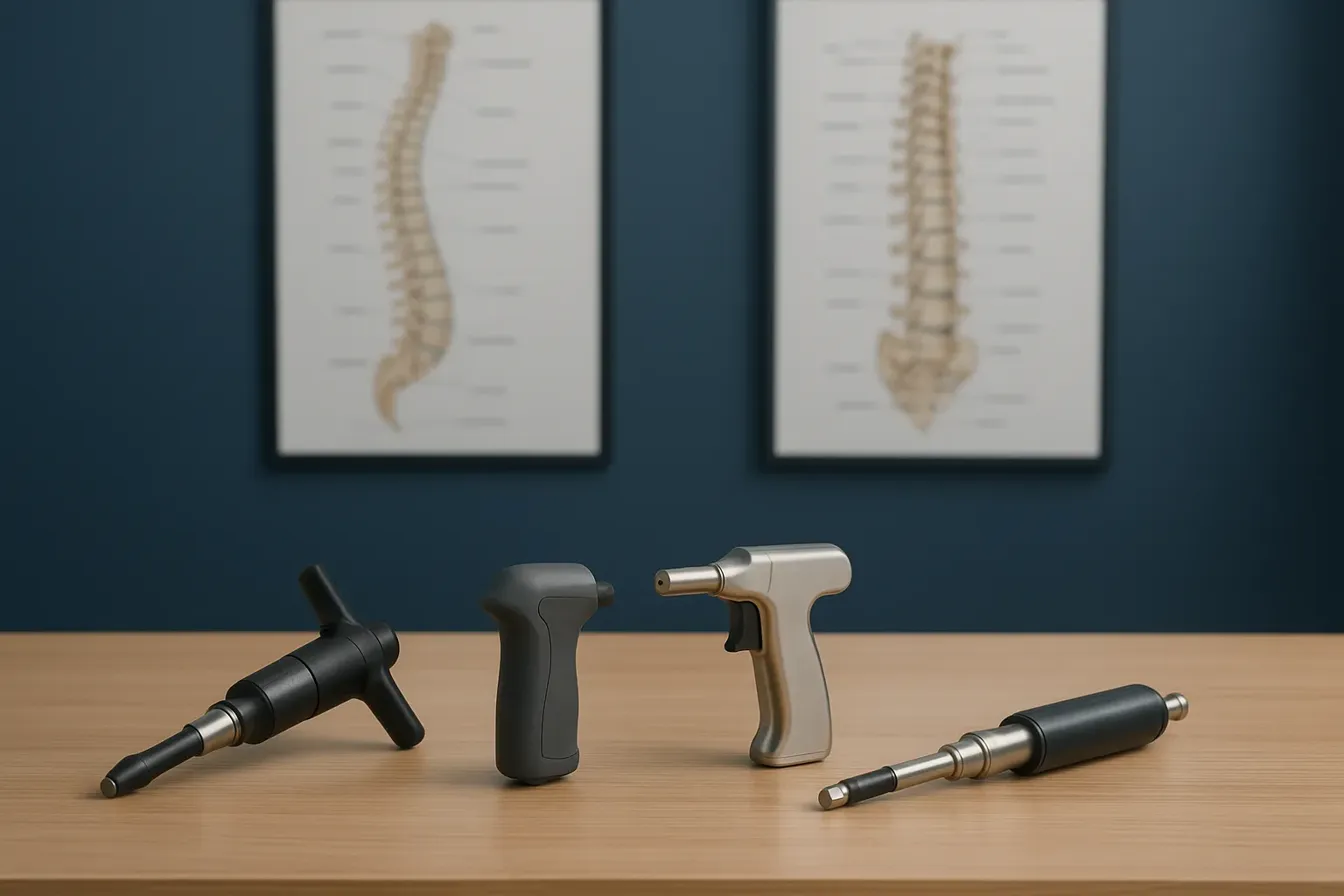
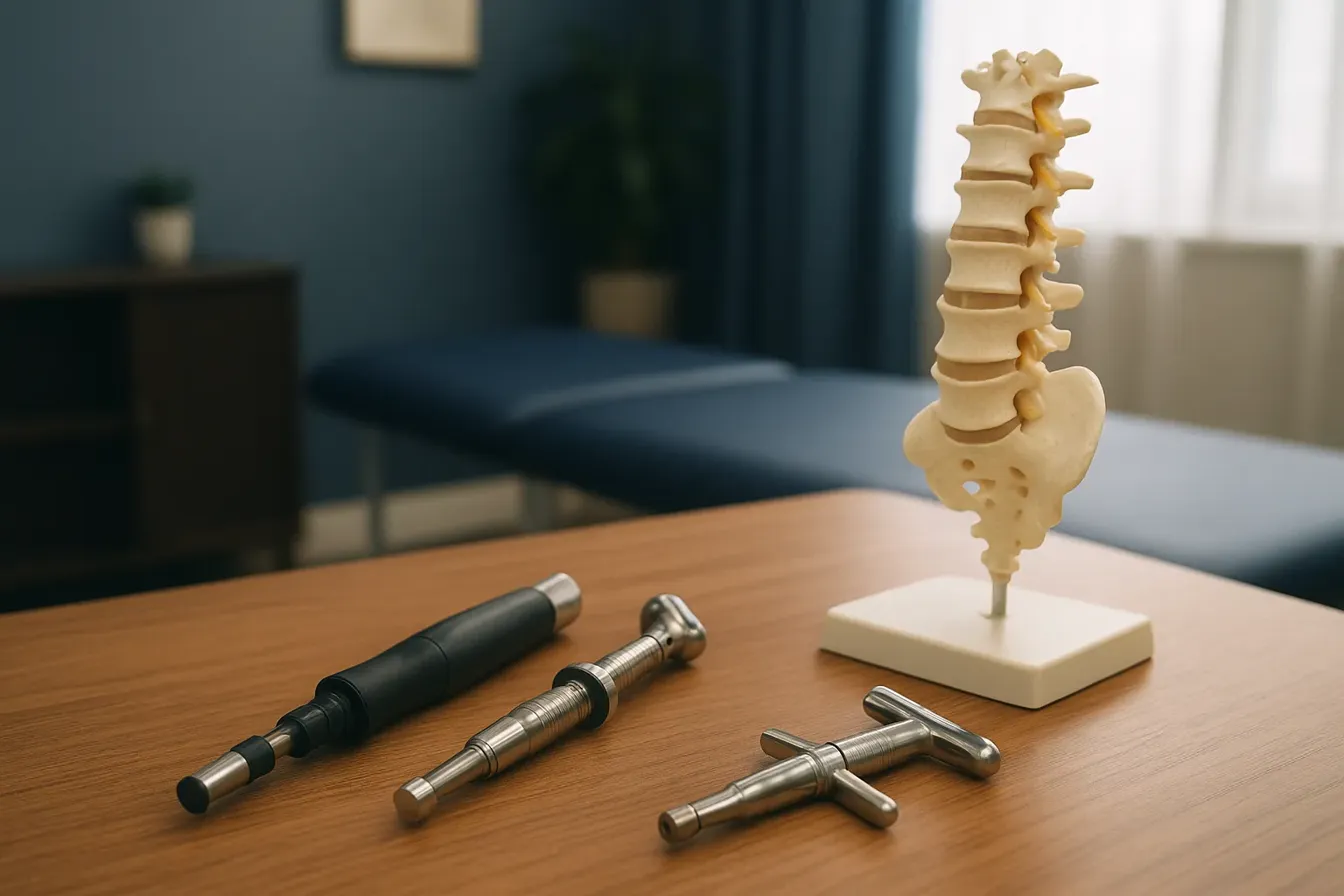
For chronic back pain, stay gently active—short walks, low‑impact swimming, or gentle yoga—while avoiding prolonged bed rest, heavy lifting, twisting, and high‑impact sports that can aggravate discs and ligaments. Sleep on a firm mattress in a neutral spine position; avoid stomach‑lying or excessive slouching. Non‑adjustment options include physical‑therapy‑guided strengthening and flexibility programs, osteopathic spinal mobilization, therapeutic massage, and acupuncture, which modulates pain pathways with fine needles. Low‑speed chiropractic techniques such as Activator® instrument or spinal decompression offer gentle motion without high‑velocity thrusts. Safety considerations: contraindications include severe osteoporosis, spinal cancer, acute fractures, and uncontrolled hypertension; always discuss medical history with a licensed practitioner before beginning any regimen.
Local Resources: Finding Integrated Care in Torrance

Chiropractor with acupuncture near me: Search Google Maps or health directories for “chiropractor acupuncture near me.” In Torrance, Back in Action Bodyworks offers chiropractic adjustments with acupuncture for a coordinated plan. Acupuncture for back pain near me: Use Zocdoc to find NCCAOM‑certified providers; the clinic partners with acupuncturists to target pain pathways and promote healing. Yoga for pain relief near me: Find restorative yoga classes in Torrance—labeled Chair Yoga—that use breath work, props, and poses to ease tension and improve mobility.
Patient Experiences, Points, and Community Feedback

Acupuncture for back pain points: practitioners often target BL23 (Kidney Shu) near the waist, GV4 (Ming Men) below L2, BL40 (Wei Zhong) behind the knee, plus BL60, GB30, and distal LI4 to modulate qi and reduce muscle tension. Acupuncture for back pain Reddit: users frequently post positive anecdotes, but clinical guidance should steer choices. Real‑world outcomes and expectations: integrated care—combining these acupuncture points with chiropractic adjustments and yoga—has shown greater pain reduction and functional gains than single‑modality treatment, though individual results vary.
Your Path to Pain‑Free Living
Acupuncture, yoga, and chiropractic together target neurochemical, muscular, and structural pain sources, delivering amplified relief. Experience Back in Action Bodyworks' integrated program for personalized, drug‑free care. Call today or visit our website to book a consultation and start healing.
Recent articles
10 Real‑Patient Success Stories Showcasing the Impact of Chiropractic Care

Superfoods That Boost Nerve Healing After Chiropractic Sessions

Sleep Positions That Promote a Healthy Back Alignment
Signs Your Chiropractor Is a Good Fit for Your Back Pain Goals
Case Study: Integrated Physiotherapy and Chiropractic for Faster Recovery
First-Time Chiropractic Visit: A Step‑by‑Step Walkthrough
Synergistic Benefits: Combining Physiotherapy with Chiropractic Care

Beyond Surgery: Holistic Approaches to Managing Back Pain

How Manual Therapy Enhances the Effects of Chiropractic Adjustments

Hydration Hacks: Why Water Matters for Joint and Spine Function

What Does a Comprehensive Spinal Evaluation Include?

Success Spotlight: Transformative Results After Six Weeks of Chiropractic Treatment

Understanding the Initial Assessment Process in Chiropractic Care
Designing a Personalized Corrective Exercise Plan for Chronic Pain Management
Natural Pain Management: Combining Acupuncture, Yoga, and Chiropractic
Chiropractic Care vs. Pain Meds: Long-Term Outcomes for Back Pain Sufferers

What to Expect During a Sciatica‑Focused Decompression Session

Understanding the Pain-Relief Mechanics Behind Chiropractic Adjustments

Success Rates of Non‑Surgical Spinal Decompression for Sciatica

Patient-Centered Chiropractic Care: Personalized Plans for Back Pain Relief
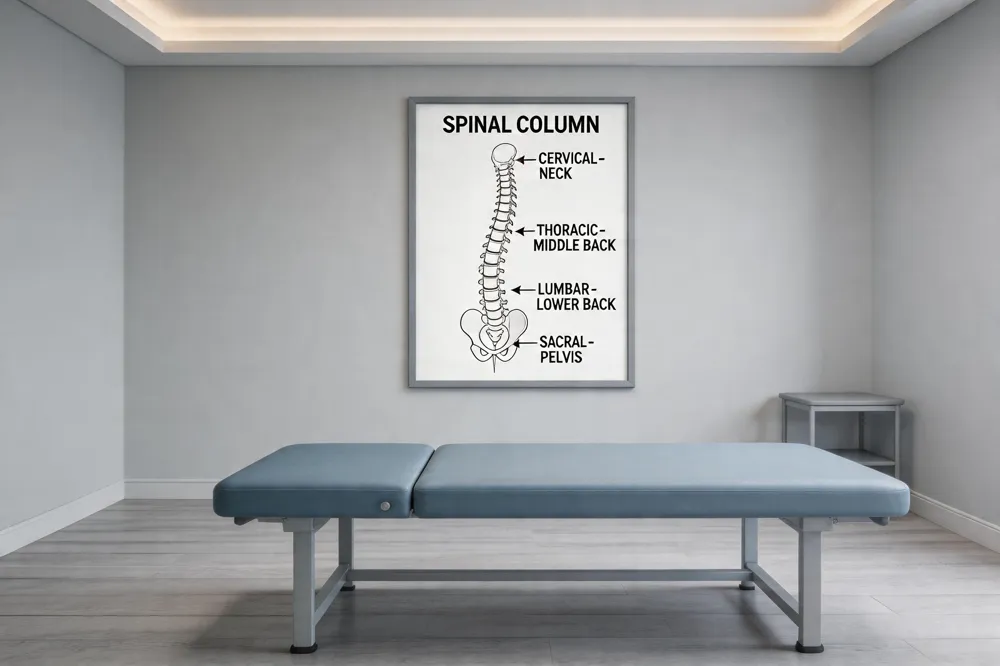
How Chiropractic Treatments Reduce Inflammation and Speed Up Back Pain Recovery

Real‑Life Stories: How Chiropractic Helped Patients Overcome Chronic Back Pain
From Symptom Masking to Root‑Cause Healing: A Practical Guide

6 Holistic Non‑Surgical Treatments That Deliver Sustainable Back‑Pain Relief
Key Questions to Ask When Selecting Your Chiropractor

Mindful Movement: Incorporating Stretch Breaks Into a Busy Day

Why Targeting the Underlying Cause Beats Temporary Symptom Relief

8 Ways Physiotherapy Complements Chiropractic Adjustments for Faster Recovery

Meal Planning for Athletes Recovering from Back Injuries

9 Everyday Lifestyle Tweaks to Preserve a Healthy Spine and Prevent Pain

Functional Movement Screening for Root‑Cause Pain Identification

6 Things You’ll Experience During Your First Chiropractic Appointment

Spinal Decompression vs. Standard Physical Therapy for Sciatica: A Comparative Review

New Findings on How Adjustments Influence Blood Circulation
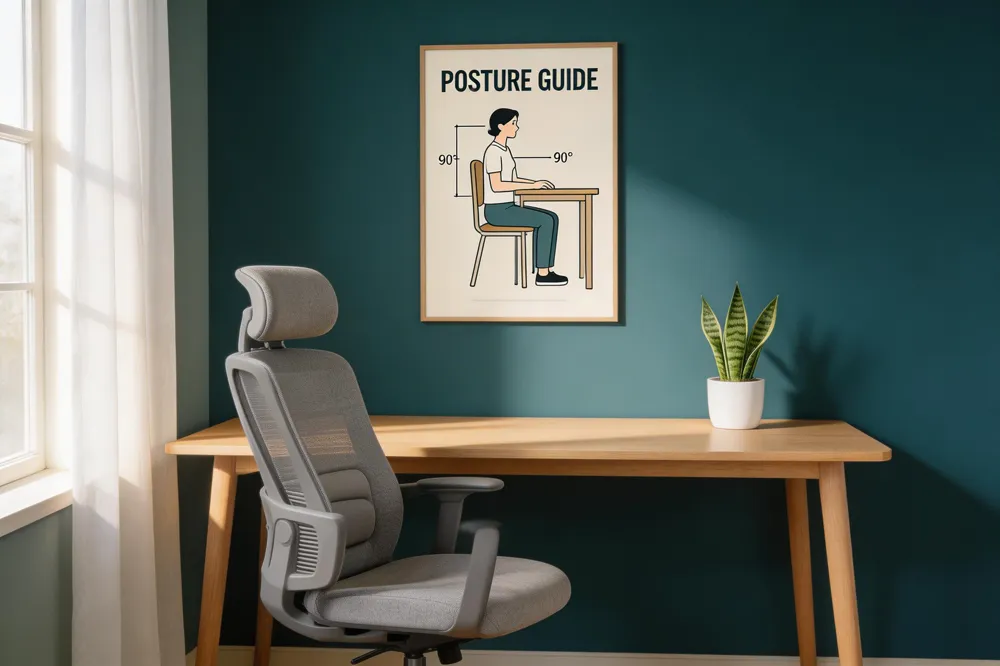
Work‑From‑Home Ergonomics: A Blueprint for a Pain‑Free Back

The Link Between Chiropractic Care and Improved Sleep Quality

Physiotherapy Techniques That Strengthen the Benefits of Chiropractic Adjustments

Biomechanical Insights Behind Successful Spinal Decompression

Desk‑to‑Dumbbell: Lifestyle Shifts That Guard Your Lower Back
10 Corrective Exercises for Sustainable Pain-Free Living

Morning Routines That Support Spine Health and Reduce Stiffness

Calcium and Magnesium‑Focused Nutrition for Bone Density and Spine Health

9 Ways Chiropractic Care Transforms Back Pain Management

Testimonial: Nutrition‑Guided Recovery Accelerated by Chiropractic
Science‑Backed Spinal Decompression for Relieving Sciatica Symptoms
Key Questions to Ask During Your Initial Chiropractic Consultation
Whole‑Body Wellness Blueprint: Nutrition, Exercise, and Chiropractic Synergy

A 12‑Week Corrective Exercise Blueprint for Chronic Neck Discomfort

Manual Therapy Plus Targeted Exercise: Accelerating Post‑Injury Recovery
Home‑Based Spinal Decompression Devices: What Patients Should Know
Chiropractic Care Statistics: Reducing Lost Workdays From Back Pain

How Targeted Nutrition Enhances Immune Function and Lowers Inflammatory Pain

Self‑Assessment Tools to Identify Hidden Triggers of Back Pain
Preparing for Your First Chiropractic Appointment: A Practical Checklist

Back Pain Relief Benefits: Lower Opioid Use and Better Quality of Life

Foam‑Rolling Techniques to Complement Chiropractic Adjustments

Progressive Overload Principles in Corrective Exercise Programs

Six‑Month Transformation: Integrated Care Success Story

7 Nutritional Hacks to Boost Your Overall Wellness

How to Choose a Chiropractor: Credentials, Techniques, and Patient Compatibility
5 Ways Spinal Decompression Can Ease Sciatica Pain

Overcoming Sciatica: A Patient’s Multidisciplinary Treatment Journey
Lifestyle Changes That Promote a Healthy Spine
Physiotherapy as a Complement to Chiropractic Treatments
6 Ways Physiotherapy Enhances Chiropractic Treatment Outcomes
Daily Living Tips for a Strong and Healthy Spine

How Physiotherapy Enhances Chiropractic Outcomes
Holistic Treatments: Alternatives to Surgery for Pain Relief
Inspiring Patient Success Stories from Chiropractic Clinics

Integrating Physiotherapy with Chiropractic Treatments
Corrective Exercise Routines for Chronic Pain Prevention
10 Corrective Exercises to Maintain a Healthy Spine and Relieve Pain
Exercise Strategies for Long-Term Pain Management
10 Corrective Exercises to Maintain a Healthy Spine and Relieve Pain
The Importance of Treating the Root Cause of Pain
Nutritional Support Strategies for Whole-Body Wellness
7 Essential Questions to Ask When Choosing Your Chiropractor
Identifying and Addressing Root Causes of Pain
Maintaining a Healthy Spine with Lifestyle Adjustments
Sciatica Symptom Relief via Spinal Decompression
8 Reasons Why Addressing the Root Cause of Pain Is Crucial
Chiropractic Care’s Impact on Back Pain Recovery

Combining Physiotherapy with Chiropractic Care for Better Results
Inspiring Recovery: Chiropractic Patient Testimonials
Nutritional Counseling Tips for Optimal Wellness

Why Addressing the Root Cause of Pain is Crucial
Back Pain and Chiropractic Care: A Winning Combination

Chiropractic Care Benefits You Might Not Know
Exploring Holistic and Non-Surgical Treatments for Pain
Spinal Health: Lifestyle Tips for Everyday Wellness
Spinal Decompression Therapy: Benefits and Applications
Holistic and Non-Invasive Spine Care Options
Everyday Lifestyle Advice to Keep Your Spine Healthy
The Significance of Treating Root Causes in Pain Therapy
Best Corrective Exercises for Sustainable Pain Management

Addressing Underlying Causes of Pain for Long-Term Relief
6 Key Benefits of Spinal Decompression Therapy for Sciatica Relief

How Nutritional Counseling Supports Spine Health and Recovery

The Role of Physiotherapy in Supporting Chiropractic Treatments