Designing a Personalized Corrective Exercise Plan for Chronic Pain Management
April 23, 2026
6 min

Why Personalization Matters
Chronic pain affects more than 20 % of U.S. adults each year, making it a leading cause of disability and health‑care cost. Because pain generators differ from person to person, a one‑size‑fits‑all program rarely succeeds. A thorough initial assessment—reviewing medical history, posture, movement screens, and patient‑reported outcomes—identifies the specific musculoskeletal deficits that drive each individual’s symptoms. Integrating chiropractic adjustments with corrective‑exercise programming addresses spinal alignment, joint mobility, and muscle imbalances while supporting the whole‑person model of health. This holistic approach combines manual therapy, targeted strength and mobility work, nutrition guidance, and stress‑reduction techniques, creating a patient‑centered plan that promotes natural pain relief, functional improvement, and long‑term wellness and overall physical well‑being.
Building the Foundations: Assessment & Goal Setting
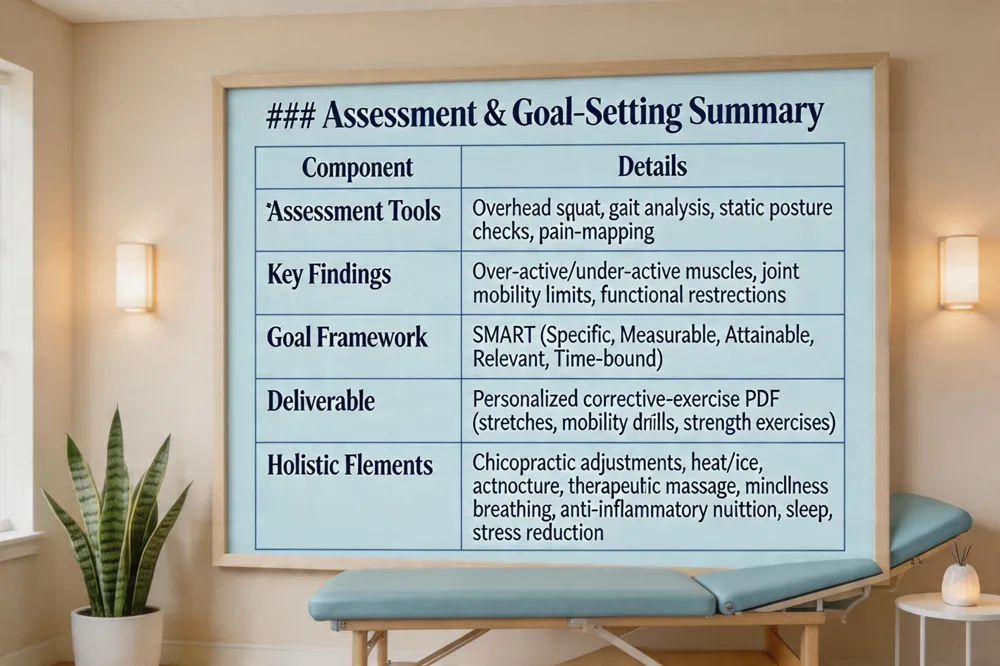 A successful chronic‑pain program starts with a detailed musculoskeletal assessment that examines posture, joint mobility, and functional limitations. Movement screening tools—such as the overhead squat, gait analysis, and static posture checks—reveal over‑active and under‑active muscle groups, while pain‑mapping identifies the exact locations and triggers of discomfort. From these data a clinician creates SMART goals (Specific, Measurable, Attainable, Relevant, Time‑bound) that give the client a clear roadmap toward reduced pain and improved function.
Back in Action Bodyworks translates this evaluation into a personalized corrective‑exercise plan PDF. After the assessment, the practice delivers a digital document that outlines targeted stretches, mobility drills, and strength exercises tailored to the client’s unique deficits. The PDF includes step‑by‑step instructions, illustrated cues, and progression guidelines, plus links to the practice’s Stretches Guide and Workout Guide for holistic support.
A holistic approach to muscle pain treats the body as an interconnected system. It blends chiropractic adjustments and targeted physical‑therapy exercises with heat or ice therapy, acupuncture, therapeutic massage, and mindfulness‑based breathing. Nutrition—rich in anti‑inflammatory foods and supplements such as turmeric or omega‑3s—supports tissue repair, while proper sleep and stress‑reduction techniques complete the integrative plan, fostering lasting relief and overall musculoskeletal wellness.
Core Stabilization and Mobility Drills
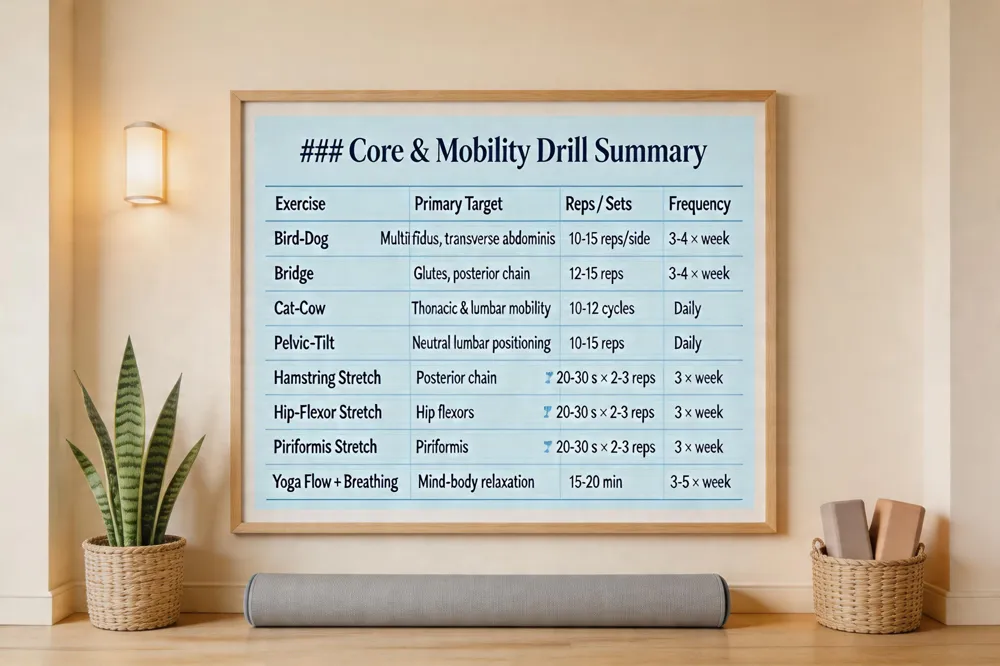 A well‑designed corrective program starts with core activation. The bird‑dog exercise performed on all fours engages the multifidus and transverse abdominis while keeping spinal compression low, making it the single best exercise for lower back pain. Ten to fifteen controlled repetitions each side improve spinal alignment and endurance, reducing flare‑ups.
Complementary core work includes the bridge exercise, cat‑cow, and pelvic‑tilt series. Bridges activate the glutes and posterior chain, cat‑cow mobilizes the thoracic and lumbar spine, and pelvic tilts teach neutral lumbar positioning. Together they build stability and flexibility.
Targeted stretches for the hamstrings, hip flexors, and piriformis release tight posterior‑chain muscles that often pull the pelvis out of alignment. Hold each stretch 20‑30 seconds and repeat 2‑3 times three times a week to improve range of motion and pain.
Gentle yoga—along with easy‑going breathing—boosts relaxation and promotes rhythmic breathing. This mind‑body flow completes the routine, supporting mental and overall health.
By incorporating daily walking, jogging, swimming, and a calming yoga flow, chronic pain can be markedly reduced. Consistency, proper form, and regular reassessment with a chiropractic or corrective‑exercise specialist ensure safe, lasting relief.
Low‑Impact Aerobic Conditioning
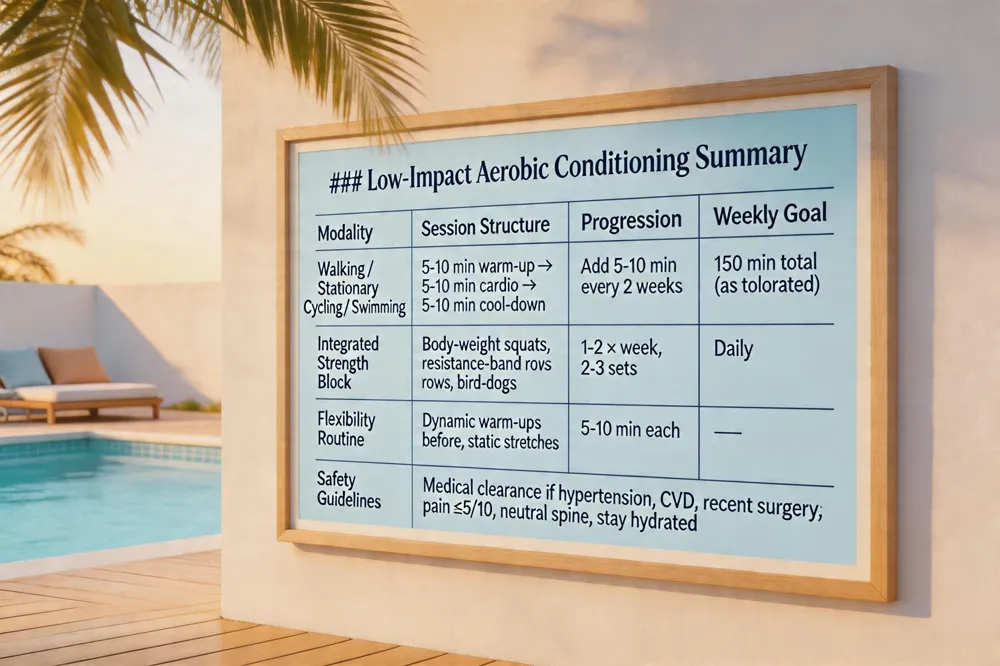 Low‑impact aerobic conditioning—walking, stationary cycling, swimming—provides the cardiovascular boost and endorphin release that help dampen chronic pain signals while sparing joints. Start with 5‑10 minutes of gentle movement three times a week, then increase duration by 5‑10 minutes every two weeks, aiming for 150 minutes per week as tolerance improves. Pair each aerobic session with a brief strength block (e.g., body‑weight squats, resistance‑band rows, core‑activating bird‑dogs) and a flexibility routine that includes dynamic warm‑ups before and static stretches after activity. This integrated approach supports muscle balance, improves posture, and reduces the risk of “crash‑and‑burn” soreness. Safety guidelines: obtain medical clearance if you have hypertension, cardiovascular disease, or recent surgery; monitor pain on a 0‑10 scale and stop if pain exceeds a 5; maintain neutral spine, avoid high‑impact surfaces, and stay hydrated.
What type of exercise is best for chronic pain? A blended program of low‑impact cardio, gentle strength work, and daily stretching offers the most comprehensive relief.
Best exercises for chronic pain? Walking, stationary cycling, swimming, plus light resistance moves (plank variations, band rows, dead‑bugs) and yoga or Pilates stretches, performed consistently and progressed gradually.
Integrating Mind‑Body and Lifestyle Strategies
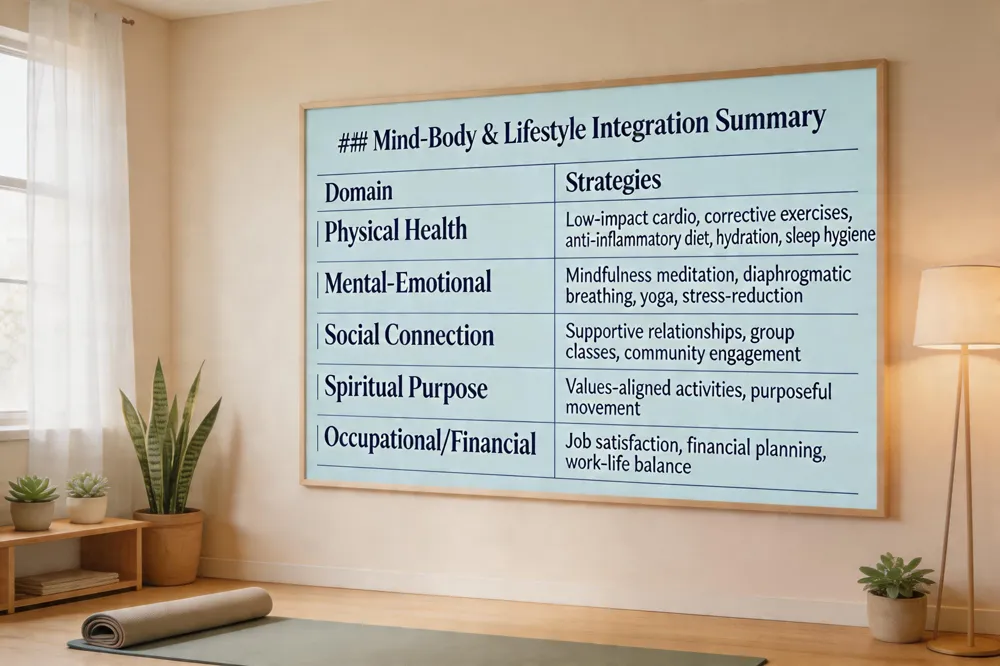 Exercise eases chronic pain by boosting blood flow, delivering oxygen and nutrients that clear inflammatory mediators, and triggering the release of endorphins and other endogenous opioids that raise pain thresholds. Regular movement stabilizes joints and strengthens supporting muscles, reducing abnormal stress that provokes nociceptive signals, while activating descending inhibitory pathways in the brainstem to dampen central sensitization. The body can also self‑heal from inflammation when supported by anti‑inflammatory nutrition—rich in fruits, vegetables, omega‑3 fatty acids, and supplements such as curcumin or fish oil—adequate hydration, and restorative sleep. Stress‑reduction techniques like mindfulness meditation, diaphragmatic breathing, and yoga further modulate the immune response and promote the balance. A holistic framework for chronic‑pain patients addresses five interconnected needs: physical health (movement, nutrition, sleep), mental‑emotional health (stress management, mindfulness), social connection (supportive relationships), spiritual purpose (values‑aligned activity), and occupational/financial stability (work satisfaction and security). Integrated chiropractic care, personalized corrective exercise, and these lifestyle strategies together create a patient‑centered, non‑pharmacologic pathway to lasting pain relief.
Medication, Supplements, and Insurance Considerations
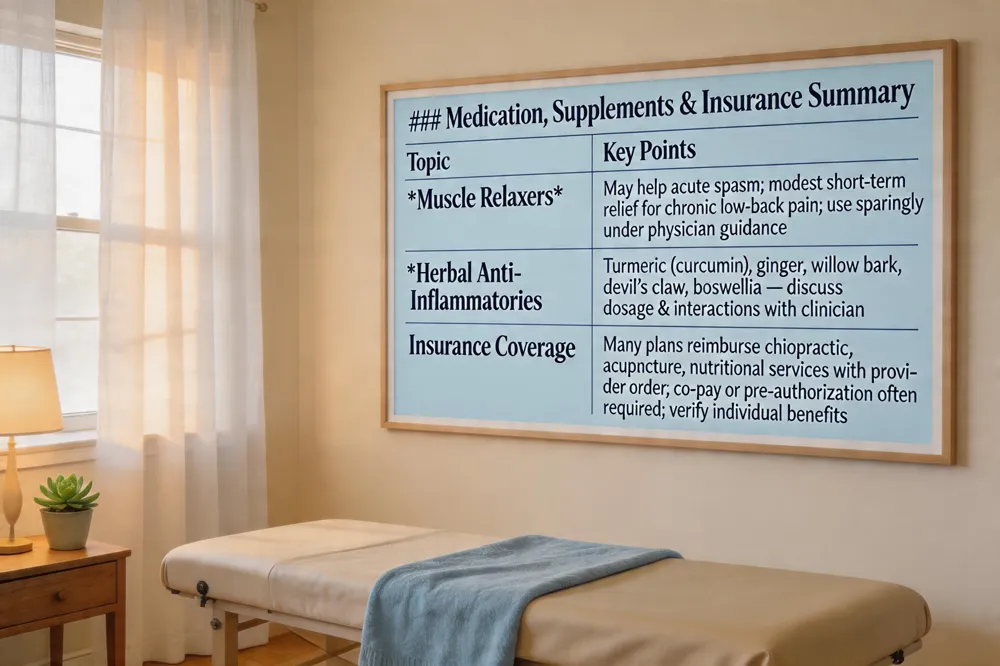 Do muscle relaxers help lower back pain? Muscle relaxers may ease acute muscle spasm but offer only modest, short‑term relief for chronic low‑back pain. Guidelines advise using them sparingly and only under physician supervision; non‑pharmacologic care is preferred.
Herbs for musculoskeletal pain Turmeric (curcumin), ginger, willow bark, devil’s claw, and boswellia have anti‑inflammatory properties and can complement a pain‑management plan. Discuss dosage and interactions with your chiropractor before adding supplements.
Is holistic health covered by insurance? Many insurers reimburse chiropractic, acupuncture, and certain nutritional services when ordered by a licensed provider, often with co‑pay or pre‑authorization. Coverage varies; verify your plan’s benefits and consider out‑of‑pocket options if necessary.
Putting It All Together: Progress Tracking & Adjustments
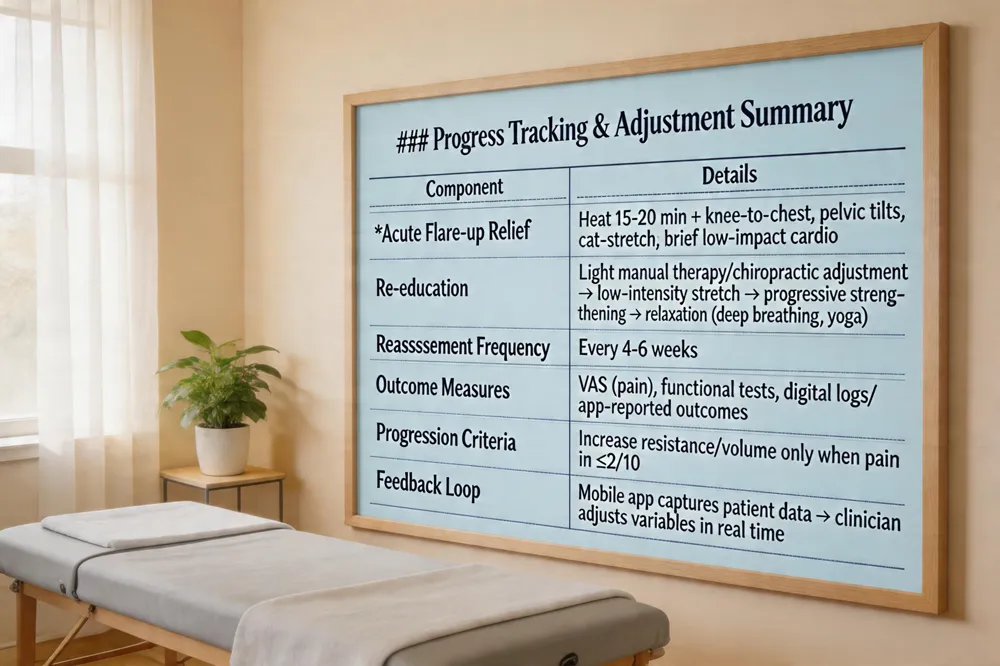 Rapid relief for flare‑ups combines heat (15‑20 min) with gentle mobility such as knee‑to‑chest, pelvic tilts, and cat‑stretch stretches and brief low‑impact aerobic activity (walks or swimming). To stop muscle guarding, apply heat, light manual therapy or chiropractic adjustment, then re‑educate the tissue with low‑intensity stretching, progressive strengthening, and relaxation techniques (deep breathing, yoga). Regular reassessment every 4‑6 weeks—using VAS, functional tests, and digital logs—guides progressive overload, ensuring resistance or volume only increase when pain remains ≤2/10. A feedback loop that captures patient‑reported outcomes via a mobile app lets clinicians fine‑tune variables in real time, fostering adherence and faster pain‑free movement. This biopsychosocial, patient‑centered approach aligns chiropractic care with holistic nutrition, sleep, and stress‑management strategies for sustainable chronic‑pain relief.
Your Next Steps with Back in Action Bodyworks
Start by scheduling a comprehensive assessment at Back in Action Bodyworks, where a chiropractor and certified trainer will evaluate your posture, movement patterns, and pain history. Based on those findings you’ll receive a personalized PDF corrective‑exercise plan that sequences mobility drills, core‑stability work, and low‑impact aerobic activities tailored to your goals. The program also weaves in holistic therapies—such as therapeutic massage, yoga, nutrition counseling, and stress‑reduction techniques—to support overall musculoskeletal health. Throughout the journey you’ll track pain scores, functional milestones, and daily activity logs, allowing the team to adjust exercise intensity, frequency, and lifestyle recommendations every 4–6 weeks. This patient‑centered, integrated approach ensures steady progress toward lasting pain relief and improved quality of life.
Recent articles

10 Real‑Patient Success Stories Showcasing the Impact of Chiropractic Care

Superfoods That Boost Nerve Healing After Chiropractic Sessions

Sleep Positions That Promote a Healthy Back Alignment
Signs Your Chiropractor Is a Good Fit for Your Back Pain Goals

Case Study: Integrated Physiotherapy and Chiropractic for Faster Recovery
First-Time Chiropractic Visit: A Step‑by‑Step Walkthrough
Synergistic Benefits: Combining Physiotherapy with Chiropractic Care

Beyond Surgery: Holistic Approaches to Managing Back Pain

How Manual Therapy Enhances the Effects of Chiropractic Adjustments

Hydration Hacks: Why Water Matters for Joint and Spine Function

What Does a Comprehensive Spinal Evaluation Include?

Success Spotlight: Transformative Results After Six Weeks of Chiropractic Treatment

Understanding the Initial Assessment Process in Chiropractic Care
Designing a Personalized Corrective Exercise Plan for Chronic Pain Management

Natural Pain Management: Combining Acupuncture, Yoga, and Chiropractic

Chiropractic Care vs. Pain Meds: Long-Term Outcomes for Back Pain Sufferers

What to Expect During a Sciatica‑Focused Decompression Session

Understanding the Pain-Relief Mechanics Behind Chiropractic Adjustments

Success Rates of Non‑Surgical Spinal Decompression for Sciatica

Patient-Centered Chiropractic Care: Personalized Plans for Back Pain Relief
How Chiropractic Treatments Reduce Inflammation and Speed Up Back Pain Recovery

Real‑Life Stories: How Chiropractic Helped Patients Overcome Chronic Back Pain

From Symptom Masking to Root‑Cause Healing: A Practical Guide

6 Holistic Non‑Surgical Treatments That Deliver Sustainable Back‑Pain Relief

Key Questions to Ask When Selecting Your Chiropractor

Mindful Movement: Incorporating Stretch Breaks Into a Busy Day

Why Targeting the Underlying Cause Beats Temporary Symptom Relief

8 Ways Physiotherapy Complements Chiropractic Adjustments for Faster Recovery

Meal Planning for Athletes Recovering from Back Injuries

9 Everyday Lifestyle Tweaks to Preserve a Healthy Spine and Prevent Pain

Functional Movement Screening for Root‑Cause Pain Identification

6 Things You’ll Experience During Your First Chiropractic Appointment

Spinal Decompression vs. Standard Physical Therapy for Sciatica: A Comparative Review

New Findings on How Adjustments Influence Blood Circulation
Work‑From‑Home Ergonomics: A Blueprint for a Pain‑Free Back

The Link Between Chiropractic Care and Improved Sleep Quality

Physiotherapy Techniques That Strengthen the Benefits of Chiropractic Adjustments

Biomechanical Insights Behind Successful Spinal Decompression

Desk‑to‑Dumbbell: Lifestyle Shifts That Guard Your Lower Back

10 Corrective Exercises for Sustainable Pain-Free Living

Morning Routines That Support Spine Health and Reduce Stiffness

Calcium and Magnesium‑Focused Nutrition for Bone Density and Spine Health

9 Ways Chiropractic Care Transforms Back Pain Management

Testimonial: Nutrition‑Guided Recovery Accelerated by Chiropractic
Science‑Backed Spinal Decompression for Relieving Sciatica Symptoms

Key Questions to Ask During Your Initial Chiropractic Consultation
Whole‑Body Wellness Blueprint: Nutrition, Exercise, and Chiropractic Synergy

A 12‑Week Corrective Exercise Blueprint for Chronic Neck Discomfort

Manual Therapy Plus Targeted Exercise: Accelerating Post‑Injury Recovery
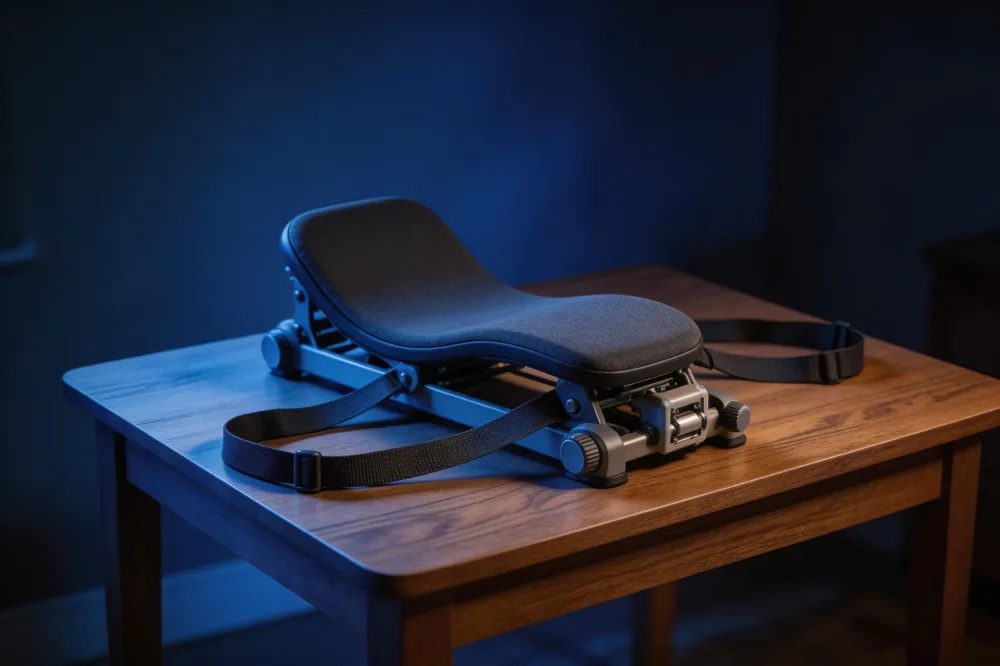
Home‑Based Spinal Decompression Devices: What Patients Should Know

Chiropractic Care Statistics: Reducing Lost Workdays From Back Pain

How Targeted Nutrition Enhances Immune Function and Lowers Inflammatory Pain

Self‑Assessment Tools to Identify Hidden Triggers of Back Pain
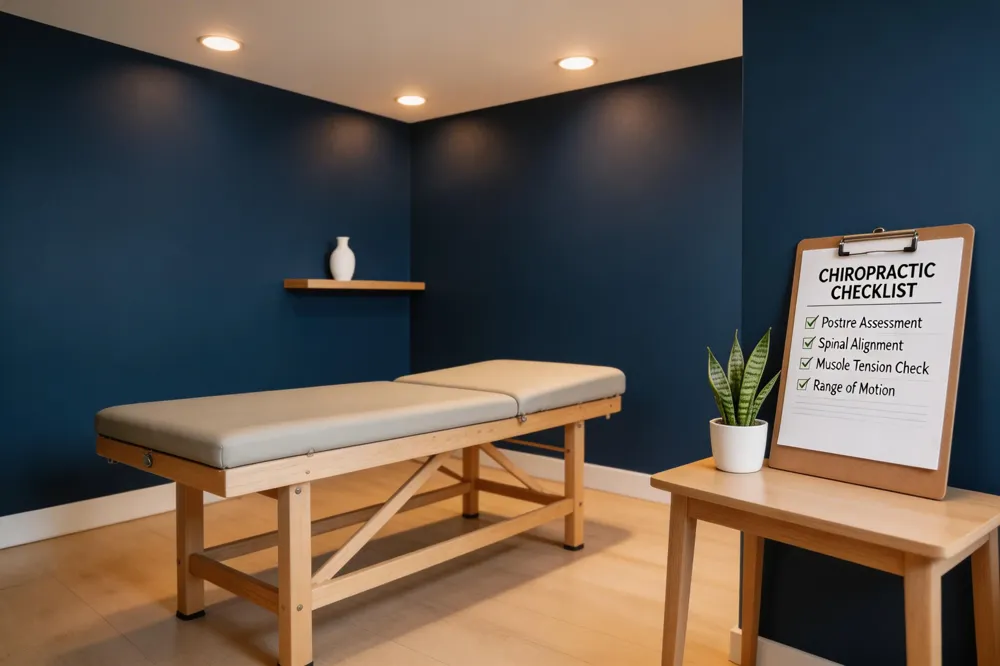
Preparing for Your First Chiropractic Appointment: A Practical Checklist

Back Pain Relief Benefits: Lower Opioid Use and Better Quality of Life

Foam‑Rolling Techniques to Complement Chiropractic Adjustments

Progressive Overload Principles in Corrective Exercise Programs

Six‑Month Transformation: Integrated Care Success Story

7 Nutritional Hacks to Boost Your Overall Wellness

How to Choose a Chiropractor: Credentials, Techniques, and Patient Compatibility

5 Ways Spinal Decompression Can Ease Sciatica Pain

Overcoming Sciatica: A Patient’s Multidisciplinary Treatment Journey
Lifestyle Changes That Promote a Healthy Spine
Physiotherapy as a Complement to Chiropractic Treatments
6 Ways Physiotherapy Enhances Chiropractic Treatment Outcomes

Daily Living Tips for a Strong and Healthy Spine

How Physiotherapy Enhances Chiropractic Outcomes
Holistic Treatments: Alternatives to Surgery for Pain Relief
Inspiring Patient Success Stories from Chiropractic Clinics

Integrating Physiotherapy with Chiropractic Treatments
Corrective Exercise Routines for Chronic Pain Prevention
10 Corrective Exercises to Maintain a Healthy Spine and Relieve Pain
Exercise Strategies for Long-Term Pain Management
10 Corrective Exercises to Maintain a Healthy Spine and Relieve Pain
The Importance of Treating the Root Cause of Pain
Nutritional Support Strategies for Whole-Body Wellness
7 Essential Questions to Ask When Choosing Your Chiropractor
Identifying and Addressing Root Causes of Pain
Maintaining a Healthy Spine with Lifestyle Adjustments
Sciatica Symptom Relief via Spinal Decompression
8 Reasons Why Addressing the Root Cause of Pain Is Crucial
Chiropractic Care’s Impact on Back Pain Recovery

Combining Physiotherapy with Chiropractic Care for Better Results
Inspiring Recovery: Chiropractic Patient Testimonials
Nutritional Counseling Tips for Optimal Wellness

Why Addressing the Root Cause of Pain is Crucial
Back Pain and Chiropractic Care: A Winning Combination

Chiropractic Care Benefits You Might Not Know
Exploring Holistic and Non-Surgical Treatments for Pain
Spinal Health: Lifestyle Tips for Everyday Wellness
Spinal Decompression Therapy: Benefits and Applications
Holistic and Non-Invasive Spine Care Options
Everyday Lifestyle Advice to Keep Your Spine Healthy
The Significance of Treating Root Causes in Pain Therapy
Best Corrective Exercises for Sustainable Pain Management

Addressing Underlying Causes of Pain for Long-Term Relief
6 Key Benefits of Spinal Decompression Therapy for Sciatica Relief

How Nutritional Counseling Supports Spine Health and Recovery

The Role of Physiotherapy in Supporting Chiropractic Treatments