Self‑Assessment Tools to Identify Hidden Triggers of Back Pain
March 19, 2026
6 min

Why Self‑Assessment Matters
Low back pain touches roughly 80 % of U.S. adults at some point, making it one of the nation’s most common health complaints. Detecting hidden triggers—such as poor ergonomics, core weakness, or subtle nerve tension—early can prevent a brief flare‑up from becoming chronic and can guide timely, non‑invasive interventions. Self‑assessment tools like the forward‑bend, quadrant, and slump tests, as well as functional questionnaires (e.g., the Kettering Back Pain Quiz or Oswestry Disability Index), empower patients to pinpoint pain‑provoking movements, postural habits, and psychosocial stressors before they require imaging or surgery. In a holistic chiropractic setting, these self‑screens inform the practitioner’s exam, help prioritize adjustments, ergonomic education, and therapeutic exercise, and enable a patient‑centered treatment plan that addresses both mechanical and hidden contributors to discomfort. Early, informed self‑screening thus supports natural pain relief, improves outcomes, and aligns with best‑practice guidelines from the American Physical Therapy and Chiropractic Associations.
Quick Online Quizzes to Spot the Source

In the United States, easy‑to‑use self‑assessment tools are a first line for identifying hidden back‑pain triggers before scheduling a chiropractic visit. Lower back pain quiz free – Our brief, confidential online questionnaire asks about pain intensity, daily activities (lifting, walking, sitting, sleeping) and any accompanying symptoms. Within minutes you receive a personalized snapshot of your condition and actionable self‑care tips, plus guidance on whether a professional evaluation at Back in Action Bodyworks is advisable.
Free back pain quiz – Similar to the first, this quiz focuses on functional impact, rating how pain affects personal care, social life, and travel. The results highlight potential contributors such as poor ergonomics, core weakness, or stress‑related muscle tension, and suggest next steps, including targeted stretches, posture education, and a possible chiropractic adjustment.
Kettering Health Back Pain Quiz – Offered by a reputable U.S. health system, this ten‑category quiz evaluates pain intensity, functional domains, and changes over time. It helps users gauge severity, discover hidden triggers, and decide if a holistic, patient‑centered chiropractic plan is needed. All three tools are free, secure, and designed to empower individuals toward a healthier spine.
Understanding Sex‑Specific Causes
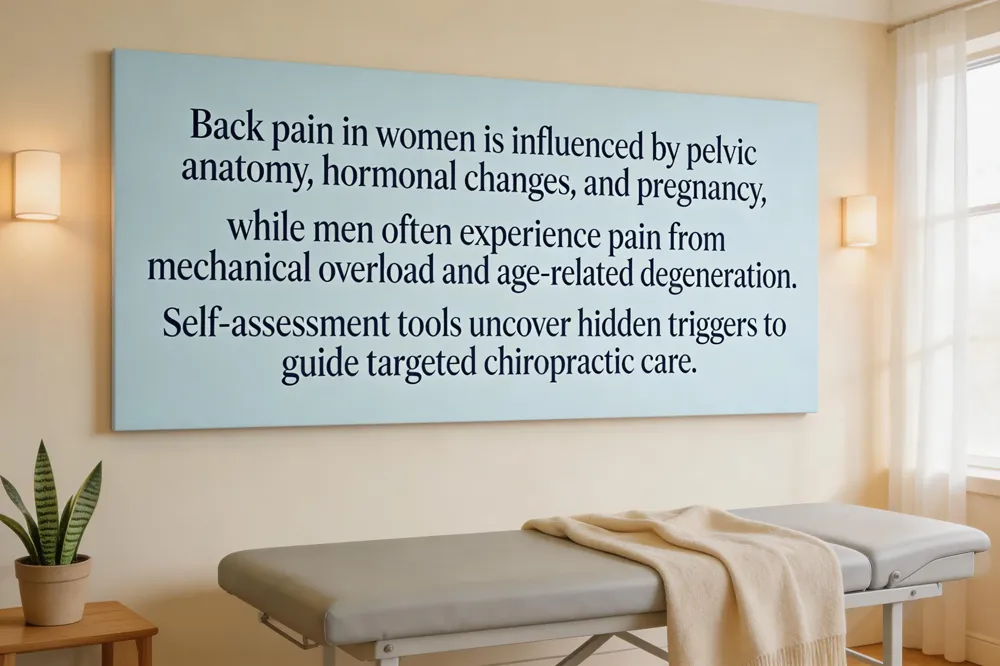
Back pain in women often reflects a blend of anatomical, hormonal, and lifestyle contributors. A wider pelvis and a pronounced lumbar lordosis increase spinal stress, while lower core muscle mass offers less inherent support. Hormonal fluctuations—estrogen’s ligament‑relaxing effect during menstruation and pregnancy, and the post‑menopausal estrogen drop that weakens bone density—can destabilize the lumbar spine and predispose to compression fractures, disc strain, or facet joint irritation. Pregnancy adds weight gain and altered posture, and gynecologic conditions such as endometriosis or fibroids may radiate pain into the lower back. Common U.S. risk factors—poor posture, prolonged sitting, improper lifting, excess weight, and weak core strength—further aggravate symptoms.
In men, low back pain typically arises from mechanical overload: heavy lifting, repetitive bending, or sudden awkward movements strain muscles and ligaments. Sedentary work habits that promote slouched posture also load the lumbar discs. Age‑related disc degeneration, arthritis, and spinal stenosis become more prevalent after the 40s, while high‑intensity weight training performed with poor technique can trigger disc herniation or facet joint irritation. Less common contributors include osteoporosis, ankylosing spondylitis, and infection.
Both sexes benefit from self‑assessment tools—forward bend, slump, and quadrant tests, functional questionnaires like the Kettering Health Back Pain Quiz—to uncover hidden triggers before seeking chiropractic care. A holistic, patient‑centered plan that blends spinal adjustments, core‑strengthening exercises, ergonomic education, and lifestyle counseling can address these sex‑specific factors and promote lasting relief.
Symptom Checkers for Upper, Middle, and Lower Back

Upper back pain symptom checker A symptom checker for upper‑back pain guides you through key details such as the exact location, duration, character (sharp, dull, burning, aching) and associated symptoms like radiating pain, numbness, or breathing difficulty. It also asks about triggers—prolonged sitting, overhead work, lifting, or deep breathing—to narrow potential causes from muscle strain to spinal issues. Recording these responses helps the tool suggest whether the pain is likely musculoskeletal, systemic, or warrants urgent evaluation. Use it as a first step, then follow up with a qualified chiropractor for a physical exam and personalized treatment plan.
Middle back pain Symptom Checker Middle (thoracic) back pain often appears as aching or sharp discomfort between the shoulder blades, triggered by poor posture, muscle strain, or spinal issues. A checker asks about pain location, intensity, duration, aggravating factors, and associated symptoms (numbness, tingling, fever). Red‑flag signs—unexplained weight loss, night sweats, trauma, fever, leg weakness, or bowel/bladder dysfunction—require immediate medical attention. Benign contributors (muscular tension, rib dysfunction, ergonomics) can be addressed with chiropractic adjustments, therapeutic exercise, and lifestyle changes.
What are 5 red flags of back pain?
- Age < 18 or > 50 years with new‑onset pain.
- Recent significant trauma, prior spinal surgery, or invasive spinal procedures.
- Unexplained systemic symptoms (weight loss, night sweats, fever, cancer history).
- Neurological deficits (progressive weakness, numbness, loss of bowel/bladder control, saddle anesthesia).
- Signs of infection or vascular compromise (fever, IV drug use, coagulopathy, suspected aortic aneurysm).
Special tests for low back pain Key special tests include the Straight‑Leg Raise (SLR) for radicular pain, the Slump Test for neural tension, the Gaenslen Test for sacroiliac joint pain, the Femoral Nerve Tension Test for high lumbar radiculopathy, and the McKenzie Side‑Glide Test for disc‑related directional preferences. These maneuvers help clinicians differentiate benign strain from nerve irritation or serious pathology.
Low back pain Special tests pdf Clinicians can download a comprehensive “Low Back Pain Special Tests” PDF that details indications, technique, and interpretation for the SLR, slump test, Patrick (FABER) test, quadrant and compression tests, and more. Request this handout from your chiropractor at Back in Action Bodyworks for step‑by‑step guidance in identifying facet, sacroiliac, discogenic, or myofascial sources of pain.
Integrating Self‑Assessment with Chiropractic Care
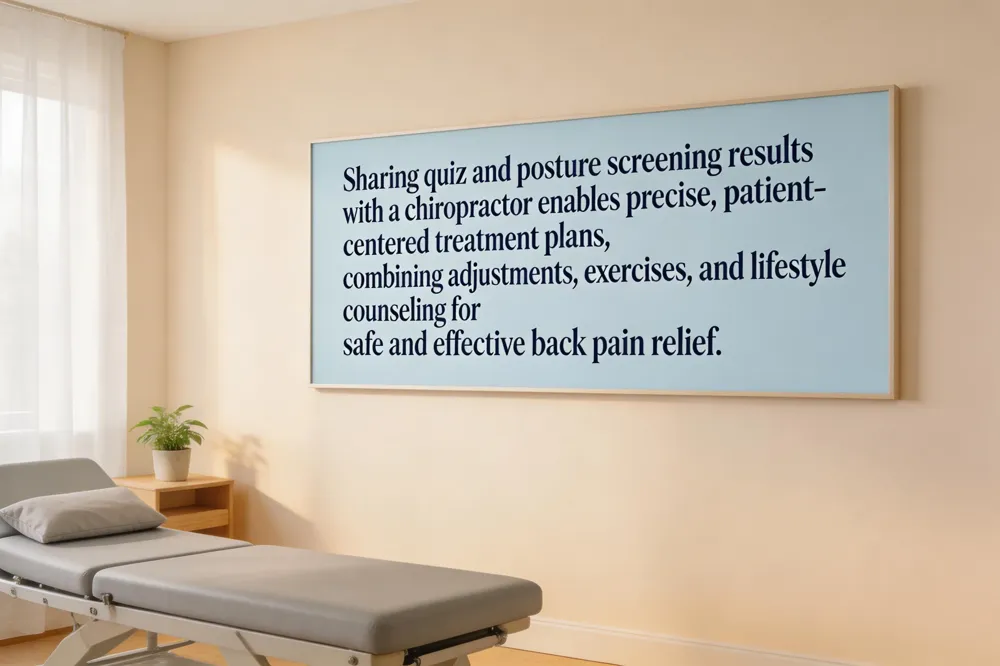
Self‑assessment tools—pain intensity quizzes, movement screens, and posture checks—help patients spot hidden triggers before they become chronic. When these insights are shared with a chiropractor, the treatment plan can be precisely targeted.
What do doctors think of chiropractors? Most physicians view chiropractic with cautious curiosity. While some remain skeptical about the scientific basis of spinal manipulation, an increasing number of clinicians refer patients for non‑pharmacologic care, especially to avoid opioids. Orthopedic and sports‑medicine specialists often endorse evidence‑based chiropractic as part of a multidisciplinary approach.
Is chiropractic safe for lower back pain? Yes. When performed by a licensed, trained chiropractor, serious adverse events are rare. National guidelines in the U.S. and U.K. deem spinal adjustment a safe, early‑intervention option for acute or recurrent low back pain, provided proper screening is done.
Chiropractic benefits and disadvantages Benefits include rapid pain relief, improved mobility, reduced medication use, and education on ergonomics. Disadvantages may be temporary soreness, the need for multiple visits, and rare risks such as nerve irritation or, in neck adjustments, stroke. Selecting an experienced practitioner minimizes risks.
What does a chiropractor do for lower back pain? After a detailed history and physical exam (often with X‑ray if needed), the chiropractor performs controlled lumbar adjustments, prescribes individualized exercises, and offers lifestyle counseling to address posture, stress, and ergonomics—transforming self‑assessment data into a holistic, patient‑centered care plan.
Practical Home Strategies and Resources

At‑home adjustments and stretches are the cornerstone of a patient‑centered, holistic back‑care plan. Gentle mobility drills such as a seated spinal twist, cat‑cow, bridge pose, kneeling back extension and foam‑rolling release joint pressure without the force of a manual adjustment. Perform each move slowly, hold 5‑10 seconds, repeat 3‑5 times, and stop if pain increases.
Lower back chiropractic adjustment at home – While a licensed chiropractor delivers precise lumbar adjustments, you can safely promote alignment with the stretches above. Avoid self‑adjustment if you have severe pain, recent injury, numbness, or persistent symptoms; schedule a professional visit instead.
Pattern 1 back pain exercises PDF – The Pattern 1 guide from Back in Action Bodyworks outlines five restorative positions (Supine Lie, Prone Lie, Knees‑to‑Chest, “Z” Lie, Lumbar Roll) plus a “Sloppy Push‑up” for gradual strengthening. Download the PDF from the clinic’s patient resources page.
How to get rid of back pain instantly – 1) Knee‑to‑chest stretch (2‑3 reps per side). 2) Supational rotation stretch (5‑10 seconds each side). 3) Warm compress 10‑15 min, then optional ice 15 min. 4) Cat‑cow (3‑5 reps). 5) Diaphragmatic bridge with deep breathing (3 breaths).
Low back pain Special tests PDF – Clinicians use straight‑leg raise, slump, Patrick (FABER), quadrant and compression tests to pinpoint disc, facet, sacroiliac or nerve involvement. Request the detailed PDF from Back in Action Bodyworks or a reputable medical‑education site for step‑by‑step guidance.
Take the First Step Toward a Pain‑Free Spine
Self‑assessment is the gateway to proactive spinal health. Simple tools such as the forward‑bend, quadrant, and slump tests, or online quizzes from Kettering Health and Ubie, let adults identify pain patterns, functional limits, and possible red‑flag signs before stepping into a clinic. When these results are shared with a chiropractor, they become a roadmap for a targeted physical exam, allowing the practitioner to confirm facet irritation, nerve tension, or disc involvement and to prioritize adjustments, soft‑tissue work, and corrective exercises. Throughout treatment, the same questionnaires—pain‑intensity scales, functional‑impact sections, and daily activity logs—are repeated every two to four weeks. This ongoing monitoring highlights progress, uncovers new hidden triggers such as poor ergonomics or stress‑related muscle guarding, and guides lifestyle tweaks in posture, core strengthening, sleep hygiene, and stress management. By blending self‑screening with expert chiropractic care, patients create a patient‑centered, holistic plan that supports lasting relief and spinal wellness.
Recent articles
10 Real‑Patient Success Stories Showcasing the Impact of Chiropractic Care

Superfoods That Boost Nerve Healing After Chiropractic Sessions

Sleep Positions That Promote a Healthy Back Alignment
Signs Your Chiropractor Is a Good Fit for Your Back Pain Goals
Case Study: Integrated Physiotherapy and Chiropractic for Faster Recovery
First-Time Chiropractic Visit: A Step‑by‑Step Walkthrough
Synergistic Benefits: Combining Physiotherapy with Chiropractic Care

Beyond Surgery: Holistic Approaches to Managing Back Pain

How Manual Therapy Enhances the Effects of Chiropractic Adjustments

Hydration Hacks: Why Water Matters for Joint and Spine Function

What Does a Comprehensive Spinal Evaluation Include?

Success Spotlight: Transformative Results After Six Weeks of Chiropractic Treatment

Understanding the Initial Assessment Process in Chiropractic Care
Designing a Personalized Corrective Exercise Plan for Chronic Pain Management

Natural Pain Management: Combining Acupuncture, Yoga, and Chiropractic
Chiropractic Care vs. Pain Meds: Long-Term Outcomes for Back Pain Sufferers

What to Expect During a Sciatica‑Focused Decompression Session

Understanding the Pain-Relief Mechanics Behind Chiropractic Adjustments

Success Rates of Non‑Surgical Spinal Decompression for Sciatica

Patient-Centered Chiropractic Care: Personalized Plans for Back Pain Relief
How Chiropractic Treatments Reduce Inflammation and Speed Up Back Pain Recovery

Real‑Life Stories: How Chiropractic Helped Patients Overcome Chronic Back Pain

From Symptom Masking to Root‑Cause Healing: A Practical Guide

6 Holistic Non‑Surgical Treatments That Deliver Sustainable Back‑Pain Relief

Key Questions to Ask When Selecting Your Chiropractor

Mindful Movement: Incorporating Stretch Breaks Into a Busy Day

Why Targeting the Underlying Cause Beats Temporary Symptom Relief

8 Ways Physiotherapy Complements Chiropractic Adjustments for Faster Recovery
Meal Planning for Athletes Recovering from Back Injuries

9 Everyday Lifestyle Tweaks to Preserve a Healthy Spine and Prevent Pain

Functional Movement Screening for Root‑Cause Pain Identification

6 Things You’ll Experience During Your First Chiropractic Appointment

Spinal Decompression vs. Standard Physical Therapy for Sciatica: A Comparative Review

New Findings on How Adjustments Influence Blood Circulation
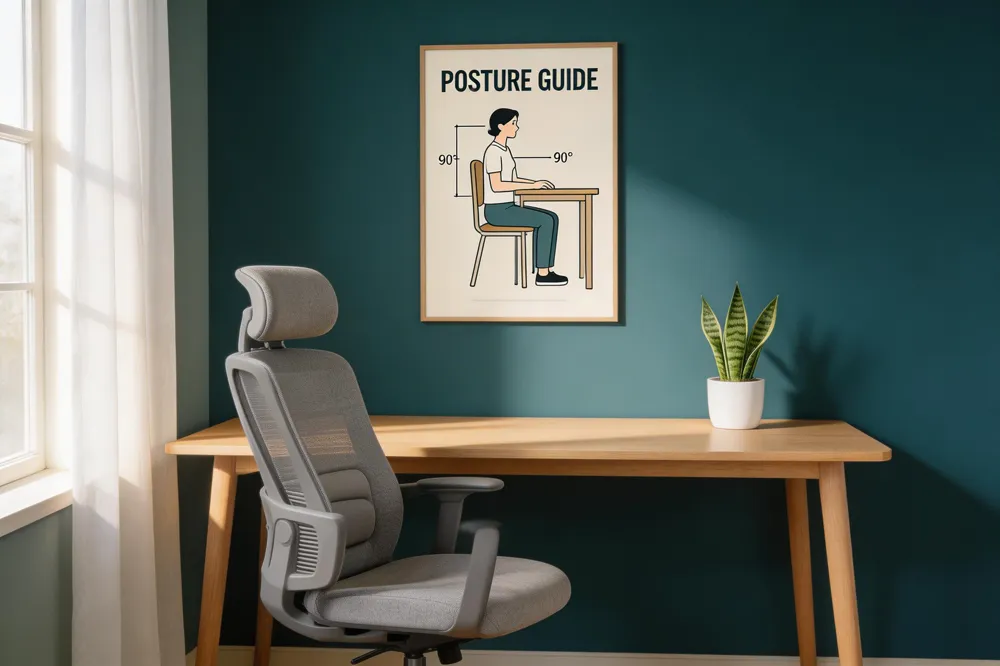
Work‑From‑Home Ergonomics: A Blueprint for a Pain‑Free Back

The Link Between Chiropractic Care and Improved Sleep Quality

Physiotherapy Techniques That Strengthen the Benefits of Chiropractic Adjustments

Biomechanical Insights Behind Successful Spinal Decompression

Desk‑to‑Dumbbell: Lifestyle Shifts That Guard Your Lower Back

10 Corrective Exercises for Sustainable Pain-Free Living

Morning Routines That Support Spine Health and Reduce Stiffness

Calcium and Magnesium‑Focused Nutrition for Bone Density and Spine Health

9 Ways Chiropractic Care Transforms Back Pain Management

Testimonial: Nutrition‑Guided Recovery Accelerated by Chiropractic
Science‑Backed Spinal Decompression for Relieving Sciatica Symptoms

Key Questions to Ask During Your Initial Chiropractic Consultation
Whole‑Body Wellness Blueprint: Nutrition, Exercise, and Chiropractic Synergy

A 12‑Week Corrective Exercise Blueprint for Chronic Neck Discomfort

Manual Therapy Plus Targeted Exercise: Accelerating Post‑Injury Recovery
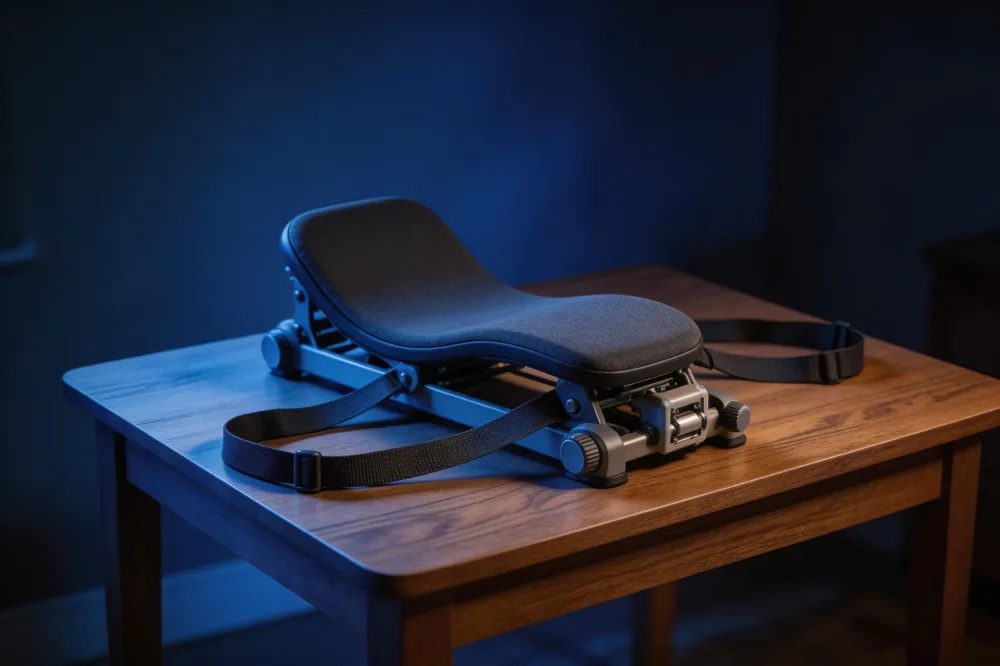
Home‑Based Spinal Decompression Devices: What Patients Should Know

Chiropractic Care Statistics: Reducing Lost Workdays From Back Pain

How Targeted Nutrition Enhances Immune Function and Lowers Inflammatory Pain
Self‑Assessment Tools to Identify Hidden Triggers of Back Pain
Preparing for Your First Chiropractic Appointment: A Practical Checklist

Back Pain Relief Benefits: Lower Opioid Use and Better Quality of Life

Foam‑Rolling Techniques to Complement Chiropractic Adjustments
Progressive Overload Principles in Corrective Exercise Programs

Six‑Month Transformation: Integrated Care Success Story

7 Nutritional Hacks to Boost Your Overall Wellness

How to Choose a Chiropractor: Credentials, Techniques, and Patient Compatibility

5 Ways Spinal Decompression Can Ease Sciatica Pain

Overcoming Sciatica: A Patient’s Multidisciplinary Treatment Journey
Lifestyle Changes That Promote a Healthy Spine
Physiotherapy as a Complement to Chiropractic Treatments
6 Ways Physiotherapy Enhances Chiropractic Treatment Outcomes
Daily Living Tips for a Strong and Healthy Spine
How Physiotherapy Enhances Chiropractic Outcomes
Holistic Treatments: Alternatives to Surgery for Pain Relief
Inspiring Patient Success Stories from Chiropractic Clinics
Integrating Physiotherapy with Chiropractic Treatments
Corrective Exercise Routines for Chronic Pain Prevention
10 Corrective Exercises to Maintain a Healthy Spine and Relieve Pain
Exercise Strategies for Long-Term Pain Management
10 Corrective Exercises to Maintain a Healthy Spine and Relieve Pain
The Importance of Treating the Root Cause of Pain
Nutritional Support Strategies for Whole-Body Wellness
7 Essential Questions to Ask When Choosing Your Chiropractor
Identifying and Addressing Root Causes of Pain
Maintaining a Healthy Spine with Lifestyle Adjustments
Sciatica Symptom Relief via Spinal Decompression
8 Reasons Why Addressing the Root Cause of Pain Is Crucial
Chiropractic Care’s Impact on Back Pain Recovery
Combining Physiotherapy with Chiropractic Care for Better Results
Inspiring Recovery: Chiropractic Patient Testimonials
Nutritional Counseling Tips for Optimal Wellness

Why Addressing the Root Cause of Pain is Crucial
Back Pain and Chiropractic Care: A Winning Combination
Chiropractic Care Benefits You Might Not Know
Exploring Holistic and Non-Surgical Treatments for Pain
Spinal Health: Lifestyle Tips for Everyday Wellness
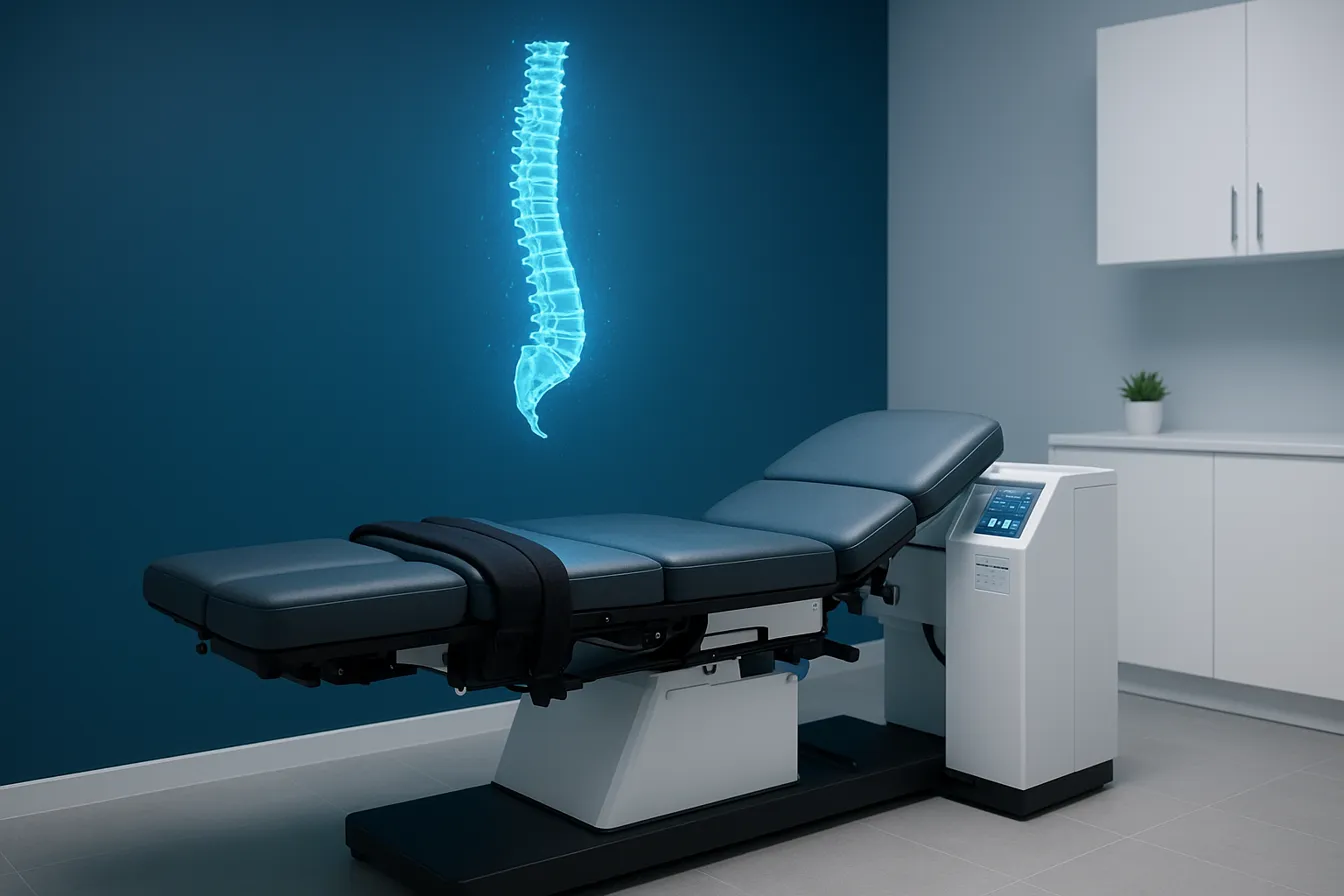
Spinal Decompression Therapy: Benefits and Applications
Holistic and Non-Invasive Spine Care Options
Everyday Lifestyle Advice to Keep Your Spine Healthy
The Significance of Treating Root Causes in Pain Therapy
Best Corrective Exercises for Sustainable Pain Management
Addressing Underlying Causes of Pain for Long-Term Relief
6 Key Benefits of Spinal Decompression Therapy for Sciatica Relief

How Nutritional Counseling Supports Spine Health and Recovery
The Role of Physiotherapy in Supporting Chiropractic Treatments