How to Choose a Chiropractor: Credentials, Techniques, and Patient Compatibility
March 19, 2026
7 min

Why Choosing the Right Chiropractor Matters
Choosing a chiropractor is more than locating a convenient office; it is a decision that shapes your health journey. A practitioner who embraces a holistic health philosophy looks beyond isolated pain, integrating spinal adjustments with nutrition counseling, ergonomic advice, and lifestyle coaching to support the body’s healing. Patient‑centered care means the chiropractor listens, explains diagnoses in language, and tailors each treatment plan to your unique goals, comfort level, and medical history. Verifying credentials is essential: the doctor must hold an accredited Doctor of Chiropractic (D.C.) degree, an active state license, and any post‑doctoral certifications—such as Certified Chiropractic Sports Physician, Active Release Techniques, or the Webster Technique—that demonstrate training aligned with your needs. This comprehensive approach maximizes safety, effectiveness, and wellness.
Education, Licensure, and Core Credentials
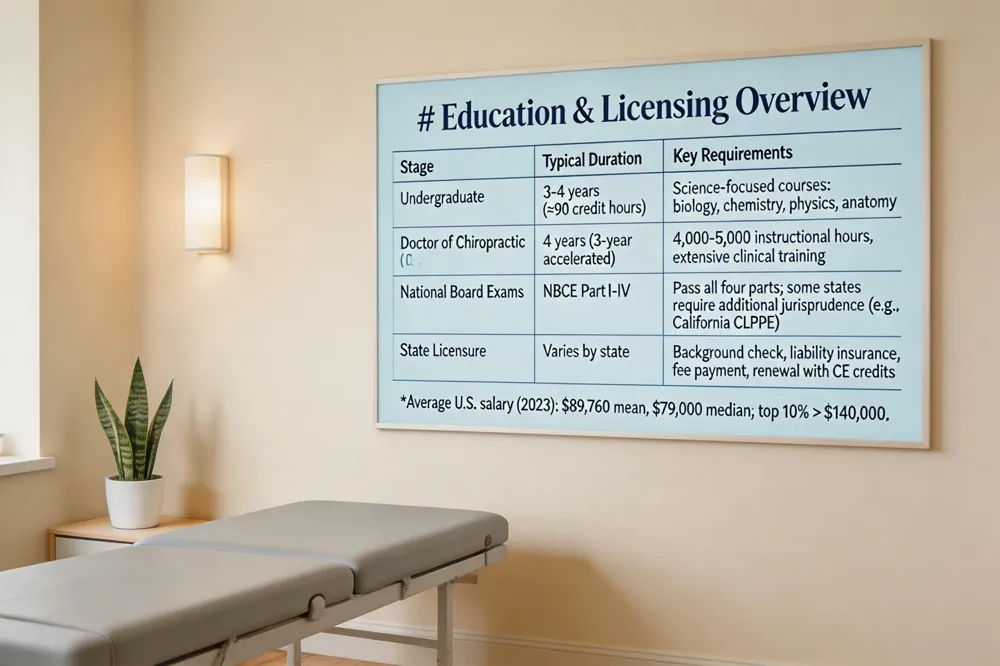 Becoming a chiropractor in the United States generally requires seven to eight years of post‑secondary education. After three to four years of undergraduate study—often a science‑focused bachelor’s degree or at least 90 credit hours in biology, chemistry, physics, and anatomy—students enroll in an accredited Doctor of Chiropractic (D.C.) program that typically lasts four years (some schools offer a three‑year accelerated track). The D.C. curriculum includes 4,000–5,000 instructional hours, extensive clinical training, and coursework in anatomy, neurology, radiology, and chiropractic philosophy. Graduates must pass the National Board of Chiropractic Examiners (NBCE) Part I‑IV exams and obtain a state license, which may include additional state‑specific jurisprudence tests such as California’s CLPPE.
Answers to common questions
- How many years does it take to become a chiropractor? About 7‑8 years after high school, combining undergraduate and doctoral training.
- Can I become a chiropractor without a degree? No— a D.C. degree from an accredited program is required before licensure.
- What is a Doctor of Chiropractic degree? It is a professional doctorate preparing clinicians to diagnose and treat musculoskeletal disorders using non‑invasive, drug‑free methods, supported by hands‑on clinical experience.
- What are the certification requirements for a chiropractor? Completion of an accredited D.C. program, successful NBCE exams, state licensure, and ongoing continuing‑education credits.
- What credentials should a chiropractor have to practice in California? An accredited D.C. degree, passage of all four NBCE parts, the California Chiropractic Law and Professional Practice Examination, a background check, and liability insurance before the state issues a license.
Specialized Certifications and Advanced Techniques
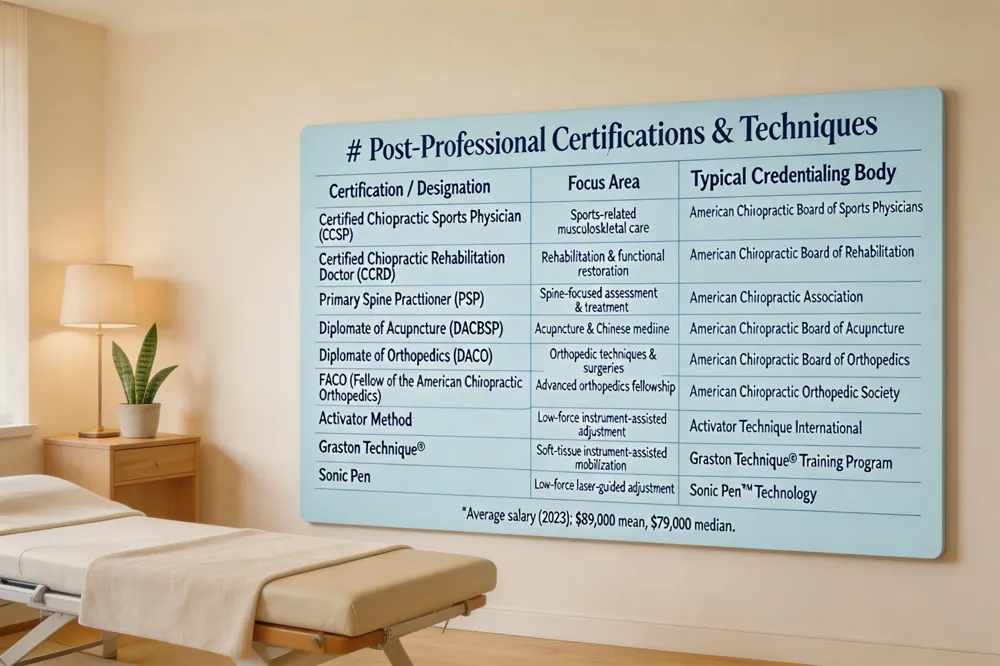 When evaluating a chiropractor, look beyond the basic D.C. degree to post‑professional credentials that signal deeper expertise. Post‑professional certifications such as Certified Chiropractic Sports Physician (CCSP), Certified Chiropractic Rehabilitation Doctor (CCRD), and Primary Spine Practitioner (PSP) demonstrate targeted training in sports, rehab, and spine care. Board certifications offered by the American Chiropractic Board of Acupuncture, Radiology, Neurology, and Sports Physicians (e.g., DACBSP) further validate mastery of specialized fields. Diplomate designations (e.g., DACO, FACO, DIANM) indicate completion of rigorous residencies or fellowships and successful national examinations, reflecting a commitment to evidence‑based practice.
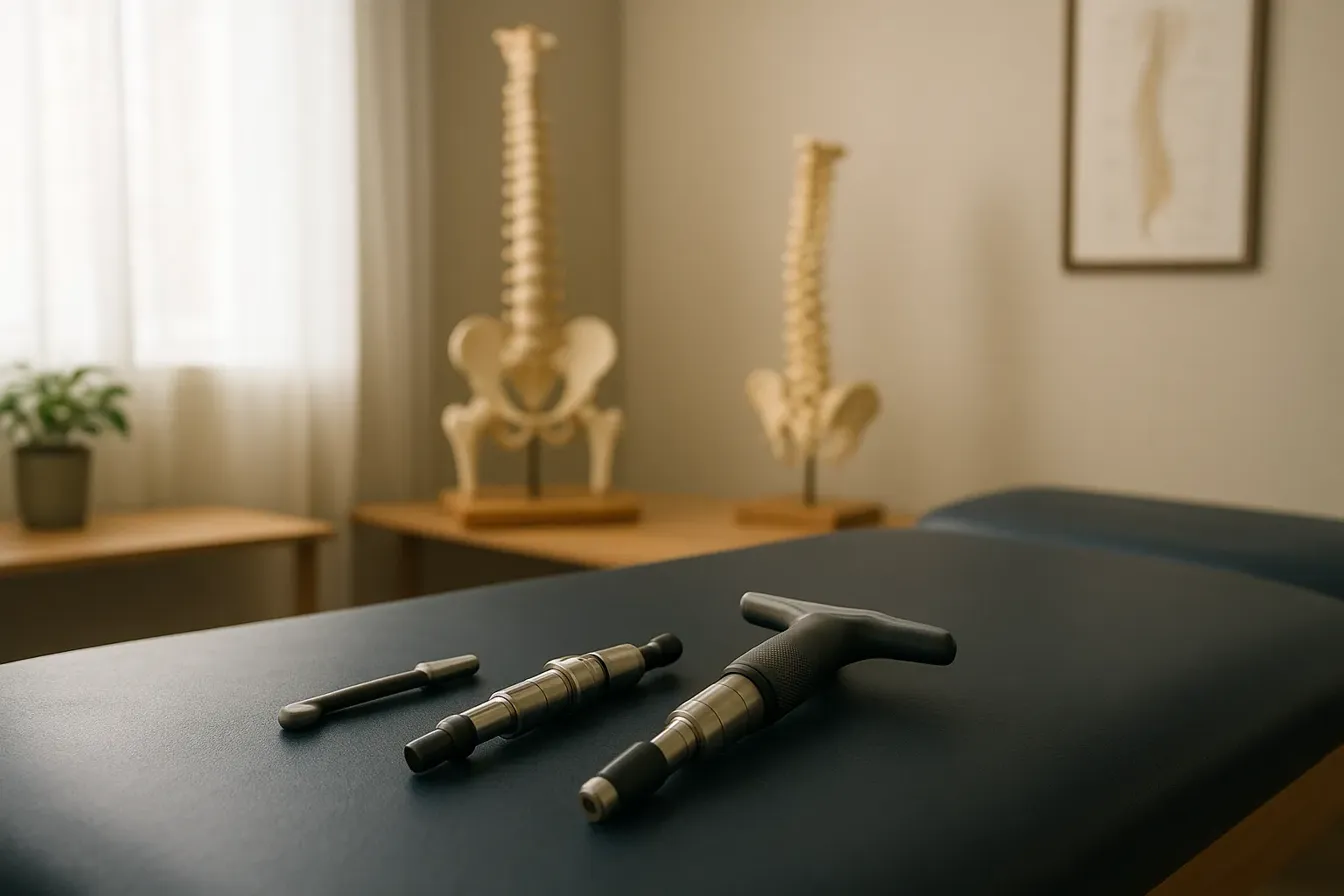
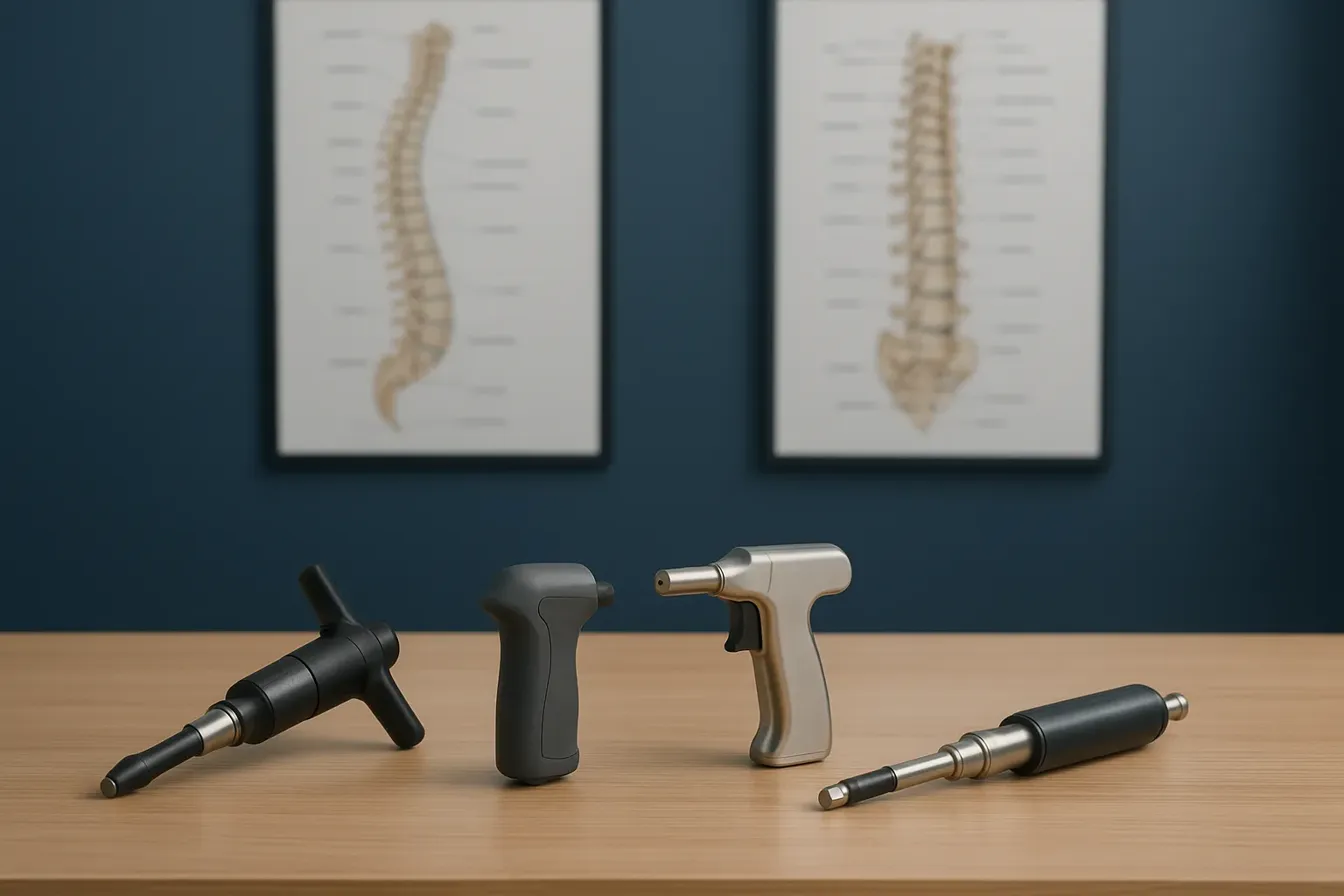
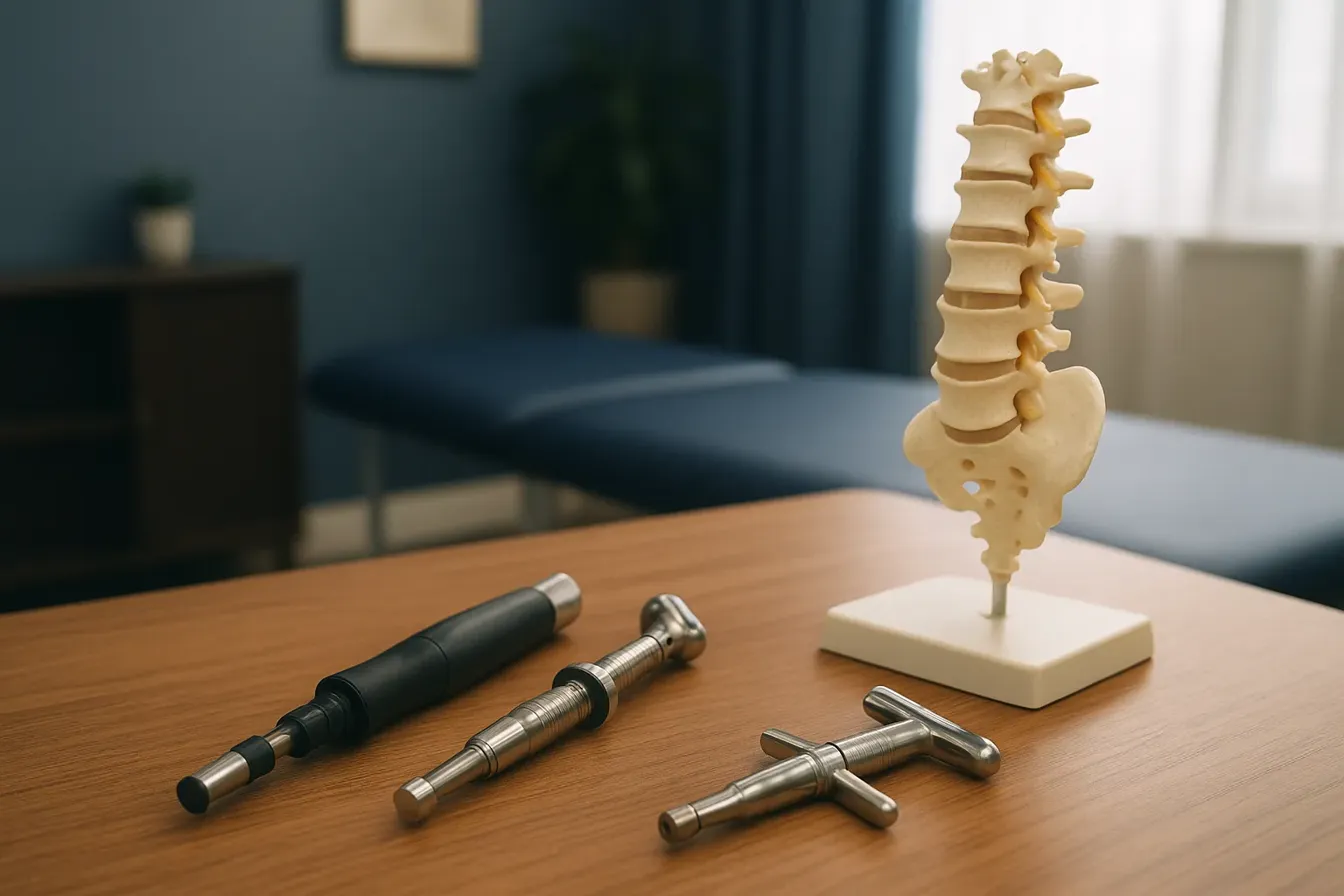
Special techniques range from traditional manual methods—Diversified, Gonstead, Thompson Drop‑Table—to instrument‑assisted options like the Activator Method and newer low‑force tools such as the Sonic Pen. Soft‑tissue modalities (Active Release Techniques, Graston Technique®), shockwave therapy, cold‑laser therapy, and Kinesio Taping expand the therapeutic toolbox.
Average salary for U.S. chiropractors hovers around $89,000 (mean 2023) with median earnings near $79,000; top earners exceed $140,000. For scholarly guidance, Chiropractic Technique: Principles and Procedures by Michael R. Reichbach is a widely recommended reference.
Alternative methods include gentle spinal mobilization, instrument‑assisted adjustments, and soft‑tissue work, while emerging practices feature low‑force devices, low‑level laser therapy, and data‑driven spinal analysis.
Home‑safe techniques focus on posture correction, basic stretches (cat‑cow, child’s pose, foam‑roller myofascial release, core strengthening, and heat/cold packs—avoiding high‑velocity thrusts that require a licensed practitioner.
Matching Techniques to Your Condition
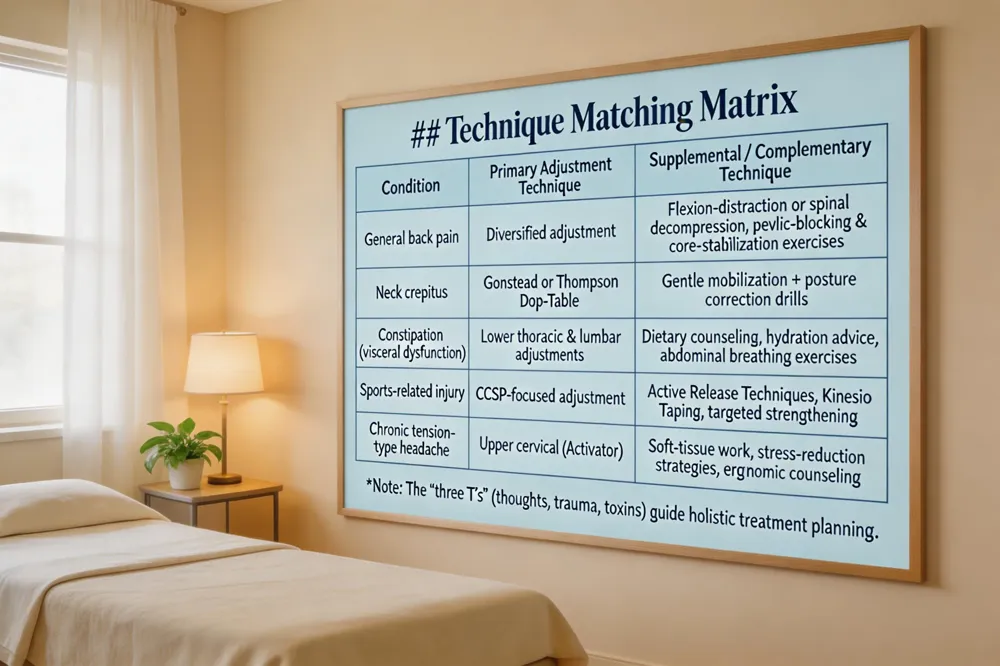 The most effective back‑pain protocols combine a diversified adjustment with either flexion‑distraction or decompression, supplemented by pelvic‑blocking and core‑stabilization exercises tailored to the individual’s condition.
Neck crepitus can be reduced by targeted spinal manipulation that restores smooth joint motion and eliminates audible popping.
Chiropractic care can also aid constipation by adjusting the lower thoracic and lumbar spine, relieving nerve irritation that disrupts bowel motility; lifestyle advice on diet and hydration further supports digestive regularity.
The three T’s—thoughts, trauma, and toxins—represent the primary sources of subluxation. Addressing mental stress, injury history, and inflammatory exposures through adjustments, movement, and nutrition restores nervous‑system balance and promotes overall wellness.
Patient Compatibility and Practice Philosophy
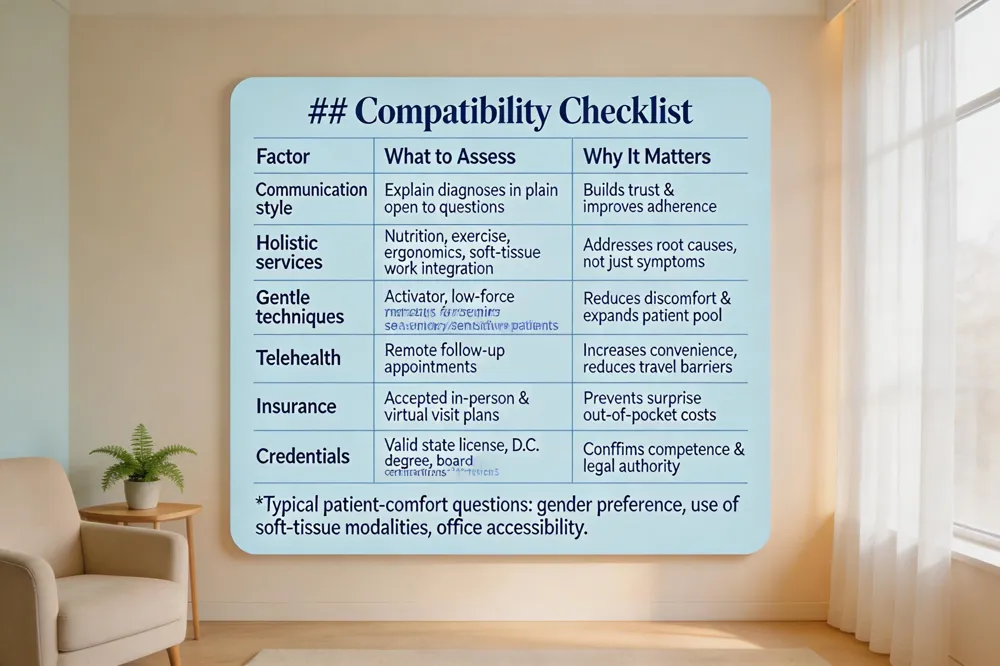 When choosing a chiropractor, first evaluate their communication style. A practitioner who listens attentively, explains diagnoses in plain language, and welcomes questions creates a collaborative environment that boosts adherence to treatment plans. Next, assess the practice’s holistic approach. Clinics that integrate spinal adjustments with soft‑tissue work, nutrition counseling, exercise prescription, and ergonomic advice—such as Back in Action Bodyworks in Torrance—offer comprehensive musculoskeletal wellness rather than isolated symptom relief. Patient comfort is also critical; ask about gender preferences, the use of gentle techniques (e.g., Activator Method for seniors), and the availability of telehealth for follow‑ups, which can reduce travel barriers. Verify insurance participation early to avoid surprise costs and confirm that the practice accepts your plan for both in‑person and virtual visits. Finally, confirm credentials: a valid state license, a Doctor of Chiropractic (D.C.) degree from an accredited program, and any board certifications or diplomate titles that align with your health goals.
Q: Can I practice chiropractic techniques at home?
A: You can safely support your care with stretches, posture drills, and mobility work (cat‑cow, bird‑dog, pelvic tilts) and self‑myofascial tools, but spinal adjustments require a licensed chiropractor; attempting them yourself is illegal and unsafe.
Q: How can I verify a chiropractor’s board certification?
A: Use the state licensing board’s license‑lookup tool and the NBCE directory to confirm an active license and board certifications status.
Q: Are chiropractors licensed in Pennsylvania?
A: Yes—Pennsylvania’s State Board of Chiropractic issues licenses after graduation from an accredited program, passing NBCE exams, and meeting state‑specific requirements, including a fingerprint‑based background check for new applicants.
Q: How can I become a chiropractor quickly?
A: There are no shortcuts; you must complete undergraduate prerequisites, a 3‑4‑year D.C. program, and pass the NBCE exams. Accelerated pathways can reduce total time to about seven years.
Q: Can I become a chiropractor without a degree?
A: No. A Doctor of Chiropractic degree from an accredited college and state licensure are mandatory to practice legally.
Practical Tips for Your First Visit
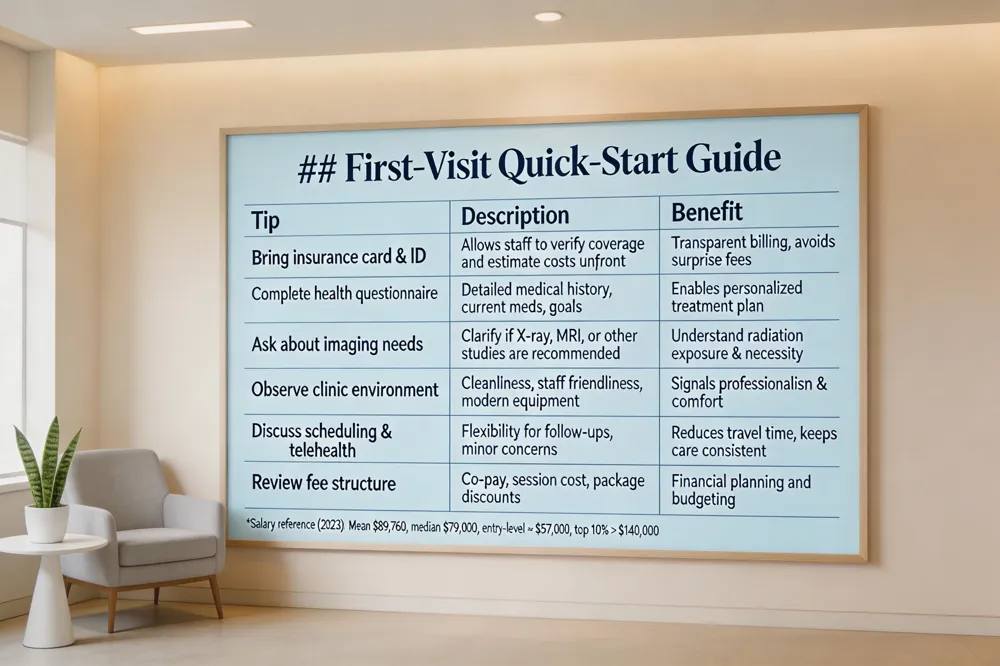 When you schedule your first appointment, start with a comprehensive initial consultation. The chiropractor will review your medical history, conduct a physical exam, and discuss your goals — this forms the backbone of a patient‑centered treatment plan. Expect a clear explanation of any recommended imaging, such as digital X‑rays, and an outline of the techniques they use (e.g., Diversified, Activator, or soft‑tissue therapies). Bring your insurance card; most practices verify coverage before treatment and provide a transparent fee estimate, including any co‑pay or out‑of‑pocket costs. Observe the clinic environment: a clean, modern office with friendly staff signals professionalism and supports a healing atmosphere. Finally, ask about scheduling flexibility and telehealth options for follow‑ups or minor concerns, which can reduce travel time and keep care consistent.
Answer: The average salary for a Doctor of Chiropractic in the United States is roughly $89,000 to $90,000 per year, according to the U.S. Bureau of Labor Statistics’ 2023 data. The median annual wage reported for 2024 is about $79,000, while the mean (average) annual wage in 2023 was $89,760. Earnings can vary widely by location, experience, and practice setting, with some metropolitan areas reporting mean salaries above $100,000. Entry‑level chiropractors typically start lower, around $57,000, while the top 10 % earn more than $140,000 annually. Overall, the profession offers a competitive income that tends to increase with years in practice and ownership of a clinic.
Your Path to Better Musculoskeletal Health
Choosing the right chiropractor begins with confirming a Doctor of Chiropractic (D.C.) degree from an accredited program, a state license, and any board certifications or diplomate titles that match your needs. Look for additional training such as Active Release Techniques, Graston, shockwave, or the Webster technique, which signals expertise beyond core curriculum. Review communication style, clinic accessibility, insurance participation, and reviews to gauge comfort.
Next steps include gathering referrals, verifying licensure on the state board, and scheduling a free initial consultation to discuss health history and goals.
Back in Action Bodyworks in Torrance, California, exemplifies a patient‑centered practice: the lead DC holds a valid license, offers certified modalities—including ART, Activator, and orthotics—and integrates nutrition, exercise, and ergonomic counseling into plans.
Recent articles
10 Real‑Patient Success Stories Showcasing the Impact of Chiropractic Care

Superfoods That Boost Nerve Healing After Chiropractic Sessions

Sleep Positions That Promote a Healthy Back Alignment
Signs Your Chiropractor Is a Good Fit for Your Back Pain Goals

Case Study: Integrated Physiotherapy and Chiropractic for Faster Recovery
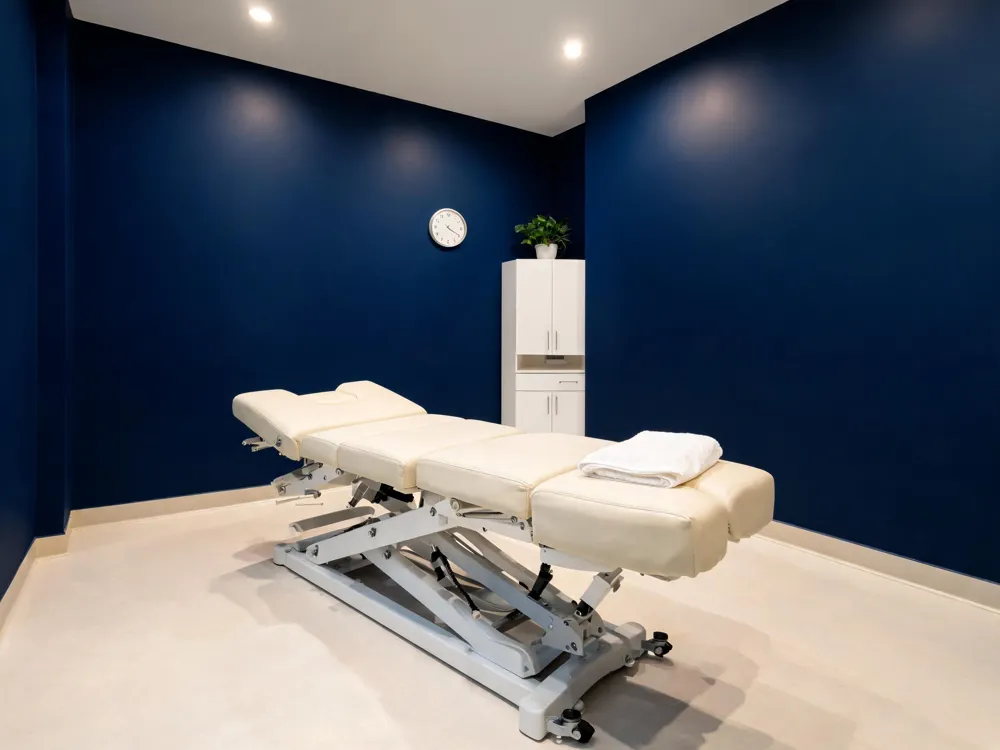
First-Time Chiropractic Visit: A Step‑by‑Step Walkthrough
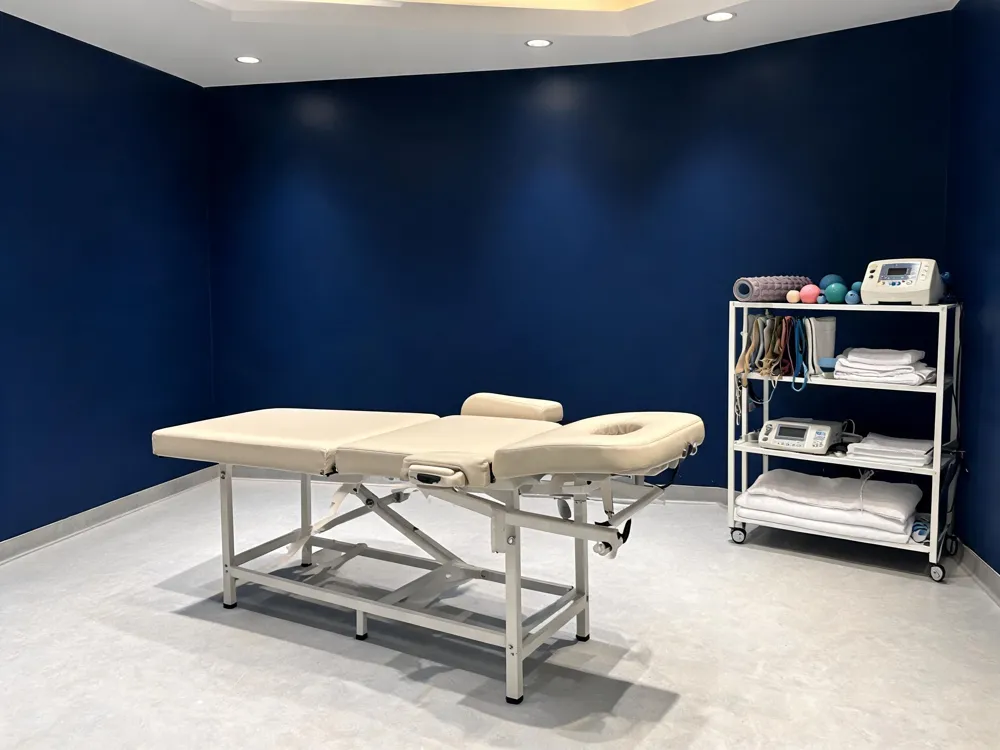
Synergistic Benefits: Combining Physiotherapy with Chiropractic Care

Beyond Surgery: Holistic Approaches to Managing Back Pain

How Manual Therapy Enhances the Effects of Chiropractic Adjustments

Hydration Hacks: Why Water Matters for Joint and Spine Function

What Does a Comprehensive Spinal Evaluation Include?

Success Spotlight: Transformative Results After Six Weeks of Chiropractic Treatment

Understanding the Initial Assessment Process in Chiropractic Care
Designing a Personalized Corrective Exercise Plan for Chronic Pain Management

Natural Pain Management: Combining Acupuncture, Yoga, and Chiropractic
Chiropractic Care vs. Pain Meds: Long-Term Outcomes for Back Pain Sufferers

What to Expect During a Sciatica‑Focused Decompression Session

Understanding the Pain-Relief Mechanics Behind Chiropractic Adjustments

Success Rates of Non‑Surgical Spinal Decompression for Sciatica

Patient-Centered Chiropractic Care: Personalized Plans for Back Pain Relief
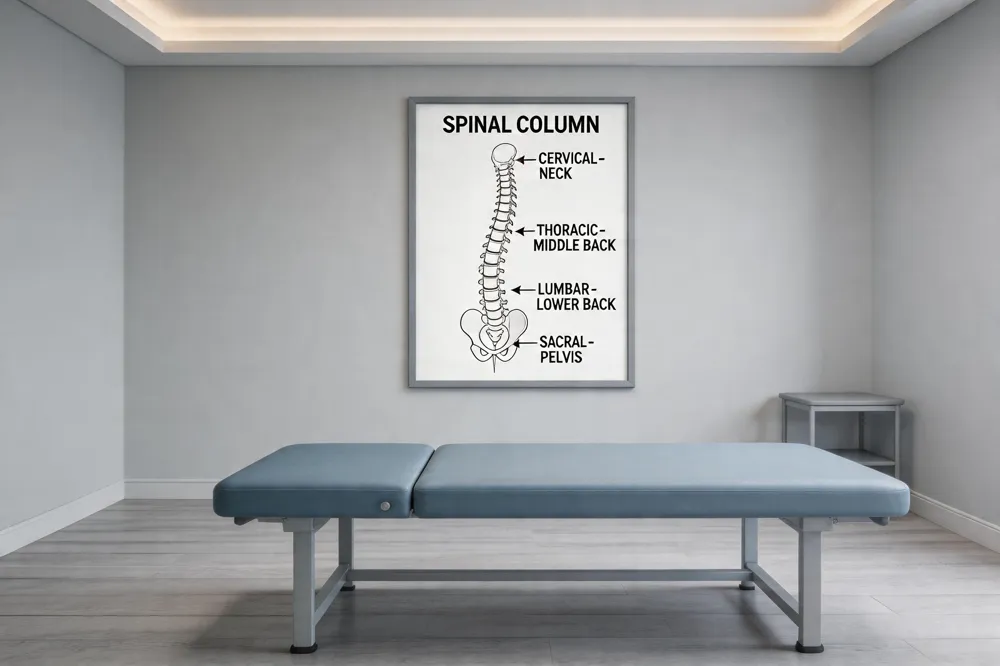
How Chiropractic Treatments Reduce Inflammation and Speed Up Back Pain Recovery

Real‑Life Stories: How Chiropractic Helped Patients Overcome Chronic Back Pain

From Symptom Masking to Root‑Cause Healing: A Practical Guide

6 Holistic Non‑Surgical Treatments That Deliver Sustainable Back‑Pain Relief

Key Questions to Ask When Selecting Your Chiropractor

Mindful Movement: Incorporating Stretch Breaks Into a Busy Day

Why Targeting the Underlying Cause Beats Temporary Symptom Relief

8 Ways Physiotherapy Complements Chiropractic Adjustments for Faster Recovery

Meal Planning for Athletes Recovering from Back Injuries

9 Everyday Lifestyle Tweaks to Preserve a Healthy Spine and Prevent Pain

Functional Movement Screening for Root‑Cause Pain Identification

6 Things You’ll Experience During Your First Chiropractic Appointment

Spinal Decompression vs. Standard Physical Therapy for Sciatica: A Comparative Review

New Findings on How Adjustments Influence Blood Circulation
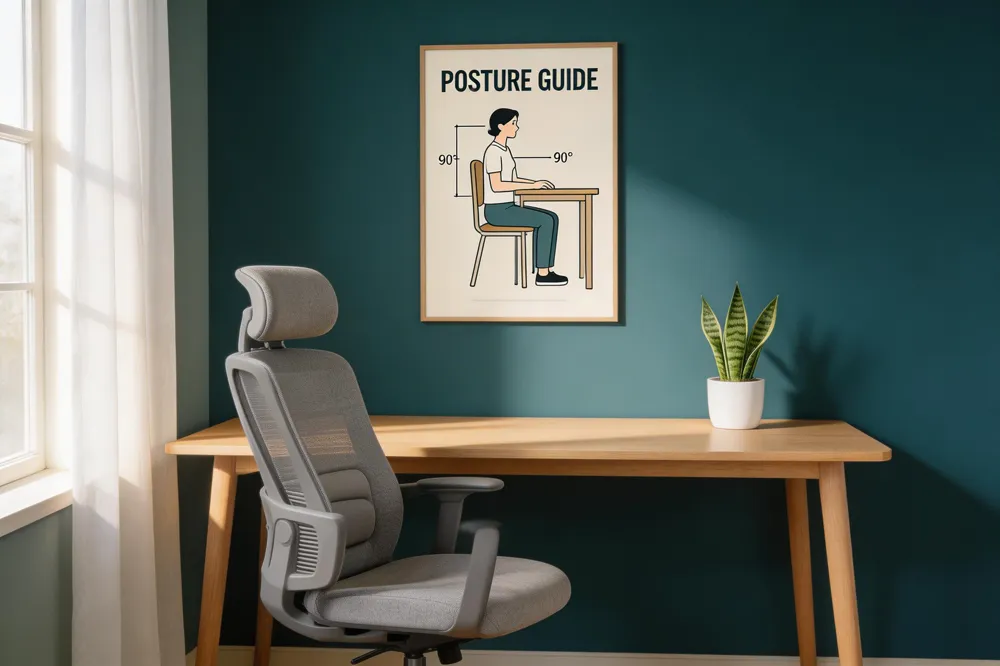
Work‑From‑Home Ergonomics: A Blueprint for a Pain‑Free Back

The Link Between Chiropractic Care and Improved Sleep Quality

Physiotherapy Techniques That Strengthen the Benefits of Chiropractic Adjustments

Biomechanical Insights Behind Successful Spinal Decompression

Desk‑to‑Dumbbell: Lifestyle Shifts That Guard Your Lower Back

10 Corrective Exercises for Sustainable Pain-Free Living

Morning Routines That Support Spine Health and Reduce Stiffness

Calcium and Magnesium‑Focused Nutrition for Bone Density and Spine Health

9 Ways Chiropractic Care Transforms Back Pain Management

Testimonial: Nutrition‑Guided Recovery Accelerated by Chiropractic
Science‑Backed Spinal Decompression for Relieving Sciatica Symptoms

Key Questions to Ask During Your Initial Chiropractic Consultation
Whole‑Body Wellness Blueprint: Nutrition, Exercise, and Chiropractic Synergy

A 12‑Week Corrective Exercise Blueprint for Chronic Neck Discomfort

Manual Therapy Plus Targeted Exercise: Accelerating Post‑Injury Recovery
Home‑Based Spinal Decompression Devices: What Patients Should Know

Chiropractic Care Statistics: Reducing Lost Workdays From Back Pain

How Targeted Nutrition Enhances Immune Function and Lowers Inflammatory Pain

Self‑Assessment Tools to Identify Hidden Triggers of Back Pain

Preparing for Your First Chiropractic Appointment: A Practical Checklist

Back Pain Relief Benefits: Lower Opioid Use and Better Quality of Life

Foam‑Rolling Techniques to Complement Chiropractic Adjustments

Progressive Overload Principles in Corrective Exercise Programs

Six‑Month Transformation: Integrated Care Success Story

7 Nutritional Hacks to Boost Your Overall Wellness
How to Choose a Chiropractor: Credentials, Techniques, and Patient Compatibility

5 Ways Spinal Decompression Can Ease Sciatica Pain

Overcoming Sciatica: A Patient’s Multidisciplinary Treatment Journey
Lifestyle Changes That Promote a Healthy Spine
Physiotherapy as a Complement to Chiropractic Treatments

6 Ways Physiotherapy Enhances Chiropractic Treatment Outcomes

Daily Living Tips for a Strong and Healthy Spine

How Physiotherapy Enhances Chiropractic Outcomes
Holistic Treatments: Alternatives to Surgery for Pain Relief
Inspiring Patient Success Stories from Chiropractic Clinics

Integrating Physiotherapy with Chiropractic Treatments
Corrective Exercise Routines for Chronic Pain Prevention
10 Corrective Exercises to Maintain a Healthy Spine and Relieve Pain
Exercise Strategies for Long-Term Pain Management
10 Corrective Exercises to Maintain a Healthy Spine and Relieve Pain
The Importance of Treating the Root Cause of Pain
Nutritional Support Strategies for Whole-Body Wellness
7 Essential Questions to Ask When Choosing Your Chiropractor
Identifying and Addressing Root Causes of Pain
Maintaining a Healthy Spine with Lifestyle Adjustments
Sciatica Symptom Relief via Spinal Decompression
8 Reasons Why Addressing the Root Cause of Pain Is Crucial
Chiropractic Care’s Impact on Back Pain Recovery

Combining Physiotherapy with Chiropractic Care for Better Results
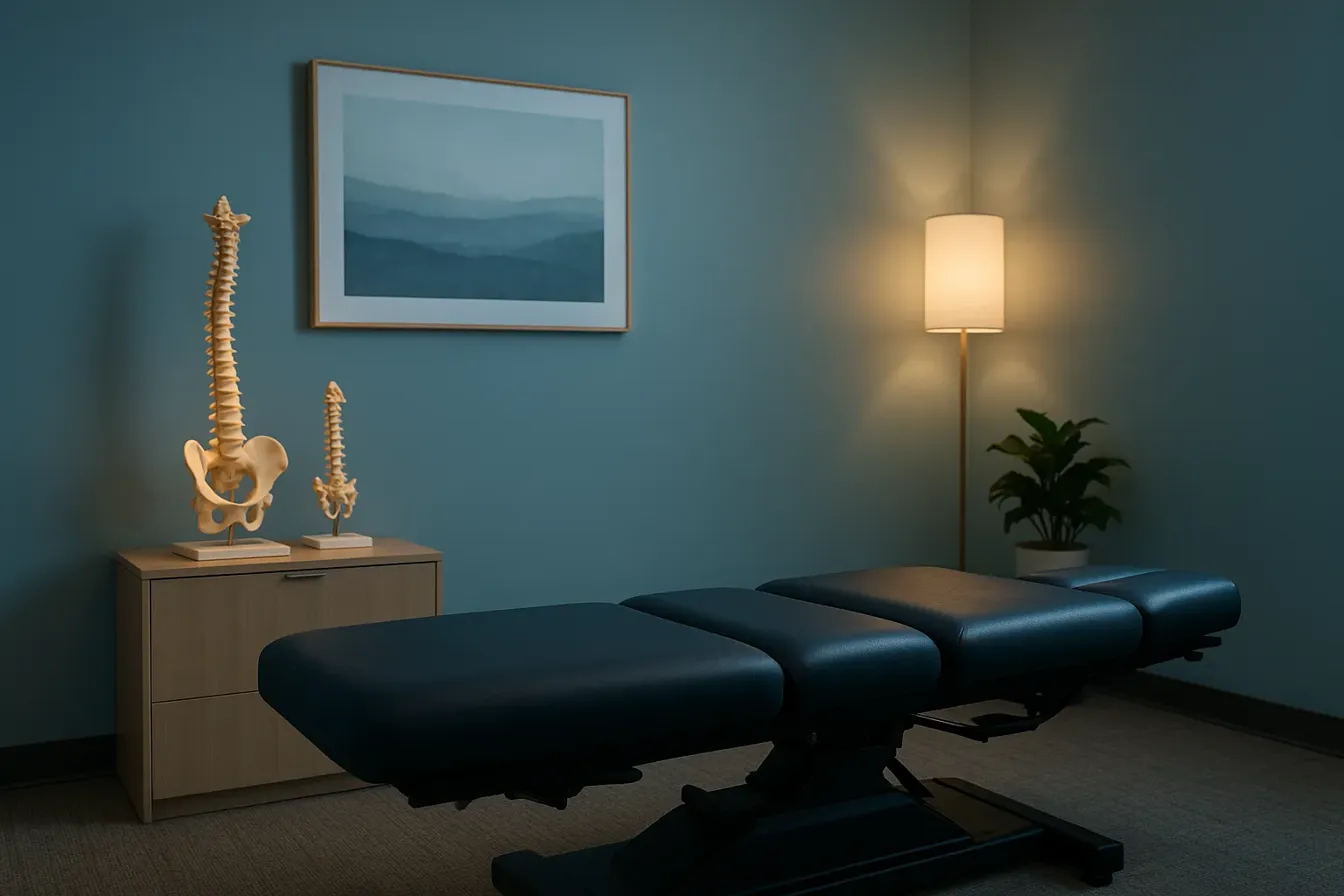
Inspiring Recovery: Chiropractic Patient Testimonials
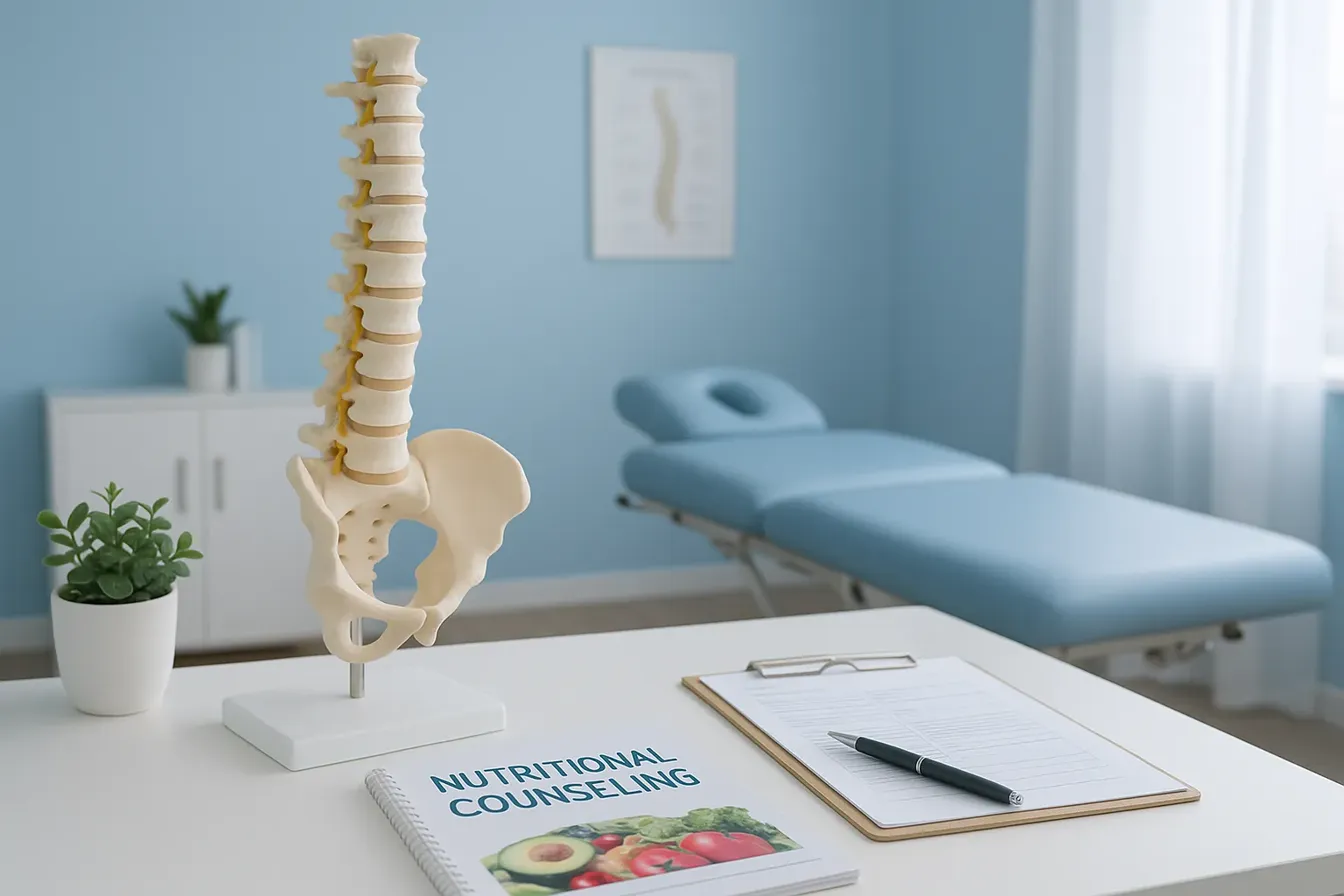
Nutritional Counseling Tips for Optimal Wellness

Why Addressing the Root Cause of Pain is Crucial
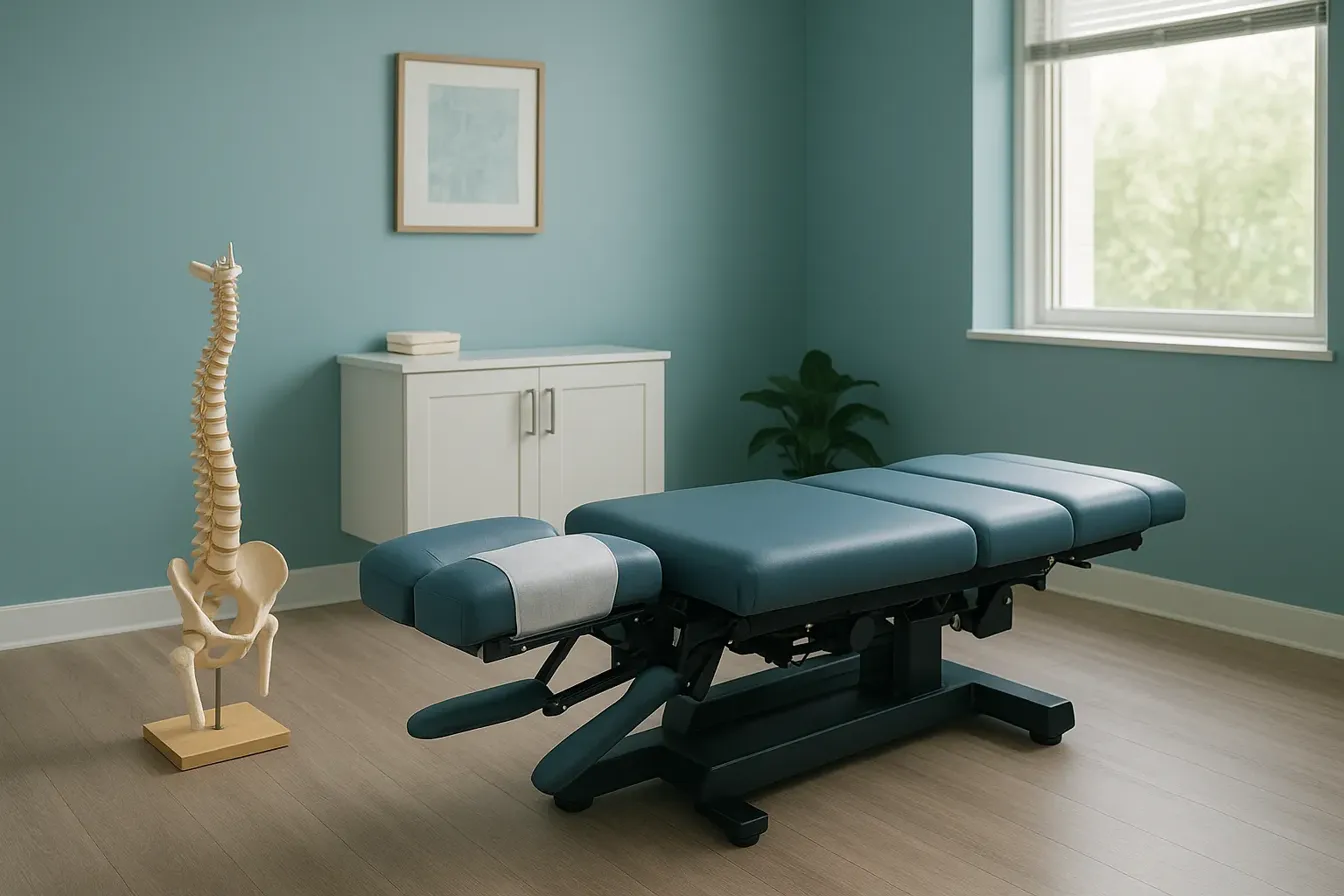
Back Pain and Chiropractic Care: A Winning Combination

Chiropractic Care Benefits You Might Not Know
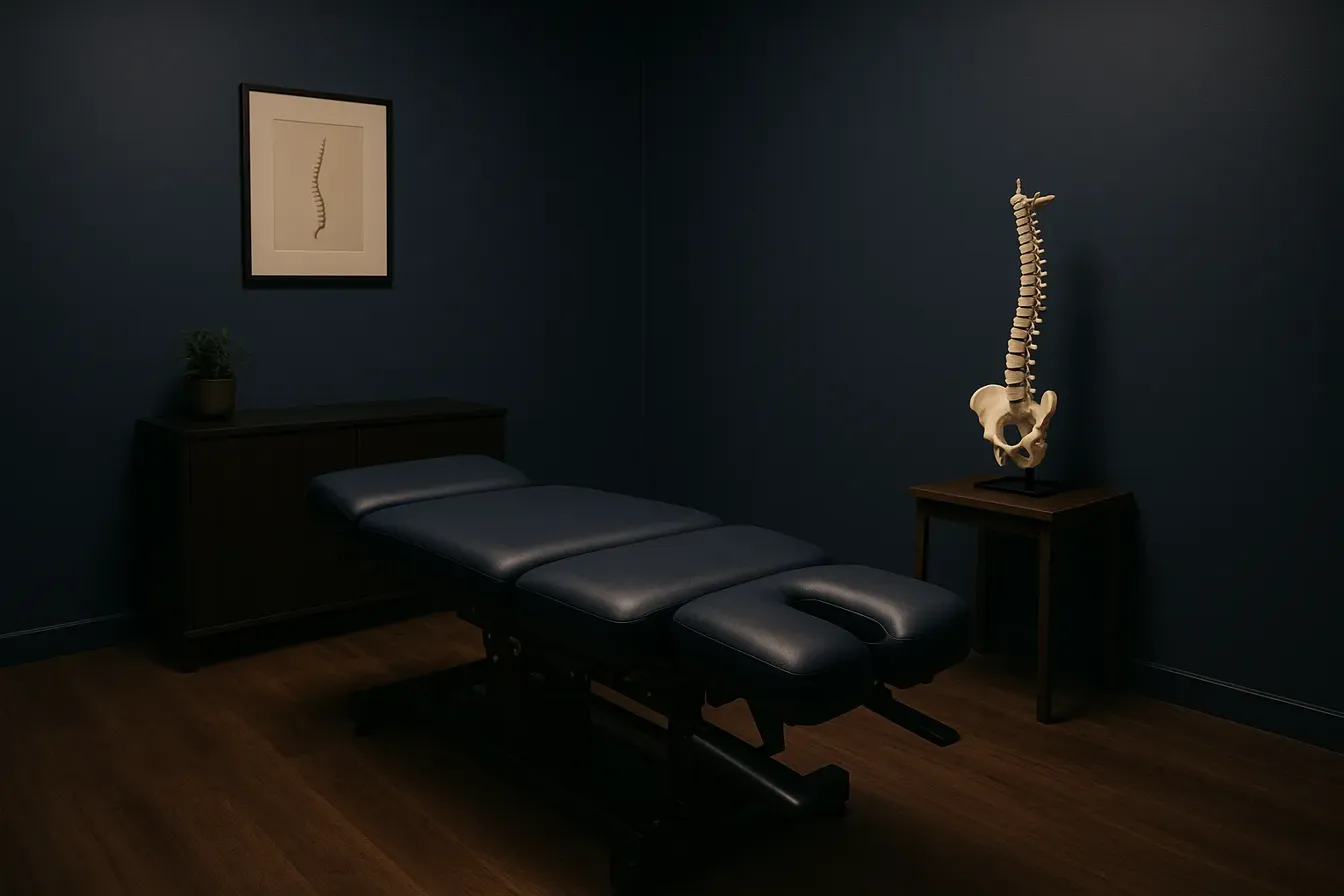
Exploring Holistic and Non-Surgical Treatments for Pain
Spinal Health: Lifestyle Tips for Everyday Wellness
Spinal Decompression Therapy: Benefits and Applications
Holistic and Non-Invasive Spine Care Options
Everyday Lifestyle Advice to Keep Your Spine Healthy
The Significance of Treating Root Causes in Pain Therapy
Best Corrective Exercises for Sustainable Pain Management

Addressing Underlying Causes of Pain for Long-Term Relief
6 Key Benefits of Spinal Decompression Therapy for Sciatica Relief

How Nutritional Counseling Supports Spine Health and Recovery
The Role of Physiotherapy in Supporting Chiropractic Treatments