Understanding the Pain-Relief Mechanics Behind Chiropractic Adjustments
April 21, 2026
6 min

Introduction
Chiropractic care is a patient‑centered, holistic approach that focuses on restoring proper joint motion and nervous system function without drugs or surgery. A chiropractic adjustment—also called spinal manipulation—delivers a precise, controlled thrust to a specific vertebral joint, improving range of motion, reducing nerve irritation, and stimulating natural pain‑relieving chemicals such as endorphins. Low back pain, neck pain, and tension‑type headaches are the most common reasons people seek this therapy, and research from reputable institutions (Mayo Clinic, Harvard Health, Cleveland Clinic) shows that spinal manipulation can provide meaningful relief for these conditions. By integrating adjustments with posture education, exercise counseling, and ergonomic advice, chiropractors promote overall musculoskeletal wellness, support the body’s innate healing mechanisms, and help patients achieve lasting, drug‑free pain relief.
The Biomechanics of a Chiropractic Adjustment

A chiropractic adjustment is a therapeutic, high‑velocity, low‑amplitude thrust that delivers a precise, controlled force to a specific joint—most often a vertebral facet joint. By moving the joint just beyond its normal physiological range, the chiropractor restores proper alignment and joint motion, relieving abnormal stress on surrounding muscles, ligaments, and nerves. This mechanical stimulus activates joint mechanoreceptors, which can inhibit nociceptive signals through the gate‑control theory and trigger the release of endogenous opioids such as endorphins, providing immediate analgesia.
During the thrust, the rapid change in joint‑capsule pressure causes cavitation: nitrogen gas bubbles within the synovial fluid collapse, producing the characteristic popping or cracking sound. Cavitation itself is harmless and simply indicates that the joint has been repositioned.
The result of this biomechanical intervention is improved range of motion, reduced muscle guarding, and enhanced nervous‑system communication. Patients often report decreased pain, increased flexibility, and better overall musculoskeletal function after the adjustment. When performed by a licensed chiropractor after thorough screening, these adjustments are safe and form a cornerstone of holistic, drug‑free pain‑relief strategies.
Physiological Responses and Pain Relief

Chiropractic adjustments target misaligned vertebrae (subluxations) to reduce abnormal pressure on spinal nerves. By restoring proper joint alignment, the compression on nerve roots is relieved, allowing more accurate signaling between the brain and peripheral tissues. This nerve‑pressure reduction often translates into immediate pain reduction and improved functional mobility.
The rapid, high‑velocity thrust of an adjustment also stimulates mechanoreceptors in the joint capsule and surrounding ligaments. This mechanical stimulus triggers the release of endogenous opioids such as endorphins, as well as serotonin and other pain‑modulating chemicals, providing a natural analgesic effect without medication.
In addition, the brief joint cavitation and subsequent increase in range of motion enhance local blood flow. Better circulation delivers oxygen and nutrients to muscles, discs, and connective tissue while aiding the removal of inflammatory metabolites, which further supports tissue healing and reduces stiffness.
Does chiropractic adjustments really work? Scientific studies cited by the Mayo Clinic and Harvard Health demonstrate that spinal manipulation can significantly lessen low‑back pain, neck pain, and tension‑type headaches, especially when the pain originates from the spine. Benefits are most pronounced after multiple, targeted sessions, though individual responses vary and some patients may experience only modest relief.
Side effects of chiropractic adjustment Most patients report mild, short‑lasting reactions similar to post‑exercise soreness, fatigue, or a brief headache that resolves within 24‑48 hours. Rare complications—such as aggravating a herniated disc, nerve compression, or, in extremely uncommon cases, a vertebral‑artery dissection leading to stroke—occur in fewer than one in a million adjustments, and proper pre‑treatment screening by a licensed chiropractor minimizes these risks.
Safety, Risks, and Contraindications

Chiropractic adjustments are generally safe when performed by a licensed, well‑trained practitioner. The most common mild side effects are temporary soreness, headache, or fatigue that usually resolve within a few days. These minor reactions reflect the body adapting to improved joint motion and are reported in Mayo Clinic and Harvard Health sources.
Rare but serious complications can occur, though they are uncommon. Documented risks include worsening a herniated disc, nerve compression, and, in very rare cases, a stroke after high‑velocity cervical adjustments. Such events are typically linked to inappropriate patient selection or excessive force.
Screening for contraindications is essential. A thorough health history and physical exam—often supplemented by imaging—identify conditions that make spinal manipulation unsafe, such as [severe osteoporosis, spinal cancer, significant nerve deficits, or a heightened risk of stroke](https://www.mayoclinic.org/tests-pro proceduresures/chiropractic-adjustment/about/pac-20393513). Patients with these red‑flag conditions are advised to avoid adjustments or receive modified, low‑force techniques.
Is chiropractic safe for lower back pain? Yes. When proper screening and technique are used, adjustments effectively reduce pain with only mild, short‑term side effects.
Severe pain after chiropractic adjustment? Severe pain is not typical; it may signal an adverse response and warrants immediate professional evaluation.
Disadvantages of chiropractic? Rare serious risks, potential over‑treatment, and variable evidence for some claims underscore the need for qualified providers and informed patient choice.
Is chiropractic safe for back pain? Overall, yes—provided contraindications are ruled out and care is delivered by a qualified chiropractor.
Choosing Between Chiropractic and Physical Therapy

When a chiropractor is the best first step
If your low‑back pain originates from spinal misalignment, joint restrictions, or a sudden “popping” sensation, a chiropractor can quickly assess the spine, apply a controlled adjustment, and prescribe corrective exercises. The adjustment restores joint motion, reduces nerve irritation, and often provides immediate pain relief, especially for sciatica caused by nerve compression.
When physical therapy is preferable
Physical therapy shines when pain is tied to muscle weakness, postural habits, or post‑injury/surgical rehabilitation. A therapist designs progressive exercise programs, manual mobilizations, and functional training to rebuild strength, improve range of motion, and support long‑term stability.
Benefits of a combined approach
Many patients achieve optimal outcomes by beginning with a chiropractic adjustment to relieve pain and improve joint mechanics, then transitioning to physical‑therapy sessions that reinforce stability and prevent recurrence. At Back in Action Bodyworks in Torrance, our holistic model integrates spinal adjustments with personalized movement plans, delivering both immediate relief and sustained functional health.
Patient Journey: Treatment Plans and Recovery Timeline

A typical chiropractic care plan begins with an initial assessment and often includes 2–3 adjustment sessions per week for the first 2–4 weeks, followed by tapering to weekly or bi‑weekly visits as pain improves. Most patients notice a reduction in discomfort within the first few days to two weeks; clinical data show the average time to maximal relief is about 29 days, with 91 % reporting significant improvement by 90 days. After each visit, home‑care strategies are essential: stay well‑hydrated (2–3 L water daily), apply ice for 10‑15 minutes in the first 24 hours then gentle heat, and engage in light activity such as short walks, range‑of‑motion stretches, and cat‑cow or pelvic‑tilt exercises. Avoid heavy lifting or prolonged sitting for 48 hours. If soreness persists beyond 72 hours, contact your chiropractor. For lower‑back relief at home, gentle self‑stretching (seated twist, bridge pose, kneeling back extension) can help maintain joint mobility, but self‑adjustments should be avoided if you have severe pain or neurological symptoms. Consistent adherence to the prescribed exercise program and posture awareness accelerates healing and supports long‑term musculoskeletal wellness.
Holistic Benefits, Limitations, and Frequently Asked Questions

Chiropractic care focuses on restoring spinal motion and nervous‑system balance through precise, low‑force adjustments. Research from the Mayo Clinic and Harvard Health shows that spinal manipulation can effectively reduce low‑back, neck, and headache pain, improve range of motion, and stimulate endorphin release. adjunct, improve sleep and vitality. Adjustments are generally safe when performed by a licensed professional, though rare serious events—such as arterial injury after high‑velocity neck thrusts—can occur, and multiple visits may be needed, adding cost and time.
Common misconceptions label chiropractic as pseudoscience because early concepts like vertebral subluxation lack strong evidence. While the manual‑therapy component is evidence‑based for musculoskeletal pain, broader health claims remain unproven.
FAQs
- Benefits & disadvantages: Fast, drug‑free pain relief and enhanced mobility versus small risk of serious complications and recurring expense.
- 3 T’s: Thoughts (stress), Trauma (injury/micro‑trauma), Toxins (dietary/environmental) are seen as sources of nerve interference.
- Back muscle pain: Adjustments improve joint motion, relieve nerve irritation, and are paired with exercise and ergonomic advice.
- Lower‑back pain care: History, exam, targeted spinal thrusts, plus personalized home‑exercise and posture programs.
- Cortisol: Adjustments may lower cortisol, reducing stress‑related symptoms.
- ALS: Preliminary data suggest possible palliative musculoskeletal benefits, but more research is needed.
- Cost: Initial evaluation $60‑$200; follow‑ups $65‑$90; package discounts and insurance options available.
- Real medicine?: Recognized manual therapy for musculoskeletal issues; broader disease‑cure claims remain scientifically unsupported.
Conclusion
Chiropractic adjustments relieve pain by restoring proper joint motion, reducing nerve irritation, and triggering the release of natural analgesics such as endorphins. A precise, controlled thrust moves a misaligned vertebra back into its physiological range, which can immediately diminish stiffness and improve circulation. Because each patient’s spine is unique, a thorough medical history, physical exam, and, when needed, imaging are essential to identify contraindications such as severe osteoporosis or vascular risk. At Back in Action Bodyworks, our licensed chiropractors tailor each session to the individual’s condition, integrating posture counseling, therapeutic exercises, and lifestyle advice to support lasting, drug‑free wellness.
Recent articles

10 Real‑Patient Success Stories Showcasing the Impact of Chiropractic Care

Superfoods That Boost Nerve Healing After Chiropractic Sessions

Sleep Positions That Promote a Healthy Back Alignment

Signs Your Chiropractor Is a Good Fit for Your Back Pain Goals

Case Study: Integrated Physiotherapy and Chiropractic for Faster Recovery

First-Time Chiropractic Visit: A Step‑by‑Step Walkthrough

Synergistic Benefits: Combining Physiotherapy with Chiropractic Care

Beyond Surgery: Holistic Approaches to Managing Back Pain

How Manual Therapy Enhances the Effects of Chiropractic Adjustments

Hydration Hacks: Why Water Matters for Joint and Spine Function

What Does a Comprehensive Spinal Evaluation Include?

Success Spotlight: Transformative Results After Six Weeks of Chiropractic Treatment

Understanding the Initial Assessment Process in Chiropractic Care

Designing a Personalized Corrective Exercise Plan for Chronic Pain Management

Natural Pain Management: Combining Acupuncture, Yoga, and Chiropractic

Chiropractic Care vs. Pain Meds: Long-Term Outcomes for Back Pain Sufferers

What to Expect During a Sciatica‑Focused Decompression Session
Understanding the Pain-Relief Mechanics Behind Chiropractic Adjustments

Success Rates of Non‑Surgical Spinal Decompression for Sciatica

Patient-Centered Chiropractic Care: Personalized Plans for Back Pain Relief
How Chiropractic Treatments Reduce Inflammation and Speed Up Back Pain Recovery

Real‑Life Stories: How Chiropractic Helped Patients Overcome Chronic Back Pain

From Symptom Masking to Root‑Cause Healing: A Practical Guide

6 Holistic Non‑Surgical Treatments That Deliver Sustainable Back‑Pain Relief

Key Questions to Ask When Selecting Your Chiropractor

Mindful Movement: Incorporating Stretch Breaks Into a Busy Day

Why Targeting the Underlying Cause Beats Temporary Symptom Relief

8 Ways Physiotherapy Complements Chiropractic Adjustments for Faster Recovery

Meal Planning for Athletes Recovering from Back Injuries

9 Everyday Lifestyle Tweaks to Preserve a Healthy Spine and Prevent Pain

Functional Movement Screening for Root‑Cause Pain Identification

6 Things You’ll Experience During Your First Chiropractic Appointment

Spinal Decompression vs. Standard Physical Therapy for Sciatica: A Comparative Review

New Findings on How Adjustments Influence Blood Circulation
Work‑From‑Home Ergonomics: A Blueprint for a Pain‑Free Back

The Link Between Chiropractic Care and Improved Sleep Quality

Physiotherapy Techniques That Strengthen the Benefits of Chiropractic Adjustments

Biomechanical Insights Behind Successful Spinal Decompression

Desk‑to‑Dumbbell: Lifestyle Shifts That Guard Your Lower Back

10 Corrective Exercises for Sustainable Pain-Free Living

Morning Routines That Support Spine Health and Reduce Stiffness

Calcium and Magnesium‑Focused Nutrition for Bone Density and Spine Health

9 Ways Chiropractic Care Transforms Back Pain Management

Testimonial: Nutrition‑Guided Recovery Accelerated by Chiropractic
Science‑Backed Spinal Decompression for Relieving Sciatica Symptoms

Key Questions to Ask During Your Initial Chiropractic Consultation

Whole‑Body Wellness Blueprint: Nutrition, Exercise, and Chiropractic Synergy

A 12‑Week Corrective Exercise Blueprint for Chronic Neck Discomfort

Manual Therapy Plus Targeted Exercise: Accelerating Post‑Injury Recovery
Home‑Based Spinal Decompression Devices: What Patients Should Know

Chiropractic Care Statistics: Reducing Lost Workdays From Back Pain

How Targeted Nutrition Enhances Immune Function and Lowers Inflammatory Pain

Self‑Assessment Tools to Identify Hidden Triggers of Back Pain

Preparing for Your First Chiropractic Appointment: A Practical Checklist

Back Pain Relief Benefits: Lower Opioid Use and Better Quality of Life

Foam‑Rolling Techniques to Complement Chiropractic Adjustments

Progressive Overload Principles in Corrective Exercise Programs

Six‑Month Transformation: Integrated Care Success Story

7 Nutritional Hacks to Boost Your Overall Wellness

How to Choose a Chiropractor: Credentials, Techniques, and Patient Compatibility

5 Ways Spinal Decompression Can Ease Sciatica Pain

Overcoming Sciatica: A Patient’s Multidisciplinary Treatment Journey
Lifestyle Changes That Promote a Healthy Spine
Physiotherapy as a Complement to Chiropractic Treatments

6 Ways Physiotherapy Enhances Chiropractic Treatment Outcomes

Daily Living Tips for a Strong and Healthy Spine

How Physiotherapy Enhances Chiropractic Outcomes
Holistic Treatments: Alternatives to Surgery for Pain Relief
Inspiring Patient Success Stories from Chiropractic Clinics

Integrating Physiotherapy with Chiropractic Treatments
Corrective Exercise Routines for Chronic Pain Prevention
10 Corrective Exercises to Maintain a Healthy Spine and Relieve Pain
Exercise Strategies for Long-Term Pain Management
10 Corrective Exercises to Maintain a Healthy Spine and Relieve Pain
The Importance of Treating the Root Cause of Pain
Nutritional Support Strategies for Whole-Body Wellness
7 Essential Questions to Ask When Choosing Your Chiropractor
Identifying and Addressing Root Causes of Pain
Maintaining a Healthy Spine with Lifestyle Adjustments
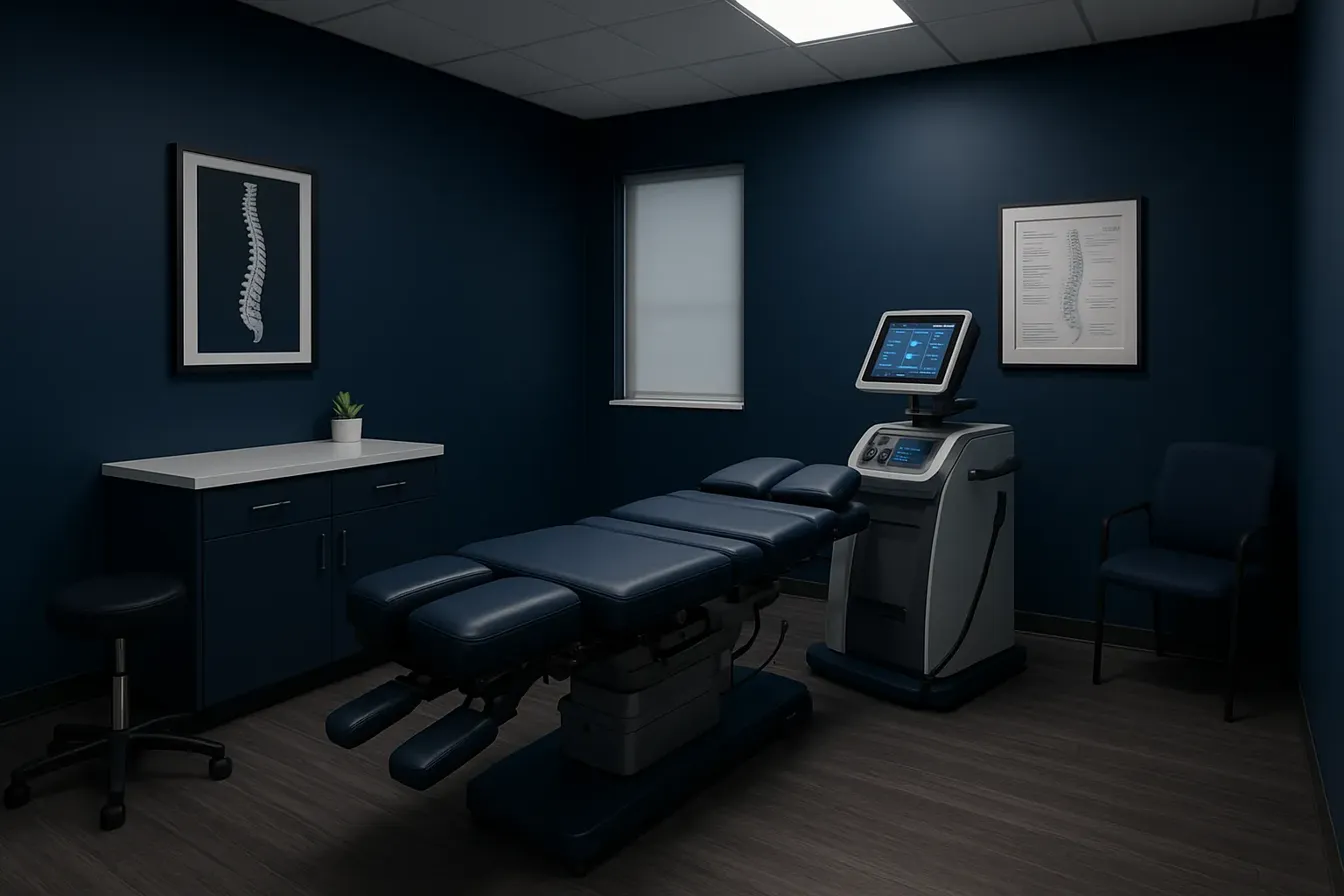
Sciatica Symptom Relief via Spinal Decompression

8 Reasons Why Addressing the Root Cause of Pain Is Crucial
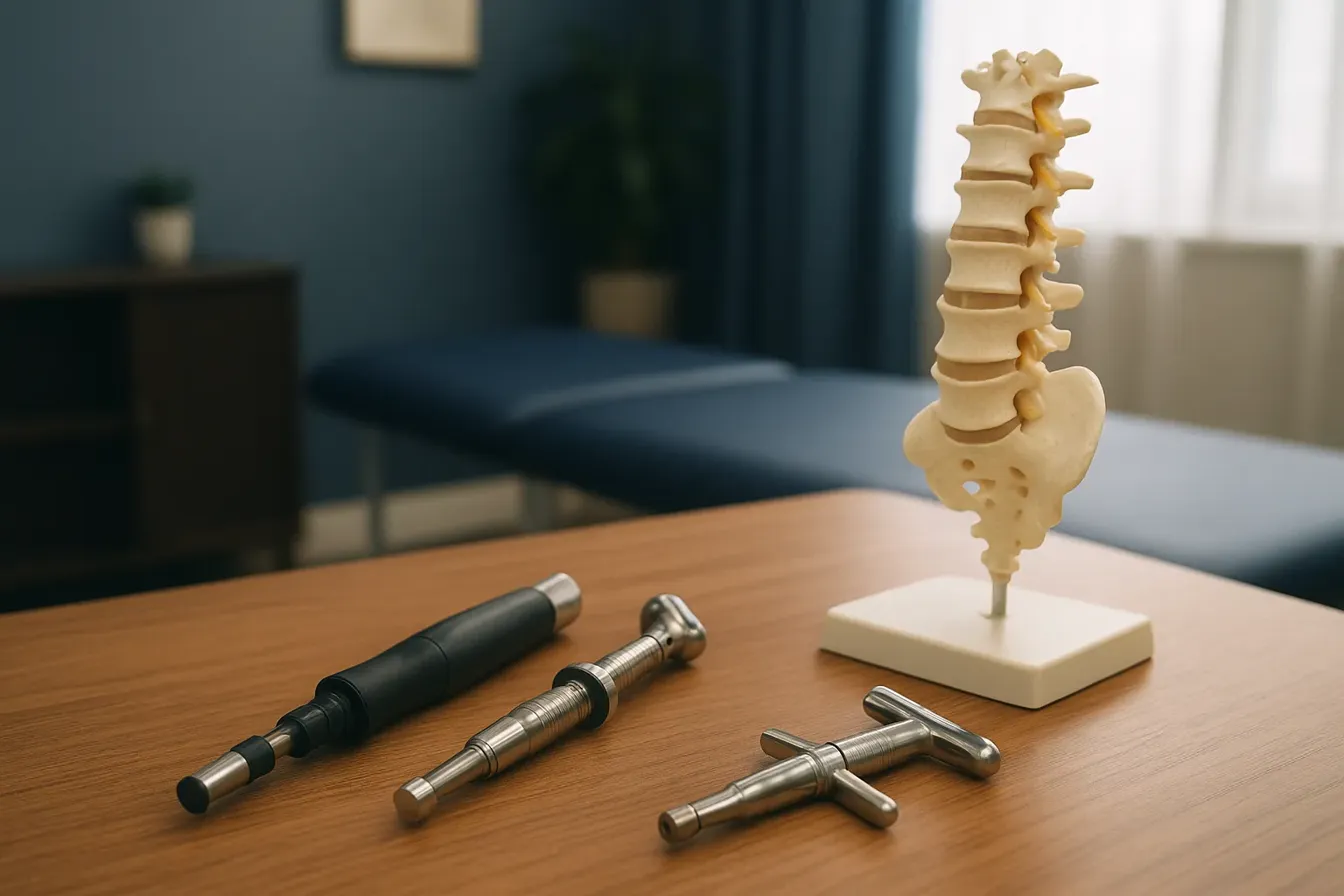
Chiropractic Care’s Impact on Back Pain Recovery

Combining Physiotherapy with Chiropractic Care for Better Results

Inspiring Recovery: Chiropractic Patient Testimonials
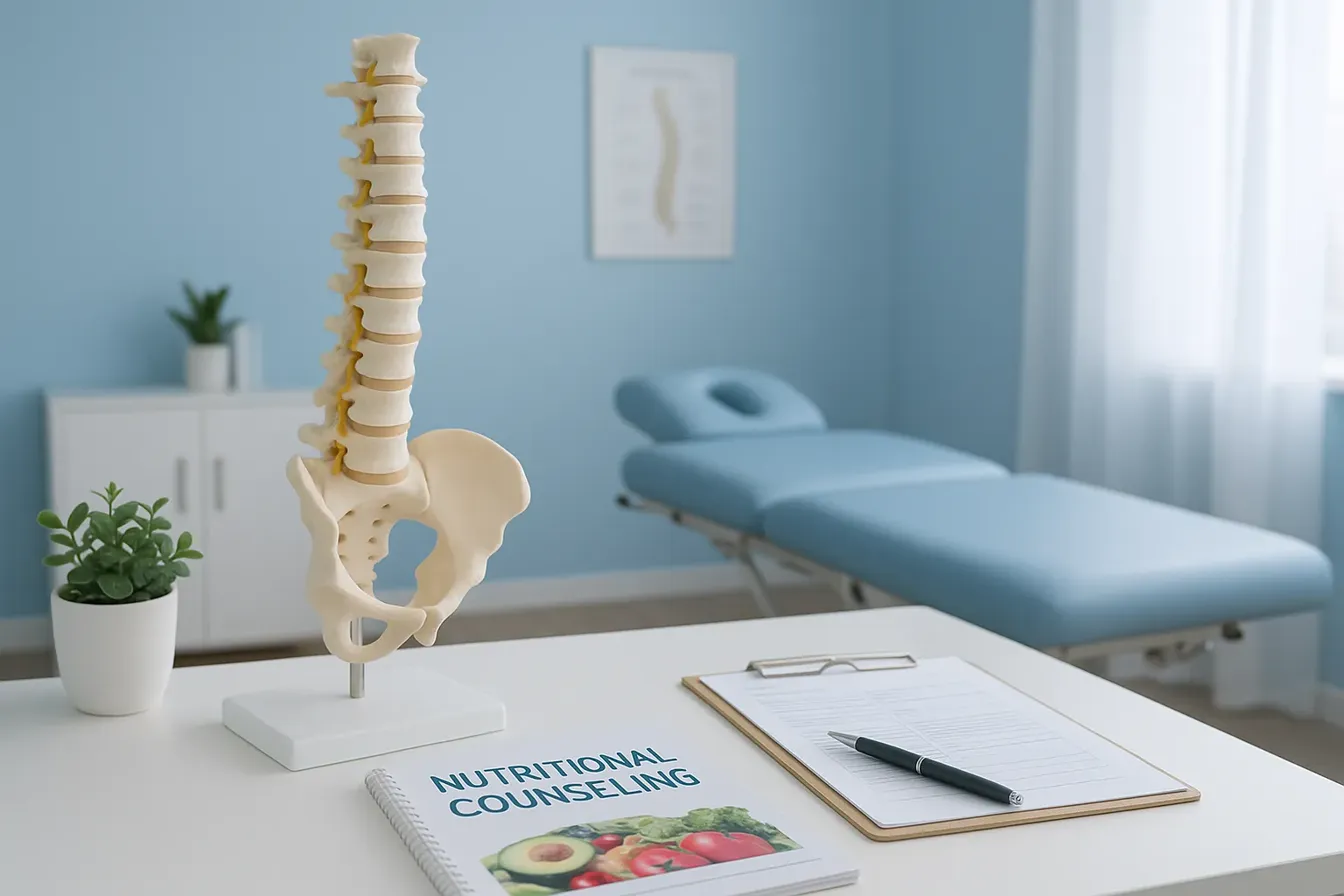
Nutritional Counseling Tips for Optimal Wellness

Why Addressing the Root Cause of Pain is Crucial
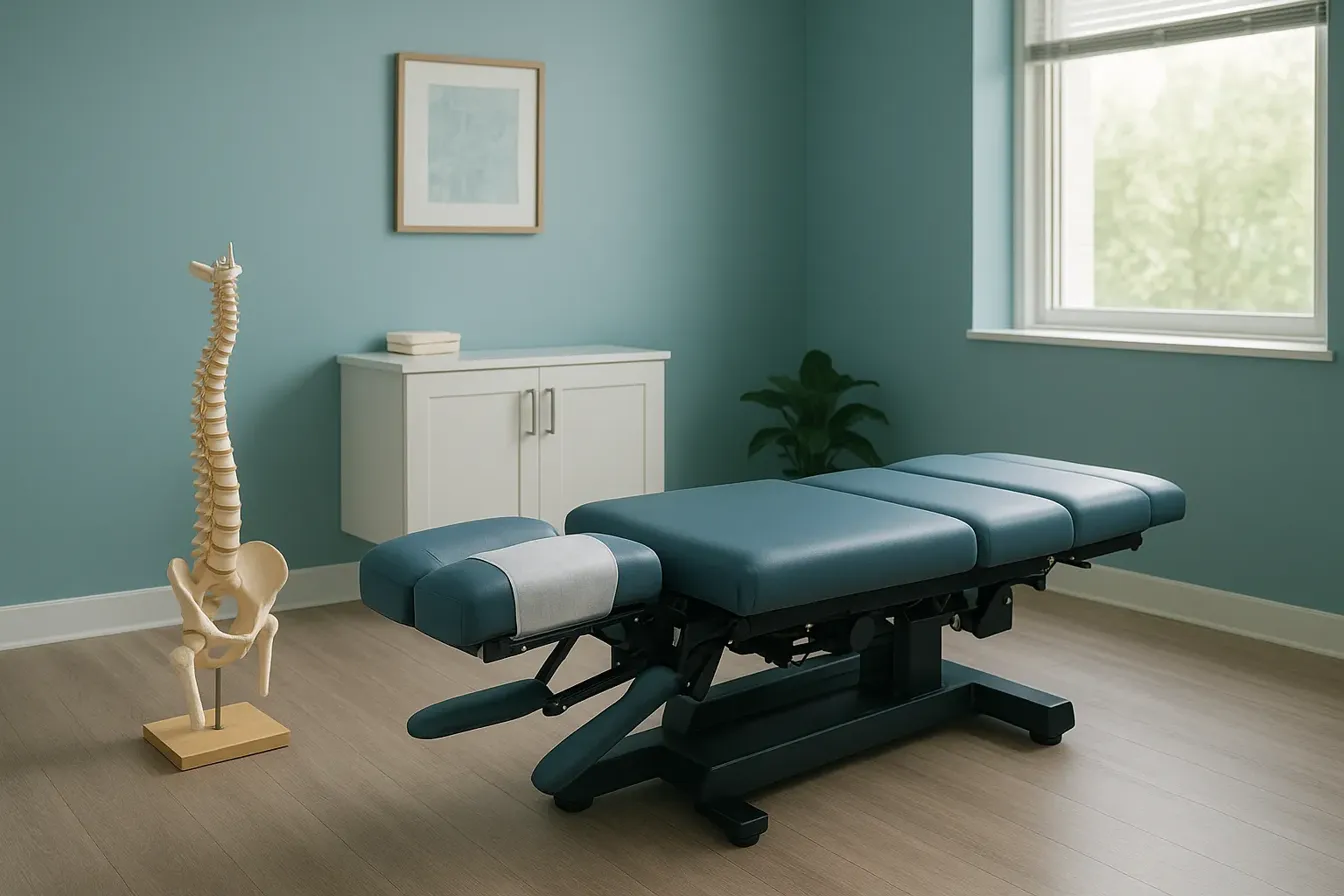
Back Pain and Chiropractic Care: A Winning Combination

Chiropractic Care Benefits You Might Not Know
Exploring Holistic and Non-Surgical Treatments for Pain
Spinal Health: Lifestyle Tips for Everyday Wellness
Spinal Decompression Therapy: Benefits and Applications
Holistic and Non-Invasive Spine Care Options
Everyday Lifestyle Advice to Keep Your Spine Healthy
The Significance of Treating Root Causes in Pain Therapy
Best Corrective Exercises for Sustainable Pain Management

Addressing Underlying Causes of Pain for Long-Term Relief
6 Key Benefits of Spinal Decompression Therapy for Sciatica Relief

How Nutritional Counseling Supports Spine Health and Recovery

The Role of Physiotherapy in Supporting Chiropractic Treatments