From Symptom Masking to Root‑Cause Healing: A Practical Guide
April 16, 2026
7 min

Understanding the Landscape of Pain Management
Masking symptoms with medication or passive modalities can quickly quiet pain, but it does not address the underlying biomechanical or nervous‑system dysfunction that generated the discomfort. When relief is only superficial, patients may resume activity too early, risking re‑injury and chronic sensitization. Root‑cause healing, by contrast, seeks the primary source—misalignments, muscular imbalances, poor posture, inflammation, or metabolic deficits—and corrects it through targeted adjustments, therapeutic exercise, nutrition, sleep hygiene and stress management. A holistic health framework integrates these interventions, recognizing that bone, muscle, nerve and mind interact continuously. Chiropractic care fits naturally into this model: spinal manipulation restores joint mobility, reduces neural irritation, and re‑engages the body’s self‑healing pathways, while chiropractors also provide ergonomic counseling, personalized movement programs, and lifestyle education. When symptom relief is paired with root‑cause strategies, patients experience faster functional gains, lower medication reliance, lasting wellness and improved quality of life.
Why Root‑Cause Healing Beats Symptom Masking

Focusing on root causes rather than merely masking symptoms yields lasting health benefits. While analgesics or brief immobilization can provide short‑term relief, they leave the underlying biomechanical or nervous‑system dysfunction untouched, so pain often returns once the medication wears off. A root‑cause approach identifies key contributors such as chronic muscle tension, joint misalignment, poor posture, and stress‑induced nervous‑system over‑activity. By correcting these factors through spinal adjustments, targeted therapeutic exercises, ergonomic education, and lifestyle modifications (adequate sleep, nutrition, stress‑reduction), clinicians create personalized, holistic plans that address the entire musculoskeletal system. This strategy not only resolves the immediate discomfort but also reduces the risk of future flare‑ups, improves functional capacity, and enhances overall wellness. Evidence from pain‑science and chiropractic research shows that patients who receive comprehensive, root‑cause care experience lower pain recurrence, higher satisfaction, and better long‑term outcomes compared with those who rely solely on symptom‑masking interventions.
Symptoms vs. Root Causes: Clarifying the Difference

A symptom is the visible or felt sign that something is off in the body—such as pain, fatigue, stiffness, or a headache. It tells you that a problem exists but does not reveal why it is happening. The root cause is the underlying physiological or structural issue that generates that sign, such as a misaligned spine, hormonal imbalance, nerve irritation, or chronic stress. Treating only the symptom (e.g., taking pain relievers) may provide temporary relief, while addressing the root cause restores proper function and prevents recurrence.
Identifying the underlying dysfunction begins with a thorough chiropractic assessment. Practitioners perform posture analysis, range‑of‑motion testing, functional movement screening, and, when needed, imaging to uncover hidden biomechanical imbalances, muscular tightness, or joint restrictions. This systematic evaluation distinguishes symptom masking from the true source of pain.
In chiropractic care, the focus is on correcting the root cause—restoring joint alignment, improving nerve flow, and re‑educating movement patterns—so that symptoms naturally disappear. By combining manual adjustments, therapeutic exercise, and lifestyle counseling, patients gain a safe, drug‑free pathway to lasting relief and enhanced overall wellness.
Chiropractic Care and the Release of Stored Trauma

Physical tension often mirrors emotional stress; chronic muscle tightness, restricted joint motion, and altered posture can be the body’s way of storing past trauma. When the spine is misaligned, nerve pathways become irritated, amplifying the stress response and keeping the nervous system in a heightened, fight‑or‑flight state. Chiropractic adjustments restore proper spinal alignment, which normalizes neural communication and allows the autonomic nervous system to reset. By reducing mechanical compression on nerves, the brain receives clearer feedback that the body is safe, helping release the physiological imprint of emotional stress and improving sleep, mood, and overall resiliency. A practitioner will assess posture, range of motion, and palpatory findings to identify where tension is most entrenched, then apply targeted, low‑velocity thrusts or gentle mobilizations to rebalance the musculoskeletal system. When deep or persistent emotional trauma is identified, the chiropractor will openly discuss the limits of manual therapy and may refer the patient to a qualified mental‑health professional for counseling, psychotherapy, or trauma‑focused interventions. This integrated, patient‑centered approach ensures that both body and mind receive the support needed for lasting recovery.
Managing Stress Hormones: Chiropractic Impact on Cortisol

Cortisol, the body’s primary stress hormone, fuels inflammation when it remains chronically elevated. Spinal misalignments can irritate the nervous system, triggering a heightened fight‑or‑flight response that spikes cortisol release. By delivering precise adjustments, a chiropractor reduces nerve irritation, helps restore balanced hypothalamus‑pituitary‑adrenal (HPA) axis activity, and promotes parasympathetic dominance. This neuro‑physiological shift often lowers cortisol levels, which in turn dampens inflammatory mediators, improves sleep quality, and stabilizes mood. While chiropractic care is not a substitute for medical hormone therapy, it serves as a natural, complementary strategy. Integrating lifestyle measures—regular aerobic exercise, adequate hydration, a nutrient‑dense diet rich in omega‑3s and vitamin D, stress‑reduction techniques such as mindfulness or yoga—enhances the cortisol‑modulating effect of spinal care. Patients should coordinate with their primary health provider to ensure a comprehensive, patient‑centered plan that addresses both structural and hormonal health.
The 3 T’s of Chiropractic: Thoughts, Trauma, Toxins

In chiropractic, the 3 T’s refer to the three primary contributors to subluxation identified by D.D. Palmer: Thoughts, Trauma, and Toxins. Thoughts encompass chronic psychological stress, anxiety, and negative mental patterns that keep the nervous system in a perpetual fight‑or‑flight state, amplifying pain perception and impairing tissue healing. Trauma includes both acute injuries—such as sprains, fractures, or car accidents—and repetitive micro‑trauma from poor posture, prolonged sitting, or overuse, which gradually degrade joint mechanics and provoke subluxations. Toxins are harmful substances we ingest or encounter, ranging from inflammatory foods and excess sugar to environmental pollutants, heavy metals, and mold, all of which can provoke systemic inflammation and disrupt nerve flow. Addressing these three factors through spinal adjustments, lifestyle counseling, ergonomic education, nutrition guidance, and stress‑reduction techniques restores proper nerve communication, supports natural tissue repair, and promotes lasting, drug‑free pain relief.
The Seven Pillars of Holistic Health and Their Role in Musculoskeletal Wellness

The seven pillars of holistic health are movement and fitness, healthful nutrition, restorative sleep, stress management, social engagement, gratitude and reflection, and cognitive enhancement. Regular physical activity—especially low‑impact cardio, strength training, yoga, or Pilates—builds muscle support, joint stability, and spinal alignment, creating a strong foundation for chiropractic care. A nutrient‑dense diet rich in calcium, vitamin D, omega‑3s, and antioxidants fuels bone remodeling and reduces inflammation, accelerating the body’s natural healing processes. Quality sleep and evidence‑based stress‑reduction techniques such as mindfulness, deep‑breathing, or meditation restore autonomic balance, lower cortisol, and improve pain modulation pathways. Social connection and daily gratitude practices foster emotional resilience, which diminishes fear‑avoidance behaviors that can perpetuate chronic pain. Finally, cognitive enhancement—through continued learning, puzzles, or brain‑training apps—supports neuroplasticity, allowing the nervous system to re‑wire pain signals after successful spinal adjustments. When these pillars are integrated with patient‑centered chiropractic treatment, patients experience sustainable musculoskeletal wellness rather than fleeting symptom masking.
How Root‑Cause Treatment and Therapy Work Together

How does root cause treatment work? Root‑cause treatment begins by asking why a symptom appears, instead of merely masking it. Practitioners collect a detailed health history, perform targeted exams or imaging, and evaluate lifestyle factors—diet, stress, sleep, posture—to uncover fundamental imbalances such as nutritional deficiencies, hormonal shifts, or structural misalignments. Once the underlying issue is identified, a personalized plan is crafted that may include chiropractic adjustments, corrective exercises, targeted nutrition, supplementation, and stress‑management techniques. By correcting the source, the body’s innate healing mechanisms are re‑engaged, providing lasting relief rather than temporary suppression.
What is the meaning of root cause healing? Root‑cause healing seeks to correct the imbalance that generated the problem, not just quiet the symptom. It restores the "soil"—optimal digestion, toxin clearance, and proper musculoskeletal alignment—so the "weed" of pain, inflammation, or fatigue disappears at its source. In chiropractic care this often means aligning the spine, improving nervous‑system function, and supporting systemic health through lifestyle and nutritional guidance, leading to durable wellness.
How does root cause therapy work? Root‑cause therapy gently accesses subconscious limiting beliefs formed by stress or trauma, releases them, and allows the body’s natural healing pathways to restore balance. This mind‑body integration complements physical interventions, creating a holistic, patient‑centered approach to musculoskeletal health.
Practical Strategies: From Symptom Masking to Sustainable Healing

Effective care begins with symptom‑based strategies that respect the injury’s biology. For patellofemoral syndrome, avoiding deep knee flexion and using a patellar strap reduces patellar pressure; acute ankle sprains benefit from a rigid brace or lace‑up support that protects the ligaments while the inflammatory phase resolves. These protective supports create a therapeutic window of opportunity during which the patient can safely begin gentle range‑of‑motion exercises, progressive loading, and neuromuscular retraining without risking re‑injury. Lifestyle modifications reinforce this window: adequate sleep, balanced nutrition rich in calcium, vitamin D, magnesium and omega‑3s, regular low‑impact cardio, and stress‑reduction practices such as mindfulness or yoga stabilize the nervous system and lower systemic inflammation. Patient education is pivotal—teaching proper ergonomics, posture, and gradual return‑to‑activity plans empowers individuals to recognize warning signs and avoid overconfidence that can mask warning signals.
What is the holistic approach to muscle pain?
The holistic approach treats muscle pain as a multi‑system issue, combining physical therapies (warm compresses, gentle stretching, massage, chiropractic adjustments, cupping, hydrotherapy) with mind‑body practices (meditation, tai chi, yoga) to calm the nervous system. Anti‑inflammatory herbs (turmeric, ginger, arnica) and supplements (magnesium, vitamin D) support tissue repair, while acupuncture stimulates endorphin release and improves circulation. By integrating these modalities into a personalized, whole‑person plan, the practitioner restores balance, promotes natural healing, and sustains long‑term musculoskeletal health.
Putting It All Together – Your Path to Lasting Wellness
Effective, lasting wellness begins when chiropractic care moves beyond simple pain‑masking to address the underlying biomechanical and nervous‑system dysfunctions that generate discomfort. By combining spinal adjustments with targeted therapeutic exercises, ergonomic counseling, nutrition guidance, and stress‑reduction techniques, clinicians create a root‑cause‑focused plan that restores proper alignment, improves microcirculation, and supports the body’s innate healing mechanisms. Patients are encouraged to use simple self‑monitoring tools—such as wearable activity trackers, pain‑rating apps, and posture‑check reminders—to track progress and adjust activity levels safely. This data is shared with a collaborative health team that may include chiropractors, physical therapists, nutritionists, and mental‑health professionals, ensuring that each aspect of the individual’s lifestyle reinforces the others. When every component works together, the risk of re‑injury drops, medication dependence fades, and sustainable functional improvement becomes the norm. Regular follow‑up appointments allow fine‑tuning of the program, keeping the patient engaged and motivated toward long‑term health goals.
Recent articles

10 Real‑Patient Success Stories Showcasing the Impact of Chiropractic Care

Superfoods That Boost Nerve Healing After Chiropractic Sessions

Sleep Positions That Promote a Healthy Back Alignment

Signs Your Chiropractor Is a Good Fit for Your Back Pain Goals

Case Study: Integrated Physiotherapy and Chiropractic for Faster Recovery

First-Time Chiropractic Visit: A Step‑by‑Step Walkthrough

Synergistic Benefits: Combining Physiotherapy with Chiropractic Care

Beyond Surgery: Holistic Approaches to Managing Back Pain

How Manual Therapy Enhances the Effects of Chiropractic Adjustments

Hydration Hacks: Why Water Matters for Joint and Spine Function

What Does a Comprehensive Spinal Evaluation Include?

Success Spotlight: Transformative Results After Six Weeks of Chiropractic Treatment

Understanding the Initial Assessment Process in Chiropractic Care

Designing a Personalized Corrective Exercise Plan for Chronic Pain Management

Natural Pain Management: Combining Acupuncture, Yoga, and Chiropractic

Chiropractic Care vs. Pain Meds: Long-Term Outcomes for Back Pain Sufferers

What to Expect During a Sciatica‑Focused Decompression Session

Understanding the Pain-Relief Mechanics Behind Chiropractic Adjustments

Success Rates of Non‑Surgical Spinal Decompression for Sciatica

Patient-Centered Chiropractic Care: Personalized Plans for Back Pain Relief
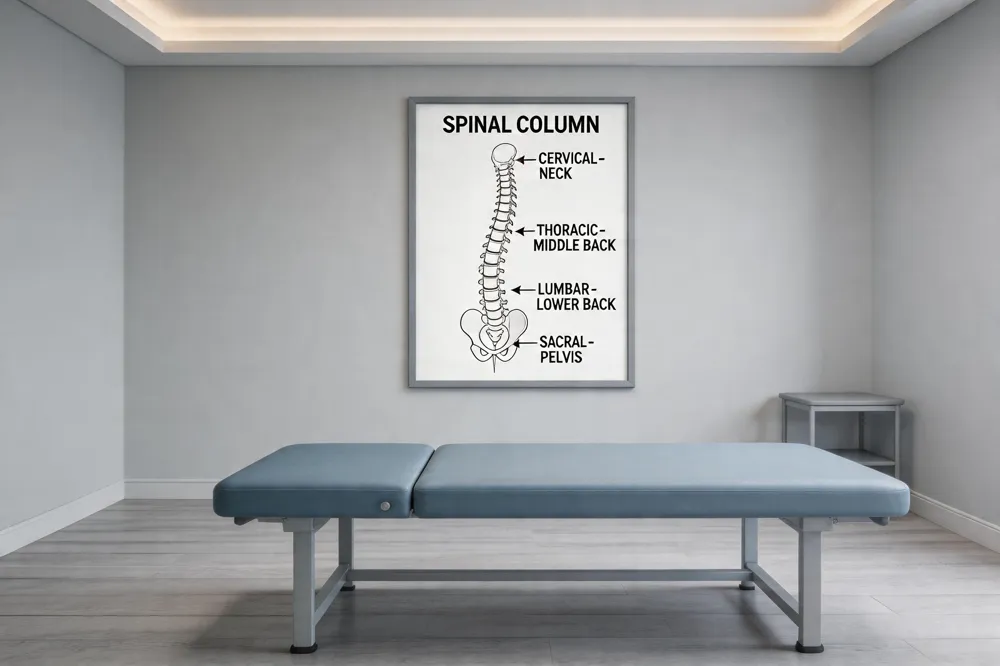
How Chiropractic Treatments Reduce Inflammation and Speed Up Back Pain Recovery

Real‑Life Stories: How Chiropractic Helped Patients Overcome Chronic Back Pain
From Symptom Masking to Root‑Cause Healing: A Practical Guide

6 Holistic Non‑Surgical Treatments That Deliver Sustainable Back‑Pain Relief

Key Questions to Ask When Selecting Your Chiropractor

Mindful Movement: Incorporating Stretch Breaks Into a Busy Day

Why Targeting the Underlying Cause Beats Temporary Symptom Relief

8 Ways Physiotherapy Complements Chiropractic Adjustments for Faster Recovery

Meal Planning for Athletes Recovering from Back Injuries

9 Everyday Lifestyle Tweaks to Preserve a Healthy Spine and Prevent Pain

Functional Movement Screening for Root‑Cause Pain Identification

6 Things You’ll Experience During Your First Chiropractic Appointment

Spinal Decompression vs. Standard Physical Therapy for Sciatica: A Comparative Review

New Findings on How Adjustments Influence Blood Circulation
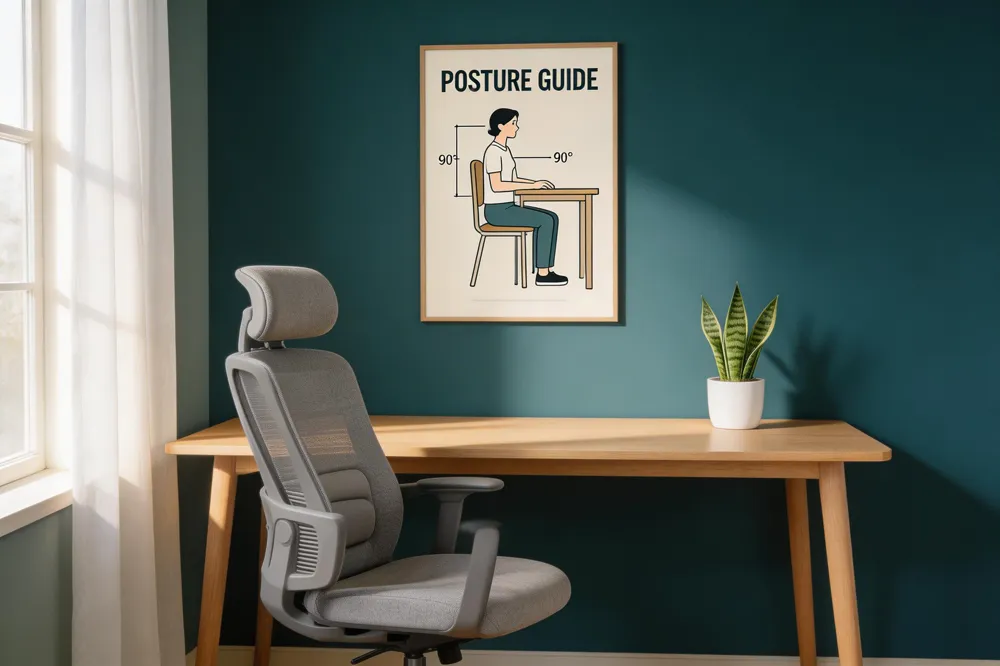
Work‑From‑Home Ergonomics: A Blueprint for a Pain‑Free Back

The Link Between Chiropractic Care and Improved Sleep Quality

Physiotherapy Techniques That Strengthen the Benefits of Chiropractic Adjustments

Biomechanical Insights Behind Successful Spinal Decompression

Desk‑to‑Dumbbell: Lifestyle Shifts That Guard Your Lower Back

10 Corrective Exercises for Sustainable Pain-Free Living

Morning Routines That Support Spine Health and Reduce Stiffness

Calcium and Magnesium‑Focused Nutrition for Bone Density and Spine Health

9 Ways Chiropractic Care Transforms Back Pain Management

Testimonial: Nutrition‑Guided Recovery Accelerated by Chiropractic

Science‑Backed Spinal Decompression for Relieving Sciatica Symptoms

Key Questions to Ask During Your Initial Chiropractic Consultation

Whole‑Body Wellness Blueprint: Nutrition, Exercise, and Chiropractic Synergy

A 12‑Week Corrective Exercise Blueprint for Chronic Neck Discomfort

Manual Therapy Plus Targeted Exercise: Accelerating Post‑Injury Recovery

Home‑Based Spinal Decompression Devices: What Patients Should Know

Chiropractic Care Statistics: Reducing Lost Workdays From Back Pain

How Targeted Nutrition Enhances Immune Function and Lowers Inflammatory Pain

Self‑Assessment Tools to Identify Hidden Triggers of Back Pain

Preparing for Your First Chiropractic Appointment: A Practical Checklist

Back Pain Relief Benefits: Lower Opioid Use and Better Quality of Life

Foam‑Rolling Techniques to Complement Chiropractic Adjustments

Progressive Overload Principles in Corrective Exercise Programs

Six‑Month Transformation: Integrated Care Success Story

7 Nutritional Hacks to Boost Your Overall Wellness

How to Choose a Chiropractor: Credentials, Techniques, and Patient Compatibility

5 Ways Spinal Decompression Can Ease Sciatica Pain

Overcoming Sciatica: A Patient’s Multidisciplinary Treatment Journey

Lifestyle Changes That Promote a Healthy Spine
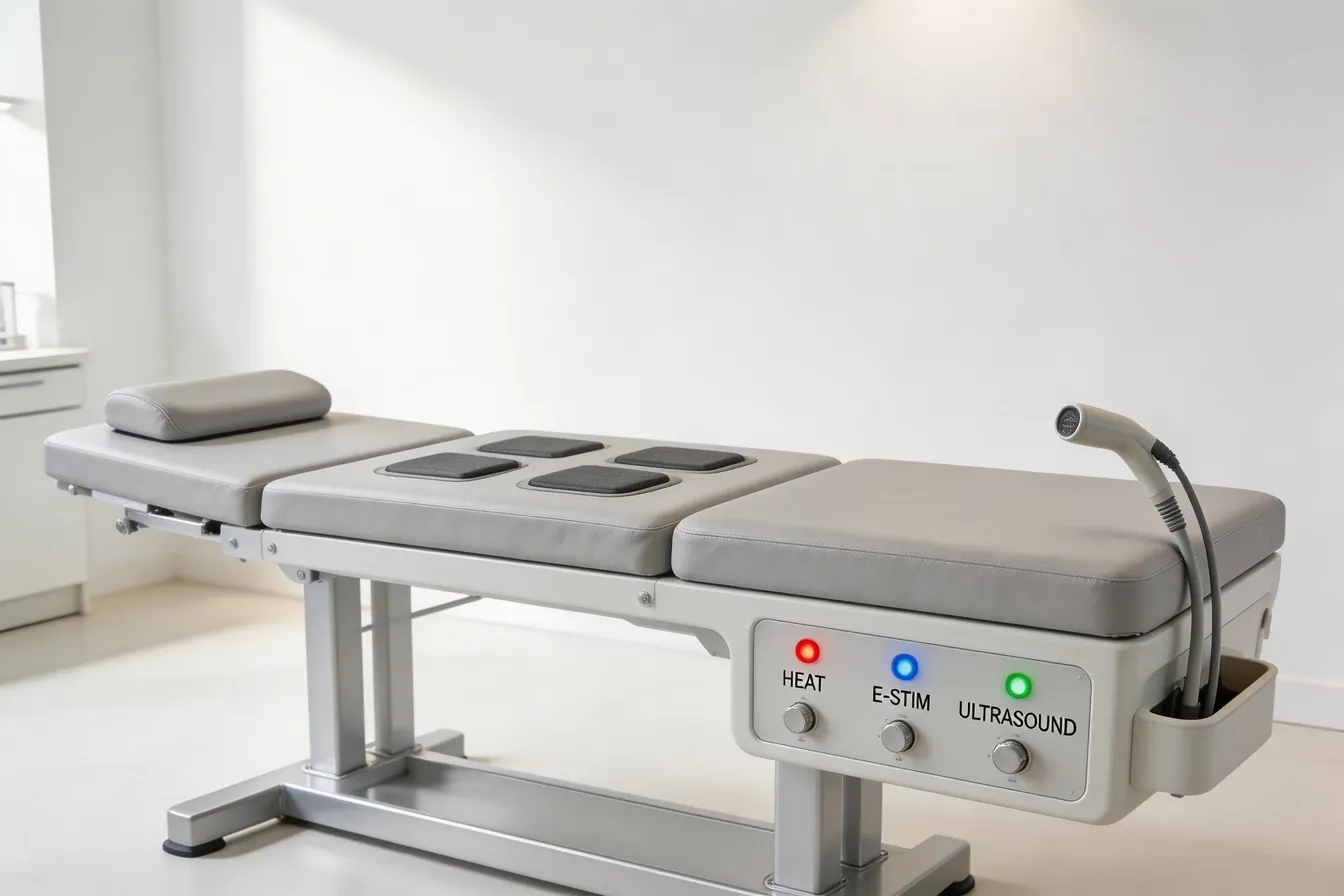
Physiotherapy as a Complement to Chiropractic Treatments

6 Ways Physiotherapy Enhances Chiropractic Treatment Outcomes

Daily Living Tips for a Strong and Healthy Spine

How Physiotherapy Enhances Chiropractic Outcomes
Holistic Treatments: Alternatives to Surgery for Pain Relief

Inspiring Patient Success Stories from Chiropractic Clinics

Integrating Physiotherapy with Chiropractic Treatments
Corrective Exercise Routines for Chronic Pain Prevention
10 Corrective Exercises to Maintain a Healthy Spine and Relieve Pain

Exercise Strategies for Long-Term Pain Management
10 Corrective Exercises to Maintain a Healthy Spine and Relieve Pain

The Importance of Treating the Root Cause of Pain

Nutritional Support Strategies for Whole-Body Wellness
7 Essential Questions to Ask When Choosing Your Chiropractor

Identifying and Addressing Root Causes of Pain

Maintaining a Healthy Spine with Lifestyle Adjustments
Sciatica Symptom Relief via Spinal Decompression

8 Reasons Why Addressing the Root Cause of Pain Is Crucial

Chiropractic Care’s Impact on Back Pain Recovery

Combining Physiotherapy with Chiropractic Care for Better Results

Inspiring Recovery: Chiropractic Patient Testimonials
Nutritional Counseling Tips for Optimal Wellness

Why Addressing the Root Cause of Pain is Crucial

Back Pain and Chiropractic Care: A Winning Combination

Chiropractic Care Benefits You Might Not Know
Exploring Holistic and Non-Surgical Treatments for Pain
Spinal Health: Lifestyle Tips for Everyday Wellness
Spinal Decompression Therapy: Benefits and Applications
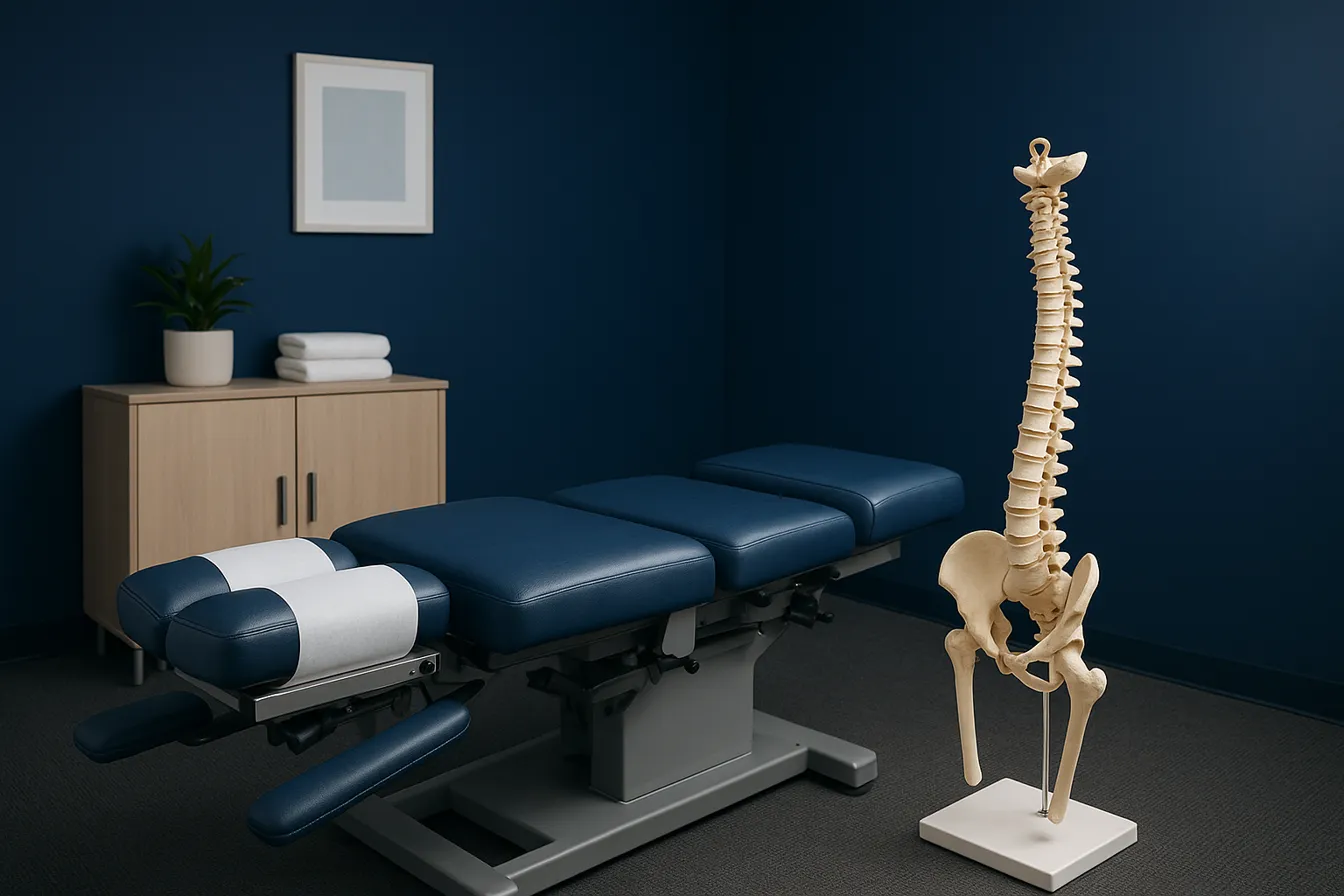
Holistic and Non-Invasive Spine Care Options
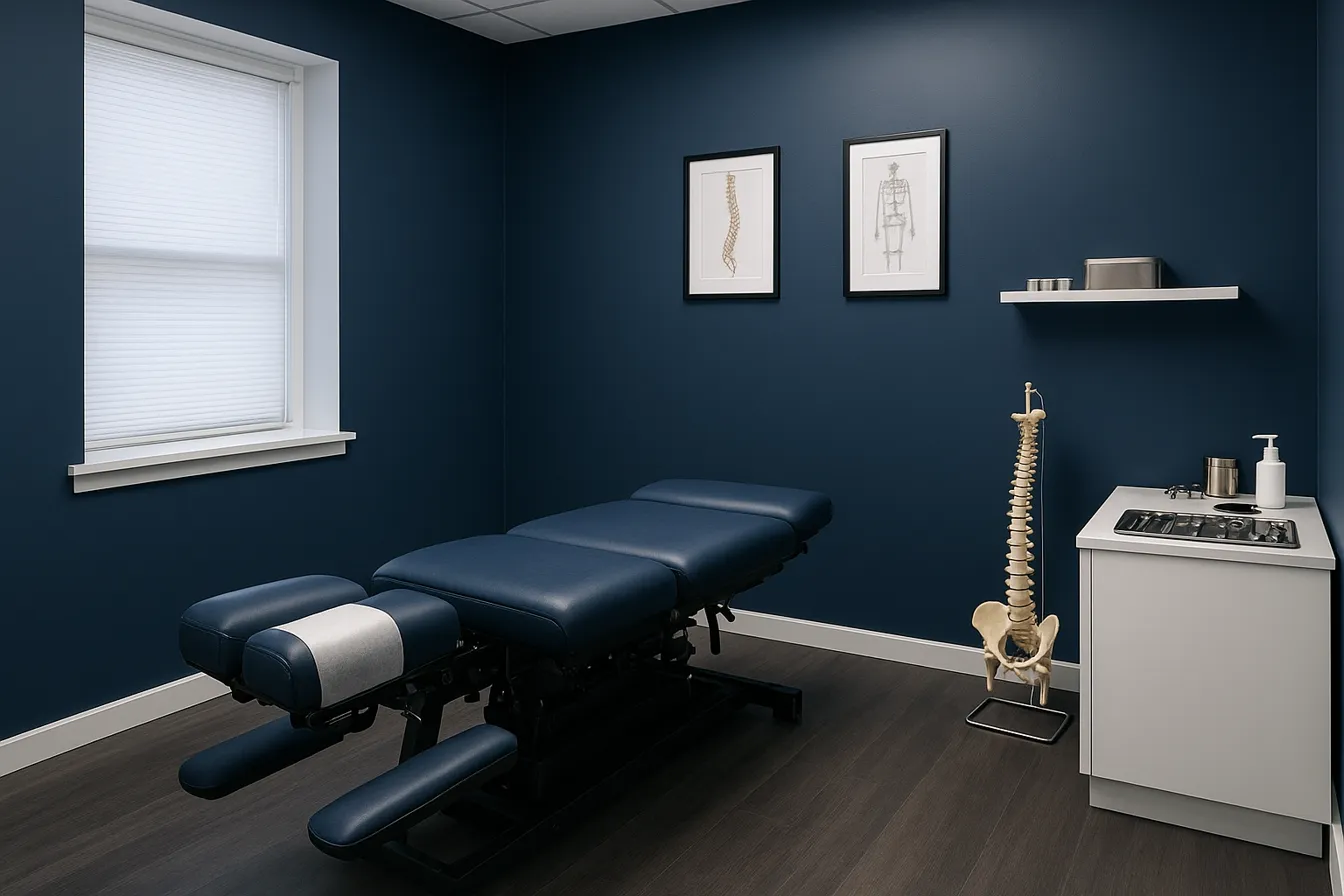
Everyday Lifestyle Advice to Keep Your Spine Healthy
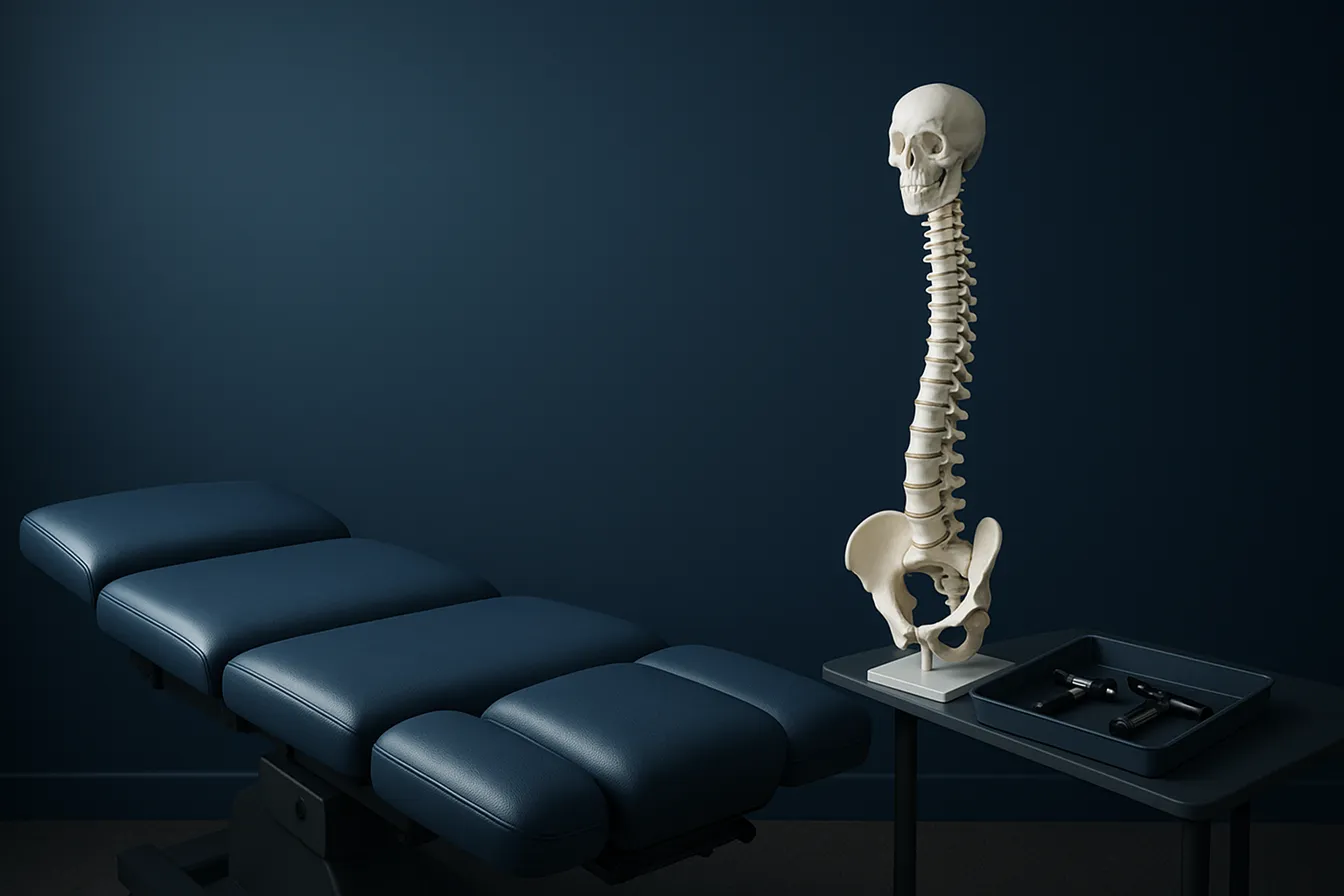
The Significance of Treating Root Causes in Pain Therapy
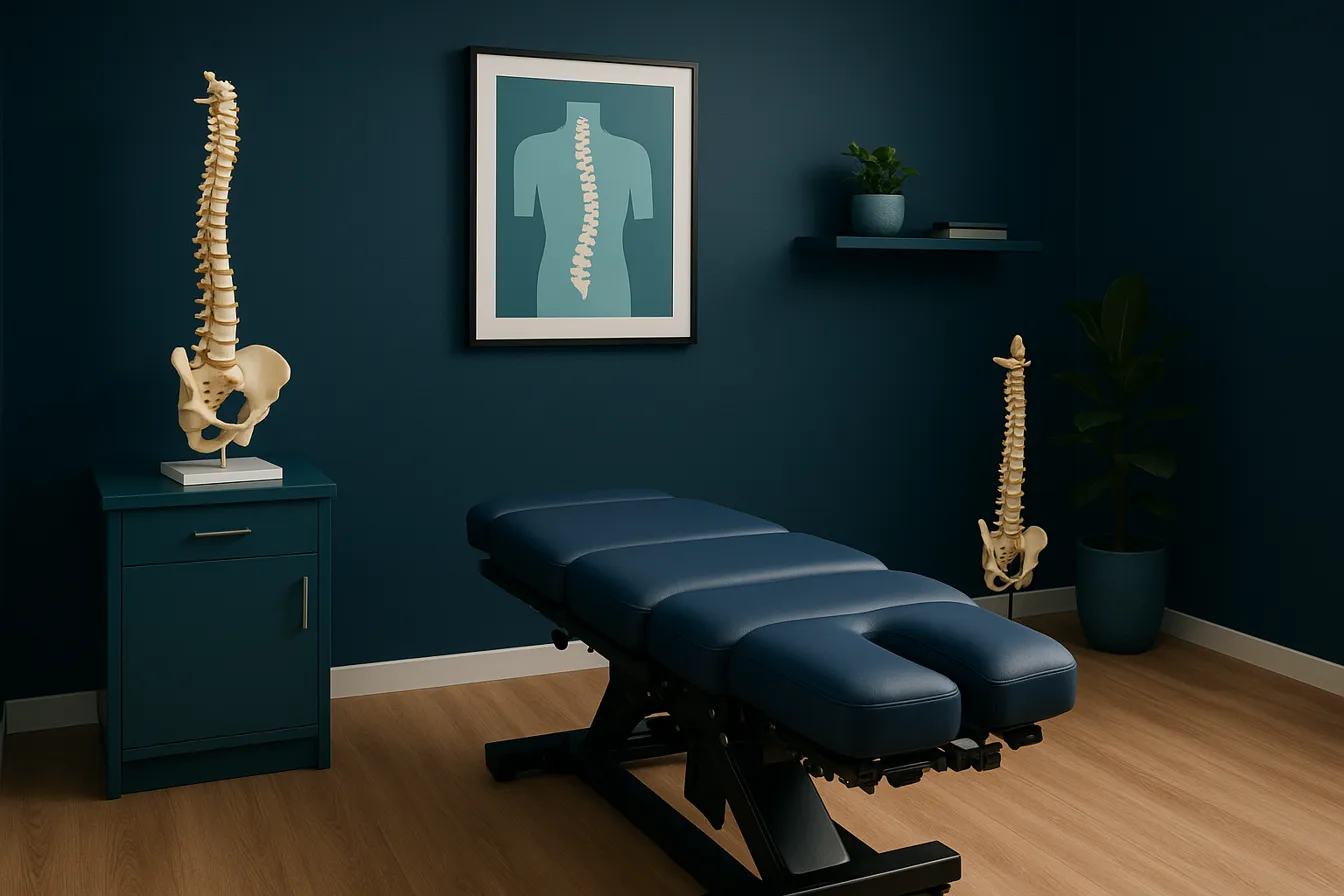
Best Corrective Exercises for Sustainable Pain Management

Addressing Underlying Causes of Pain for Long-Term Relief

6 Key Benefits of Spinal Decompression Therapy for Sciatica Relief

How Nutritional Counseling Supports Spine Health and Recovery

The Role of Physiotherapy in Supporting Chiropractic Treatments