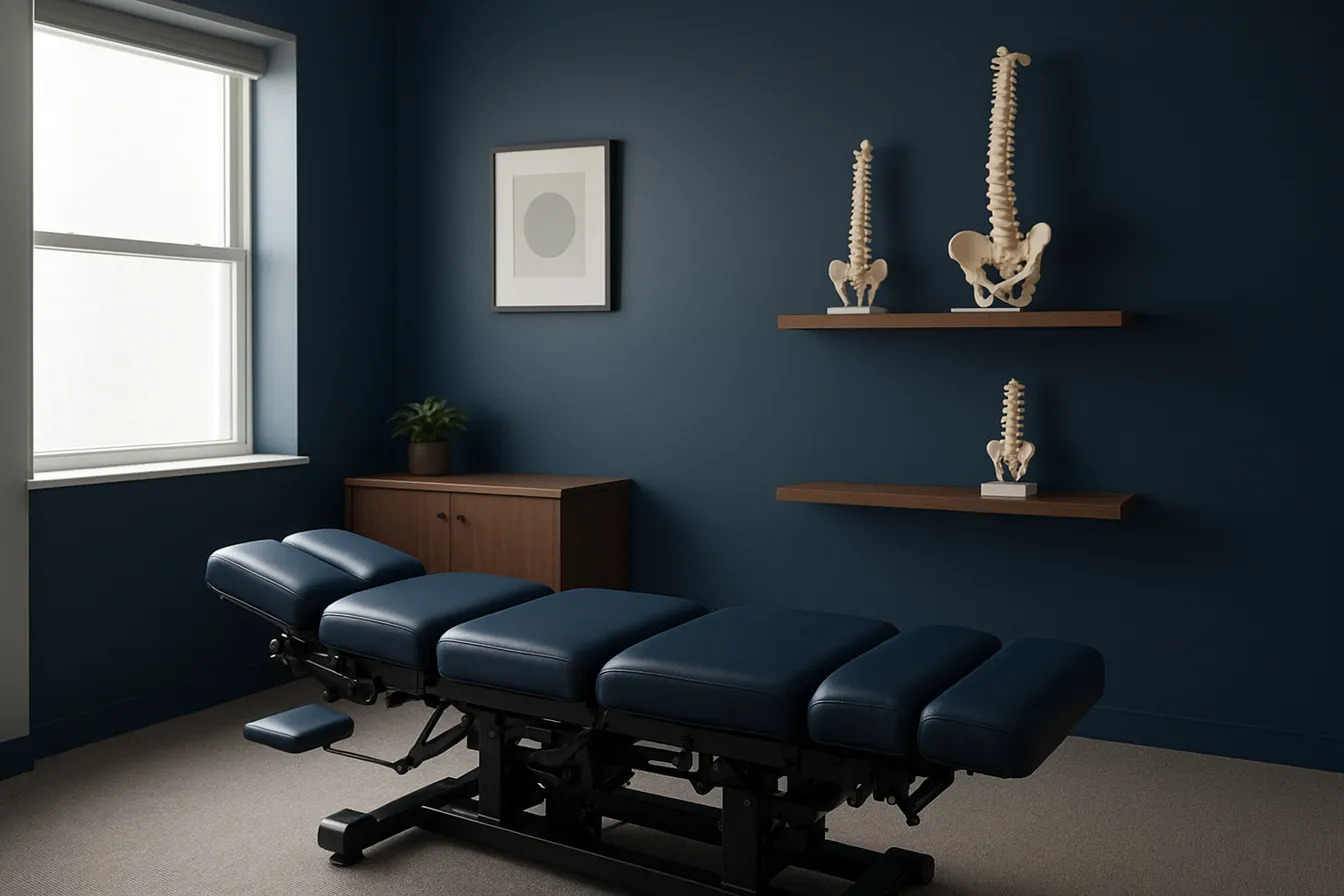
Beyond Surgery: Holistic Approaches to Managing Back Pain
May 4, 2026
8 min

Why a Holistic View Matters
Prevalence of chronic back pain
Chronic back pain, defined as pain lasting three months or longer, is a widespread health issue. It affects over 80% of U.S. adults at some point in their lives and more than 50 million adults in the United States at any given time. Low back pain is a leading cause of disability worldwide and a primary reason for missed work, resulting in substantial economic costs and reduced quality of life.
Limitations of surgical approaches
Spine surgery is rarely necessary for most back pain cases. Research indicates that over 90% of patients with back or neck pain achieve significant improvement through non-surgical, multidisciplinary treatment plans. Surgery should only be considered a last resort after conservative treatments have been exhausted and when specific red-flag symptoms—such as new bowel or bladder dysfunction, severe limb weakness, or gait problems—are present. Many patients receive unnecessary surgical procedures and painkillers, rather than being encouraged to stay active and work, which is evidence-based for recovery.
Benefits of integrated, non‑invasive care
A holistic approach integrates physical, mental, nutritional, and lifestyle strategies to improve function and quality of life while minimizing reliance on invasive procedures. Evidence shows that combining chiropractic care, physical therapy, exercise, nutrition, mindfulness practices, and lifestyle modifications can effectively manage chronic back pain without surgery. Patients who receive a comprehensive, multidisciplinary treatment program report higher satisfaction scores and better long-term outcomes than those receiving single-modal care. This integrated model addresses the root causes of pain rather than just symptoms, leading to sustained relief and reduced recurrence.
Understanding Chronic Back Pain

Chronic back pain is defined as pain that persists for three months or longer, often fluctuating in intensity but lasting beyond the normal healing period for an acute injury. The most frequent structural contributors include spinal arthritis, spinal stenosis, herniated or bulging intervertebral discs, and myofascial pain syndrome, all of which can compromise spinal stability and irritate nerves. While most cases are non‑specific, certain red‑flag symptoms signal a possible need for surgical evaluation: new bowel or bladder dysfunction, progressive limb weakness, gait disturbances, abnormal reflexes, or any sudden loss of sensation. These warning signs suggest serious neurological compromise or structural lesions that may require prompt imaging and multidisciplinary assessment before considering operative intervention. Early identification of red‑flags, combined with a holistic, patient‑centered approach—such as chiropractic adjustments, targeted exercise, mindfulness, and nutrition—can often prevent escalation and keep treatment non‑invasive.
Foundations of Non‑Surgical Care
Physical therapy is widely regarded as the most common nonsurgical treatment for back pain. Trained therapists design individualized programs that combine core‑strengthening, flexibility stretching, posture education, and low‑impact aerobic exercise. Manual techniques such as soft‑tissue mobilization, massage, or transcutaneous electrical nerve stimulation may be added, but the core goal is to restore function and prevent recurrence without invasive procedures.
Core strengthening builds a stable lumbar platform, while regular flexibility work reduces muscular tightness that can pull the spine out of alignment. Posture retraining—whether at a desk, during daily chores, or while sleeping—helps distribute loads evenly across vertebrae, minimizing wear on discs and facet joints.
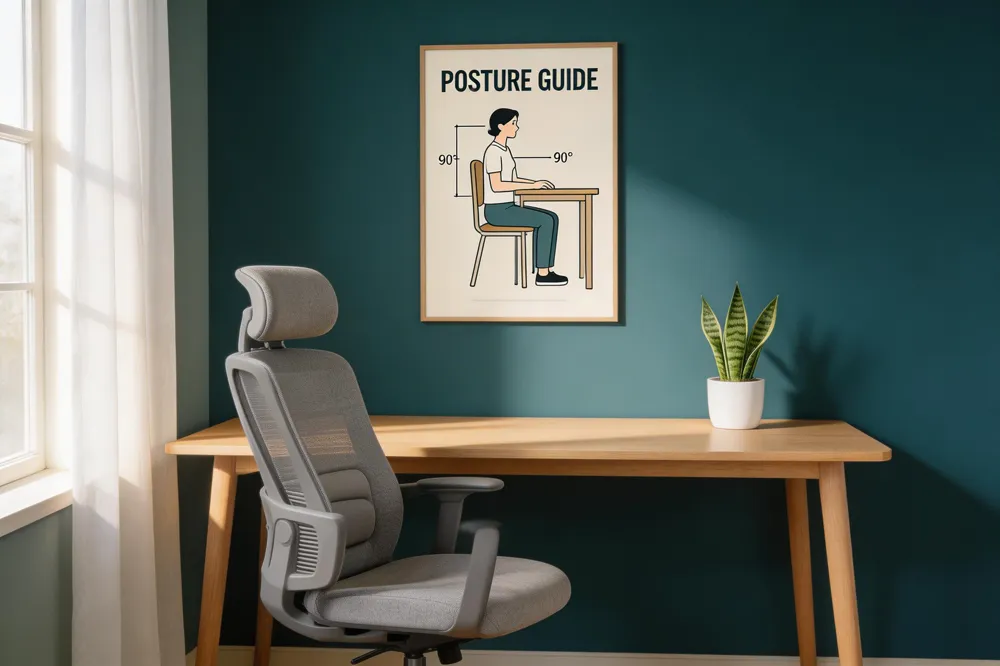
Lifestyle modifications reinforce these therapeutic gains. Pacing activities and taking brief breaks during prolonged tasks prevent flare‑ups; ergonomic adjustments at workstations, proper lifting mechanics, and a smoke‑free environment further protect spinal health. Maintaining a healthy weight through balanced nutrition and regular movement reduces mechanical stress on the lumbar spine and lowers systemic inflammation.
When integrated with chiropractic adjustments, mindfulness practices such as yoga or meditation, and anti‑inflammatory dietary choices, these evidence‑based strategies form a patient‑centered, holistic plan that promotes lasting relief and functional independence.
Chiropractic Care: Safety and Efficacy

Is chiropractic safe for lower back pain? Understanding the evidence for spinal manipulation
Yes, chiropractic care is widely considered safe for lower back pain when performed by a licensed professional. Spinal manipulation, also known as a chiropractic adjustment, involves applying a controlled force to a joint to improve spinal motion and ease pain. Research from major medical centers like the Mayo Clinic and Duke Health confirms it can effectively reduce pain and improve function for acute and chronic low back pain, often helping patients avoid stronger medications or surgery.
How does spinal manipulation work and what are its benefits?
The procedure typically realigns vertebrae, relieves nerve pressure, and reduces muscle tension. This can provide immediate relief and improved mobility by modulating pain pathways. A major benefit highlighted in studies is that chiropractic care reduces the likelihood of needing opioid prescriptions, offering a safer pathway for pain management.
What conditions preclude chiropractic adjustments?
While serious complications are rare, chiropractic care is not suitable for everyone. Absolute contraindications include severe osteoporosis, spinal tumors, recent fractures, infections, or a high risk of stroke. Patients with significant nerve compression or cauda equina syndrome symptoms require immediate medical referral.
| Condition | Safety & Efficacy for Chiropractic | Contraindication (When to Avoid) |
|---|---|---|
| Acute Low Back Pain (< 4 weeks) | High efficacy; strongly recommended as first-line therapy | Severe osteoporosis or recent fracture |
| Chronic Low Back Pain (> 3 months) | Effective in reducing pain and disability; can reduce opioid use | Spinal tumor, infection, or cauda equina syndrome |
| Neck Pain | Moderate evidence for benefit; reduces headache frequency | High stroke risk factors or vascular issues in neck |
| Sciatica / Herniated Disc | Can reduce pain and avoid surgery for some patients | Progressive limb weakness or bowel/bladder dysfunction |
| Post-Injury Pain | Promotes faster recovery by restoring joint function | Acute inflammatory stage or suspected fracture |
Common minor side effects like temporary soreness, headache, or fatigue typically resolve within 24 hours, making chiropractic a low-risk, non-invasive option.
Mind‑Body and Lifestyle Strategies
A truly holistic back‑pain program blends mind‑body practices, nutrition, sleep, and ergonomics to address the physical and emotional contributors to chronic discomfort.
Mindfulness practices – Regular yoga, tai chi, and meditation have repeatedly shown reductions in pain intensity and improvements in functional outcomes. These low‑impact movements enhance core stability, flexibility, and postural awareness, while the meditative component lowers stress hormones that can amplify muscle tension and pain perception.
Anti‑inflammatory diet and weight management – Consuming a diet rich in fruits, leafy greens, fatty fish, nuts, and whole grains while limiting trans fats, refined sugars, and processed foods reduces systemic inflammation—a known driver of back pain. Maintaining a healthy weight lessens mechanical load on the lumbar spine and disc structures, further easing discomfort.
**Sleep hygiene and ergonomics** – Adequate restorative sleep (7–9 hours) supports tissue repair and modulates inflammatory markers. Pairing good sleep with ergonomic adjustments—such as a supportive mattress, neutral‑spine sleeping positions, and a workstation that promotes neutral posture—prevents strain and promotes spinal alignment throughout the day.
Natural remedies – Herbal anti‑inflammatory agents like turmeric (curcumin) and ginger, heat or cold therapy, and low‑impact aerobic activity (walking, swimming) complement the above strategies. Always discuss supplements and new modalities with a qualified health professional before implementation.
Fast Relief at Home and Managing Severe Pain
How can I relieve severe lower back pain?
For severe lower back pain, the first step is brief rest, but avoid staying in bed for more than a day. Over‑the‑counter NSAIDs like ibuprofen can reduce inflammation and provide relief. Apply ice packs for 20 minutes at a time during the first 48 hours to curb swelling, then switch to a heating pad to relax stiff muscles. Gentle movements are crucial: try knee‑to‑chest stretches, cat‑cow poses, and bridges to maintain mobility without straining the spine. If pain persists or intensifies, consult a chiropractor for a personalized plan that may include spinal adjustments and a progressive exercise program.
How can I relieve back pain fast at home?
Quick home relief begins with ice therapy for the initial 48 hours, followed by gentle heat. Avoid prolonged bed rest; instead, take short walks and perform light stretches like knee‑to‑chest and cat‑cow. OTC NSAIDs help control pain and swelling. Sleep in a fetal position with a pillow between your knees or place a rolled towel under your knees when lying on your back to keep your spine aligned. If discomfort persists, schedule a chiropractic evaluation for targeted adjustments and ongoing self‑care guidance.
Choosing the Right Practitioner and Integrated Care

When looking for a chiropractor near you, start by confirming the practitioner’s license and experience with your specific condition—whether it’s spinal arthritis, herniated discs, or myofascial pain syndrome. A reputable clinic will offer a personalized home‑exercise program, education on posture, nutrition, and lifestyle, and transparent communication about referrals if a case falls outside the scope of non‑surgical care. StateCh quality at the integrates from. distinguished differ from Physical therapy. chiropractic uses manual spinal adjustments to correct misalignments, reduce nerve irritation, and provide rapid pain relief, while physical therapy emphasizes core strengthening, flexibility, and movement re‑education for long‑term stability. Many patients achieve the best outcomes when adjustments are followed by PT‑guided exercises that reinforce spinal support. A truly holistic plan often blends massage, acupuncture, and other modalities with chiropractic care. Massage loosens tight muscles before an adjustment, enhancing joint range and reducing soreness; acupuncture or biofeedback can modulate pain pathways and lower stress‑related tension. Female‑specific lower‑back pain may involve hormonal or pelvic‑floor factors. In addition to spinal adjustments, tailored core‑strengthening exercises, pelvic‑floor therapy, anti‑inflammatory nutrition, and weight‑management strategies address the unique needs of women, while ensuring safe, drug‑free relief.
Comprehensive Chronic Back Pain Management
A modern, multimodal, non‑surgical plan begins with a personalized physical‑therapy program that emphasizes core strengthening, flexibility, posture retraining, low‑impact aerobic activity. These exercises are reinforced by a home‑exercise routine and are often complemented by chiropractic adjustments that realign vertebrae, reduce nerve irritation, and promote natural healing. Mind‑body therapies—meditation, yoga, tai chi—address the emotional stress of chronic pain, while mindfulness‑based stress‑reduction techniques lower muscle tension and improve pain coping. Nutrition plays a pivotal role; an anti‑inflammatory diet rich in lean proteins, fruits, vegetables, omega‑3 fatty acids and low in trans fats and refined sugars supports weight management and reduces systemic inflammation that can aggravate spinal structures. Lifestyle modifications such as ergonomic workstations, regular movement breaks, proper lifting techniques, smoking cessation, and adequate sleep further protect the spine. When these conservative measures fail, red‑flag symptoms (e.g., bowel/bladder dysfunction, progressive weakness) or imaging‑confirmed structural abnormalities may prompt surgical evaluation. However, surgery remains a last resort after a thorough, patient‑centered trial of the integrated therapies described above, aiming to achieve lasting relief with minimal risk.
Embracing a Surgery‑Free Future
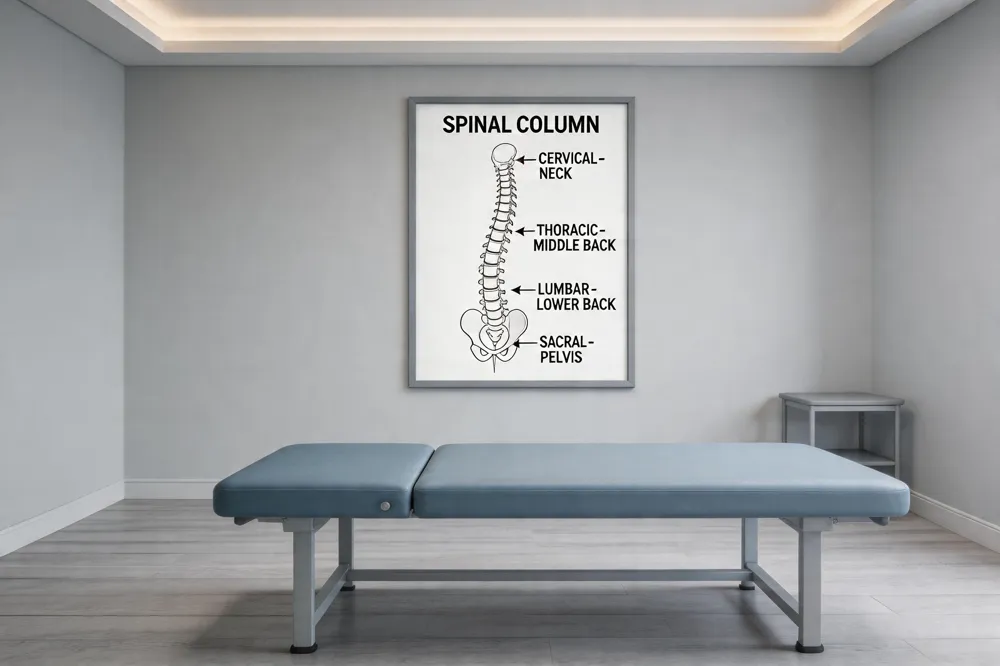
Empowering patients begins with clear education about anatomy, posture, and the role of daily habits in back health. When individuals understand how core strength, ergonomic workstations, and mindful movement protect the spine, they can take proactive self‑care steps—regular stretching, low‑impact aerobic activity, and anti‑inflammatory nutrition—to prevent flare‑ups and reduce reliance on medication. A holistic, patient‑centered plan that blends chiropractic adjustments, therapeutic exercise, massage, and mind‑body practices not only eases current pain but also builds lasting spinal stability, improves sleep quality, and lowers systemic inflammation, delivering long‑term functional benefits. To experience this integrated approach, schedule a consultation at Back in Action Bodyworks in Torrance, CA, where personalized, drug‑free treatment plans are designed to keep you active, pain‑free, and surgery‑free.
Recent articles

10 Real‑Patient Success Stories Showcasing the Impact of Chiropractic Care

Superfoods That Boost Nerve Healing After Chiropractic Sessions

Sleep Positions That Promote a Healthy Back Alignment
Signs Your Chiropractor Is a Good Fit for Your Back Pain Goals

Case Study: Integrated Physiotherapy and Chiropractic for Faster Recovery
First-Time Chiropractic Visit: A Step‑by‑Step Walkthrough
Synergistic Benefits: Combining Physiotherapy with Chiropractic Care
Beyond Surgery: Holistic Approaches to Managing Back Pain

How Manual Therapy Enhances the Effects of Chiropractic Adjustments

Hydration Hacks: Why Water Matters for Joint and Spine Function

What Does a Comprehensive Spinal Evaluation Include?

Success Spotlight: Transformative Results After Six Weeks of Chiropractic Treatment

Understanding the Initial Assessment Process in Chiropractic Care

Designing a Personalized Corrective Exercise Plan for Chronic Pain Management

Natural Pain Management: Combining Acupuncture, Yoga, and Chiropractic
Chiropractic Care vs. Pain Meds: Long-Term Outcomes for Back Pain Sufferers

What to Expect During a Sciatica‑Focused Decompression Session

Understanding the Pain-Relief Mechanics Behind Chiropractic Adjustments

Success Rates of Non‑Surgical Spinal Decompression for Sciatica

Patient-Centered Chiropractic Care: Personalized Plans for Back Pain Relief
How Chiropractic Treatments Reduce Inflammation and Speed Up Back Pain Recovery

Real‑Life Stories: How Chiropractic Helped Patients Overcome Chronic Back Pain

From Symptom Masking to Root‑Cause Healing: A Practical Guide

6 Holistic Non‑Surgical Treatments That Deliver Sustainable Back‑Pain Relief

Key Questions to Ask When Selecting Your Chiropractor

Mindful Movement: Incorporating Stretch Breaks Into a Busy Day

Why Targeting the Underlying Cause Beats Temporary Symptom Relief

8 Ways Physiotherapy Complements Chiropractic Adjustments for Faster Recovery
Meal Planning for Athletes Recovering from Back Injuries

9 Everyday Lifestyle Tweaks to Preserve a Healthy Spine and Prevent Pain

Functional Movement Screening for Root‑Cause Pain Identification

6 Things You’ll Experience During Your First Chiropractic Appointment

Spinal Decompression vs. Standard Physical Therapy for Sciatica: A Comparative Review

New Findings on How Adjustments Influence Blood Circulation
Work‑From‑Home Ergonomics: A Blueprint for a Pain‑Free Back

The Link Between Chiropractic Care and Improved Sleep Quality

Physiotherapy Techniques That Strengthen the Benefits of Chiropractic Adjustments

Biomechanical Insights Behind Successful Spinal Decompression

Desk‑to‑Dumbbell: Lifestyle Shifts That Guard Your Lower Back

10 Corrective Exercises for Sustainable Pain-Free Living

Morning Routines That Support Spine Health and Reduce Stiffness

Calcium and Magnesium‑Focused Nutrition for Bone Density and Spine Health

9 Ways Chiropractic Care Transforms Back Pain Management

Testimonial: Nutrition‑Guided Recovery Accelerated by Chiropractic
Science‑Backed Spinal Decompression for Relieving Sciatica Symptoms

Key Questions to Ask During Your Initial Chiropractic Consultation
Whole‑Body Wellness Blueprint: Nutrition, Exercise, and Chiropractic Synergy

A 12‑Week Corrective Exercise Blueprint for Chronic Neck Discomfort

Manual Therapy Plus Targeted Exercise: Accelerating Post‑Injury Recovery
Home‑Based Spinal Decompression Devices: What Patients Should Know

Chiropractic Care Statistics: Reducing Lost Workdays From Back Pain

How Targeted Nutrition Enhances Immune Function and Lowers Inflammatory Pain

Self‑Assessment Tools to Identify Hidden Triggers of Back Pain
Preparing for Your First Chiropractic Appointment: A Practical Checklist

Back Pain Relief Benefits: Lower Opioid Use and Better Quality of Life

Foam‑Rolling Techniques to Complement Chiropractic Adjustments

Progressive Overload Principles in Corrective Exercise Programs

Six‑Month Transformation: Integrated Care Success Story

7 Nutritional Hacks to Boost Your Overall Wellness

How to Choose a Chiropractor: Credentials, Techniques, and Patient Compatibility

5 Ways Spinal Decompression Can Ease Sciatica Pain

Overcoming Sciatica: A Patient’s Multidisciplinary Treatment Journey
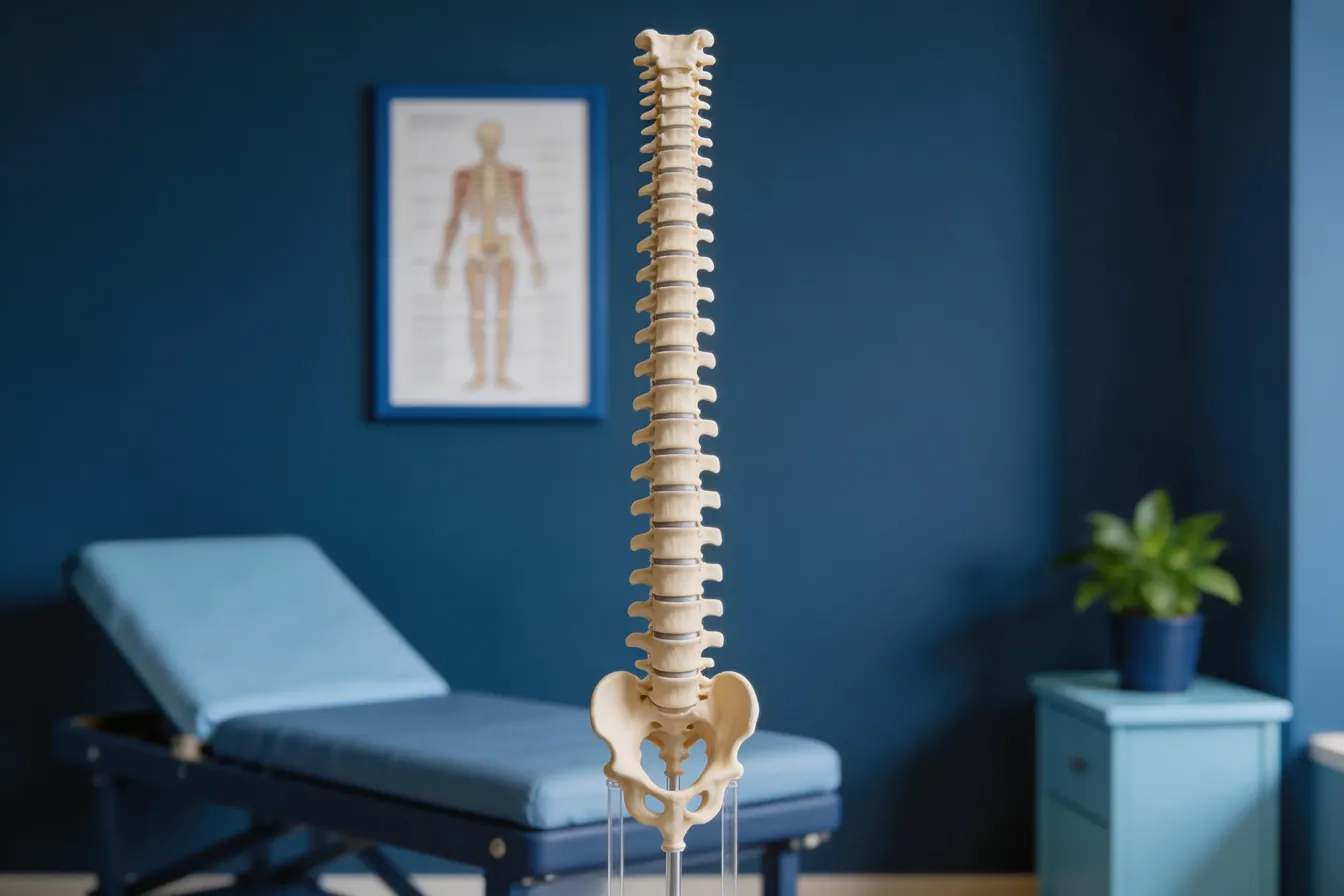
Lifestyle Changes That Promote a Healthy Spine
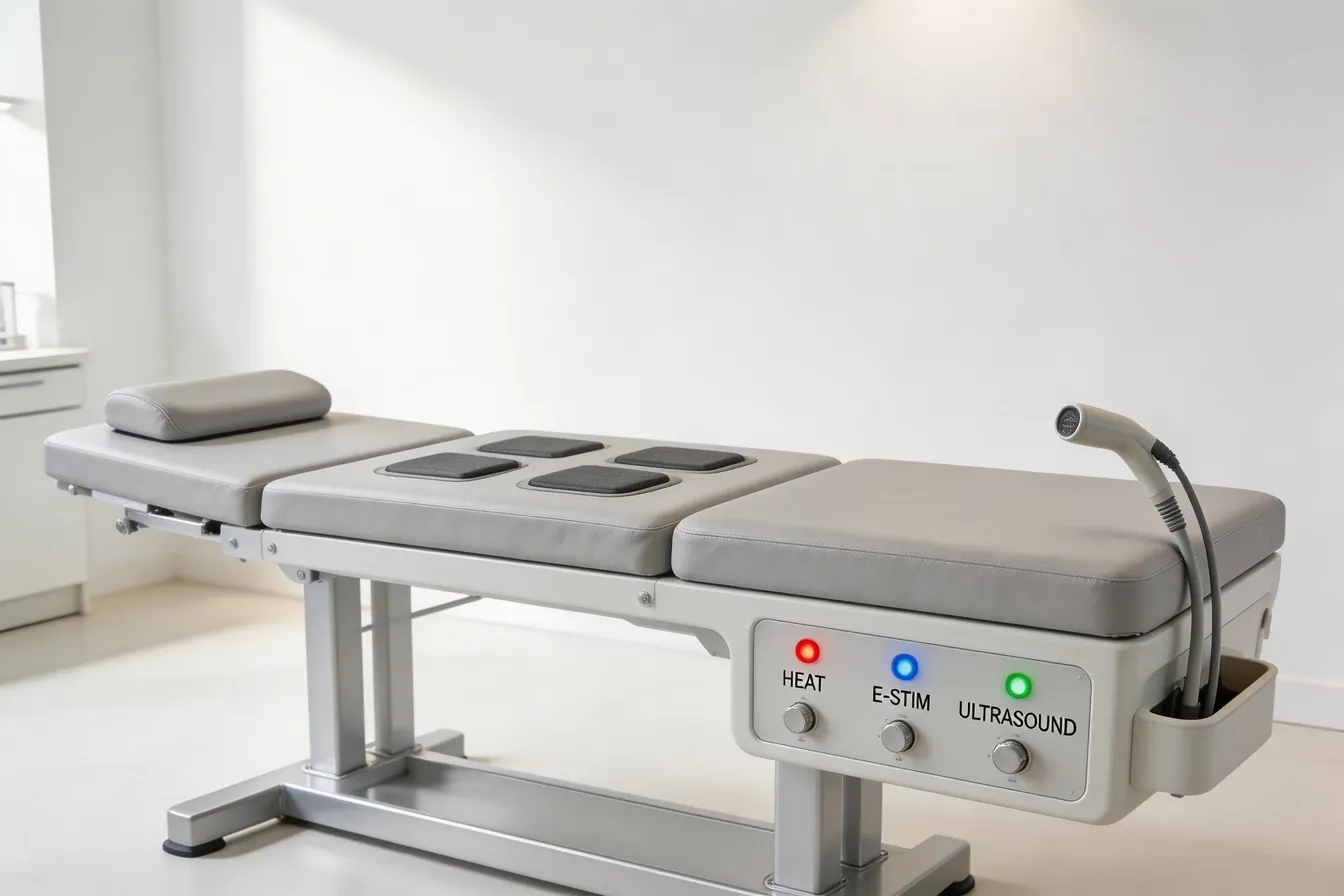
Physiotherapy as a Complement to Chiropractic Treatments
6 Ways Physiotherapy Enhances Chiropractic Treatment Outcomes

Daily Living Tips for a Strong and Healthy Spine
How Physiotherapy Enhances Chiropractic Outcomes
Holistic Treatments: Alternatives to Surgery for Pain Relief
Inspiring Patient Success Stories from Chiropractic Clinics
Integrating Physiotherapy with Chiropractic Treatments
Corrective Exercise Routines for Chronic Pain Prevention
10 Corrective Exercises to Maintain a Healthy Spine and Relieve Pain
Exercise Strategies for Long-Term Pain Management
10 Corrective Exercises to Maintain a Healthy Spine and Relieve Pain
The Importance of Treating the Root Cause of Pain
Nutritional Support Strategies for Whole-Body Wellness
7 Essential Questions to Ask When Choosing Your Chiropractor
Identifying and Addressing Root Causes of Pain
Maintaining a Healthy Spine with Lifestyle Adjustments
Sciatica Symptom Relief via Spinal Decompression
8 Reasons Why Addressing the Root Cause of Pain Is Crucial
Chiropractic Care’s Impact on Back Pain Recovery

Combining Physiotherapy with Chiropractic Care for Better Results
Inspiring Recovery: Chiropractic Patient Testimonials
Nutritional Counseling Tips for Optimal Wellness

Why Addressing the Root Cause of Pain is Crucial
Back Pain and Chiropractic Care: A Winning Combination

Chiropractic Care Benefits You Might Not Know
Exploring Holistic and Non-Surgical Treatments for Pain
Spinal Health: Lifestyle Tips for Everyday Wellness
Spinal Decompression Therapy: Benefits and Applications
Holistic and Non-Invasive Spine Care Options
Everyday Lifestyle Advice to Keep Your Spine Healthy
The Significance of Treating Root Causes in Pain Therapy
Best Corrective Exercises for Sustainable Pain Management
Addressing Underlying Causes of Pain for Long-Term Relief
6 Key Benefits of Spinal Decompression Therapy for Sciatica Relief

How Nutritional Counseling Supports Spine Health and Recovery
The Role of Physiotherapy in Supporting Chiropractic Treatments