Whole‑Body Wellness Blueprint: Nutrition, Exercise, and Chiropractic Synergy
March 24, 2026
6 min

Welcome to Your Whole‑Body Wellness Journey
A holistic framework places the patient at the center of care, recognizing that musculoskeletal health, nutrition, and movement are interconnected components of lasting wellness. Chiropractic adjustments realign the spine, optimizing nervous‑system signaling and creating a stable platform for the body’s natural healing processes. When paired with a nutrient‑dense, anti‑inflammatory diet—rich in omega‑3s, lean protein, and antioxidants—cells receive the building blocks they need for tissue repair and reduced inflammation. Targeted exercise—core strengthening, aerobic conditioning, and mobility work—reinforces alignment, improves circulation, and sustains the benefits of each adjustment. This guide equips you with evidence‑based strategies to integrate spinal care, personalized nutrition, and purposeful movement, empowering you to achieve pain relief, enhanced function, and sustainable, whole‑body health.
Understanding the Whole‑Body Approach to Wellness

A whole‑body approach to wellness treats the individual as an integrated system of physical, mental, emotional, social, and spiritual dimensions. It recognizes that posture, movement, nutrition, stress levels, and mindset all interact, influencing each other and overall health. Practitioners assess lifestyle habits, environment, and personal values to identify imbalances and then apply targeted interventions—such as chiropractic care, exercise, mindfulness, and nutrition counseling—to restore harmony. By addressing both the body’s mechanics and the mind’s attitudes, the approach aims to prevent disease, reduce pain, and promote sustainable, balanced well‑being. This model emphasizes the interconnectedness of the five key pillars: nervous‑system regulation, mindset, movement, nourishment, and intuition. Chiropractic adjustments improve spinal alignment, enhancing nervous‑system function; regular aerobic and core‑strengthening exercise supports musculoskeletal stability; a diet rich in anti‑inflammatory foods provides the micronutrients needed for tissue repair; stress‑management techniques and positive mindset cultivate emotional resilience. Together, these elements create a personalized, patient‑centered plan that supports long‑term health and natural pain relief.
Designing a Holistic Wellness Plan
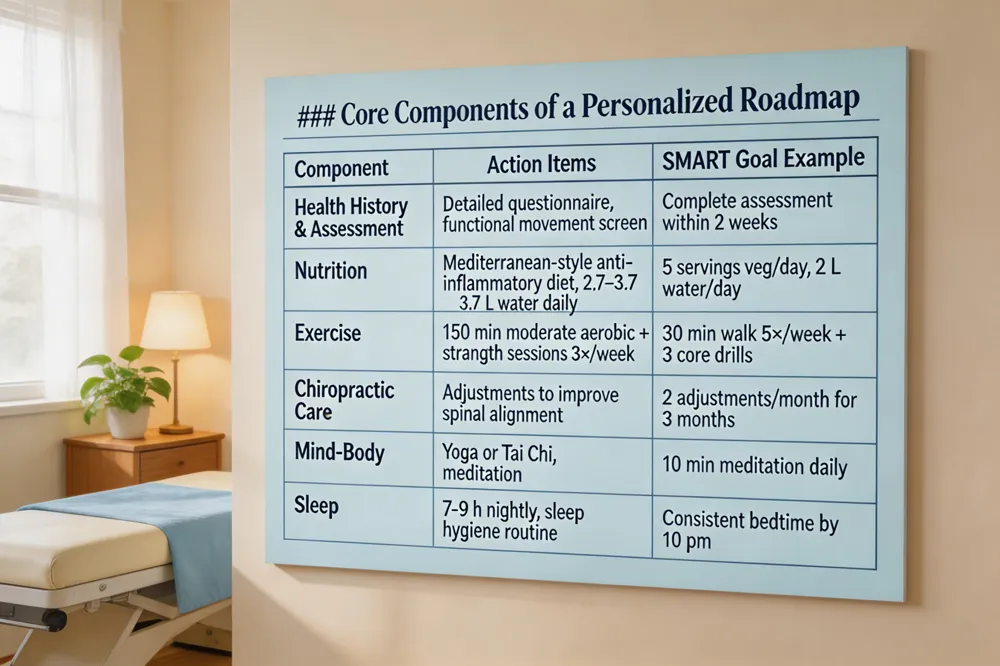 Personalized roadmap components – Begin with a detailed health history and functional assessment, then set SMART goals for nutrition, exercise, and lifestyle changes. Include regular chiropractic adjustments to improve spinal alignment and nervous‑system function, and pair them with therapeutic exercises that strengthen core stabilizers and enhance flexibility.
Integration of nutrition, sleep, movement, and preventive care – Adopt a Mediterranean‑style anti‑inflammatory diet rich in omega‑3s, vegetables, and lean protein to reduce systemic inflammation and support tissue repair after adjustments. Aim for 150 minutes of moderate aerobic activity weekly, plus strength‑training sessions that target the deep core. Prioritize 7‑9 hours of sleep and adequate hydration (≈2.7 L for women, 3.7 L for men) to maintain intervertebral disc health.
Mind‑body, social, occupational, and spiritual considerations – Incorporate mindfulness practices such as yoga or tai chi to lower stress hormones, improve posture, and enhance body awareness. Foster social connections through group classes or community events, and create a supportive environment at work with ergonomic assessments. Finally, allow space for spiritual or reflective practices that align with personal values, reinforcing overall well‑being and adherence to the wellness plan.
The Seven Pillars and Six Key Areas of Holistic Wellness
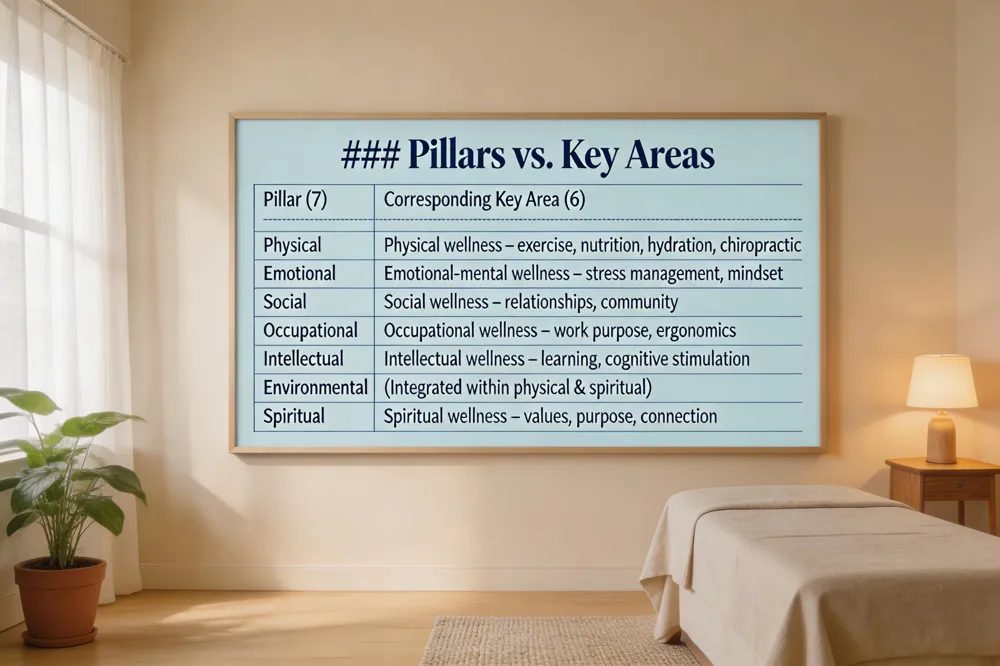 Holistic wellness is built on a framework of seven interlocking pillars—physical, emotional, social, occupational, intellectual, environmental, and spiritual well‑being. Physical health is supported by regular movement, balanced nutrition, adequate sleep, and preventive care such as chiropractic adjustments that improve spinal alignment and nervous‑system function. Emotional wellness involves recognizing, managing, and expressing feelings health which is reinforced by mind‑body practices like yoga or tai chi that reduce stress hormones and enhance mood. Social and occupational pillars focus on meaningful relationships, community involvement, and purposeful work, all of which boost motivation for healthy habits. Intellectual, environmental, and spiritual pillars nurture lifelong learning, a supportive surroundings, and a sense of purpose beyond the self, rounding out the whole‑body approach.
Six key dimensions translate these pillars into actionable areas: (1) Physical wellness—exercise, nutrition, hydration, and chiropractic care; (2) Emotional‑mental wellness—stress‑management techniques and positive mindset; (3) Social wellness—supportive relationships and community engagement; (4) Occupational wellness—fulfilling work and ergonomic practices; (5) Intellectual wellness—continuous learning and cognitive stimulation; and (6) Spiritual wellness—values, purpose, and connection. Each pillar bolsters the others; for example, regular aerobic activity (physical) reduces inflammation, which eases chronic pain and improves mood (emotional), while a supportive social network encourages adherence to exercise and nutrition plans. This integrated model aligns with evidence‑based practices from chiropractic, nutrition, and exercise science, offering a patient‑centered roadmap to natural pain relief and sustainable health.
Practical Examples of Holistic Wellness in Action
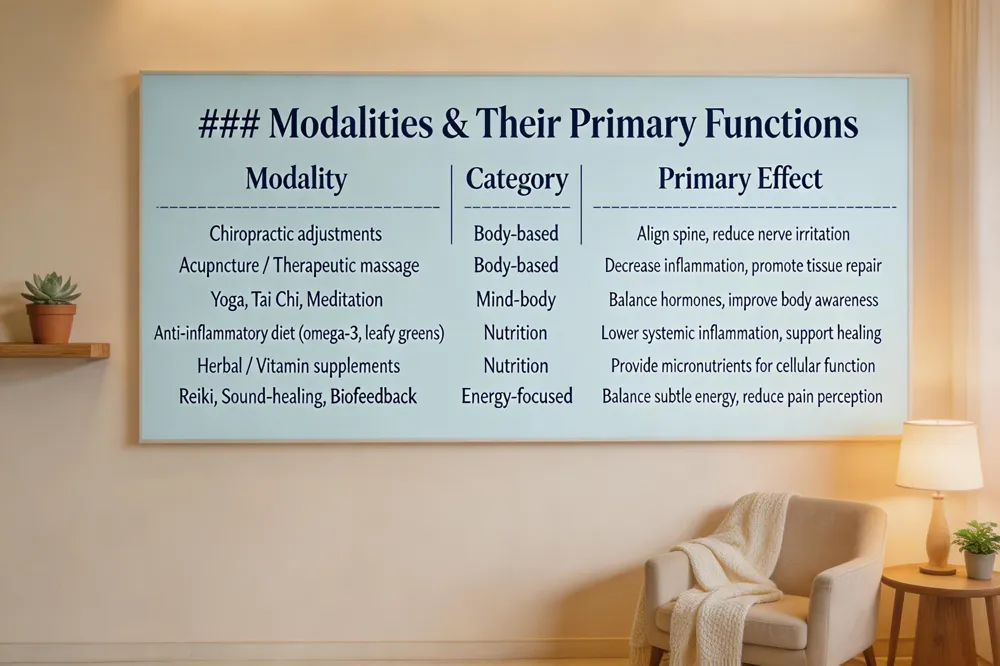 Holistic wellness embraces practices that nurture the whole person—physical, mental, emotional, social, intellectual, and spiritual. Body‑based techniques such as chiropractic adjustments, acupuncture, and therapeutic massage improve musculoskeletal alignment, reduce inflammation, and promote tissue repair. Mind‑body practices like yoga, meditation, and mindfulness training balance stress hormones, enhance mental clarity, and support nervous‑system regulation. Nutrition and supplemental strategies involve personalized dietary counseling, anti‑inflammatory foods (omega‑3‑rich fish, leafy greens), high‑quality herbal or vitamin supplements, and adequate hydration to fuel cellular healing. Energy‑focused modalities—Reiki, therapeutic touch, sound‑healing, and biofeedback—aim to balance subtle energy fields, further reducing pain and fostering overall well‑being. Together, these modalities create an integrative, patient‑centered plan that addresses root causes of discomfort while promoting lasting health.
Core Holistic Needs and Chiropractic Support for ALS
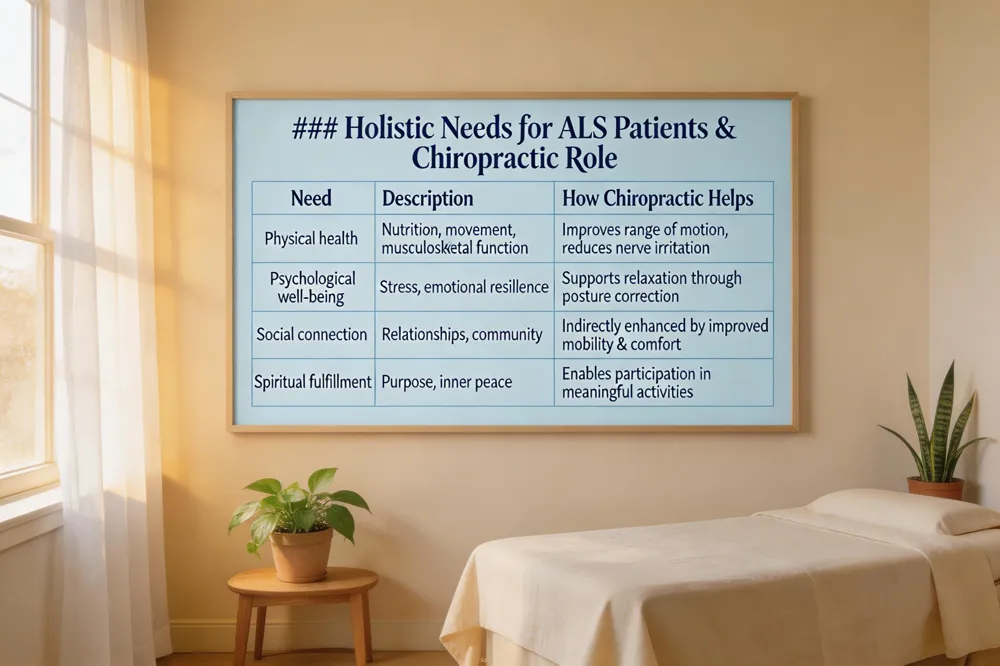 Four holistic needs form the backbone of patient‑centered care: (1) physical health – optimal nutrition, movement, and musculoskeletal function; (2) psychological well‑being – stress management, emotional resilience, and mental health; (3) social connection – supportive relationships, community engagement, and a sense of belonging; and (4) spiritual fulfillment – purpose, meaning, and inner peace.
Current evidence indicates that chiropractic care can safely address musculoskeletal discomfort, improve range of motion, and reduce nerve irritation in individuals with amyotrophic lateral sclerosis (ALS). While adjustments and exercise therapy may alleviate pain and enhance functional mobility, no studies demonstrate an impact on disease progression. Therefore, chiropractic should be used as a complementary, non‑pharmacologic option alongside neurologic treatment, with coordination between the neurologist and a qualified chiropractor to create a personalized wellness plan.
Integrating Nutrition, Exercise, and Chiropractic at Back in Action Bodyworks
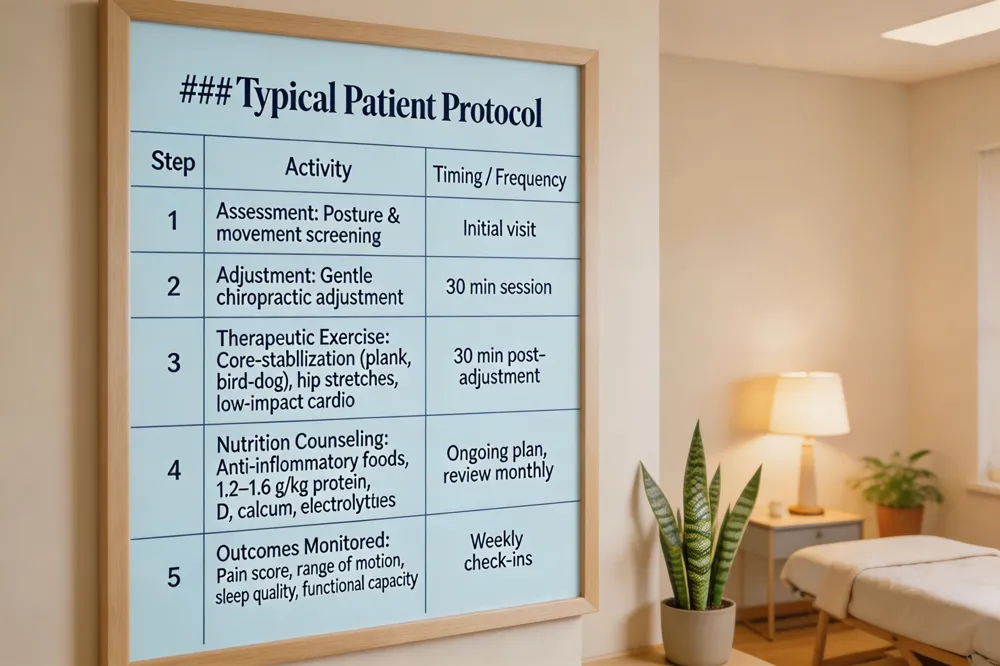 Back in Action Bodyworks in Torrance, California, employs an evidence‑based, whole‑body approach that aligns spinal adjustments with targeted movement and nutrition counseling. Research consistently shows that chiropractic adjustments improve spinal alignment, which enhances nervous‑system efficiency and reduces musculoskeletal tension, while corrective exercise restores muscle balance and supports the joints structural. adjustments Alexander. a ethnic foods.e.g., omega‑3‑rich fish, leafy greens, plant‑based proteins) and hydration further lower systemic inflammation and provide the nutrients needed for tissue repair after adjustments.
The clinic’s protocol begins with a comprehensive posture and movement assessment, followed by a gentle adjustment session. Within 30 minutes patients engage in post‑adjustment therapeutic exercises such as core‑stabilization drills (planks, bird‑dogs), hip‑mobility stretches, and low‑impact cardio (walking or cycling) to reinforce the new alignment. Simultaneously, a personalized nutrition plan emphasizes anti‑inflammatory foods, adequate protein (1.2–1.6 g/kg), vitamin D, calcium, and electrolytes to support bone density and muscle recovery.
Patients report faster pain relief, improved range of motion, and reduced reliance on medication. Objective outcomes include lower pain scores, increased functional capacity, and enhanced sleep quality, illustrating how the synergy of chiropractic care, exercise, and nutrition yields sustainable, patient‑centered wellness.
Your Path Forward: Embrace the Whole‑Body Blueprint
Integrating chiropractic adjustments, targeted exercise, and evidence‑based nutrition creates a synergistic formula that reduces inflammation, restores spinal alignment, and supports tissue repair. Patients experience faster pain relief, improved mobility, and heightened energy when each component reinforces the others. To build your own Whole‑Body Blueprint, start by scheduling a comprehensive assessment at Back in Action Bodyworks, where a chiropractor will evaluate posture, range of motion, and nutritional needs. Together you will set SMART goals, choose anti‑inflammatory foods, and design a core‑strengthening and cardio routine that fits your schedule. Ready to begin? Call (555) 123‑4567 or book online at www.backinactionbodyworks.com and take the first step toward lasting, natural wellness. Our team will monitor progress, adjust protocols, and keep you motivated every step of the journey.
Recent articles

10 Real‑Patient Success Stories Showcasing the Impact of Chiropractic Care

Superfoods That Boost Nerve Healing After Chiropractic Sessions

Sleep Positions That Promote a Healthy Back Alignment

Signs Your Chiropractor Is a Good Fit for Your Back Pain Goals

Case Study: Integrated Physiotherapy and Chiropractic for Faster Recovery

First-Time Chiropractic Visit: A Step‑by‑Step Walkthrough

Synergistic Benefits: Combining Physiotherapy with Chiropractic Care

Beyond Surgery: Holistic Approaches to Managing Back Pain

How Manual Therapy Enhances the Effects of Chiropractic Adjustments

Hydration Hacks: Why Water Matters for Joint and Spine Function

What Does a Comprehensive Spinal Evaluation Include?

Success Spotlight: Transformative Results After Six Weeks of Chiropractic Treatment

Understanding the Initial Assessment Process in Chiropractic Care

Designing a Personalized Corrective Exercise Plan for Chronic Pain Management

Natural Pain Management: Combining Acupuncture, Yoga, and Chiropractic

Chiropractic Care vs. Pain Meds: Long-Term Outcomes for Back Pain Sufferers

What to Expect During a Sciatica‑Focused Decompression Session

Understanding the Pain-Relief Mechanics Behind Chiropractic Adjustments

Success Rates of Non‑Surgical Spinal Decompression for Sciatica

Patient-Centered Chiropractic Care: Personalized Plans for Back Pain Relief
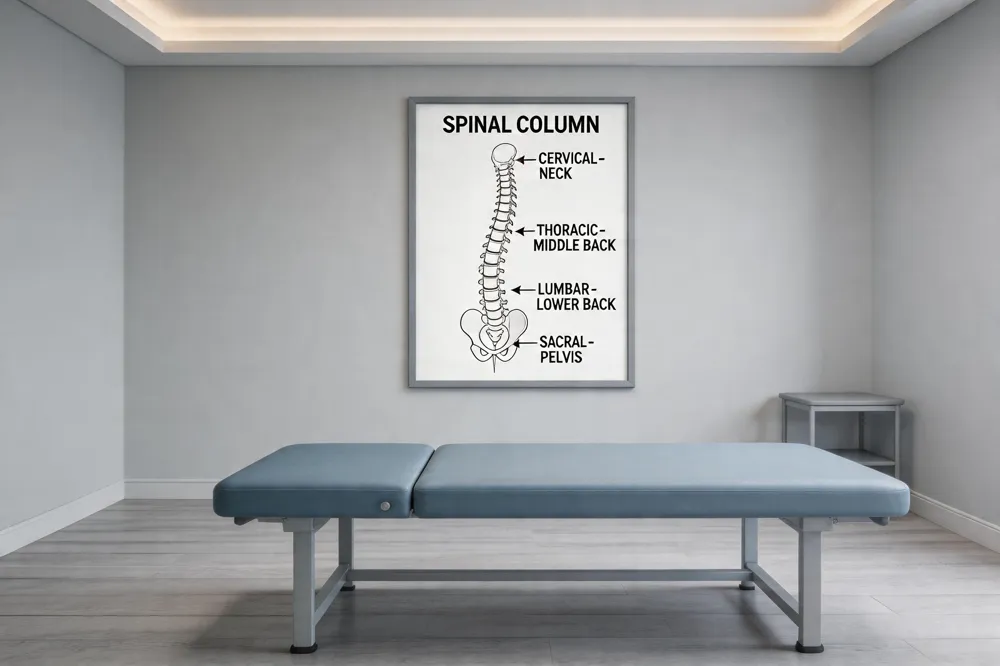
How Chiropractic Treatments Reduce Inflammation and Speed Up Back Pain Recovery

Real‑Life Stories: How Chiropractic Helped Patients Overcome Chronic Back Pain

From Symptom Masking to Root‑Cause Healing: A Practical Guide

6 Holistic Non‑Surgical Treatments That Deliver Sustainable Back‑Pain Relief

Key Questions to Ask When Selecting Your Chiropractor

Mindful Movement: Incorporating Stretch Breaks Into a Busy Day

Why Targeting the Underlying Cause Beats Temporary Symptom Relief

8 Ways Physiotherapy Complements Chiropractic Adjustments for Faster Recovery

Meal Planning for Athletes Recovering from Back Injuries

9 Everyday Lifestyle Tweaks to Preserve a Healthy Spine and Prevent Pain

Functional Movement Screening for Root‑Cause Pain Identification

6 Things You’ll Experience During Your First Chiropractic Appointment

Spinal Decompression vs. Standard Physical Therapy for Sciatica: A Comparative Review

New Findings on How Adjustments Influence Blood Circulation
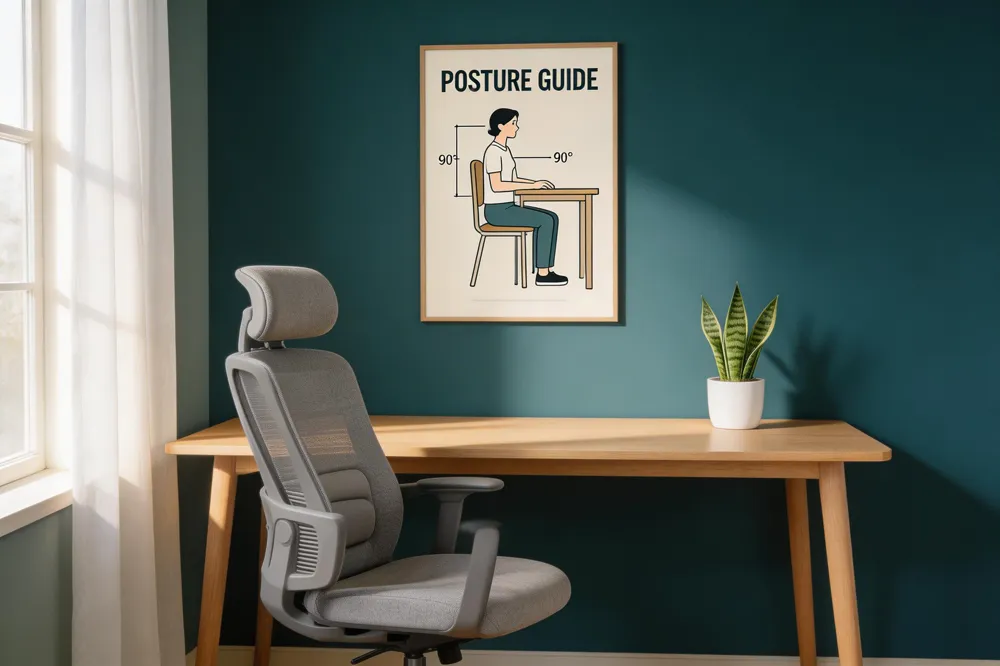
Work‑From‑Home Ergonomics: A Blueprint for a Pain‑Free Back

The Link Between Chiropractic Care and Improved Sleep Quality

Physiotherapy Techniques That Strengthen the Benefits of Chiropractic Adjustments

Biomechanical Insights Behind Successful Spinal Decompression

Desk‑to‑Dumbbell: Lifestyle Shifts That Guard Your Lower Back

10 Corrective Exercises for Sustainable Pain-Free Living

Morning Routines That Support Spine Health and Reduce Stiffness

Calcium and Magnesium‑Focused Nutrition for Bone Density and Spine Health

9 Ways Chiropractic Care Transforms Back Pain Management

Testimonial: Nutrition‑Guided Recovery Accelerated by Chiropractic

Science‑Backed Spinal Decompression for Relieving Sciatica Symptoms

Key Questions to Ask During Your Initial Chiropractic Consultation
Whole‑Body Wellness Blueprint: Nutrition, Exercise, and Chiropractic Synergy

A 12‑Week Corrective Exercise Blueprint for Chronic Neck Discomfort

Manual Therapy Plus Targeted Exercise: Accelerating Post‑Injury Recovery

Home‑Based Spinal Decompression Devices: What Patients Should Know

Chiropractic Care Statistics: Reducing Lost Workdays From Back Pain

How Targeted Nutrition Enhances Immune Function and Lowers Inflammatory Pain

Self‑Assessment Tools to Identify Hidden Triggers of Back Pain

Preparing for Your First Chiropractic Appointment: A Practical Checklist

Back Pain Relief Benefits: Lower Opioid Use and Better Quality of Life

Foam‑Rolling Techniques to Complement Chiropractic Adjustments

Progressive Overload Principles in Corrective Exercise Programs

Six‑Month Transformation: Integrated Care Success Story

7 Nutritional Hacks to Boost Your Overall Wellness

How to Choose a Chiropractor: Credentials, Techniques, and Patient Compatibility

5 Ways Spinal Decompression Can Ease Sciatica Pain

Overcoming Sciatica: A Patient’s Multidisciplinary Treatment Journey

Lifestyle Changes That Promote a Healthy Spine
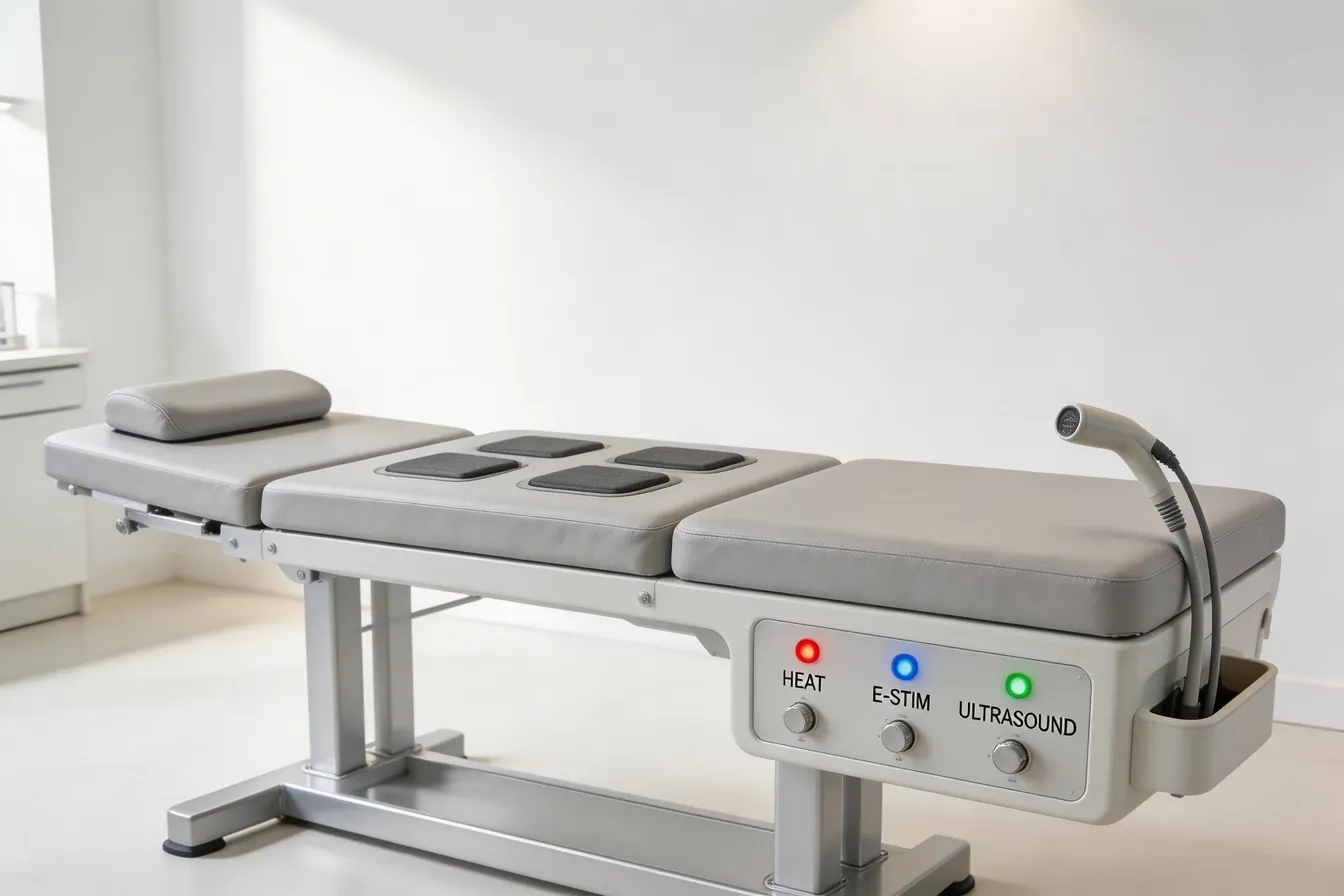
Physiotherapy as a Complement to Chiropractic Treatments

6 Ways Physiotherapy Enhances Chiropractic Treatment Outcomes

Daily Living Tips for a Strong and Healthy Spine

How Physiotherapy Enhances Chiropractic Outcomes
Holistic Treatments: Alternatives to Surgery for Pain Relief

Inspiring Patient Success Stories from Chiropractic Clinics

Integrating Physiotherapy with Chiropractic Treatments
Corrective Exercise Routines for Chronic Pain Prevention
10 Corrective Exercises to Maintain a Healthy Spine and Relieve Pain

Exercise Strategies for Long-Term Pain Management
10 Corrective Exercises to Maintain a Healthy Spine and Relieve Pain

The Importance of Treating the Root Cause of Pain

Nutritional Support Strategies for Whole-Body Wellness

7 Essential Questions to Ask When Choosing Your Chiropractor

Identifying and Addressing Root Causes of Pain
Maintaining a Healthy Spine with Lifestyle Adjustments

Sciatica Symptom Relief via Spinal Decompression

8 Reasons Why Addressing the Root Cause of Pain Is Crucial

Chiropractic Care’s Impact on Back Pain Recovery

Combining Physiotherapy with Chiropractic Care for Better Results

Inspiring Recovery: Chiropractic Patient Testimonials
Nutritional Counseling Tips for Optimal Wellness

Why Addressing the Root Cause of Pain is Crucial

Back Pain and Chiropractic Care: A Winning Combination

Chiropractic Care Benefits You Might Not Know
Exploring Holistic and Non-Surgical Treatments for Pain
Spinal Health: Lifestyle Tips for Everyday Wellness
Spinal Decompression Therapy: Benefits and Applications
Holistic and Non-Invasive Spine Care Options
Everyday Lifestyle Advice to Keep Your Spine Healthy

The Significance of Treating Root Causes in Pain Therapy
Best Corrective Exercises for Sustainable Pain Management

Addressing Underlying Causes of Pain for Long-Term Relief

6 Key Benefits of Spinal Decompression Therapy for Sciatica Relief

How Nutritional Counseling Supports Spine Health and Recovery

The Role of Physiotherapy in Supporting Chiropractic Treatments