7 Nutritional Hacks to Boost Your Overall Wellness
March 19, 2026
7 min

Why Nutrition Matters for Musculoskeletal Wellness
A well‑balanced diet is a cornerstone of spinal health because the tissues that support the spine—muscle, bone, cartilage, and intervertebral discs—require high‑quality protein, calcium, vitamin D, and omega‑3 fatty acids to repair, stay dense, and reduce inflammation. Chiropractic care embraces this link by treating the body as an integrated system; chiropractors often counsel patients on nutrition, movement, and stress management to complement manual adjustments. Evidence‑based research shows that whole‑food patterns rich in fruits, vegetables, whole grains, lean proteins, nuts, and seeds provide fiber, antioxidants, and micronutrients that lower systemic inflammation, support bone mineral density, and improve muscle recovery after adjustments. Reducing processed foods, added sugars, and excess sodium further protects blood pressure and metabolic health, which are known contributors to chronic musculoskeletal pain. By pairing precise spinal care with nutrient‑dense eating, patients achieve more sustainable pain relief and overall wellness.
Hack #1: Fill Half Your Plate with Colorful Produce

Filling half your plate with colorful produce supplies the fiber, vitamins and antioxidants that keep bones strong, joints supple, and muscles resilient—key goals in any chiropractic wellness plan. The Adults should consume at least 400 g (approximately five portions) of fruit and vegetables each day, excluding potatoes, sweet potatoes, cassava and other starchy roots. and the CDC’s MyPlate advises filling half the plate with fruits and vegetables, a quarter with lean protein, and a quarter with whole grains. model mirrors this by urging a half‑plate of veg/fruit. Dietary fiber, found in fruits, vegetables, whole grains, legumes, nuts, and seeds, supports digestive health and helps regulate blood‑sugar, reducing inflammation that can aggravate spinal tension. Bright pigments such as carotenoids, flavonoids and vitamin C act as free‑radical scavengers, protecting connective tissue from oxidative damage.
10 ways to improve your diet:
- Eat a A colorful plate with a variety of fruits and vegetables provides a broad range of vitamins, minerals, and fiber. each day.
- Choose whole‑grain breads, pasta, rice.
- Include lean protein (fish, poultry, beans).
- Use Using extra‑virgin olive oil, rich in monounsaturated fats and antioxidants, is associated with lower risk of cardiovascular events such as heart attacks and strokes. instead of butter.
- Cut Added sugars, including cane sugar, corn syrup, dextrose, fructose, maple syrup, and honey, contribute to weight gain, obesity, type 2 diabetes, and heart disease. and processed snacks.
- Stay hydrated with six to eight glasses of fluid daily—primarily water, low‑fat milk, tea, or coffee—and limit sugary drinks and fruit‑juice servings. with water or infused drinks.
- Use the hand as a visual portion‑size guide: palm‑sized protein, fist‑sized vegetables, cupped hand for carbs, and thumb for fats..
- Feeding the gut microbiota with fiber‑rich foods and fermented products (e.g., yogurt, sauerkraut) promotes a healthy gut environment, which is important for digestion and overall health..
- Planning meals ahead of time and keeping healthy foods readily available reduces the likelihood of choosing less nutritious options..
- Mindful eating—paying full attention to the taste, texture, and sensations of food—has been shown in clinical trials to reduce sweet‑food cravings and improve HDL cholesterol, blood sugar, and triglyceride levels. and listen to hunger cues.
Nutrition tips for improving your health: Prioritize Healthy eating emphasizes whole, nutrient‑dense foods such as protein sources, dairy without added sugars, vegetables, fruits, healthy fats, and whole grains.; aim for a A colorful plate with a variety of fruits and vegetables provides a broad range of vitamins, minerals, and fiber. to cover micronutrients; limit Added sugars, including cane sugar, corn syrup, dextrose, fructose, maple syrup, and honey, contribute to weight gain, obesity, type 2 diabetes, and heart disease. and sodium; balance carbs, protein and fats for steady energy and tissue repair after chiropractic adjustments.
Healthy foods to eat every day: Whole, nutrient‑dense foods such as protein sources, dairy without added sugars, vegetables, fruits, healthy fats, and whole grains. (kale, spinach), cruciferous veg (broccoli), Including fatty fish like salmon in the diet supplies anti‑inflammatory omega‑3 fatty acids, which are linked to reduced risk of heart disease, dementia, and inflammatory bowel disease. (salmon, sardines), walnuts, chia/flax seeds, Whole‑grain cereals like oatmeal, topped with berries, pumpkin seeds, or almonds, provide a nutrient‑dense start to the day. legumes, Low‑fat dairy, including yogurt, milk, and cheese, reduces saturated fat intake. or fortified alternatives, and berries or citrus for antioxidants.
Balanced diet chart: Half plate veg/fruit, quarter lean protein, quarter whole‑grain carbs; include daily low‑fat dairy or fortified plant milk; keep Added sugars, including cane sugar, corn syrup, dextrose, fructose, maple syrup, and honey, contribute to weight gain, obesity, type 2 diabetes, and heart disease., sodium, saturated fat low; Stay hydrated with six to eight glasses of fluid daily—primarily water, low‑fat milk, tea, or coffee—and limit sugary drinks and fruit‑juice servings. adjust portions to activity level.
Hack #2: Choose Whole Grains and Lean Protein

MyPlate recommends half the plate be fruits and vegetables, a quarter whole grains, and a quarter lean protein. Lean sources such as skinless poultry, fish, legumes, tofu and low‑fat dairy give amino acids without excess saturated fat, supporting bone density and joint stability. Whole grains like brown rice, quinoa, oatmeal and whole‑wheat pasta provide energy, satiety and health through fiber, which also helps control blood sugar and inflammation.
Healthy diet tips to lose weight – Create a 150‑300 kcal deficit, prioritize lean protein, vegetables and whole grains, stay hydrated and combine with regular chiropractic movement.
Healthy diet tips for beginners – Add a fruit or vegetable to meals, swap refined for whole‑grain, fill half the plate with produce and use olive oil daily.
Best diet for cardiomyopathy – Follow a DASH‑style plan rich in fruits, vegetables, whole grains, lean protein and low‑fat dairy while limiting sodium, added sugars and saturated fats.
7‑day healthy eating plan – Start with oatmeal topped with berries rich in antioxidants and nuts, have salads with fresh leafy greens and chickpeas, and enjoy dinners of nutrient‑dense vegetables with salmon or tofu, plus yogurt or almonds for daily snacks.
Hack #3: Hydration, Sodium, and Sugar Smart Choices

100 health tips Incorporate daily movement and a plant‑rich diet while keeping added sugars below 10 % of calories, total fat under 30 % (saturated < 10 %), and sodium limited to 5 g (≈2 g sodium) per day. Stay well‑hydrated with water throughout the day to support spinal disc elasticity and overall wellness.
Healthy eating tips Fill half your plate with a colorful variety of fruits and vegetables, choose whole‑grain carbs and lean proteins, and use hand‑size portion cues. Limit sugary drinks and read Nutrition Facts labels to select low‑sodium and low‑added‑sugar options, which helps control blood pressure and inflammation.
Simple tips for healthy eating Keep a fruit bowl visible, swap sodas for infused water, prep vegetables in advance, and add nuts, seeds or a drizzle of olive oil for healthy fats that aid nutrient absorption and joint health.
What is the best nutrition hack? Make vegetables the centerpiece of every meal, stay consistently hydrated, and read meals ahead of time. This habit supports muscle recovery, reduces inflammation, and aligns perfectly with a holistic, chiropractic‑focused wellness plan.
Hack #4: Incorporate Healthy Fats and Probiotics

Omega‑3 fatty acids—found in fatty fish, flaxseed, chia, and walnuts—are potent anti‑inflammatory agents that help reduce joint swelling and support the musculoskeletal system, a key complement to chiropractic adjustments. Pair these fats with unsaturated oils such as extra‑virgin olive or avocado oil, which lower LDL cholesterol and improve joint lubrication, promoting cardiovascular and joint health. Probiotic foods—yogurt, kefir, kimchi, sauerkraut, and fermented vegetables—nurture a diverse gut microbiome, enhancing nutrient absorption and modulating systemic inflammation that can exacerbate musculoskeletal pain.
10 tips for healthy eating: Fill half your plate with colorful vegetables, choose whole‑grain carbs, lean protein, limit added sugars and sodium, incorporate avocado, nuts, and olive oil, stay hydrated, practice mindful eating, plan meals, and schedule regular chiropractic check‑ins for optimal posture and digestion.
Can a nutritionist help with arthritis? Yes; a dietitian can design an anti‑inflammatory plan rich in omega‑3s, antioxidants, and gut‑friendly foods, aid weight management, and coordinate with chiropractic care to reduce joint pain.
Top 10 healthy foods: Spinach, salmon, blueberries, almonds, Greek yogurt, quinoa, sweet potatoes, avocado, lentils, olive oil.
How to eat healthy food every day: Pre‑plan meals, fill half the plate with varied veg, a quarter with whole grains, a quarter with lean protein, add low‑fat dairy or fortified alternatives, use healthy oils sparingly, drink water or unsweetened tea, and keep nutritious staples on hand.
Hack #5: Mindful Eating, Portion Control, and Meal Planning

Hand‑size portion guidance – Use your hand as a visual cue: a palm‑sized protein portion, a fist of vegetables, a cupped hand of whole‑grain carbs, and a thumb of healthy fats. This simple method aligns with USDA MyPlate and WHO recommendations, keeping calories balanced for spinal health.
Mindful eating to reduce cravings – Eat slowly, chew thoroughly, and focus on flavors. Research from the APA shows short breaks and mindful eating lower stress and curb sweet cravings, supporting the body’s natural pain‑relief pathways.
Meal prep for consistency – Plan weekly, batch‑cook whole‑grain staples, beans, and roasted veggies, and store them in portion‑size containers. Having ready‑to‑eat, nutrient‑dense meals reduces reliance on ultra‑processed foods that raise sodium and added sugars.
5 tips to improve health – Move daily, eat a colorful plate, stay hydrated, prioritize sleep, and schedule regular chiropractic assessments to maintain musculoskeletal balance.
Simple health tips – Stay active, fill half your plate with fruits/veggies, drink water, get 7‑9 hrs sleep, and receive routine spinal care.
Health tips for students – Choose affordable whole foods, keep water handy, movement breaks, set an ergonomic study station, and get periodic chiropractic check‑ups.
What are the 9 things you should eat every day? – Leafy greens, cruciferous veg, berries, fatty fish, nuts/seeds, whole grains, legumes, healthy oils, and low‑fat dairy or fortified alternatives.
What are the 7 essential nutrition actions? – Exclusive breastfeeding, appropriate complementary feeding, maternal nutrition, diarrhea prevention/treatment, vitamin A supplementation, iron supplementation, and nutrition support during infectious disease.
Putting It All Together for Long‑Term Wellness
Chiropractic care works best when it is paired with nutrition that supports tissue repair, inflammation control and vitality. Choose anti‑inflammatory foods such as fatty fish, walnuts, chia seeds and extra‑virgin olive oil; these provide omega‑3s and monounsaturated fats that reduce joint pain and aid spinal recovery after adjustments. Include a protein‑rich snack (15‑30 g) within 30‑60 minutes of a session to supply amino acids for muscle repair. Hydration is essential—aim for 2–3 L of water daily to maintain disc elasticity and nutrient transport. Build sustainable habits by meal‑prepping balanced plates (half vegetables, quarter protein, quarter whole‑grain) and keeping bottles at your desk. Track progress with a log: record daily steps, water intake, meals, pain levels and sleep quality. Review the data each month with your chiropractor to fine‑tune the plan and keep long‑term wellness on track.
Recent articles

10 Real‑Patient Success Stories Showcasing the Impact of Chiropractic Care

Superfoods That Boost Nerve Healing After Chiropractic Sessions

Sleep Positions That Promote a Healthy Back Alignment

Signs Your Chiropractor Is a Good Fit for Your Back Pain Goals

Case Study: Integrated Physiotherapy and Chiropractic for Faster Recovery

First-Time Chiropractic Visit: A Step‑by‑Step Walkthrough

Synergistic Benefits: Combining Physiotherapy with Chiropractic Care

Beyond Surgery: Holistic Approaches to Managing Back Pain

How Manual Therapy Enhances the Effects of Chiropractic Adjustments

Hydration Hacks: Why Water Matters for Joint and Spine Function

What Does a Comprehensive Spinal Evaluation Include?

Success Spotlight: Transformative Results After Six Weeks of Chiropractic Treatment

Understanding the Initial Assessment Process in Chiropractic Care

Designing a Personalized Corrective Exercise Plan for Chronic Pain Management

Natural Pain Management: Combining Acupuncture, Yoga, and Chiropractic

Chiropractic Care vs. Pain Meds: Long-Term Outcomes for Back Pain Sufferers

What to Expect During a Sciatica‑Focused Decompression Session

Understanding the Pain-Relief Mechanics Behind Chiropractic Adjustments

Success Rates of Non‑Surgical Spinal Decompression for Sciatica

Patient-Centered Chiropractic Care: Personalized Plans for Back Pain Relief
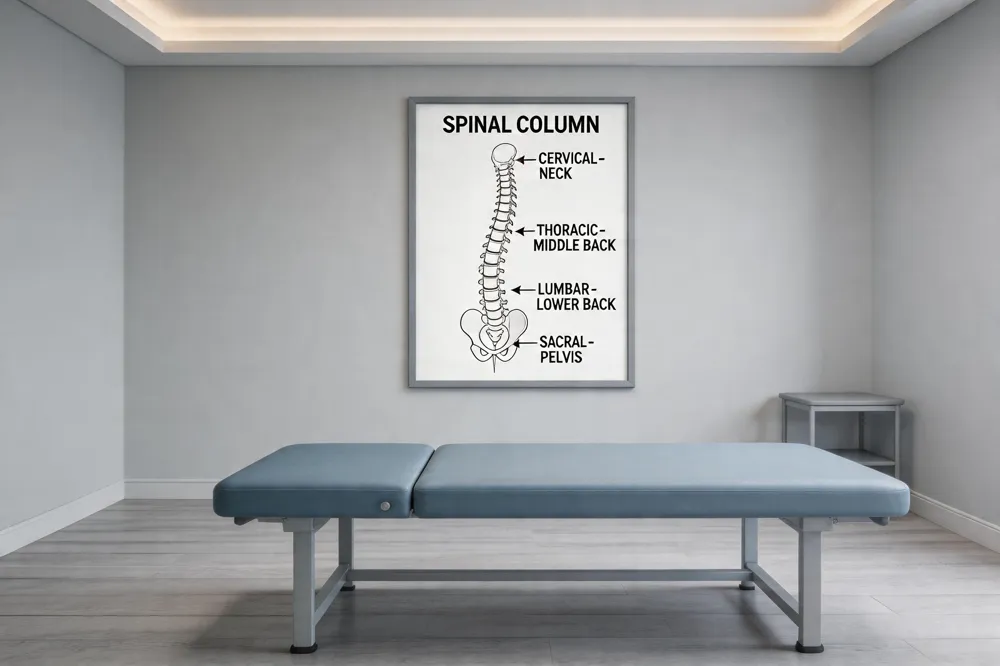
How Chiropractic Treatments Reduce Inflammation and Speed Up Back Pain Recovery

Real‑Life Stories: How Chiropractic Helped Patients Overcome Chronic Back Pain

From Symptom Masking to Root‑Cause Healing: A Practical Guide

6 Holistic Non‑Surgical Treatments That Deliver Sustainable Back‑Pain Relief

Key Questions to Ask When Selecting Your Chiropractor

Mindful Movement: Incorporating Stretch Breaks Into a Busy Day

Why Targeting the Underlying Cause Beats Temporary Symptom Relief

8 Ways Physiotherapy Complements Chiropractic Adjustments for Faster Recovery

Meal Planning for Athletes Recovering from Back Injuries

9 Everyday Lifestyle Tweaks to Preserve a Healthy Spine and Prevent Pain

Functional Movement Screening for Root‑Cause Pain Identification

6 Things You’ll Experience During Your First Chiropractic Appointment

Spinal Decompression vs. Standard Physical Therapy for Sciatica: A Comparative Review

New Findings on How Adjustments Influence Blood Circulation

Work‑From‑Home Ergonomics: A Blueprint for a Pain‑Free Back

The Link Between Chiropractic Care and Improved Sleep Quality

Physiotherapy Techniques That Strengthen the Benefits of Chiropractic Adjustments

Biomechanical Insights Behind Successful Spinal Decompression

Desk‑to‑Dumbbell: Lifestyle Shifts That Guard Your Lower Back

10 Corrective Exercises for Sustainable Pain-Free Living

Morning Routines That Support Spine Health and Reduce Stiffness

Calcium and Magnesium‑Focused Nutrition for Bone Density and Spine Health

9 Ways Chiropractic Care Transforms Back Pain Management

Testimonial: Nutrition‑Guided Recovery Accelerated by Chiropractic

Science‑Backed Spinal Decompression for Relieving Sciatica Symptoms

Key Questions to Ask During Your Initial Chiropractic Consultation

Whole‑Body Wellness Blueprint: Nutrition, Exercise, and Chiropractic Synergy

A 12‑Week Corrective Exercise Blueprint for Chronic Neck Discomfort

Manual Therapy Plus Targeted Exercise: Accelerating Post‑Injury Recovery

Home‑Based Spinal Decompression Devices: What Patients Should Know

Chiropractic Care Statistics: Reducing Lost Workdays From Back Pain

How Targeted Nutrition Enhances Immune Function and Lowers Inflammatory Pain

Self‑Assessment Tools to Identify Hidden Triggers of Back Pain

Preparing for Your First Chiropractic Appointment: A Practical Checklist

Back Pain Relief Benefits: Lower Opioid Use and Better Quality of Life

Foam‑Rolling Techniques to Complement Chiropractic Adjustments

Progressive Overload Principles in Corrective Exercise Programs

Six‑Month Transformation: Integrated Care Success Story
7 Nutritional Hacks to Boost Your Overall Wellness

How to Choose a Chiropractor: Credentials, Techniques, and Patient Compatibility

5 Ways Spinal Decompression Can Ease Sciatica Pain

Overcoming Sciatica: A Patient’s Multidisciplinary Treatment Journey
Lifestyle Changes That Promote a Healthy Spine

Physiotherapy as a Complement to Chiropractic Treatments

6 Ways Physiotherapy Enhances Chiropractic Treatment Outcomes

Daily Living Tips for a Strong and Healthy Spine

How Physiotherapy Enhances Chiropractic Outcomes
Holistic Treatments: Alternatives to Surgery for Pain Relief

Inspiring Patient Success Stories from Chiropractic Clinics

Integrating Physiotherapy with Chiropractic Treatments
Corrective Exercise Routines for Chronic Pain Prevention
10 Corrective Exercises to Maintain a Healthy Spine and Relieve Pain

Exercise Strategies for Long-Term Pain Management
10 Corrective Exercises to Maintain a Healthy Spine and Relieve Pain

The Importance of Treating the Root Cause of Pain

Nutritional Support Strategies for Whole-Body Wellness

7 Essential Questions to Ask When Choosing Your Chiropractor

Identifying and Addressing Root Causes of Pain
Maintaining a Healthy Spine with Lifestyle Adjustments

Sciatica Symptom Relief via Spinal Decompression

8 Reasons Why Addressing the Root Cause of Pain Is Crucial

Chiropractic Care’s Impact on Back Pain Recovery

Combining Physiotherapy with Chiropractic Care for Better Results

Inspiring Recovery: Chiropractic Patient Testimonials
Nutritional Counseling Tips for Optimal Wellness

Why Addressing the Root Cause of Pain is Crucial

Back Pain and Chiropractic Care: A Winning Combination

Chiropractic Care Benefits You Might Not Know

Exploring Holistic and Non-Surgical Treatments for Pain

Spinal Health: Lifestyle Tips for Everyday Wellness
Spinal Decompression Therapy: Benefits and Applications
Holistic and Non-Invasive Spine Care Options

Everyday Lifestyle Advice to Keep Your Spine Healthy

The Significance of Treating Root Causes in Pain Therapy
Best Corrective Exercises for Sustainable Pain Management

Addressing Underlying Causes of Pain for Long-Term Relief

6 Key Benefits of Spinal Decompression Therapy for Sciatica Relief

How Nutritional Counseling Supports Spine Health and Recovery

The Role of Physiotherapy in Supporting Chiropractic Treatments