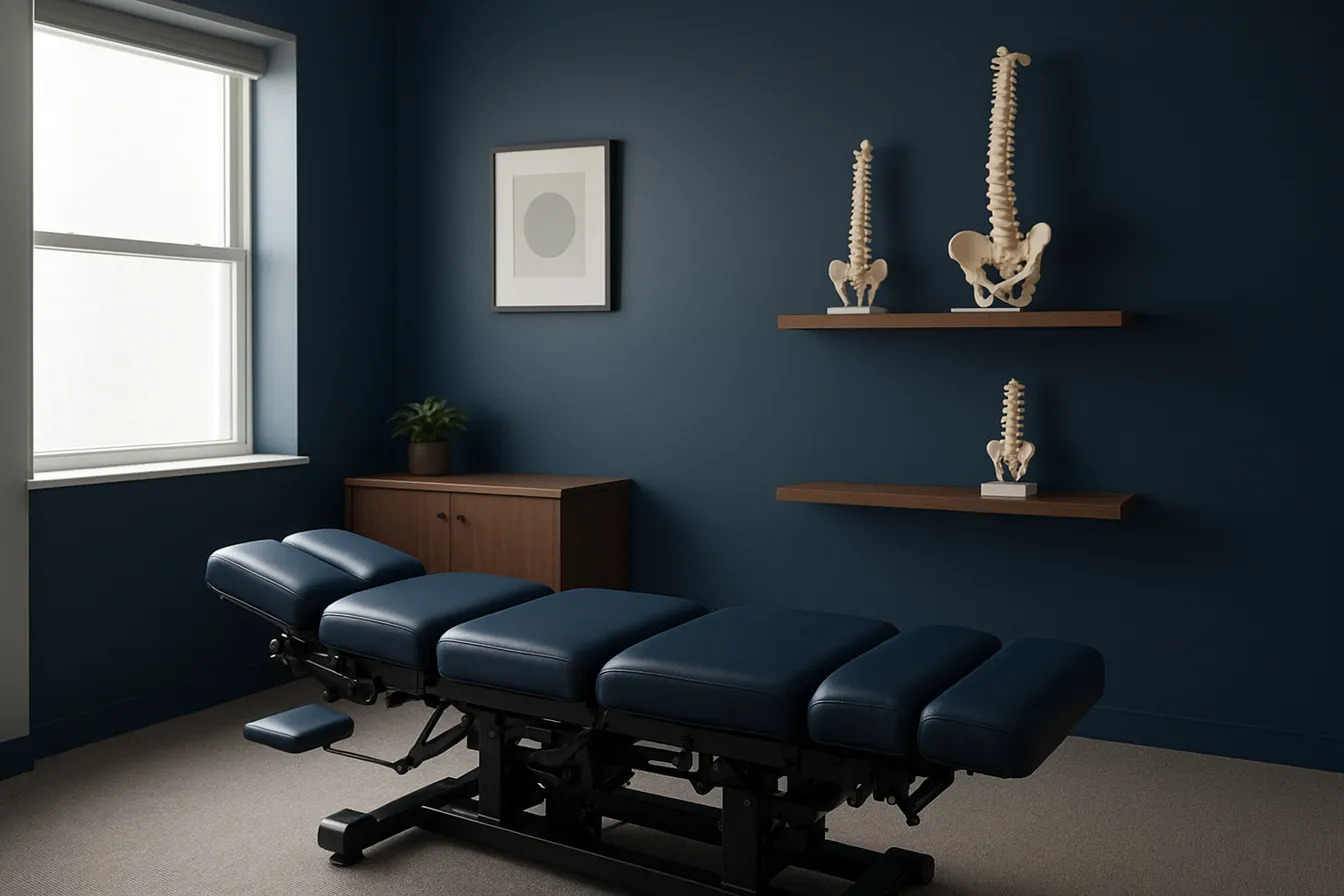
Desk‑to‑Dumbbell: Lifestyle Shifts That Guard Your Lower Back
April 5, 2026
6 min

Why a Desk‑to‑Dumbbell Shift Matters
Prolonged sitting compresses lumbar discs, draining fluid and increasing pressure that triggers low‑back pain. Simple ergonomic fixes—feet flat, lumbar support, monitor at eye level—restore a neutral spine and cut the strain on intervertebral joints. Adding brief, equipment‑free movements such as seated cat‑cow twists or hip‑flexor stretches every 30 minutes re‑energizes circulation and prevents stiffness. When a few dumbbells are incorporated, even short sets of bicep curls, overhead presses, or glute bridges activate the posterior chain, reinforcing core stability that chiropractors often emphasize for long‑term health. This micro‑exercise routine fits easily into a busy workday, supports the holistic, patient‑centered treatment plans advocated by Back in Action Bodyworks, and promotes natural pain relief without sacrificing productivity.
Ergonomic Foundations for a Healthy Spine

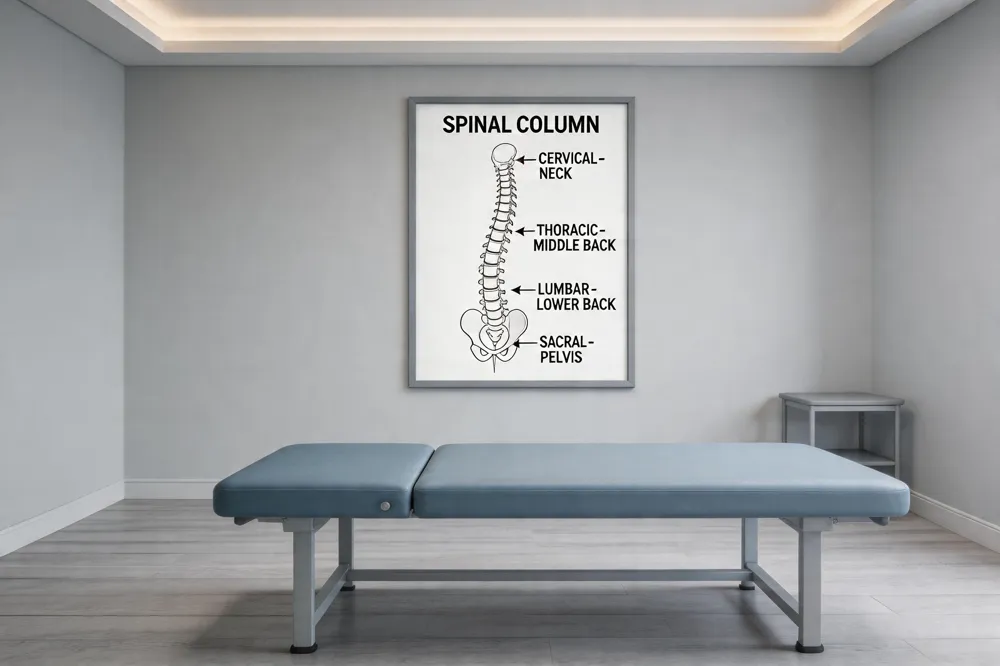
Chair height, lumbar support, and foot placement – Adjust the chair so feet rest flat (or on a footrest) and knees form a 90° angle. Use a lumbar cushion at belt‑line height to preserve the natural S‑curve.
Monitor positioning and the 20‑20‑20 visual rule – Place the screen an arm’s length away, top at eye level and tilt slightly back. Every 20 minutes look 20 feet away for 20 seconds to lessen eye‑strain and forward‑head posture. 20‑20‑20 visual rule
Keyboard, mouse, and arm‑rest alignment – Keep these tools within easy reach; elbows should hover near 90° and wrists stay neutral. Armrests support forearms, not shoulders, to reduce upper‑back tension. keyboard/mouse at elbow height
Micro‑break timing and the 30‑30 rule – After 30 minutes of continuous work, pause for 30 seconds to stand, stretch, or walk. Deep breaths during the break reset intra‑abdominal pressure and spinal alignment.
Creating a visual ergonomic diagram – A simple sketch shows a chair with flat feet, lumbar roll, monitor at eye level, keyboard/mouse at elbow height, and a clear desk surface.
Ergonomic office tips PDF – The “Home Office Ergonomic Tips” PDF provides a checklist for chair setup, monitor height, the 20‑20‑20 rule, and DIY lumbar/foot supports.
What are the five pillars of ergonomics? – Safety, comfort, ease of use, productivity, and aesthetics.
Workplace ergonomics basics – Design workstations to fit natural posture, keep knees at 90°, monitor at eye level, and take frequent movement breaks.
Tips to improve ergonomics at your workstation – Adjust chair, use a laptop stand with external keyboard/mouse, keep items within reach, and schedule regular breaks.
Workplace posture and ergonomics checklist – Flat feet, lumbar support, monitor arm’s length away, keyboard/mouse at elbow height, and 30‑30 micro‑breaks.
Examples of bad ergonomics in the office – Slouched posture, too‑high/low desk, wrist‑bent typing, no breaks, and awkward reaching.
Office ergonomics PDF guide – A free printable guide walks you through chair, monitor, keyboard setup, lighting, and stretch routines.
What is the 30‑30 rule in ergonomics? – Every 30 minutes of work, take a 30‑second movement break to reset muscles and spine.
Diagram of an ergonomic desk setup – Shows chair, lumbar roll, footrest, monitor, keyboard/mouse, and reach‑zone items aligned for a neutral spine.
How to make your office more ergonomic – Adjust chair height, use a footrest, position monitor at eye level, keep keyboard/mouse close, and incorporate regular micro‑breaks.
Movement Strategies: Micro‑Breaks and Desk Mobility

Micro‑break timing and the 30‑30 rule: Stand, stretch or walk 1‑2 minutes every 30 minutes. Keeps lumbar discs hydrated.
Dynamic seated stretches (cat‑cow, spinal twists): In chair, alternate arching and rounding the back and gently rotate the torso for 5‑10 seconds each side.
Walking and light aerobic bursts: A 5‑minute walk each hour improves circulation and reduces disc pressure, activating core.
Spine Health Awareness Month – why it matters: Highlights back pain as a leading disability cause, encouraging detection, ergonomic habits and chiropractic care.
Quick ways to relieve lower back pain fast: Apply cold then heat, do knee‑to‑chest or cat‑cow stretches, walk 5‑10 minutes, engage core with a bridge.
Natural ways to support spine healing: Pair movement with anti‑inflammatory foods, hydration, sleep.
How to relieve back pain instantly: Stop, stand, walk, perform a cat‑cow stretch, use cold or warm pack, engage core.
How to prevent lower back pain from a desk job: Take breaks every 30 minutes, stretch shoulders, hips and back, walk briefly, keep workstation.
Desk‑Friendly Strengthening: Seated Dumbbell Workouts

Seated dumbbell exercises for office workers Perform biceps curls (8‑12 reps), overhead triceps extensions, shoulder presses, and front arm raises. Rest 2 min, 2–3 sets.
Arm exercises you can perform while seated at a desk biceps curls, triceps extensions, shoulder presses, arm circles, and shadow punches keep arms and core active. 8‑12 reps, 2–3 sets, 48 h rest.
No‑equipment arm workout you can do while sitting Chair‑edge triceps dips, chest press, side‑raise, seated row. 10‑12 reps each, 2–3 sets.
Dumbbell exercises tailored for women Use dumbbells for shoulder presses, lateral raises, Russian twists; progress gradually to protect joints and bone density.
How to build supportive muscles around the spine Curl‑ups, side planks, bird‑dogs, bridges, cat‑cow stretches build lumbar support and posture.
Dumbbell workout routine for people over 40 Warm‑up, goblet squat, chest press, bent‑over row, Romanian deadlift (8‑12 reps), cool‑down; 2–3 weekly.
Do dumbbells help improve bone density? Yes. Resistance loading stimulates bone formation in hips, spine, and wrists, slowing age‑related loss.
Core & Lumbar Stabilization: Proven Exercises

Three highly effective back‑strengthening exercises are the McGill curl‑up, side bridge (or side plank), and bird‑dog. The curl‑up is performed lying on your back with one leg bent, hands placed under the lower spine, and lifting the head, shoulders and chest as a unit while keeping the spine neutral. The side bridge rests on one forearm, hips lifted to a straight line, engaging obliques and deep spinal stabilizers. The bird‑dog, done on all fours, extends opposite arm and leg, targeting the erector spinae and core.
The hollow‑hold is an isometric core move that activates the rectus abdominis, transverse abdominis, lower‑back, glutes, and hip flexors, building a stable trunk that eases lumbar load and supports upright posture—a key goal of holistic chiropractic care.
Desk‑friendly spine‑health drills include seated twists, shoulder‑blade squeezes, and a cat‑cow stretch. For a seated twist, sit tall, cross one leg, place the opposite elbow on the knee, and gently rotate for ten seconds each side. Shoulder‑blade squeezes hold five seconds, three to five repetitions per hour. The cat‑cow moves between rounding and arching the back while hands rest on the desk, promoting spinal mobility throughout the workday.
Lifestyle Pillars: Nutrition, Hydration, Weight, Stress

A anti‑inflammatory diet rich in omega‑3s, leafy greens, nuts, and vitamin‑D fortified foods fuels tissue repair and supports bone density, while calcium‑rich sources keep vertebrae strong. Hydration maintains intervertebral disc elasticity; aim for 2‑3 L of water daily to preserve disc nutrition. Weight control reduces lumbar load—regular low‑impact cardio and strength work keep excess pounds off, and quitting smoking improves blood flow to spinal tissues. Sleep hygiene—7‑9 hours on a medium‑firm mattress with proper pillow support—facilitates overnight disc re‑hydration, while mindfulness, deep breathing, and gentle yoga lower cortisol‑driven muscle tension.
Common causes of lower back pain in women include muscle strain, poor posture, and hormonal shifts; remedies blend heat/ice, targeted stretches, and chiropractic adjustments for alignment. My personal story: daily knee‑to‑chest, bridge, and cat‑cow stretches, plus heat/ice alternation, eased my desk‑induced ache within a week. Dumbbells boost bone density by loading the spine and hips, stimulating osteoblast activity. Naturally supporting spine healing combines movement, anti‑inflammatory nutrition, ergonomic posture, adequate sleep, hydration, and stress‑reduction practices.
Putting It All Together: The Desk‑to‑Dumbbell Lifestyle Shift

Integrating ergonomics, movement, strength, and lifestyle creates a seamless desk‑to‑dumbbell routine. A sample weekly plan follows the 3‑3‑3 rule: three muscle groups, three exercises each, three sets per exercise, keeping sessions under an hour. Quick pain‑relief tactics include cold/heat packs, gentle stretches (knee‑to‑chest, cat‑cow), a brisk 5‑minute walk, core bracing, and posture checks. Instant relief can be achieved by standing, walking a few steps, performing a cat‑cow stretch, applying a cold pack, and staying hydrated; NSAIDs may help if appropriate. To prevent desk‑related back pain, take micro‑breaks every 30 minutes, stretch shoulders, hips, and back, and walk briefly. Women can reduce pain by strengthening core and glutes, maintaining neutral posture, walking regularly, and using supportive pillows while sleeping. My personal story: after daily 15‑minute stretches, heat/ice rotation, and ergonomic adjustments, my lower‑back ache faded within a week, and I now keep a simple routine until my next chiropractic visit.
Your Next Steps Toward a Pain‑Free Desk Life
Start by setting up an ergonomic workstation: adjust chair height so feet rest flat, place a lumbar roll or cushion, keep the monitor at eye level and an arm’s length away, and position keyboard and mouse within easy reach. Introduce a dumbbell circuit each hour—two sets of 8‑12 repetitions of shoulder presses, bicep curls, and triceps extensions—to activate the chain without straining the spine. Schedule breaks every 30‑45 minutes for standing, walking, or twists, and add core moves such as pelvic tilts and glute bridges. Adopt a lifestyle with low‑impact cardio, hydration, nutrition, sleep, and stress‑reduction practices for disc health.
Recent articles
10 Real‑Patient Success Stories Showcasing the Impact of Chiropractic Care

Superfoods That Boost Nerve Healing After Chiropractic Sessions

Sleep Positions That Promote a Healthy Back Alignment
Signs Your Chiropractor Is a Good Fit for Your Back Pain Goals
Case Study: Integrated Physiotherapy and Chiropractic for Faster Recovery
First-Time Chiropractic Visit: A Step‑by‑Step Walkthrough
Synergistic Benefits: Combining Physiotherapy with Chiropractic Care

Beyond Surgery: Holistic Approaches to Managing Back Pain

How Manual Therapy Enhances the Effects of Chiropractic Adjustments

Hydration Hacks: Why Water Matters for Joint and Spine Function

What Does a Comprehensive Spinal Evaluation Include?

Success Spotlight: Transformative Results After Six Weeks of Chiropractic Treatment

Understanding the Initial Assessment Process in Chiropractic Care
Designing a Personalized Corrective Exercise Plan for Chronic Pain Management

Natural Pain Management: Combining Acupuncture, Yoga, and Chiropractic
Chiropractic Care vs. Pain Meds: Long-Term Outcomes for Back Pain Sufferers

What to Expect During a Sciatica‑Focused Decompression Session

Understanding the Pain-Relief Mechanics Behind Chiropractic Adjustments

Success Rates of Non‑Surgical Spinal Decompression for Sciatica

Patient-Centered Chiropractic Care: Personalized Plans for Back Pain Relief
How Chiropractic Treatments Reduce Inflammation and Speed Up Back Pain Recovery
Real‑Life Stories: How Chiropractic Helped Patients Overcome Chronic Back Pain
From Symptom Masking to Root‑Cause Healing: A Practical Guide

6 Holistic Non‑Surgical Treatments That Deliver Sustainable Back‑Pain Relief

Key Questions to Ask When Selecting Your Chiropractor
Mindful Movement: Incorporating Stretch Breaks Into a Busy Day

Why Targeting the Underlying Cause Beats Temporary Symptom Relief

8 Ways Physiotherapy Complements Chiropractic Adjustments for Faster Recovery
Meal Planning for Athletes Recovering from Back Injuries

9 Everyday Lifestyle Tweaks to Preserve a Healthy Spine and Prevent Pain

Functional Movement Screening for Root‑Cause Pain Identification

6 Things You’ll Experience During Your First Chiropractic Appointment

Spinal Decompression vs. Standard Physical Therapy for Sciatica: A Comparative Review

New Findings on How Adjustments Influence Blood Circulation
Work‑From‑Home Ergonomics: A Blueprint for a Pain‑Free Back

The Link Between Chiropractic Care and Improved Sleep Quality

Physiotherapy Techniques That Strengthen the Benefits of Chiropractic Adjustments

Biomechanical Insights Behind Successful Spinal Decompression
Desk‑to‑Dumbbell: Lifestyle Shifts That Guard Your Lower Back
10 Corrective Exercises for Sustainable Pain-Free Living

Morning Routines That Support Spine Health and Reduce Stiffness

Calcium and Magnesium‑Focused Nutrition for Bone Density and Spine Health

9 Ways Chiropractic Care Transforms Back Pain Management

Testimonial: Nutrition‑Guided Recovery Accelerated by Chiropractic
Science‑Backed Spinal Decompression for Relieving Sciatica Symptoms
Key Questions to Ask During Your Initial Chiropractic Consultation
Whole‑Body Wellness Blueprint: Nutrition, Exercise, and Chiropractic Synergy
A 12‑Week Corrective Exercise Blueprint for Chronic Neck Discomfort

Manual Therapy Plus Targeted Exercise: Accelerating Post‑Injury Recovery
Home‑Based Spinal Decompression Devices: What Patients Should Know
Chiropractic Care Statistics: Reducing Lost Workdays From Back Pain

How Targeted Nutrition Enhances Immune Function and Lowers Inflammatory Pain

Self‑Assessment Tools to Identify Hidden Triggers of Back Pain
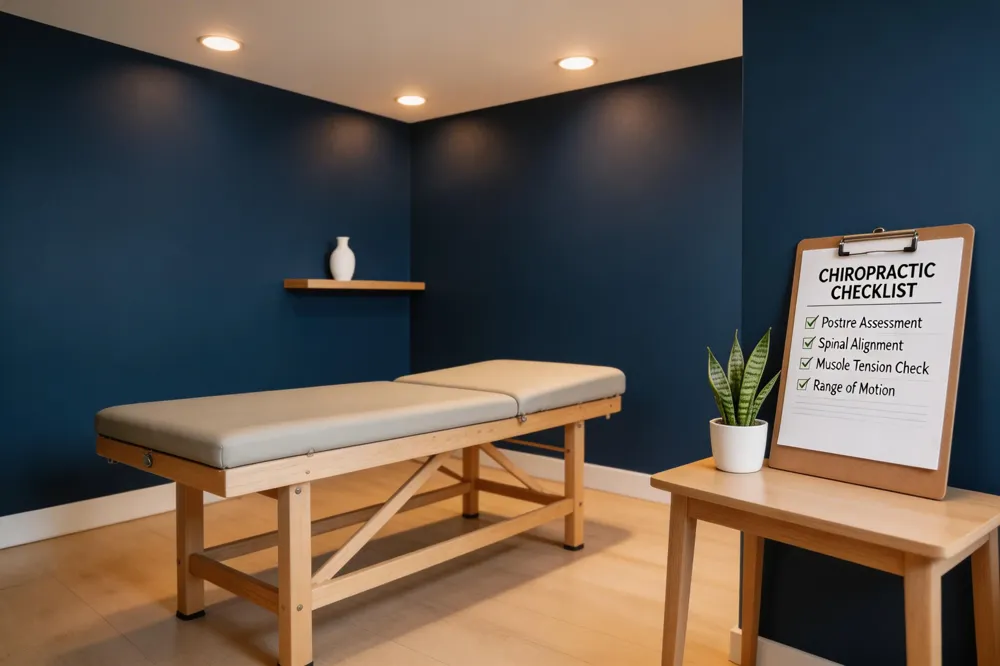
Preparing for Your First Chiropractic Appointment: A Practical Checklist

Back Pain Relief Benefits: Lower Opioid Use and Better Quality of Life

Foam‑Rolling Techniques to Complement Chiropractic Adjustments
Progressive Overload Principles in Corrective Exercise Programs
Six‑Month Transformation: Integrated Care Success Story

7 Nutritional Hacks to Boost Your Overall Wellness
How to Choose a Chiropractor: Credentials, Techniques, and Patient Compatibility

5 Ways Spinal Decompression Can Ease Sciatica Pain

Overcoming Sciatica: A Patient’s Multidisciplinary Treatment Journey
Lifestyle Changes That Promote a Healthy Spine
Physiotherapy as a Complement to Chiropractic Treatments
6 Ways Physiotherapy Enhances Chiropractic Treatment Outcomes
Daily Living Tips for a Strong and Healthy Spine
How Physiotherapy Enhances Chiropractic Outcomes
Holistic Treatments: Alternatives to Surgery for Pain Relief
Inspiring Patient Success Stories from Chiropractic Clinics

Integrating Physiotherapy with Chiropractic Treatments
Corrective Exercise Routines for Chronic Pain Prevention
10 Corrective Exercises to Maintain a Healthy Spine and Relieve Pain
Exercise Strategies for Long-Term Pain Management
10 Corrective Exercises to Maintain a Healthy Spine and Relieve Pain
The Importance of Treating the Root Cause of Pain
Nutritional Support Strategies for Whole-Body Wellness
7 Essential Questions to Ask When Choosing Your Chiropractor
Identifying and Addressing Root Causes of Pain
Maintaining a Healthy Spine with Lifestyle Adjustments
Sciatica Symptom Relief via Spinal Decompression
8 Reasons Why Addressing the Root Cause of Pain Is Crucial
Chiropractic Care’s Impact on Back Pain Recovery
Combining Physiotherapy with Chiropractic Care for Better Results
Inspiring Recovery: Chiropractic Patient Testimonials
Nutritional Counseling Tips for Optimal Wellness

Why Addressing the Root Cause of Pain is Crucial
Back Pain and Chiropractic Care: A Winning Combination

Chiropractic Care Benefits You Might Not Know
Exploring Holistic and Non-Surgical Treatments for Pain
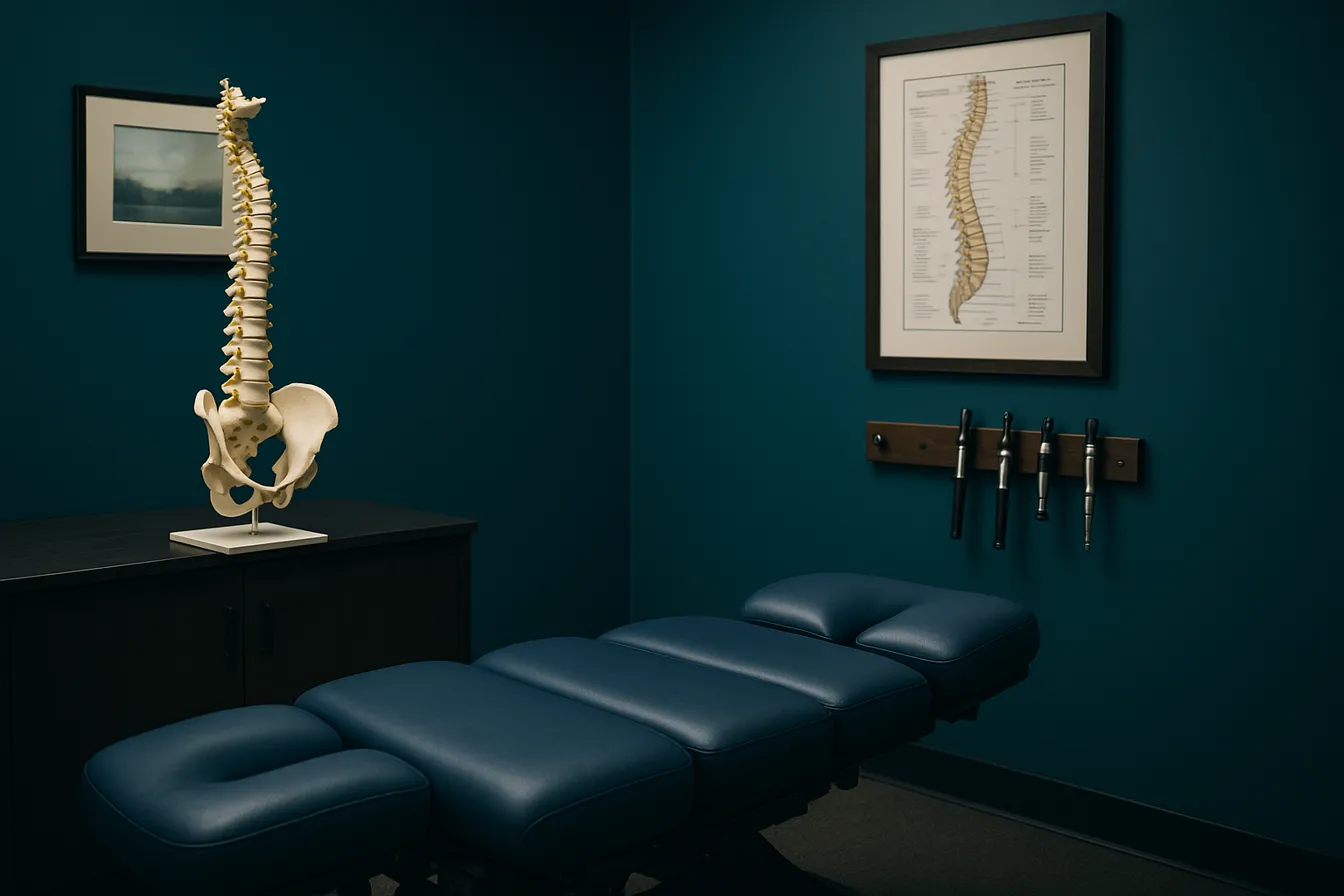
Spinal Health: Lifestyle Tips for Everyday Wellness
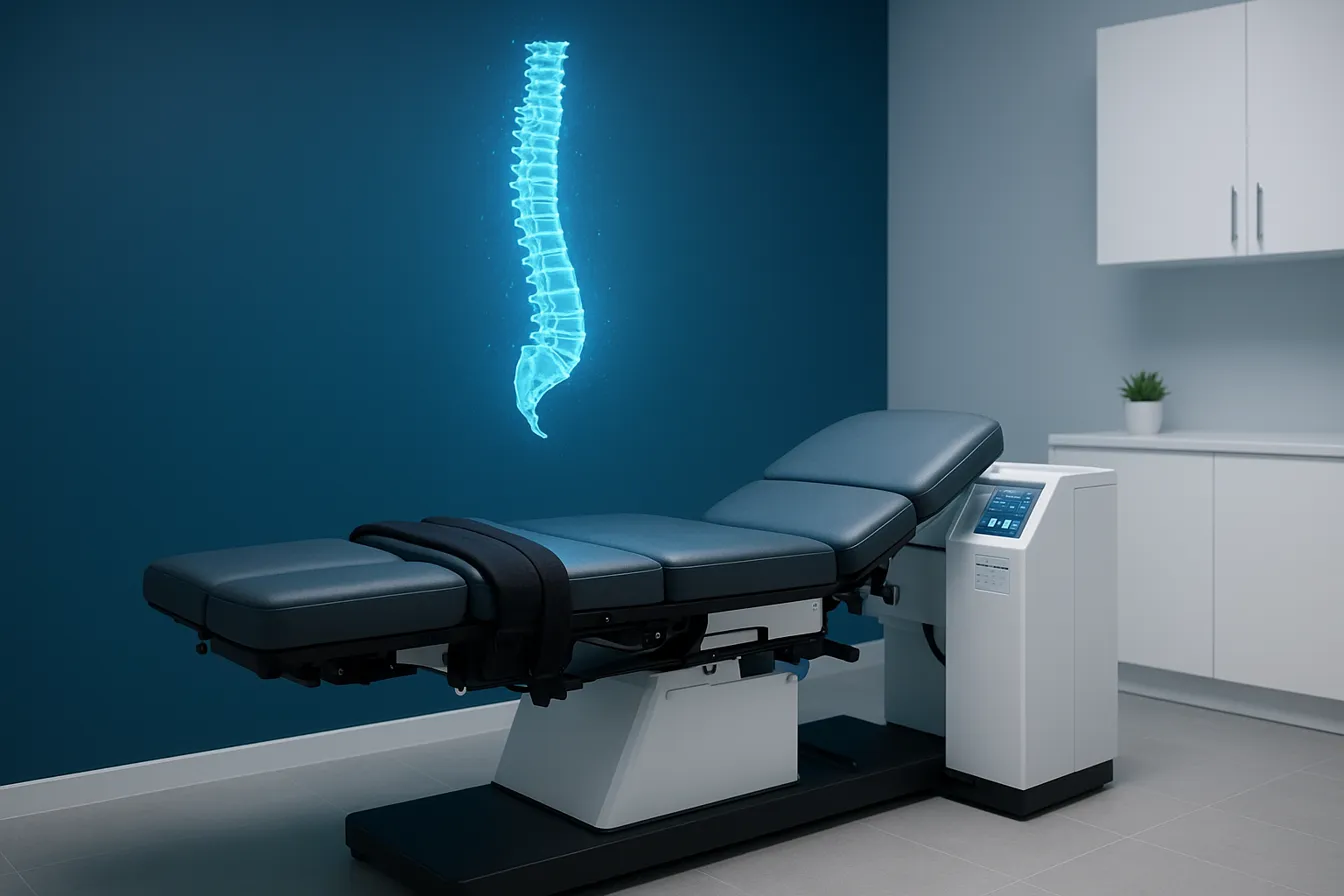
Spinal Decompression Therapy: Benefits and Applications
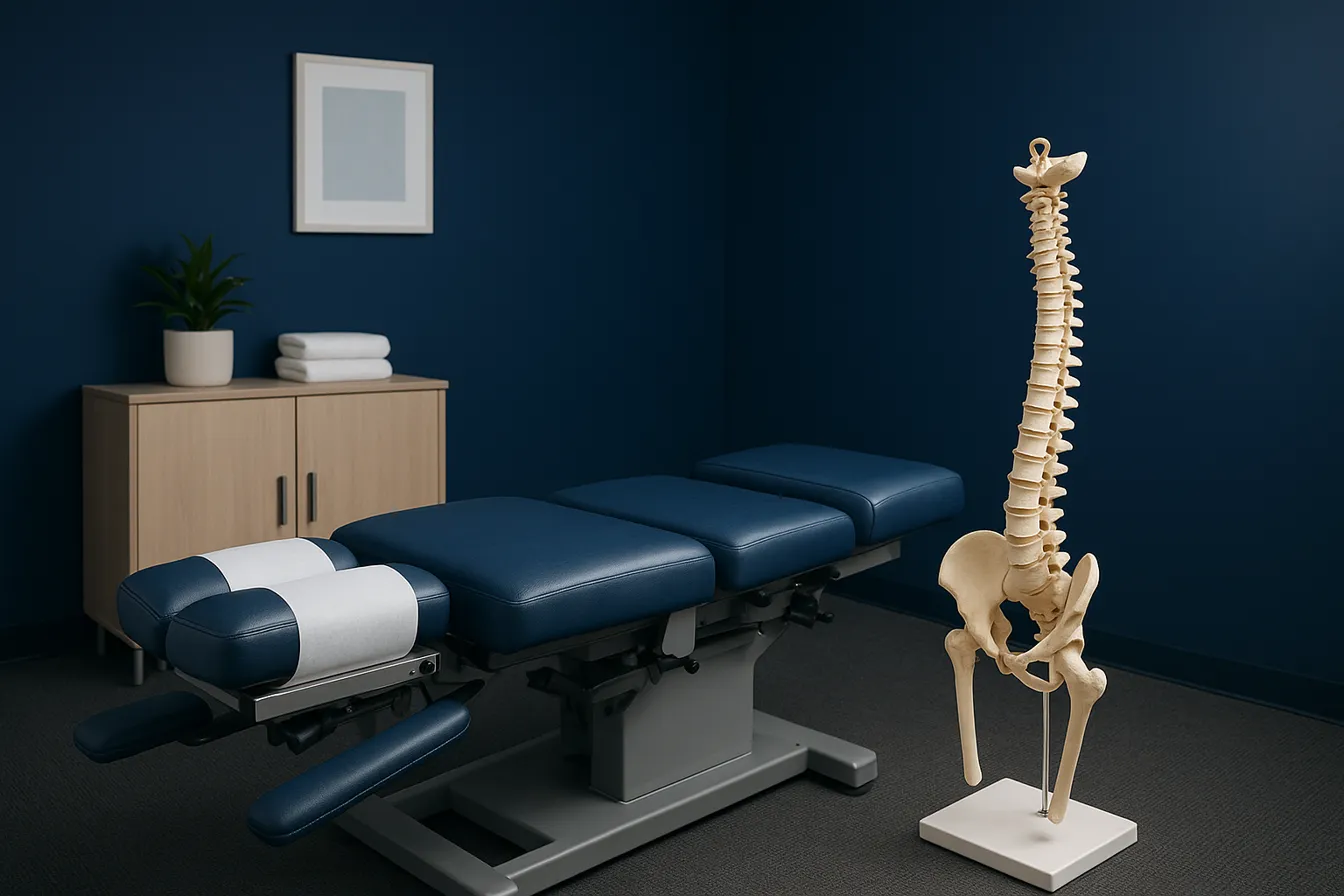
Holistic and Non-Invasive Spine Care Options
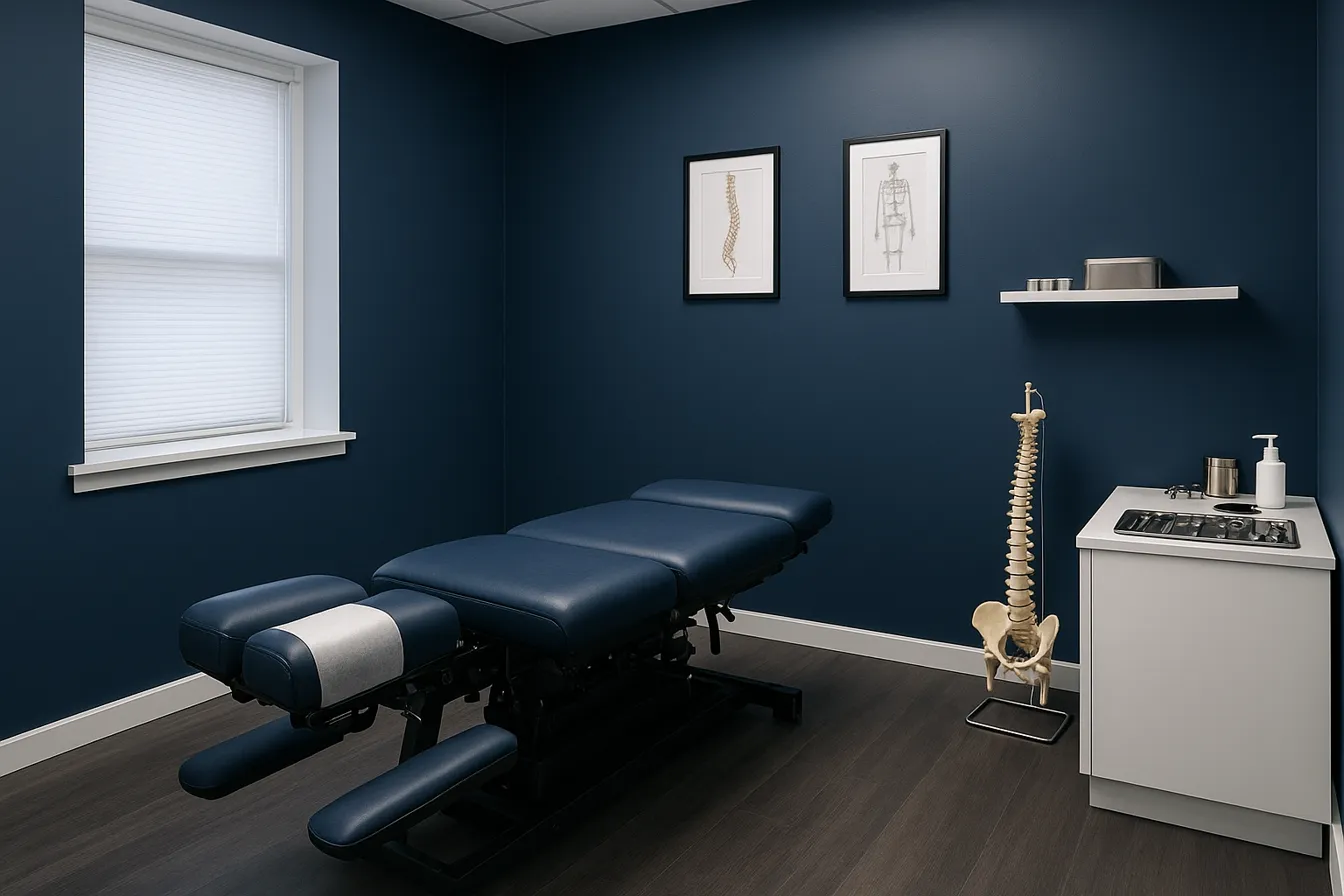
Everyday Lifestyle Advice to Keep Your Spine Healthy
The Significance of Treating Root Causes in Pain Therapy
Best Corrective Exercises for Sustainable Pain Management
Addressing Underlying Causes of Pain for Long-Term Relief
6 Key Benefits of Spinal Decompression Therapy for Sciatica Relief
How Nutritional Counseling Supports Spine Health and Recovery
The Role of Physiotherapy in Supporting Chiropractic Treatments