Why Targeting the Underlying Cause Beats Temporary Symptom Relief
April 14, 2026
6 min

Why Targeting the Underlying Cause Matters
Root‑cause medicine seeks the original source of dysfunction—structural misalignments, hormonal imbalances, chronic inflammation—whereas symptom management merely masks pain, leaving the underlying problem to persist. Integrative health principles combine chiropractic adjustments, nutrition, stress‑reduction, and movement therapy to restore the body’s natural self‑healing networks. By correcting spinal alignment, optimizing posture, and addressing lifestyle contributors such as sleep, diet, and ergonomics, patients experience reduced inflammatory cytokines, improved nervous‑system signaling, and enhanced neuroplasticity. The result is lasting relief, lower medication dependence, fewer recurrences, and sustained functional vitality—outcomes that symptom‑only approaches cannot reliably achieve.
Understanding Root‑Cause Medicine and the Body’s Natural Healing Power
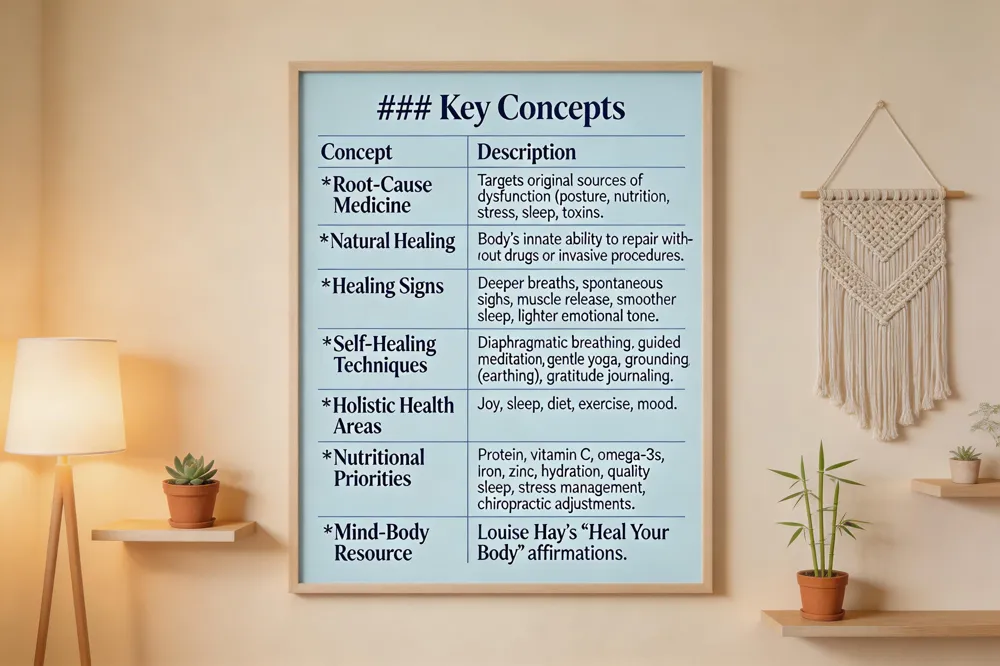 Root‑cause medicine seeks the original sources of dysfunction—posture, nutrition, stress, sleep, toxin exposure—rather than merely masking pain. Natural healing is the body’s innate capacity to repair, regenerate, and restore balance without relying on drugs or invasive procedures. When obstacles such as chronic stress, poor diet, or spinal misalignments are removed, the nervous system, immune response, and tissue‑repair pathways can work efficiently. Signs that the body is healing include deeper, more restorative breaths, spontaneous sighs, releasing muscles, smoother sleep, and a lighter emotional tone. Self‑healing techniques—diaphragmatic breathing, guided meditation, gentle yoga, grounding (earthing), and gratitude journaling—calm the nervous system and reduce inflammation. The five areas of holistic health are joy, sleep, diet, exercise, and mood. Boost healing power by prioritizing protein, vitamin C, omega‑3s, iron, zinc, hydration, quality sleep, stress management, and regular chiropractic adjustments to improve spinal alignment and circulation. Louise Hay’s Heal Your Body offers mind‑body affirmations that complement these practices, guiding patients toward lasting musculoskeletal wellness.
Evidence‑Based Chiropractic Care: Safety, Effectiveness, and the Science Behind Adjustments
 Systematic review chiropractic care Systematic reviews show modest short‑term relief for acute low‑back pain, comparable to physiotherapy or exercise programs. Evidence for headaches, cervicogenic dizziness, or non‑spinal pain remains inconclusive, and routine maintenance visits after symptom resolution are not strongly supported. Adverse events are rare, typically mild soreness, underscoring the need for qualified practitioners.
Is occipital lift dangerous? When performed by a trained chiropractor, an occipital lift is generally safe. Most patients feel brief soreness or relaxation. Serious complications such as vertebral or carotid artery dissection are extremely rare (≈1 in 100,000–1 million) and usually linked to pre‑existing risk factors.
Can chiropractor cause whiplash? High‑velocity, low‑amplitude thrusts can occasionally produce temporary strain, but true whiplash is uncommon. Proper screening and controlled techniques keep risk low; patients should disclose neck history before treatment.
Network Spinal Analysis side effects Typical reactions are mild and transient—soreness, heightened energy, emotional releases, or brief shifts in pain. Rare serious events mirror those of other spinal manipulations.
Can a chiropractor cause spinal stenosis? Spinal stenosis stems from age‑related structural changes, not chiropractic care. Aggressive adjustments might aggravate symptoms, but gentle, low‑force methods are safe and can relieve nerve pressure.
Can chiropractor fix low back pain? Yes. Evidence, including a 2018 JAMA study, shows chiropractic adjustments plus exercises reduce pain and improve function for many acute or sub‑acute cases, with rare serious complications.
The science behind chiropractic care Research demonstrates that targeted spinal manipulation restores joint mobility, modulates nervous system activity, and promotes natural healing. Integrated biomechanical assessment, posture correction, and therapeutic exercise further enhance outcomes, offering a drug‑free, holistic approach to musculoskeletal health.
The 3 T’s, Root‑Cause Identification, and Structured Analysis
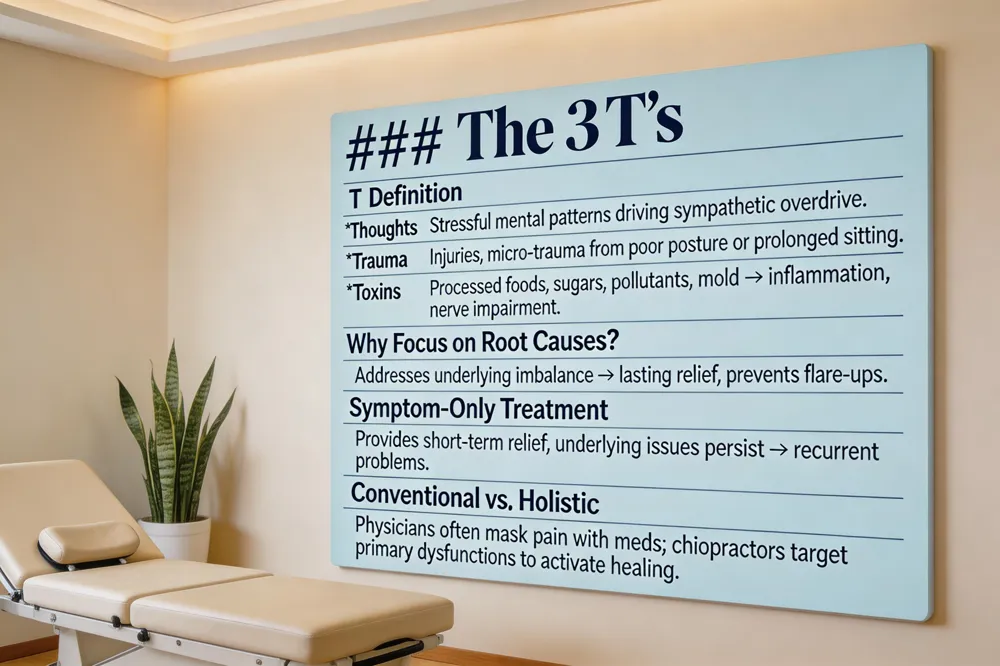 What are the 3 T’s in chiropractic? In chiropractic, the 3 T’s: Thoughts, Trauma, Toxins. Thoughts are stress and negative mental patterns that keep nervous system in sympathetic overdrive. Trauma includes injuries and micro‑trauma from poor posture or prolonged sitting. Toxins are harmful substances—processed foods, sugars, pollutants, mold—that create inflammation and impede nerve function. Addressing these factors restores proper nerve flow and wellness.
Why focus on root causes instead of symptoms? Treating only symptoms offers short‑term relief while underlying imbalance remains, leading to recurrent flare‑ups. Identifying and correcting the root cause—misalignment, stress, poor posture—provides lasting relief and prevents future issues, allowing care.
Do doctors treat symptoms or causes? Conventional physicians often prescribe medications that mask pain, fever, or inflammation without correcting physiological source. Holistic approaches, such as chiropractic, target primary dysfunctions, activating healing mechanisms.
Treat underlying cause meaning. It means identifying original imbalance—spinal misalignment, inflammation, nervous‑system irritation—and correcting it so body can heal naturally, eliminating the symptom.
Holistic Care, Insurance, and Natural Pain Management Strategies
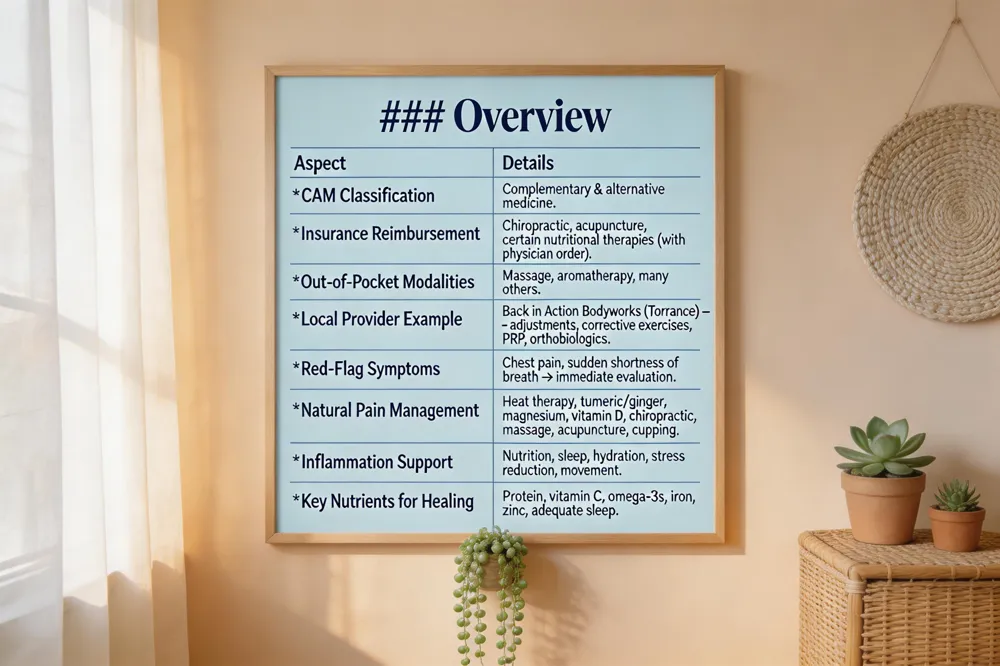 Holistic health services are classified as complementary and alternative medicine (CAM). Most insurers reimburse chiropractic care, acupuncture, and certain nutritional therapies when a licensed practitioner provides a physician’s order, but many modalities such as massage or aromatherapy remain out‑of‑pocket. In Torrance, Back in Action Bodyworks offers orthopedics: a blend of adjustments, corrective exercises, PRP and orthobiologics that address joint and soft‑tissue dysfunction without surgery. Patients must never ignore chest pain or sudden shortness of breath, as these can signal life‑threatening cardiac or pulmonary events and require immediate evaluation. Natural musculoskeletal pain management starts with heat therapy, herbs (turmeric, ginger), magnesium and vitamin D, followed by hands‑on techniques such as chiropractic adjustments, massage, acupuncture, and cupping that restore alignment and improve circulation. The body can heal acute inflammation when supported by nutrition, sleep, hydration, stress reduction, and movement; chronic inflammation needs interventions. To boost healing power, prioritize protein, vitamin C, omega‑3s, iron, zinc, sleep and care to improve circulation and function.
Patient Education, Resources, and the Bigger Picture of Pain Care
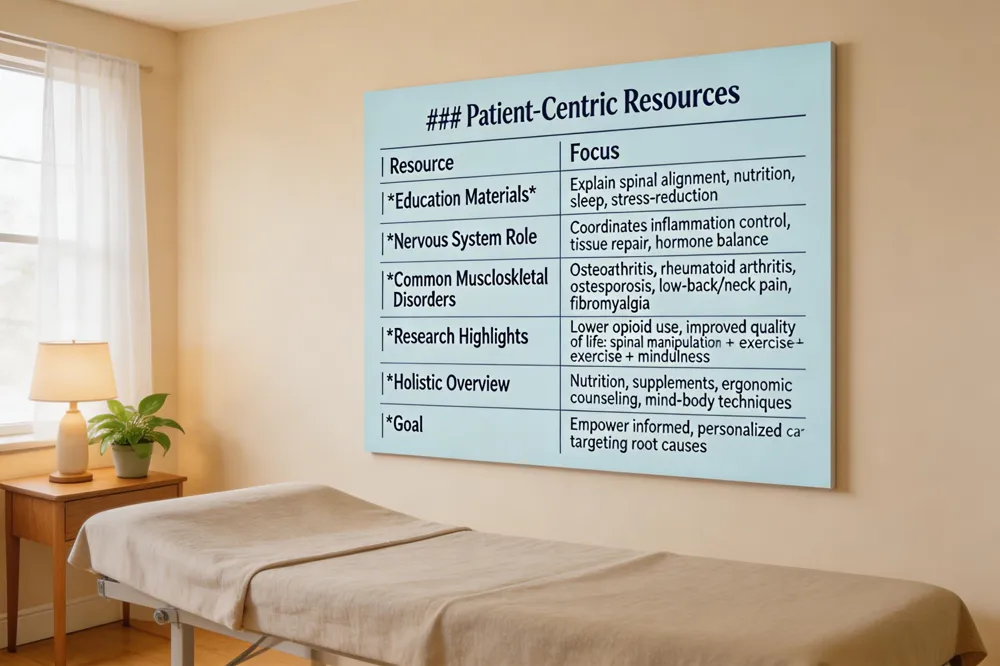 Empowering patients begins with clear education materials that explain how spinal alignment, nutrition, sleep, and stress‑reduction work together to activate the body’s self‑healing power. The nervous system coordinates inflammation control tissue repair, and hormone balance; when chiropractic care restores proper joint mechanics, these innate pathways operate more efficiently, reducing chronic pain and supporting recovery. The six most common musculoskeletal disorders—osteoarthritis, rheumatoid arthritis, osteoporosis, low‑back pain, neck pain, and fibromyalgia—share underlying biomechanical or inflammatory triggers that can often be addressed by a whole‑person approach. Chiropractic articles for patients distill recent research on spinal manipulation, exercise, and mindfulness, showing lower opioid use and improved quality of life. A holistic health overview ties together therapeutic nutrition, targeted supplements, ergonomic counseling, and mind‑body techniques, offering a roadmap for sustainable wellness. Together, these resources guide individuals toward informed, personalized care that targets root causes rather than merely masking symptoms.
Putting It All Together: Why Targeting the Root Cause Beats Symptom Management
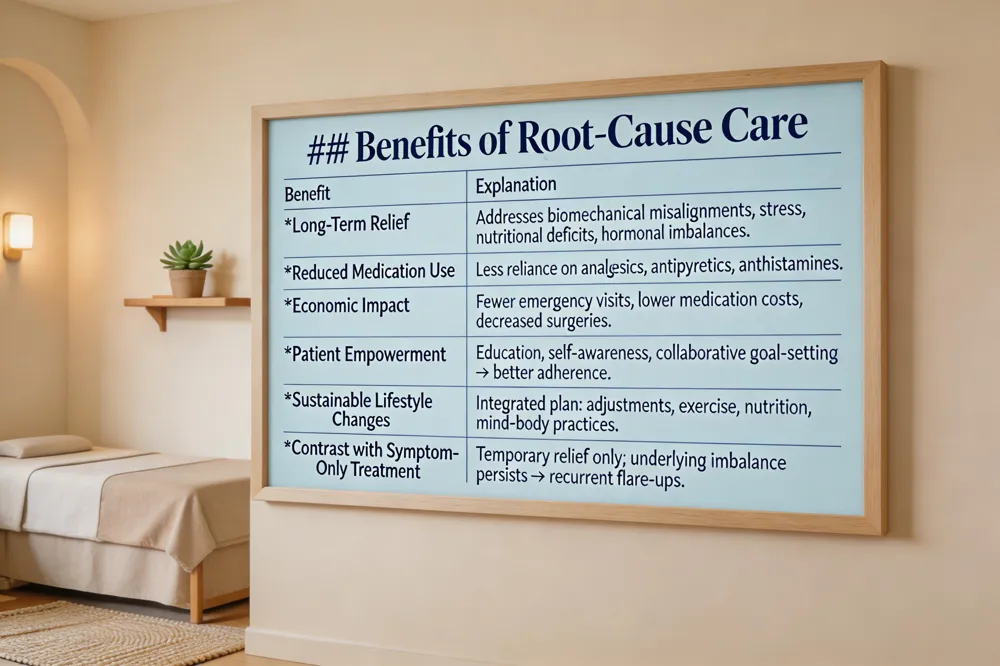 Root‑cause treatment versus symptom‑focused care is a decisive factor for long‑term health. By diagnosing the biomechanical misalignments, chronic stress, nutritional deficiencies or hormonal imbalances that generate pain, practitioners can design personalized, evidence‑based plans—spinal adjustments, therapeutic exercises, nutrition counseling, and mind‑body techniques—that restore function rather than merely mask discomfort. This holistic, integrative approach yields superior outcomes: patients report lasting relief, reduced medication use, and lower recurrence rates. Economically, root‑cause care cuts healthcare spending, diminishing emergency visits, medication costs, and surgical interventions. Empowering patients through education, self‑awareness, and collaborative goal‑setting fosters adherence and promotes sustainable lifestyle changes.
Why focus on root causes instead of symptoms? Because treating only the symptom provides temporary relief while the underlying imbalance persists, leading to repeated flare‑ups; addressing the source restores proper function and prevents future issues.
Do doctors treat symptoms or causes? Conventional physicians often prescribe symptom‑relieving drugs, leaving the underlying dysfunction untouched; holistic providers such as chiropractors seek to correct the primary dysfunction, activating the body’s self‑healing mechanisms.
What is a medicine that addresses symptoms but not causes? Symptomatic treatment—analgesics, antipyretics, antihistamines—relieves signs without altering disease progression, masking underlying problems and sometimes causing side effects.
The Bottom Line: Choose Cause‑Focused Care for Lasting Relief
Choosing a cause‑focused, chiropractic and holistic strategy yields lasting health gains. By correcting structural misalignments, hormonal imbalances, and lifestyle stressors, patients experience long‑term reductions in pain, inflammation, and functional decline. This approach naturally diminishes the need for chronic medication, lowering side‑effect risk and healthcare costs. Empowered by individualized education and self‑management tools, individuals take active roles in their recovery, fostering confidence and sustained wellness. Integrating evidence‑based spinal adjustments, targeted exercises, nutrition, and mind‑body techniques creates a comprehensive, whole‑person plan that addresses the root drivers of discomfort while supporting overall vitality. Research shows multimodal care yields satisfaction, restoration, and lower recurrence, confirming value of addressing underlying cause rather than masking symptoms.
Recent articles

10 Real‑Patient Success Stories Showcasing the Impact of Chiropractic Care

Superfoods That Boost Nerve Healing After Chiropractic Sessions

Sleep Positions That Promote a Healthy Back Alignment

Signs Your Chiropractor Is a Good Fit for Your Back Pain Goals

Case Study: Integrated Physiotherapy and Chiropractic for Faster Recovery

First-Time Chiropractic Visit: A Step‑by‑Step Walkthrough

Synergistic Benefits: Combining Physiotherapy with Chiropractic Care

Beyond Surgery: Holistic Approaches to Managing Back Pain

How Manual Therapy Enhances the Effects of Chiropractic Adjustments

Hydration Hacks: Why Water Matters for Joint and Spine Function

What Does a Comprehensive Spinal Evaluation Include?

Success Spotlight: Transformative Results After Six Weeks of Chiropractic Treatment

Understanding the Initial Assessment Process in Chiropractic Care

Designing a Personalized Corrective Exercise Plan for Chronic Pain Management

Natural Pain Management: Combining Acupuncture, Yoga, and Chiropractic

Chiropractic Care vs. Pain Meds: Long-Term Outcomes for Back Pain Sufferers

What to Expect During a Sciatica‑Focused Decompression Session

Understanding the Pain-Relief Mechanics Behind Chiropractic Adjustments

Success Rates of Non‑Surgical Spinal Decompression for Sciatica

Patient-Centered Chiropractic Care: Personalized Plans for Back Pain Relief
How Chiropractic Treatments Reduce Inflammation and Speed Up Back Pain Recovery

Real‑Life Stories: How Chiropractic Helped Patients Overcome Chronic Back Pain

From Symptom Masking to Root‑Cause Healing: A Practical Guide

6 Holistic Non‑Surgical Treatments That Deliver Sustainable Back‑Pain Relief

Key Questions to Ask When Selecting Your Chiropractor

Mindful Movement: Incorporating Stretch Breaks Into a Busy Day
Why Targeting the Underlying Cause Beats Temporary Symptom Relief

8 Ways Physiotherapy Complements Chiropractic Adjustments for Faster Recovery

Meal Planning for Athletes Recovering from Back Injuries

9 Everyday Lifestyle Tweaks to Preserve a Healthy Spine and Prevent Pain

Functional Movement Screening for Root‑Cause Pain Identification

6 Things You’ll Experience During Your First Chiropractic Appointment

Spinal Decompression vs. Standard Physical Therapy for Sciatica: A Comparative Review

New Findings on How Adjustments Influence Blood Circulation
Work‑From‑Home Ergonomics: A Blueprint for a Pain‑Free Back

The Link Between Chiropractic Care and Improved Sleep Quality

Physiotherapy Techniques That Strengthen the Benefits of Chiropractic Adjustments

Biomechanical Insights Behind Successful Spinal Decompression

Desk‑to‑Dumbbell: Lifestyle Shifts That Guard Your Lower Back

10 Corrective Exercises for Sustainable Pain-Free Living

Morning Routines That Support Spine Health and Reduce Stiffness

Calcium and Magnesium‑Focused Nutrition for Bone Density and Spine Health

9 Ways Chiropractic Care Transforms Back Pain Management

Testimonial: Nutrition‑Guided Recovery Accelerated by Chiropractic

Science‑Backed Spinal Decompression for Relieving Sciatica Symptoms

Key Questions to Ask During Your Initial Chiropractic Consultation

Whole‑Body Wellness Blueprint: Nutrition, Exercise, and Chiropractic Synergy

A 12‑Week Corrective Exercise Blueprint for Chronic Neck Discomfort

Manual Therapy Plus Targeted Exercise: Accelerating Post‑Injury Recovery

Home‑Based Spinal Decompression Devices: What Patients Should Know

Chiropractic Care Statistics: Reducing Lost Workdays From Back Pain

How Targeted Nutrition Enhances Immune Function and Lowers Inflammatory Pain

Self‑Assessment Tools to Identify Hidden Triggers of Back Pain

Preparing for Your First Chiropractic Appointment: A Practical Checklist

Back Pain Relief Benefits: Lower Opioid Use and Better Quality of Life

Foam‑Rolling Techniques to Complement Chiropractic Adjustments

Progressive Overload Principles in Corrective Exercise Programs

Six‑Month Transformation: Integrated Care Success Story

7 Nutritional Hacks to Boost Your Overall Wellness

How to Choose a Chiropractor: Credentials, Techniques, and Patient Compatibility

5 Ways Spinal Decompression Can Ease Sciatica Pain

Overcoming Sciatica: A Patient’s Multidisciplinary Treatment Journey
Lifestyle Changes That Promote a Healthy Spine
Physiotherapy as a Complement to Chiropractic Treatments

6 Ways Physiotherapy Enhances Chiropractic Treatment Outcomes

Daily Living Tips for a Strong and Healthy Spine

How Physiotherapy Enhances Chiropractic Outcomes
Holistic Treatments: Alternatives to Surgery for Pain Relief

Inspiring Patient Success Stories from Chiropractic Clinics

Integrating Physiotherapy with Chiropractic Treatments
Corrective Exercise Routines for Chronic Pain Prevention
10 Corrective Exercises to Maintain a Healthy Spine and Relieve Pain
Exercise Strategies for Long-Term Pain Management
10 Corrective Exercises to Maintain a Healthy Spine and Relieve Pain
The Importance of Treating the Root Cause of Pain

Nutritional Support Strategies for Whole-Body Wellness
7 Essential Questions to Ask When Choosing Your Chiropractor
Identifying and Addressing Root Causes of Pain
Maintaining a Healthy Spine with Lifestyle Adjustments
Sciatica Symptom Relief via Spinal Decompression

8 Reasons Why Addressing the Root Cause of Pain Is Crucial
Chiropractic Care’s Impact on Back Pain Recovery

Combining Physiotherapy with Chiropractic Care for Better Results
Inspiring Recovery: Chiropractic Patient Testimonials
Nutritional Counseling Tips for Optimal Wellness

Why Addressing the Root Cause of Pain is Crucial
Back Pain and Chiropractic Care: A Winning Combination

Chiropractic Care Benefits You Might Not Know
Exploring Holistic and Non-Surgical Treatments for Pain
Spinal Health: Lifestyle Tips for Everyday Wellness
Spinal Decompression Therapy: Benefits and Applications
Holistic and Non-Invasive Spine Care Options
Everyday Lifestyle Advice to Keep Your Spine Healthy

The Significance of Treating Root Causes in Pain Therapy
Best Corrective Exercises for Sustainable Pain Management

Addressing Underlying Causes of Pain for Long-Term Relief

6 Key Benefits of Spinal Decompression Therapy for Sciatica Relief

How Nutritional Counseling Supports Spine Health and Recovery

The Role of Physiotherapy in Supporting Chiropractic Treatments