A 12‑Week Corrective Exercise Blueprint for Chronic Neck Discomfort
March 24, 2026
7 min

Why a Blueprint Matters
Chronic neck pain affects 15‑20 % of U.S. adults each year, often stemming from forward‑head posture, weak core and deep cervical flexors, and limited thoracic extension. When the thoracic spine cannot extend, the cervical spine over‑compensates, creating muscular imbalances and joint strain. A progressive, evidence‑based 12‑week blueprint—starting with gentle mobility drills, then deep‑flexor activation, scapular stabilization, and finally resistance‑loaded functional integration—addresses each of these root causes. By combining chiropractic adjustments, ergonomic education, and targeted home exercises, the program restores natural cervical curvature, improves postural awareness, and reduces pain intensity by up to 50 % in many patients. This structured, patient‑centered approach ensures safe progression, measurable outcomes, and lasting neck health.
Understanding the Roots of Neck Discomfort

The cervical spine (C1‑C7) is a mobile, column that relies on deep cervical flexor muscles—longus colli and longus capitis—for segmental stability. When these deep flexors are weak, superficial muscles such as the sternocleidomastoid and upper trapezius over‑activate, creating a forward‑head posture that increases joint load and pain.
Core muscles—including the transversus abdominis, multifidus, diaphragm, and pelvic floor—act as the central stabilizer for the entire spine. Weak core strength forces the thoracic and cervical regions to compensate, often resulting in a rounded‑shoulder, forward‑head posture. This compensatory alignment places the cervical vertebrae under extra flexion torque, stretching the posterior neck muscles and compressing facet joints.
The impact of forward‑head posture is evident in numerous clinical studies: a 12‑week corrective program that combines deep cervical flexor activation, scapular retraction, and thoracic extension can reduce Neck Disability Index scores by 40‑50 % and improve cervical alignment by 5‑7°.
Can weak core cause neck pain? Yes. Weak core muscles fail to stabilize the spine, causing you to slouch or adopt a forward‑head posture that places extra strain on the cervical vertebrae and neck muscles. When the core can’t support the torso, the lower back and neck must compensate, leading to fatigue, tightness, and pain. This compensatory over‑use can irritate nerves and joints, turning everyday activities into sources of discomfort. Strengthening the abdomen, lower back, pelvis and hips restores neutral alignment, distributes loads evenly, and reduces the likelihood of neck pain. A targeted core‑conditioning program, combined with proper ergonomics and chiropractic care, can often relieve and prevent neck discomfort.
Essential Stretching and Mobility Tools

A well‑structured stretching routine is the cornerstone of any chiropractic‑focused, holistic neck‑pain program. Illustrated stretch routines—available as a printable PDF from Back in Action Bodyworks—guide patients through each movement with clear, step‑by‑step photos. The guide highlights key neck‑muscle stretches such as the upper trapezius stretch, levator scapulae stretch, corner pec stretch, and seated cervical retraction (chin tuck). Each illustration shows proper head, shoulder, and hand placement, ensuring the deep cervical flexors are activated without over‑recruiting superficial muscles.
Safety and frequency guidelines are simple yet critical: hold each stretch for 15‑30 seconds, repeat 2‑4 times per side, and perform the sequence 2‑3 times daily, especially after prolonged screen work. Movements should be performed slowly, without bouncing, and pain should never exceed a mild pulling sensation (0‑5 on a 10‑point scale). If any stretch provokes sharp discomfort, stop immediately and consult your chiropractor.
Neck stretching exercises with pictures pdf
At Back in Action Bodyworks we offer a downloadable PDF that shows illustrated neck‑stretching routines. The guide includes step‑by‑step photos for each exercise—such as upper trapezius stretch, levator scapulae stretch, corner stretch, and seated cervical retraction—so you can see the proper form. Each stretch is described with hold times, repetitions and safety tips to keep the movement pain‑free. You can access the PDF directly from our website’s Resources section or request it by email. Regularly practicing these illustrated stretches can improve flexibility, reduce tension and support overall musculoskeletal health.
Chiropractic Interventions and Decompression

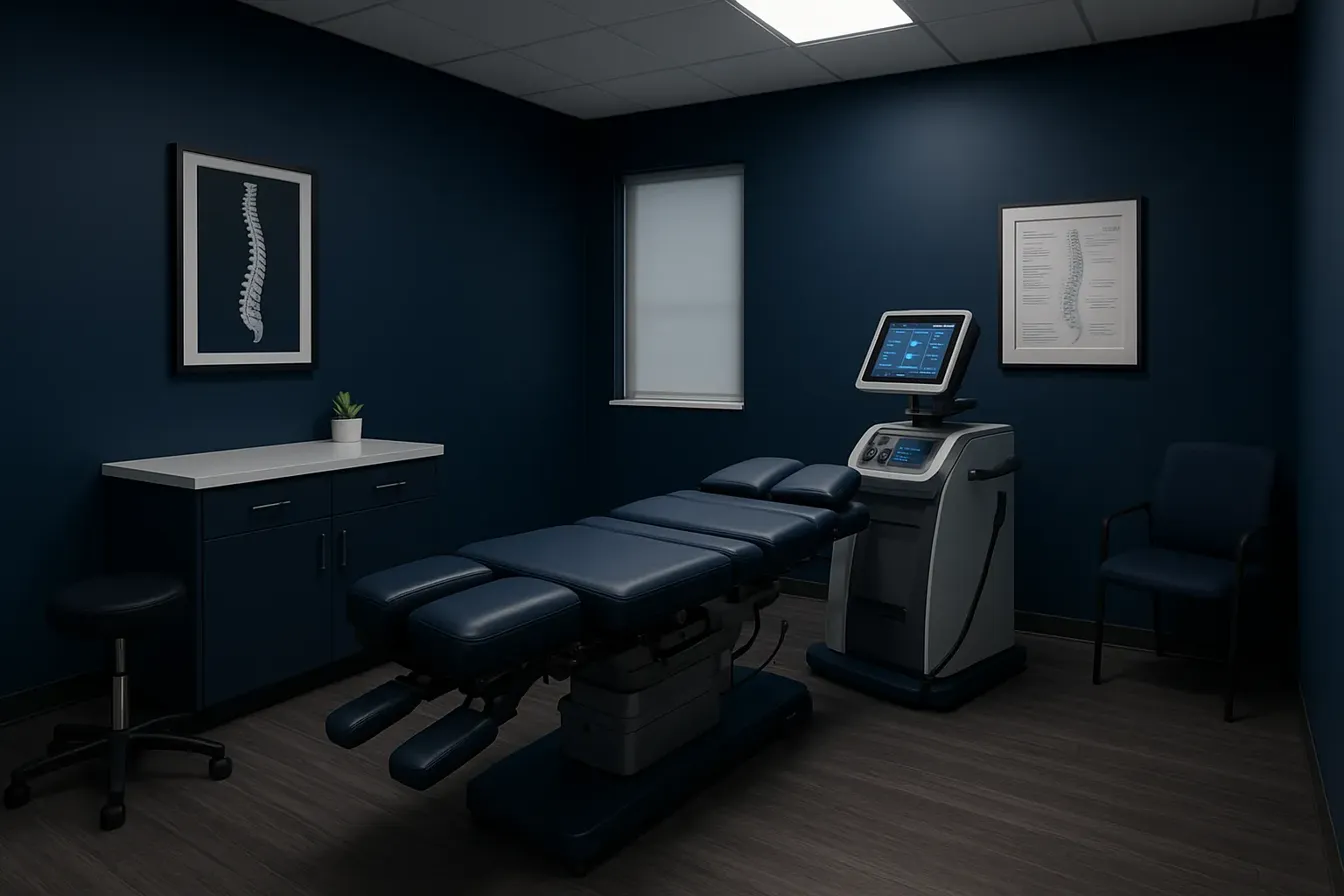
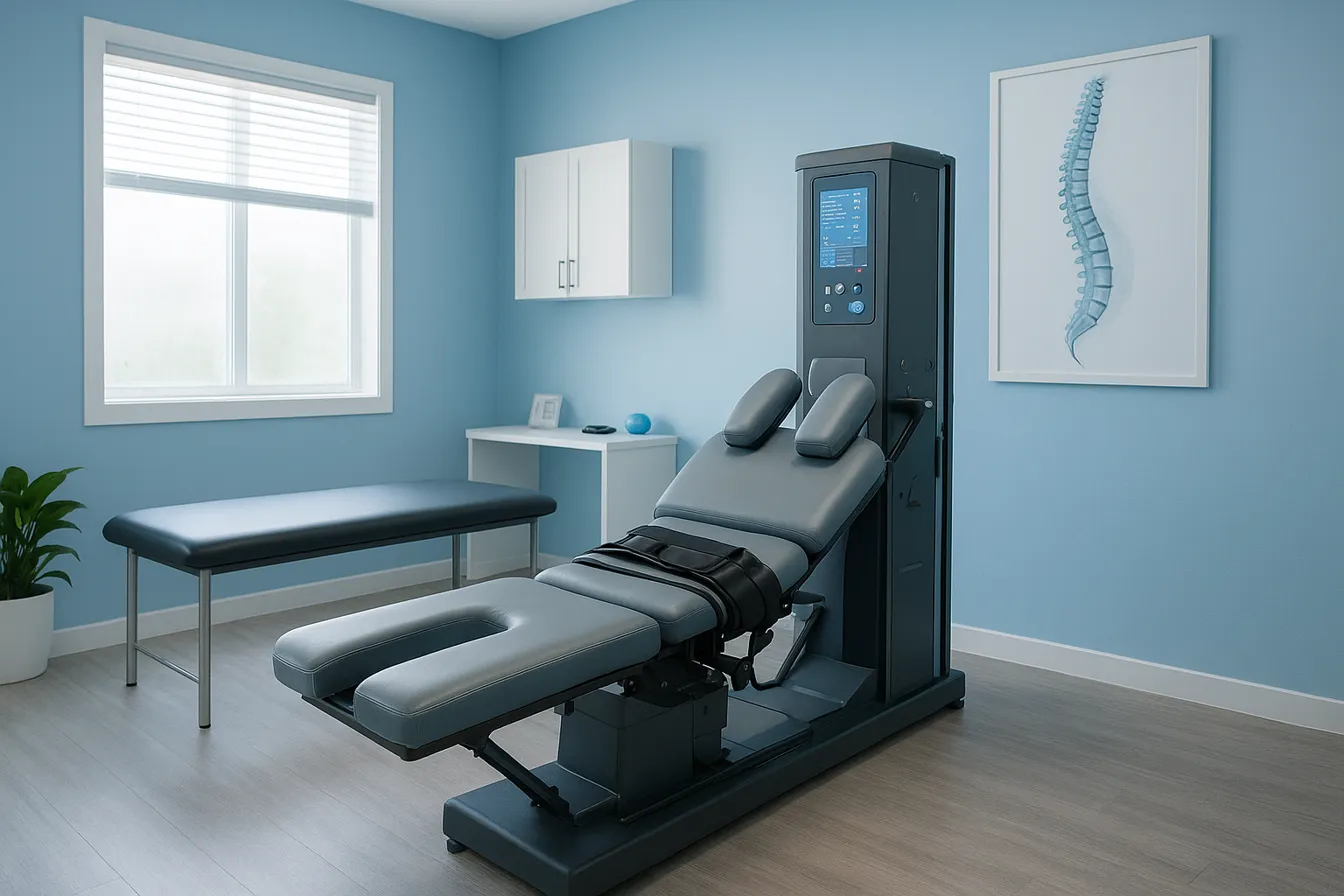
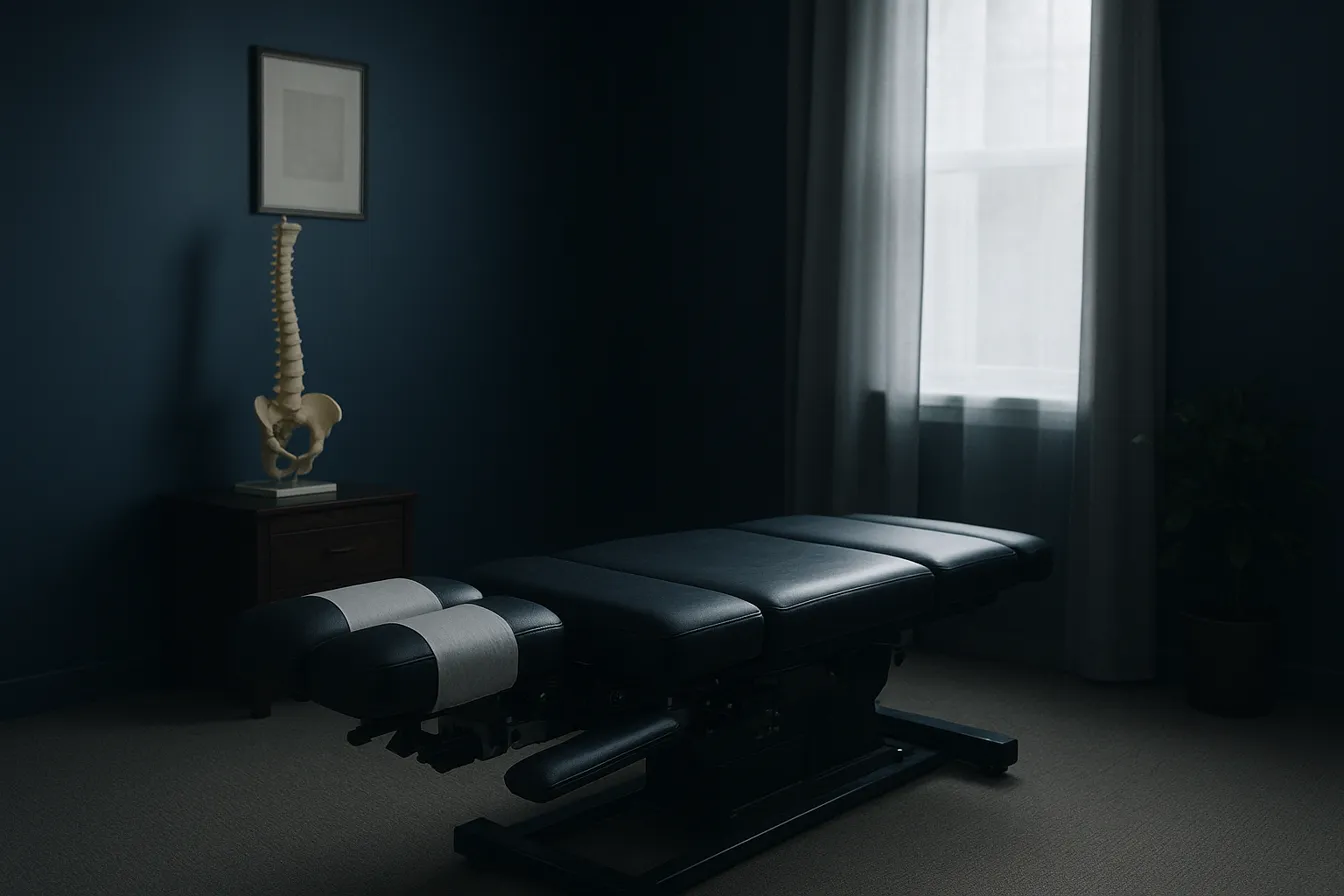
Chiropractors in Torrance routinely offer non‑surgical cervical decompression as a gentle, motor‑assisted traction technique that creates space between vertebrae, eases disc pressure, and encourages nutrient flow. A typical session lasts 30‑45 minutes, uses a harness and a computerized table, and is repeated 2‑3 times per week for 4‑6 weeks. Most patients feel only mild soreness that resolves within a couple of days, and the method avoids the risks and downtime of surgery.
Can a chiropractor decompress the neck? Yes—cervical spinal decompression is a safe, evidence‑based option for chronic neck pain, especially when disc misalignment or nerve irritation is present. Contra‑indications include severe obesity, pregnancy, osteoporosis, fractures, or implanted metal hardware.
Chiropractor near me Back in Action Bodyworks on Torrance Blvd provides holistic adjustments, corrective‑exercise programs, and personalized wellness coaching. Their team blends spinal care with ergonomic counseling to address the root causes of neck discomfort.
Beach chiropractic Torrance Dr. Deborah J. Beach’s clinic at 5344 Torrance Blvd. offers gentle adjustments, neurological assessments, and custom exercise plans. The practice is celebrated for its patient‑first, whole‑body approach.
The Joint Chiropractic Torrance A walk‑in location at 2617 Pacific Coast Highway delivers affordable, insurance‑free care with flexible pricing and extended hours, making it easy to start a decompression protocol.
What to expect during a decompression session? After a brief evaluation, you’ll be fitted with a harness that supports the head and neck. The table gently stretches the cervical spine while you remain relaxed; the therapist monitors pressure and comfort throughout. Post‑session, most patients experience reduced stiffness and a gradual improvement in range of motion over the ensuing weeks.
Therapeutic Exercise Progression – 12‑Week Blueprint

A 12‑week corrective plan is divided into four clear phases. Phase 1 (Weeks 1‑4) focuses on mobility and activation: gentle cervical ROM drills, forward/backward tilts, side rotations, and isometric neck holds (6‑second holds, 8‑12 reps). Deep cervical flexor training starts with craniocervical flexion (chin‑tucks) using biofeedback or a rolled towel to ensure the longus colli/capitis fire without recruiting the sternocleidomastoid. Phase 2 (Weeks 5‑8)** adds strength and postural re‑education. Scapular stabilization (Y‑T‑I raises, wall‑clock drills) and thoracic extension over a foam roller improve thoracic kyphosis, reducing compensatory cervical strain. Phase 3 (Weeks 9‑12)** integrates functional overload: resistance‑band retractions, weighted extensions, and thoracic‑neck drills performed 2‑3 sets of 10‑12 reps three times weekly. Consistent daily posture awareness (chin‑tuck, shoulder retraction) further lowers co‑contraction and pain up to 30 % after four weeks.
PT neck exercises – Include chin tucks, neck glides, Side Rotation stretch, isometric head nods, and Upper Trapezius Stretch; perform 5‑10 seconds, 8‑12 reps, multiple times daily.
Neck exercises gym – Progress from bodyweight chin tucks to light‑resistance band flexion/extension, adding shoulder‑shrug and upright‑row variations; 2‑3 sets of 12‑15 reps.
Neck pain exercises at home – Start with ROM moves (chin tilts, rotations) 15‑30 seconds, 5‑10 reps; add Towel Pull stretch and chin tucks strengthening, 10‑15 reps each session, 2‑3 times daily.
How to cure neck pain FAST exercise – Begin with pain‑free glides and slow chin‑to‑chest flexion, 5‑10 seconds, 8‑10 reps; repeat 2‑3 times daily, keeping pain <4/10.
Does chronic neck pain ever go away? – It seldom resolves without targeted care. A combined approach of chiropractic adjustments, deep‑flexor training, Scapular stabilization, thoracic mobility work, and Ergonomic education can dramatically reduce symptoms and restore function for most patients. Consistency and professional guidance are essential for lasting relief.
Evidence‑Based Outcomes & Research Highlights

Chronic neck pain is a pervasive problem in the United States, Chronic neck discomfort affects 15‑20 % of U.S. adults annually and representing one of the top causes of disability. Large‑scale trials and systematic reviews consistently show that a structured 12‑week program—integrating mobility drills, deep cervical flexor activation, scapular stabilization and thoracic extension—delivers meaningful reductions in pain and disability. For example, a randomized study of 250 participants with cervical spondylosis reported a drop in Visual Analogue Scale (VAS) scores from 42 ± 5 to 33 ± 6 after 12 weeks and a further decline to 30 ± 5 at 24 weeks (p < 0.01). The same cohort’s Neck Disability Index improved from 14 ± 2 to 13 ± 3 at 12 weeks and to 11 ± 3 at 24 weeks, indicating a 40‑50 % functional gain. Systematic review evidence (Jull et al., 2020) underscores that combined cervical mobility, stabilization, and deep‑flexor training yields the greatest long‑term pain reduction, while meta‑analyses of mechanical neck disorder trials reveal moderate‑to‑large effect sizes for combined strengthening and stretching (SMD ≈ ‑0.33 to ‑0.71).
How common is chronic neck pain? It affects 15‑20 % of U.S. adults annually, with many individuals experiencing recurrent episodes that can become chronic, making it a major public‑health concern.
How long does it take to decompress your neck? A typical cervical decompression session lasts 30‑45 minutes; a full therapeutic course spans 5‑7 weeks (≈20‑28 sessions) with noticeable improvement often emerging after a few weeks.
Can a chiropractor decompress the neck? Yes. Chiropractors employ motorized traction tables to apply gentle, controlled cervical traction, creating disc space and reducing nerve pressure without surgery.
Neck stretching exercises with pictures pdf Back in Action Bodyworks offers a downloadable PDF featuring illustrated step‑by‑step neck‑stretch routines (e.g., upper trapezius, levator scapulae, chin‑tuck) to guide safe, effective practice.
Putting It All Together – Practical Patient Guide

Staying healthy at the workstation begins with ergonomic habits and regular micro‑breaks. Keep the monitor at eye level, shoulders relaxed, and elbows bent at 90 degrees; every 30–45 minutes, pause for a brief stretch or a gentle chin‑tuck to reset posture. Printable resources make home practice easy. For a comprehensive physiotherapy routine, download the PDF from the University of Iowa Health Care. This guide blends deep‑cervical‑flexor drills (chin tucks), prone shoulder lifts (hip‑level, airplane, Superman), and scapular squeezes with stretches such as the upper‑back stretch, ear‑to‑shoulder stretch, and doorway pectoral stretch. Each exercise includes clear repetitions, hold times, and a suggested frequency of 2–3 sets per day, 3–5 days per week.
Neck‑specific physical‑therapy exercises are also available as a PDF from reputable sites like the North American Spine Society, offering step‑by‑step instructions, posture tips, and pain‑monitoring guidance.
For visual learners, Back in Action Bodyworks provides a downloadable PDF with illustrated neck‑stretch routines—upper trapezius, levator scapulae, corner stretch, and seated cervical retraction—complete with hold times and safety notes. Request it from our website’s Resources section.
If pain persists, worsens, or is accompanied by neurological symptoms, seek professional care promptly. A qualified chiropractor or physical therapist can assess alignment, tailor a corrective program, and integrate manual therapies for optimal, drug‑free relief.
Your Path to a Pain‑Free Neck
The 12‑week corrective blueprint begins with gentle mobility drills and deep‑cervical‑flexor activation (Weeks 1‑4), moves into scapular‑stabilization and progressive isometric strengthening (Weeks 5‑8), and finishes with functional resistance‑band work, thoracic‑extension drills, and integrated posture‑training (Weeks 9‑12). Consistent daily practice—ideally 2‑3 sessions per week—ensures neuromuscular re‑education and prevents the regression that often follows sporadic effort. Because each individual’s anatomy, posture, and pain threshold differ, professional oversight from a qualified chiropractor or physical therapist is essential to tailor intensity, monitor technique, and adjust the program safely. Ready to restore neck freedom? Schedule a complimentary assessment with Back in Action Bodyworks today and start your personalized, holistic journey toward lasting relief.
Recent articles
10 Real‑Patient Success Stories Showcasing the Impact of Chiropractic Care

Superfoods That Boost Nerve Healing After Chiropractic Sessions

Sleep Positions That Promote a Healthy Back Alignment
Signs Your Chiropractor Is a Good Fit for Your Back Pain Goals
Case Study: Integrated Physiotherapy and Chiropractic for Faster Recovery
First-Time Chiropractic Visit: A Step‑by‑Step Walkthrough
Synergistic Benefits: Combining Physiotherapy with Chiropractic Care

Beyond Surgery: Holistic Approaches to Managing Back Pain

How Manual Therapy Enhances the Effects of Chiropractic Adjustments

Hydration Hacks: Why Water Matters for Joint and Spine Function

What Does a Comprehensive Spinal Evaluation Include?

Success Spotlight: Transformative Results After Six Weeks of Chiropractic Treatment

Understanding the Initial Assessment Process in Chiropractic Care
Designing a Personalized Corrective Exercise Plan for Chronic Pain Management

Natural Pain Management: Combining Acupuncture, Yoga, and Chiropractic
Chiropractic Care vs. Pain Meds: Long-Term Outcomes for Back Pain Sufferers

What to Expect During a Sciatica‑Focused Decompression Session

Understanding the Pain-Relief Mechanics Behind Chiropractic Adjustments

Success Rates of Non‑Surgical Spinal Decompression for Sciatica

Patient-Centered Chiropractic Care: Personalized Plans for Back Pain Relief
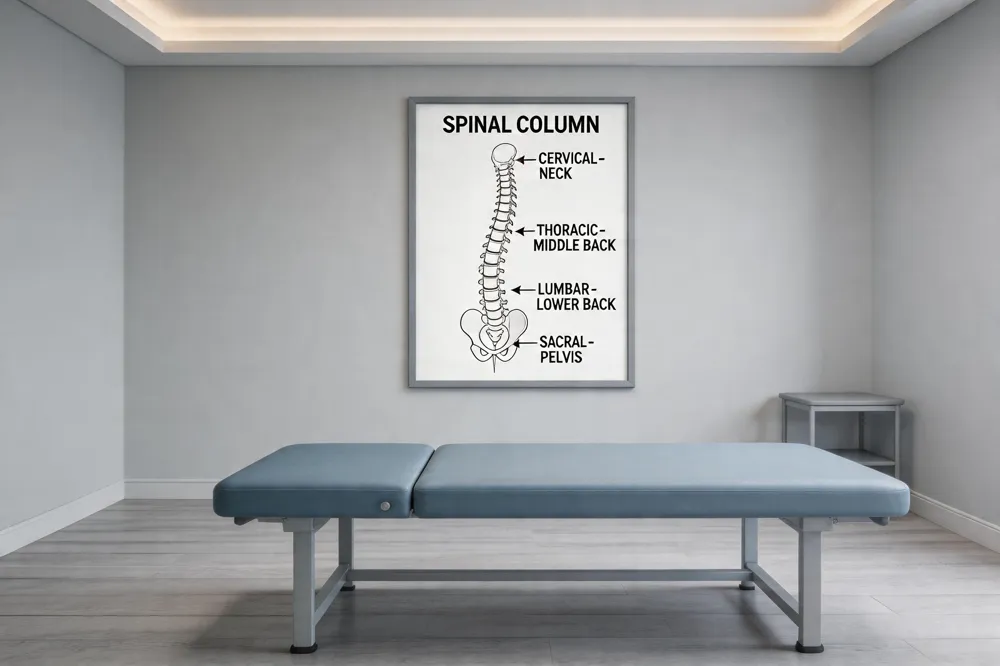
How Chiropractic Treatments Reduce Inflammation and Speed Up Back Pain Recovery

Real‑Life Stories: How Chiropractic Helped Patients Overcome Chronic Back Pain
From Symptom Masking to Root‑Cause Healing: A Practical Guide

6 Holistic Non‑Surgical Treatments That Deliver Sustainable Back‑Pain Relief

Key Questions to Ask When Selecting Your Chiropractor

Mindful Movement: Incorporating Stretch Breaks Into a Busy Day

Why Targeting the Underlying Cause Beats Temporary Symptom Relief

8 Ways Physiotherapy Complements Chiropractic Adjustments for Faster Recovery
Meal Planning for Athletes Recovering from Back Injuries

9 Everyday Lifestyle Tweaks to Preserve a Healthy Spine and Prevent Pain

Functional Movement Screening for Root‑Cause Pain Identification

6 Things You’ll Experience During Your First Chiropractic Appointment

Spinal Decompression vs. Standard Physical Therapy for Sciatica: A Comparative Review

New Findings on How Adjustments Influence Blood Circulation
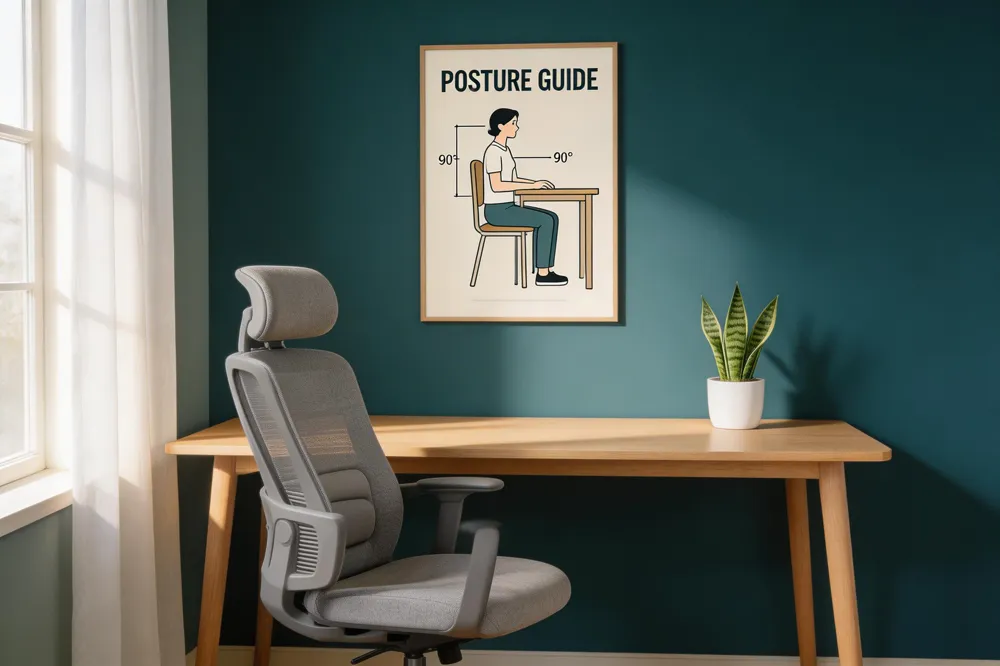
Work‑From‑Home Ergonomics: A Blueprint for a Pain‑Free Back

The Link Between Chiropractic Care and Improved Sleep Quality

Physiotherapy Techniques That Strengthen the Benefits of Chiropractic Adjustments

Biomechanical Insights Behind Successful Spinal Decompression

Desk‑to‑Dumbbell: Lifestyle Shifts That Guard Your Lower Back

10 Corrective Exercises for Sustainable Pain-Free Living

Morning Routines That Support Spine Health and Reduce Stiffness

Calcium and Magnesium‑Focused Nutrition for Bone Density and Spine Health

9 Ways Chiropractic Care Transforms Back Pain Management

Testimonial: Nutrition‑Guided Recovery Accelerated by Chiropractic
Science‑Backed Spinal Decompression for Relieving Sciatica Symptoms

Key Questions to Ask During Your Initial Chiropractic Consultation
Whole‑Body Wellness Blueprint: Nutrition, Exercise, and Chiropractic Synergy
A 12‑Week Corrective Exercise Blueprint for Chronic Neck Discomfort

Manual Therapy Plus Targeted Exercise: Accelerating Post‑Injury Recovery
Home‑Based Spinal Decompression Devices: What Patients Should Know

Chiropractic Care Statistics: Reducing Lost Workdays From Back Pain

How Targeted Nutrition Enhances Immune Function and Lowers Inflammatory Pain

Self‑Assessment Tools to Identify Hidden Triggers of Back Pain
Preparing for Your First Chiropractic Appointment: A Practical Checklist

Back Pain Relief Benefits: Lower Opioid Use and Better Quality of Life

Foam‑Rolling Techniques to Complement Chiropractic Adjustments

Progressive Overload Principles in Corrective Exercise Programs

Six‑Month Transformation: Integrated Care Success Story

7 Nutritional Hacks to Boost Your Overall Wellness

How to Choose a Chiropractor: Credentials, Techniques, and Patient Compatibility

5 Ways Spinal Decompression Can Ease Sciatica Pain

Overcoming Sciatica: A Patient’s Multidisciplinary Treatment Journey
Lifestyle Changes That Promote a Healthy Spine
Physiotherapy as a Complement to Chiropractic Treatments
6 Ways Physiotherapy Enhances Chiropractic Treatment Outcomes
Daily Living Tips for a Strong and Healthy Spine
How Physiotherapy Enhances Chiropractic Outcomes
Holistic Treatments: Alternatives to Surgery for Pain Relief
Inspiring Patient Success Stories from Chiropractic Clinics

Integrating Physiotherapy with Chiropractic Treatments
Corrective Exercise Routines for Chronic Pain Prevention
10 Corrective Exercises to Maintain a Healthy Spine and Relieve Pain
Exercise Strategies for Long-Term Pain Management
10 Corrective Exercises to Maintain a Healthy Spine and Relieve Pain
The Importance of Treating the Root Cause of Pain
Nutritional Support Strategies for Whole-Body Wellness
7 Essential Questions to Ask When Choosing Your Chiropractor
Identifying and Addressing Root Causes of Pain
Maintaining a Healthy Spine with Lifestyle Adjustments
Sciatica Symptom Relief via Spinal Decompression
8 Reasons Why Addressing the Root Cause of Pain Is Crucial
Chiropractic Care’s Impact on Back Pain Recovery
Combining Physiotherapy with Chiropractic Care for Better Results
Inspiring Recovery: Chiropractic Patient Testimonials
Nutritional Counseling Tips for Optimal Wellness

Why Addressing the Root Cause of Pain is Crucial
Back Pain and Chiropractic Care: A Winning Combination
Chiropractic Care Benefits You Might Not Know
Exploring Holistic and Non-Surgical Treatments for Pain
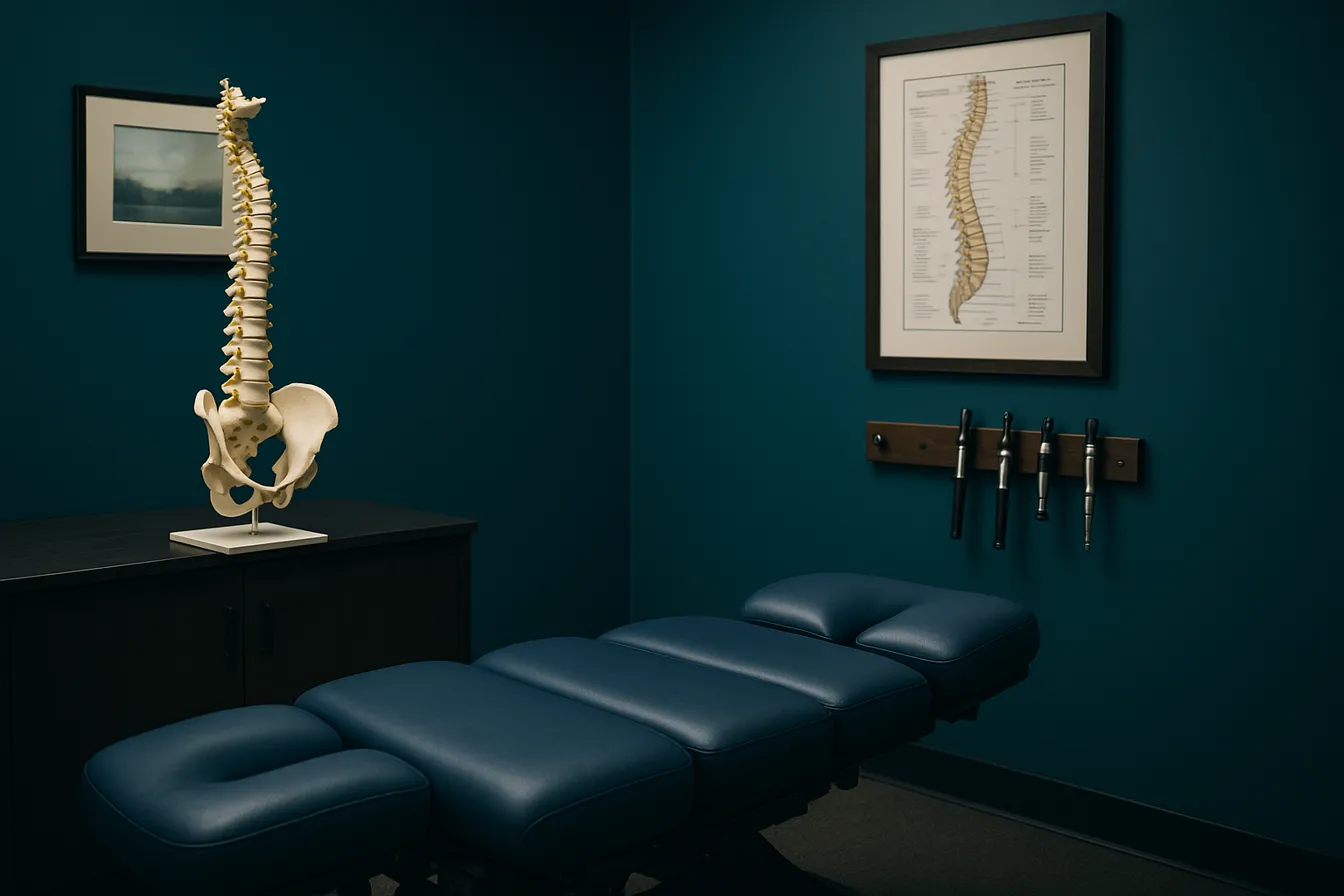
Spinal Health: Lifestyle Tips for Everyday Wellness
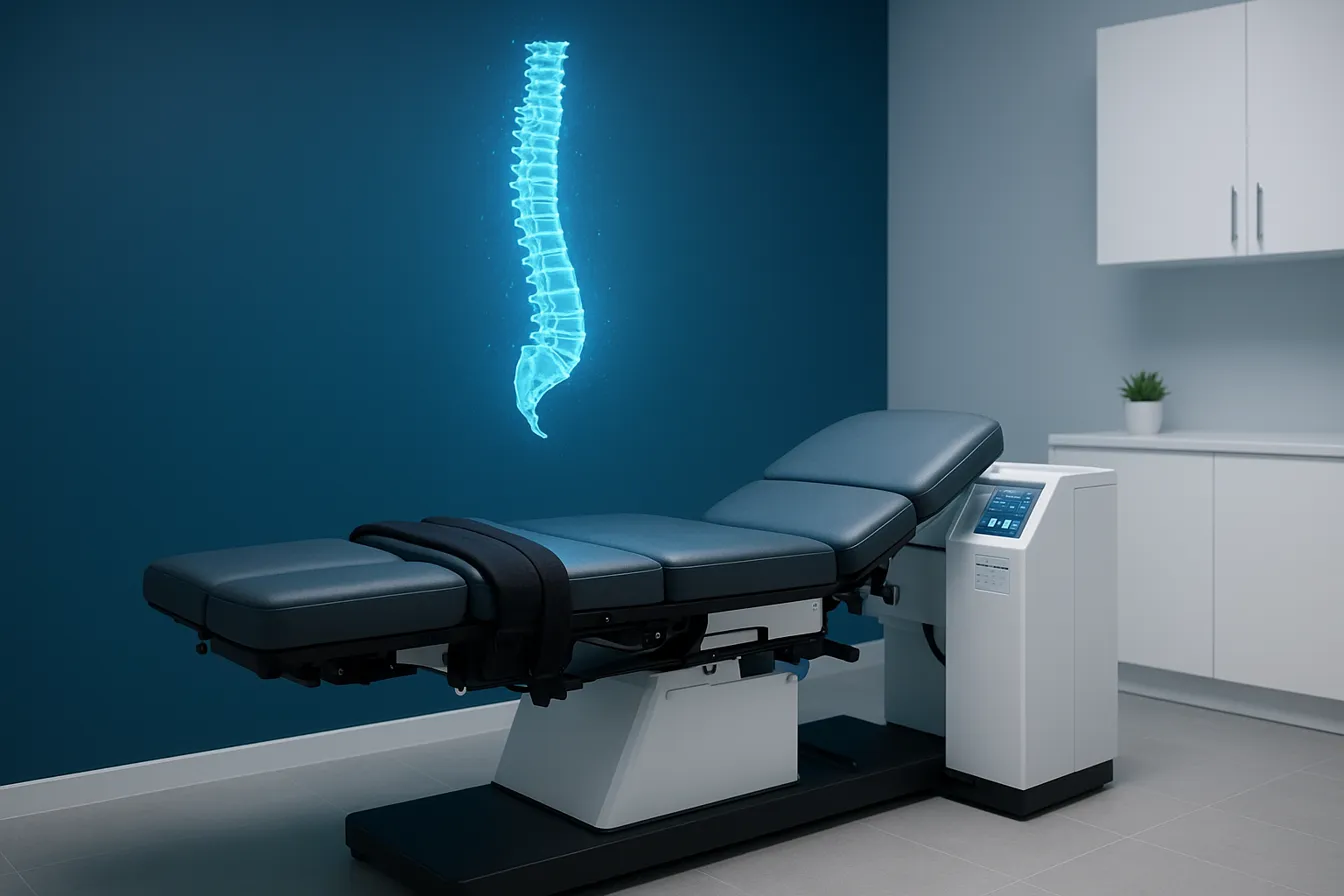
Spinal Decompression Therapy: Benefits and Applications
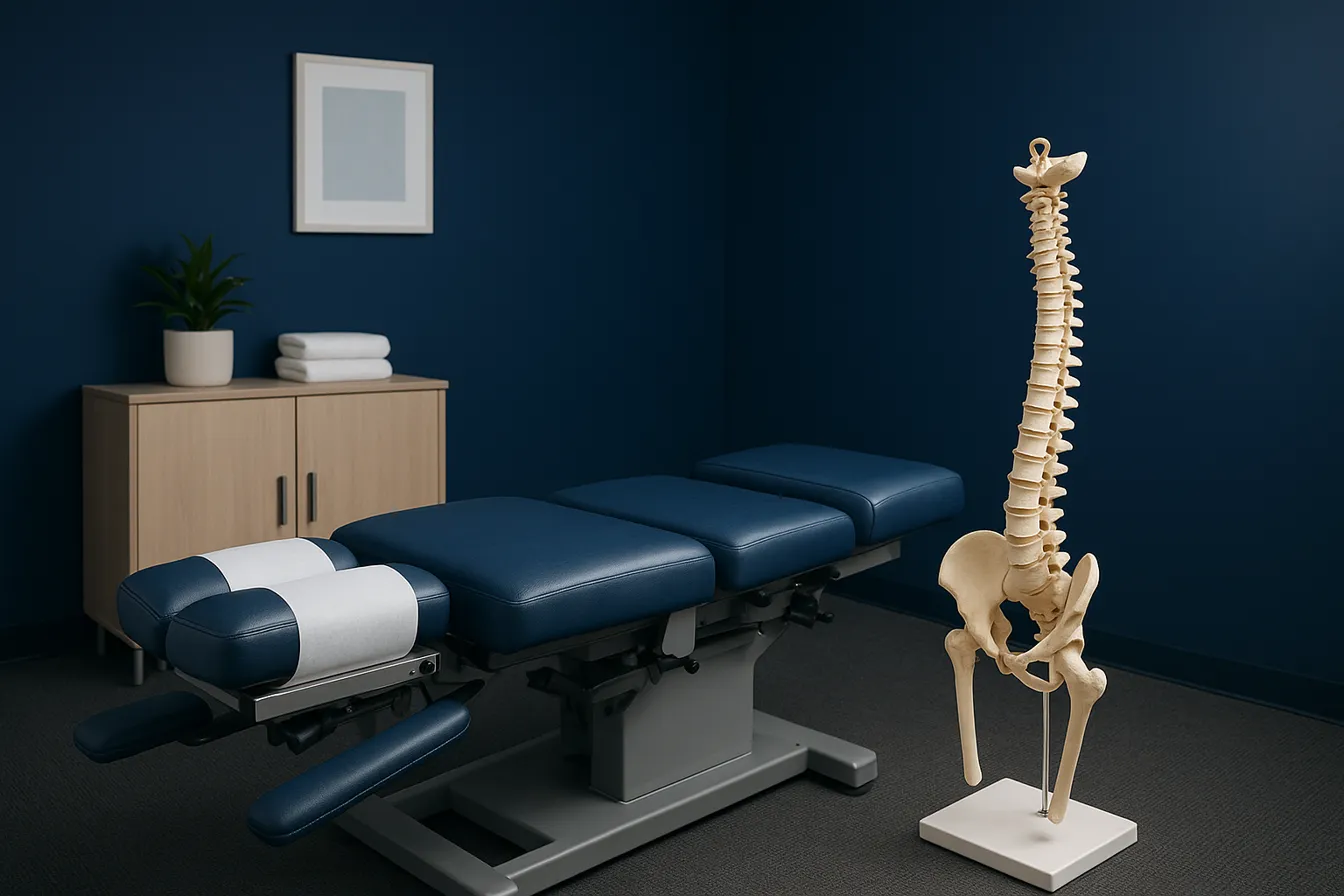
Holistic and Non-Invasive Spine Care Options
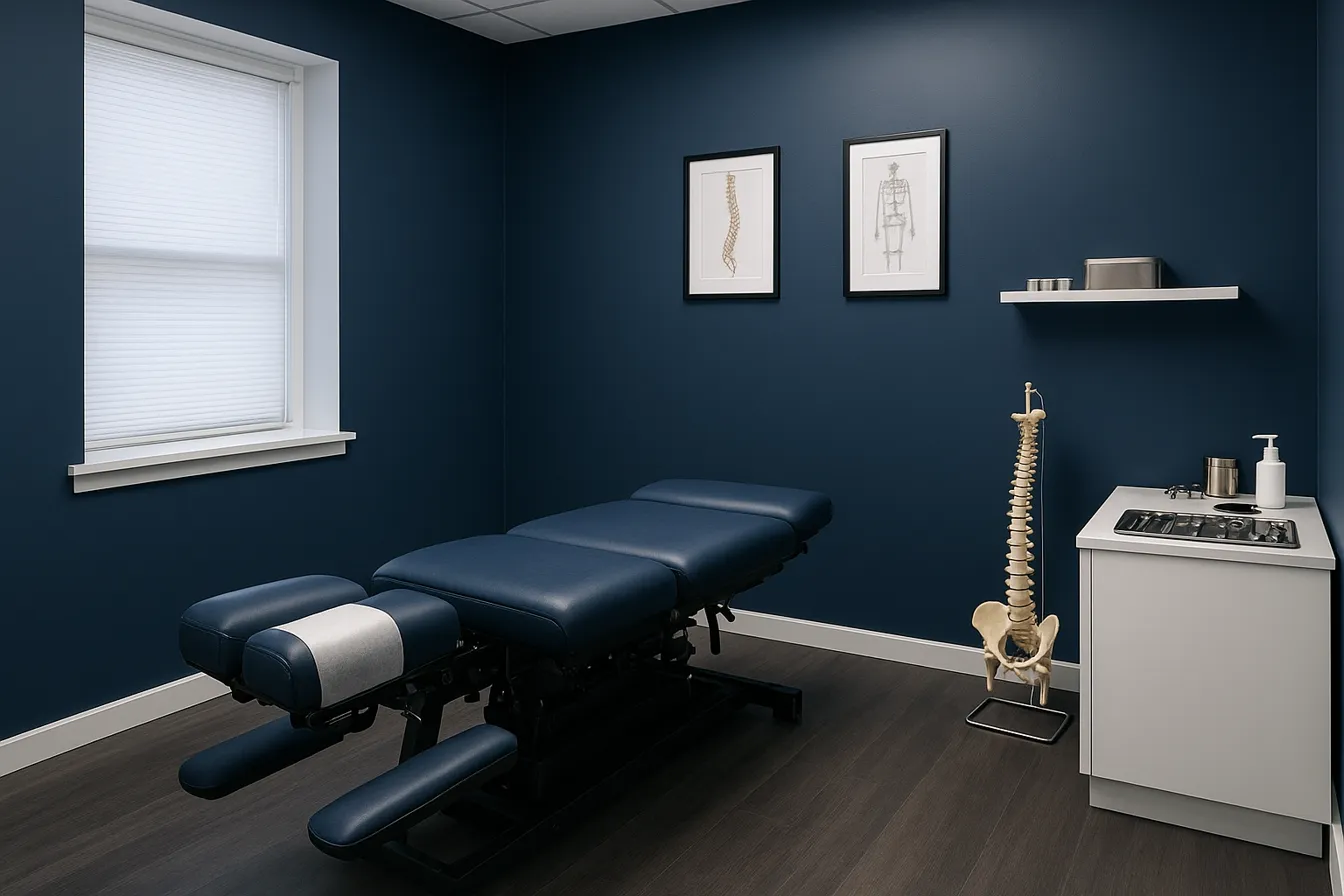
Everyday Lifestyle Advice to Keep Your Spine Healthy
The Significance of Treating Root Causes in Pain Therapy
Best Corrective Exercises for Sustainable Pain Management
Addressing Underlying Causes of Pain for Long-Term Relief
6 Key Benefits of Spinal Decompression Therapy for Sciatica Relief

How Nutritional Counseling Supports Spine Health and Recovery
The Role of Physiotherapy in Supporting Chiropractic Treatments