Morning Routines That Support Spine Health and Reduce Stiffness
April 5, 2026
10 min

Why Morning Mobility Matters
During sleep the spine is unloaded and intervertebral discs rehydrate, swelling up to 20 % and making the spine feel stiff when we wake. This overnight disc expansion triggers protective muscle tension as the nervous system anticipates load‑bearing activity. A short, intentional eight‑minute mobility routine—combining breath‑guided pelvic tilts, cat‑cow, gentle hamstring stretches, ankle circles, bridges and side‑lying thoracic rotations—smoothly restores functional motion, releases tension, and gently re‑aligns the pelvis. The 5‑7‑3 breathing pattern activates the parasympathetic system, calming nerve firing and allowing deeper muscle relaxation. Consistently performing these movements before daily tasks reduces stiffness, improves disc nutrition, and supports the spinal stability that chiropractors emphasize for long‑term, natural back pain relief. Integrating this routine with hydration, posture, and chiropractic check‑ups creates a plan that promotes wellness and reduces reliance on medication.
Hydration & Disc Rehydration
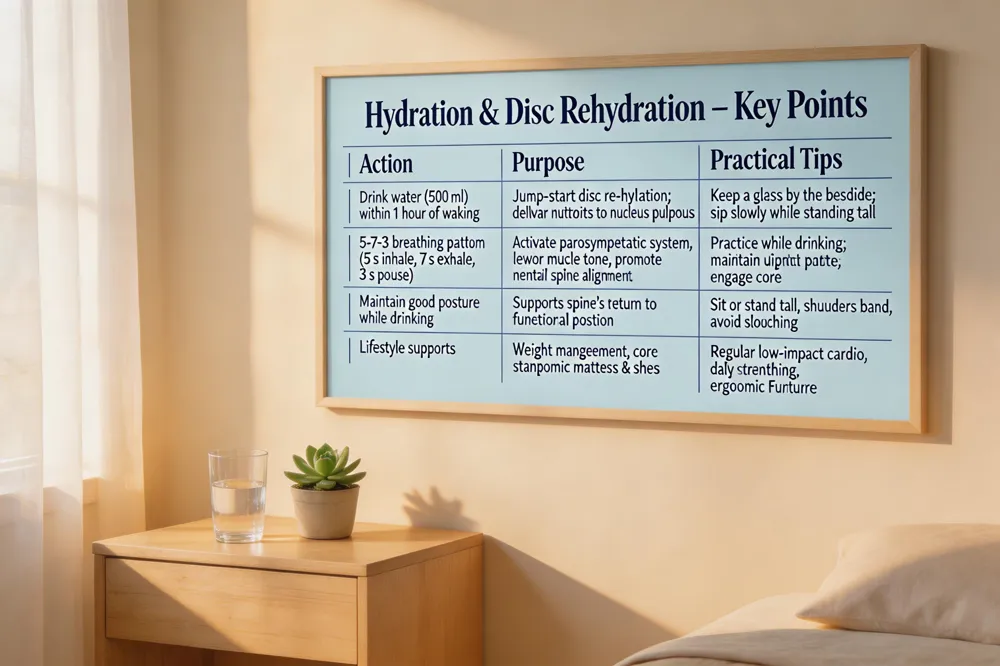 Intervertebral discs rely on fluid exchange driven by pressure changes; overnight they unload and reabsorb water, swelling about 20 % and leaving the spine feeling stiff in the morning. Drinking a glass of water within the first hour of waking jumpivates this process, delivering nutrients to the nucleus pulposus and restoring disc elasticity. Pairing hydration with a 5‑7‑3 breathing pattern (5‑second inhale, 7‑second exhale, 3‑second pause) activates the parasympathetic nervous system, lowering muscle tone and allowing the pelvis, rib cage, and spine to settle into a more neutral alignment before weight‑bearing activities begin. Maintain good posture while drinking—sit or stand tall, engage the core, and avoid slouching—to support the spine’s return to a functional position.
How do I rejuvenate my spine?
Rejuvenating your spine starts with supporting its structure from the inside out—maintain a healthy weight and strengthen your core muscles so they can protect and stabilize the vertebrae. Choose a spine‑safe mattress and supportive shoes that keep your spine in neutral alignment while you sleep and move. Incorporate daily stretching and low‑impact aerobic activities, such as walking or swimming, to keep the discs hydrated and the surrounding muscles flexible. Stay mindful of posture at work and home, using ergonomic chairs and taking regular breaks to stand and move. Finally, schedule regular visits with a qualified spine specialist or chiropractor who can provide personalized adjustments, targeted therapies, and guidance on maintaining optimal spinal health.
Core Activation & Pelvic Tilts
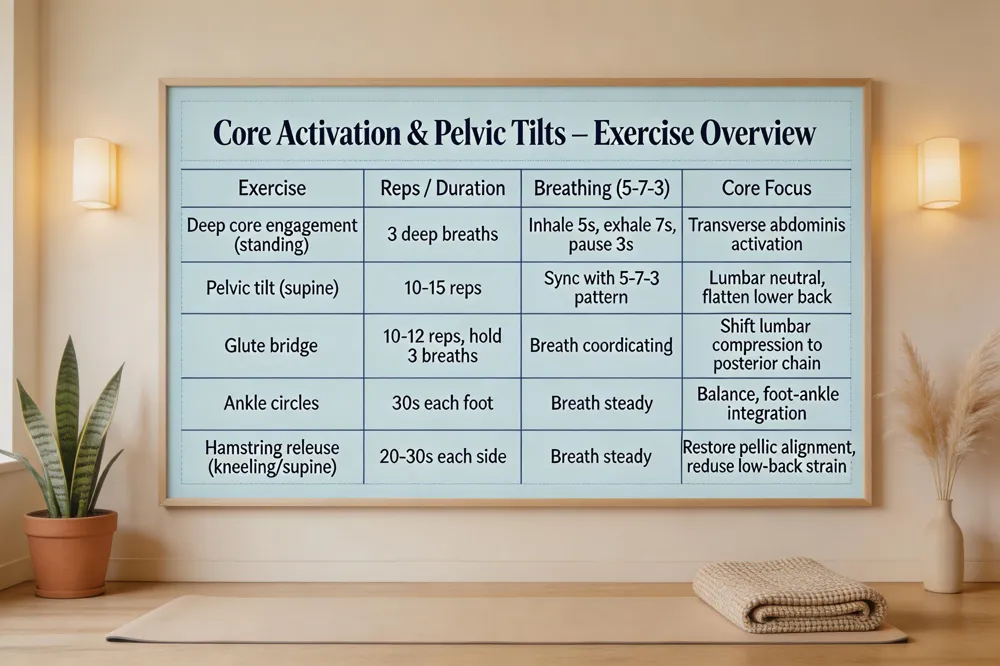 A concise morning mobility routine that blends deep core engagement with intentional breathing, precise pelvic‑tilt mechanics, glute activation, and ankle‑hamstring integration can reset the spine for the day.
Deep core engagement with breathing – Using a 5‑7‑3 inhale‑exhale‑pause pattern activates the transverse abdominis and lowers sympathetic tone, allowing the pelvis and rib cage to settle into a neutral position.
Pelvic tilt mechanics for lumbar neutral – While lying on the back with knees bent, gently flatten the lower back against the floor by drawing the belly button toward the spine; this pelvic tilt mobilizes the lumbar vertebrae without loading the discs and reinforces core support.
Glute activation via bridge exercises – Lift the hips into a straight line from shoulders to knees, holding for three deep breaths; this bridge exercises recruit the glutes and hip extensors, shifting lumbar compression to the posterior chain.
Integration of ankle circles and hamstring release – Ankle circles awaken the feet and improve balance, while gentle hamstring stretches (kneeling or supine) restore pelvic alignment and reduce low‑back strain.
Answers to common queries
- Physiotherapy exercises for lower back pain: Combine core‑strengthening moves (bird‑dog, dead‑bug) with lumbar‑neutral pelvic tilts, hamstring/hip‑flexor stretches, and glute bridges. Perform 3‑5 reps per set, progressing to 30 reps daily to alleviate pain and improve mobility.
- How to loosen tight lower back muscles: Start with light foam‑rolling, follow with cat‑cow or pelvic rocking (8‑10 reps), then static knee‑to‑chest, supine rotation, and child’s pose holds (20‑30 seconds, 2‑3 ×/side). Finish with a bridge hold to engage core and glutes.
- 3 exercises for lower back pain: 1) Pelvic tilt – 10‑15 reps; 2) Knee‑to‑Chest stretch – 10‑15 reps each side; 3) bird‑dog – 10‑12 reps each side. Daily practice improves flexibility, core stability, and reduces tension.
- Back exercises at home: Use equipment‑free moves like bird‑dog, glute bridge, dead‑bug, wall angels, and knee‑to‑chest stretch. Add cat‑cow, seated rotations, and shoulder‑blade squeezes for posture. Perform 8‑12 reps per exercise, hold stretches 5‑10 seconds, twice daily for 10‑15 minutes to maintain spinal health and complement chiropractic care.
Gentle Lower‑Back Stretch Sequence
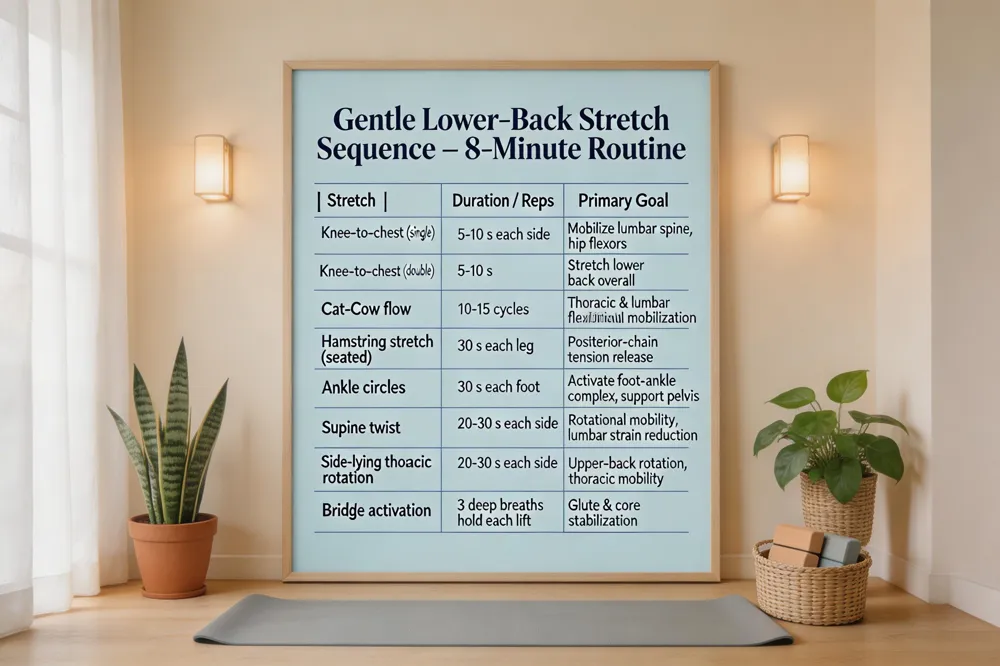 A concise, eight‑minute morning routine that targets the lumbar spine can reset the discs that re‑hydrate overnight, calm the nervous system, and prime the core for the day’s activities. Begin with knee‑to‑chest (single and double) to gently mobilize the lower back and hip flexors, holding each pull for 5‑10 seconds. Move into cat‑cow spinal mobilization on hands‑and‑knees, breathing in to arch (Cow) and exhaling to round (Cat) for 10‑15 cycles, which promotes thoracic and lumbar flexibility. Follow with hamstring and ankle circles; a seated hamstring stretch eases posterior‑chain tension, while ankle circles awaken the foot‑ankle complex that supports pelvic alignment. Transition to a supine twist and a side‑lying thoracic rotation to restore rotational mobility and reduce lumbar strain. Finish with a bridge to activate the glutes and core stabilizers, holding for three deep breaths before lowering.
13 stretches for lower back pain pdf – Download our free PDF that outlines 13 evidence‑based stretches, including all of the moves above, with step‑by‑step instructions and hold times.
7 exercises for lower back pain – Pelvic tilts, cat‑cow, knee‑to‑chest, bird‑dog, glute bridges, child’s pose, and supine twist.
Standing back stretches – Forward fold, side‑bend, standing spinal twist, and doorway chest stretch, each held 15‑30 seconds.
13 stretches for lower back pain standing – Add standing hamstring, hip‑flexor, calf, figure‑4 glute, thoracic wall extension, and optional strap‑assisted knee‑to‑chest to reach a full set of 13.
Back stretches after workout – Knees‑to‑chest, supine twist, cat‑cow, and side‑lean stretch help release tension and restore mobility post‑exercise.
Thoracic Mobility & Upper‑Back Health
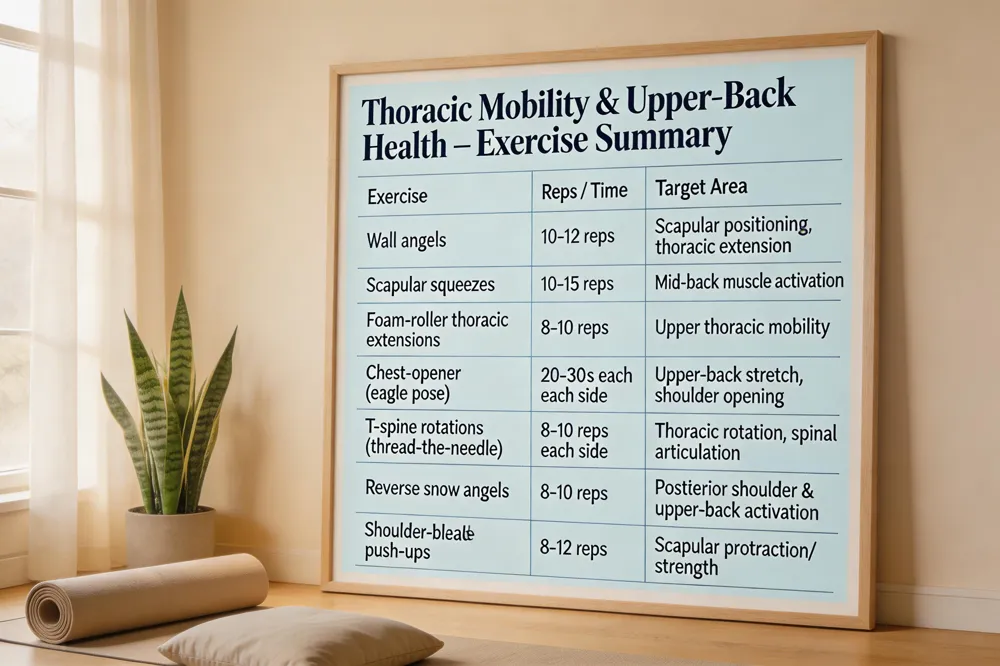 7 exercises for upper back pain
- Wall angels – stand with back against a wall, elbows bent at 90°, slide arms up and down while keeping shoulders and wrists flat on the wall.
- Scapular squeezes – pull shoulder blades together, hold briefly, then release.
- Thoracic extensions on a foam roller – lie on a foam roller across the upper back, support the head, and gently arch.
- Chest‑opener stretch (eagle pose) – cross one elbow over the opposite elbow, wrap the opposite hand around the upper arm, and press gently.
- T‑spine rotations (thread‑the‑needle) – from tabletop, slide one arm under the opposite arm, lowering shoulder and temple to the floor, then repeat.
- Reverse snow angels – lie face down, lift chest slightly, sweep arms out to sides and overhead.
- Shoulder‑blade push‑ups – perform a push‑up motion while protracting and retracting the shoulder blades.
Upper back stretches – a daily routine of doorway chest stretches, foam‑roller thoracic extensions, wall angels, seated thoracic rotations, child’s pose, and rhomboid stretches (15‑30 seconds each, 2‑4 repetitions) improves posture, relieves discomfort, and supports overall spinal health.
Why does my back hurt when I stretch in the morning? – Overnight, intervertebral discs rehydrate and become stiffer; muscle tightness and inflammatory buildup from prolonged inactivity or an unsupportive sleeping position increase tension. Moving a de‑hydrated, stiff spine can trigger pain, especially if posture during sleep places uneven pressure on lumbar joints. Persistent pain may indicate disc bulge, facet‑joint irritation, or nerve compression, warranting a professional chiropractic evaluation.
Spine conditioning program pdf – A printable handout, such as the AAOS spine‑conditioning PDF, outlines a progressive routine of warm‑up, stretching, strengthening, and cool‑down exercises targeting neck, back extensors, abdominals, glutes, and hamstrings. It recommends 2‑3 sessions per week for 4‑6 weeks, emphasizes pain‑free movement, and advises consulting a healthcare professional before starting. Clinics like Back in Action Bodyworks in Torrance, California, provide a similar PDF to guide patients in safe, holistic spine care.
Morning Breath‑Guided Decompression
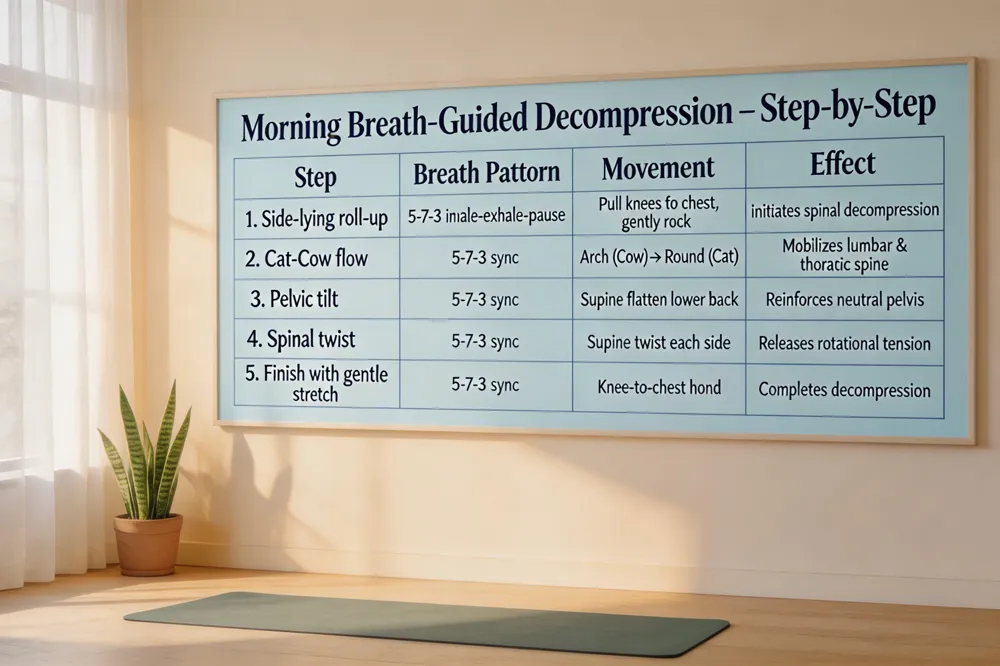 A brief, breath‑led mobility sequence each morning can calm the nervous system, release protective muscle tension, and prime the spine for the day’s activities. The 5‑7‑3 inhalation‑exhalation‑pause pattern (5 sec inhale, 7 sec exhale, 3 sec pause) activates parasympathetic pathways, lowering overall muscle tone. Pair this breathing with pelvic tilts and cat‑cow movements to gently mobilize the lumbar and thoracic spine while the diaphragm engages deep core stabilizers.
How to decompress your spine in the morning?
Roll onto your side, pull knees to chest, then perform fluid cat‑cow and spinal‑twist flows under the 5‑7‑3 breath. Warm the back with a shower or heating pad, keep a pillow under (or between) the knees for alignment, and stay hydrated to support disc rehydration.
How to get rid of back pain instantly?
Apply a 15‑20 min warm compress, then do a few slow cat‑cow cycles while breathing deeply. Correct posture (feet flat, shoulders back) and, if needed, a short‑term NSAID. Finish with a brief walk or knee‑to‑chest stretch.
How to relieve back pain fast at home?
Use heat, perform gentle knee‑to‑chest, lower‑back rotational, and cat‑stretch exercises (5‑10 sec, 2‑3 reps). Strengthen core and glutes with bridges and pelvic tilts, and maintain good posture throughout the day. Supporting the spine during sleep with a pillow under the knees further reduces overnight compression.
Lifestyle Tips Beyond Stretching
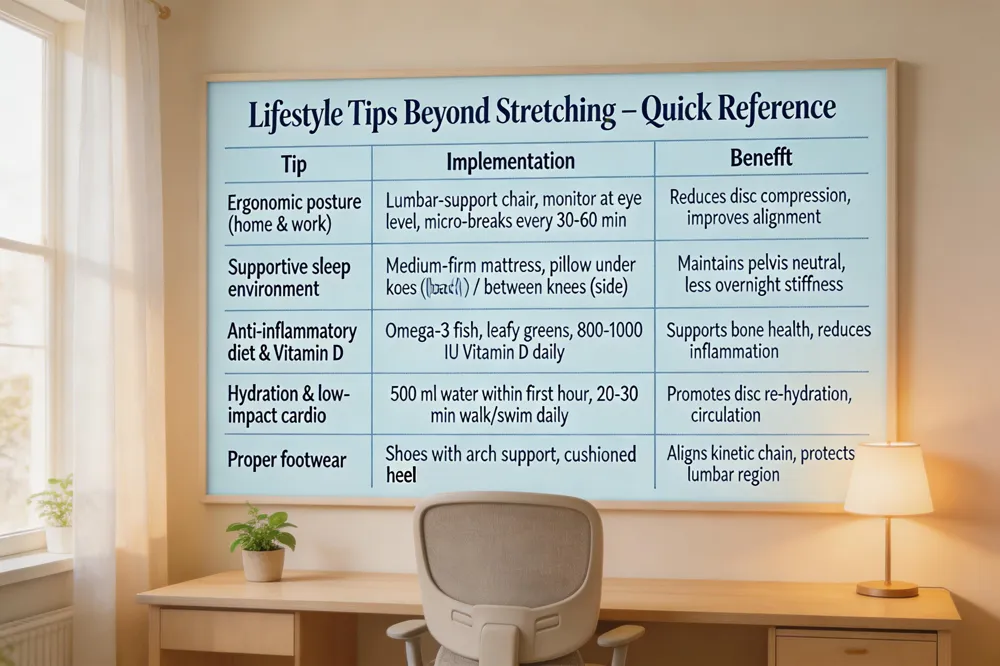 Ergonomic posture at home and work – Keep the spine in a neutral position by using a chair with lumbar support, setting the computer monitor at eye level, and avoiding slouching while brushing teeth or cooking. Frequent micro‑breaks (stand, stretch, or walk for a minute every 30‑60 minutes) prevent prolonged compression of the lumbar discs.
Supportive sleep environment – Choose a medium‑firm mattress that maintains spinal alignment. Sleep on your back with a pillow under the knees or on your side with a pillow between the knees to keep the pelvis neutral and reduce overnight disc stiffness.
Anti‑inflammatory diet and vitamin D – Incorporate omega‑3‑rich fish, leafy greens, berries, and nuts. Adequate vitamin D (sun exposure or 800‑1,000 IU supplement) supports calcium absorption and bone health, reducing stiffness caused by deficiency.
Hydration, low‑impact cardio, and footwear – Drink at least 500 ml of water within the first hour of waking to rehydrate intervertebral discs. Short walks, swimming, or cycling boost circulation to spinal tissues. Wear supportive shoes with proper arch support to maintain alignment through the kinetic chain.
Answers to common questions
- How to reduce back pain for females: Core‑strengthening moves (bridges, pelvic tilts, cat‑cow), daily gentle stretches, posture awareness, weight‑control cardio, anti‑inflammatory nutrition, and supportive sleep posture.
- What vitamin deficiency causes back stiffness?: Vitamin D deficiency impairs bone mineralization and neuromuscular function, leading to lumbar stiffness; supplementation often resolves symptoms.
- What are the 3 simple exercises for back pain?: Knee‑to‑chest stretch, cat‑cow spinal mobilization, and a gentle hamstring stretch performed 2‑3 times daily.
Putting It All Together: Sample 8‑Minute Morning Routine
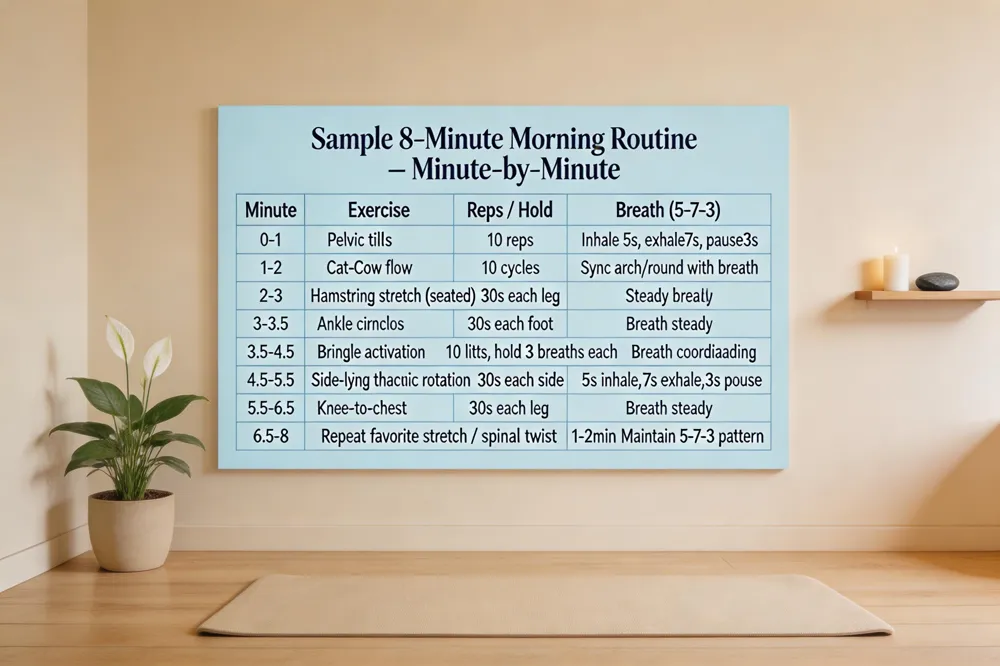 A concise 8‑minute mobility series can reset the spine after the overnight re‑hydration of discs and calm protective muscle tension. Begin with a 5‑7‑3 breath (inhale 5 sec, exhale 7 sec, pause 3 sec) to engage the parasympathetic system.
Step‑by‑step 8‑minute sequence
- Pelvic tilts – 1 min (10 reps) while breathing.
- Cat‑Cow flow – 1 min (10 cycles) coordinated with the breath.
- Hamstring stretch – 1 min (each leg 30 sec) using a strap or towel.
- Ankle circles – 30 sec each foot.
- Bridge activation – 1 min (10 reps) holding each lift for three deep breaths.
- Side‑lying thoracic rotation – 1 min each side.
- Knee‑to‑chest – 1 min (each leg 30 sec).
Guidelines for consistency and progression – Perform daily, gradually increasing repetitions or hold times as comfort improves; a chiropractor can tailor progression and ensure pain‑free execution.
Spine rehabilitation exercises – Gentle warm‑up moves combined with core activation (pelvic tilts, bridges), lumbar flexion/extension (Cat‑Cow, and thoracic rotations restore stability and flexibility under professional supervision.
Back pain relief exercises at home – Posterior pelvic tilts, bridge lifts, dead‑bug variations, clamshells, knee‑to‑chest, and hamstring pulls (10 reps, 2‑3 sets) performed twice daily support spinal health; increase volume only when pain‑free.
How to loosen L4 and L5 – Simple moves such as pelvic rocking, abdominal bracing, hamstring stretching, and the Cat‑Camel stretch mobilize the lower lumbar region and ease disc‑related tension.
Your Path to a Pain‑Free Day
Consistency beats intensity when it comes to morning spine care. A brief (5‑10 minute) mobility routine performed daily—such as pelvic tilts, cat‑cow, gentle hamstring stretches, and a bridge—keeps intervertebral discs hydrated, calms the nervous system, and trains protective muscles to stay relaxed. Track your progress by noting any changes in stiffness, pain levels, or range of motion on a simple journal or a 1‑10 rating scale; this feedback helps fine‑tune the routine and prevents over‑doing a movement that feels harsh. If pain persists beyond a few days, intensifies, or is accompanied by red‑flag symptoms (numbness, loss of bladder control, or severe radiating pain), seek a chiropractic or medical professional promptly. Early, patient‑centered evaluation ensures safe adjustments and personalized therapeutic guidance.
Recent articles
10 Real‑Patient Success Stories Showcasing the Impact of Chiropractic Care

Superfoods That Boost Nerve Healing After Chiropractic Sessions

Sleep Positions That Promote a Healthy Back Alignment
Signs Your Chiropractor Is a Good Fit for Your Back Pain Goals
Case Study: Integrated Physiotherapy and Chiropractic for Faster Recovery
First-Time Chiropractic Visit: A Step‑by‑Step Walkthrough
Synergistic Benefits: Combining Physiotherapy with Chiropractic Care

Beyond Surgery: Holistic Approaches to Managing Back Pain

How Manual Therapy Enhances the Effects of Chiropractic Adjustments

Hydration Hacks: Why Water Matters for Joint and Spine Function

What Does a Comprehensive Spinal Evaluation Include?

Success Spotlight: Transformative Results After Six Weeks of Chiropractic Treatment

Understanding the Initial Assessment Process in Chiropractic Care
Designing a Personalized Corrective Exercise Plan for Chronic Pain Management

Natural Pain Management: Combining Acupuncture, Yoga, and Chiropractic
Chiropractic Care vs. Pain Meds: Long-Term Outcomes for Back Pain Sufferers

What to Expect During a Sciatica‑Focused Decompression Session

Understanding the Pain-Relief Mechanics Behind Chiropractic Adjustments

Success Rates of Non‑Surgical Spinal Decompression for Sciatica

Patient-Centered Chiropractic Care: Personalized Plans for Back Pain Relief
How Chiropractic Treatments Reduce Inflammation and Speed Up Back Pain Recovery
Real‑Life Stories: How Chiropractic Helped Patients Overcome Chronic Back Pain
From Symptom Masking to Root‑Cause Healing: A Practical Guide

6 Holistic Non‑Surgical Treatments That Deliver Sustainable Back‑Pain Relief

Key Questions to Ask When Selecting Your Chiropractor
Mindful Movement: Incorporating Stretch Breaks Into a Busy Day

Why Targeting the Underlying Cause Beats Temporary Symptom Relief

8 Ways Physiotherapy Complements Chiropractic Adjustments for Faster Recovery
Meal Planning for Athletes Recovering from Back Injuries

9 Everyday Lifestyle Tweaks to Preserve a Healthy Spine and Prevent Pain

Functional Movement Screening for Root‑Cause Pain Identification

6 Things You’ll Experience During Your First Chiropractic Appointment

Spinal Decompression vs. Standard Physical Therapy for Sciatica: A Comparative Review

New Findings on How Adjustments Influence Blood Circulation
Work‑From‑Home Ergonomics: A Blueprint for a Pain‑Free Back
The Link Between Chiropractic Care and Improved Sleep Quality

Physiotherapy Techniques That Strengthen the Benefits of Chiropractic Adjustments

Biomechanical Insights Behind Successful Spinal Decompression

Desk‑to‑Dumbbell: Lifestyle Shifts That Guard Your Lower Back
10 Corrective Exercises for Sustainable Pain-Free Living
Morning Routines That Support Spine Health and Reduce Stiffness

Calcium and Magnesium‑Focused Nutrition for Bone Density and Spine Health

9 Ways Chiropractic Care Transforms Back Pain Management
Testimonial: Nutrition‑Guided Recovery Accelerated by Chiropractic
Science‑Backed Spinal Decompression for Relieving Sciatica Symptoms
Key Questions to Ask During Your Initial Chiropractic Consultation
Whole‑Body Wellness Blueprint: Nutrition, Exercise, and Chiropractic Synergy
A 12‑Week Corrective Exercise Blueprint for Chronic Neck Discomfort

Manual Therapy Plus Targeted Exercise: Accelerating Post‑Injury Recovery
Home‑Based Spinal Decompression Devices: What Patients Should Know
Chiropractic Care Statistics: Reducing Lost Workdays From Back Pain

How Targeted Nutrition Enhances Immune Function and Lowers Inflammatory Pain

Self‑Assessment Tools to Identify Hidden Triggers of Back Pain
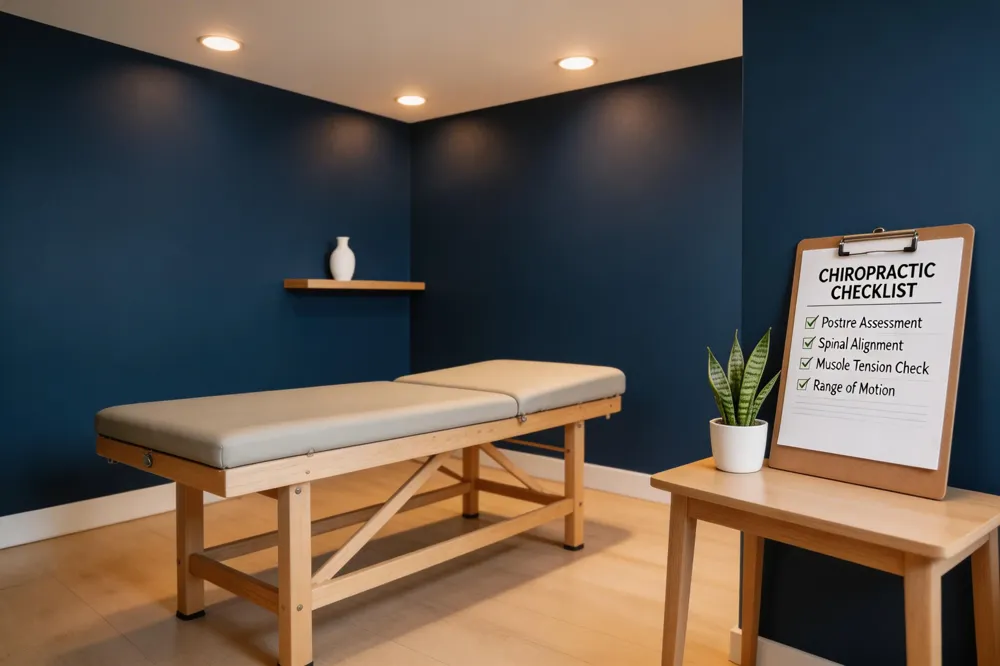
Preparing for Your First Chiropractic Appointment: A Practical Checklist
Back Pain Relief Benefits: Lower Opioid Use and Better Quality of Life

Foam‑Rolling Techniques to Complement Chiropractic Adjustments
Progressive Overload Principles in Corrective Exercise Programs
Six‑Month Transformation: Integrated Care Success Story

7 Nutritional Hacks to Boost Your Overall Wellness
How to Choose a Chiropractor: Credentials, Techniques, and Patient Compatibility
5 Ways Spinal Decompression Can Ease Sciatica Pain

Overcoming Sciatica: A Patient’s Multidisciplinary Treatment Journey
Lifestyle Changes That Promote a Healthy Spine
Physiotherapy as a Complement to Chiropractic Treatments
6 Ways Physiotherapy Enhances Chiropractic Treatment Outcomes
Daily Living Tips for a Strong and Healthy Spine
How Physiotherapy Enhances Chiropractic Outcomes
Holistic Treatments: Alternatives to Surgery for Pain Relief
Inspiring Patient Success Stories from Chiropractic Clinics

Integrating Physiotherapy with Chiropractic Treatments
Corrective Exercise Routines for Chronic Pain Prevention
10 Corrective Exercises to Maintain a Healthy Spine and Relieve Pain
Exercise Strategies for Long-Term Pain Management
10 Corrective Exercises to Maintain a Healthy Spine and Relieve Pain
The Importance of Treating the Root Cause of Pain
Nutritional Support Strategies for Whole-Body Wellness
7 Essential Questions to Ask When Choosing Your Chiropractor
Identifying and Addressing Root Causes of Pain
Maintaining a Healthy Spine with Lifestyle Adjustments
Sciatica Symptom Relief via Spinal Decompression
8 Reasons Why Addressing the Root Cause of Pain Is Crucial
Chiropractic Care’s Impact on Back Pain Recovery
Combining Physiotherapy with Chiropractic Care for Better Results
Inspiring Recovery: Chiropractic Patient Testimonials
Nutritional Counseling Tips for Optimal Wellness

Why Addressing the Root Cause of Pain is Crucial
Back Pain and Chiropractic Care: A Winning Combination

Chiropractic Care Benefits You Might Not Know
Exploring Holistic and Non-Surgical Treatments for Pain
Spinal Health: Lifestyle Tips for Everyday Wellness
Spinal Decompression Therapy: Benefits and Applications
Holistic and Non-Invasive Spine Care Options
Everyday Lifestyle Advice to Keep Your Spine Healthy
The Significance of Treating Root Causes in Pain Therapy
Best Corrective Exercises for Sustainable Pain Management
Addressing Underlying Causes of Pain for Long-Term Relief
6 Key Benefits of Spinal Decompression Therapy for Sciatica Relief

How Nutritional Counseling Supports Spine Health and Recovery
The Role of Physiotherapy in Supporting Chiropractic Treatments