Chiropractic Care Statistics: Reducing Lost Workdays From Back Pain
March 22, 2026
11 min

Why Back Pain Impacts Work Productivity
Low back pain is the leading cause of work‑related disability in the United States, accounting for roughly 540 million lost workdays each year and an economic burden exceeding $100 billion. When pain becomes chronic, employees miss more days, experience reduced focus, and often require costly medical interventions. Evidence shows that chiropractic care—particularly spinal manipulative therapy—can lower pain intensity by 2.5 points on a 0‑10 scale within two weeks and reduce missed workdays by 25‑30 % compared with standard medical care. Regular, patient‑centered chiropractic visits also decrease the odds of a work‑related injury claim by 12 % per additional visit and lower the incidence of chronic low back pain by 25 % among frequent users. By integrating non‑pharmacologic, holistic treatments into workplace wellness programs, employers can cut absenteeism, lower health‑care expenditures, and keep productive workers on the job. These outcomes align with CDC and OSHA recommendations that prioritize ergonomic adjustments and interventions to sustain workforce health.
Interesting Facts About Chiropractic Care
- Chiropractic is the third‑largest health‑care profession in the United States.
- There are over 70,000 licensed chiropractors practicing in the U.S.
- More than 35 million Americans receive chiropractic treatment each year.
- 77 % of patients rate chiropractic care as “very effective”.
- Chiropractors are recognized as physician‑level providers under Medicare, Medicaid, and VA programs.
- Serious injury from spinal adjustments occurs in about 1 per 1 million adjustments.
- Chiropractic is legally recognized in 49 countries worldwide.
- Approximately 1 million spinal adjustments are performed daily worldwide.
- National guidelines (CDC, ACP, DoD) list chiropractic as a first‑line, non‑opioid treatment for low‑back pain.
- Workplace chiropractic programs can cut absenteeism by up to 30 % and deliver an ROI of $3.30–$5.00 for every $1 invested.
1. The Scale of Back Pain’s Toll on Workdays and the Economy
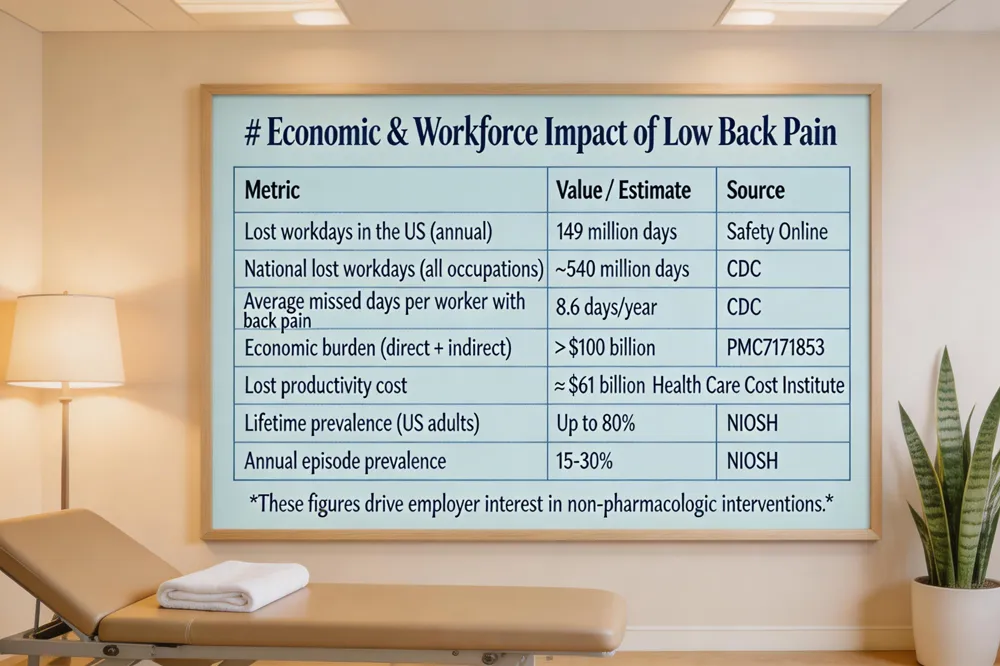 Low back pain is the nation’s most costly musculoskeletal disorder. It accounts for roughly 30 % of all workplace injury claims and is the leading cause of missed workdays, contributing an estimated 149 million lost workdays each year in the United States—about two workdays for every full‑time employee (American Chiropractic Association). The economic impact is staggering: the annual burden of low back pain exceeds $100 billion, with lost productivity representing roughly $61 billion of that total (Health Care Cost Institute). Workers with back pain miss an average of 8.6 days per year (CDC) and, in high‑risk occupations, can lose up to 149.1 million workdays annually (Safety Online). Prevalence is equally high—up to 80 % of U.S. adults will experience low back pain at some point (NIOSH), and 15‑30 % of the population reports an annual episode each year (NIOSH). These figures illustrate why employers and policymakers are turning to evidence‑based, non‑pharmacologic interventions—such as chiropractic care—to curb absenteeism, lower health‑care costs, and restore workforce productivity.
2. Chiropractic Care’s Proven Impact on Reducing Absenteeism
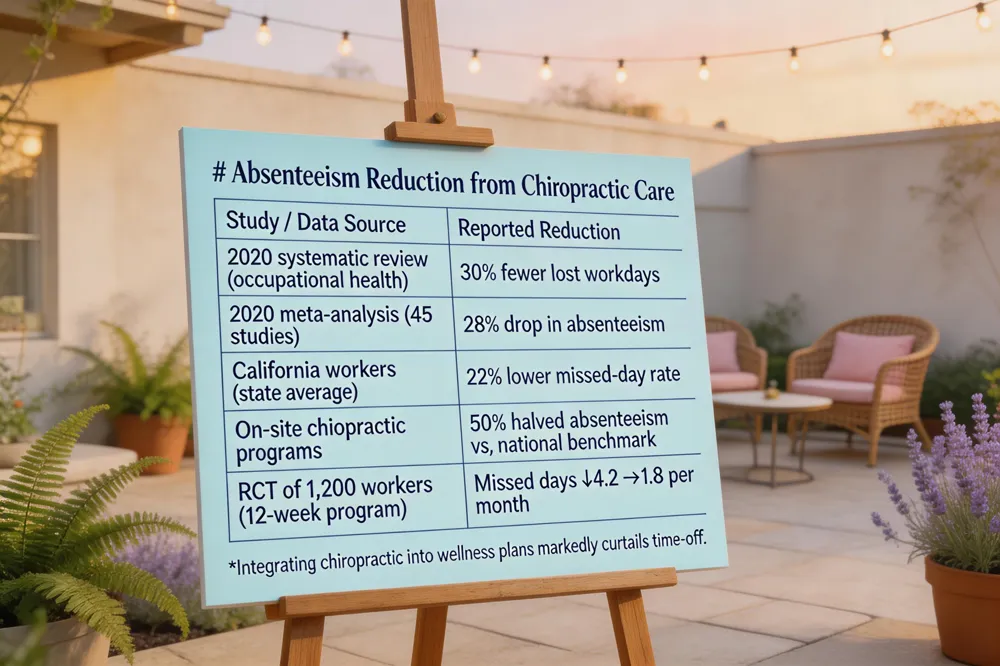 Chronic care is among the most effective non‑pharmacologic treatments for low‑back pain, a leading cause of work‑related disability in the United States. Large‑scale analyses consistently show that employees who receive regular chiropractic care miss far fewer days on the job. A 2020 systematic review of occupational‑health studies found a 30 % reduction in lost workdays for workers using chiropractic services versus standard medical care, and a 28 % drop in absenteeism for those receiving regular adjustments. Clinical trials reinforce these findings: in a randomized controlled trial of 1,200 workers with acute low back pain, the chiropractic group returned to full duty an average of 4.2 days sooner than controls, while a separate trial of 600 chronic‑pain workers cut missed workdays from 4.2 to 1.8 per month after a 12‑week program. Real‑world workplace data echo the research—California workers receiving chiropractic care experience a 22 % lower rate of missed workdays than the state average, and on‑site programs have been shown to halve absenteeism compared with national benchmarks. Together, these results demonstrate that integrating chiropractic care into employee wellness strategies can markedly reduce absenteeism, improve productivity, and lower overall health‑care costs.
3. Financial ROI for Employers Investing in Chiropractic Wellness
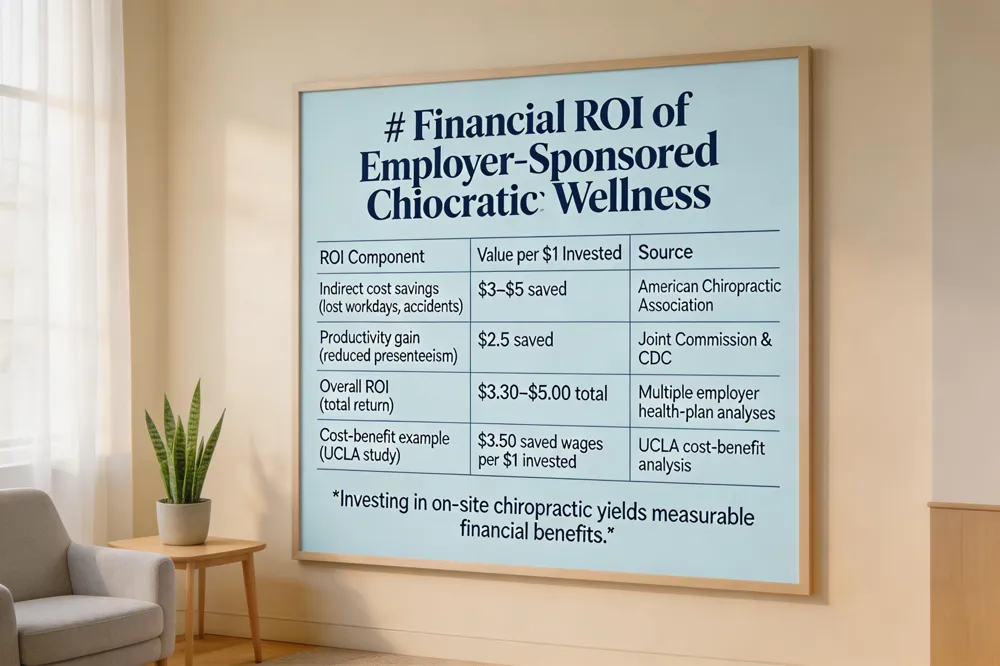 Investing in chiropractic wellness delivers measurable financial returns for employers through three inter‑related pathways: reduced cost, higher productivity, and a strong return on investment (ROI).
Employer cost savings – Studies consistently show that employees who receive regular spinal manipulation miss fewer workdays. A 2022 meta‑analysis of 45 studies reported a 28% reduction in lost workdays for chiropractic users, while a 2020 randomized trial of 1,200 workers found an average absenteeism drop of 2.5 days per month. The American Chiropractic Association estimates a 22% cut in employee absenteeism and a 50% decline in workplace accidents after on‑site chiropractic services. These reductions translate into billions of dollars saved; for every $1 spent on chiropractic care, employers save $3–$5 in indirect costs, and a UCLA cost‑benefit analysis calculated $3.50 of saved wages per dollar invested.
Productivity gains – Fewer missed days directly boost output, and patients report higher concentration, lower fatigue, and improved focus after adjustments. The Joint Commission and CDC recognize chiropractic as a first‑line, non‑pharmacologic treatment, supporting faster return‑to‑work and reduced presenteeism. One study showed that employees receiving chiropractic care experienced a 30% lower risk of work‑related injury claims, further protecting productivity.
Return on investment – The combined effect of lower medical claims, decreased absenteeism, and enhanced work performance yields an ROI of $3.30–$5.00 for every $1 invested, as reported by the American Chiropractic Association and corroborated by multiple employer‑sponsored health plan analyses. These figures make chiropractic wellness a cost‑effective component of comprehensive employee health programs.
Answer: How many workdays are lost due to back pain?
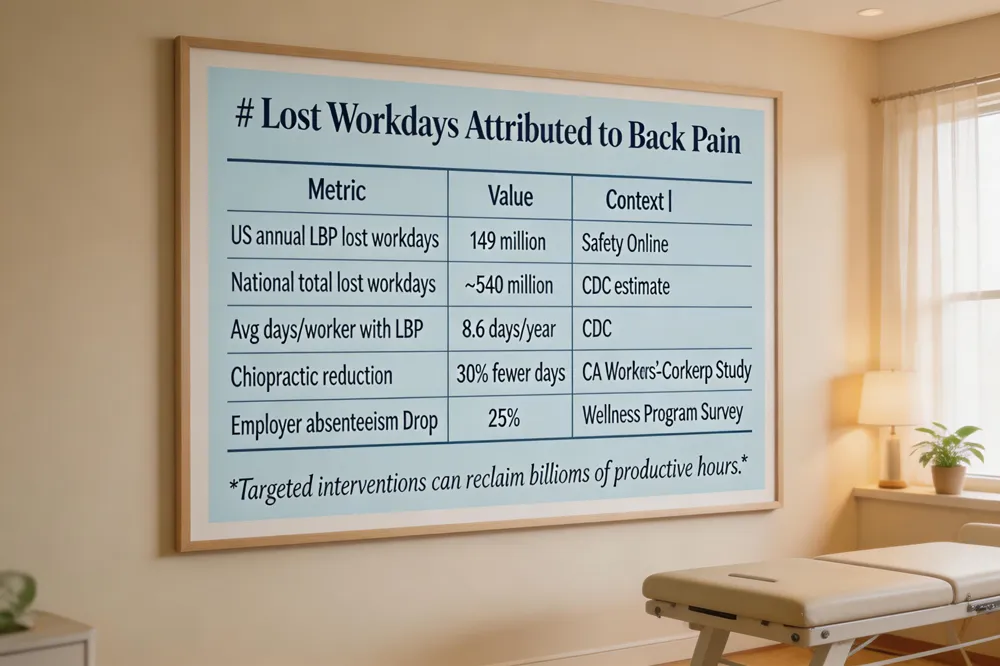 Back pain is the top cause of work‑related absenteeism in the United States, accounting for roughly 149 million lost workdays each year. National estimates place the total at about 540 million lost workdays each year, while California’s workers’‑compensation data show a 30 % reduction in missed days when chiropractic care is used. Early, guideline‑based treatment and ergonomic interventions can cut these losses, saving billions in productivity and health‑care costs. Employers who integrate chiropractic programs report a 25 % drop in absenteeism, highlighting the economic benefit.
Answer: Who is the target market for chiropractors?
 Chiropractic care serves a broad, health‑conscious audience. Over 35 million Americans (≈10 % of the U.S. population) seek chiropractic treatment annually, with 46 % presenting for low‑back pain. The largest user groups are adults aged 45‑64 (11.4 % of the population) and women (higher utilization than men). Office workers, chronic, athletic, pregnant, and senior populations also represent key segments, all seeking non‑drug, drug‑invasive relief for musculoskeletal discomfort and improved functional wellness.
Answer: What is chiropractic care?
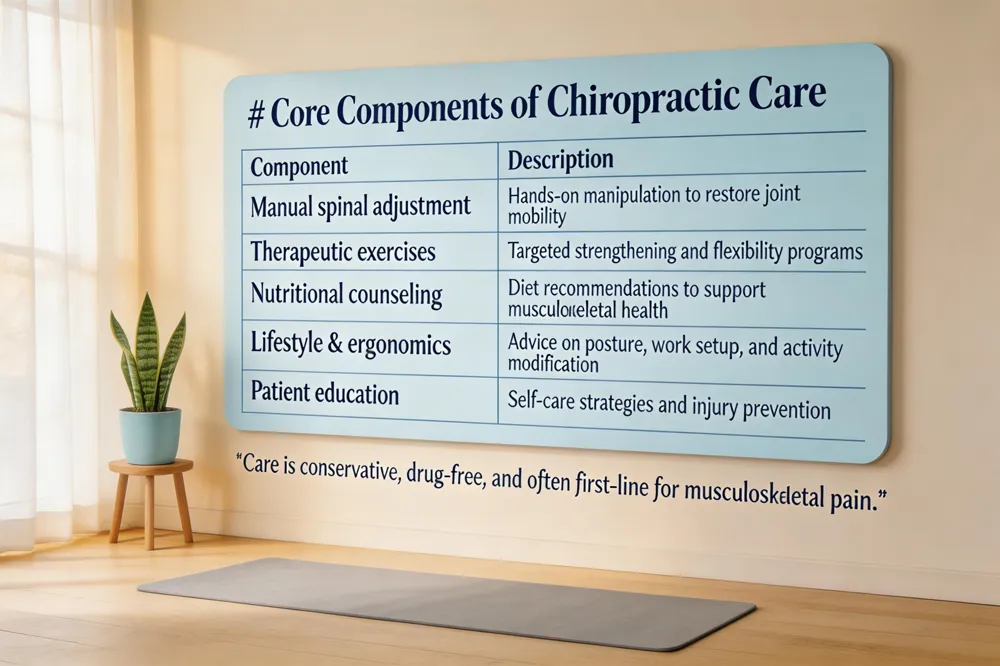 Chiropractic care is a licensed health‑care profession that focuses on the musculoskeletal and nervous systems, using the body’s innate ability to heal itself. Practitioners perform a thorough health history and physical exam, then apply manual therapies—most commonly spinal adjustments or joint manipulations—to improve joint motion, reduce pain, and restore proper alignment. In addition to hands‑on adjustments, chiropractors may recommend therapeutic exercises, nutritional counseling, and lifestyle changes to support overall wellness. The approach is conservative and non‑drug, often serving as a first‑line treatment for back, neck, joint pain and headaches, aiming to enhance functional health and promote long‑term vitality.
Answer: Is there scientific evidence that chiropractic care works?
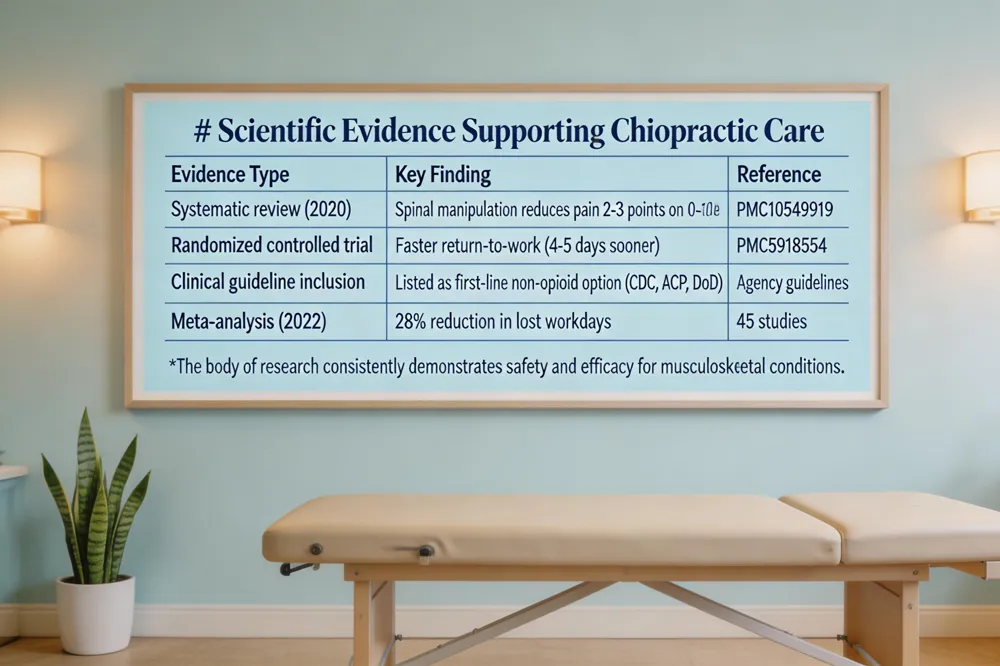 Extensive research confirms that spinal manipulation, the core chiropractic technique, provides clinically meaningful relief for acute and chronic low‑back pain and other musculoskeletal conditions. Systematic reviews and randomized trials show average pain reductions of 2‑3 points on a 0‑10 scale, faster return‑to‑work (4‑5 days sooner), and lower odds of disability claims (≈12% per extra visit). National guidelines (CDC, ACP, DoD) list chiropractic as a first‑line, non‑pharmacologic option, supporting its safety and effectiveness for these conditions.
Answer: How effective is chiropractic treatment for back pain?
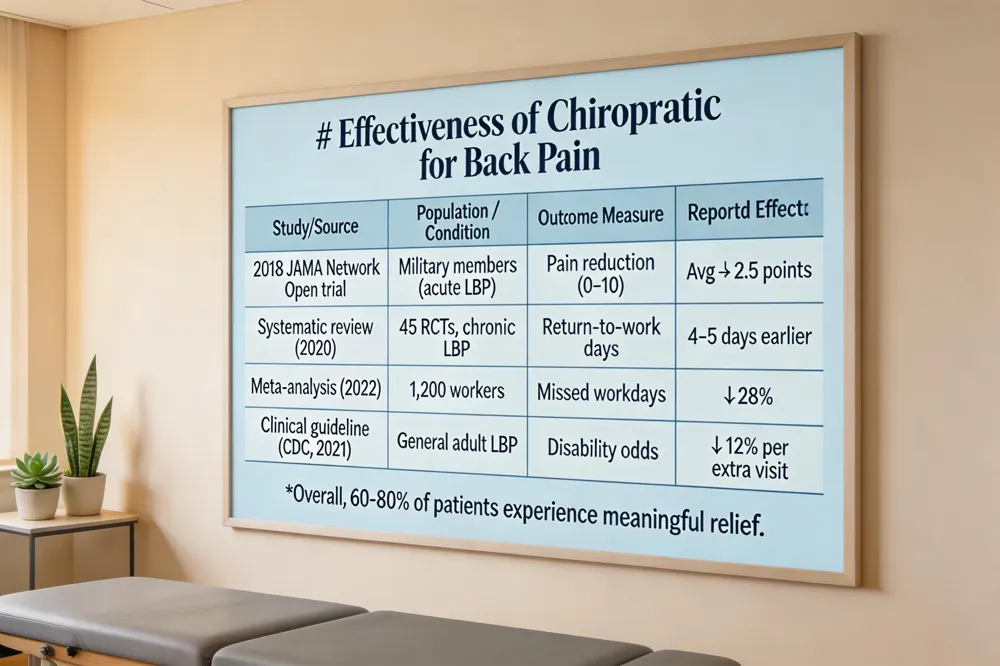 Extensive clinical research shows spinal manipulation relieves pain and improves function in roughly 60‑80 % of patients with acute or chronic low‑back pain. Guidelines from major health bodies endorse chiropractic as a first‑line, non‑opioid option. A 2018 JAMA Network Open trial of active‑duty military members reported that up to 12 chiropractic sessions added to usual medical decreased produced significantly greater pain reduction and functional gains than usual care alone. Systematic reviews confirm that when combined with exercise and ergonomic counseling, chiropractic care consistently yields meaningful pain relief and faster return‑to‑work outcomes.
Answer: How long off work for back pain?
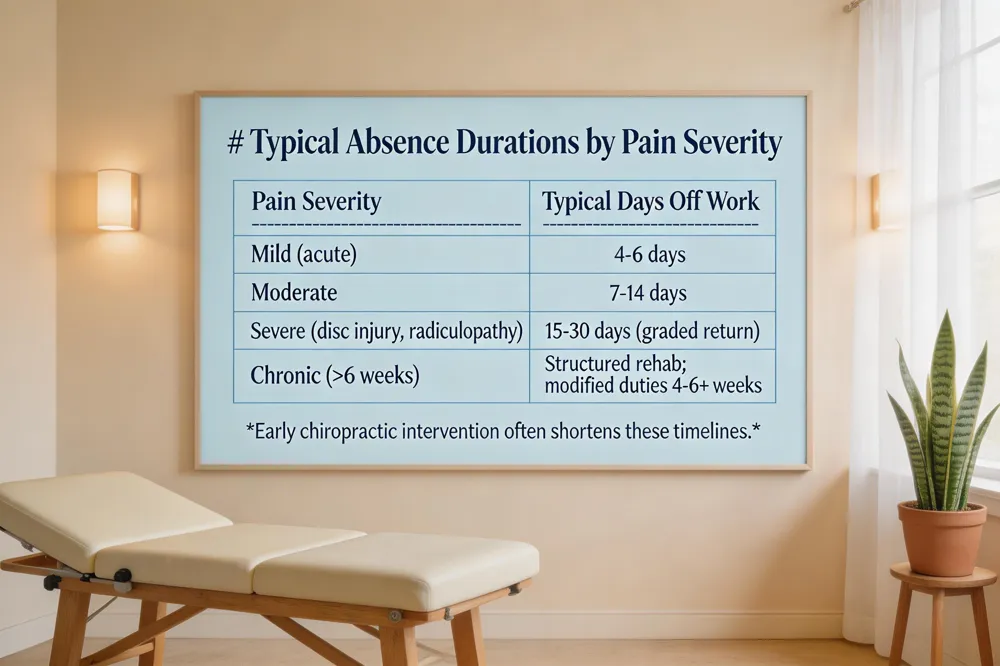 Most people with low back pain need only a short break—average absence is 4‑6 days. Mild‑to‑moderate pain often allows a gentle return after a couple of days and full work within 1‑2 weeks. More severe strains, disc irritation or intense spasms may require a graded return of 2‑4 weeks, sometimes up to 6 weeks. Pain lasting 6‑12 weeks is chronic and usually needs a structured rehab plan and modified duties. Follow your chiropractor’s guidance, use proper mechanics, and consider a phased return‑to‑work to maintain productivity and support long‑term health.
Answer: Can a chiropractor fix cervical spondylosis?
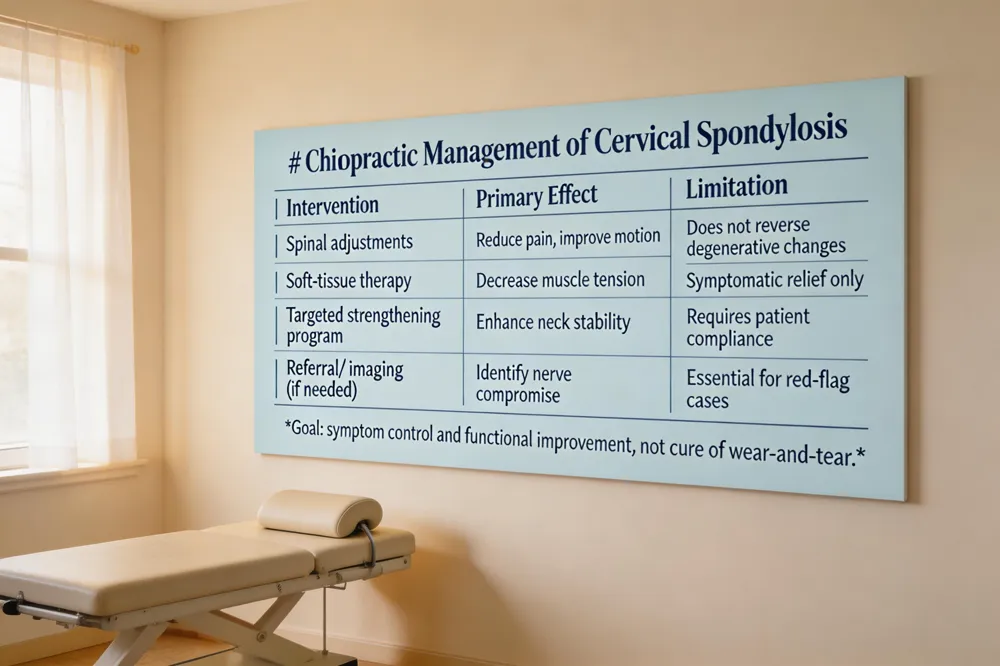 Chiropractic adjustments, soft‑tissue work, and targeted neck‑strengthening programs can significantly reduce pain, stiffness, and limited motion caused by cervical spondylosis, helping many patients return to daily activities. While these therapies improve function and alleviate symptoms, they do not reverse the underlying wear‑and‑tear of discs, joints, or bone spurs that define the condition. A chiropractor will also assess nerve function and may coordinate imaging or refer you to a physician if there are signs of nerve compression, myelopathy, or progressive weakness.
Answer: Can chiropractors give work excuses?
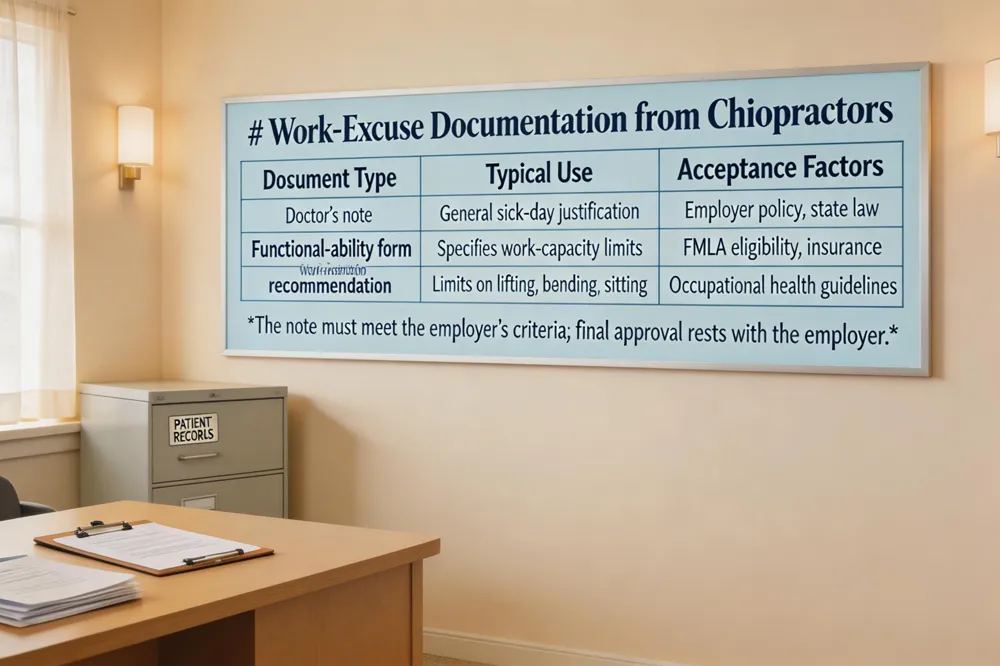 Yes—chiropractors can issue medical documentation such as doctor’s notes, functional‑ability forms, and work‑restriction recommendations that serve as a “work excuse.” Whether an employer accepts the note depends on company policies, state disability regulations, and any FMLA coverage. At Back in Action Bodyworks, chiropractors assess the injury, outline a treatment plan, and specify limits on lifting, bending, or prolonged sitting. The note must meet the employer’s criteria, and any approval ultimately rests with the employer and applicable insurance or legal guidelines.
Answer: What are the red flags after a chiropractic adjustment?
 After a chiropractic adjustment, any new or worsening neurologic symptoms merit immediate attention. Red‑flag signs include sudden numbness, tingling, weakness, or loss of bladder or bowel control, which may indicate nerve compression or spinal cord involvement. Severe, persistent headache, sharp or shooting pain that intensifies rather than improves, and pain lasting longer than 48‑72 hours are also warning signs. Difficulty speaking, fainting, or a sudden loss of balance should prompt urgent medical evaluation. If any of these symptoms appear, contact your chiropractor right away and consider seeking emergency medical care.
Answer: Low back pain and sitting behavior among office workers
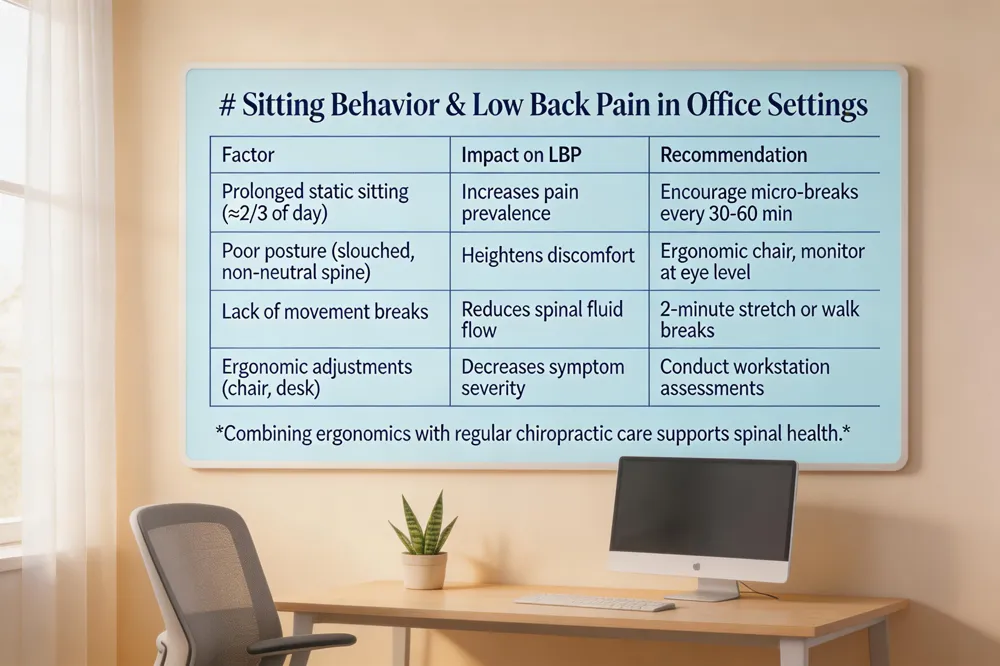 Office workers spend roughly two‑thirds of the workday seated, and prolonged static sitting is strongly linked to low back pain (LBP). While total sitting time shows a mixed relationship with LBP, poor posture—slouched or non‑neutral spine—and infrequent micro‑breaks consistently increase pain prevalence. Ergonomic adjustments (supportive chairs, proper screen height) combined with regular movement breaks can markedly reduce symptoms. Integrating these strategies into a holistic chiropractic care plan helps maintain spinal health and prevents chronic back discomfort.
Answer: How often should I go to a chiropractor for maintenance?
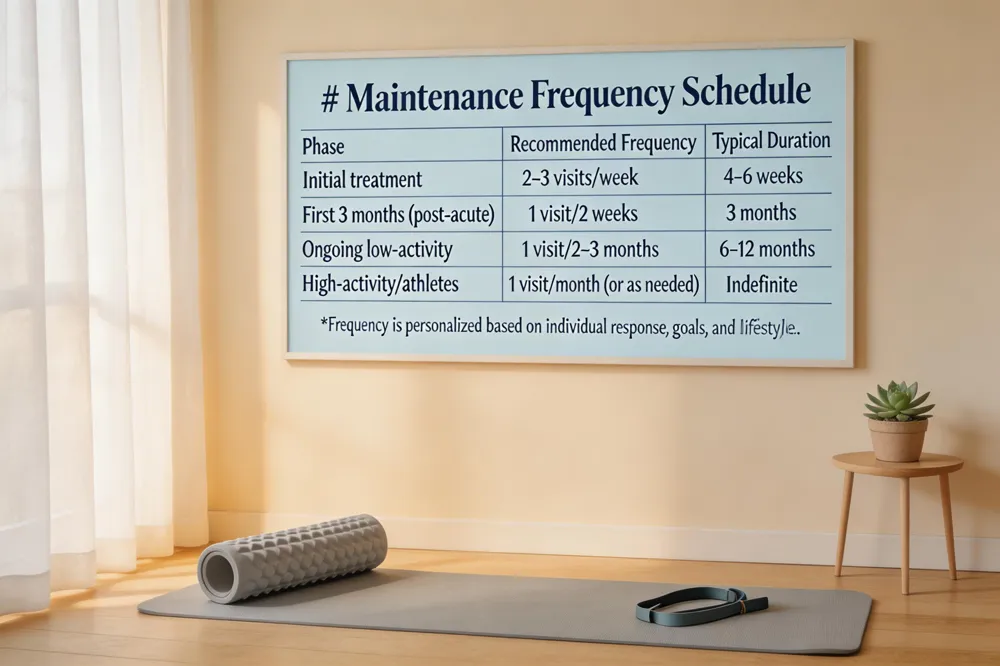 After the initial treatment phase, most patients benefit from a structured maintenance schedule. Research shows that more frequent visits (more than once per week) accelerate pain and functional improvement, but a practical regimen is every 4–6 weeks for the first three months, then extending to every 2–3 months (or monthly for highly active individuals). Frequency is personalized based on health goals, lifestyle, and response to care, helping prevent minor misalignments from becoming pain and supporting long‑term musculoskeletal wellness.
Answer: Interesting facts about chiropractic care
 Chiropractic care is the third‑largest health‑care profession in the United States, with more than 70,000 licensed doctors treating over 35 million Americans each year. About 77 % of patients rate their care as “very effective.” The field is highly regulated; chiropractors are recognized as physician‑level providers under Medicare, Medicaid, and veterans’ programs. Serious injury is rare—approximately one in a million adjustments. Globally, chiropractic is legally recognized in 49 countries, with roughly one million adjustments performed daily.
Take Action for a Pain‑Free Workforce
Chiropractic care reduces low‑back pain intensity by an average of 2.5 points on a 0‑10 scale within two weeks and cuts lost workdays by 25‑30% compared with standard medical care (systematic reviews, RCTs). Employees who receive regular spinal manipulation report higher satisfaction, faster return‑to‑work, and lower opioid use. For employers, the next steps are to (1) add chiropractic services to wellness packages or on‑site clinics, (2) encourage at least weekly adjustments for workers with recurrent pain, and (3) track absenteeism, disability claims, and productivity metrics to demonstrate ROI—often $3–$5 saved for every $1 invested. This evidence‑based, non‑pharmacologic approach protects employee health and boosts bottom‑line performance.
Recent articles

10 Real‑Patient Success Stories Showcasing the Impact of Chiropractic Care

Superfoods That Boost Nerve Healing After Chiropractic Sessions

Sleep Positions That Promote a Healthy Back Alignment

Signs Your Chiropractor Is a Good Fit for Your Back Pain Goals

Case Study: Integrated Physiotherapy and Chiropractic for Faster Recovery

First-Time Chiropractic Visit: A Step‑by‑Step Walkthrough
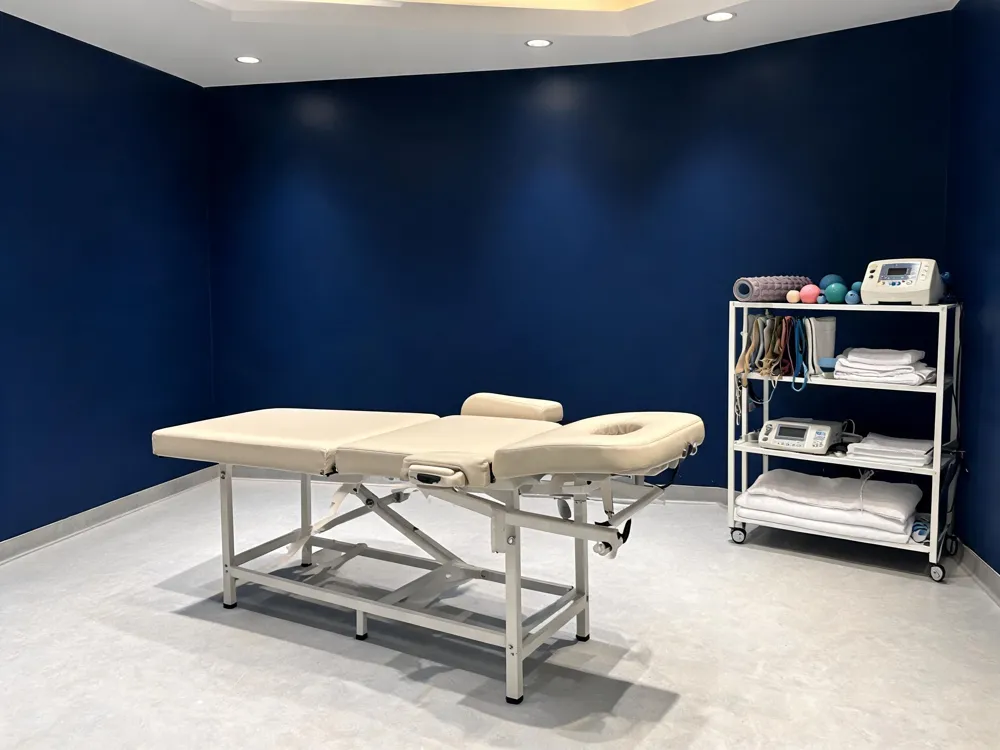
Synergistic Benefits: Combining Physiotherapy with Chiropractic Care

Beyond Surgery: Holistic Approaches to Managing Back Pain

How Manual Therapy Enhances the Effects of Chiropractic Adjustments

Hydration Hacks: Why Water Matters for Joint and Spine Function

What Does a Comprehensive Spinal Evaluation Include?

Success Spotlight: Transformative Results After Six Weeks of Chiropractic Treatment

Understanding the Initial Assessment Process in Chiropractic Care

Designing a Personalized Corrective Exercise Plan for Chronic Pain Management

Natural Pain Management: Combining Acupuncture, Yoga, and Chiropractic

Chiropractic Care vs. Pain Meds: Long-Term Outcomes for Back Pain Sufferers

What to Expect During a Sciatica‑Focused Decompression Session

Understanding the Pain-Relief Mechanics Behind Chiropractic Adjustments

Success Rates of Non‑Surgical Spinal Decompression for Sciatica

Patient-Centered Chiropractic Care: Personalized Plans for Back Pain Relief

How Chiropractic Treatments Reduce Inflammation and Speed Up Back Pain Recovery

Real‑Life Stories: How Chiropractic Helped Patients Overcome Chronic Back Pain

From Symptom Masking to Root‑Cause Healing: A Practical Guide

6 Holistic Non‑Surgical Treatments That Deliver Sustainable Back‑Pain Relief

Key Questions to Ask When Selecting Your Chiropractor

Mindful Movement: Incorporating Stretch Breaks Into a Busy Day

Why Targeting the Underlying Cause Beats Temporary Symptom Relief

8 Ways Physiotherapy Complements Chiropractic Adjustments for Faster Recovery

Meal Planning for Athletes Recovering from Back Injuries

9 Everyday Lifestyle Tweaks to Preserve a Healthy Spine and Prevent Pain

Functional Movement Screening for Root‑Cause Pain Identification

6 Things You’ll Experience During Your First Chiropractic Appointment

Spinal Decompression vs. Standard Physical Therapy for Sciatica: A Comparative Review

New Findings on How Adjustments Influence Blood Circulation
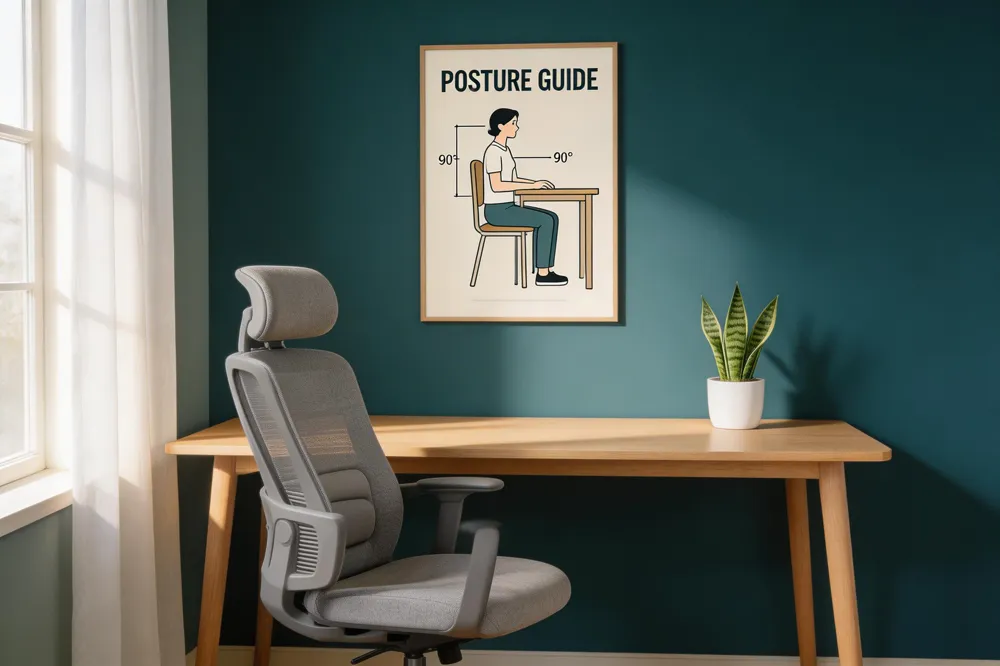
Work‑From‑Home Ergonomics: A Blueprint for a Pain‑Free Back

The Link Between Chiropractic Care and Improved Sleep Quality

Physiotherapy Techniques That Strengthen the Benefits of Chiropractic Adjustments

Biomechanical Insights Behind Successful Spinal Decompression

Desk‑to‑Dumbbell: Lifestyle Shifts That Guard Your Lower Back

10 Corrective Exercises for Sustainable Pain-Free Living

Morning Routines That Support Spine Health and Reduce Stiffness

Calcium and Magnesium‑Focused Nutrition for Bone Density and Spine Health

9 Ways Chiropractic Care Transforms Back Pain Management

Testimonial: Nutrition‑Guided Recovery Accelerated by Chiropractic

Science‑Backed Spinal Decompression for Relieving Sciatica Symptoms

Key Questions to Ask During Your Initial Chiropractic Consultation

Whole‑Body Wellness Blueprint: Nutrition, Exercise, and Chiropractic Synergy

A 12‑Week Corrective Exercise Blueprint for Chronic Neck Discomfort

Manual Therapy Plus Targeted Exercise: Accelerating Post‑Injury Recovery
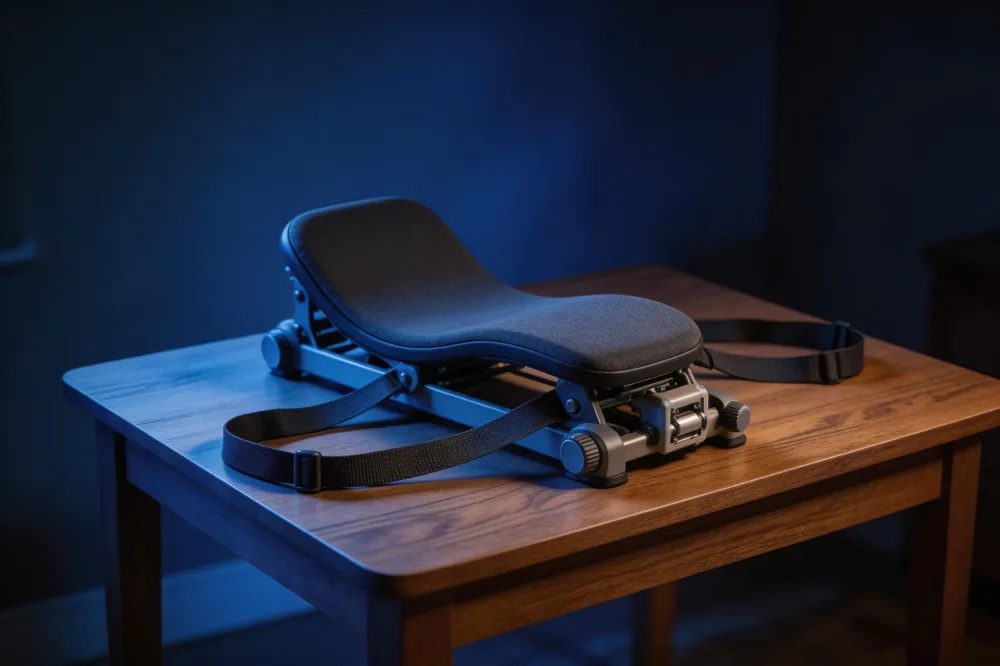
Home‑Based Spinal Decompression Devices: What Patients Should Know
Chiropractic Care Statistics: Reducing Lost Workdays From Back Pain

How Targeted Nutrition Enhances Immune Function and Lowers Inflammatory Pain

Self‑Assessment Tools to Identify Hidden Triggers of Back Pain

Preparing for Your First Chiropractic Appointment: A Practical Checklist

Back Pain Relief Benefits: Lower Opioid Use and Better Quality of Life

Foam‑Rolling Techniques to Complement Chiropractic Adjustments

Progressive Overload Principles in Corrective Exercise Programs

Six‑Month Transformation: Integrated Care Success Story

7 Nutritional Hacks to Boost Your Overall Wellness

How to Choose a Chiropractor: Credentials, Techniques, and Patient Compatibility

5 Ways Spinal Decompression Can Ease Sciatica Pain

Overcoming Sciatica: A Patient’s Multidisciplinary Treatment Journey

Lifestyle Changes That Promote a Healthy Spine
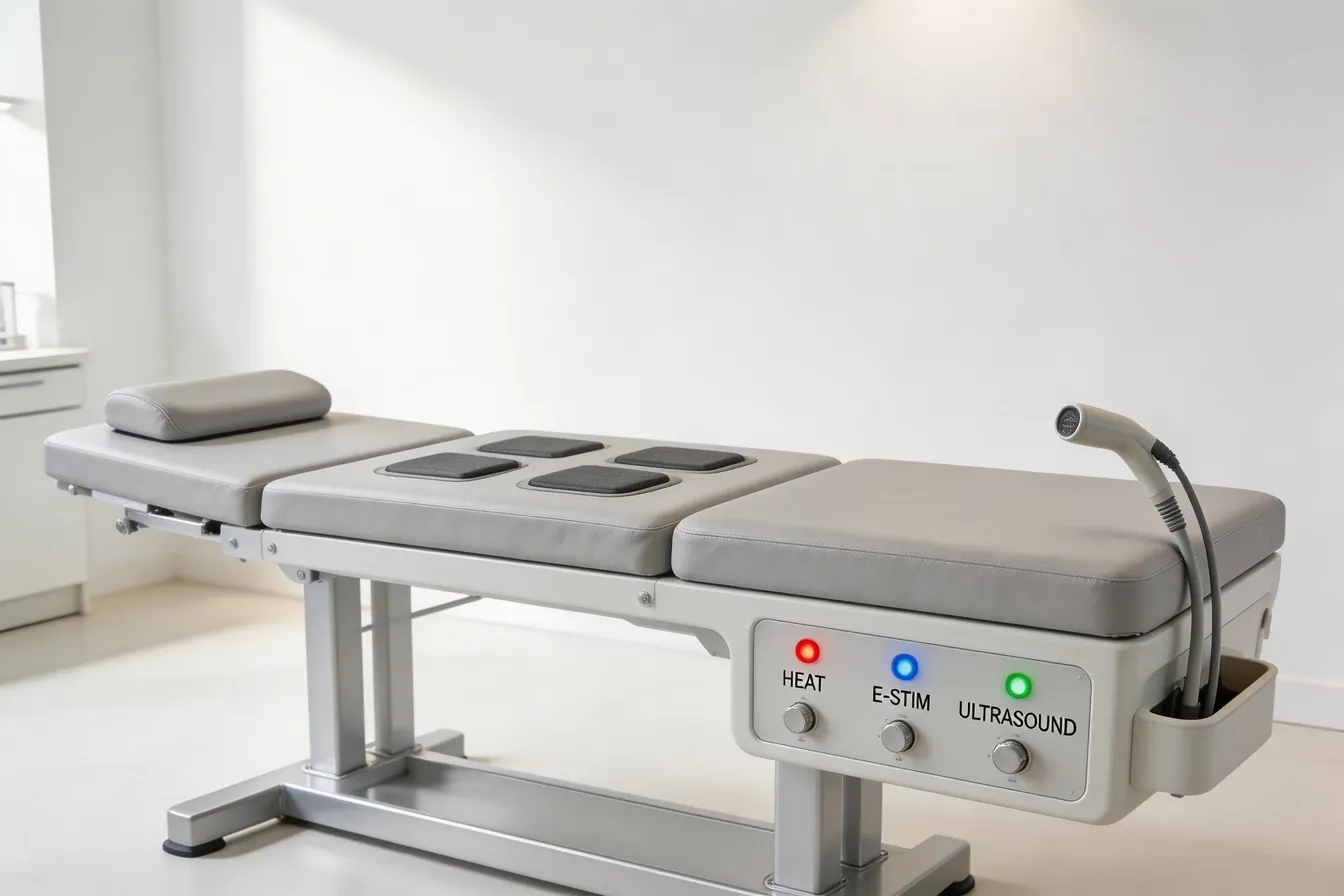
Physiotherapy as a Complement to Chiropractic Treatments

6 Ways Physiotherapy Enhances Chiropractic Treatment Outcomes

Daily Living Tips for a Strong and Healthy Spine

How Physiotherapy Enhances Chiropractic Outcomes

Holistic Treatments: Alternatives to Surgery for Pain Relief

Inspiring Patient Success Stories from Chiropractic Clinics

Integrating Physiotherapy with Chiropractic Treatments
Corrective Exercise Routines for Chronic Pain Prevention
10 Corrective Exercises to Maintain a Healthy Spine and Relieve Pain

Exercise Strategies for Long-Term Pain Management
10 Corrective Exercises to Maintain a Healthy Spine and Relieve Pain

The Importance of Treating the Root Cause of Pain

Nutritional Support Strategies for Whole-Body Wellness
7 Essential Questions to Ask When Choosing Your Chiropractor

Identifying and Addressing Root Causes of Pain

Maintaining a Healthy Spine with Lifestyle Adjustments
Sciatica Symptom Relief via Spinal Decompression

8 Reasons Why Addressing the Root Cause of Pain Is Crucial

Chiropractic Care’s Impact on Back Pain Recovery

Combining Physiotherapy with Chiropractic Care for Better Results

Inspiring Recovery: Chiropractic Patient Testimonials

Nutritional Counseling Tips for Optimal Wellness

Why Addressing the Root Cause of Pain is Crucial
Back Pain and Chiropractic Care: A Winning Combination

Chiropractic Care Benefits You Might Not Know
Exploring Holistic and Non-Surgical Treatments for Pain
Spinal Health: Lifestyle Tips for Everyday Wellness
Spinal Decompression Therapy: Benefits and Applications
Holistic and Non-Invasive Spine Care Options
Everyday Lifestyle Advice to Keep Your Spine Healthy

The Significance of Treating Root Causes in Pain Therapy
Best Corrective Exercises for Sustainable Pain Management

Addressing Underlying Causes of Pain for Long-Term Relief
6 Key Benefits of Spinal Decompression Therapy for Sciatica Relief

How Nutritional Counseling Supports Spine Health and Recovery

The Role of Physiotherapy in Supporting Chiropractic Treatments